Dimethicone
Silicone oil
No meaningful concern for most people; irritation is possible but rare.
Also written as: Polydimethylsiloxane · PDMS · Dimeticone
What it is
Dimethicone is a synthetic silicone polymer built from repeating silicon-oxygen units, made from silica (sand) rather than petroleum. Its molecules are too large to pass through the outer layer of skin, so it stays on the surface. Formulators use it because it spreads easily, cancels the greasy feel of oils, and forms a thin flexible film that slows water loss without feeling heavy.
How it shows up on a label
In face masks it is usually well down the ingredient list, giving the cream or sheet essence its slip and preventing it from feeling tacky as it dries.
What it does well
Reduces water loss from the skin surface without truly sealing it
In a controlled comparison of silicone-based and silicone-free emulsions, the silicone versions produced transepidermal water loss values comparable to untreated control skin, meaning they smooth and protect without behaving like an occlusive wax.
Moderate evidence
Improves texture and reduces the greasy feel of rich formulas
In the same in vivo comparison, volunteers scored the silicone-containing emulsions higher for silkiness, freshness and softness and lower for greasiness, with no irritation recorded.
Strong evidence
Does not clog pores in the way the popular claim suggests
The idea that silicones 'suffocate' skin or trap debris in pores is not supported by testing: dimethicone is chemically inert, is not metabolised by skin bacteria, and silicone emulsions did not produce occlusion in vivo. Comedogenicity data that circulate online often come from the rabbit-ear assay, which is known to over-predict reactions in human skin.
Moderate evidence
Worth knowing
Can feel like build-up if a product is not properly cleansed off
Dimethicone is water-repellent, so a light cleanser may leave a residue that feels slick. A normal surfactant cleanser removes it; this is a texture issue, not a safety one.
Matters most toPeople who use very rich silicone-heavy products and only rinse with water.
Where the EU stands
No specific restriction
Dimethicone itself is not restricted in EU cosmetics. The cyclic siloxanes D4, D5 and D6 that can occur as residues in silicone raw materials must each stay below 0.1% under REACH Annex XVII entry 70: since 31 January 2020 for D4 and D5 in wash-off cosmetics, and from 6 June 2027 for all other cosmetic products, including leave-on products such as masks.
Regulation (EC) No 1223/2009 - no annex entry for dimethicone, which Annex VI entries 27a and 30a name only as a permitted coating on titanium dioxide (nano) and zinc oxide (nano); the D4/D5/D6 residue limit sits in REACH Annex XVII entry 70, not in this Regulation · source ↗
Sources (2)
Every link goes to the original: a journal, a PubMed record or an EU document.
- [1]A comparison between silicone-free and silicone-based emulsions: Technological features and in vivo evaluation
International Journal of Cosmetic Science · 2022 · doi:10.1111/ics.12800
Silicone-based emulsions were stable, non-irritating and did not cause skin occlusion, with transepidermal water loss comparable to control skin.
- [2]Analysis of comedone, sebum and porphyrin on the face and body for comedogenicity assay
Skin Research and Technology · 2016 · doi:10.1111/srt.12244
Human facial and back testing gives more reliable comedogenicity results than the rabbit-ear model, which over-reacts to materials that do not cause comedones in people.
Masks that contain Dimethicone
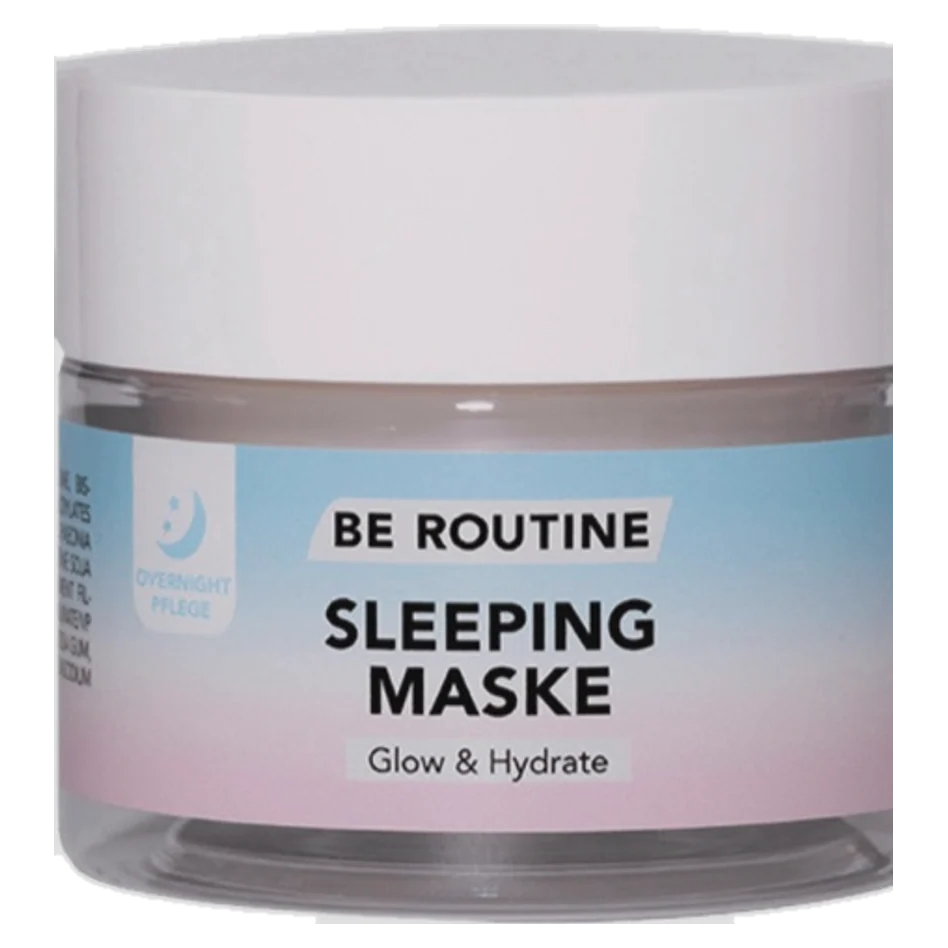
Be Routine
Schlafmaske Glow & Hydrate
4th of 27 on the label
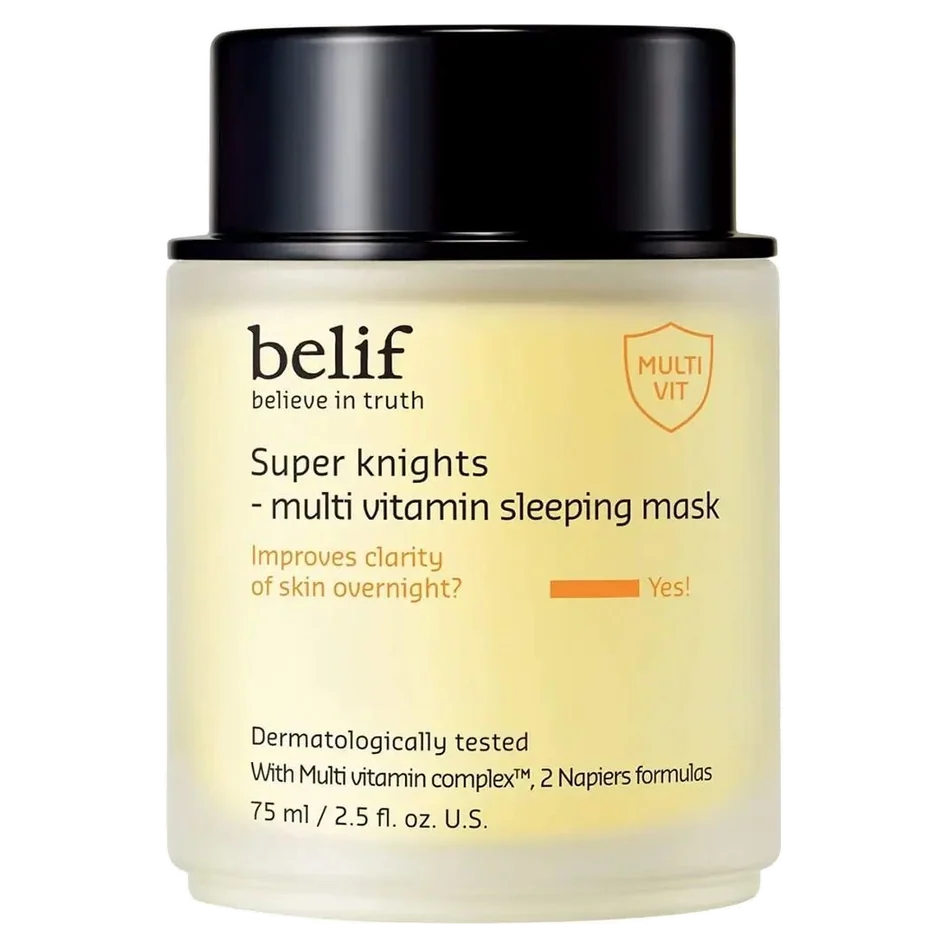
belif
Super Knights Vitamin Mask
5th of 26 on the label
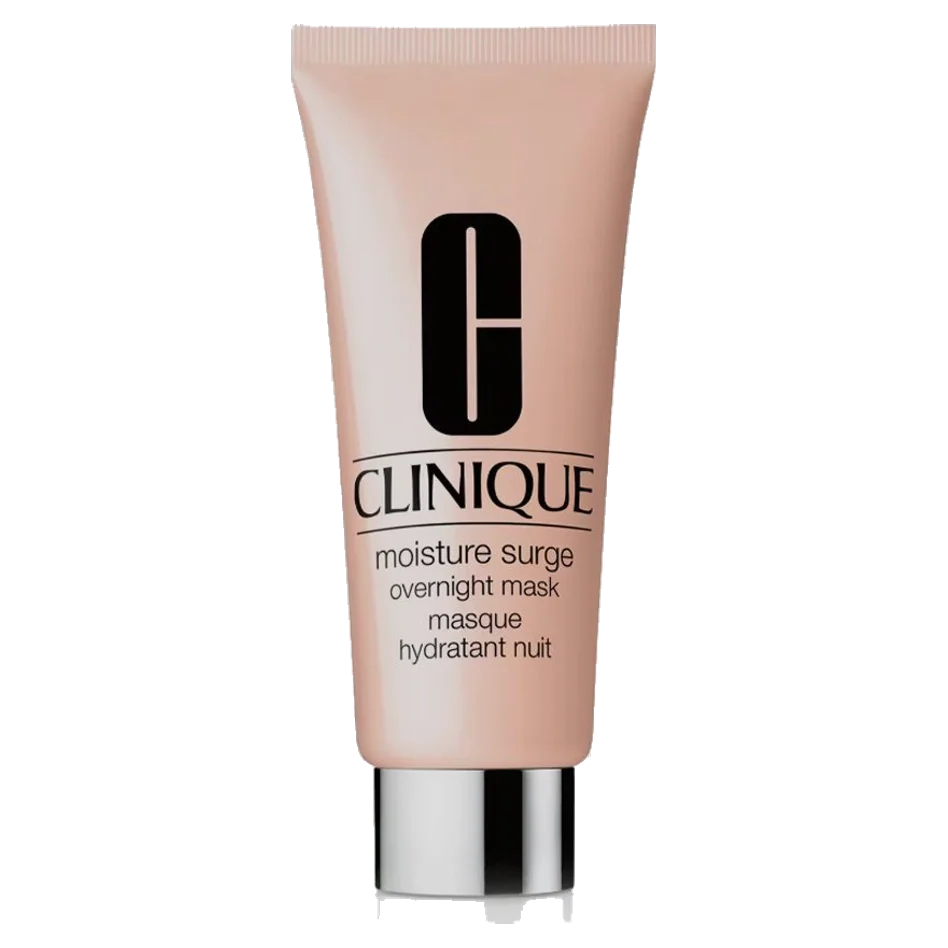
Clinique
Moisture Surge Overnight Mask
4th of 42 on the label
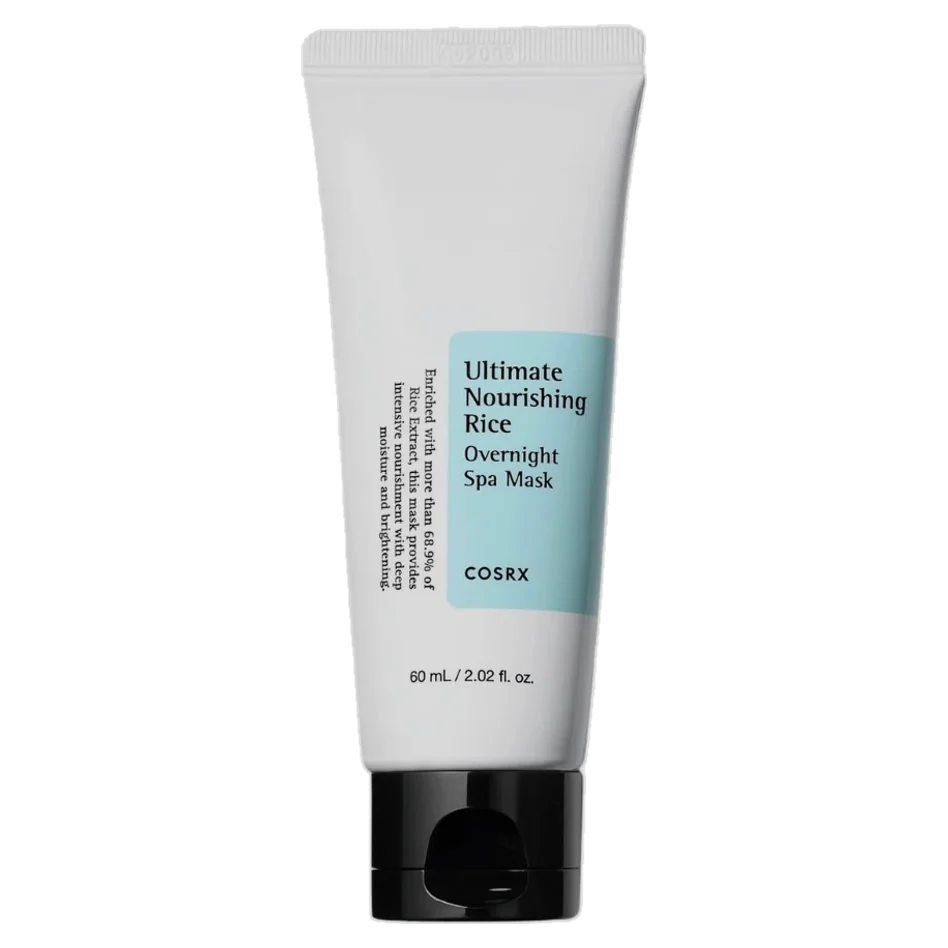
COSRX
Ultimate Nourishing Rice Overnight Spa Mask
7th of 19 on the label
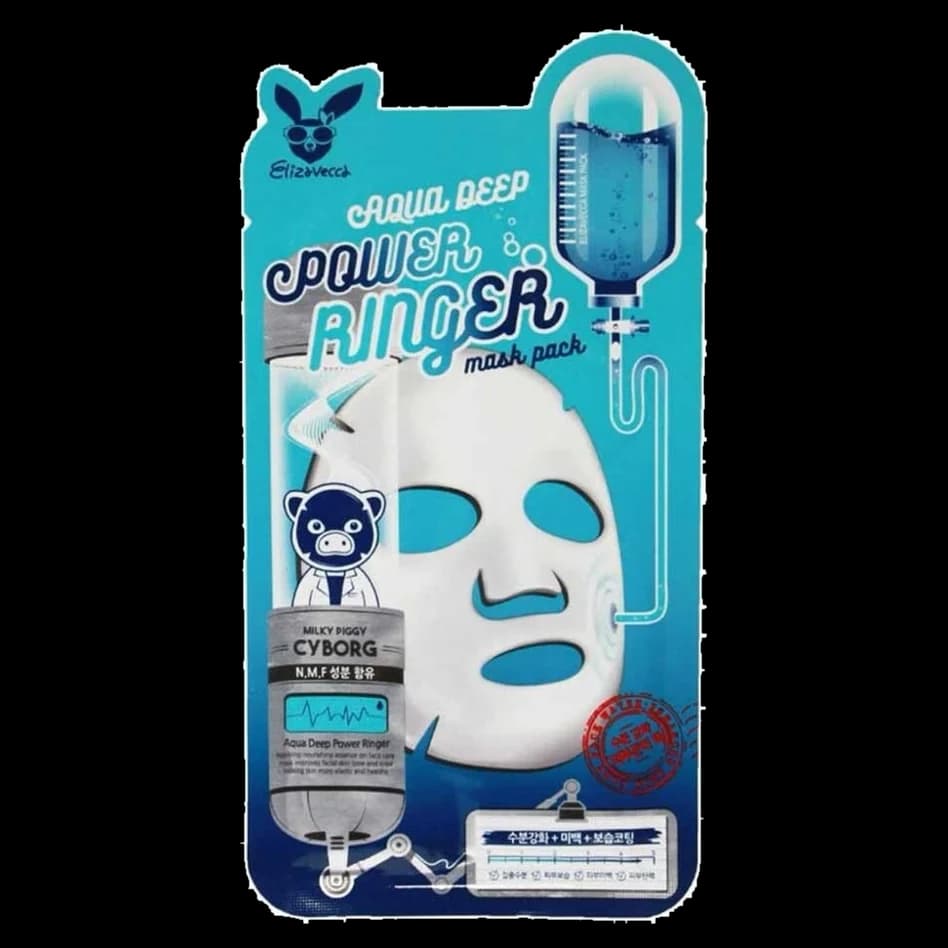
Elizavecca
Aqua Deep Power Ringer Mask Pack
7th of 28 on the label
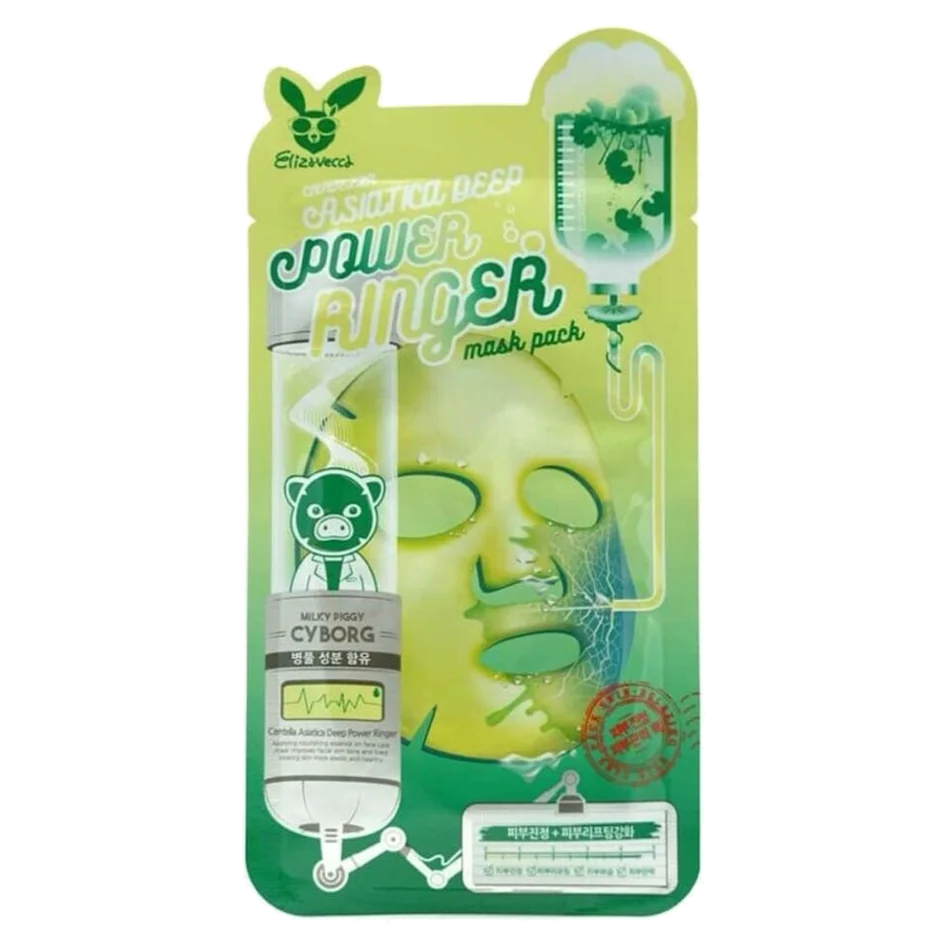
Elizavecca
Centella Deep Power Ringer Mask Pack
8th of 22 on the label
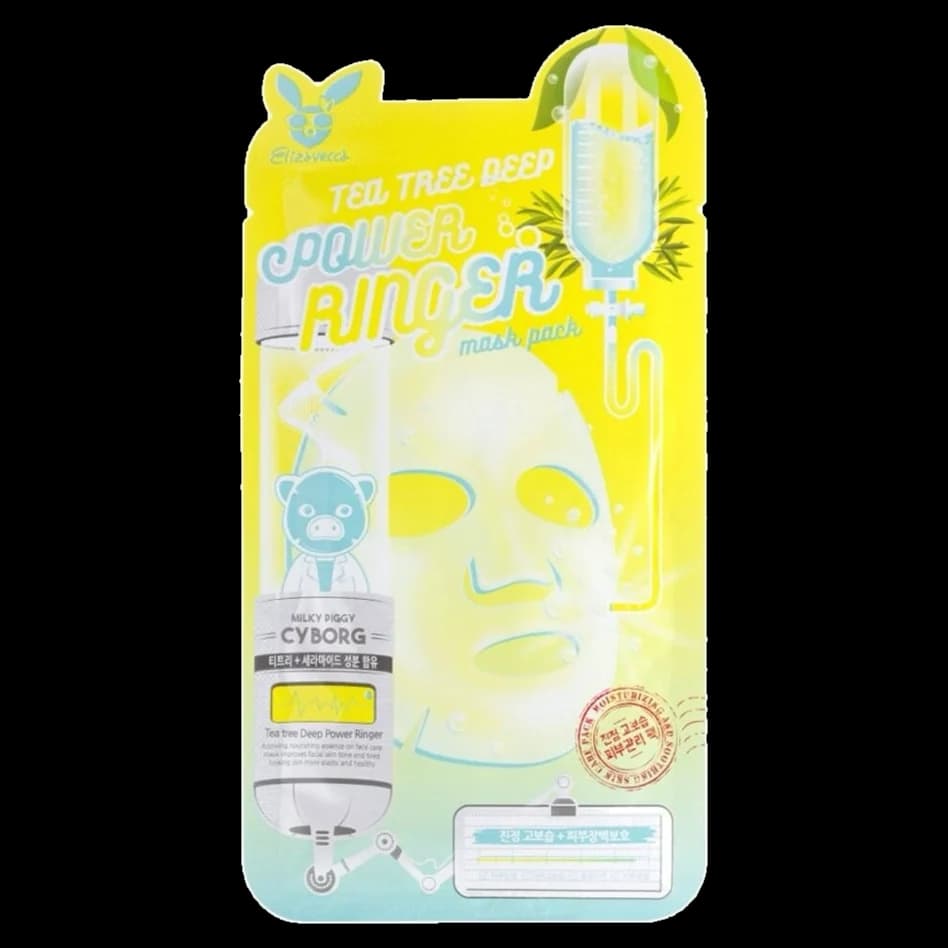
Elizavecca
Tea Tree Deep Power Ringer Mask Pack
7th of 23 on the label
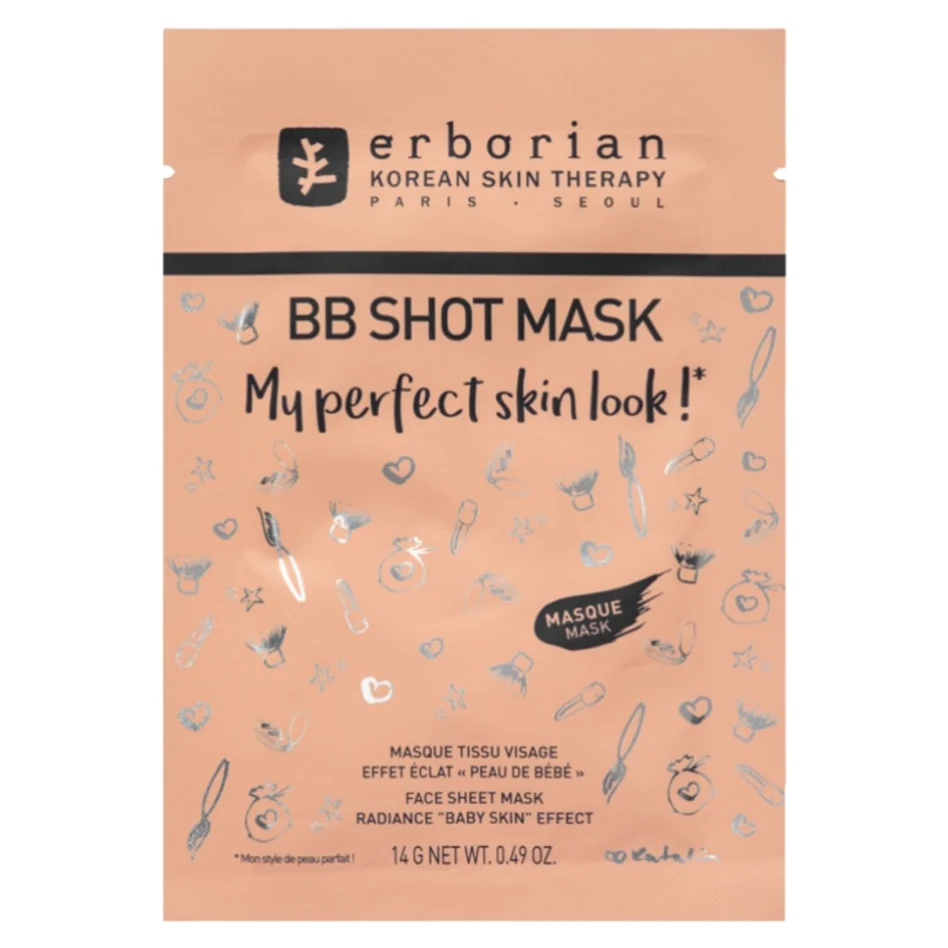
Erborian
BB Shot Mask
4th of 34 on the label
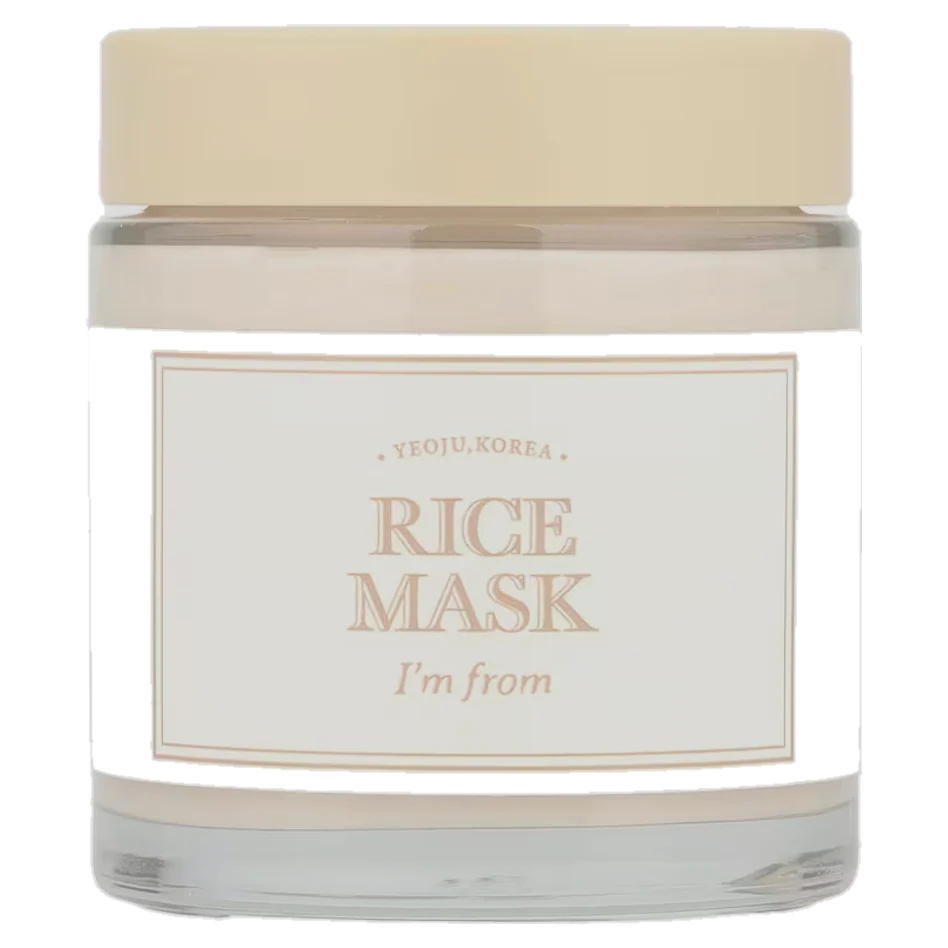
I'm From
Rice Mask
21st of 43 on the label
below ≈1%
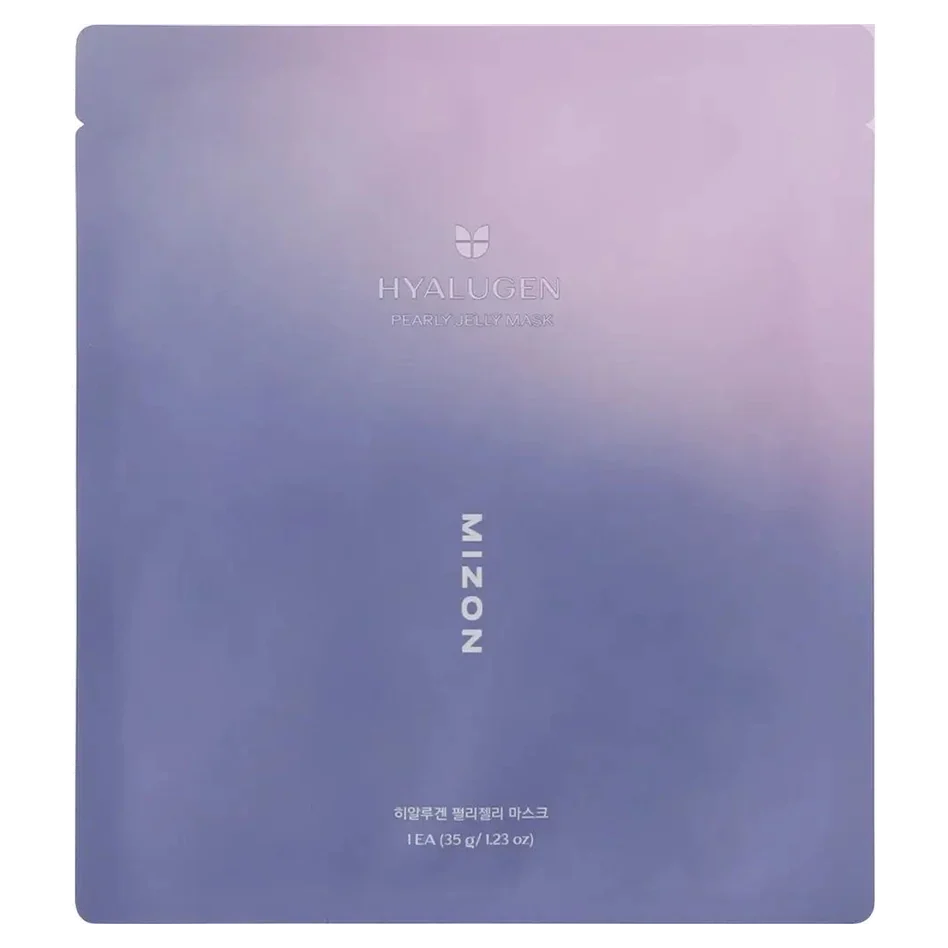
MIZON
Hyalugen Pearly Jelly Mask
16th of 19 on the label
below ≈1%
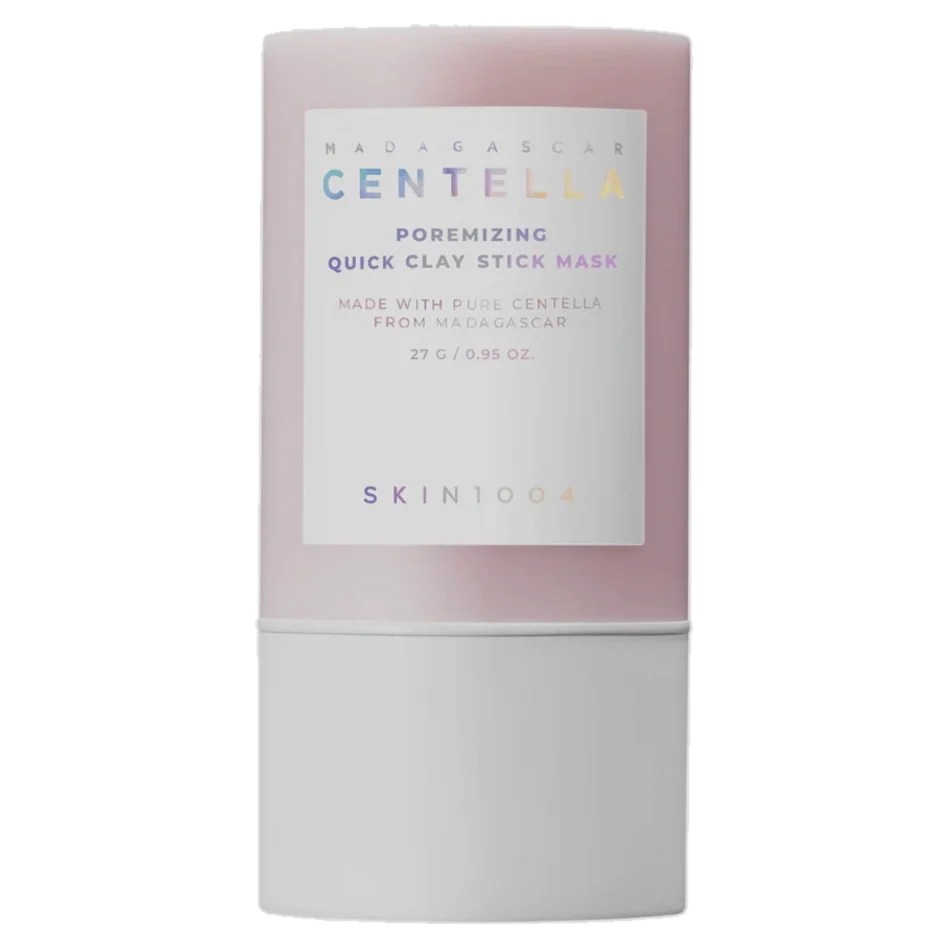
SKIN1004
Madagascar Centella Poremizing Quick Clay Stick Mask
15th of 23 on the label
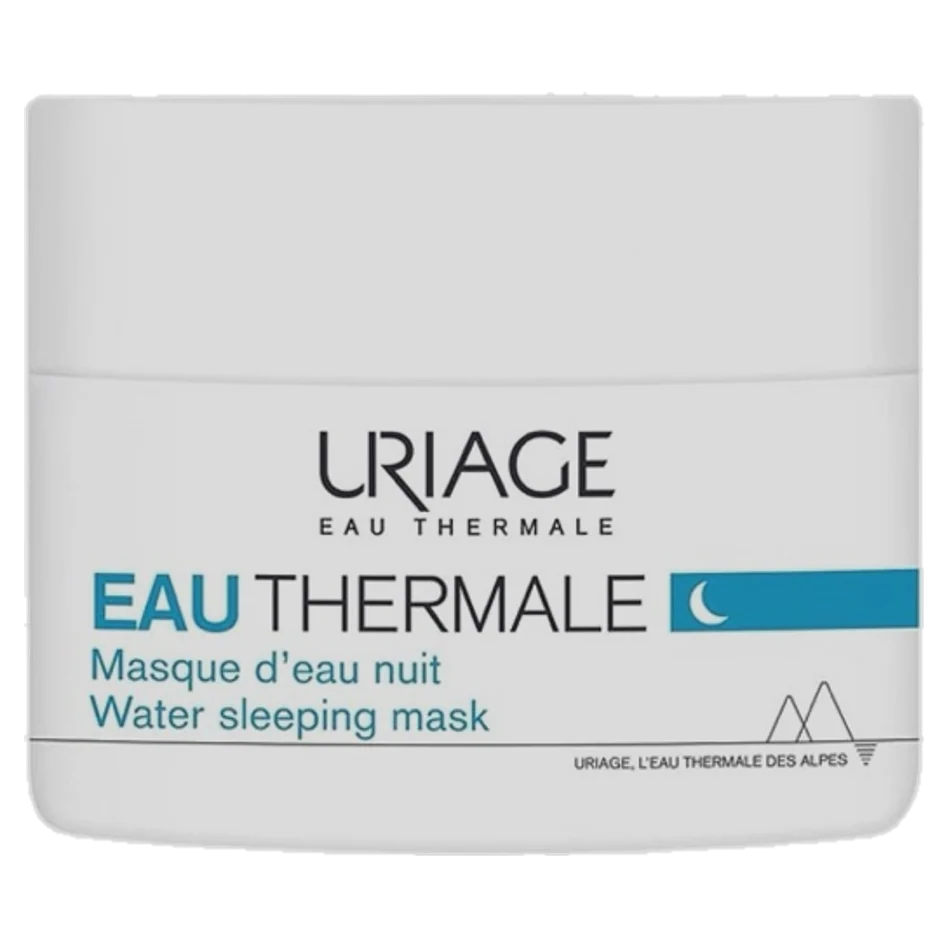
Uriage
Eau Thermale Water Sleeping Mask
3rd of 29 on the label