Zinc Oxide
Zinc oxide
No meaningful concern for most people; irritation is possible but rare.
Also written as: CI 77947 · ZnO · Zinc Oxide (nano) · Calamine (in part)
What it is
Zinc oxide is an inorganic white powder, insoluble in water, with a long history in nappy creams and calamine lotion. In masks it is used for its mild astringent and skin-protecting effect, for oil absorption and as a white pigment. In sunscreens it is a broad-spectrum mineral UV filter. It sits on the skin surface rather than being absorbed.
How it shows up on a label
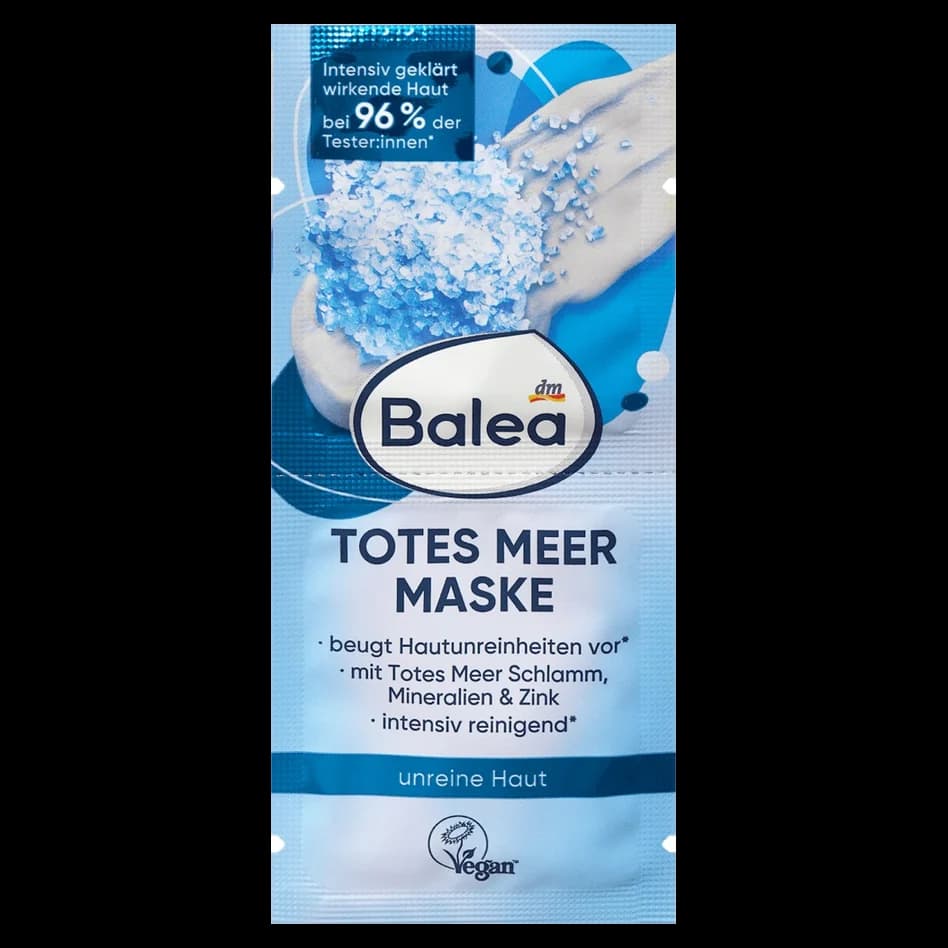
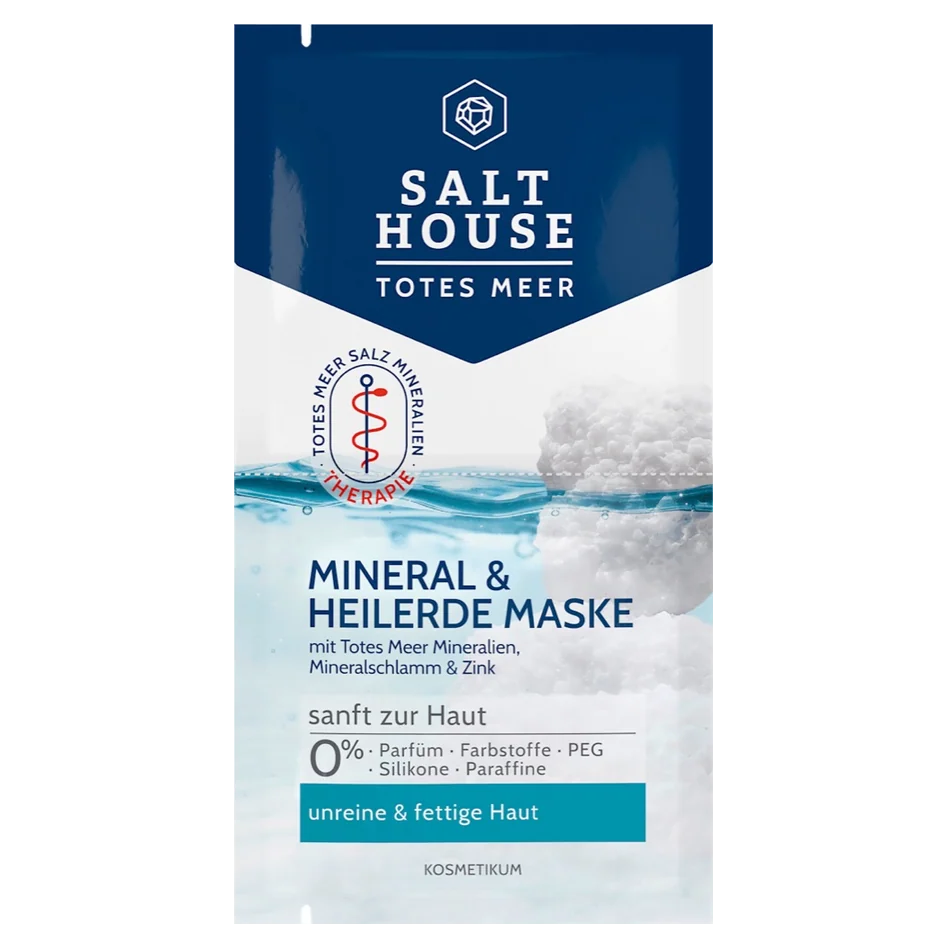
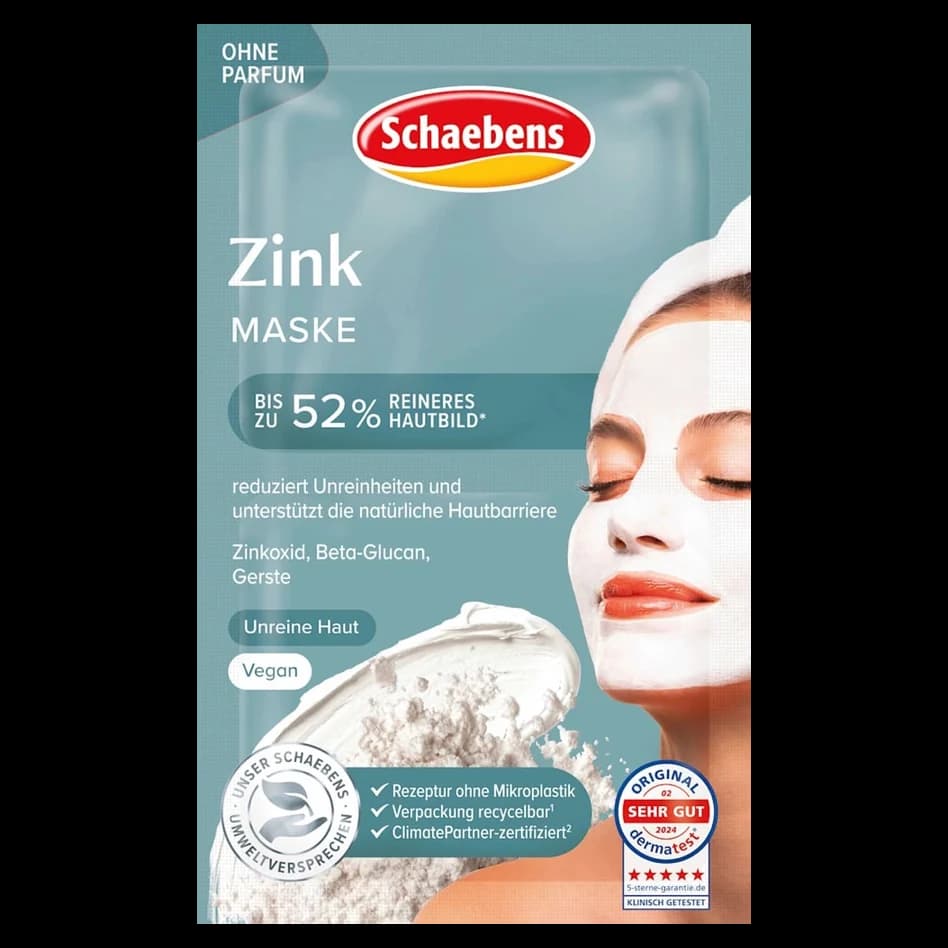
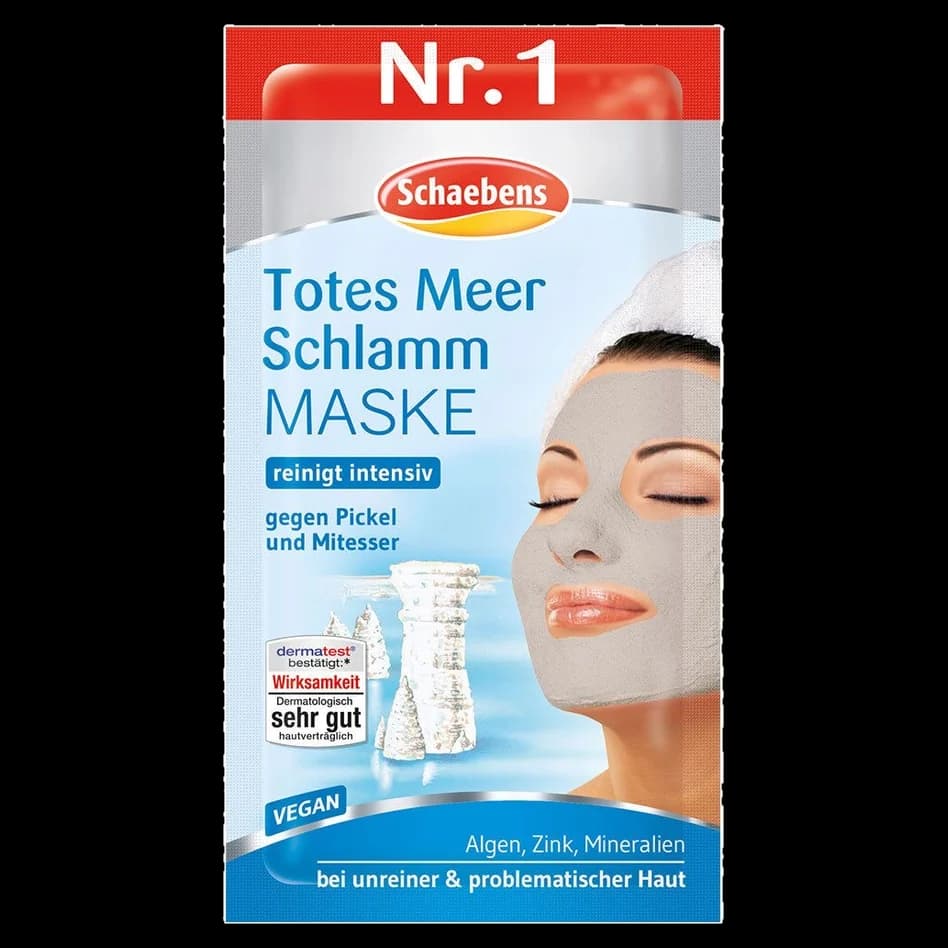
In a face mask this is a soothing and oil-absorbing ingredient, not a sunscreen - a wash-off product gives no meaningful sun protection.
What it does well
Soothes and protects irritated skin
Its long-standing use in barrier and nappy-rash creams reflects a genuine protective, mildly astringent effect on inflamed skin. It is one of the reasons zinc oxide turns up in masks aimed at blemish-prone skin.
Moderate evidence
Broad-spectrum mineral UV protection
Zinc oxide covers UVA and UVB and is permitted in the EU up to 25% as a UV filter. This matters in sunscreens rather than in a wash-off mask.
Strong evidence
Worth knowing
Nano forms must not be used where they could be inhaled
The nano form is permitted as a UV filter up to 25% but not in applications that could expose the lungs, such as sprays and loose powders, and must be declared as '(nano)' on the label. The SCCS reviewed the nano form and its dermal safety in detail.
Matters most toUsers of spray or powder sunscreens; not relevant to creams or masks.
Can leave a white cast and feel drying
As an opaque white mineral it can leave a visible film on deeper skin tones, and at high levels its oil absorption can feel dehydrating.
Matters most toPeople with deeper skin tones or dry skin.
Where the EU stands
Concentration-restricted
Permitted as a UV filter up to 25%, in both conventional and nano form, and in neither form may it be used where the end-user's lungs could be exposed by inhalation; the nano form carries further conditions on purity, particle size and coating. Separately listed as the permitted colourant CI 77947 with no concentration limit, under the same inhalation condition.
Regulation (EC) No 1223/2009, Annex VI entries 30 and 30a (nano); Annex IV entry 144 (CI 77947) · source ↗
Sources (1)
Every link goes to the original: a journal, a PubMed record or an EU document.
- [1]Opinion on Zinc oxide (nano form) (SCCS/1489/12)
SCCS - Scientific Committee on Consumer Safety, European Commission · 2012
The committee assessed nano zinc oxide for use as a UV filter and set the basis for its authorisation on skin while excluding applications that could lead to inhalation exposure.