Acetyl Hexapeptide-8
Argireline
No meaningful concern for most people; irritation is possible but rare.
Also written as: Acetyl Hexapeptide-3 · Argireline
What it is
Acetyl Hexapeptide-8 is a short synthetic peptide modelled on part of a protein involved in releasing neurotransmitters at nerve endings, which is where the 'Botox in a jar' framing comes from. In practice a peptide of this size penetrates the intact stratum corneum poorly, and there is no evidence it reaches facial muscle. Whatever surface smoothing it produces is far removed from an injectable effect.
How it shows up on a label
Usually supplied as a dilute trade solution, so its position on the label overstates how much peptide is actually present.
What it does well
Modest reduction in the appearance of expression lines
The founding study reported around a 30% reduction in wrinkle depth after 30 days using a 10% solution in an oil-in-water emulsion, but it involved only 10 volunteers and was conducted by the peptide's developers. Independent replication is scarce, and most marketed products contain far less than 10%.
Limited evidence
Worth knowing
Claims often outrun the evidence
Comparisons to injectable neuromodulators are not supported. The peptide is well tolerated and unlikely to cause harm; the realistic concern is paying a premium for a small, poorly evidenced effect.
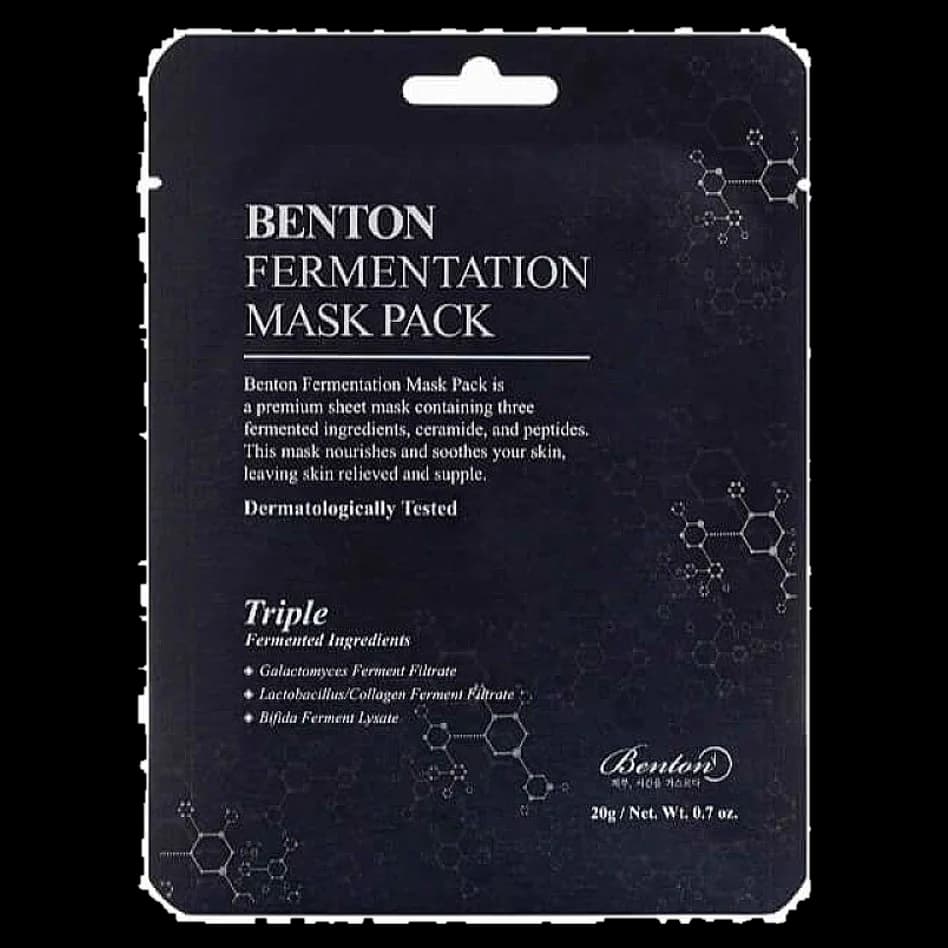
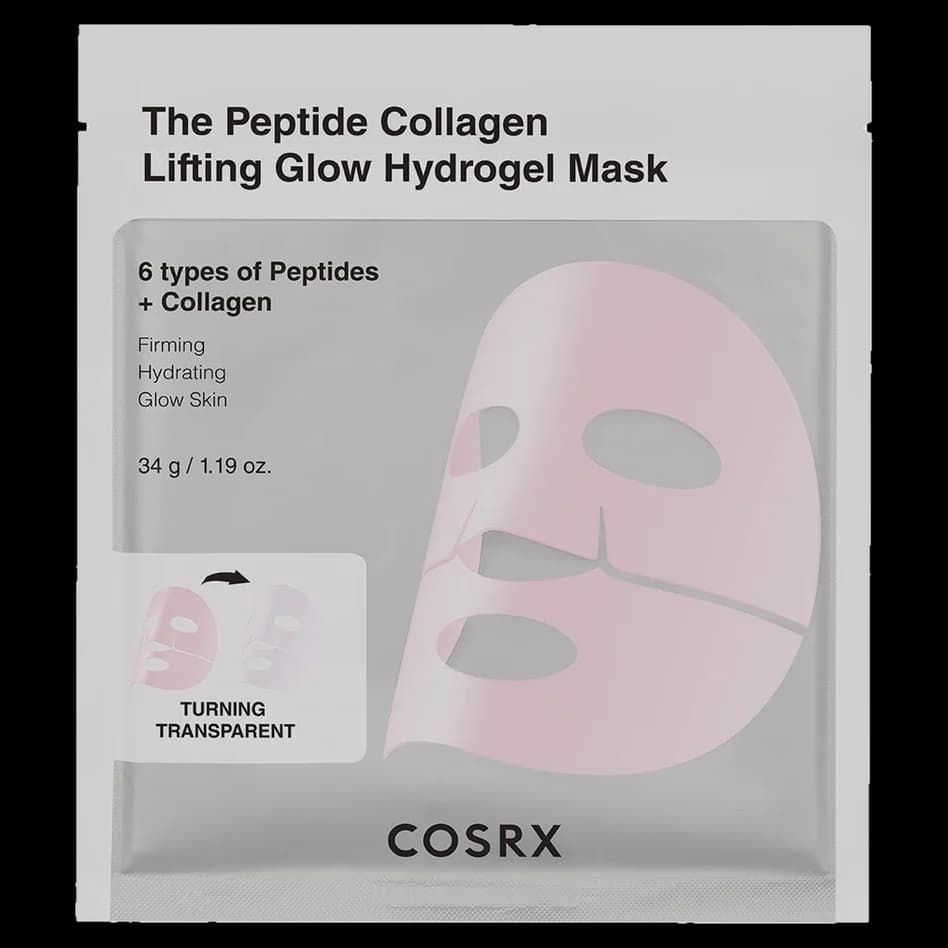
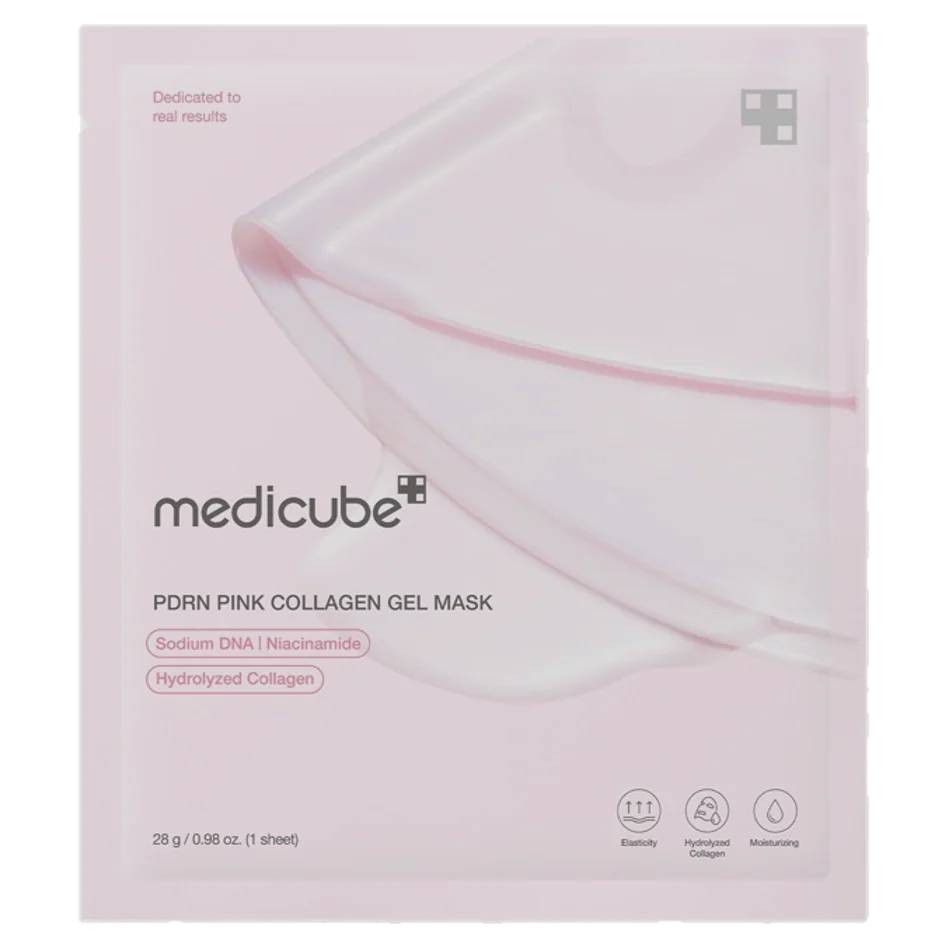
Matters most toAnyone buying a mask primarily for its 'peptide' claim.
Where the EU stands
No specific restriction
Not listed in Annex II, III or V of the EU Cosmetics Regulation; no concentration limit applies.
Sources (1)
Every link goes to the original: a journal, a PubMed record or an EU document.
- [1]A synthetic hexapeptide (Argireline) with antiwrinkle activity
International Journal of Cosmetic Science · 2002 · doi:10.1046/j.1467-2494.2002.00153.x
Reported roughly a 30% reduction in wrinkle depth after 30 days of 10% Argireline in an emulsion, in a small study by the compound's developers.