Sodium Laureth Sulfate
SLES
Genuinely relevant for some people, or depends on dose and pH.
Also written as: SLES · Sodium Lauryl Ether Sulfate
What it is
Sodium laureth sulfate is a detergent made by adding a few ethylene oxide units to lauryl alcohol before sulfating it. Those extra units make the molecule bulkier and less able to disrupt skin proteins than sodium lauryl sulfate (SLS). It is the workhorse foaming agent of shampoos and cleansers, and turns up in wash-off masks and cleansing balms rather than leave-on ones.
How it shows up on a label
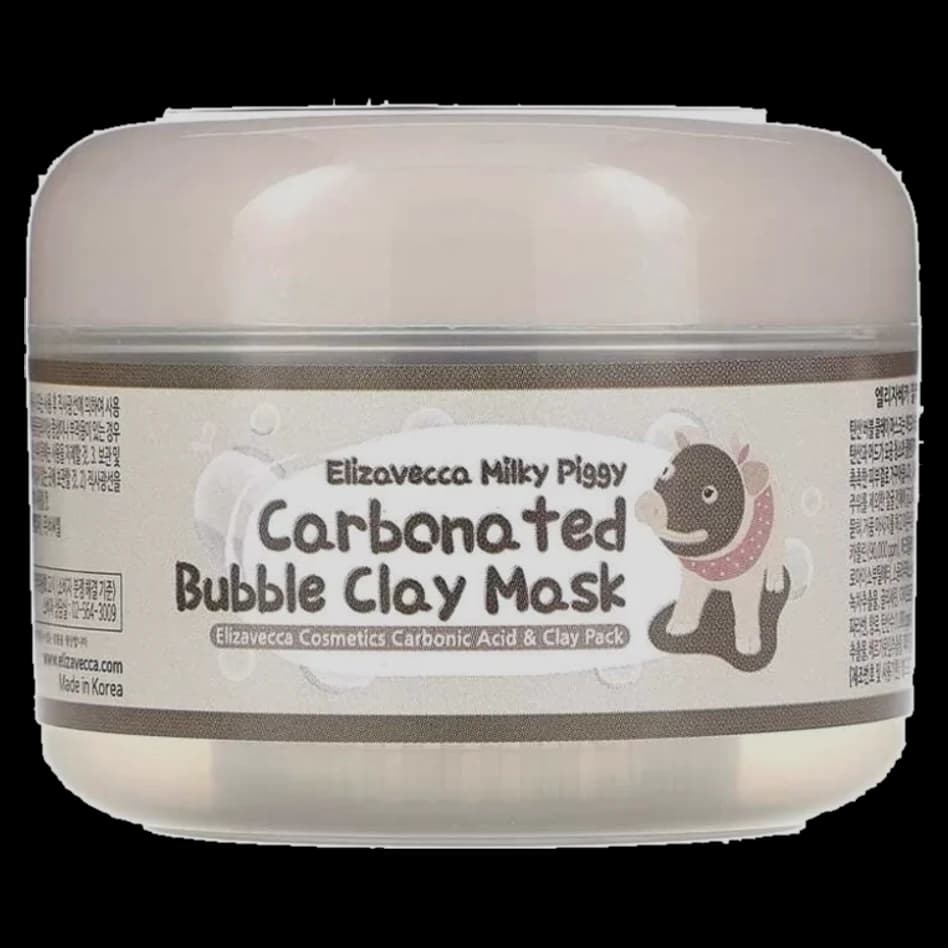
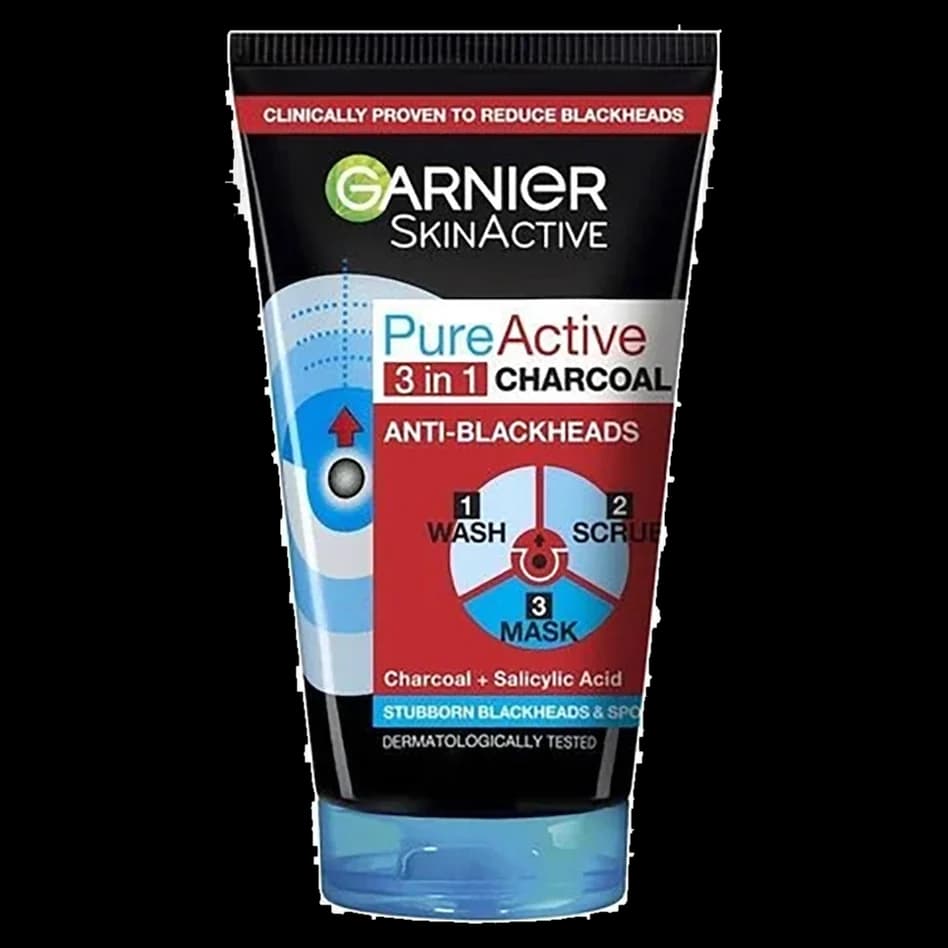
Appropriate in a rinse-off cleansing or clay mask; it should not appear in a leave-on sheet mask essence.
What it does well
Cleans and foams efficiently at low cost
It removes sebum, sunscreen and make-up reliably and produces the lather most people associate with 'clean', which is why it remains standard in rinse-off products.
Strong evidence
Measurably milder than sodium lauryl sulfate
Head-to-head human washing studies distinguish the two: SLES produces less subclinical skin-surface disruption than SLS at comparable use. This is the evidence behind 'SLS-free' claims, though SLES is still a detergent, not a mild one in absolute terms.
Moderate evidence
Worth knowing
Can dry or tighten skin with frequent or prolonged contact
Like all anionic sulfate detergents it removes some skin lipids and can raise water loss if used often, left on too long, or used in hot water. In a rinse-off mask used once or twice a week this is a minor issue.
Matters most toPeople with dry, eczema-prone or sensitive skin, and anyone cleansing more than twice a day.
Stings eyes
It is a mucous-membrane irritant at cleansing concentrations, so keep wash-off masks away from the eye area.
Matters most toEveryone using it near the eyes; contact-lens wearers in particular.
1,4-dioxane residue from the ethoxylation step
Because SLES is ethoxylated, the raw material can contain traces of 1,4-dioxane. It is removed by vacuum stripping and controlled in the EU through the general ban on 1,4-dioxane as an ingredient plus the technically-unavoidable-traces rule; residues in finished products are typically at parts-per-million level and it is rinsed off.
Matters most toConsumers comparing 'sulfate-free' claims; this is a supplier-quality issue rather than an inherent property.
Where the EU stands
No specific restriction
No concentration limit in EU cosmetics. Residual 1,4-dioxane and ethylene oxide are covered by the prohibition of those substances plus the technically unavoidable traces provision in Article 17.
Regulation (EC) No 1223/2009, Article 17 (traces of prohibited substances) · source ↗
Sources (3)
Every link goes to the original: a journal, a PubMed record or an EU document.
- [1]Subclinical, non-erythematous irritation with an open assay model (washing): sodium lauryl sulfate (SLS) versus sodium laureth sulfate (SLES)
Food and Chemical Toxicology · 2001 · doi:10.1016/s0278-6915(00)00132-0
A realistic washing model could distinguish the two surfactants, detecting subclinical skin-surface changes and separating SLS from the milder SLES.
- [2]Soapwort (Saponaria officinalis L.) Extract vs. Synthetic Surfactants-Effect on Skin-Mimetic Models
Molecules · 2021 · doi:10.3390/molecules26185628
Anionic surfactants including SLS and SLES dissolved substantially more skin protein and lipid than plant-derived alternatives in skin-mimetic models.
- [3]The Role of TRPV1 Channel in Cosmetic Safety Evaluation
ACS Omega · 2026 · doi:10.1021/acsomega.5c10830
Anionic surfactants activated the skin's TRPV1 irritation pathway more than amino-acid-based and non-ionic surfactants, which were consistently milder.