Decyl Glucoside
Genuinely relevant for some people, or depends on dose and pH.
Also written as: Alkyl polyglucoside · APG
What it is
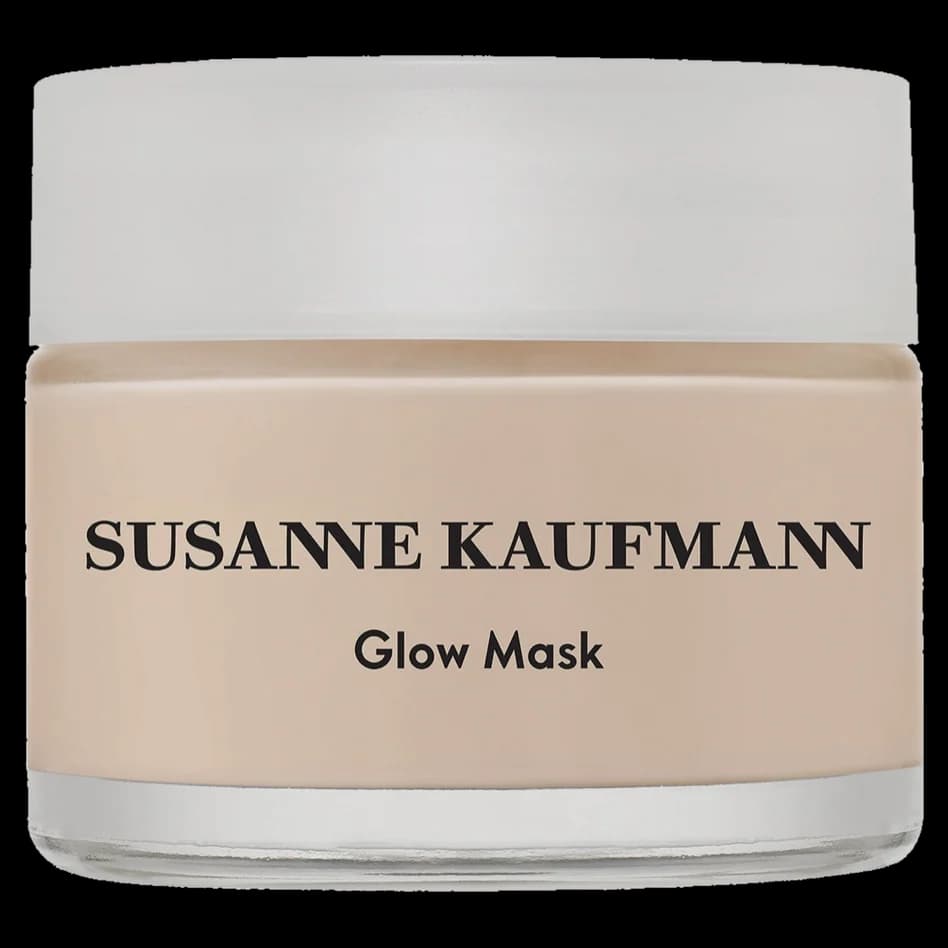
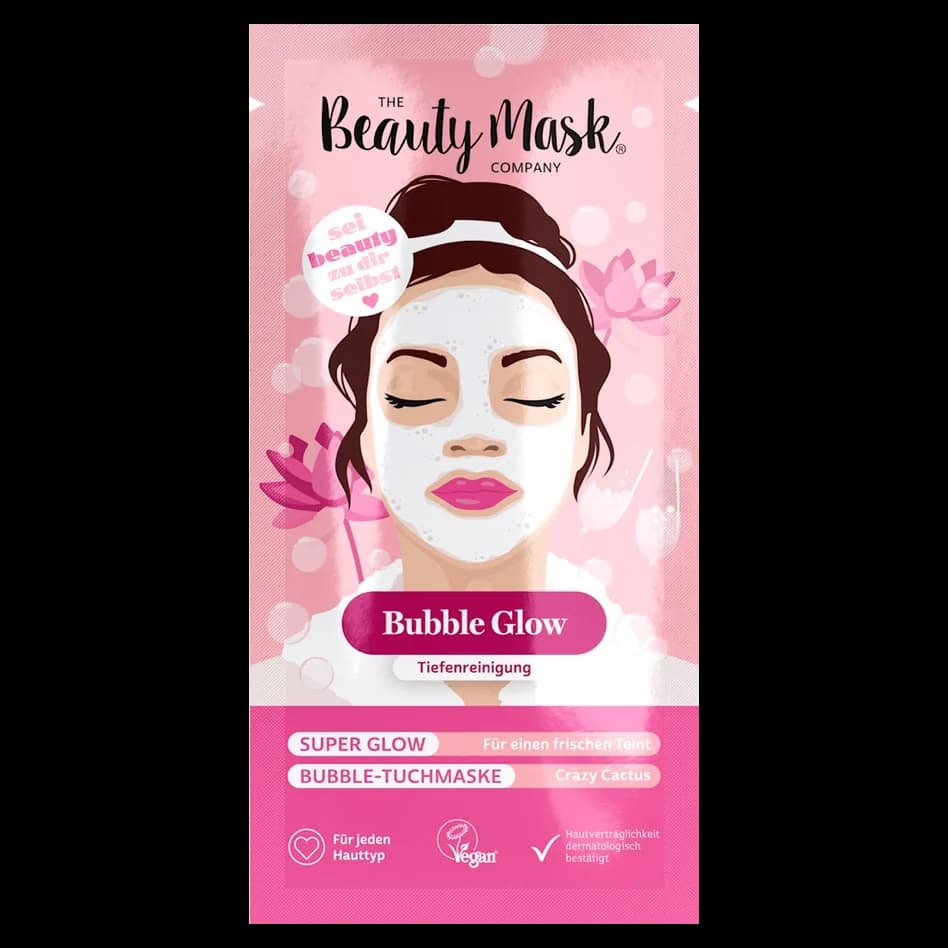
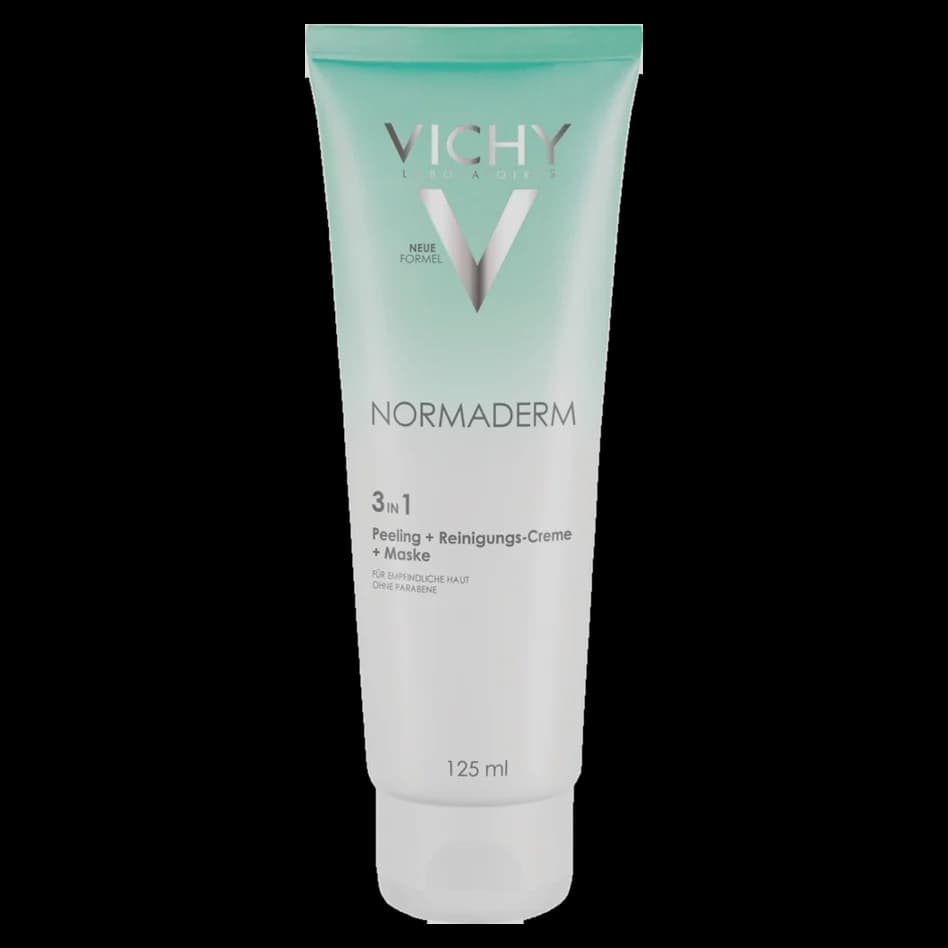
Decyl glucoside is made by joining glucose to decyl alcohol, giving a non-ionic surfactant that is biodegradable and much less protein-disruptive than sulfate detergents. It is the standard mild foaming agent in sulfate-free and natural-certified cleansers, including many wash-off masks.
How it shows up on a label
Common in sulfate-free wash-off masks. 'Gentle' here refers to irritation, not to allergy risk, which is genuinely higher than for many alternatives.
What it does well
Cleanses gently, with far less barrier disruption than sulfate detergents
Non-ionic sugar surfactants interact much less with skin proteins and lipids than anionic surfactants, which is why they are chosen for sensitive-skin cleansers.
Moderate evidence
Worth knowing
A recognised contact allergen, more often positive in people with eczema
Decyl glucoside is one of the few 'gentle' surfactants with a documented sensitisation record. In a large patch-test analysis it was positive in 14.3% of patients with atopic dermatitis versus 3.1% without, and glucoside reactions are frequent in children, though many of those are weak or irritant rather than true allergy.
Matters most toPeople with atopic dermatitis or eczema, and anyone who has reacted to a 'natural' or sulfate-free cleanser.
Where the EU stands
No specific restriction
No EU restriction on use or concentration in cosmetics.
Regulation (EC) No 1223/2009 - no annex entry · source ↗
Sources (2)
Every link goes to the original: a journal, a PubMed record or an EU document.
- [1]Contact Allergy to Preservatives and Emulsifiers in Patients With or Without Atopic Dermatitis
Contact Dermatitis · 2026 · doi:10.1111/cod.70036
Patients with atopic dermatitis reacted to decyl glucoside far more often than those without (14.3% versus 3.1%).
- [2]Frequent Positive Patch Test Reactions to Glucosides in Children: A Call for Caution?
Contact Dermatitis · 2025 · doi:10.1111/cod.14812
Positive glucoside patch tests were common in children, but most were weak reactions requiring careful interpretation rather than firm allergy diagnoses.