Mica
Mica
No meaningful concern for most people; irritation is possible but rare.
Also written as: CI 77019 · Muscovite · Potassium Aluminium Silicate
What it is
Mica is a group of layered silicate minerals that split into extremely thin, flexible flakes. Those flakes reflect light, which is why mica gives a pearly shimmer and a soft-focus finish. It is used both on its own and as the substrate for coated pearlescent pigments, where a thin layer of titanium dioxide or iron oxide is deposited on the flake to create colour-shifting effects.
How it shows up on a label
Look for Synthetic Fluorphlogopite on the label if you want the same optical effect from a lab-grown substrate.
What it does well
Softens the look of the skin by scattering light
The flakes diffuse reflected light, which visually blurs texture and fine lines while the product is on. The effect is optical and disappears when the product is removed.
Moderate evidence
Worth knowing
Loose mica powder should not be inhaled
As with other mineral powders, breathing in airborne dust is worth avoiding, which is a handling issue for loose products rather than for a wet mask.
Matters most toUsers of loose shimmer powders.
Sourcing rather than safety is the live issue
Child labour in natural mica mining, particularly in parts of India and Madagascar, is a documented supply-chain problem. It is an ethical concern rather than a skin-safety one, and some brands respond by using synthetic fluorphlogopite instead.
Matters most toBuyers who factor supply-chain ethics into purchasing decisions.
Where the EU stands
Class entry may apply
Mica is named in none of the annexes of the Cosmetics Regulation, and its Colour Index number, CI 77019, is absent from the Annex IV list of permitted colourants - Annex IV mentions mica only as one of the impurities that may occur in natural hydrated aluminium silicate (CI 77004). Annex IV is a positive list, so a substance used mainly to colour a product has to appear on it. What has changed is that an absent name no longer settles whether a limit applies: Regulation (EU) 2026/909 added Annex III entry 381, a class entry over aluminium-containing ingredients, capping aluminium in the finished product at 0.89% (as Al) for face and body rinse-off products and 10.59% (as Al) for face leave-on, from 1 January 2027. Mica is a potassium aluminium silicate and none of the entries entry 381 excepts covers it - CI 77019 is not among them. The SCCS opinion the cap rests on records mica among the insoluble powder ingredients that, on the account put to it, do not release aluminium on inhalation or skin contact, so whether the class entry is meant to reach it is genuinely unsettled.
Regulation (EC) No 1223/2009 - no annex entry; CI 77019 is not in the Annex IV list of permitted colourants, which names mica only as a possible impurity of CI 77004; Annex III entry 381 (aluminium-containing ingredients), added by Regulation (EU) 2026/909 and renumbered from 379 by the corrigendum at OJ L, 2026/90354, 5.5.2026 · source ↗
Sources (1)
Every link goes to the original: a journal, a PubMed record or an EU document.
- [1]Opinion on the safety of aluminium in cosmetic products - Submission IV (SCCS/1662/23)
Scientific Committee on Consumer Safety (SCCS), European Commission · 2024
The opinion that set the EU's aluminium limits records powder products as being formulated with insoluble ingredients such as kaolin, mica and perlite, which on the account put to the committee do not release aluminium on inhalation or skin contact; the SCCS reached the same conclusion for talc, allowing talc with an aluminium content of up to 2% in cosmetics.
Masks that contain Mica
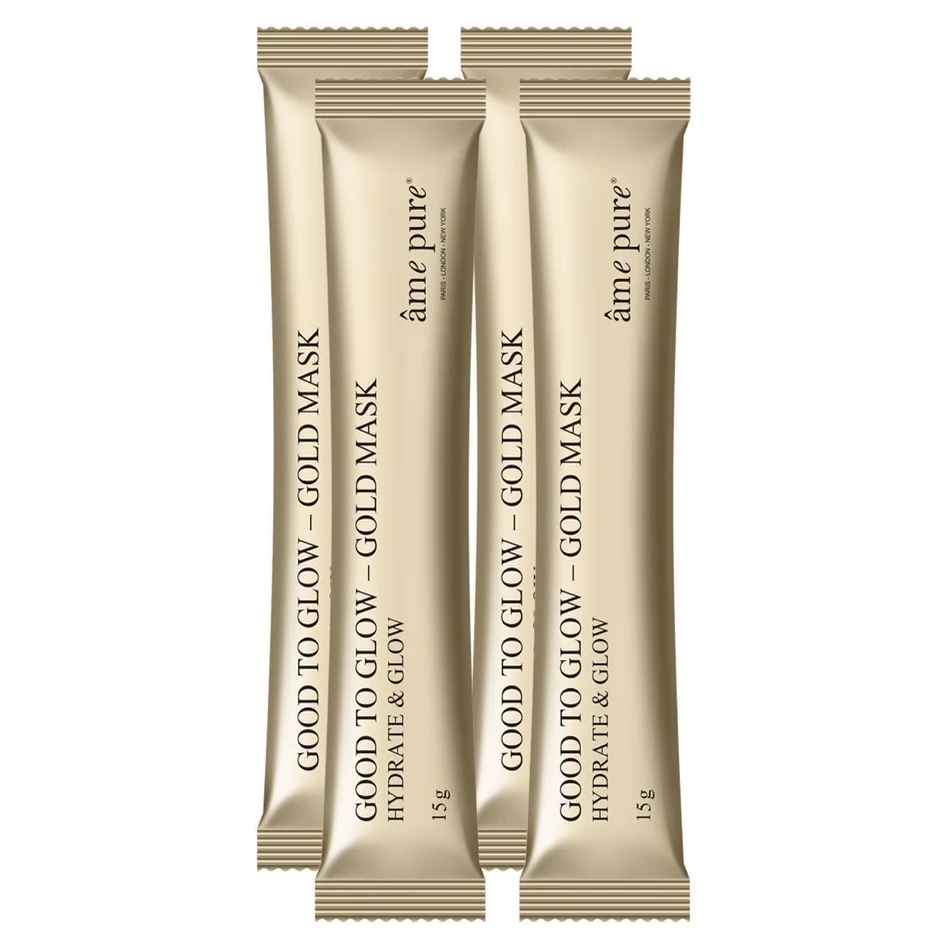
âme pure
Jelly Glow Rubber Mask - Gold Routine Set
12th of 26 on the label
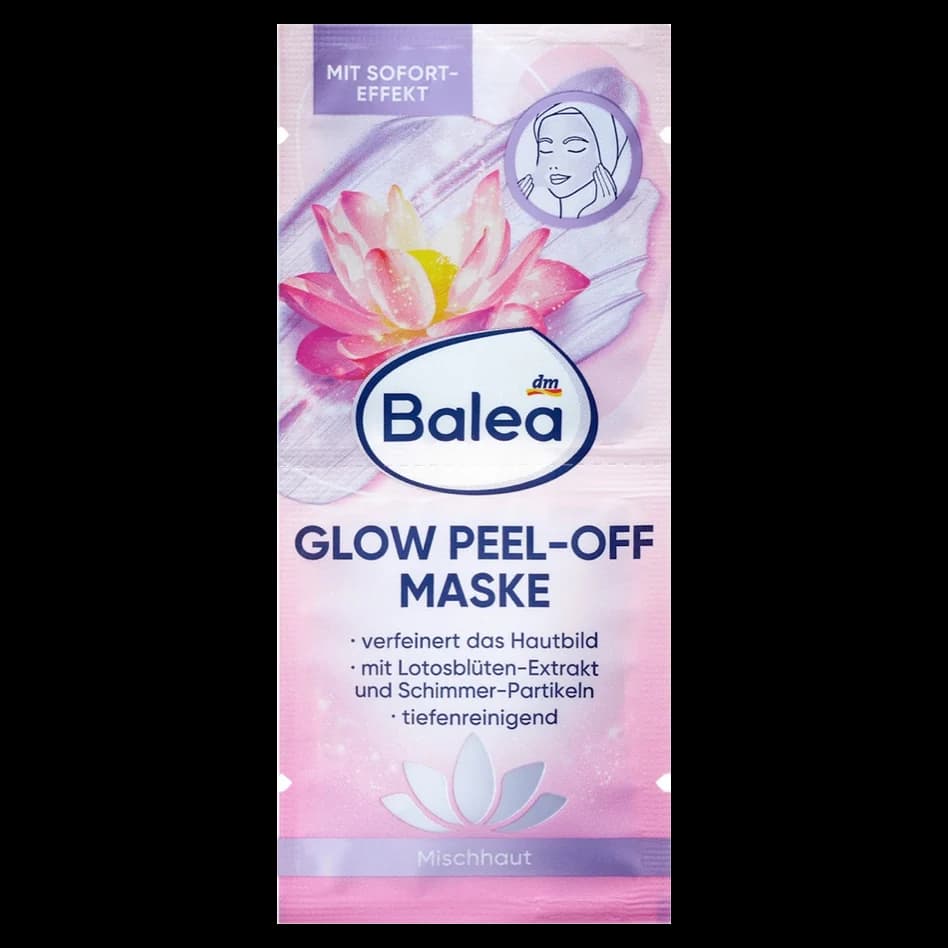
Balea
Gesichtsmaske Glow Peel-Off
18th of 20 on the label
below ≈1%
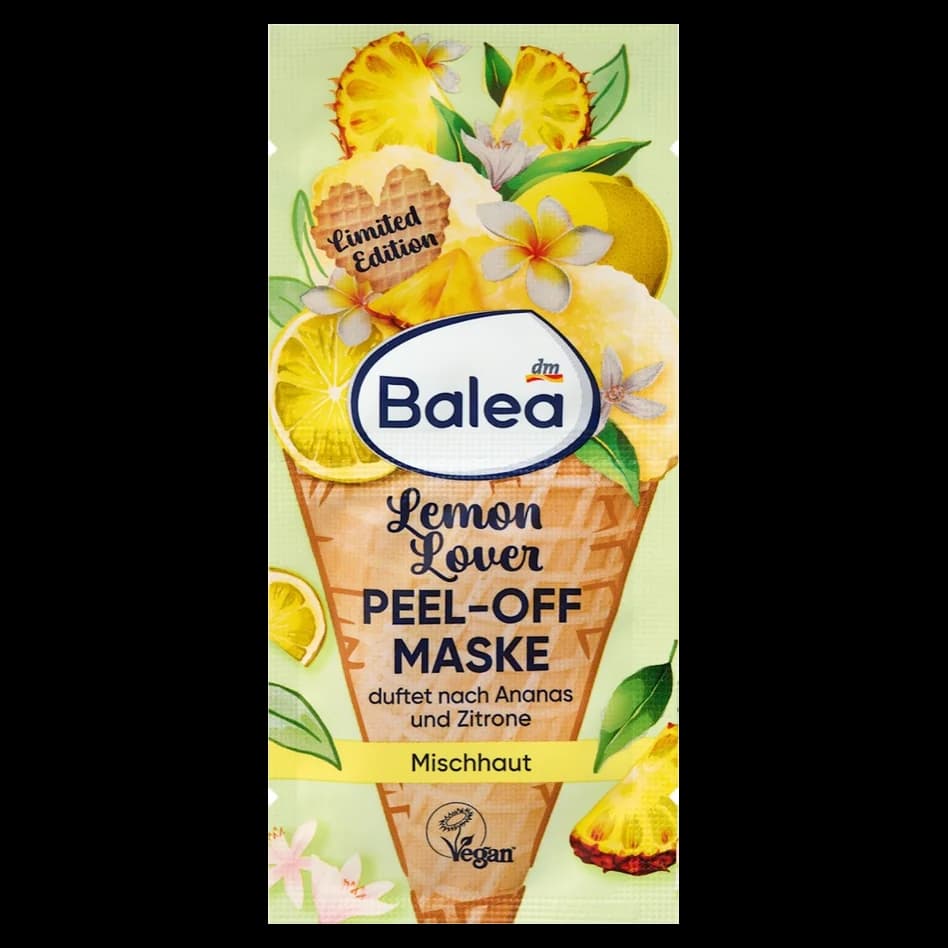
Balea
Gesichtsmaske Peel-Off Lemon Lover
20th of 23 on the label
below ≈1%
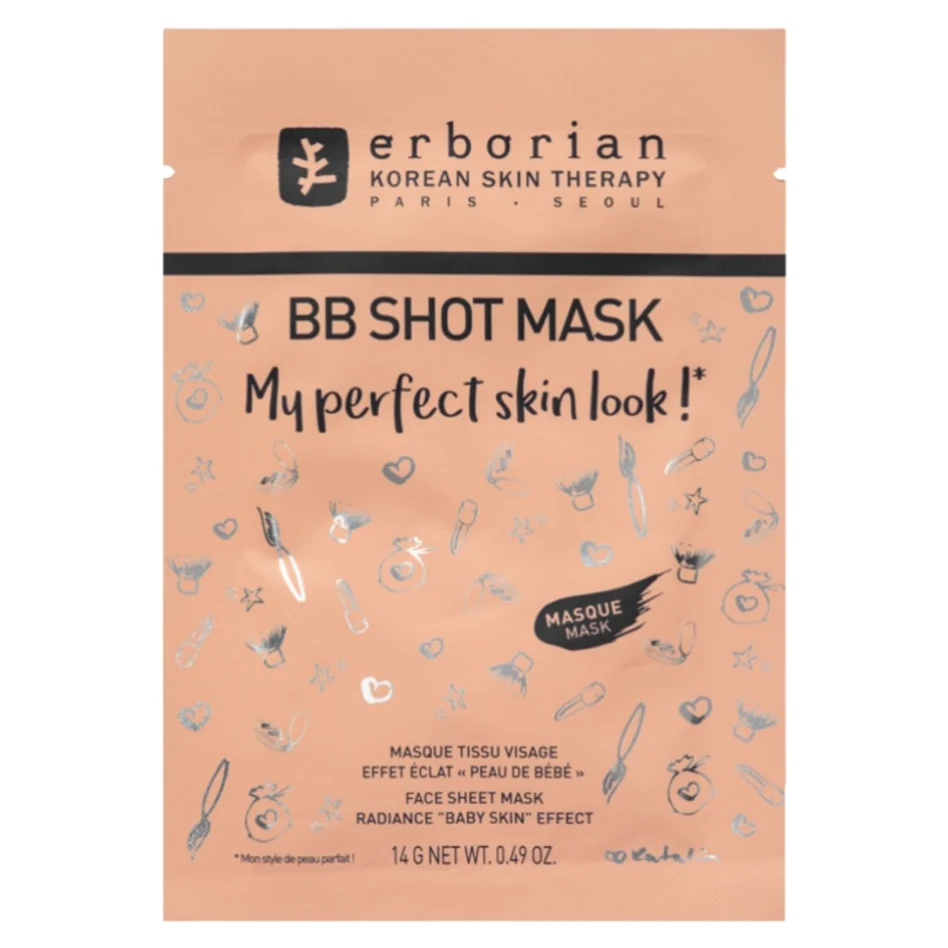
Erborian
BB Shot Mask
25th of 34 on the label
below ≈1%
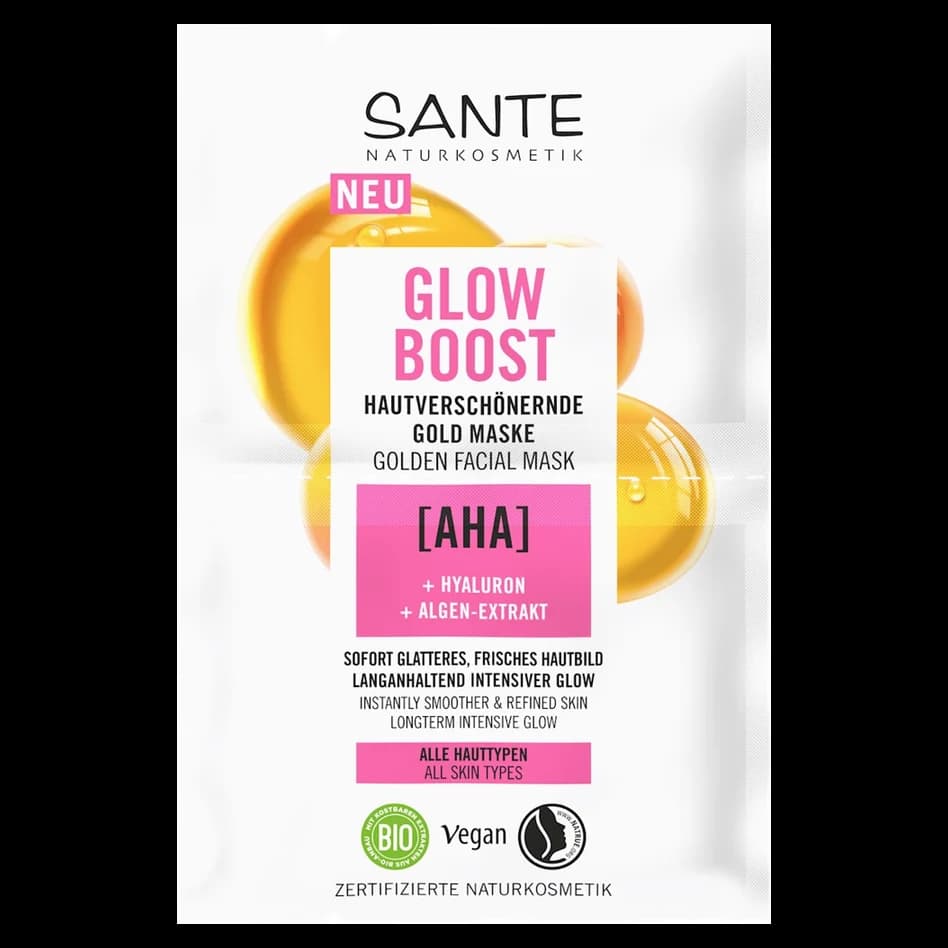
Santé Naturkosmetik
Glow Boost Maske AHA
10th of 29 on the label
below ≈1%