Titanium Dioxide
Titanium dioxide
Genuinely relevant for some people, or depends on dose and pH.
Also written as: CI 77891 · TiO2 · Titanium Dioxide (nano) · E 171
What it is
Titanium dioxide is an inorganic white pigment refined from titanium ores. It scatters light extremely efficiently, which makes it both the standard white colourant in cosmetics and, in finer grades, a broad-spectrum mineral sunscreen filter. In a face mask it is normally there to make the product opaque and white rather than to protect from the sun. It is insoluble, chemically stable and does not penetrate intact skin.
How it shows up on a label
In a face mask this is almost always just the white pigment. The restrictions that exist target loose powders and aerosol sprays, which are a different exposure route entirely.
What it does well
Stays on the skin surface and does not enter the body through intact skin
Reviews of human and animal studies find that titanium dioxide, including nano grades, does not penetrate beyond the outer stratum corneum to living cells and does not reach the circulation, in healthy or in compromised skin. This is the key reason topical use is treated very differently from inhalation or ingestion.
Strong evidence
Effective broad-spectrum mineral UV filter
Its efficacy in preventing sunburn and reducing skin cancer risk is well established, and the SCCS accepts it as safe on skin at up to 25%. It is also a non-sensitiser and mild to non-irritant.
Strong evidence
Gives clean opacity and coverage without dyes
As an inert mineral pigment it delivers whiteness and opacity with no known allergy risk, which is why it is used across products aimed at sensitive skin.
Strong evidence
Worth knowing
The concern is inhaling the fine powder, not applying the cream
The SCCS assessed titanium dioxide in products that lead to inhalation and concluded that pigmentary TiO2 up to 25% in a loose face powder is safe for consumers, but that 25% in a hair styling aerosol spray is not - safe levels there being 1.4% for consumers and 1.1% for hairdressers. EU law reflects exactly this split. A wet mask, cream or paste does not create respirable dust.
Matters most toUsers of loose mineral powders and aerosol sprays; not relevant to cream, gel or sheet masks.
Nano grades carry extra conditions
Nano titanium dioxide is permitted as a UV filter up to 25% but only in specified rutile forms with defined coatings, low photocatalytic activity and no use in applications that could expose the lungs. Products containing it must show '(nano)' after the ingredient name on the label.
Matters most toAnyone wanting to avoid nanomaterials; check for '(nano)' in the ingredient list.
The food ban on E 171 is often mistaken for a cosmetic ban
EFSA concluded in 2021 that a genotoxicity concern for swallowed titanium dioxide could not be ruled out, and Commission Regulation (EU) 2022/63 removed E 171 from the list of permitted food additives. That decision is about eating it. Titanium dioxide remains authorised in EU cosmetics as a colourant and UV filter, because it is not absorbed through skin. Separately, the EU courts annulled its harmonised classification as a category 2 inhalation carcinogen - the General Court in November 2022, confirmed by the Court of Justice on 1 August 2025 - though the cosmetic powder restriction introduced on the back of that classification currently remains on the books.
Matters most toAnyone who has read that titanium dioxide is 'banned in Europe' and assumed that covers skincare.
Where the EU stands
Concentration-restricted
Permitted as a colourant (CI 77891) subject to E 171 purity criteria, and as a UV filter up to 25%, including a nano form with strict conditions. Powder forms containing 1% or more of particles of aerodynamic diameter 10 micrometres or less are limited to 25% in loose face powders and 1.4% (1.1% professional) in hair aerosol sprays, and are not permitted in other product types.
Regulation (EC) No 1223/2009, Annex IV entry 143; Annex VI entries 27 and 27a (nano); Annex III entry 321 (inhalable powder form, added by Regulation (EU) 2021/850) · source ↗
Sources (3)
Every link goes to the original: a journal, a PubMed record or an EU document.
- [1]Opinion on Titanium dioxide (TiO2) used in cosmetic products that lead to exposure by inhalation (SCCS/1617/20)
SCCS - Scientific Committee on Consumer Safety, European Commission · 2020
Pigmentary titanium dioxide up to 25% in a loose face powder is safe for consumers, but 25% in a hair styling aerosol spray is not; safe spray levels are 1.4% for consumers and 1.1% for hairdressers.
- [2]Safety of titanium dioxide nanoparticles in cosmetics
Journal of the European Academy of Dermatology and Venereology · 2019 · doi:10.1111/jdv.15943
Most human and animal studies show nano titanium dioxide does not penetrate beyond the stratum corneum or reach the circulation, and the SCCS considers it safe on skin up to 25% while advising against formulations that could be inhaled.
- [3]Safety assessment of titanium dioxide (E171) as a food additive
EFSA Journal (EFSA Panel on Food Additives and Flavourings) · 2021 · doi:10.2903/j.efsa.2021.6585
A concern for genotoxicity of swallowed titanium dioxide could not be ruled out, so E 171 can no longer be considered safe as a food additive - a conclusion about oral intake that led to the EU food ban but not to any change in its cosmetic status.
Masks that contain Titanium Dioxide
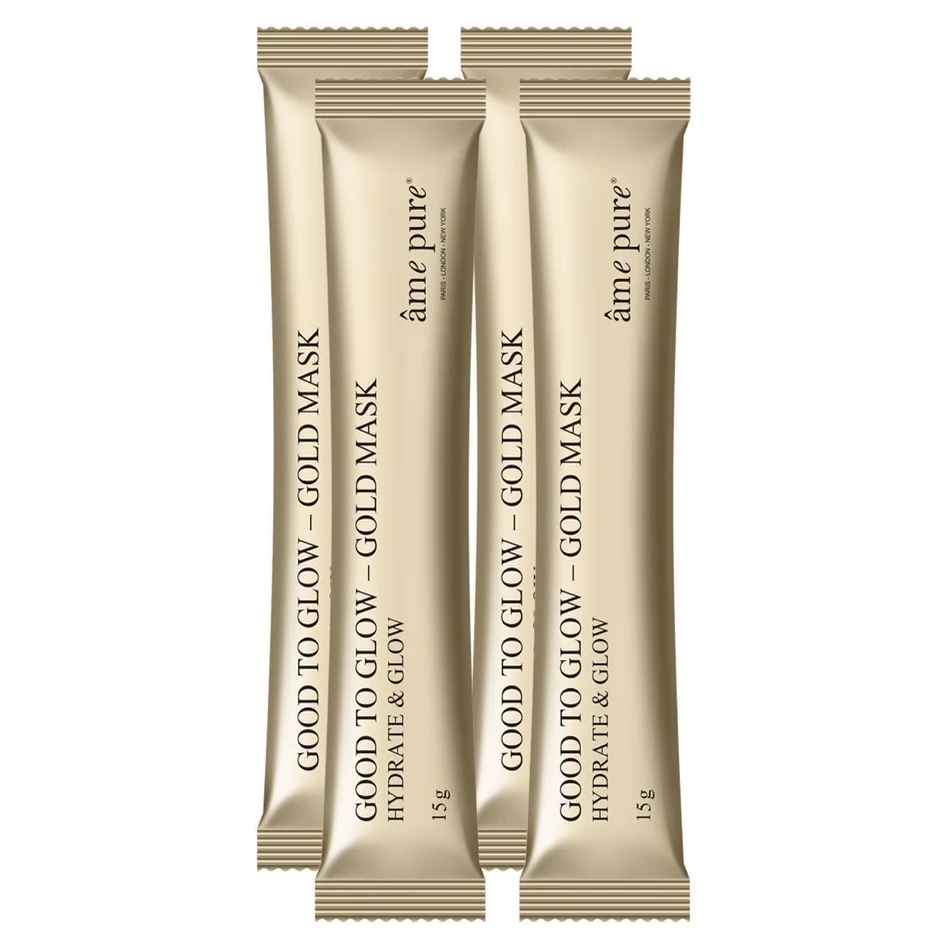
âme pure
Jelly Glow Rubber Mask - Gold Routine Set
13th of 26 on the label
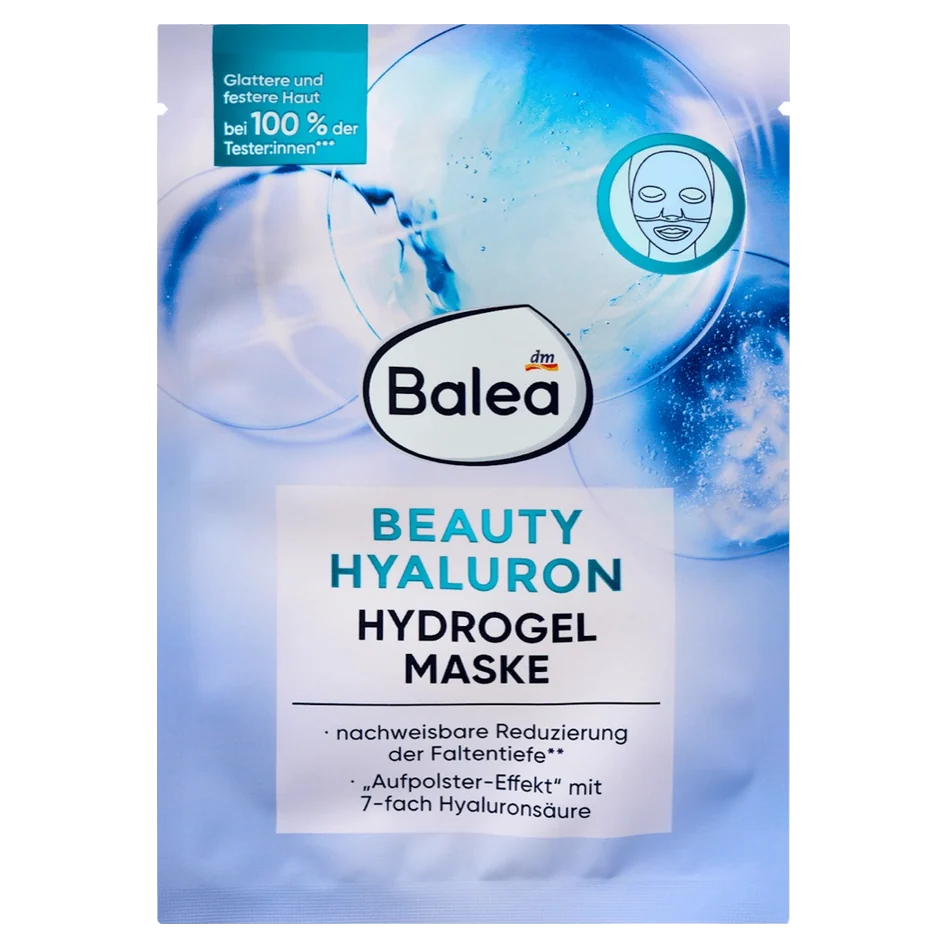
Balea
Gesichtsmaske Beauty Hyaluron Hydrogel
28th of 28 on the label
below ≈1%
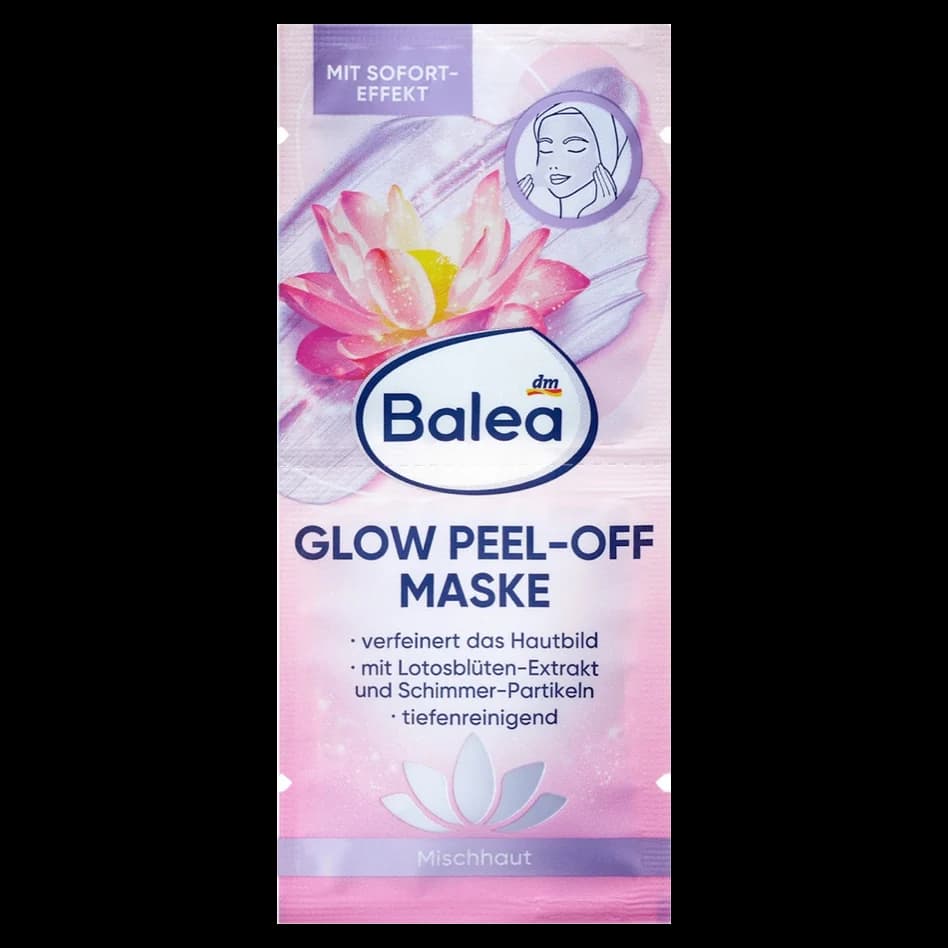
Balea
Gesichtsmaske Glow Peel-Off
19th of 20 on the label
below ≈1%
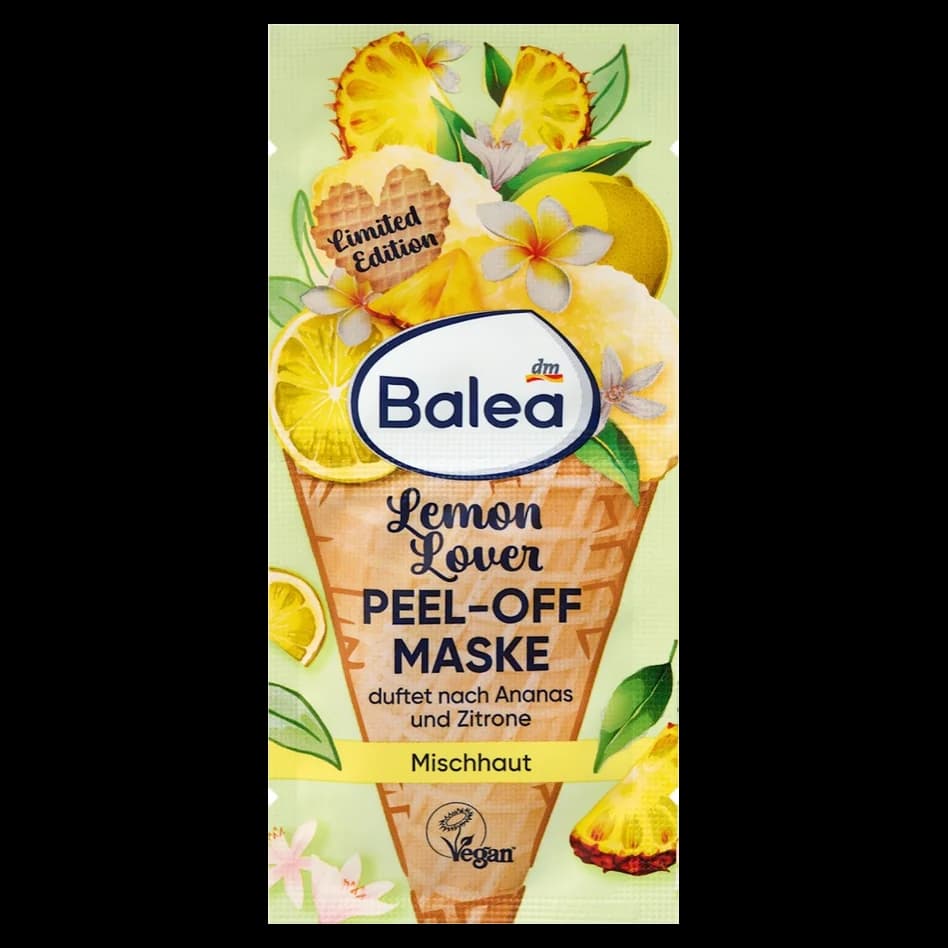
Balea
Gesichtsmaske Peel-Off Lemon Lover
22nd of 23 on the label
below ≈1%
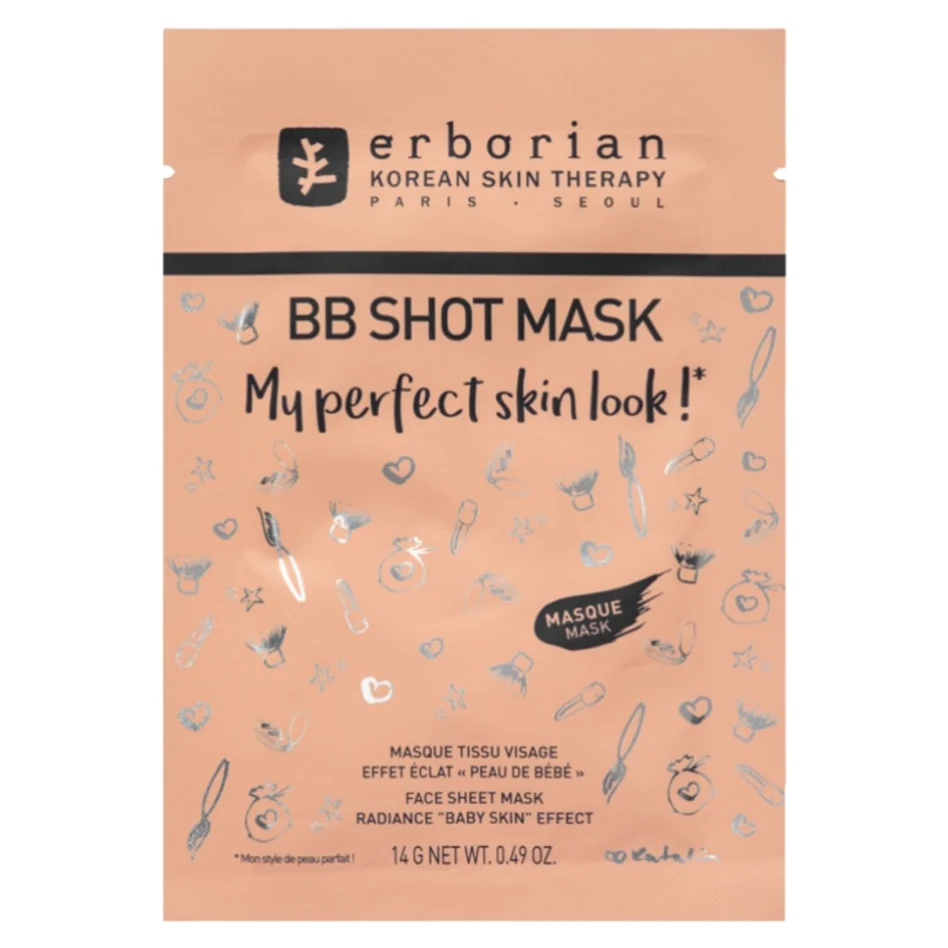
Erborian
BB Shot Mask
33rd of 34 on the label
below ≈1%
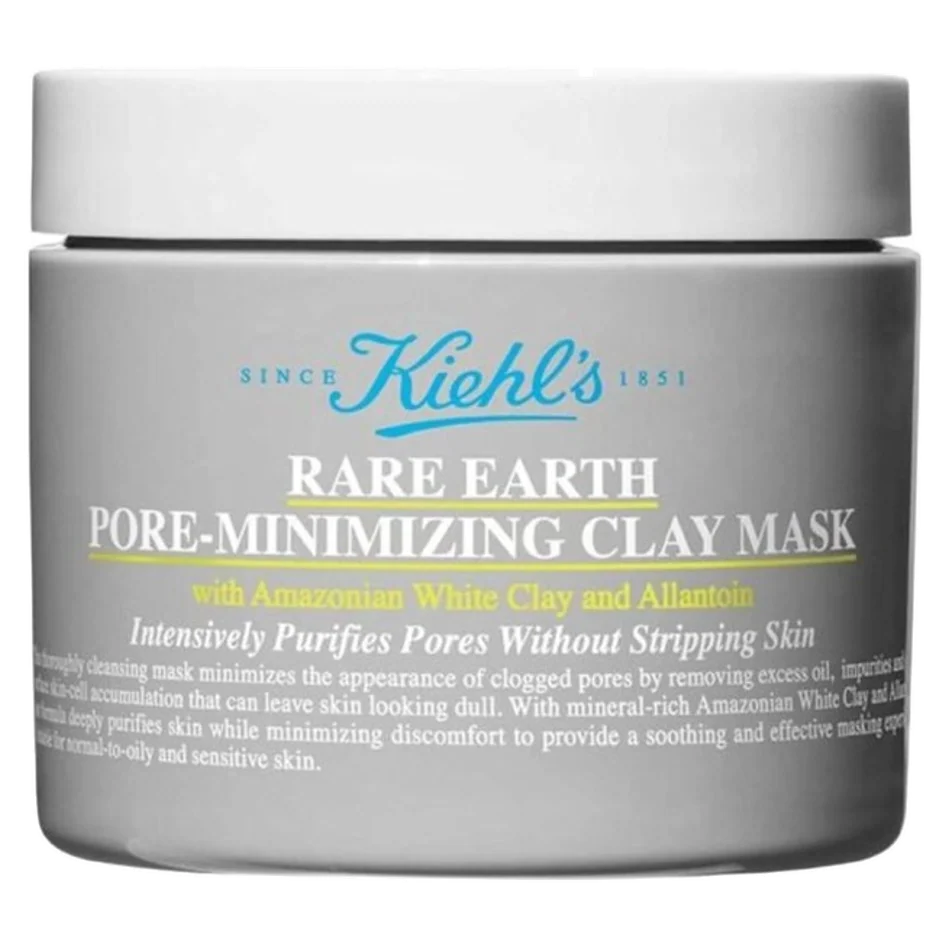
Kiehl's
Rare Earth Pore-Minimizing Clay Mask
6th of 19 on the label
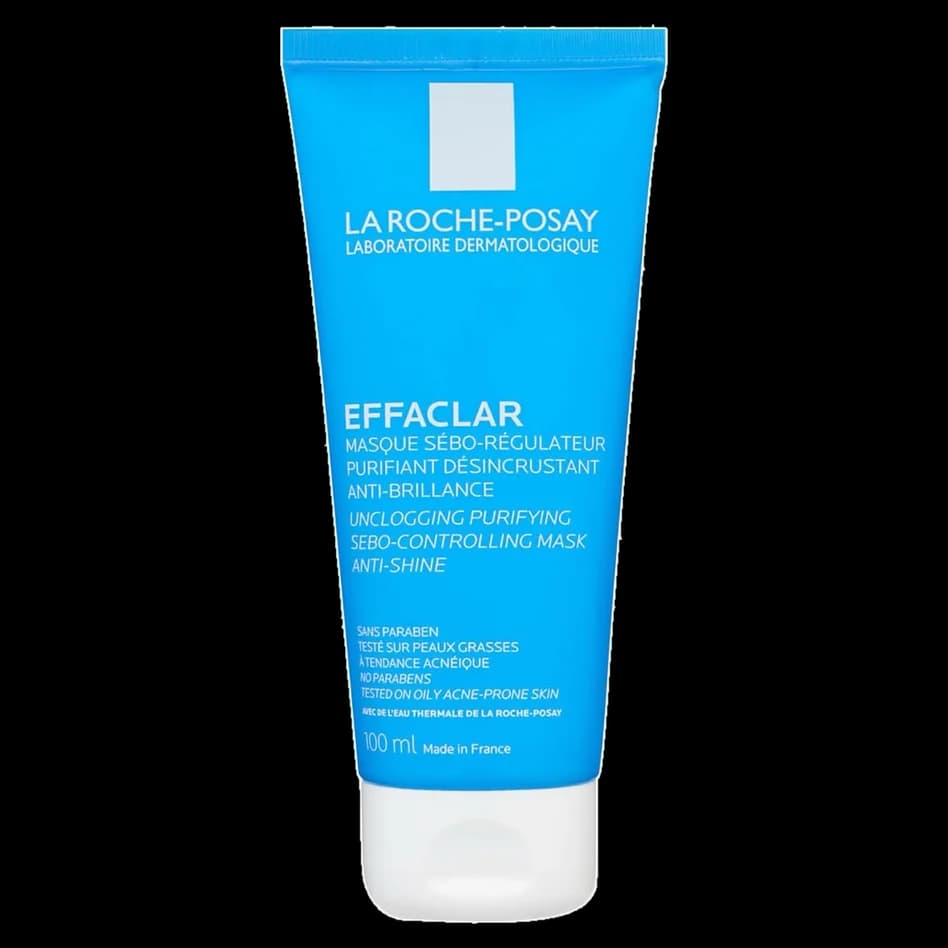
La Roche-Posay
Effaclar Purifying Clay Mask
9th of 20 on the label
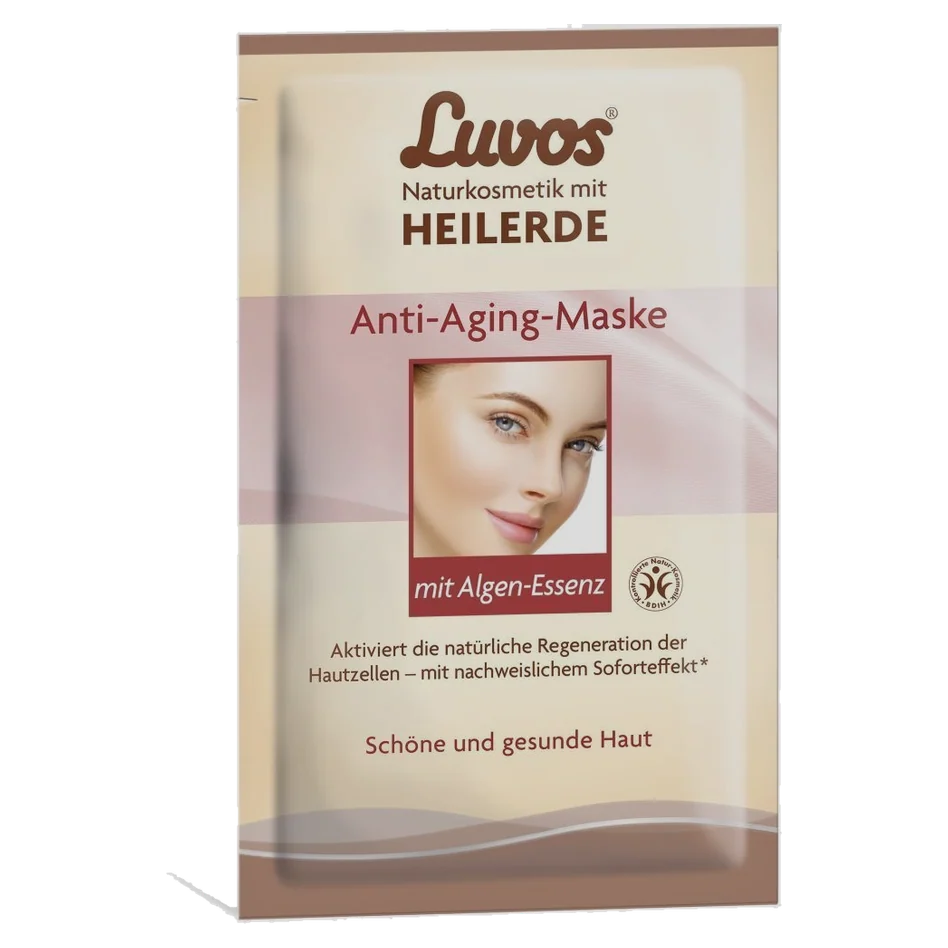
Luvos-Heilerde
Anti-Aging-Maske
24th of 27 on the label
below ≈1%
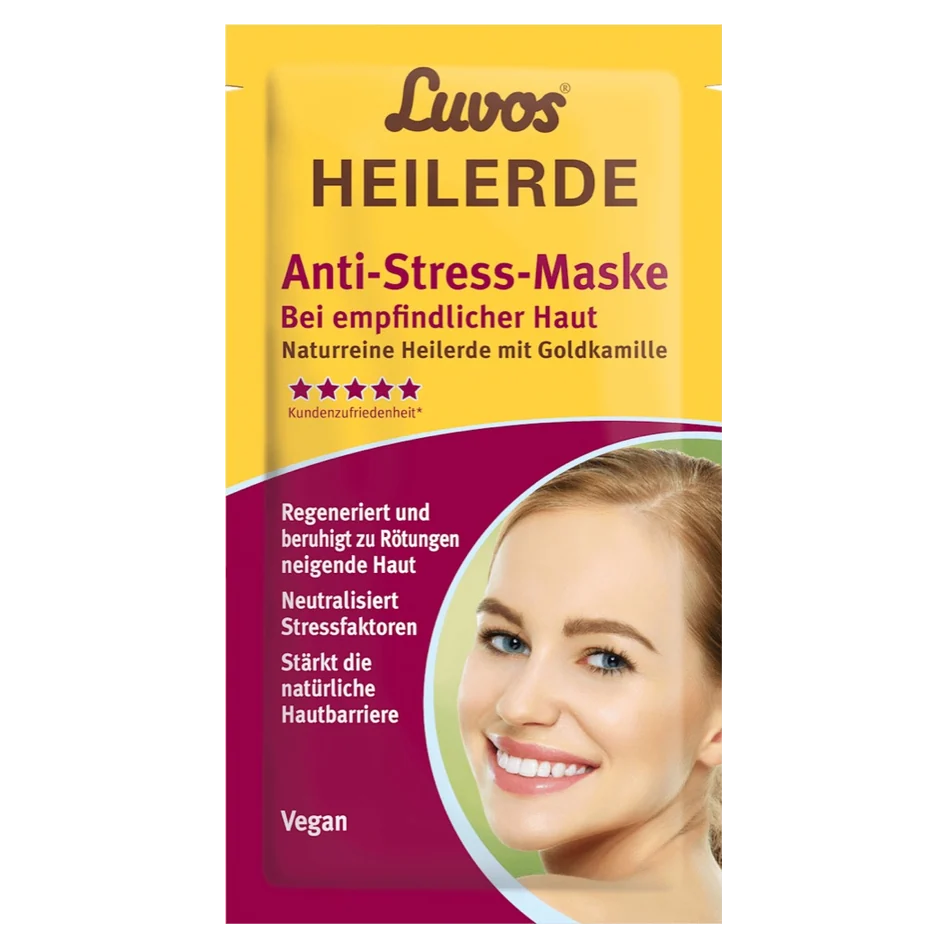
Luvos-Heilerde
Anti-Stress-Maske
32nd of 33 on the label
below ≈1%
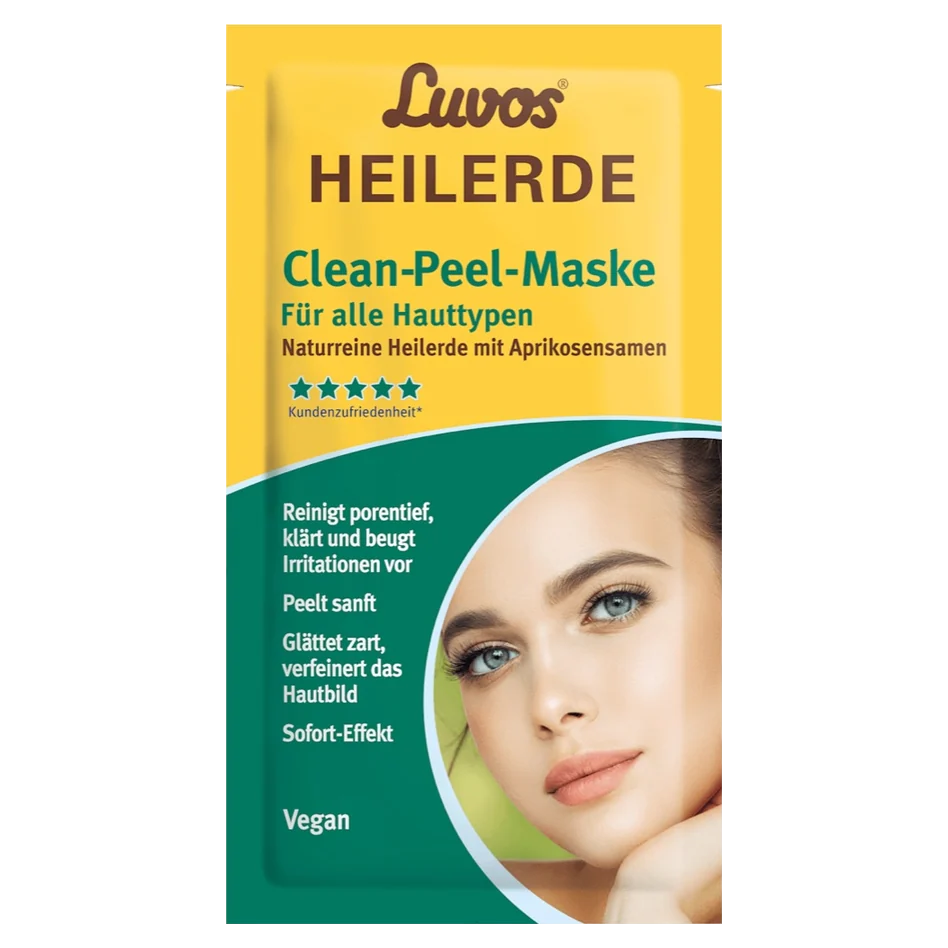
Luvos-Heilerde
Clean-Peel-Maske
26th of 29 on the label
below ≈1%
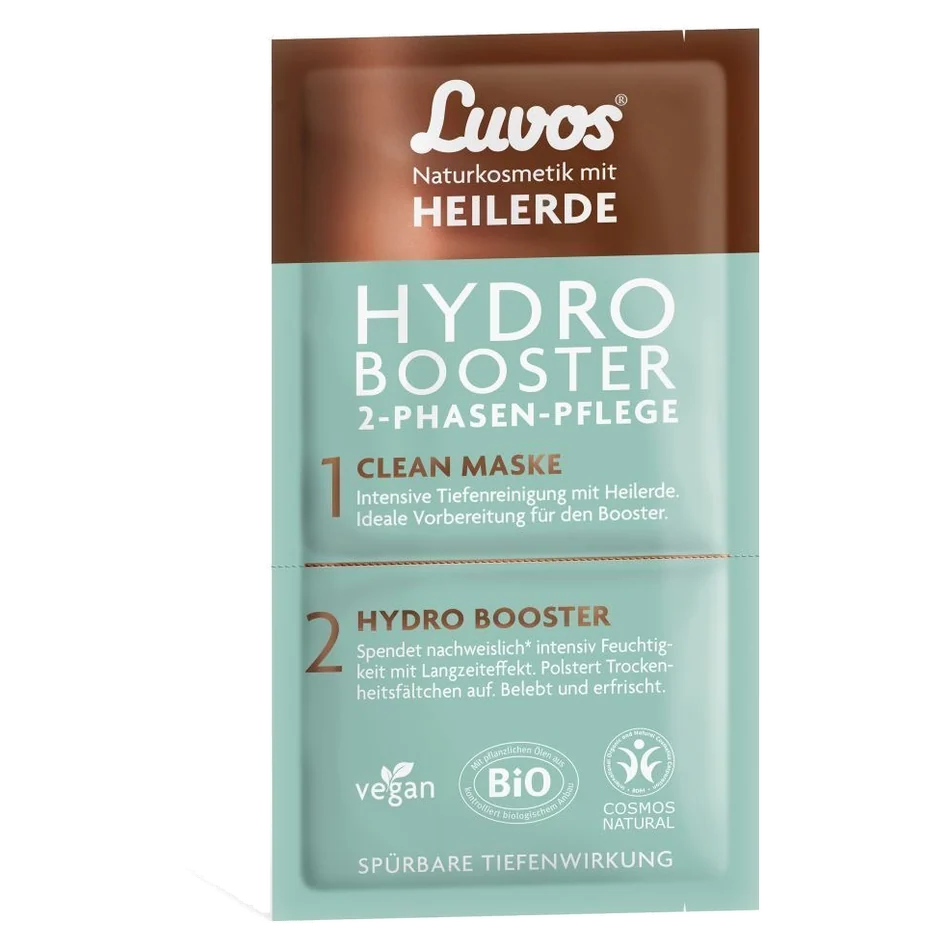
Luvos-Heilerde
Hydro Booster mit Clean Maske
28th of 63 on the label
below ≈1%
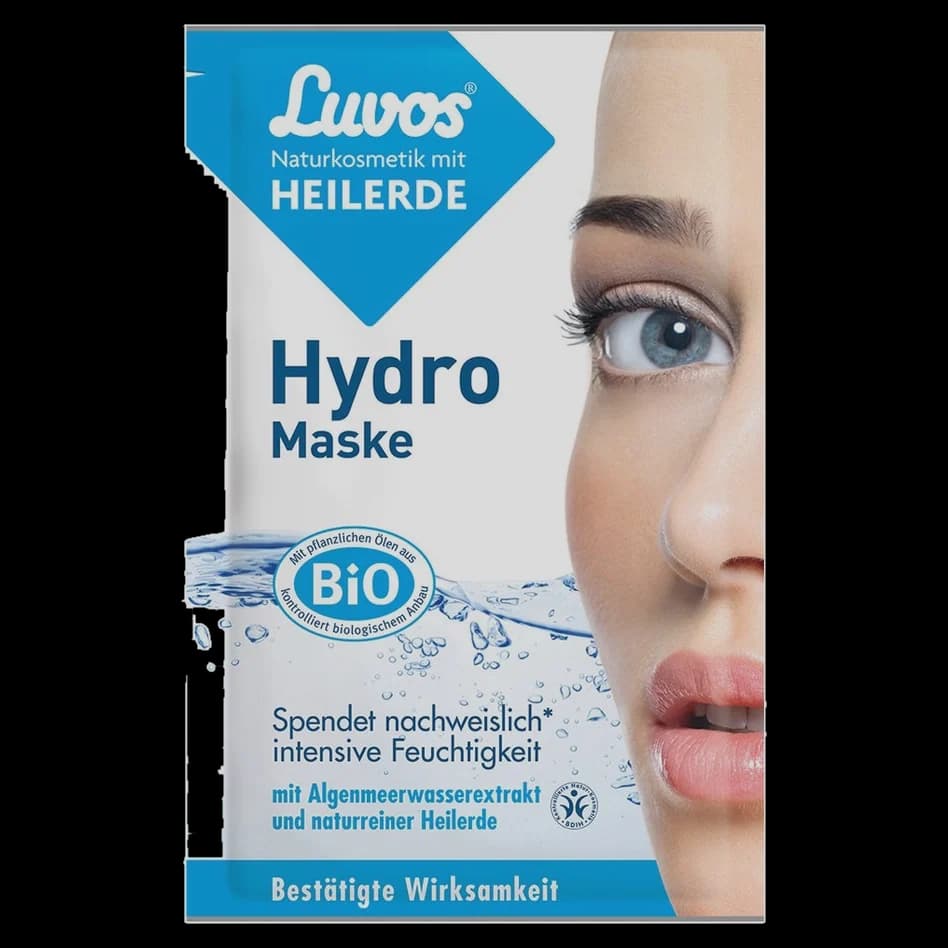
Luvos-Heilerde
Hydro-Maske
30th of 33 on the label
below ≈1%
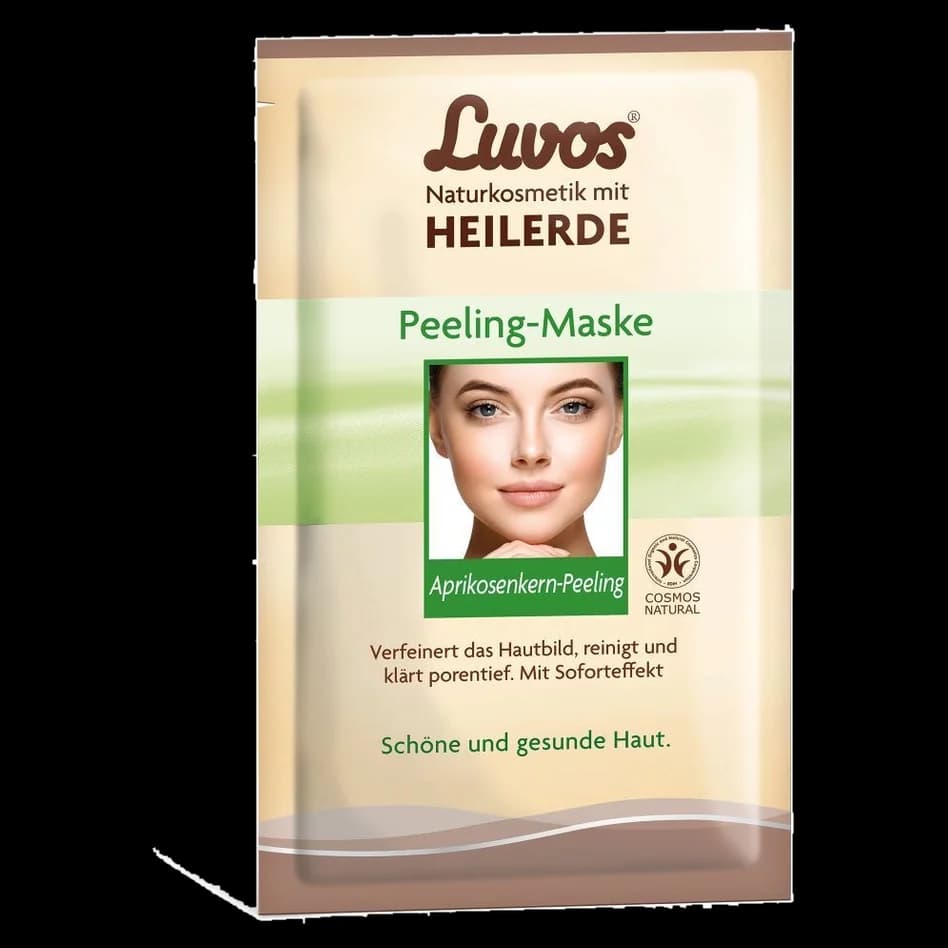
Luvos-Heilerde
Peeling-Maske
26th of 29 on the label
below ≈1%
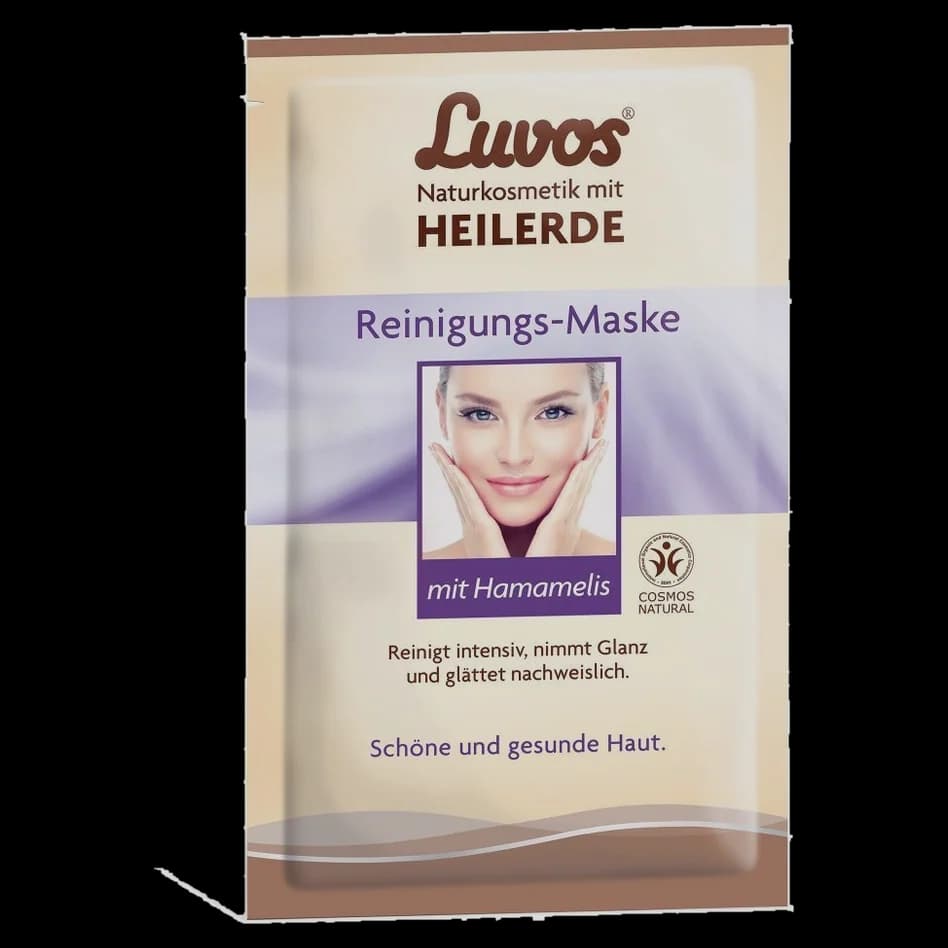
Luvos-Heilerde
Reinigungs-Maske
27th of 28 on the label
below ≈1%
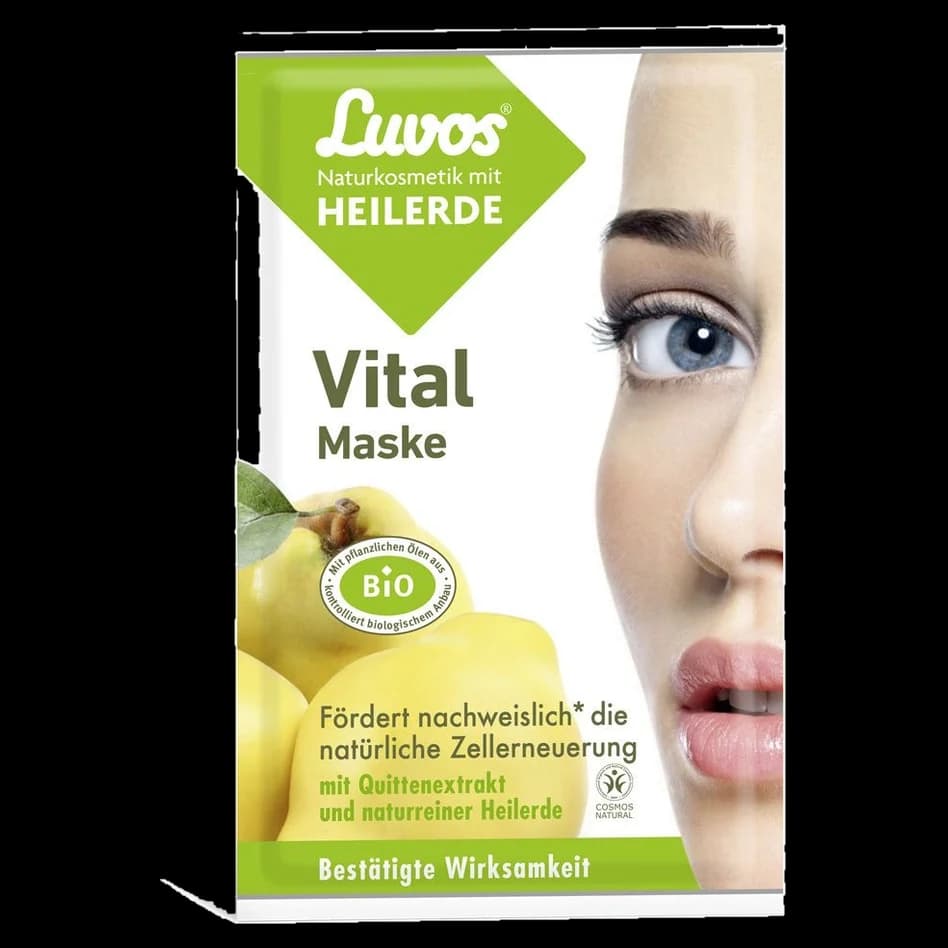
Luvos-Heilerde
Vital-Maske
29th of 30 on the label
below ≈1%
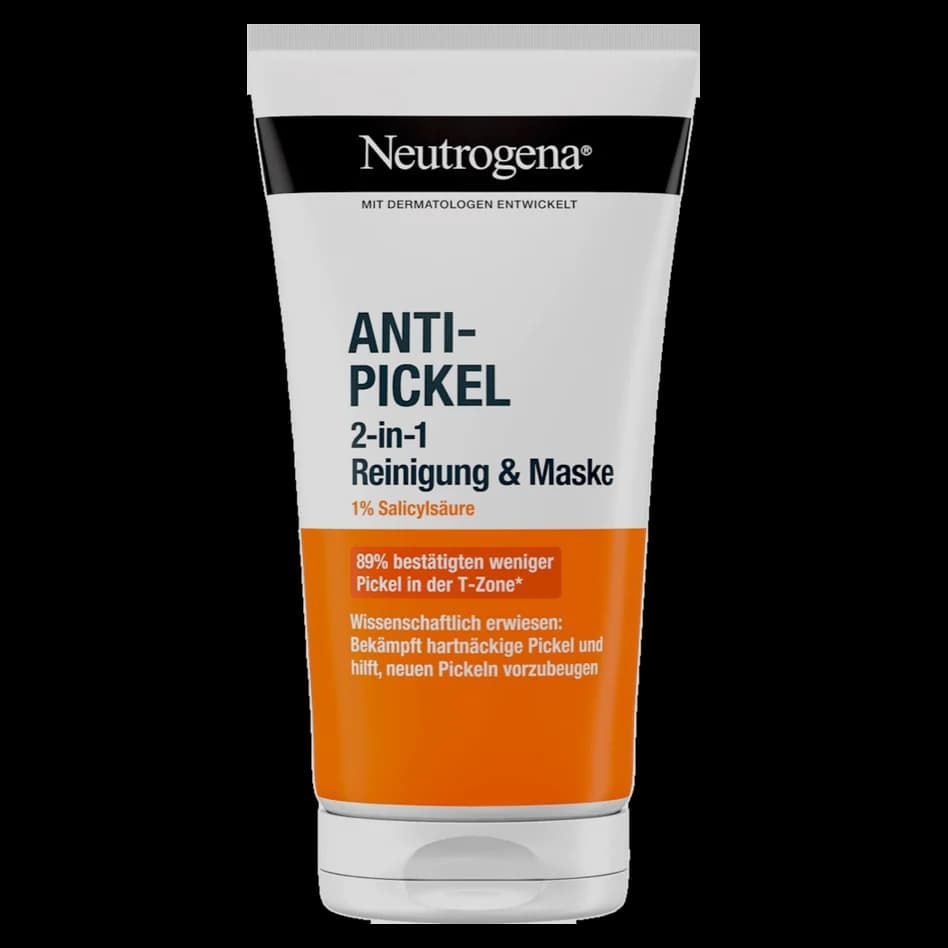
Neutrogena
Anti Pickel Gesichtsmaske 2in1
6th of 23 on the label
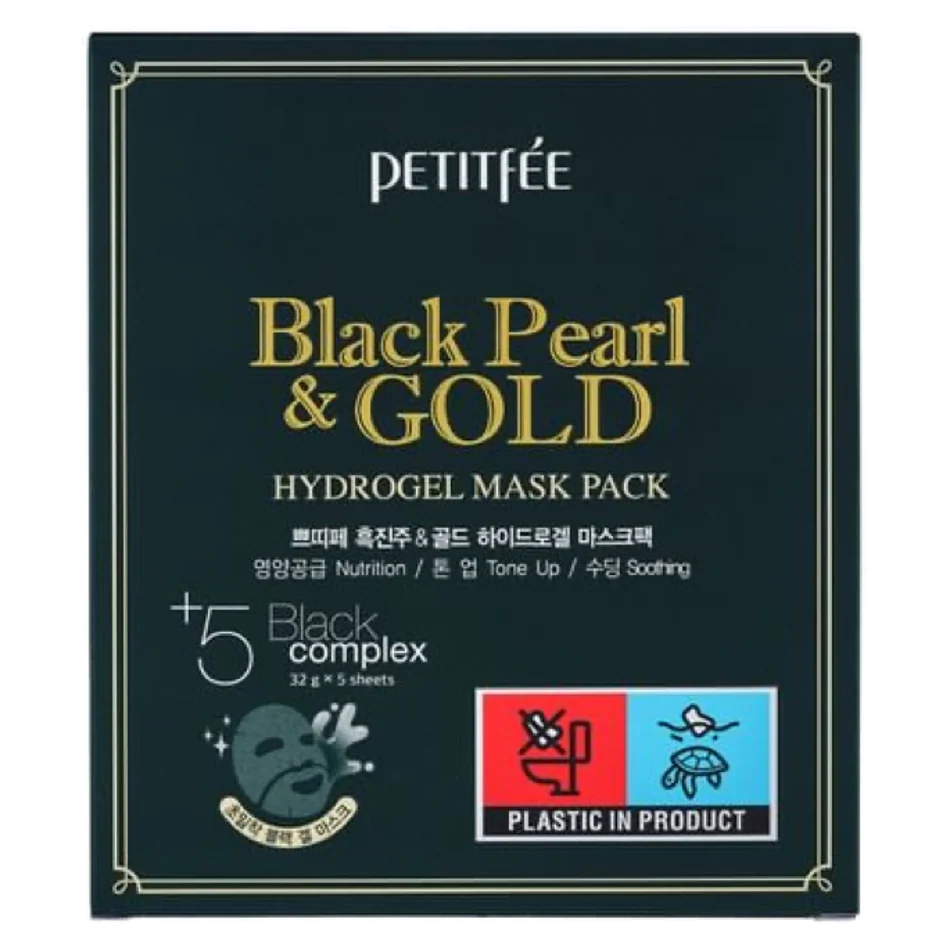
Petitfee
Black Pearl & Gold Hydrogel Mask Pack
25th of 33 on the label
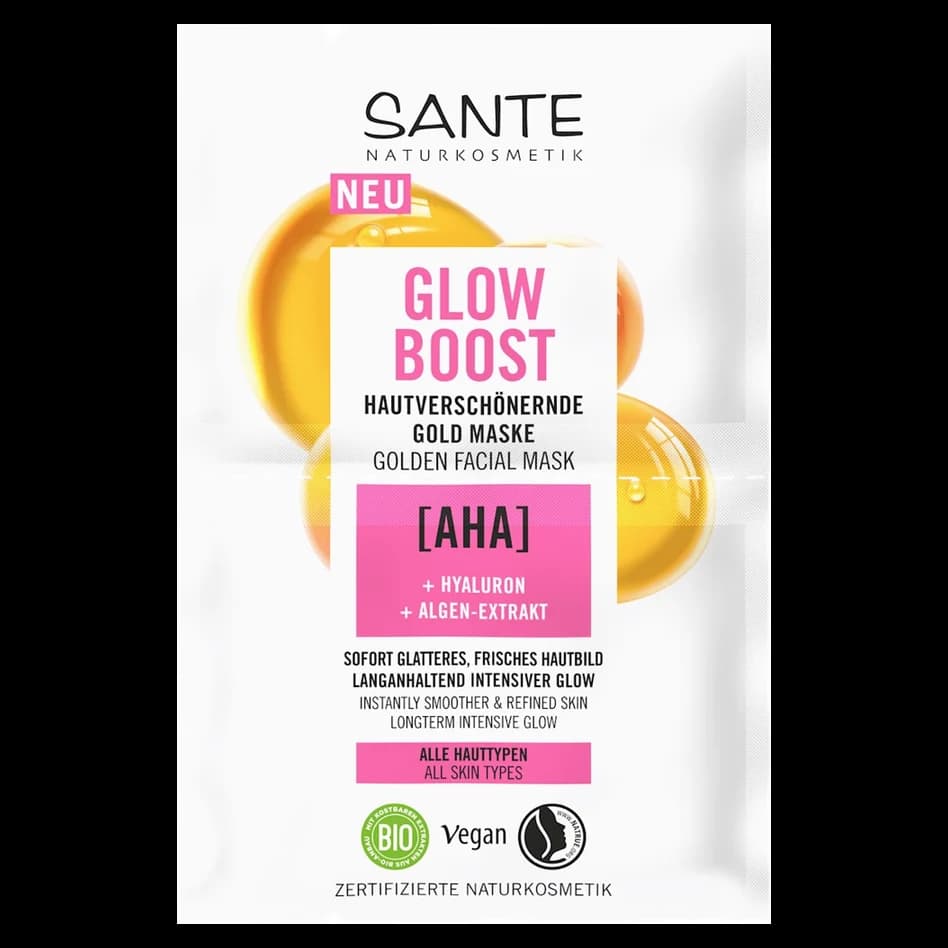
Santé Naturkosmetik
Glow Boost Maske AHA
28th of 29 on the label
below ≈1%
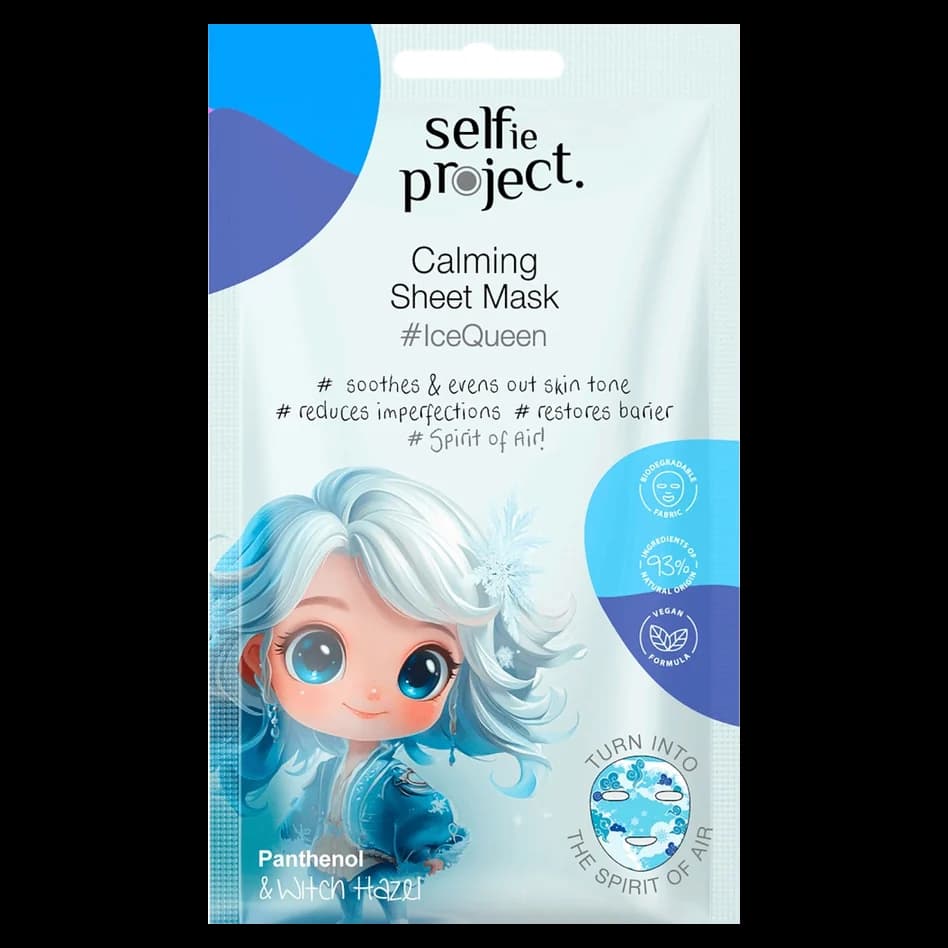
Selfie Project
Tuchmaske Calming #IceQueen
26th of 27 on the label
below ≈1%
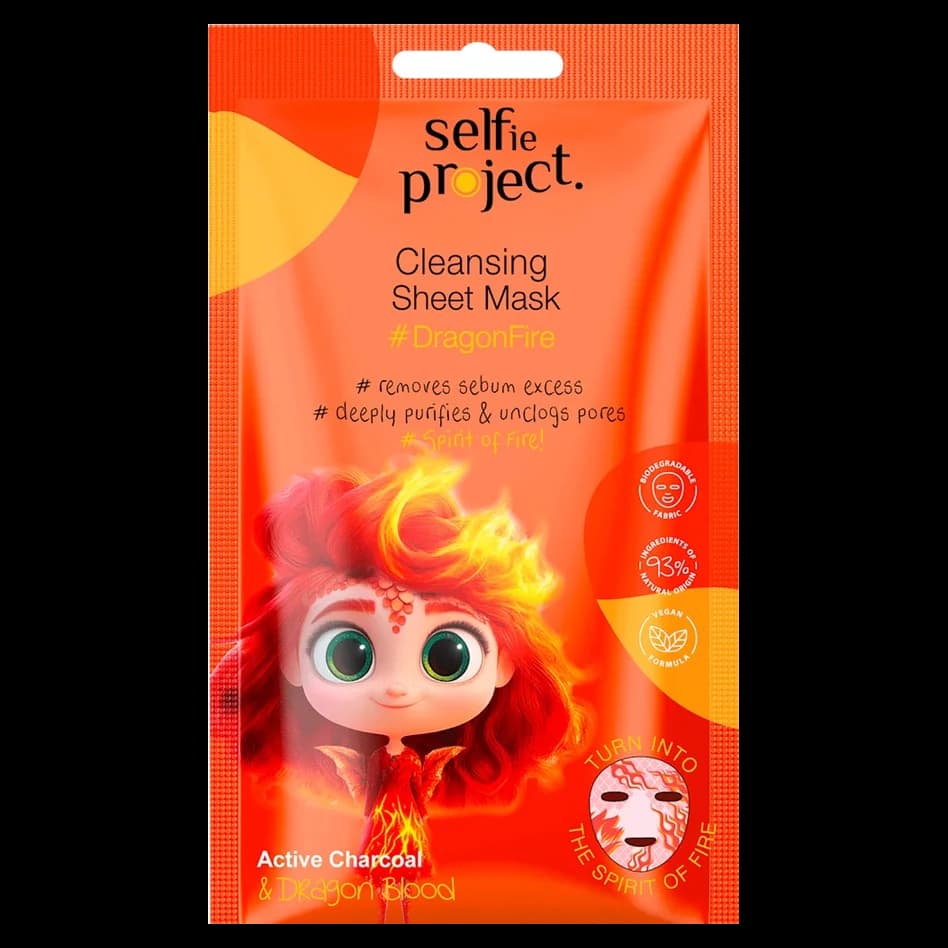
Selfie Project
Tuchmaske Cleansing #DragonFire
21st of 22 on the label
below ≈1%
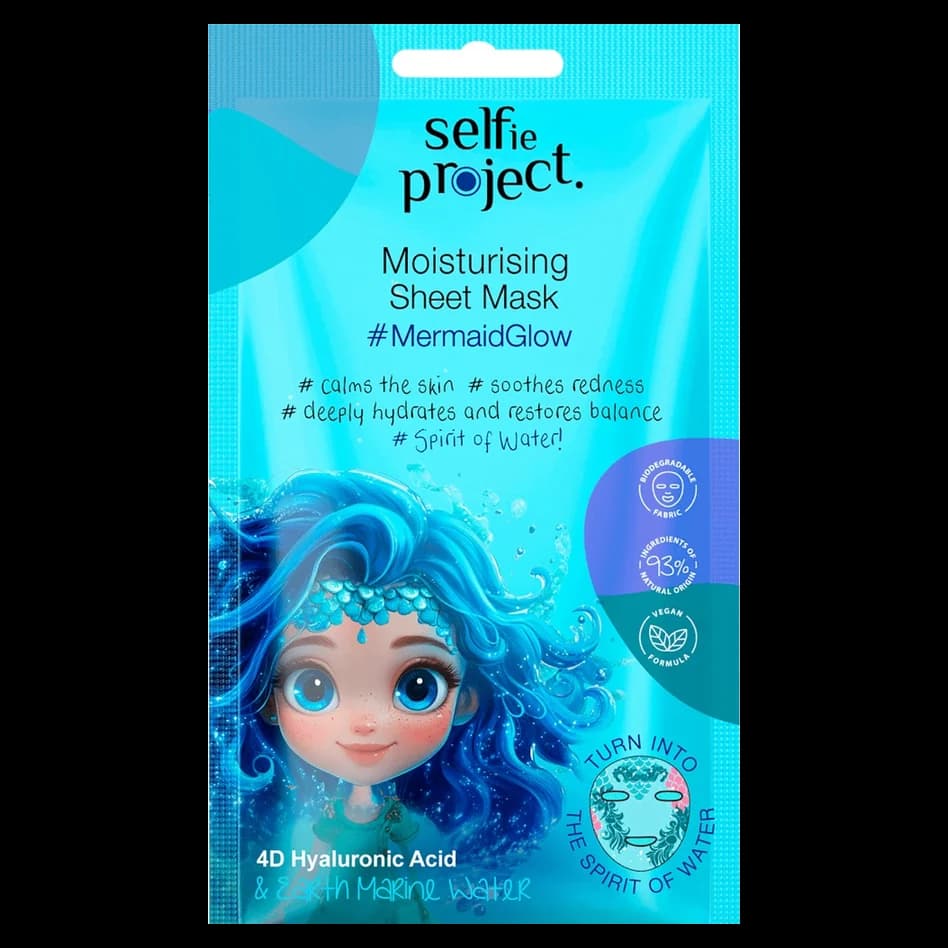
Selfie Project
Tuchmaske Moisturising #MermaidGlow
30th of 30 on the label
below ≈1%
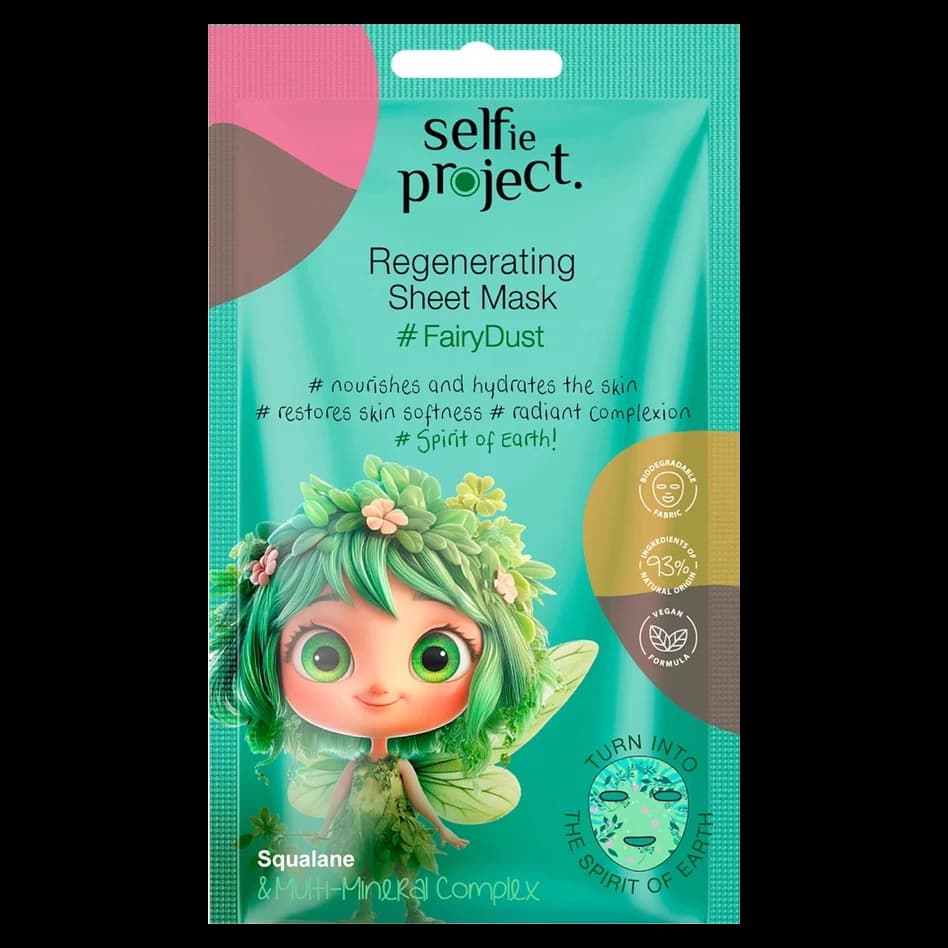
Selfie Project
Tuchmaske Regenerating #FairyDust
32nd of 33 on the label
below ≈1%
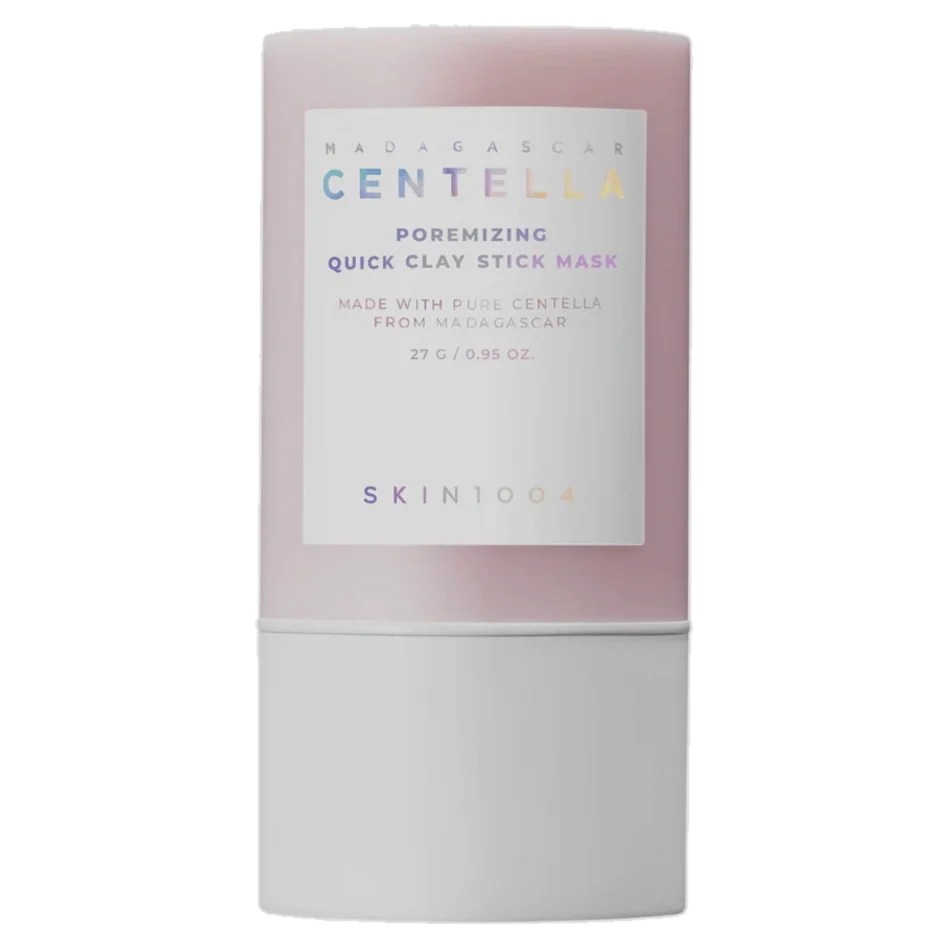
SKIN1004
Madagascar Centella Poremizing Quick Clay Stick Mask
5th of 23 on the label
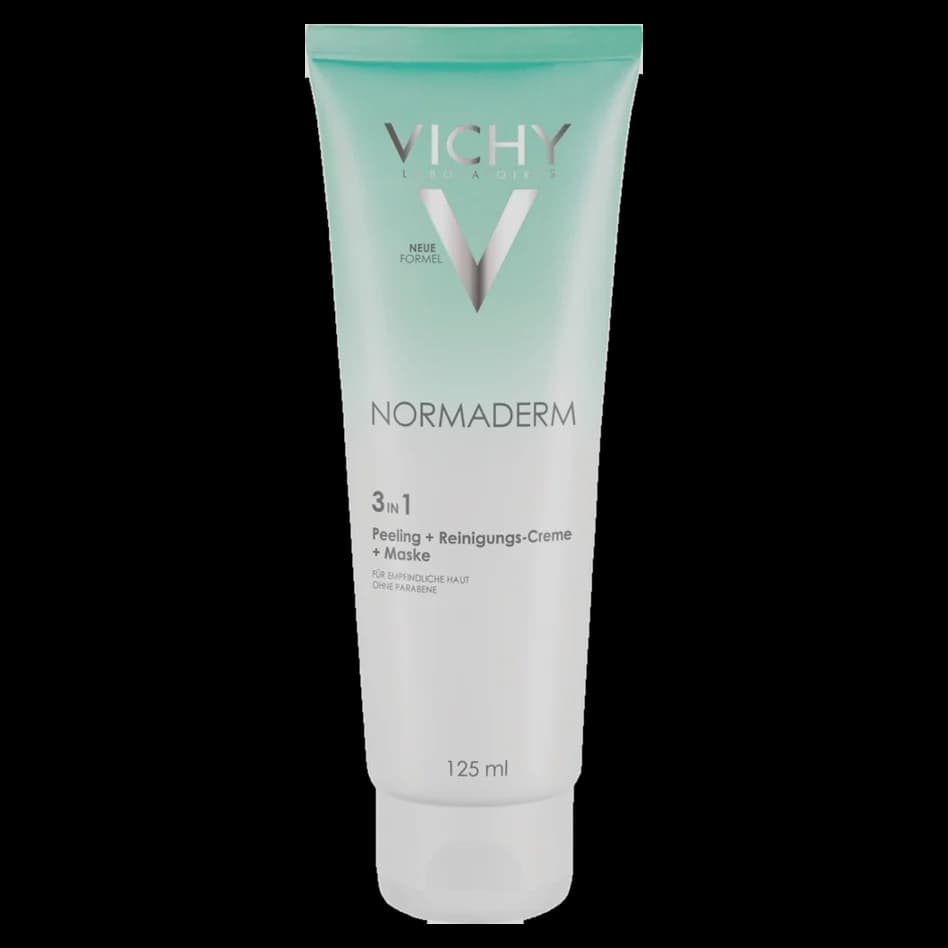
Vichy
Normaderm 3-in-1 Peeling + Reinigungs-Creme + Maske
7th of 23 on the label