Illite
Green clay
No meaningful concern for most people; irritation is possible but rare.
Also written as: French Green Clay · Green Clay · Illite Clay
What it is
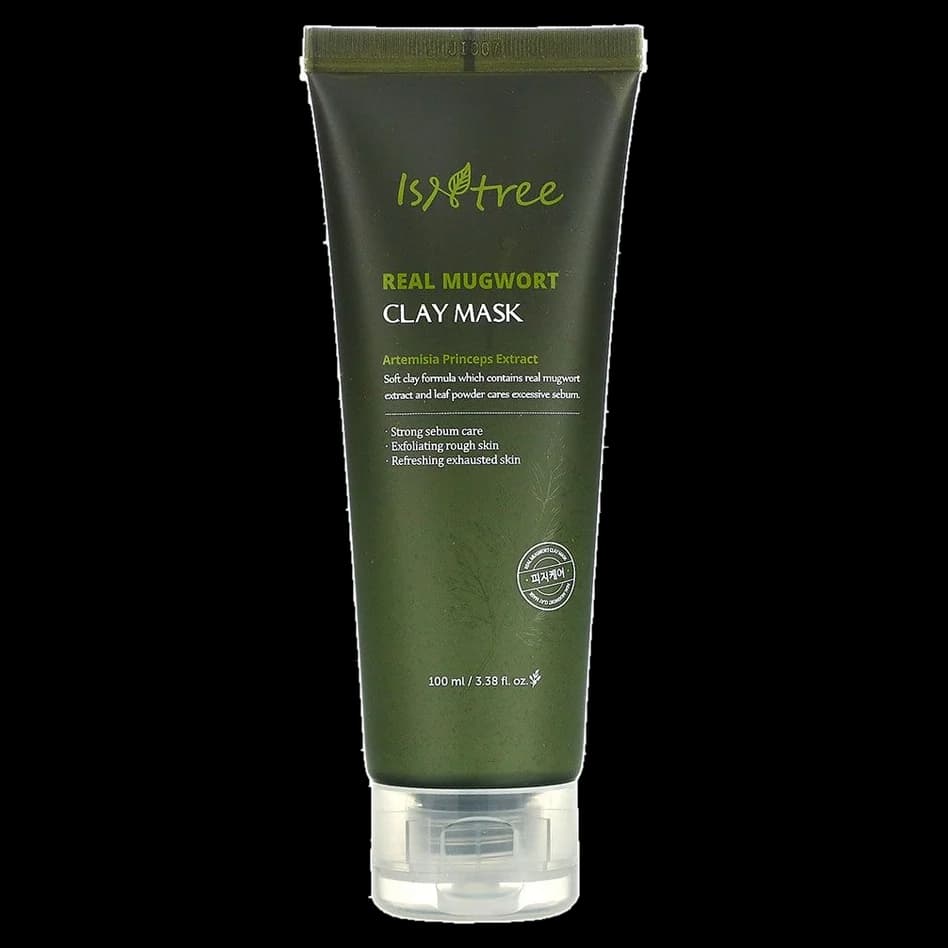
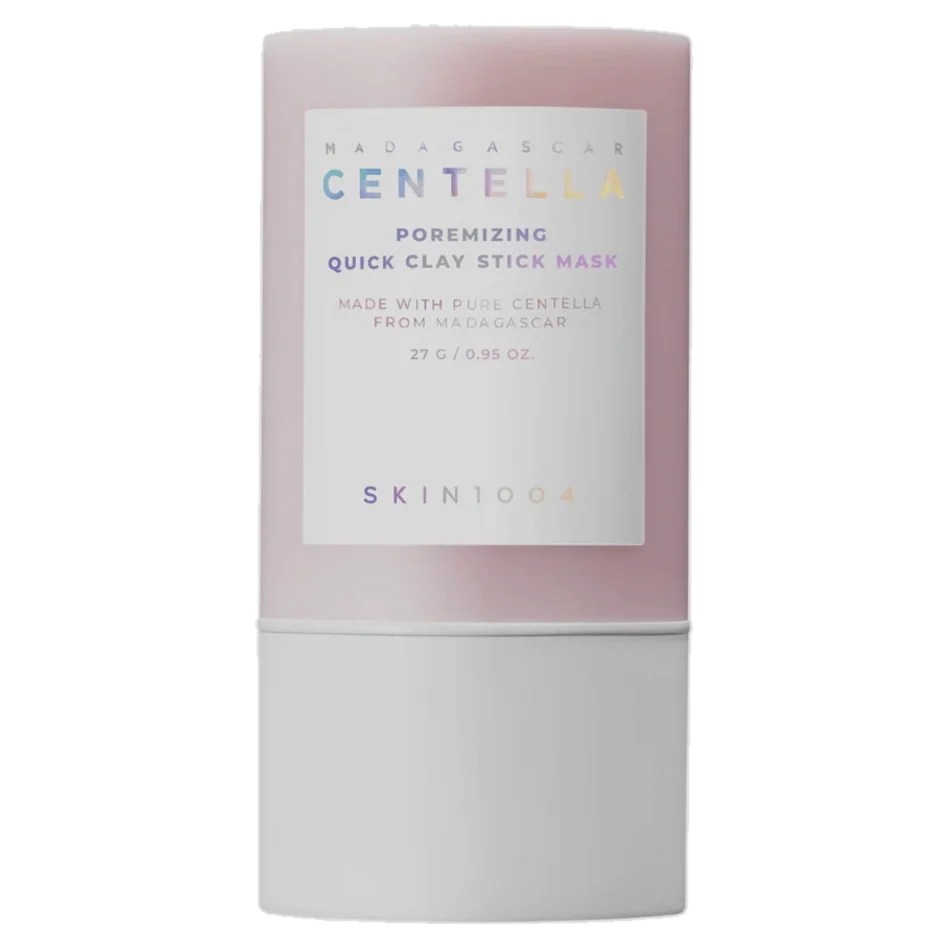
Illite is a clay mineral sitting compositionally between montmorillonite and muscovite mica. It does not swell appreciably in water, so it absorbs oil without forming the stiff gel that bentonite does. It is the main mineral in what is sold as French green clay or illite clay, where the green tint comes from iron and decomposed plant matter in the deposit.
How it shows up on a label
Sold as French green clay; the colour is from iron and organic matter, not added pigment.
What it does well
Absorbs oil with a firmer, less shrinking feel than swelling clays
Because illite does not swell, masks based on it tighten less as they dry while still mattifying. The 2026 Cosmetic Ingredient Review assessment included illite among clays judged safe at present use levels.
Moderate evidence
Worth knowing
Loose powder is best not inhaled
The same expert review that found illite safe as used noted that data were insufficient for products that may be incidentally inhaled, so avoid raising dust when mixing dry clay.
Matters most toAnyone mixing loose clay powders at home.
Where the EU stands
Class entry may apply
Illite is named in none of the annexes under its own name, and the Cosmetic Ingredient Review recorded no EU restriction for it. That reading predates Regulation (EU) 2026/909, which added Annex III entry 381, a class entry over aluminium-containing ingredients capping aluminium in the finished product at 0.89% (as Al) for face and body rinse-off products and 10.59% (as Al) for face leave-on, from 1 January 2027 - by composition, not by name. Illite sits compositionally between montmorillonite and muscovite mica, so it is aluminium-bearing, and none of the entries entry 381 excepts covers it. Whether the class entry is meant to reach an insoluble clay mineral of this kind is not resolved by the regulation or by the opinion behind it, so the honest answer is that it is unsettled rather than that no limit exists.
Regulation (EC) No 1223/2009 - no entry under its own name; Annex III entry 381 (aluminium-containing ingredients), added by Regulation (EU) 2026/909 and renumbered from 379 by the corrigendum at OJ L, 2026/90354, 5.5.2026 · source ↗
Sources (1)
Every link goes to the original: a journal, a PubMed record or an EU document.
- [1]Amended Safety Assessment of Naturally-Sourced Clays as Used in Cosmetics
International Journal of Toxicology (Cosmetic Ingredient Review Expert Panel) · 2026 · doi:10.1177/10915818261455355
Illite was among the clays judged safe in cosmetics at present practices of use and concentration, except that data are insufficient for products that may be incidentally inhaled.