Bentonite
Bentonite clay
No meaningful concern for most people; irritation is possible but rare.
Also written as: CI 77004 · Sodium Bentonite · Calcium Bentonite · Bentonite Clay · Aztec Clay
What it is
Bentonite is a clay formed from weathered volcanic ash, made up chiefly of the mineral montmorillonite. Its platelets carry a negative surface charge and swell in water, so it both soaks up oil and turns a watery mix into a spreadable paste. Formulators use it in wash-off masks for oil absorption and slip, and in emulsions as a stabiliser. Sodium bentonite swells more strongly than calcium bentonite, which is why some masks feel noticeably tighter than others.
How it shows up on a label
Sodium bentonite masks tighten harder than calcium bentonite or kaolin ones. Ignore instructions that suggest eating the clay - the safety data above apply to skin, not to ingestion.
What it does well
Absorbs oil and gives a strong mattifying effect
The swelling structure and charged surfaces make bentonite one of the more absorbent cosmetic clays, which is why it is the workhorse of 'deep cleansing' masks. The effect is on surface sebum and is temporary.
Moderate evidence
Thickens and stabilises mask formulas without synthetic gums
Bentonite forms a reversible gel network in water, giving the paste its body and stopping heavier powders from settling out. This is a well-established, purely physical formulation function.
Strong evidence
Shows anti-inflammatory and barrier-supporting potential in early research
A 2024 dermatology review found bentonites and montmorillonites can reduce inflammation, aid wound healing and improve hydration and elasticity, but the authors stressed that most evidence is preclinical and that larger randomised trials are still needed.
Limited evidence
Worth knowing
Tightening and dryness as the mask dries down
Bentonite shrinks as it dries and can leave skin taut, red and dehydrated, especially in strong 'pull' formulas. Rinsing before the mask fully cracks, and limiting use to once or twice a week, largely avoids this.
Matters most toPeople with dry, sensitive, rosacea-prone or already compromised skin.
Naturally contains trace heavy metals
Mined clays inevitably carry traces of lead, arsenic and cadmium from the parent rock. EU law addresses this through Article 17 of Regulation (EC) No 1223/2009, which permits the non-intended presence of a prohibited substance only where it is technically unavoidable in good manufacturing practice and the product is still safe. Measurements on topical clay gels found only micrograms per 100 g of arsenic and cadmium were actually released, and the products were judged safe to apply.
Matters most toNobody at normal wash-off use; the real risk sits with clay that is swallowed, which some 'detox' marketing encourages.
Inhaling the loose powder is not advisable
The 2026 Cosmetic Ingredient Review assessment judged bentonite safe as used but said data were insufficient for products that may be incidentally inhaled. Mixing DIY masks in a way that avoids raising dust is sensible.
Matters most toAnyone handling loose clay powder, particularly around children.
Where the EU stands
Class entry may apply
Bentonite is not capped by name, and as a colourant the Cosmetic Ingredient Review reads it, like kaolin, as falling under the EU positive list entry for natural hydrated aluminium silicate, CI 77004. Since 2026 that matters more than it did: Regulation (EU) 2026/909 added Annex III entry 381, a class entry over aluminium-containing ingredients, capping aluminium in the finished product at 0.89% (as Al) for face and body rinse-off products and 10.59% (as Al) for face leave-on, from 1 January 2027. Bentonite is an aluminium-bearing smectite and was one of the clays considered in the SCCS opinion on aluminium in cosmetics, so the class entry is not obviously beside the point for it. Annex IV entry 119 is on entry 381's list of exceptions, which on the Cosmetic Ingredient Review's reading would carve bentonite out, and the regulation does not settle whether that exception reaches non-colourant use. Either way, the flat statement that no annex entry applies is out of date.
Regulation (EC) No 1223/2009, Annex IV entry 119 (CI 77004); Annex III entry 381 (aluminium-containing ingredients), added by Regulation (EU) 2026/909 and renumbered from 379 by the corrigendum at OJ L, 2026/90354, 5.5.2026; trace contaminants governed by Article 17 · source ↗
Sources (3)
Every link goes to the original: a journal, a PubMed record or an EU document.
- [1]The potential cutaneous benefits of bentonites and montmorillonites
Archives of Dermatological Research · 2024 · doi:10.1007/s00403-024-03456-5
A review found bentonite and montmorillonite can reduce inflammation, absorb excess oil and support hydration, but concluded that larger randomised trials are needed to establish efficacy and safety.
- [2]Amended Safety Assessment of Naturally-Sourced Clays as Used in Cosmetics
International Journal of Toxicology (Cosmetic Ingredient Review Expert Panel) · 2026 · doi:10.1177/10915818261455355
Bentonite was judged safe in cosmetics at present practices of use and concentration, with the sole reservation that data are insufficient for products that may be incidentally inhaled.
- [3]Healing and edible clays: a review of basic concepts, benefits and risks
Environmental Geochemistry and Health · 2018 · doi:10.1007/s10653-016-9903-4
Clays can adsorb toxins but can also carry heavy metals that become available through ingestion or, to a much lesser degree, skin contact - which is why source and purity control matter.
Masks that contain Bentonite
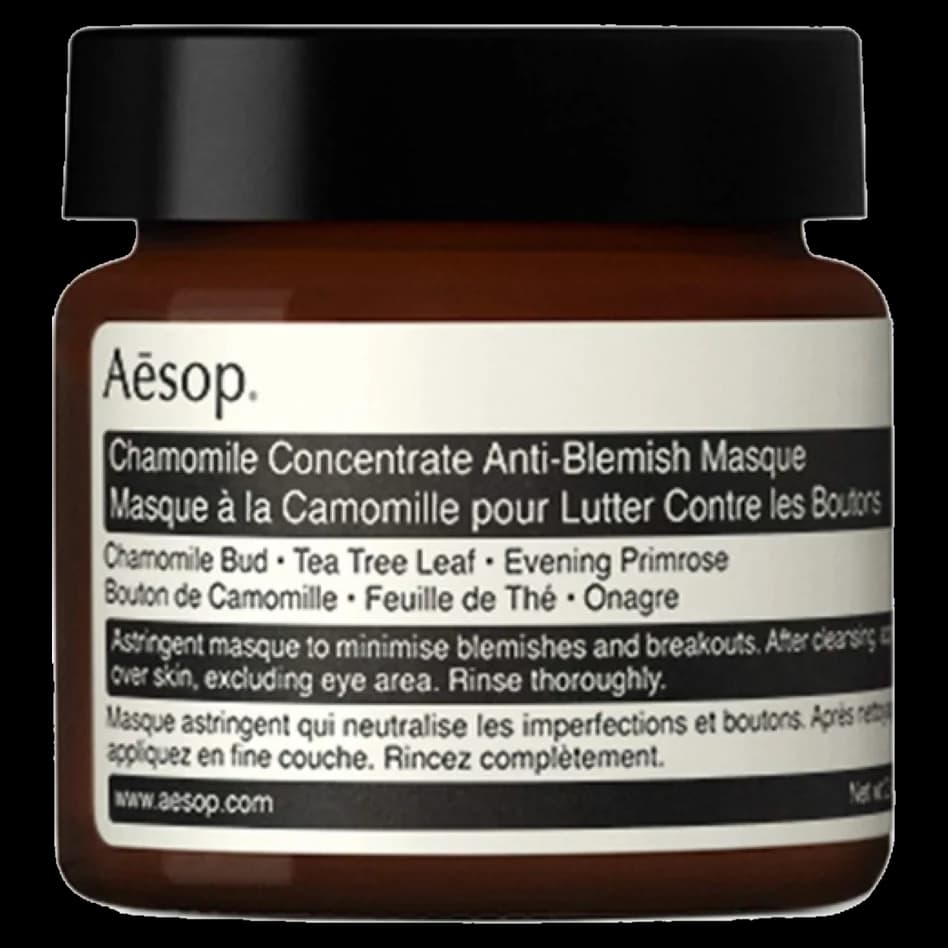
Aesop
Chamomile Concentrate Anti-Blemish Masque
3rd of 16 on the label
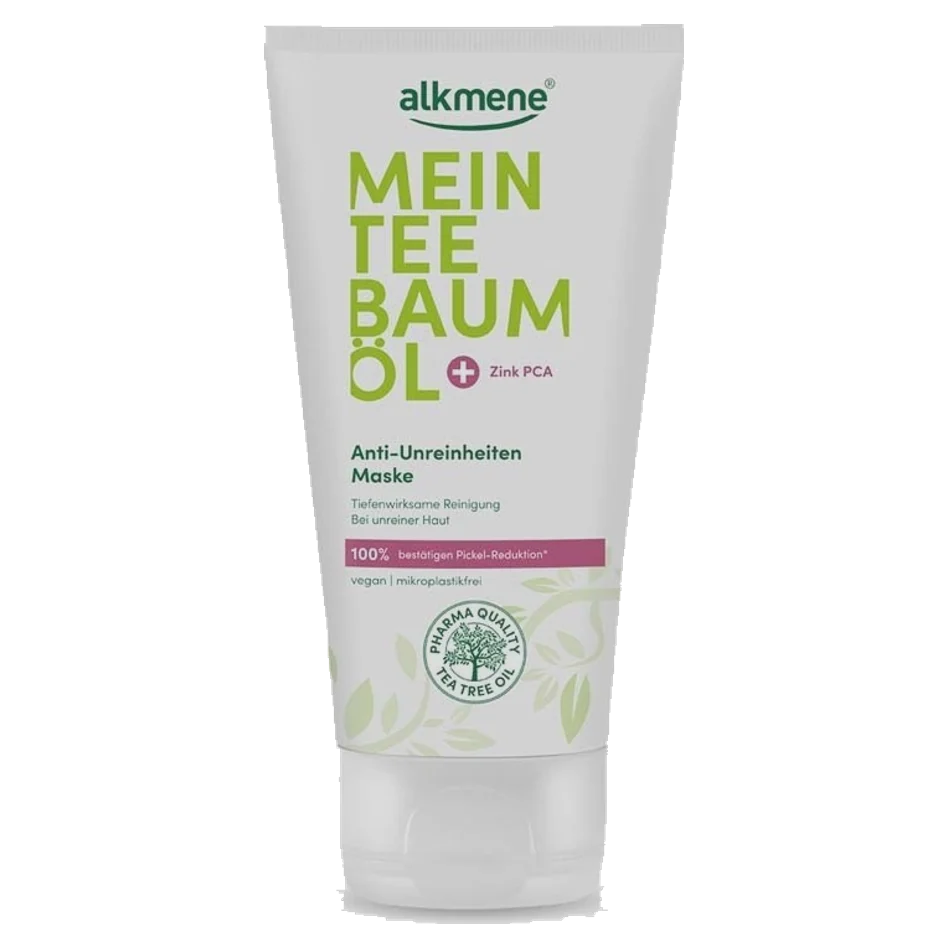
alkmene
Mein Teebaumöl Anti-Unreinheiten Maske
4th of 16 on the label
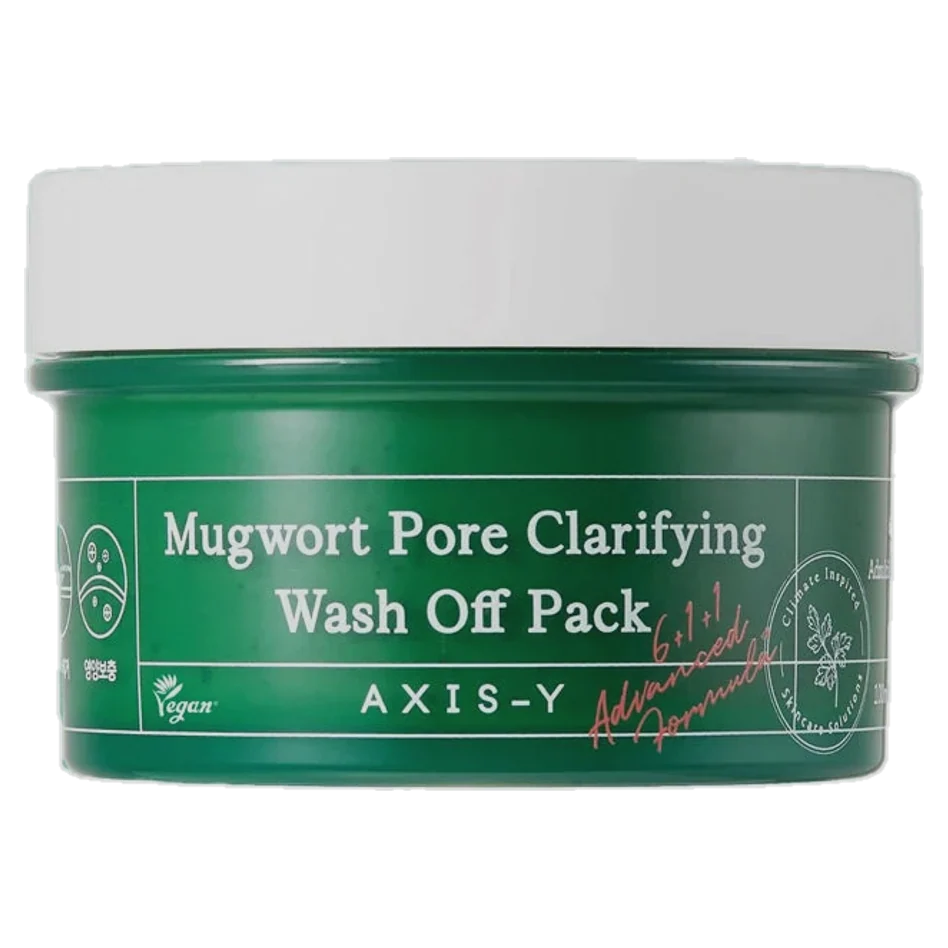
AXIS-Y
Mugwort Pore Clarifying Wash Off Pack
4th of 36 on the label
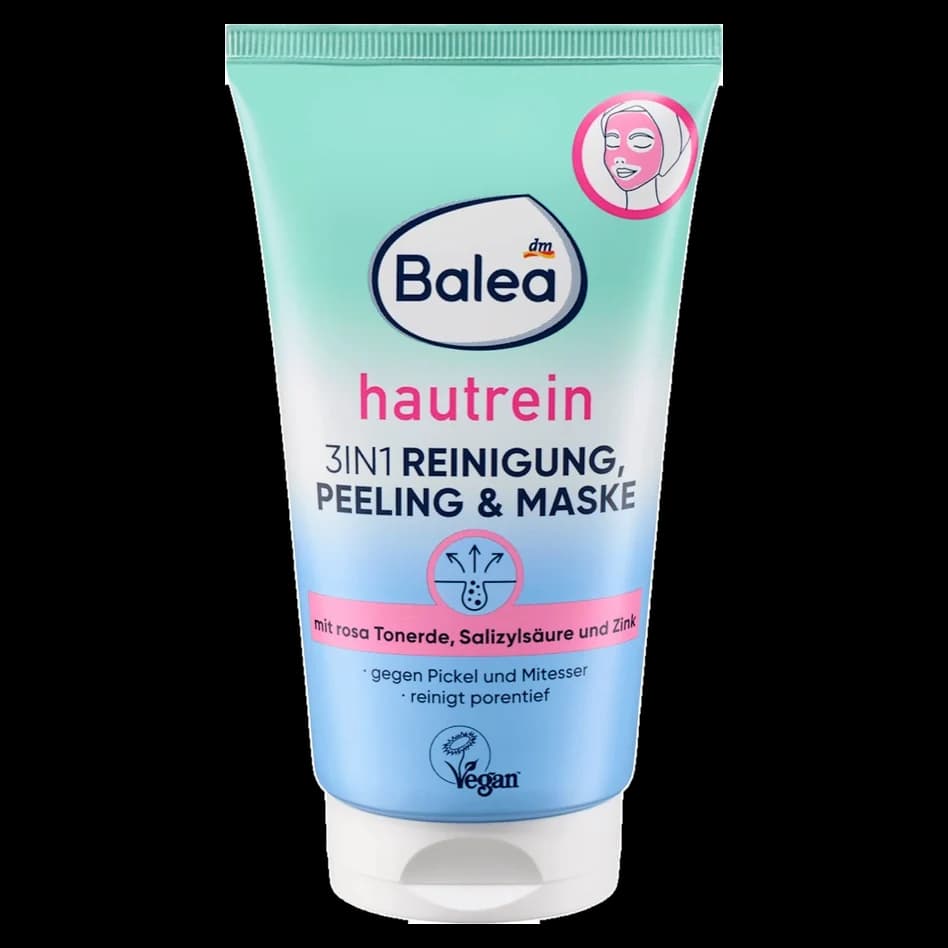
Balea
Reinigung, Peeling & Maske hautrein 3in1
10th of 18 on the label
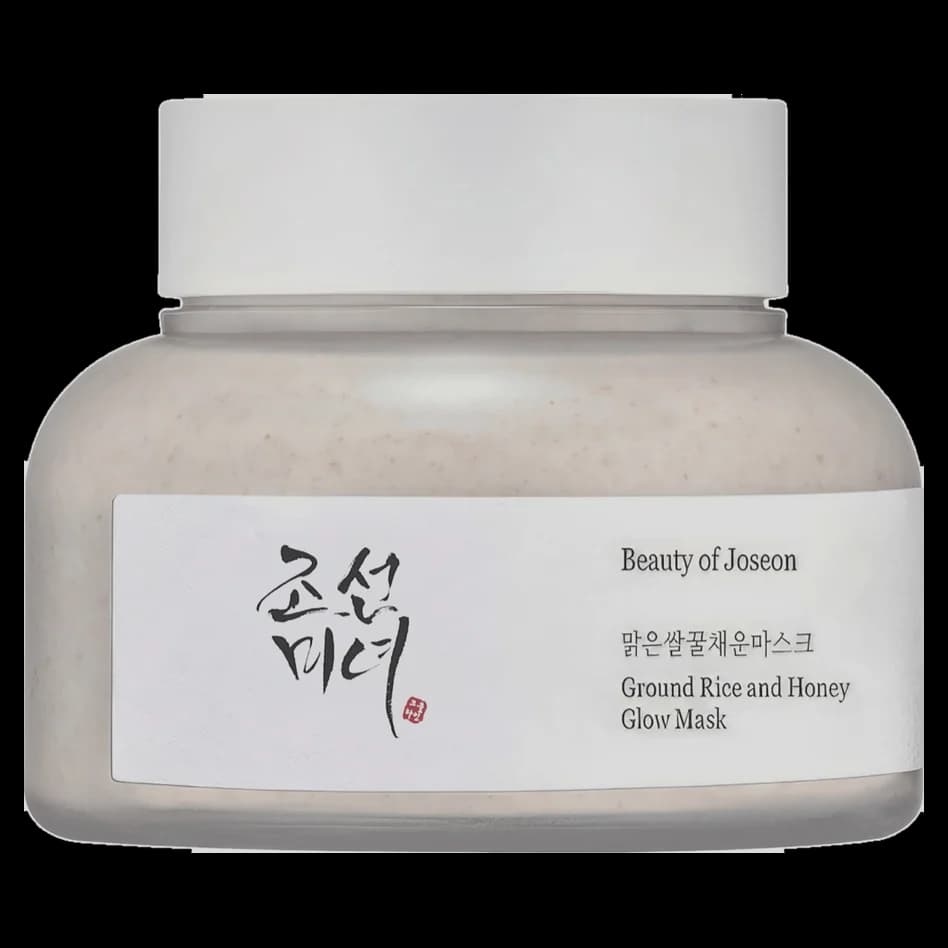
Beauty of Joseon
Ground Rice and Honey Glow Mask
19th of 35 on the label
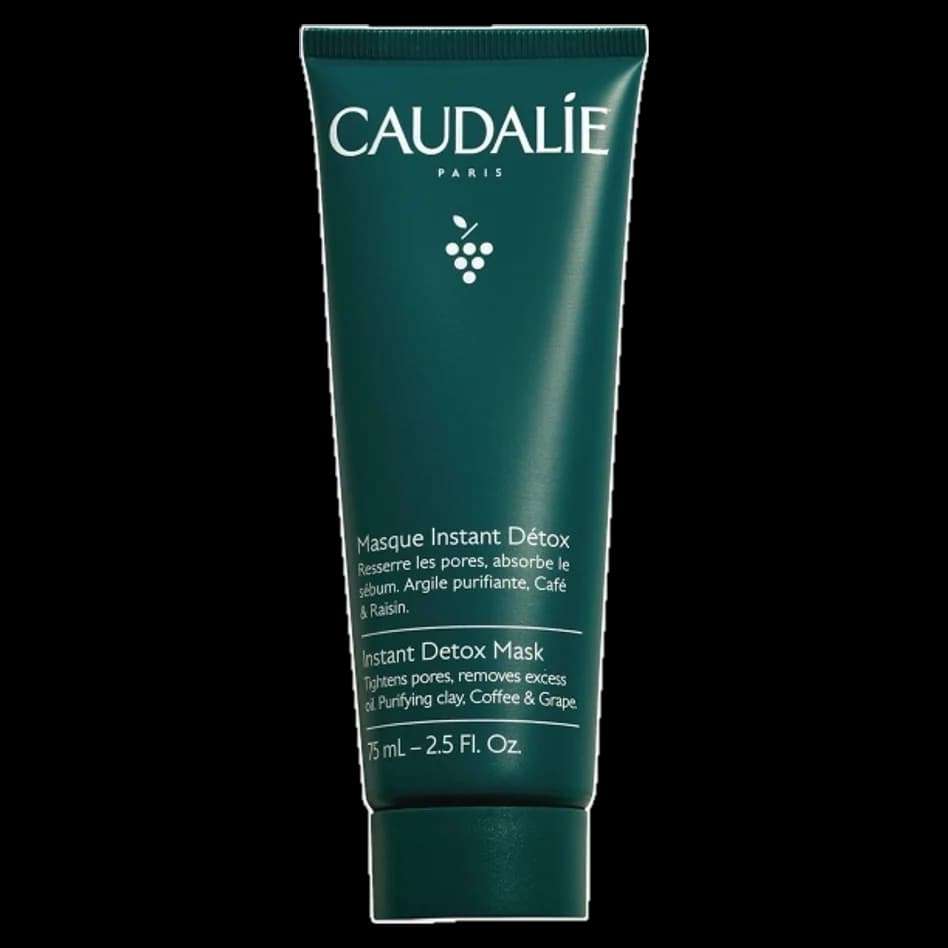
Caudalie
Vinergetic C+ Instant Detox Mask
3rd of 33 on the label
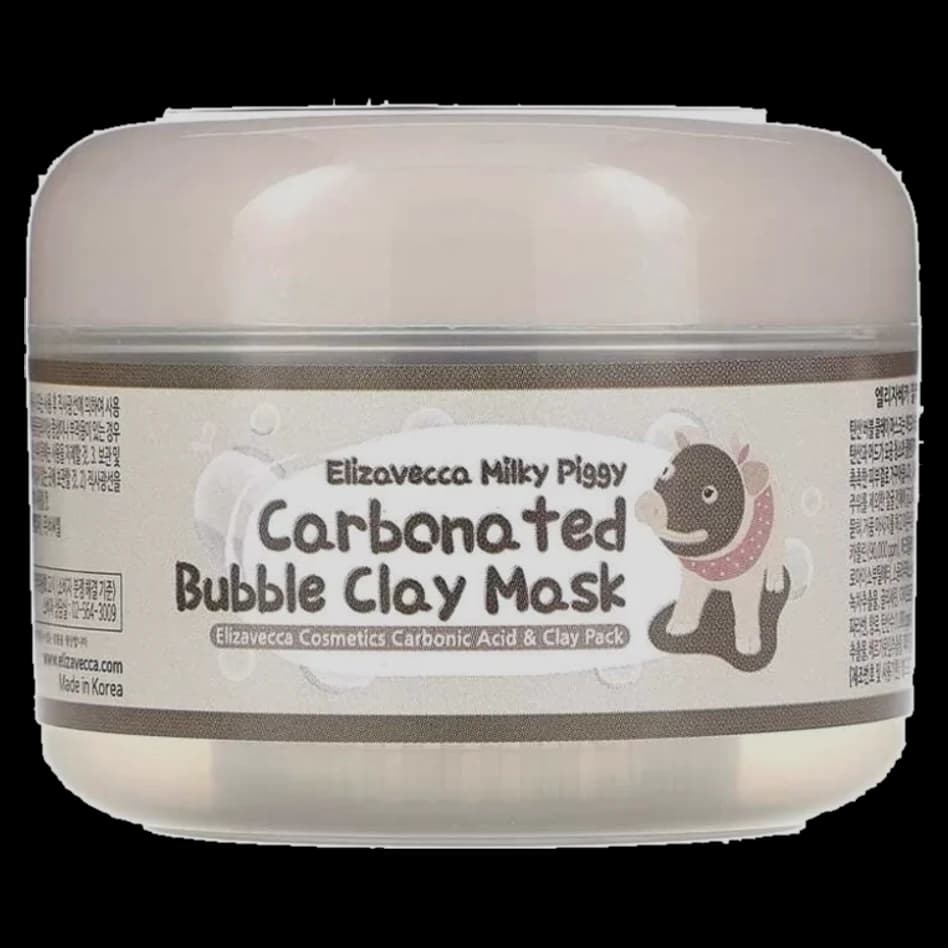
Elizavecca
Milky Piggy Carbonated Bubble Clay Mask
13th of 29 on the label
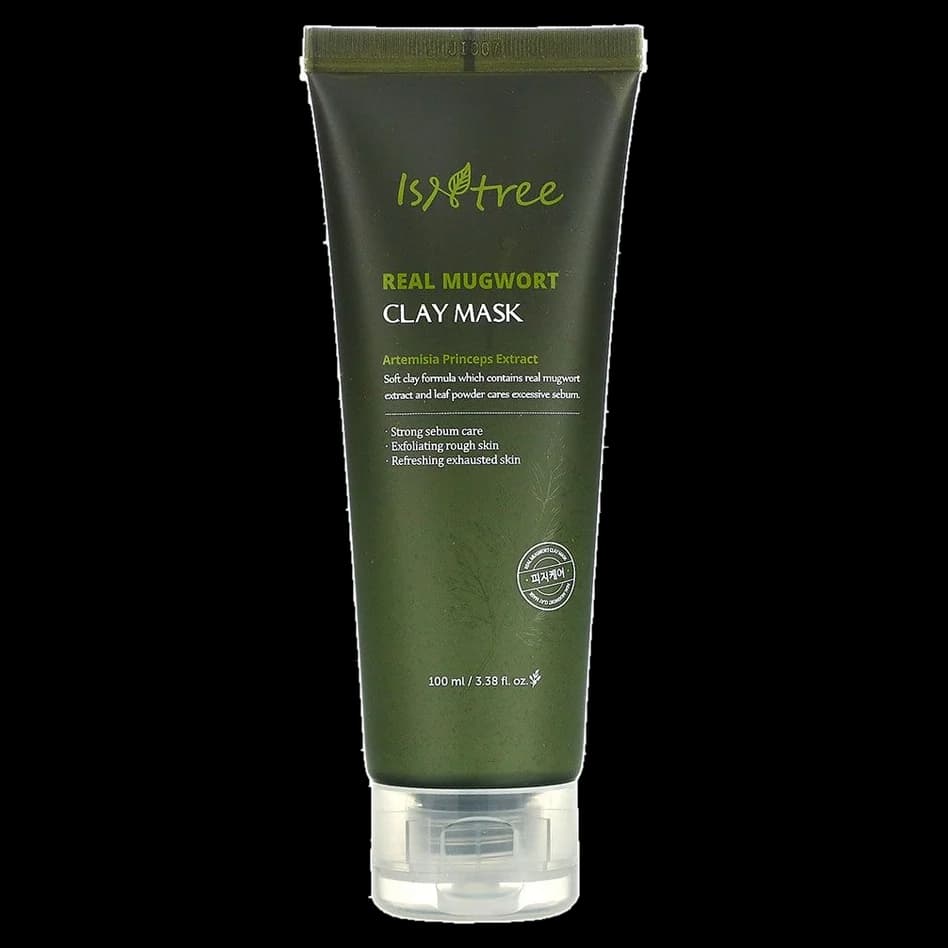
Isntree
Mugwort Calming Clay Mask
5th of 38 on the label
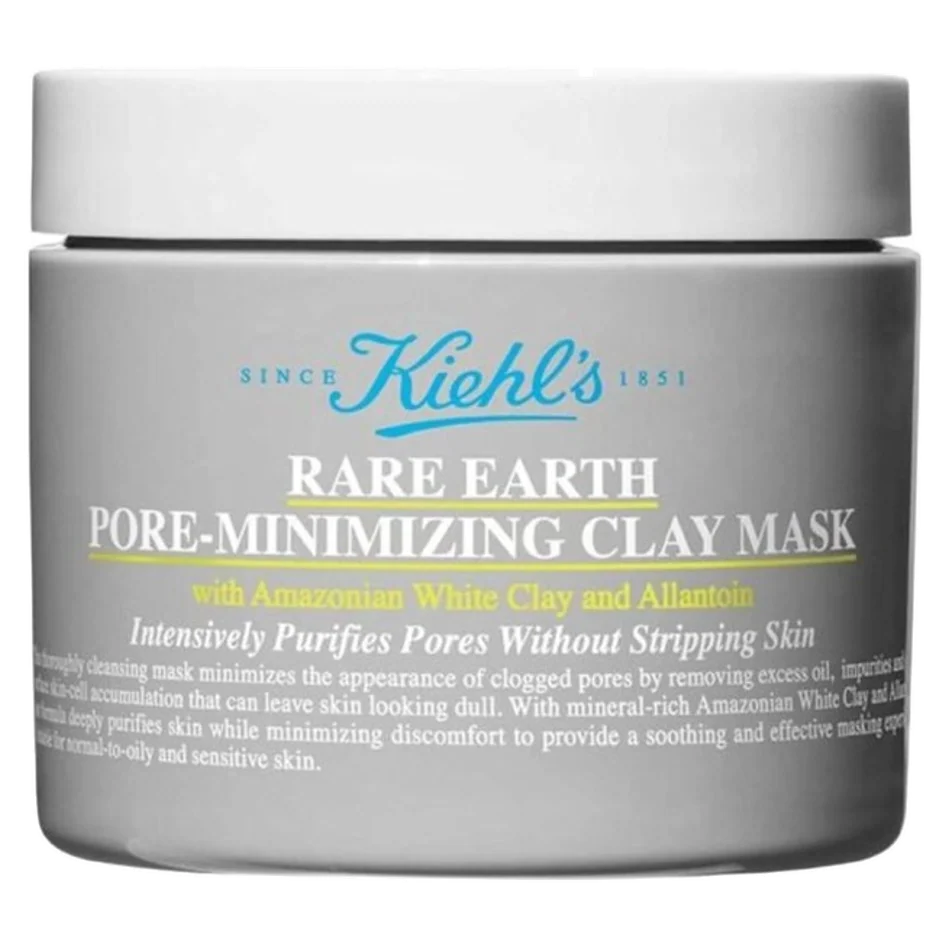
Kiehl's
Rare Earth Pore-Minimizing Clay Mask
3rd of 19 on the label
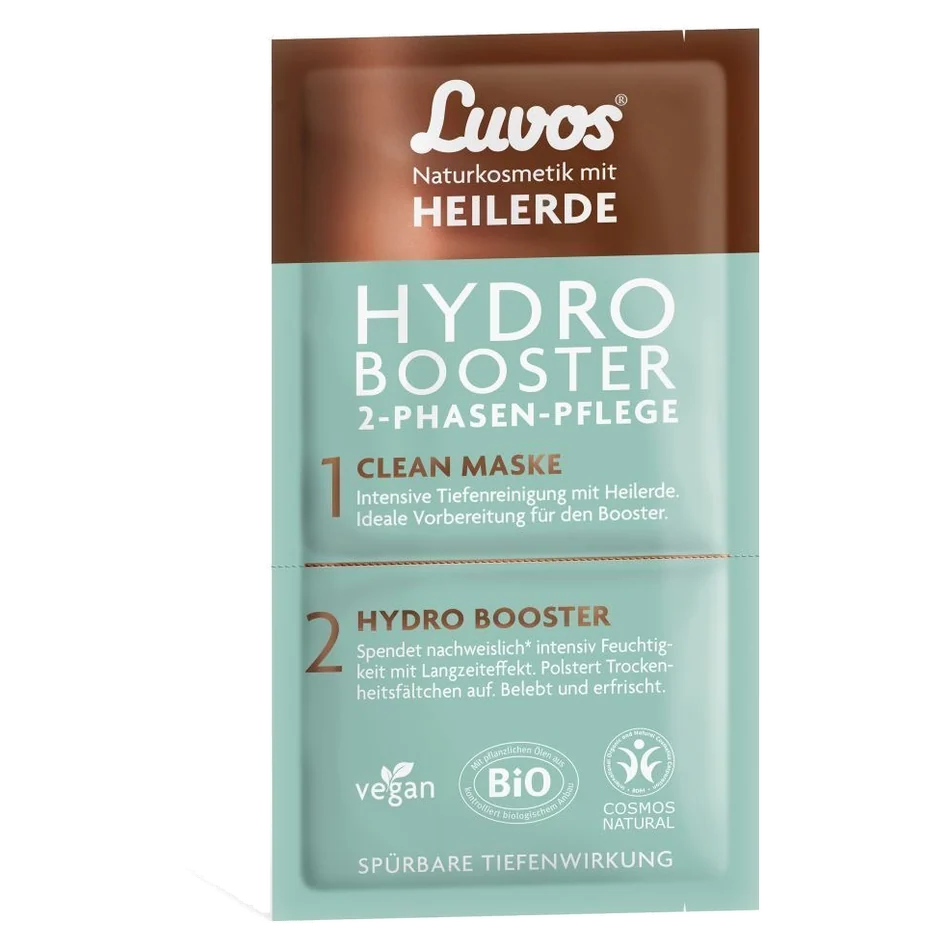
Luvos-Heilerde
Hydro Booster mit Clean Maske
42nd of 63 on the label
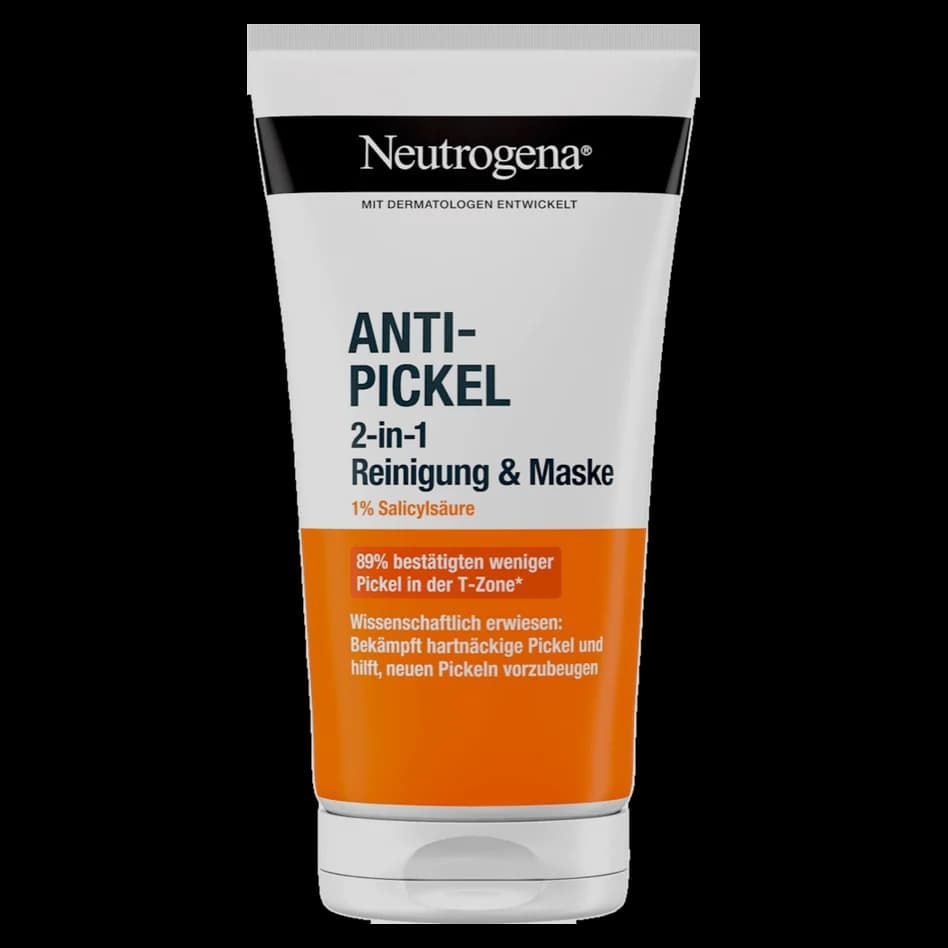
Neutrogena
Anti Pickel Gesichtsmaske 2in1
4th of 23 on the label
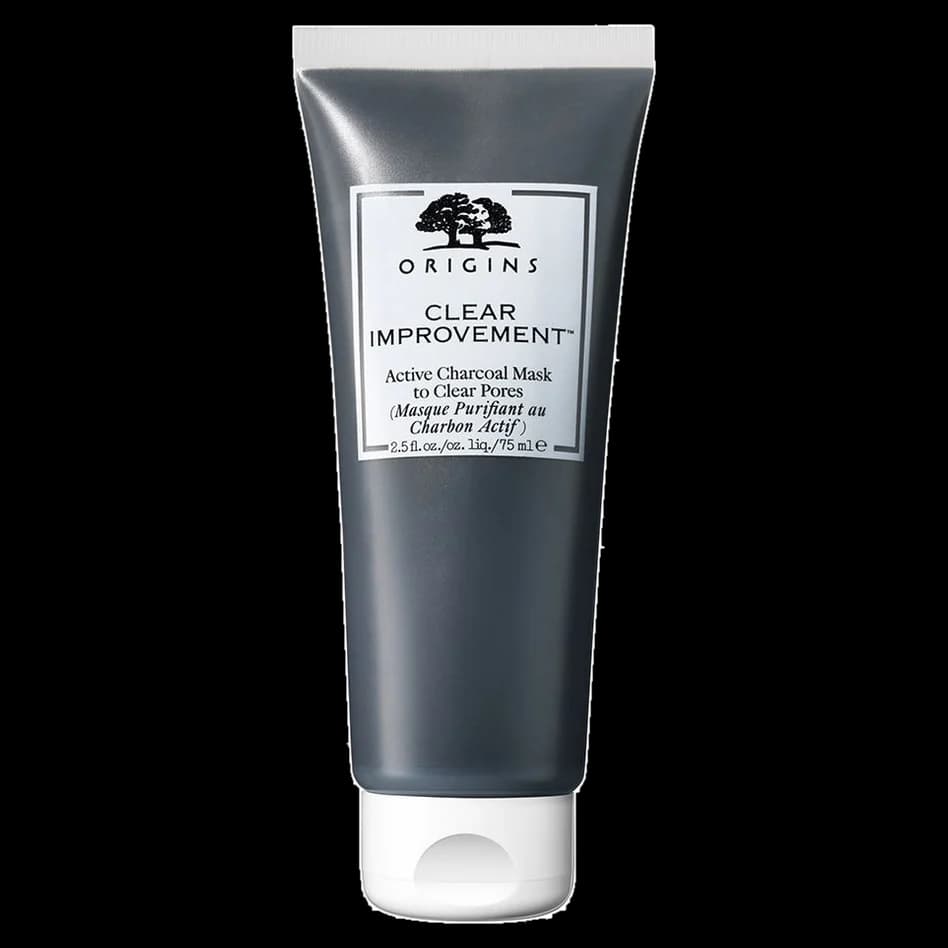
Origins
Clear Improvement Active Charcoal Mask to Clear Pores
4th of 23 on the label
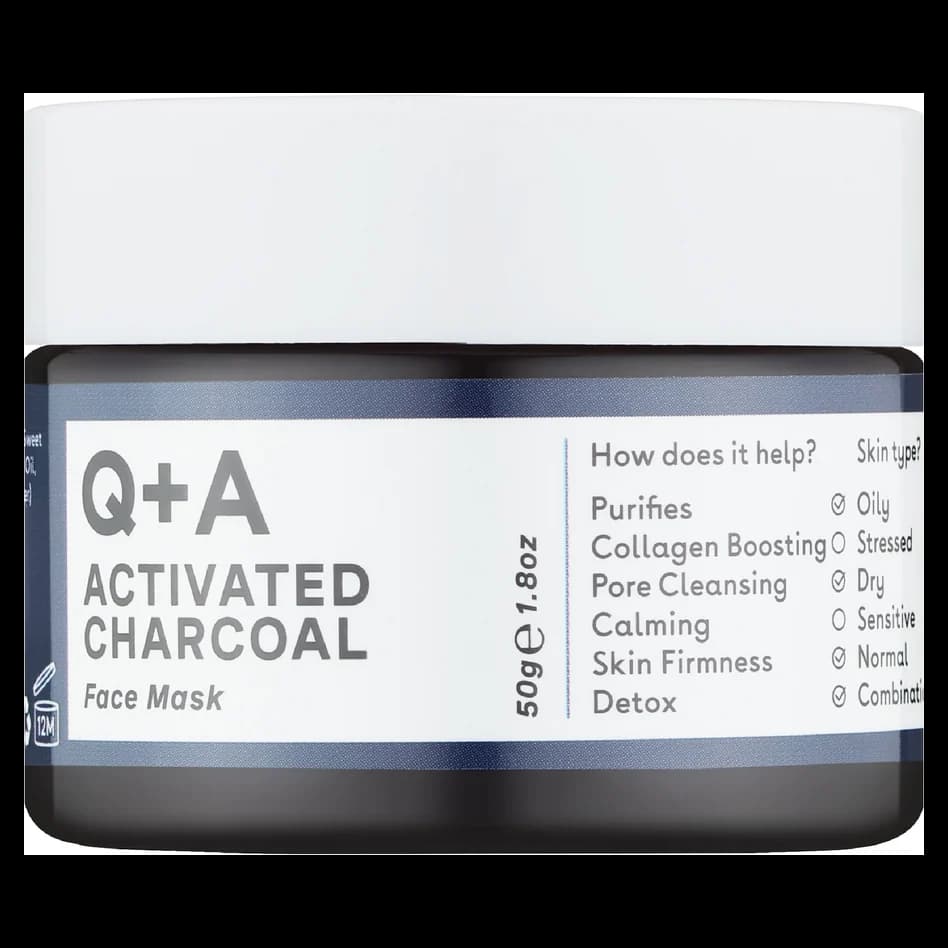
Q+A
Activated Charcoal Face Mask
4th of 18 on the label
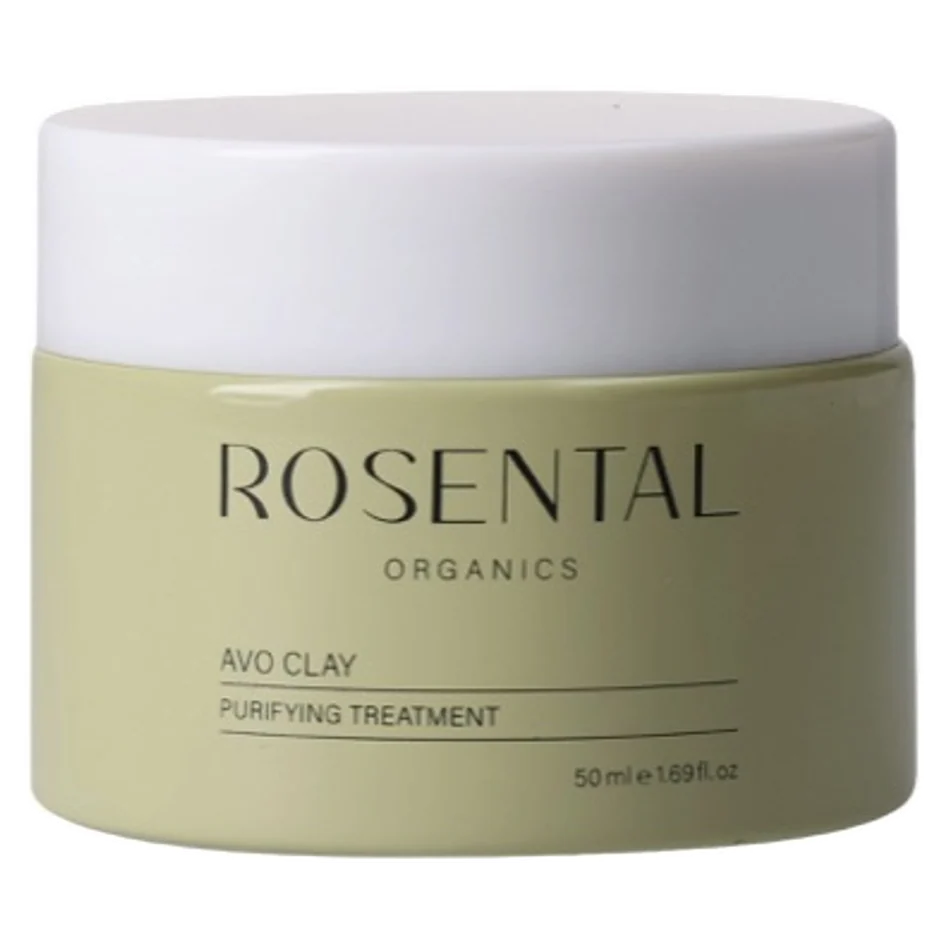
Rosental Organics
Avo Clay Mask
2nd of 17 on the label
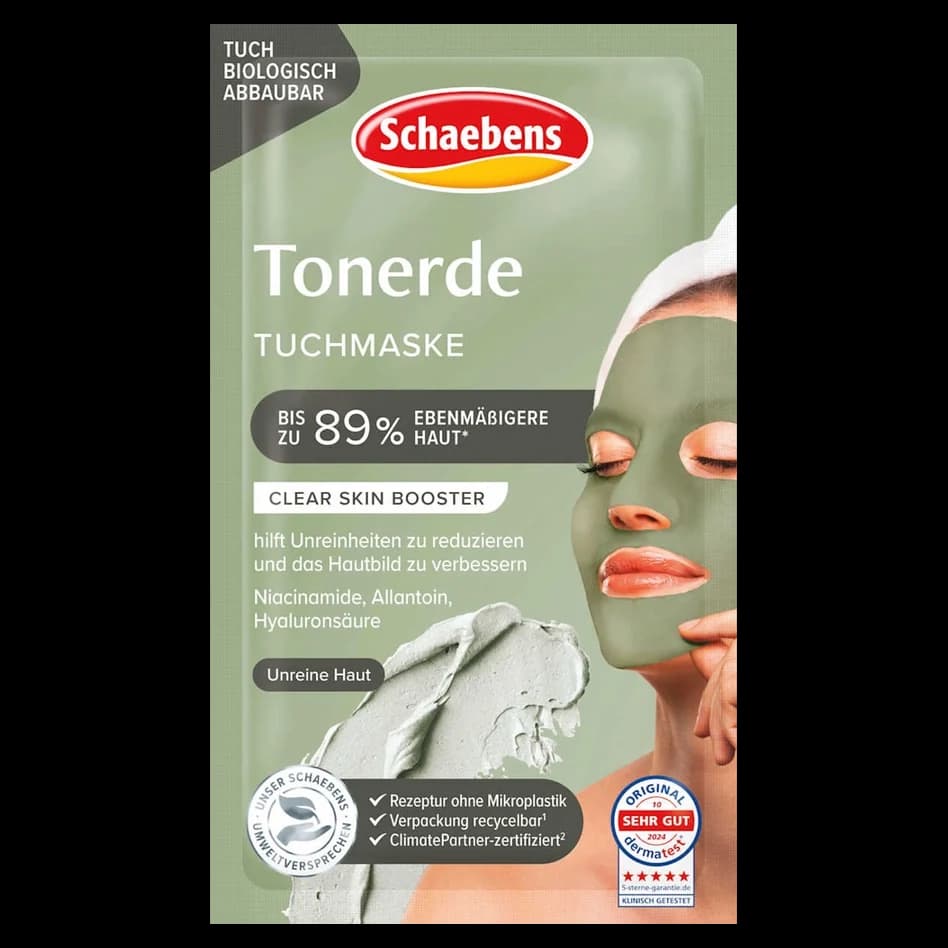
Schaebens
Tuchmaske Tonerde
7th of 35 on the label
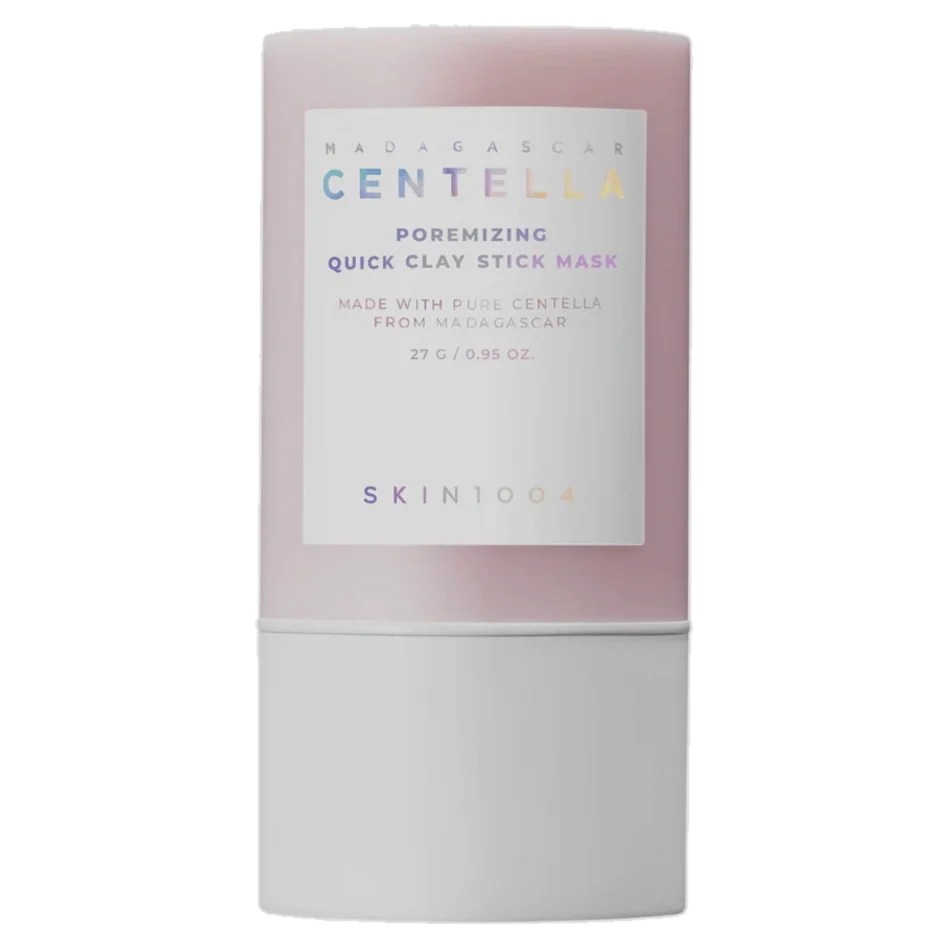
SKIN1004
Madagascar Centella Poremizing Quick Clay Stick Mask
19th of 23 on the label
below ≈1%