Kaolin
White clay
No meaningful concern for most people; irritation is possible but rare.
Also written as: CI 77004 · Kaolinite · China Clay · White Clay · Hydrated Aluminium Silicate
What it is
Kaolin is a naturally occurring hydrated aluminium silicate, mined from weathered granite deposits and then washed, dried and milled. Chemically it is a non-swelling clay, so it absorbs oil and water without turning into a stiff gel the way bentonite does. Formulators use it in wash-off masks, cleansing powders and pressed powders because it gives a smooth, matte texture and mops up sebum. It is inert, does not dissolve in water and stays on the skin surface.
How it shows up on a label
Often the base of a 'white clay' or 'purifying' mask: it is usually printed high in the list, and never below the point where ingredient order stops indicating quantity. Higher kaolin ratios give a milder, less tightening mask.
What it does well
Absorbs surface oil and sebum
Kaolin's high surface area lets it take up sebum and water, which is why a kaolin mask leaves skin feeling matte. The effect is physical and temporary rather than a lasting change in oil production.
Moderate evidence
Gentler than swelling clays like bentonite
Because kaolin does not swell or shrink strongly as it dries, it tends to pull less on the skin than bentonite or rhassoul. The 2026 Cosmetic Ingredient Review panel concluded kaolin is safe as currently used, without the inhalation caveat it applied to the other clays it reviewed.
Moderate evidence
Worth knowing
Can over-dry skin if left on too long
Leaving a clay mask on until it cracks removes more water than oil and can leave the skin barrier feeling tight. Rinsing while the mask is still slightly damp avoids this.
Matters most toPeople with dry, dehydrated or eczema-prone skin.
Naturally contains trace heavy metals
All mined clays carry small amounts of lead, arsenic and cadmium from the parent rock; published surveys of natural kaolinitic clays report lead in the tens of parts per million and arsenic up to about 15 ppm. Work on topical clay gels found that only a tiny fraction is actually mobile - arsenic and cadmium released at about 0.1 and 0.2 micrograms per 100 g of gel - and concluded such products can be applied to skin without meaningful intoxication risk.
Matters most toGenerally no one at normal wash-off use; relevant mainly to people eating clay, which some traditional practices involve.
Loose powder should not be inhaled
Mixing dry clay powder raises a fine dust. Repeated inhalation of mineral dust is an occupational concern, not a consumer one, but it is sensible to avoid breathing in the powder while mixing a DIY mask.
Matters most toAnyone mixing loose clay powder at home, and children.
Where the EU stands
Class entry may apply
Kaolin is not capped by name, and as a colourant it sits on the EU positive list of permitted colourants as CI 77004, natural hydrated aluminium silicate. The blanket reading that used to follow from that - no annex entry, therefore no limit - no longer holds on its own, because Regulation (EU) 2026/909 added Annex III entry 381, a class entry over aluminium-containing ingredients. It caps aluminium in the finished product rather than any single ingredient: 0.89% (as Al) in face and body rinse-off products and 10.59% (as Al) in face leave-on products, from 1 January 2027. Entry 381 excepts a closed list of annex entries, and one of them is Annex IV entry 119, described there as natural hydrated aluminium silicate, Al2O3.2SiO2.2H2O - kaolin's own chemistry, and the Cosmetic Ingredient Review reads kaolin as listed under it. That would carve kaolin out. What the regulation does not say is whether the exception follows the substance out of colourant use and into the absorbent use a clay mask puts it to, so the reach is arguable; the one reading that is no longer available is that nothing in the annexes touches it.
Regulation (EC) No 1223/2009, Annex IV entry 119 (CI 77004); Annex III entry 381 (aluminium-containing ingredients), added by Regulation (EU) 2026/909 and renumbered from 379 by the corrigendum at OJ L, 2026/90354, 5.5.2026 · source ↗
Sources (4)
Every link goes to the original: a journal, a PubMed record or an EU document.
- [1]Opinion on the safety of aluminium in cosmetic products - Submission IV (SCCS/1662/23)
Scientific Committee on Consumer Safety (SCCS), European Commission · 2024
The opinion that set the EU's aluminium limits records powder products as being formulated with insoluble ingredients such as kaolin, mica and perlite, which on the account put to the committee do not release aluminium on inhalation or skin contact; the SCCS reached the same conclusion for talc, allowing talc with an aluminium content of up to 2% in cosmetics.
- [2]Amended Safety Assessment of Naturally-Sourced Clays as Used in Cosmetics
International Journal of Toxicology (Cosmetic Ingredient Review Expert Panel) · 2026 · doi:10.1177/10915818261455355
The expert panel concluded kaolin is safe in cosmetics as currently used, and that the other clays reviewed are safe except where data on incidental inhalation are insufficient.
- [3]Safety of Nanoclay/Spring Water Hydrogels: Assessment and Mobility of Hazardous Elements
Pharmaceutics · 2020 · doi:10.3390/pharmaceutics12080764
Arsenic and cadmium present in clay-based topical gels were only mobilised in very small amounts (0.1 and 0.2 micrograms per 100 g), so the gels could be applied to skin without major intoxication risk.
- [4]Genotoxicity of micro- and nano-particles of kaolin in human primary dermal keratinocytes and fibroblasts
Genes and Environment · 2020 · doi:10.1186/s41021-020-00155-1
Kaolin particles caused DNA damage in isolated skin cells at high doses in culture, with smaller particles more active - a cell-culture finding that has not been shown to translate to intact skin, where kaolin does not penetrate.
Masks that contain Kaolin
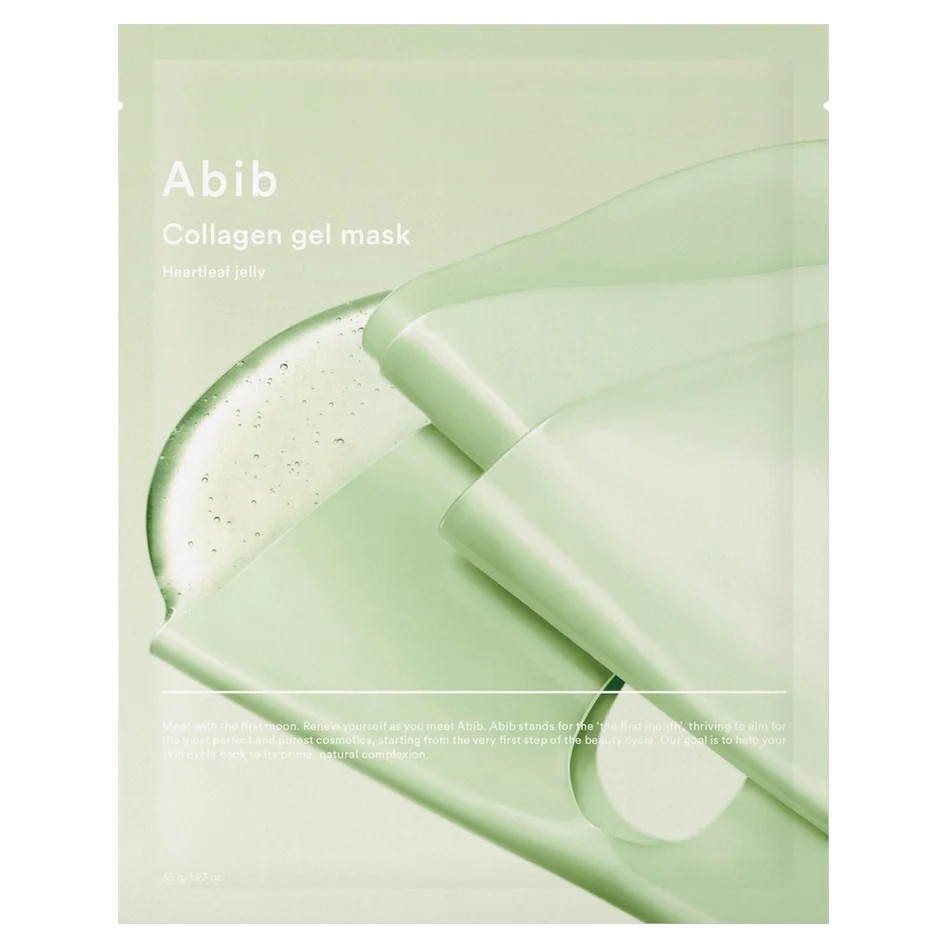
Abib
Collagen Gel Mask Heartleaf Jelly
13th of 43 on the label
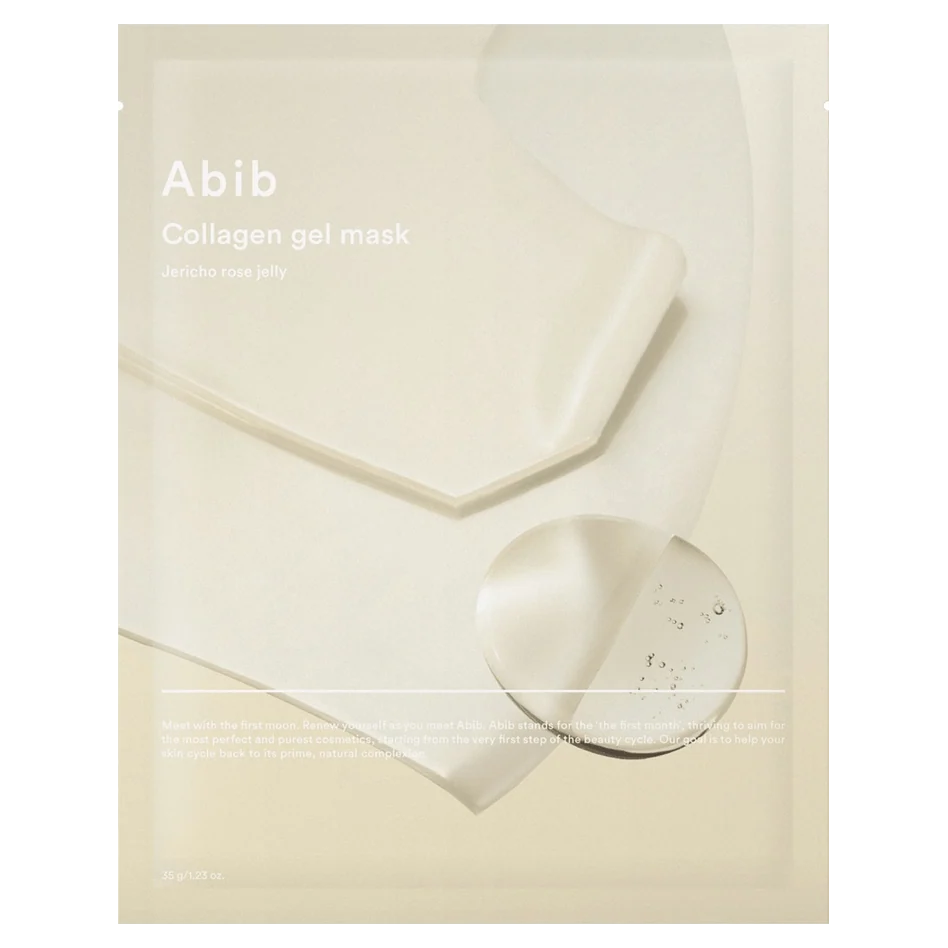
Abib
Collagen Gel Mask Jericho Rose Jelly
16th of 43 on the label
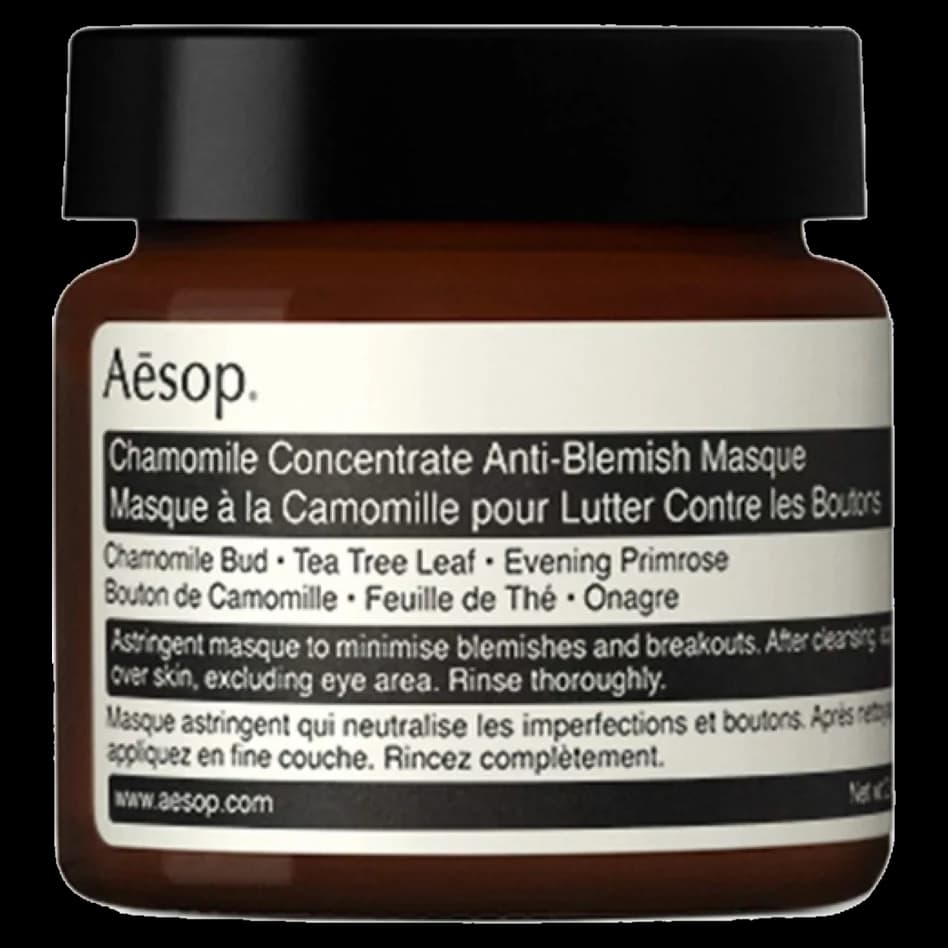
Aesop
Chamomile Concentrate Anti-Blemish Masque
2nd of 16 on the label
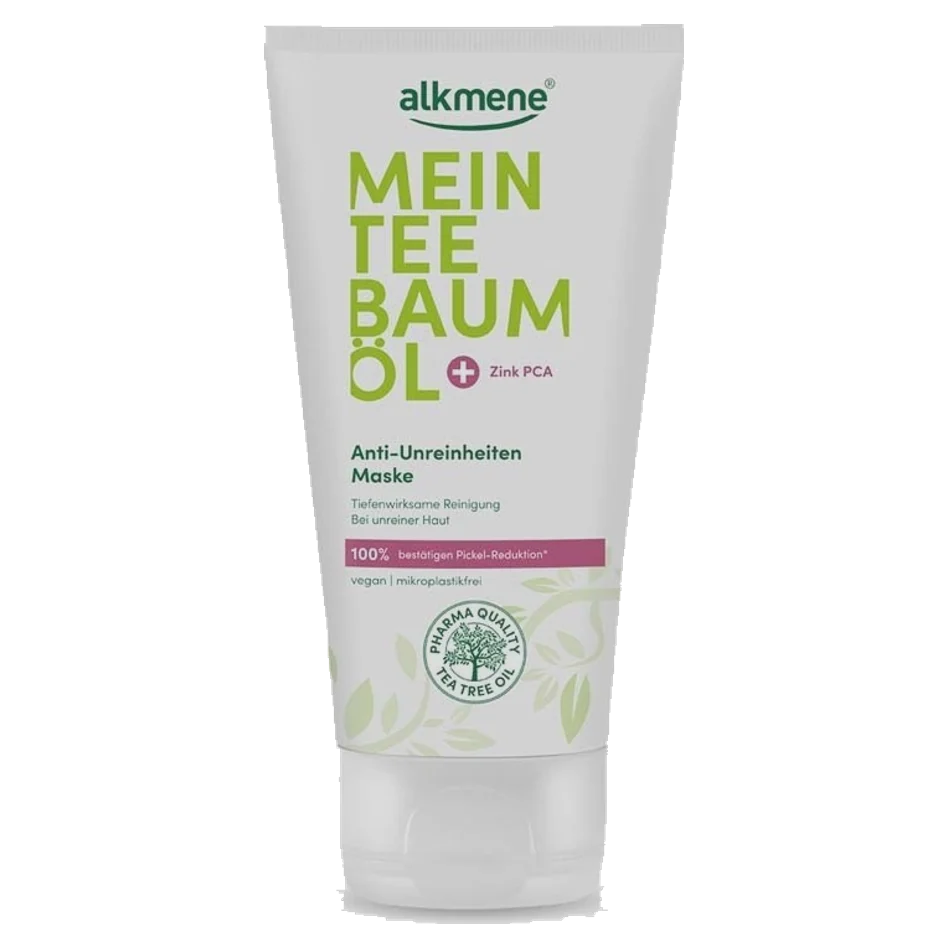
alkmene
Mein Teebaumöl Anti-Unreinheiten Maske
2nd of 16 on the label
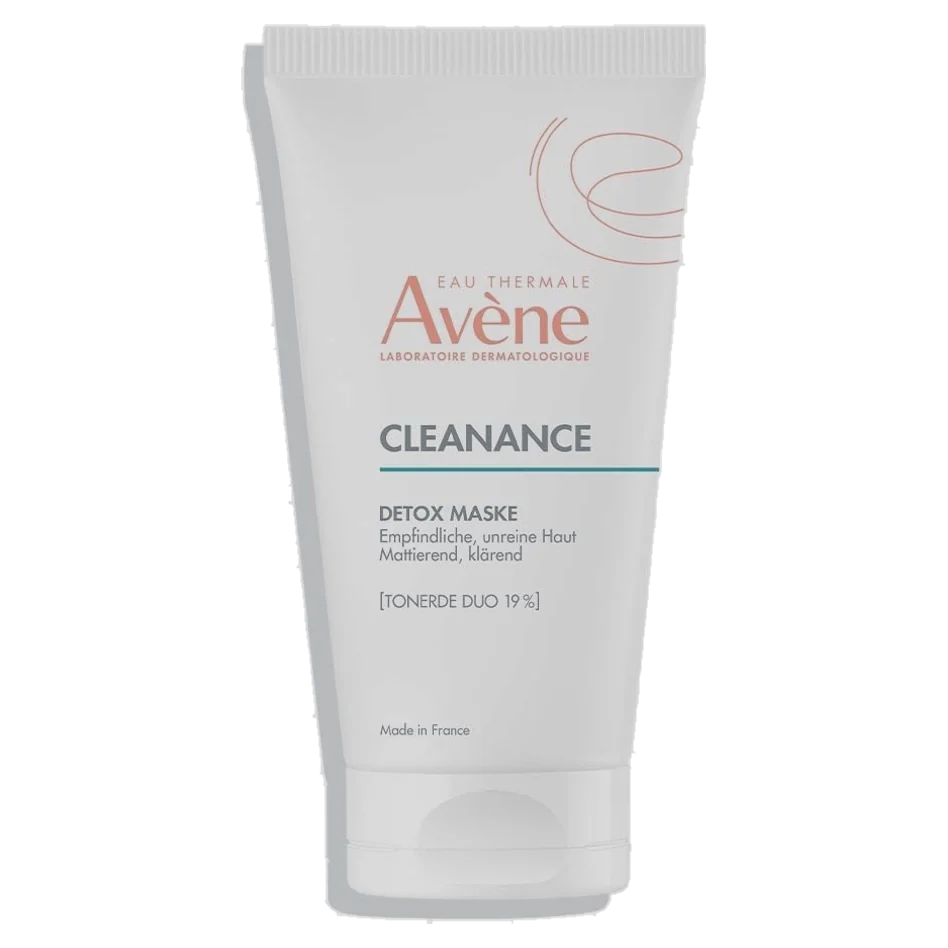
Avène
Cleanance Detox Mask
2nd of 18 on the label
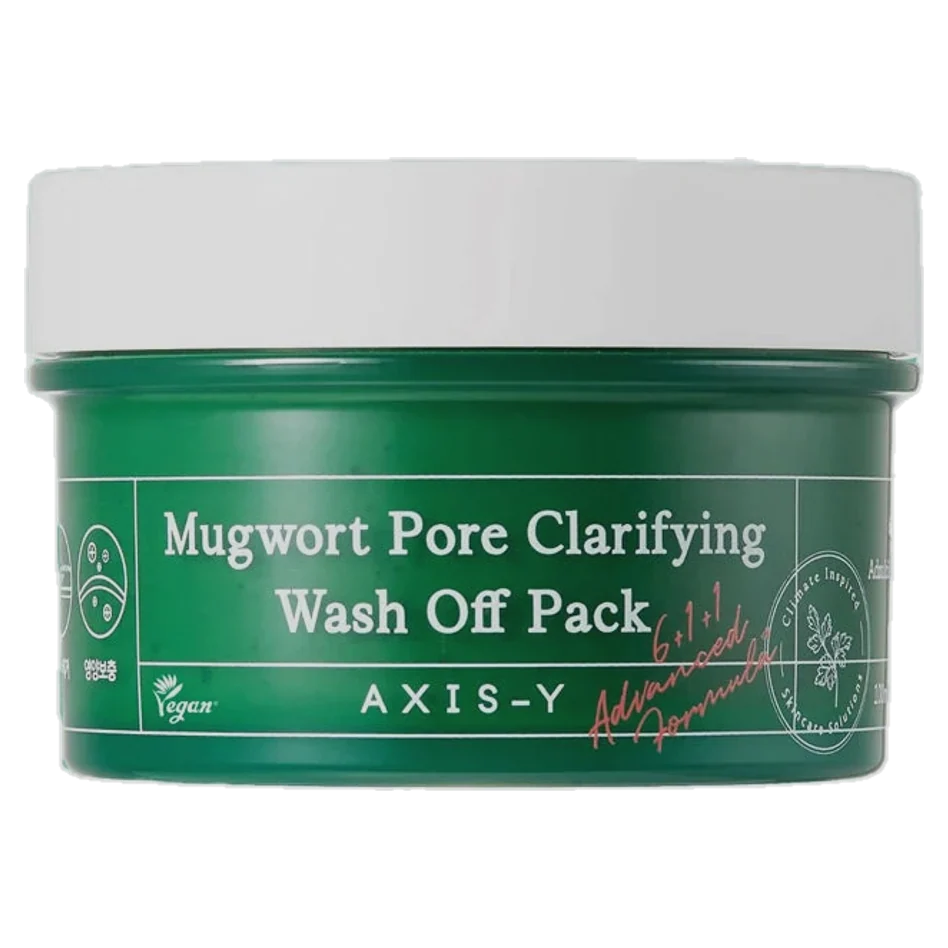
AXIS-Y
Mugwort Pore Clarifying Wash Off Pack
2nd of 36 on the label
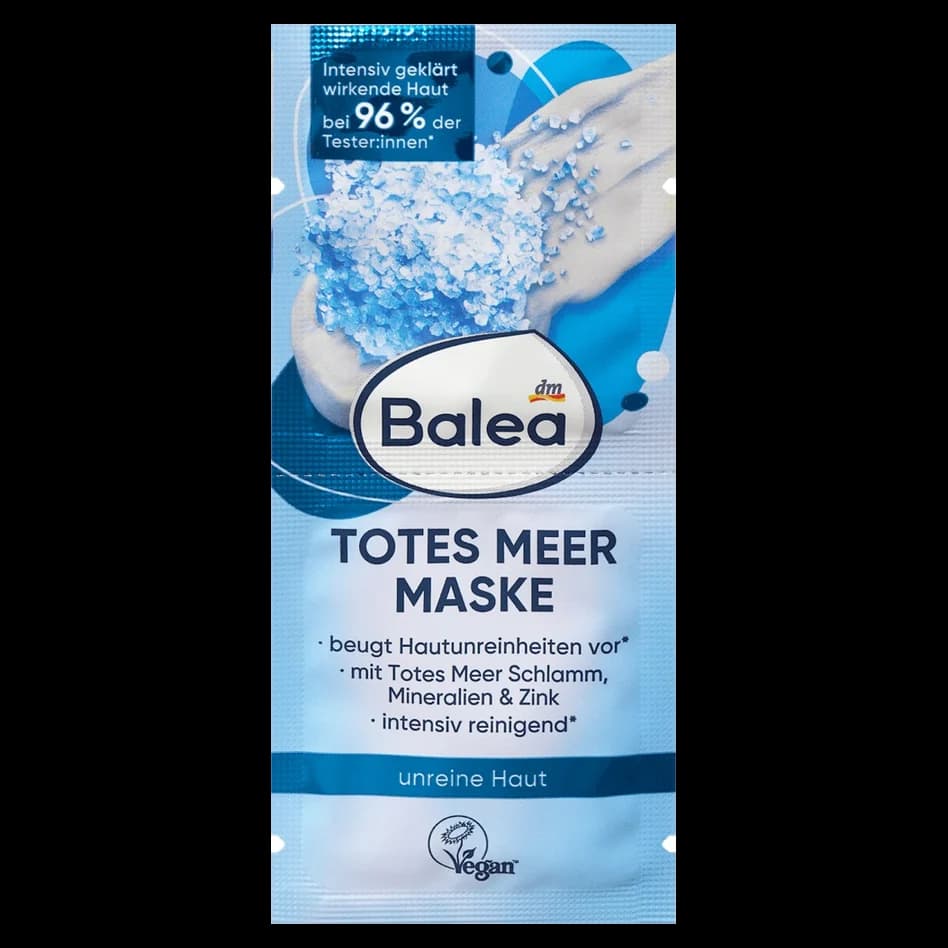
Balea
Gesichtsmaske Totes Meer
4th of 21 on the label
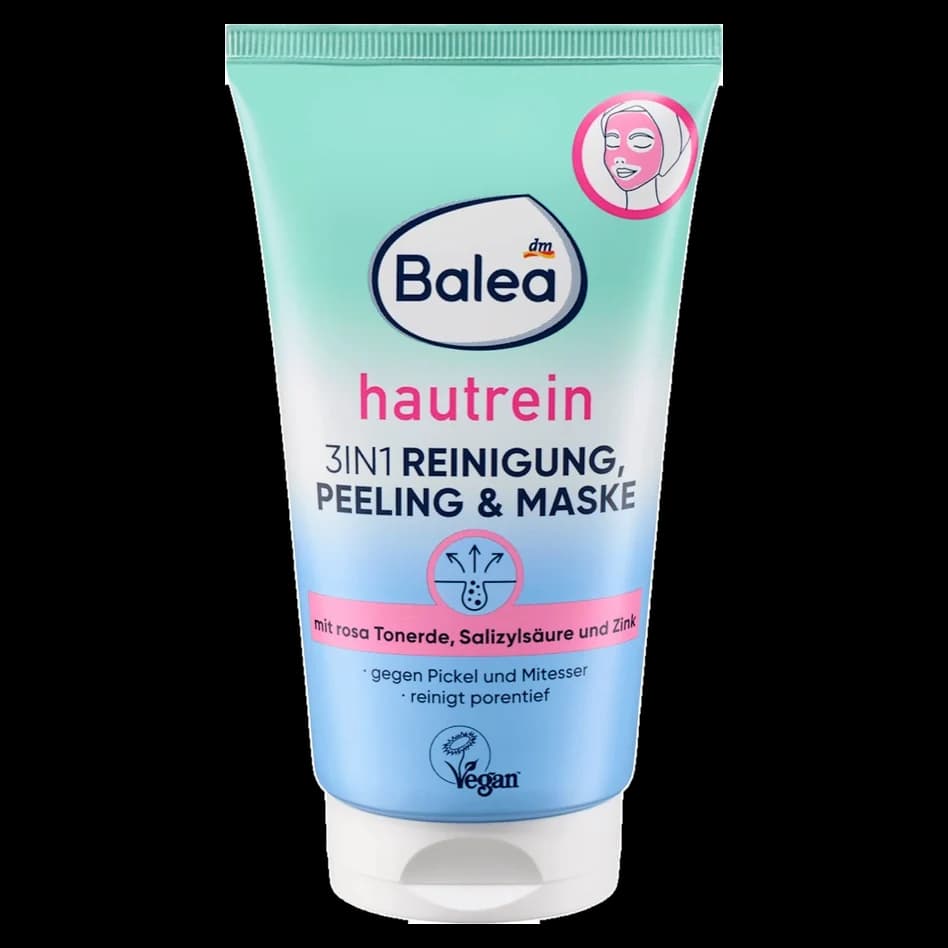
Balea
Reinigung, Peeling & Maske hautrein 3in1
2nd of 18 on the label
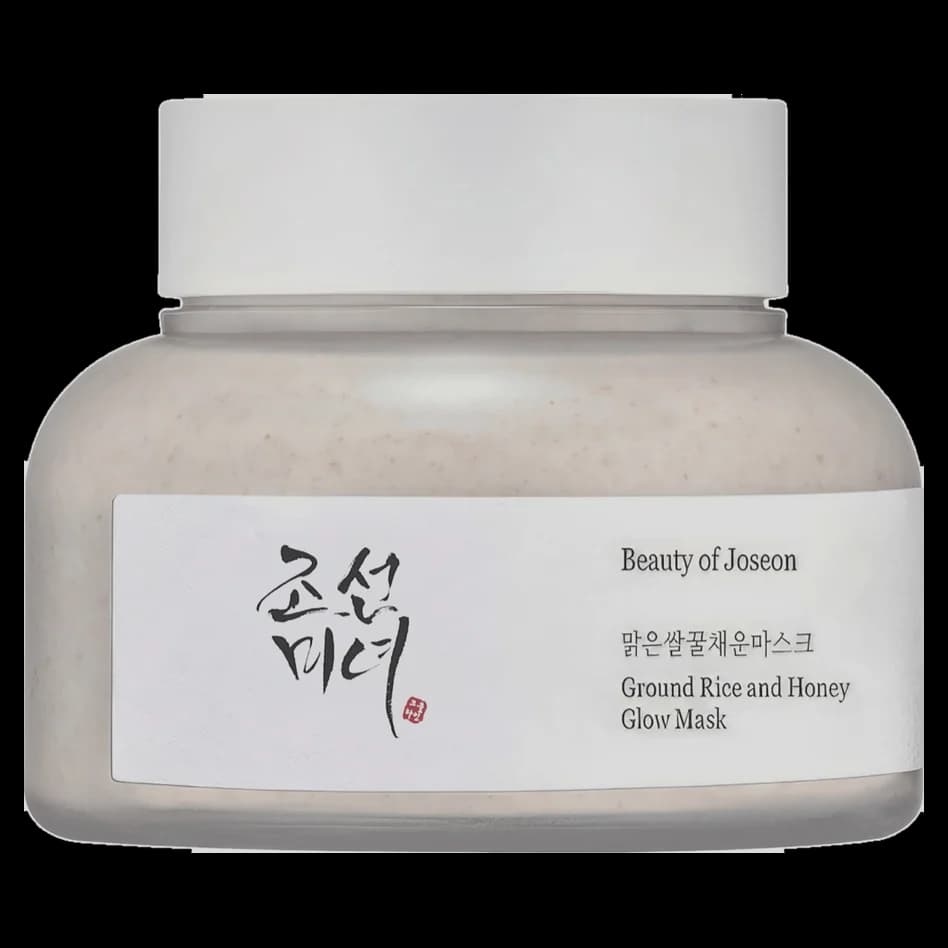
Beauty of Joseon
Ground Rice and Honey Glow Mask
2nd of 35 on the label
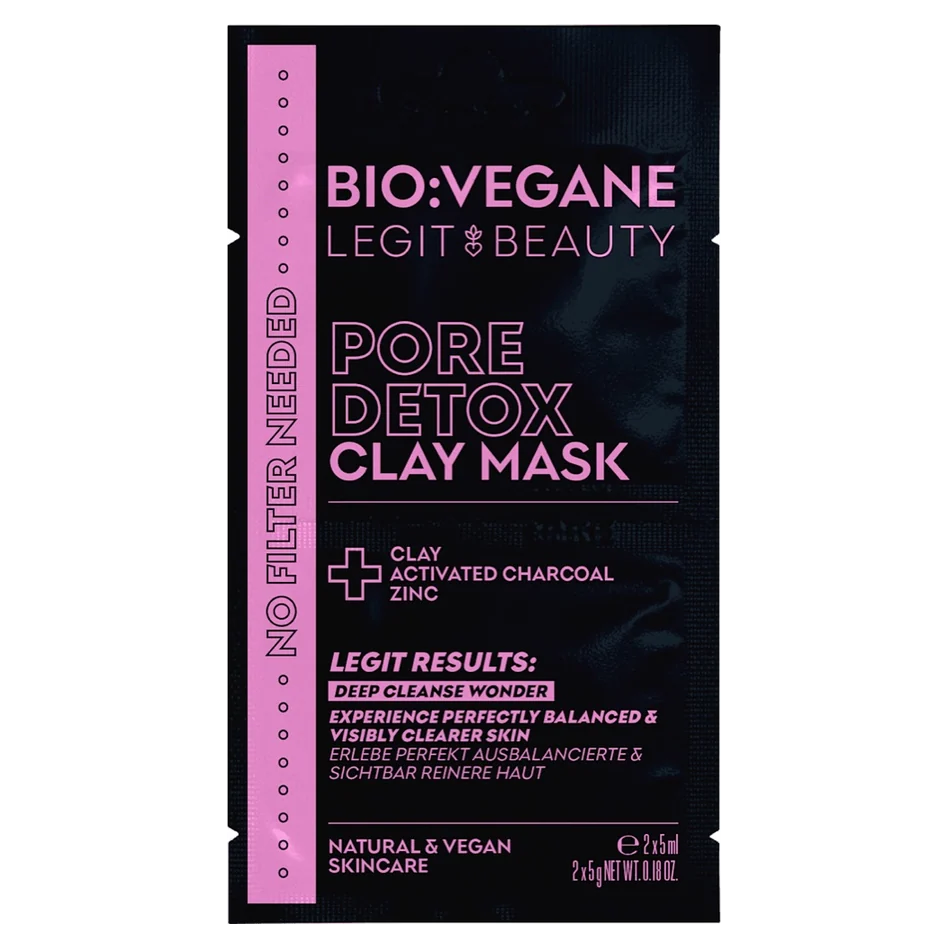
BIO:VEGANE
Gesichtsmaske Pore Detox Clay Mask
2nd of 19 on the label
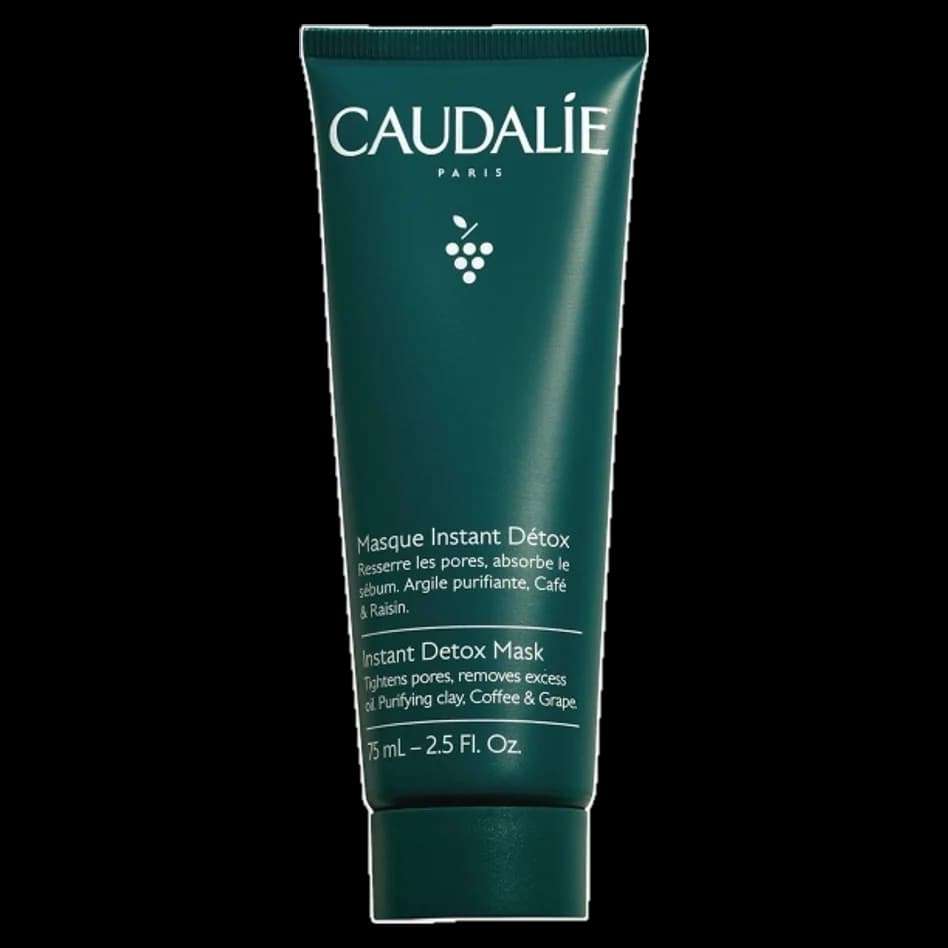
Caudalie
Vinergetic C+ Instant Detox Mask
2nd of 33 on the label
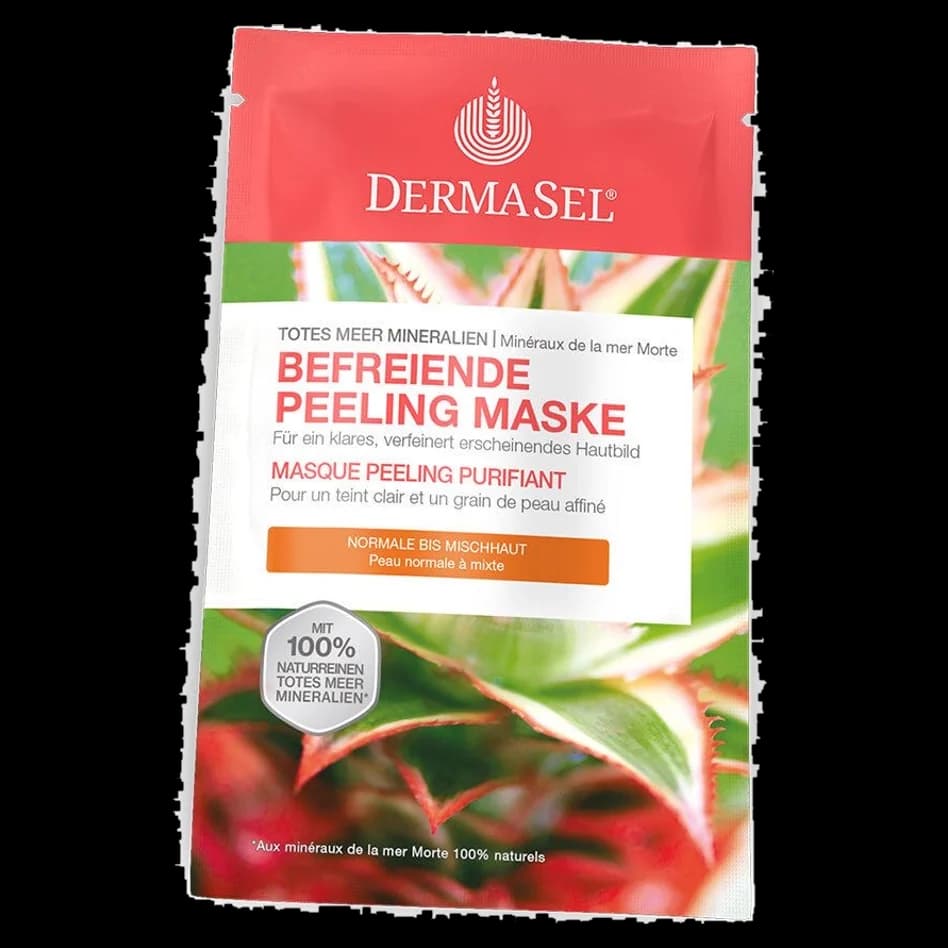
DERMASEL
SPA Totes Meer Maske Peeling
5th of 16 on the label
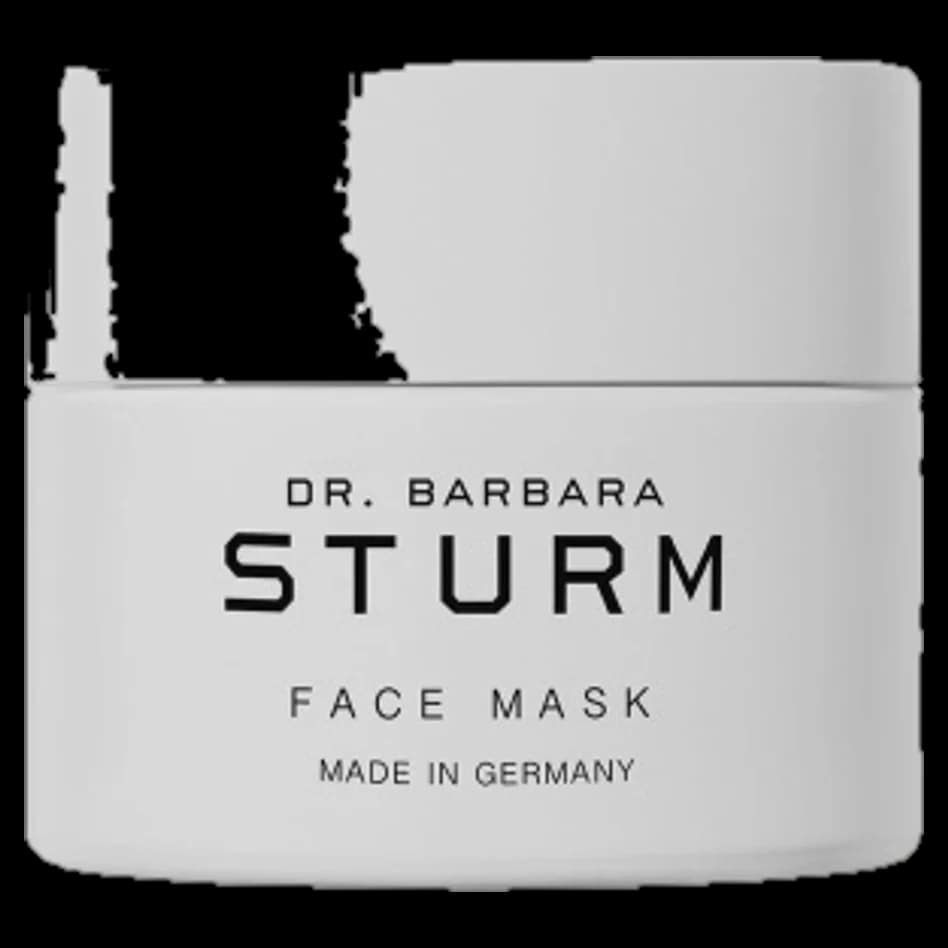
Dr. Barbara Sturm
Face Mask
2nd of 18 on the label
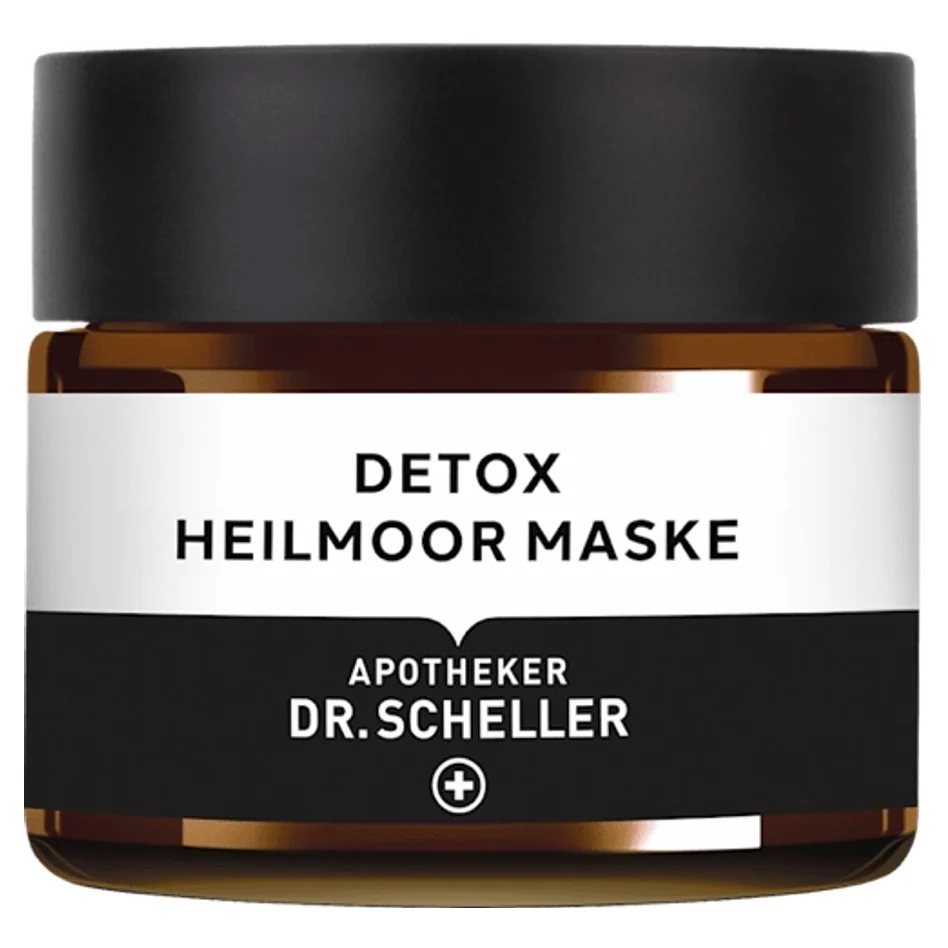
Dr. Scheller
Detox Heilmoor Maske
13th of 22 on the label
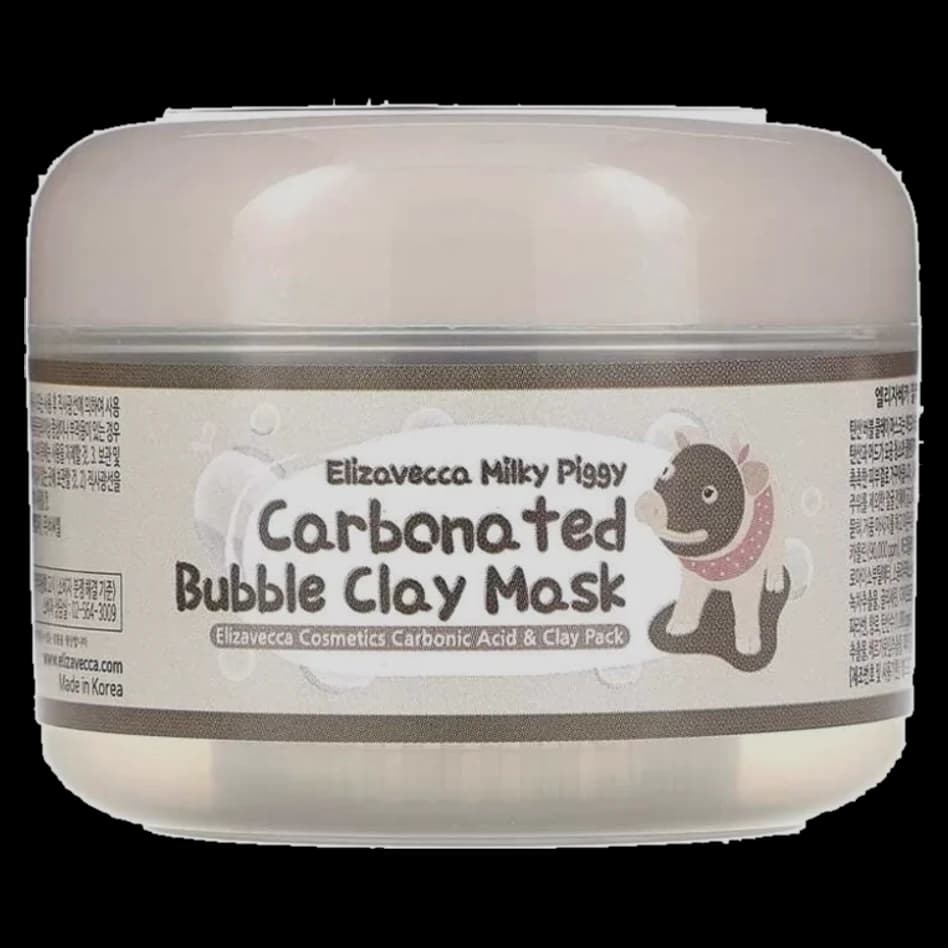
Elizavecca
Milky Piggy Carbonated Bubble Clay Mask
3rd of 29 on the label
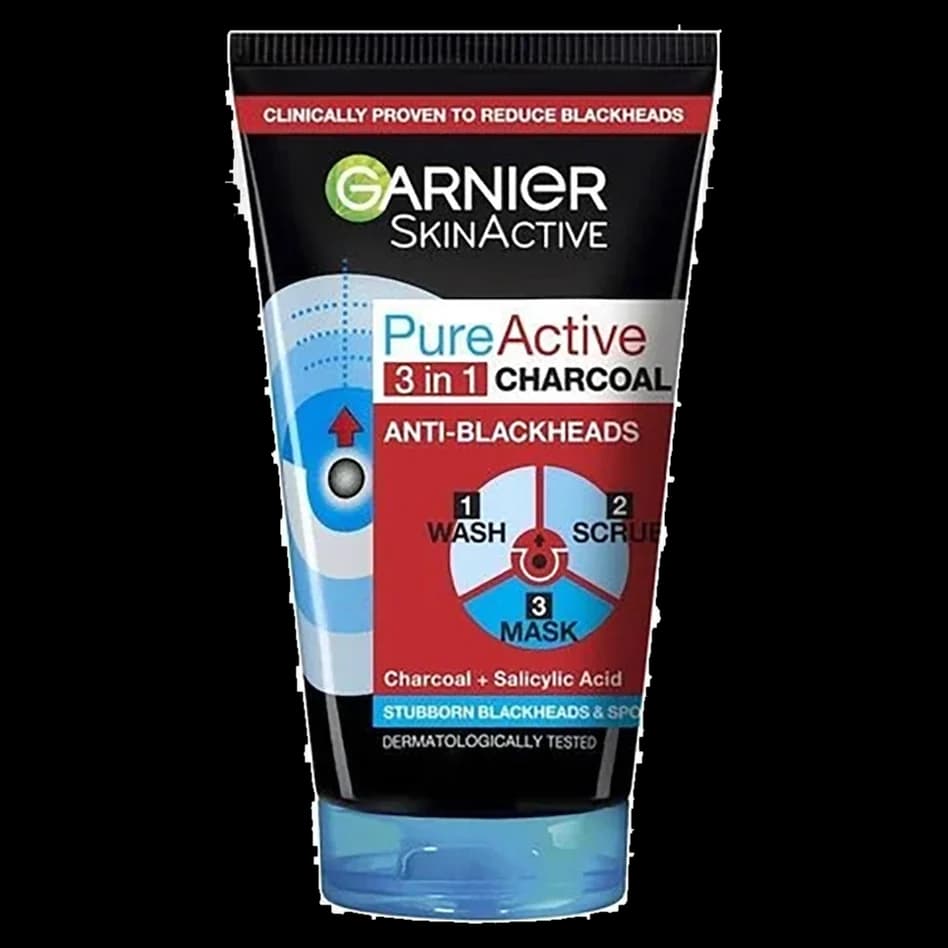
Garnier
Pure Active 3-in-1 Charcoal Wash, Scrub & Mask
2nd of 25 on the label
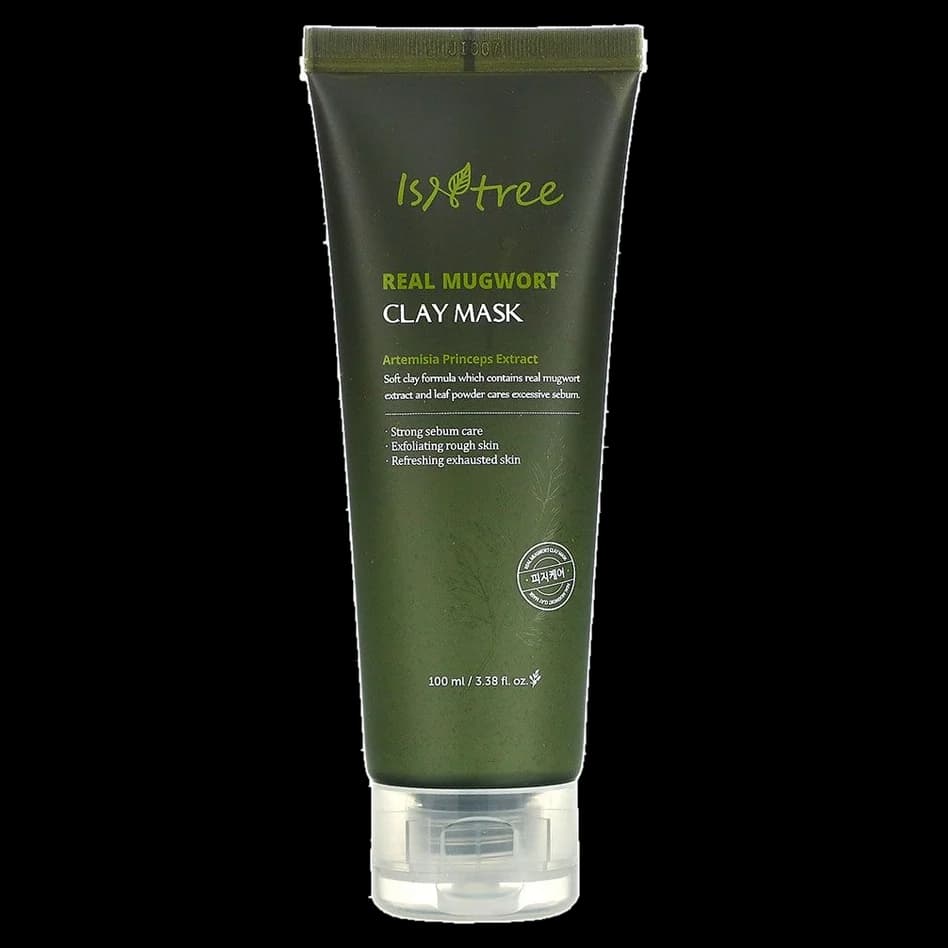
Isntree
Mugwort Calming Clay Mask
2nd of 38 on the label
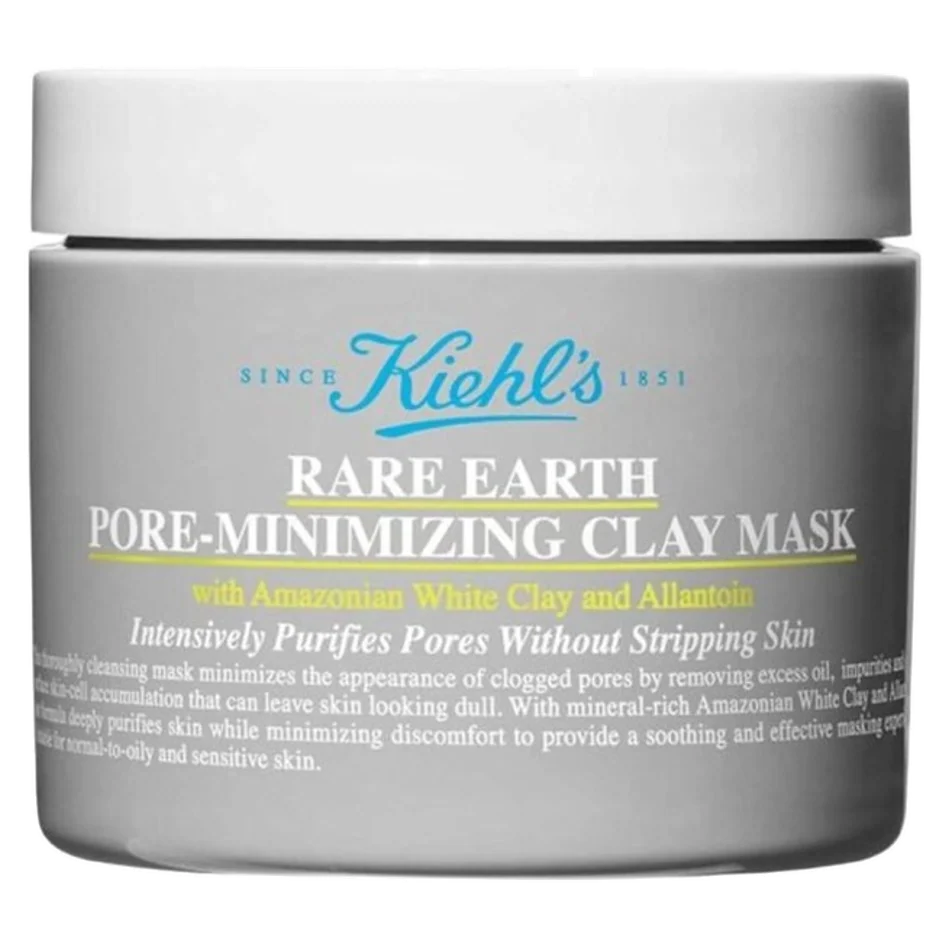
Kiehl's
Rare Earth Pore-Minimizing Clay Mask
2nd of 19 on the label
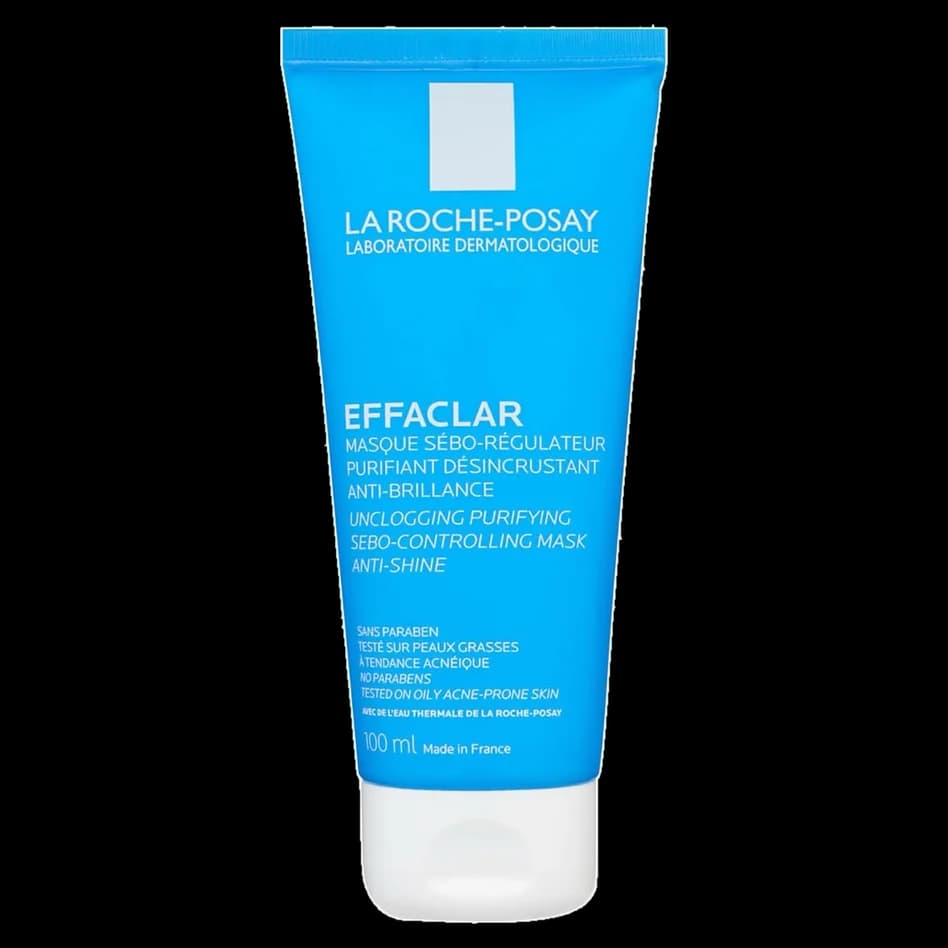
La Roche-Posay
Effaclar Purifying Clay Mask
2nd of 20 on the label
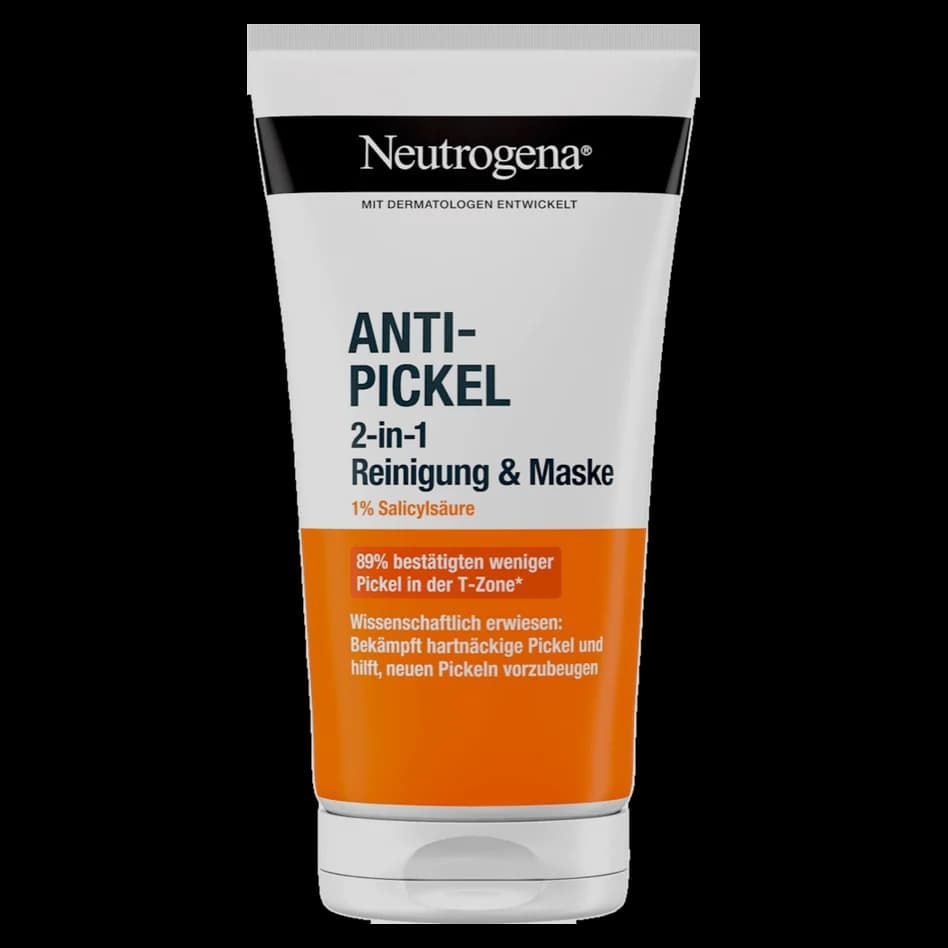
Neutrogena
Anti Pickel Gesichtsmaske 2in1
3rd of 23 on the label
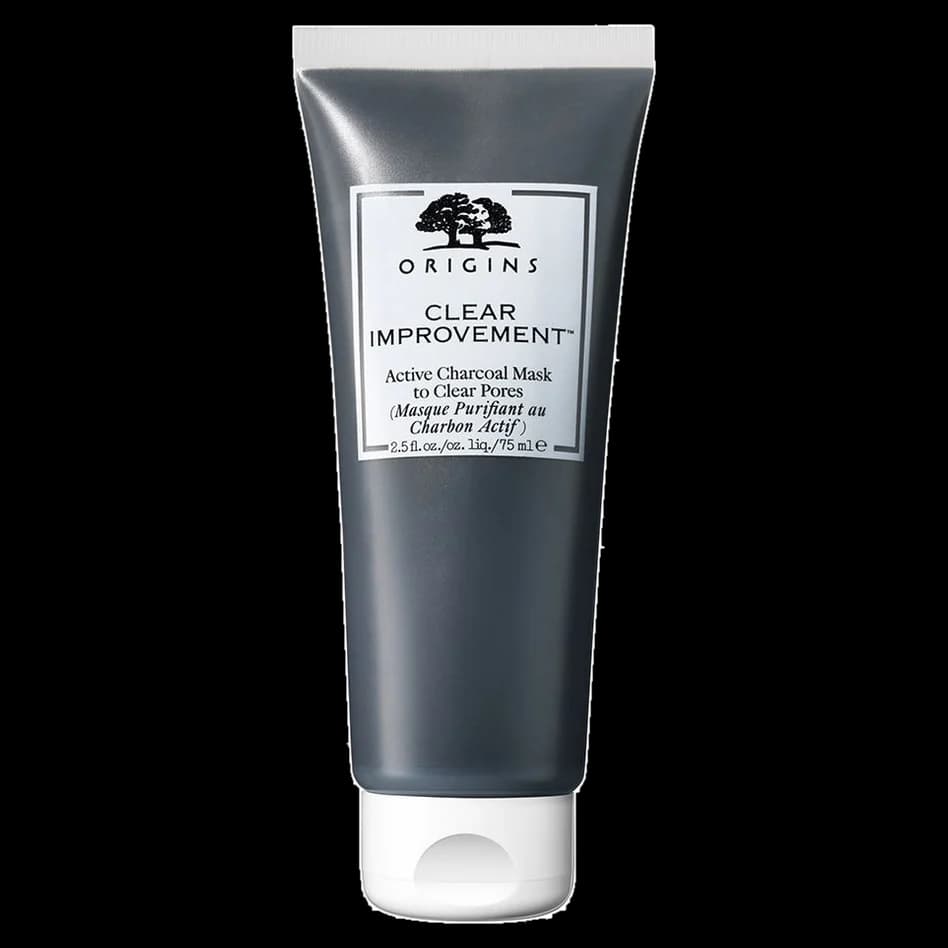
Origins
Clear Improvement Active Charcoal Mask to Clear Pores
3rd of 23 on the label
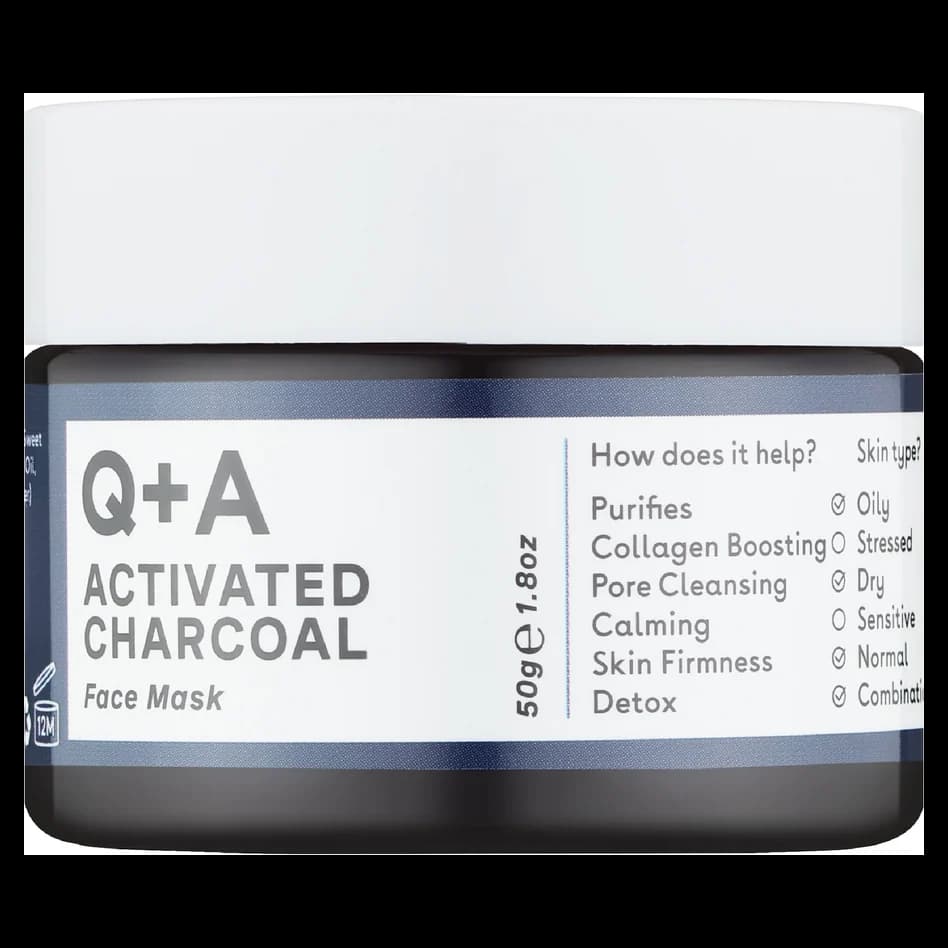
Q+A
Activated Charcoal Face Mask
2nd of 18 on the label
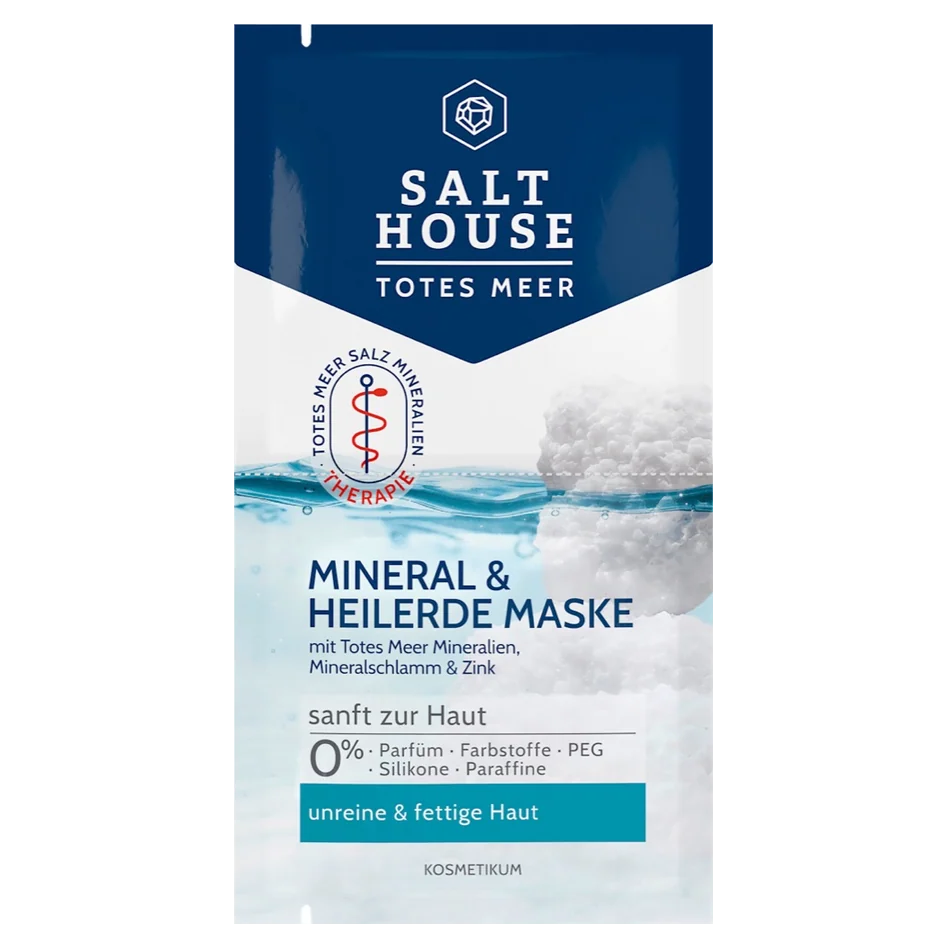
Salthouse
Totes Meer Therapie Gesichtsmaske Mineral & Heilerde
4th of 17 on the label
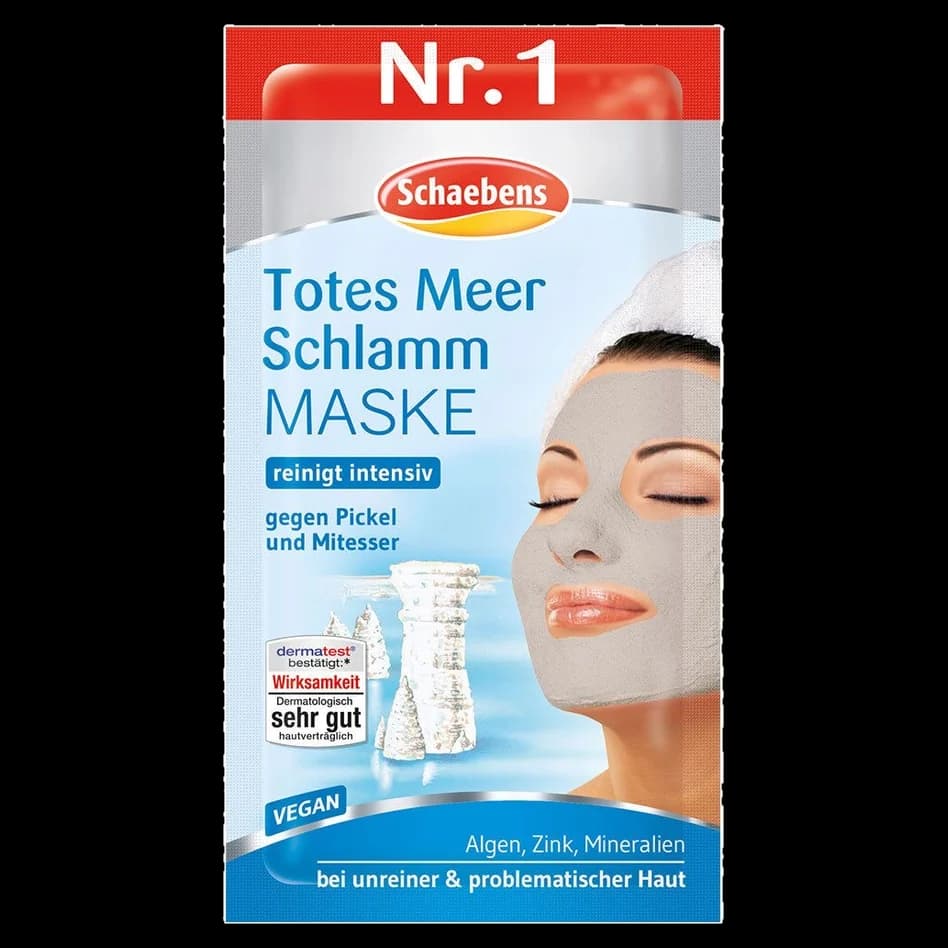
Schaebens
Totes Meer Schlamm Maske
3rd of 14 on the label
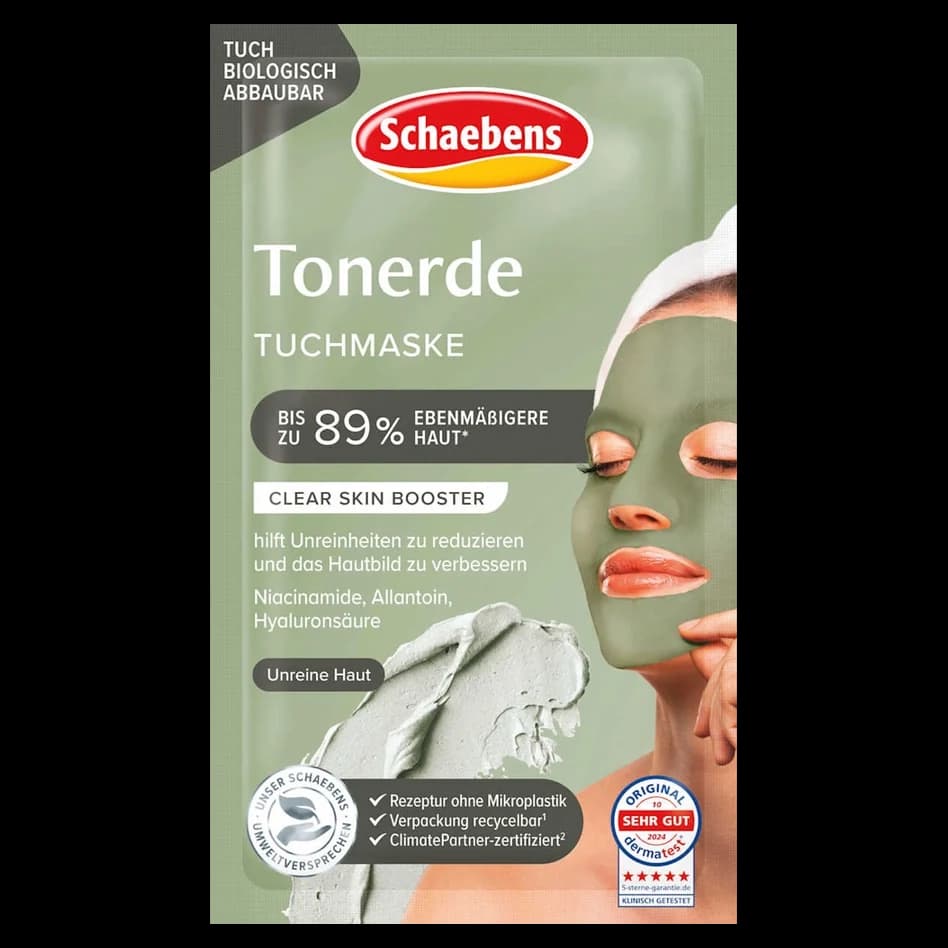
Schaebens
Tuchmaske Tonerde
2nd of 35 on the label
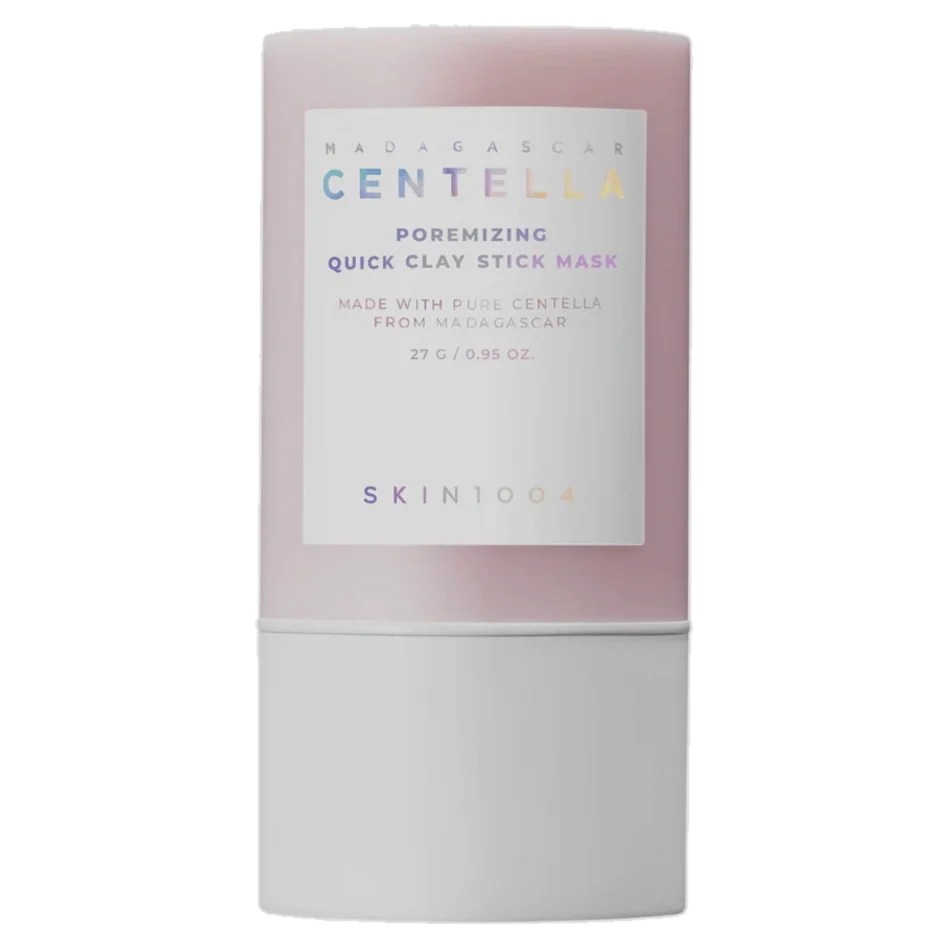
SKIN1004
Madagascar Centella Poremizing Quick Clay Stick Mask
2nd of 23 on the label
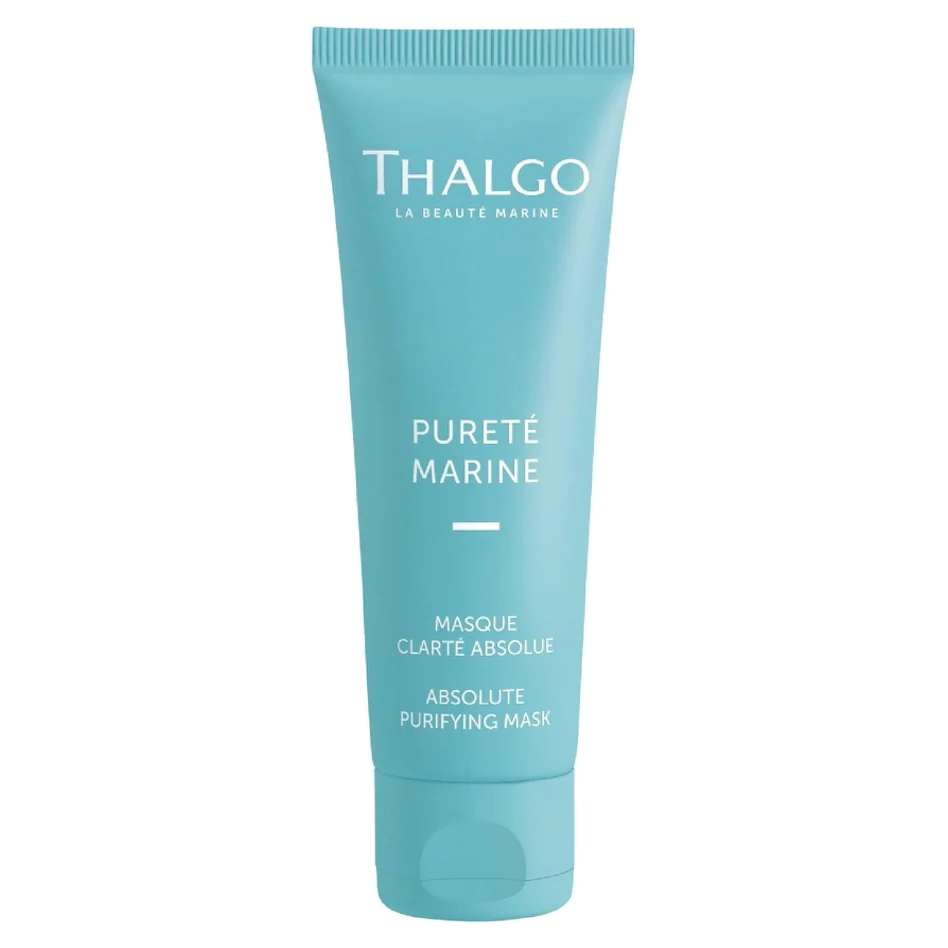
THALGO
Klärende Intensiv-Maske
2nd of 32 on the label
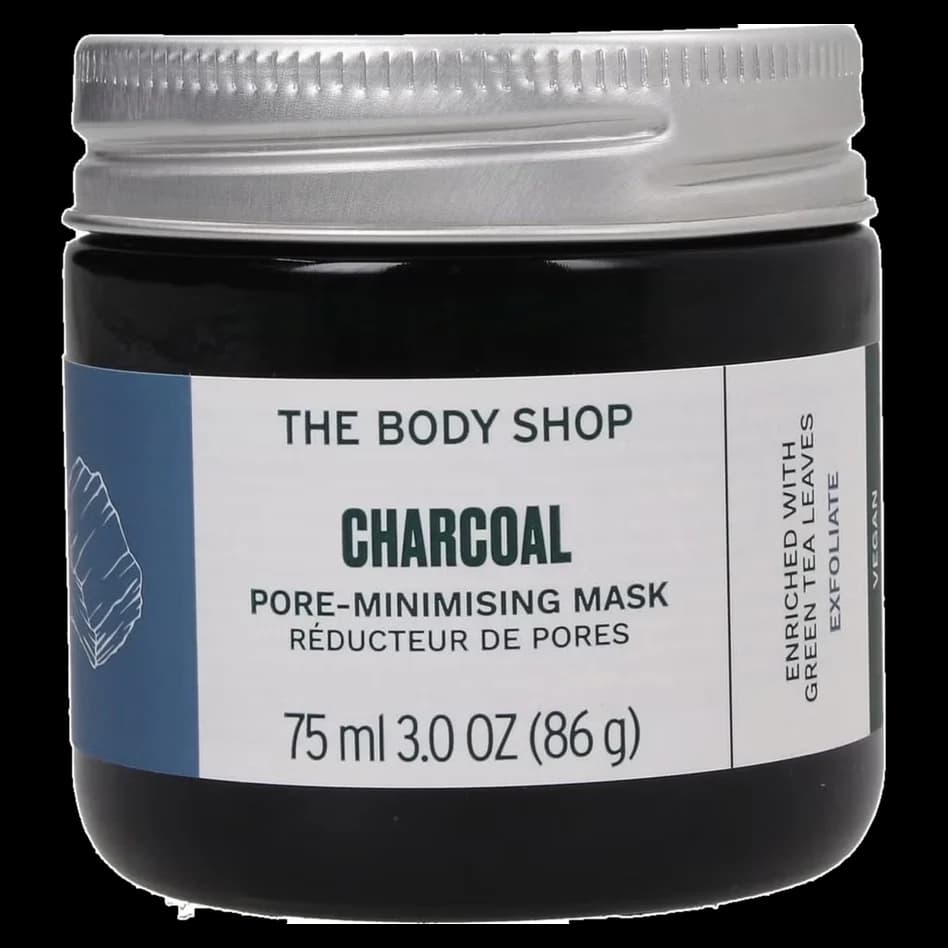
The Body Shop
Charcoal Pore Minimising Mask
2nd of 37 on the label
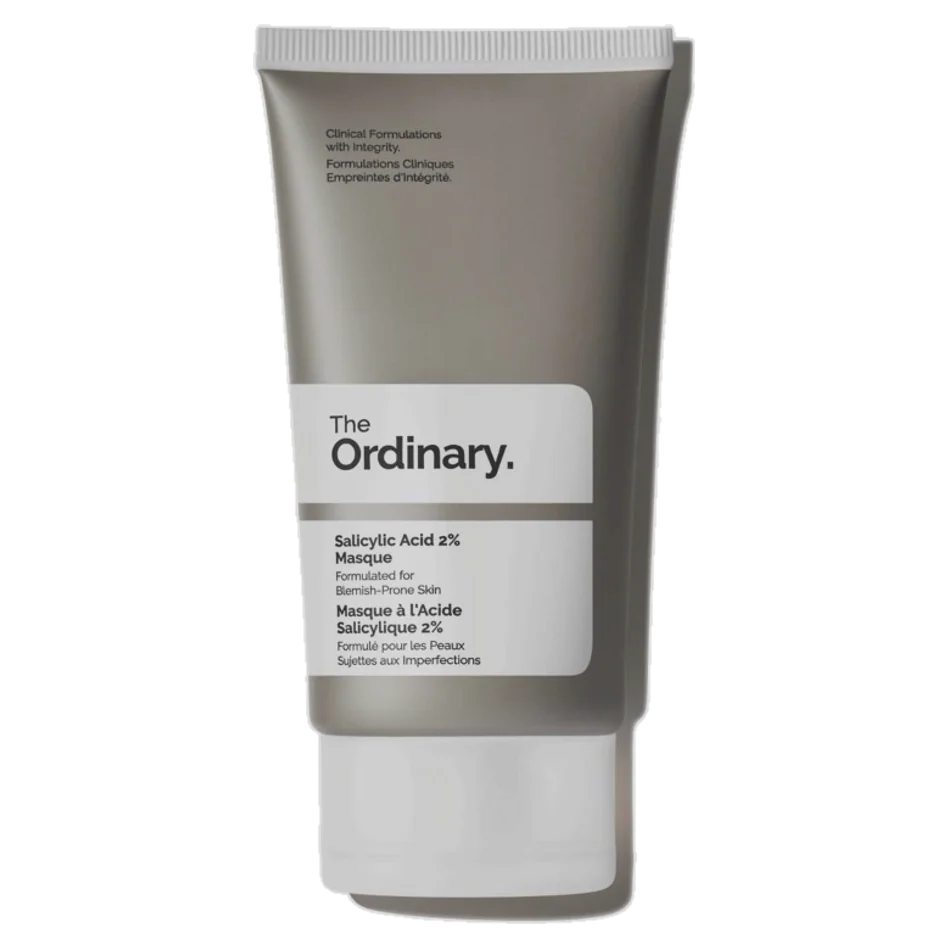
The Ordinary
Salicylic Acid 2% Masque
2nd of 19 on the label
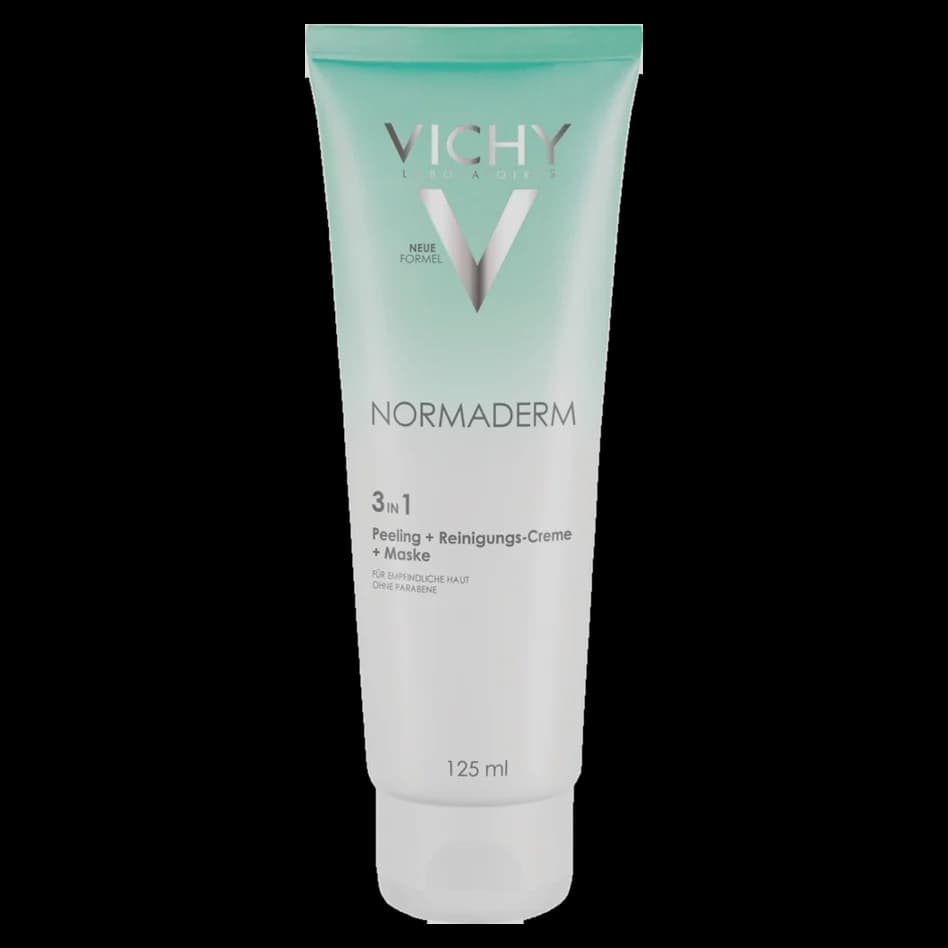
Vichy
Normaderm 3-in-1 Peeling + Reinigungs-Creme + Maske
2nd of 23 on the label