Loess
Yellow loess soil
No meaningful concern for most people; irritation is possible but rare.
Also written as: Hwangto · Yellow Earth · Yellow Soil
What it is
Loess is a loose, silt-sized mineral sediment deposited by wind, rich in quartz with some clay minerals and iron oxides that give it a yellow-brown colour. It has a long history in Korean and Chinese folk skincare as hwangto or yellow earth, and appears in Korean wash-off masks. In a formula it behaves as a mild absorbent and bulking powder rather than a strongly swelling clay.
How it shows up on a label
Common in Korean wash-off masks marketed on the hwangto tradition.
What it does well
Mild oil absorption with less tightening than bentonite
Its silt-heavy, low-swelling structure means it mattifies without the pull of a smectite clay. The long record of traditional use is not matched by controlled clinical evidence.
Traditional use
Worth knowing
Composition varies with the deposit
Loess is defined by how it was deposited rather than by a fixed mineralogy, so quartz content and trace metals differ between sources. Cosmetic-grade material is purified and tested, but this is an ingredient where the supplier matters.
Matters most toBuyers of unrefined or DIY 'yellow earth' powders.
Where the EU stands
Class entry may apply
Loess is named in none of the annexes of the Cosmetics Regulation. That is no longer enough on its own to conclude there is no limit: Regulation (EU) 2026/909 added Annex III entry 381, a class entry over aluminium-containing ingredients, which from 1 January 2027 caps aluminium in the finished product at 0.89% (as Al) for face and body rinse-off products and 10.59% (as Al) for face leave-on, and which applies by composition rather than by name. Loess is a wind-blown sediment rather than a single mineral - mostly quartz, with clay minerals and iron oxides whose proportions vary from deposit to deposit - so how much aluminium a given grade carries is not fixed, and none of the entries entry 381 excepts names it. No concentration limit attaches to loess itself, and the general safety assessment every cosmetic product must pass before sale applies as it always did.
Regulation (EC) No 1223/2009 - no annex entry; Annex III entry 381 (aluminium-containing ingredients), added by Regulation (EU) 2026/909 and renumbered from 379 by the corrigendum at OJ L, 2026/90354, 5.5.2026 · source ↗
Masks that contain Loess
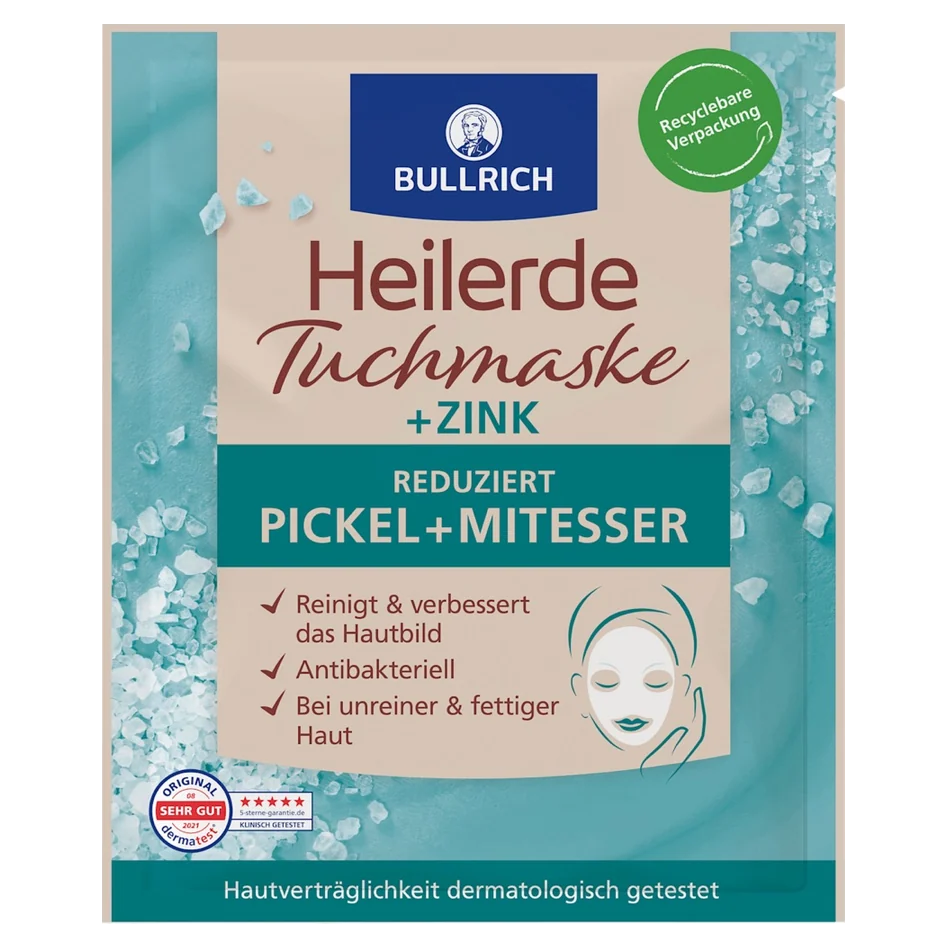
Bullrich
Tuchmaske Heilerde+Zink
4th of 19 on the label
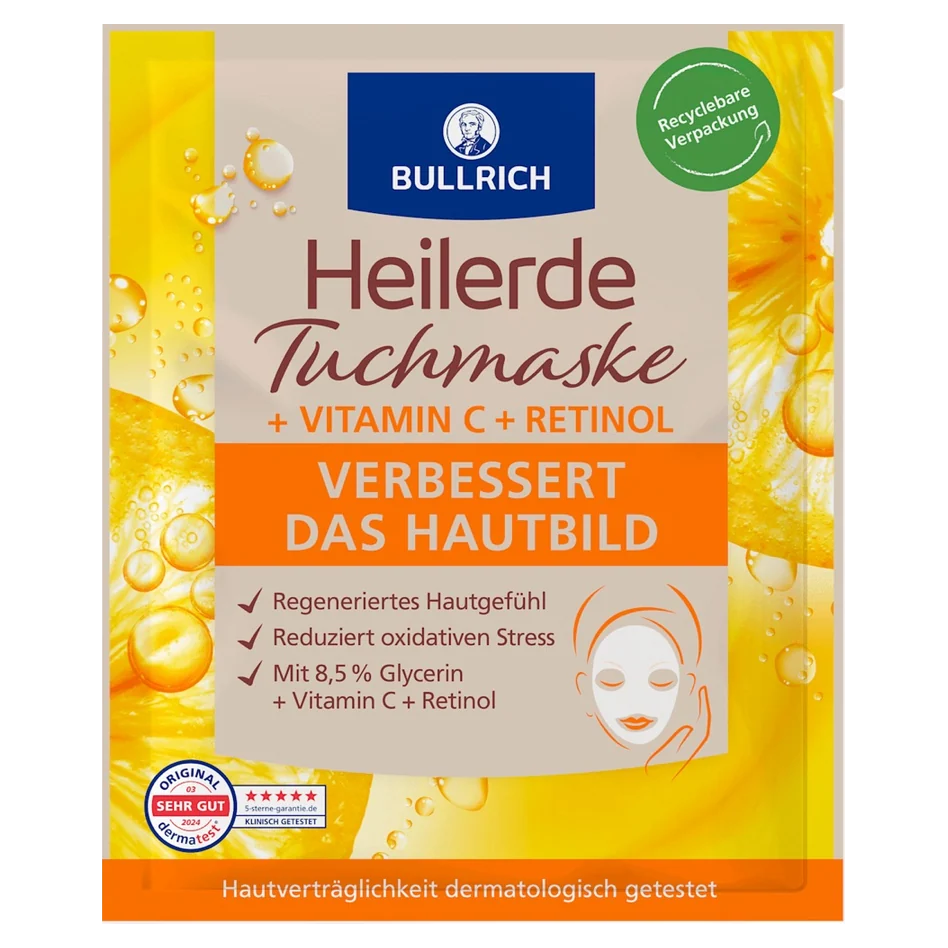
BULLRICH
Tuchmaske Vitamin C + Retinol
4th of 11 on the label
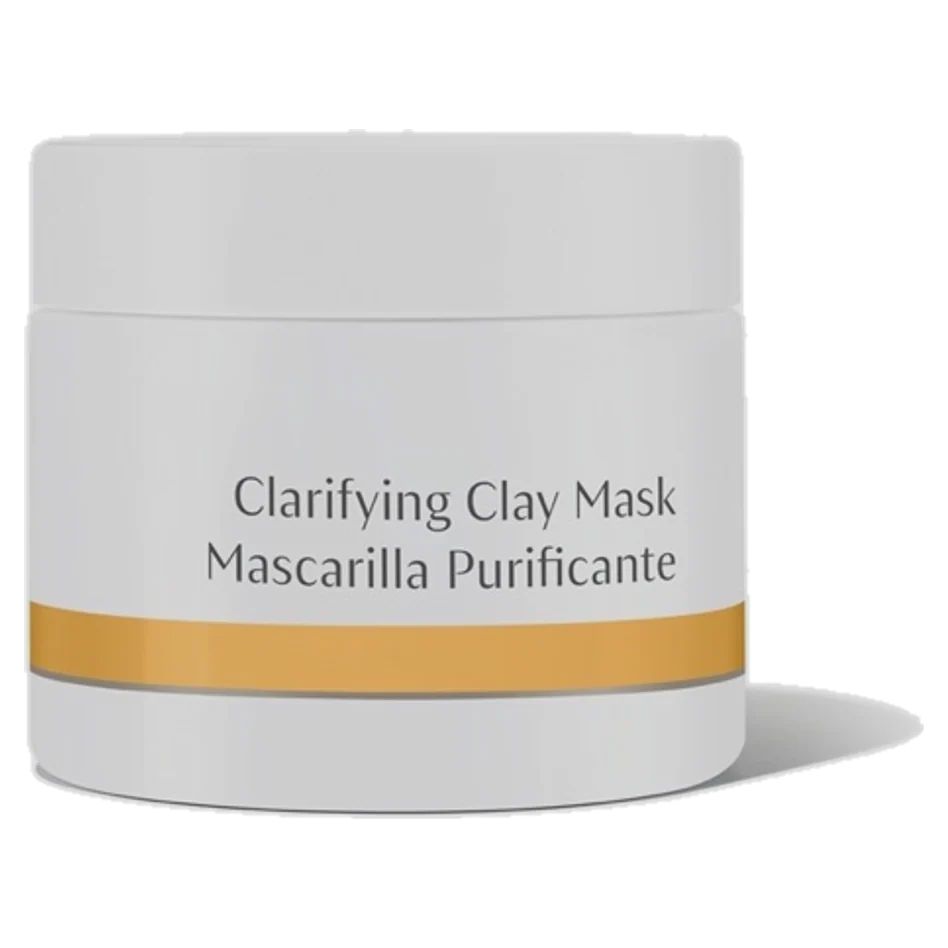
Dr. Hauschka
Clarifying Clay Mask
1st of 4 on the label
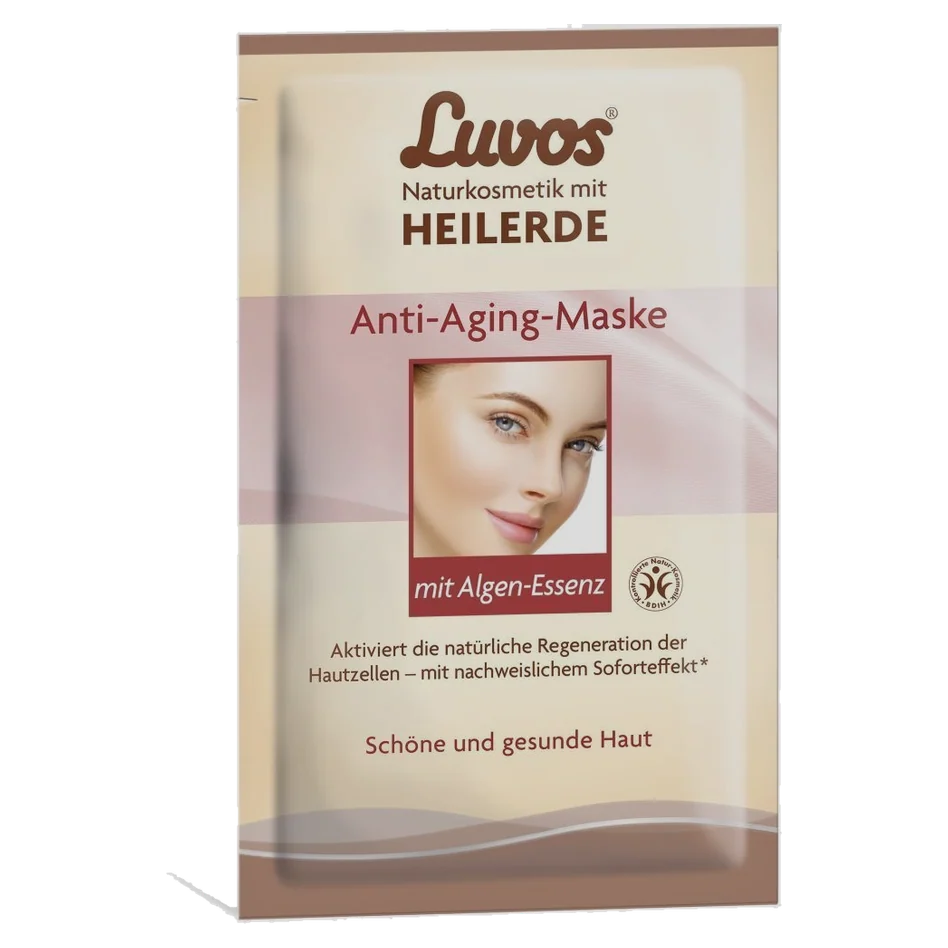
Luvos-Heilerde
Anti-Aging-Maske
5th of 27 on the label
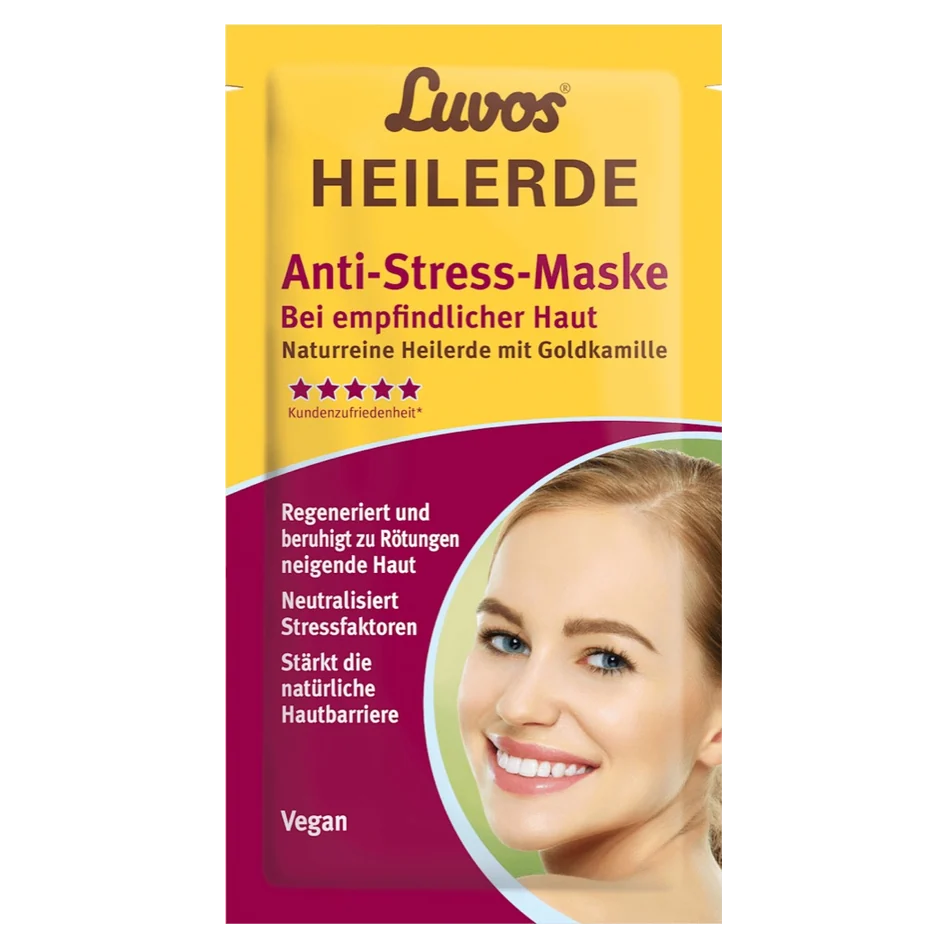
Luvos-Heilerde
Anti-Stress-Maske
6th of 33 on the label
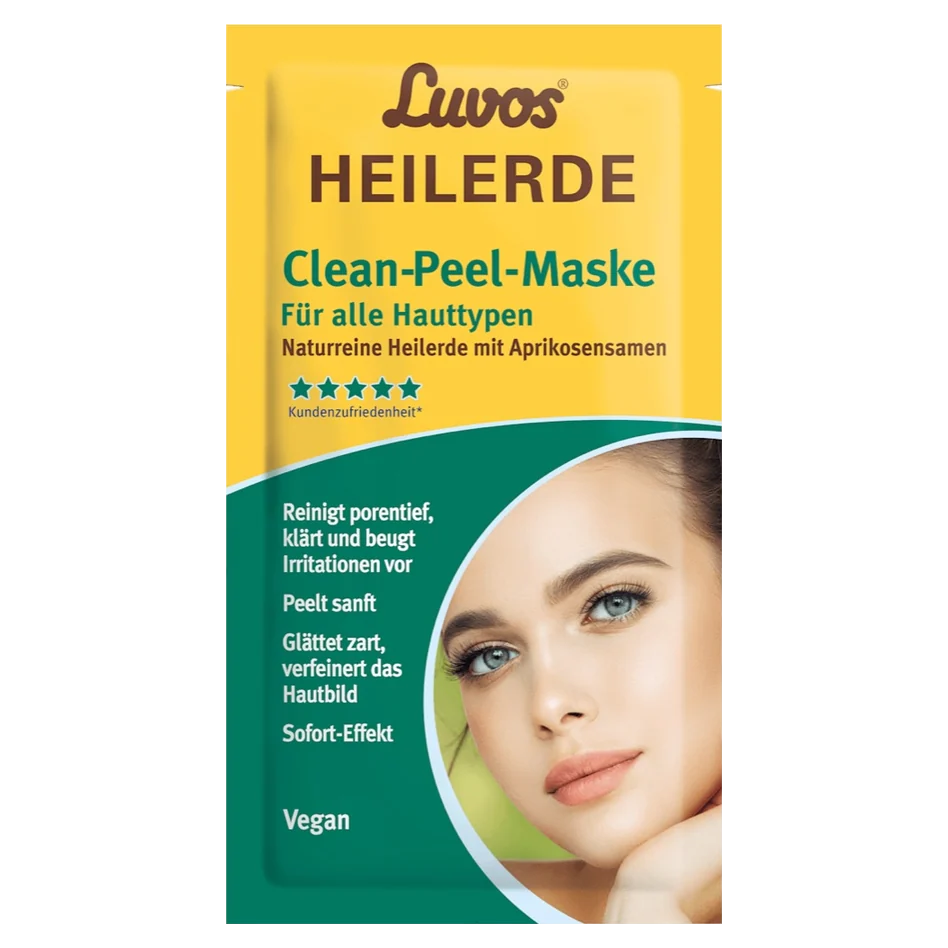
Luvos-Heilerde
Clean-Peel-Maske
5th of 29 on the label
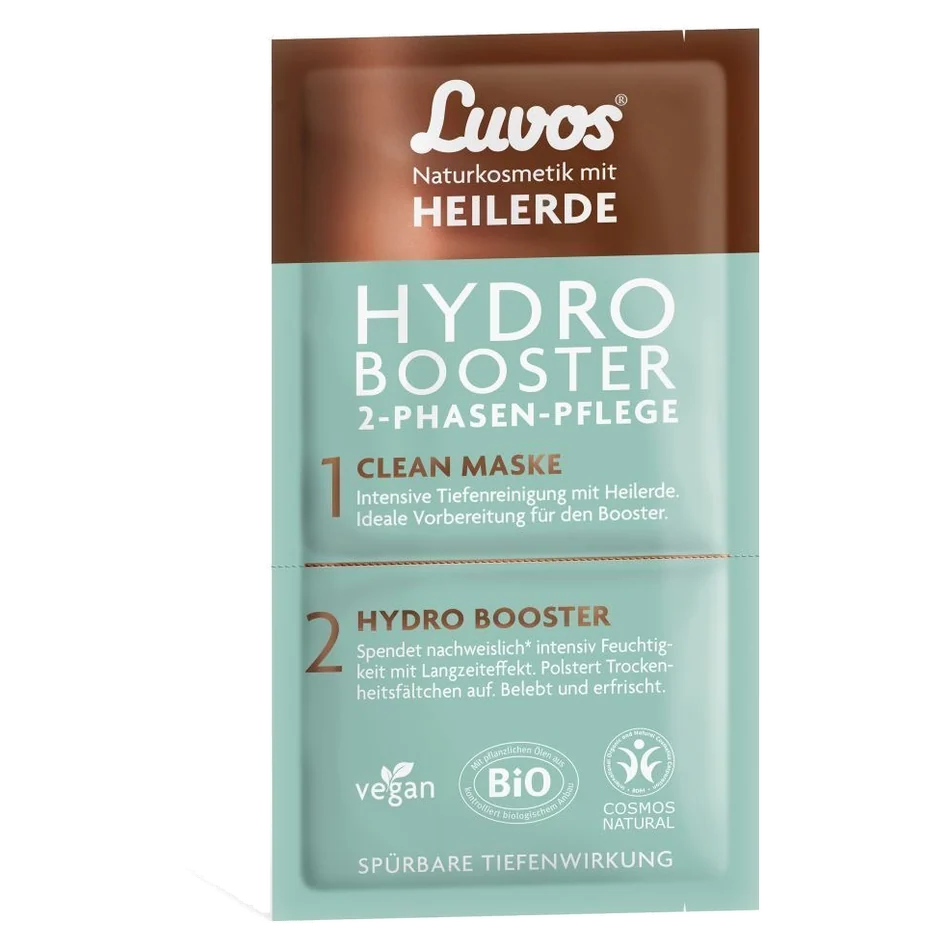
Luvos-Heilerde
Hydro Booster mit Clean Maske
7th of 63 on the label
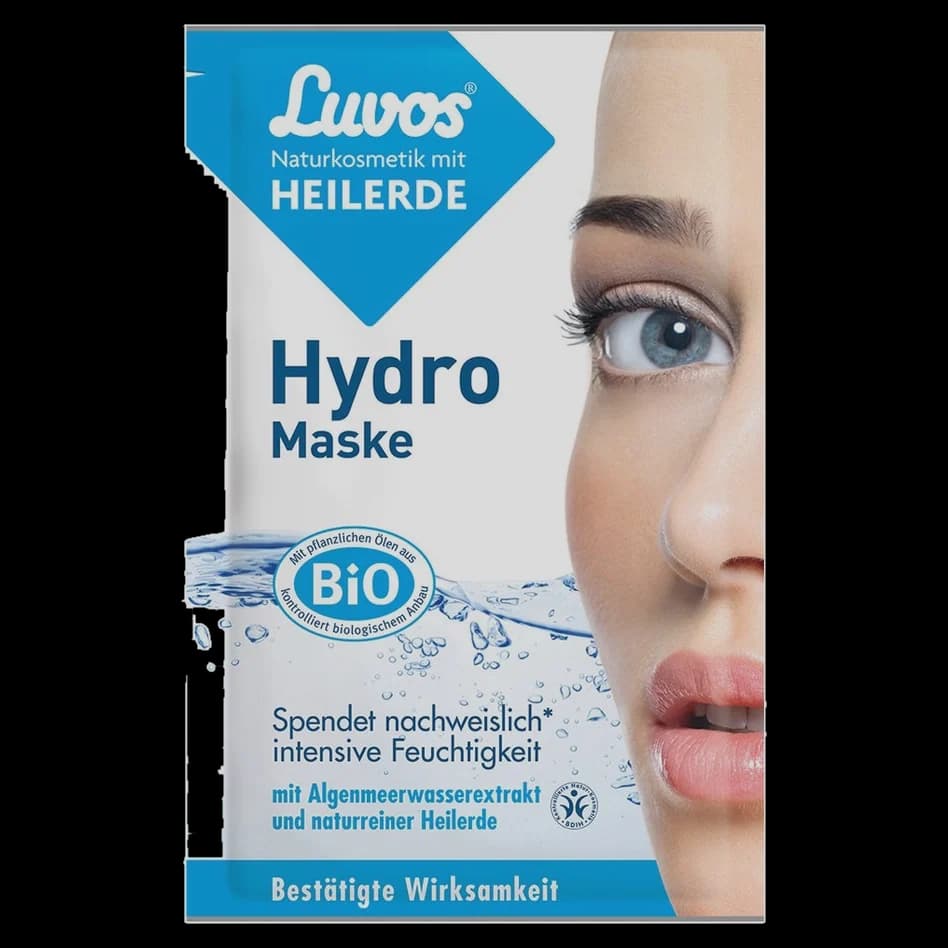
Luvos-Heilerde
Hydro-Maske
8th of 33 on the label
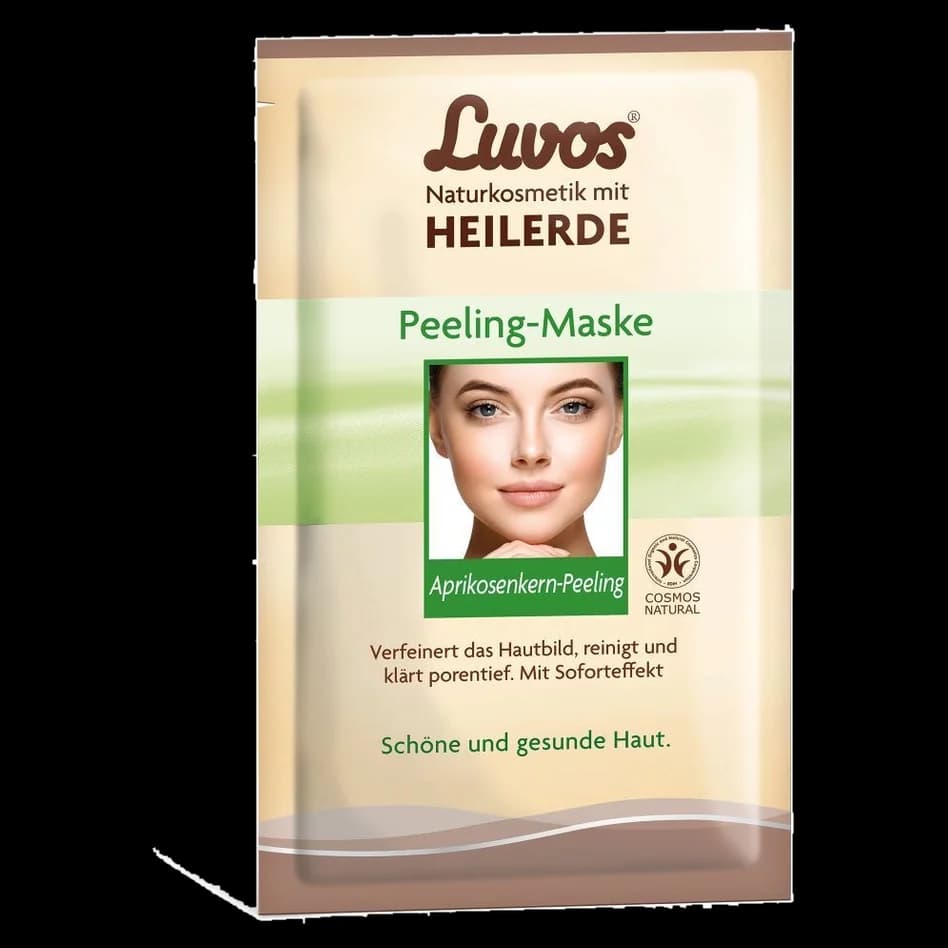
Luvos-Heilerde
Peeling-Maske
5th of 29 on the label
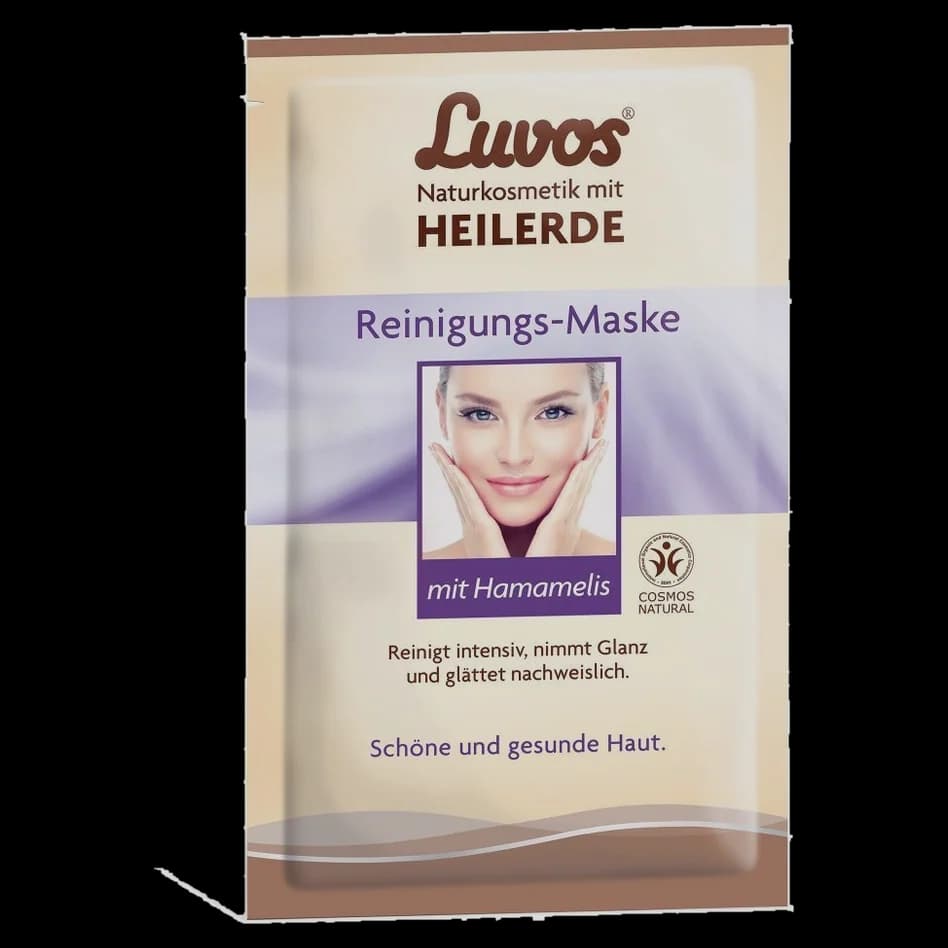
Luvos-Heilerde
Reinigungs-Maske
7th of 28 on the label
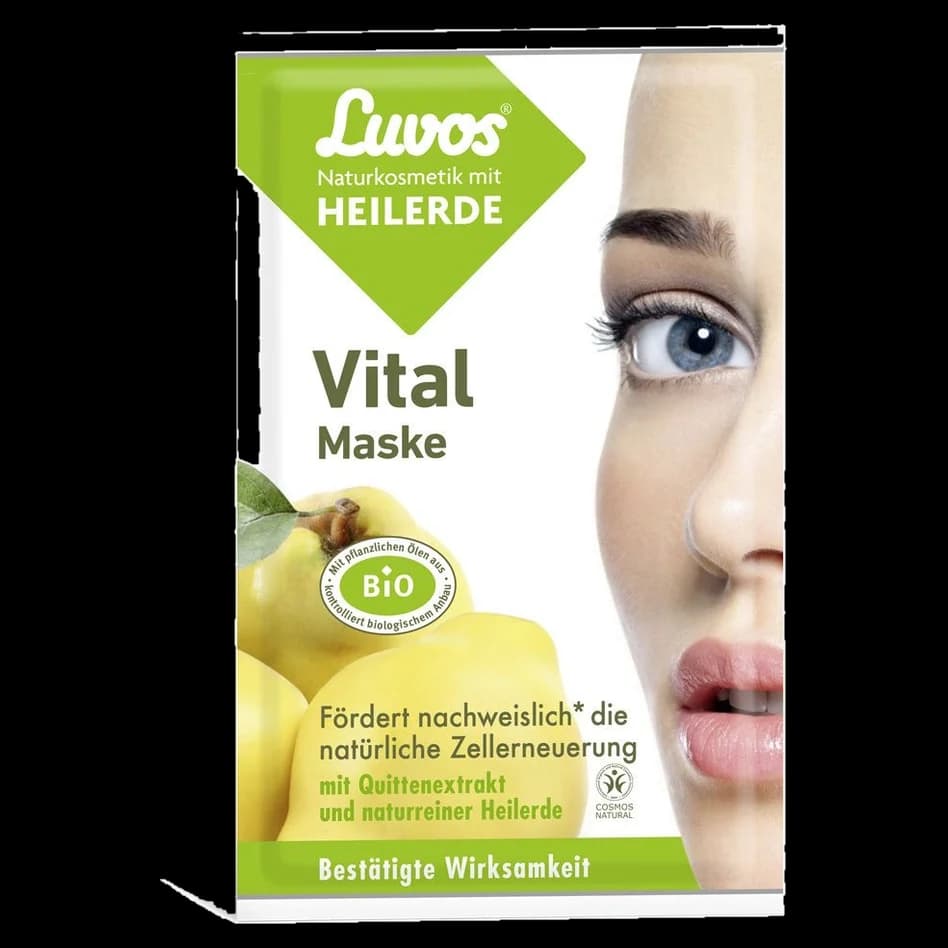
Luvos-Heilerde
Vital-Maske
5th of 30 on the label