PEG-60 Hydrogenated Castor Oil
No meaningful concern for most people; irritation is possible but rare.
Also written as: Macrogolglycerol hydroxystearate 60 · Cremophor RH60
What it is
This is hydrogenated castor oil reacted with about 60 ethylene oxide units, making it even more water-loving than the PEG-40 grade. It is used at low levels to keep oils, fragrance and oil-soluble actives dissolved in clear, watery formulas such as toners, mists and sheet-mask essences.
What it does well
Keeps oily ingredients dissolved in watery formulas
A standard non-ionic solubiliser used across cosmetics and pharmaceuticals for clear aqueous systems.
Strong evidence
Worth knowing
Ethoxylated, so the trace 1,4-dioxane question applies
As with all PEG-type ingredients, 1,4-dioxane residues from manufacture are stripped and controlled in the EU by prohibiting the substance itself and permitting only technically unavoidable traces.
Matters most toConsumers who prefer to avoid ethoxylated ingredients on principle.
Where the EU stands
No specific restriction
No EU concentration limit. Residual ethylene oxide and 1,4-dioxane are covered by Article 17 of the Cosmetics Regulation.
Regulation (EC) No 1223/2009, Article 17 (traces of prohibited substances) · source ↗
Sources (1)
Every link goes to the original: a journal, a PubMed record or an EU document.
- [1]Role of Polyethylene Glycol in Dermatology
Indian Dermatology Online Journal · 2025 · doi:10.4103/idoj.idoj_648_24
PEG-based ingredients are widely used on skin with a good tolerance record, alongside rare documented hypersensitivity.
Masks that contain PEG-60 Hydrogenated Castor Oil
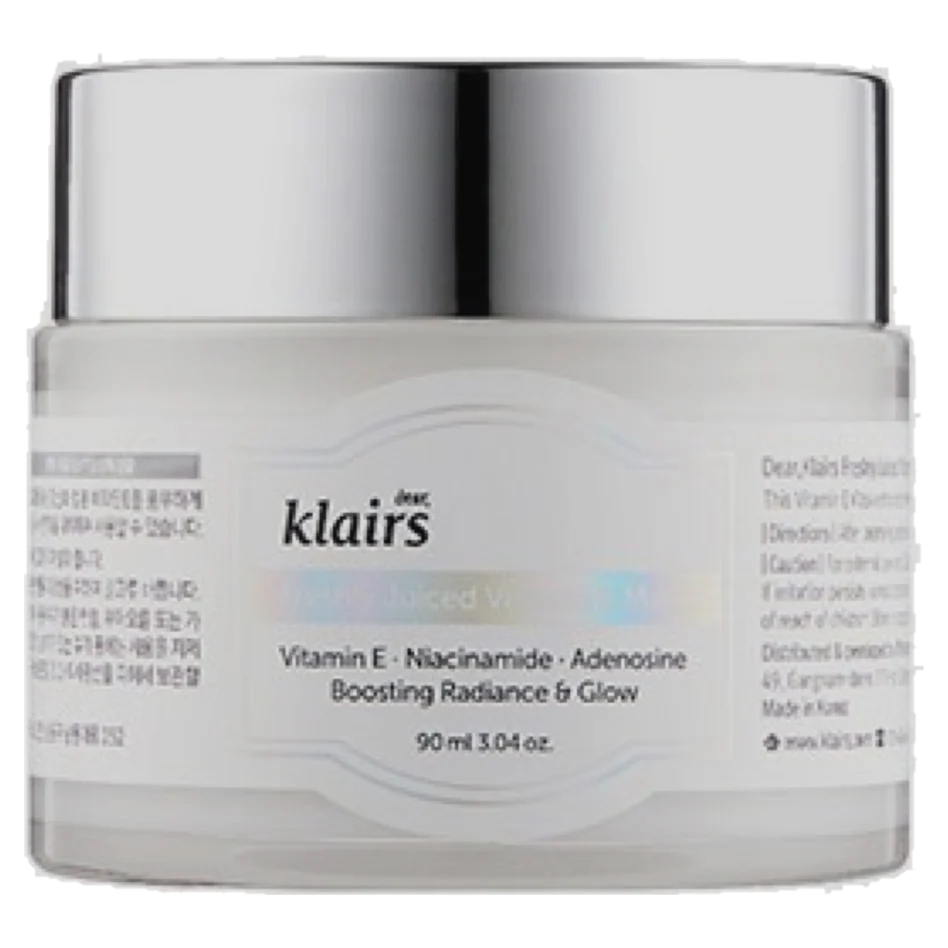
Dear, Klairs
Freshly Juiced Vitamin E Mask
13th of 30 on the label
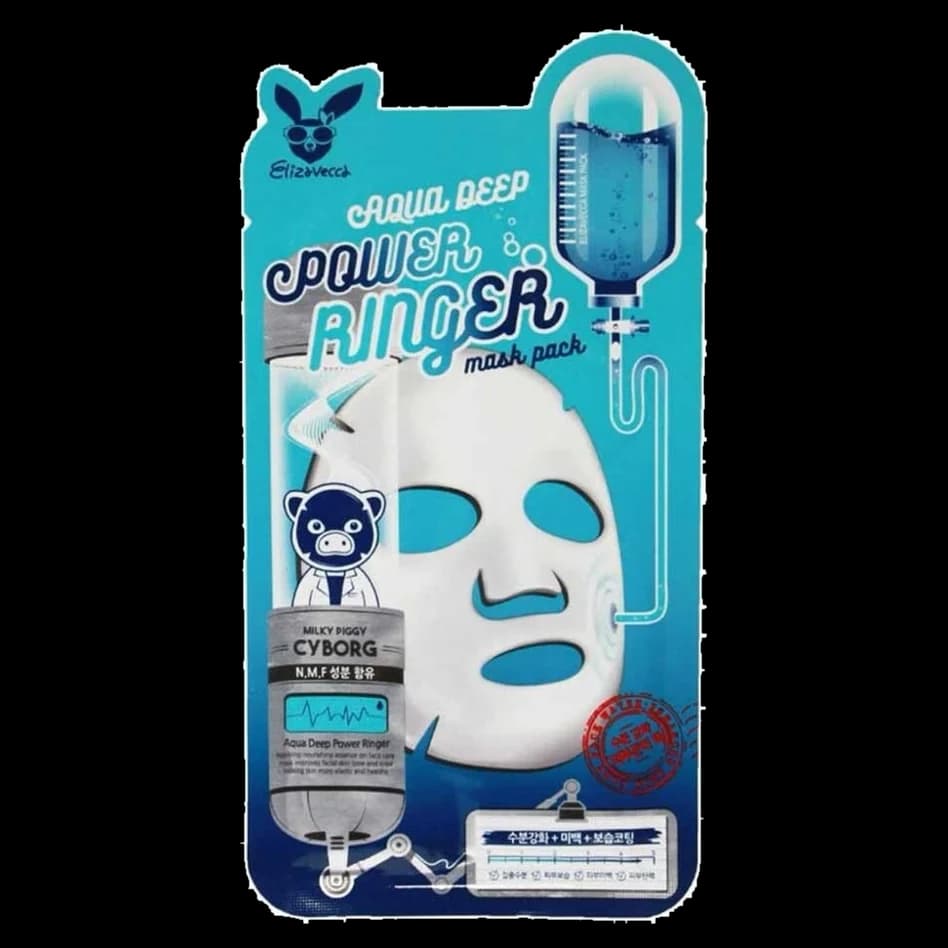
Elizavecca
Aqua Deep Power Ringer Mask Pack
6th of 28 on the label
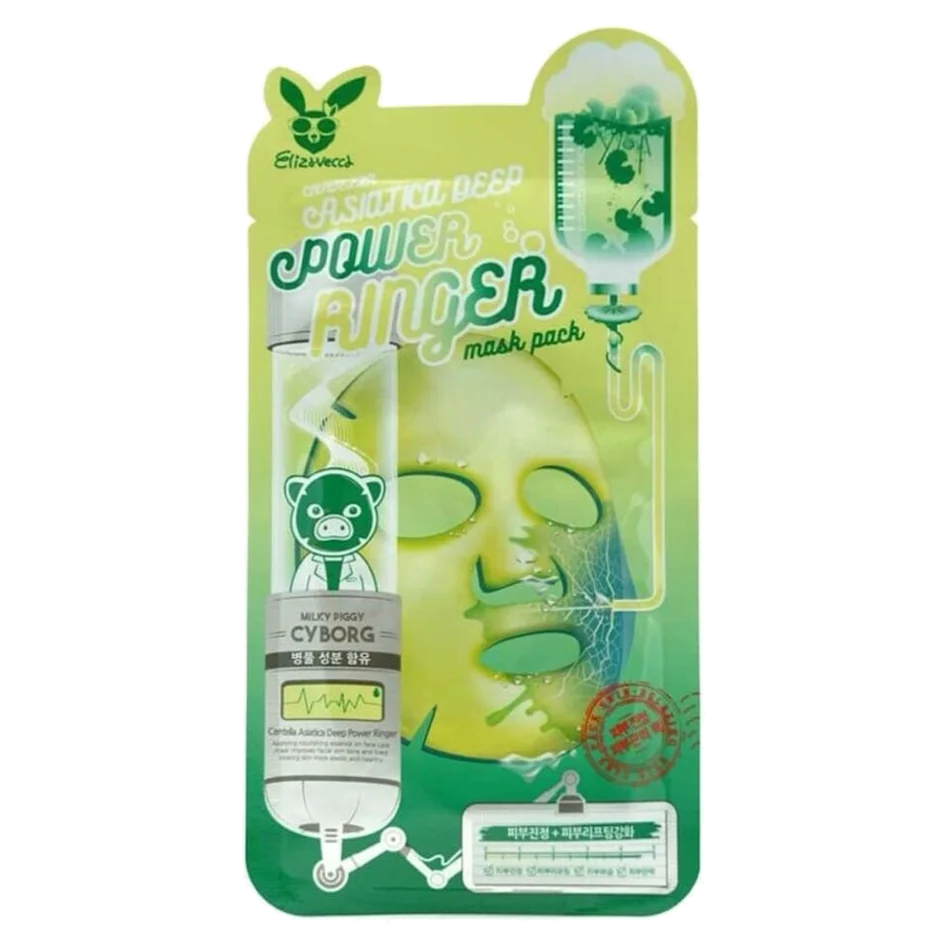
Elizavecca
Centella Deep Power Ringer Mask Pack
4th of 22 on the label
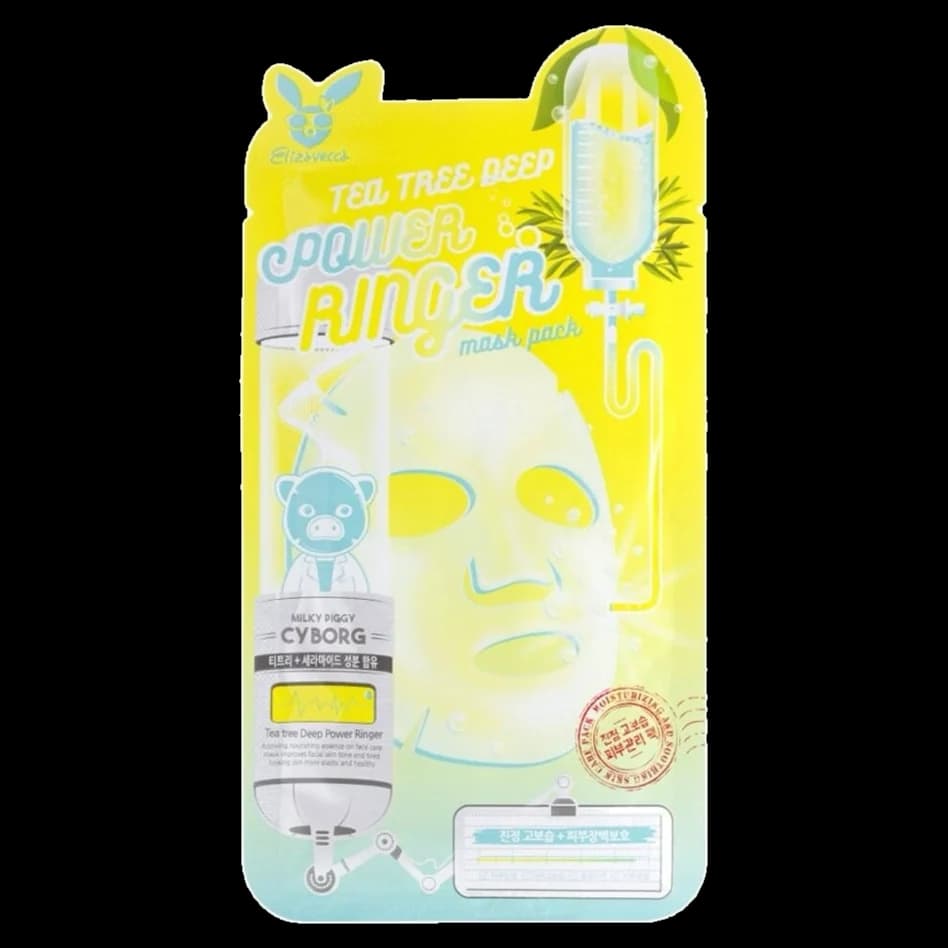
Elizavecca
Tea Tree Deep Power Ringer Mask Pack
4th of 23 on the label
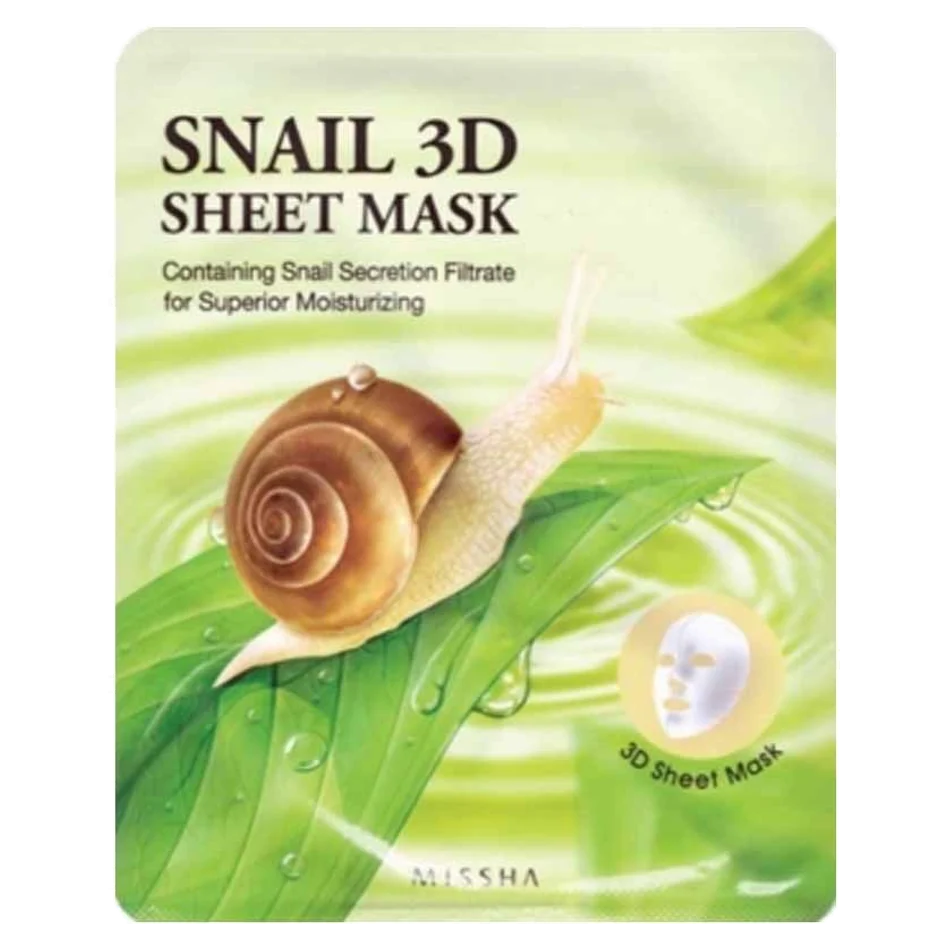
MISSHA
Snail 3D Sheet Mask
13th of 25 on the label
below ≈1%
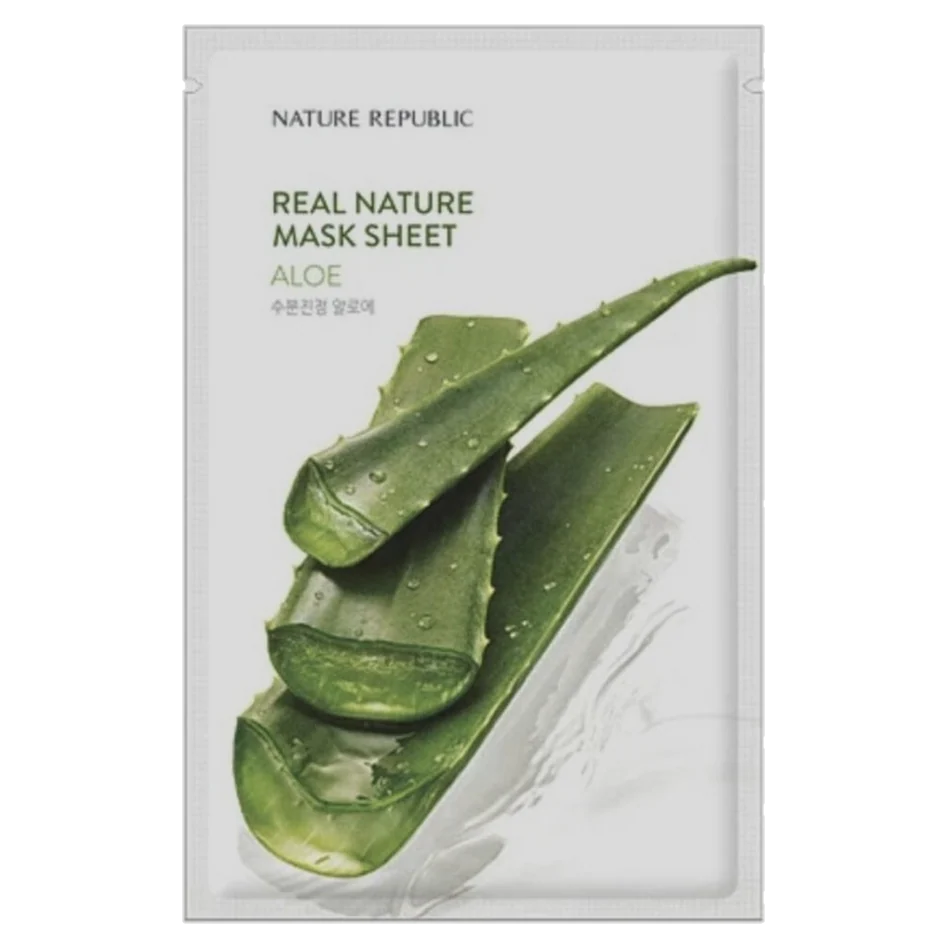
Nature Republic
Real Nature Aloe Sheet Mask
11th of 23 on the label
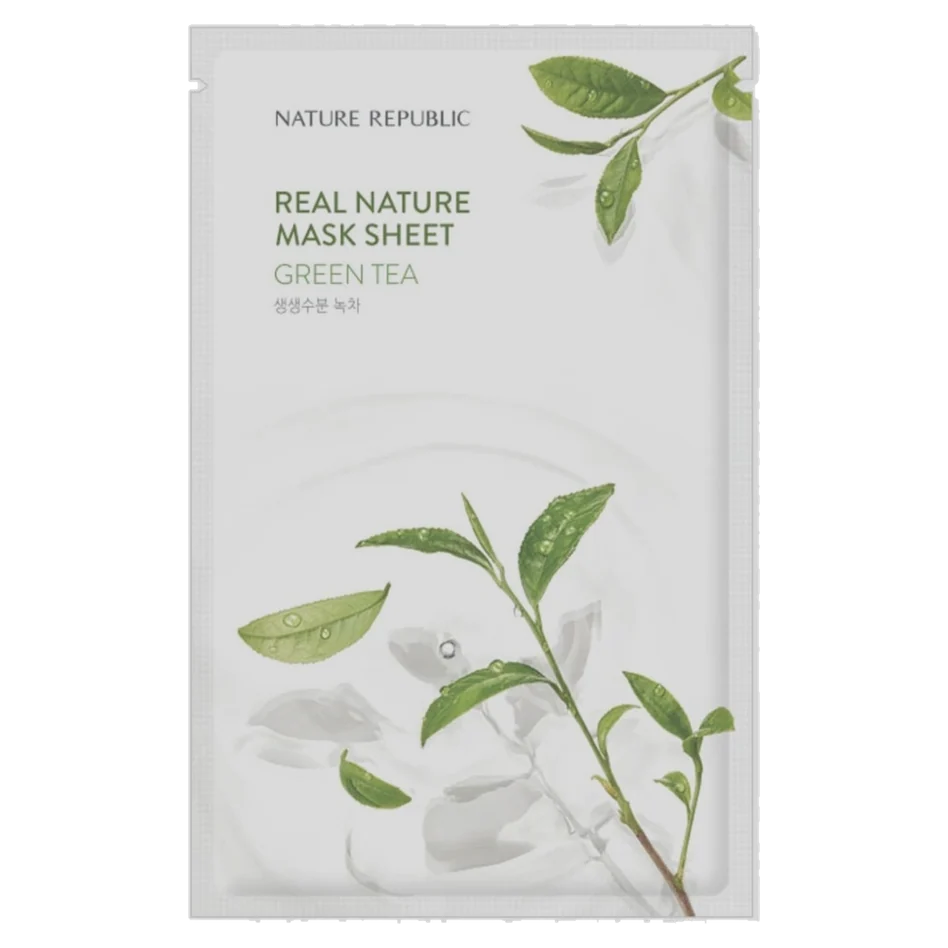
Nature Republic
Real Nature Green Tea Sheet Mask
12th of 23 on the label
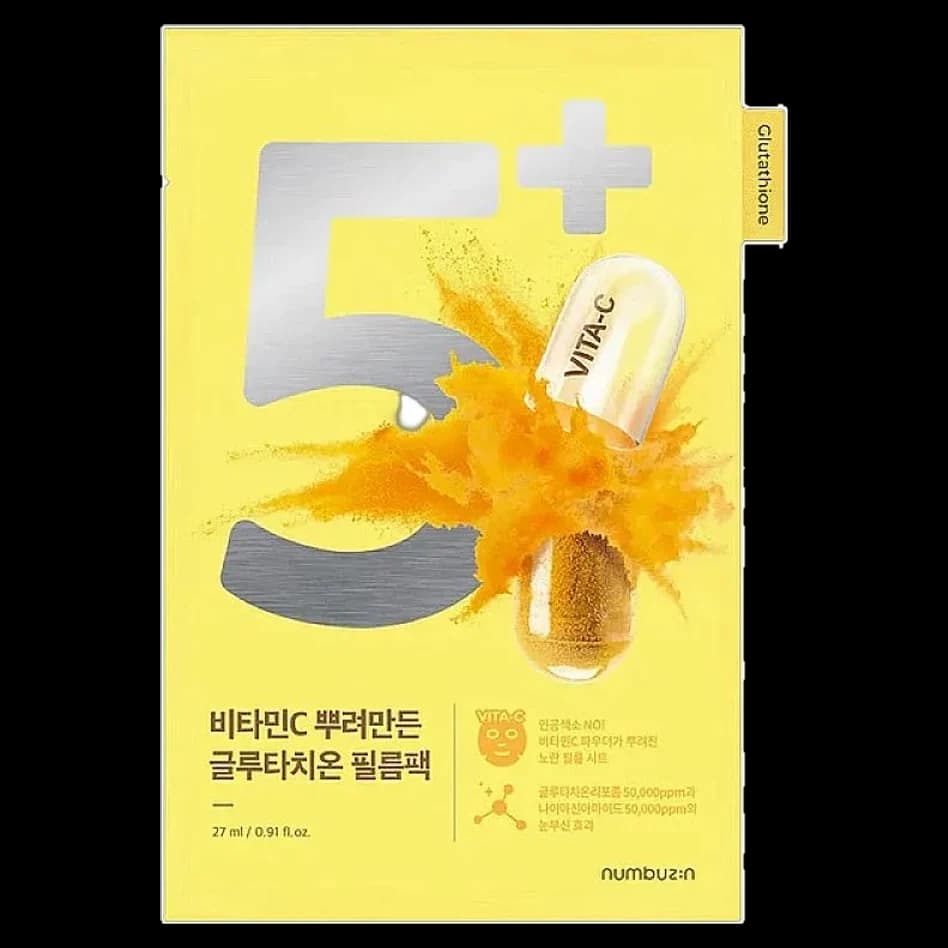
numbuzin
No.5 Vitamin Spotlight Sheet Mask
17th of 33 on the label
below ≈1%
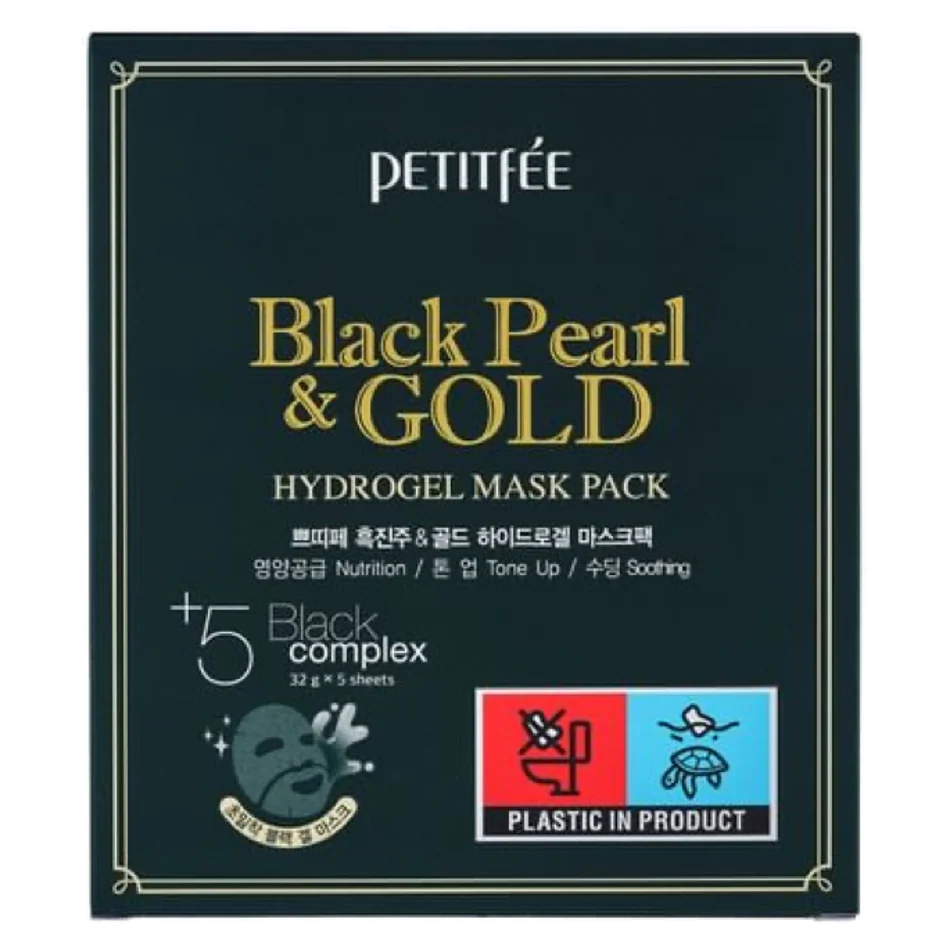
Petitfee
Black Pearl & Gold Hydrogel Mask Pack
11th of 33 on the label
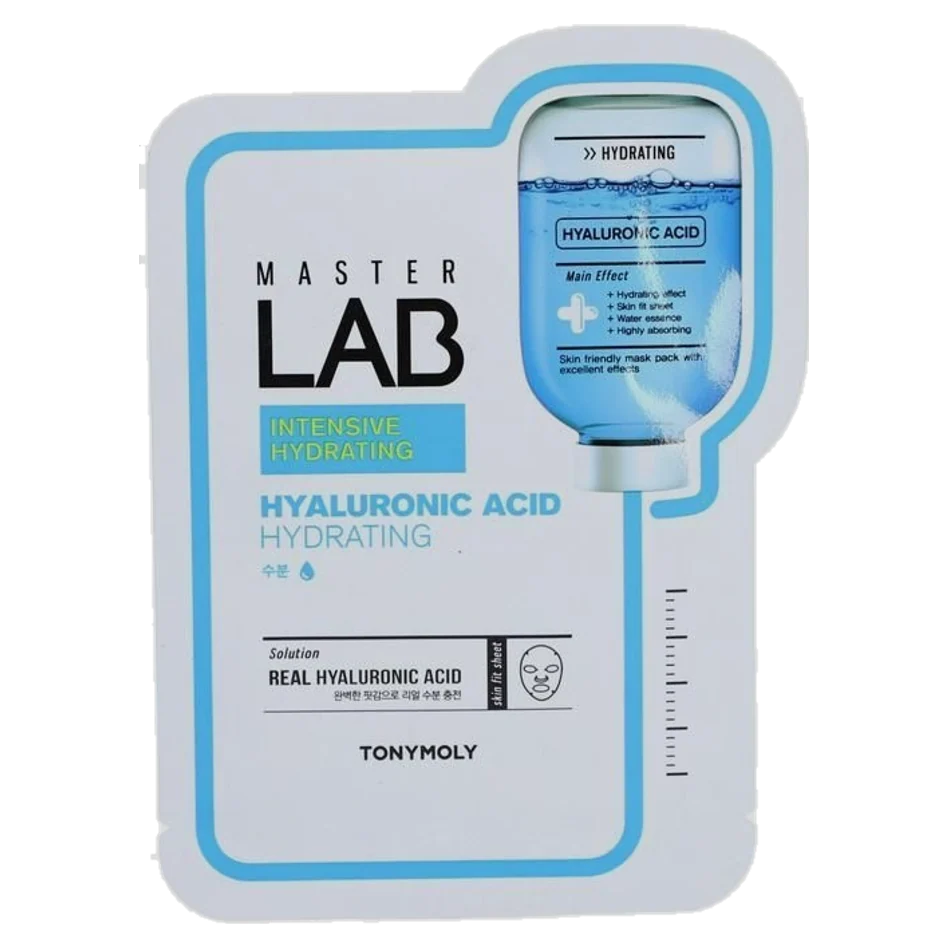
TONYMOLY
Master Lab Sheet Mask Hyaluronic Acid
16th of 31 on the label
below ≈1%
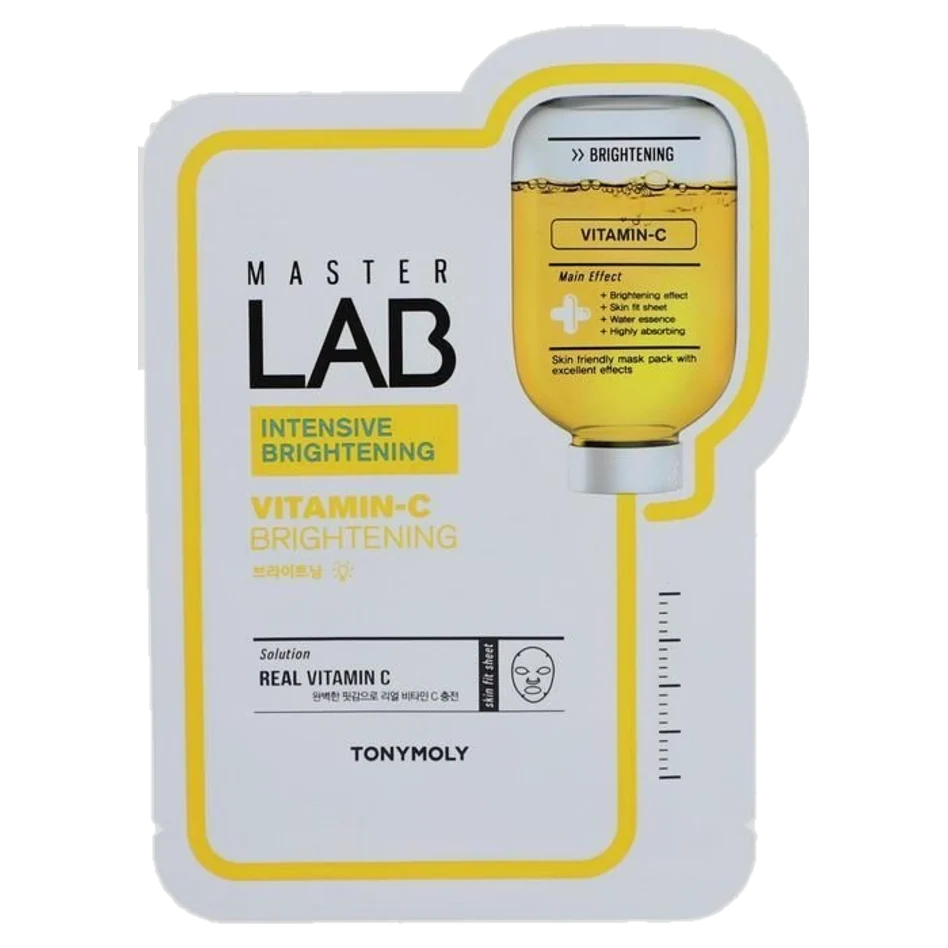
TONYMOLY
Master Lab Sheet Mask Vitamin C
9th of 33 on the label