Hydrogenated Lecithin
No meaningful concern for most people; irritation is possible but rare.
Also written as: Hydrogenated Phosphatidylcholine · Hydrogenated Soy Lecithin
What it is
Lecithin is a mixture of phospholipids, the same class of molecule that makes up cell membranes; hydrogenating it saturates the fatty acid tails so it no longer oxidises or smells. In this form it self-assembles into liposomes and into lamellar emulsions whose structure resembles the layered lipids of the skin barrier. It is one of the most common ingredients in Korean and Japanese masks, where it emulsifies the oil phase without harsh surfactants.
How it shows up on a label
Usually well down the ingredient list, below the point where order stops indicating quantity.
What it does well
Emulsifies gently and builds barrier-like lamellar structures
Phospholipid emulsifiers form layered structures similar to the skin's own lipid organisation, which is why they are favoured in products for sensitive and barrier-impaired skin over strong detergent-type emulsifiers. They are also used to encapsulate and stabilise oil-soluble actives.
Moderate evidence
Worth knowing
Usually derived from soy
Most cosmetic lecithin comes from soybeans or sunflower seeds. Processing removes essentially all protein, and cosmetic reactions in soy-allergic people are not an established problem, but sunflower-derived grades are available for those who want to avoid soy entirely.
Matters most toPeople with a diagnosed soy allergy who prefer to be cautious.
Where the EU stands
No specific restriction
Not listed in any Annex of the EU Cosmetics Regulation, so there is no specific concentration limit; it is still covered by the general safety assessment every cosmetic product must pass before sale.
Regulation (EC) No 1223/2009 - no annex entry · source ↗
Masks that contain Hydrogenated Lecithin
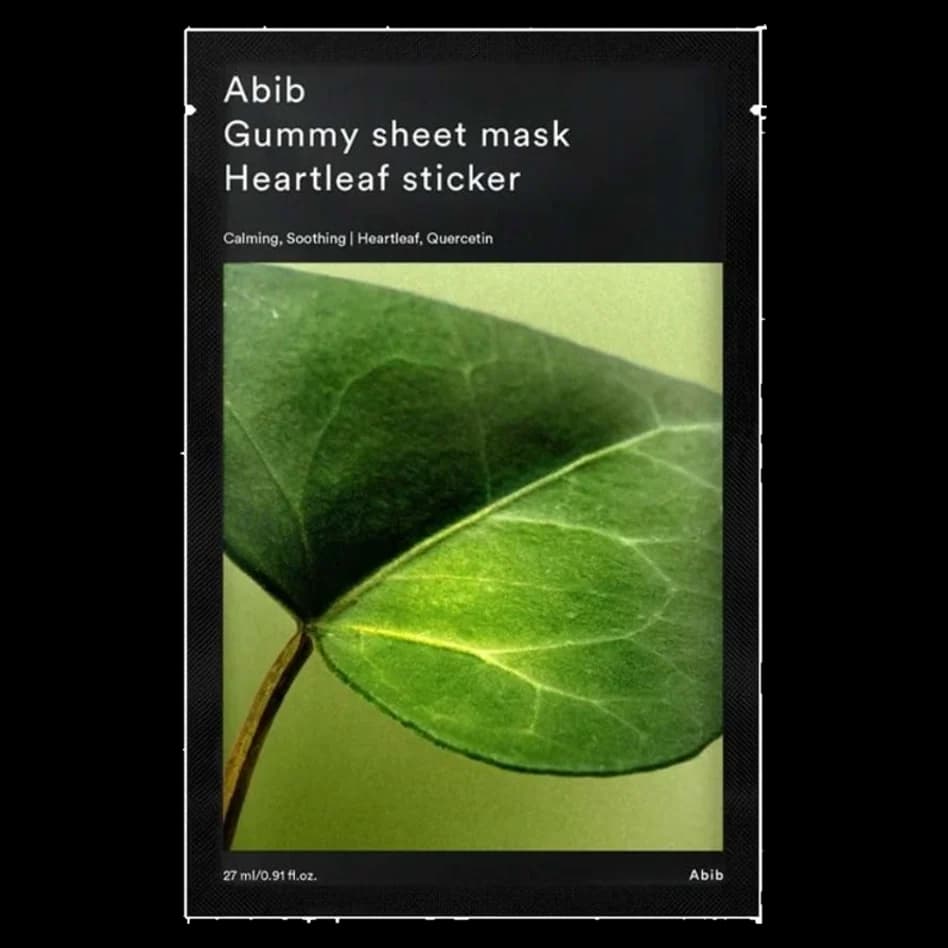
Abib
Gummy Sheet Mask Heartleaf Sticker
20th of 29 on the label
below ≈1%
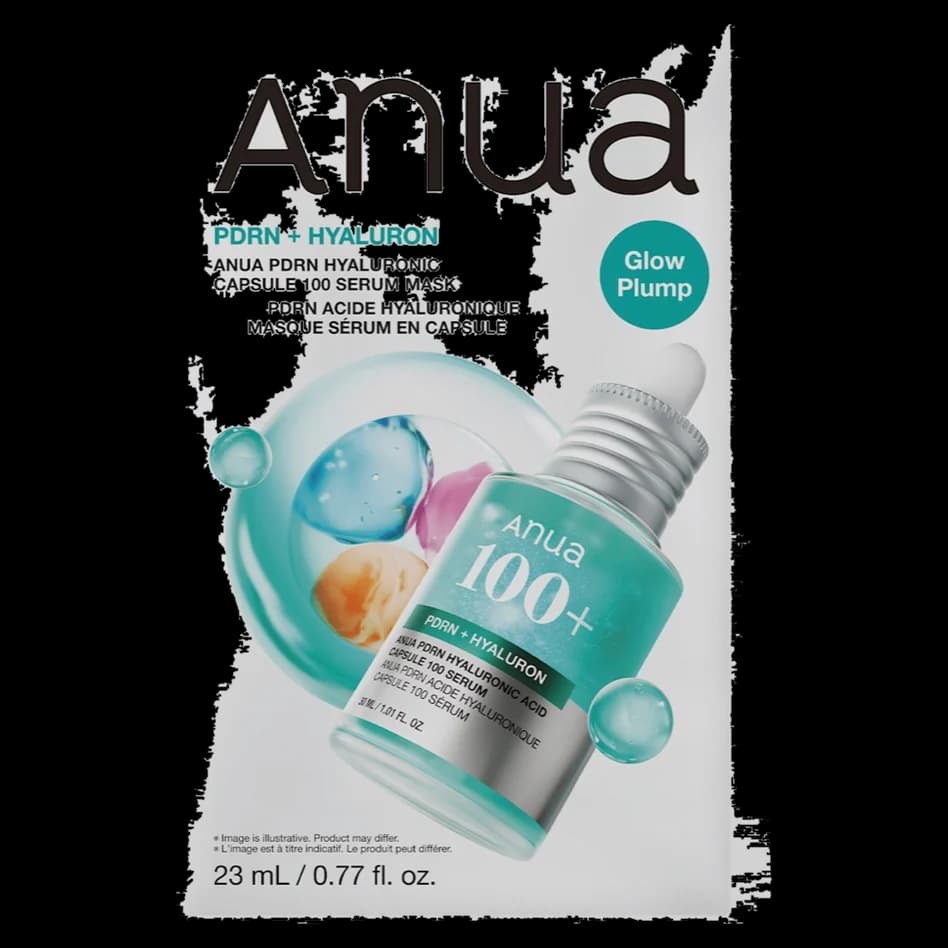
Anua
PDRN Serum Mask 100 Hyaluronic Acid Capsule
29th of 45 on the label
below ≈1%
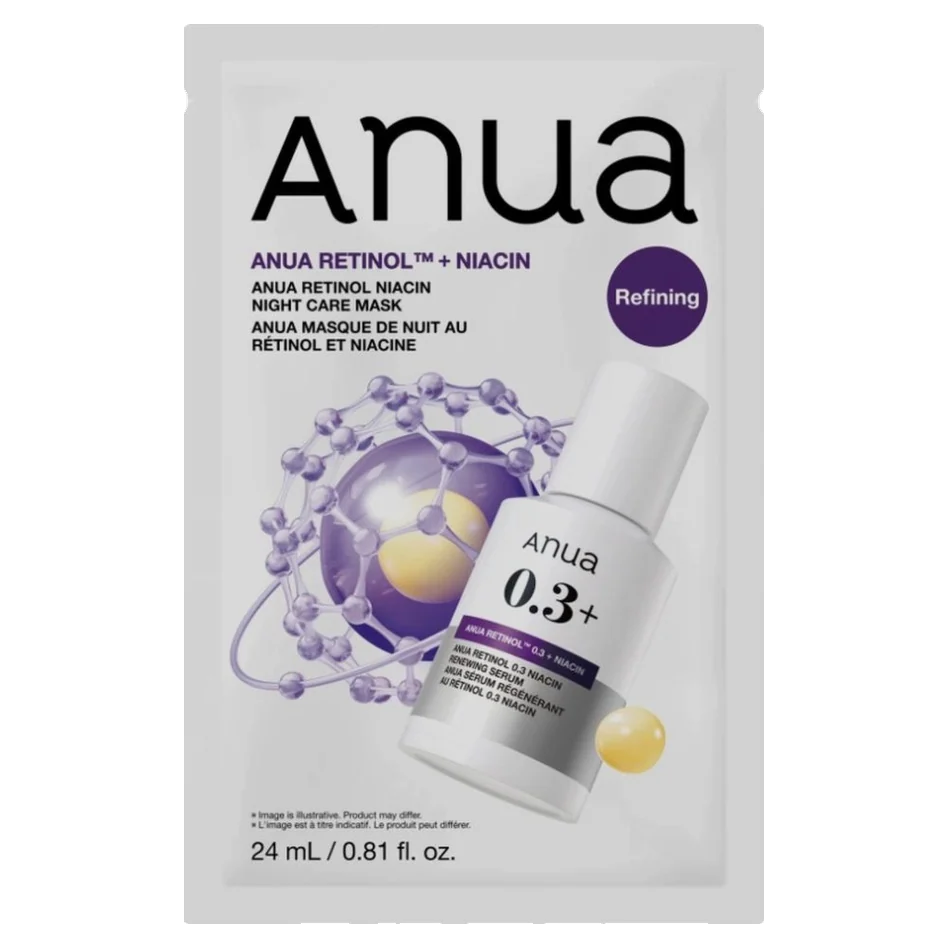
Anua
Retinol Niacin Night Care Mask
30th of 44 on the label
below ≈1%
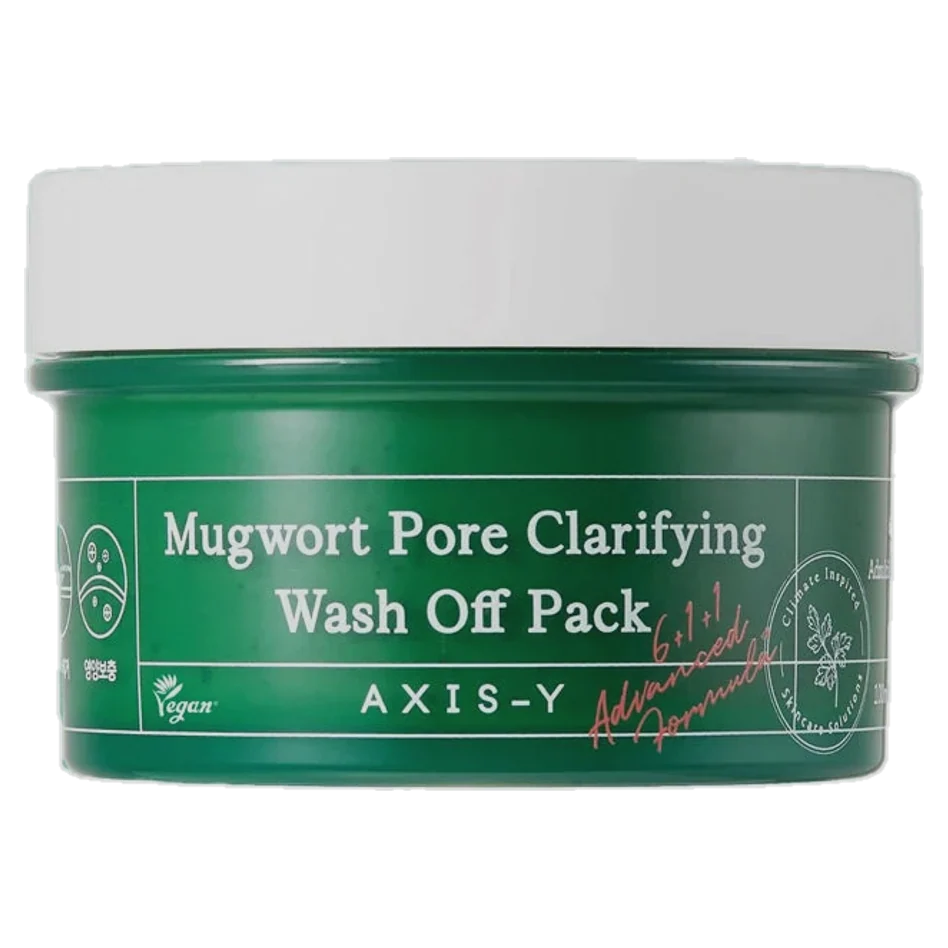
AXIS-Y
Mugwort Pore Clarifying Wash Off Pack
17th of 36 on the label
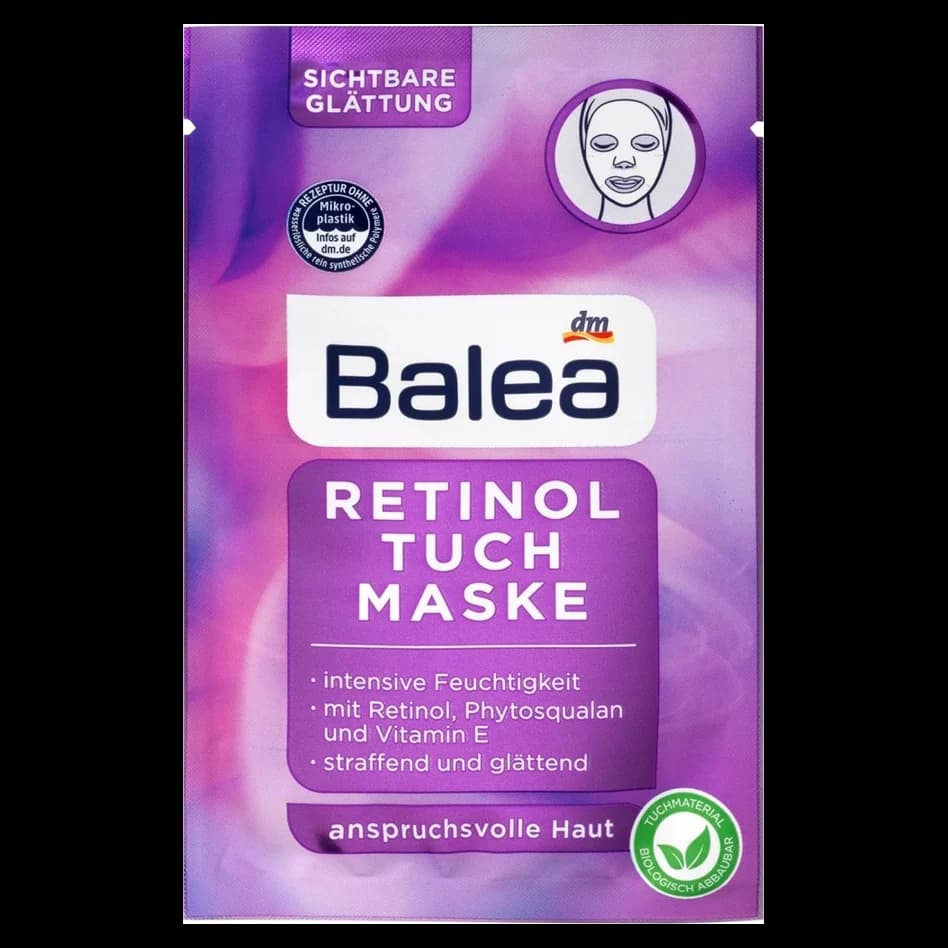
Balea
Tuchmaske Retinol
8th of 16 on the label
below ≈1%
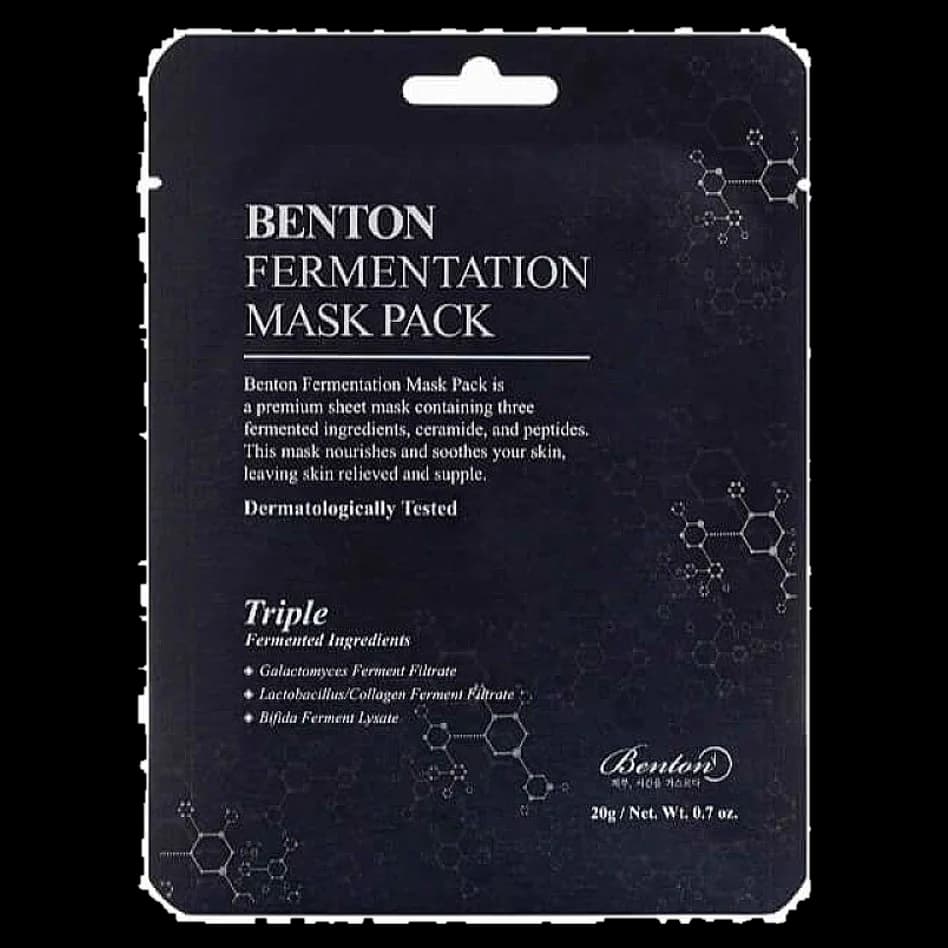
Benton
Fermentation Mask Pack
24th of 25 on the label
below ≈1%
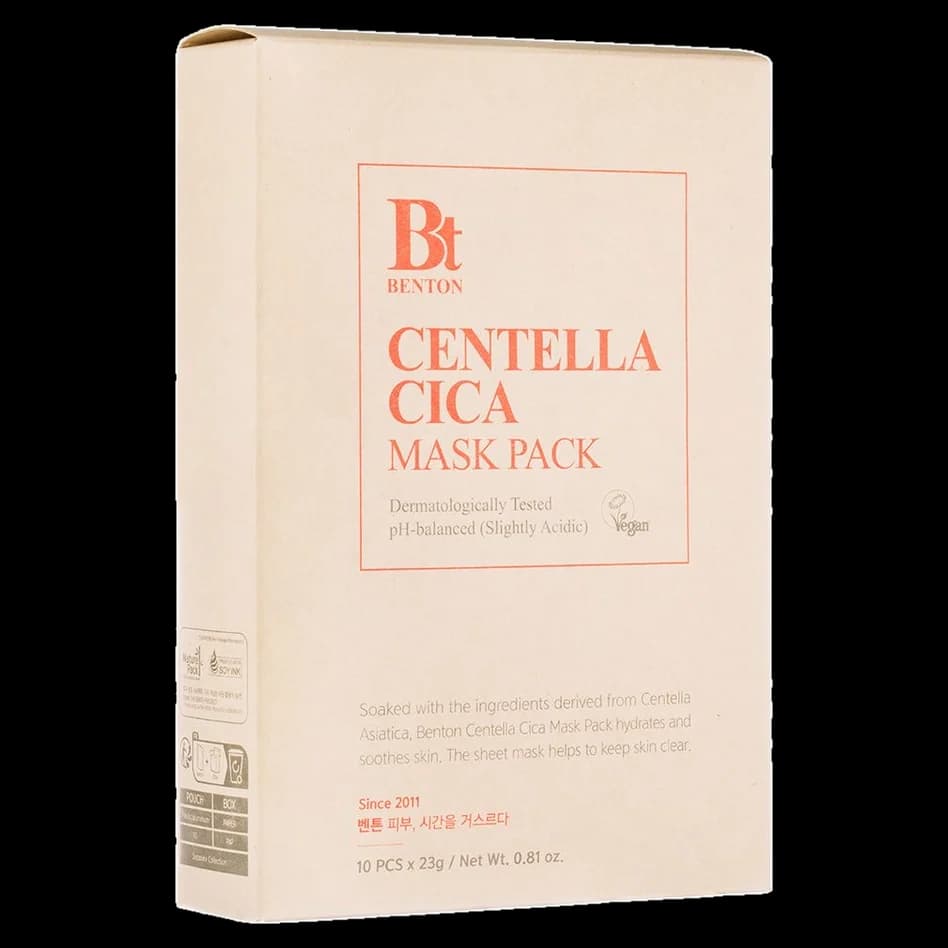
Benton
Goodbye Redness Centella Cica Mask Pack
20th of 23 on the label
below ≈1%
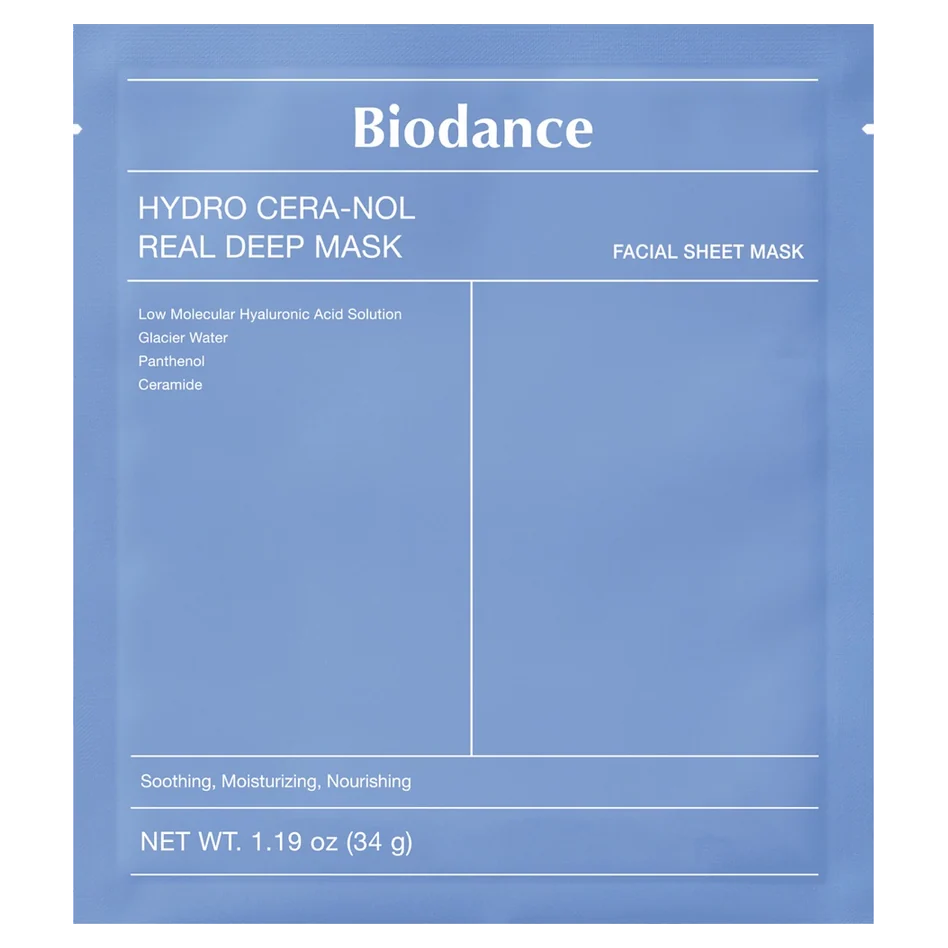
Biodance
Hydro Cera-nol Real Deep Mask
40th of 65 on the label
below ≈1%
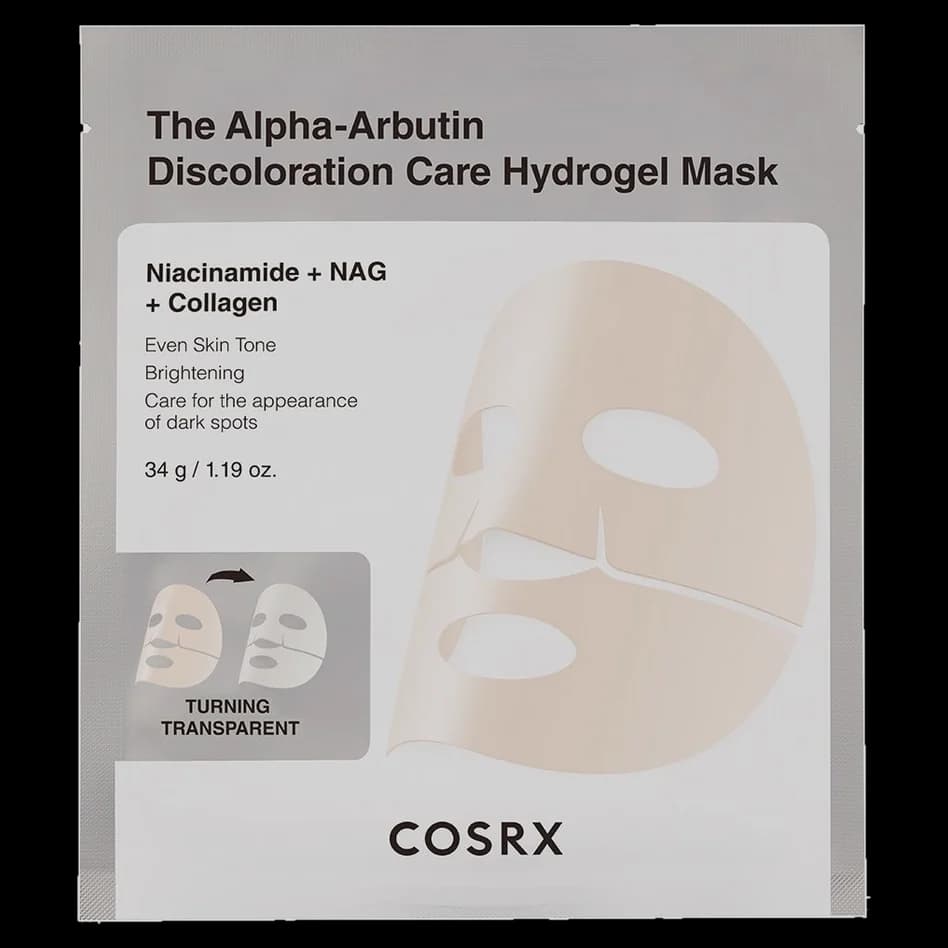
COSRX
The Alpha-Arbutin Discoloration Care Hydrogel Mask
26th of 44 on the label
below ≈1%
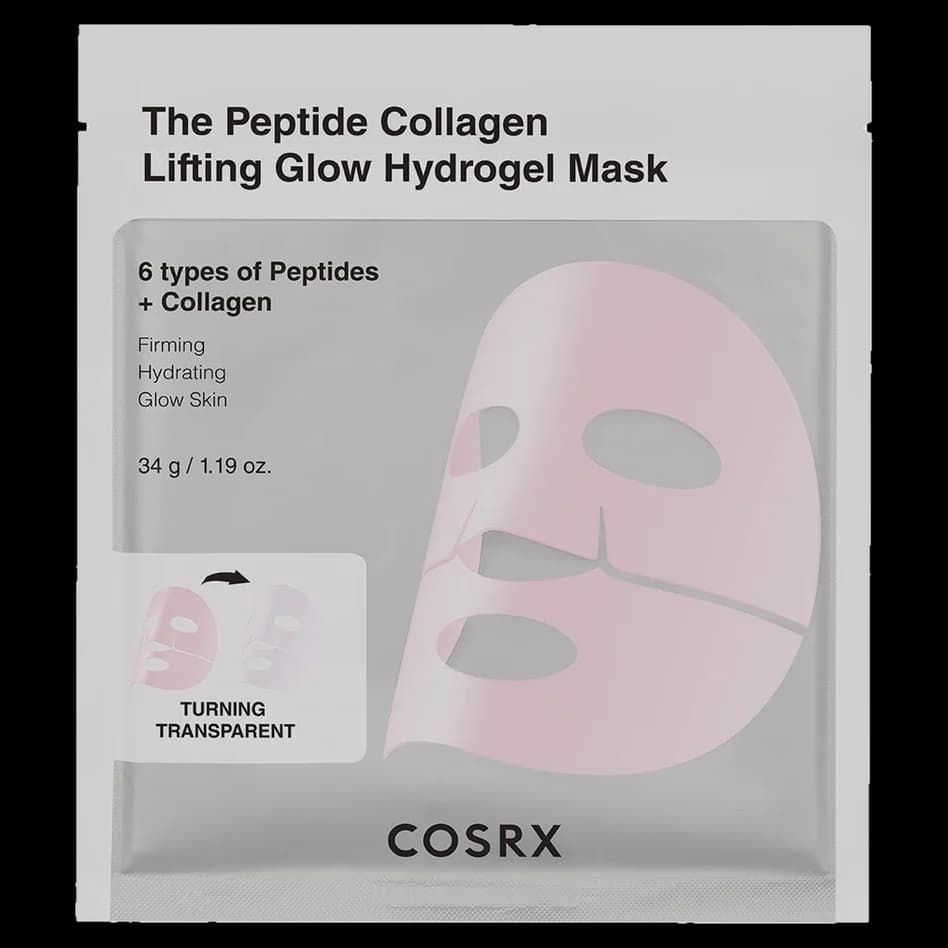
COSRX
The Peptide Collagen Lifting Glow Hydrogel Mask
22nd of 49 on the label
below ≈1%
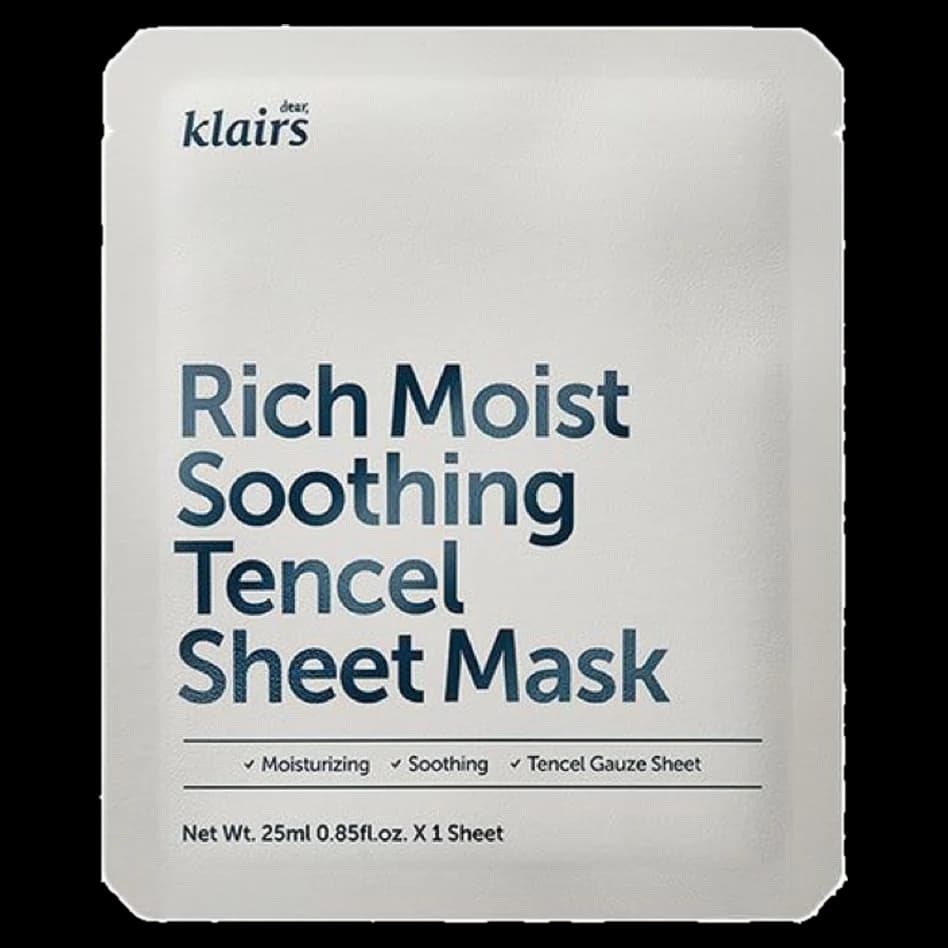
Dear, Klairs
Rich Moist Soothing Tencel Sheet Mask
16th of 33 on the label
below ≈1%
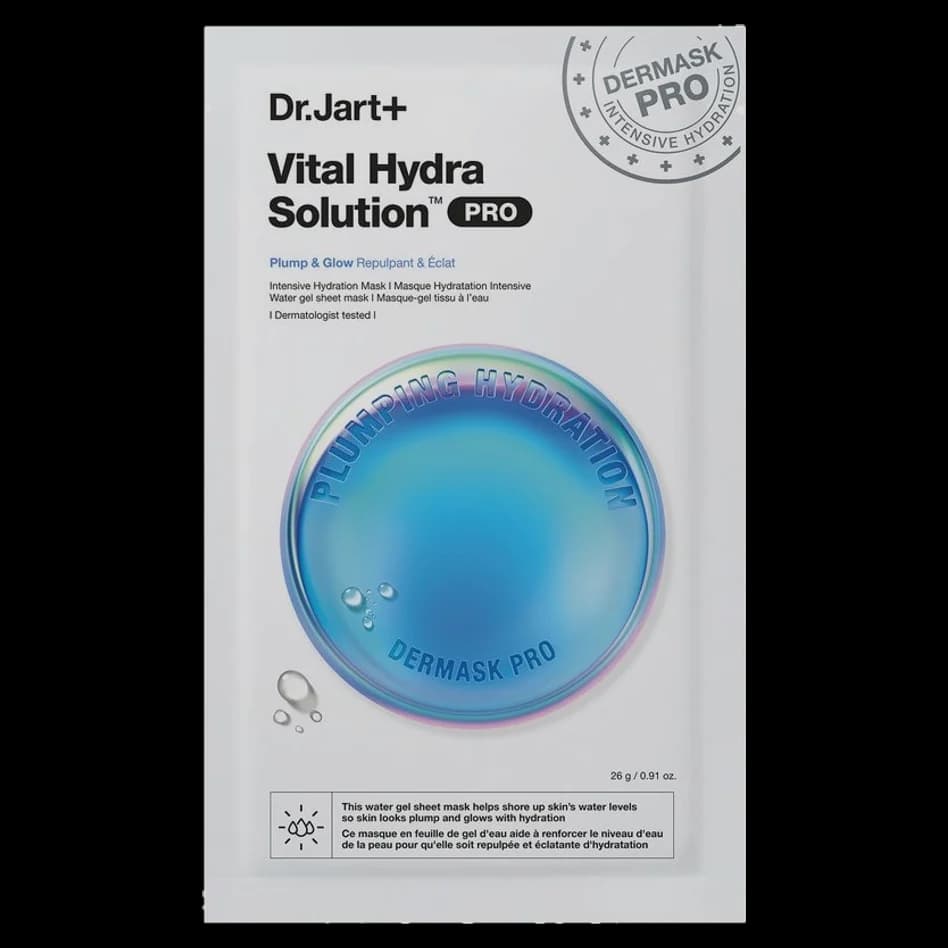
Dr.Jart+
Dermask Vital Hydra Solution Pro + Hyaluronic Acid
20th of 25 on the label
below ≈1%
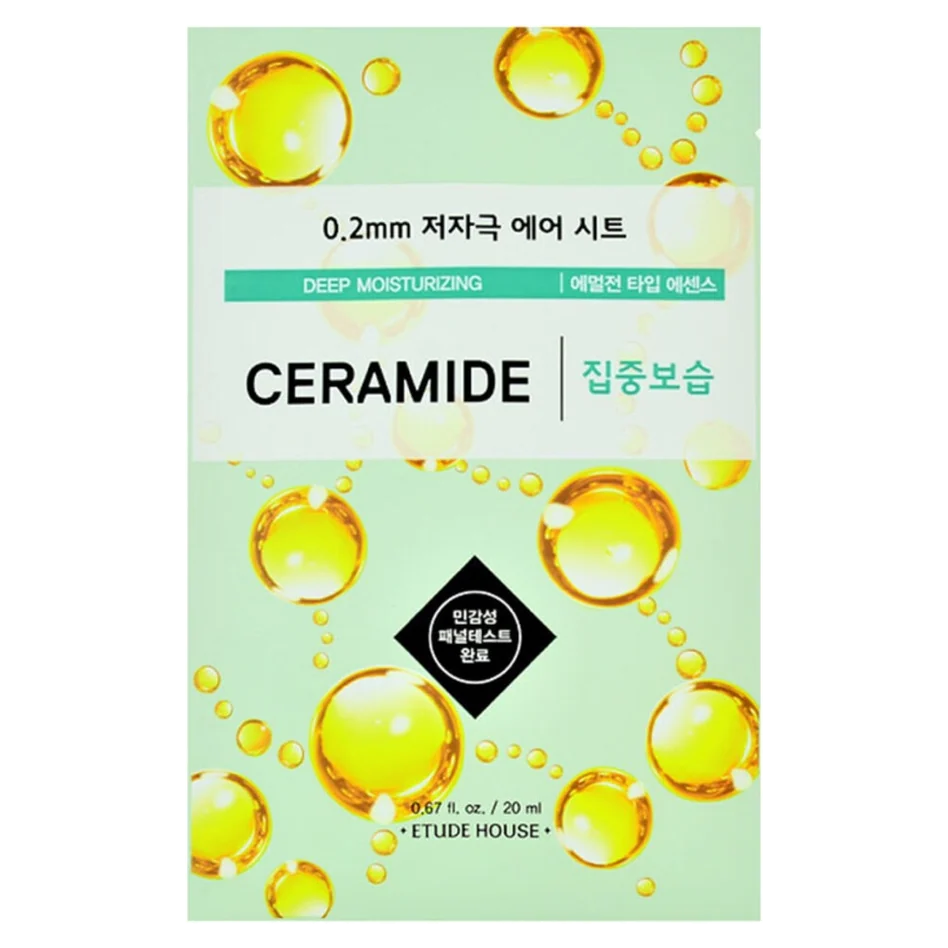
Etude House
0.2mm Therapy Air Mask Ceramide
23rd of 33 on the label
below ≈1%
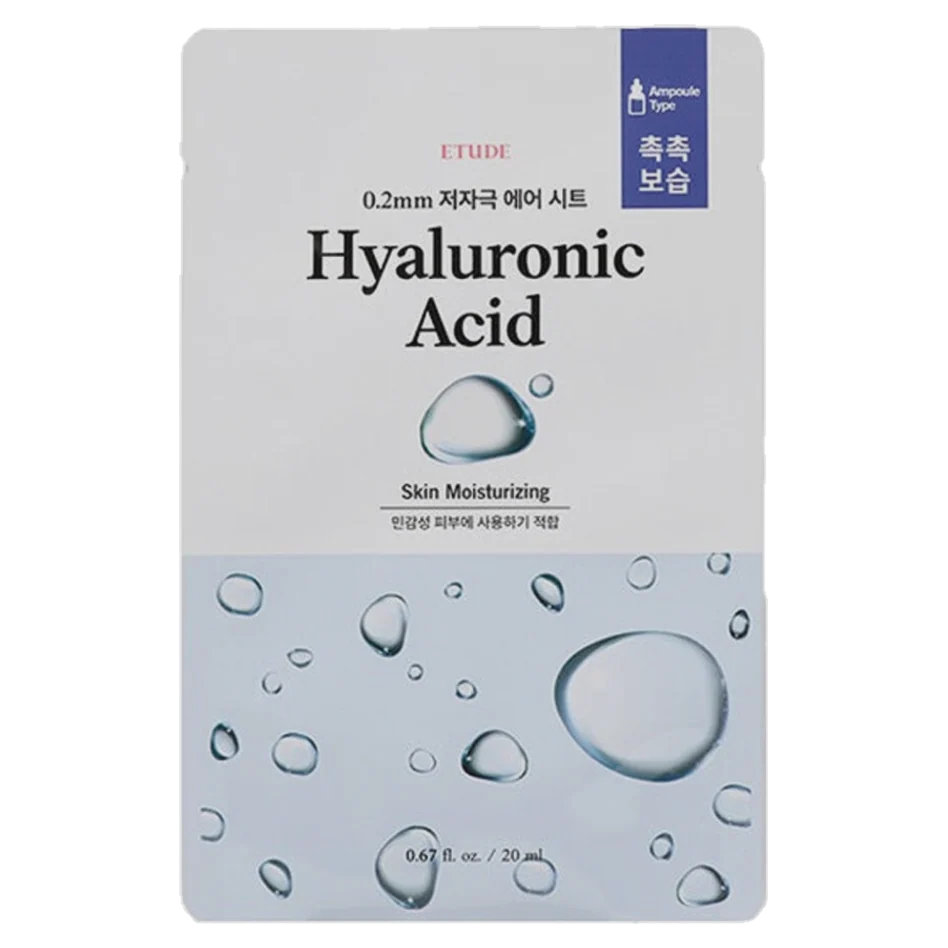
Etude House
0.2mm Therapy Air Mask Hyaluronic Acid
26th of 35 on the label
below ≈1%
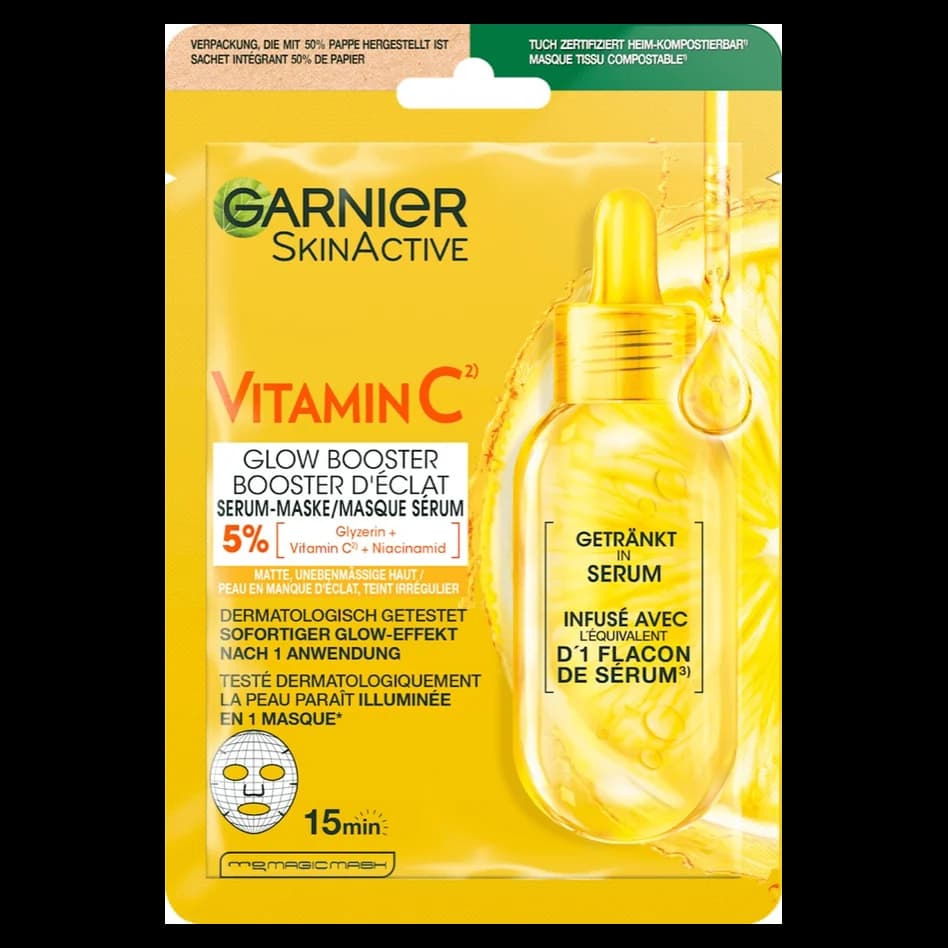
Garnier
SkinActive Vitamin C Tissue Mask
11th of 21 on the label
below ≈1%
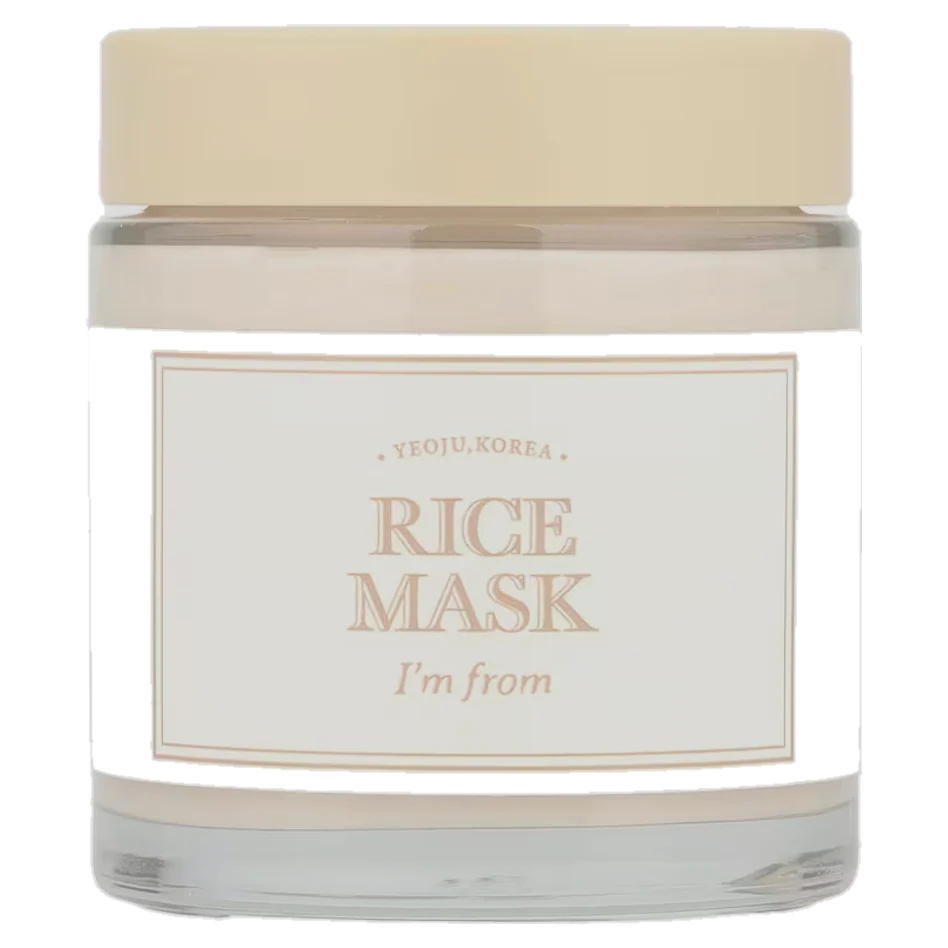
I'm From
Rice Mask
31st of 43 on the label
below ≈1%
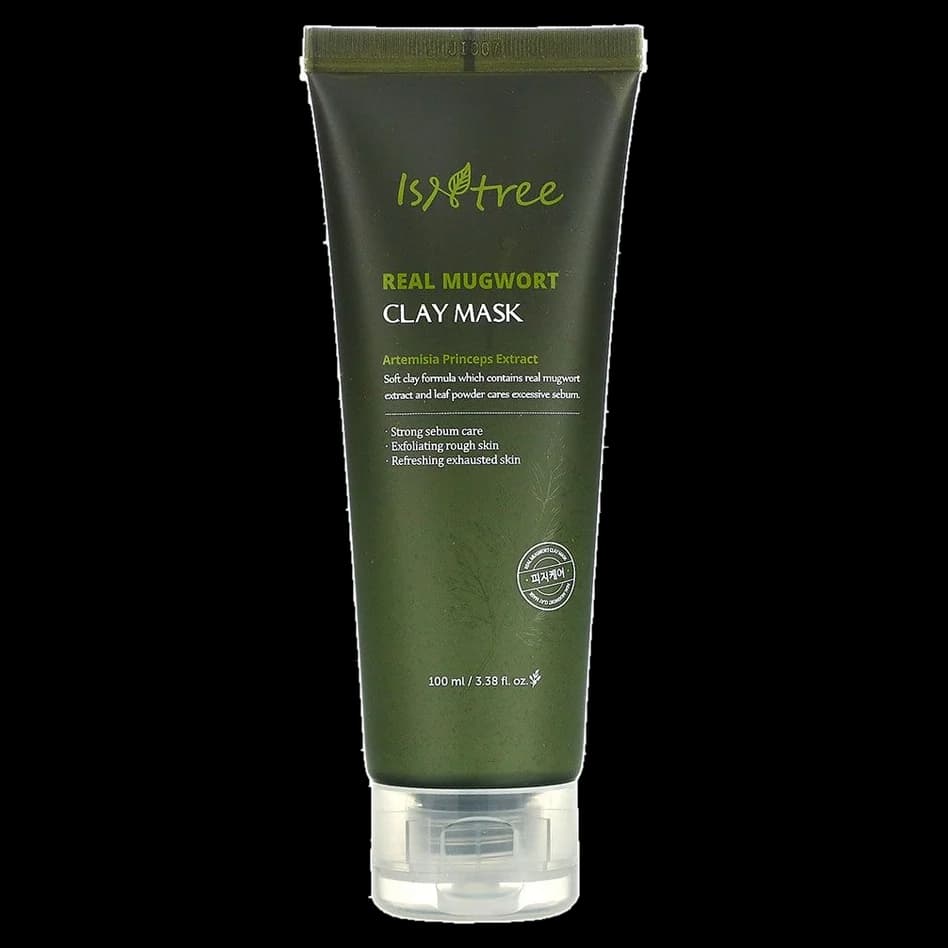
Isntree
Mugwort Calming Clay Mask
27th of 38 on the label
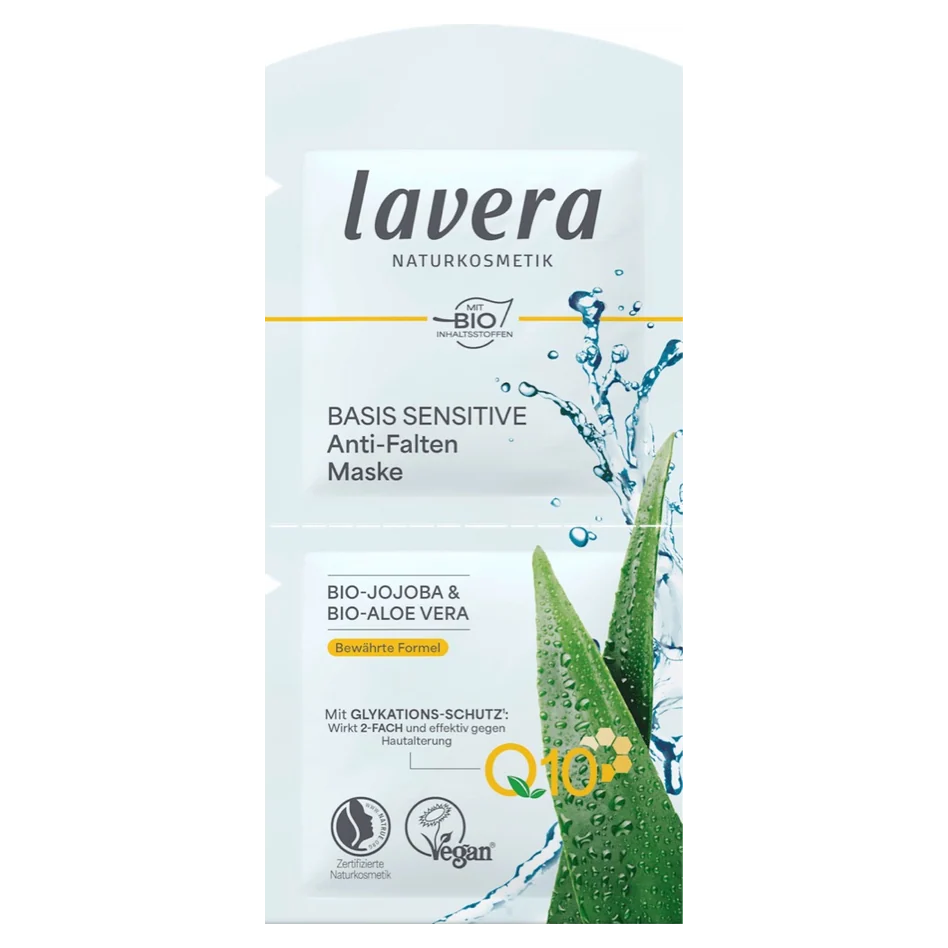
lavera
basis sensitiv Anti-Falten Gesichtsmaske
32nd of 42 on the label
below ≈1%
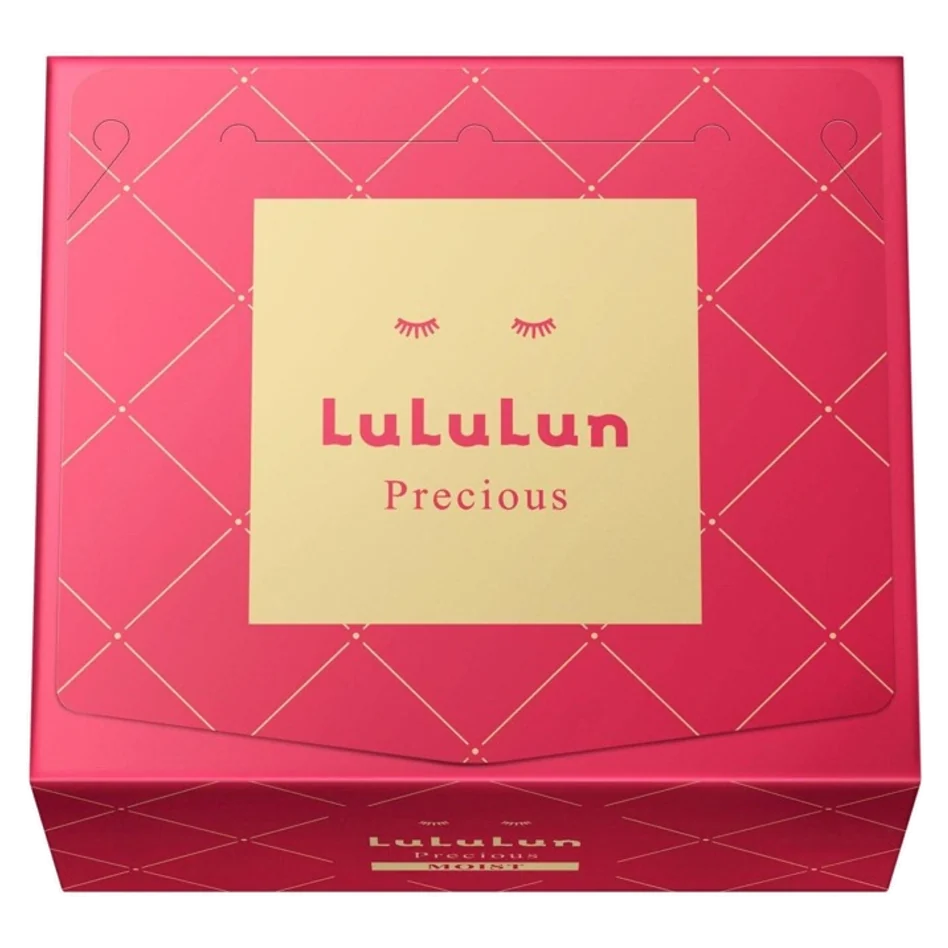
LuLuLun
Precious Face Mask Moist (Red)
18th of 26 on the label
below ≈1%
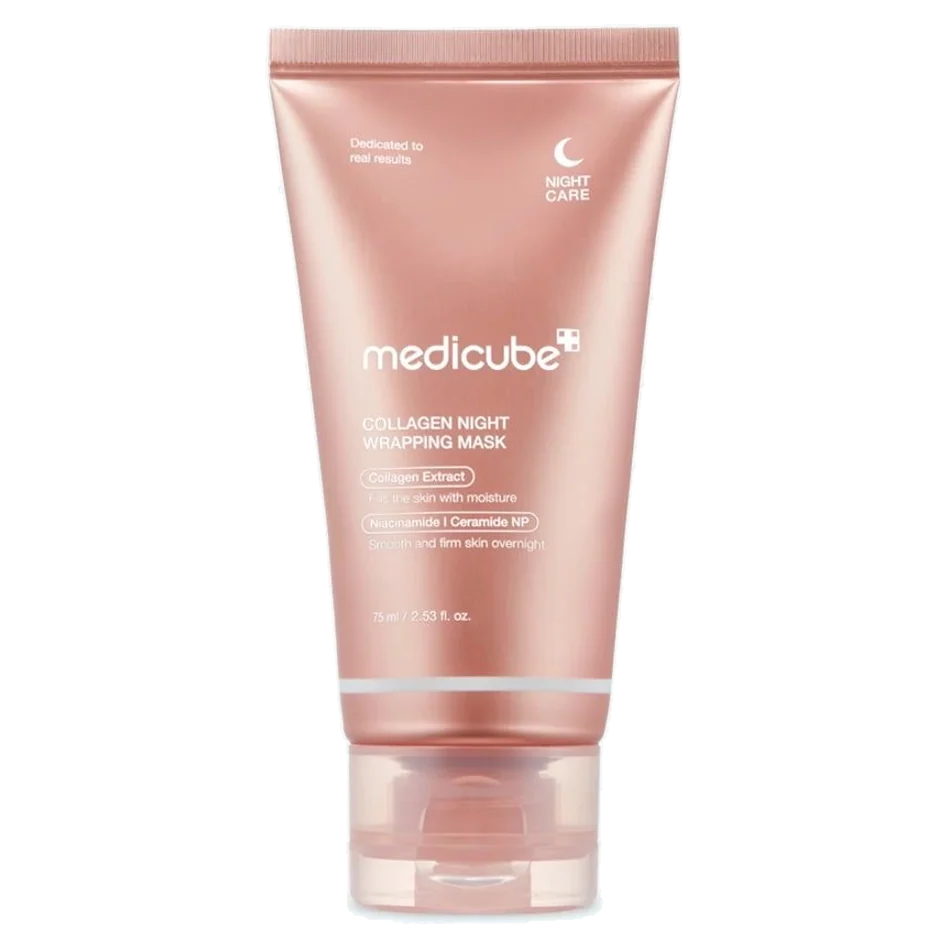
Medicube
Collagen Night Wrapping Mask
18th of 24 on the label
below ≈1%
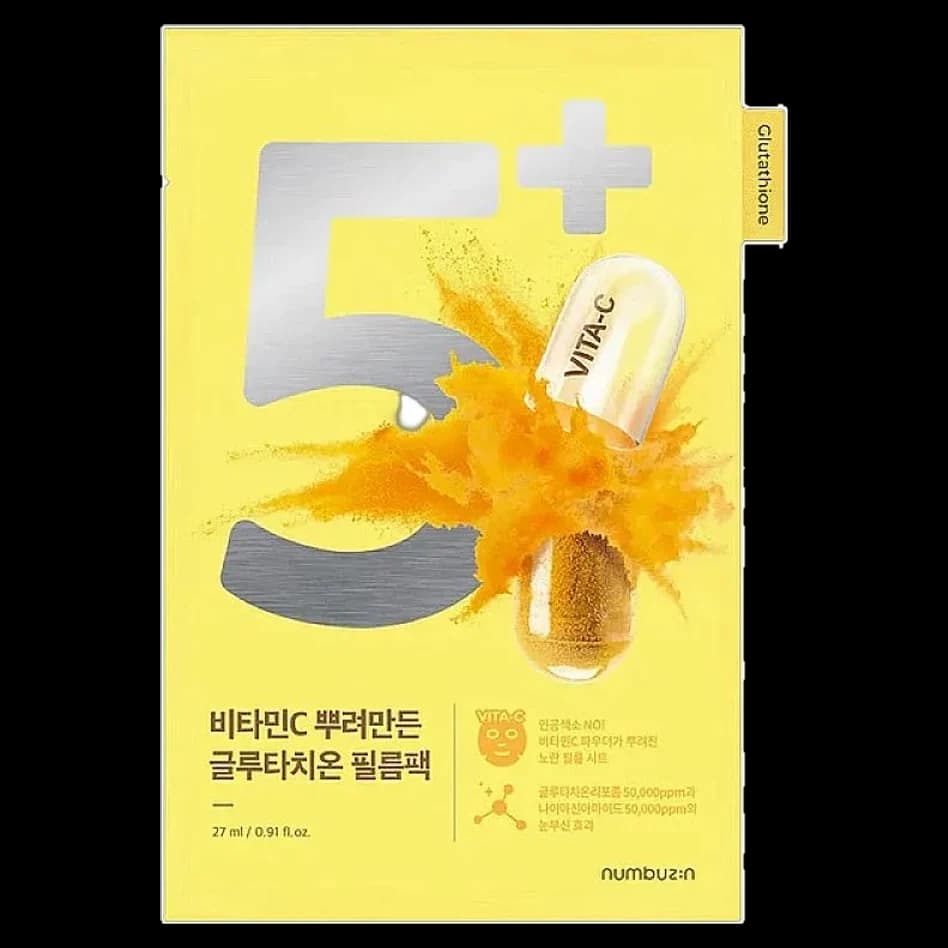
numbuzin
No.5 Vitamin Spotlight Sheet Mask
16th of 33 on the label
below ≈1%
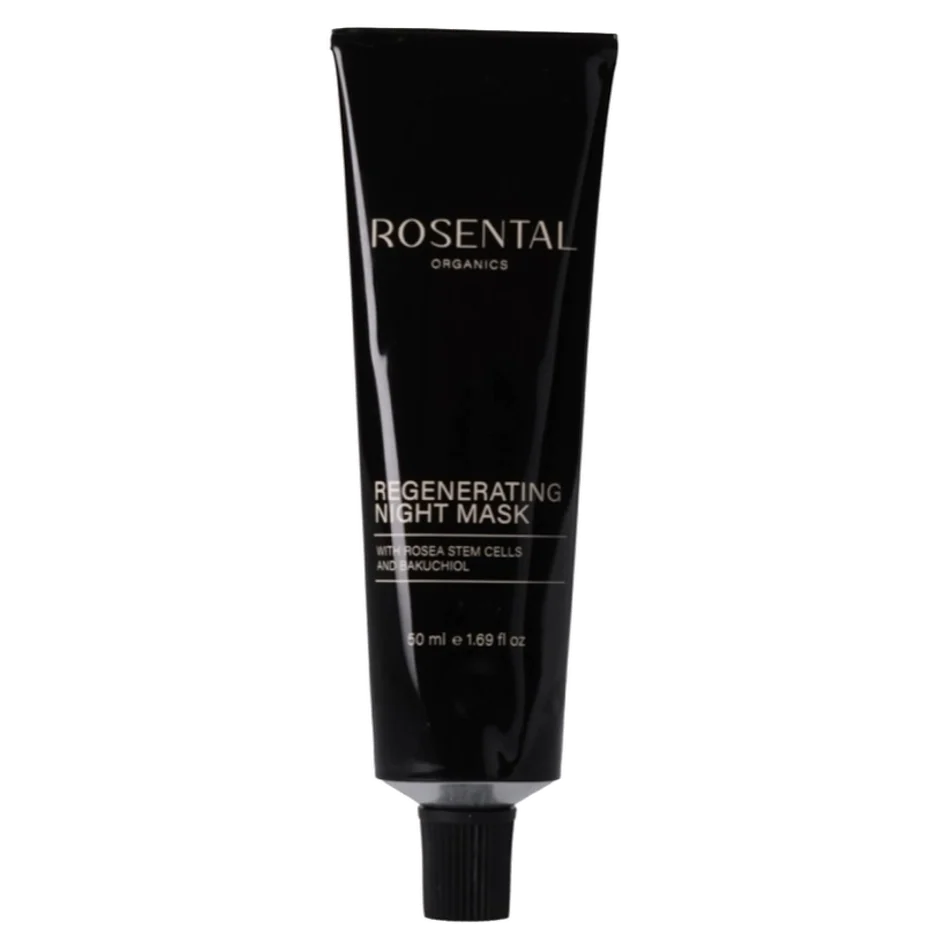
Rosental Organics
Regenerating Night Mask
29th of 44 on the label
Sensai
Cellular Performance Extra Intensive Mask
17th of 44 on the label
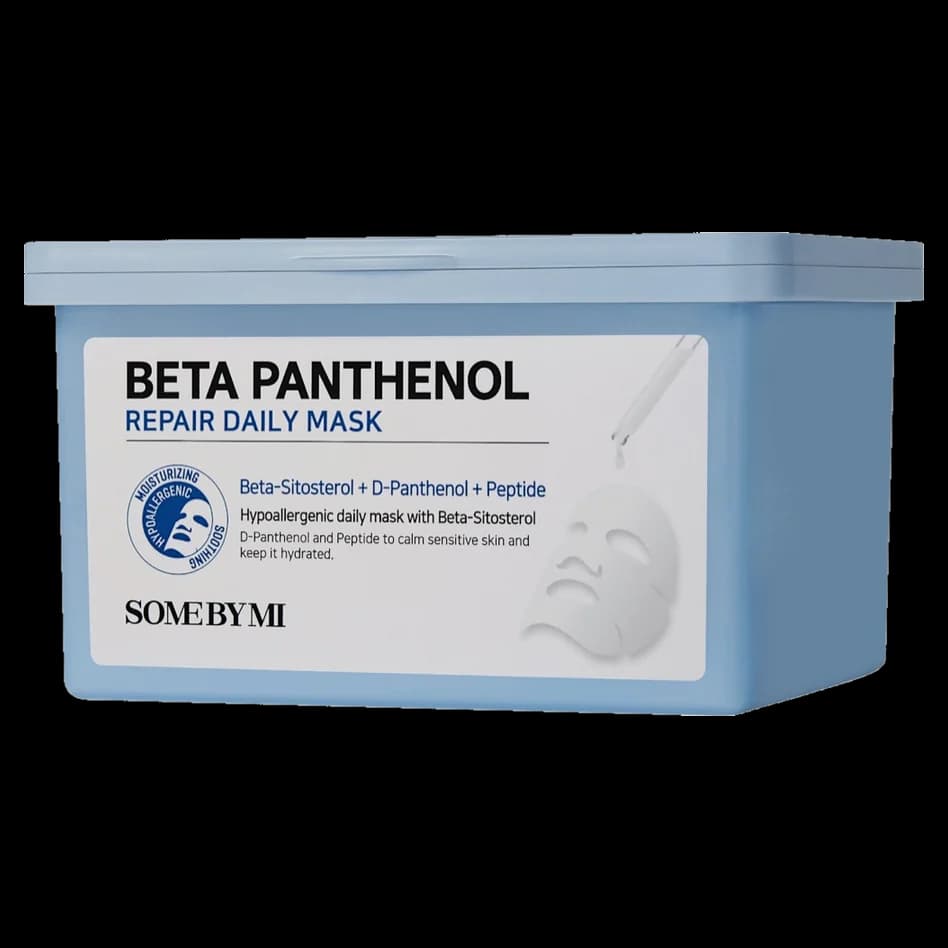
SOME BY MI
Daily Beta Panthenol Repair Mask
41st of 57 on the label
below ≈1%
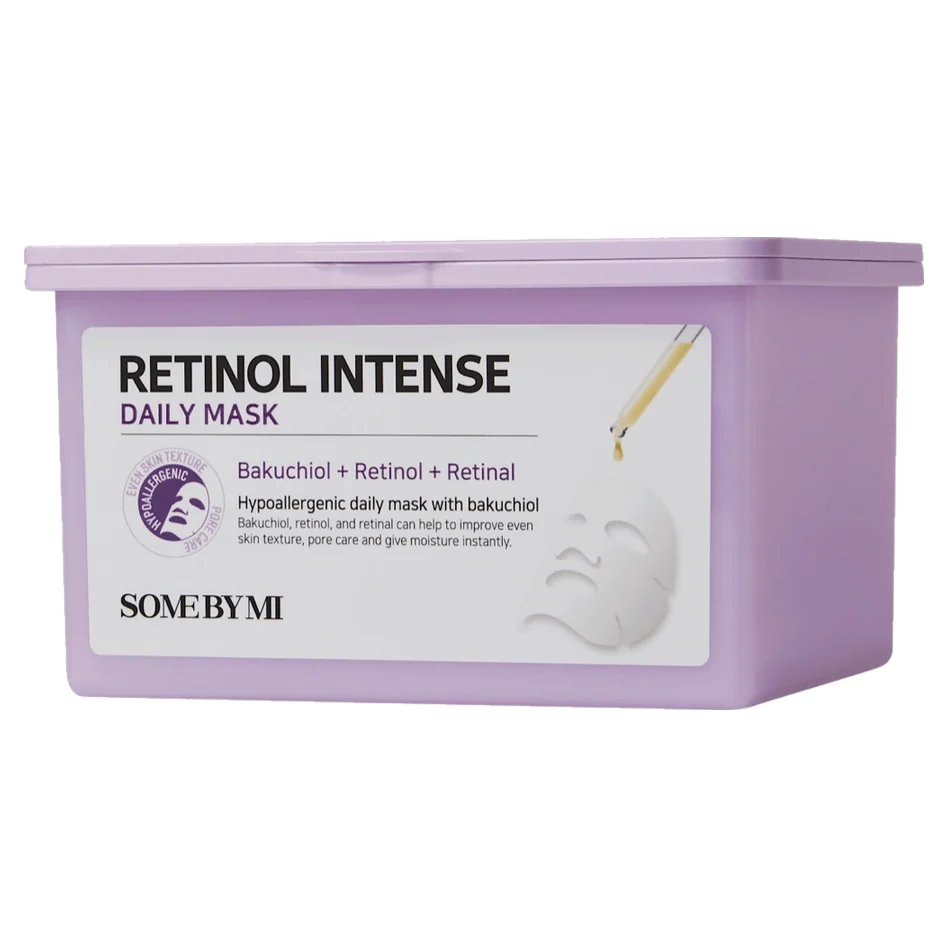
SOME BY MI
Daily Retinol Intense Mask
13th of 62 on the label