Stearic Acid
No meaningful concern for most people; irritation is possible but rare.
Also written as: Octadecanoic acid
What it is
Stearic acid is an 18-carbon saturated fatty acid found in shea butter, cocoa butter and many vegetable fats, and also present in the skin's own lipids. In cosmetics it thickens the oil phase and, when neutralised with an alkali such as triethanolamine or potassium hydroxide, forms a soap-type emulsifier in situ.
What it does well
Thickens and stabilises creams while softening skin
A long-established formulation staple with a very good tolerance record on intact skin.
Strong evidence
Worth knowing
In soap-based formulas it contributes to an alkaline pH
When stearic acid is neutralised into a soap, the resulting cleanser sits well above skin's natural pH, which can feel tight or drying after washing. This is a property of the soap system, not of stearic acid used simply as a thickener.
Matters most toPeople with dry or sensitive skin using traditional soap-based cleansing products.
Where the EU stands
No specific restriction
No EU restriction on use or concentration in cosmetics.
Regulation (EC) No 1223/2009 - no annex entry for stearic acid; the Stearic Acid named in Annex VI entry 27a is a permitted surface coating on titanium dioxide (nano), not a restriction on the acid itself · source ↗
Masks that contain Stearic Acid
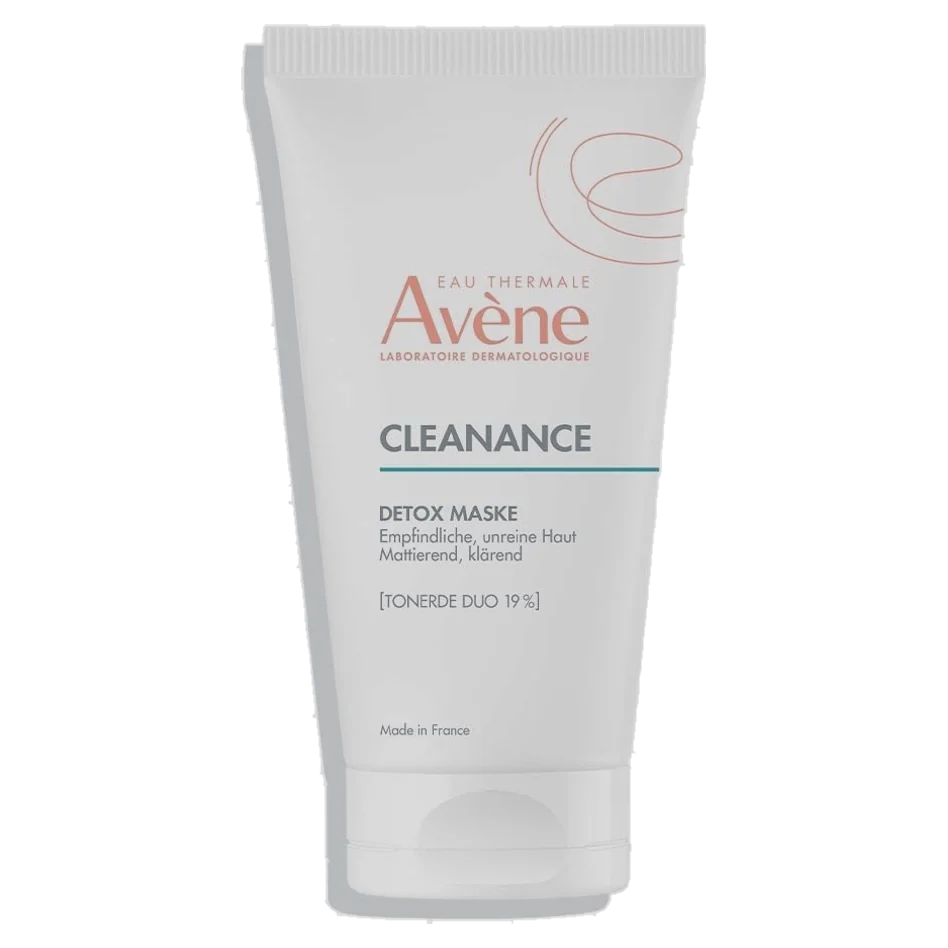
Avène
Cleanance Detox Mask
12th of 18 on the label
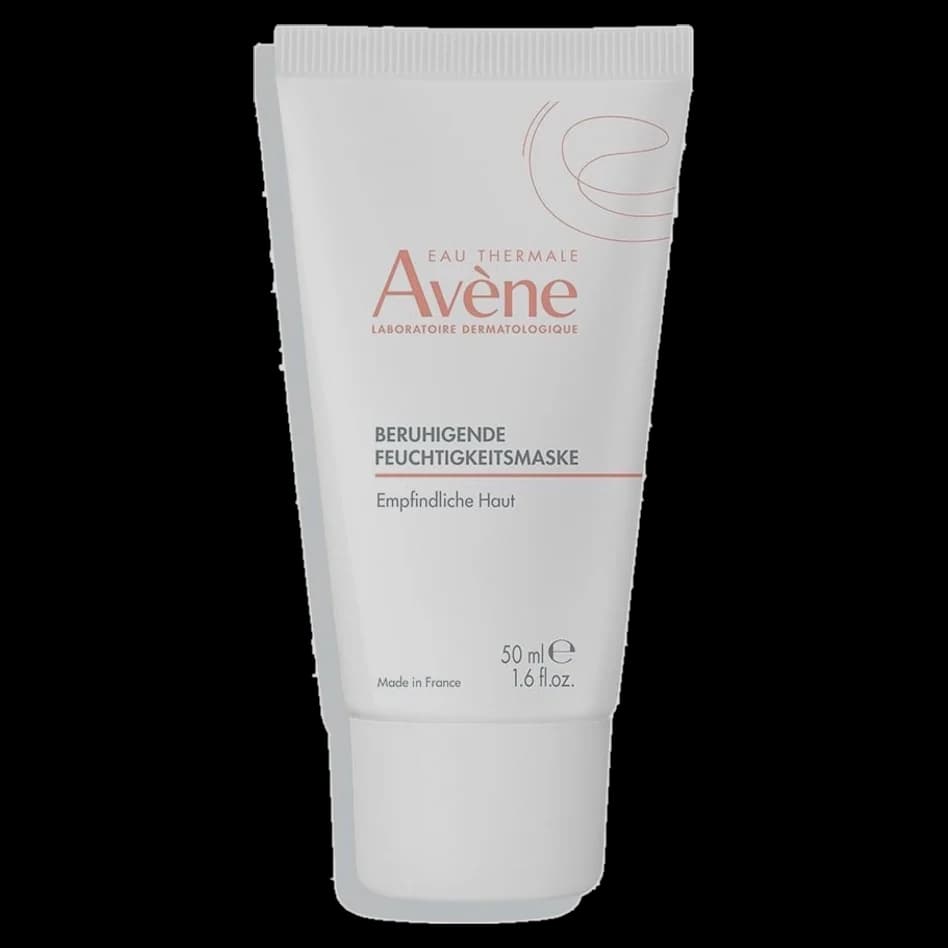
Avène
Soothing Moisture Mask
7th of 26 on the label
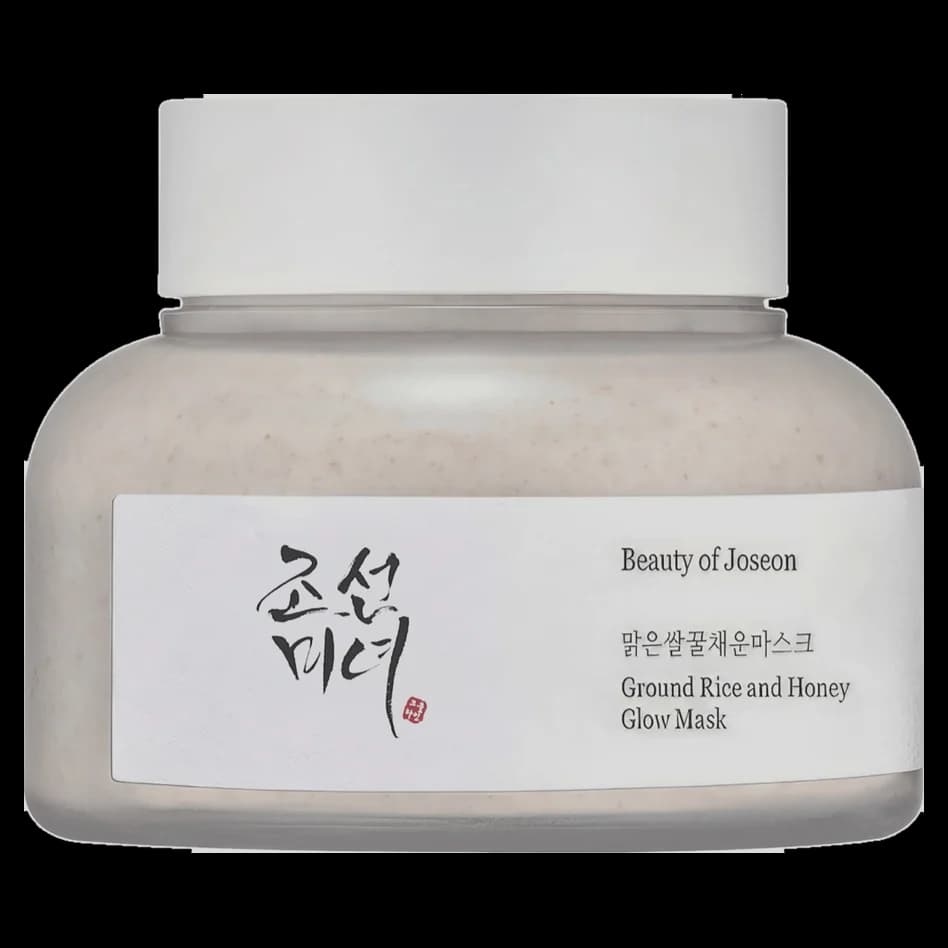
Beauty of Joseon
Ground Rice and Honey Glow Mask
21st of 35 on the label
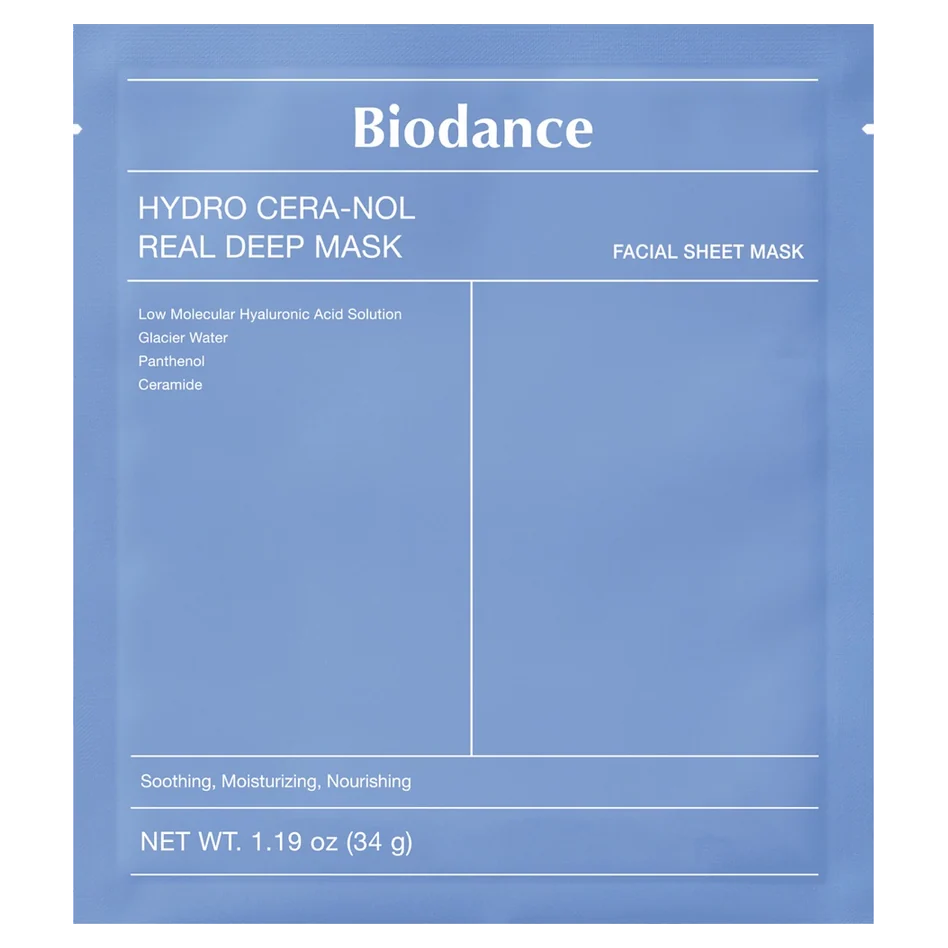
Biodance
Hydro Cera-nol Real Deep Mask
44th of 65 on the label
below ≈1%
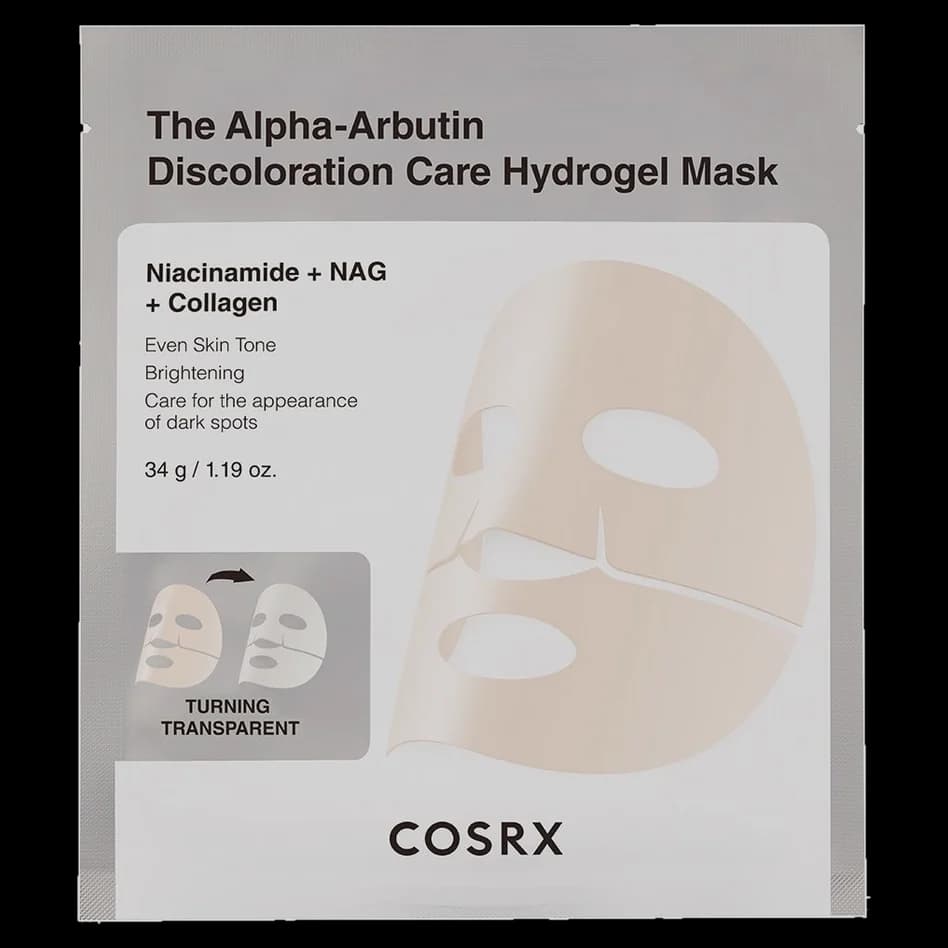
COSRX
The Alpha-Arbutin Discoloration Care Hydrogel Mask
28th of 44 on the label
below ≈1%
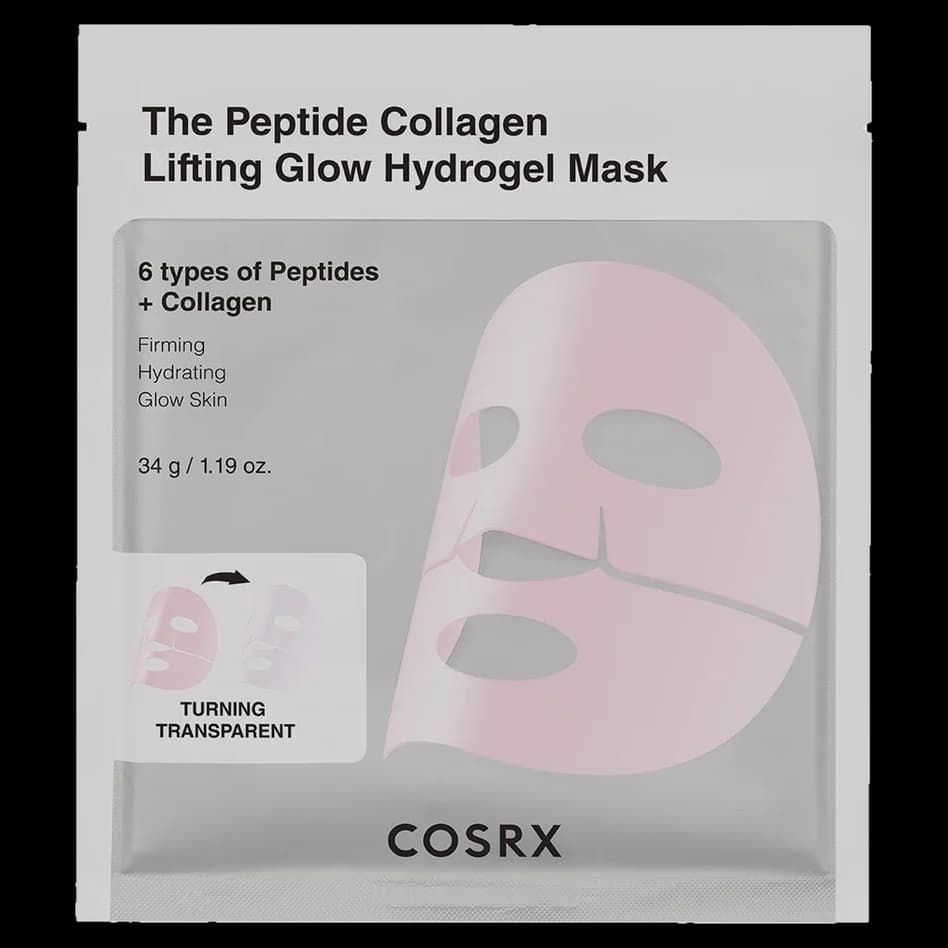
COSRX
The Peptide Collagen Lifting Glow Hydrogel Mask
25th of 49 on the label
below ≈1%
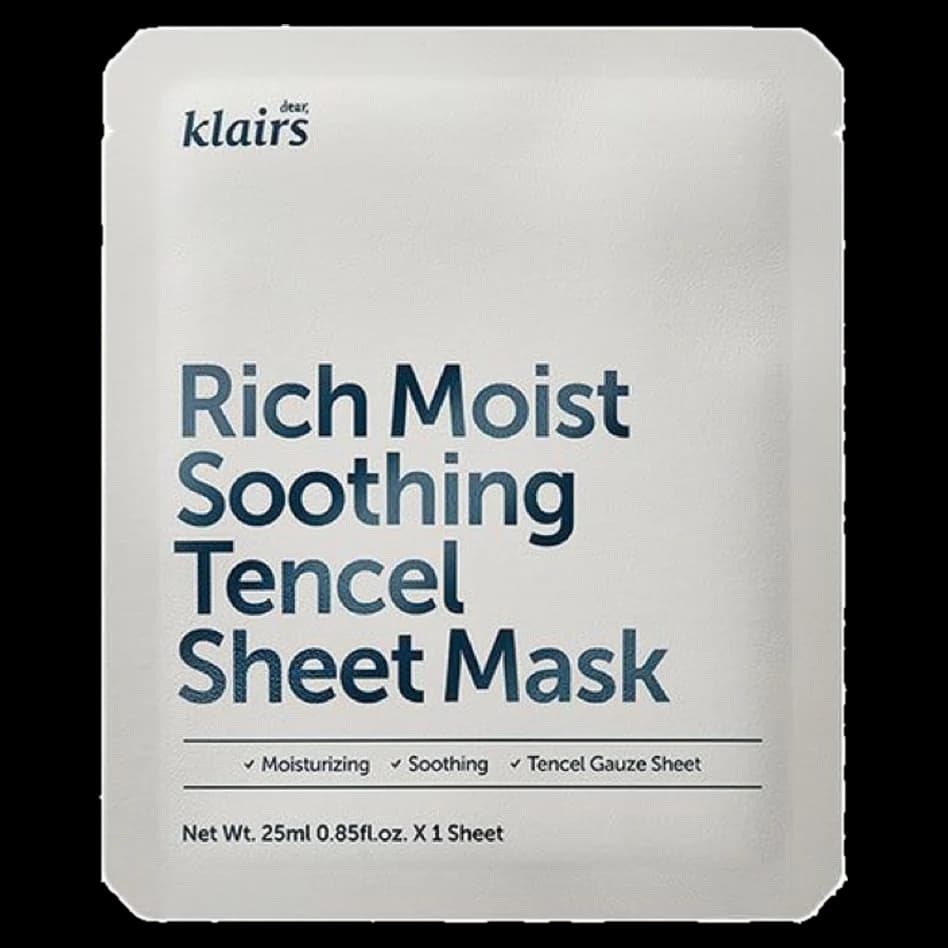
Dear, Klairs
Rich Moist Soothing Tencel Sheet Mask
25th of 33 on the label
below ≈1%
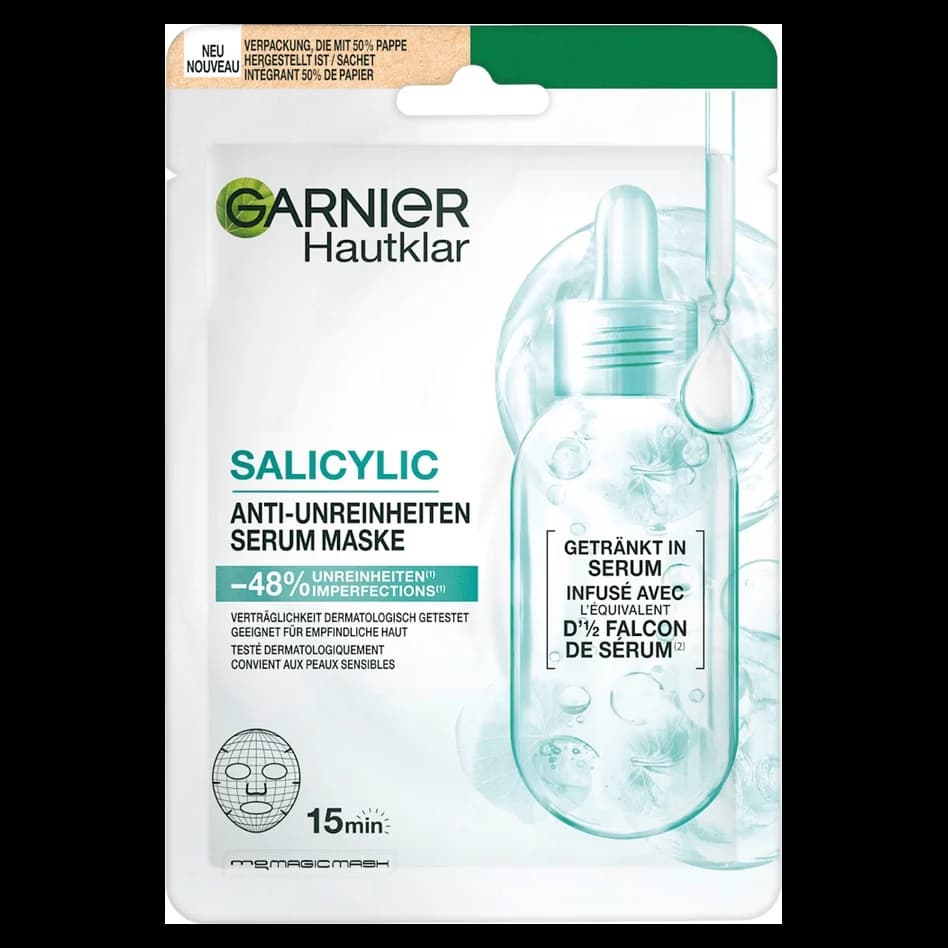
Garnier
Salicylic Tissue Mask
23rd of 26 on the label
below ≈1%
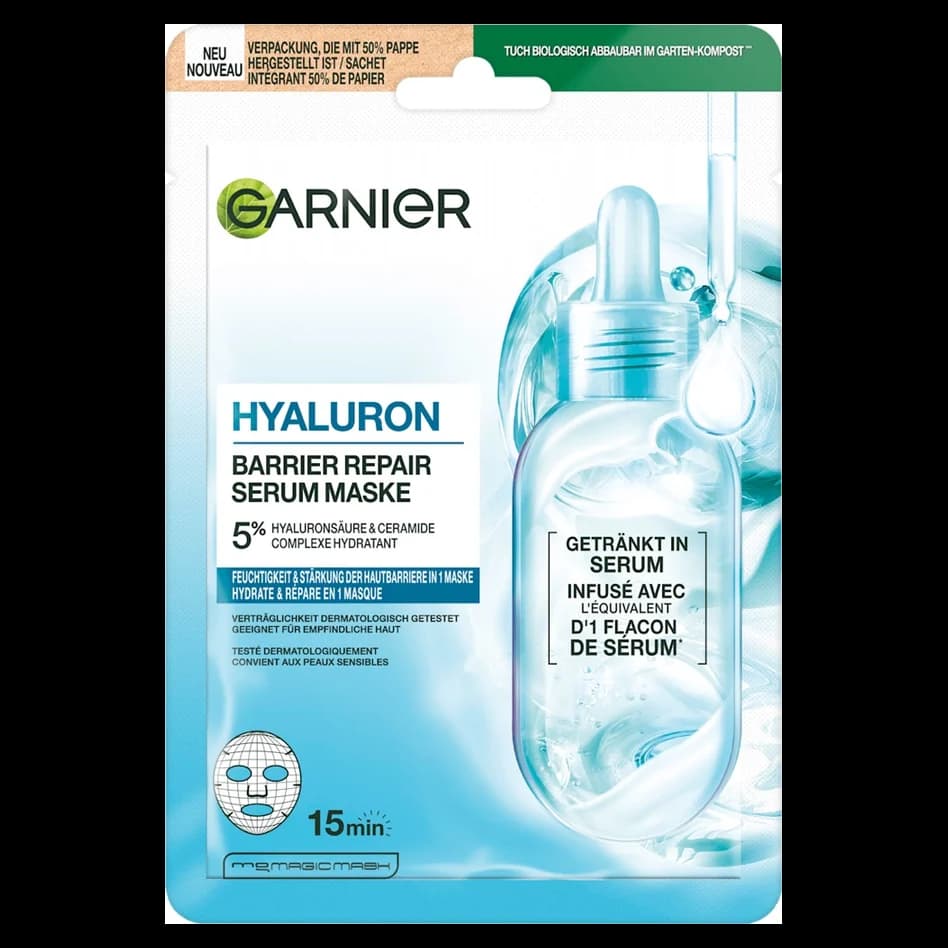
Garnier
SkinActive Hyaluronic Acid Barrier Repair Serum Tissue Mask
22nd of 25 on the label
below ≈1%
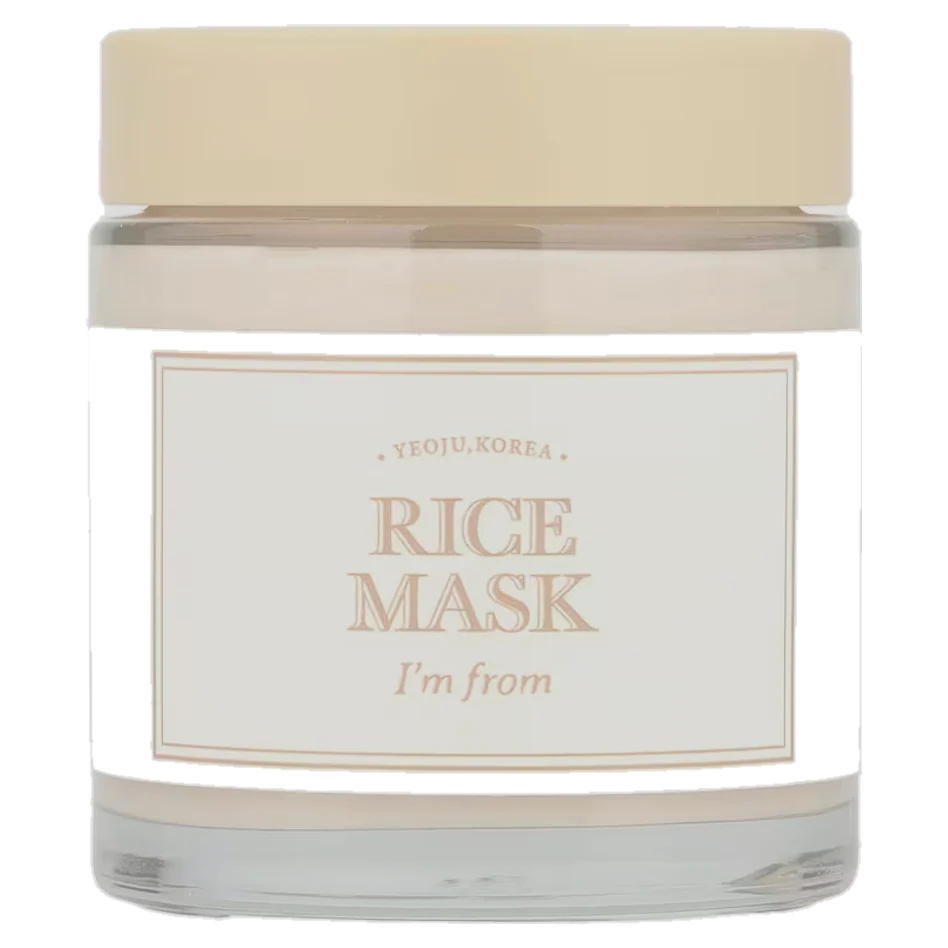
I'm From
Rice Mask
9th of 43 on the label
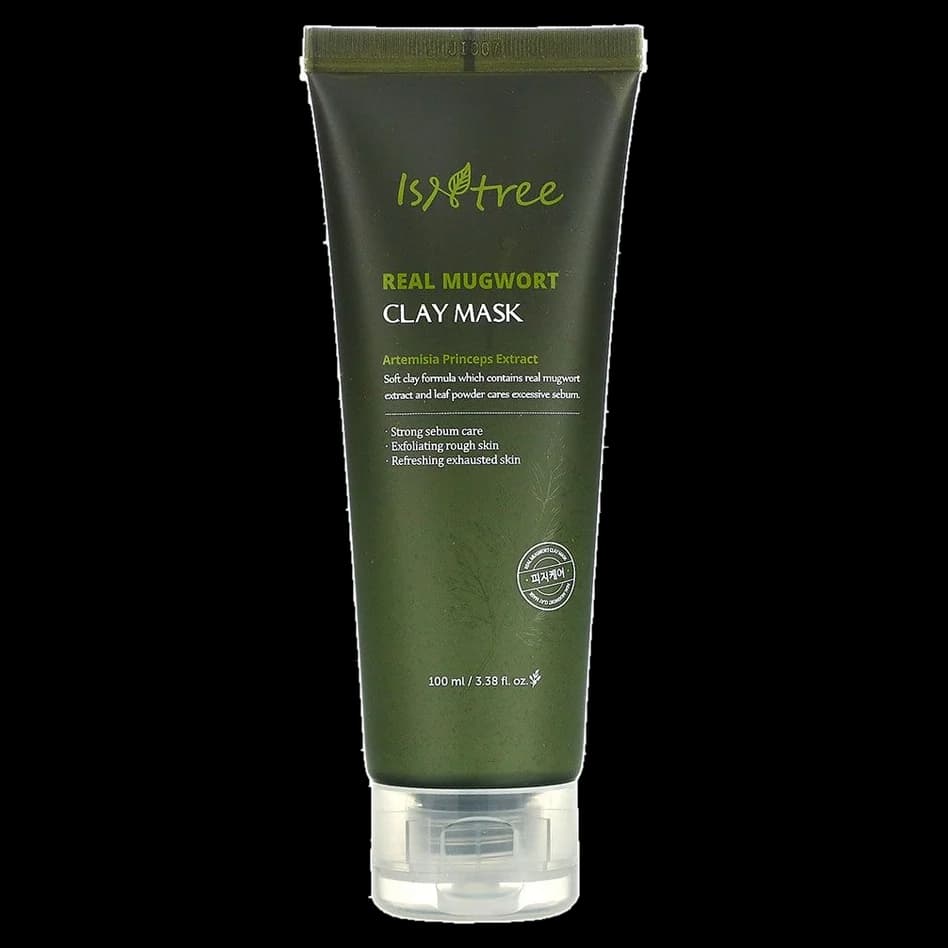
Isntree
Mugwort Calming Clay Mask
7th of 38 on the label
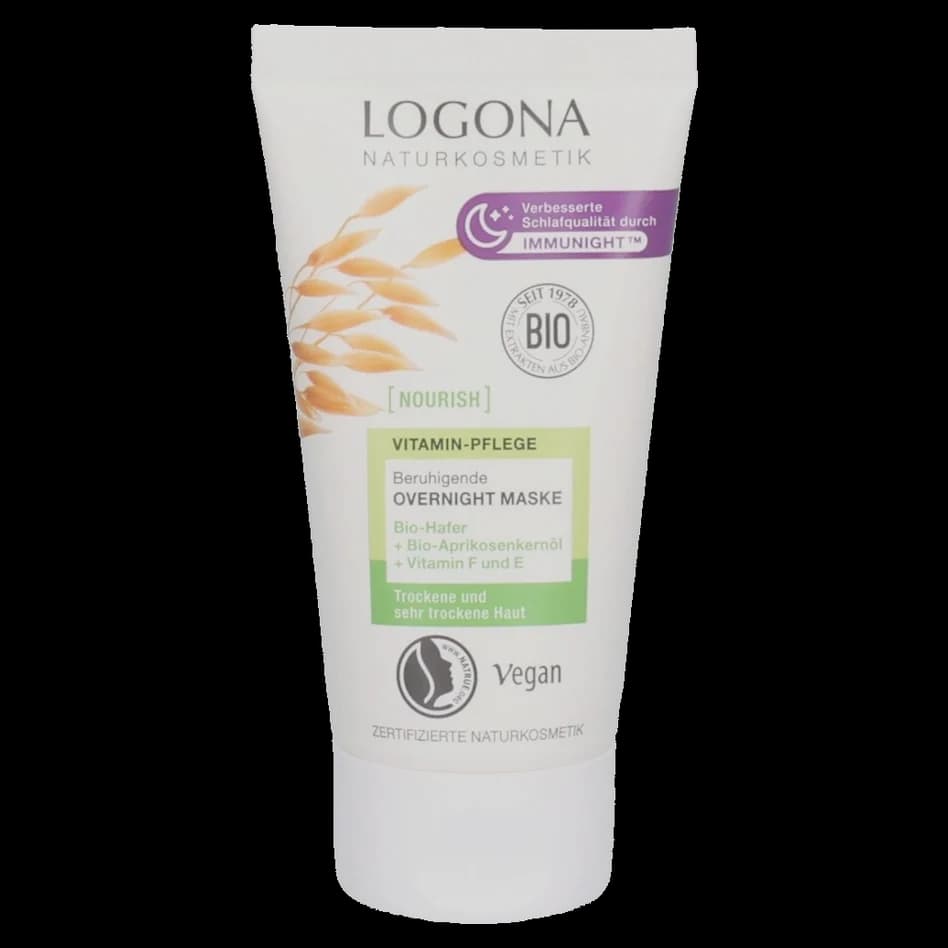
LOGONA
Nourish Beruhigende Overnight Maske
38th of 53 on the label
below ≈1%
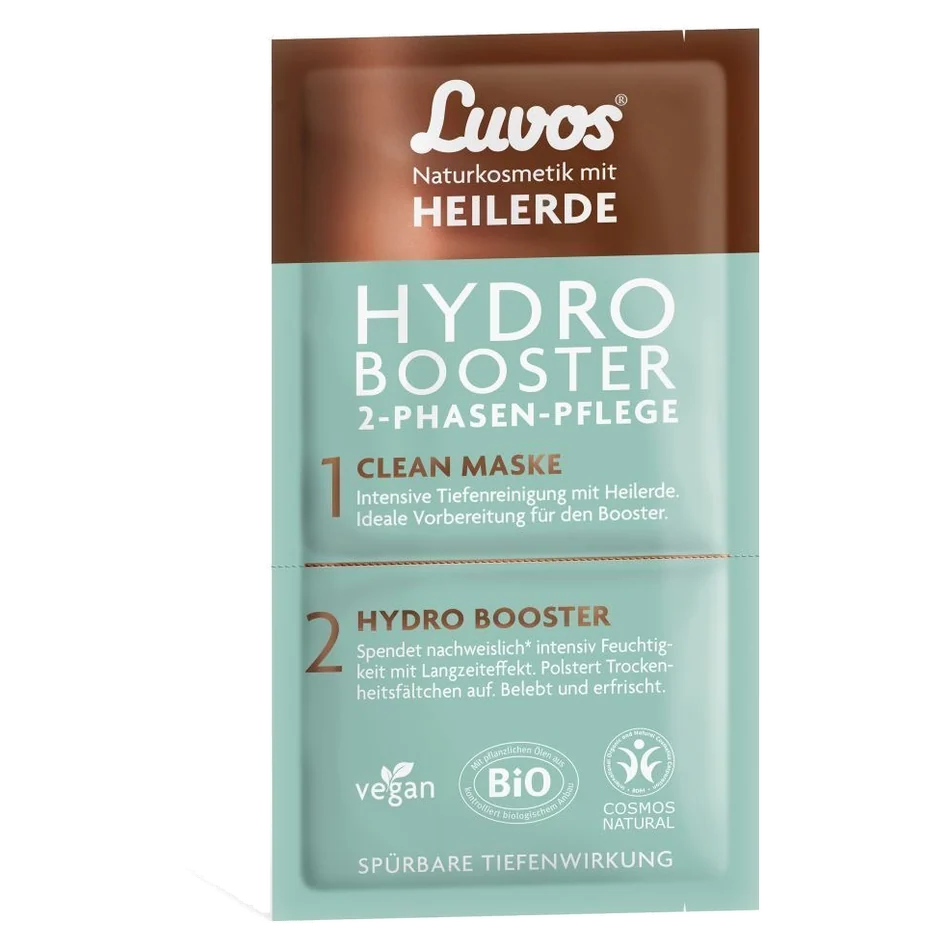
Luvos-Heilerde
Hydro Booster mit Clean Maske
19th of 63 on the label
below ≈1%
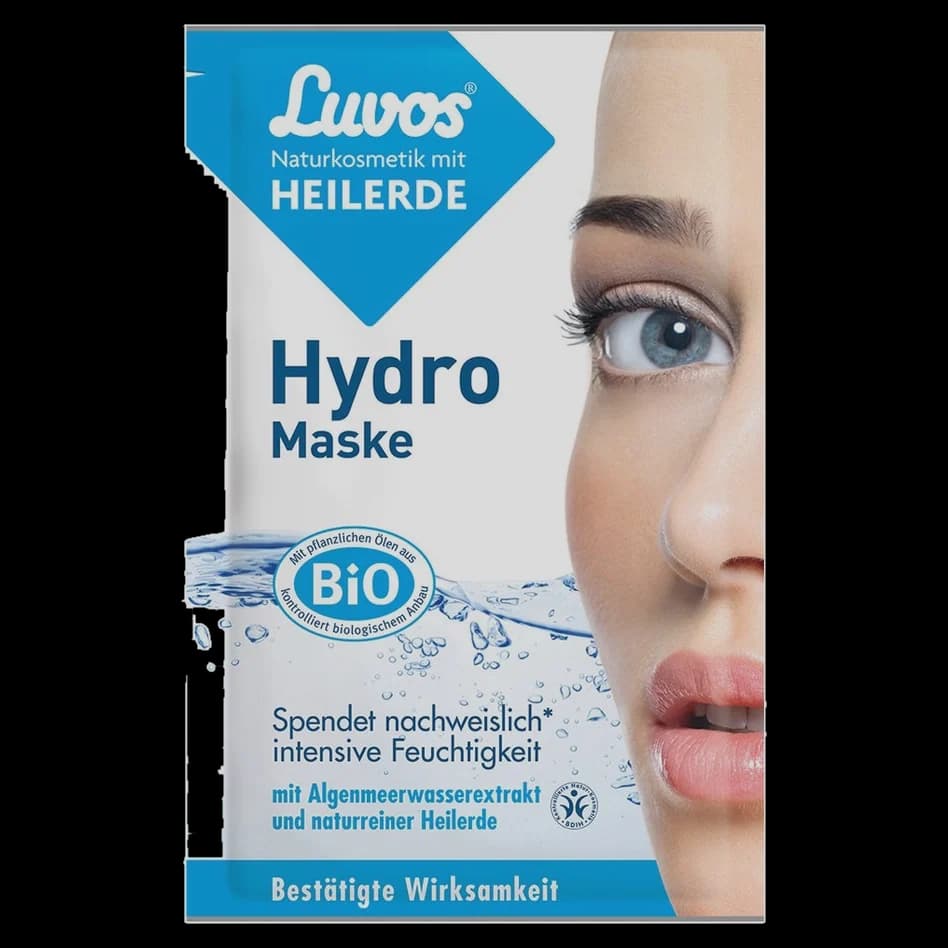
Luvos-Heilerde
Hydro-Maske
17th of 33 on the label
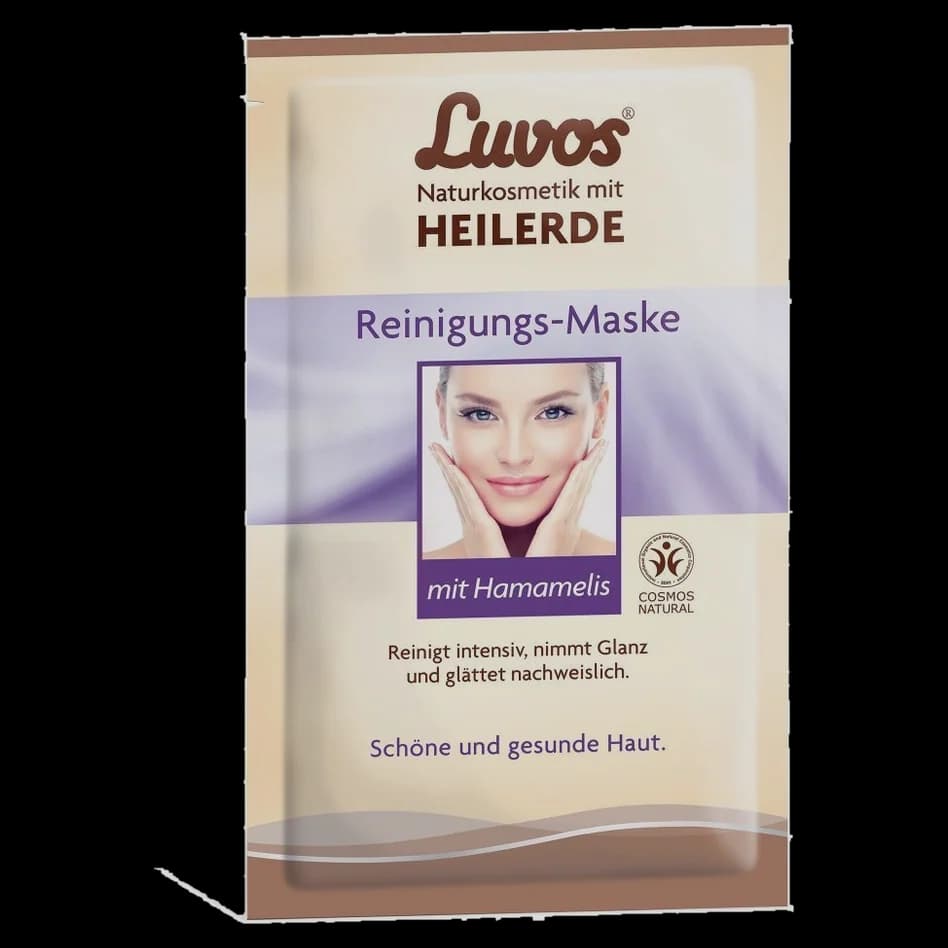
Luvos-Heilerde
Reinigungs-Maske
16th of 28 on the label
below ≈1%
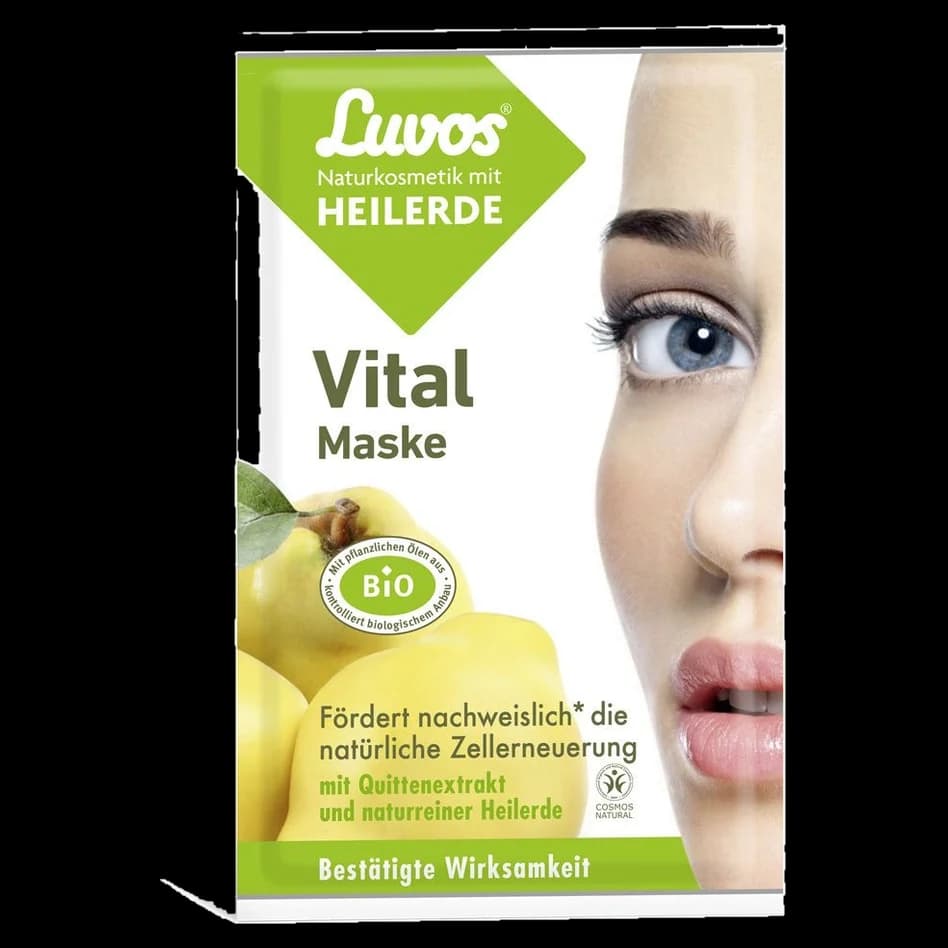
Luvos-Heilerde
Vital-Maske
18th of 30 on the label
below ≈1%
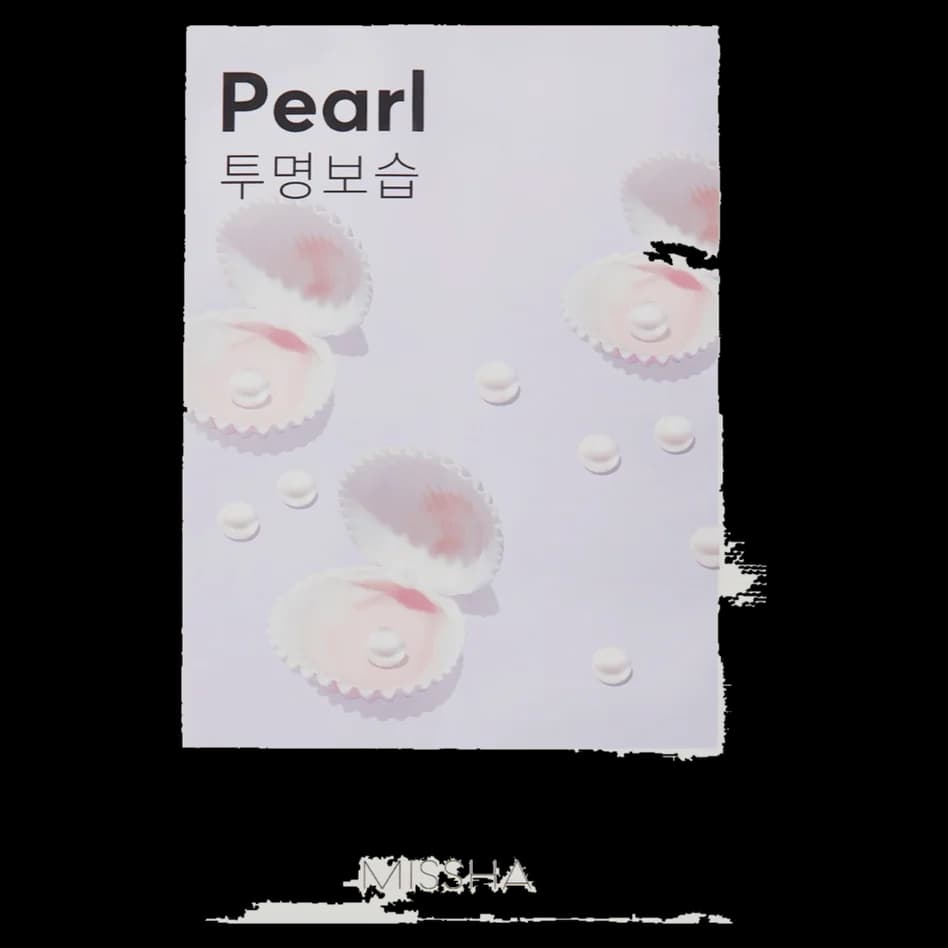
MISSHA
Airy Fit Sheet Mask Pearl
6th of 31 on the label
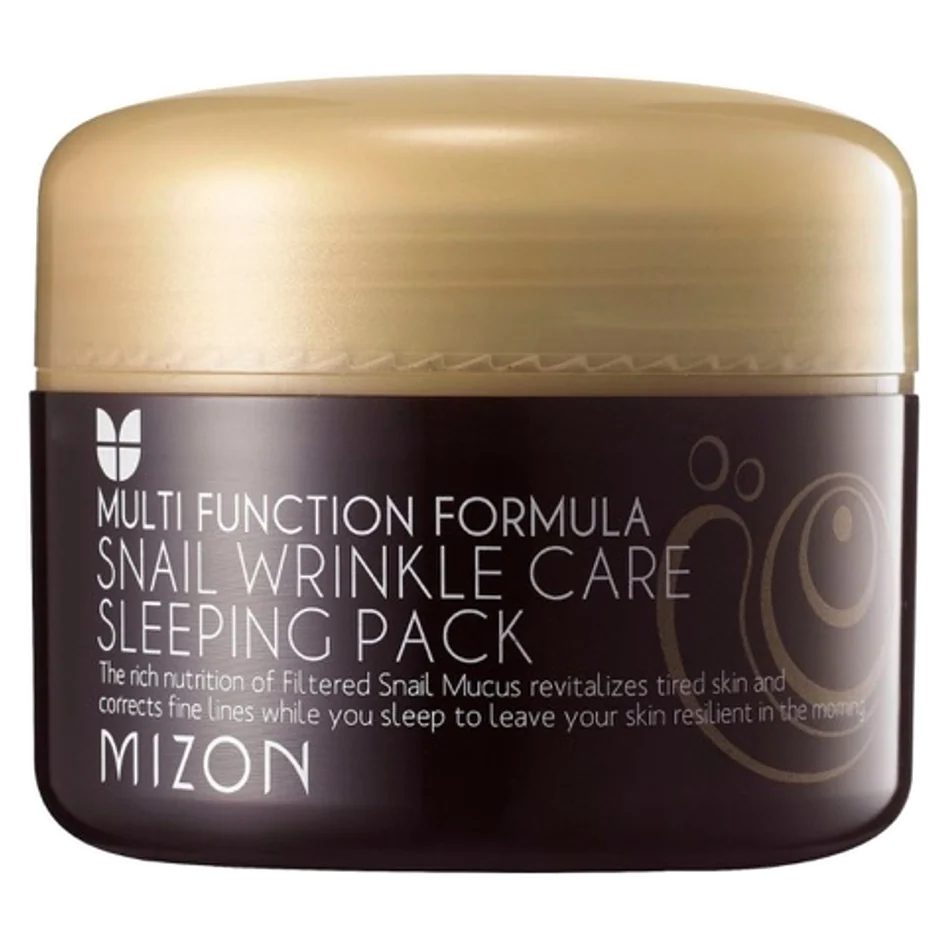
MIZON
Snail Wrinkle Care Sleeping Pack
16th of 31 on the label
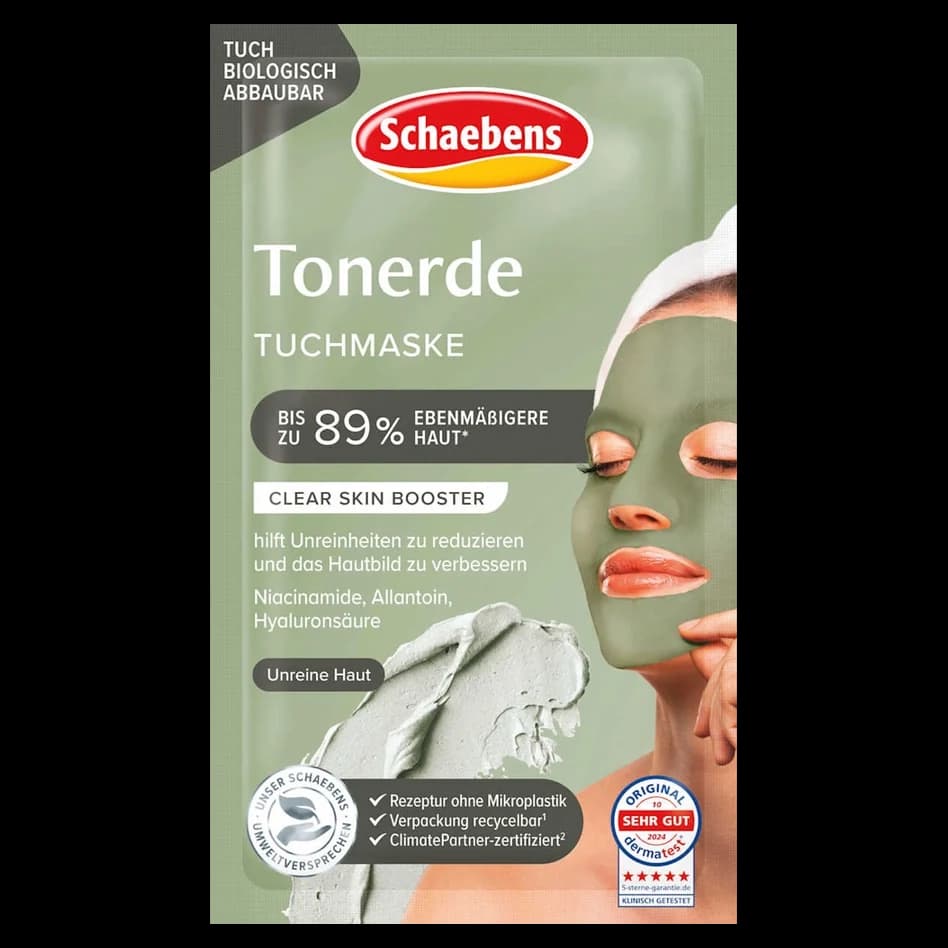
Schaebens
Tuchmaske Tonerde
30th of 35 on the label
below ≈1%