Tartaric Acid
No meaningful concern for most people; irritation is possible but rare.
Also written as: L(+)-Tartaric Acid · E 334
What it is
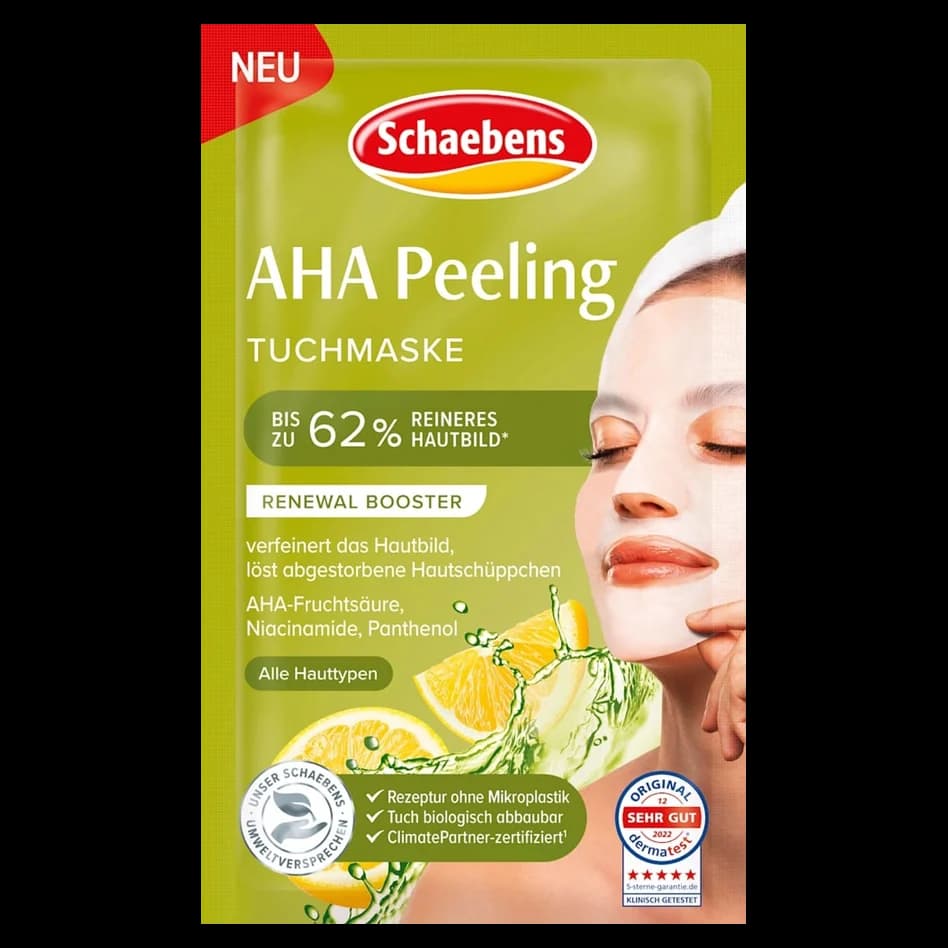
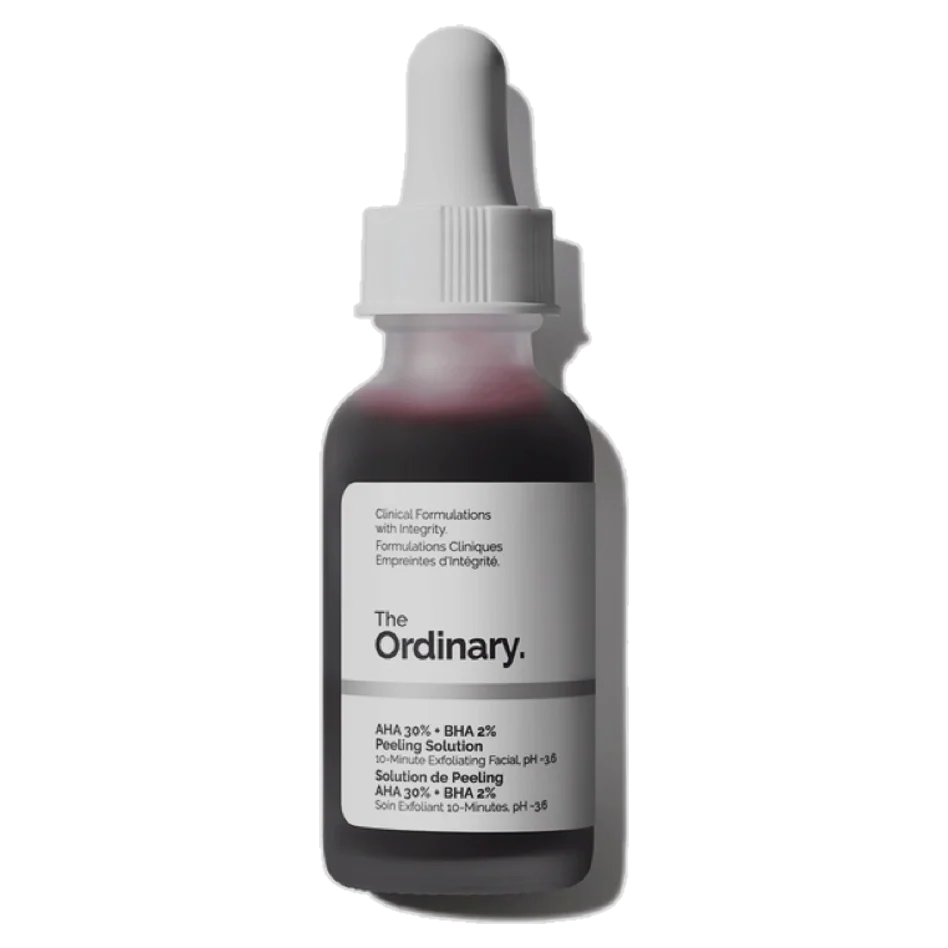
Tartaric acid is an alpha hydroxy acid found naturally in grapes and other fruit, and is best known as the acid in wine and cream of tartar. In face masks it is normally present at a fraction of a per cent to adjust pH and buffer the formula, where it behaves no differently from citric acid; it also binds trace metals.
What it does well
Adjusts and stabilises pH with a mild fruit-acid profile
It brings formulas into the mildly acidic range that skin prefers. Its larger molecule penetrates less readily than glycolic acid, so at equivalent concentrations it is a gentler exfoliant.
Strong evidence
Worth knowing
Stinging possible in deliberately acidic formulas
Where it is used as an AHA rather than a pH adjuster, transient tingling on sensitive or damaged skin is possible, as with any fruit acid.
Matters most toPeople with sensitive skin using acid-based masks.
Where the EU stands
No specific restriction
Not restricted for cosmetic use in the EU; it appears in no Annex of the Cosmetics Regulation.
Regulation (EC) No 1223/2009 - no annex entry · source ↗