Sodium Hydroxide
Lye
No meaningful concern for most people; irritation is possible but rare.
Also written as: NaOH · Lye · Caustic Soda
What it is
Sodium hydroxide is a strong inorganic base, familiar as lye or caustic soda, supplied to factories as a concentrated solution that is genuinely corrosive to handle. In a face mask it is used at a fraction of a per cent to raise pH, and above all to neutralise acidic gelling polymers such as carbomer so they swell into a clear gel. In that reaction the hydroxide is consumed: what remains in the finished product is the neutral sodium salt of the polymer or acid, plus water. This is why a finished cream at pH 5 is not a caustic exposure, even though sodium hydroxide is listed on the pack.
How it shows up on a label
Sometimes shown as 'Sodium Hydroxide (pH adjuster)' on packs, and always printed late: every one of the thirty-five masks here whose list shows the point where ingredient order stops indicating quantity puts it below that point. The regulation caps the finished pH rather than the amount - Annex III entry 15a allows it as a pH adjuster up to pH 11.
What it does well
Brings the finished product to a skin-compatible pH
Many raw materials are strongly acidic on their own. Adding a measured amount of sodium hydroxide is the standard way to land the finished mask near skin's own pH of roughly 4.5-5.5, which supports barrier function and preservative performance.
Strong evidence
Turns acidic thickeners into stable, clear gels
Carbomer and similar polyacrylic acid polymers only build viscosity once neutralised. Sodium hydroxide is the most common neutraliser, and the gel texture of a great many masks depends on it.
Strong evidence
Worth knowing
The popular fear that 'lye in your cream' burns skin is misplaced
Concentrated sodium hydroxide is corrosive, but in a finished cosmetic it has already reacted and only the resulting neutral salts remain; EU rules cap general pH-adjusting use at pH 11 and legally require every finished product to be safe as sold. A well-made mask sits at mildly acidic to neutral pH.
Matters most toNobody, for normal face masks. Reading it as a warning sign on an ingredient list is a misunderstanding.
Deliberately alkaline products are a different matter
Where sodium or potassium hydroxide is used at high concentration for its alkalinity, such as hair straighteners (up to 4.5% professional) or depilatories at up to pH 12.7, chemical irritation and burns are real risks and the EU restricts those uses specifically. Face masks do not fall in this category.
Matters most toPeople using hair relaxers, cuticle removers or depilatory creams, not mask users.
Where the EU stands
Concentration-restricted
Annex III entry 15a covers sodium and potassium hydroxide: 5% max in nail cuticle solvents, 2% in general-use and 4.5% in professional hair straighteners, up to pH 12.7 as a pH adjuster in depilatories, and up to pH 11 for all other pH-adjusting uses.
Regulation (EC) No 1223/2009, Annex III entry 15a · source ↗
Sources (2)
Every link goes to the original: a journal, a PubMed record or an EU document.
- [1]Skin pH: from basic science to basic skin care
Acta Dermato-Venereologica · 2013 · doi:10.2340/00015555-1531
Maintaining skin's acidic surface pH matters for barrier repair and antimicrobial defence, which is precisely why formulators adjust pH rather than leaving a product alkaline.
- [2]The pH of commercially available rinse-off products in Sri Lanka and their effect on skin pH
Ceylon Medical Journal · 2007
Alkaline soaps raised skin surface pH and recovery back to baseline was slower than with pH-balanced products, supporting the practice of adjusting finished cosmetics to a mildly acidic pH.
Masks that contain Sodium Hydroxide
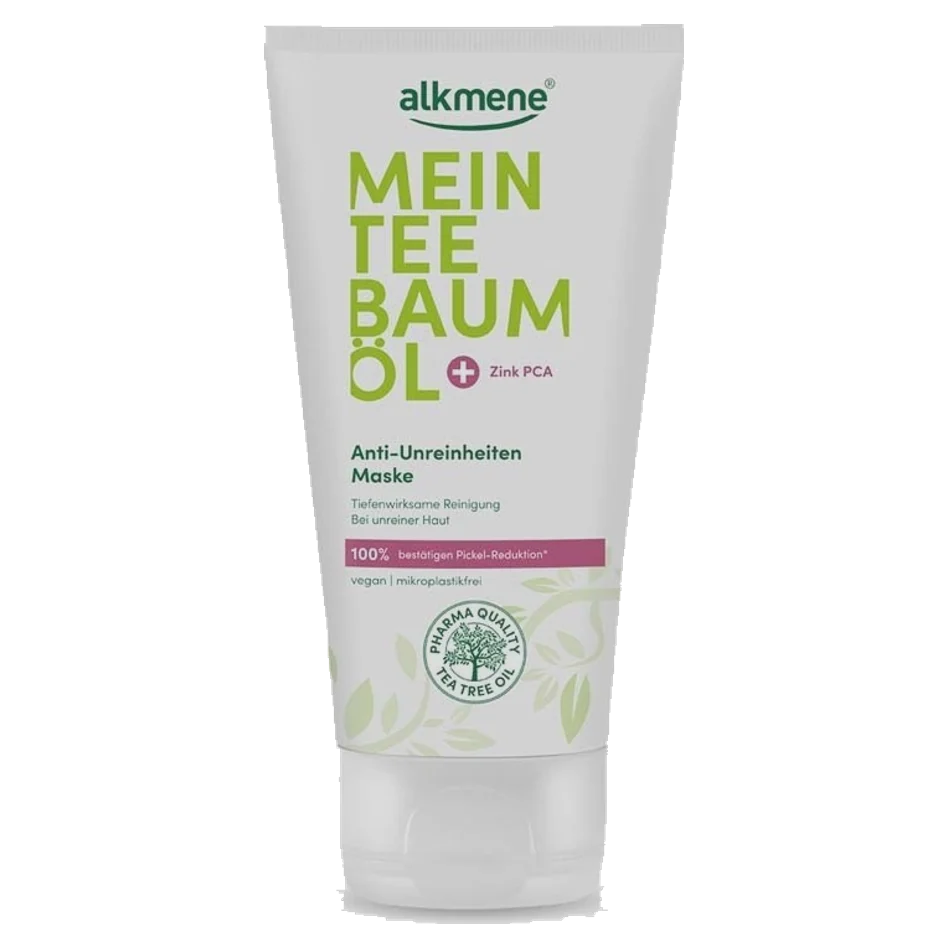
alkmene
Mein Teebaumöl Anti-Unreinheiten Maske
13th of 16 on the label
below ≈1%
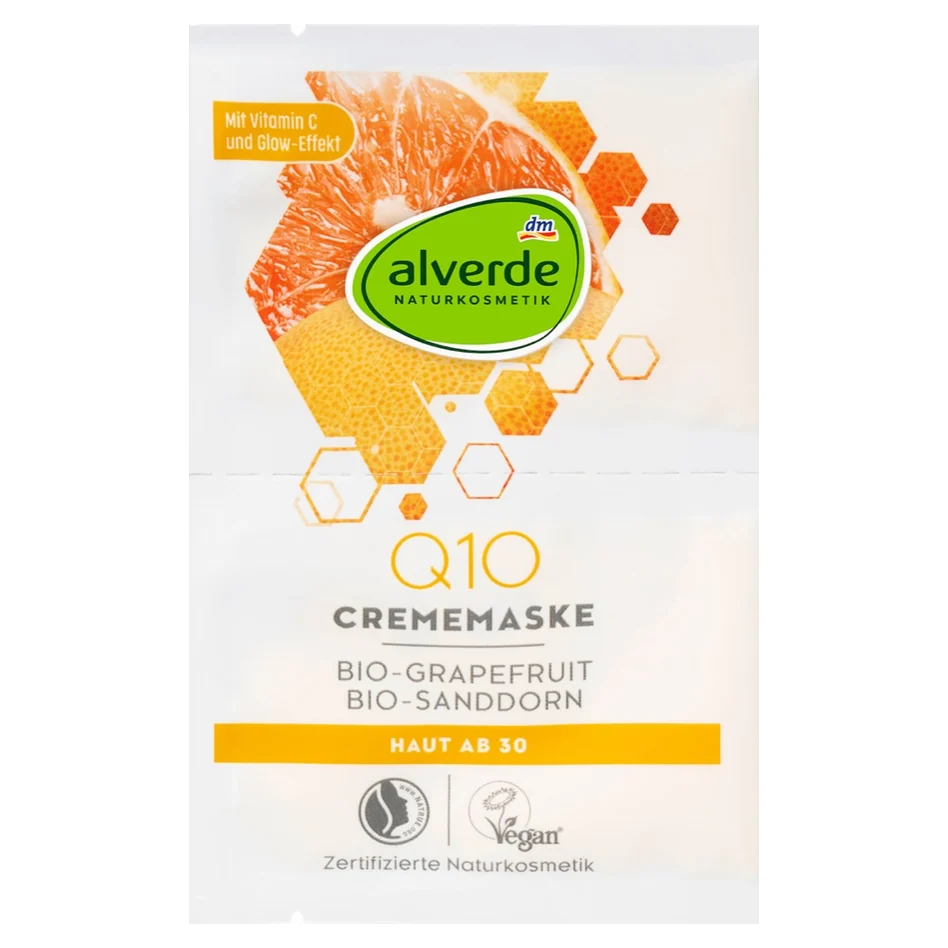
alverde Naturkosmetik
Gesichtsmaske Q10 mit Vitamin C
29th of 40 on the label
below ≈1%
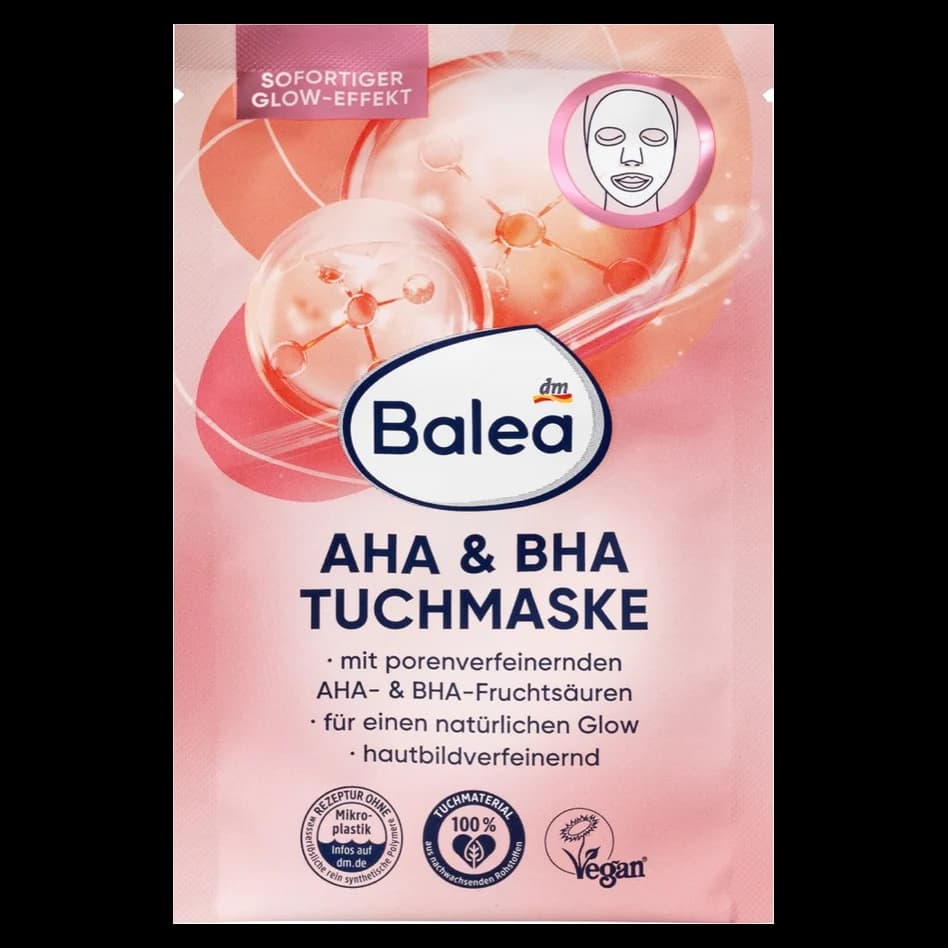
Balea
AHA & BHA Tuchmaske
9th of 16 on the label
below ≈1%
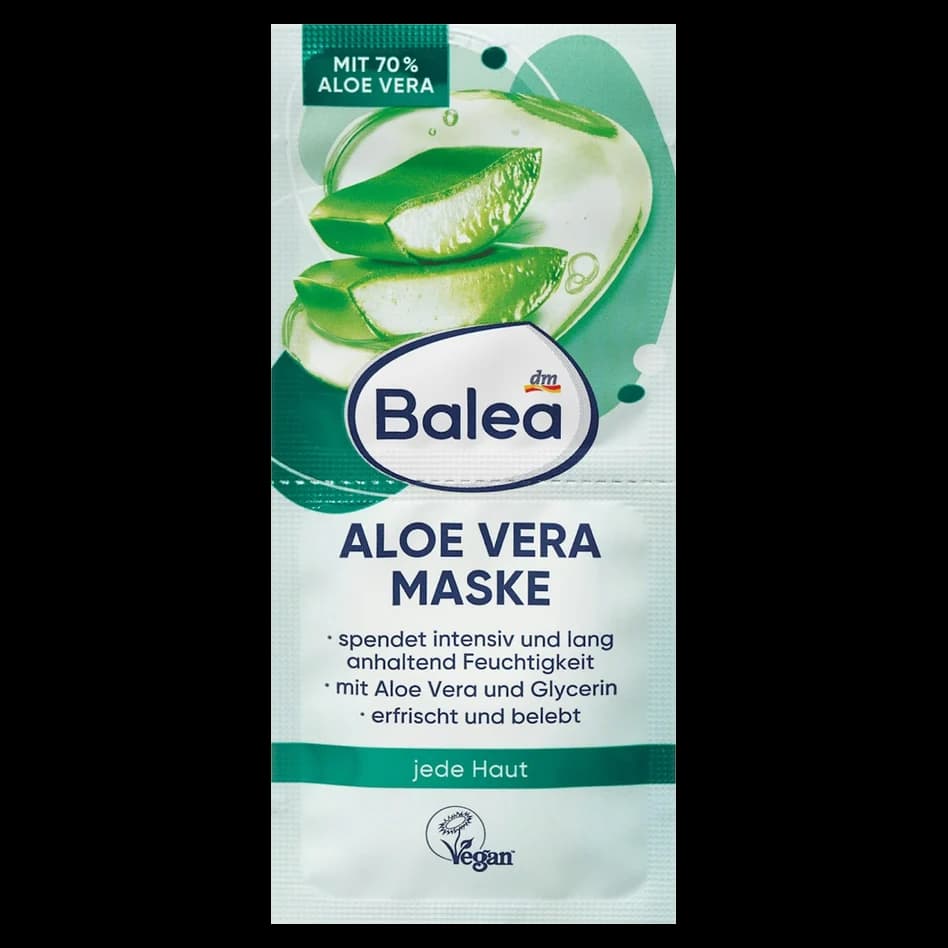
Balea
Gesichtsmaske Aloe Vera
15th of 21 on the label
below ≈1%
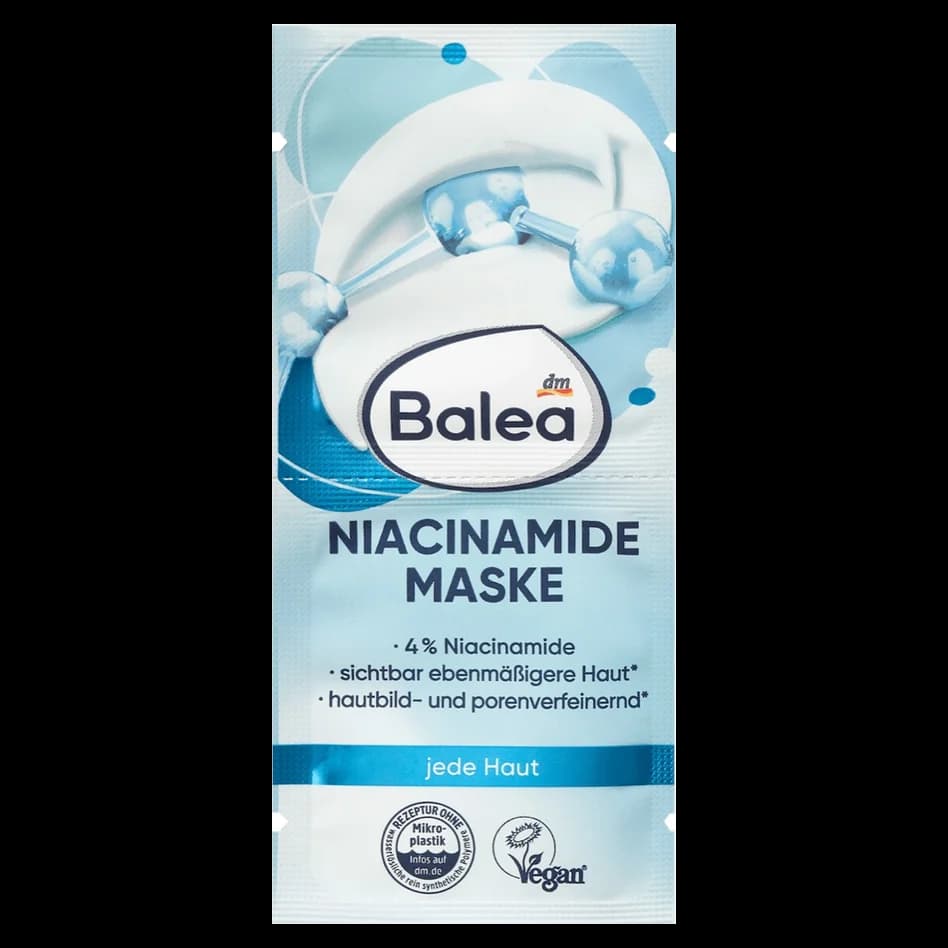
Balea
Gesichtsmaske Niacinamide
15th of 17 on the label
below ≈1%
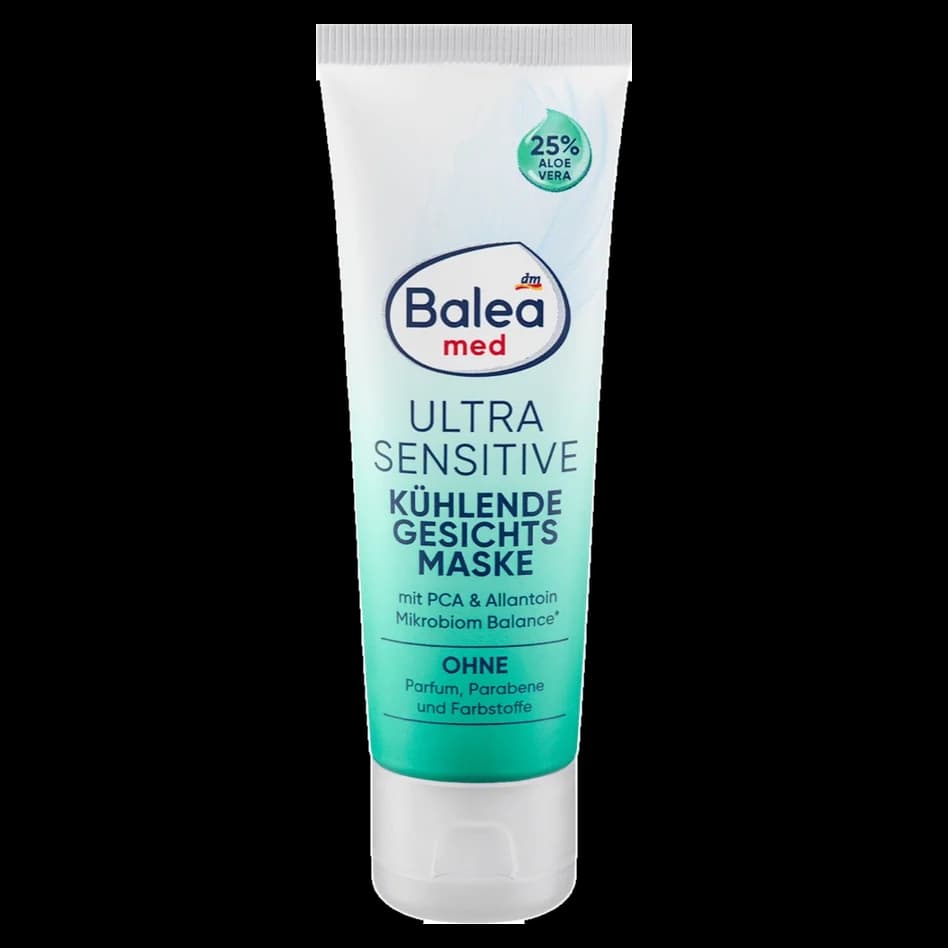
Balea med
Gesichtsmaske kühlend ultra sensitive
13th of 13 on the label
below ≈1%
Dr. Barbara Sturm
Face Mask
16th of 18 on the label
below ≈1%
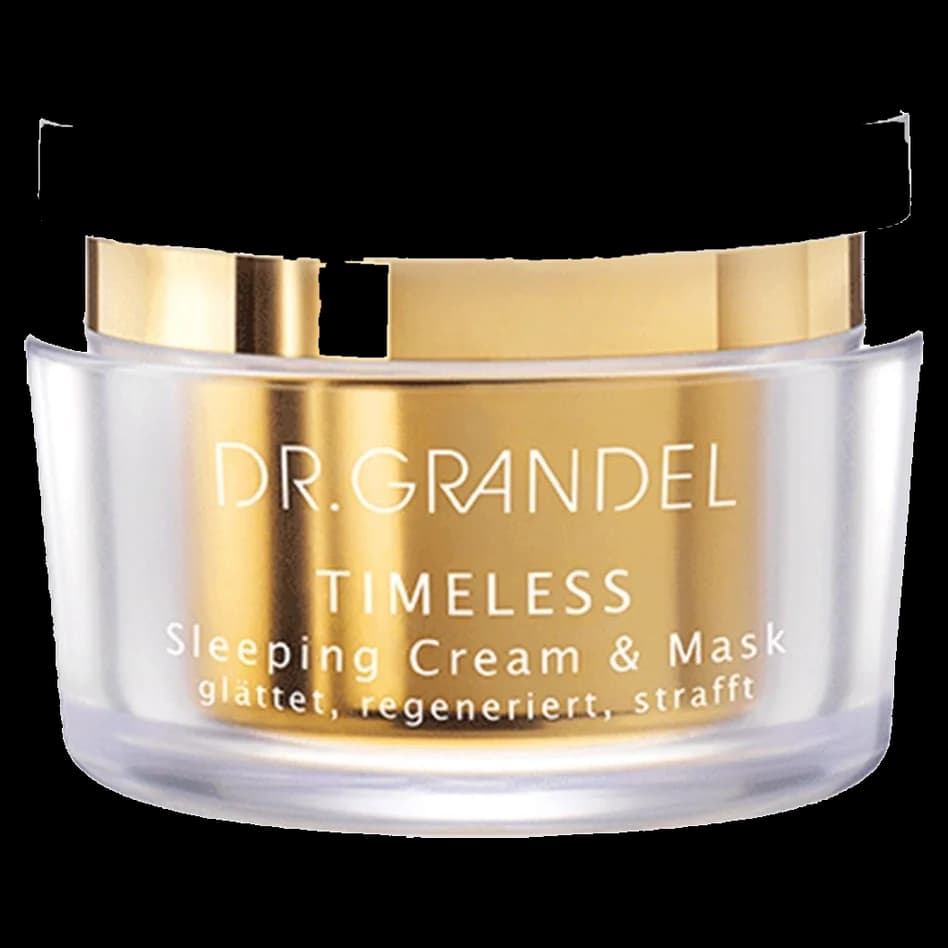
Dr. Grandel
Timeless Sleeping Cream & Mask
20th of 35 on the label
below ≈1%
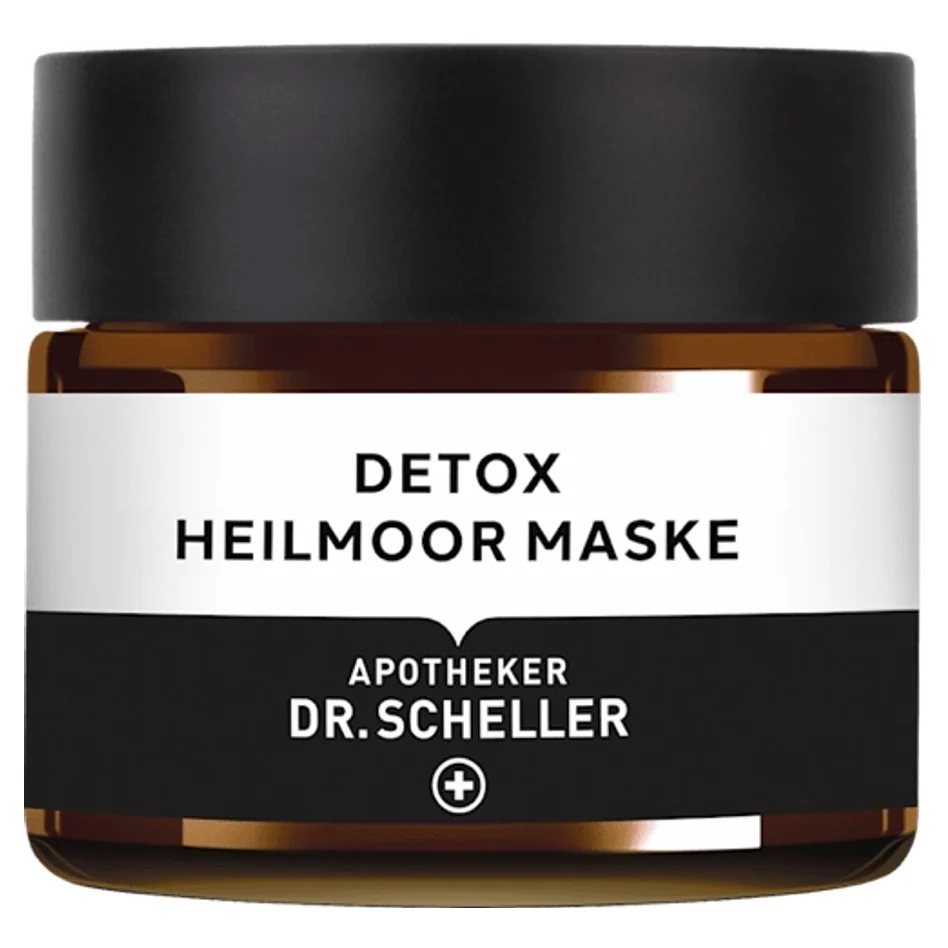
Dr. Scheller
Detox Heilmoor Maske
20th of 22 on the label
below ≈1%
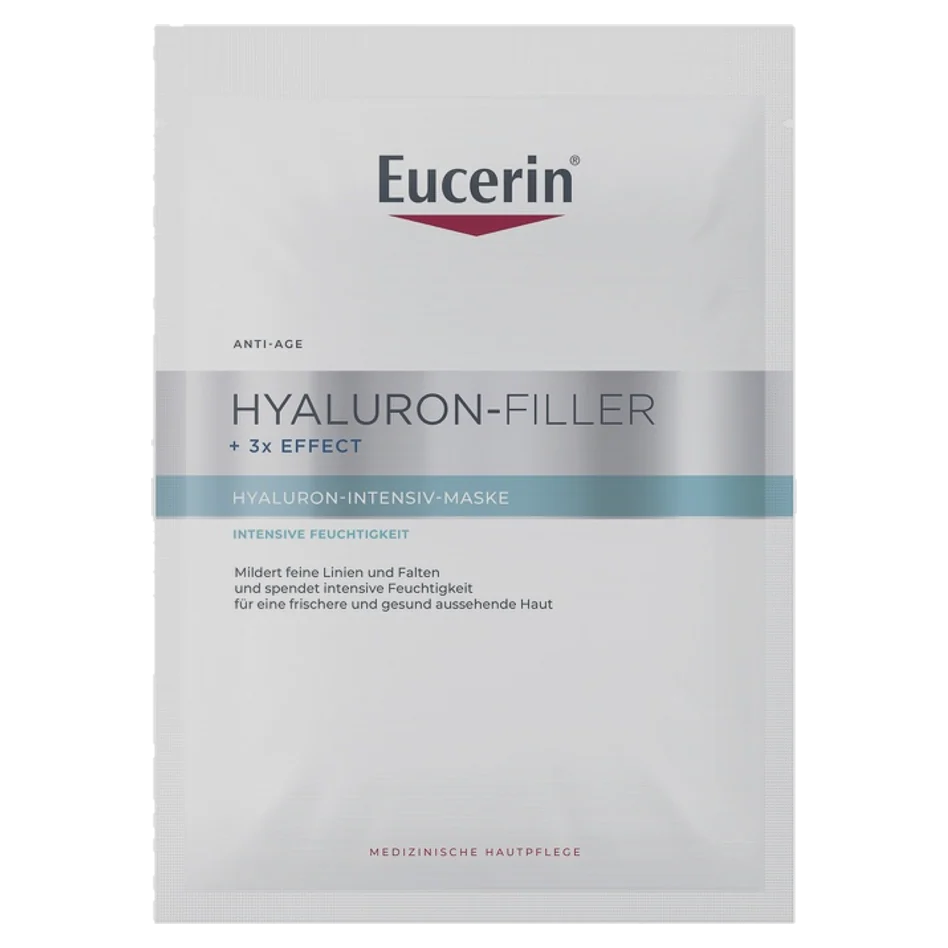
Eucerin
Hyaluron-Filler Hyaluron Intensive Mask
9th of 11 on the label
below ≈1%
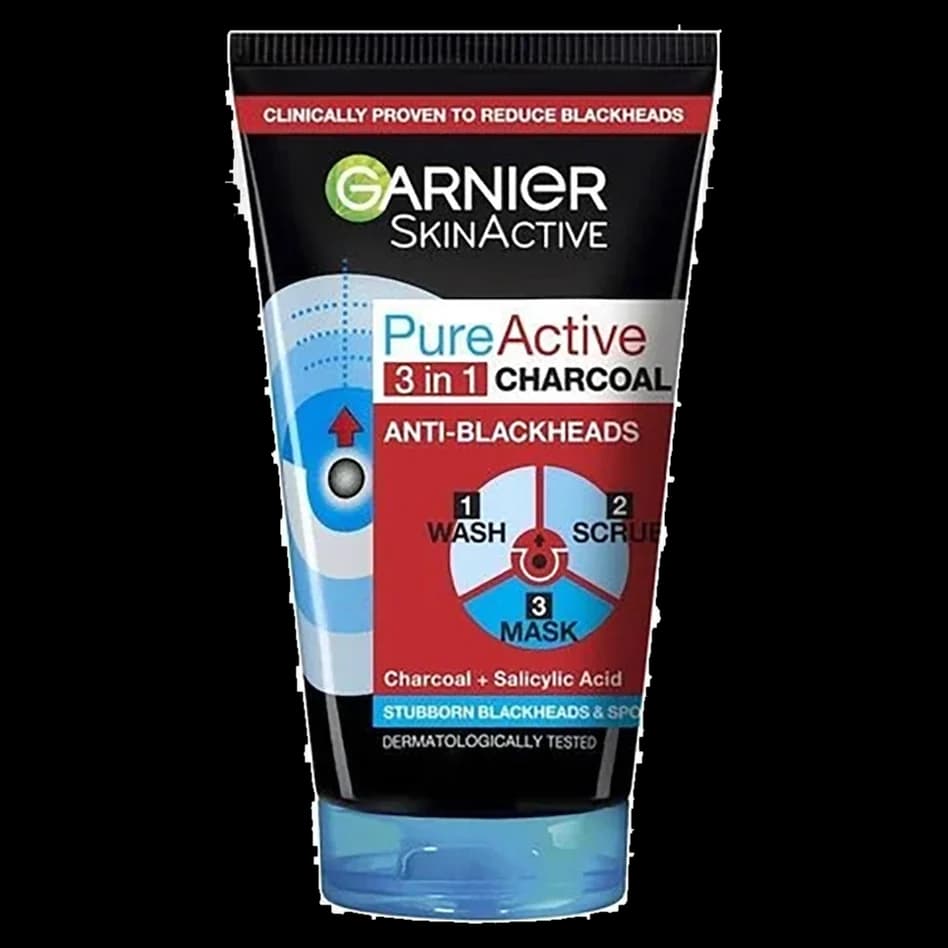
Garnier
Pure Active 3-in-1 Charcoal Wash, Scrub & Mask
10th of 25 on the label
below ≈1%
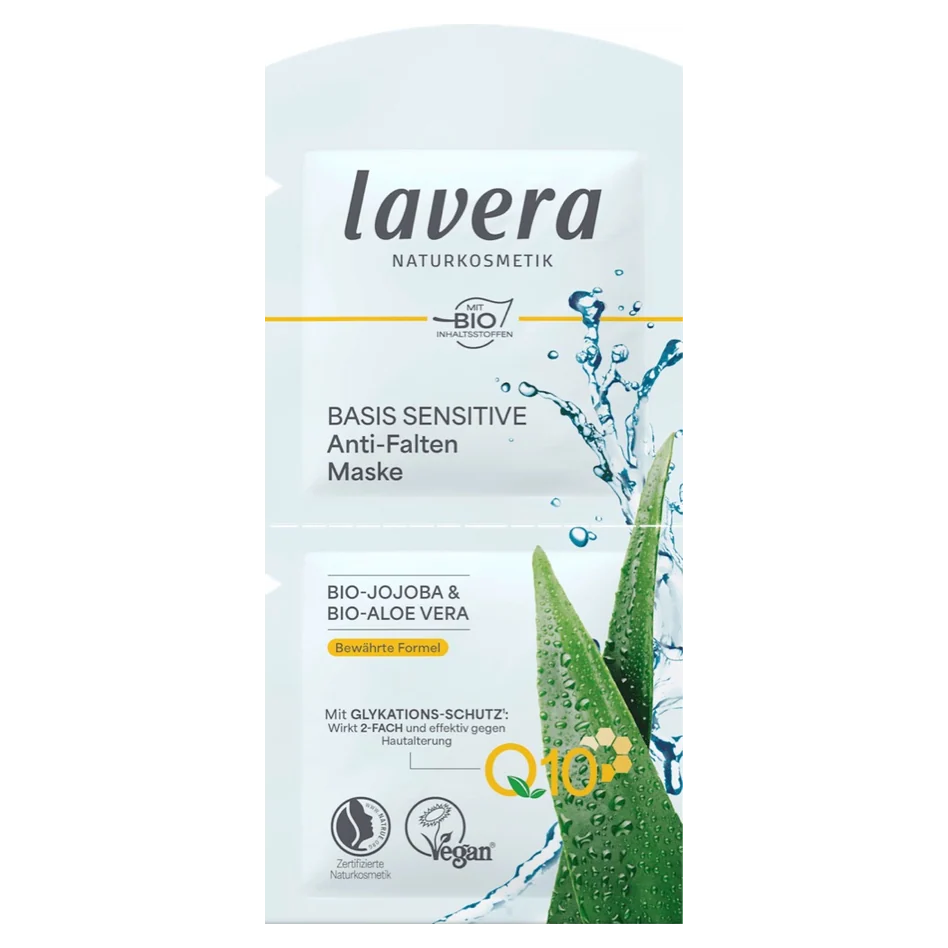
lavera
basis sensitiv Anti-Falten Gesichtsmaske
30th of 42 on the label
below ≈1%
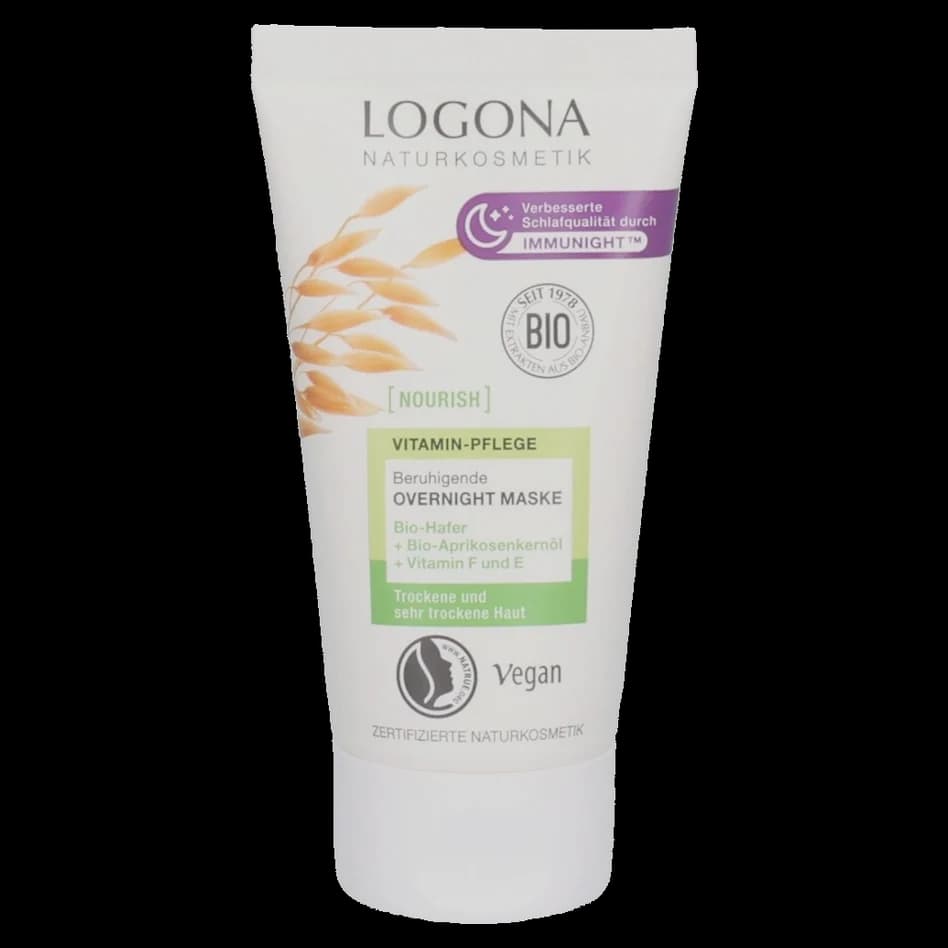
LOGONA
Nourish Beruhigende Overnight Maske
24th of 53 on the label
below ≈1%
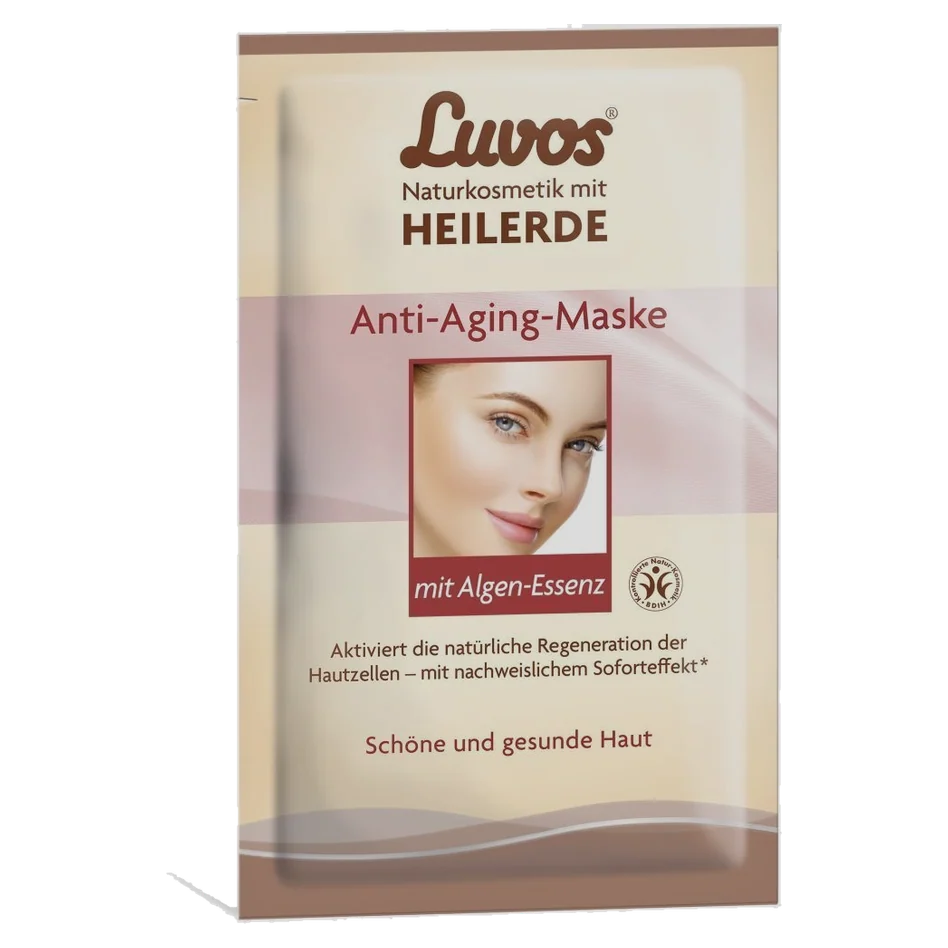
Luvos-Heilerde
Anti-Aging-Maske
21st of 27 on the label
below ≈1%
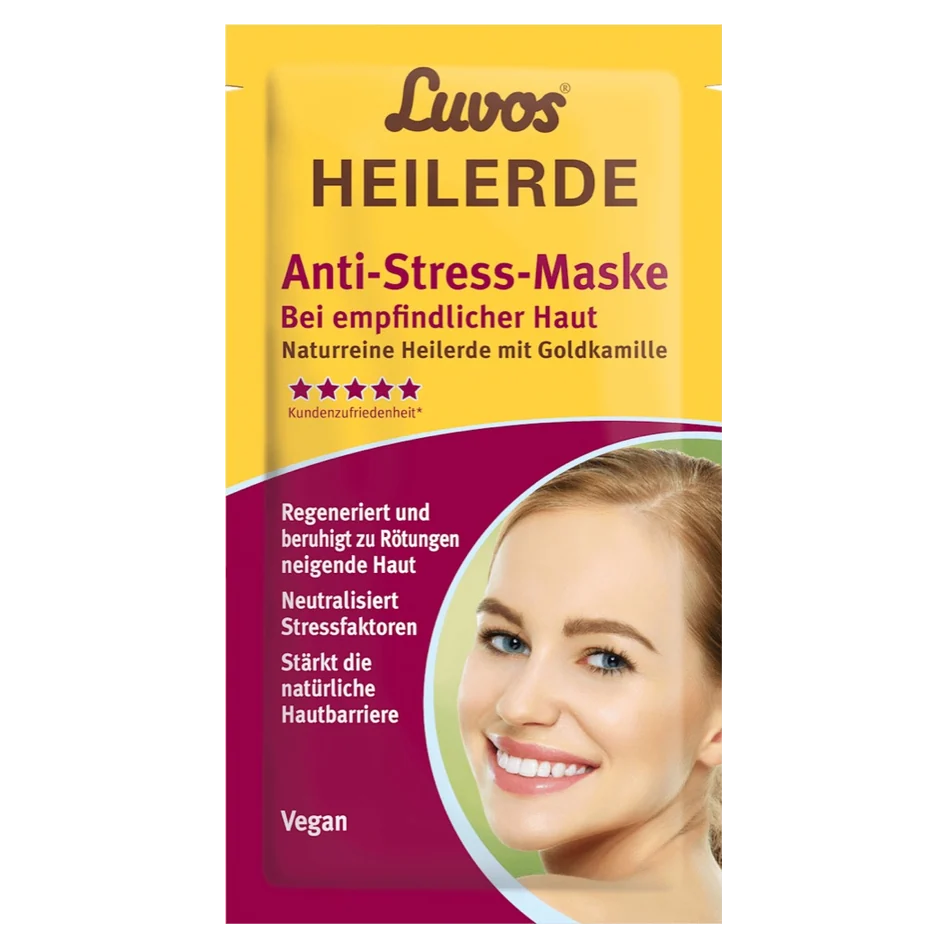
Luvos-Heilerde
Anti-Stress-Maske
28th of 33 on the label
below ≈1%
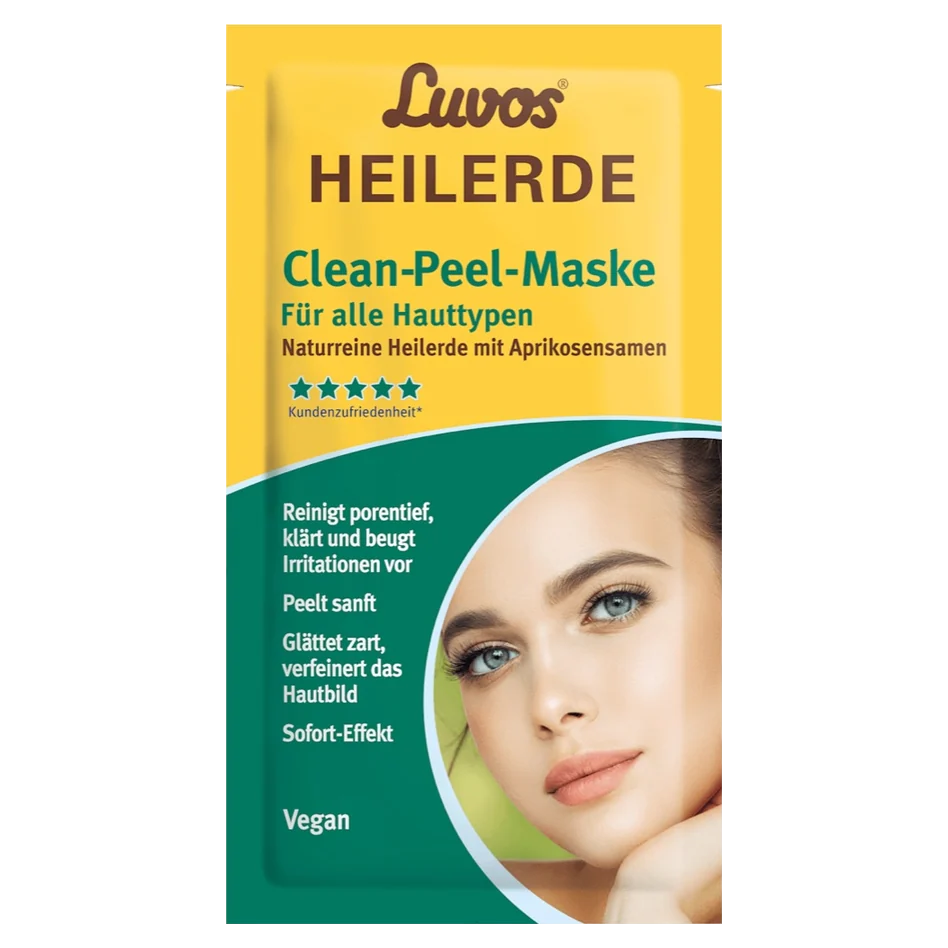
Luvos-Heilerde
Clean-Peel-Maske
20th of 29 on the label
below ≈1%
Luvos-Heilerde
Hydro Booster mit Clean Maske
20th of 63 on the label
below ≈1%
Luvos-Heilerde
Hydro-Maske
23rd of 33 on the label
below ≈1%
Luvos-Heilerde
Peeling-Maske
20th of 29 on the label
below ≈1%
Luvos-Heilerde
Reinigungs-Maske
21st of 28 on the label
below ≈1%
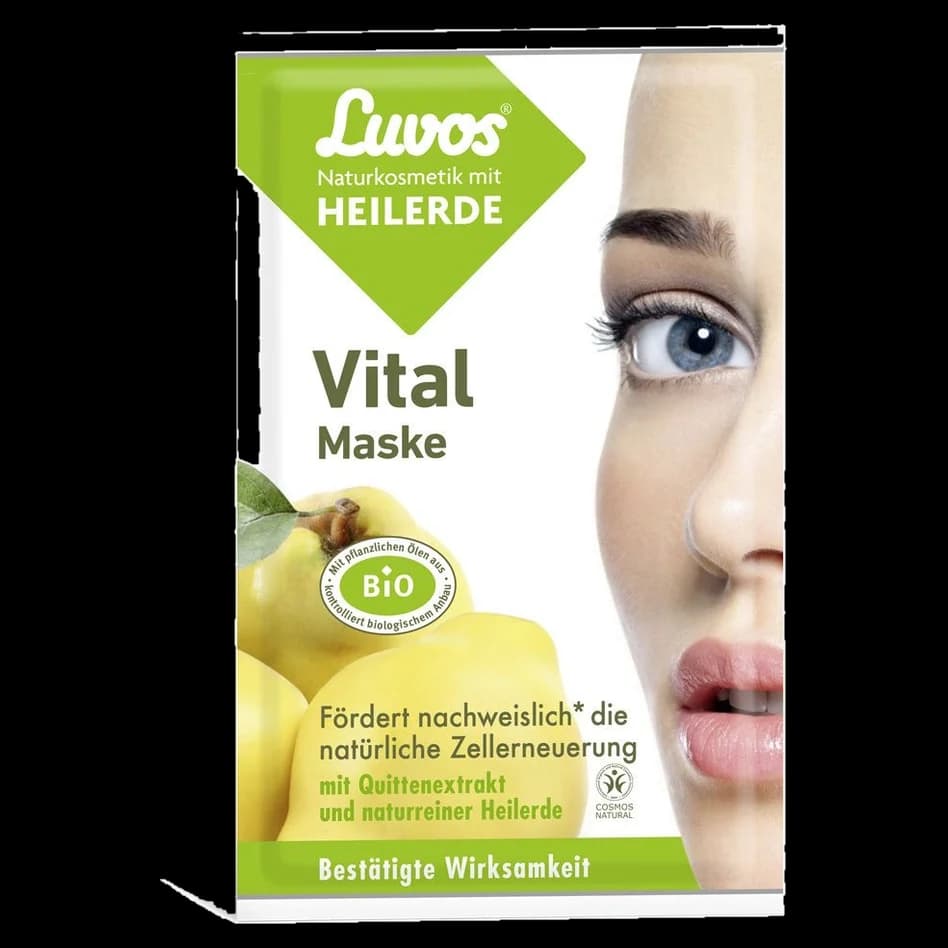
Luvos-Heilerde
Vital-Maske
22nd of 30 on the label
below ≈1%
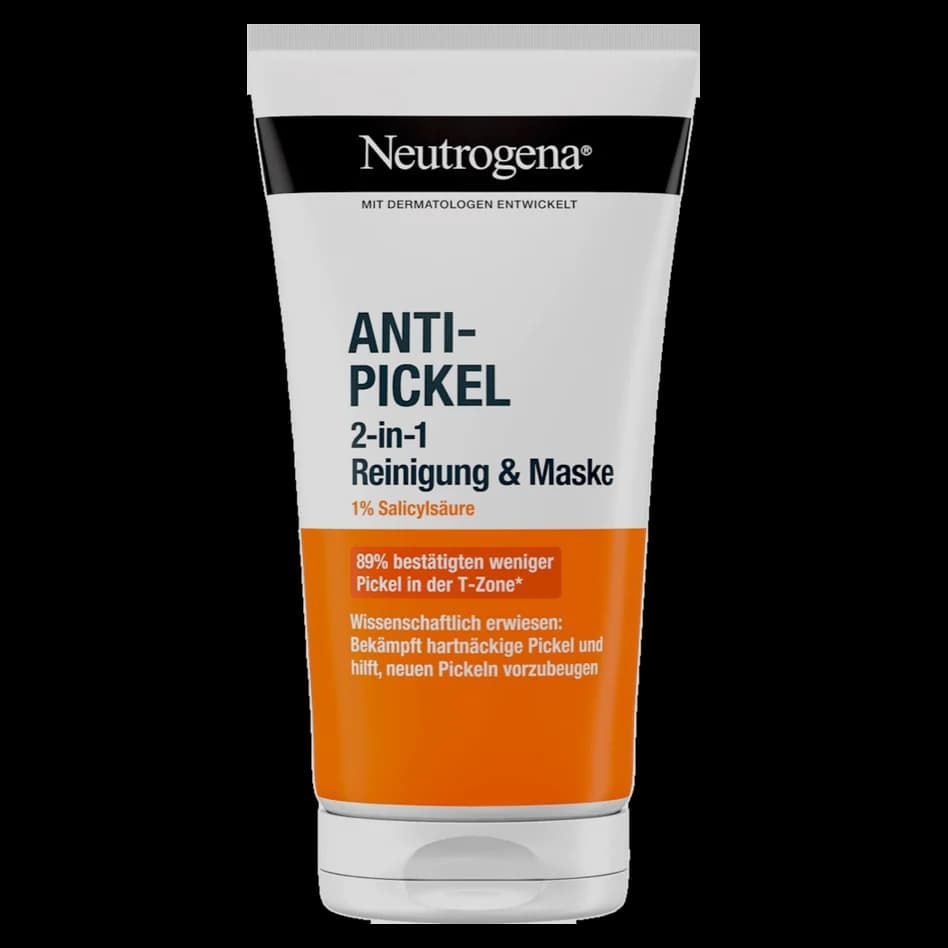
Neutrogena
Anti Pickel Gesichtsmaske 2in1
20th of 23 on the label
below ≈1%
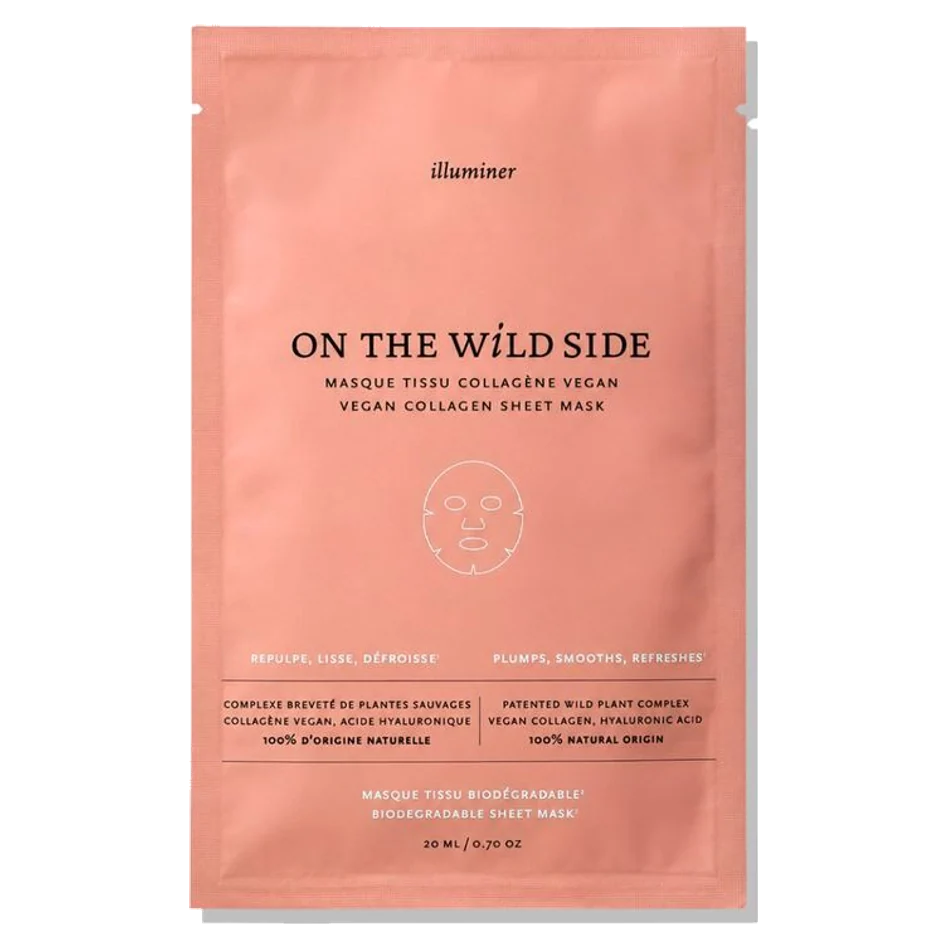
On The Wild Side
Sheet Mask Bio Cellulose Collagène Vegan
24th of 24 on the label
below ≈1%
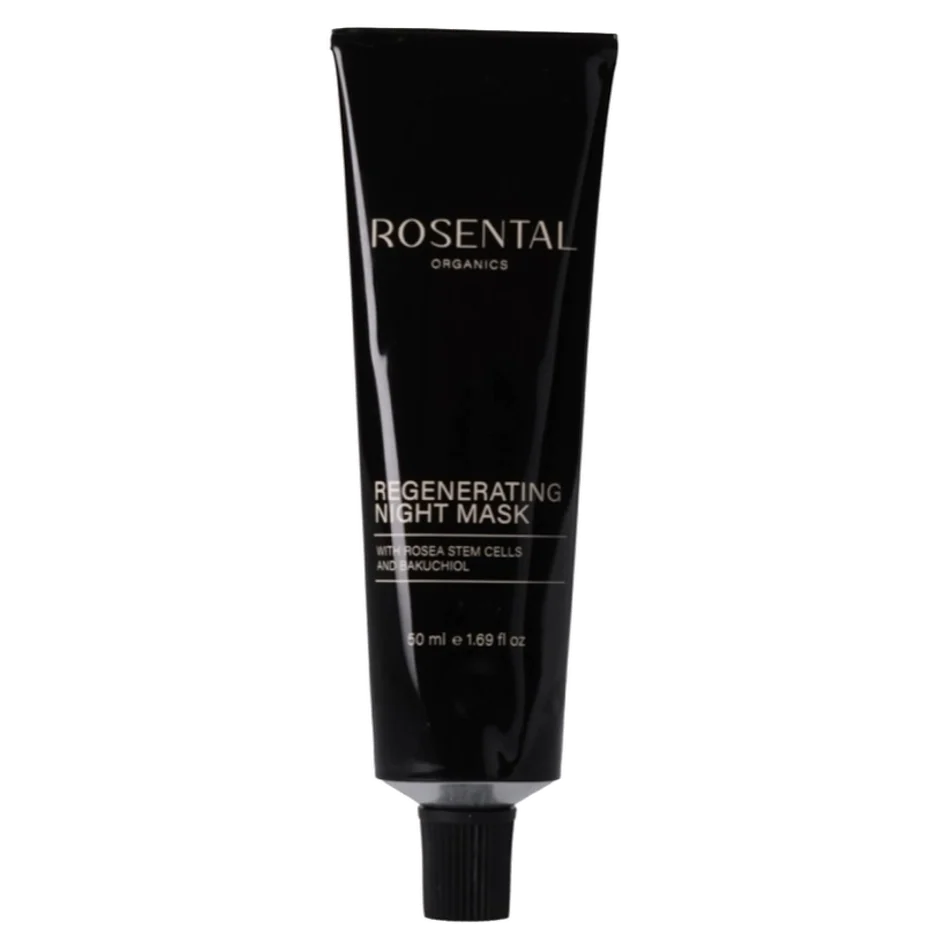
Rosental Organics
Regenerating Night Mask
44th of 44 on the label
below ≈1%
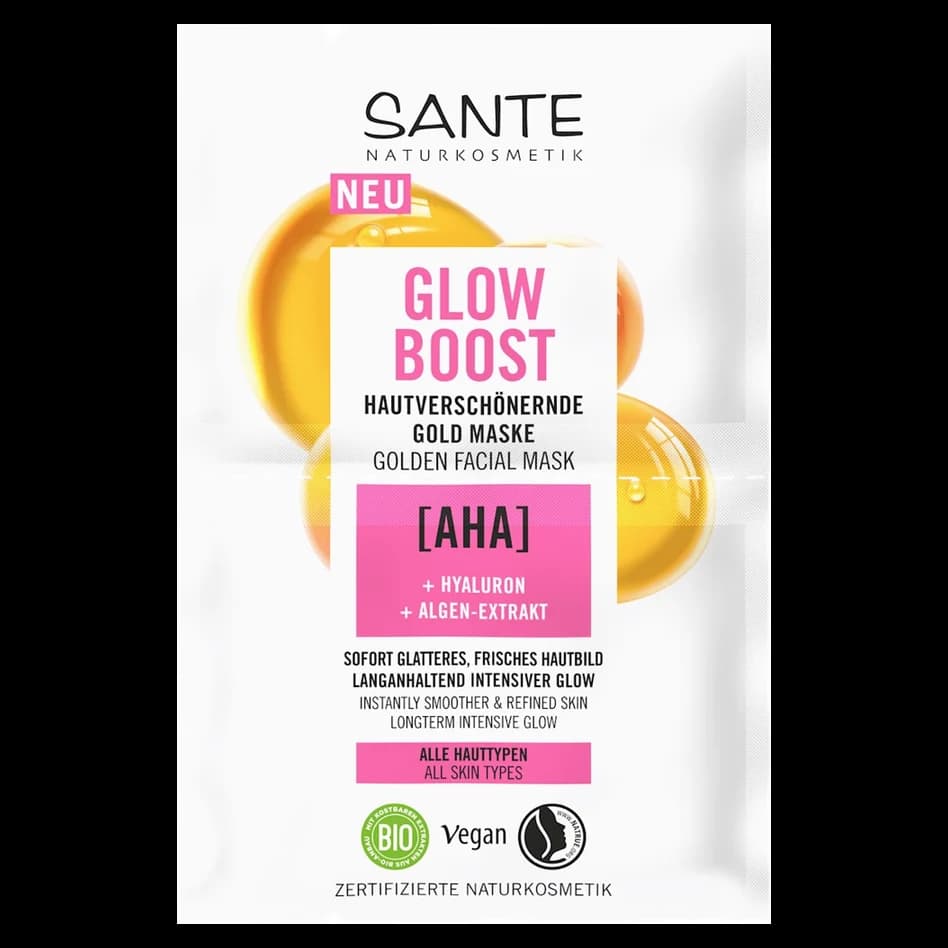
Santé Naturkosmetik
Glow Boost Maske AHA
8th of 29 on the label
below ≈1%
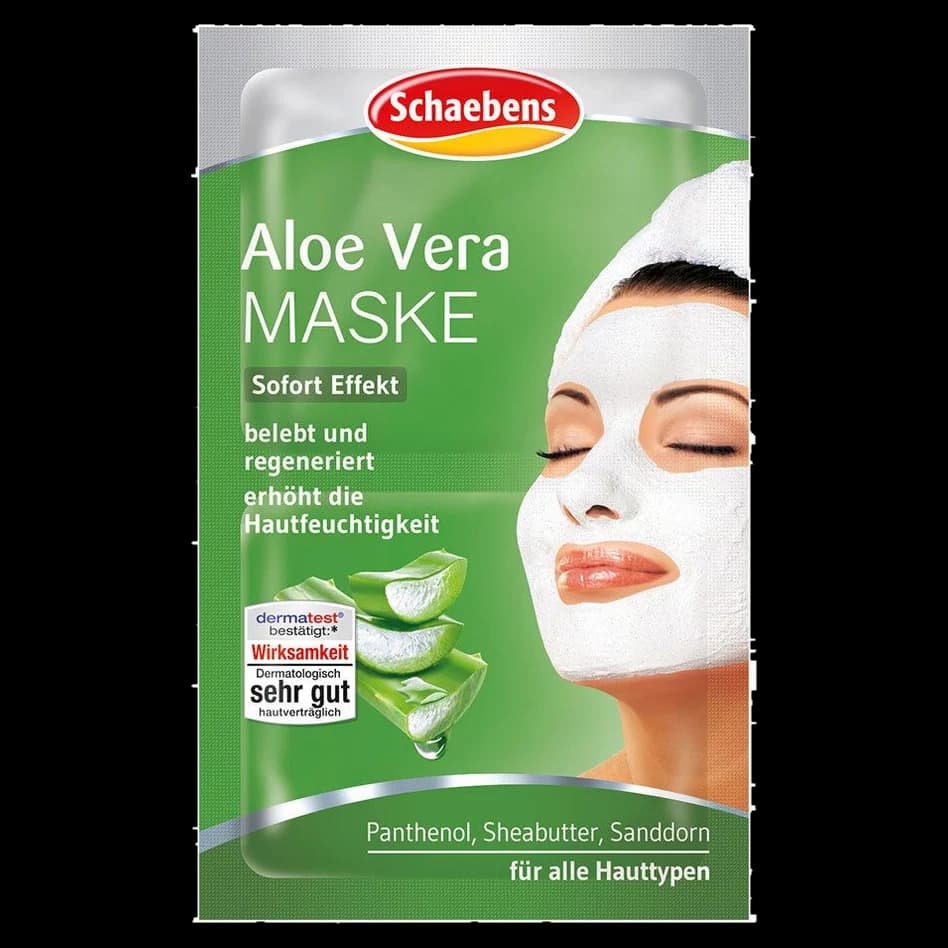
Schaebens
Aloe Vera Maske
24th of 34 on the label
below ≈1%
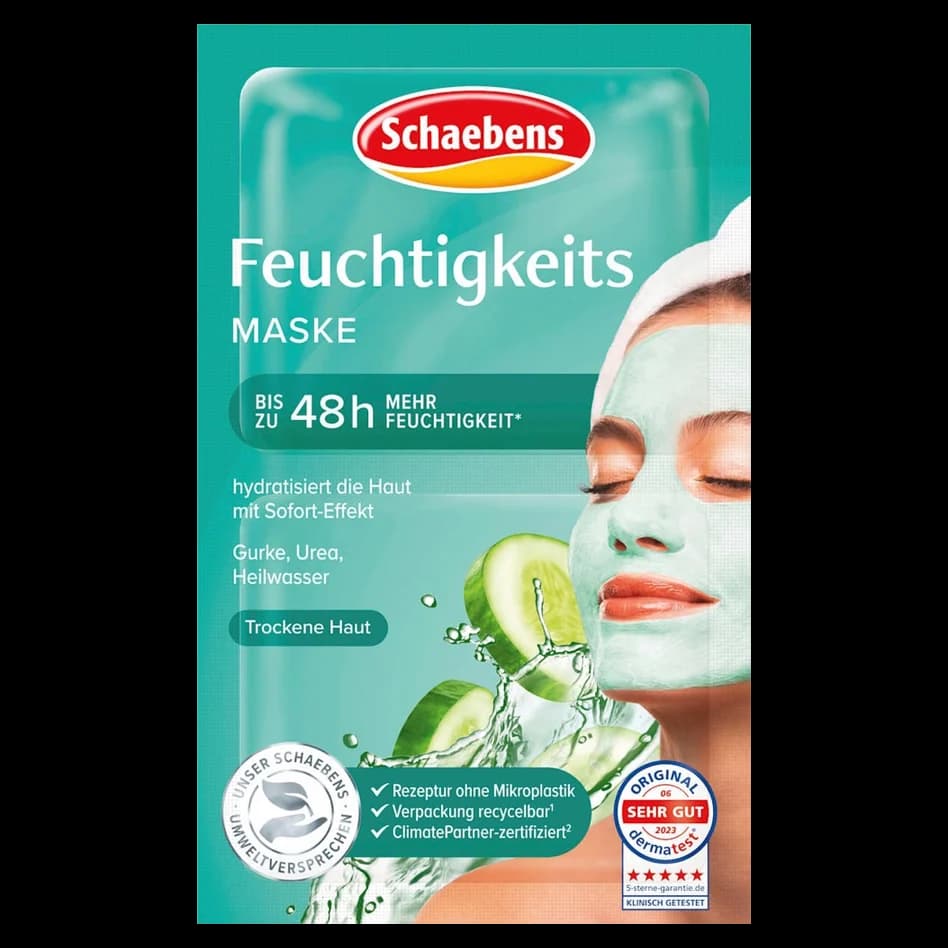
Schaebens
Gesichtsmaske Feuchtigkeit Sofort-Effekt
32nd of 38 on the label
below ≈1%
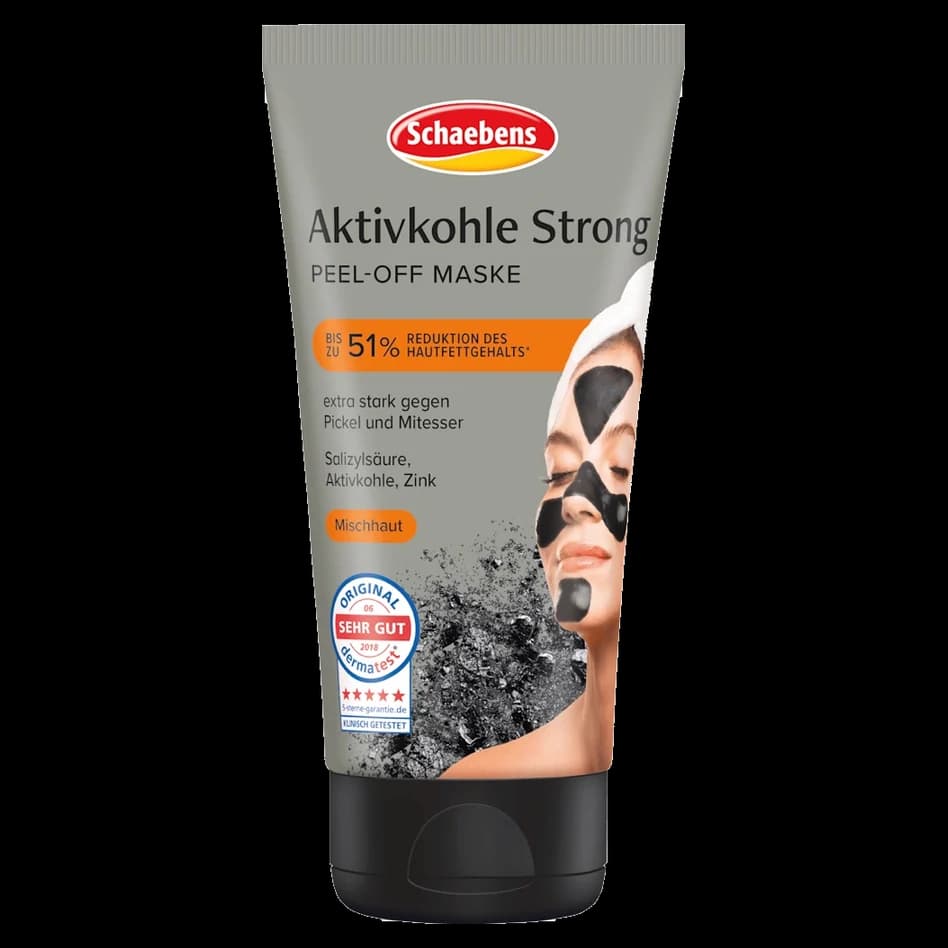
Schaebens
Gesichtsmaske peel off Aktivkohle Strong
18th of 20 on the label
below ≈1%
Schaebens
Gesichtsmaske Zink
26th of 27 on the label
below ≈1%
Schaebens
Hyaluron Maske
32nd of 32 on the label
below ≈1%
Schaebens
Tuchmaske AHA Peeling
16th of 17 on the label
Schaebens
Tuchmaske Melon Love
41st of 45 on the label
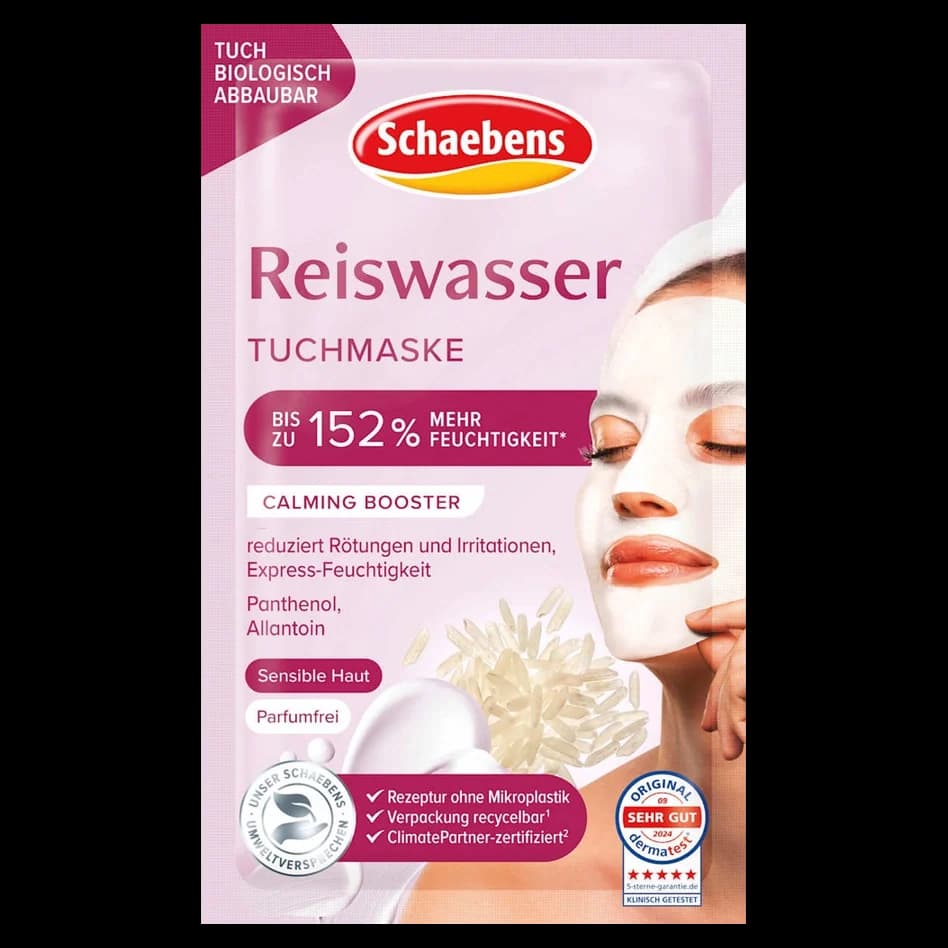
Schaebens
Tuchmaske Reiswasser
21st of 23 on the label
below ≈1%
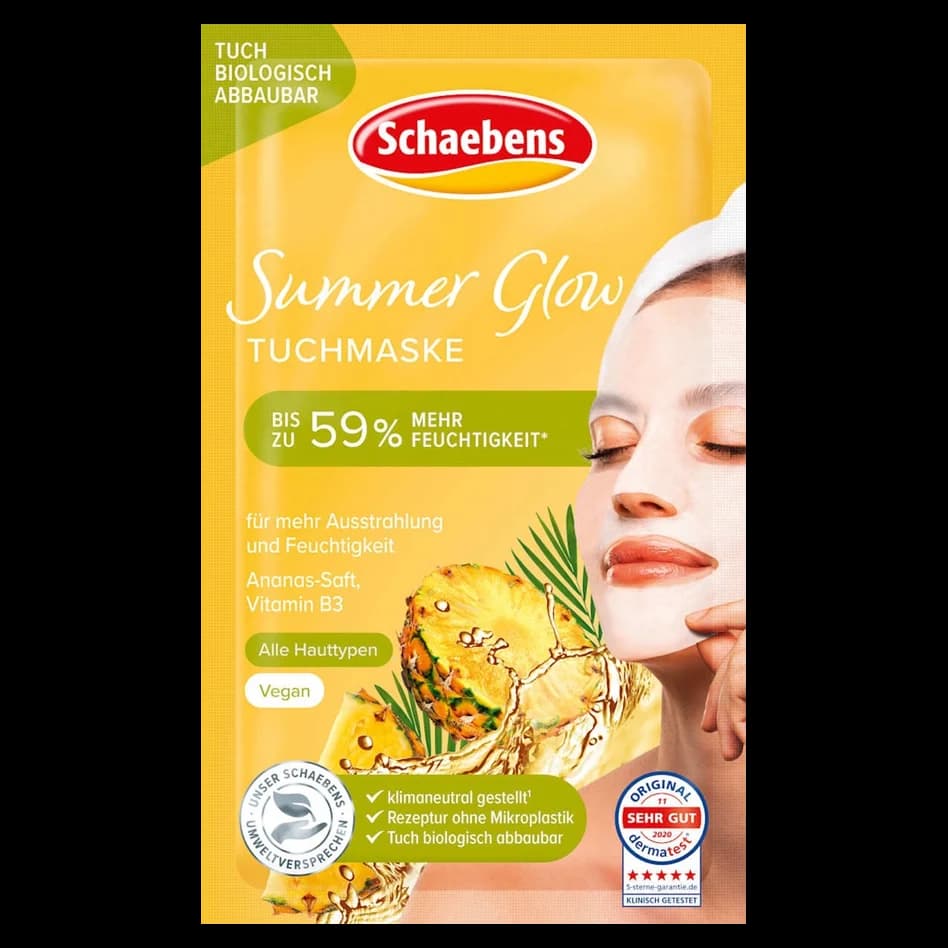
Schaebens
Tuchmaske Summer Glow
40th of 44 on the label
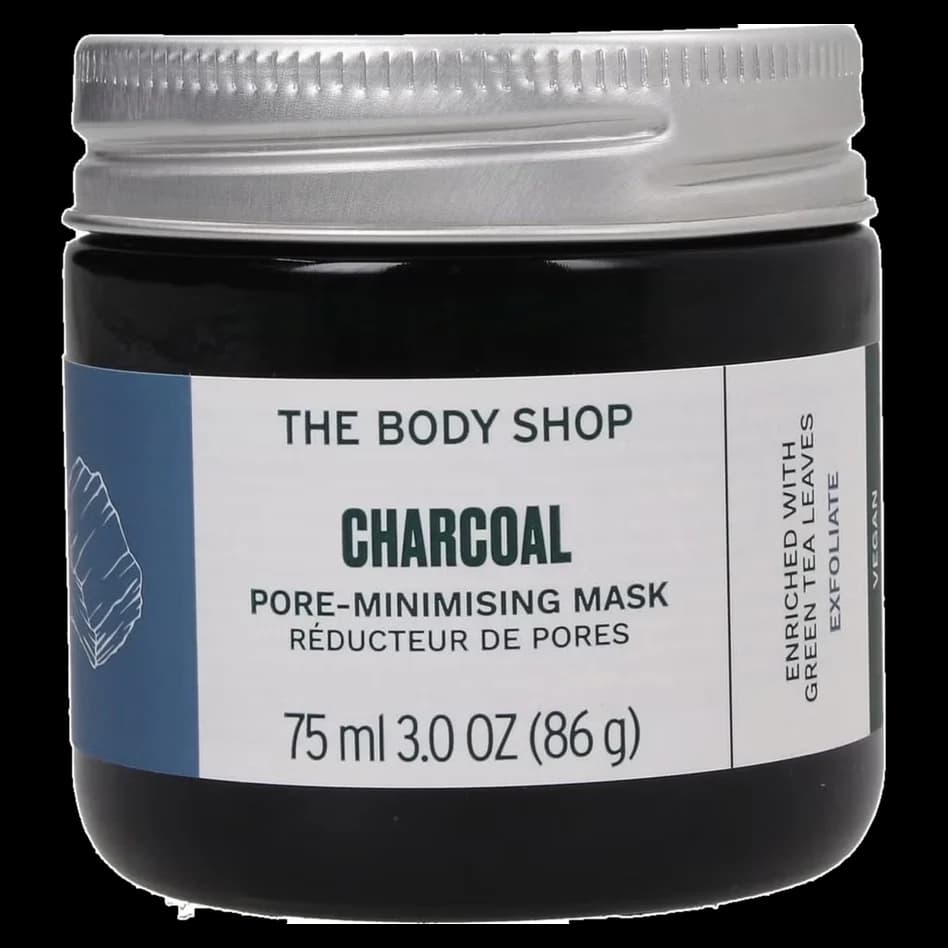
The Body Shop
Charcoal Pore Minimising Mask
26th of 37 on the label
below ≈1%
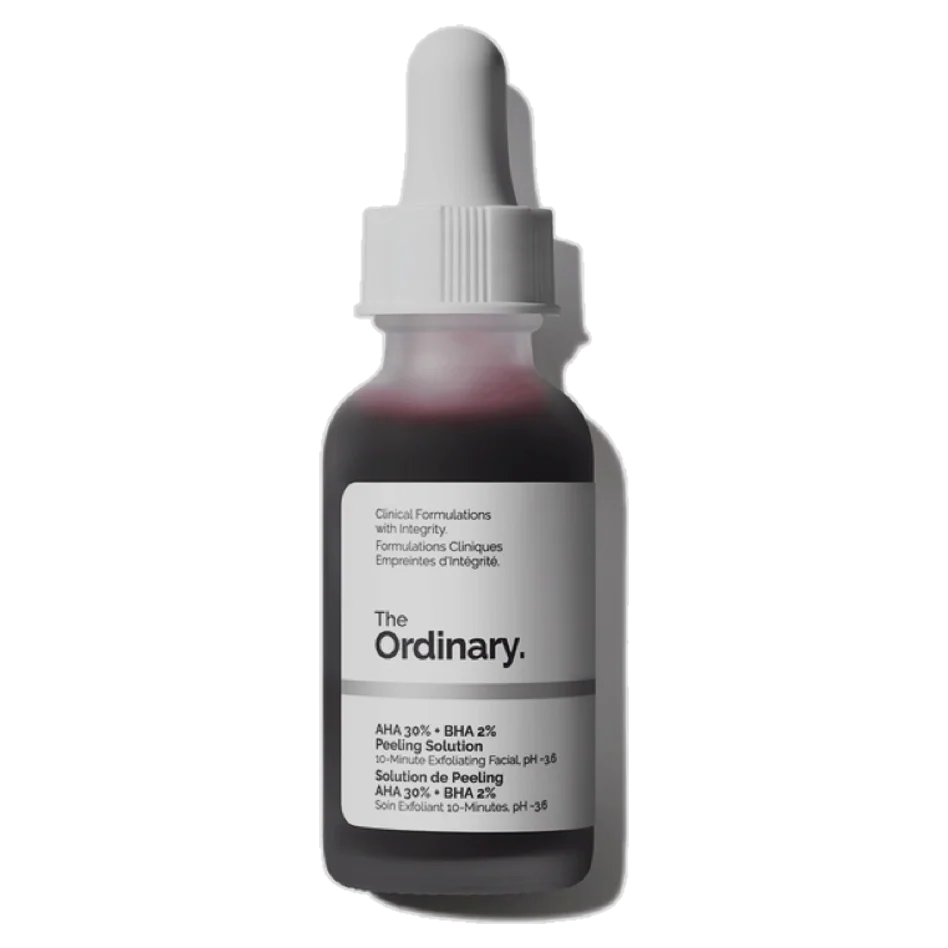
The Ordinary
AHA 30% + BHA 2% Peeling Solution
4th of 24 on the label
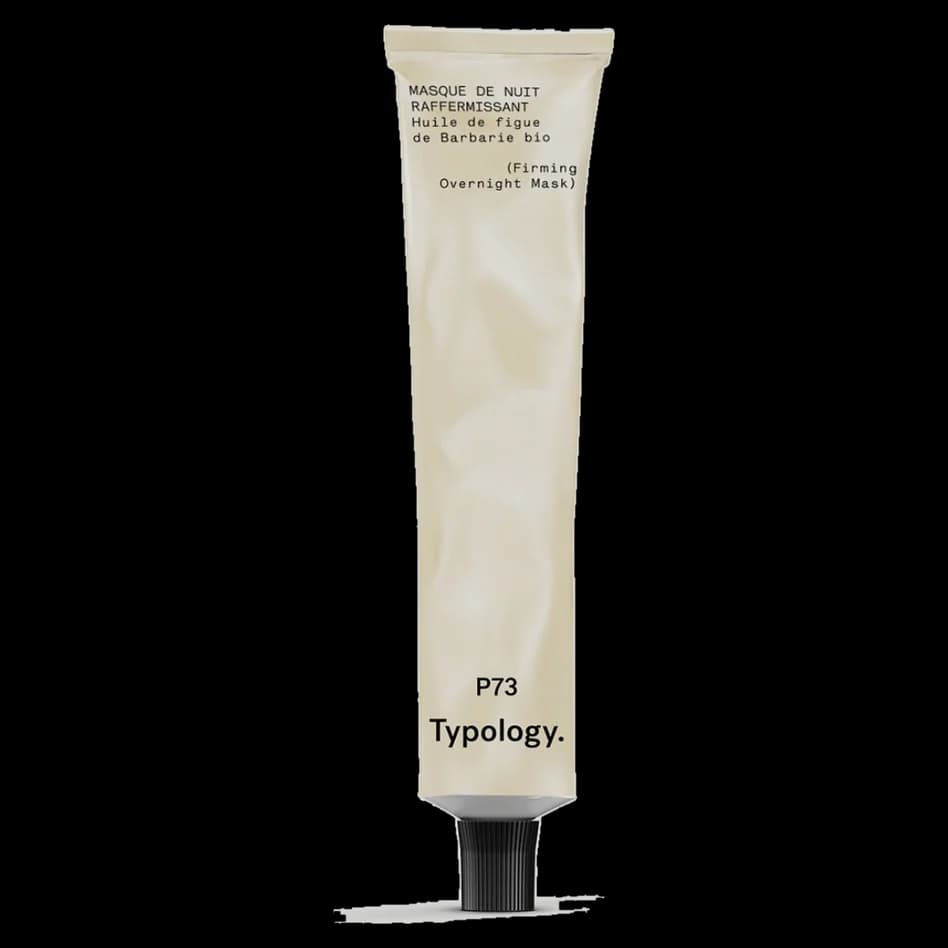
Typology
Masque de Nuit Raffermissant P73 (Firming Night Mask)
21st of 24 on the label
below ≈1%
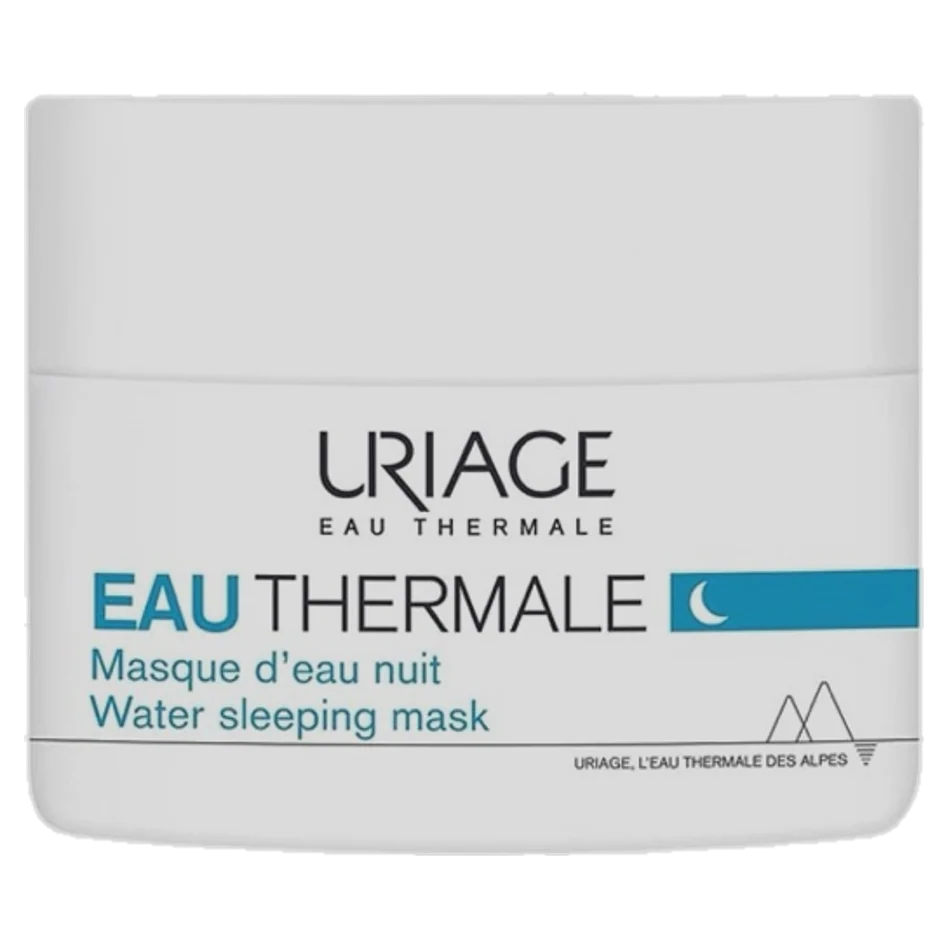
Uriage
Eau Thermale Water Sleeping Mask
29th of 29 on the label
below ≈1%
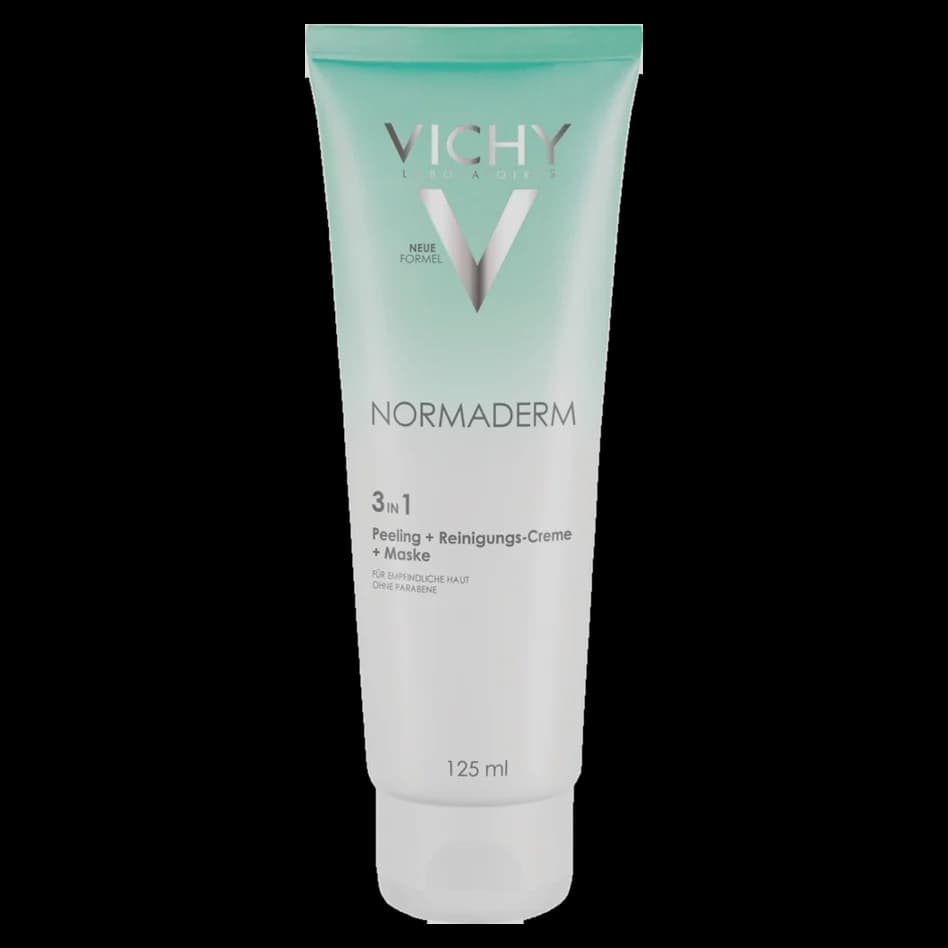
Vichy
Normaderm 3-in-1 Peeling + Reinigungs-Creme + Maske
16th of 23 on the label
below ≈1%