Tromethamine
TRIS
No meaningful concern for most people; irritation is possible but rare.
Also written as: TRIS · Trometamol · Tris(hydroxymethyl)aminomethane · Triethanolamine substitute
What it is
Tromethamine is a small amine that acts as a gentle alkali and buffer; the same compound is used as a buffering agent in medicines. In cosmetics it neutralises carbomer and other acidic polymers and holds pH steady, and it is frequently chosen instead of triethanolamine. That substitution does not close the nitrosamine question: the CIR Expert Panel's final report cautions that products containing tromethamine could form nitrosamines and that formulators should continue to avoid their formation.
What it does well
Neutralises acidic thickeners and buffers pH gently
As a weak base it is easier to control than sodium hydroxide and holds pH within a narrow range, which suits gels containing acidic actives.
Strong evidence
Worth knowing
Isolated reports of contact allergy
Contact allergy to tromethamine has been described occasionally in dermatology practice, mainly with medicated topicals used long-term. It is not a common sensitiser at cosmetic use levels.
Matters most toPeople with known amine or excipient allergies confirmed by patch testing.
Where the EU stands
No specific restriction
Tromethamine is not named in any Annex of the Cosmetics Regulation, so no limit applies to it by name. Annex III entry 61 does restrict monoalkylamines, monoalkanolamines and their salts as a class: minimum purity 99%, maximum secondary amine content 0.5% in the raw material, maximum nitrosamine content 50 micrograms per kg, not to be used with nitrosating systems, and kept in nitrite-free containers. No EU text says in terms that tromethamine falls in that class, but the cosmetic-grade material reported to the CIR Expert Panel meets all three of those figures.
Regulation (EC) No 1223/2009 - no annex entry for tromethamine; Annex III entry 61 restricts monoalkylamines, monoalkanolamines and their salts as a class · source ↗
Sources (2)
Every link goes to the original: a journal, a PubMed record or an EU document.
- [1]Safety Assessment of Tromethamine, Aminomethyl Propanediol, and Aminoethyl Propanediol as Used in Cosmetics (Final Report)
Cosmetic Ingredient Review Expert Panel · 2013
A manufacturer reported cosmetic-grade tromethamine at 99% purity, with secondary amines at a maximum of 0.5% by weight and nitrosamines at 50 ppb, below the level of detection. The Panel found the ingredient safe in the present practices of use and concentration, but cautions that products containing it could form nitrosamines and that formulators should continue to avoid their formation.
- [2]Safety Assessment of Tromethamine, Aminomethyl Propanediol, and Aminoethyl Propanediol as Used in Cosmetics
International Journal of Toxicology (Cosmetic Ingredient Review) · 2018 · doi:10.1177/1091581817738242
The peer-reviewed form of the same assessment. All three ingredients are reported to function as pH adjusters, and the Panel concluded they are safe in cosmetics in the practices of use and concentration given in the assessment.
Masks that contain Tromethamine
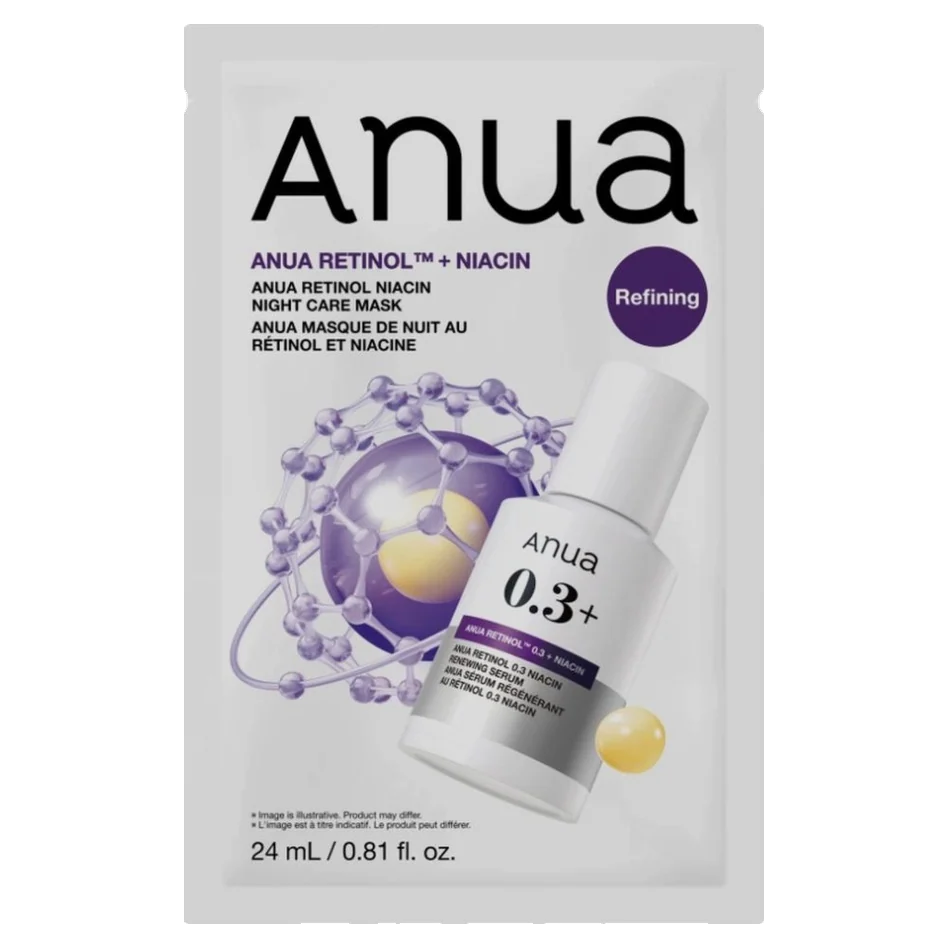
Anua
Retinol Niacin Night Care Mask
24th of 44 on the label
below ≈1%
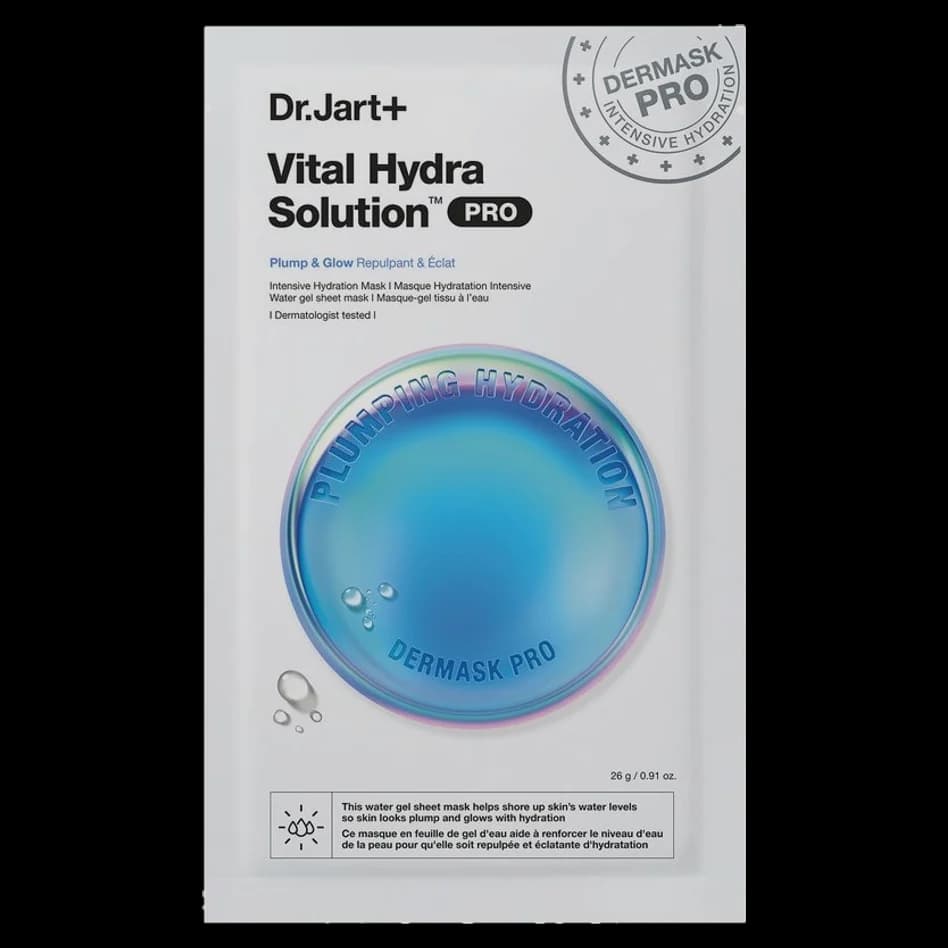
Dr.Jart+
Dermask Vital Hydra Solution Pro + Hyaluronic Acid
18th of 25 on the label
below ≈1%
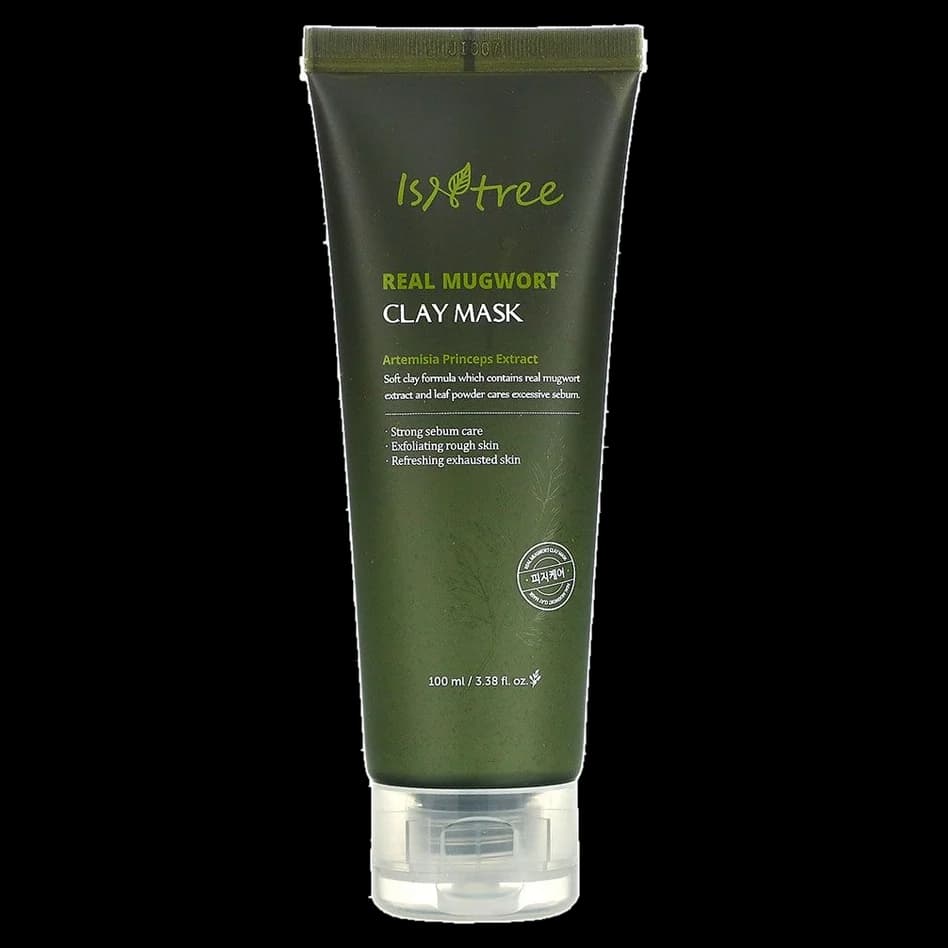
Isntree
Mugwort Calming Clay Mask
36th of 38 on the label
below ≈1%
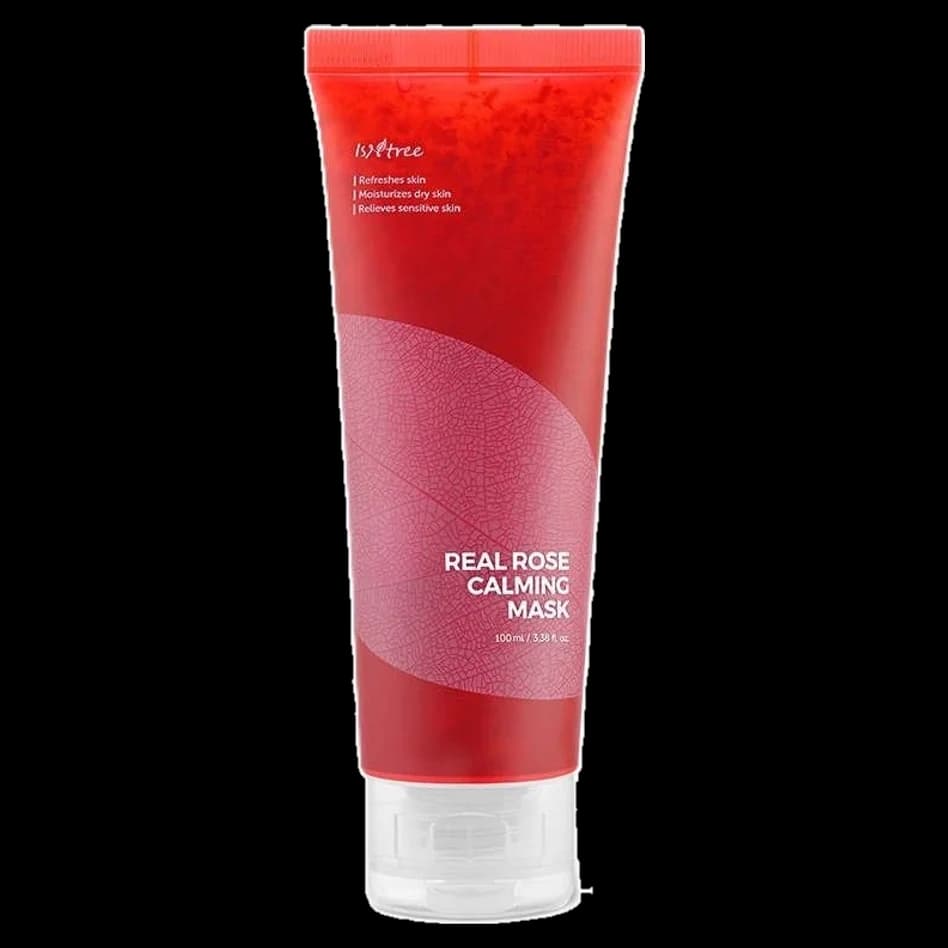
Isntree
Real Rose Calming Mask
27th of 31 on the label
below ≈1%
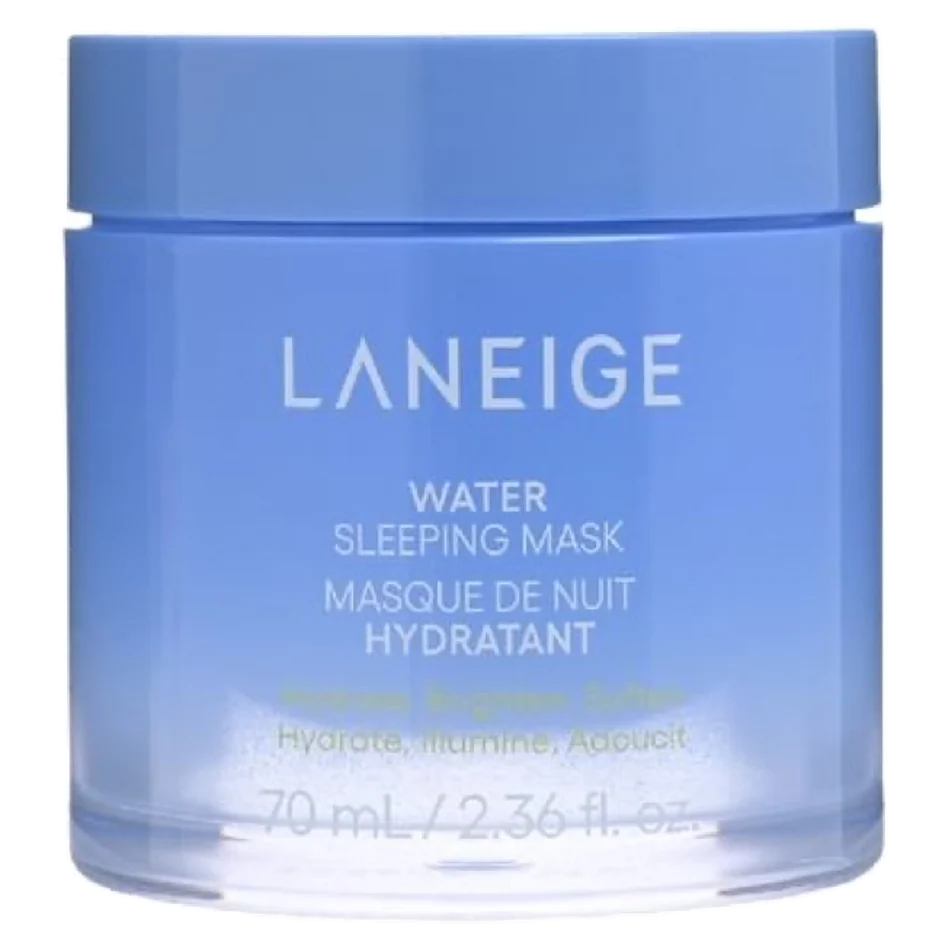
LANEIGE
Water Sleeping Mask
13th of 43 on the label
below ≈1%
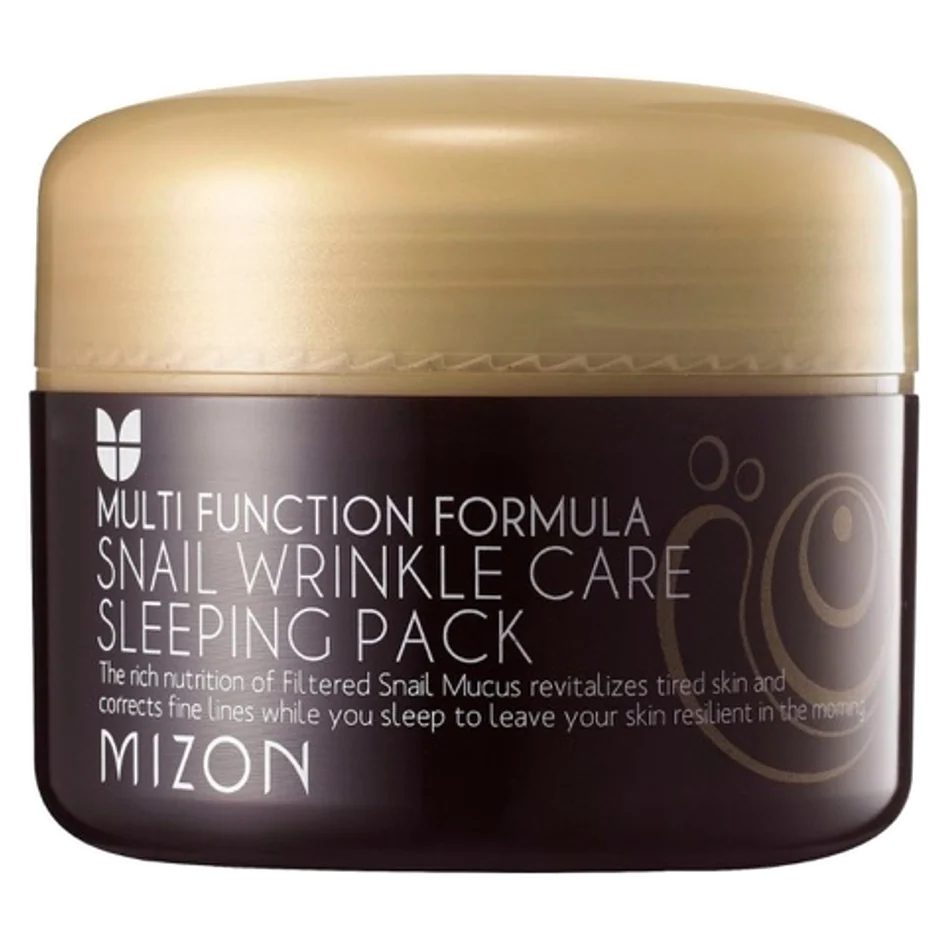
MIZON
Snail Wrinkle Care Sleeping Pack
19th of 31 on the label
below ≈1%
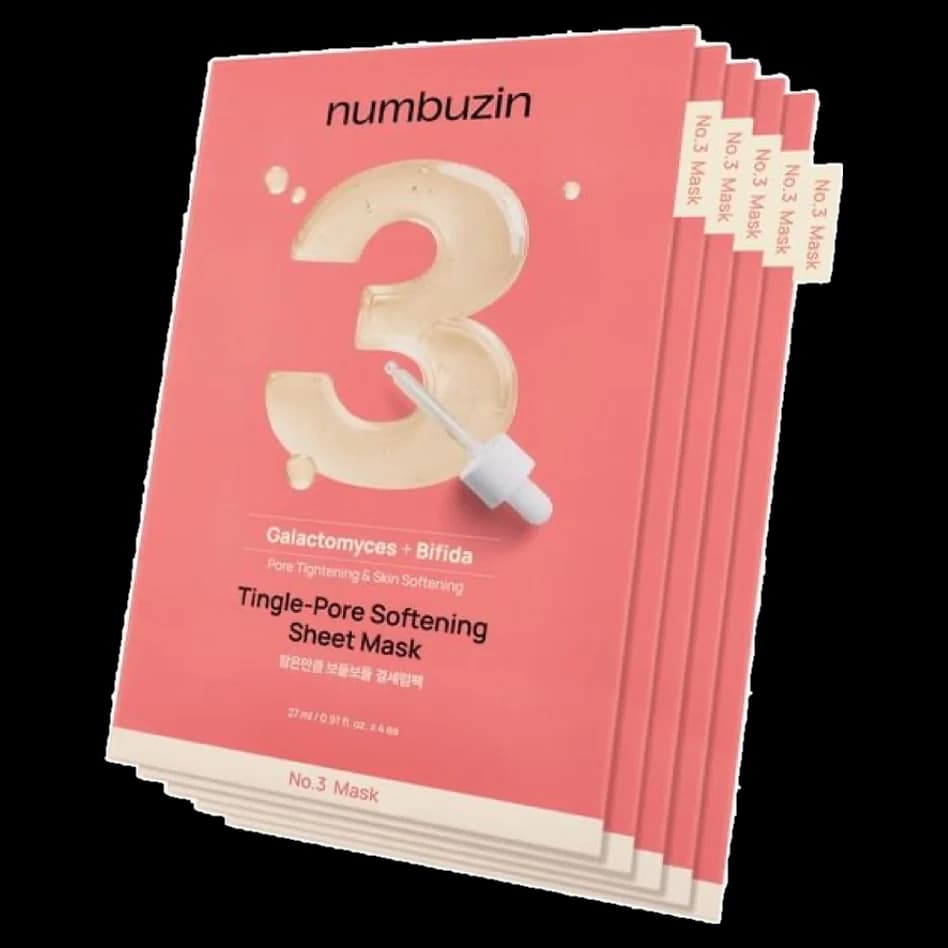
numbuzin
No.3 Tingle-Pore Softening Sheet Mask
35th of 42 on the label
below ≈1%
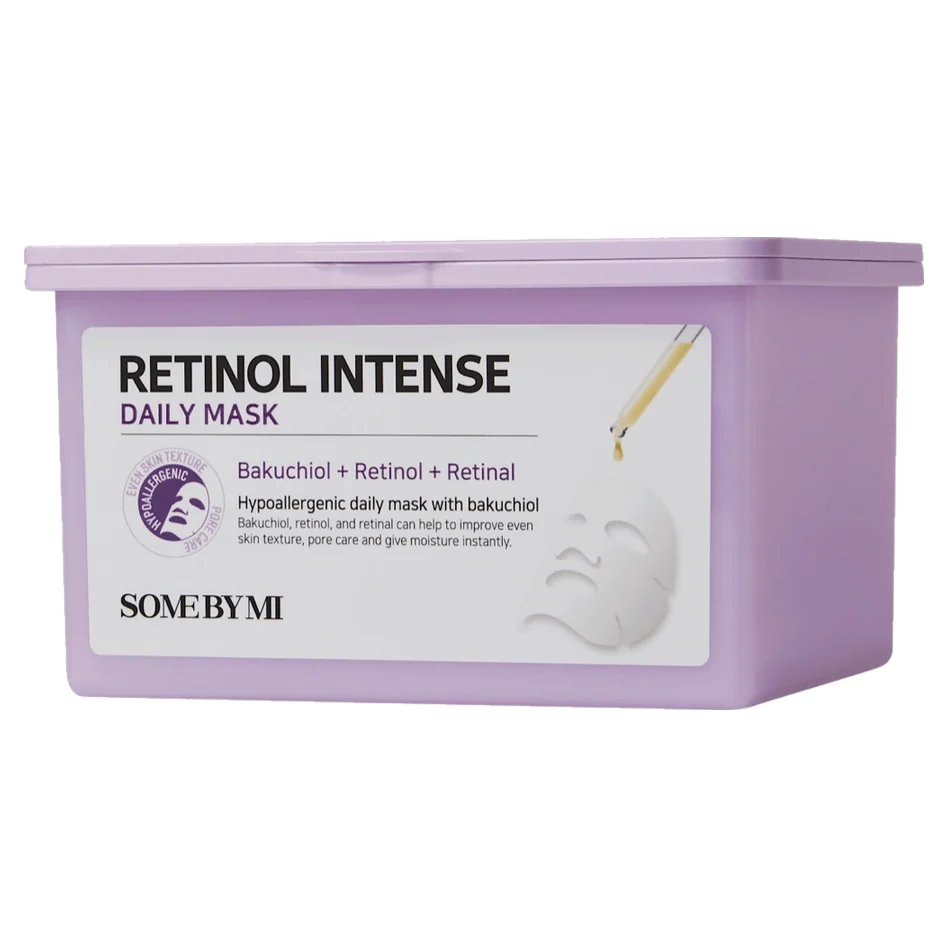
SOME BY MI
Daily Retinol Intense Mask
22nd of 62 on the label
below ≈1%
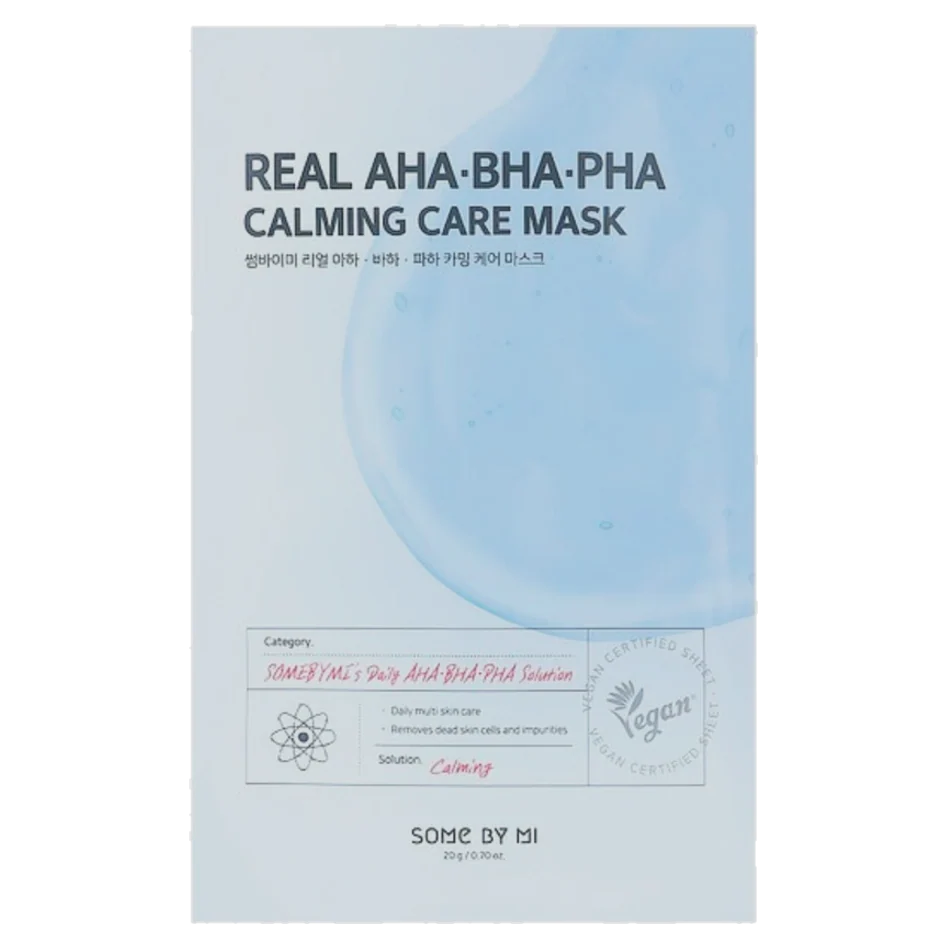
SOME BY MI
Real AHA-BHA-PHA Calming Care Mask
13th of 19 on the label
below ≈1%
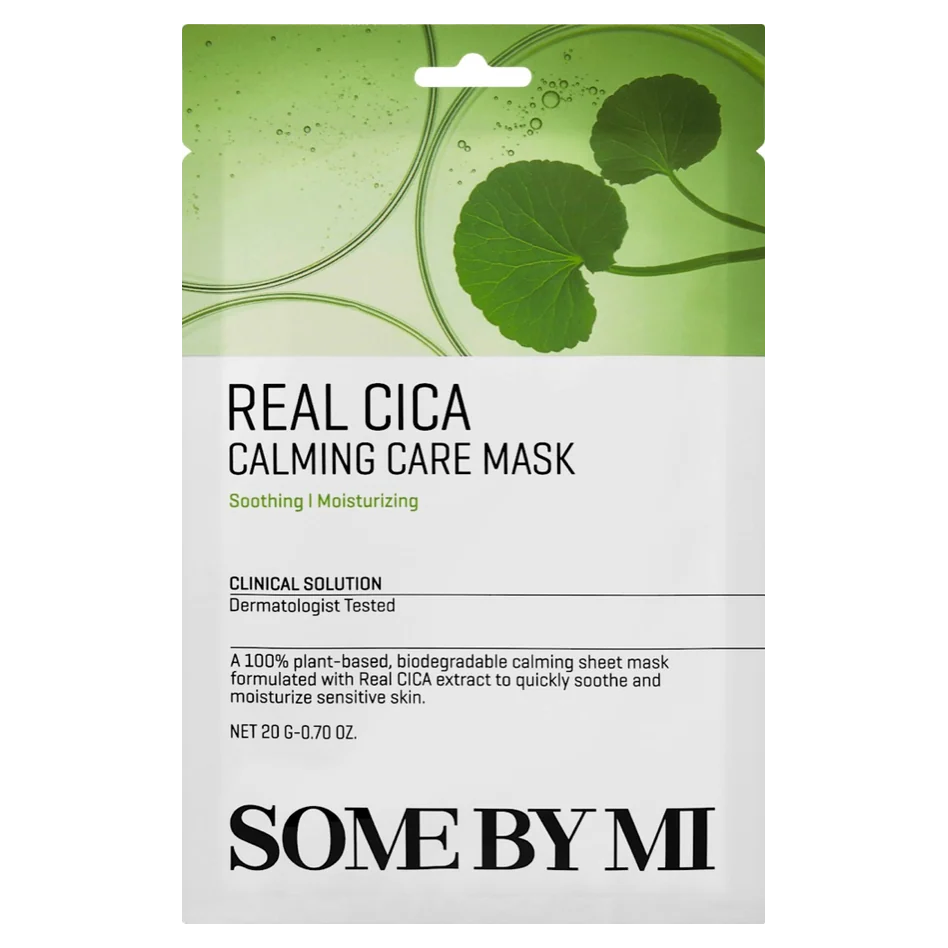
SOME BY MI
Real Cica Calming Care Mask
18th of 28 on the label
below ≈1%
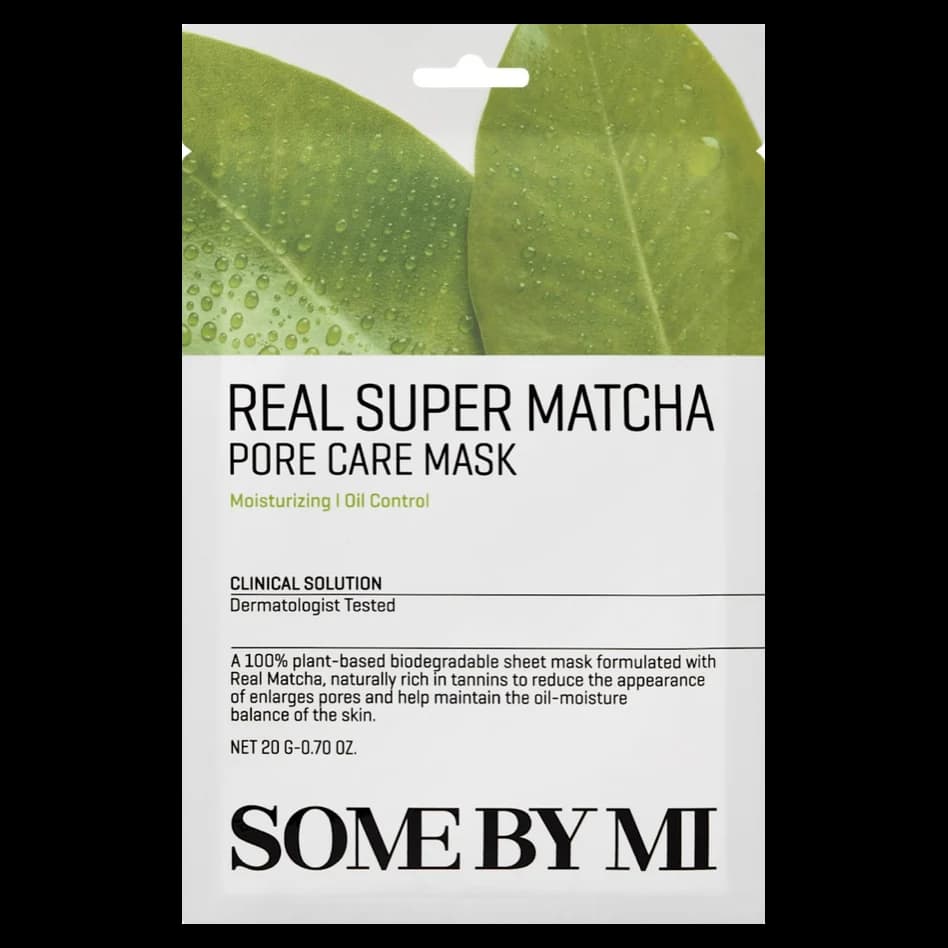
SOME BY MI
Real Super Matcha Pore Care Mask
9th of 22 on the label
below ≈1%
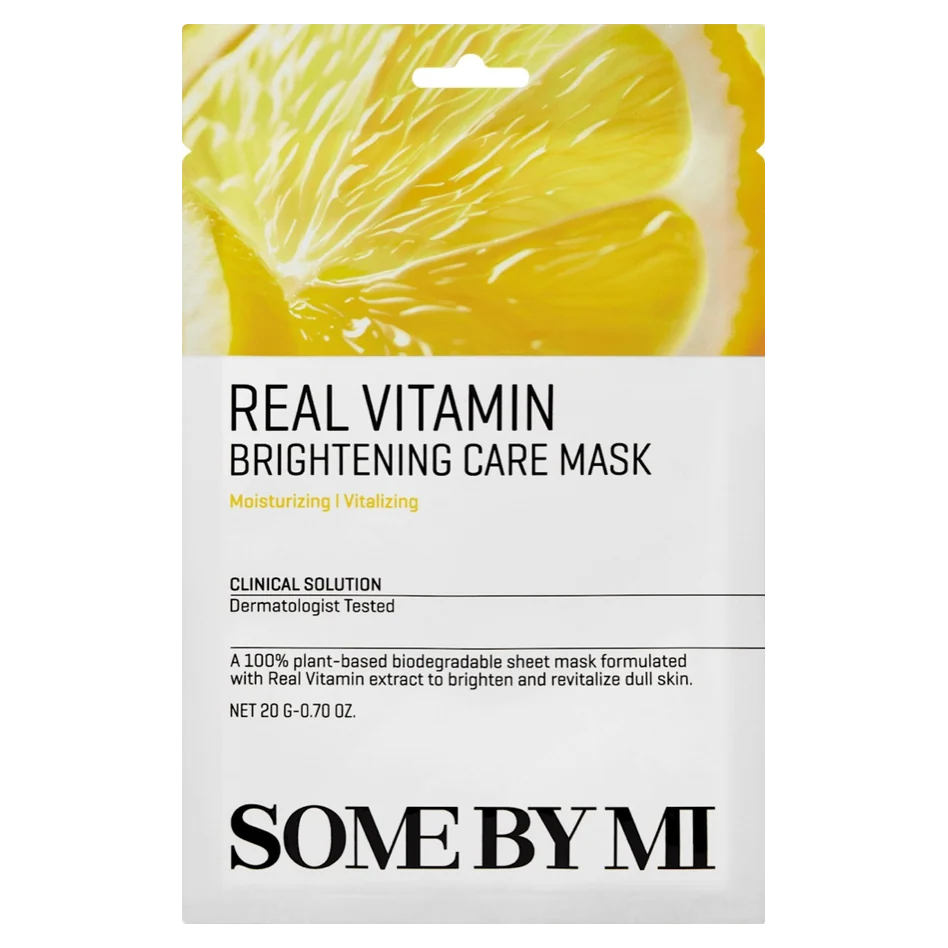
SOME BY MI
Real Vitamin Brightening Care Mask
8th of 19 on the label
below ≈1%
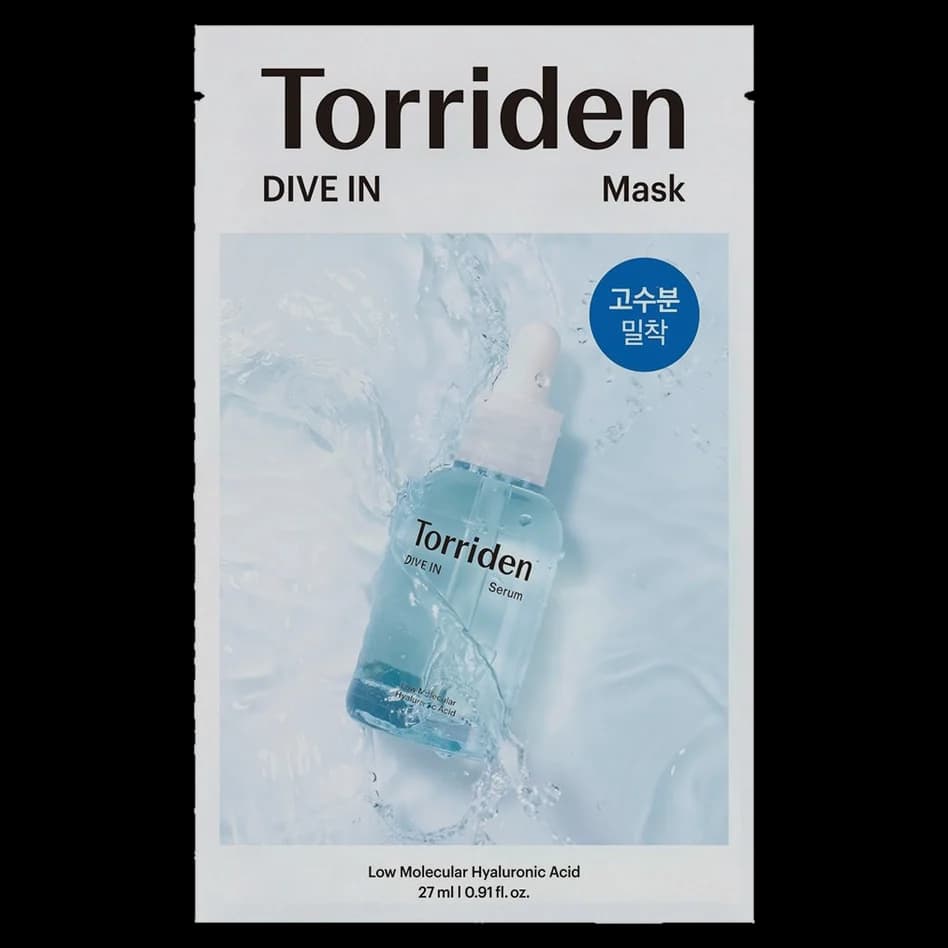
Torriden
DIVE-IN Low Molecular Hyaluronic Acid Mask
27th of 33 on the label
below ≈1%