Citric Acid
Citric acid
No meaningful concern for most people; irritation is possible but rare.
Also written as: 2-Hydroxypropane-1,2,3-tricarboxylic acid
What it is
Citric acid is a weak organic acid that occurs naturally in citrus fruit, but the cosmetic grade is made industrially by fermenting sugars with the mould Aspergillus niger. In most face masks it is there purely to pull the pH down into a skin-friendly range, often paired with sodium citrate as a buffer, and it is printed accordingly: of the seventy-one masks here whose list shows the point where ingredient order stops indicating quantity, every one puts citric acid below that point. Across cosmetics as a whole the Cosmetic Ingredient Review records a far wider spread - up to 4% in leave-on products and 10% in rinse-off ones - because the same acid is also used deliberately as an exfoliant. It also binds trace metals, so it quietly supports formula stability. Only at much higher concentrations, and at a low pH, does it behave as an alpha hydroxy acid (AHA) that loosens dead surface cells.
How it shows up on a label
Position in the list tells you the role: near the bottom it is a pH adjuster, higher up it is being used as an exfoliating acid.
What it does well
Sets and holds the pH so the rest of the formula works properly
Preservatives, acids and many actives only perform in a defined pH window, and healthy skin sits at roughly pH 4.5-5.5. Citric acid is the most common way to reach that window, which is why it appears in a very large share of masks.
Strong evidence
At AHA-level concentrations it can improve sun-damaged skin
A controlled study of topical citric acid on photodamaged skin found increased viable epidermal thickness and more glycosaminoglycans, comparable to other alpha hydroxy acids. This applies to deliberate AHA formulas, not to the trace amounts used for pH adjustment.
Moderate evidence
Worth knowing
Can sting on broken or very sensitive skin
Any acid at low pH can produce transient stinging on compromised skin, and this rises with concentration. At the fractional percentages used for pH adjustment, stinging is uncommon; in a deliberate AHA mask it is more likely.
Where the EU stands
No specific restriction
Not restricted for cosmetic use in the EU: citric acid has no entry of its own in Annex II (prohibited), Annex III (restricted) or Annex V (preservatives), and carries no concentration limit. The one annex entry that names it is Annex V entry 59, "Citric acid (and) Silver citrate", where the 0.2% ceiling is a control on the silver it releases (0.0024% as silver) rather than on citric acid. Finished AHA products must still be safe at their in-use pH.
Regulation (EC) No 1223/2009 - no annex entry for citric acid; named only in Annex V entry 59 (Citric acid (and) Silver citrate) · source ↗
Sources (3)
Every link goes to the original: a journal, a PubMed record or an EU document.
- [1]Citric acid increases viable epidermal thickness and glycosaminoglycan content of sun-damaged skin
Dermatologic Surgery · 1997 · doi:10.1111/j.1524-4725.1997.tb00391.x
Topical citric acid produced measurable increases in viable epidermal thickness and dermal glycosaminoglycans in photodamaged skin, comparable with other alpha hydroxy acids.
- [2]Skin pH: from basic science to basic skin care
Acta Dermato-Venereologica · 2013 · doi:10.2340/00015555-1531
Skin's naturally acidic surface pH is central to barrier repair, stratum corneum integrity and antimicrobial defence, which is the reason products are deliberately pH-adjusted rather than left alkaline.
- [3]Final Report on the Safety Assessment of Citric Acid, Inorganic Citrate Salts, and Alkyl Citrate Esters as Used in Cosmetics
Cosmetic Ingredient Review · 2012
A Final Report dated 27 March 2012, carrying no do-not-cite stamp. On how much is actually used it says: "Citric acid is used in almost every category of cosmetic product, with 6795 reported uses at concentrations up to 4% in leave-on formulations, 10% in rinse-off formulations, and 39% in products diluted for (bath) use." Those are maxima reported to the industry survey rather than typical levels, and the report publishes no typical figure. It records citric acid's cosmetic functions as chelating agent, pH adjuster and fragrance ingredient. Checked 31 August 2026.
Masks that contain Citric Acid
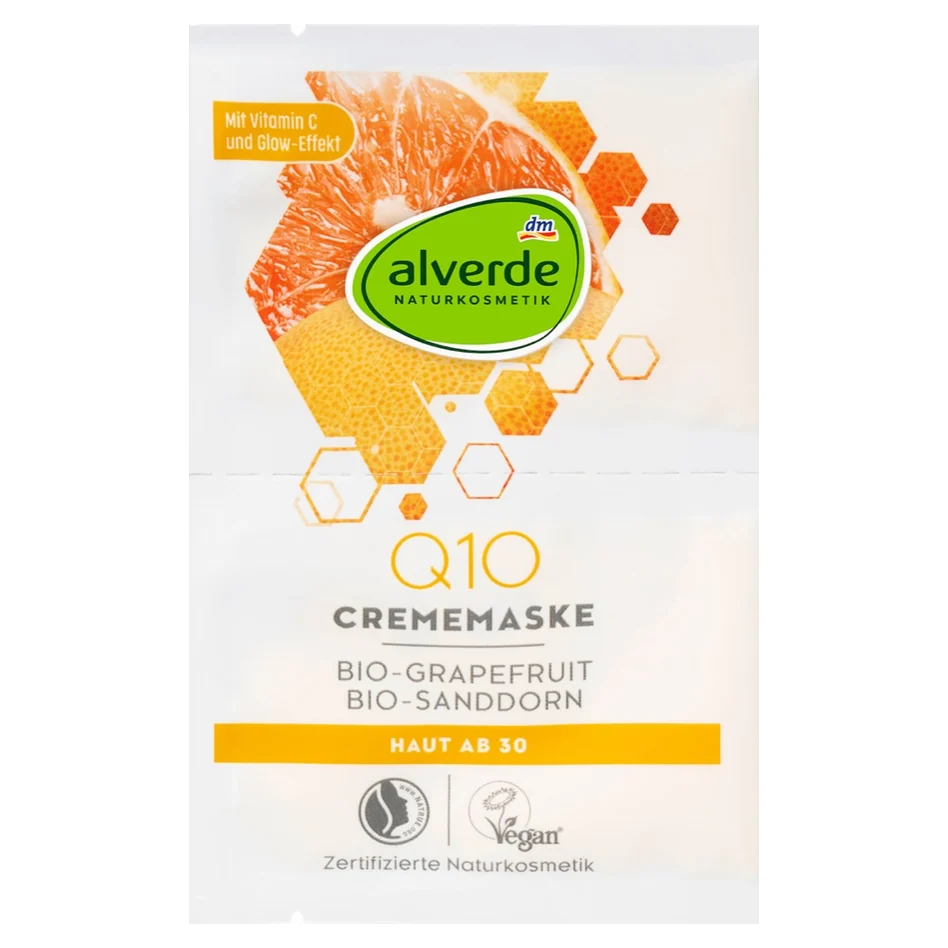
alverde Naturkosmetik
Gesichtsmaske Q10 mit Vitamin C
32nd of 40 on the label
below ≈1%
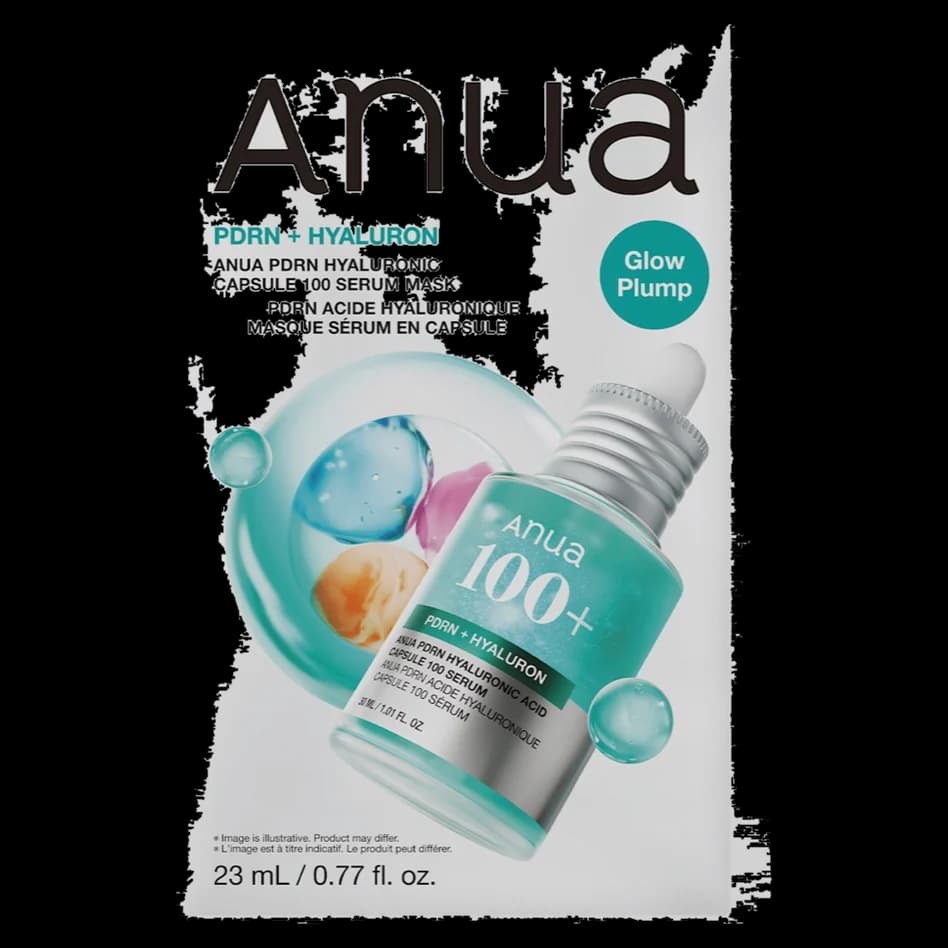
Anua
PDRN Serum Mask 100 Hyaluronic Acid Capsule
42nd of 45 on the label
below ≈1%
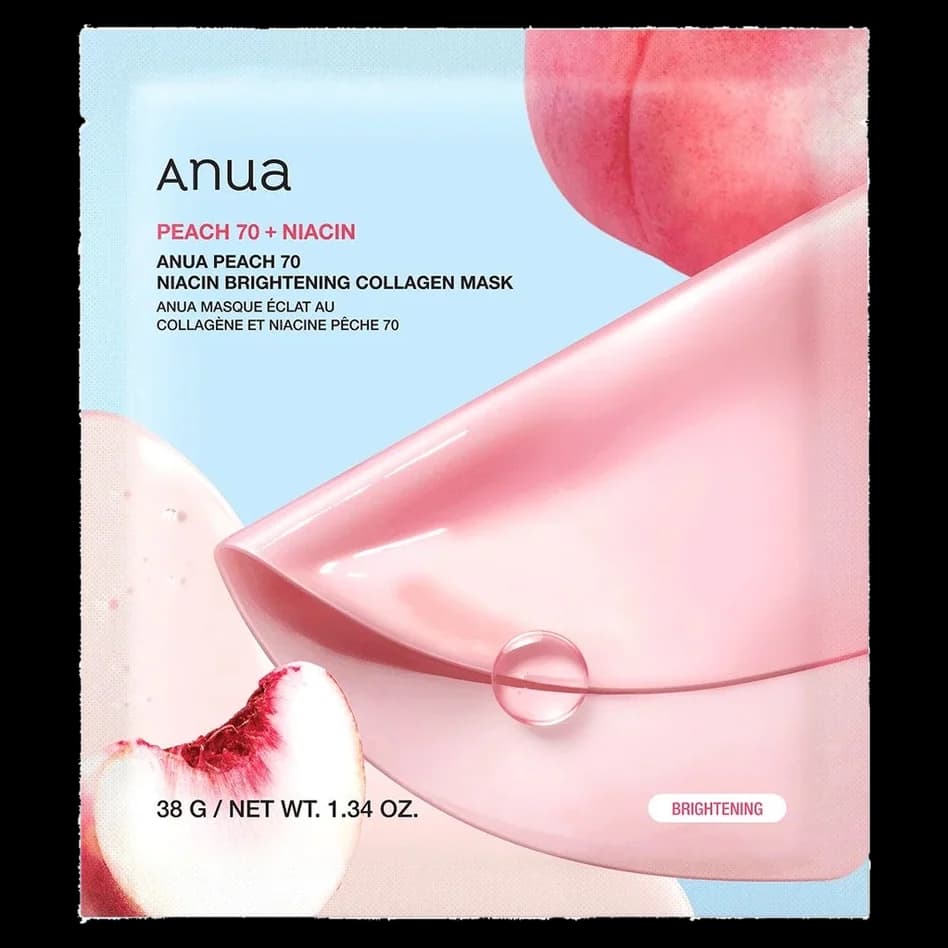
Anua
Peach 70 Niacin Brightening Collagen Mask
37th of 44 on the label
below ≈1%
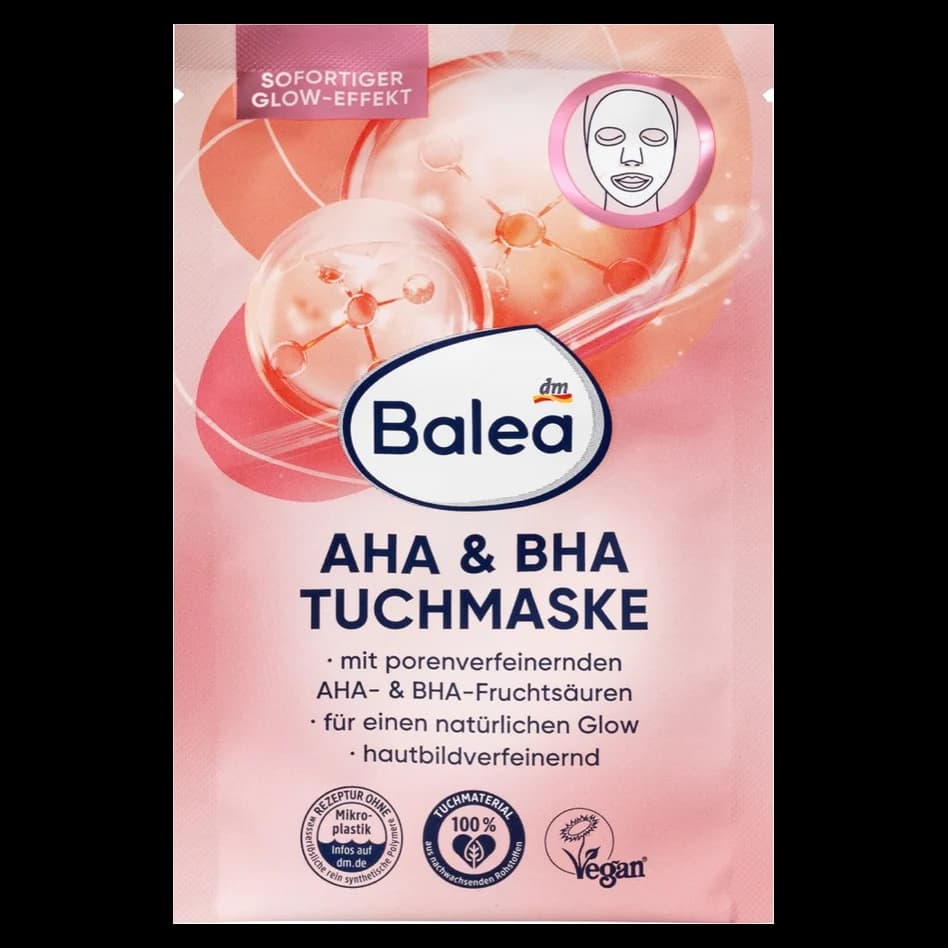
Balea
AHA & BHA Tuchmaske
16th of 16 on the label
below ≈1%
Balea
Gesichtsmaske Aloe Vera
17th of 21 on the label
below ≈1%
Balea
Gesichtsmaske Glow Peel-Off
17th of 20 on the label
below ≈1%
Balea
Gesichtsmaske Hyaluron
22nd of 29 on the label
below ≈1%
Balea
Gesichtsmaske Milch & Honig
29th of 36 on the label
below ≈1%
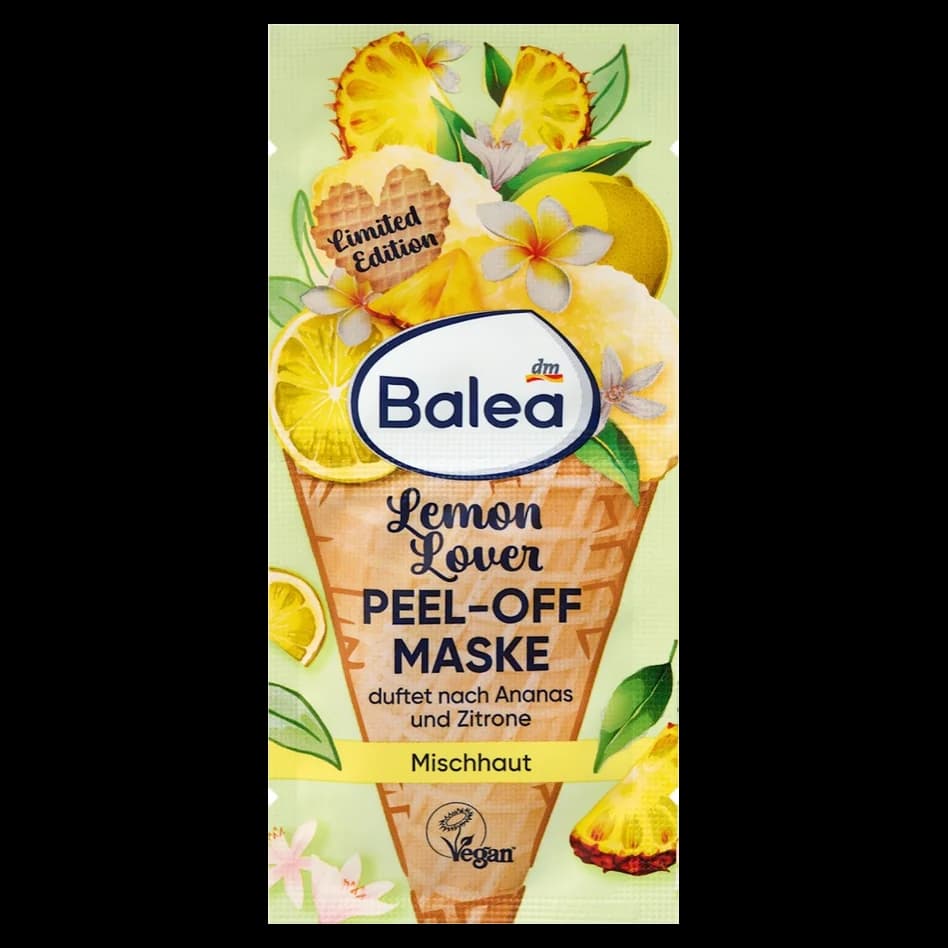
Balea
Gesichtsmaske Peel-Off Lemon Lover
17th of 23 on the label
below ≈1%
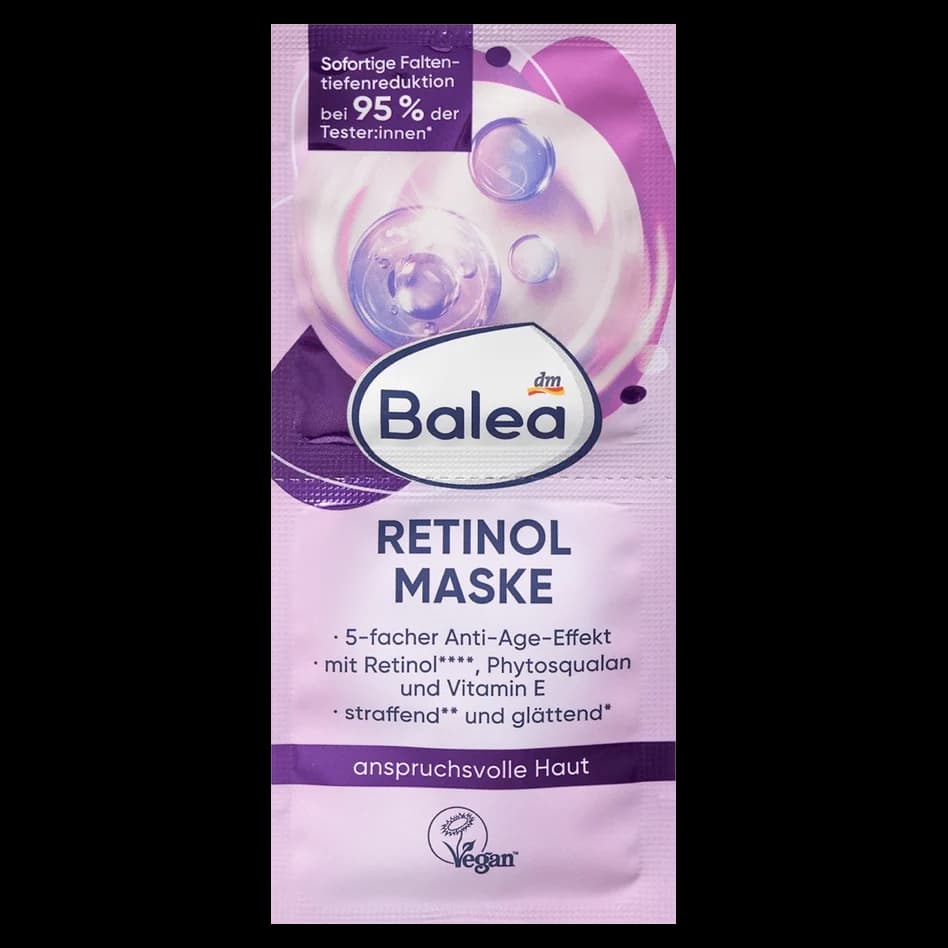
Balea
Gesichtsmaske Retinol
21st of 23 on the label
below ≈1%
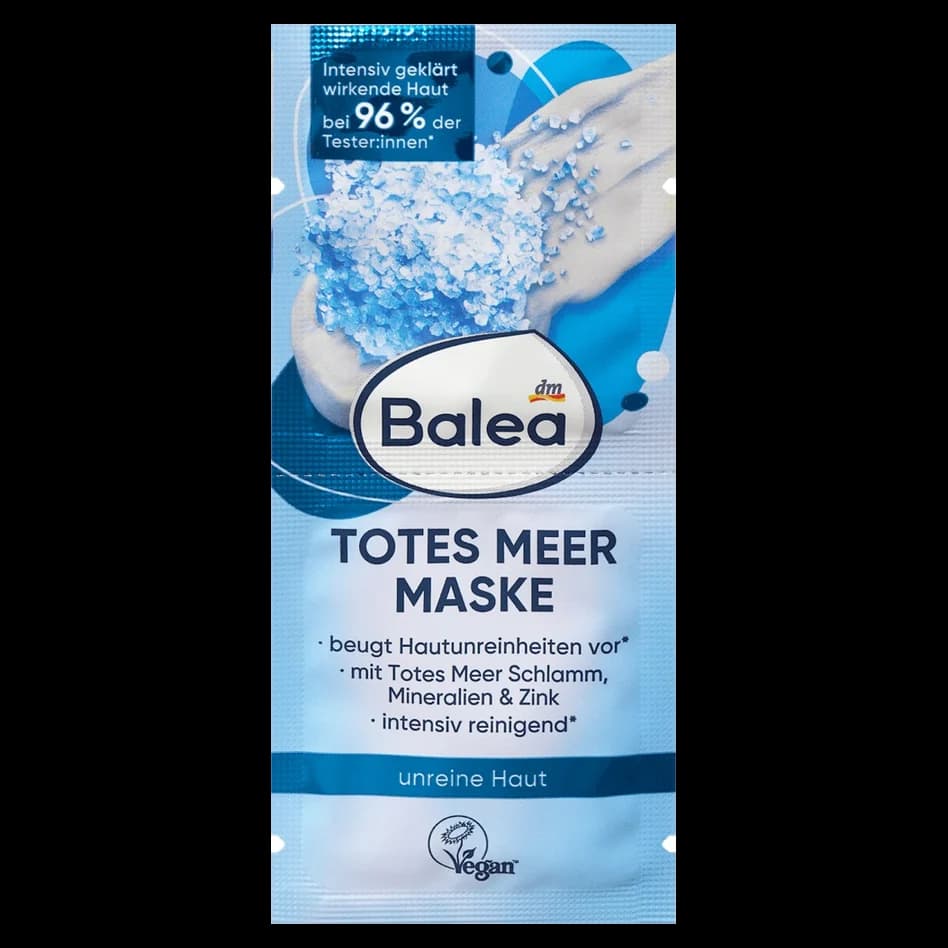
Balea
Gesichtsmaske Totes Meer
18th of 21 on the label
below ≈1%
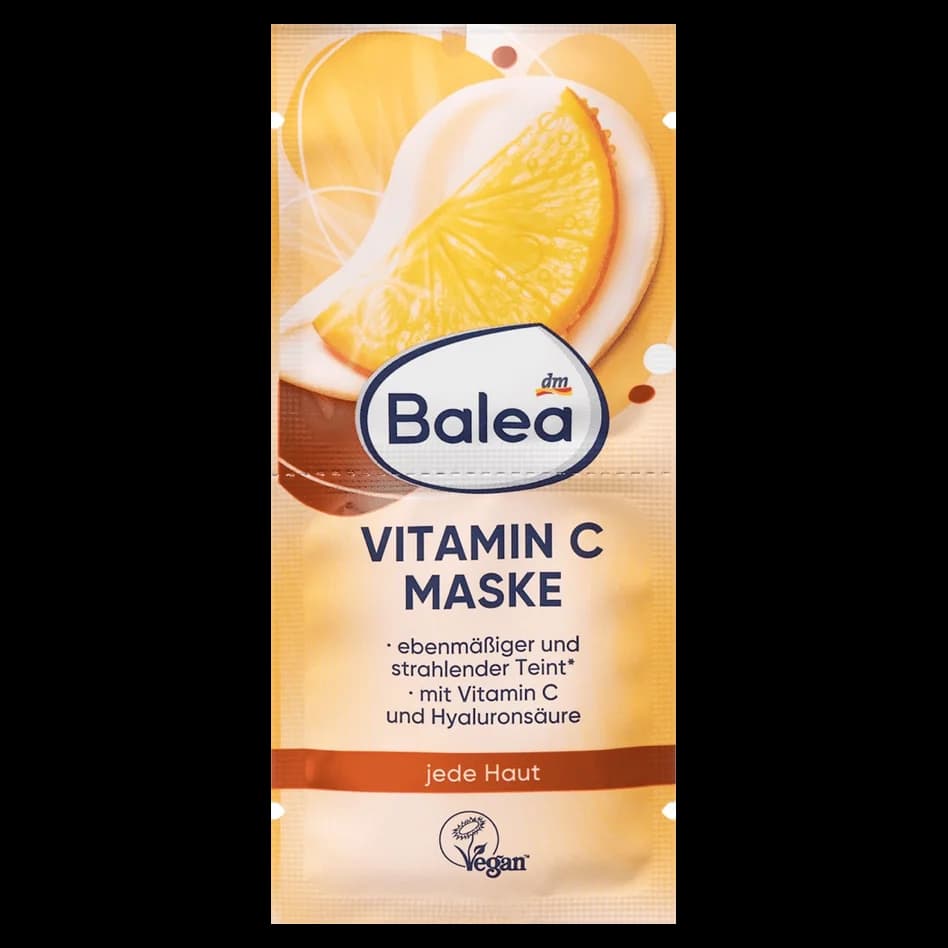
Balea
Gesichtsmaske Vitamin C
17th of 23 on the label
below ≈1%
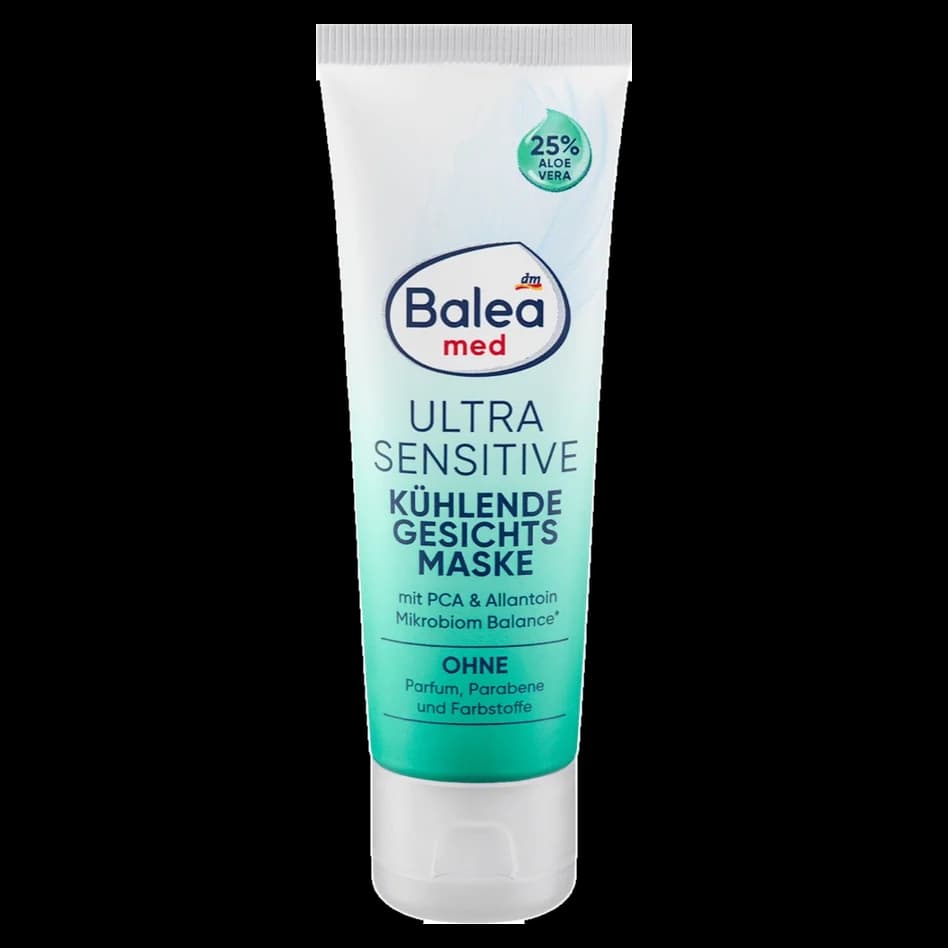
Balea med
Gesichtsmaske kühlend ultra sensitive
11th of 13 on the label
below ≈1%
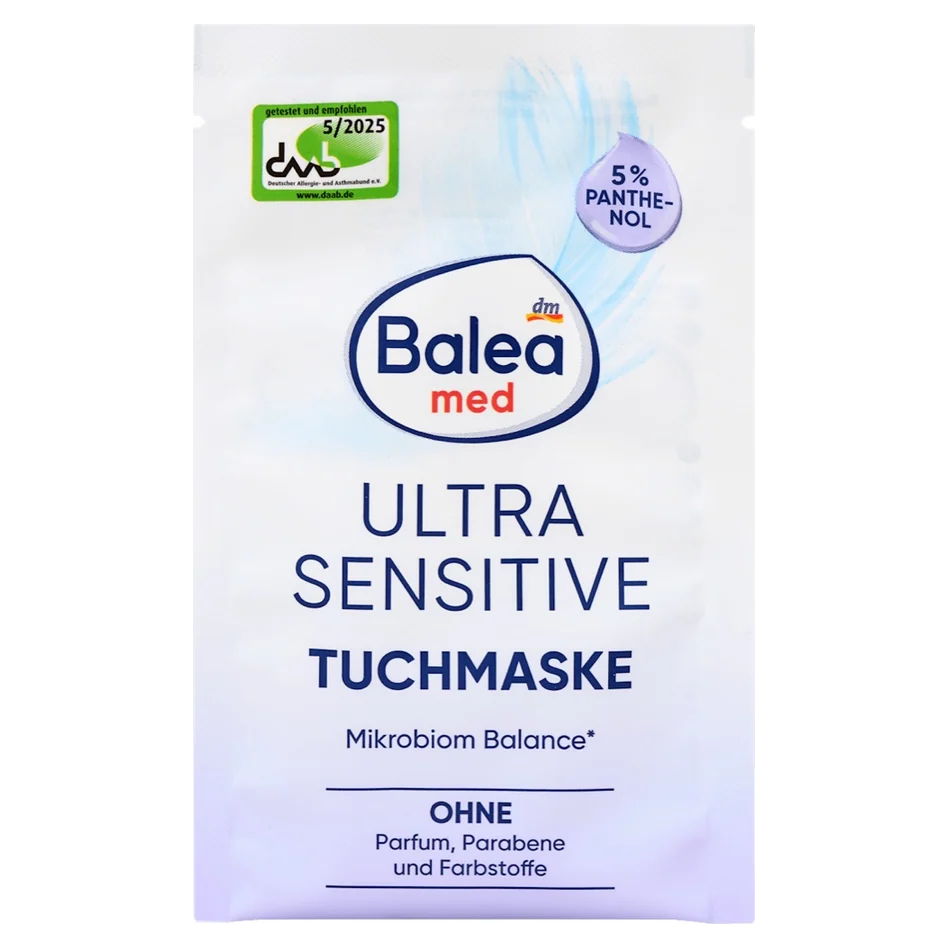
Balea med
Tuchmaske Panthenol Ultra Sensitive
16th of 16 on the label
below ≈1%
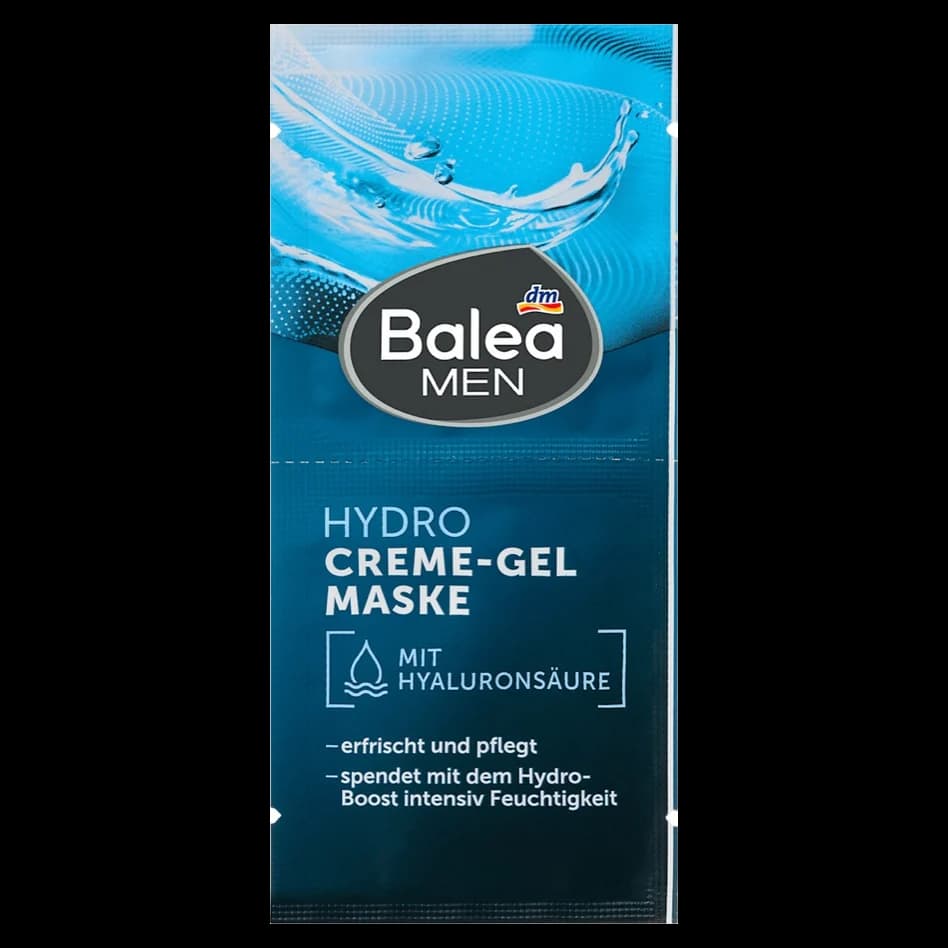
Balea MEN
Gesichtsmaske Creme-Gel Hydro
23rd of 31 on the label
below ≈1%
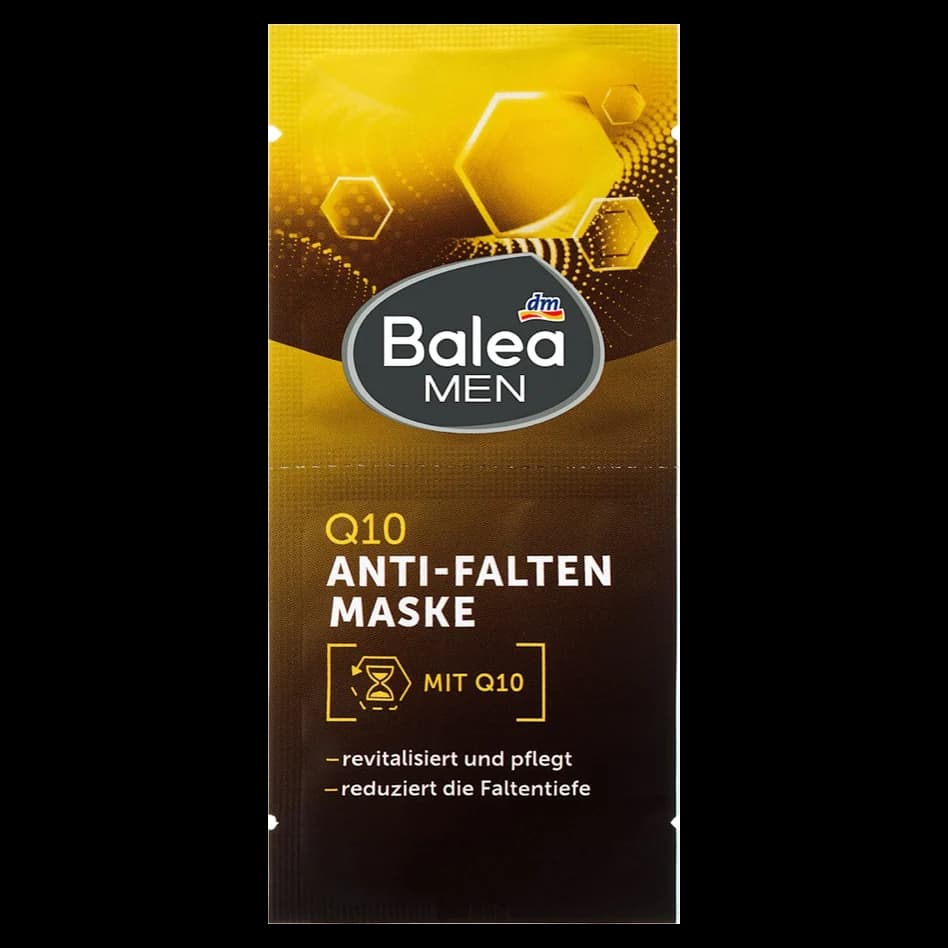
Balea MEN
Gesichtsmaske Q10 Anti-Falten
27th of 28 on the label
below ≈1%
Balea
Tuchmaske Aqua
13th of 18 on the label
below ≈1%
Balea
Tuchmaske Retinol
13th of 16 on the label
below ≈1%
Biodance
Refreshing Sea Kelp Real Deep Mask
25th of 43 on the label
below ≈1%
BIOMARIS
Super Rich Mask
14th of 19 on the label
below ≈1%
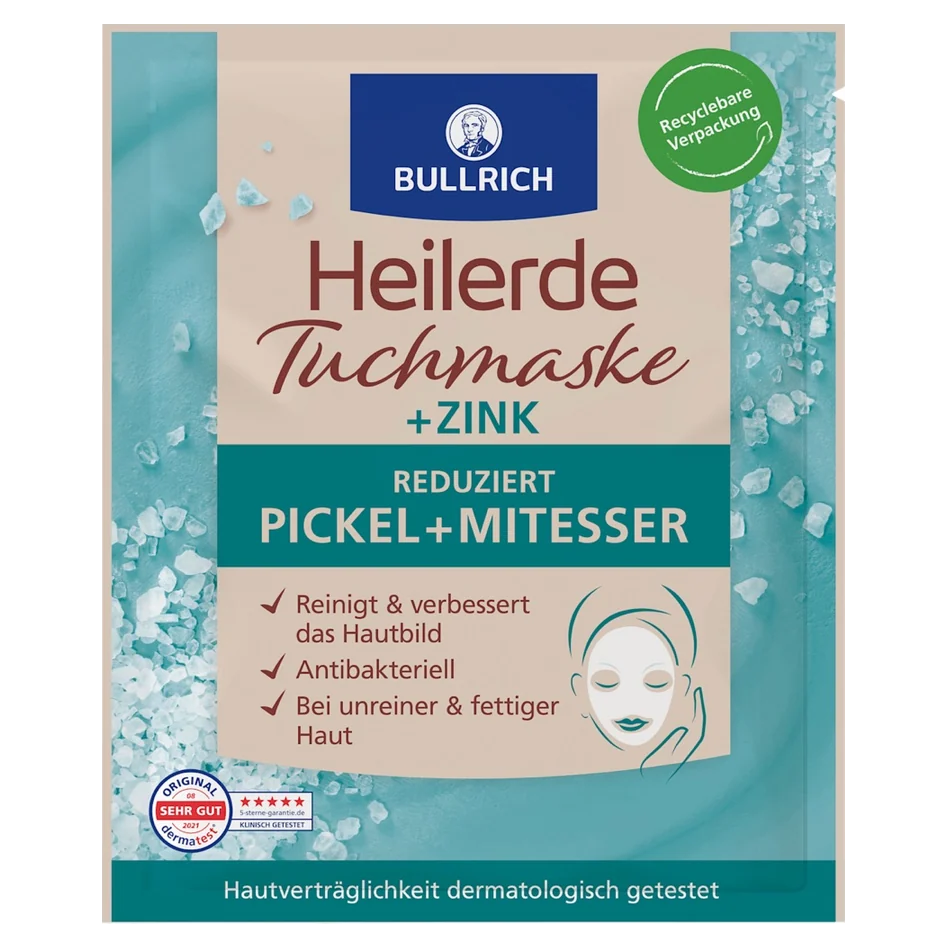
Bullrich
Tuchmaske Heilerde+Zink
8th of 19 on the label
below ≈1%
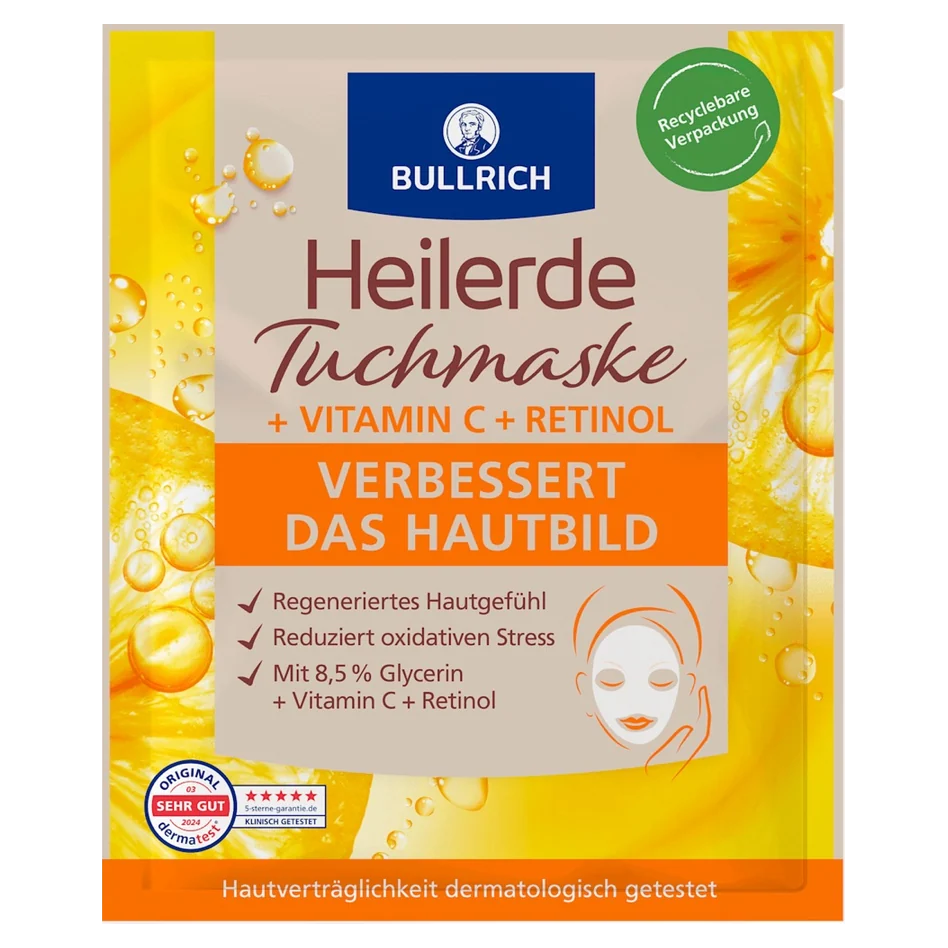
BULLRICH
Tuchmaske Vitamin C + Retinol
11th of 11 on the label
below ≈1%
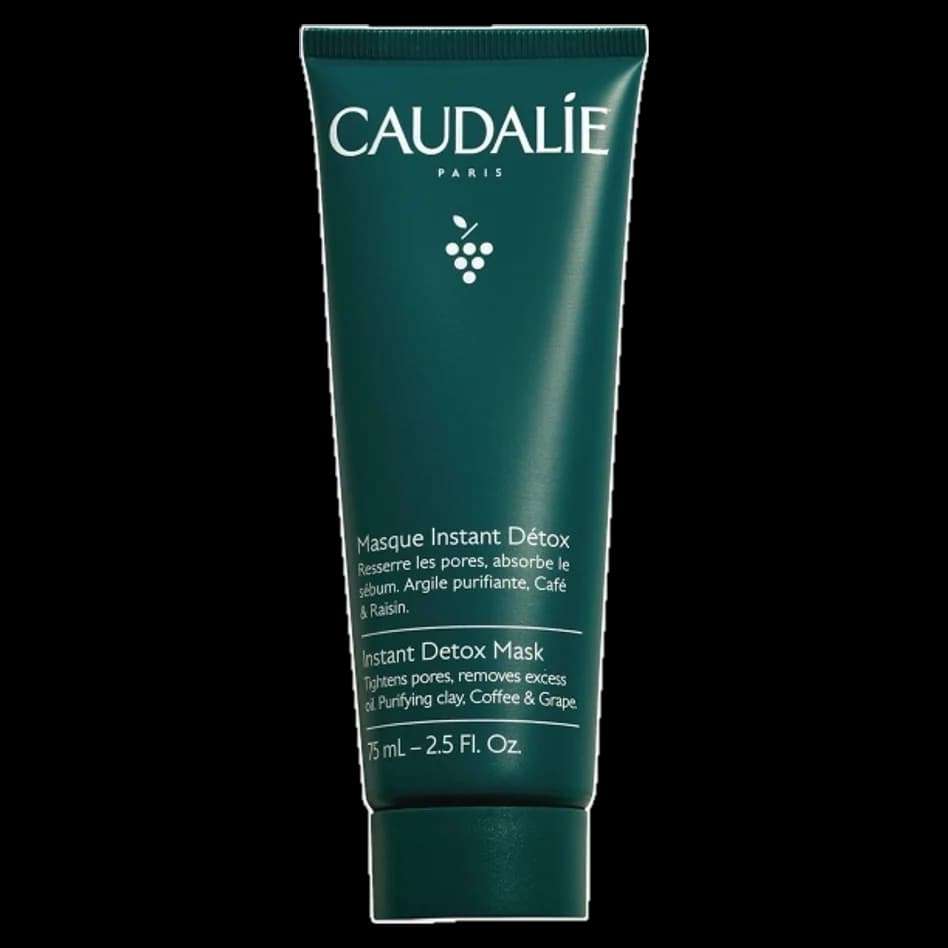
Caudalie
Vinergetic C+ Instant Detox Mask
16th of 33 on the label
below ≈1%
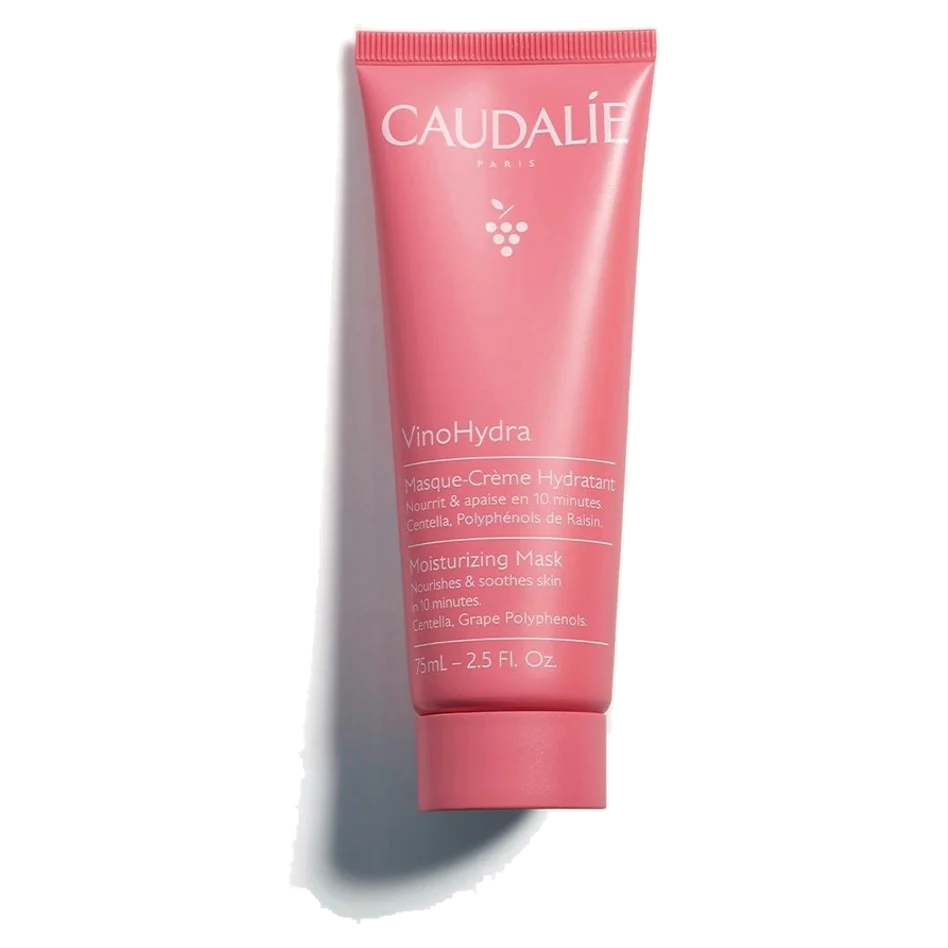
Caudalie
VinoHydra Moisturising Cream Mask (Masque-Creme Hydratant)
24th of 32 on the label
below ≈1%
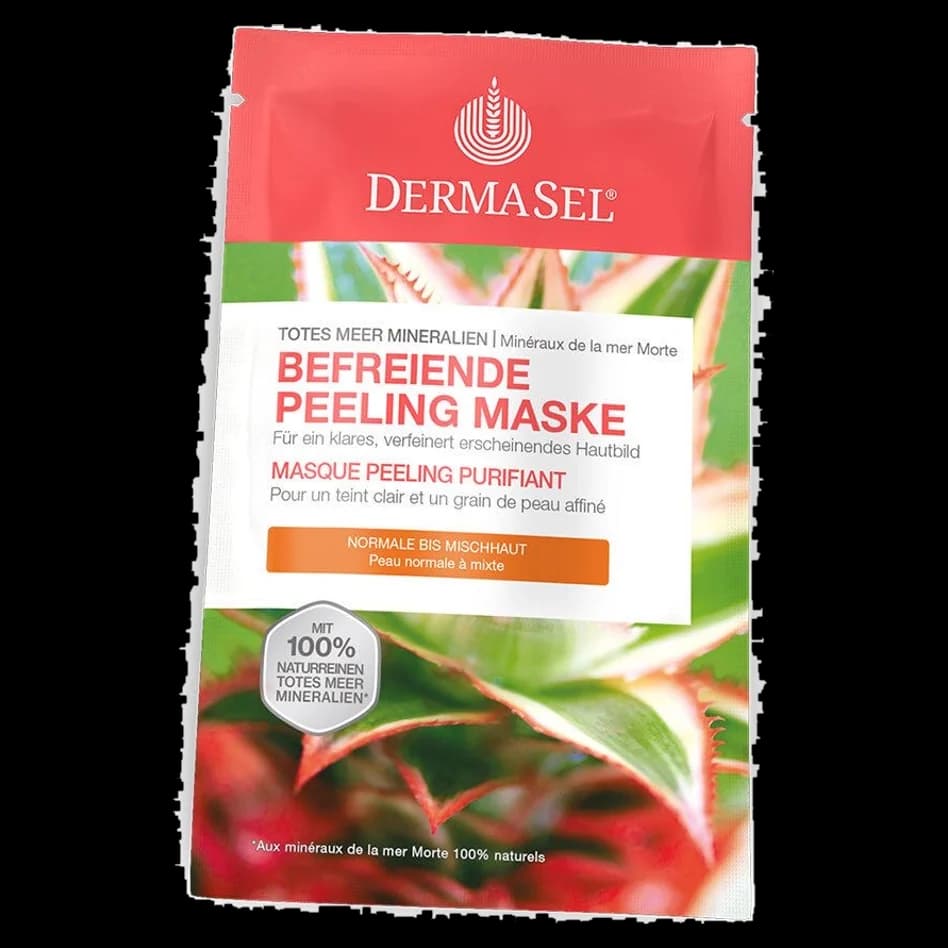
DERMASEL
SPA Totes Meer Maske Peeling
16th of 16 on the label
below ≈1%
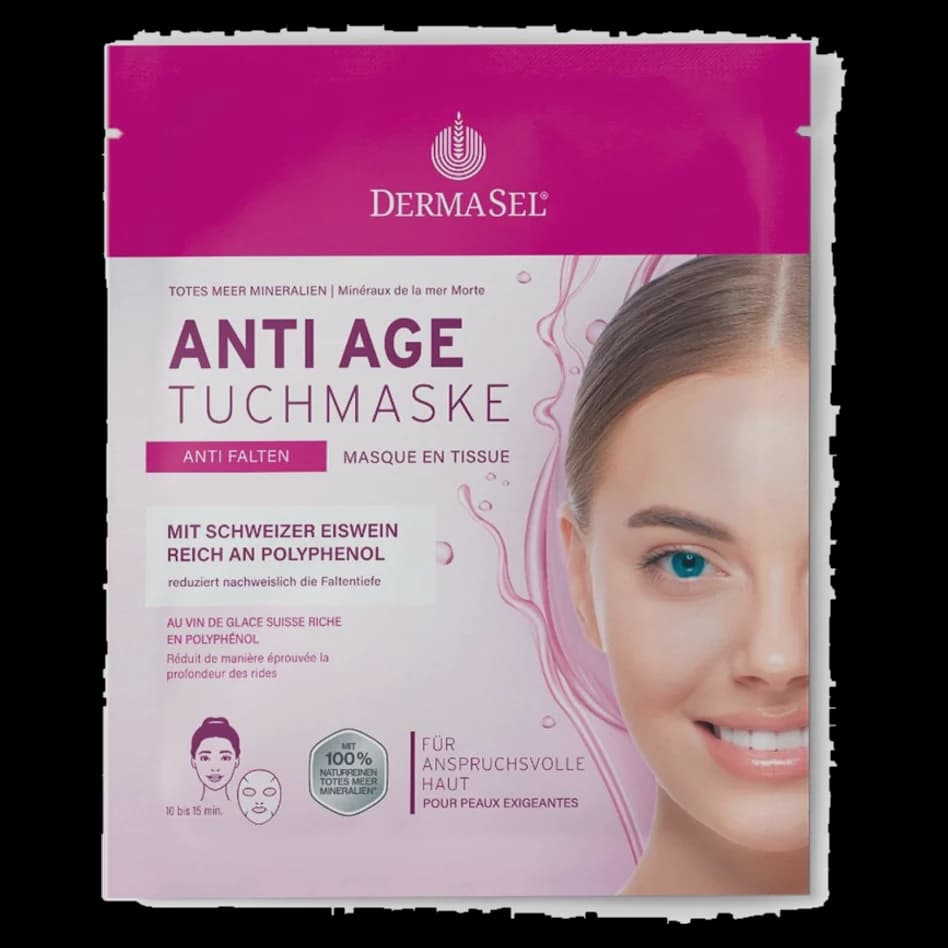
DERMASEL
Totes Meer Anti-Age Tuchmaske
18th of 23 on the label
below ≈1%
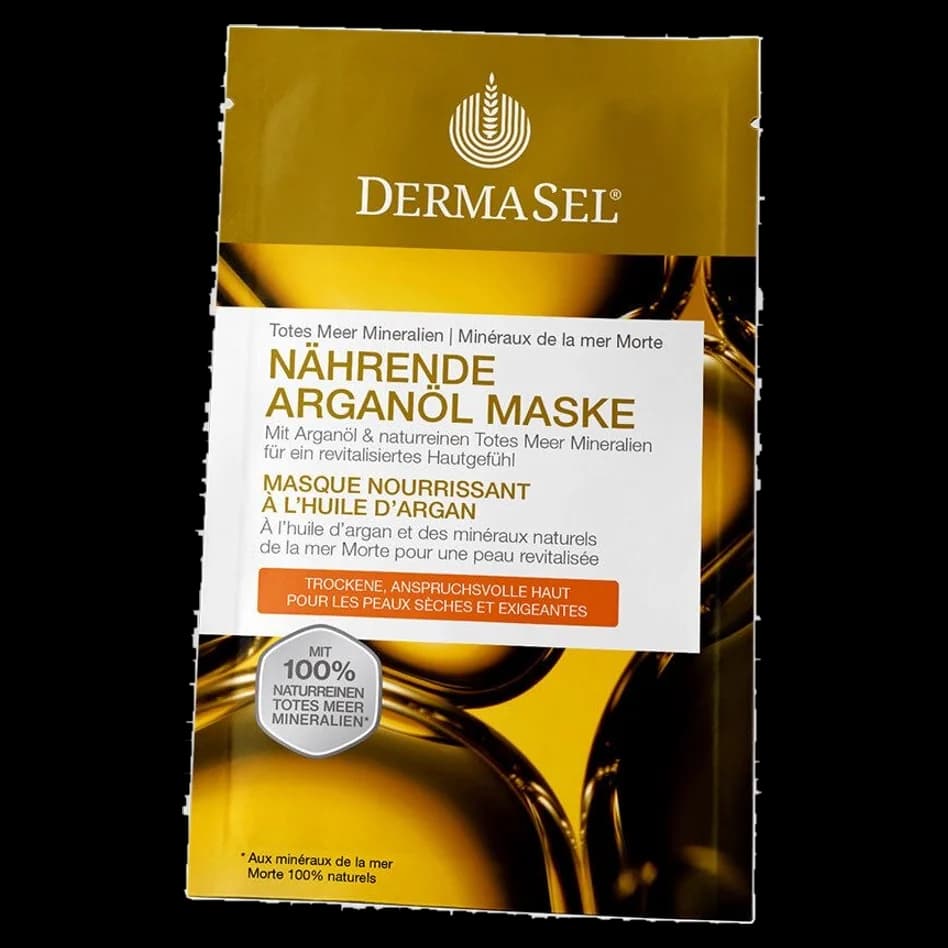
DERMASEL
Totes Meer Mineralien Nährende Arganöl Maske
29th of 29 on the label
below ≈1%
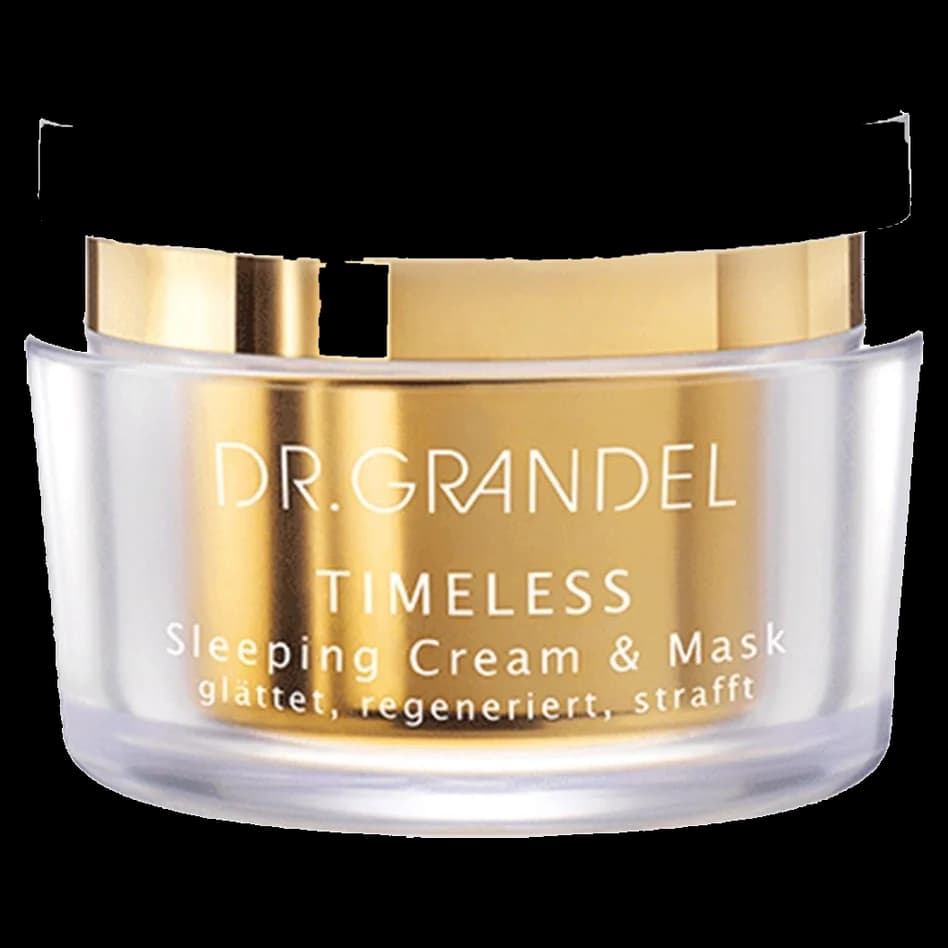
Dr. Grandel
Timeless Sleeping Cream & Mask
22nd of 35 on the label
below ≈1%
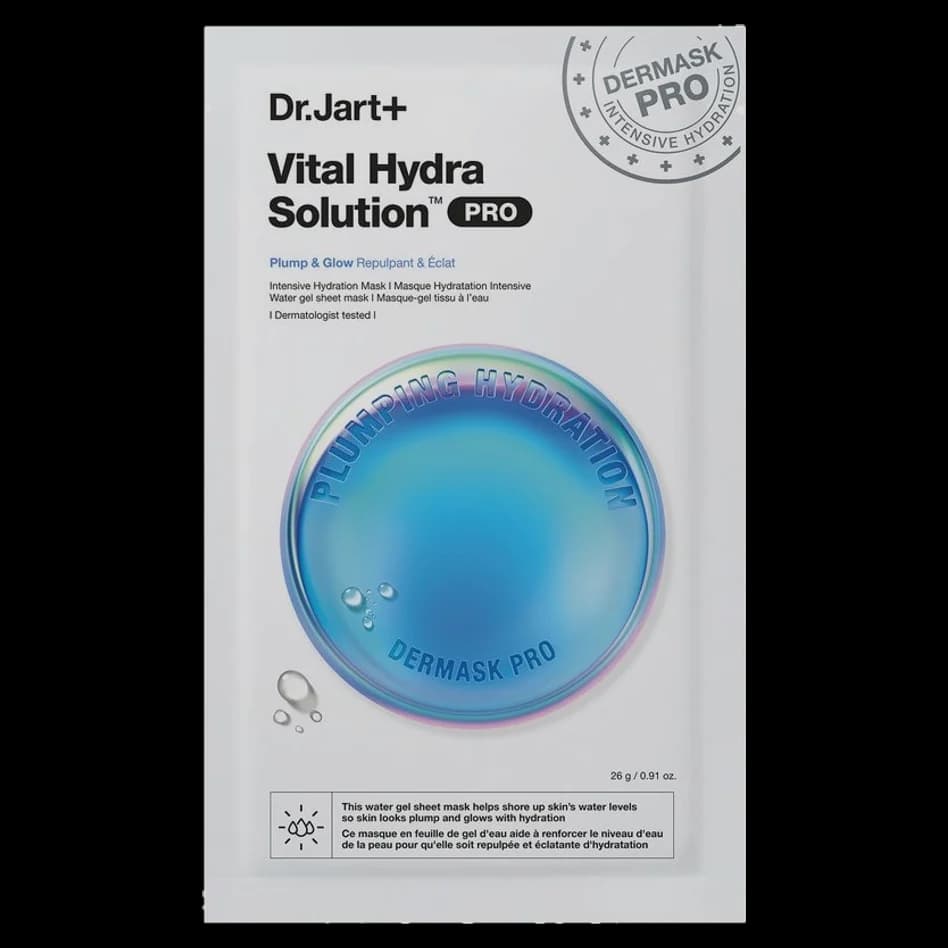
Dr.Jart+
Dermask Vital Hydra Solution Pro + Hyaluronic Acid
22nd of 25 on the label
below ≈1%
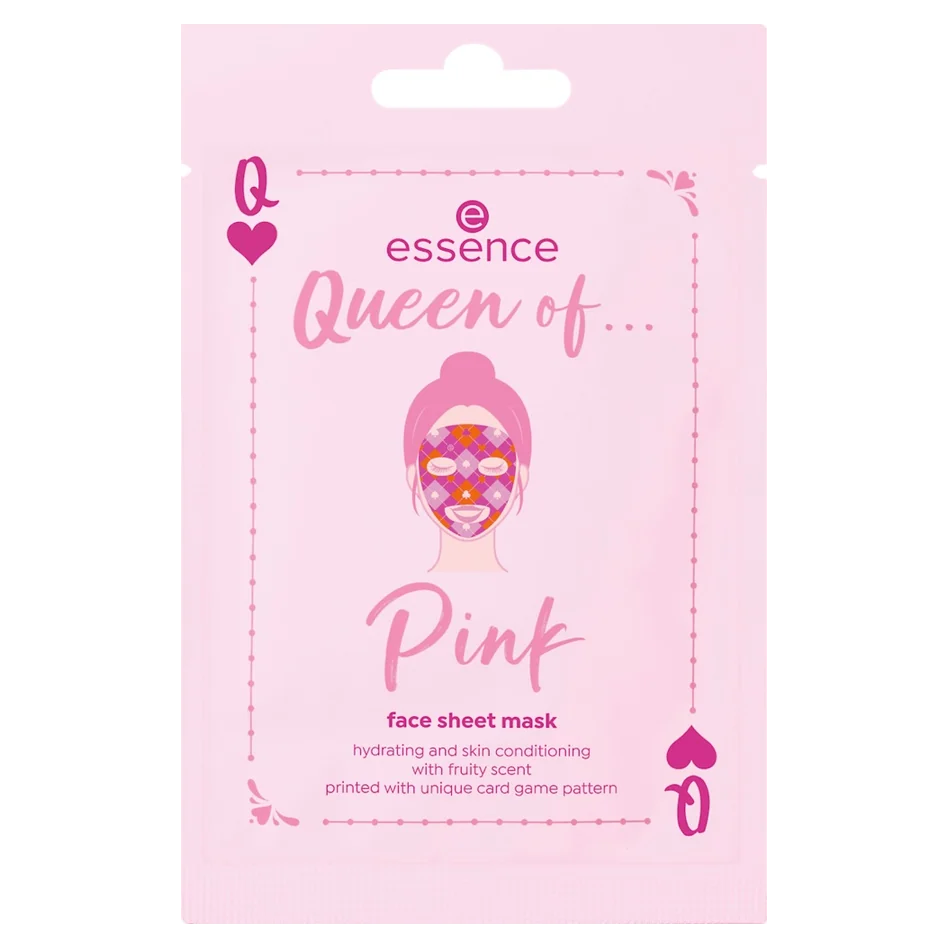
essence
Queen of Pink Face Sheet Mask 01 Keeping My Pink Poker Face
20th of 23 on the label
below ≈1%
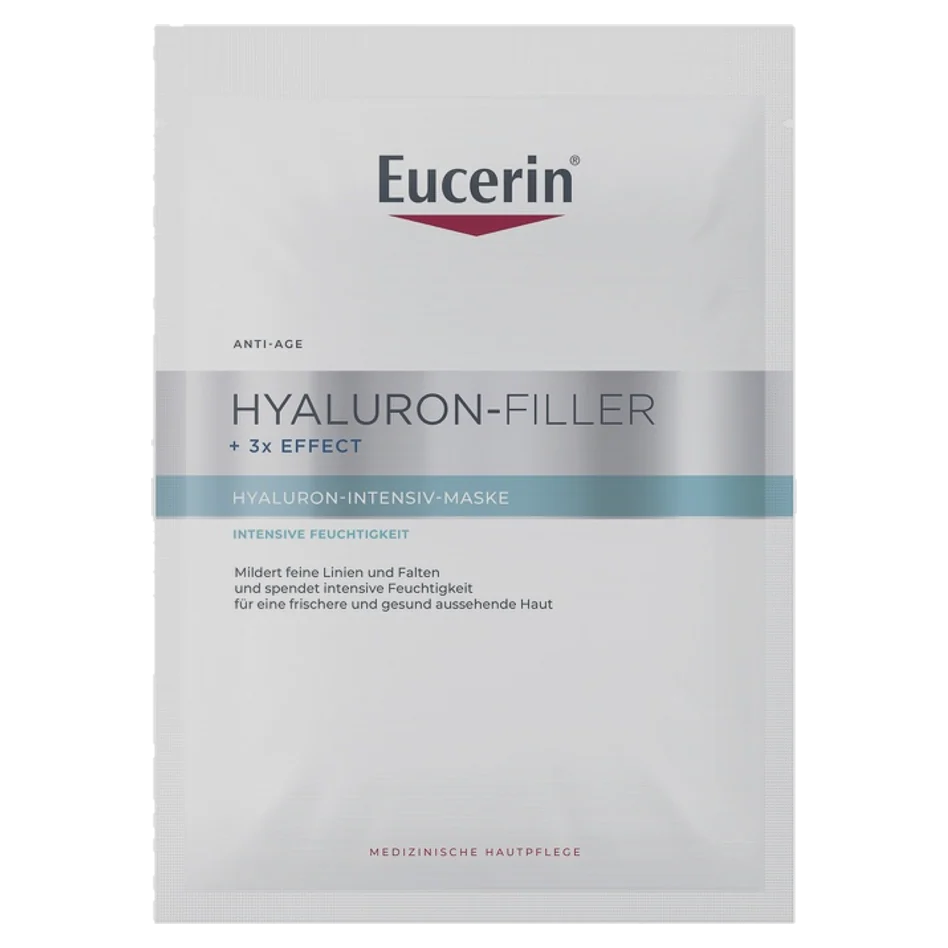
Eucerin
Hyaluron-Filler Hyaluron Intensive Mask
8th of 11 on the label
below ≈1%
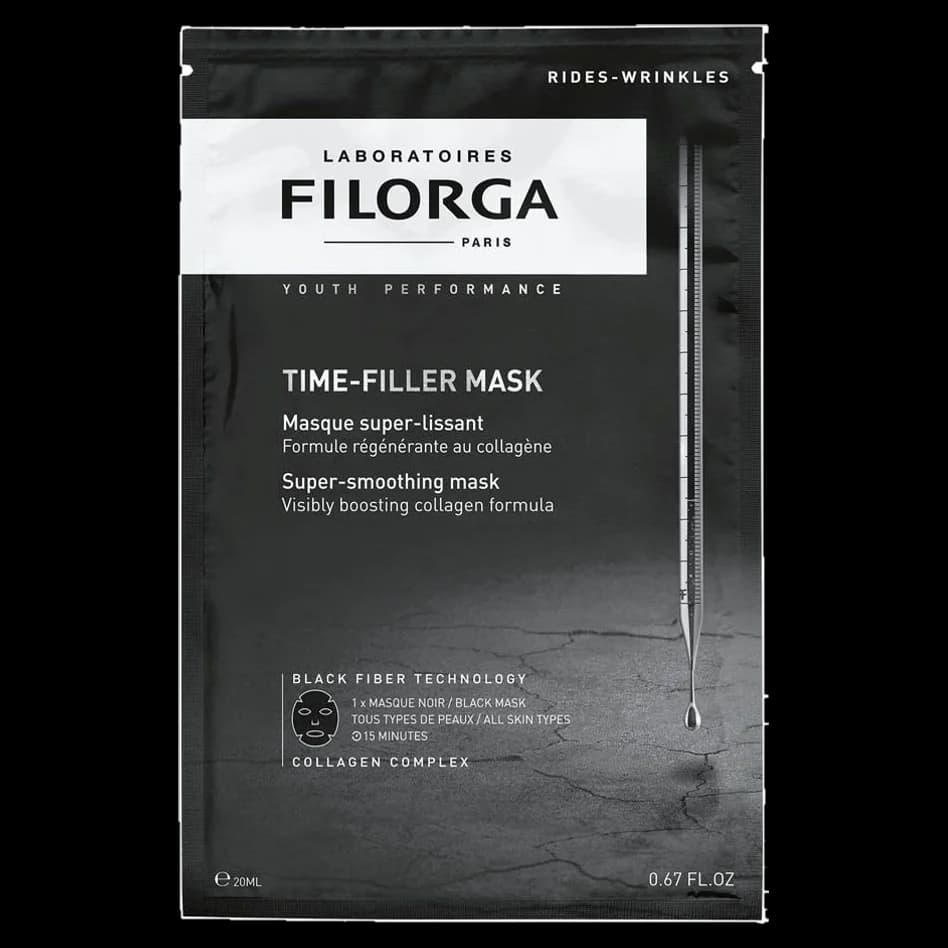
Filorga
Time-Filler Mask
11th of 20 on the label
below ≈1%
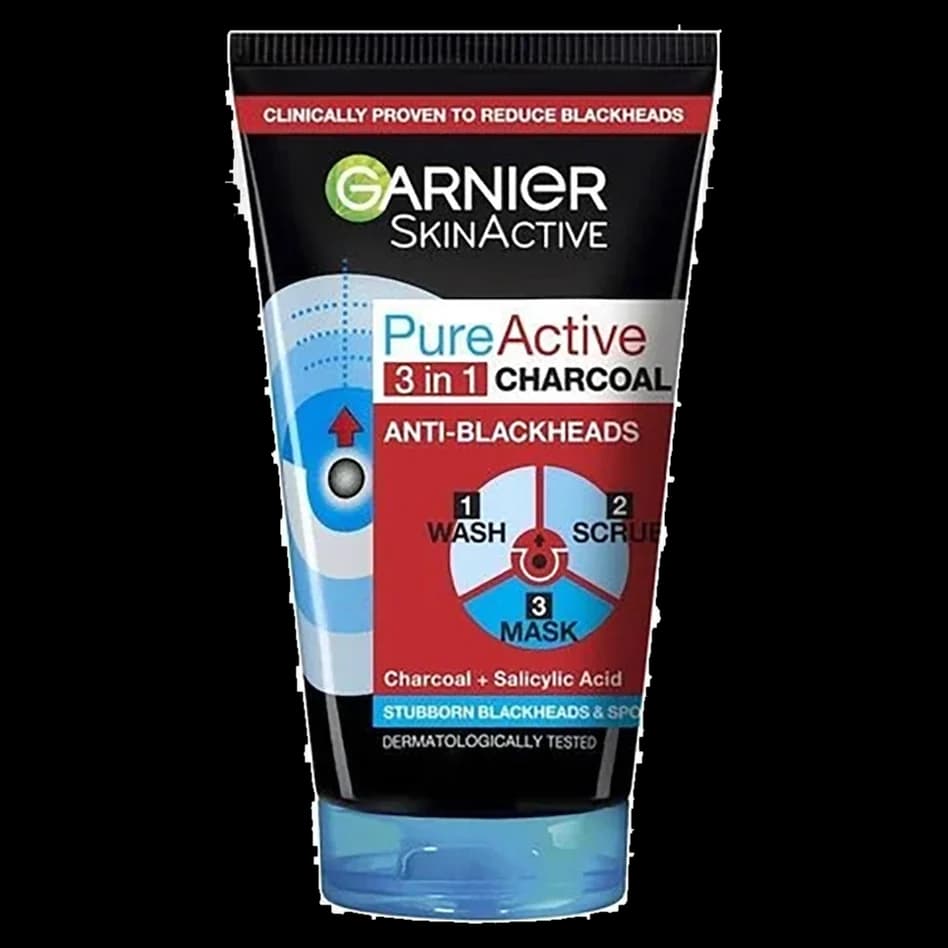
Garnier
Pure Active 3-in-1 Charcoal Wash, Scrub & Mask
16th of 25 on the label
below ≈1%
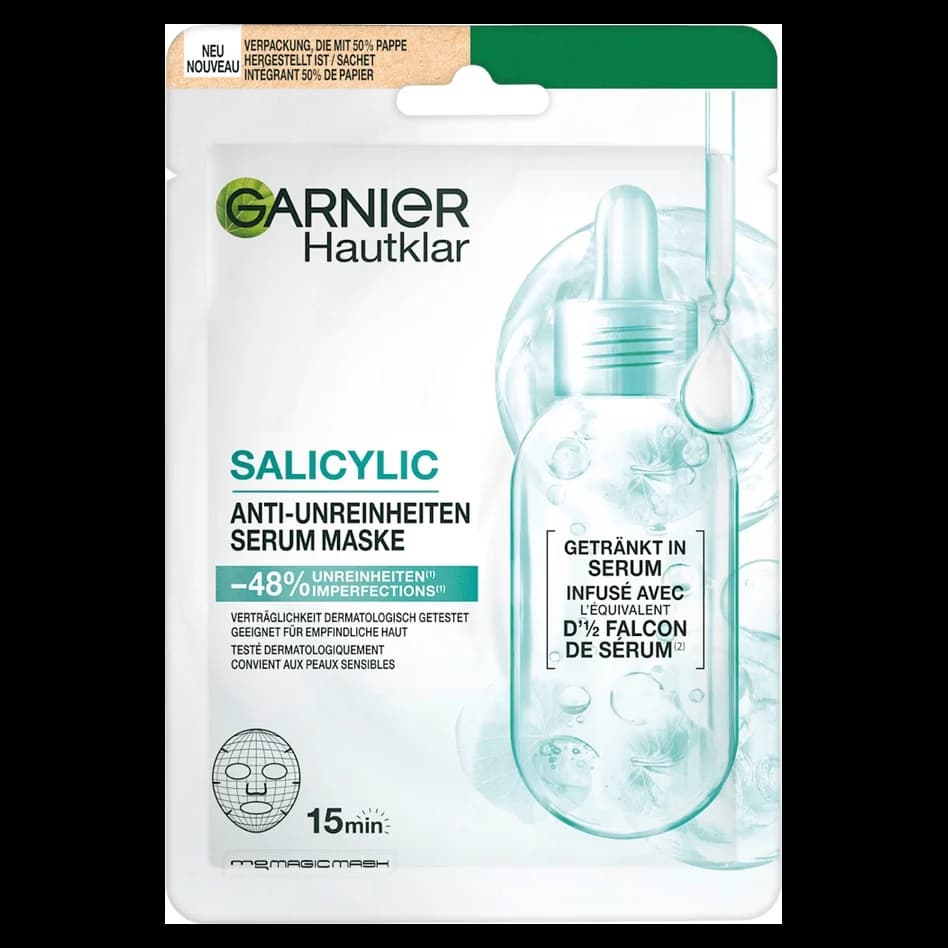
Garnier
Salicylic Tissue Mask
10th of 26 on the label
below ≈1%
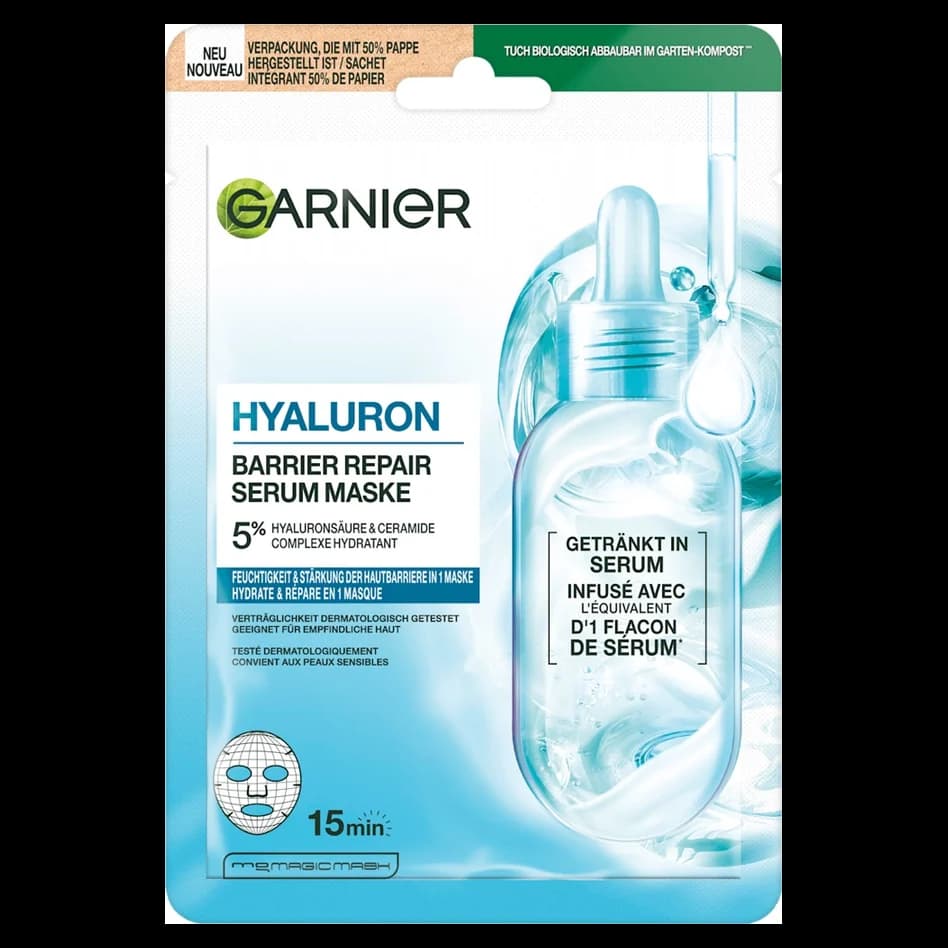
Garnier
SkinActive Hyaluronic Acid Barrier Repair Serum Tissue Mask
10th of 25 on the label
below ≈1%
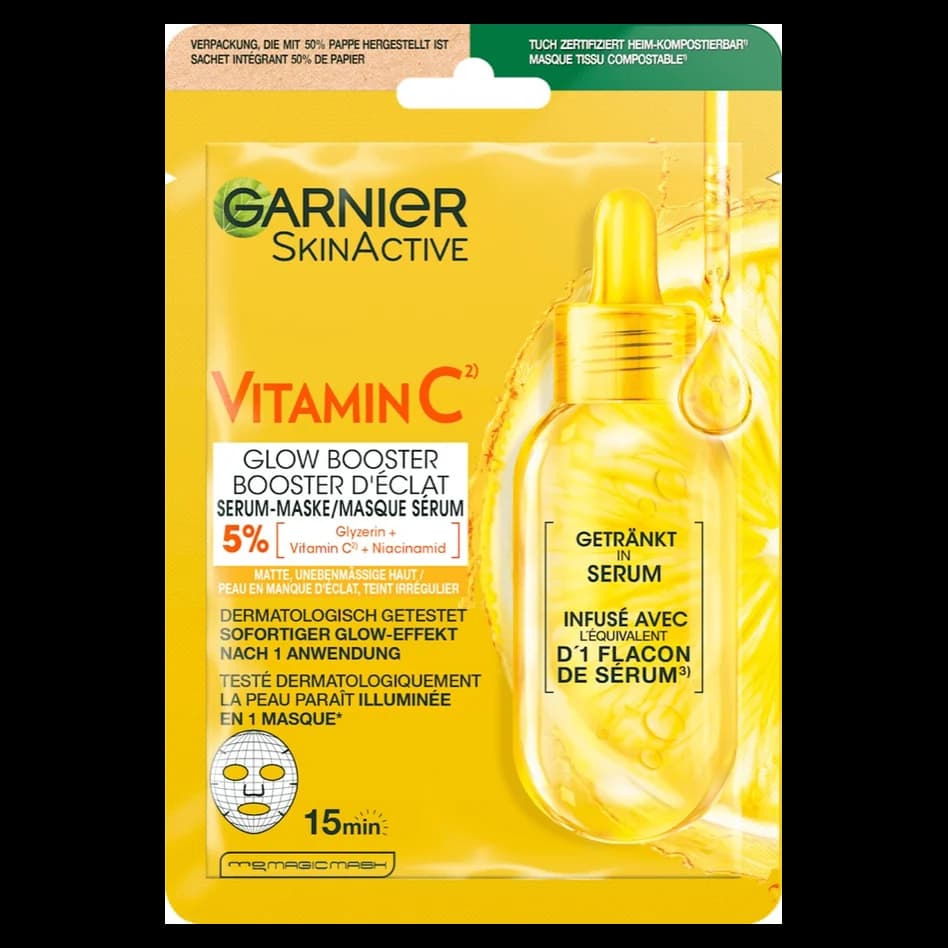
Garnier
SkinActive Vitamin C Tissue Mask
7th of 21 on the label
below ≈1%
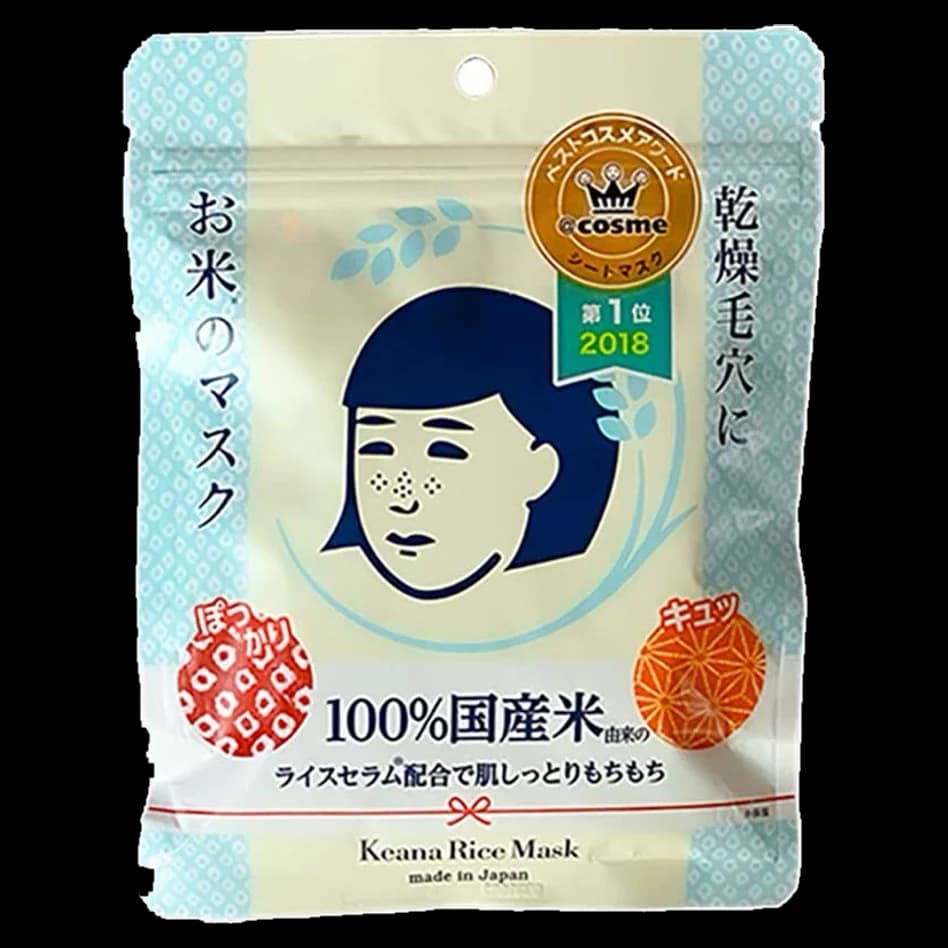
Ishizawa Lab
Keana Nadeshiko Rice Face Mask
12th of 15 on the label
below ≈1%
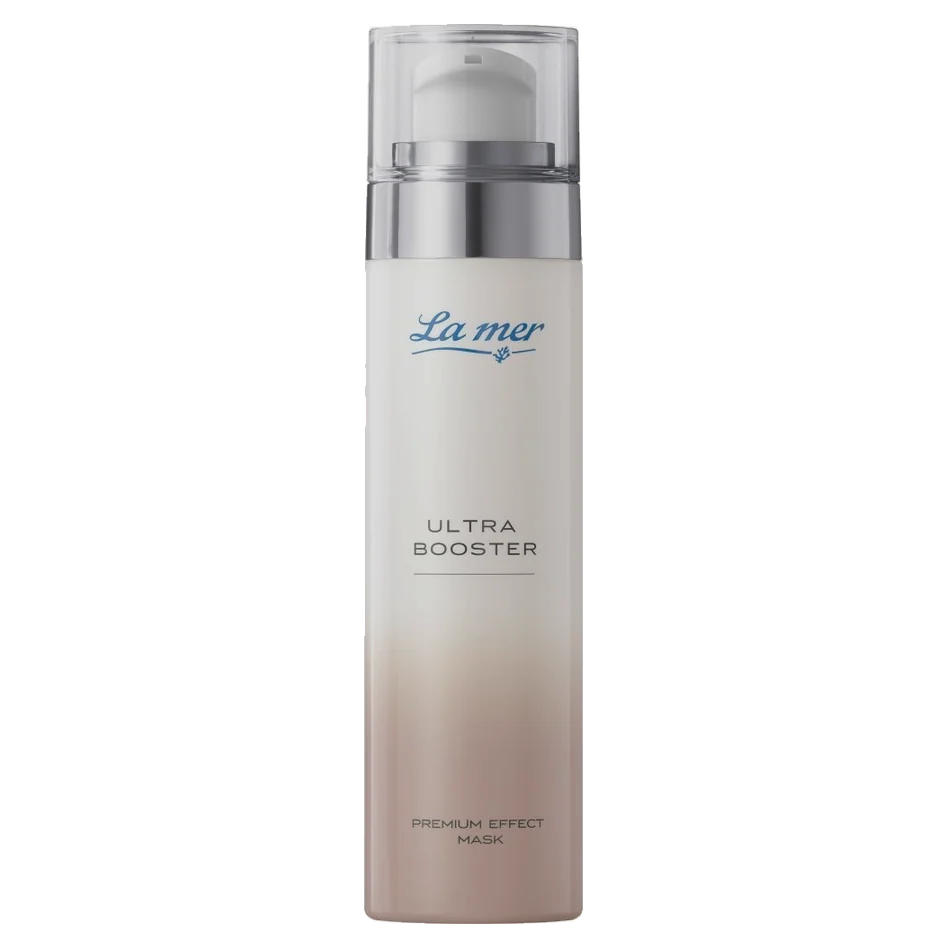
LA MER
Ultra Booster Premium Mask Effect
20th of 41 on the label
below ≈1%
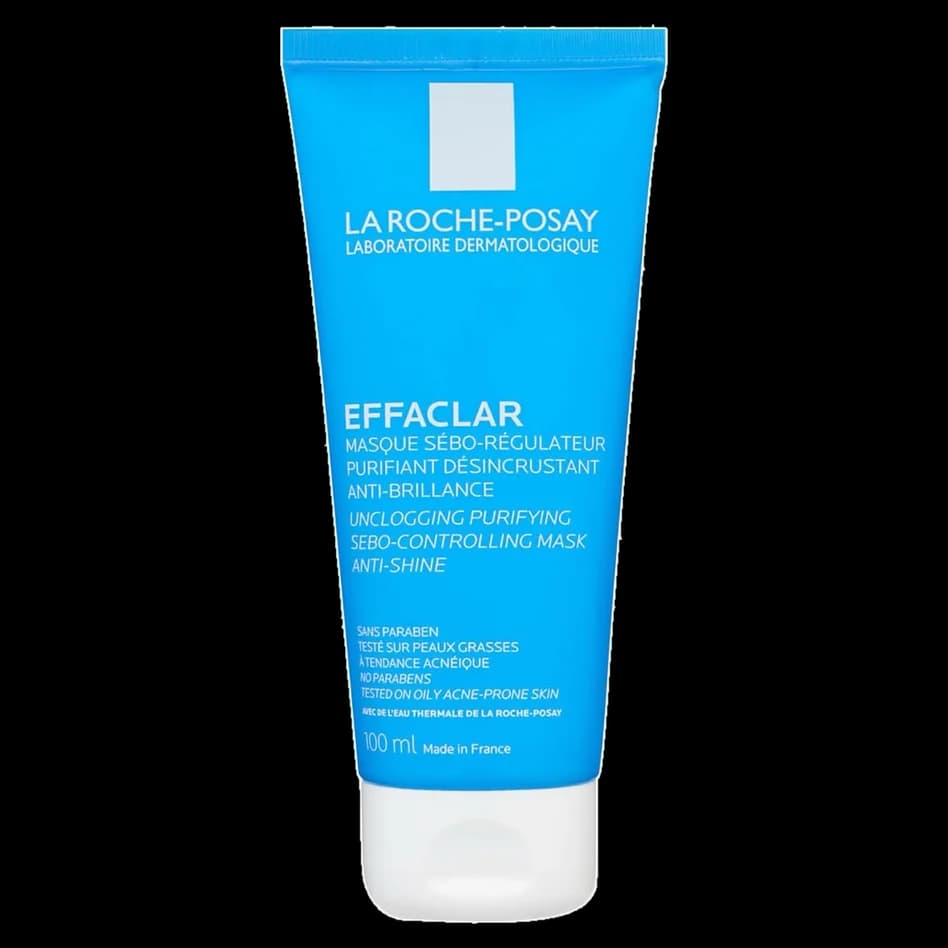
La Roche-Posay
Effaclar Purifying Clay Mask
16th of 20 on the label
below ≈1%
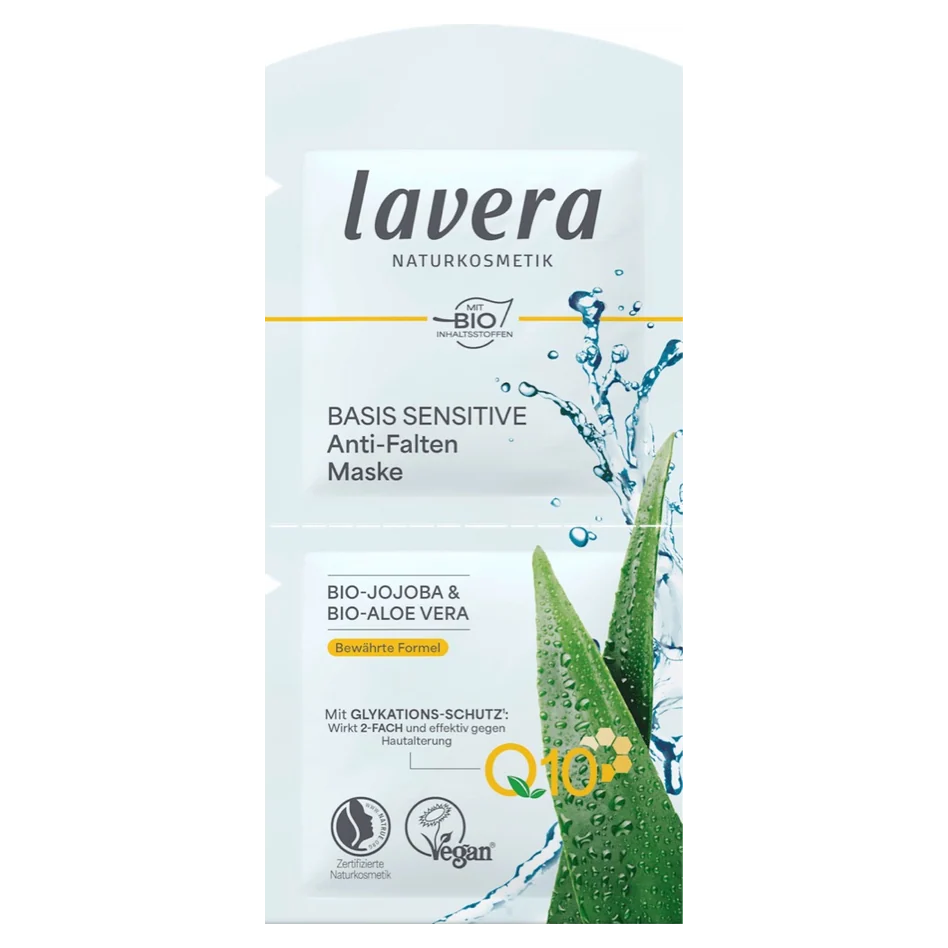
lavera
basis sensitiv Anti-Falten Gesichtsmaske
36th of 42 on the label
below ≈1%
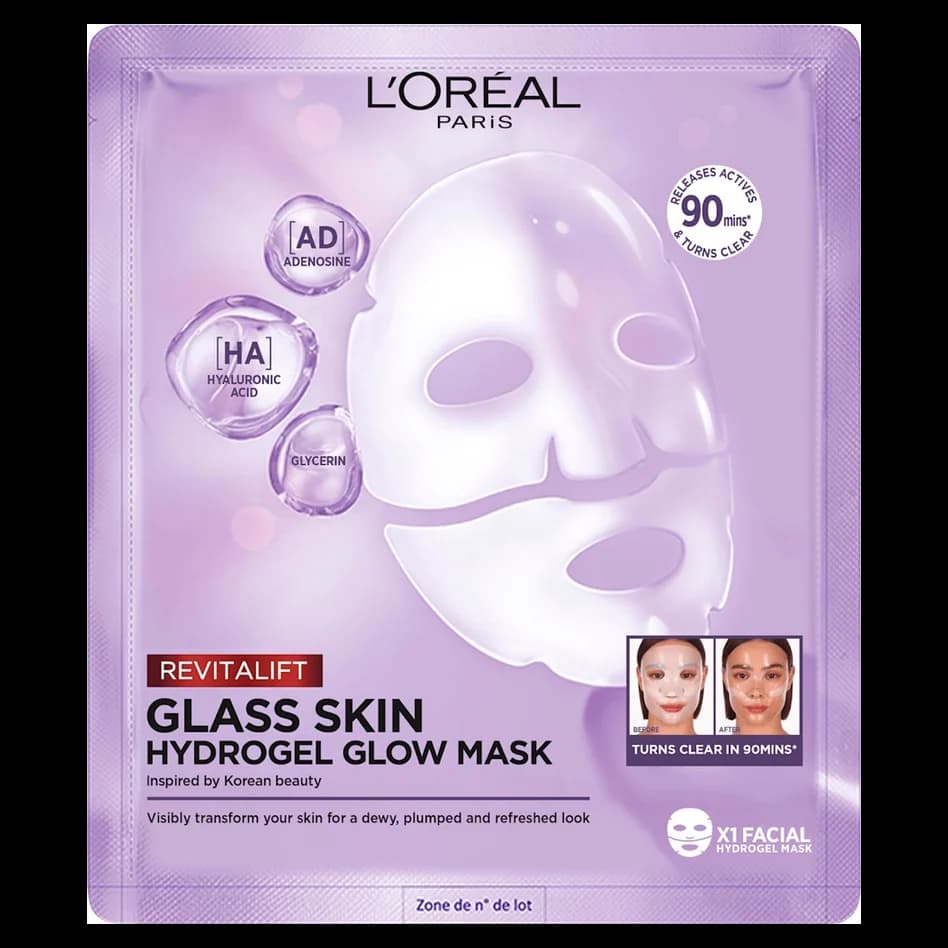
L'Oréal Paris
Revitalift Filler Glass Skin Hydrogel Glow Mask
19th of 32 on the label
below ≈1%
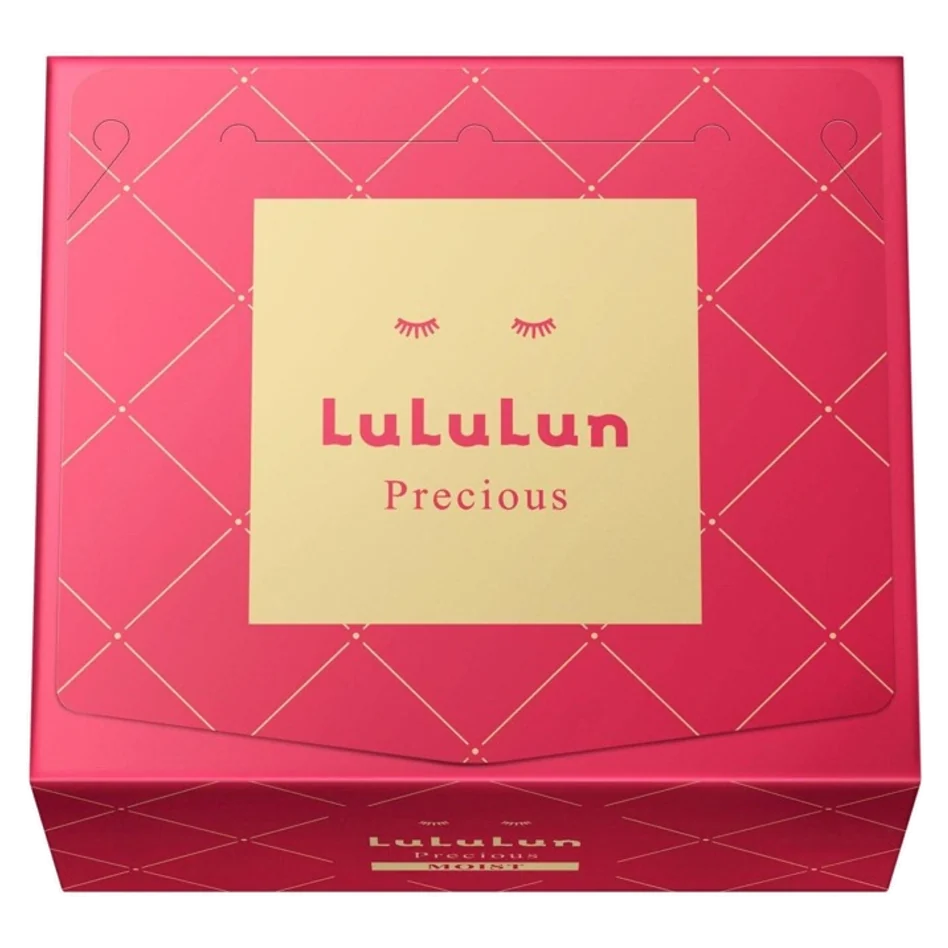
LuLuLun
Precious Face Mask Moist (Red)
23rd of 26 on the label
below ≈1%
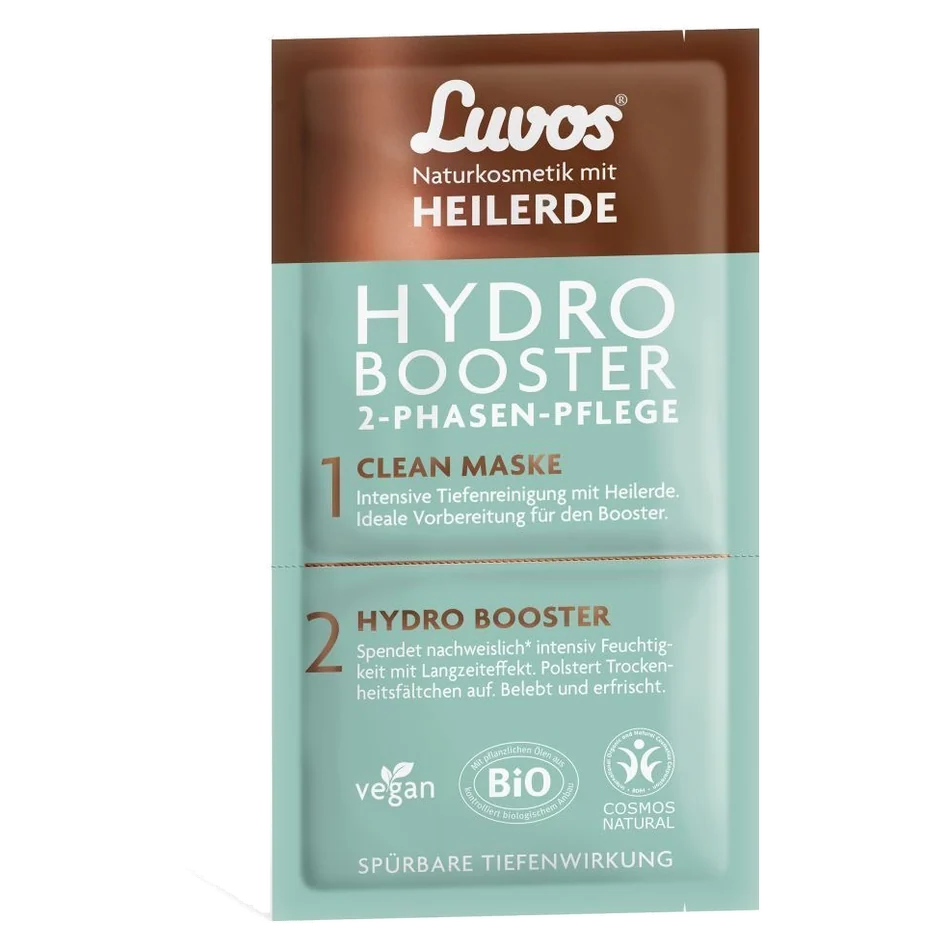
Luvos-Heilerde
Hydro Booster mit Clean Maske
59th of 63 on the label
below ≈1%
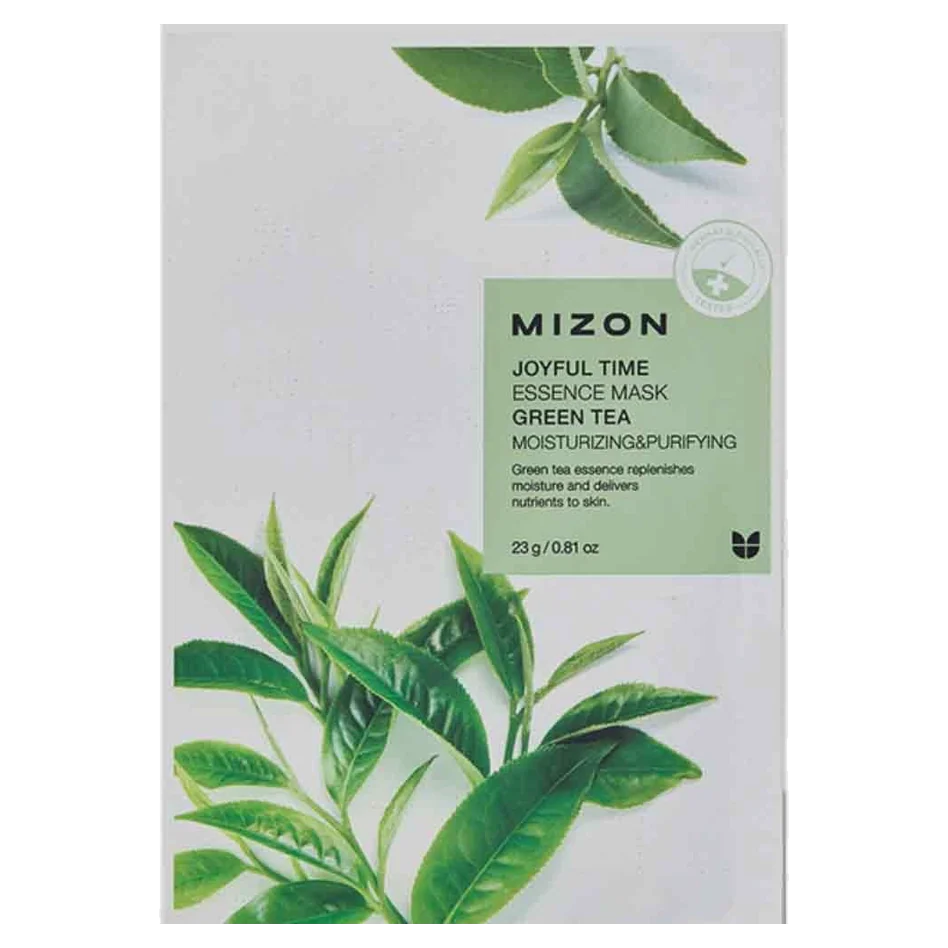
MIZON
Joyful Time Essence Mask Green Tea
15th of 26 on the label
below ≈1%
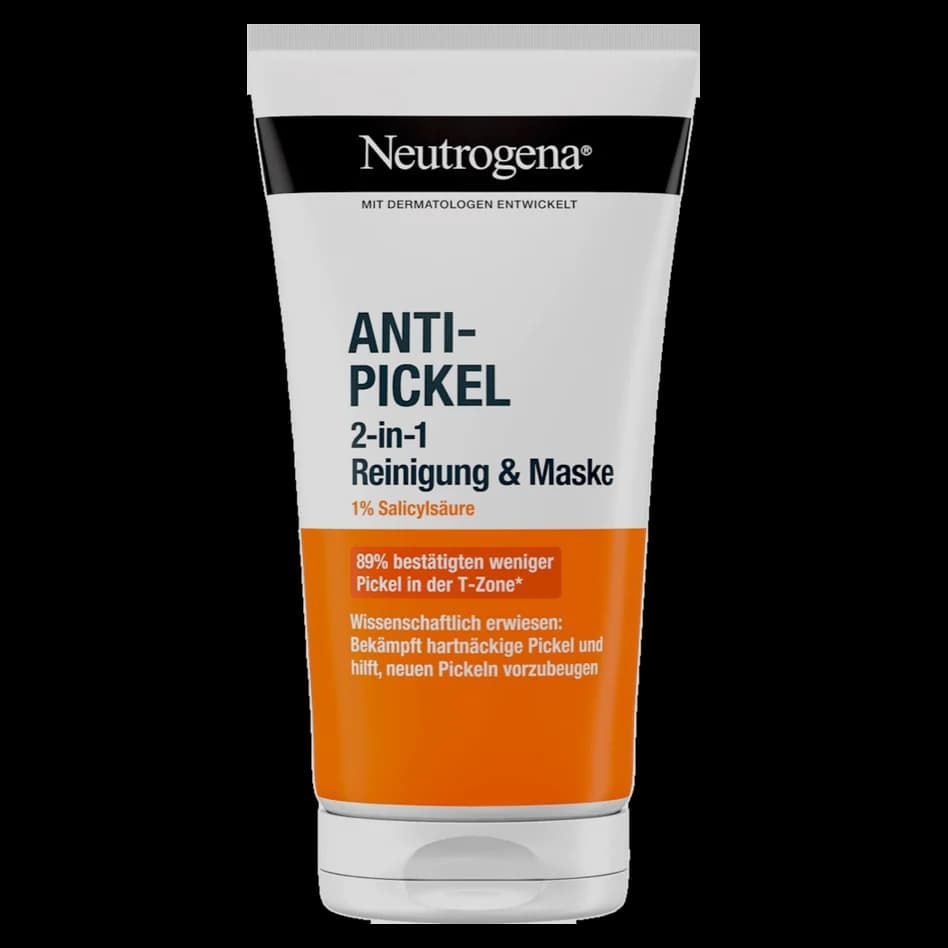
Neutrogena
Anti Pickel Gesichtsmaske 2in1
18th of 23 on the label
below ≈1%
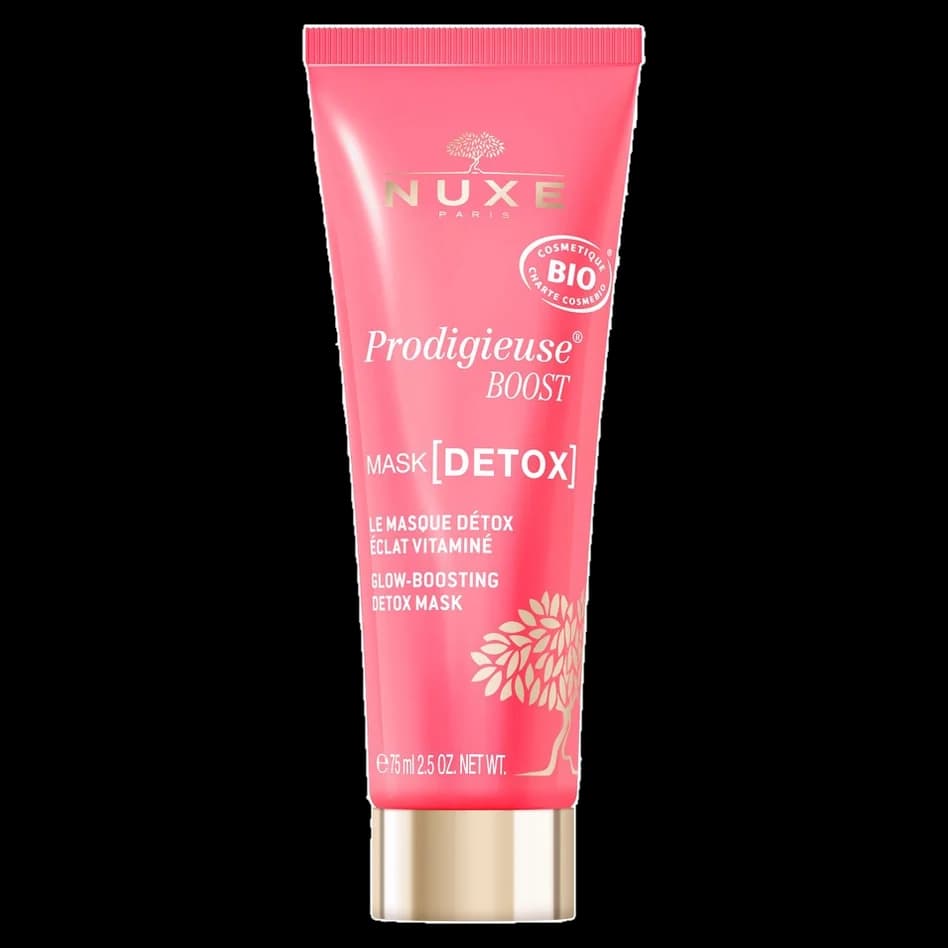
NUXE
Prodigieuse Boost Clarifying Detox Mask
13th of 14 on the label
below ≈1%
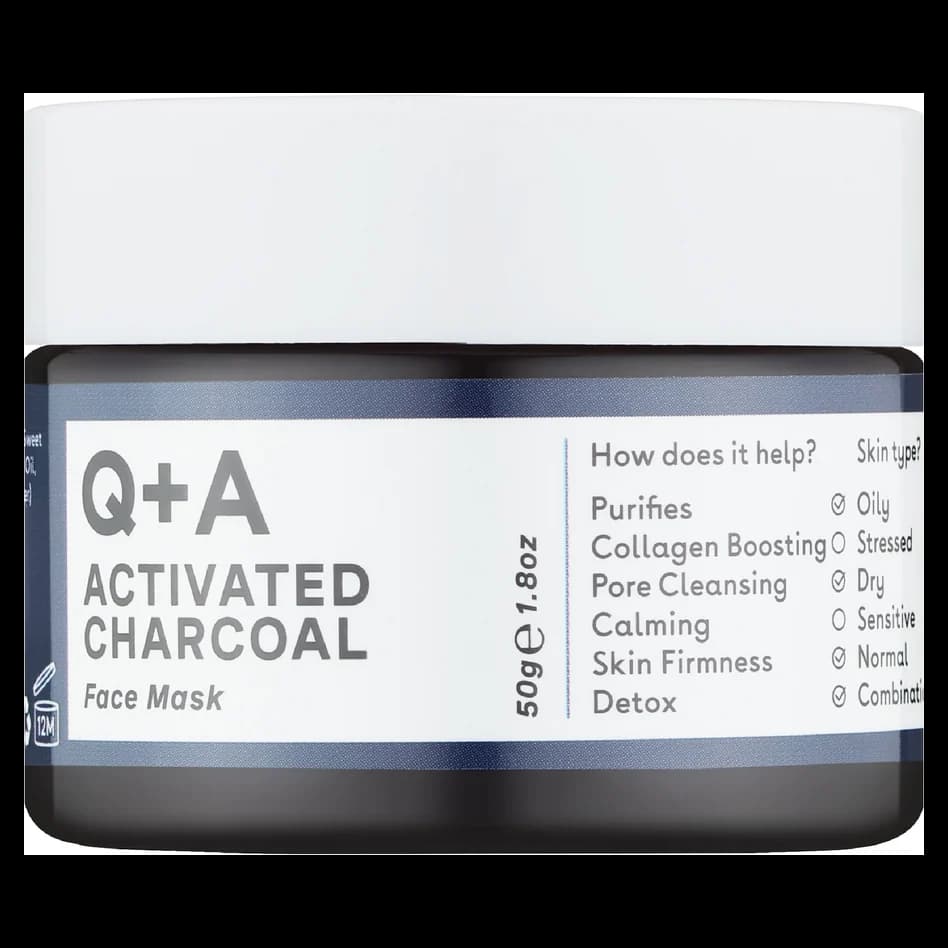
Q+A
Activated Charcoal Face Mask
18th of 18 on the label
below ≈1%
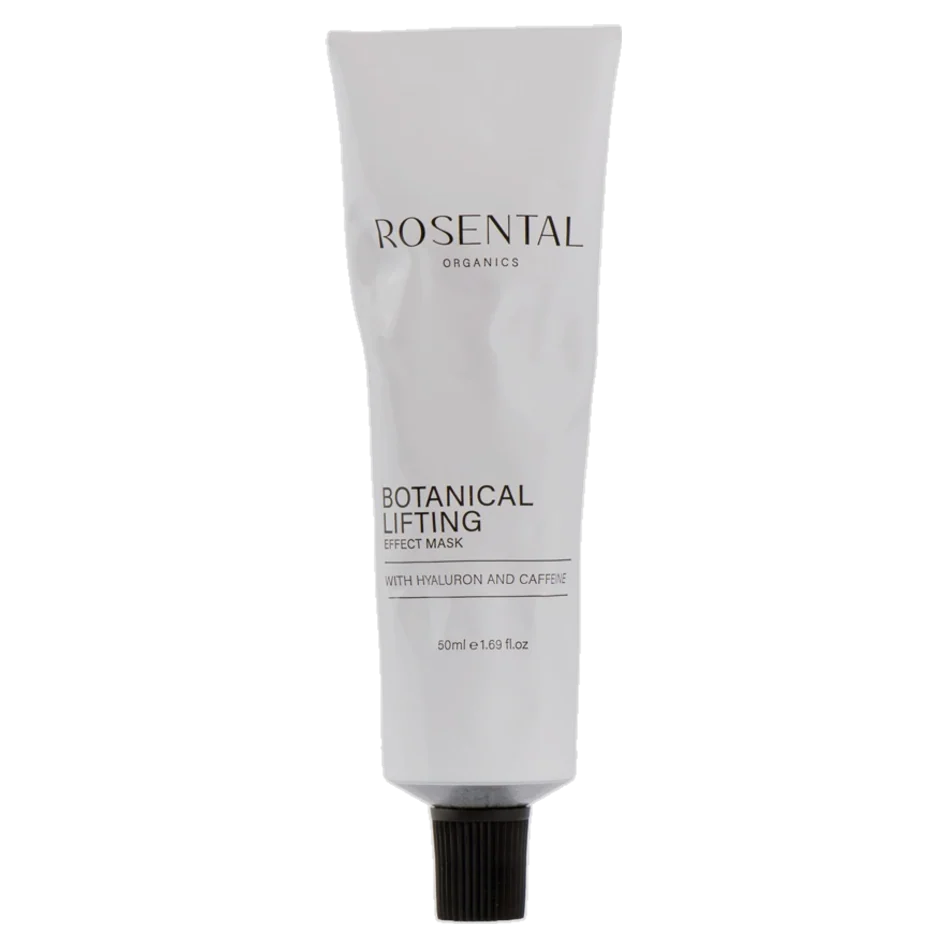
Rosental Organics
Botanical Lifting Effect Mask
28th of 28 on the label
below ≈1%
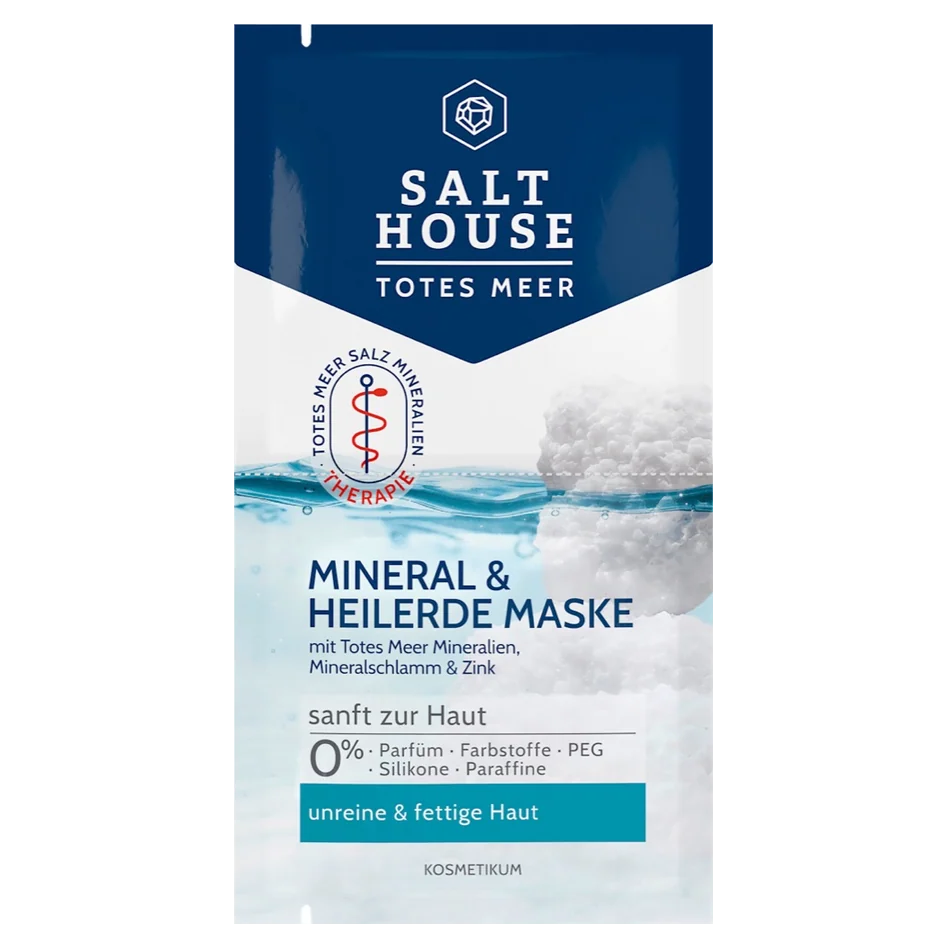
Salthouse
Totes Meer Therapie Gesichtsmaske Mineral & Heilerde
6th of 17 on the label
below ≈1%
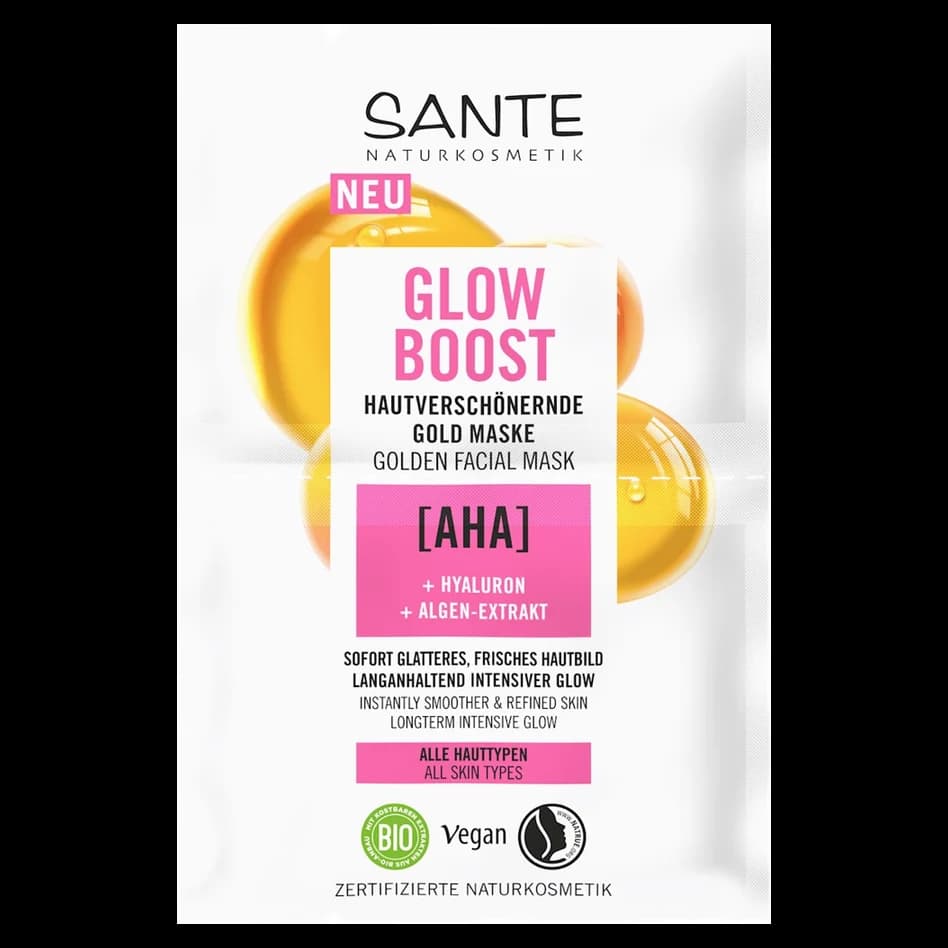
Santé Naturkosmetik
Glow Boost Maske AHA
20th of 29 on the label
below ≈1%
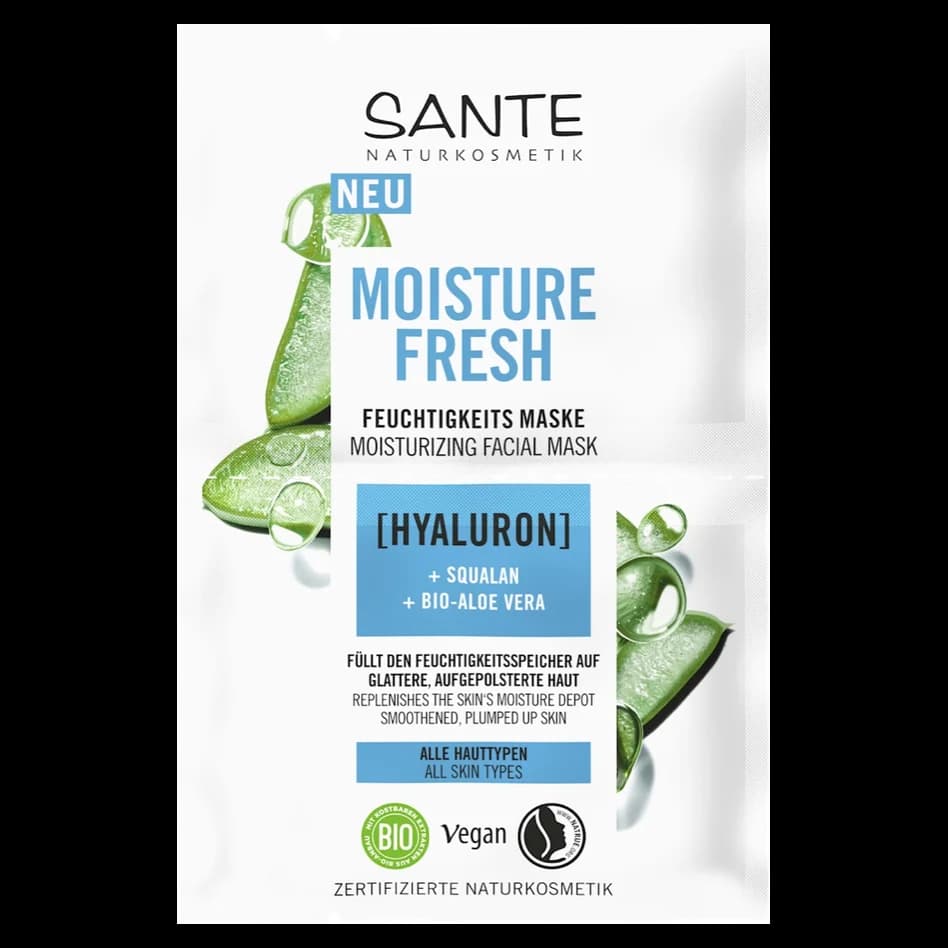
Santé Naturkosmetik
Moisture Fresh Maske Hyaluron
18th of 24 on the label
below ≈1%
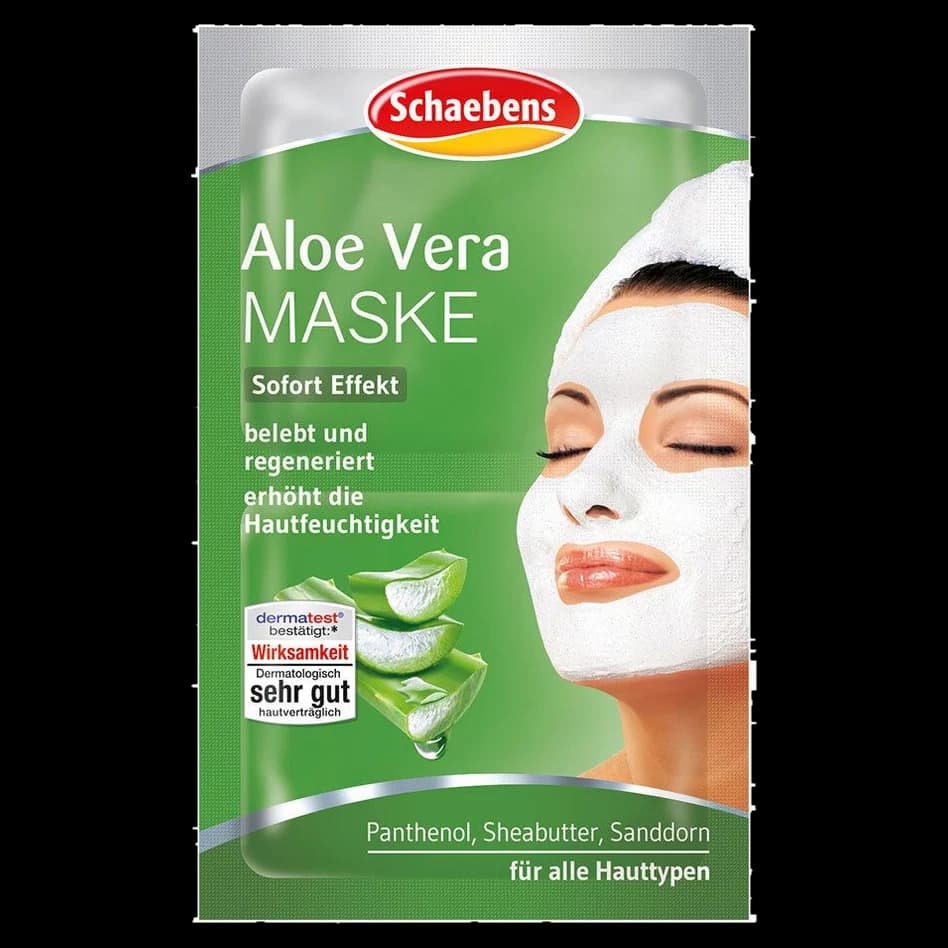
Schaebens
Aloe Vera Maske
19th of 34 on the label
below ≈1%
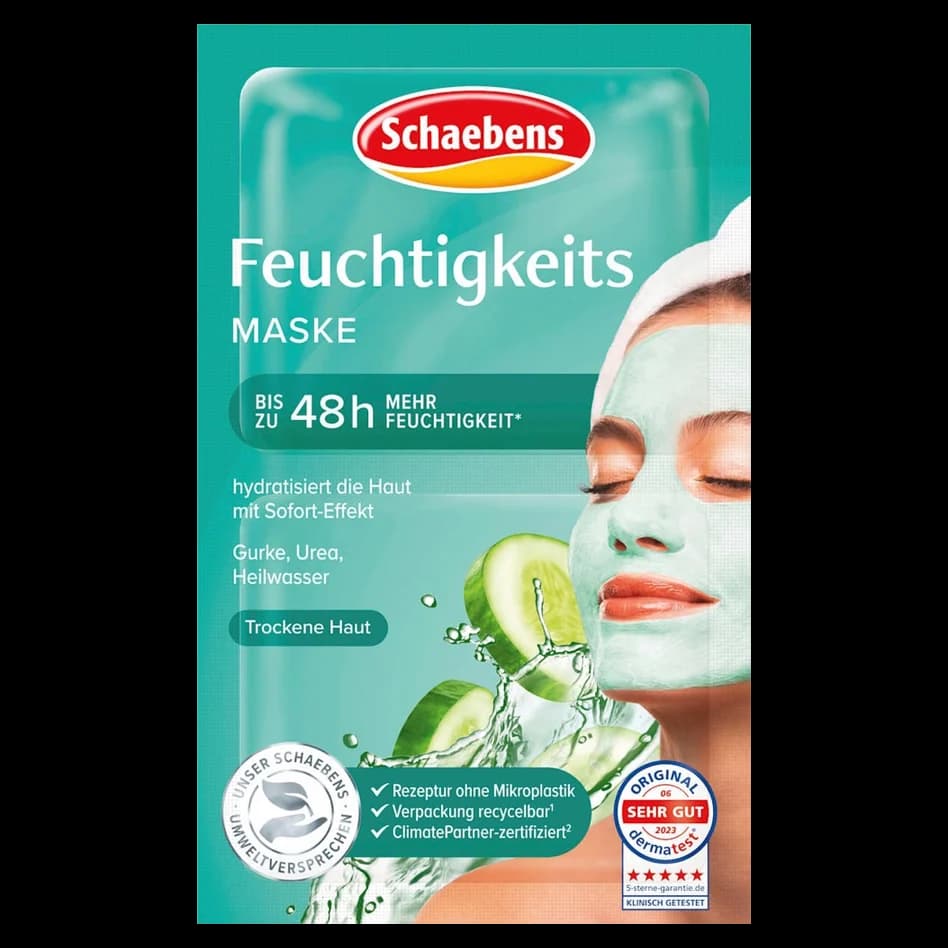
Schaebens
Gesichtsmaske Feuchtigkeit Sofort-Effekt
20th of 38 on the label
below ≈1%
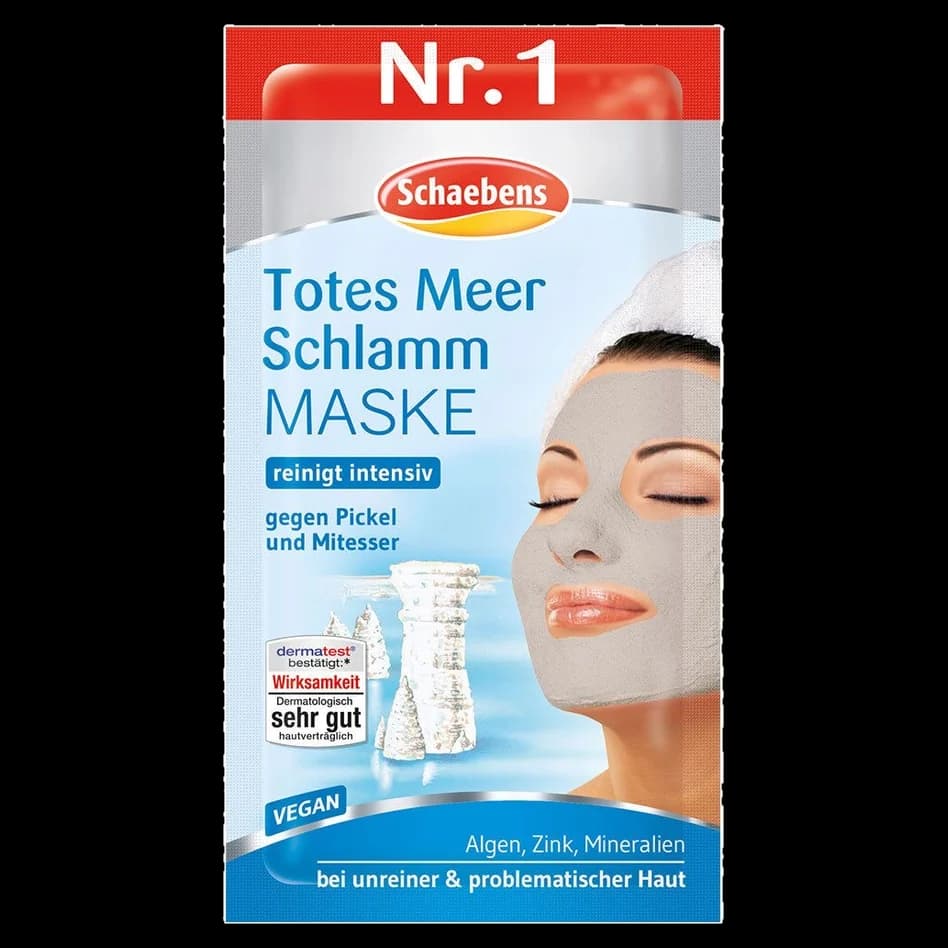
Schaebens
Totes Meer Schlamm Maske
4th of 14 on the label
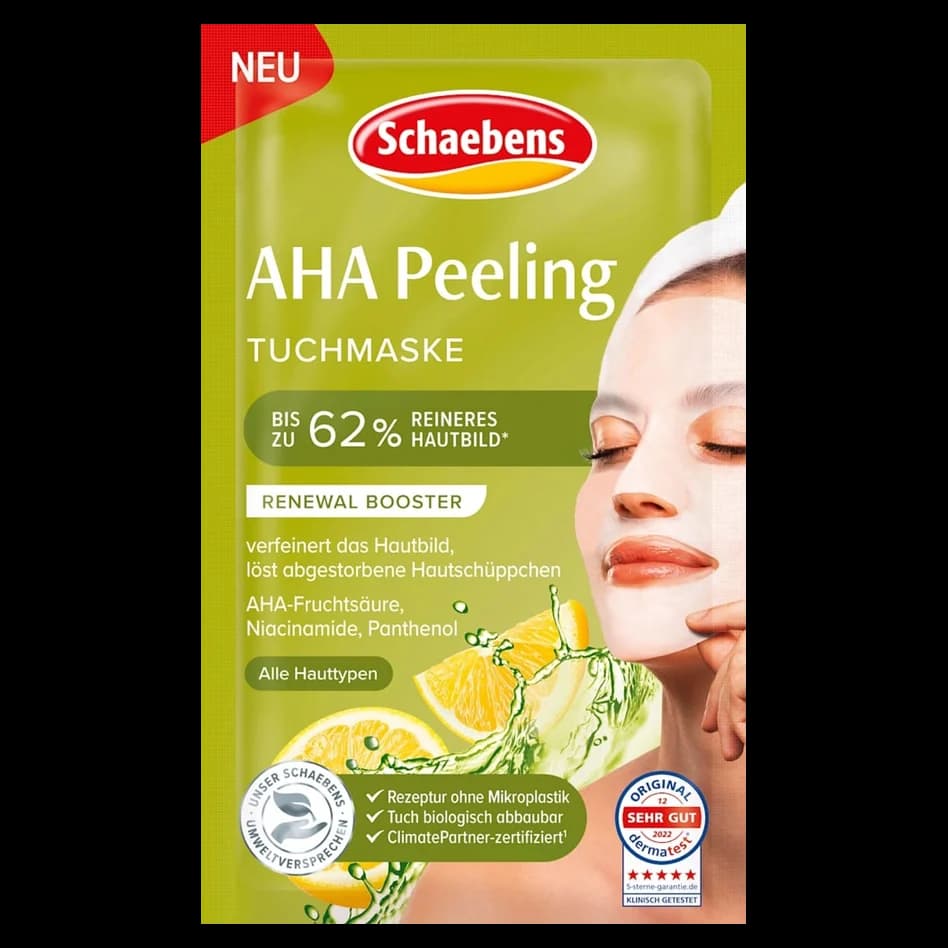
Schaebens
Tuchmaske AHA Peeling
13th of 17 on the label
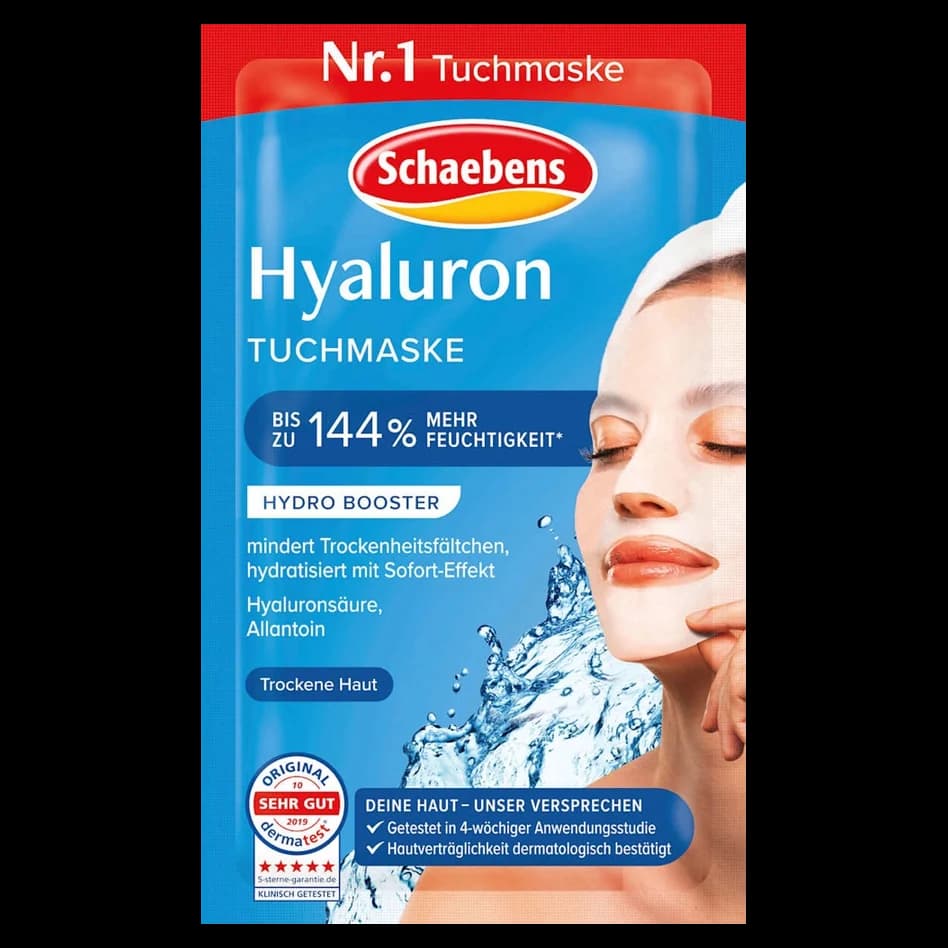
Schaebens
Tuchmaske Hyaluron
13th of 23 on the label
Schaebens
Tuchmaske Jelly Ceramide
21st of 29 on the label
Schaebens
Tuchmaske Kollagen Boost
18th of 27 on the label
Schaebens
Tuchmaske Kollagen Hydrogel
16th of 27 on the label
below ≈1%
Schaebens
Tuchmaske Melon Love
29th of 45 on the label
Schaebens
Tuchmaske Summer Glow
29th of 44 on the label
Schaebens
Tuchmaske Vitamin C
14th of 19 on the label
below ≈1%
SEINZ.
Tuchmaske moisture effect
12th of 16 on the label
below ≈1%
Selfie Project
Gesichtsmaske regulierend #CoolKoala
22nd of 27 on the label
below ≈1%
Selfie Project
Tuchmaske Calming #IceQueen
16th of 27 on the label
below ≈1%
Selfie Project
Tuchmaske Moisturising #MermaidGlow
21st of 30 on the label
below ≈1%
Selfie Project
Tuchmaske Nourishing #LittleOtter
16th of 21 on the label
below ≈1%
Selfie Project
Tuchmaske Regenerating #FairyDust
25th of 33 on the label
below ≈1%
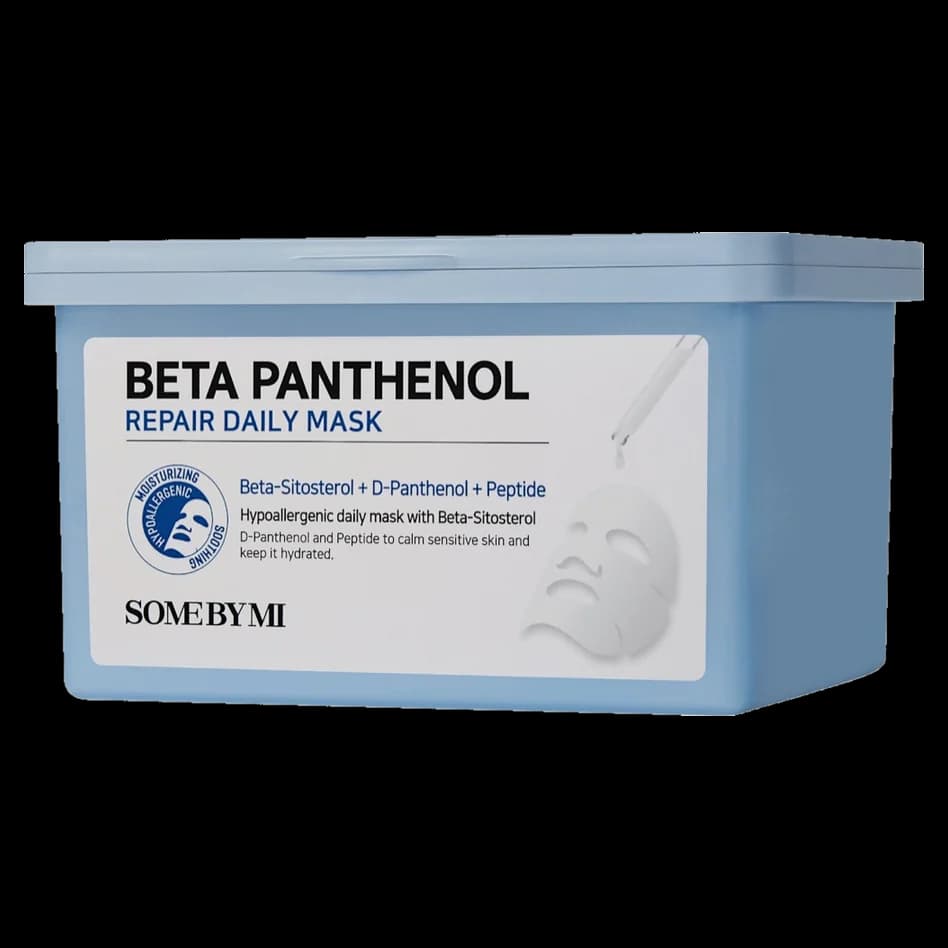
SOME BY MI
Daily Beta Panthenol Repair Mask
24th of 57 on the label
below ≈1%
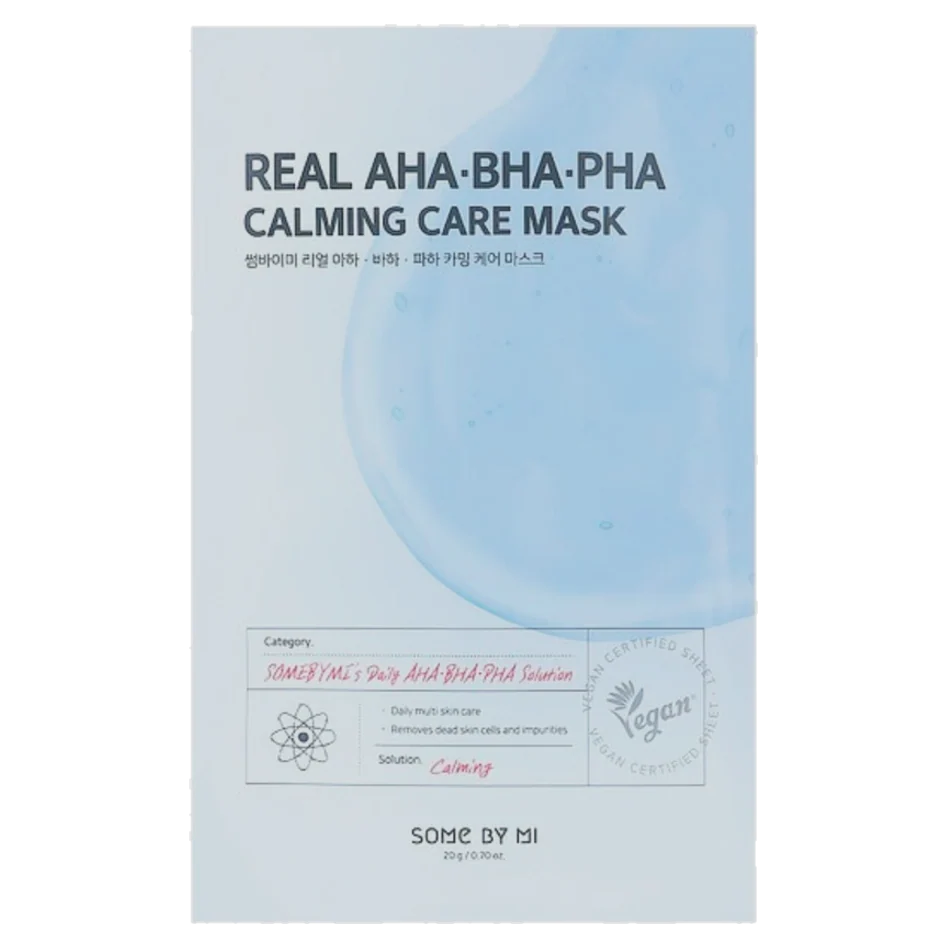
SOME BY MI
Real AHA-BHA-PHA Calming Care Mask
9th of 19 on the label
below ≈1%
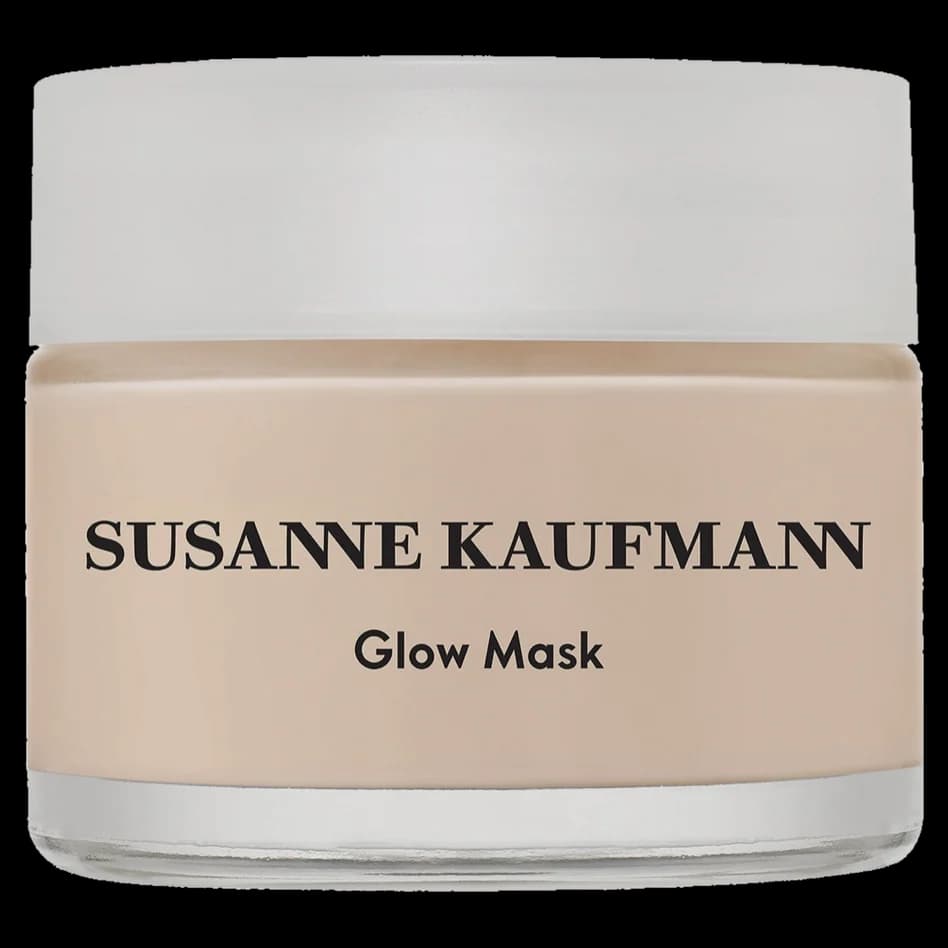
Susanne Kaufmann
Glow Mask
29th of 45 on the label
below ≈1%
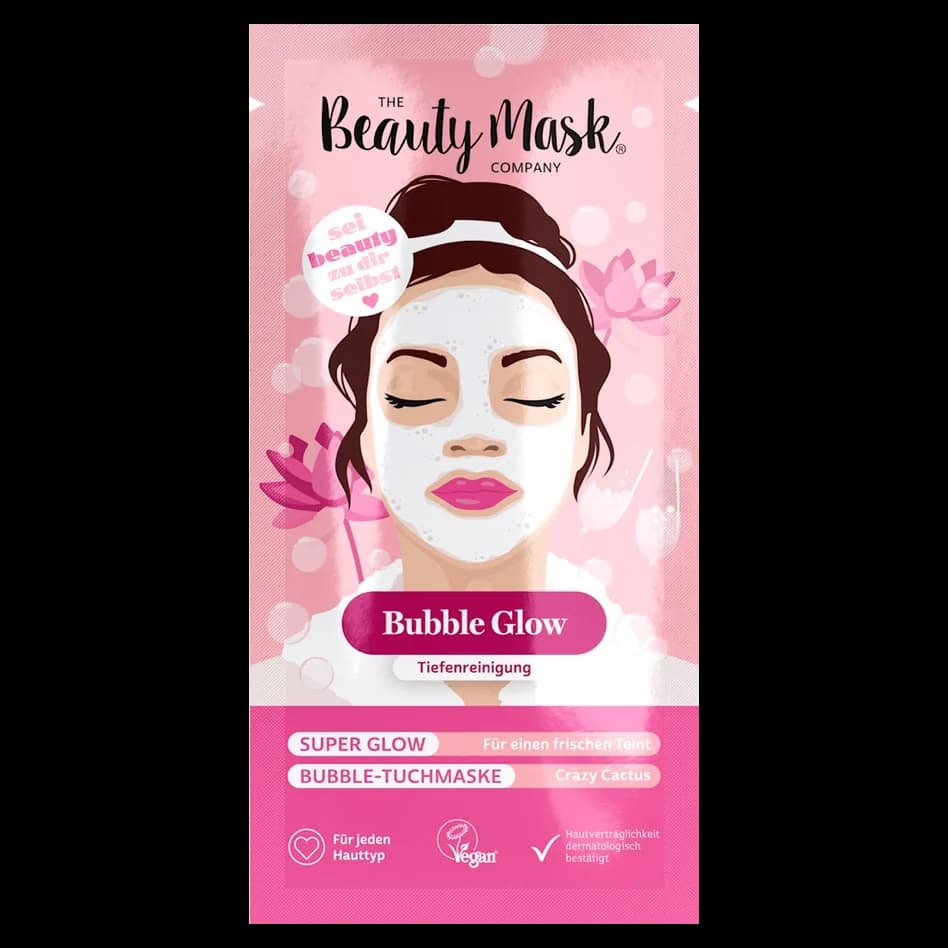
The Beauty Mask Company
Bubble Glow Tuchmaske Crazy Cactus
13th of 25 on the label
below ≈1%
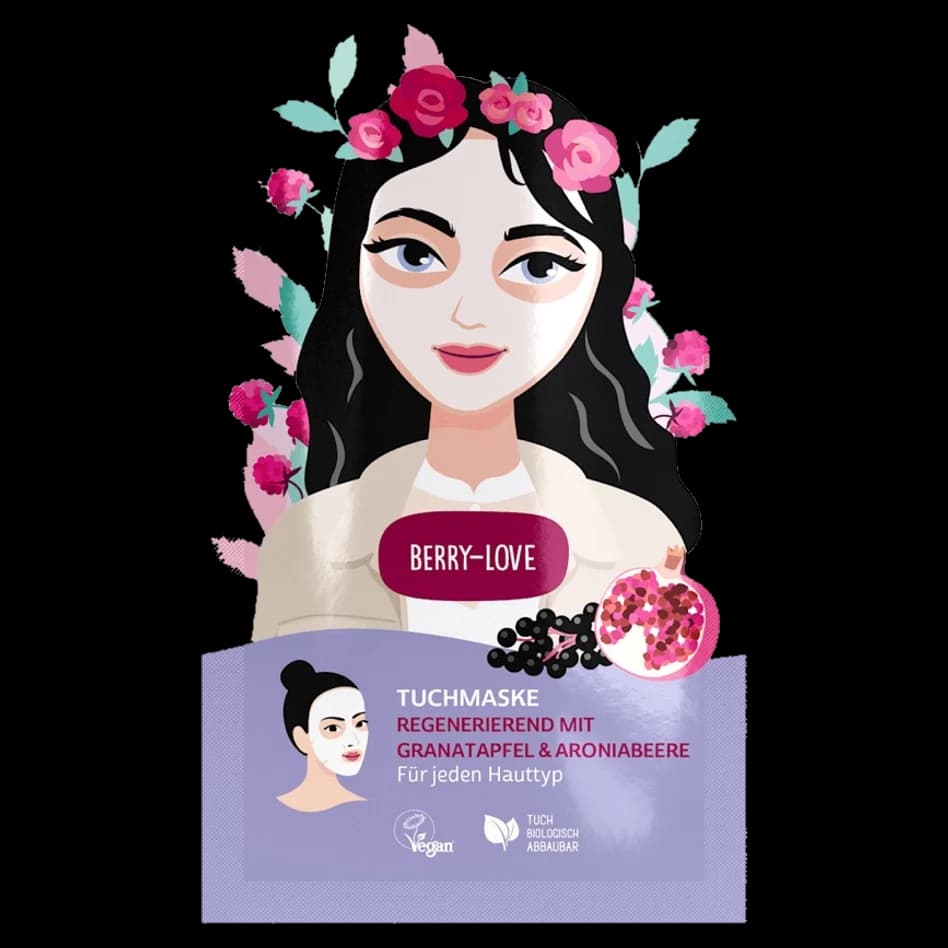
The Beauty Mask Company
Tuchmaske Berry Love
11th of 16 on the label
below ≈1%
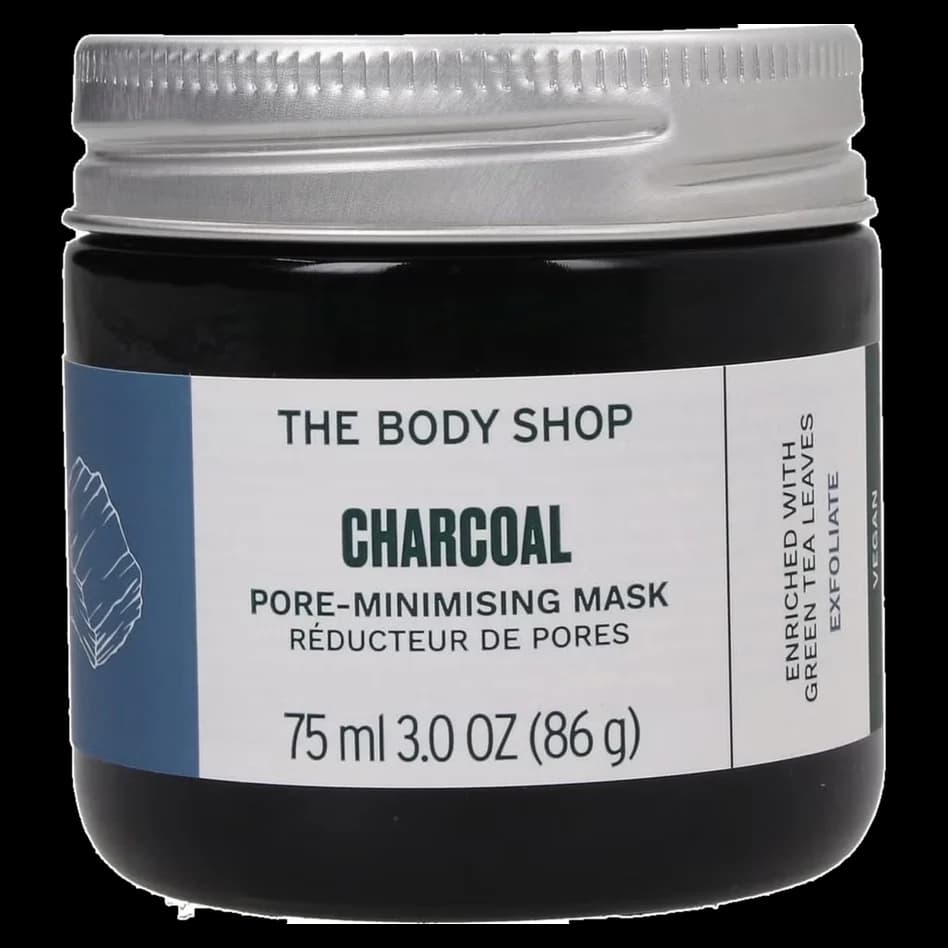
The Body Shop
Charcoal Pore Minimising Mask
17th of 37 on the label
below ≈1%
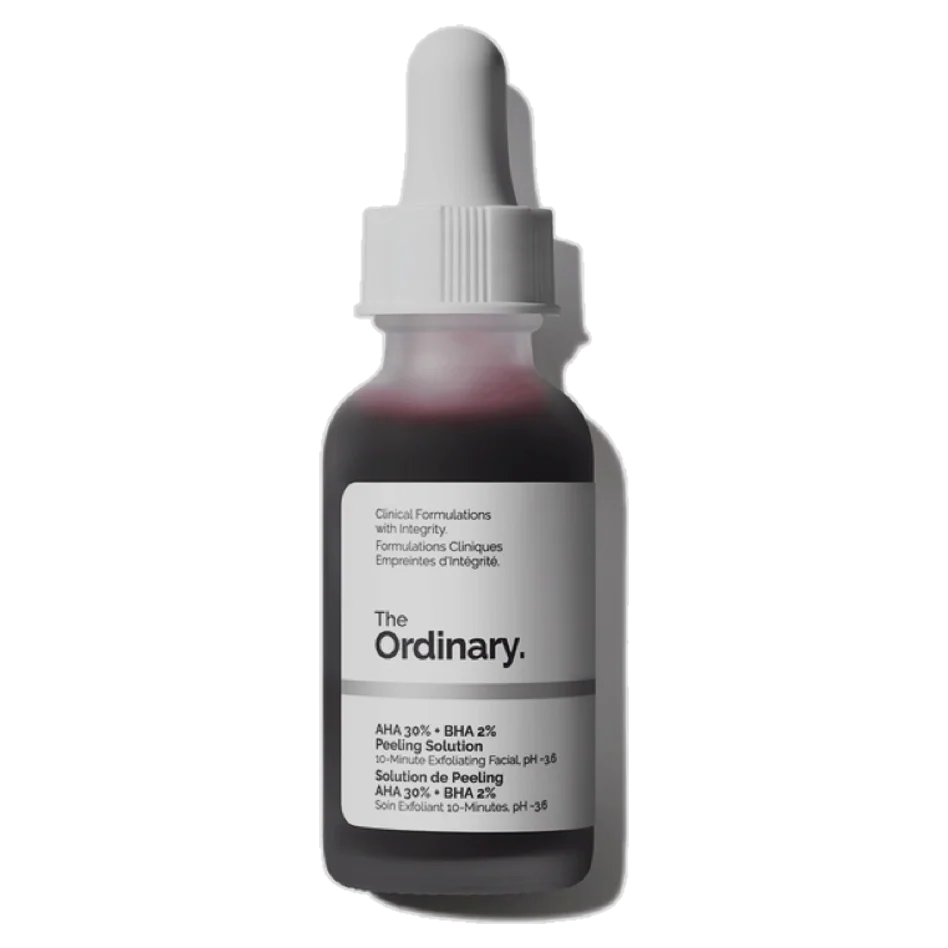
The Ordinary
AHA 30% + BHA 2% Peeling Solution
11th of 24 on the label
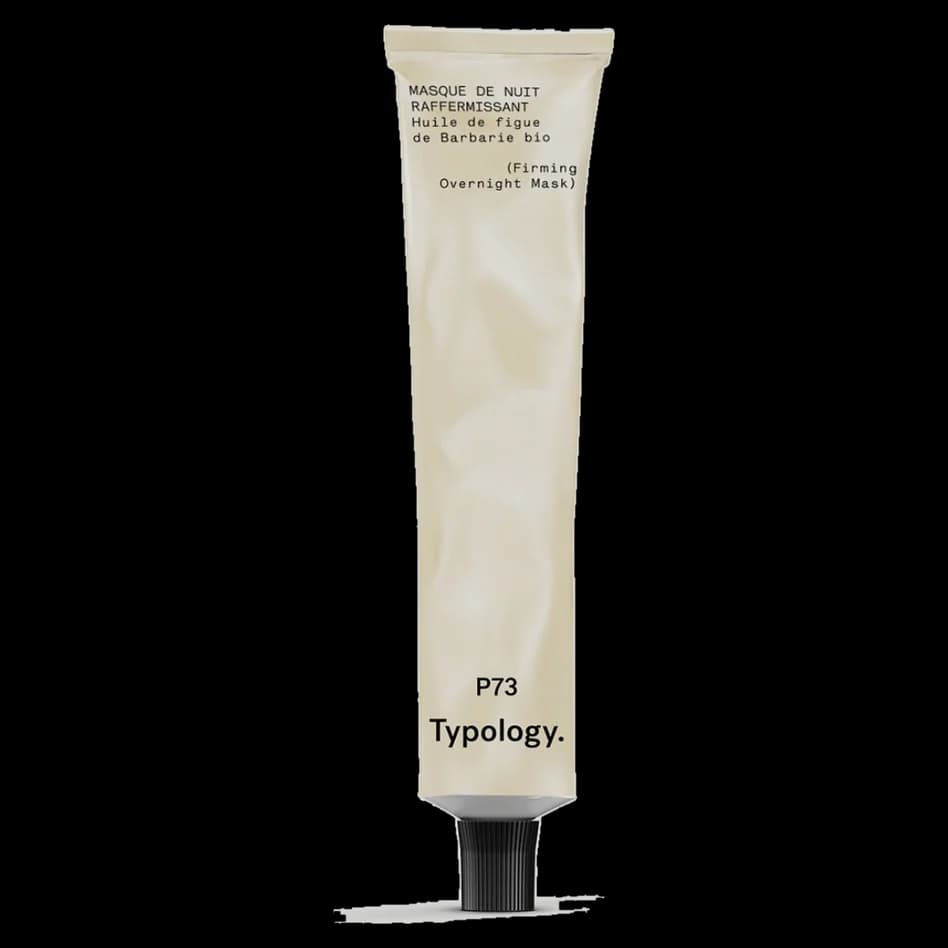
Typology
Masque de Nuit Raffermissant P73 (Firming Night Mask)
13th of 24 on the label
below ≈1%
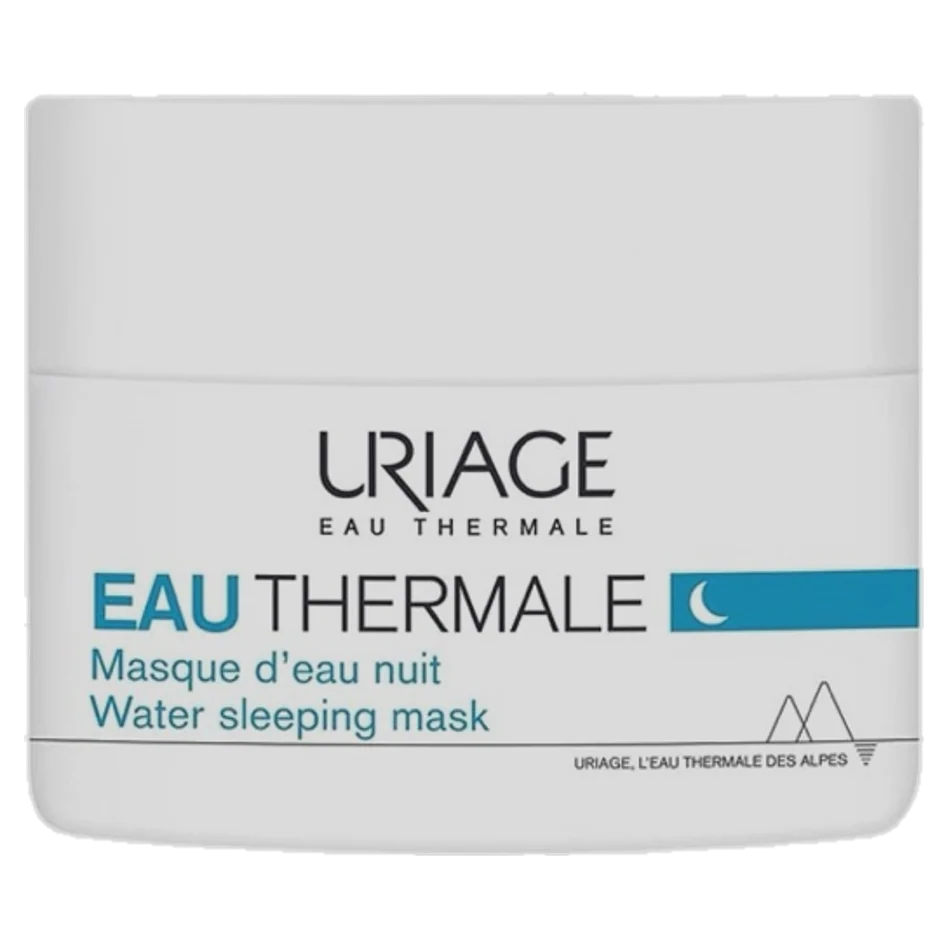
Uriage
Eau Thermale Water Sleeping Mask
27th of 29 on the label
below ≈1%
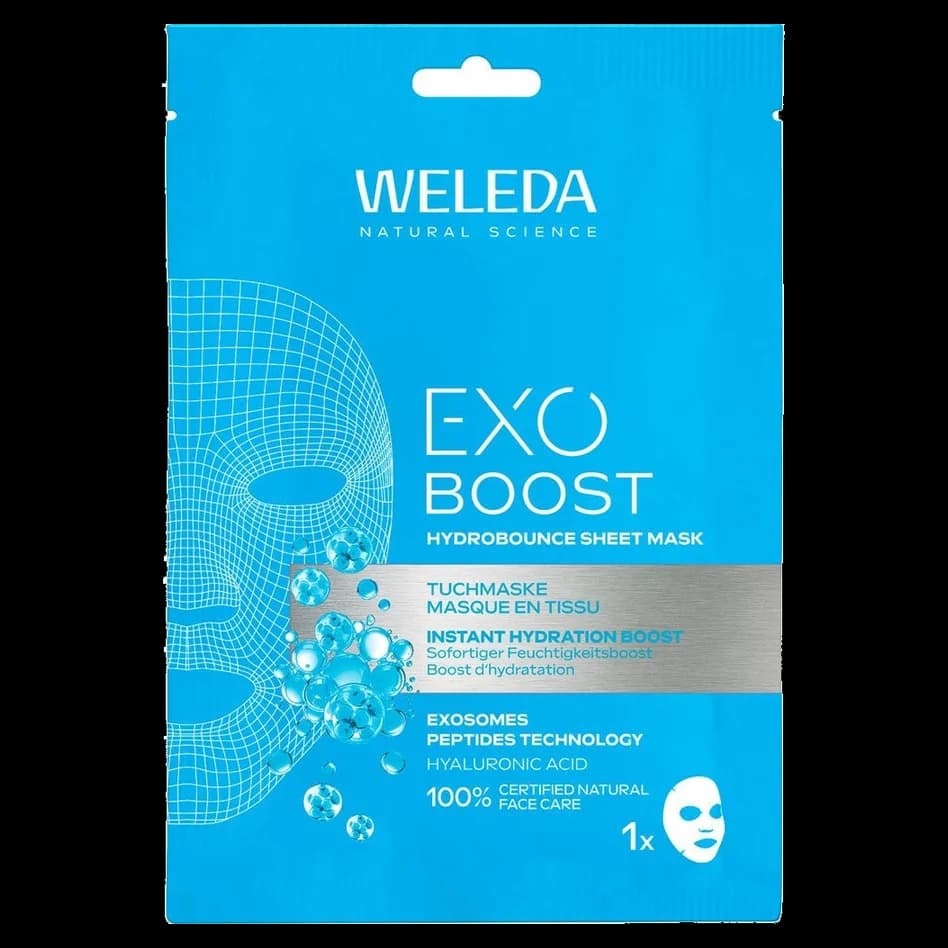
Weleda
Exo Boost Hydrobounce Tuchmaske
8th of 34 on the label
below ≈1%
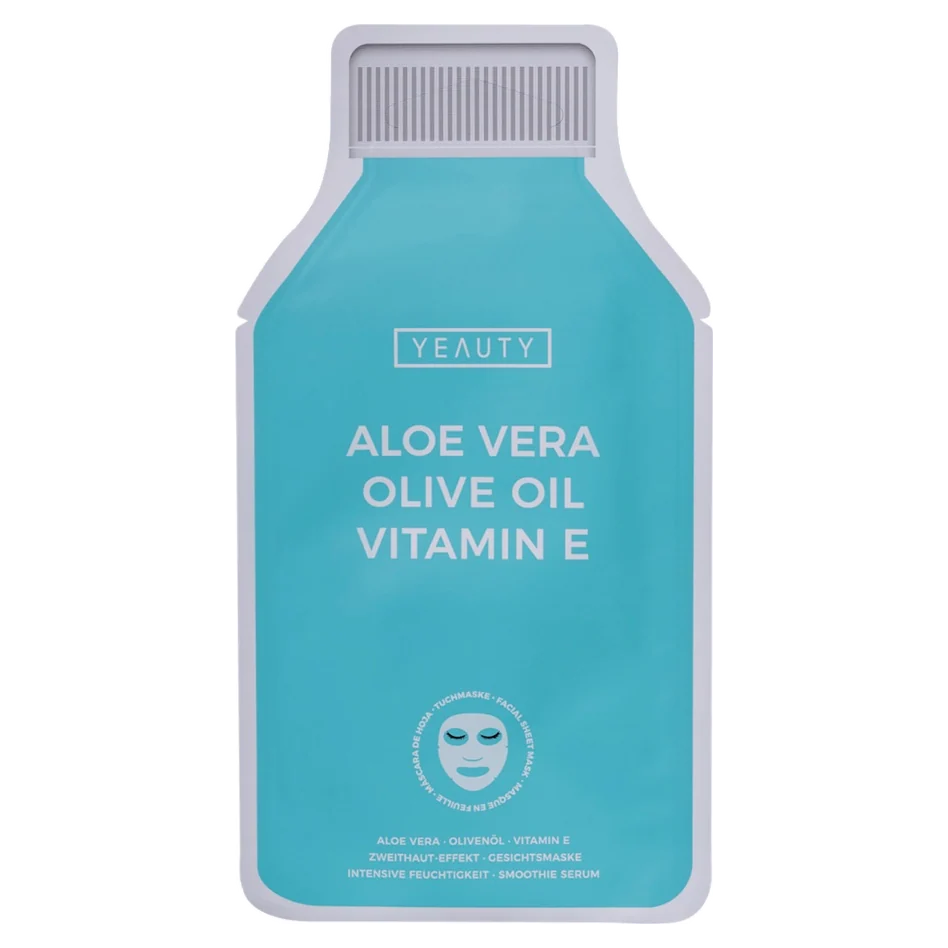
Yeauty
Tuchmaske Aloe Vera Olive Oil Vitamin E
10th of 29 on the label
below ≈1%