Cinnamomum Cassia Bark Extract
Cassia cinnamon
Genuinely relevant for some people, or depends on dose and pH.
Also written as: Chinese Cinnamon Bark Extract · Cassia Bark Extract · Hydrolyzed Cinnamomum Cassia Bark Extract
What it is
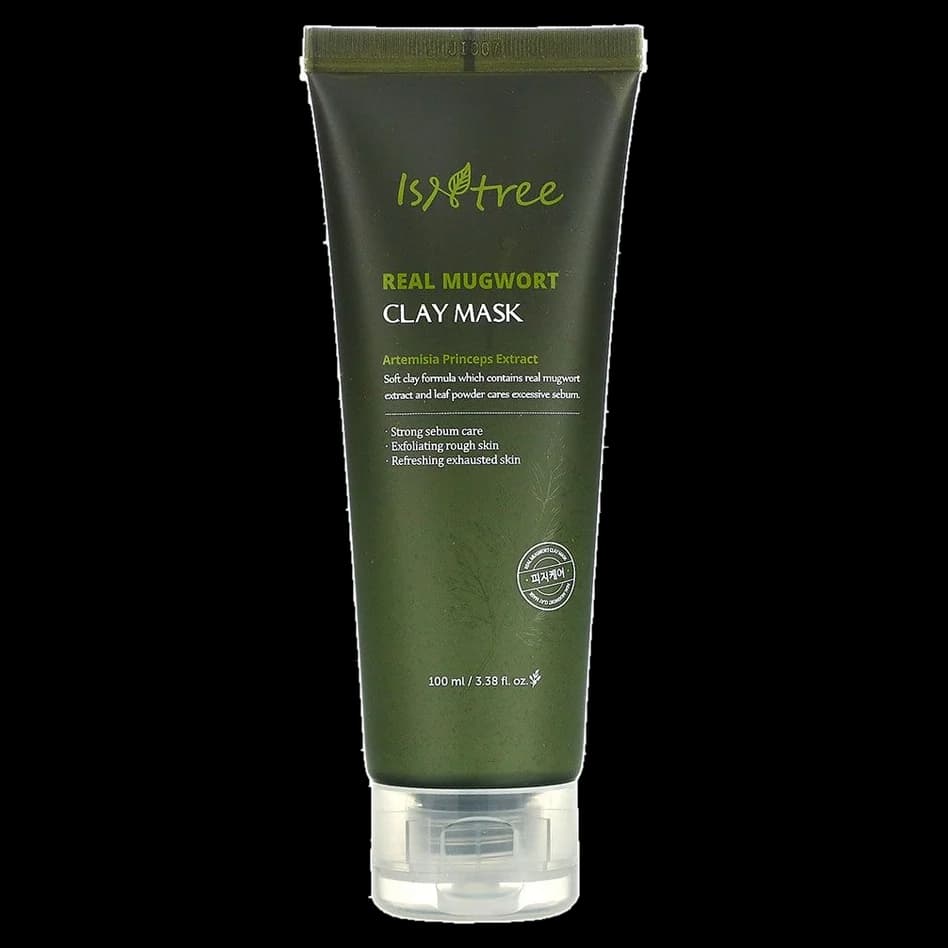
An extract of the dried bark of Chinese cinnamon, Cinnamomum cassia. It contains cinnamaldehyde and polyphenols, giving it antioxidant and antimicrobial activity. It appears in warming or purifying formulations and in traditional Korean herbal blends, usually at low levels.
How it shows up on a label
If a pack lists "Cinnamal" separately in the ingredient list, that is the regulated fragrance allergen being declared as EU rules require - a sign to take care if you react to cinnamon.
What it does well
Antioxidant and antimicrobial activity
Cinnamon bark polyphenols show consistent antioxidant and antibacterial effects in laboratory assays. Evidence for visible skin benefits from cosmetic use is minimal.
Limited evidence
Worth knowing
Can irritate, and is chemically related to a regulated fragrance allergen
Cassia bark contains cinnamaldehyde. The pure compound cinnamal is a regulated fragrance allergen requiring declaration under Annex III of the EU Cosmetics Regulation, and cassia leaf oil is separately restricted, though the bark extract itself carries no EU restriction.
Matters most toPeople with sensitive skin, perioral dermatitis, or a known allergy to cinnamon, cinnamal or balsam of Peru.
Where the EU stands
No specific restriction
The bark extract itself has no EU concentration limit or annex restriction. Related substances are regulated: cinnamal is Annex III entry 76 and Cinnamomum cassia leaf oil is Annex III entry 348, added by Regulation (EU) 2023/1545.
Regulation (EC) No 1223/2009 - no annex entry for the bark extract; Cinnamomum cassia leaf oil is Annex III entry 348 and cinnamal is Annex III entry 76 · source ↗