Aloe Barbadensis Leaf Juice
Aloe vera
No meaningful concern for most people; irritation is possible but rare.
Also written as: Aloe Barbadensis Leaf Extract · Aloe Barbadensis Leaf Water · Aloe Barbadensis Leaf Juice Powder · Aloe Barbadensis Leaf · Aloe Barbadensis Leaf Polysaccharides · Aloe Vera Leaf Juice · Aloe Vera Leaf Extract
What it is
An aloe leaf has two parts, and only one of them ends up in cosmetics. Just under the skin sit cells that produce a bitter yellow latex rich in anthraquinones; the inner central area is the clear gel, and it is the gel that is pressed, filtered and dried into the juice, extract, water and powder you see on packs. The gel is mostly water and polysaccharides. Those anthraquinones in the latex are phototoxic, and they are why the only safety assessment covering aloe is a conditional one: it judges the barbadensis ingredients safe if anthraquinone levels stay at or below 50 ppm. Clinical studies of aloe preparations found no phototoxicity, which the review panel put down to concentrations too low to cause it - the ceiling doing its job, rather than a detail beside the point. Aloe carries a great deal of marketing weight for something the Cosmetic Ingredient Review describes as functioning primarily as a skin-conditioning agent.
How it shows up on a label
Printed four ways - Leaf Juice, Leaf Extract, Leaf Water and Leaf Juice Powder - and occasionally with a percentage in brackets. Read its position rather than the front of the pack.
What it does well
Conditions the skin surface and adds water to a formula
The safety assessment that covers aloe records its cosmetic function as skin-conditioning, and the gel is largely water and polysaccharides, so it behaves much like the other water-binding ingredients on a list. What it does not establish is the healing and soothing reputation aloe carries, which rests far more on long traditional use than on controlled cosmetic evidence.
Limited evidence
Worth knowing
Topical allergy is uncommon but genuinely documented
The published case reports describe acute eczema, contact urticaria and dermatitis in people who applied aloe-derived material to the skin. This is a small risk rather than a general one, but it is worth naming, because aloe is one of the few ingredients shoppers assume cannot cause a reaction at all.
Matters most toAnyone who has reacted to an aloe gel or after-sun product before, or who is patch-testing a mask on already irritated skin.
A big aloe claim on the front tells you nothing about the position on the back
Aloe reaches packs in four different forms - juice, extract, water and powder - and an INCI list names the form without saying how concentrated it was or how much went in. A pack can therefore lead on aloe while the row sits near the bottom of the list. Across the masks here it falls on both sides: of the thirty-two whose list reaches the point where ingredient order stops indicating quantity, twenty print aloe above that point and twelve below. Where the ingredient appears in the order is the more honest signal.
Matters most toAnyone choosing a mask because of an aloe percentage printed on the front.
Where the EU stands
No specific restriction
Not restricted under the EU Cosmetics Regulation; it appears in no annex and has no legal concentration limit. The one safety assessment covering it is conditional rather than flat: aloe is judged safe provided anthraquinones stay at or below 50 ppm. That ceiling is industry-established rather than EU law, and it is a specification of the raw material, so no INCI list can show you whether it has been met.
Regulation (EC) No 1223/2009 - no annex entry · source ↗
Sources (2)
Every link goes to the original: a journal, a PubMed record or an EU document.
- [1]Final Report on the Safety Assessment of Aloe Andongensis Extract, Aloe Andongensis Leaf Juice, Aloe Arborescens Leaf Extract, Aloe Arborescens Leaf Juice, Aloe Arborescens Leaf Protoplasts, Aloe Barbadensis Flower Extract, Aloe Barbadensis Leaf, Aloe Barbadensis Leaf Extract, Aloe Barbadensis Leaf Juice, Aloe Barbadensis Leaf Polysaccharides, Aloe Barbadensis Leaf Water, Aloe Ferox Leaf Extract, Aloe Ferox Leaf Juice, and Aloe Ferox Leaf Juice Extract
Cosmetic Ingredient Review, International Journal of Toxicology 26(Suppl 2):1-50 · 2007 · doi:10.1080/10915810701351186
The report records that the pericyclic cells of the aloe leaf produce a bitter yellow latex containing anthraquinones, described as phototoxic compounds, and that it is the inner gel that goes into cosmetics. On the 50 ppm figure it says two things, and both matter: that anthraquinone levels in the several Aloe barbadensis extracts are well understood and can conform to the industry-established level of 50 ppm, and, separately and without qualification, that in aloe-derived ingredients used in cosmetics, regardless of species, anthraquinone levels should not exceed 50 ppm. Several clinical studies of Aloe barbadensis preparations demonstrated no phototoxicity, which the Panel attributes to anthraquinone concentrations too low to induce it. Case reports of acute eczema, contact urticaria and dermatitis after topical use are recorded, and the ingredients are described as functioning primarily as skin-conditioning agents at low concentrations. Read here as the published abstract; the full 50-page report is paywalled. Checked 18 August 2026.
- [2]Quick Reference Table: Cosmetic Ingredient Review conclusions, October 2024
Cosmetic Ingredient Review · 2024
The Cosmetic Ingredient Review's own conclusions table lists Aloe Barbadensis Leaf Juice under the code SQ, which the table's legend defines as safe for use in cosmetics, with qualifications, and it prints the qualification in full: the Panel concluded that Aloe Barbadensis Flower Extract, Aloe Barbadensis Leaf, Aloe Barbadensis Leaf Extract, Aloe Barbadensis Leaf Juice, Aloe Barbadensis Polysaccharides and Aloe Barbadensis Leaf Water are safe as cosmetic ingredients in the practices of use and concentrations described in the safety assessment, if anthraquinone levels in the ingredients do not exceed 50 ppm. The same conclusion records that the available data are insufficient to support the safety of the Aloe andongensis, Aloe arborescens and Aloe ferox ingredients in cosmetic products - none of which appears anywhere in this catalogue. Checked 18 August 2026.
Masks that contain Aloe Barbadensis Leaf Juice
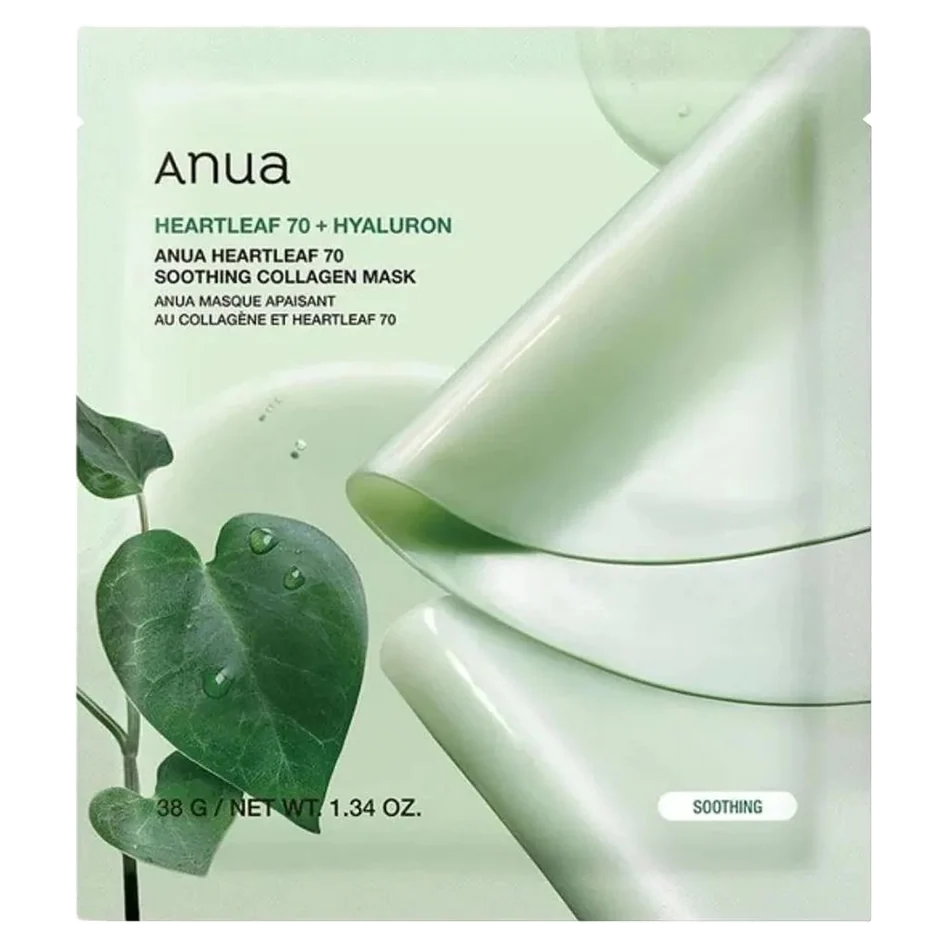
Anua
Heartleaf 70 Soothing Collagen Mask
18th of 35 on the label
below ≈1%
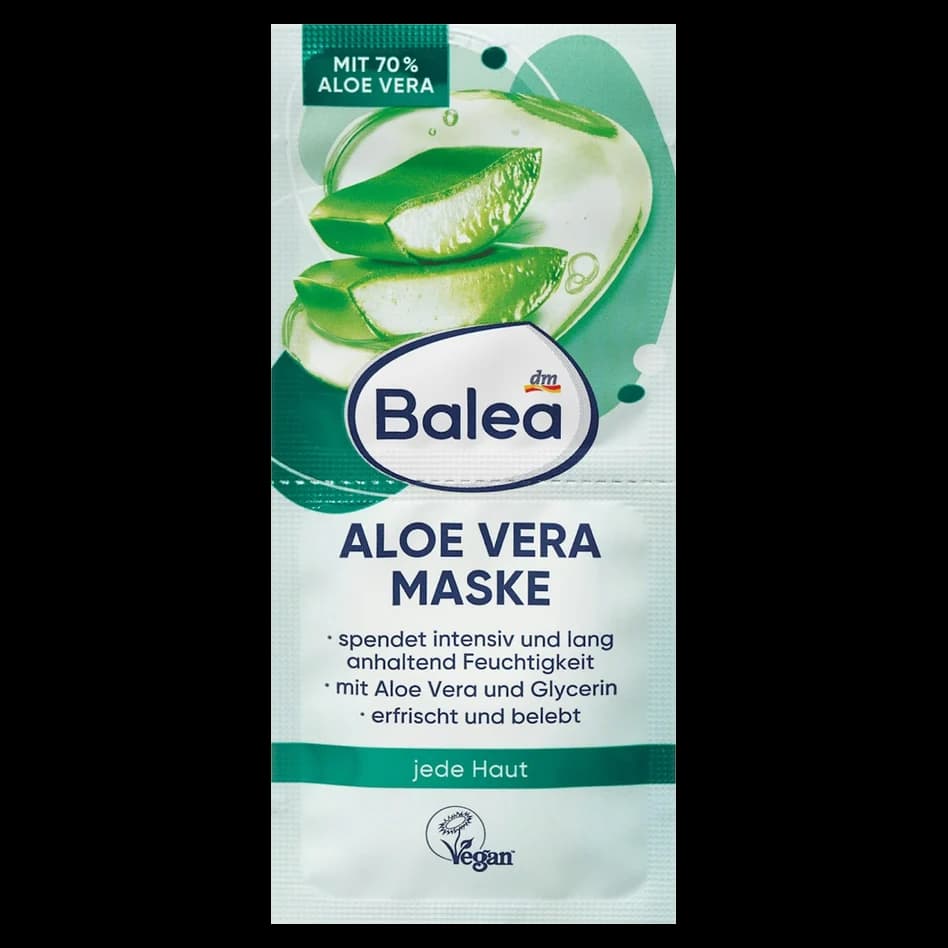
Balea
Gesichtsmaske Aloe Vera
1st of 21 on the label
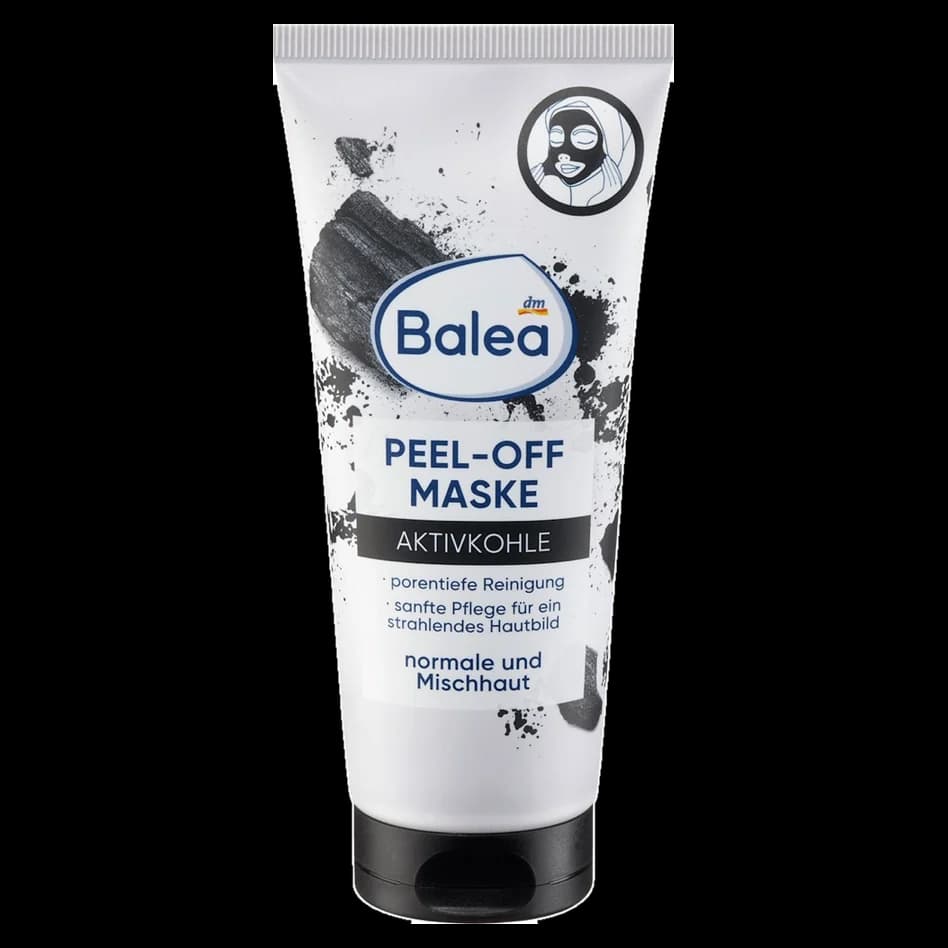
Balea
Gesichtsmaske Peel-Off Aktivkohle
11th of 18 on the label
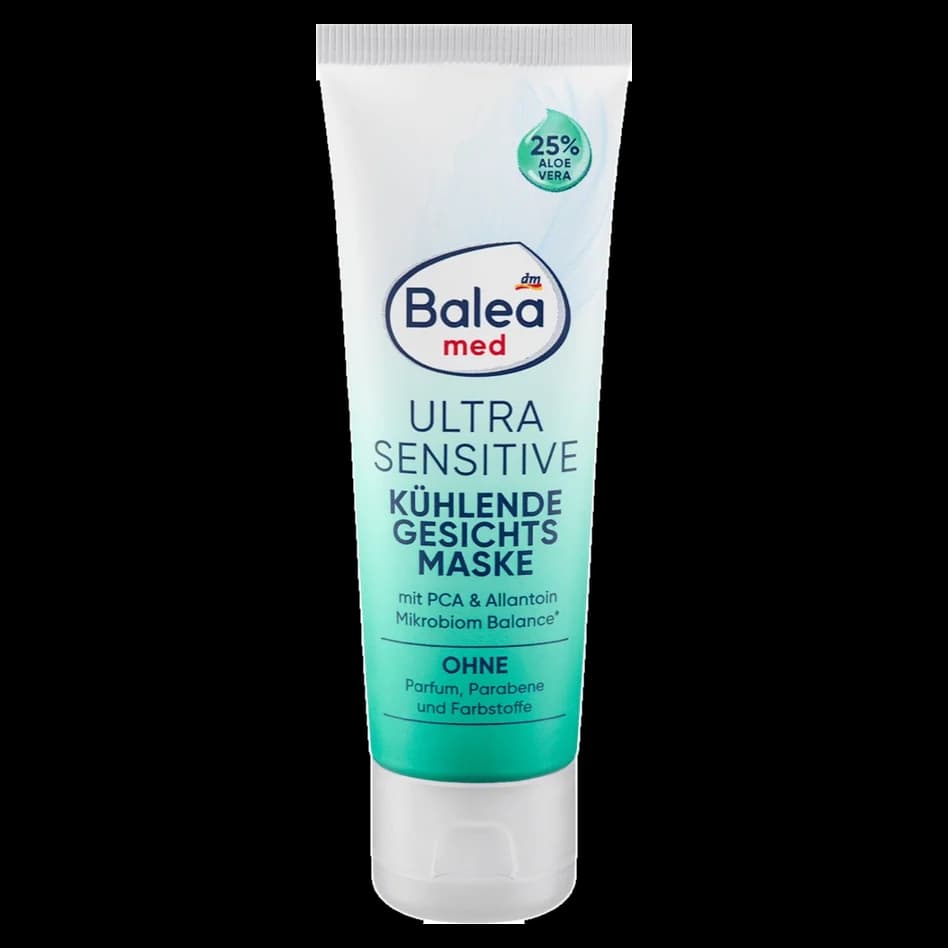
Balea med
Gesichtsmaske kühlend ultra sensitive
2nd of 13 on the label
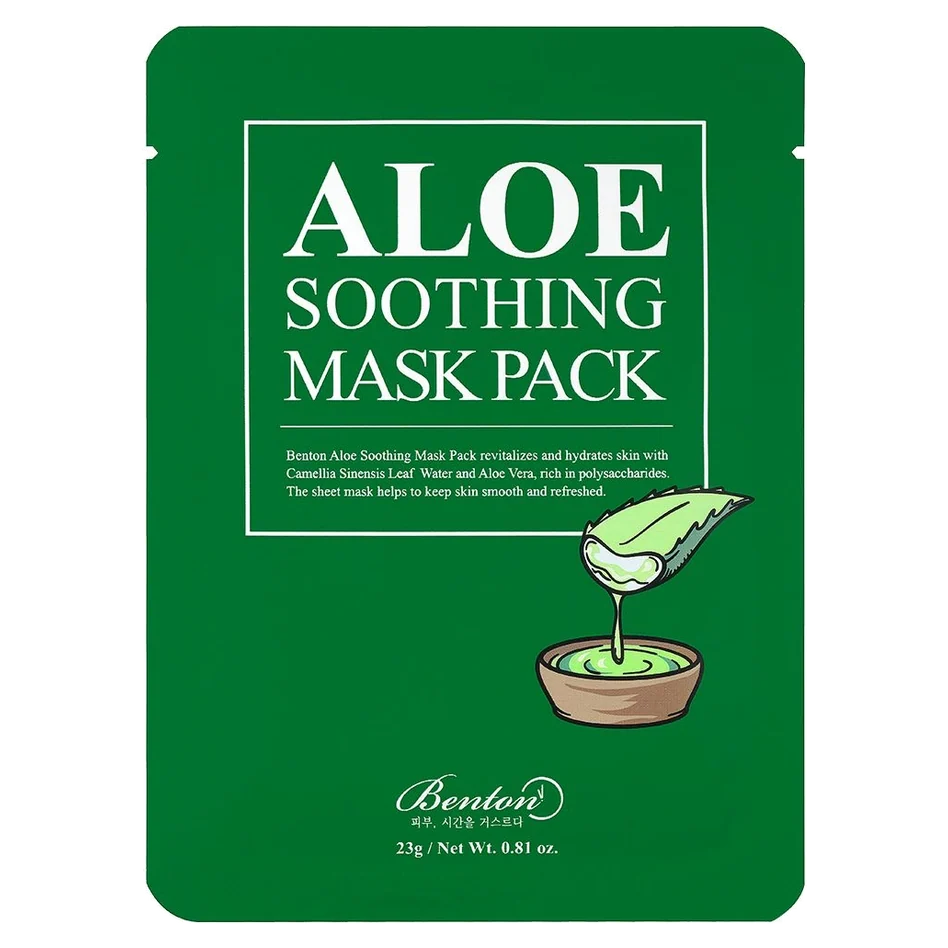
Benton
Aloe Soothing Mask Pack
1st of 19 on the label
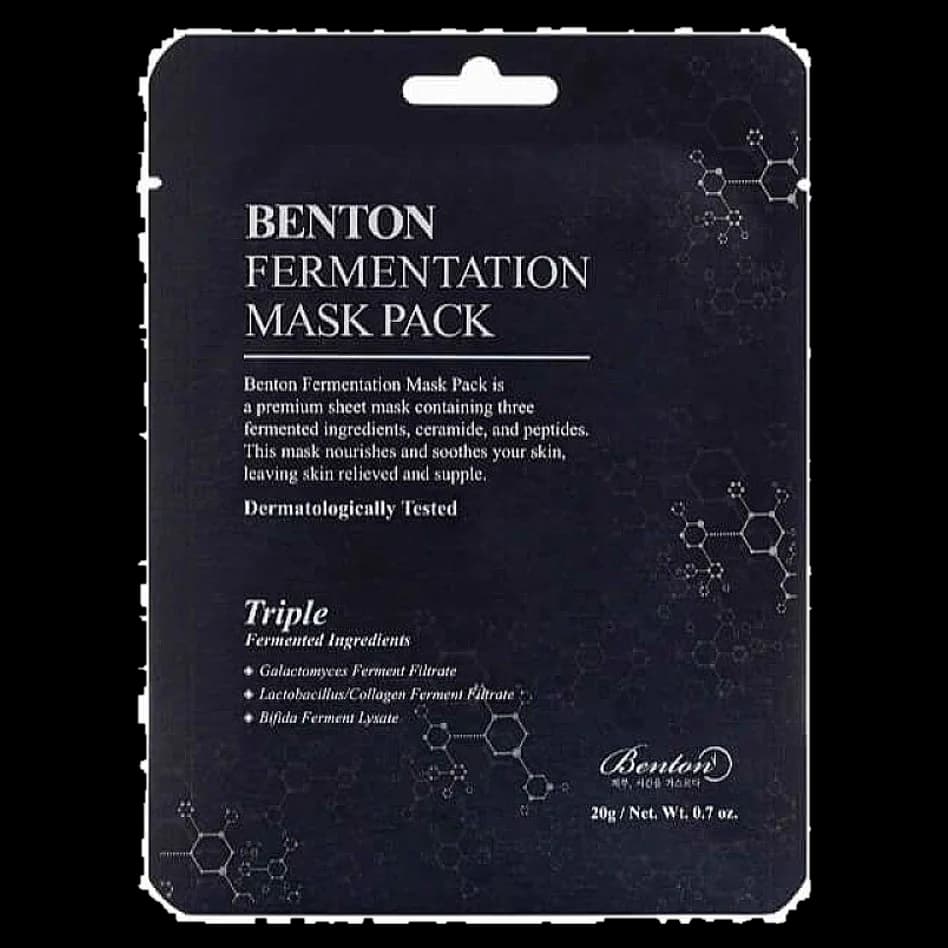
Benton
Fermentation Mask Pack
12th of 25 on the label
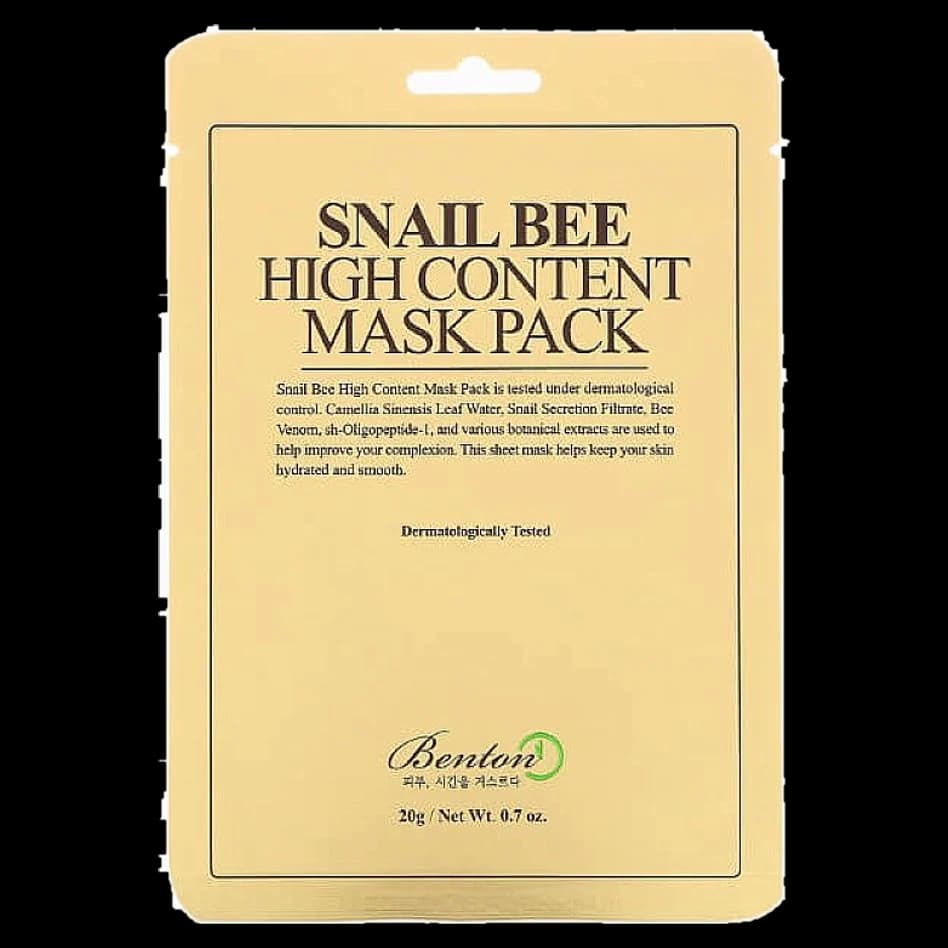
Benton
Snail Bee High Content Mask Pack
16th of 27 on the label
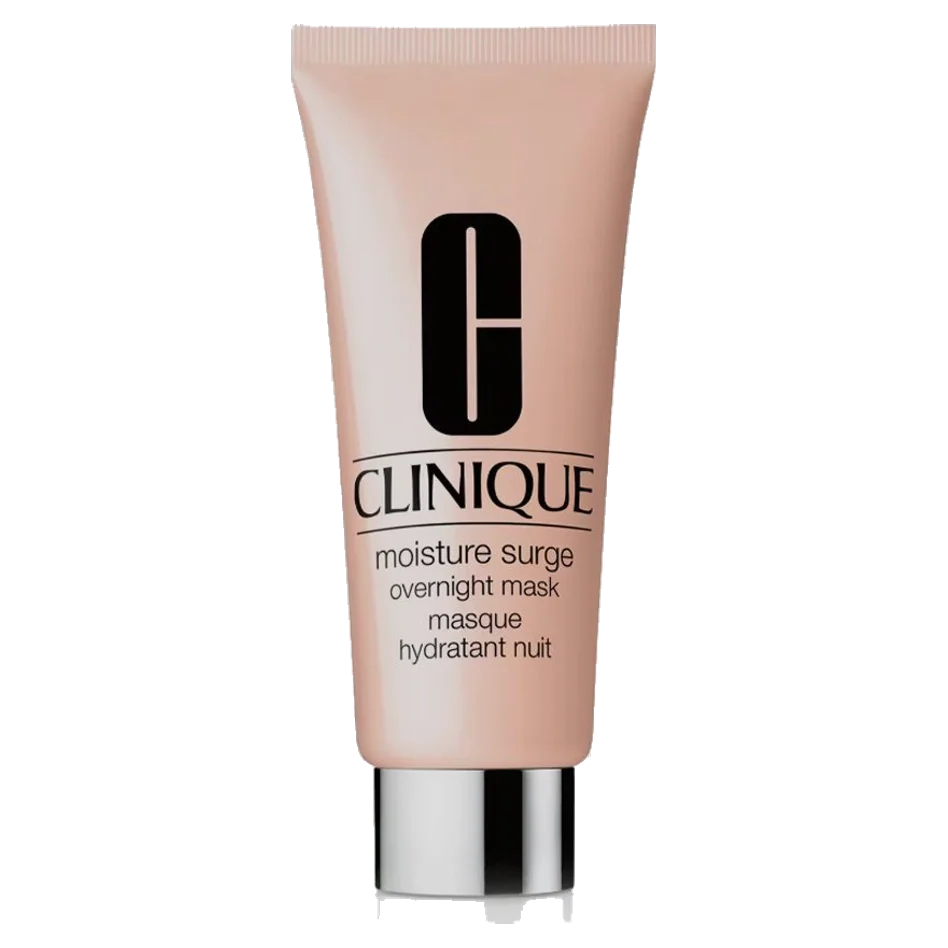
Clinique
Moisture Surge Overnight Mask
22nd of 42 on the label
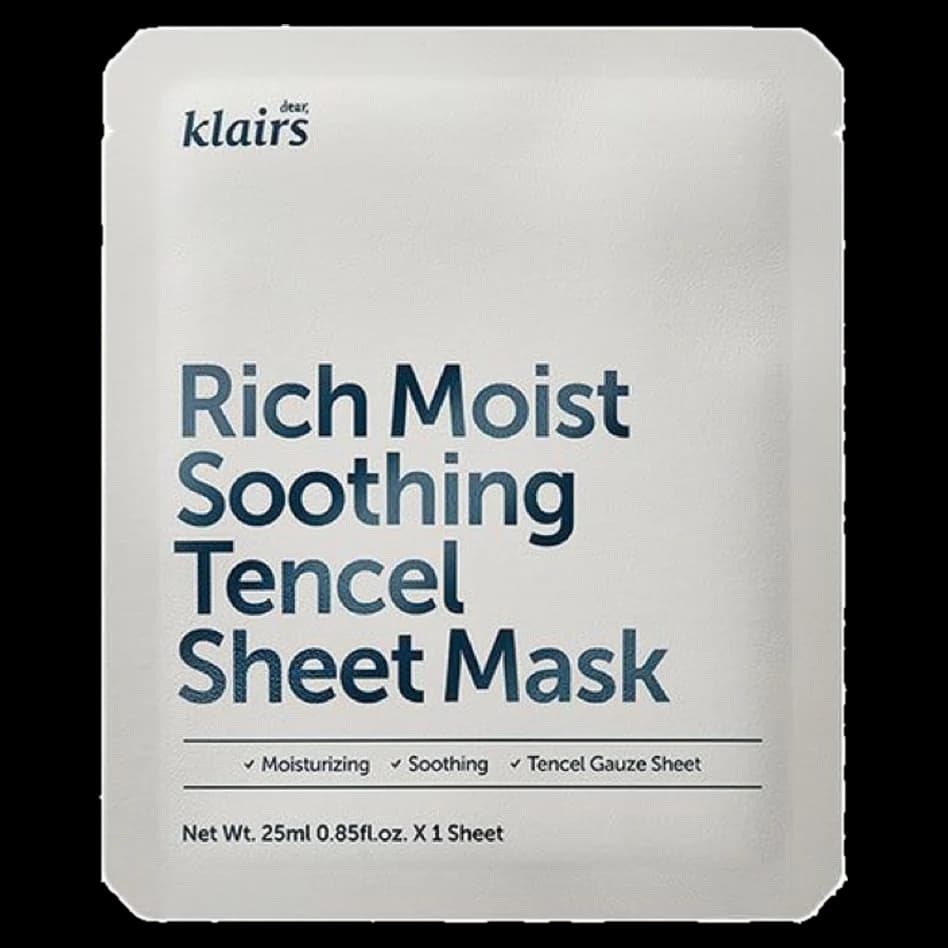
Dear, Klairs
Rich Moist Soothing Tencel Sheet Mask
5th of 33 on the label
Dr. Barbara Sturm
Face Mask
9th of 18 on the label
below ≈1%
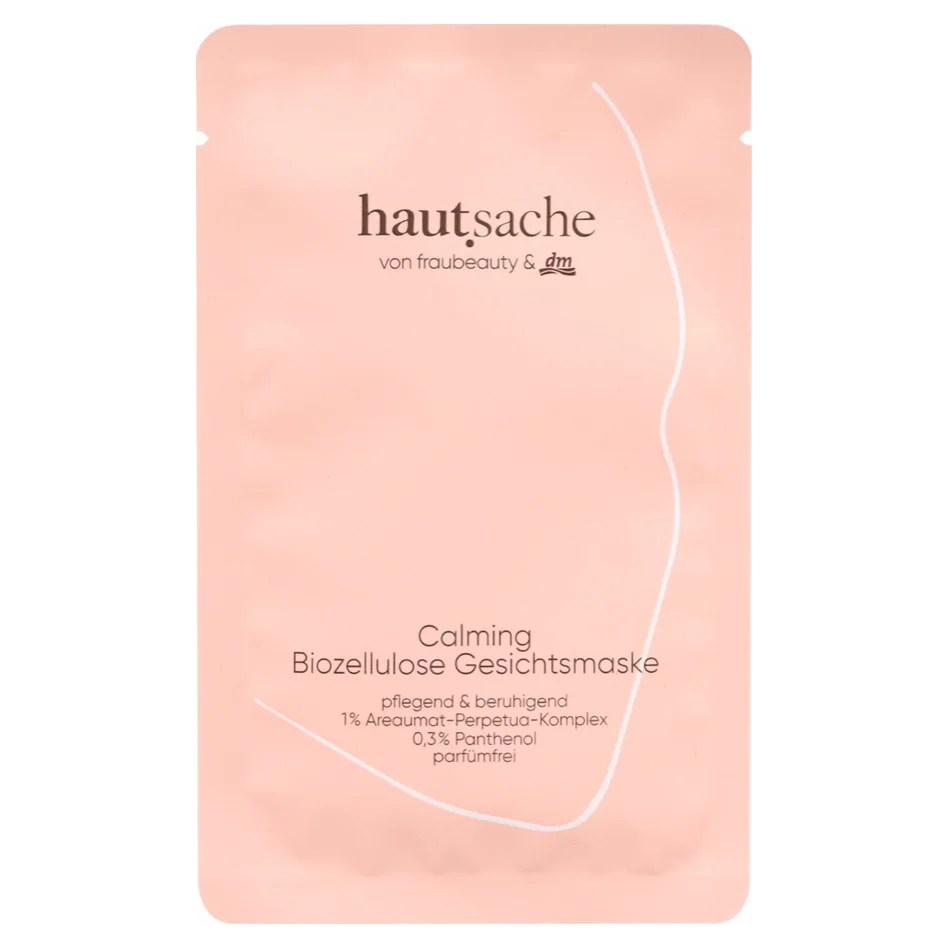
hautsache
Gesichtsmaske Biozellulose Calming
9th of 27 on the label
below ≈1%
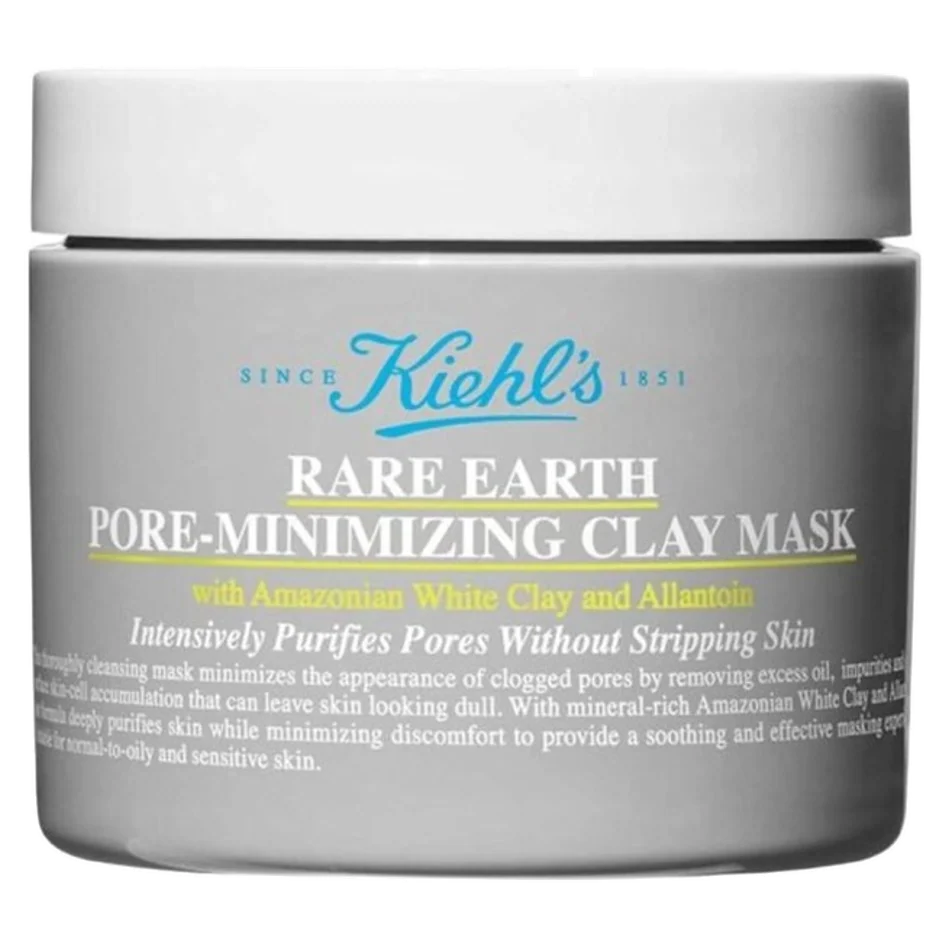
Kiehl's
Rare Earth Pore-Minimizing Clay Mask
15th of 19 on the label
below ≈1%
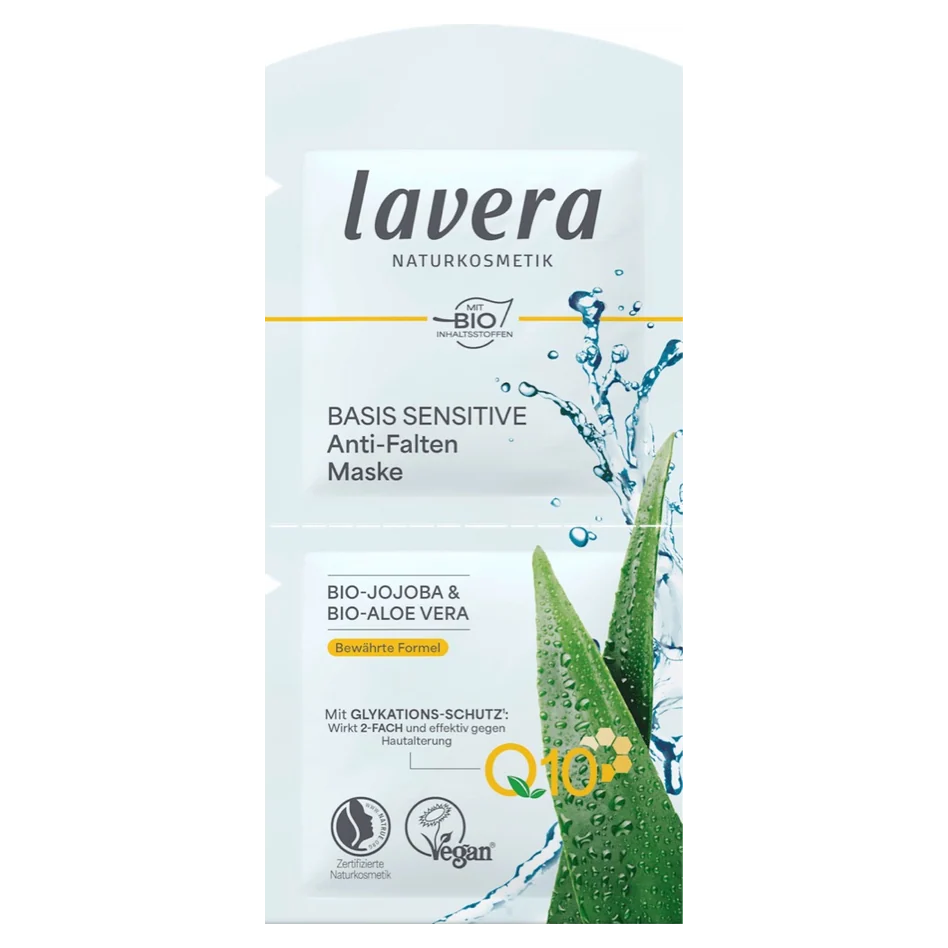
lavera
basis sensitiv Anti-Falten Gesichtsmaske
20th of 42 on the label
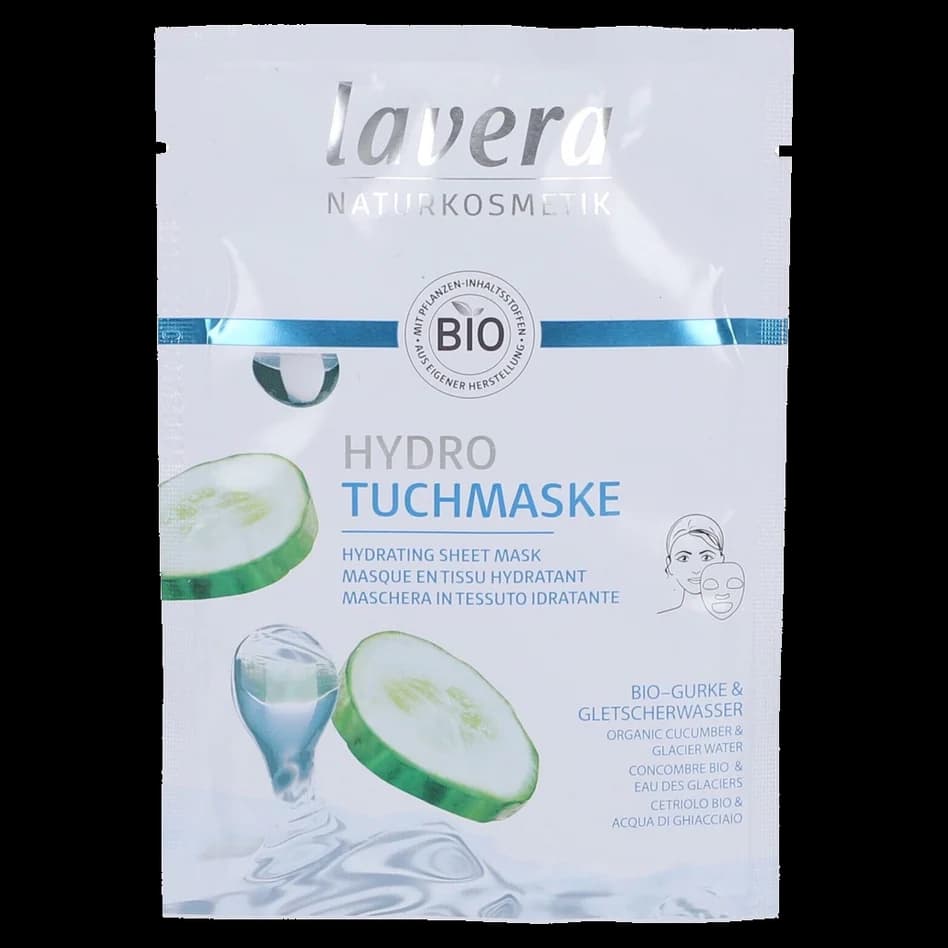
lavera
Hydro Tuchmaske
4th of 22 on the label
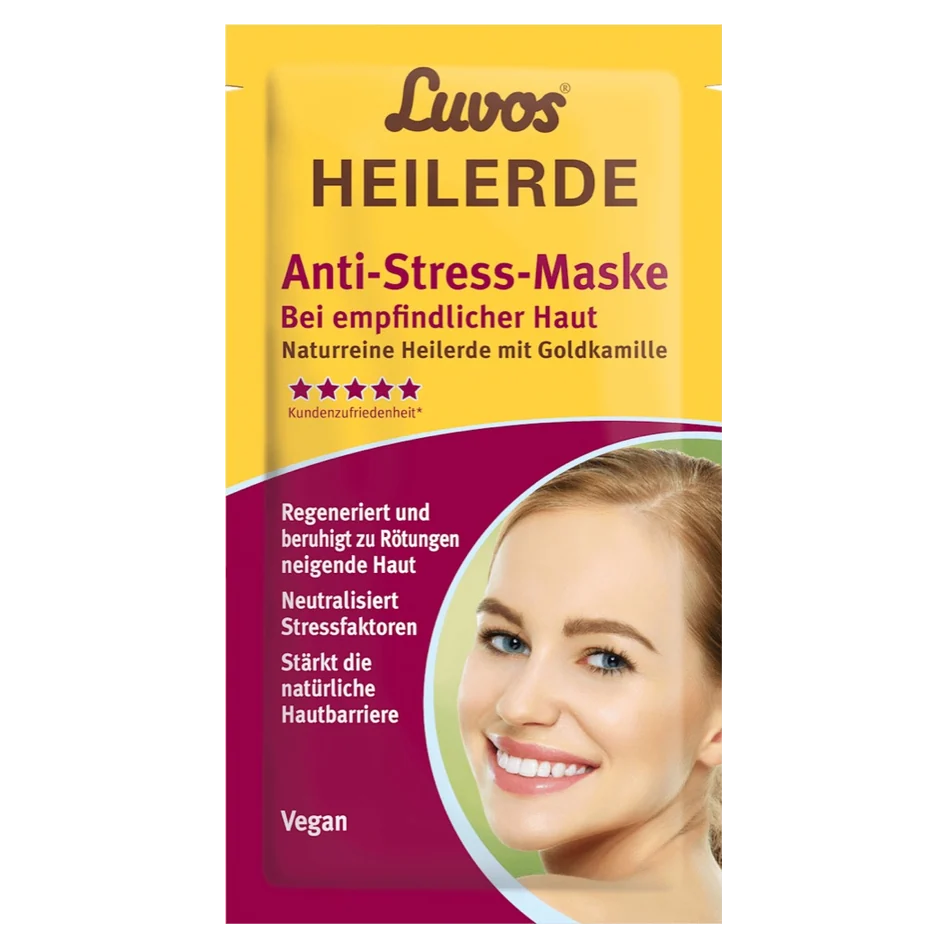
Luvos-Heilerde
Anti-Stress-Maske
16th of 33 on the label
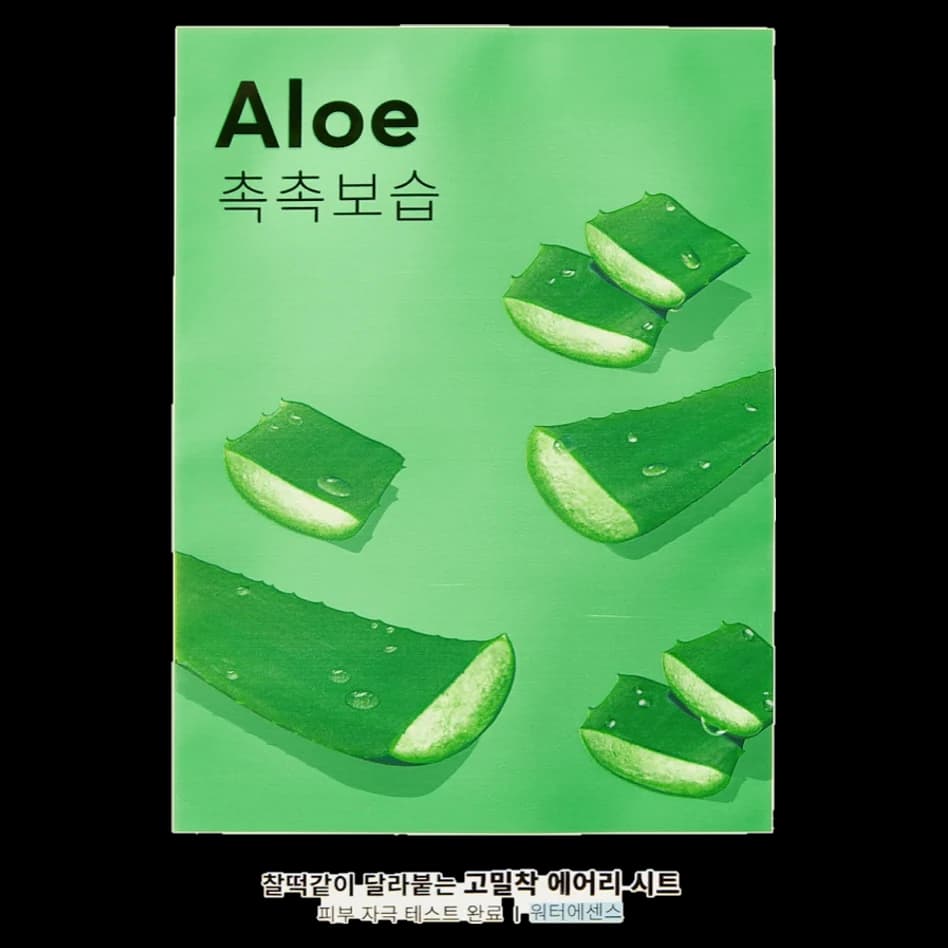
MISSHA
Airy Fit Sheet Mask Aloe
20th of 26 on the label
below ≈1%
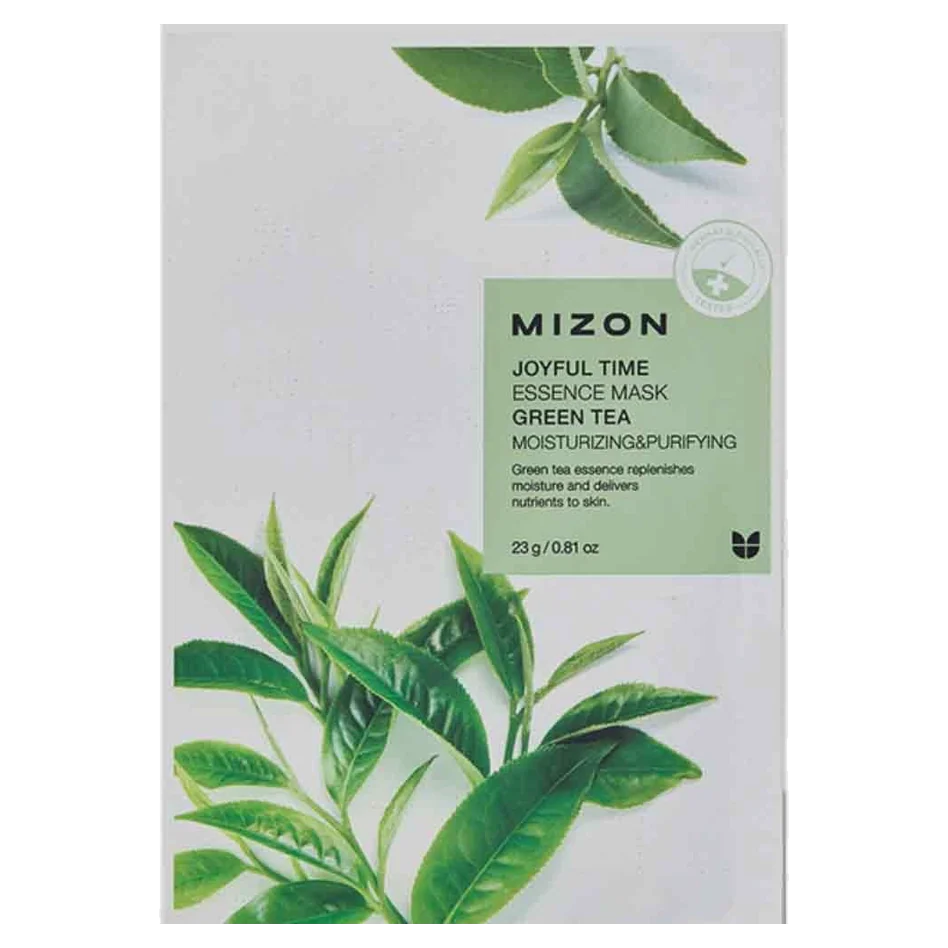
MIZON
Joyful Time Essence Mask Green Tea
24th of 26 on the label
below ≈1%
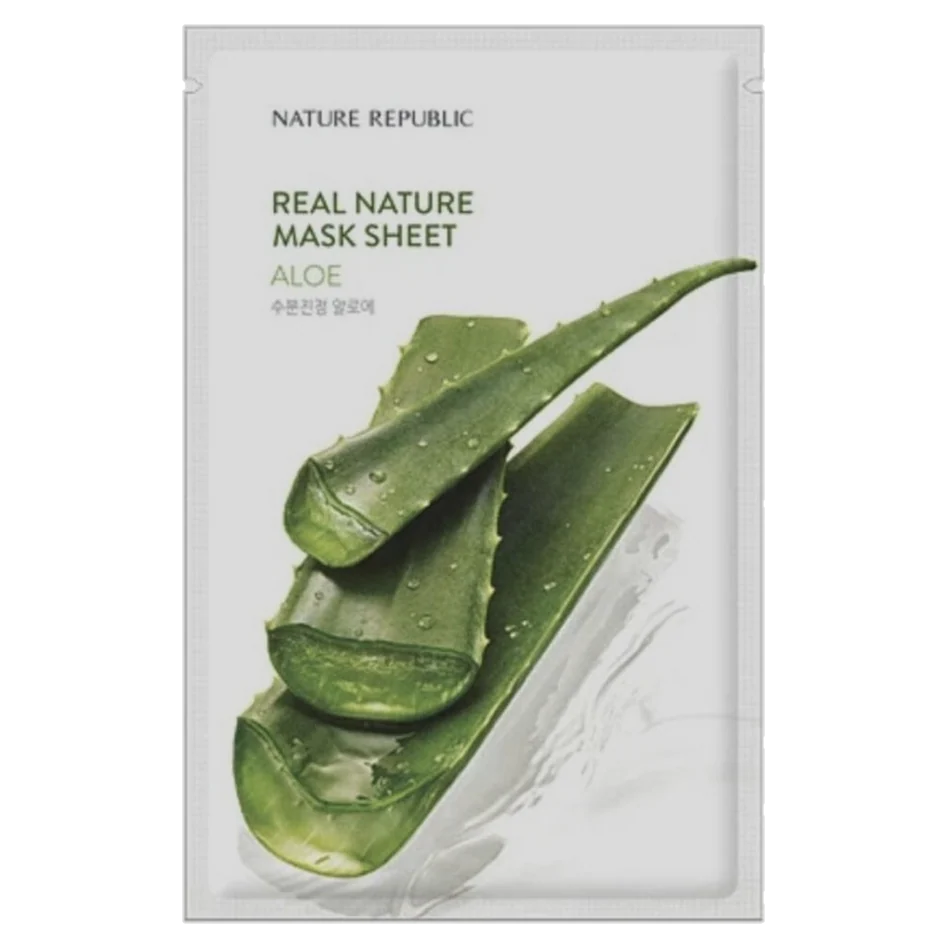
Nature Republic
Real Nature Aloe Sheet Mask
13th of 23 on the label
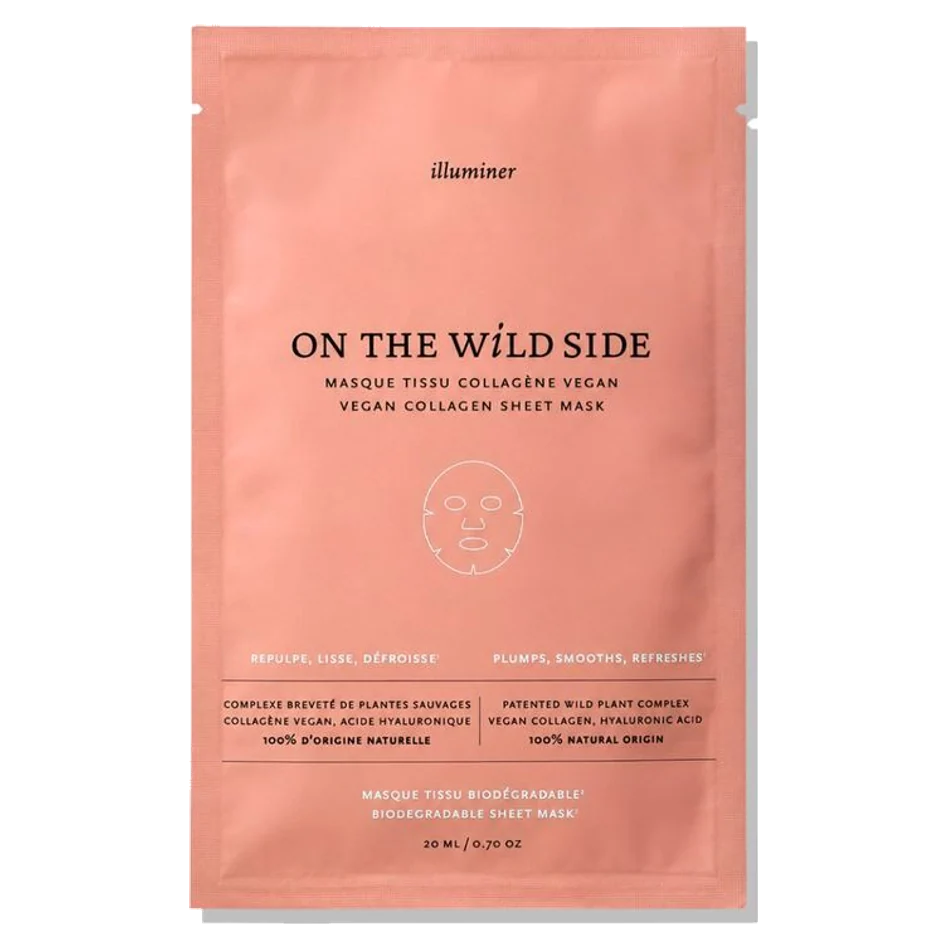
On The Wild Side
Sheet Mask Bio Cellulose Collagène Vegan
19th of 24 on the label
below ≈1%
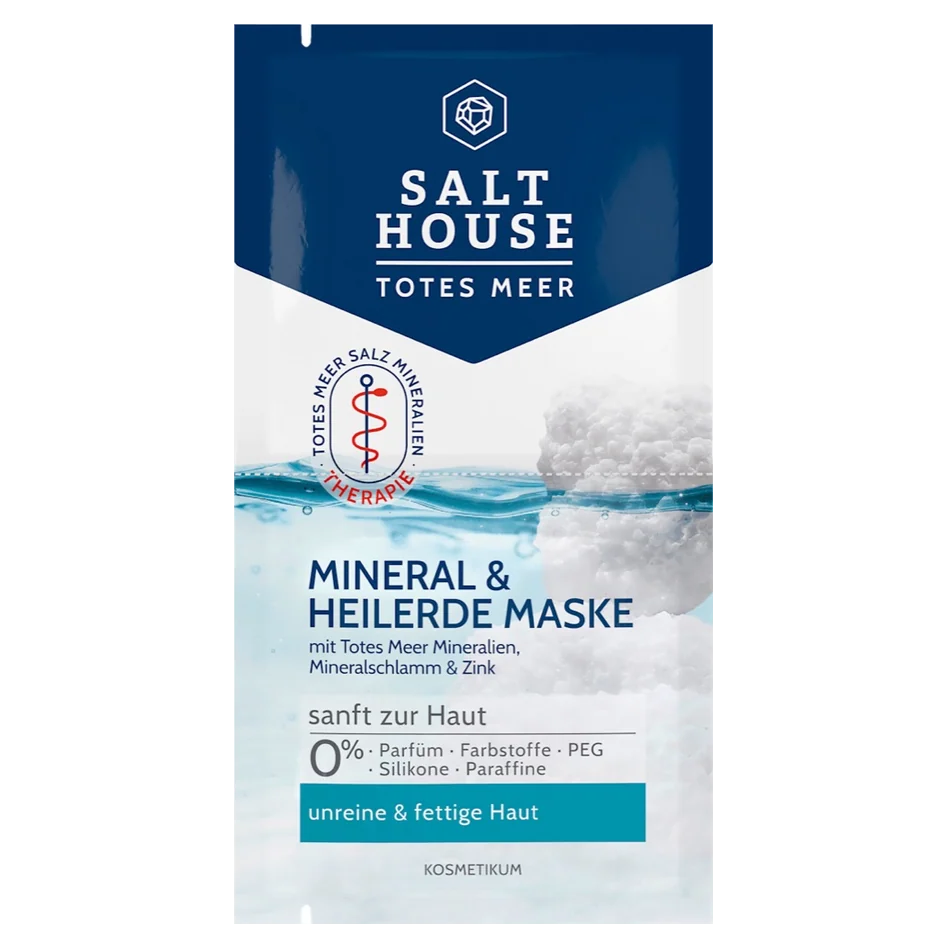
Salthouse
Totes Meer Therapie Gesichtsmaske Mineral & Heilerde
14th of 17 on the label
below ≈1%
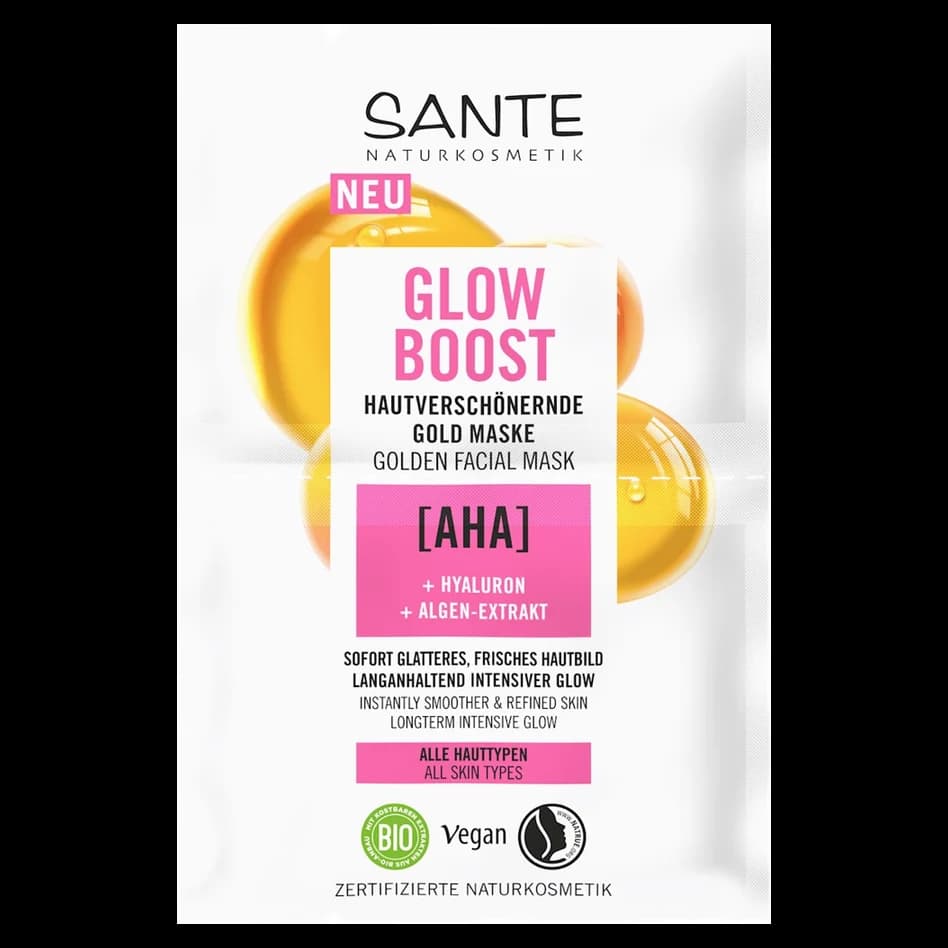
Santé Naturkosmetik
Glow Boost Maske AHA
2nd of 29 on the label
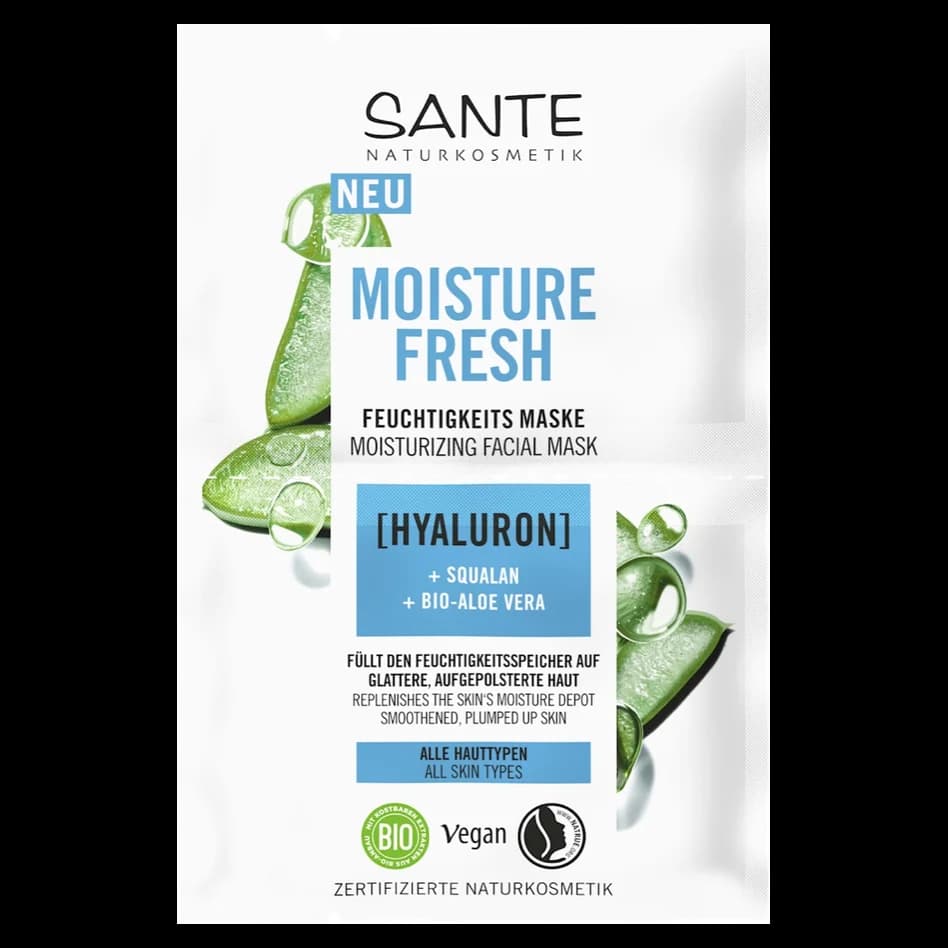
Santé Naturkosmetik
Moisture Fresh Maske Hyaluron
2nd of 24 on the label
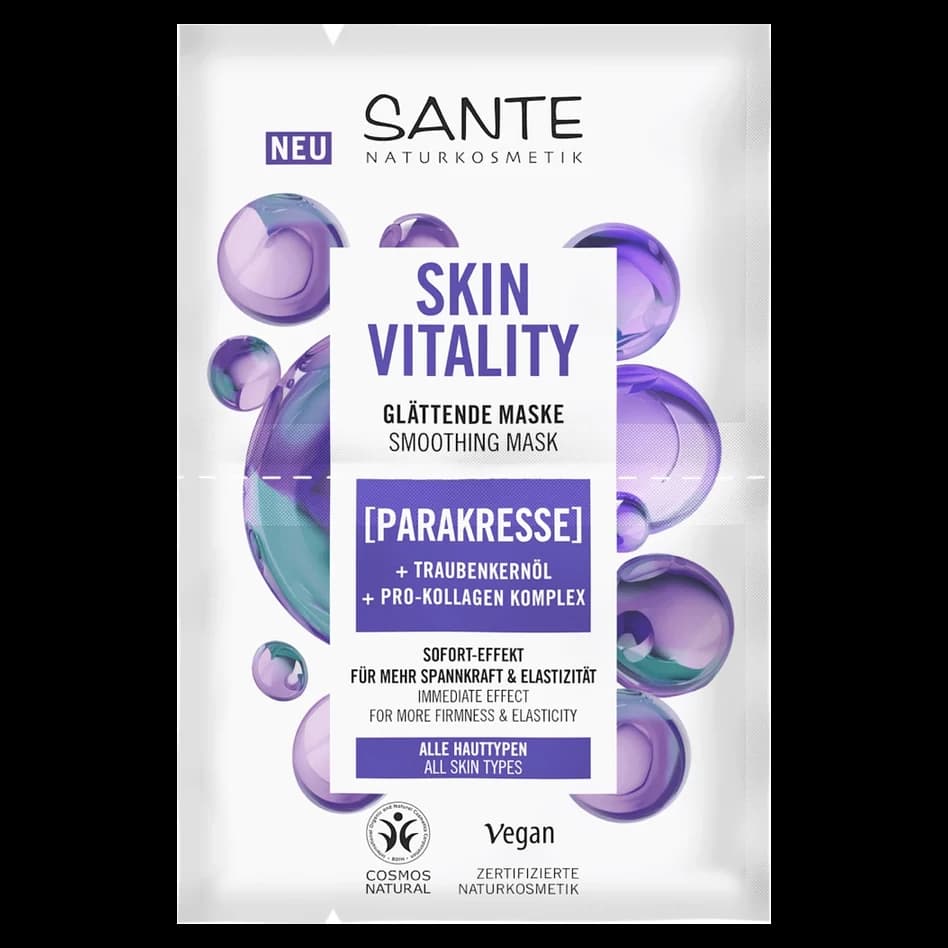
Santé Naturkosmetik
Skin Vitality Maske Parakresse
16th of 33 on the label
below ≈1%
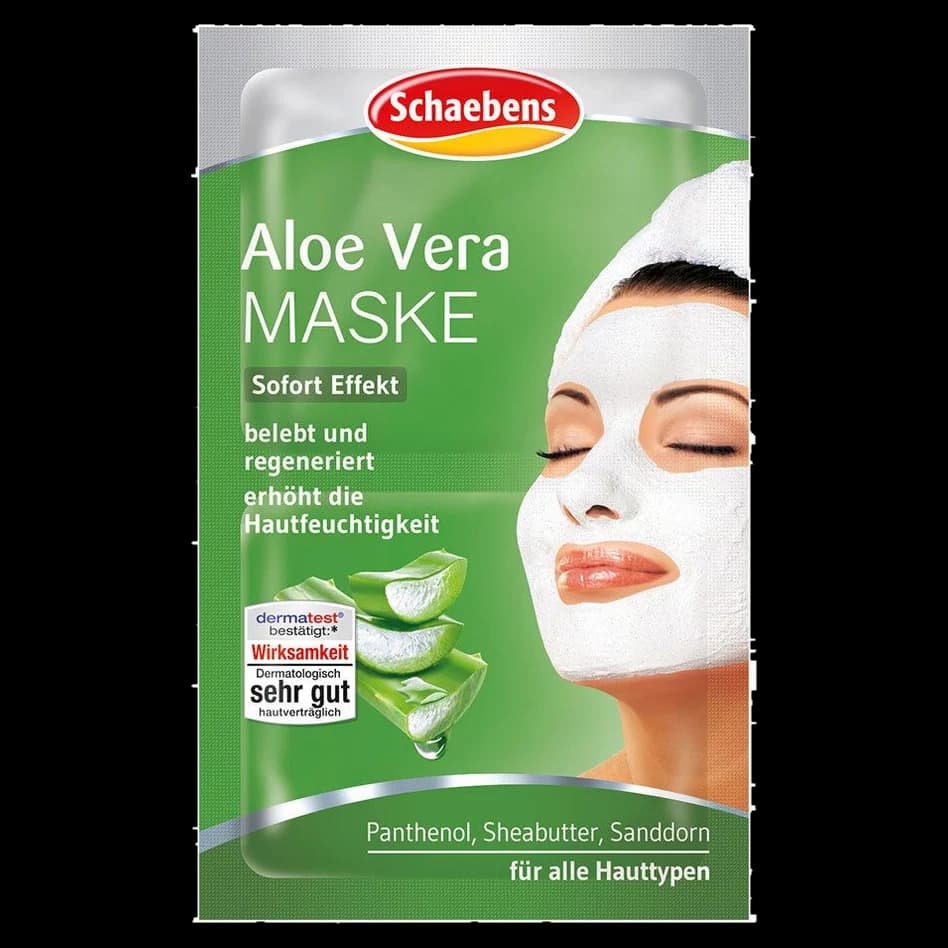
Schaebens
Aloe Vera Maske
10th of 34 on the label
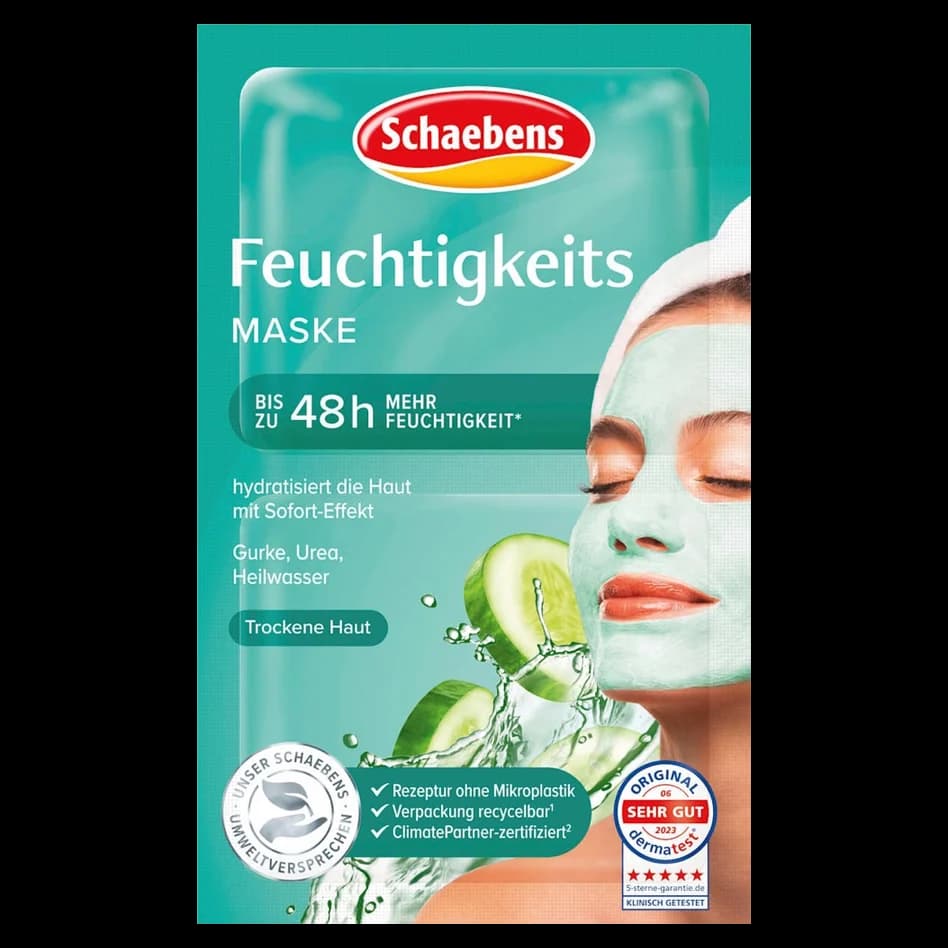
Schaebens
Gesichtsmaske Feuchtigkeit Sofort-Effekt
11th of 38 on the label
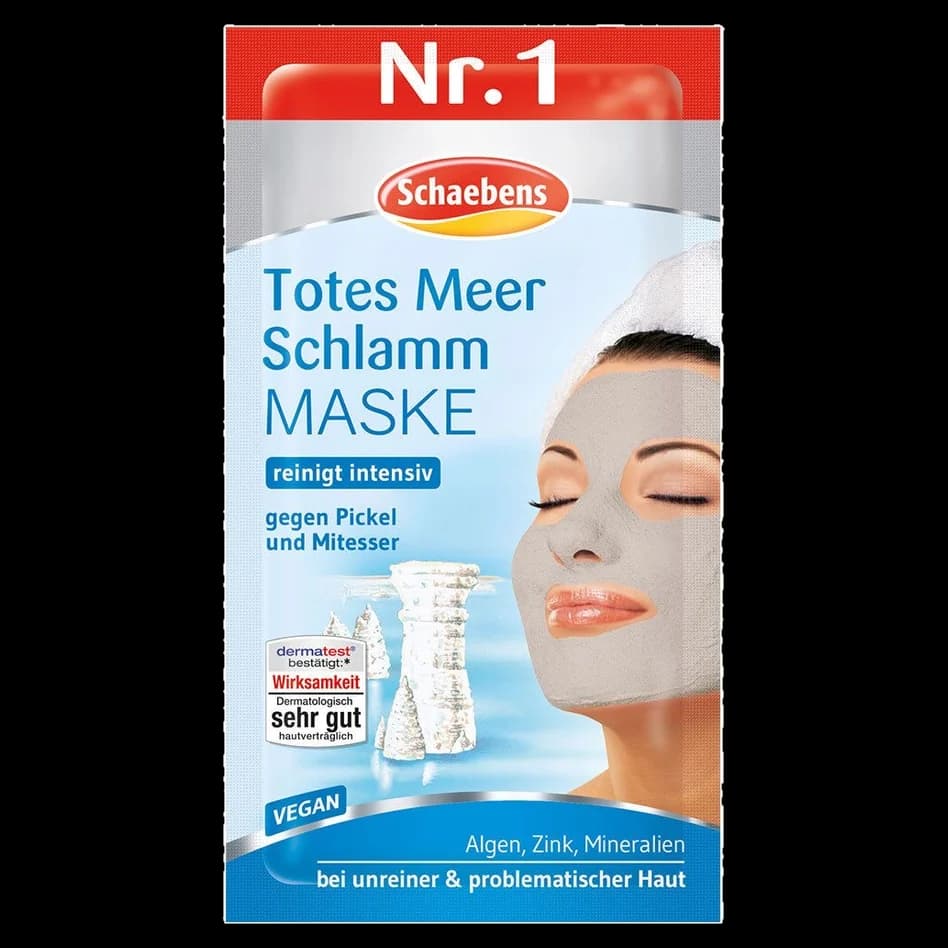
Schaebens
Totes Meer Schlamm Maske
9th of 14 on the label
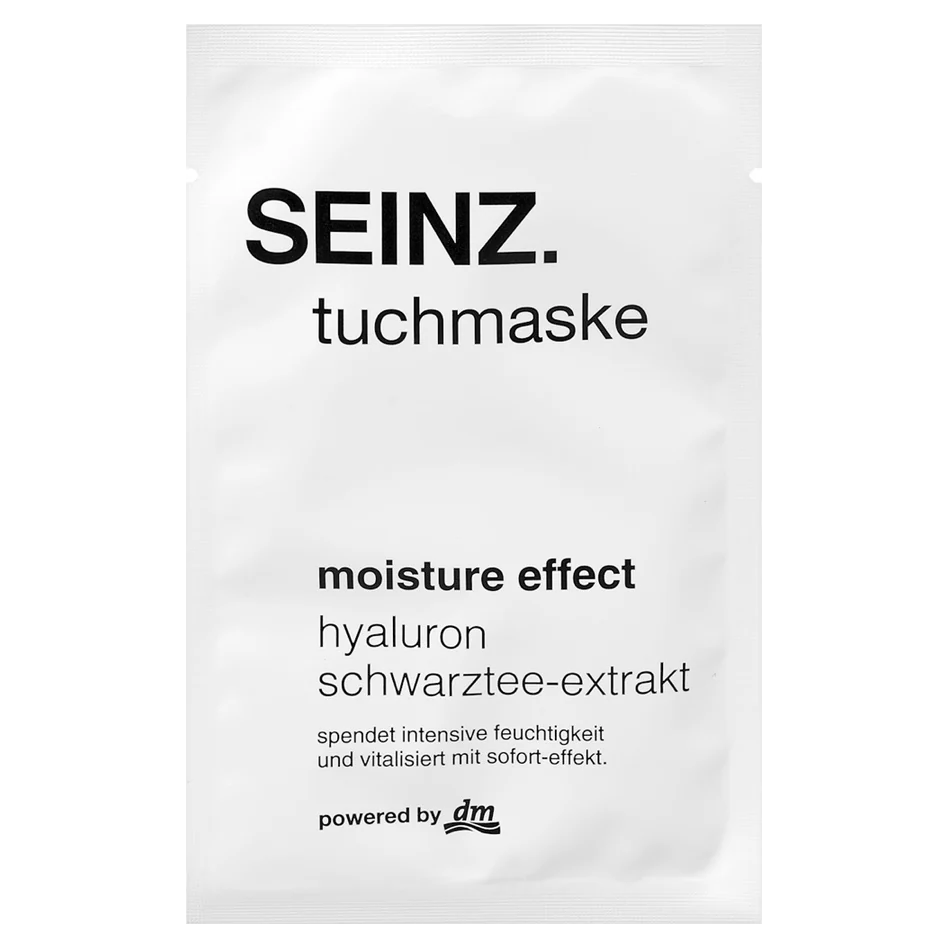
SEINZ.
Tuchmaske moisture effect
4th of 16 on the label
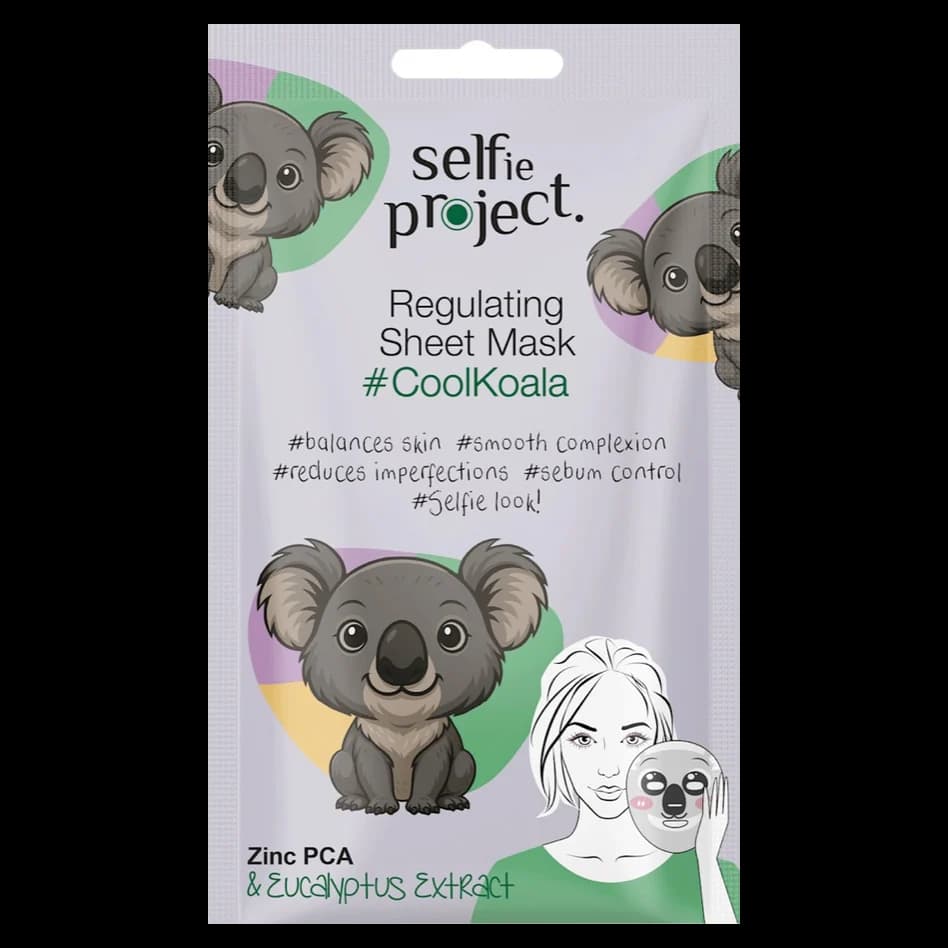
Selfie Project
Gesichtsmaske regulierend #CoolKoala
10th of 27 on the label
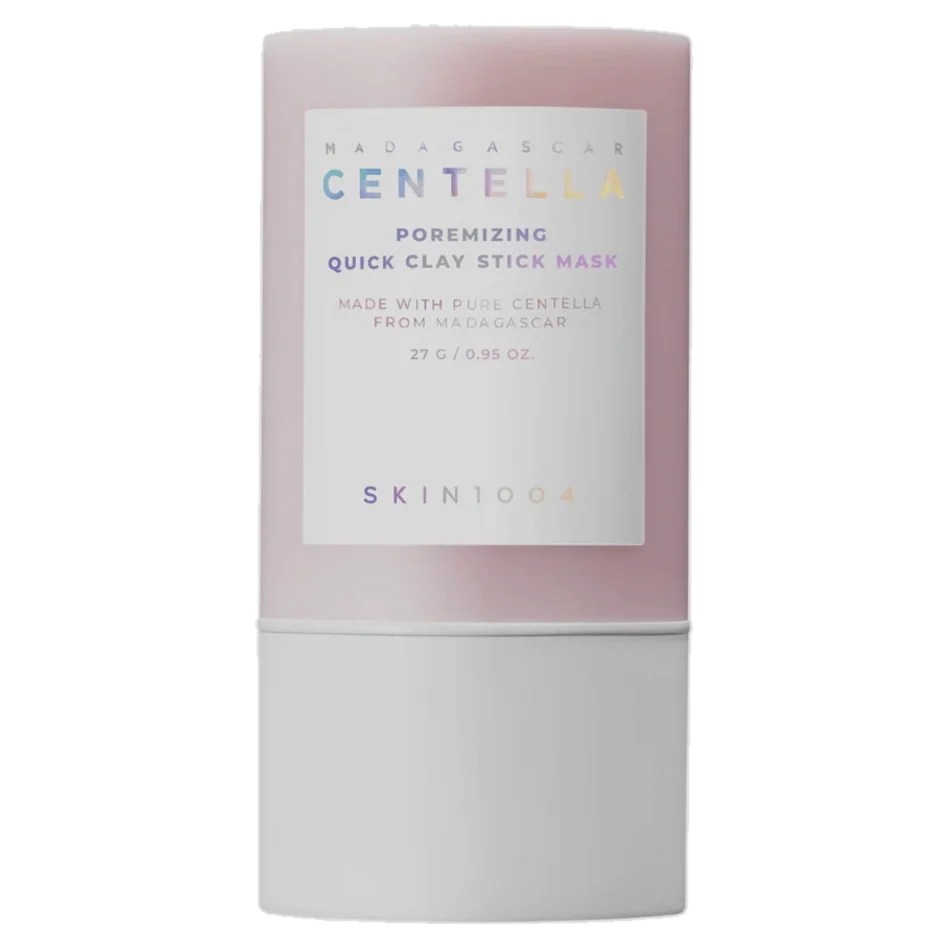
SKIN1004
Madagascar Centella Poremizing Quick Clay Stick Mask
11th of 23 on the label
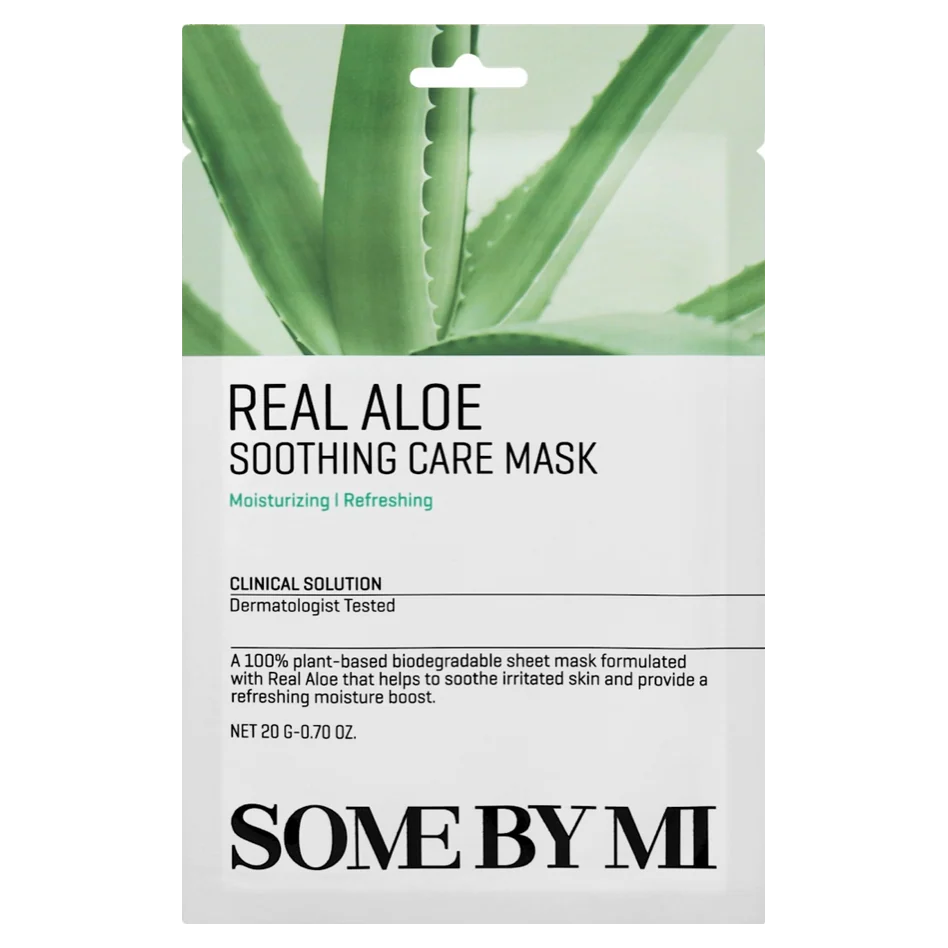
SOME BY MI
Real Aloe Soothing Care Mask
8th of 21 on the label
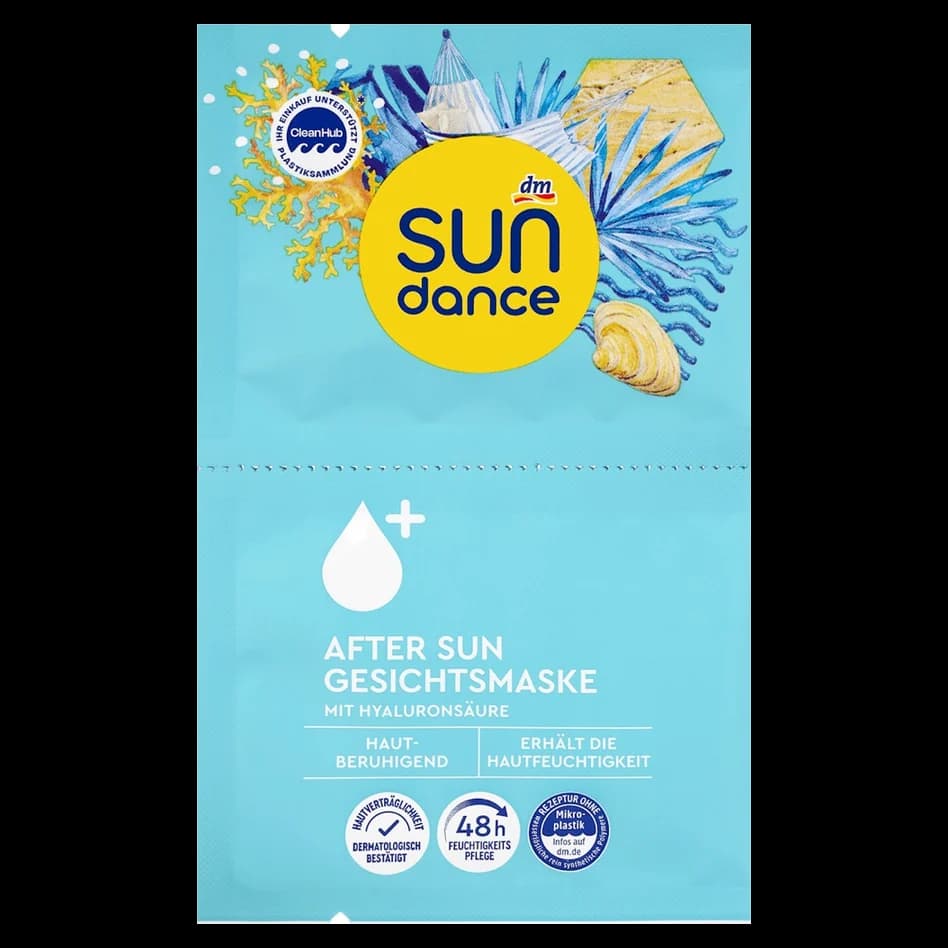
SUNDANCE
After Sun Gesichtsmaske
17th of 25 on the label
below ≈1%
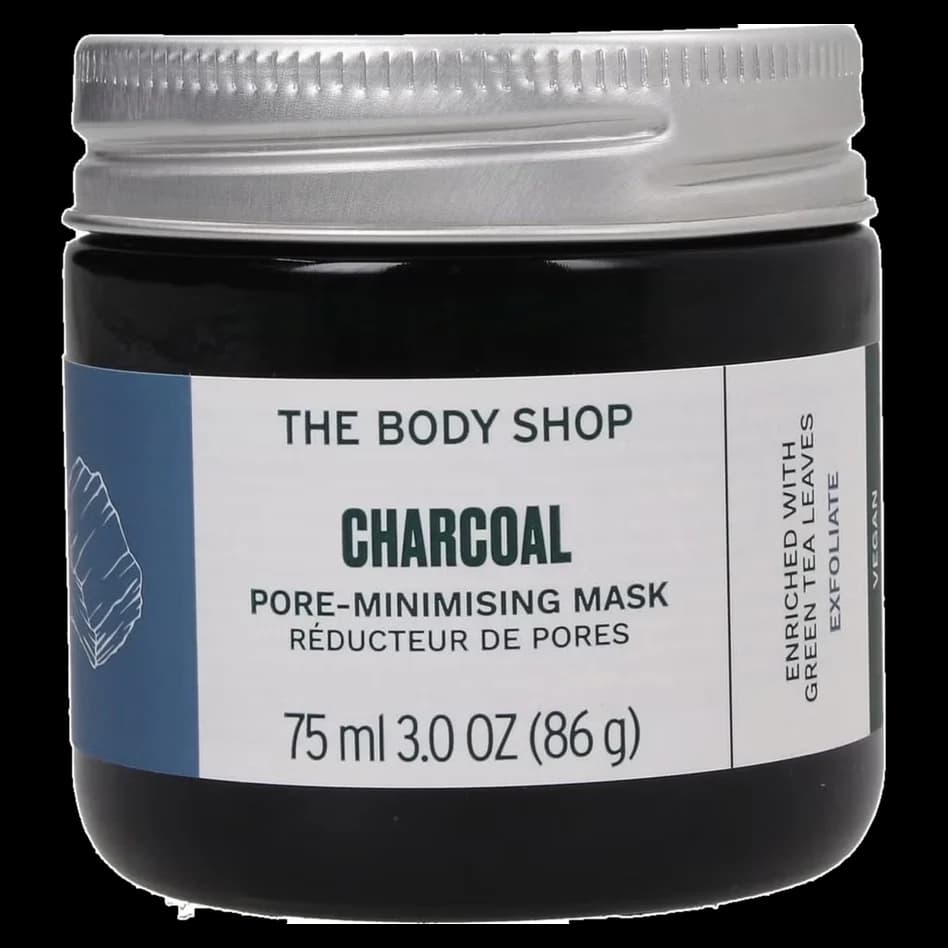
The Body Shop
Charcoal Pore Minimising Mask
24th of 37 on the label
below ≈1%
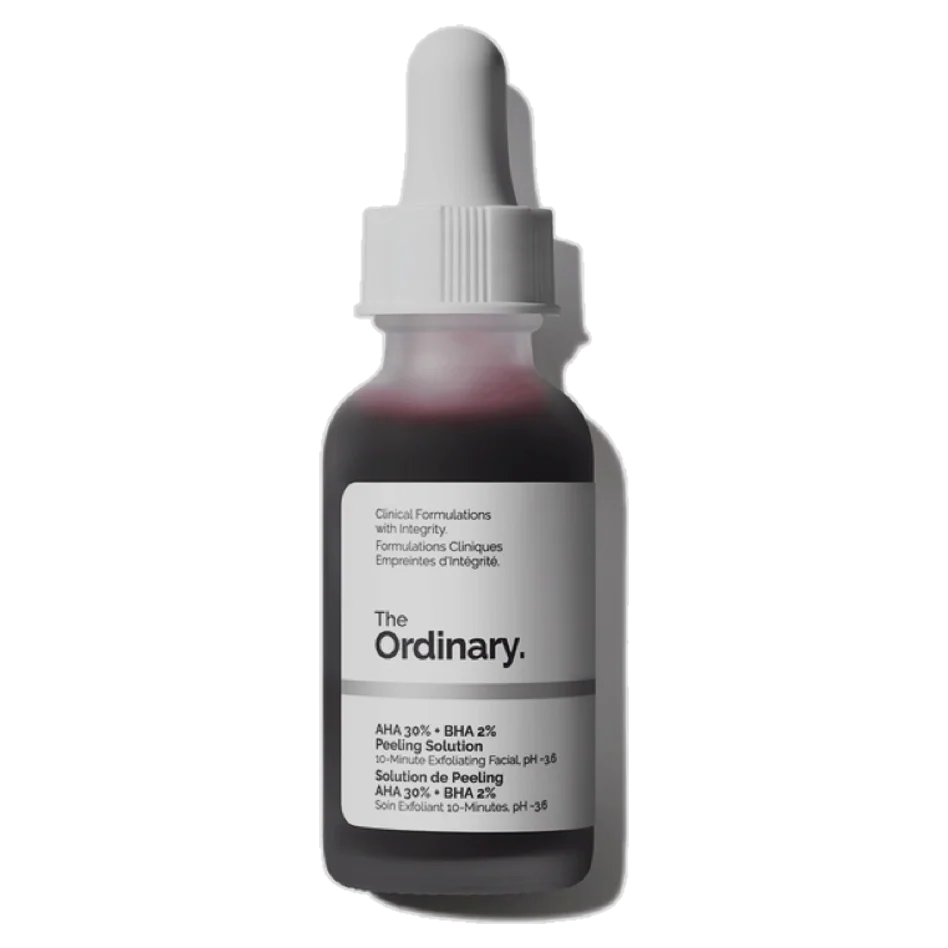
The Ordinary
AHA 30% + BHA 2% Peeling Solution
3rd of 24 on the label
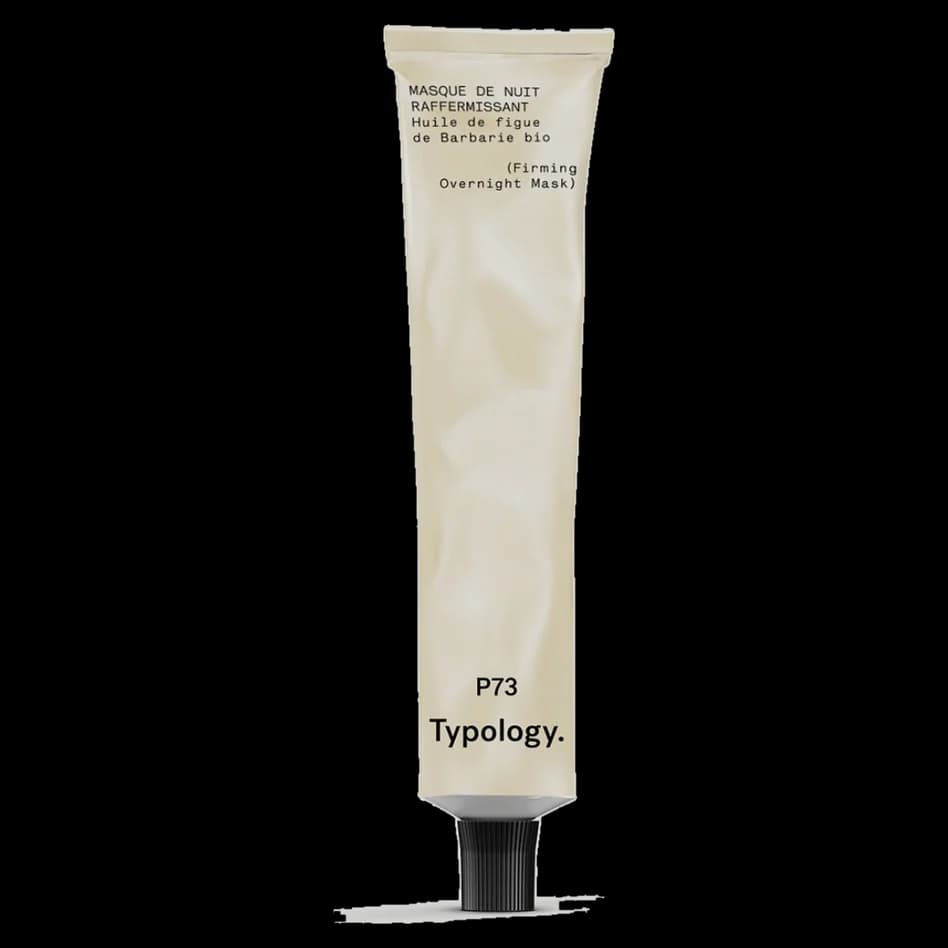
Typology
Masque de Nuit Raffermissant P73 (Firming Night Mask)
20th of 24 on the label
below ≈1%
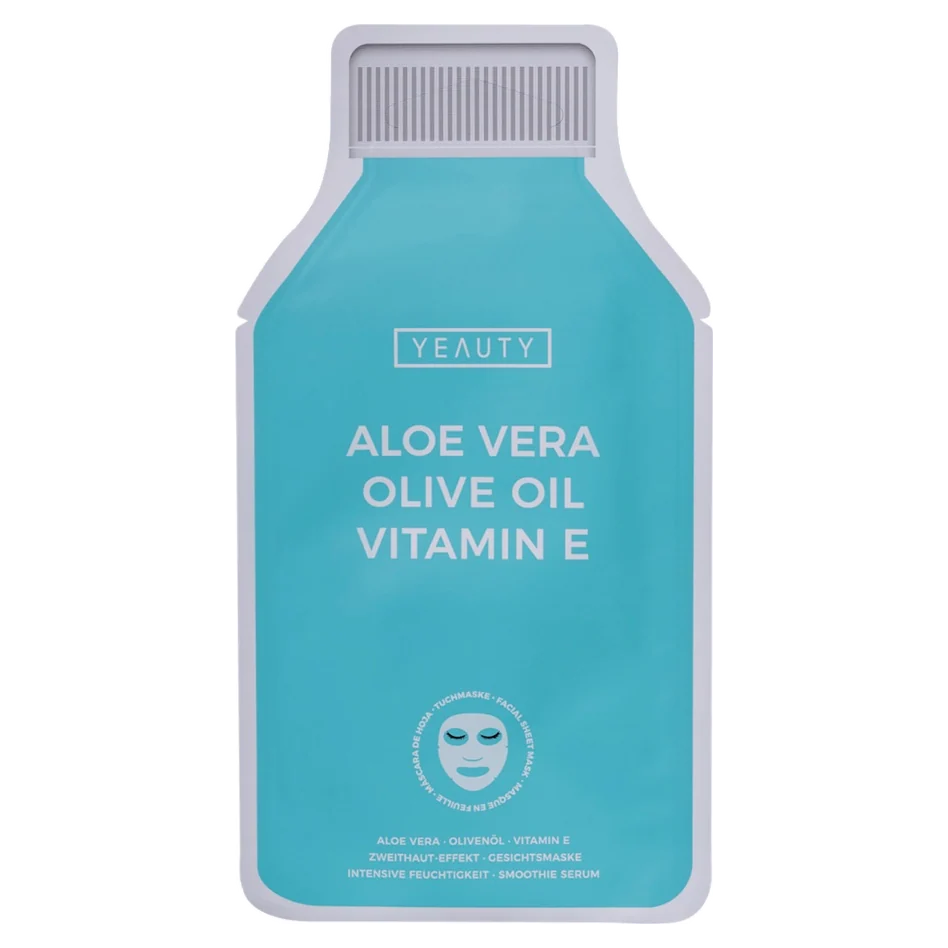
Yeauty
Tuchmaske Aloe Vera Olive Oil Vitamin E
9th of 29 on the label
below ≈1%