Glycyrrhiza Glabra (Licorice) Root Extract
Licorice
No meaningful concern for most people; irritation is possible but rare.
Also written as: Dipotassium Glycyrrhizate · Glycyrrhiza Glabra Root Extract · Glycyrrhiza Glabra Rhizome/Root Extract · Glycyrrhiza Uralensis Root Extract · Glabridin · Licorice Extract · Glycyrrhizic Acid · Glycyrrhetinic Acid
What it is
Licorice root extract contains two useful families of compounds: glabridin and related flavonoids, which interfere with pigment production, and glycyrrhizin, a saponin with anti-inflammatory activity. Dipotassium glycyrrhizate is a purified, water-soluble potassium salt of glycyrrhizic acid used specifically as a soothing agent and humectant, and appears on packs in its own right. Formulators use whole-root extract for brightening and the purified salt for calming redness.
How it shows up on a label
"Dipotassium Glycyrrhizate" high on an INCI list usually signals a product formulated for soothing; whole "Glycyrrhiza Glabra Root Extract" more often signals a brightening claim.
What it does well
Calms redness and irritation
Glycyrrhizin and its salts have well-characterised anti-inflammatory activity and dipotassium glycyrrhizate is a standard soothing agent in products for reactive skin. Most supporting data comes from small studies and lab work rather than large trials.
Moderate evidence
Gradually softens dark marks and uneven tone
Glabridin inhibits tyrosinase, the enzyme that drives pigment production. A 40-woman open-label study of a gel containing glabridin plus two other actives showed significant improvement in epidermal melasma, but it had no placebo arm and the effect cannot be attributed to licorice alone.
Limited evidence
Adds mild antioxidant and humectant properties
Licorice flavonoids scavenge free radicals in laboratory assays, and the glycyrrhizate salts hold water at the skin surface.
Limited evidence
Worth knowing
Brightening effect is slow and subtle
Licorice is a gentle tyrosinase inhibitor, not a bleaching agent. Expect gradual softening of marks over months, not the effect of a prescription treatment.
Matters most toAnyone buying a licorice product expecting rapid results on melasma or post-acne marks.
Rare contact allergy
Allergic reactions to topical licorice are uncommon but reported. The systemic effects associated with eating large amounts of licorice - raised blood pressure and low potassium - are not a recognised risk from cosmetic use on the skin.
Matters most toPeople with a known legume (Fabaceae) or licorice sensitivity.
Where the EU stands
No specific restriction
Not listed in any Annex of the EU Cosmetics Regulation, so there is no specific concentration limit; it is still covered by the general safety assessment every cosmetic product must pass before sale.
Regulation (EC) No 1223/2009 - no annex entry · source ↗
Sources (1)
Every link goes to the original: a journal, a PubMed record or an EU document.
- [1]A new proprietary gel containing glabridin, andrographolide, and apolactoferrin improves the appearance of epidermal melasma in adult women
Journal of Cosmetic Dermatology · 2020 · doi:10.1111/jocd.13161
All endpoints improved significantly from baseline in 40 women with epidermal melasma, but the study was an uncontrolled open-label pilot of a three-active gel and the authors called for placebo-controlled confirmation.
Masks that contain Glycyrrhiza Glabra (Licorice) Root Extract
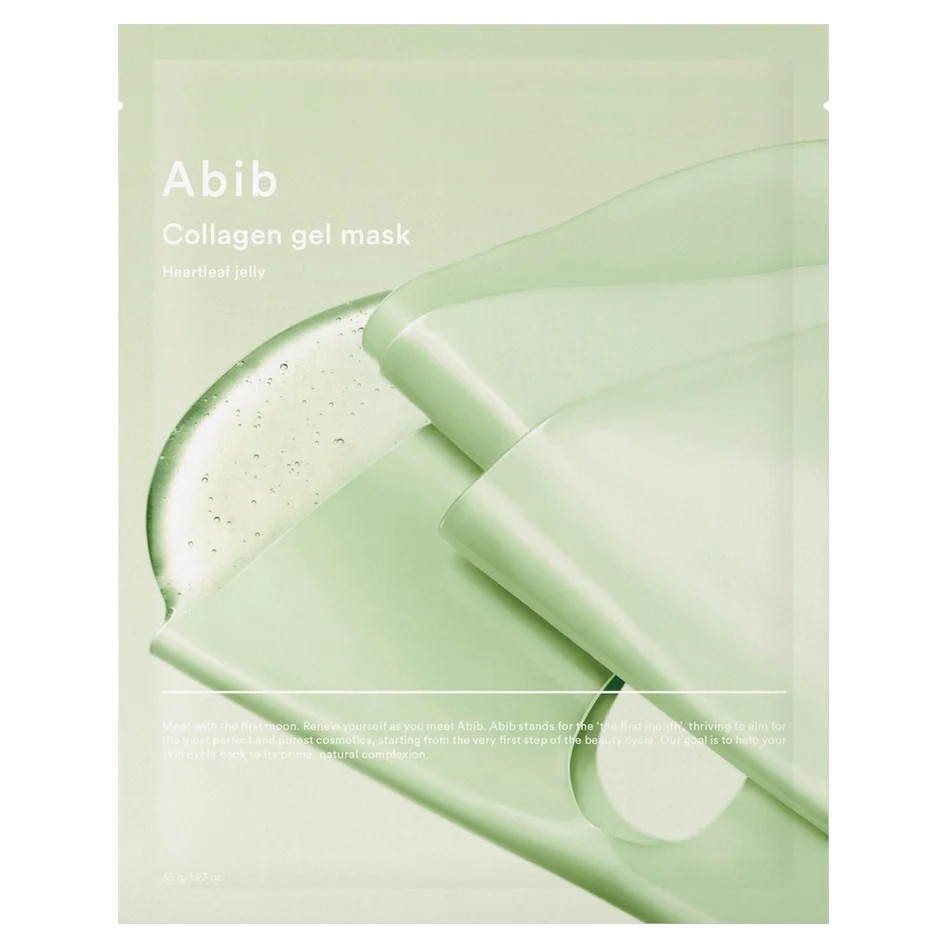
Abib
Collagen Gel Mask Heartleaf Jelly
35th of 43 on the label
below ≈1%
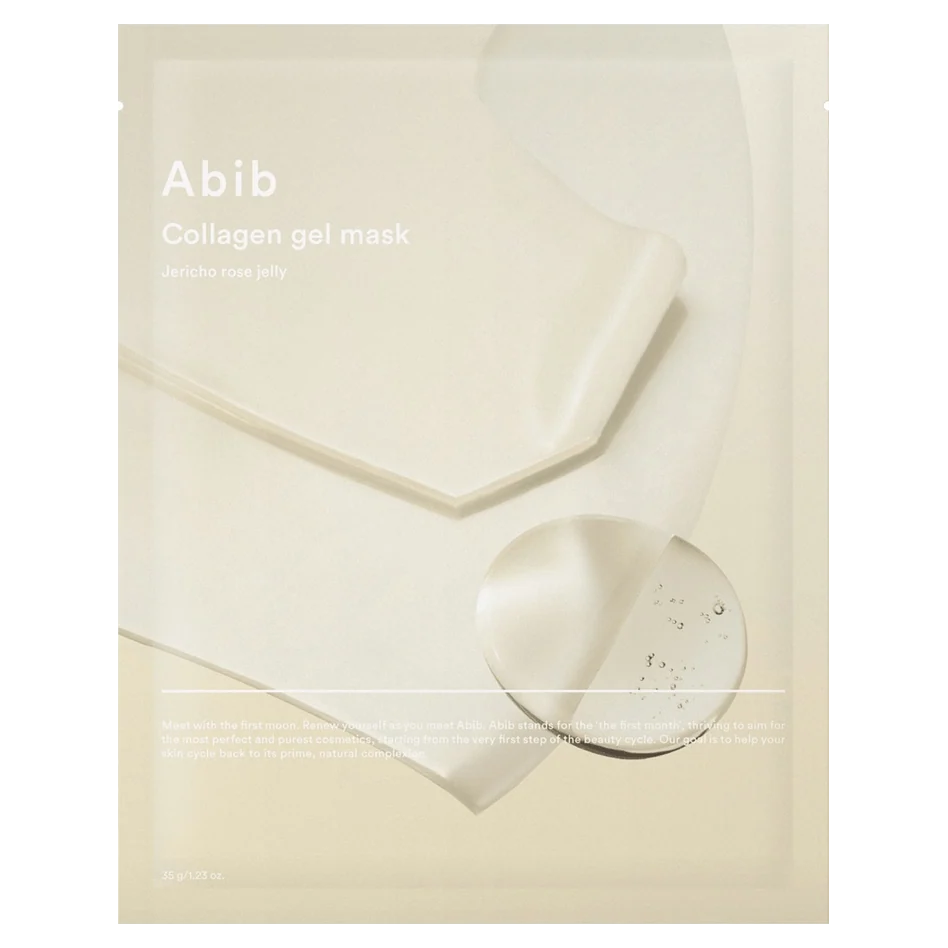
Abib
Collagen Gel Mask Jericho Rose Jelly
35th of 43 on the label
below ≈1%
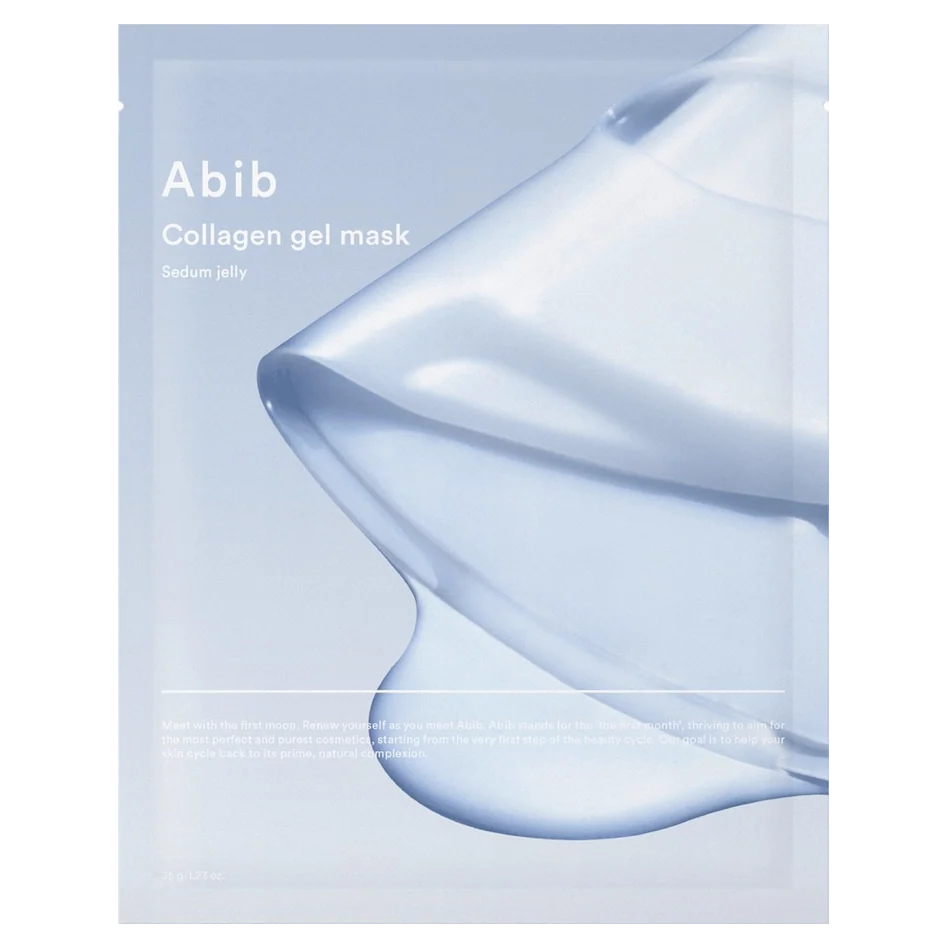
Abib
Collagen Gel Mask Sedum Jelly
30th of 41 on the label
below ≈1%
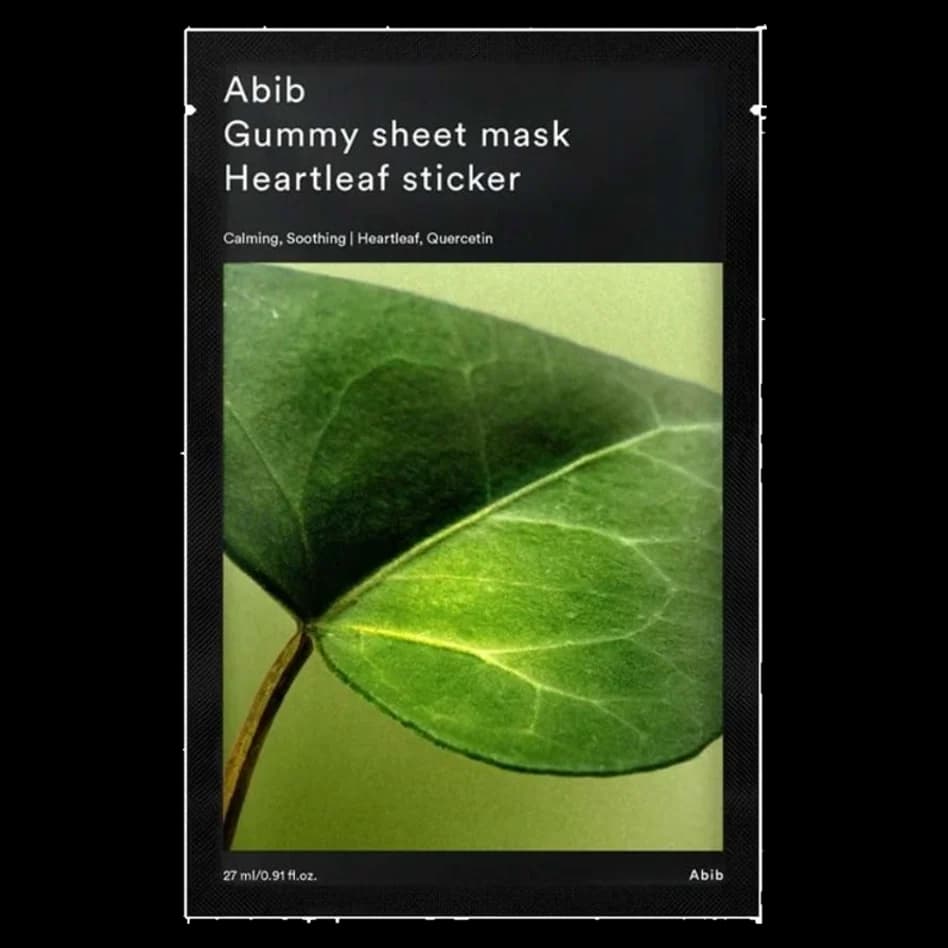
Abib
Gummy Sheet Mask Heartleaf Sticker
18th of 29 on the label
below ≈1%
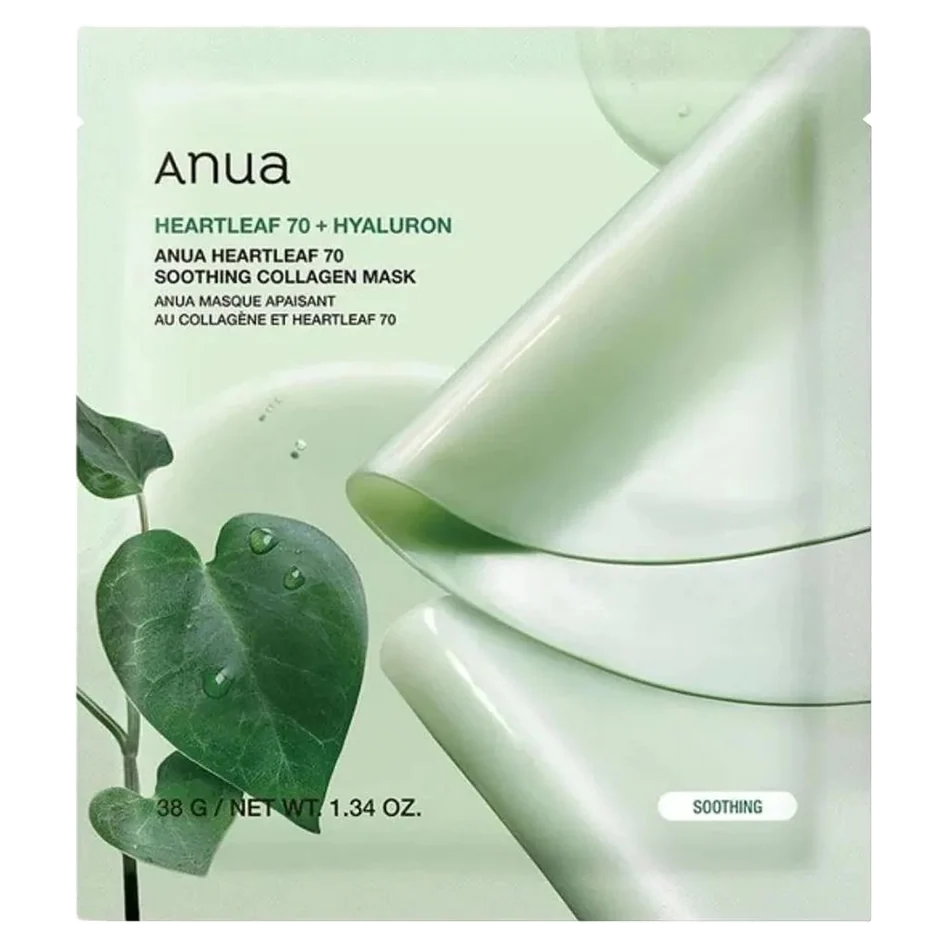
Anua
Heartleaf 70 Soothing Collagen Mask
17th of 35 on the label
below ≈1%
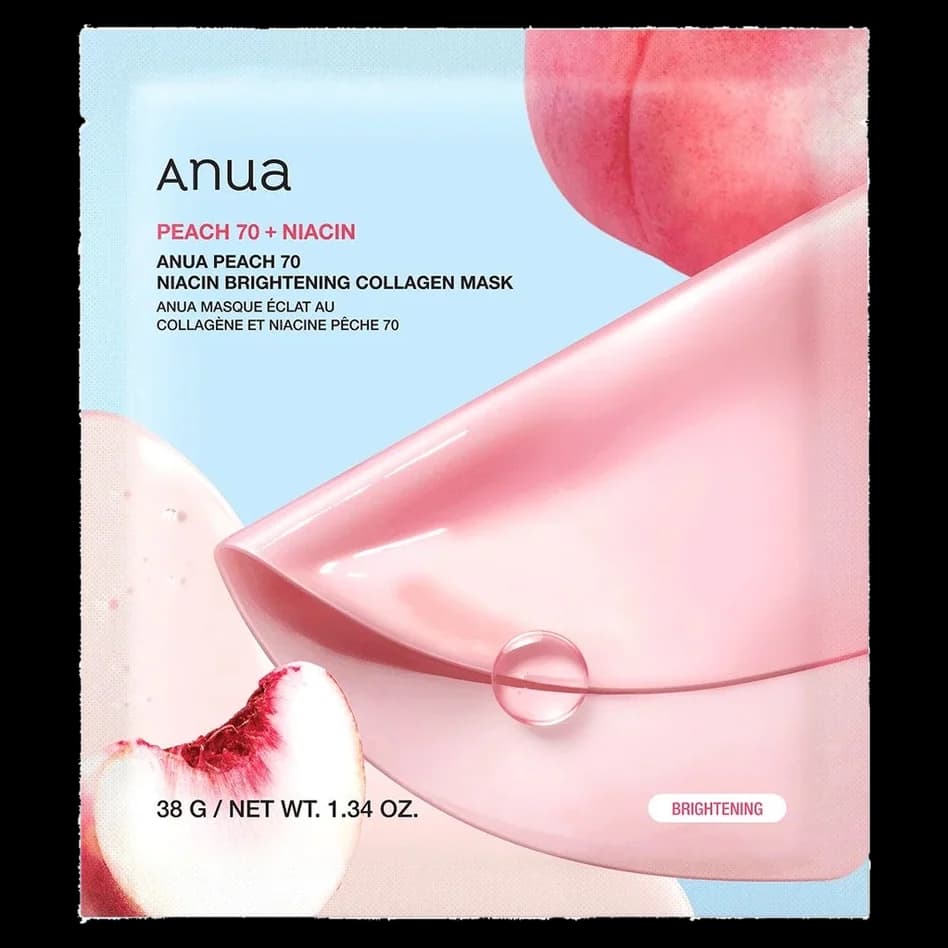
Anua
Peach 70 Niacin Brightening Collagen Mask
18th of 44 on the label
below ≈1%
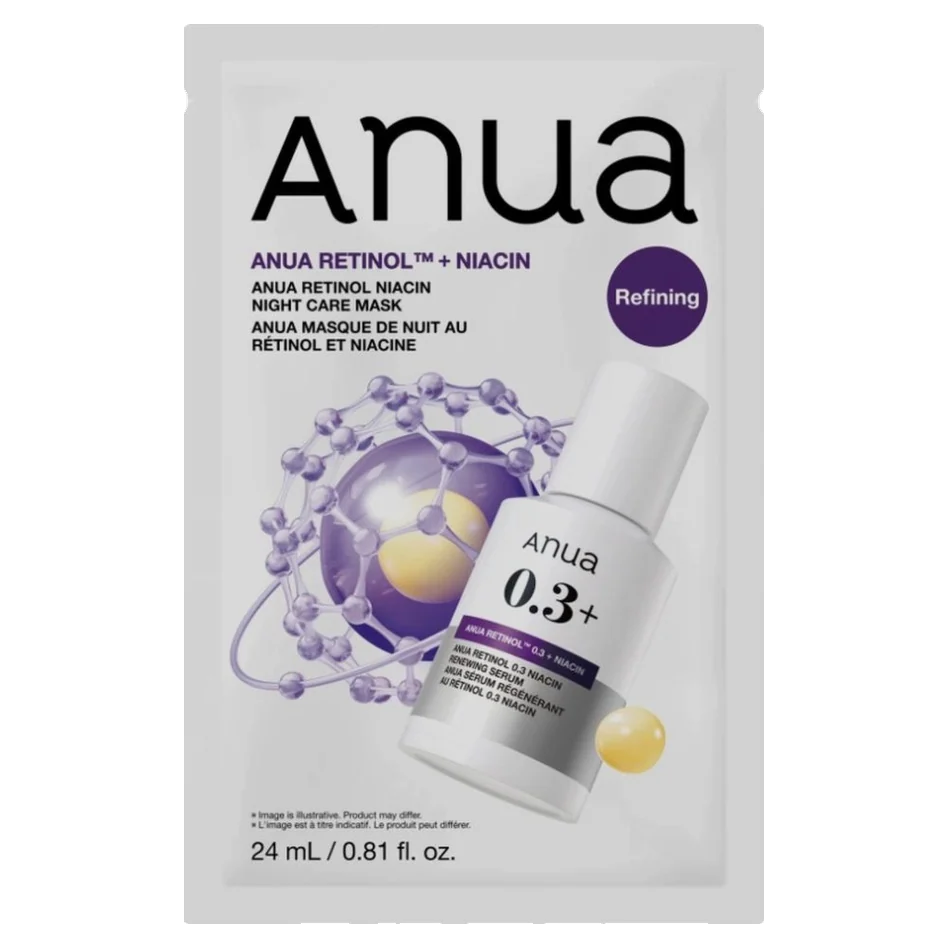
Anua
Retinol Niacin Night Care Mask
15th of 44 on the label
below ≈1%
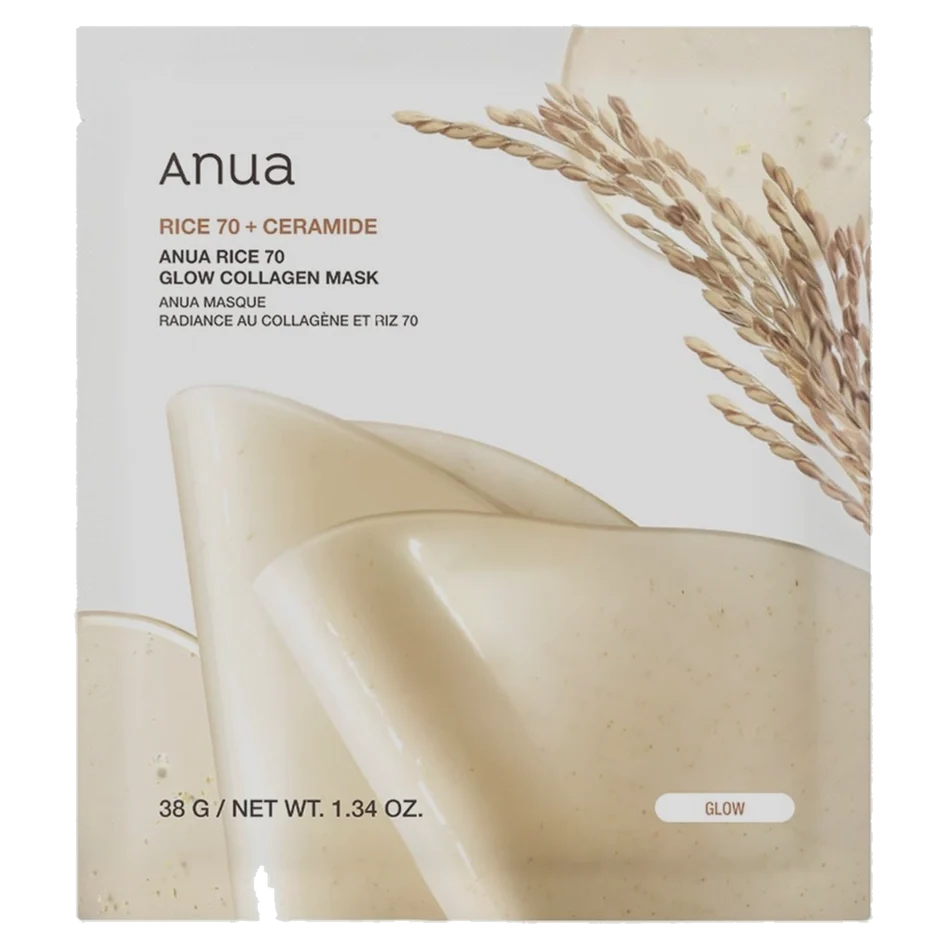
Anua
Rice 70 Glow Collagen Mask
19th of 42 on the label
below ≈1%
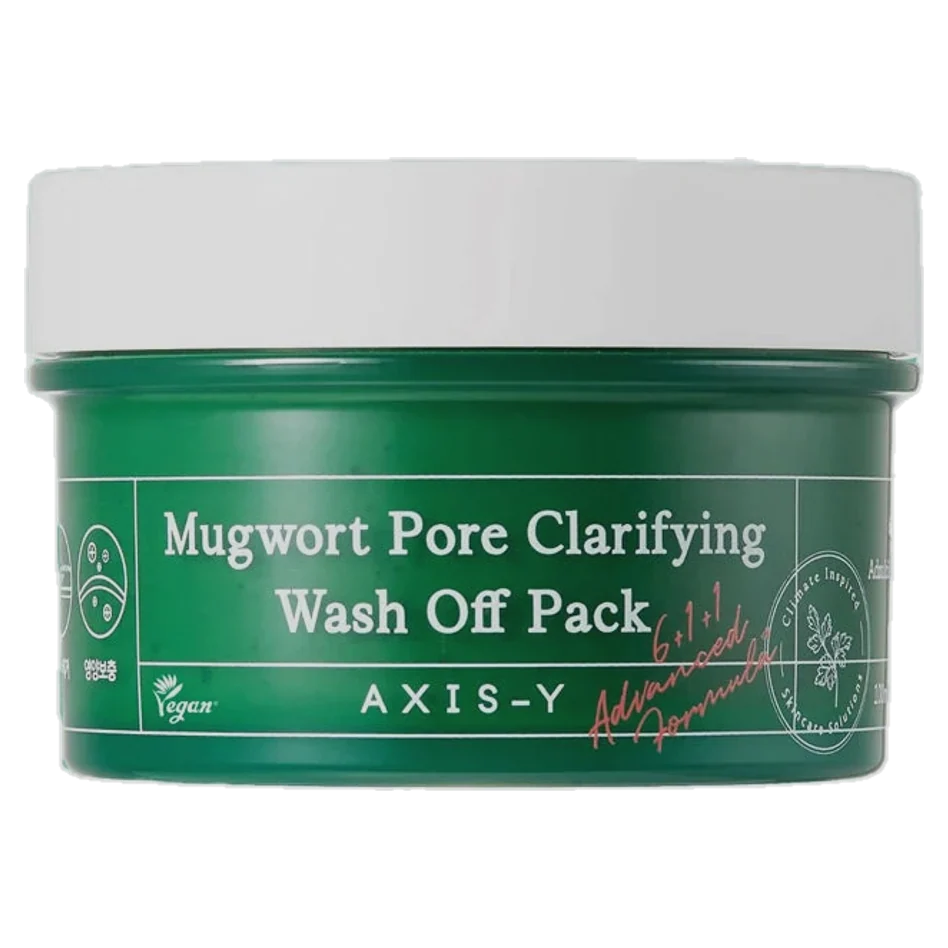
AXIS-Y
Mugwort Pore Clarifying Wash Off Pack
12th of 36 on the label
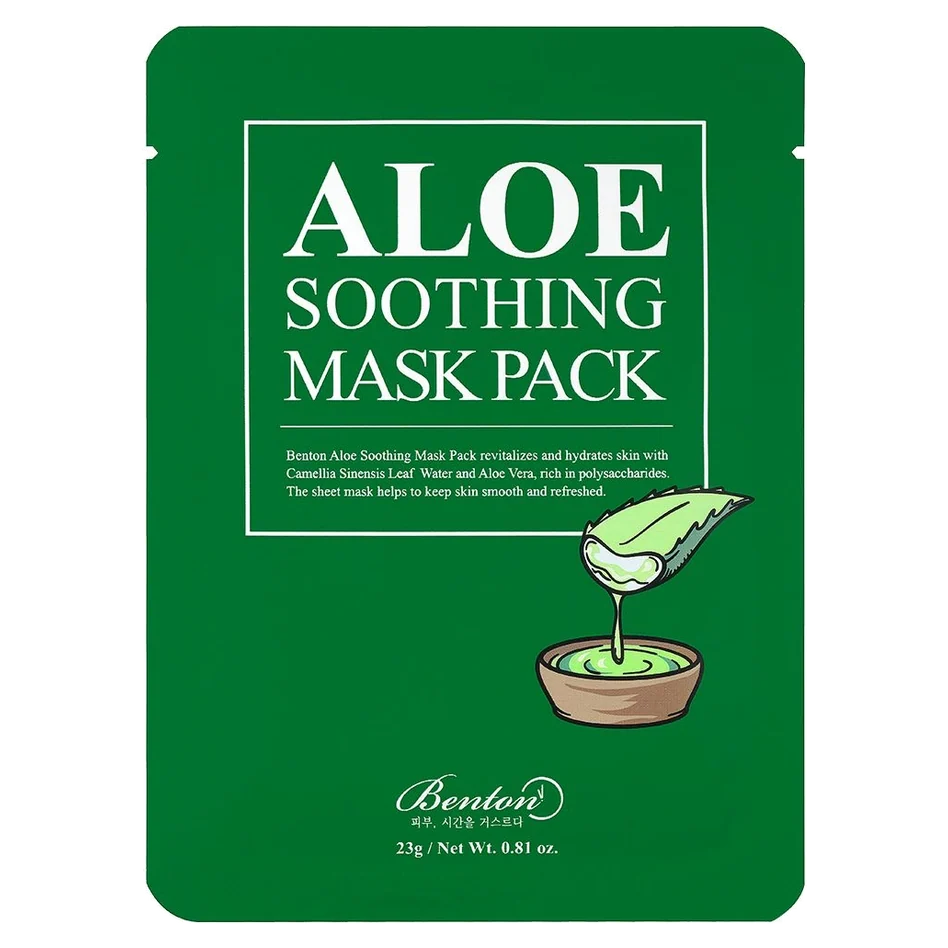
Benton
Aloe Soothing Mask Pack
18th of 19 on the label
below ≈1%
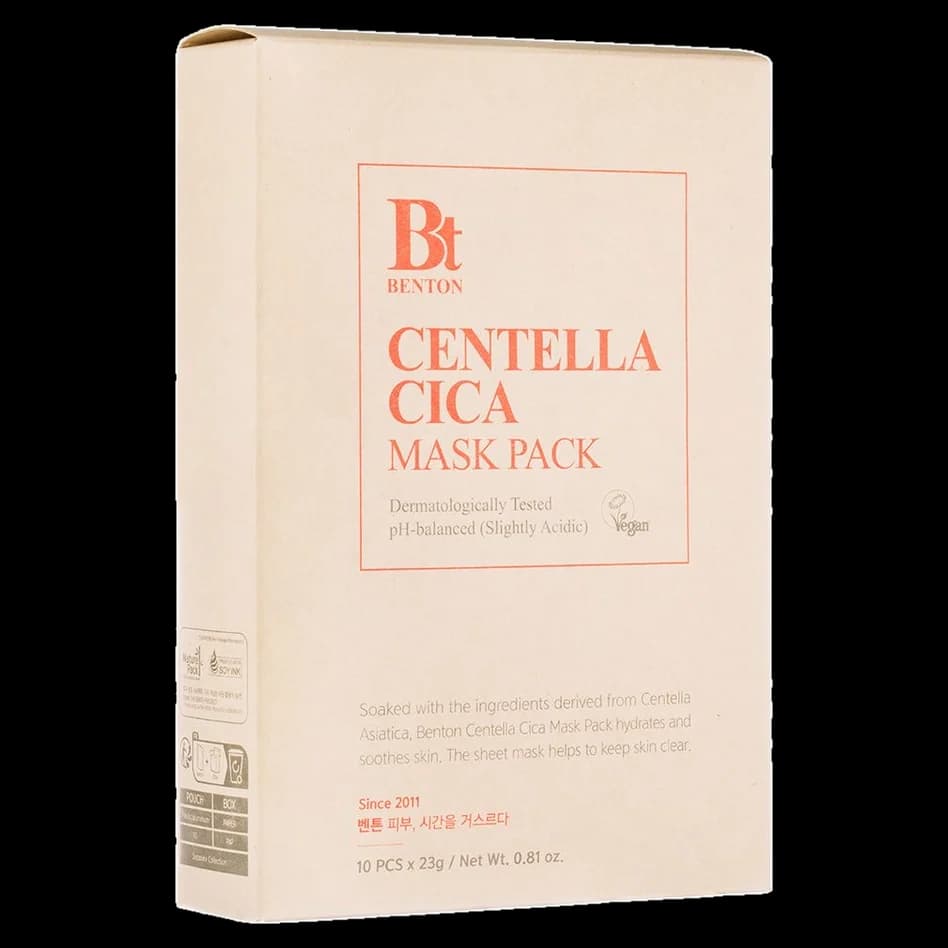
Benton
Goodbye Redness Centella Cica Mask Pack
11th of 23 on the label
below ≈1%
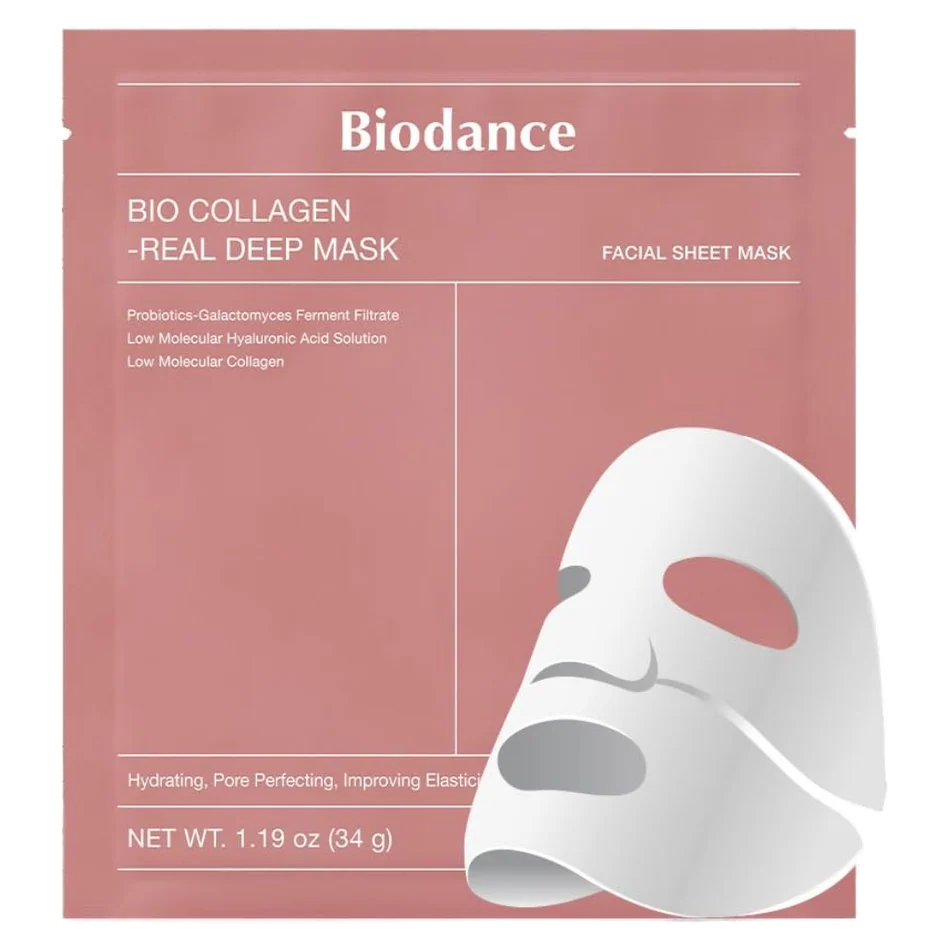
Biodance
Bio-Collagen Real Deep Mask
29th of 34 on the label
below ≈1%
Biodance
Hydro Cera-nol Real Deep Mask
46th of 65 on the label
below ≈1%
Biodance
Refreshing Sea Kelp Real Deep Mask
33rd of 43 on the label
below ≈1%
Dear, Klairs
Midnight Blue Calming Sheet Mask
19th of 21 on the label
below ≈1%
Dear, Klairs
Rich Moist Soothing Tencel Sheet Mask
8th of 33 on the label
below ≈1%
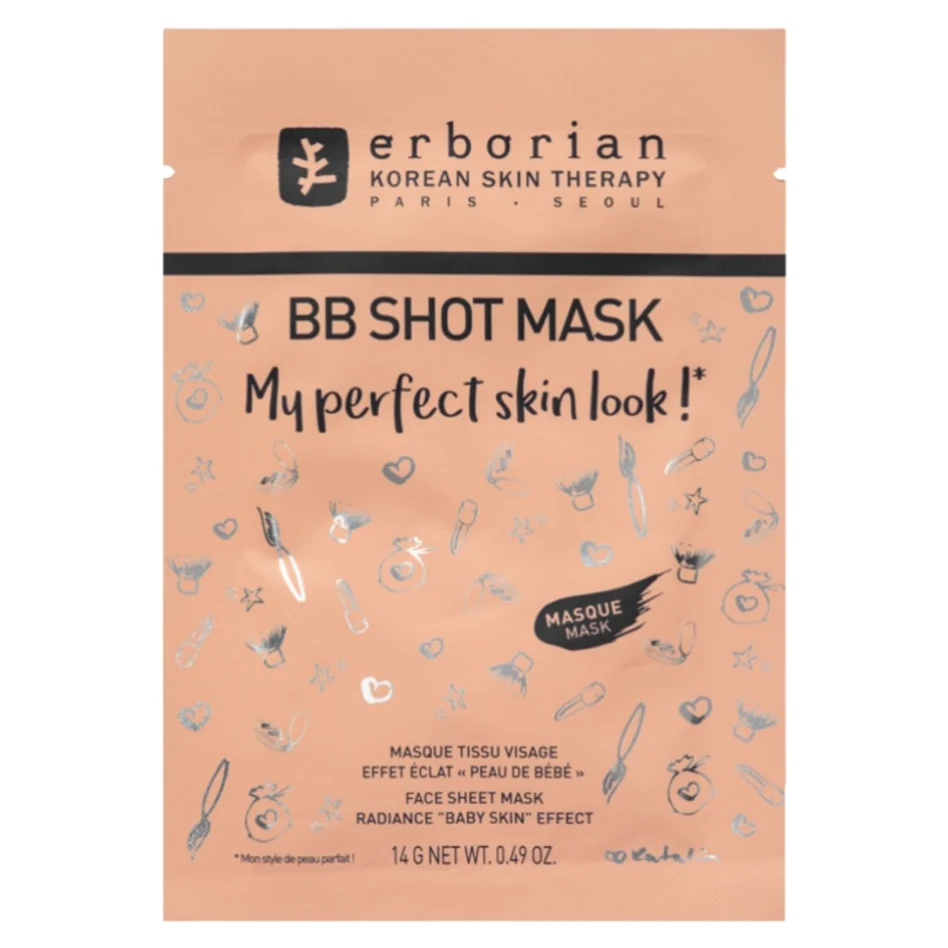
Erborian
BB Shot Mask
9th of 34 on the label
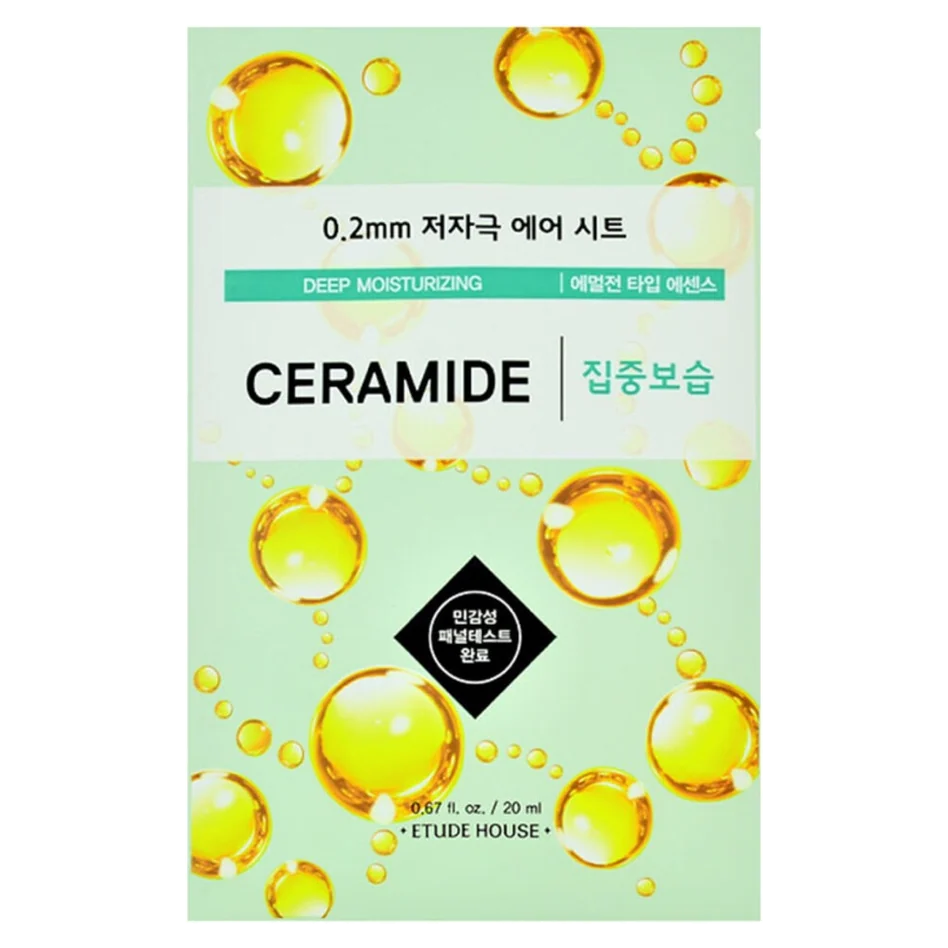
Etude House
0.2mm Therapy Air Mask Ceramide
14th of 33 on the label
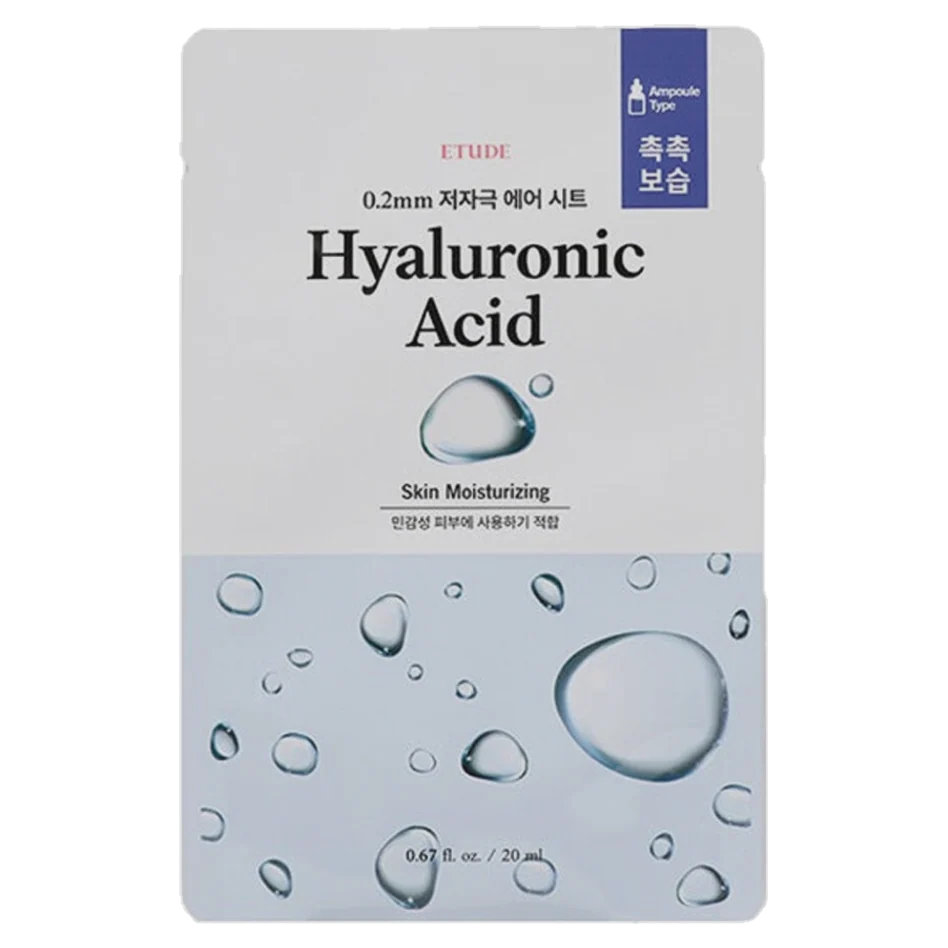
Etude House
0.2mm Therapy Air Mask Hyaluronic Acid
14th of 35 on the label
below ≈1%
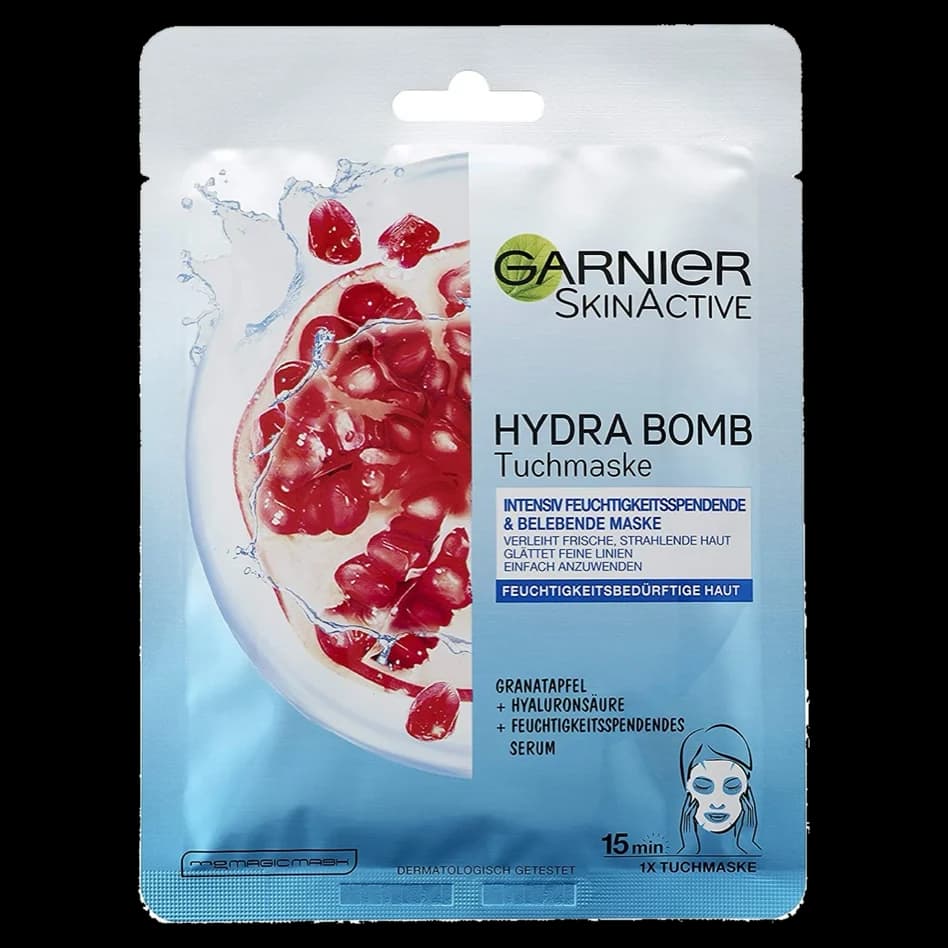
Garnier
SkinActive Hydra Bomb Tissue Mask Pomegranate
22nd of 29 on the label
below ≈1%
hautsache
Gesichtsmaske Biozellulose Calming
22nd of 27 on the label
below ≈1%
hautsache
Gesichtsmaske Brightening
17th of 33 on the label
below ≈1%
I'm From
Mugwort Mask
13th of 26 on the label
L'Oréal Paris
Men Expert Hydra Energetic Recharging Tissue Mask
13th of 21 on the label
below ≈1%
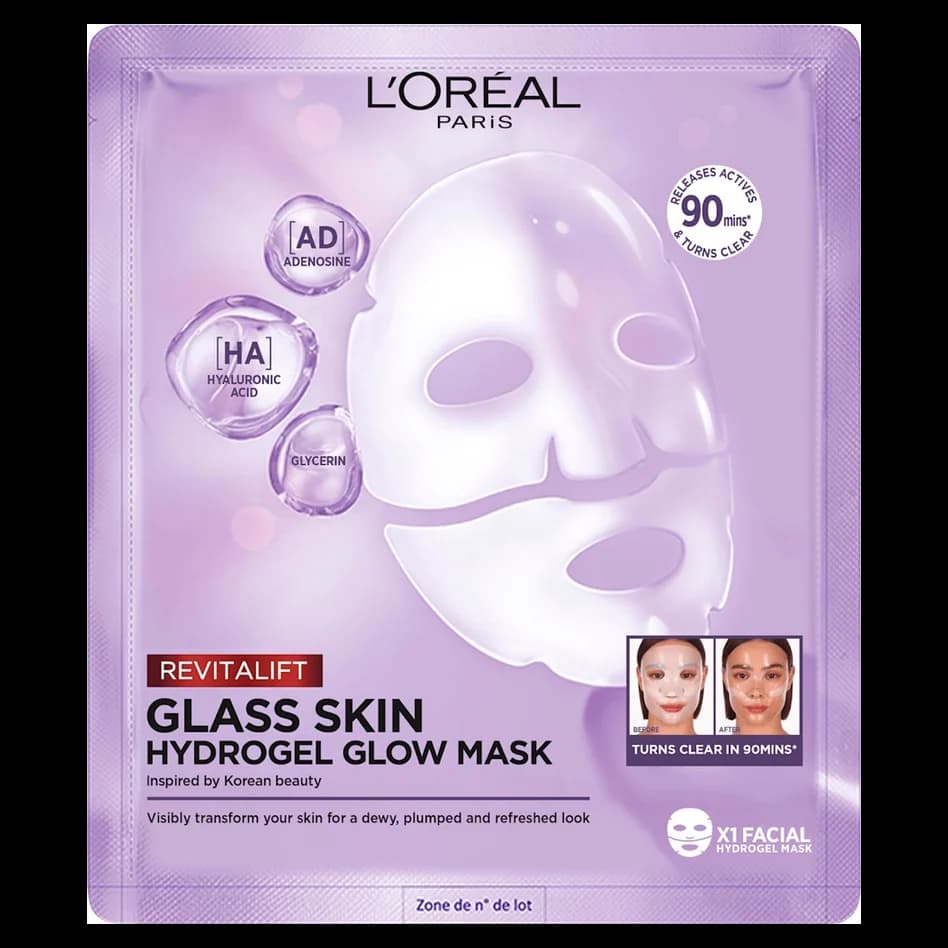
L'Oréal Paris
Revitalift Filler Glass Skin Hydrogel Glow Mask
10th of 32 on the label
below ≈1%
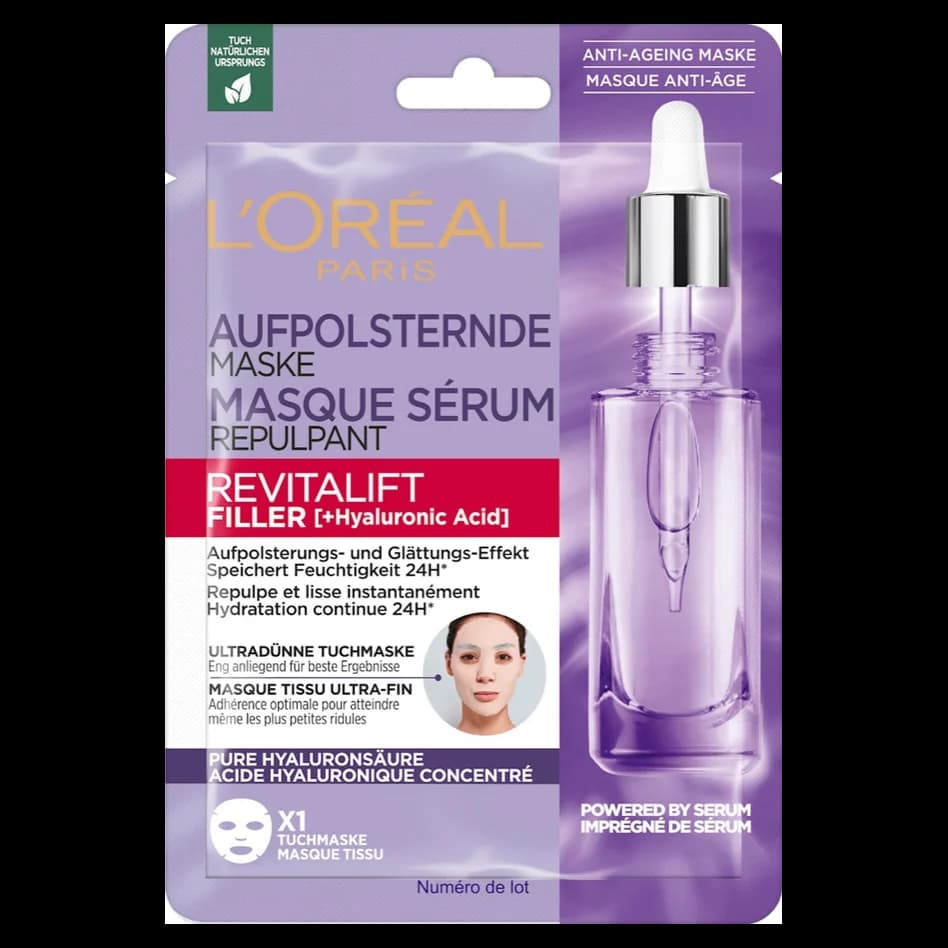
L'Oréal Paris
Revitalift Filler Hyaluronic Acid Tissue Mask
6th of 14 on the label
Medicube
Collagen Lifting Mask
23rd of 39 on the label
below ≈1%
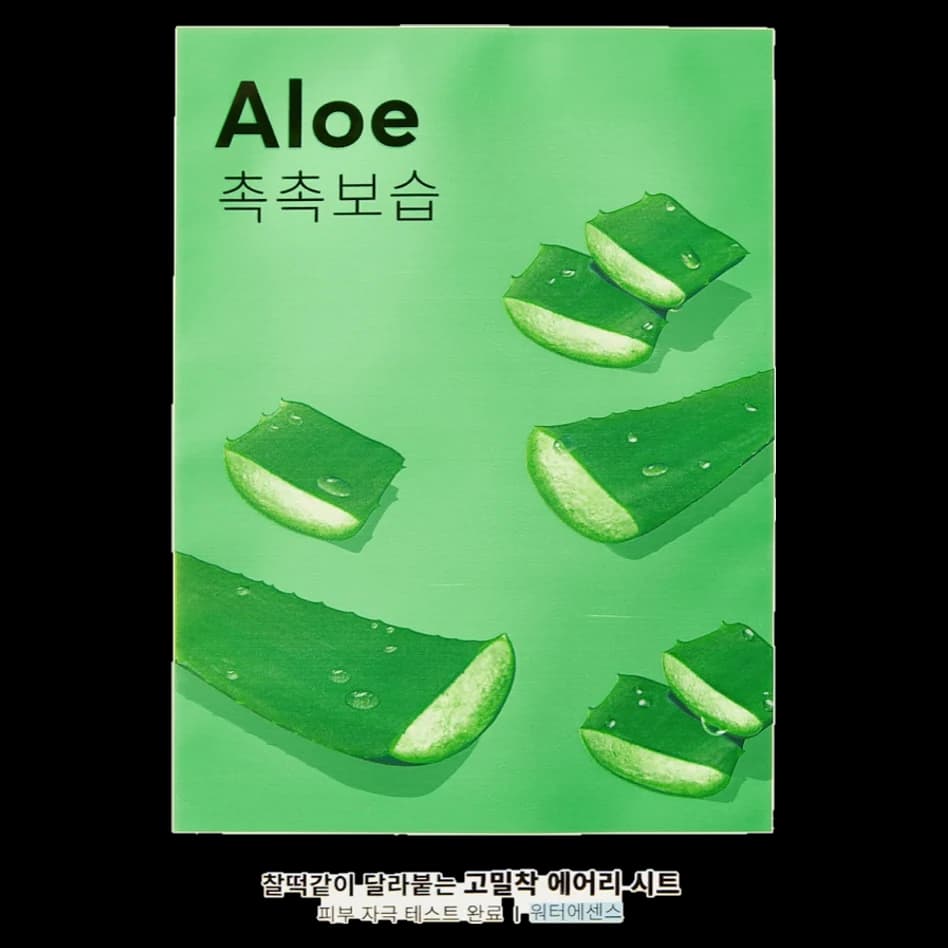
MISSHA
Airy Fit Sheet Mask Aloe
14th of 26 on the label
below ≈1%
MISSHA
Airy Fit Sheet Mask Green Tea
11th of 23 on the label
below ≈1%
MISSHA
Airy Fit Sheet Mask Pearl
16th of 31 on the label
below ≈1%
MISSHA
Airy Fit Sheet Mask Rice
10th of 27 on the label
below ≈1%
MISSHA
Airy Fit Sheet Mask Tea Tree
11th of 23 on the label
below ≈1%
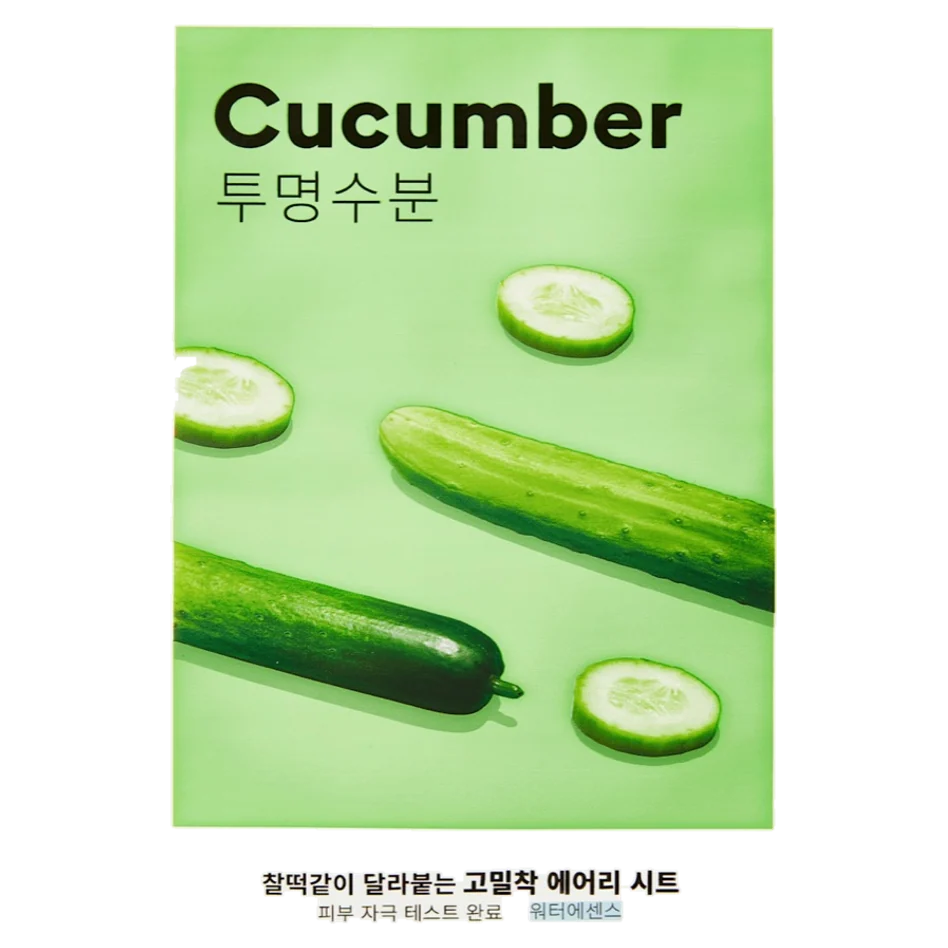
MISSHA
Sheet Mask Cucumber
14th of 25 on the label
below ≈1%
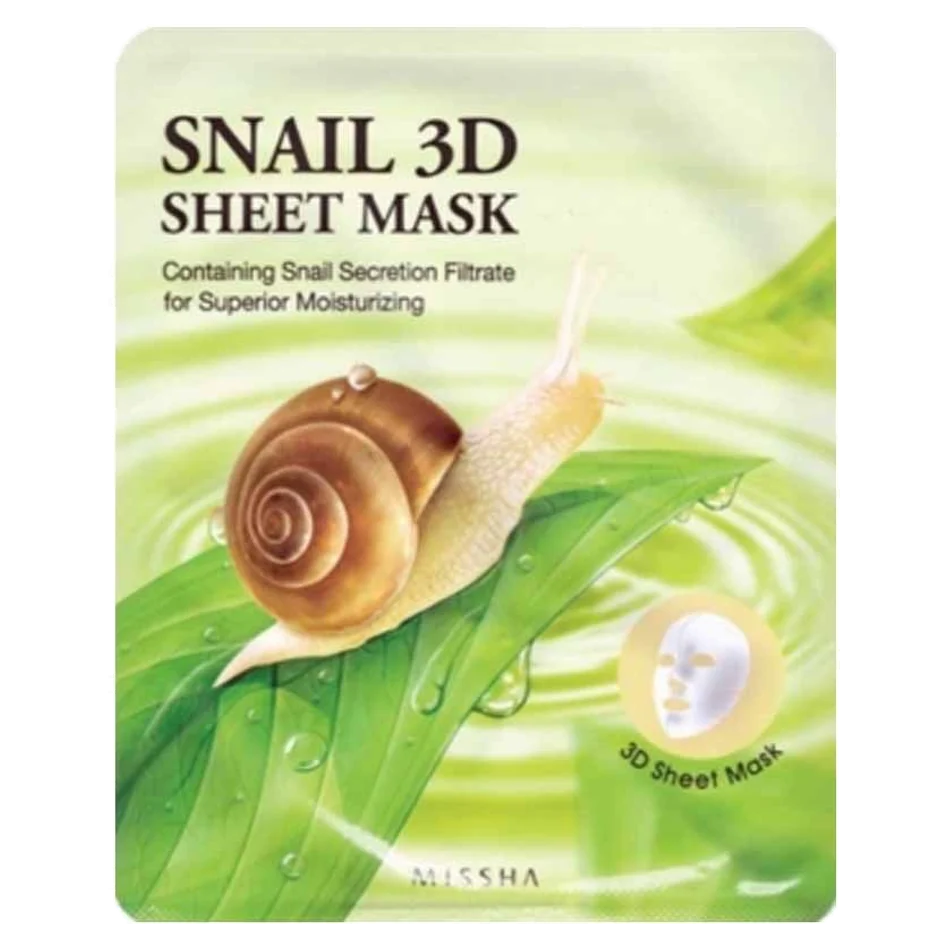
MISSHA
Snail 3D Sheet Mask
8th of 25 on the label
below ≈1%
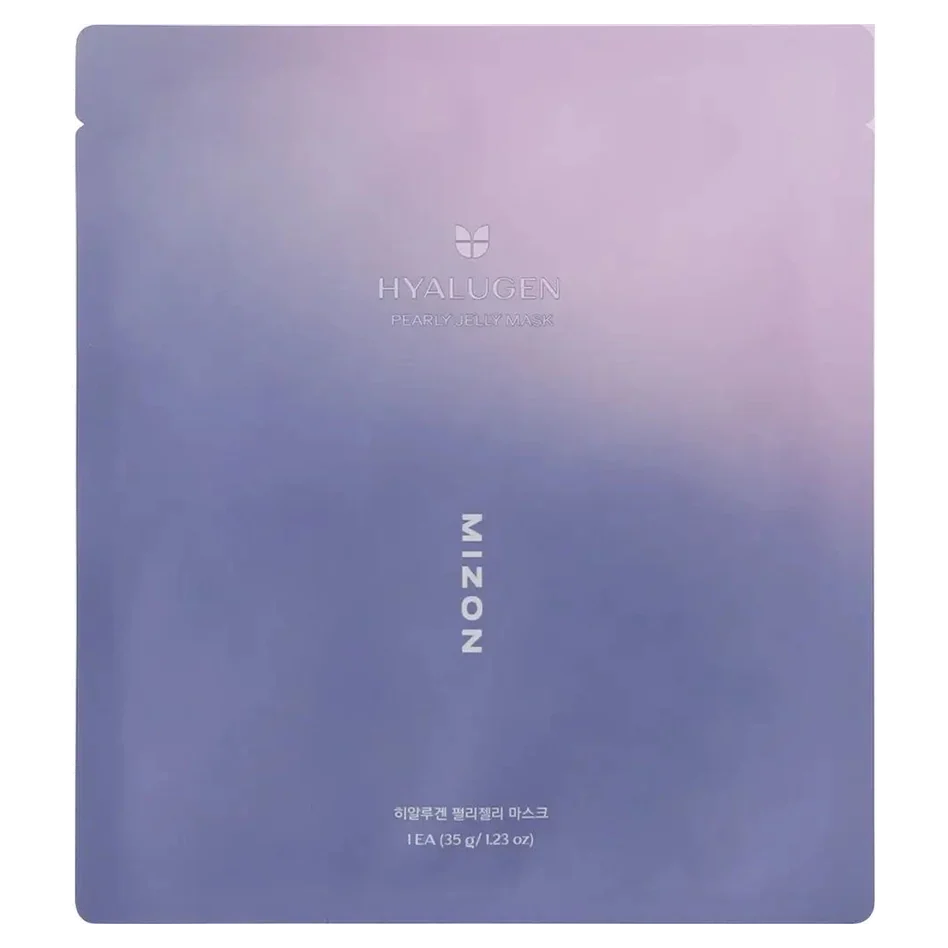
MIZON
Hyalugen Pearly Jelly Mask
12th of 19 on the label
below ≈1%
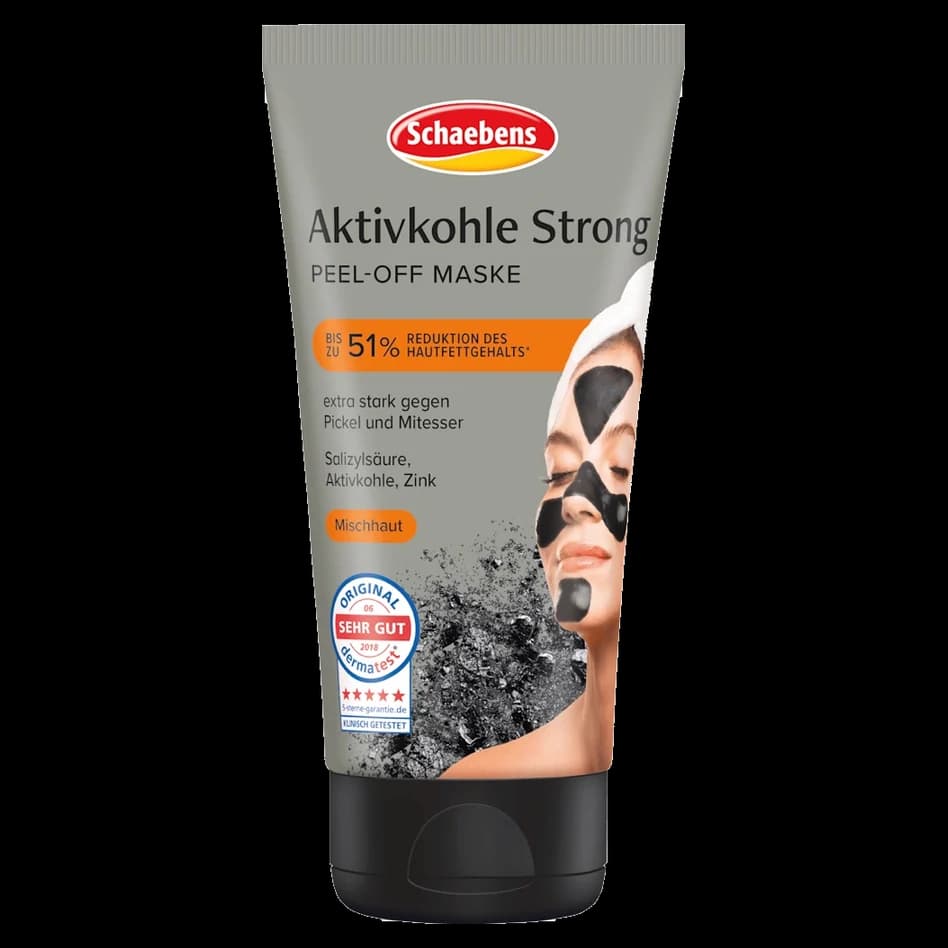
Schaebens
Gesichtsmaske peel off Aktivkohle Strong
9th of 20 on the label
below ≈1%
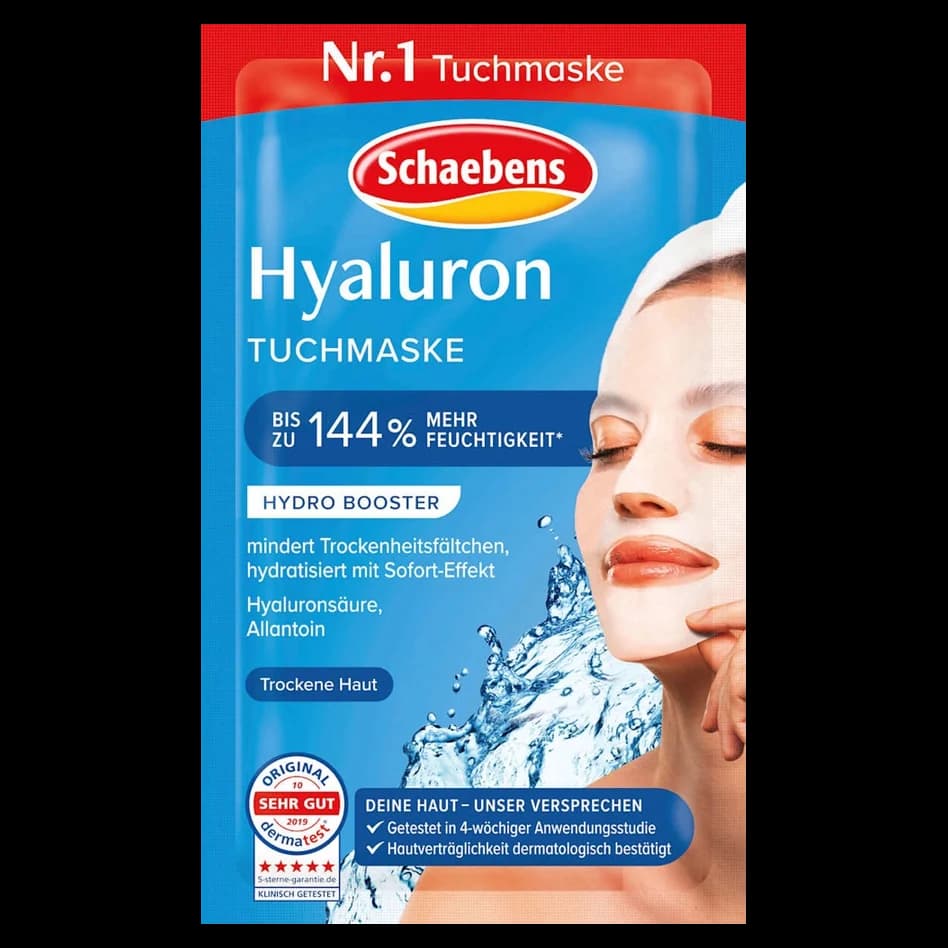
Schaebens
Tuchmaske Hyaluron
4th of 23 on the label
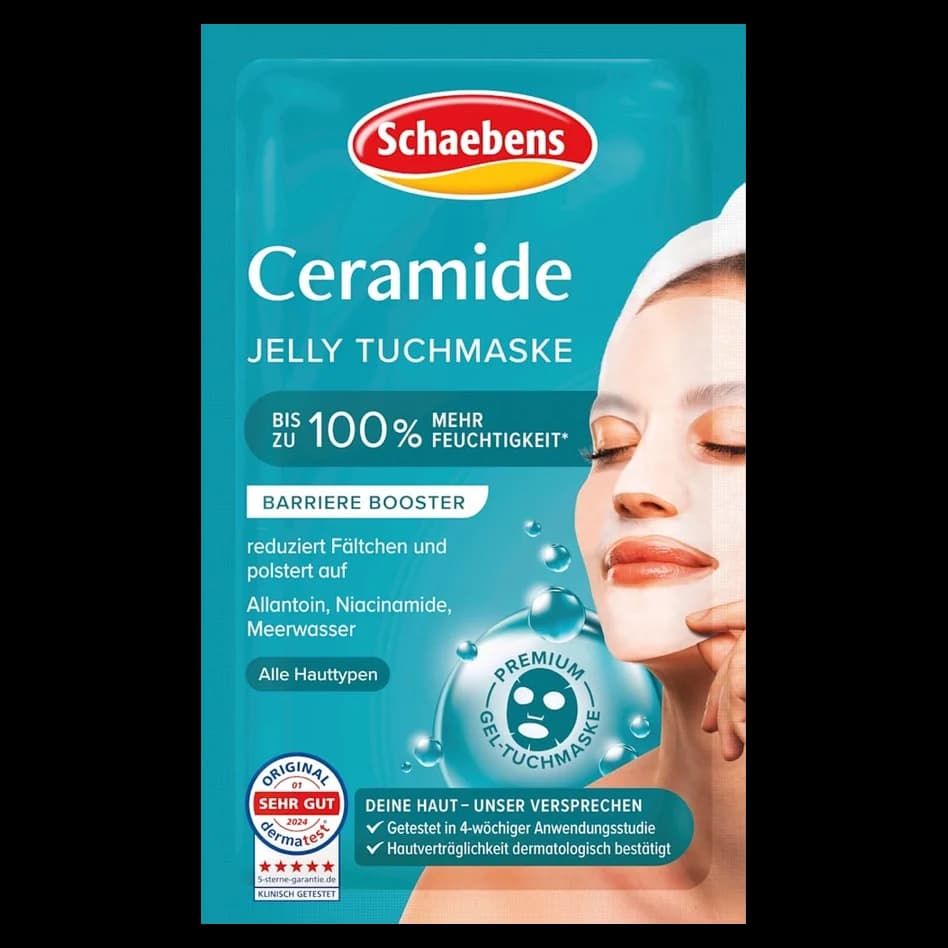
Schaebens
Tuchmaske Jelly Ceramide
7th of 29 on the label
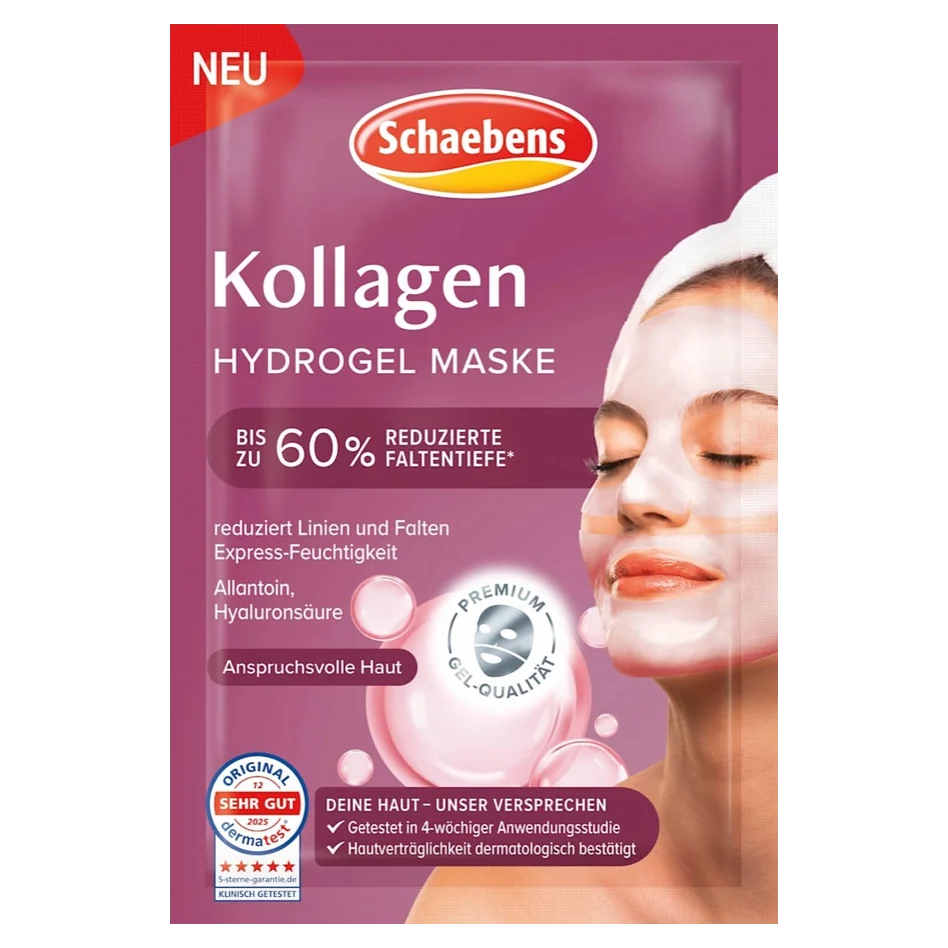
Schaebens
Tuchmaske Kollagen Hydrogel
7th of 27 on the label
below ≈1%
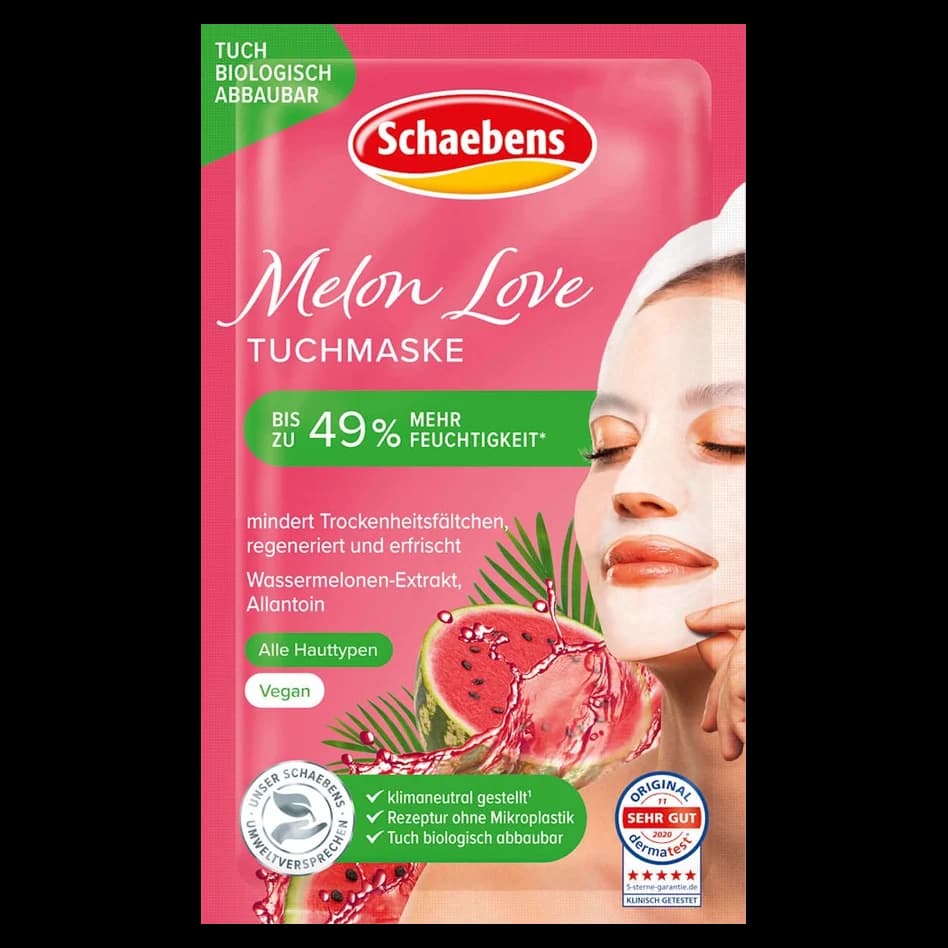
Schaebens
Tuchmaske Melon Love
15th of 45 on the label
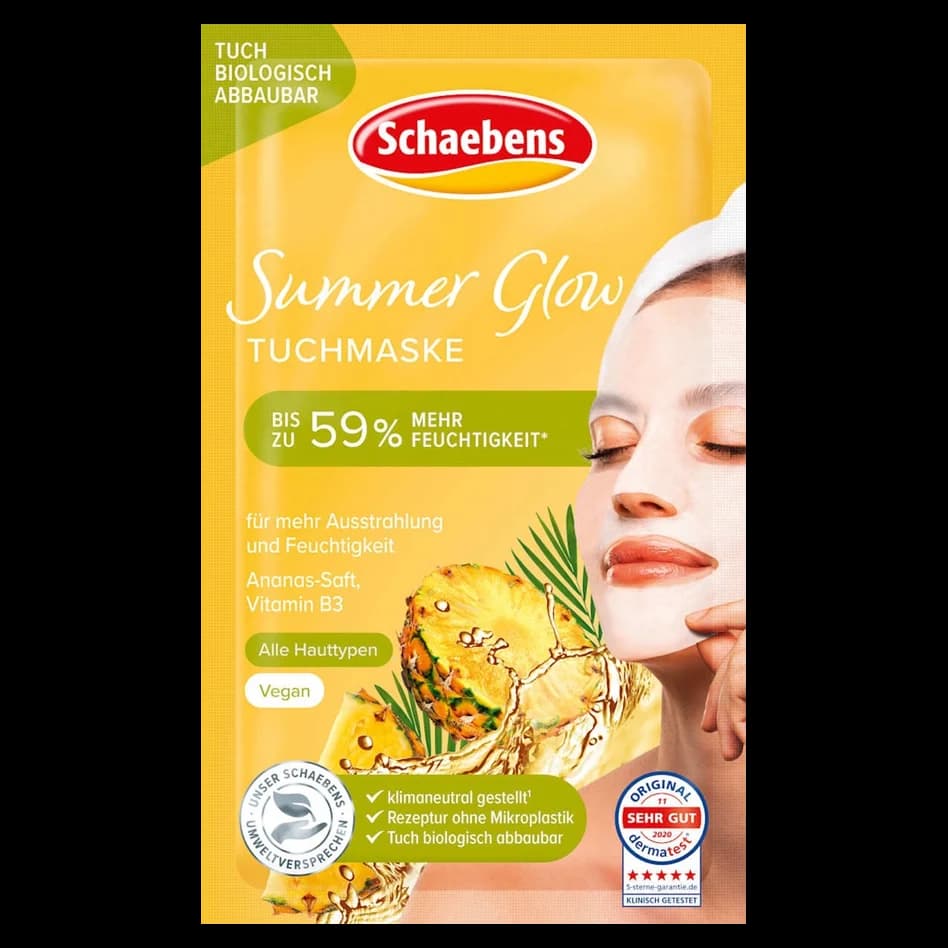
Schaebens
Tuchmaske Summer Glow
15th of 44 on the label
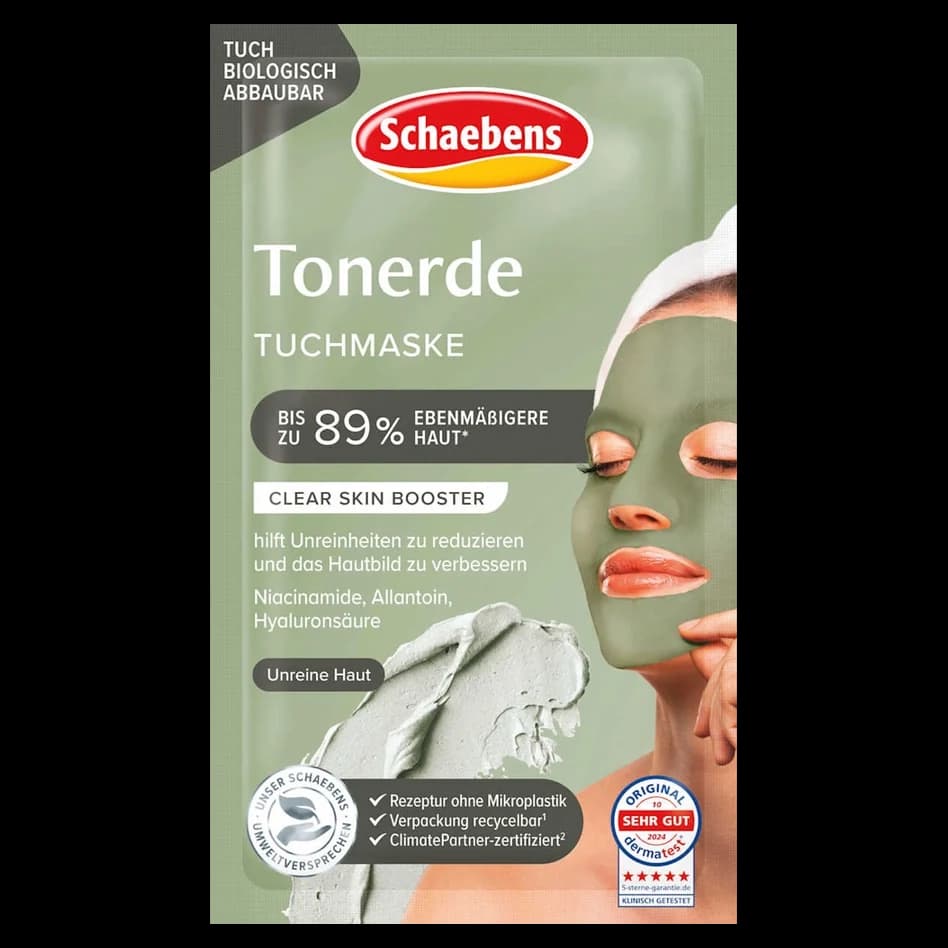
Schaebens
Tuchmaske Tonerde
12th of 35 on the label
below ≈1%
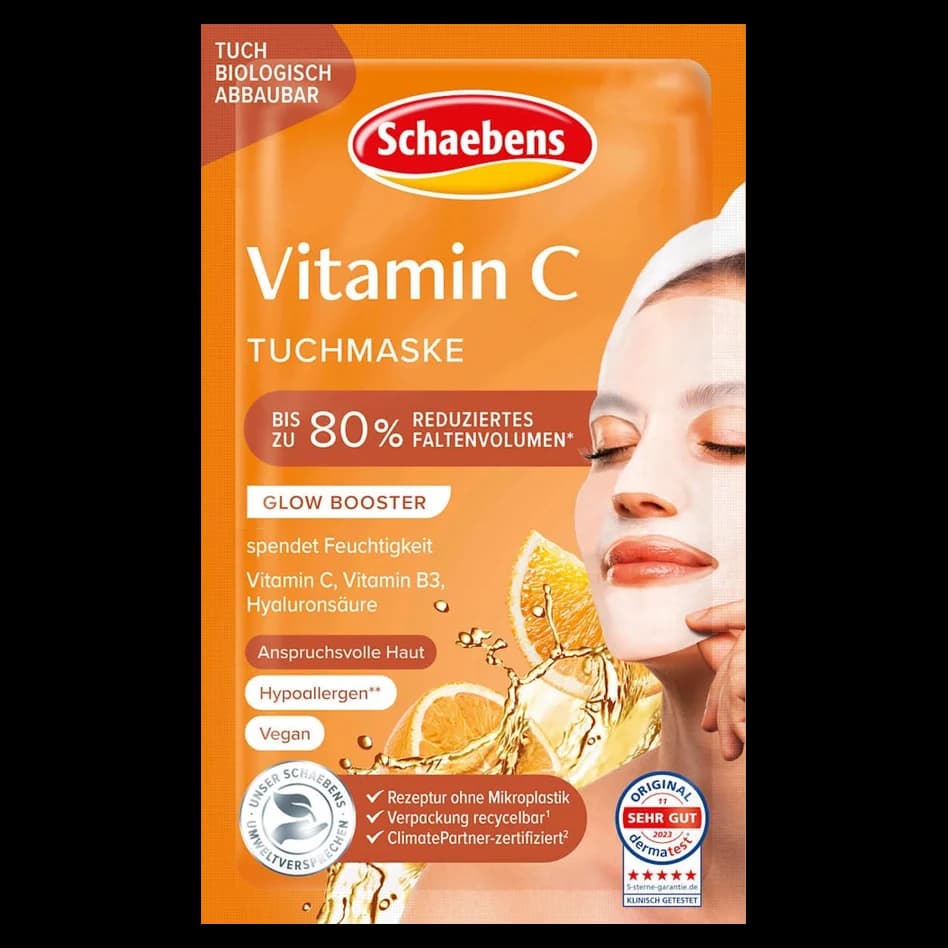
Schaebens
Tuchmaske Vitamin C
7th of 19 on the label
below ≈1%
Sensai
Cellular Performance Extra Intensive Mask
21st of 44 on the label
below ≈1%
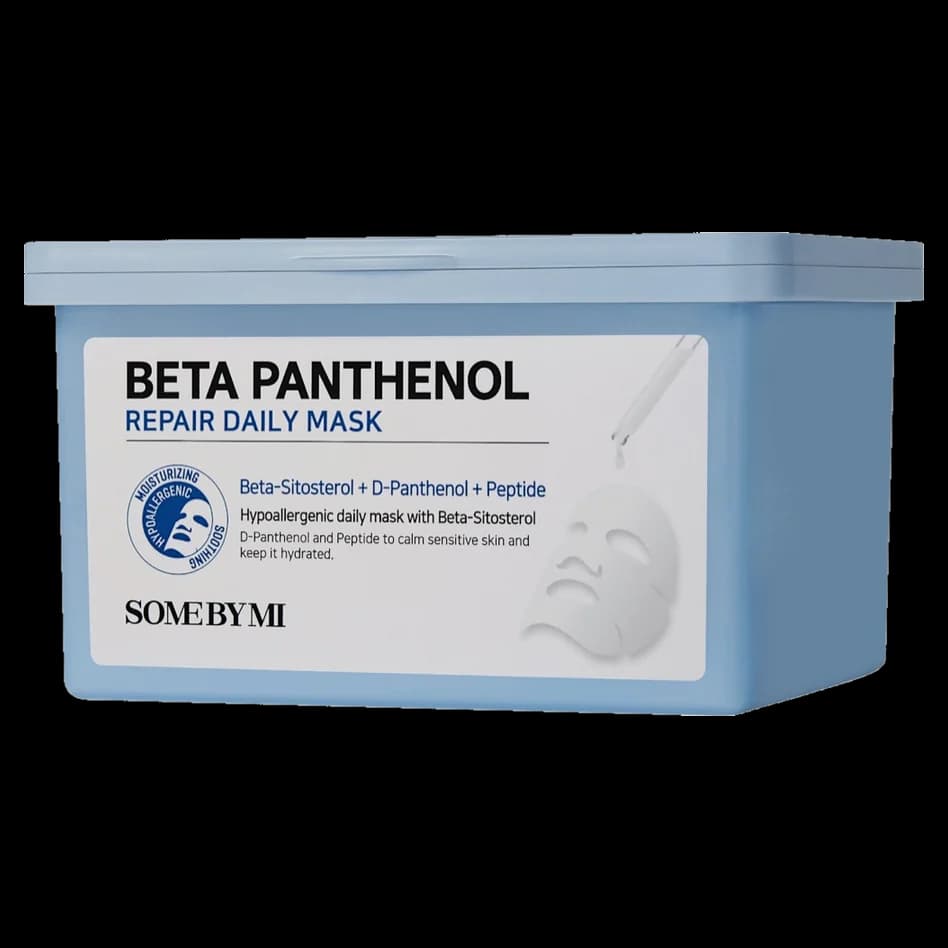
SOME BY MI
Daily Beta Panthenol Repair Mask
22nd of 57 on the label
below ≈1%
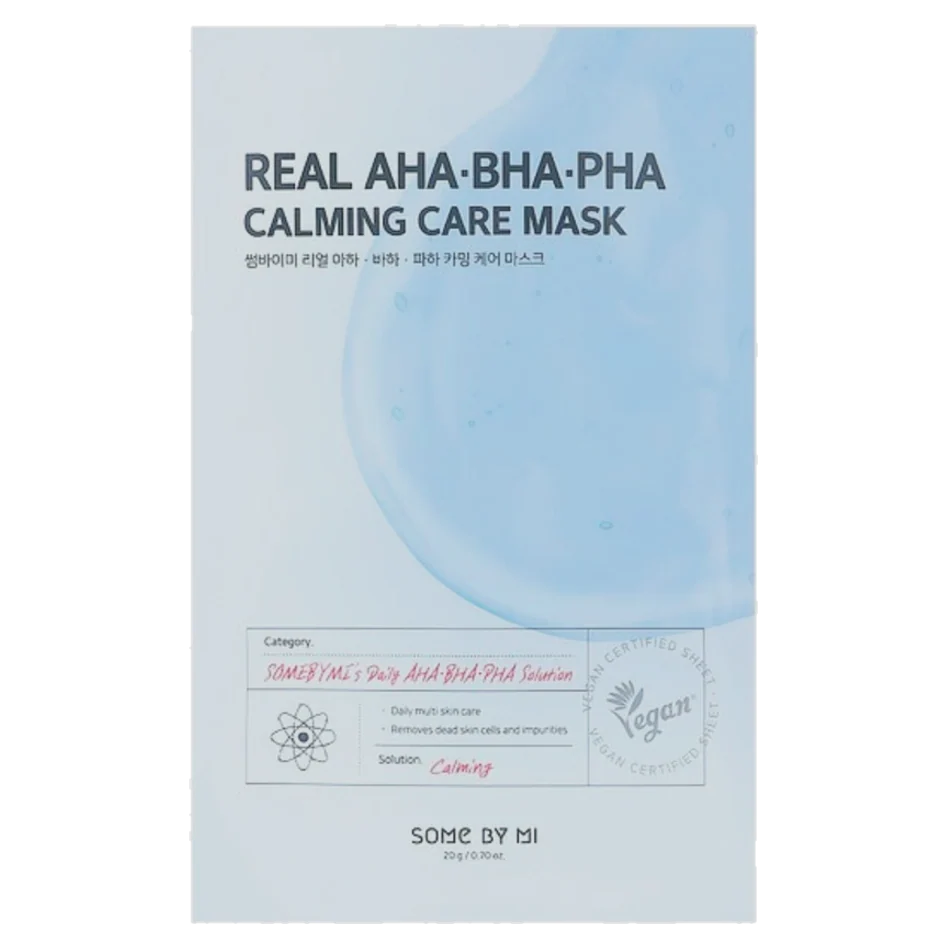
SOME BY MI
Real AHA-BHA-PHA Calming Care Mask
6th of 19 on the label
below ≈1%
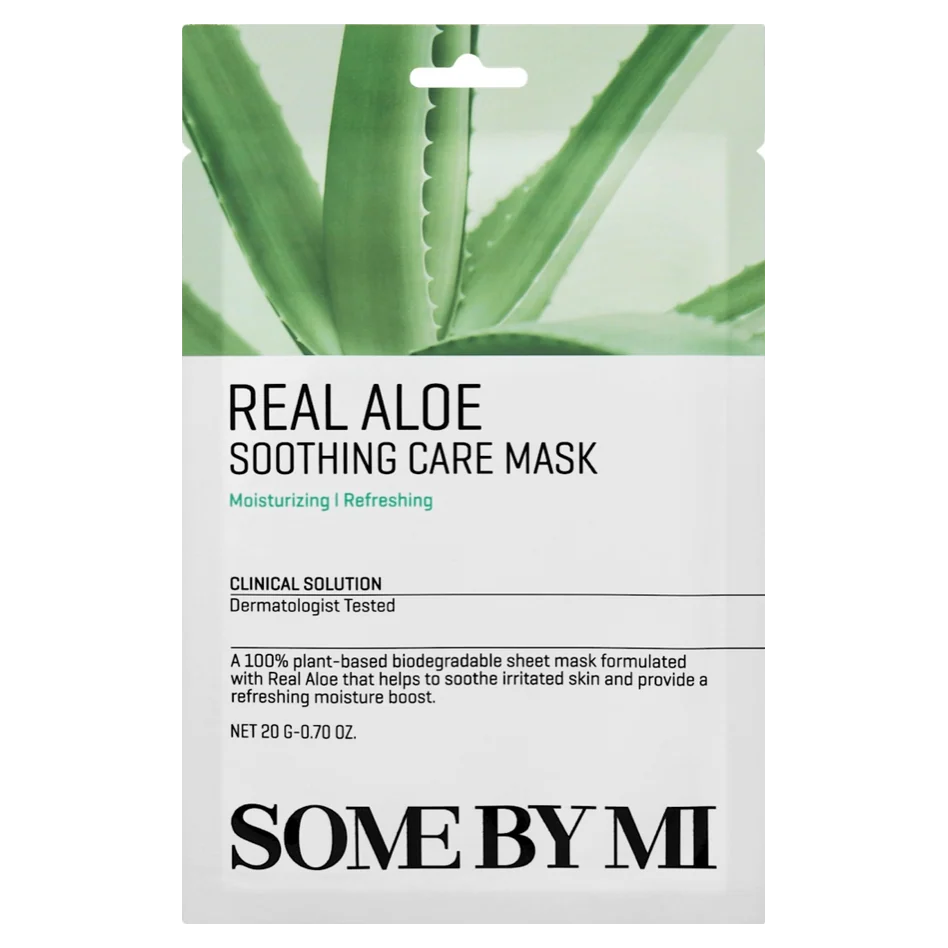
SOME BY MI
Real Aloe Soothing Care Mask
17th of 21 on the label
below ≈1%
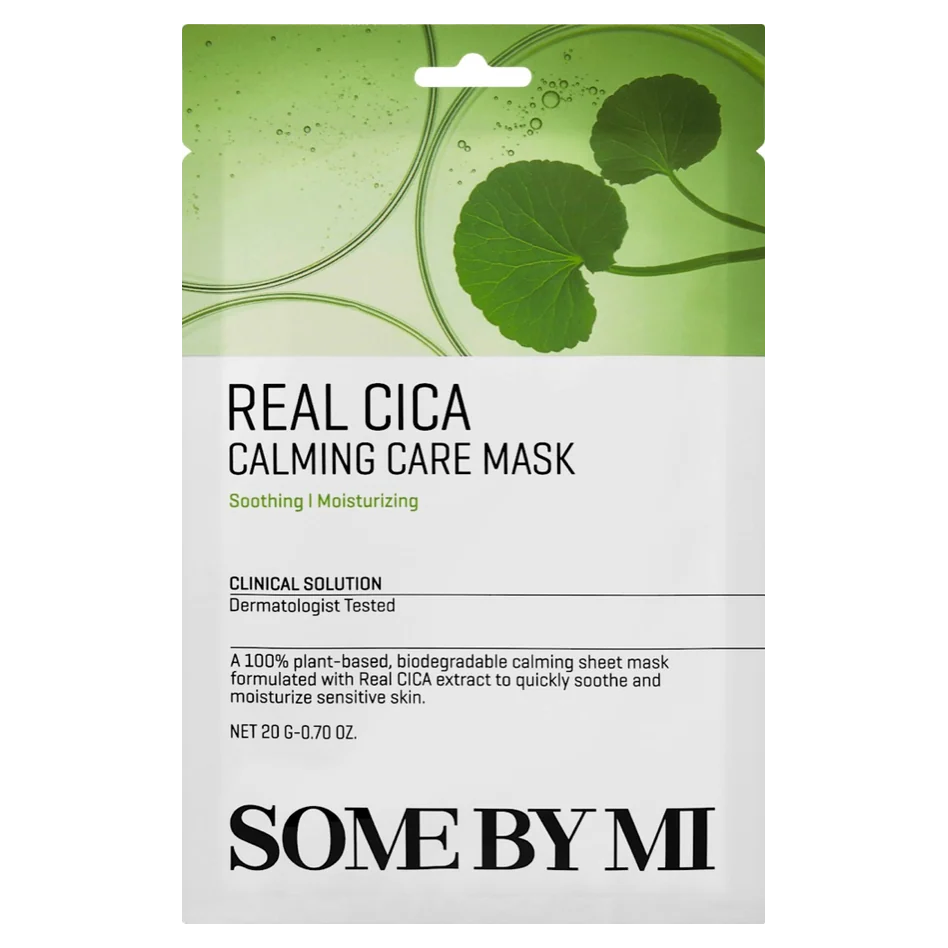
SOME BY MI
Real Cica Calming Care Mask
28th of 28 on the label
below ≈1%
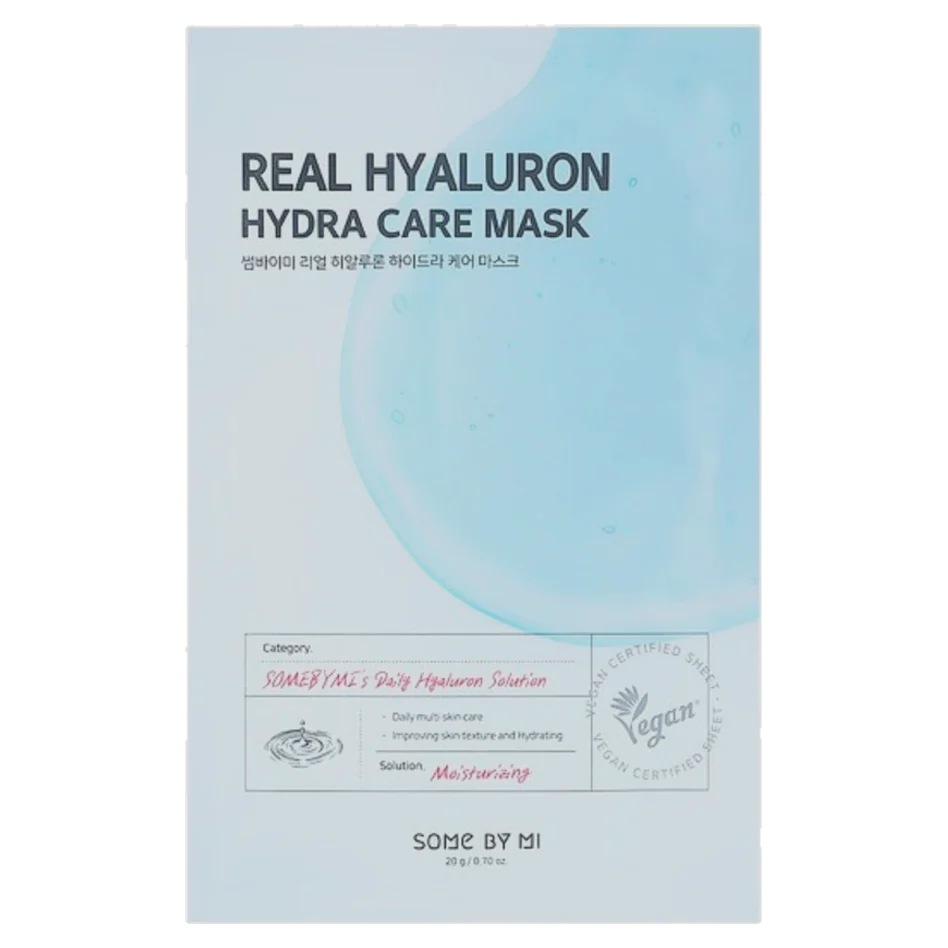
SOME BY MI
Real Hyaluron Hydra Care Mask
27th of 31 on the label
below ≈1%
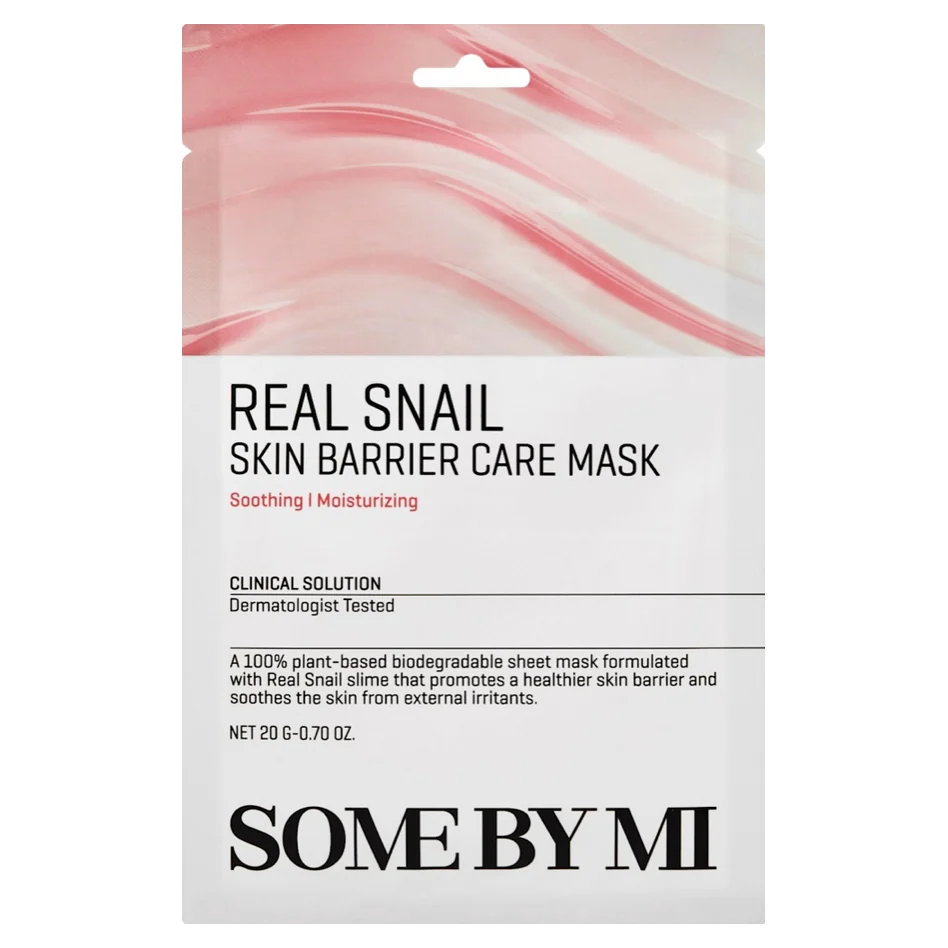
SOME BY MI
Real Snail Skin Barrier Care Mask
17th of 21 on the label
below ≈1%
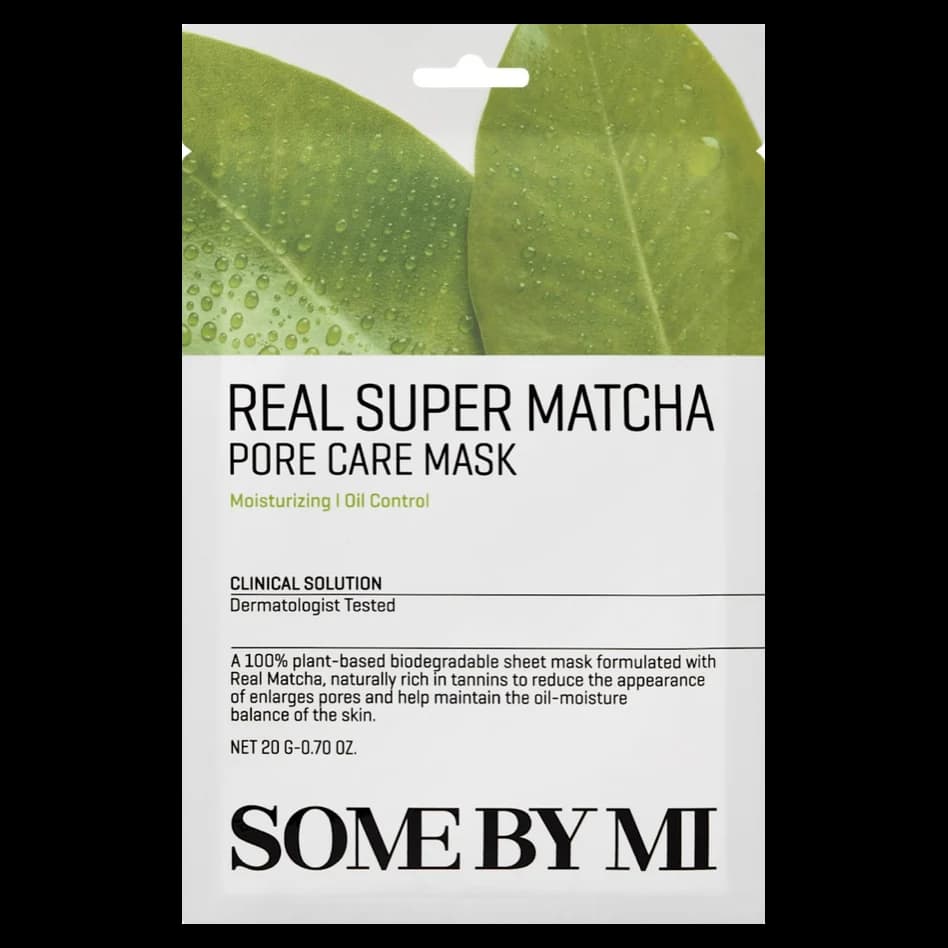
SOME BY MI
Real Super Matcha Pore Care Mask
17th of 22 on the label
below ≈1%
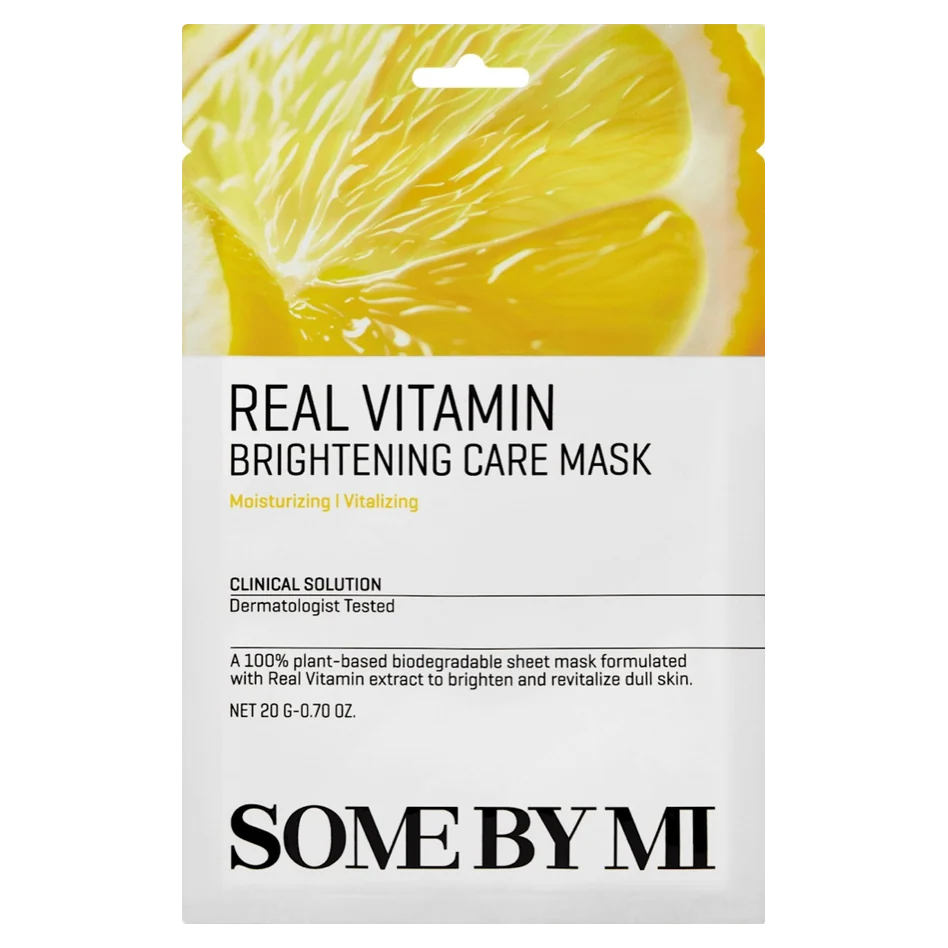
SOME BY MI
Real Vitamin Brightening Care Mask
5th of 19 on the label
below ≈1%
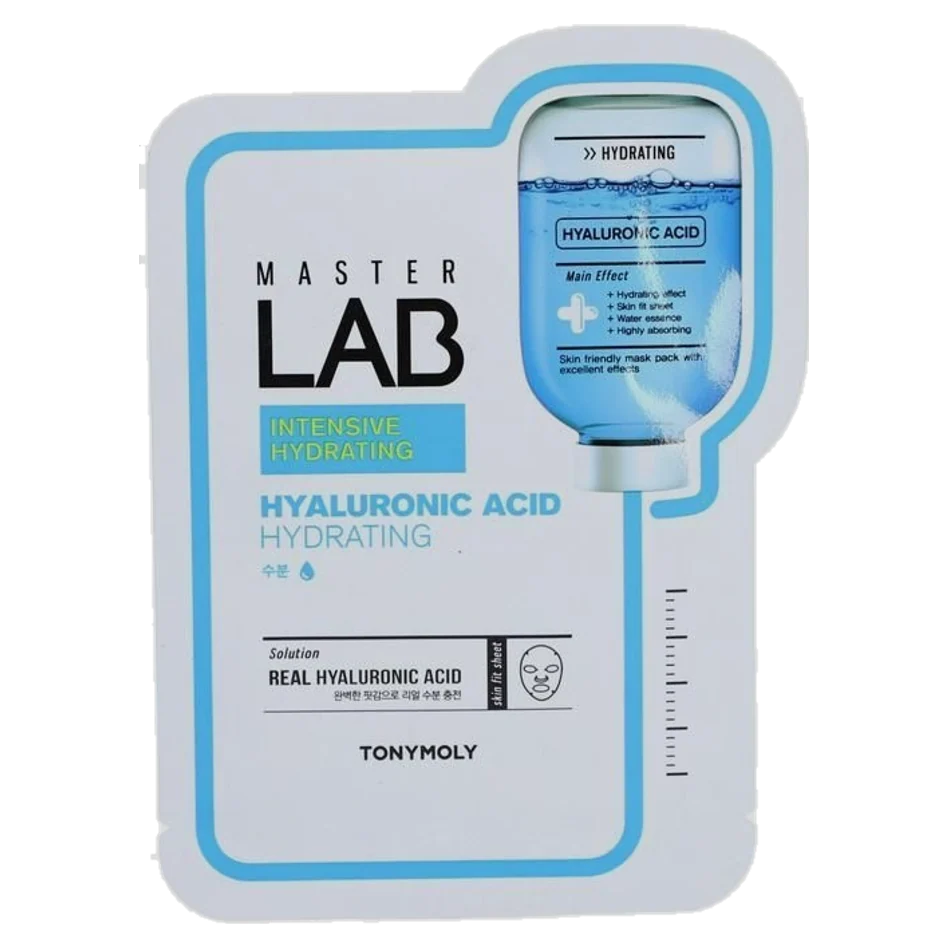
TONYMOLY
Master Lab Sheet Mask Hyaluronic Acid
17th of 31 on the label
below ≈1%
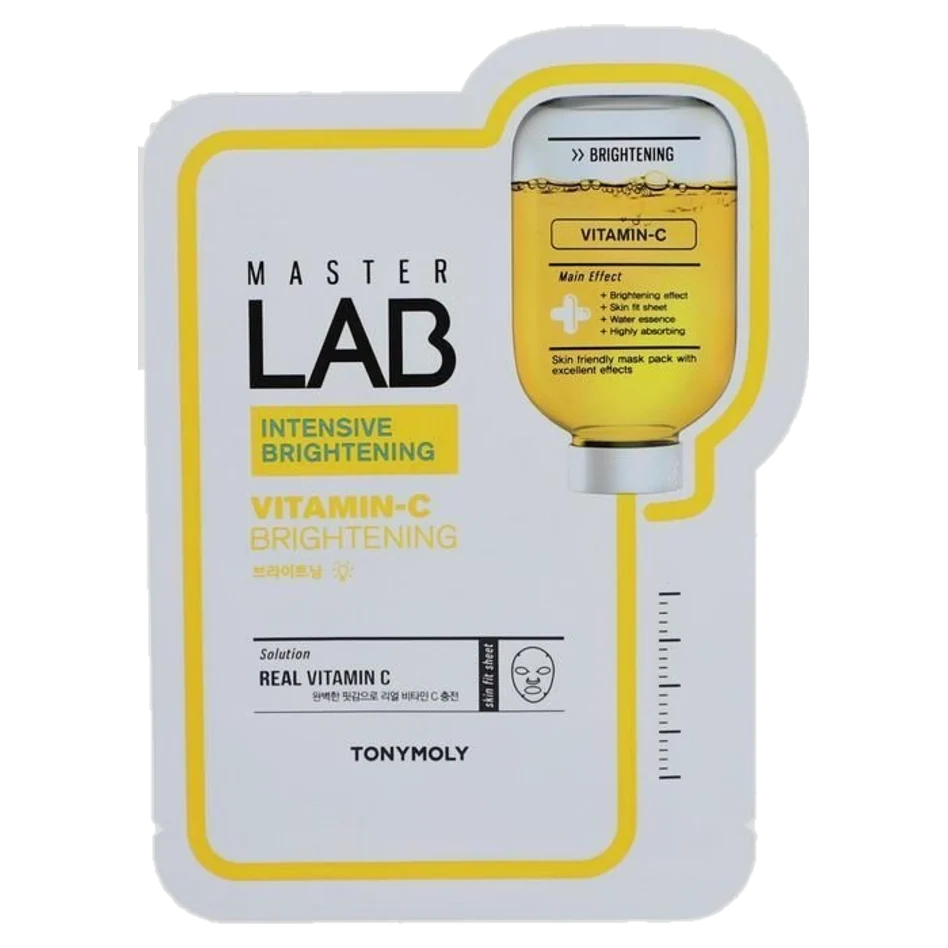
TONYMOLY
Master Lab Sheet Mask Vitamin C
22nd of 33 on the label
below ≈1%
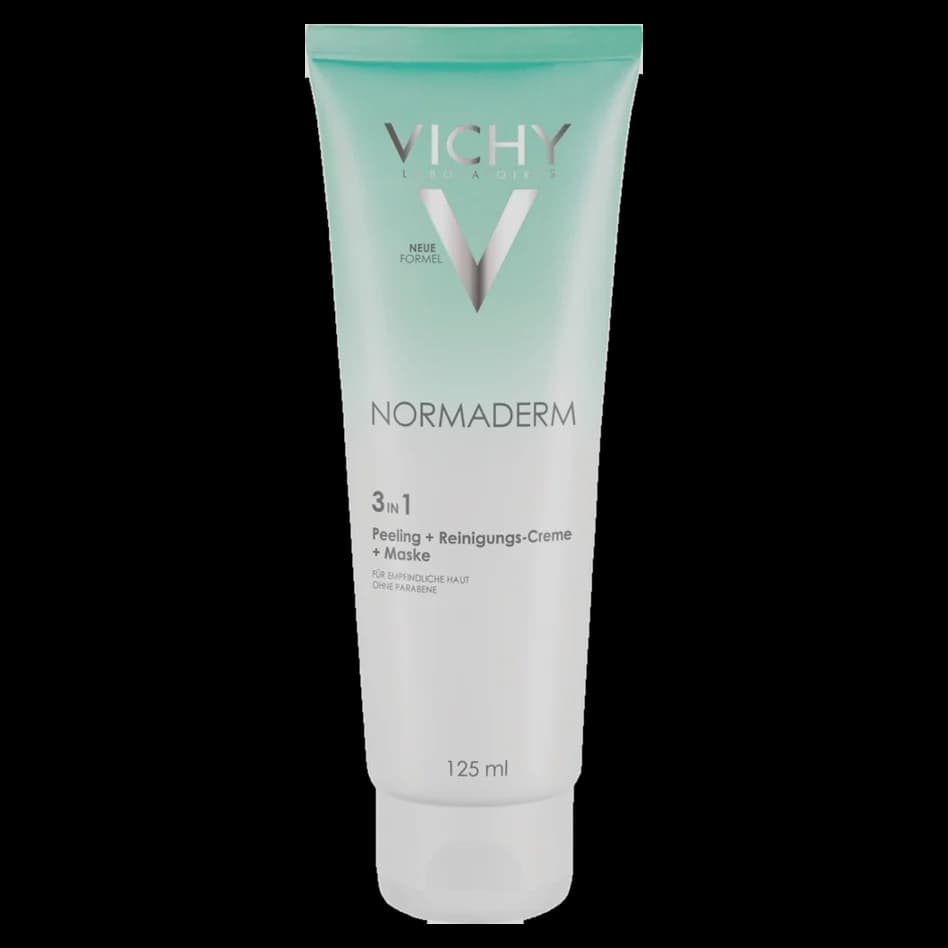
Vichy
Normaderm 3-in-1 Peeling + Reinigungs-Creme + Maske
20th of 23 on the label
below ≈1%