Zingiber Officinale (Ginger) Root Extract
Ginger root extract
Genuinely relevant for some people, or depends on dose and pH.
Also written as: Zingiber Officinale Root Extract
What it is
Zingiber Officinale (Ginger) Root Extract is one of nine ginger-derived ingredients the Expert Panel assessed together, and much the most used of them: the 2022 industry data in that report counted 244 formulations, 154 of them leave-on. The ingredient dictionary records it as a skin-conditioning agent, with antioxidant among the other reported functions. Ginger itself carries terpenes and the phenolic compounds gingerol, paradols and shogaol. The quantities involved are small - the 2020 use survey put the extract at up to 0.2% in face and neck products, and at up to 0.02% in lipsticks.
How it shows up on a label
Sits mid-list, usually below the point where ingredient order stops indicating quantity, which is consistent with the up-to-0.2% the industry survey reports. It is normally printed inside a run of other botanical extracts - green tea and licorice root most often.
What it does well
Reviewed by the CIR Expert Panel and found safe, with one condition
The Panel concluded that eight of the nine ginger-derived ingredients, this one among them, are safe in the present practices of use and concentration "when formulated to be non-sensitizing". The ninth, the leaf cell extract, was found to have insufficient data; it has no reported uses. The condition is written into the conclusion rather than appended as a comment, which makes this a qualified pass rather than a clean one.
Strong evidence
Did not sensitise in human patch testing at the concentrations actually used
Three human repeated insult patch tests came back negative: a serum with 0.19691% root extract in 104 subjects, a product with 0.2% root extract in 53, and a moisturiser with 0.1% of the rhizome extract in 54. A KeratinoSens assay and a peptide reactivity assay on a trade mixture containing 12 to 17% root extract were negative too, as was an in vitro irritation test on reconstructed human epidermis using the same mixture. Those human doses sit at the top of the range the use survey reports for face products.
Moderate evidence
Reported to work as a skin-conditioning agent and an antioxidant
That is what the international ingredient dictionary records for the ginger-derived ingredients, which is a classification rather than a measurement on skin. The report is careful about the neighbouring entries: skin protectant and antimicrobial are drug rather than cosmetic functions in the United States, so they fell outside what the Panel assessed at all. Nothing in the assessment establishes an effect on redness, pigmentation or ageing.
Traditional use
Worth knowing
The safety conclusion is conditional on the formulator, not on the ingredient
"When formulated to be non-sensitizing" is a condition the finished product has to meet, and nothing on the pack reports whether it was met. The Panel's stated worry was potential sensitisers carried in the plant material, citronellol among them, and its advice to manufacturers was to avoid reaching levels of plant constituents that may cause sensitisation. A matching signal sits in the data: a peptide reactivity assay on an undiluted ginger extract was positive, which the Panel treated as mitigated by the low concentrations in use and by that same caveat.
Matters most toAnyone reading the CIR conclusion as an unqualified pass.
Ginger allergy is documented, but the recorded cases are about eating and handling it
The clinical material in the report is dietary and occupational rather than cosmetic. Among four people with occupational allergic contact dermatitis from spices, one reacted strongly to powdered ginger on patch testing. In scratch tests of 70 atopic subjects already sensitised to birch or mugwort pollen and celery, ginger was positive in three. A 2013 case describes anaphylaxis after swallowing a ginger-containing herbal medicine taken uneventfully for twenty years, with positive skin pricks to ginger, turmeric and zedoary. None of that is an extract on the face at 0.2%, and the human patch tests above were negative.
Matters most toAnyone who reacts to ginger, turmeric or related spices in food.
What comes with the plant varies from batch to batch
The Panel raised pesticide residues, heavy metals and other plant species as things that may be present in ginger-derived ingredients, and pressed the industry to keep using current good manufacturing practices to hold impurities down. An INCI name identifies the plant and the part it came from, not the growing conditions, the solvent or the strength of the extract, so two products naming this ingredient are not necessarily carrying the same material.
Matters most toAnyone comparing botanical extracts across brands on the ingredient list alone.
Where the EU stands
No specific restriction
Not restricted under the EU Cosmetics Regulation: the name appears in no annex and carries no concentration limit. The CIR report reads it the same way, recording that none of the ginger-derived ingredients it names is restricted in any way under the rules governing cosmetic products in the European Union. Note that the fragrance allergens a ginger extract can carry are regulated in their own right, and are declared under their own names.
Sources (2)
Every link goes to the original: a journal, a PubMed record or an EU document.
- [1]Safety Assessment of Zingiber officinale (Ginger) - Derived Ingredients as Used in Cosmetics
Cosmetic Ingredient Review, Final Report · 2023
The assessment covering this ingredient, released 9 January 2023 after the December 2022 Panel meeting. Conclusion: eight of the nine ginger-derived ingredients, this one included, "are safe in cosmetics in the present practices of use and concentration described in the safety assessment when formulated to be non-sensitizing", with the leaf cell extract left insufficient. The Panel "was concerned about the presence of potential sensitizers (e.g., citronellol) in cosmetics" and about "pesticide residues, heavy metals, and other plant species". Use data: 244 formulations in 2022, up to 0.2% in face and neck products. Three HRIPTs at 0.1%, 0.19691% and 0.2% (n = 54, 104 and 53) were negative, as were a KeratinoSens assay, a DPRA and an in vitro irritation test on a 12-17% trade mixture; a DPRA on an undiluted ginger extract was positive. Checked 23 August 2026.
- [2]Safety Assessment of Zingiber officinale (Ginger) - Derived Ingredients as Used in Cosmetics
International Journal of Toxicology 45(1_suppl):5S-26S · 2026 · doi:10.1177/10915818261425573
The peer-reviewed publication of the same assessment, which puts the conditional conclusion on the record in a journal: the Panel "concluded that 8 Zingiber officinale (ginger)-derived ingredients are safe in cosmetics in the present practices of use and concentration described in this safety assessment when formulated to be non-sensitizing", and that data are insufficient for the leaf cell extract. It repeats the citronellol concern and the instruction that "industry should continue to use good manufacturing practices to minimize impurities that could be present in botanical ingredients". Checked 23 August 2026.
Masks that contain Zingiber Officinale (Ginger) Root Extract
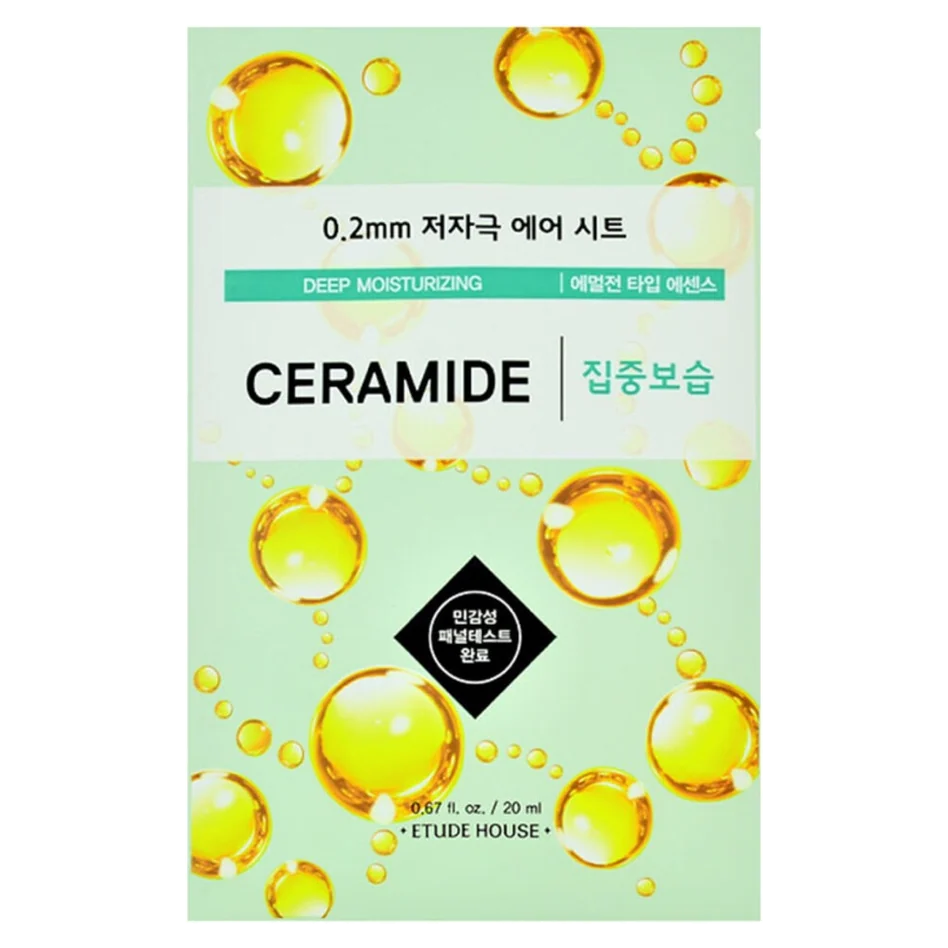
Etude House
0.2mm Therapy Air Mask Ceramide
16th of 33 on the label
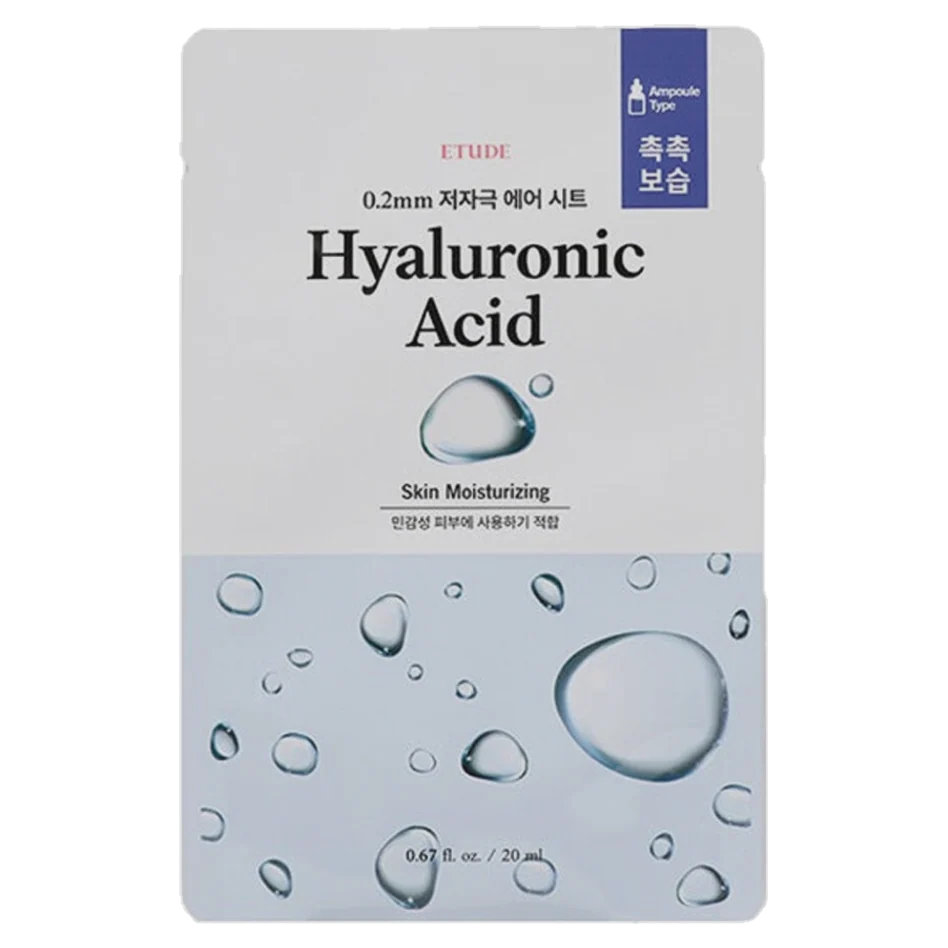
Etude House
0.2mm Therapy Air Mask Hyaluronic Acid
16th of 35 on the label
below ≈1%
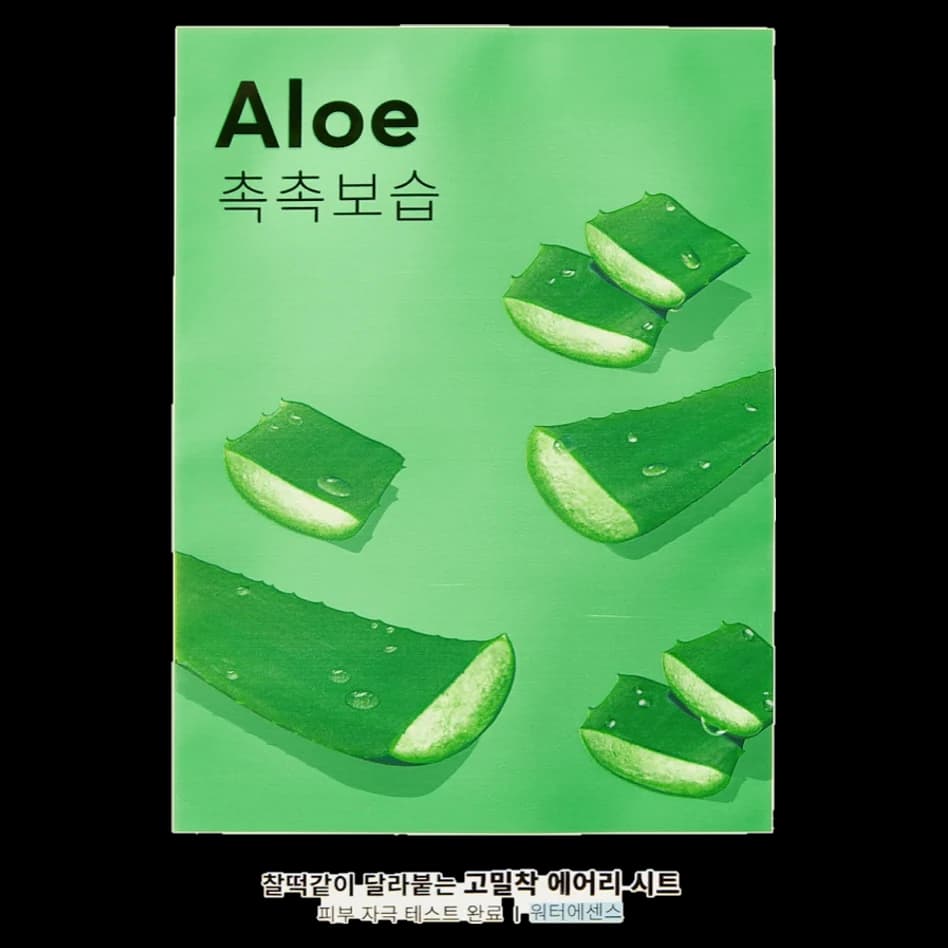
MISSHA
Airy Fit Sheet Mask Aloe
13th of 26 on the label
below ≈1%
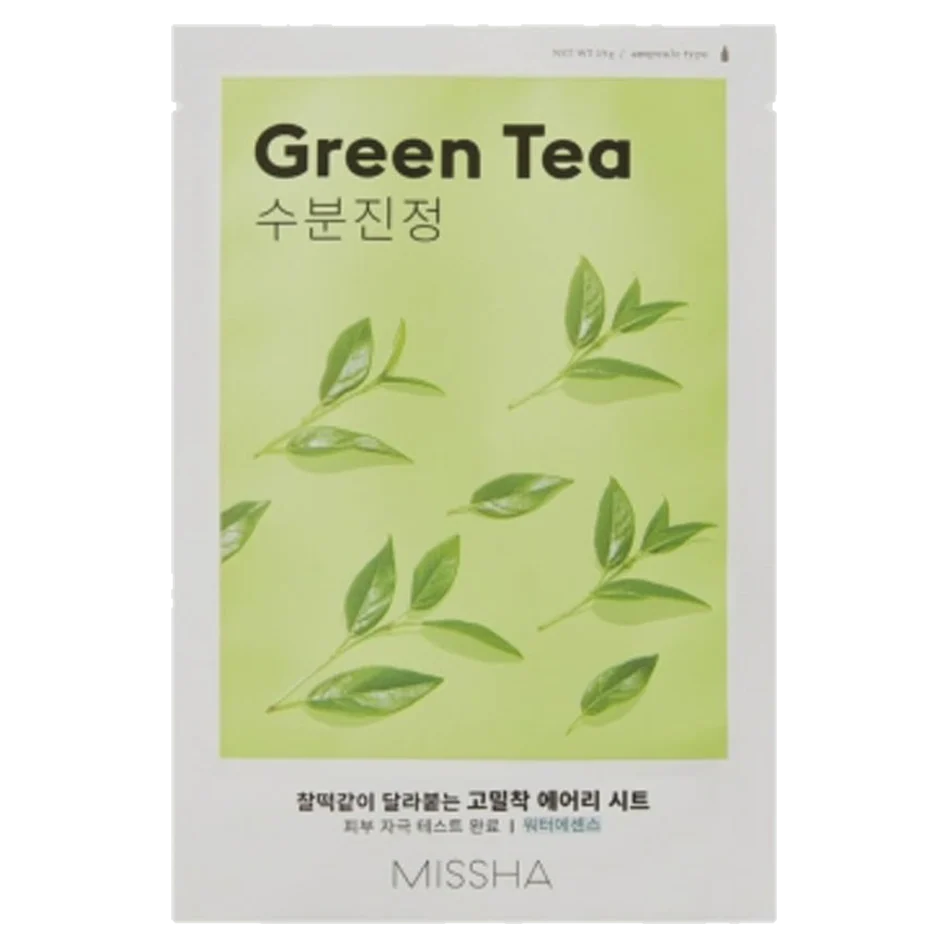
MISSHA
Airy Fit Sheet Mask Green Tea
10th of 23 on the label
below ≈1%
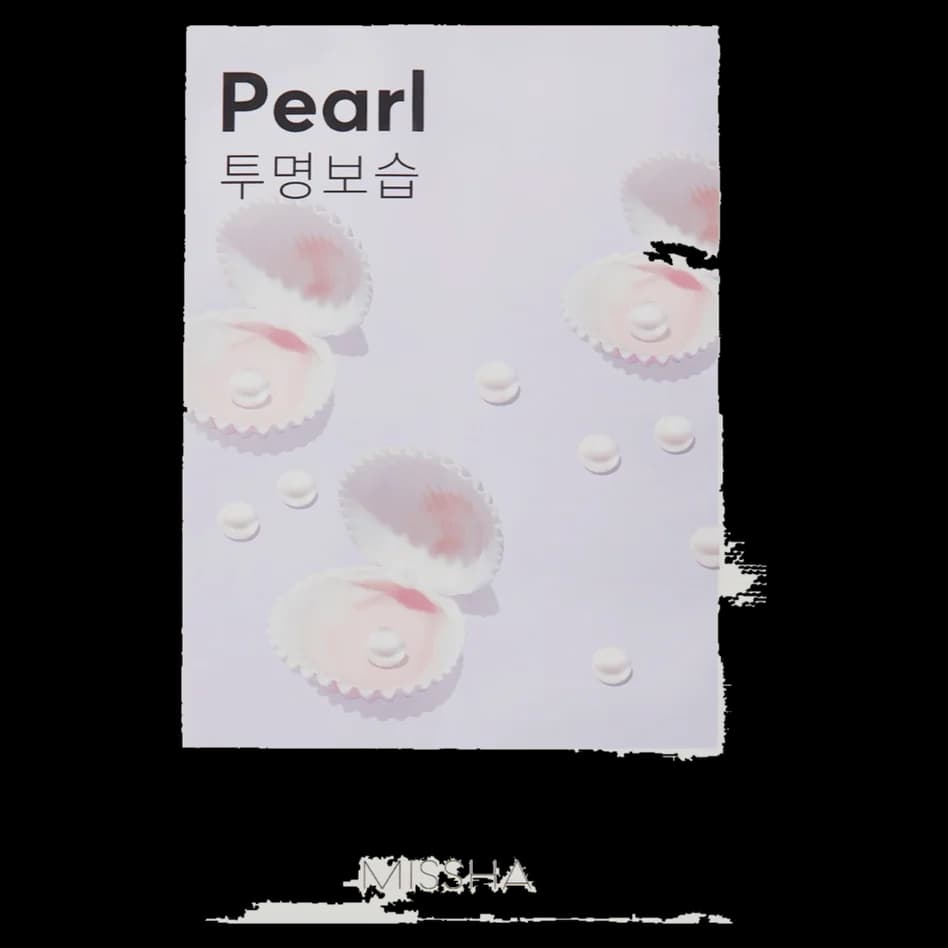
MISSHA
Airy Fit Sheet Mask Pearl
17th of 31 on the label
below ≈1%
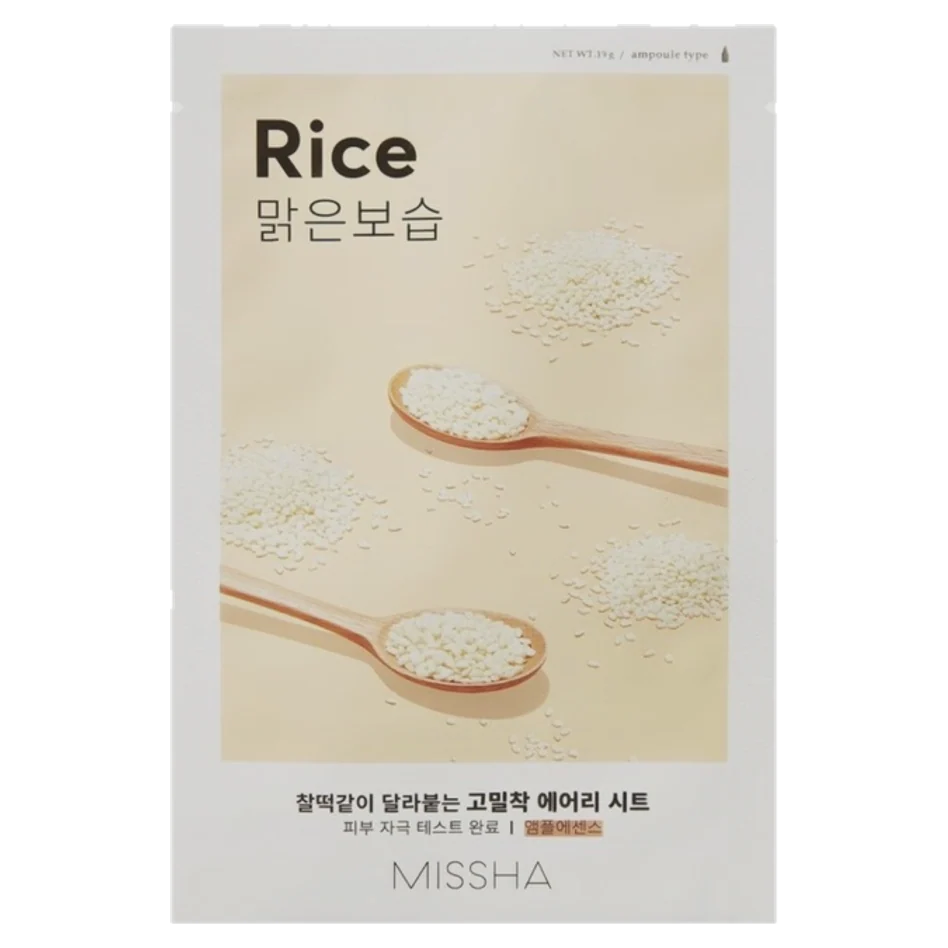
MISSHA
Airy Fit Sheet Mask Rice
11th of 27 on the label
below ≈1%
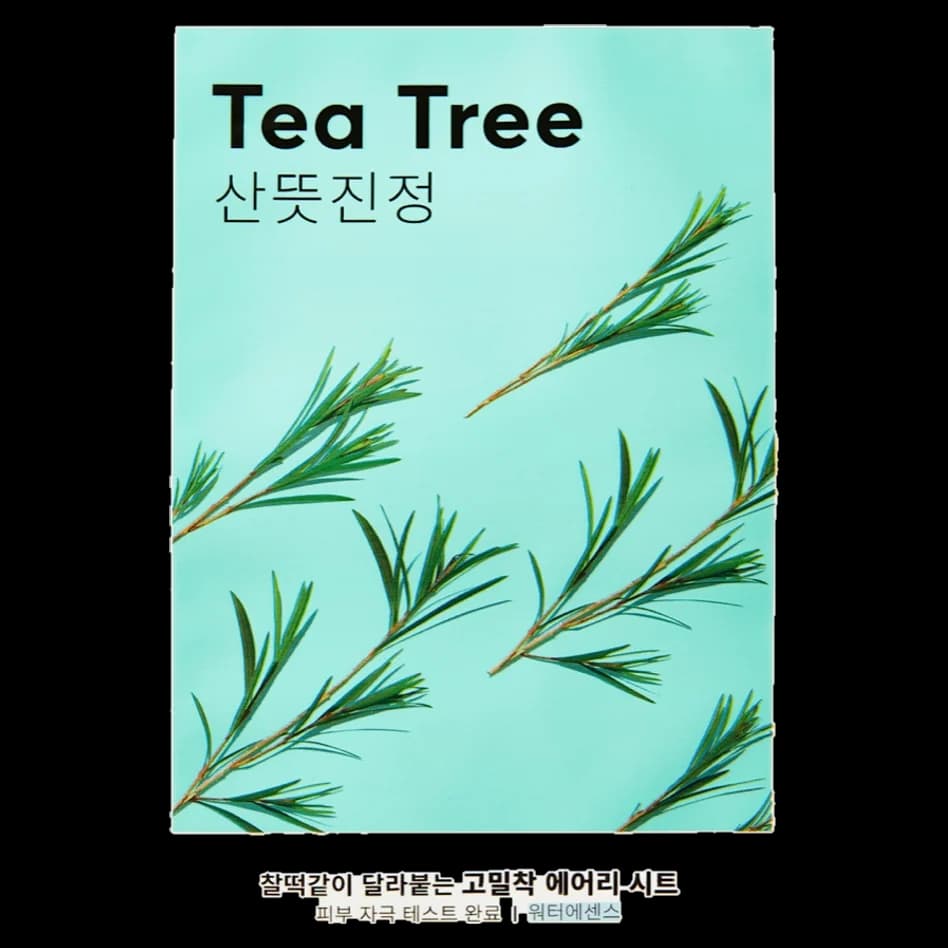
MISSHA
Airy Fit Sheet Mask Tea Tree
10th of 23 on the label
below ≈1%
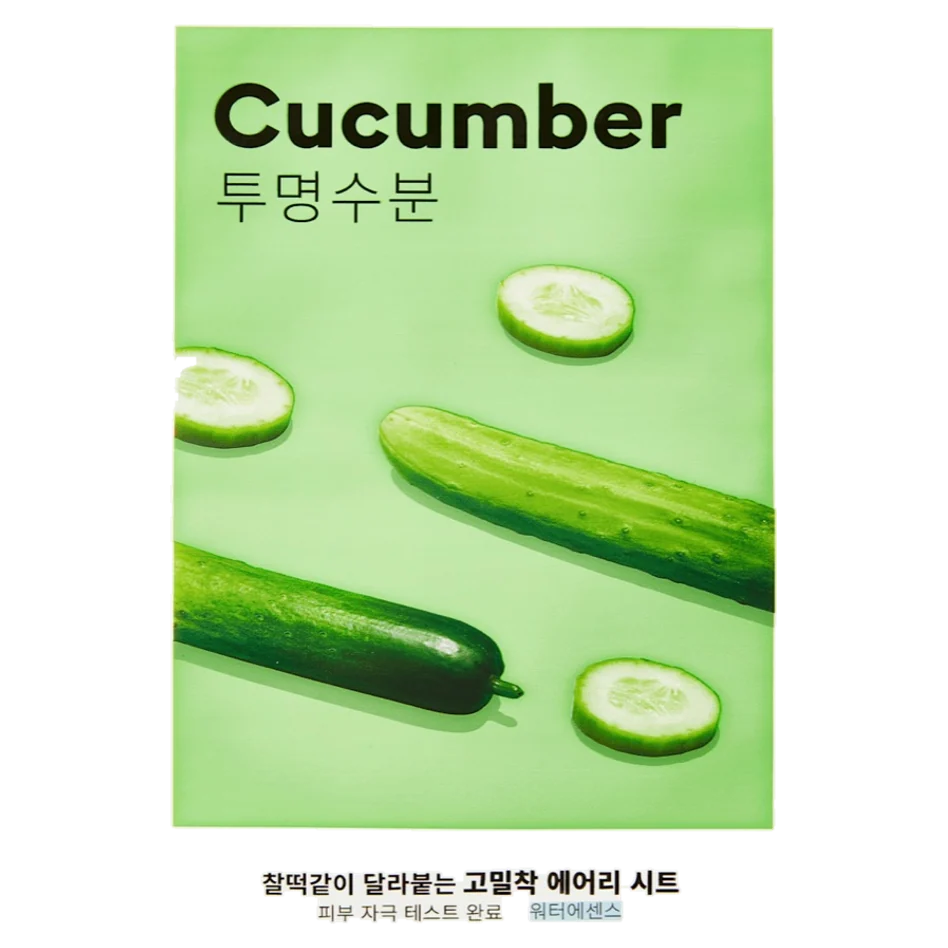
MISSHA
Sheet Mask Cucumber
13th of 25 on the label
below ≈1%
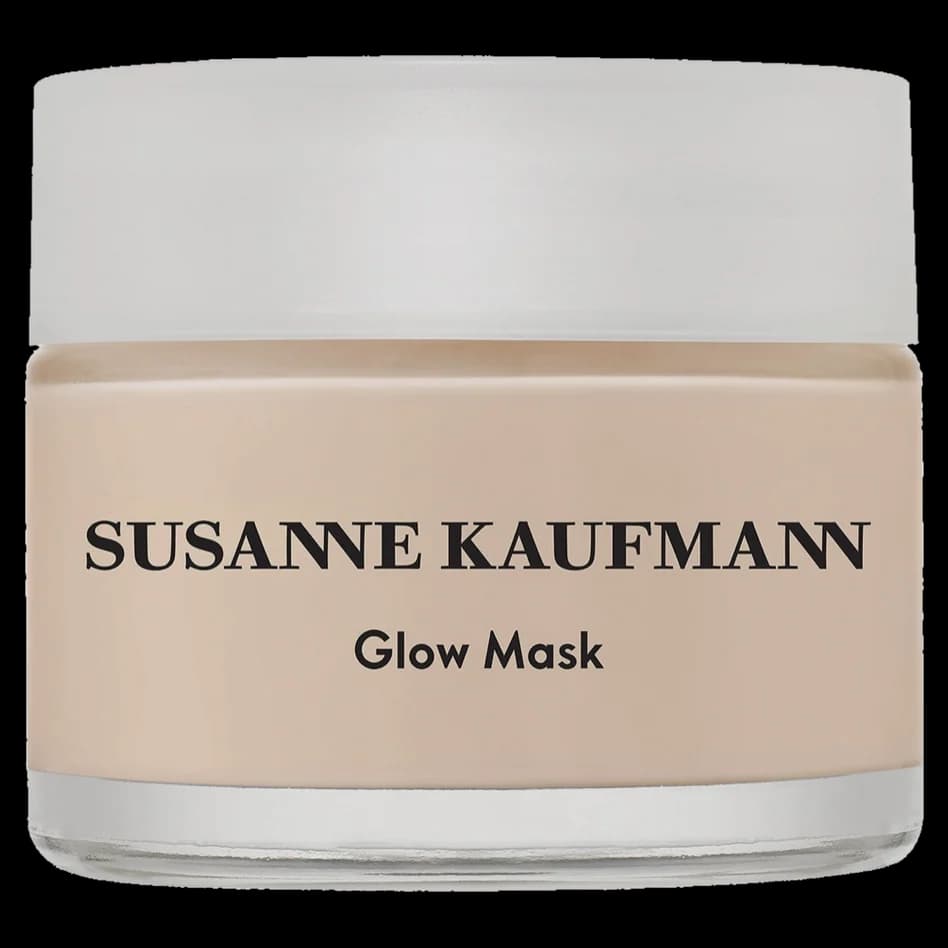
Susanne Kaufmann
Glow Mask
16th of 45 on the label
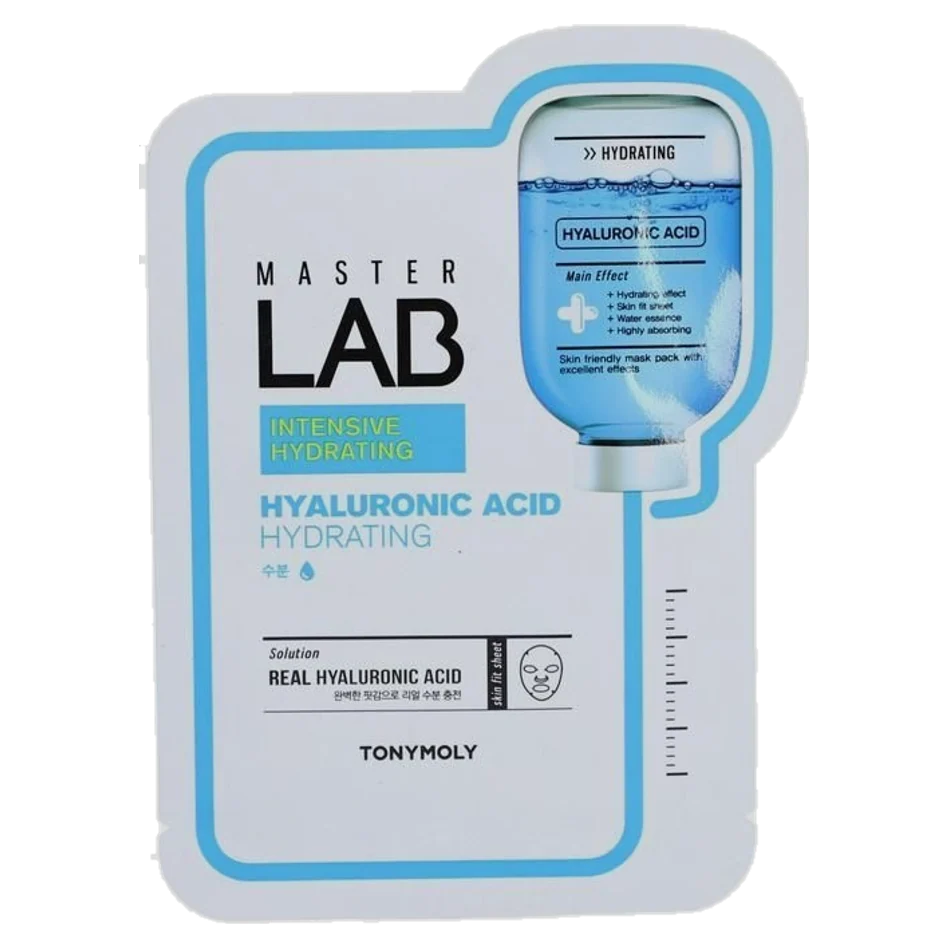
TONYMOLY
Master Lab Sheet Mask Hyaluronic Acid
18th of 31 on the label
below ≈1%
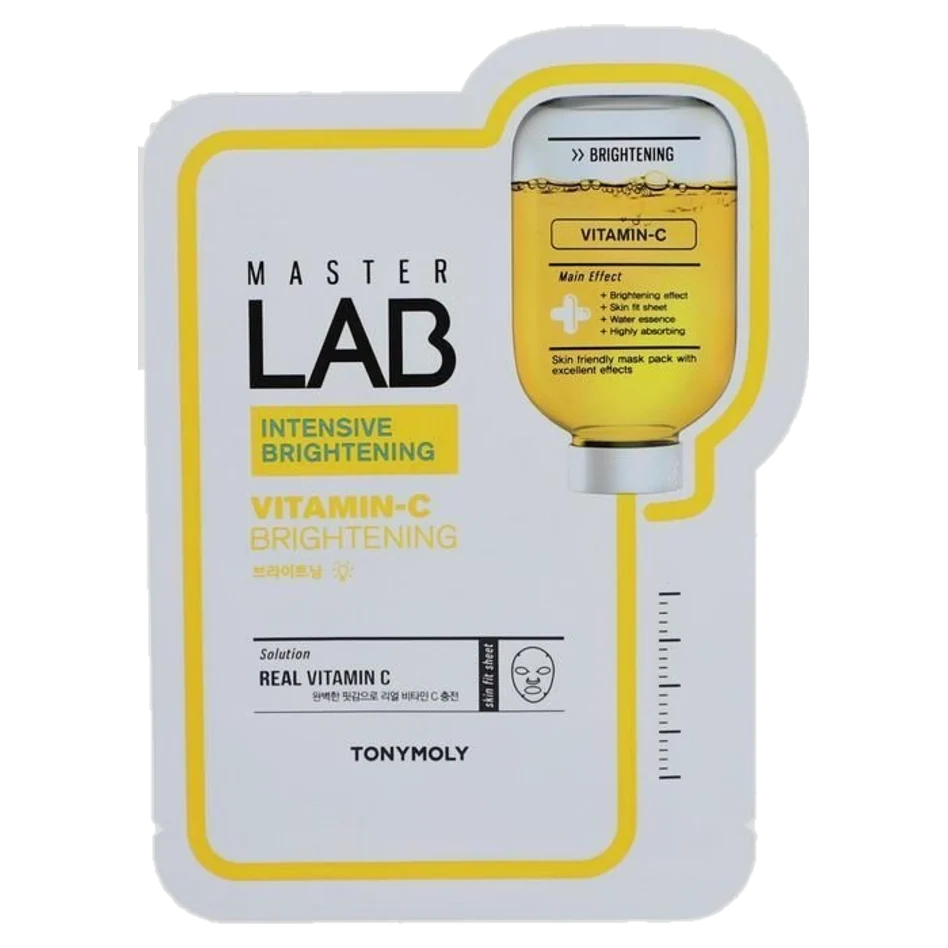
TONYMOLY
Master Lab Sheet Mask Vitamin C
23rd of 33 on the label
below ≈1%