PEG-100 Stearate
No meaningful concern for most people; irritation is possible but rare.
Also written as: Polyoxyethylene (100) stearate
What it is
PEG-100 stearate is stearic acid with a long polyethylene glycol chain attached, which makes it strongly water-loving. On its own it is a poor emulsifier, but combined with glyceryl stearate it produces the light, stable oil-in-water creams that dominate modern skincare.
What it does well
Produces light, stable creams that absorb quickly
The glyceryl stearate / PEG-100 stearate pairing is one of the most reliable emulsifier systems available and is used in thousands of products.
Strong evidence
Worth knowing
Ethoxylated, so the trace 1,4-dioxane discussion applies
As with all PEG-type ingredients, residual 1,4-dioxane from manufacture is stripped by the supplier and controlled in the EU by prohibiting the residue substances and permitting only technically unavoidable traces.
Matters most toConsumers choosing PEG-free formulas as a personal preference.
Where the EU stands
No specific restriction
No EU concentration limit. Residual ethylene oxide and 1,4-dioxane are covered by Article 17 of the Cosmetics Regulation.
Regulation (EC) No 1223/2009, Article 17 (traces of prohibited substances) · source ↗
Masks that contain PEG-100 Stearate
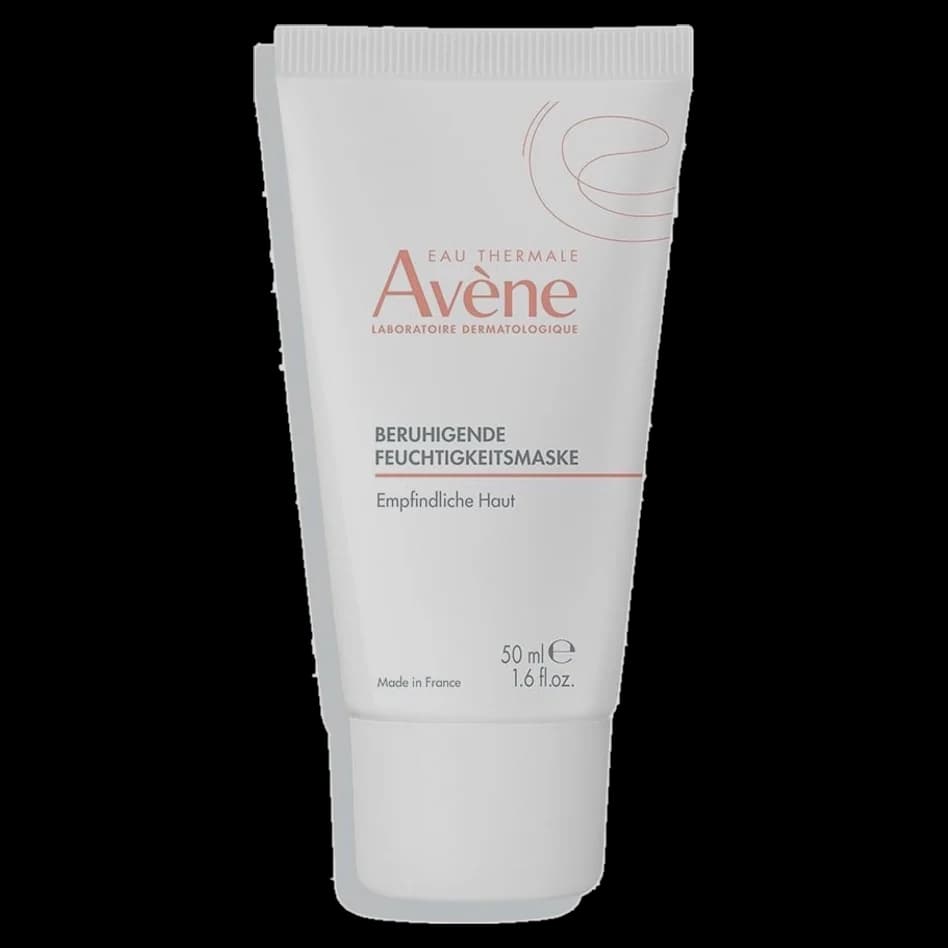
Avène
Soothing Moisture Mask
11th of 26 on the label
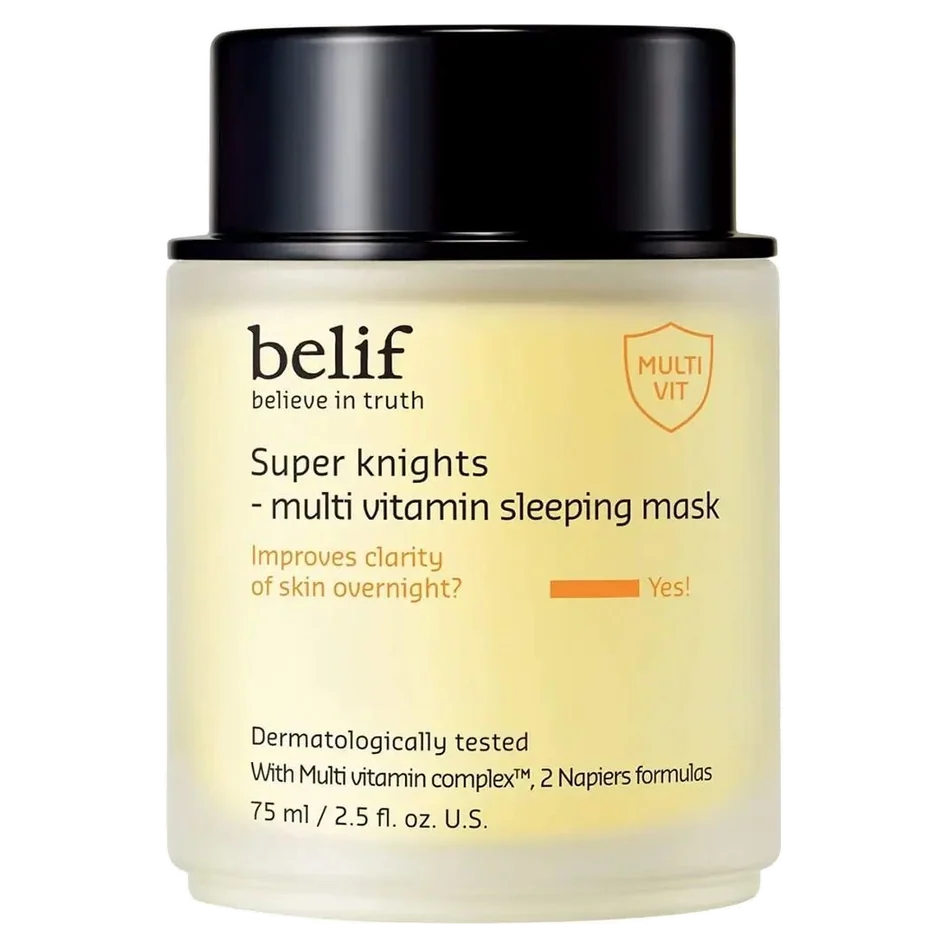
belif
Super Knights Vitamin Mask
12th of 26 on the label
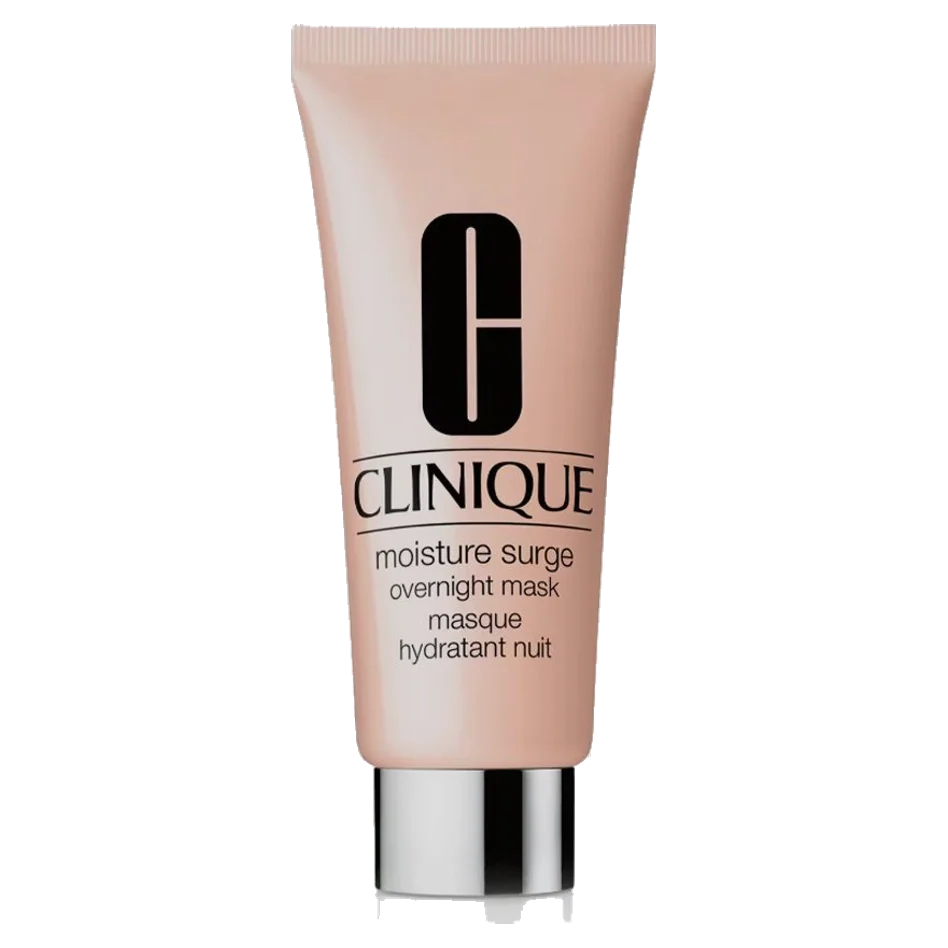
Clinique
Moisture Surge Overnight Mask
12th of 42 on the label
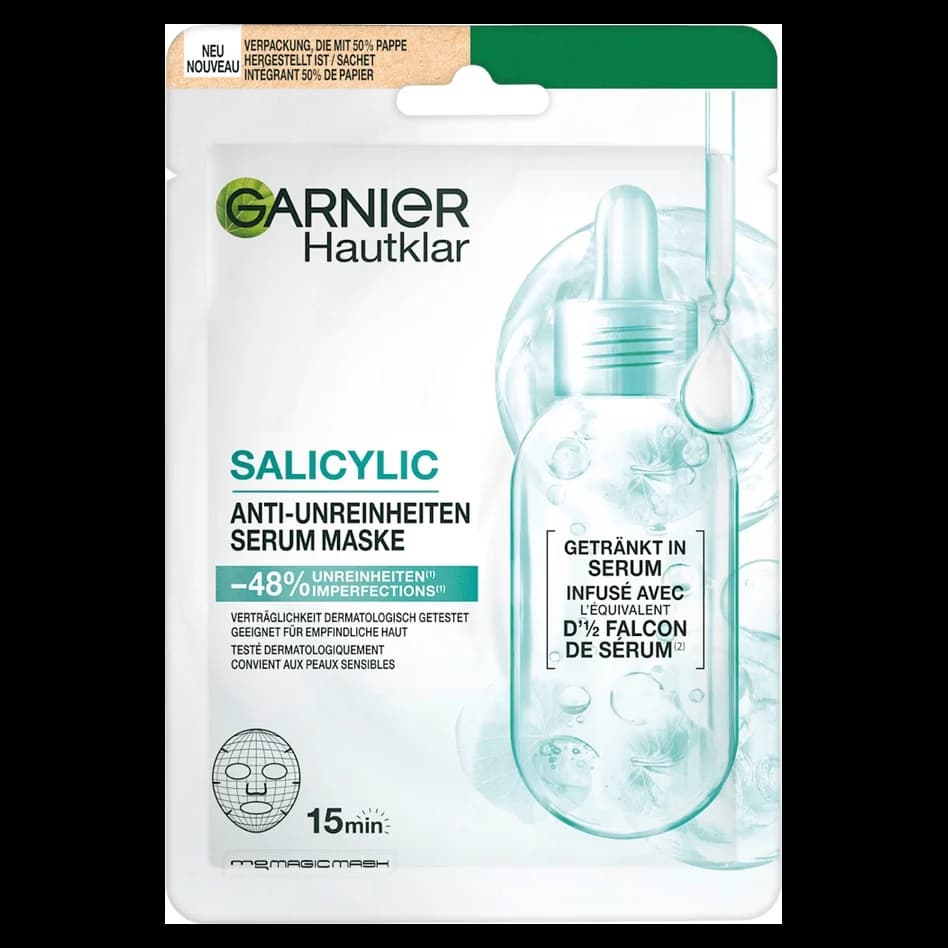
Garnier
Salicylic Tissue Mask
20th of 26 on the label
below ≈1%
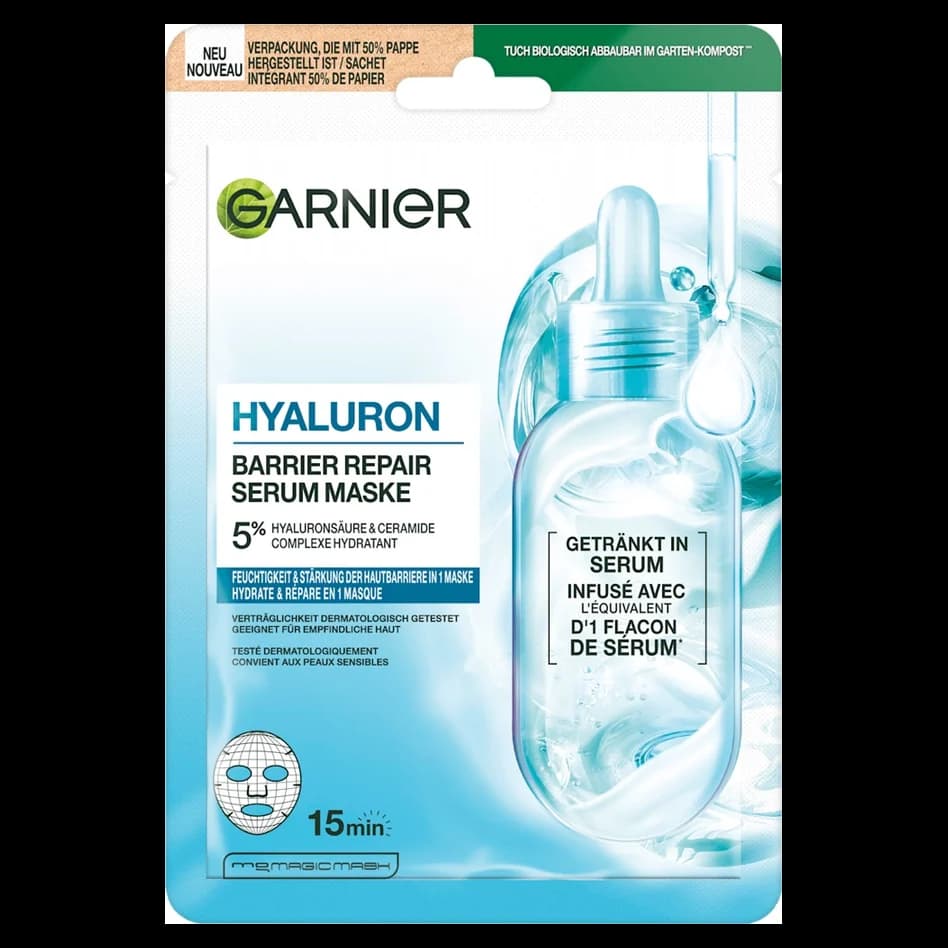
Garnier
SkinActive Hyaluronic Acid Barrier Repair Serum Tissue Mask
19th of 25 on the label
below ≈1%
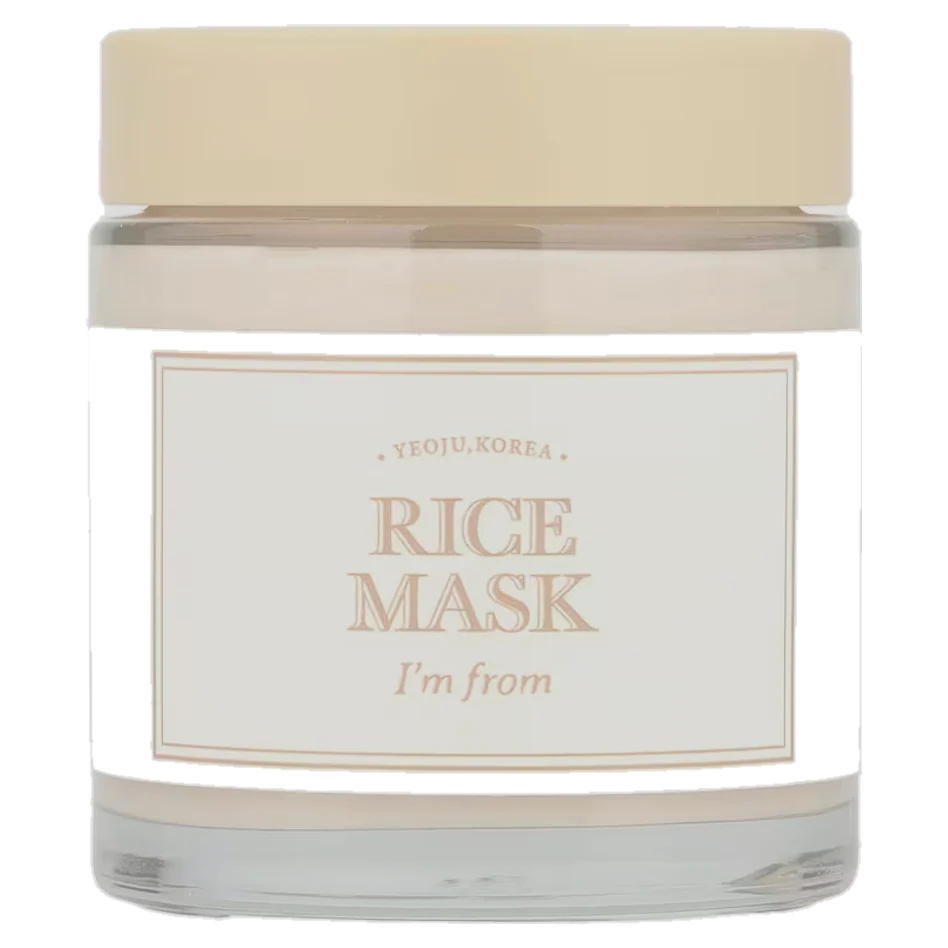
I'm From
Rice Mask
19th of 43 on the label
below ≈1%
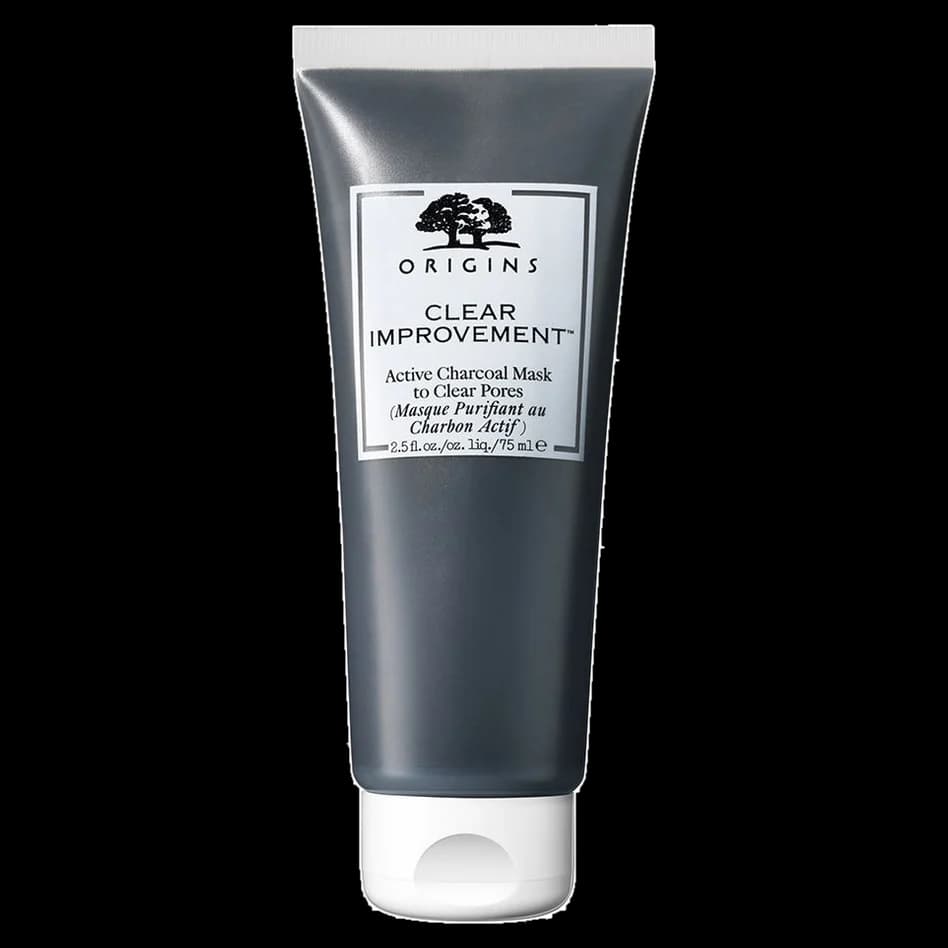
Origins
Clear Improvement Active Charcoal Mask to Clear Pores
8th of 23 on the label