PEG-40 Hydrogenated Castor Oil
No meaningful concern for most people; irritation is possible but rare.
Also written as: Macrogolglycerol hydroxystearate · Cremophor RH40 · Kolliphor RH40
What it is
This is hydrogenated castor oil that has been reacted with about 40 units of ethylene oxide, which makes the fatty molecule water-loving at one end. That dual nature lets it pull oily materials, such as fragrance or an oil-soluble vitamin, into a clear water-based liquid. It is one of the most common solubilisers in toners, essences and sheet-mask serums. How much goes in varies enormously by product type: the Cosmetic Ingredient Review's amended assessment of PEGylated oils records a maximum reported use range for this ingredient of 0.00007 to 22%, the top of that range in leave-on hair products rather than anything for the face. Only five masks here carry it, too few to read a pattern from.
How it shows up on a label
If a clear essence or toner smells of anything, this or a polysorbate is usually what is holding the fragrance in solution.
What it does well
Keeps oils and fragrance dissolved in water-based masks and essences
It is a well-characterised non-ionic solubiliser used across cosmetics and pharmaceuticals for exactly this purpose; without it, clear essences with any oil content would separate.
Strong evidence
Milder on skin than the classic anionic detergents
Non-ionic surfactants of this type interact far less with skin proteins and lipids than anionic surfactants such as lauryl sulfates, which is why they dominate leave-on formulas.
Moderate evidence
Worth knowing
The PEG / 1,4-dioxane residue question
Making any PEG-type ingredient uses ethylene oxide, which can leave traces of 1,4-dioxane (a probable human carcinogen) in the raw material. Both ethylene oxide and 1,4-dioxane are prohibited as cosmetic ingredients in the EU, and only technically unavoidable traces are tolerated under Article 17 of the Cosmetics Regulation. In practice suppliers strip the residue by vacuum and batches are tested by gas chromatography, so levels in finished cosmetics are in the parts-per-million range or below.
Matters most toAnyone who wants to understand what the 'PEGs are contaminated' claim actually refers to; it is a manufacturing-quality issue, not a property of the ingredient itself.
Rare delayed allergy to PEG-containing ingredients
Allergy to polyethylene glycol chains is uncommon but documented, including delayed reactions confirmed by patch testing. It matters mostly for people already identified as PEG-allergic, for example after an excipient work-up.
Matters most toPeople with a confirmed PEG or polysorbate allergy.
May increase penetration of other ingredients on broken skin
Surfactants of this class can slightly increase how much of other ingredients crosses damaged skin. On intact skin this is not a meaningful concern.
Matters most toPeople applying products over open, weeping or freshly abraded skin.
Where the EU stands
No specific restriction
Permitted in EU cosmetics with no concentration limit. Its ethylene-oxide and 1,4-dioxane residues are controlled indirectly: both substances are prohibited as ingredients, and only technically unavoidable traces are allowed under Article 17 of Regulation (EC) No 1223/2009.
Regulation (EC) No 1223/2009, Article 17 (traces of prohibited substances) · source ↗
Sources (4)
Every link goes to the original: a journal, a PubMed record or an EU document.
- [1]Role of Polyethylene Glycol in Dermatology
Indian Dermatology Online Journal · 2025 · doi:10.4103/idoj.idoj_648_24
PEGs are widely and usefully used on skin, but clinicians should be aware of uncommon hypersensitivity reactions in susceptible individuals.
- [2]A case of delayed allergy to polyethylene glycol 2000 and polysorbate 80 confirmed by patch test: Consequences for anti-SARS-CoV2 vaccination?
Contact Dermatitis · 2022 · doi:10.1111/cod.14131
Delayed-type allergy to PEG and polysorbate is real but rare, and can be confirmed by patch testing.
- [3]Determination of residual 1,4-dioxane in surfactants and cleaning agents using headspace single-drop microextraction followed by gas chromatography-flame ionization detection
International Journal of Cosmetic Science · 2017
Residual 1,4-dioxane in ethoxylated surfactants can be measured routinely at trace level, which is how suppliers verify that stripping has worked.
- [4]Amended Safety Assessment of PEGylated Oils as Used in Cosmetics
Cosmetic Ingredient Review · 2013
Status: Final Amended Report, released 18 January 2013, with no do-not-cite stamp. On this ingredient specifically: "In a recent survey of use concentrations, PEG-40 hydrogenated castor oil had a maximum use concentration range of 7.0 x 10⁻⁵% to 22%, with 22% reported in leave-on non-coloring hair products." It records PEG-40 hydrogenated castor oil as the most used of the PEGylated castor oils, at 2107 reported uses, up from 268 in the 1997 report. Because the PEGylated oils are now used below 50% in leave-on products, the Panel determined a numerical concentration limit need no longer be specified, superseding the 1997 conclusion. These are maxima across all cosmetics, not a typical level in a face mask. Checked 31 August 2026.
Masks that contain PEG-40 Hydrogenated Castor Oil
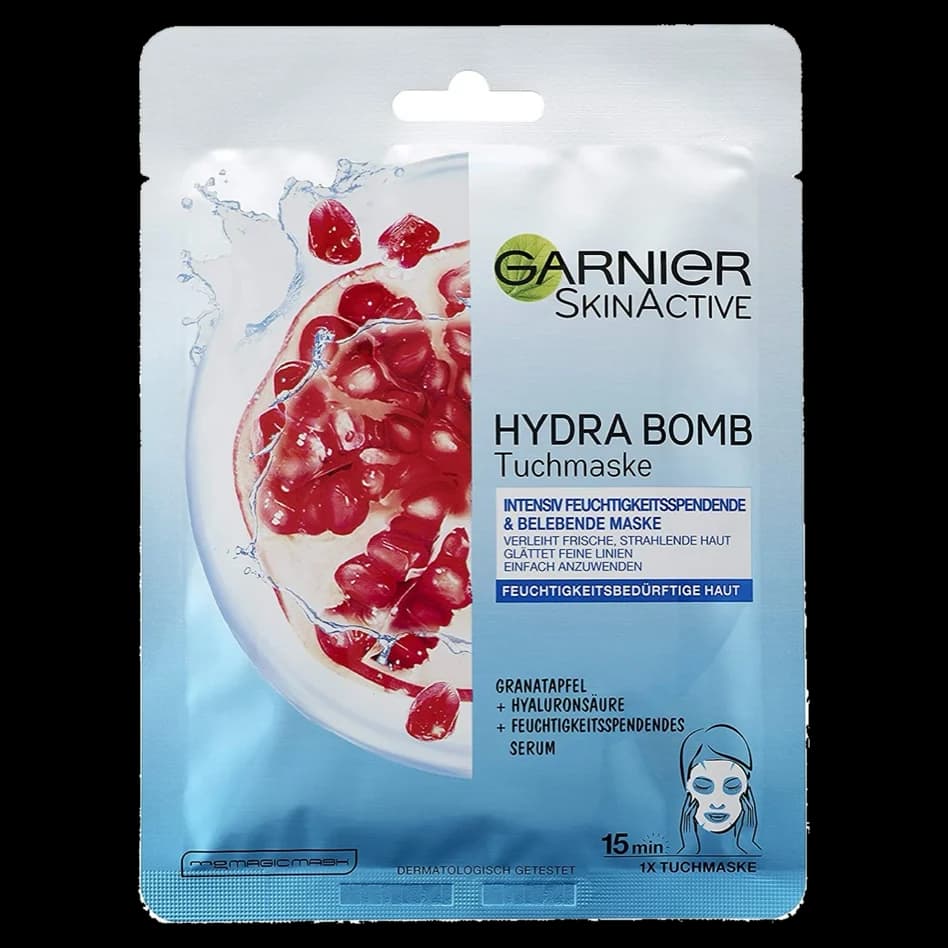
Garnier
SkinActive Hydra Bomb Tissue Mask Pomegranate
9th of 29 on the label
below ≈1%
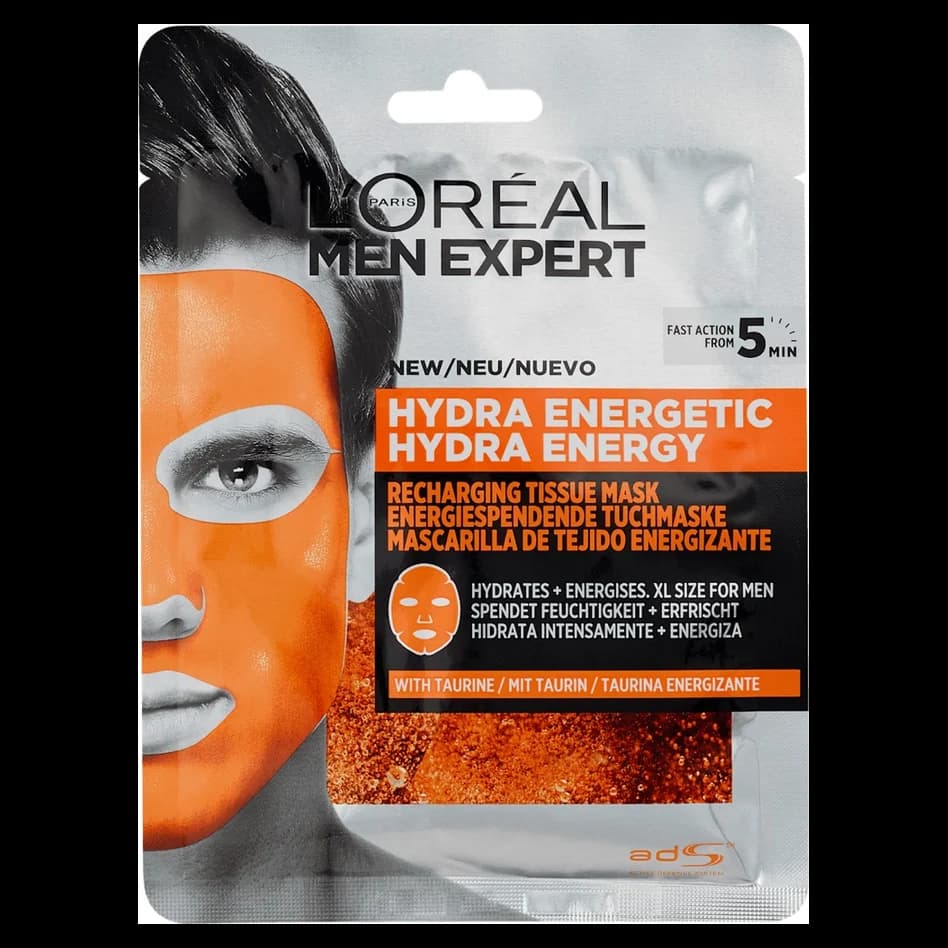
L'Oréal Paris
Men Expert Hydra Energetic Recharging Tissue Mask
5th of 21 on the label
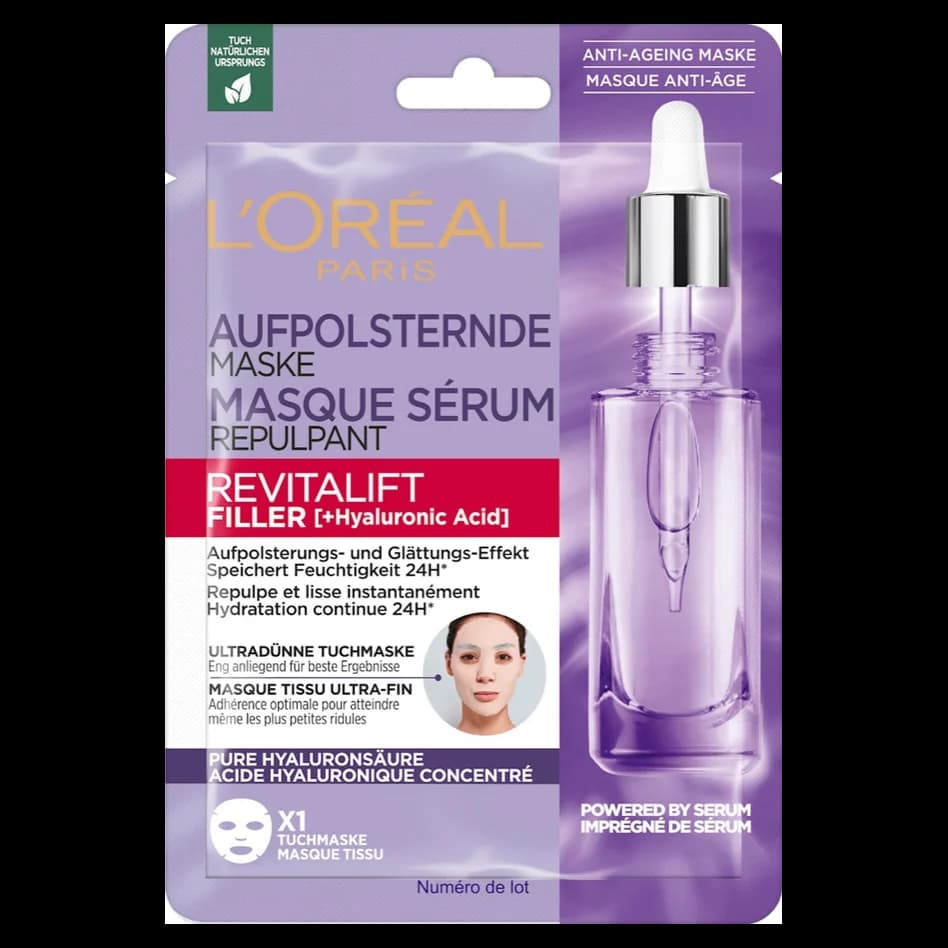
L'Oréal Paris
Revitalift Filler Hyaluronic Acid Tissue Mask
8th of 14 on the label
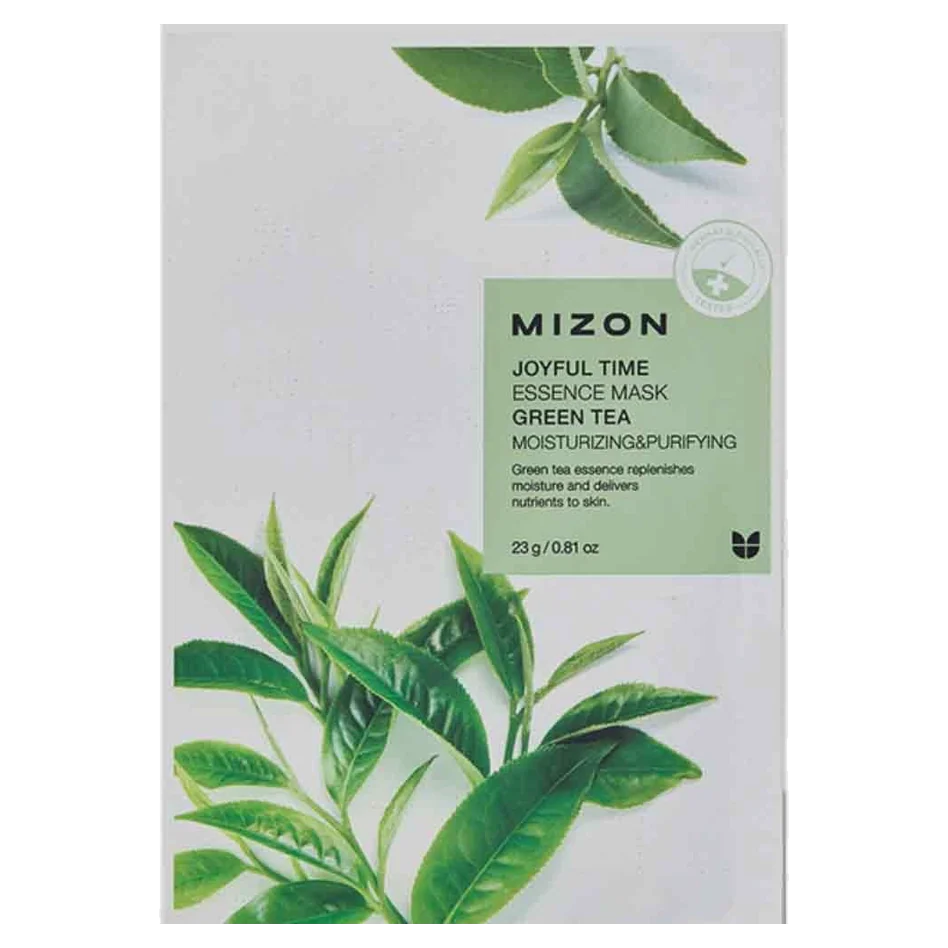
MIZON
Joyful Time Essence Mask Green Tea
7th of 26 on the label
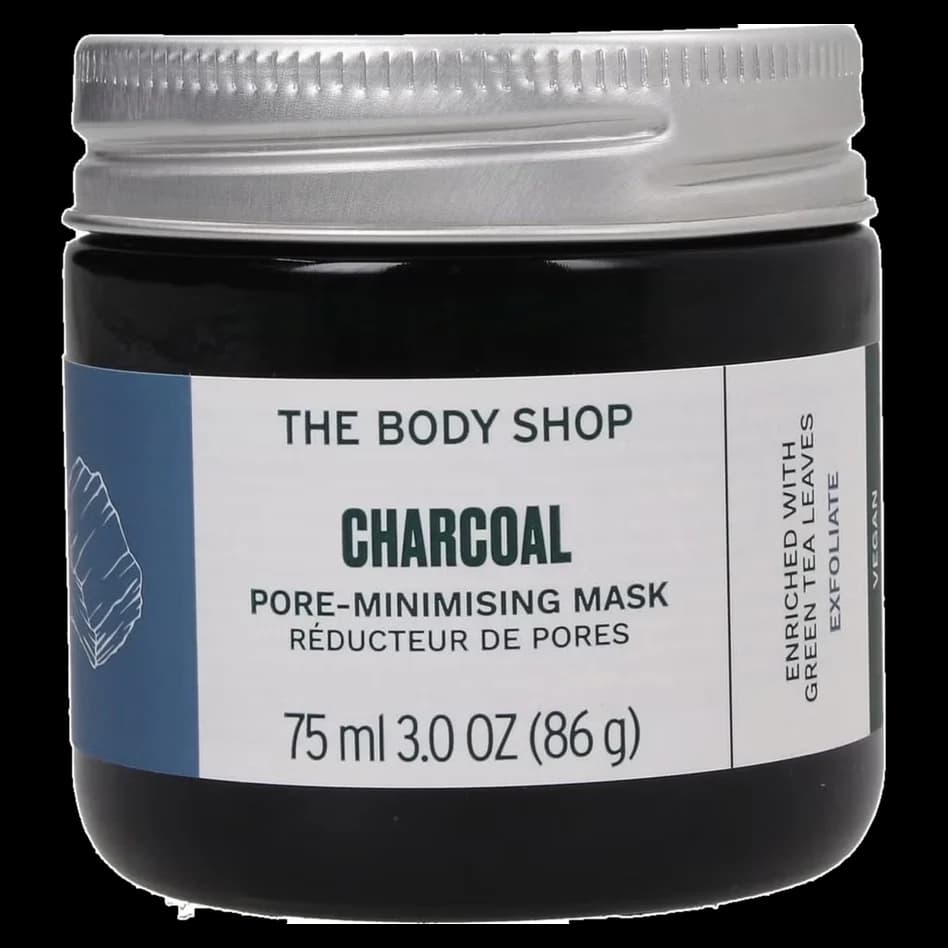
The Body Shop
Charcoal Pore Minimising Mask
8th of 37 on the label