Perlite
No meaningful concern for most people; irritation is possible but rare.
Also written as: Expanded Perlite · Volcanic Glass
What it is
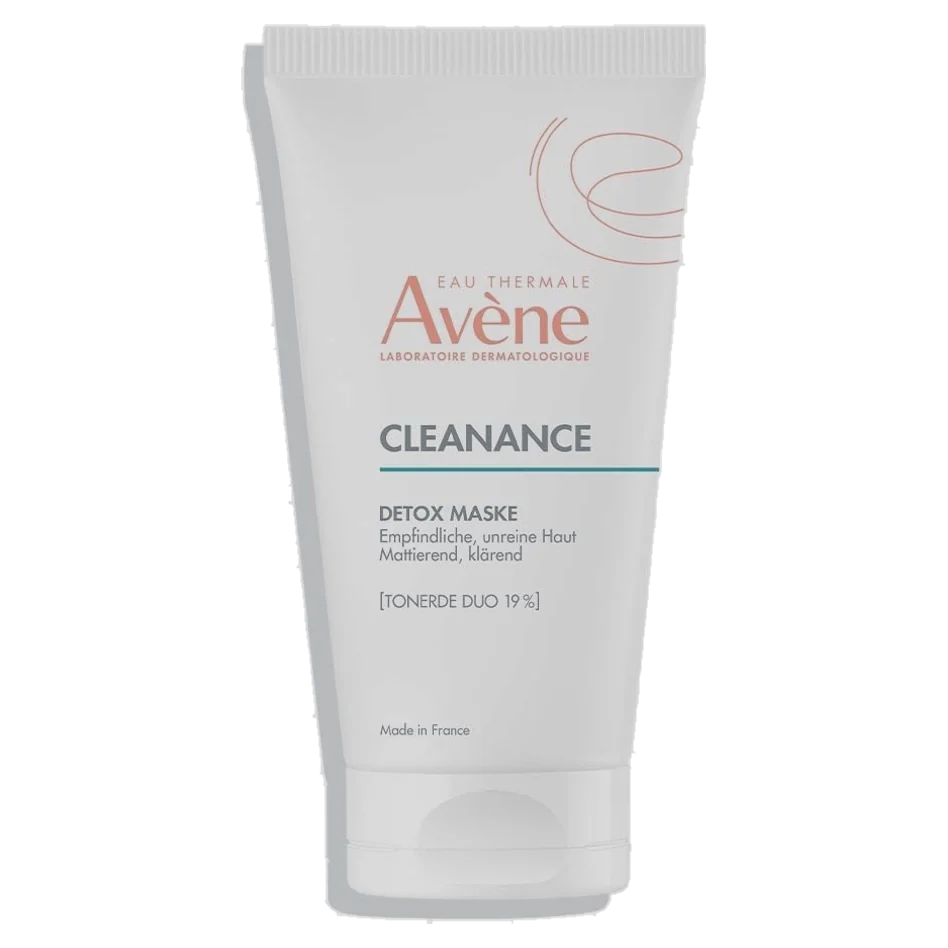
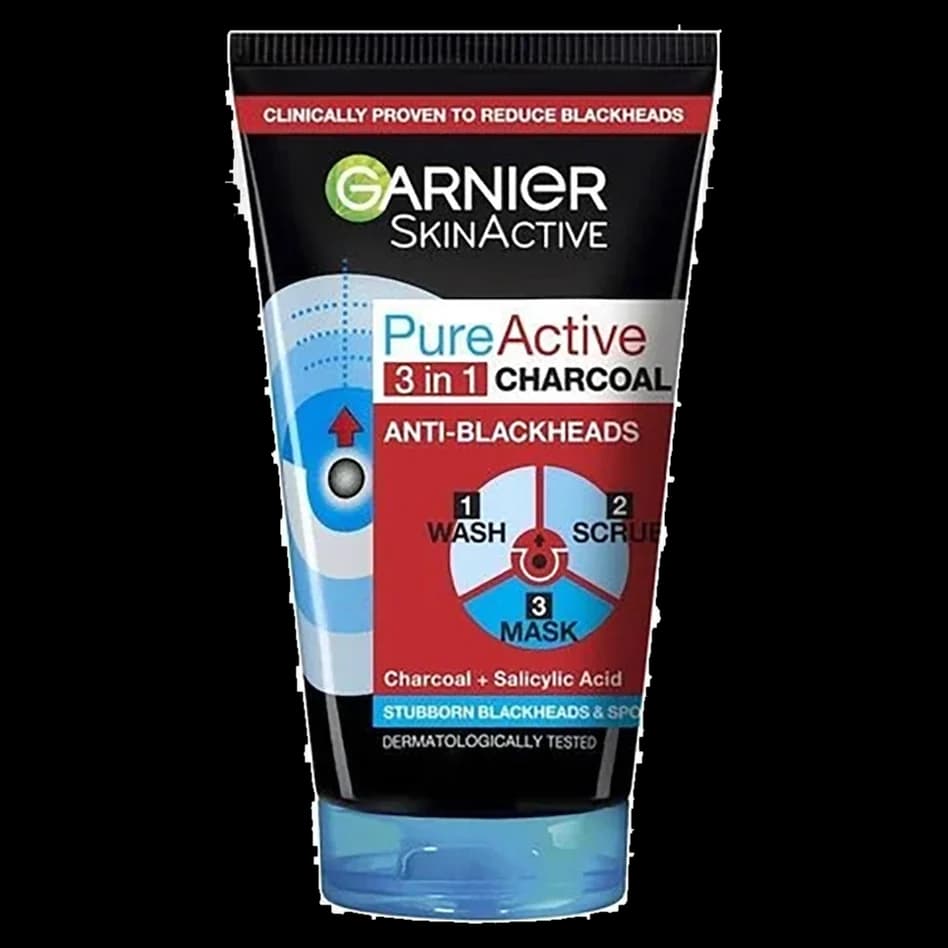
Perlite is a naturally occurring volcanic glass (an amorphous aluminium silicate) that puffs up like popcorn when heated to around 900 °C, producing a very light, porous white powder. In cosmetics it acts as a mild abrasive and as an absorbent that soaks up surface oil, so it turns up in scrub masks and mattifying clay masks. It is one of the mineral materials that replaced plastic microbeads in EU rinse-off products.
How it shows up on a label
In many masks perlite is present as a texture and oil-absorbing filler rather than as the main scrub particle.
What it does well
A plastic-free physical exfoliant
Since 17 October 2023 synthetic polymer microparticles used as an abrasive (plastic microbeads) have been banned outright in the EU with no transition period. Mineral particles such as perlite are among the permitted, non-persistent replacements.
Strong evidence
Absorbs surface oil in clay and mud masks
Its expanded, porous structure gives it a high surface area, which is why it is used alongside clays for a mattifying effect. The evidence is formulation experience rather than clinical trials.
Limited evidence
Worth knowing
Physical scrubbing can irritate skin
Mechanical exfoliation measurably raises transepidermal water loss immediately after use, recovering within about two days in microdermabrasion studies. The popular claim that mineral scrub particles cause lasting 'micro-tears' is not supported by published human data, but scrubbing hard or often does cause redness and soreness.
Matters most toPeople with sensitive or rosacea-prone skin, and anyone using retinoids or acids at the same time.
Dust is an occupational, not a consumer, issue
Perlite is roughly 70-75% silica but in amorphous, non-crystalline form. A four-year study of perlite plant workers exposed to high airborne dust found small changes in gas transfer; in a wet mask the particles are bound in a paste and are not inhaled.
Matters most toNot consumers. This concerns people working in perlite processing.
Where the EU stands
Class entry may apply
Perlite is named in none of the annexes of the Cosmetics Regulation and carries no concentration limit of its own. Since 2026 that no longer means no limit can apply to it: Regulation (EU) 2026/909 added Annex III entry 381, a class entry over aluminium-containing ingredients, capping aluminium in the finished product at 0.89% (as Al) for face and body rinse-off products and 10.59% (as Al) for face leave-on from 1 January 2027, and perlite is an amorphous aluminium silicate that none of the entry's exceptions covers. The SCCS opinion behind the cap names perlite specifically, among the insoluble ingredients that on the account put to it will not lead to the release of aluminium on inhalation or skin contact - so it is on the regulator's radar as aluminium-containing while also being the kind of substance that argument was raised for. Separately, REACH bans plastic microbeads used as abrasives, which is why mineral particles like perlite are now common in rinse-off exfoliants.
Regulation (EC) No 1223/2009 - no annex entry; Annex III entry 381 (aluminium-containing ingredients), added by Regulation (EU) 2026/909 and renumbered from 379 by the corrigendum at OJ L, 2026/90354, 5.5.2026 · source ↗
Sources (3)
Every link goes to the original: a journal, a PubMed record or an EU document.
- [1]Opinion on the safety of aluminium in cosmetic products - Submission IV (SCCS/1662/23)
Scientific Committee on Consumer Safety (SCCS), European Commission · 2024
The opinion that set the EU's aluminium limits records powder products as being formulated with insoluble ingredients such as kaolin, mica and perlite, which on the account put to the committee do not release aluminium on inhalation or skin contact; the SCCS reached the same conclusion for talc, allowing talc with an aluminium content of up to 2% in cosmetics.
- [2]Perlite exposure and 4-year change in lung function
Environmental Research · 2001 · doi:10.1006/enrs.2001.4268
Twelve years of industrial perlite dust exposure did not reduce mean spirometry values, though a decline in gas transfer coefficient was seen in non-smoking exposed workers where dust levels exceeded limits.
- [3]Commission Regulation (EU) 2023/2055 amending Annex XVII to REACH as regards synthetic polymer microparticles
EU Commission / EUR-Lex · 2023
Plastic microbeads used to exfoliate, polish or clean were banned in the EU from 17 October 2023 with no transitional period, while other rinse-off cosmetics containing synthetic polymer microparticles have until 2027.