Glycolic Acid
AHA
Genuinely relevant for some people, or depends on dose and pH.
Also written as: AHA · Alpha Hydroxy Acid · Hydroxyacetic Acid
What it is
Glycolic acid is the smallest of the alpha hydroxy acids (AHAs). It occurs in sugar cane, though cosmetic-grade material is made synthetically. Because the molecule is small it moves into the top layer of skin quickly and weakens the bonds holding dead cells together, so they shed. It is used in masks, toners and peels to smooth texture and even out tone, and its strength depends on formula pH at least as much as on the percentage.
How it shows up on a label
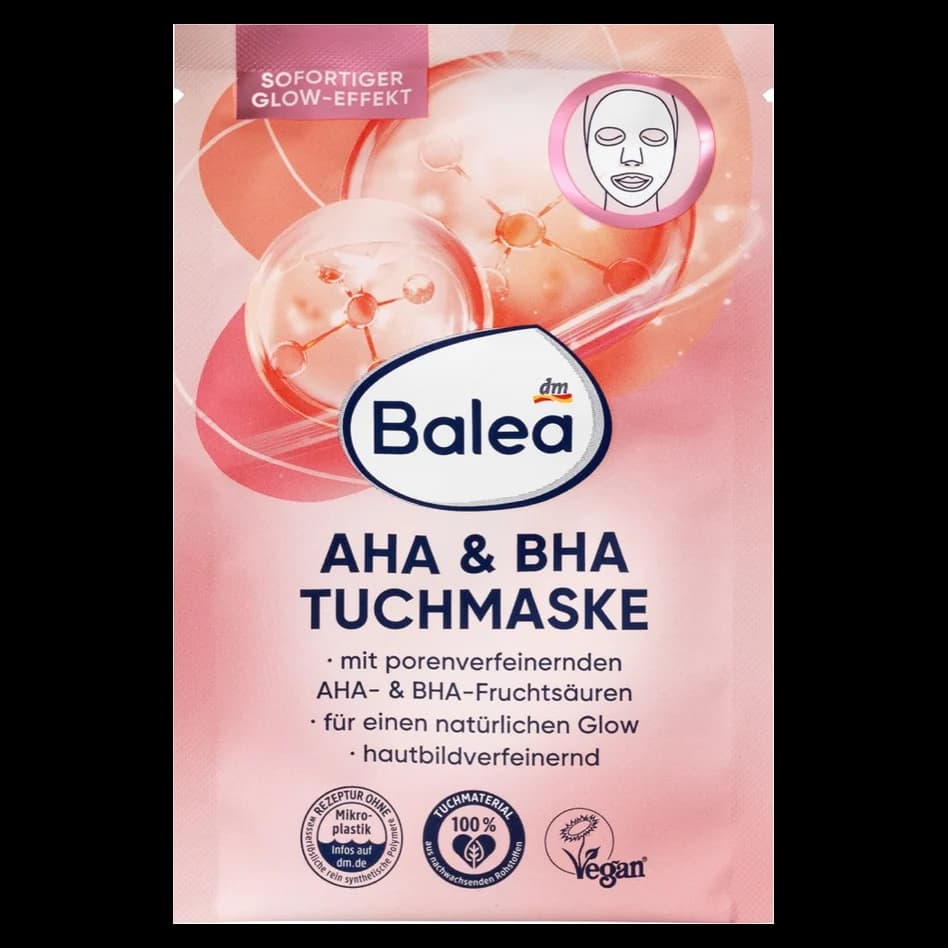
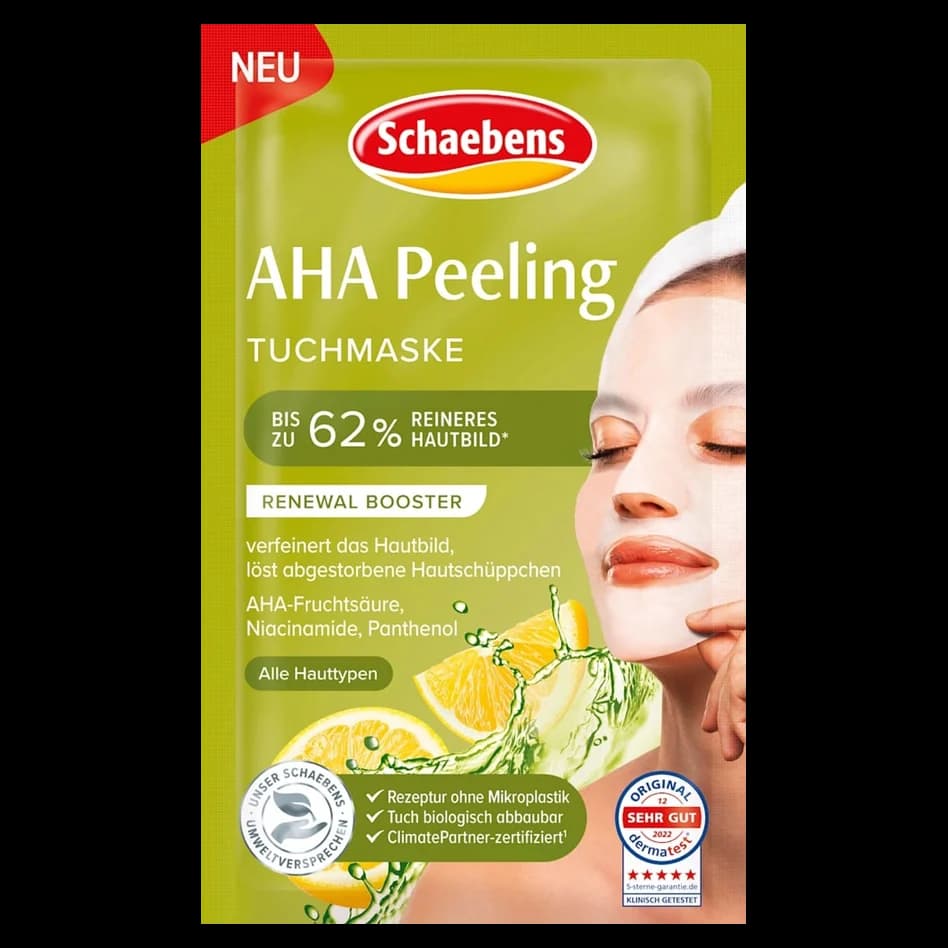
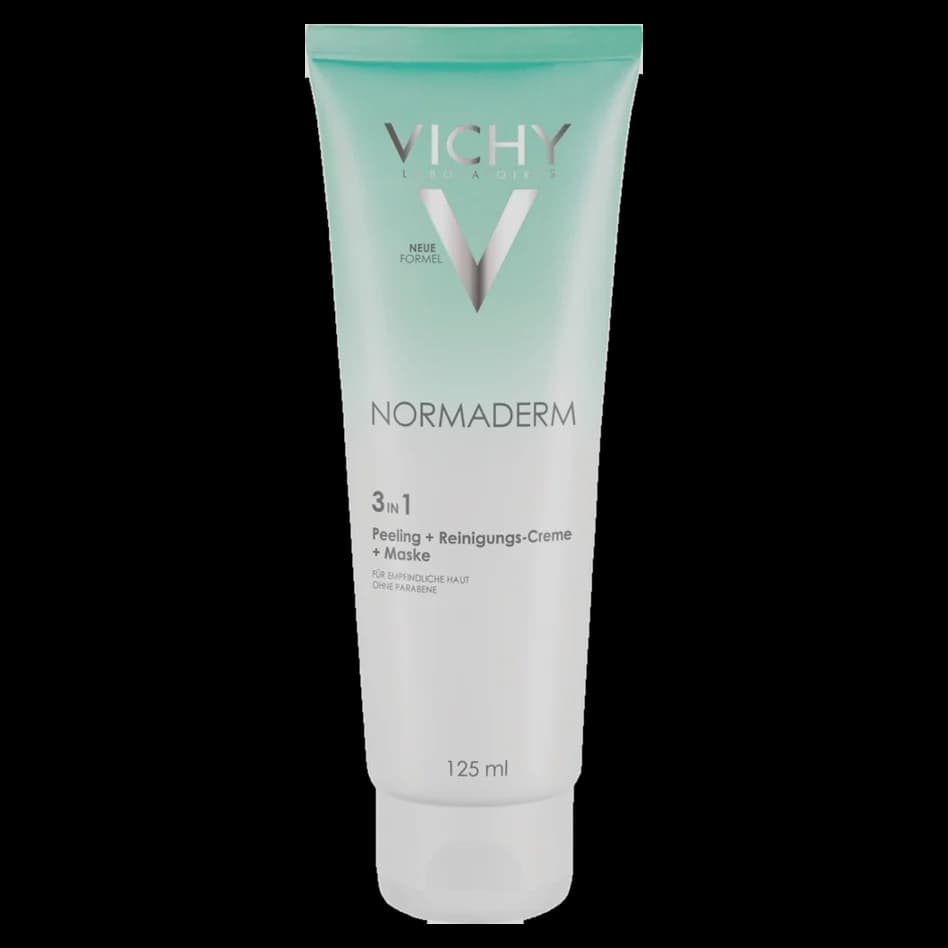
Because there is no EU cap, mask strengths vary a lot. Glycolic acid appearing high up in the ingredient list usually signals a strong product; pair it with daytime sun protection.
What it does well
Smooths rough texture and improves the look of sun-damaged skin
Twelve-week controlled studies of glycolic acid regimens show measurable improvement in photoageing scores, skin resilience and fine surface lines compared with baseline.
Moderate evidence
Useful for mild acne and post-acne marks
A systematic review of randomised trials found glycolic acid peels comparable to other commonly used peels for mild to moderate acne and generally well tolerated, though no peel was clearly superior.
Moderate evidence
Worth knowing
Makes skin more sensitive to sunlight
A controlled human study showed short-term glycolic acid application increased skin sensitivity to solar-simulated radiation, and the EU's own advisory committee concluded that glycolic acid at pH 3.5 in the 2.5-4% range can lower the minimal erythema dose or raise sunburn-cell counts. Sun protection while using it is the standard advice.
Matters most toAnyone using it in spring or summer, and people with a history of pigmentation problems or skin cancer.
Stinging, redness and peeling at higher strengths or low pH
Irritation rises sharply as concentration goes up and pH goes down; the same percentage can feel very different in two products depending on how much of the acid is un-neutralised.
Matters most toPeople with sensitive skin, rosacea, eczema or a damaged barrier.
No EU legal maximum, so strengths vary widely
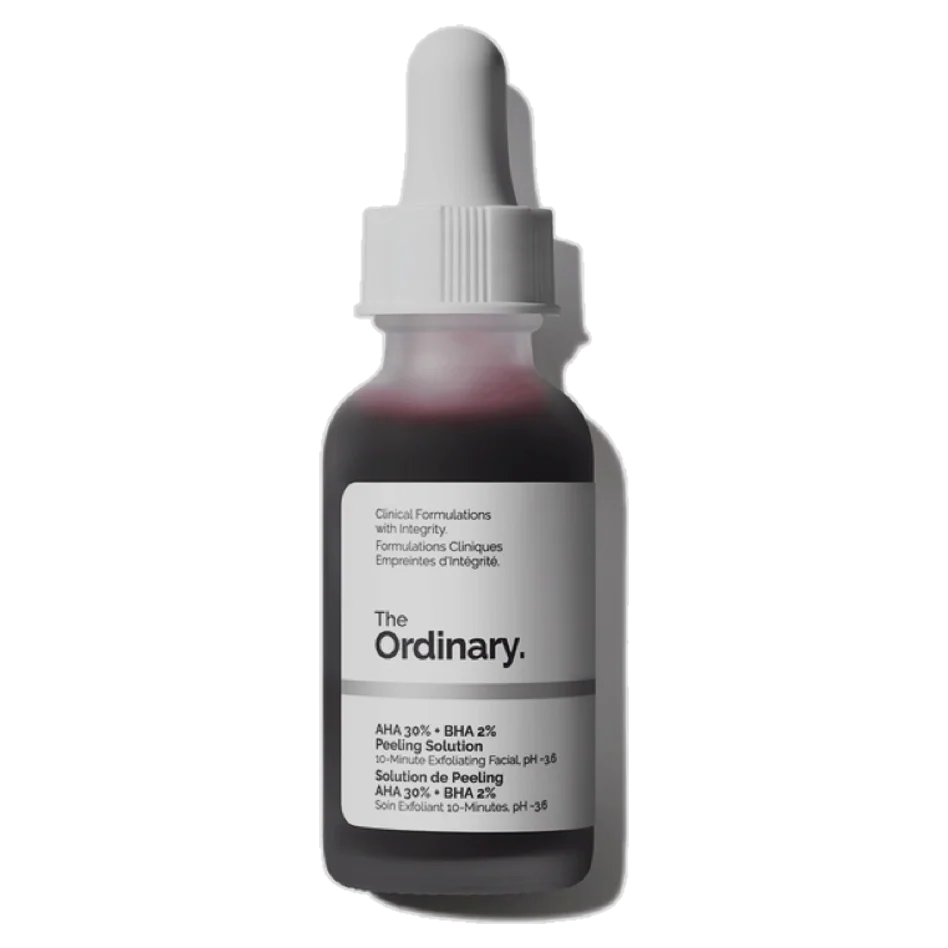
Because glycolic acid is not listed in any Annex of the Cosmetics Regulation, the brand's safety assessor decides the level. Products described as 'peels' can be much stronger than the 4% the EU advisory committee suggested for general consumer use.
Matters most toAnyone buying a high-percentage peel to use unsupervised at home.
Where the EU stands
No specific restriction
Not listed in Annexes II-VI of the EU Cosmetics Regulation, so there is no legal maximum concentration. The Commission's advisory committee (SCCNFP) recommended a precautionary ceiling of 4% at pH 3.8 or above for general consumer use, together with warnings to avoid eye contact and to protect skin from UV; higher strengths are treated as professional peels. The responsible person must still show the product is safe under Article 3.
Sources (3)
Every link goes to the original: a journal, a PubMed record or an EU document.
- [1]Updated Position Paper concerning Consumer Safety of Alpha-Hydroxy Acids (SCCNFP/0799/04)
SCCNFP, European Commission · 2004
The committee concluded that AHA application does increase UV damage to skin, could not define a no-effect level, and maintained its earlier precautionary advice of glycolic acid up to 4% at pH 3.8 or above with sun-protection warnings.
- [2]The effects of topically applied glycolic acid and salicylic acid on ultraviolet radiation-induced erythema, DNA damage and sunburn cell formation in human skin
Journal of Dermatological Science · 2009 · doi:10.1016/j.jdermsci.2009.03.011
Short-term topical glycolic acid increased human skin's sensitivity to solar-simulated radiation, whereas comparable salicylic acid treatment did not.
- [3]Chemical peels for acne vulgaris: a systematic review of randomised controlled trials
BMJ Open · 2018 · doi:10.1136/bmjopen-2017-019607
Commonly used chemical peels, including glycolic acid, appeared similarly effective and well tolerated for mild to moderate acne, with no peel demonstrably superior.