Salicylic Acid
Beta hydroxy acid
Genuinely relevant for some people, or depends on dose and pH.
Also written as: Beta Hydroxy Acid · 2-Hydroxybenzoic Acid · Benzoic Acid, 2-Hydroxy-
What it is
Salicylic acid is a beta hydroxy acid (BHA), originally identified in willow bark and meadowsweet but now made synthetically. Unlike the water-loving alpha hydroxy acids it dissolves in oil, so it can get into a pore and loosen the plug of dead cells and sebum. Formulators use it in masks, cleansers and serums aimed at blackheads and spots, and at much lower levels it also works as a preservative. How strongly it acts depends on the pH of the formula as well as the percentage on the label. One naming trap: skincare marketing calls it BHA, but on an ingredient list it is printed as Salicylic Acid, and the letters BHA on their own are the INCI name of a different substance, butylated hydroxyanisole, an antioxidant that keeps oils from going rancid.
How it shows up on a label
EU face masks cannot exceed 2%, and most wash-off and sheet masks use considerably less. EU law sets no pH condition, but the acid only works efficiently below roughly pH 4.
What it does well
Helps clear blackheads and mild to moderate spots
Salicylic acid peels and leave-on products improve mild to moderate acne in clinical trials, but the 2020 Cochrane review of alpha/beta hydroxy acids for acne rated the certainty of that evidence as low because trials were small and inconsistently designed.
Moderate evidence
Does not seem to increase sun sensitivity the way glycolic acid can
In a controlled human study of solar-simulated radiation (Kornhauser et al., J Dermatol Sci 2009), short-term topical glycolic acid raised the skin's UV sensitivity while an equivalent salicylic acid treatment did not. Daily sunscreen is still sensible with any exfoliant.
Moderate evidence
Very little reaches the bloodstream from normal facial use
After 15 days of 2% salicylic acid applied to the face, measured systemic salicylate exposure was at least five times lower than from a single 81 mg aspirin tablet, and was not increased by acne-prone or photodamaged skin.
Strong evidence
Worth knowing
Can sting, dry or flake the skin
Irritation is dose- and pH-dependent and is more likely with daily use or when it is stacked with retinoids and other acids. It usually settles when frequency is reduced.
Matters most toPeople with sensitive, dry or already compromised skin, and anyone already using a retinoid or another acid.
Not permitted in cosmetics for children under 3
EU law bans salicylic acid in preparations for children under 3 years of age, and products that might be used on them must carry the warning 'Not to be used for children under 3 years of age'. This is a precaution reflecting limited infant data, not evidence of harm in adult use.
Matters most toParents and carers buying skincare for babies and toddlers.
High-strength peels are usually avoided in pregnancy
Absorption from a 2% face product is minimal, so an occasional mask is not a realistic systemic risk; the usual caution applies to professional-strength peels rather than to cosmetic levels.
Matters most toPeople who are pregnant or breastfeeding, who may prefer to check with a midwife or doctor.
Where the EU stands
Concentration-restricted
Allowed up to 2% in most face products including masks, 3% in rinse-off hair products, and 0.5% in body lotion, eye shadow, mascara, eyeliner, lipstick and roll-on deodorant. A separate 0.5% cap applies when it is used as a preservative. Banned in preparations for children under 3, in oral products, and in anything that could expose the lungs by inhalation.
Regulation (EC) No 1223/2009, Annex III entry 98 (as amended by Commission Regulation (EU) 2021/850) and Annex V entry 3 · source ↗
Sources (4)
Every link goes to the original: a journal, a PubMed record or an EU document.
- [1]Opinion on salicylic acid (CAS 69-72-7), SCCS/1601/18, Corrigendum of 20-21 June 2019
SCCS (Scientific Committee on Consumer Safety), European Commission · 2019
The SCCS considered salicylic acid safe as a preservative at 0.5% and, for other uses, at the concentrations now written into Annex III entry 98; this opinion is the basis cited by Commission Regulation (EU) 2021/850.
- [2]Topical azelaic acid, salicylic acid, nicotinamide, sulphur, zinc and fruit acid (alpha-hydroxy acid) for acne
Cochrane Database of Systematic Reviews · 2020 · doi:10.1002/14651858.CD011368.pub2
Salicylic acid and fruit acids showed some benefit for acne, but risk of bias and imprecision meant the evidence was mostly low or very low certainty.
- [3]Percutaneous absorption of salicylic acid after repeated (14-day) in vivo administration to normal, acnegenic or aged human skin
Journal of Pharmaceutical Sciences · 1997 · doi:10.1021/js960496b
Systemic salicylate exposure from 2% topical salicylic acid was at least five-fold lower than from 81 mg of oral aspirin, supporting minimal systemic risk in people without broken skin.
- [4]CosIng entries: Salicylic Acid and BHA
European Commission, CosIng database
Record 37595 is INCI name SALICYLIC ACID, CAS 69-72-7, restrictions III/98 and V/3. The INCI name BHA belongs to a separate record, 32184, chemical name tert-butyl-4-methoxyphenol (CAS 25013-16-5), with the functions antioxidant and fragrance - so a pack that prints BHA is declaring butylated hydroxyanisole, not salicylic acid. Checked 8 October 2026.
Masks that contain Salicylic Acid
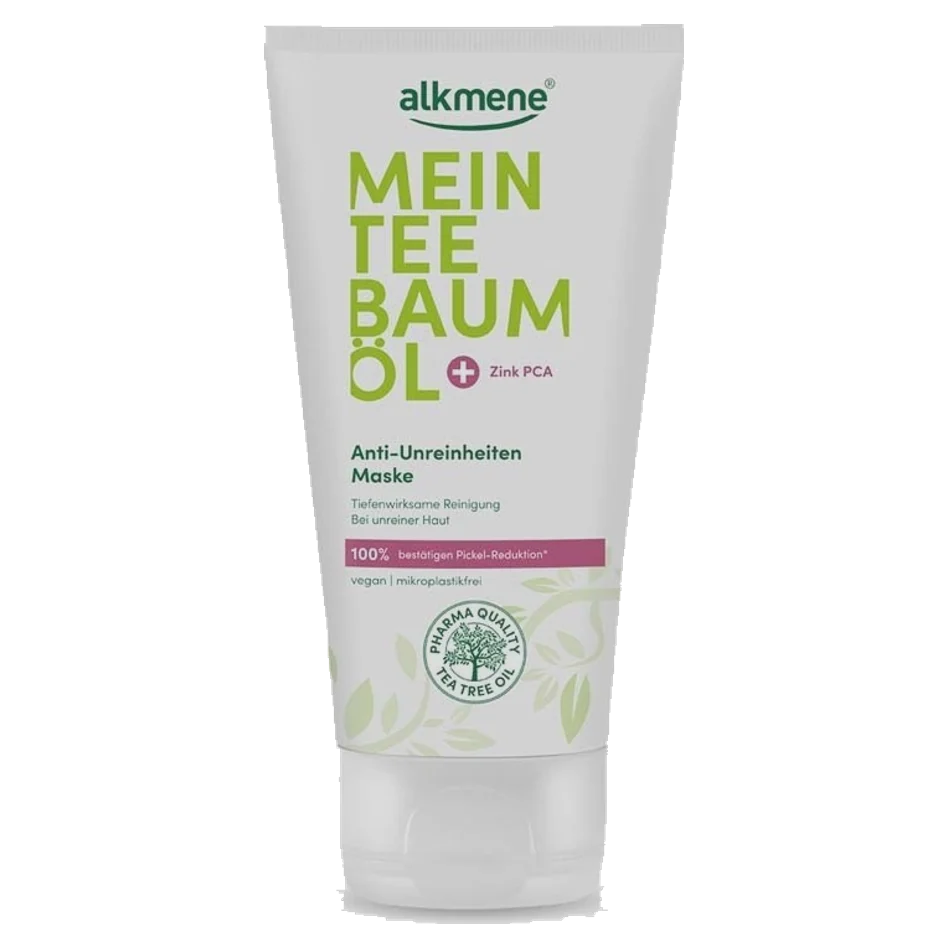
alkmene
Mein Teebaumöl Anti-Unreinheiten Maske
6th of 16 on the label
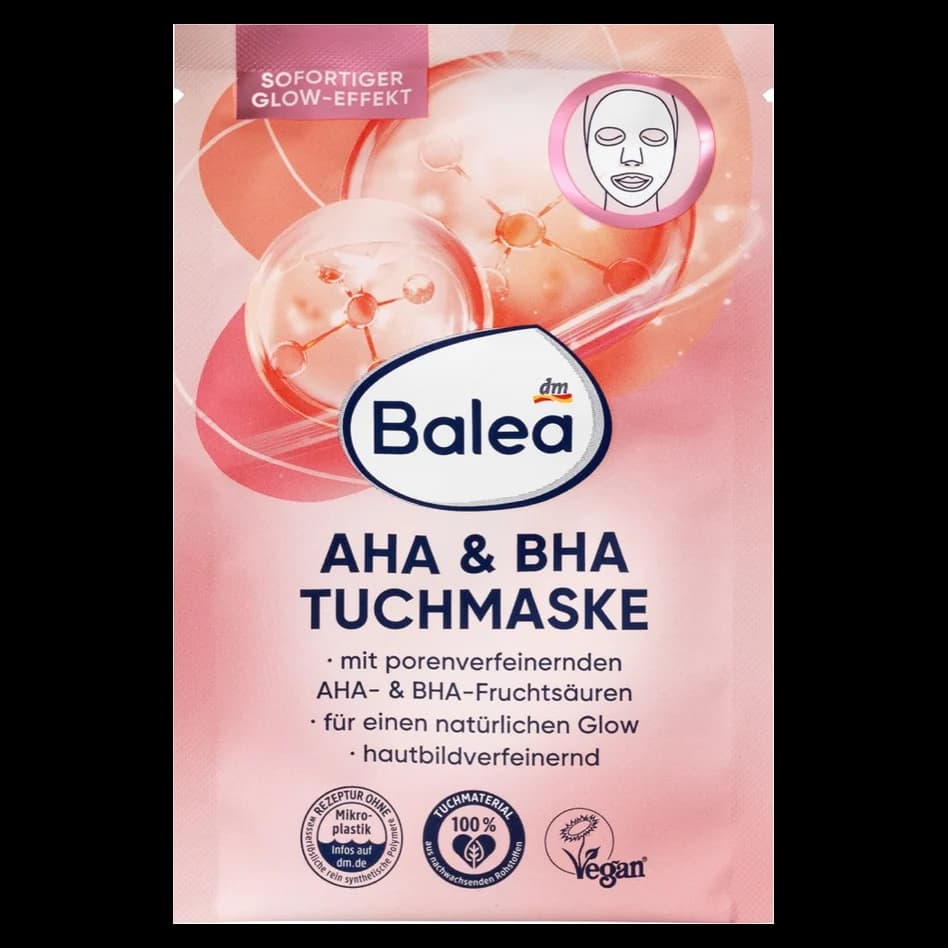
Balea
AHA & BHA Tuchmaske
11th of 16 on the label
below ≈1%
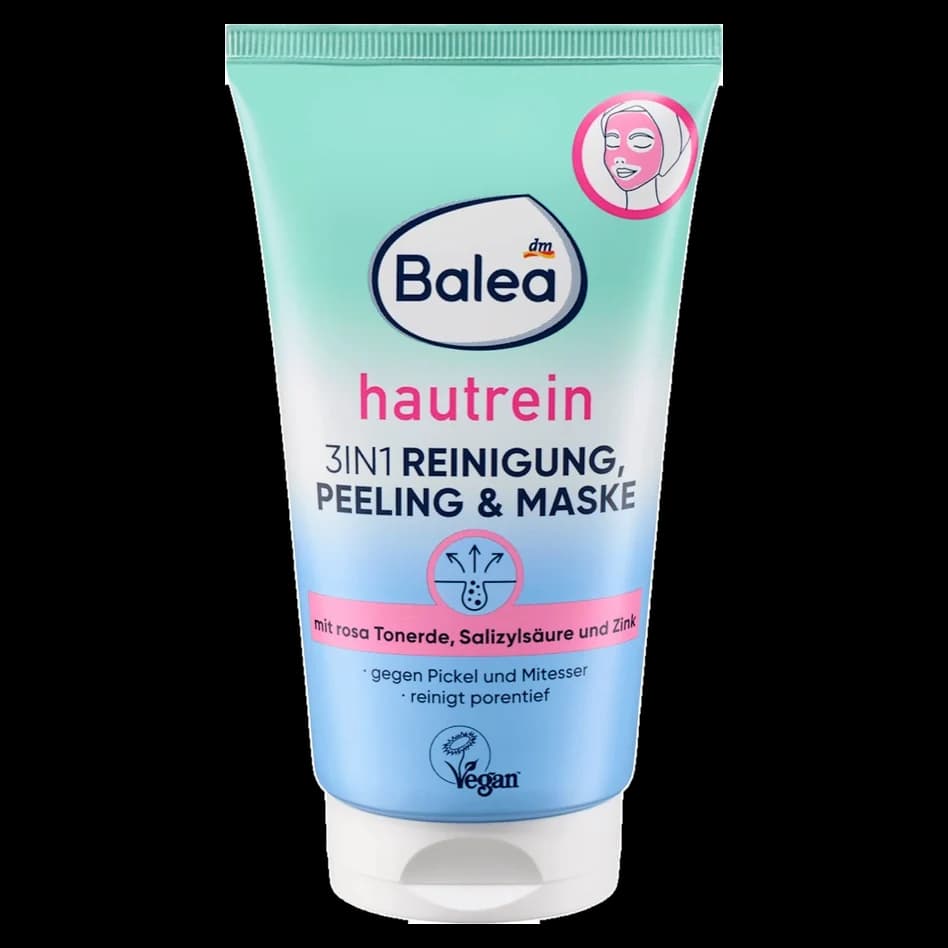
Balea
Reinigung, Peeling & Maske hautrein 3in1
14th of 18 on the label
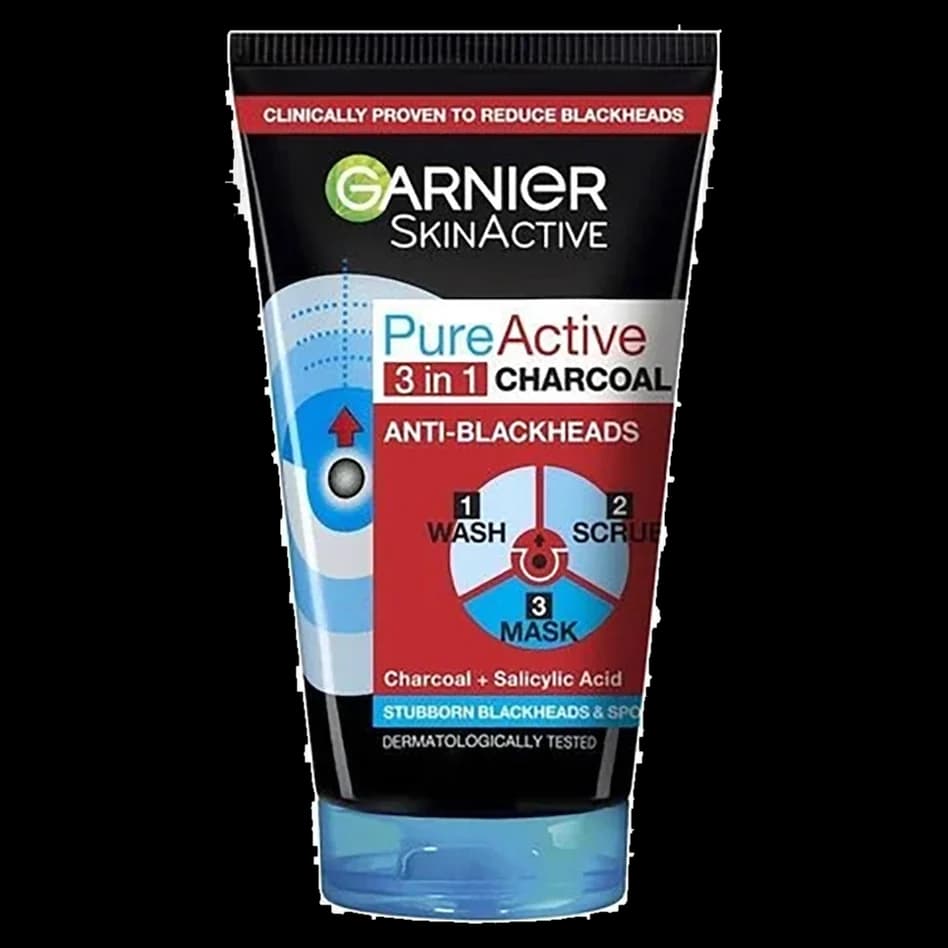
Garnier
Pure Active 3-in-1 Charcoal Wash, Scrub & Mask
22nd of 25 on the label
below ≈1%
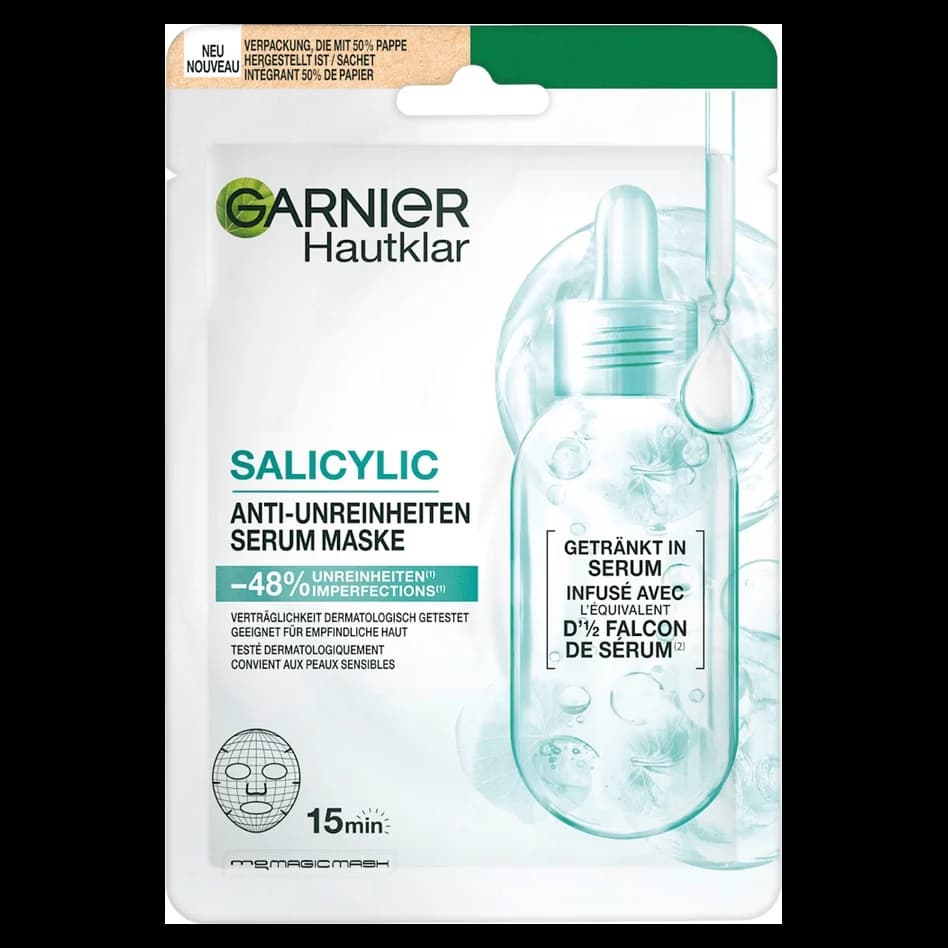
Garnier
Salicylic Tissue Mask
5th of 26 on the label
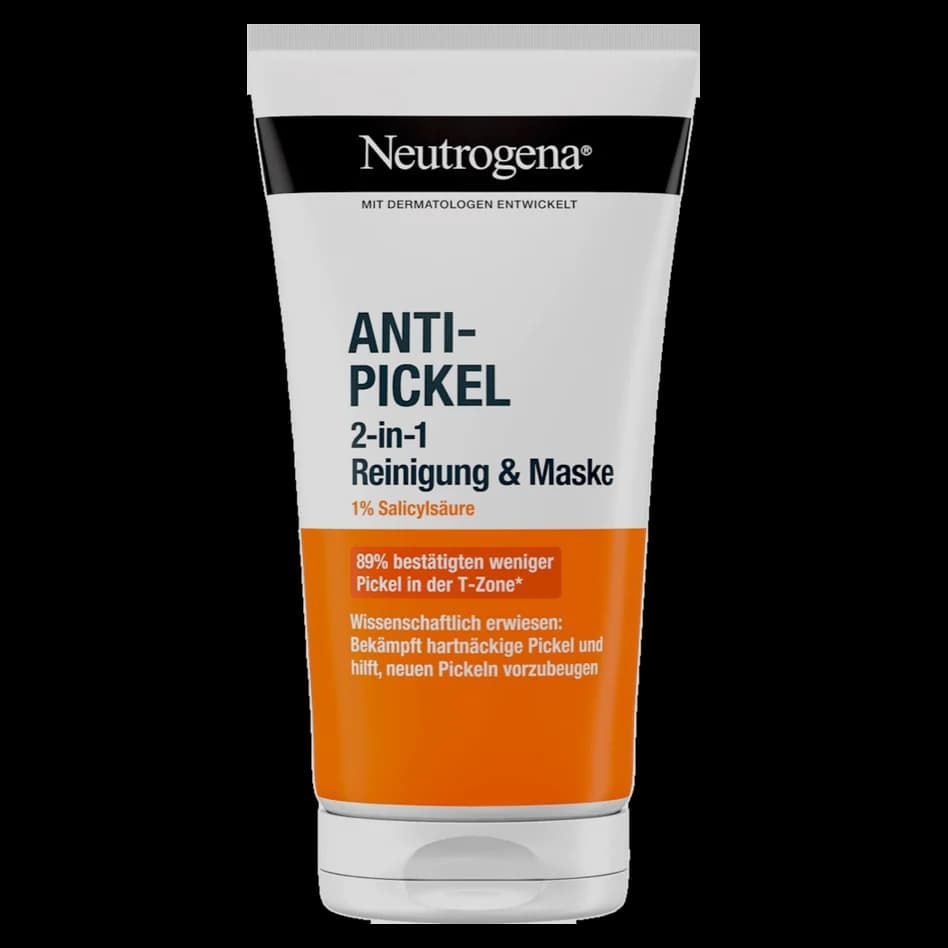
Neutrogena
Anti Pickel Gesichtsmaske 2in1
9th of 23 on the label
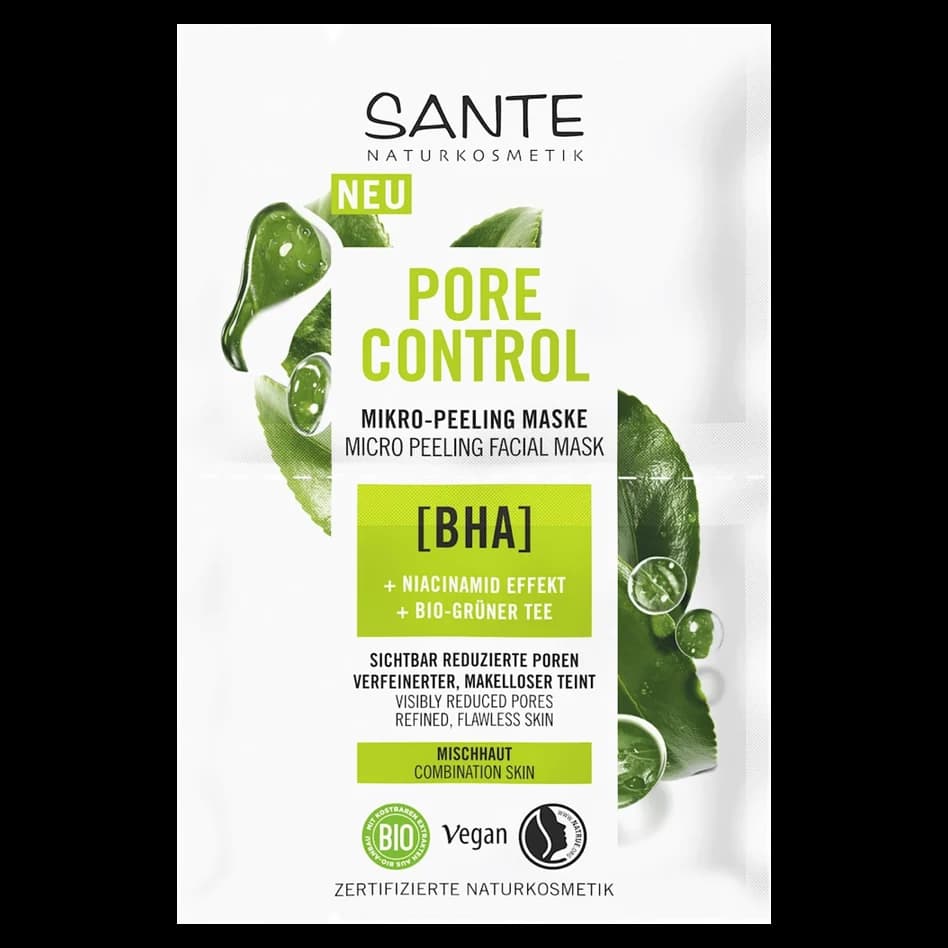
Santé Naturkosmetik
Pore Control Maske BHA
15th of 29 on the label
below ≈1%
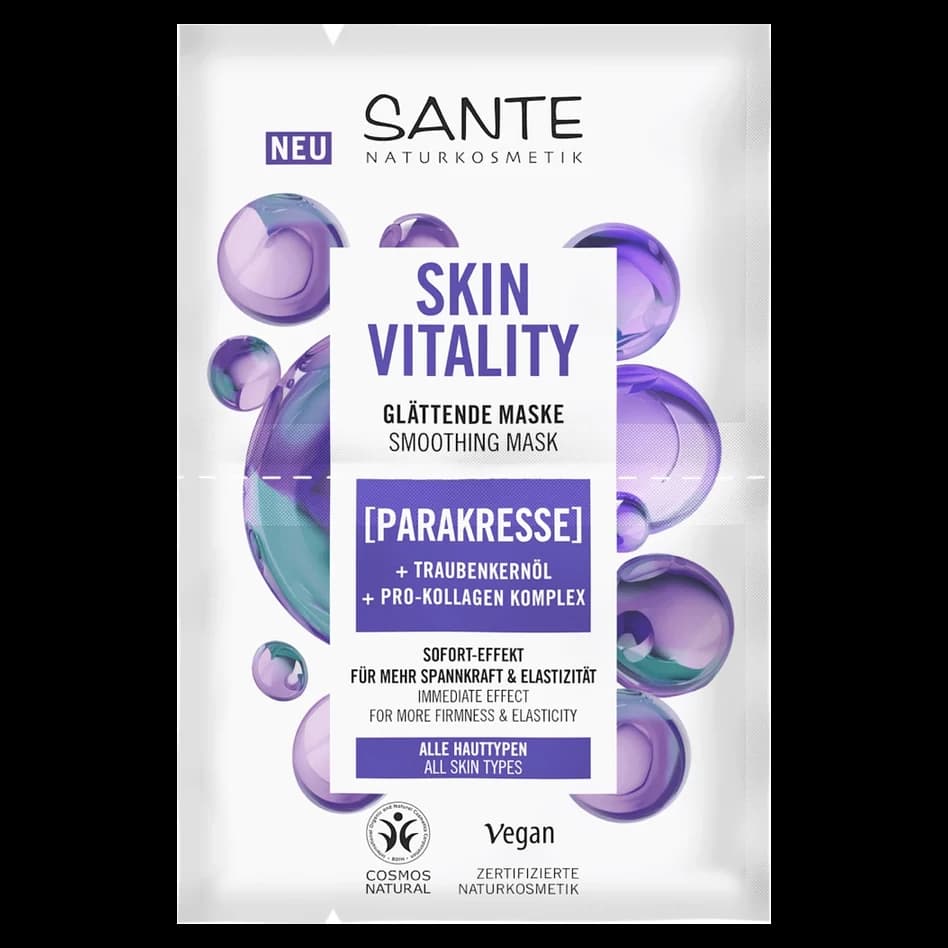
Santé Naturkosmetik
Skin Vitality Maske Parakresse
15th of 33 on the label
below ≈1%
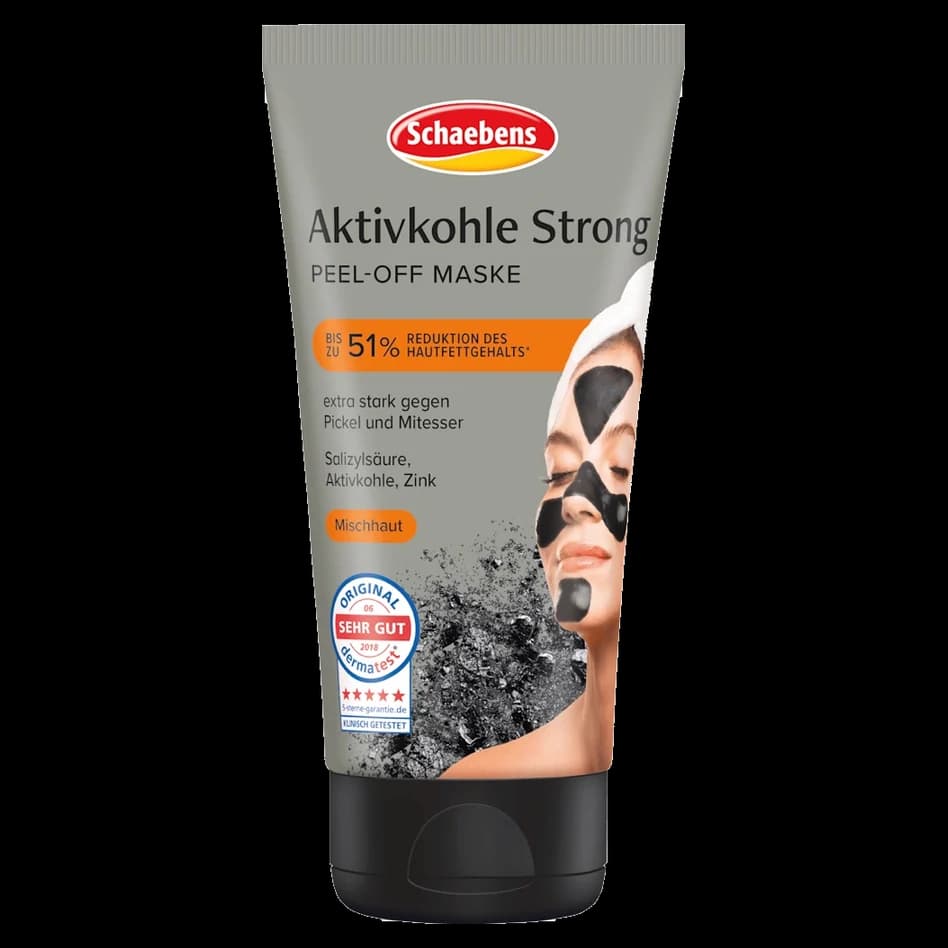
Schaebens
Gesichtsmaske peel off Aktivkohle Strong
10th of 20 on the label
below ≈1%
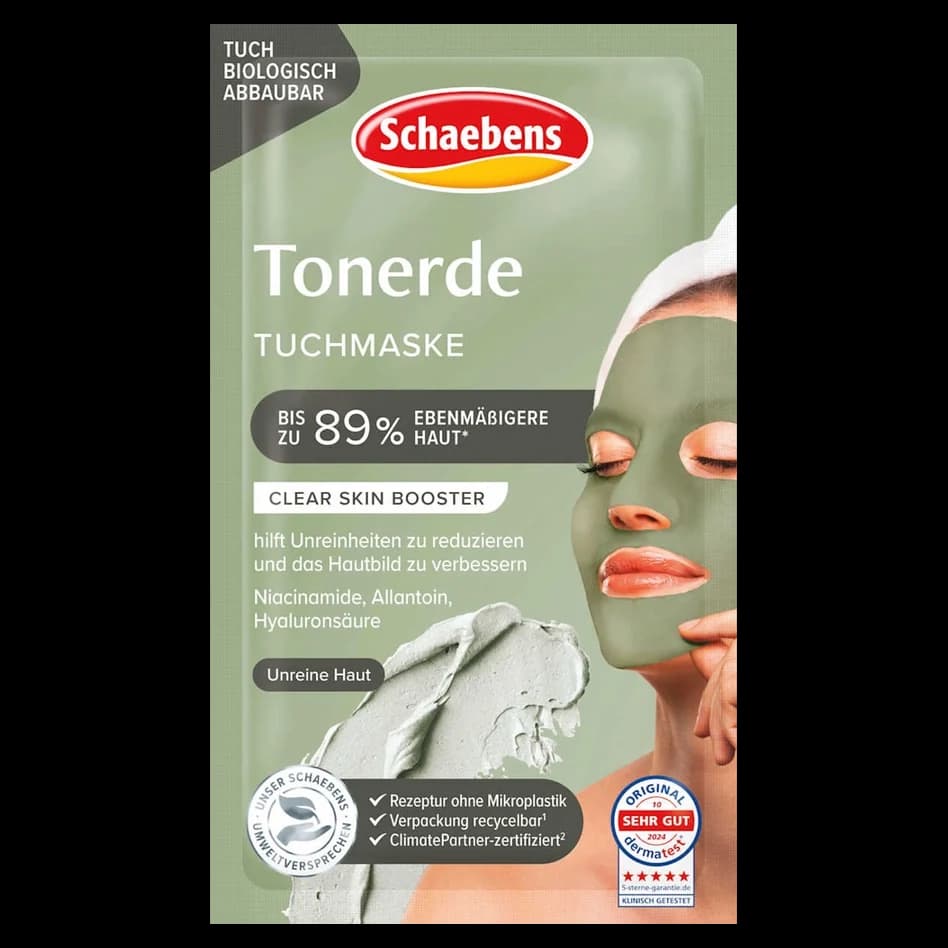
Schaebens
Tuchmaske Tonerde
14th of 35 on the label
below ≈1%
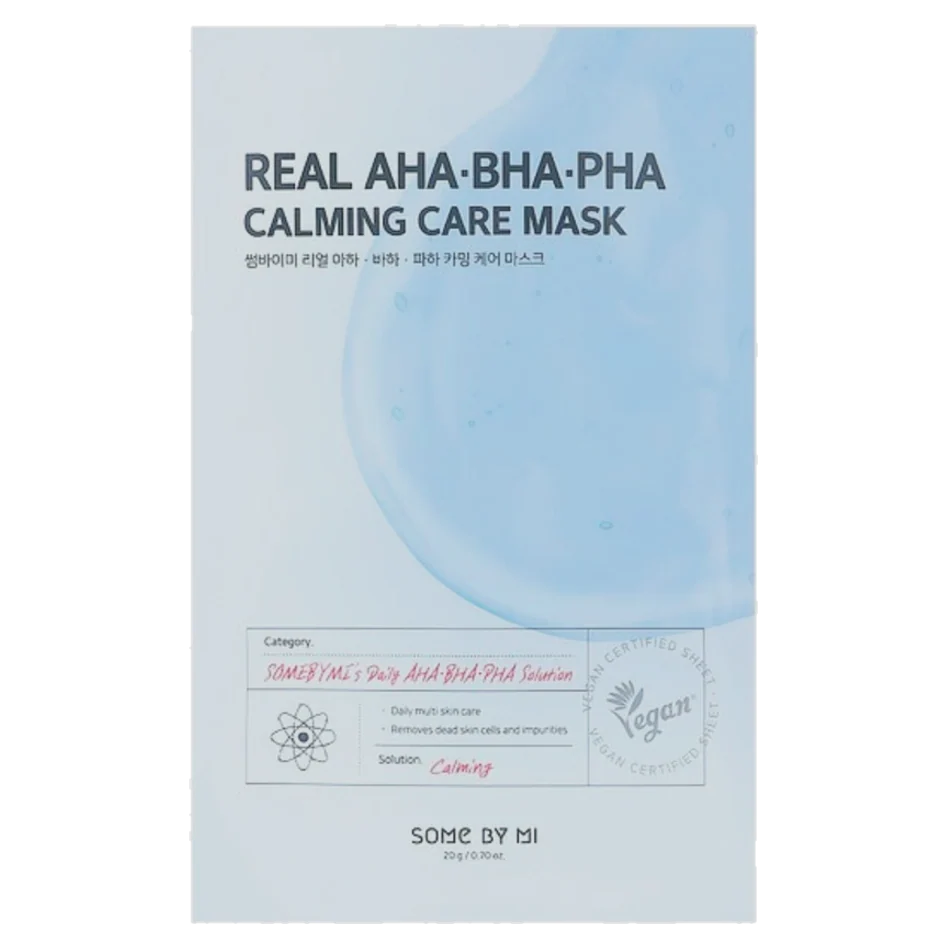
SOME BY MI
Real AHA-BHA-PHA Calming Care Mask
10th of 19 on the label
below ≈1%
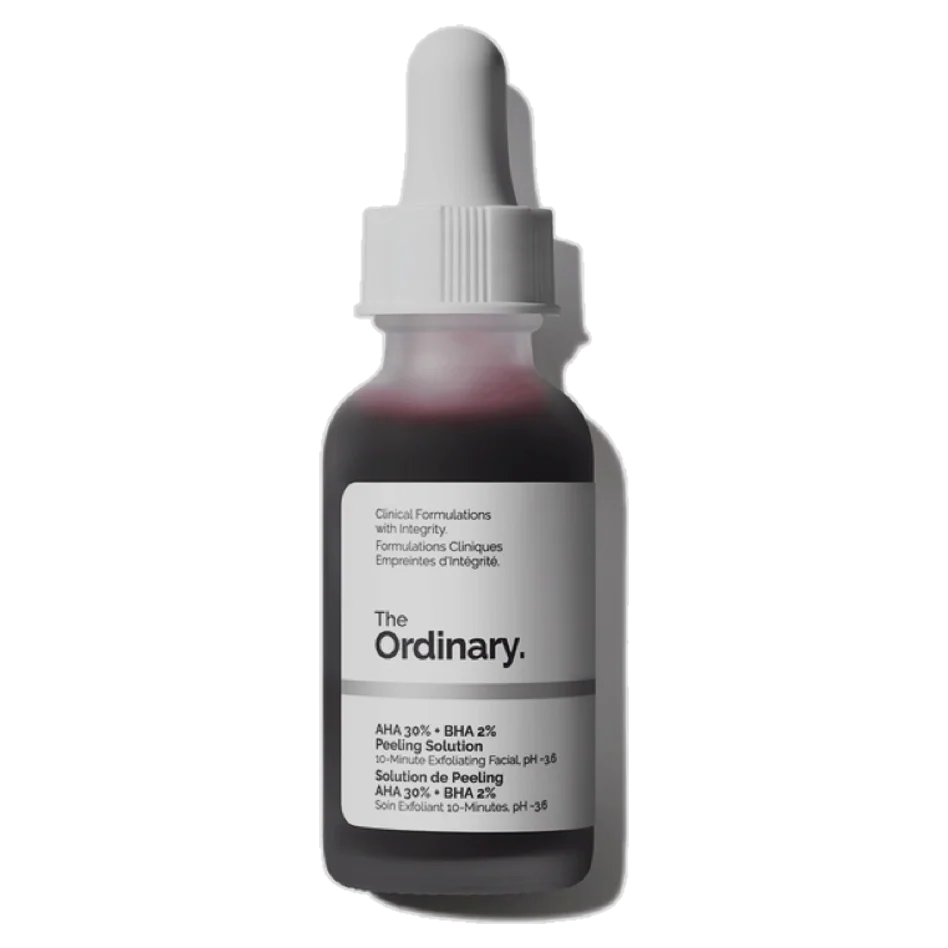
The Ordinary
AHA 30% + BHA 2% Peeling Solution
8th of 24 on the label
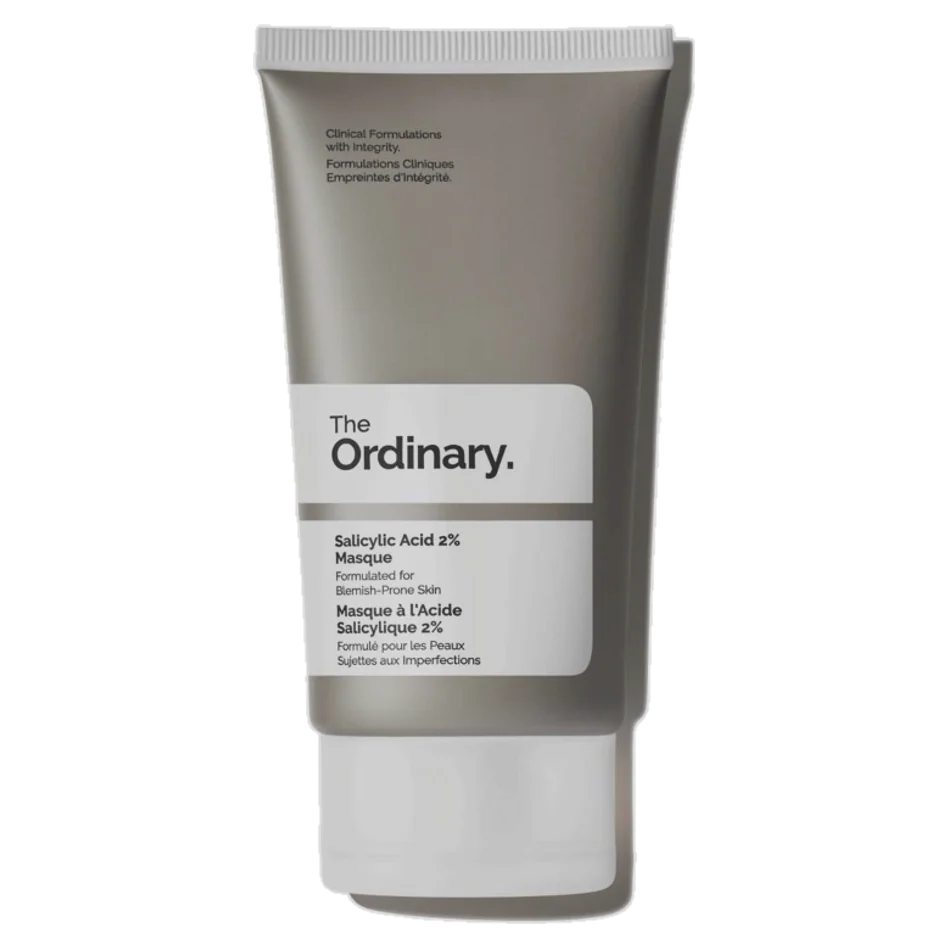
The Ordinary
Salicylic Acid 2% Masque
7th of 19 on the label
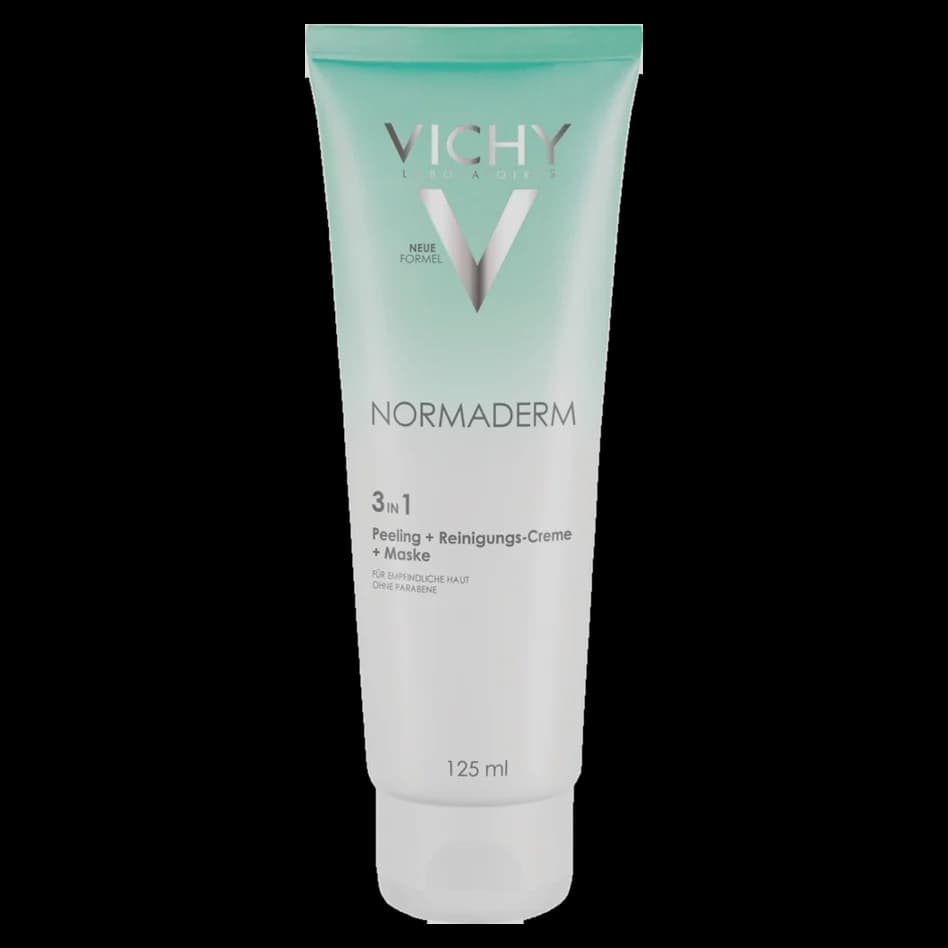
Vichy
Normaderm 3-in-1 Peeling + Reinigungs-Creme + Maske
15th of 23 on the label
below ≈1%