Polyglutamic Acid
PGA
No meaningful concern for most people; irritation is possible but rare.
Also written as: PGA · Poly-Gamma-Glutamic Acid · γ-PGA · Sodium Polyglutamate · Natto Gum
What it is
Polyglutamic acid is a chain of glutamic acid, an amino acid, produced by fermenting Bacillus subtilis - the same process that makes the sticky Japanese food natto. It is water-soluble, holds a large amount of water for its weight, and forms a light film as it dries. Formulators use it as a hyaluronic acid alternative or partner in hydrating masks and essences, particularly in Japanese and Korean products.
How it shows up on a label
Often layered with hyaluronic acid rather than replacing it; the two work by the same basic mechanism, so a product containing both is not doing anything fundamentally different.
What it does well
Holds water at the skin surface and reduces moisture loss
In keratinocytes and a reconstructed human skin model, gamma-PGA increased moisture retention and raised aquaporin 3, the channel that moves water through skin cells. The work is laboratory-based rather than a human clinical trial.
Moderate evidence
Supports the skin barrier by increasing barrier proteins
The same skin-model work showed increased filaggrin and involucrin, proteins involved in building a functional barrier, plus increased hyaluronic acid synthesis. This has not yet been confirmed by instrument measurements on human volunteers.
Limited evidence
Improves measured hydration and skin appearance in animal and model testing
A study of a plant-produced poly-gamma-glutamic acid reported moisturising, brightening and anti-wrinkle effects, but in models rather than a controlled human trial.
Limited evidence
Worth knowing
"Holds four times more water than hyaluronic acid" is a marketing figure, not a clinical result
Water-binding numbers of this kind come from laboratory absorption tests on raw material, not from comparative measurements on human skin. There is no published head-to-head trial showing polyglutamic acid outperforms hyaluronic acid on skin.
Matters most toAnyone paying a premium for polyglutamic acid on the strength of a comparison figure.
Thinner human evidence base than hyaluronic acid
Most published work is in cells, reconstructed skin or animal models. It appears very well tolerated, but the clinical record is short compared with the hyaluronic acid family.
Matters most toPeople who prefer to buy on strength of evidence rather than novelty.
Where the EU stands
No specific restriction
Not restricted under the EU Cosmetics Regulation. Polyglutamic acid and its sodium salt appear in no annex of prohibited or restricted substances and have no concentration limit.
Regulation (EC) No 1223/2009 - no annex entry · source ↗
Sources (2)
Every link goes to the original: a journal, a PubMed record or an EU document.
- [1]Poly-γ-Glutamic Acid from a Novel Bacillus subtilis Strain: Strengthening the Skin Barrier and Improving Moisture Retention in Keratinocytes and a Reconstructed Skin Model
International Journal of Molecular Sciences · 2025 · doi:10.3390/ijms26030983
High molecular weight gamma-PGA increased filaggrin, involucrin, aquaporin 3 and hyaluronic acid synthesis in skin cells and a reconstructed skin model, supporting barrier and moisture-retention claims at a laboratory level.
- [2]Cucumber (Cucumis sativus L.) with heterologous poly-gamma-glutamic acid has skin moisturizing, whitening and anti-wrinkle effects
International Journal of Biological Macromolecules · 2024 · doi:10.1016/j.ijbiomac.2024.130026
Plant-produced poly-gamma-glutamic acid showed moisturising, brightening and anti-wrinkle activity in model testing, indicating the polymer itself is the active component.
Masks that contain Polyglutamic Acid
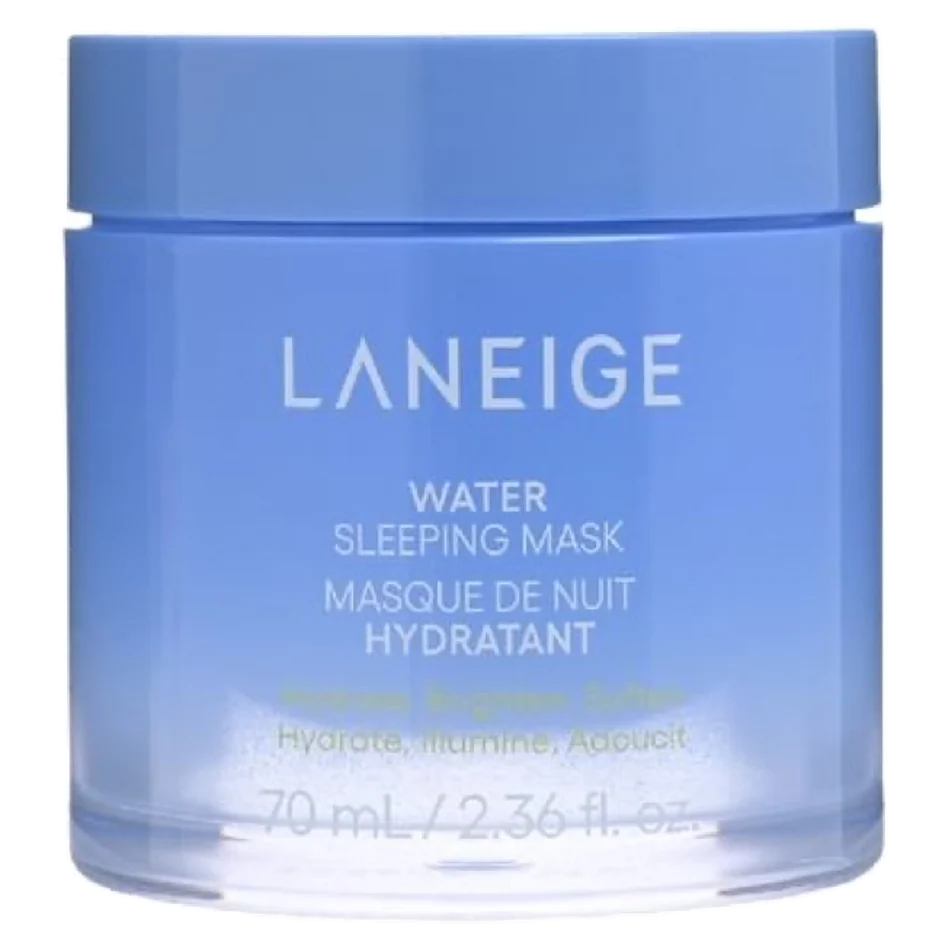
LANEIGE
Water Sleeping Mask
41st of 43 on the label
below ≈1%
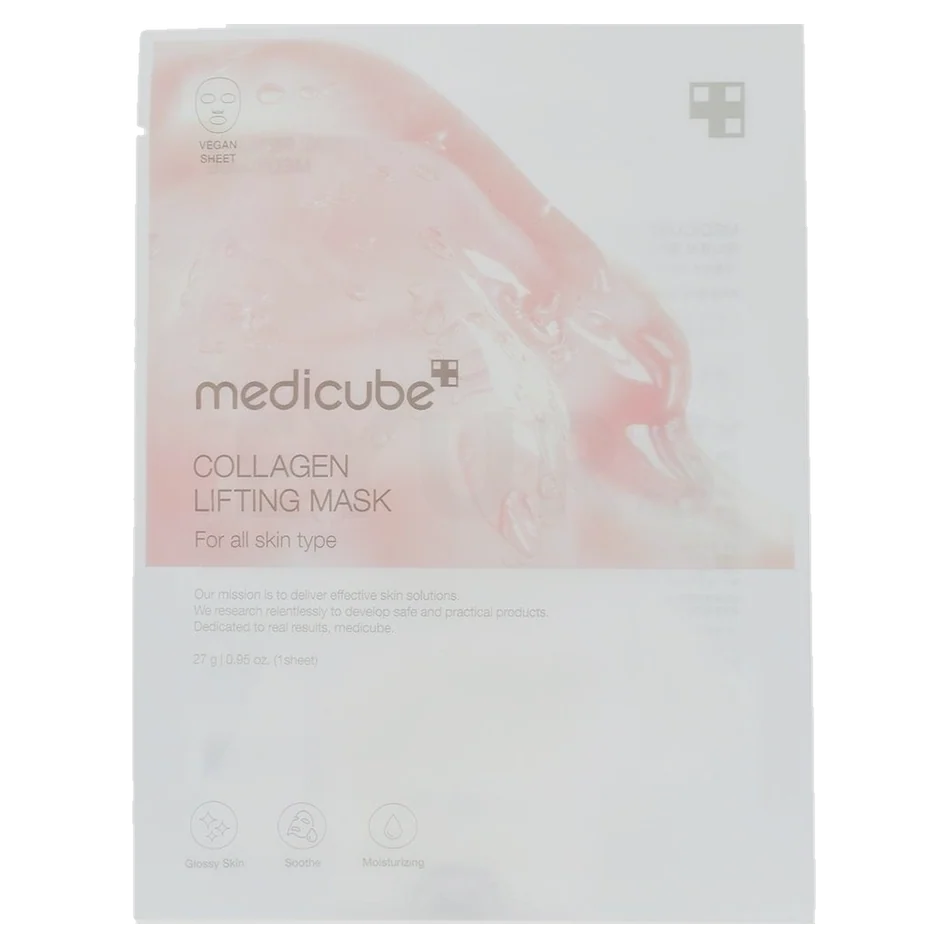
Medicube
Collagen Lifting Mask
29th of 39 on the label
below ≈1%
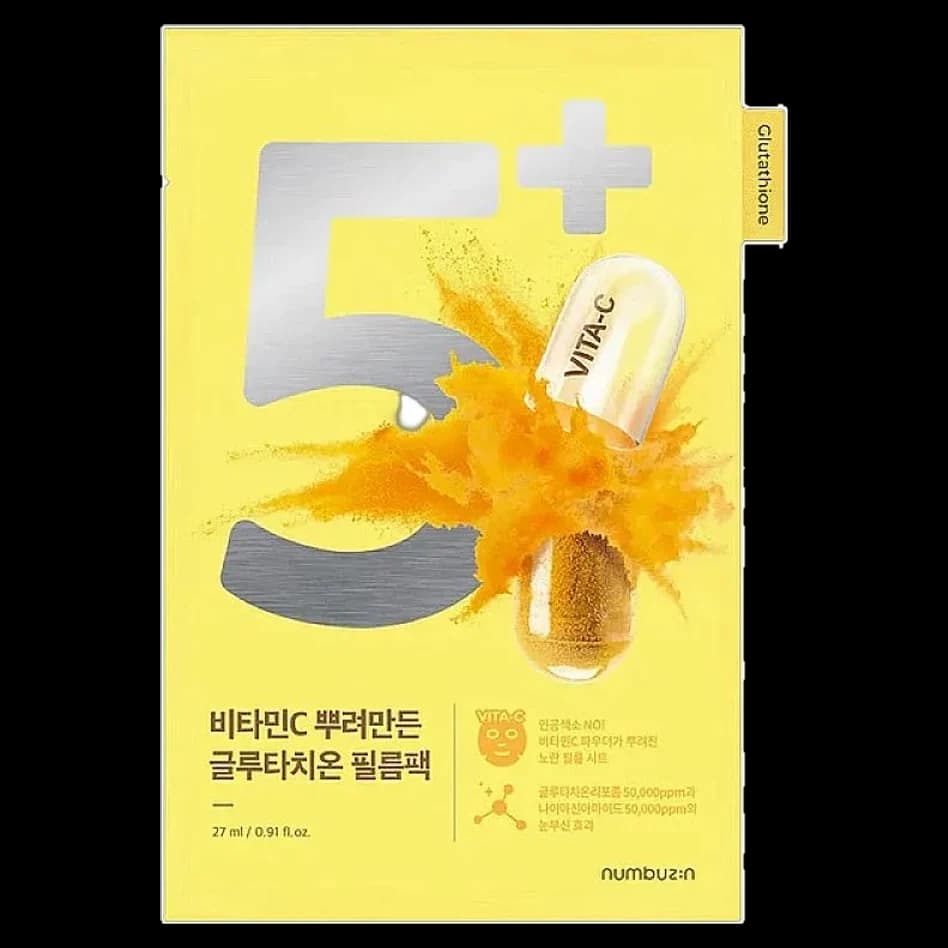
numbuzin
No.5 Vitamin Spotlight Sheet Mask
27th of 33 on the label
below ≈1%
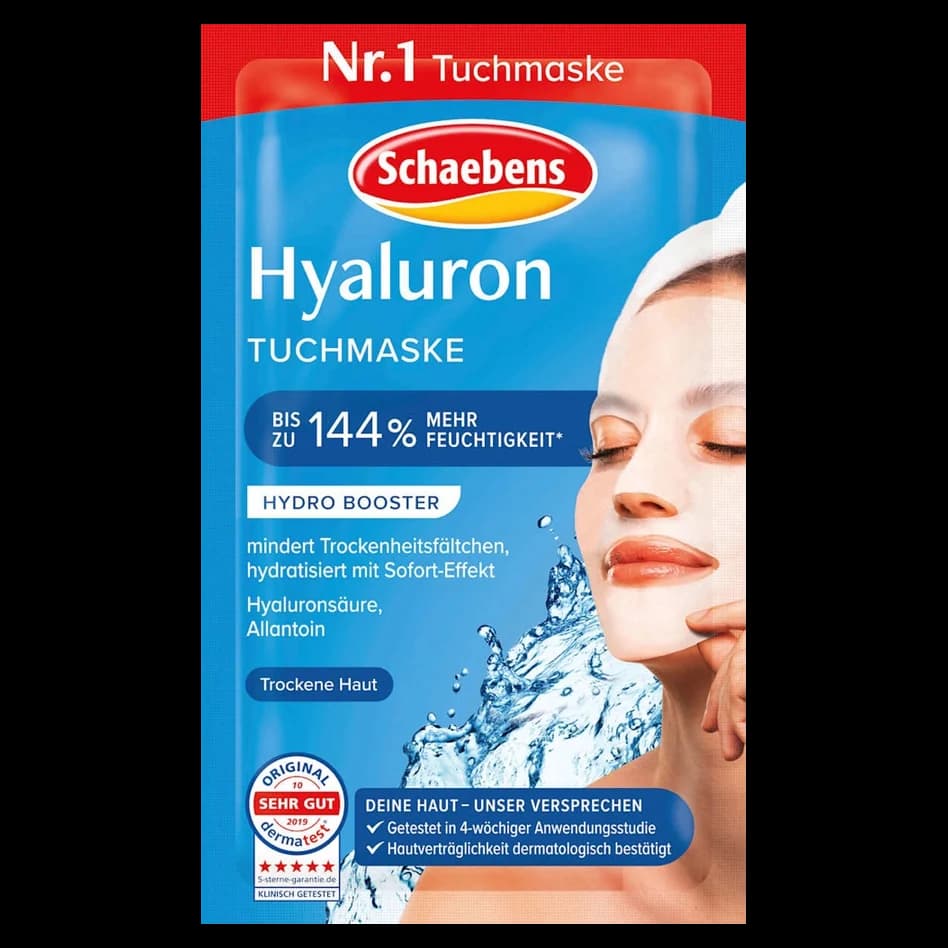
Schaebens
Tuchmaske Hyaluron
22nd of 23 on the label
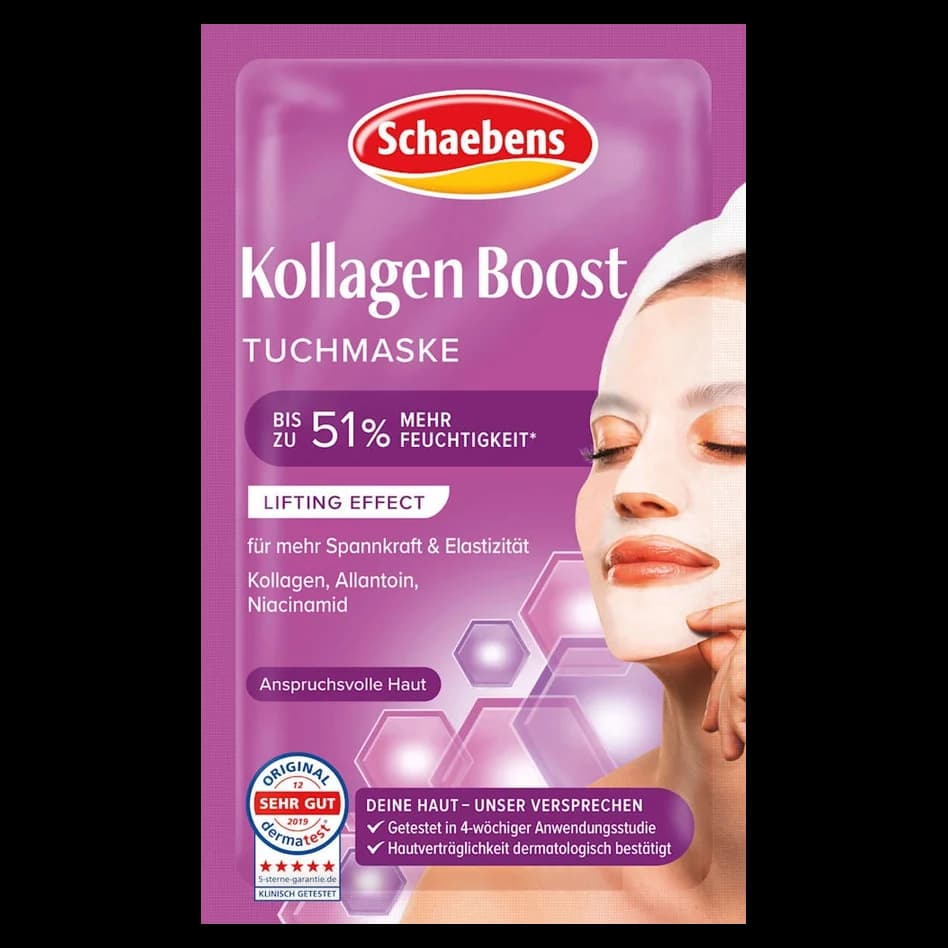
Schaebens
Tuchmaske Kollagen Boost
26th of 27 on the label
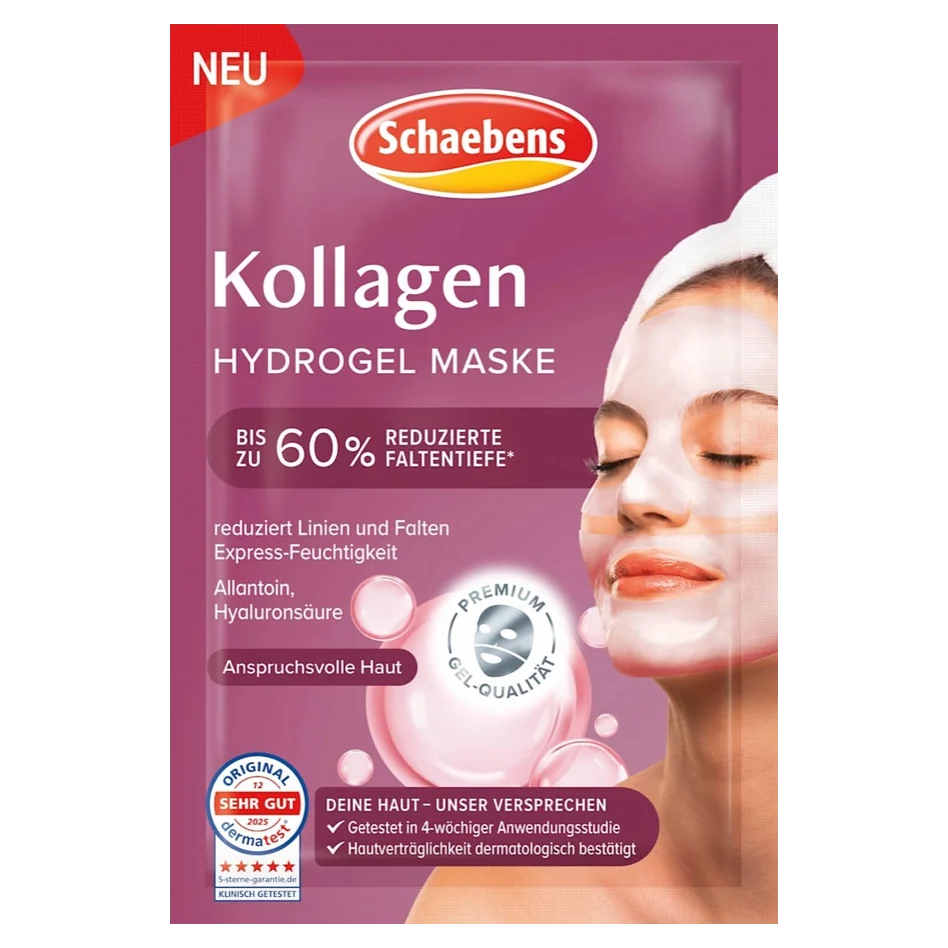
Schaebens
Tuchmaske Kollagen Hydrogel
25th of 27 on the label
below ≈1%
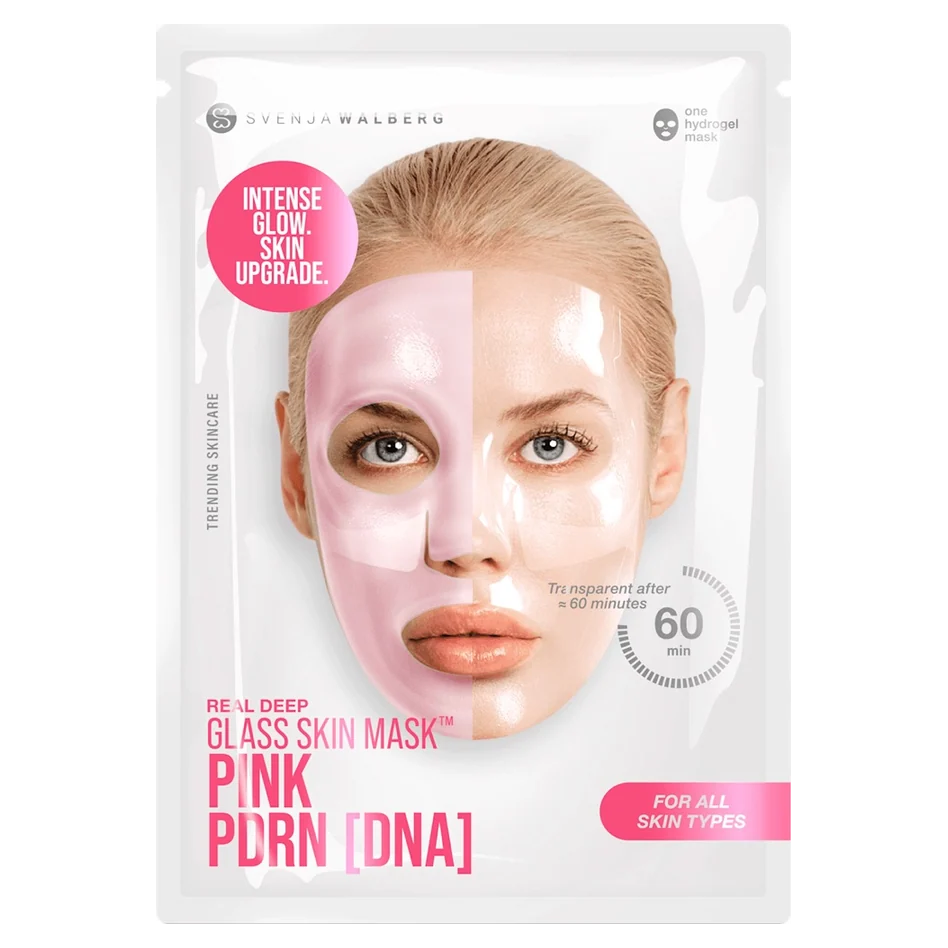
Svenja Walberg
Glass Skin Mask Pink PDRN [DNA]
10th of 26 on the label