Sodium Hyaluronate
Hyaluronic acid (salt form)
No meaningful concern for most people; irritation is possible but rare.
Also written as: Hyaluronan · Sodium Hyaluronan · HA
What it is
Sodium hyaluronate is the sodium salt of hyaluronic acid, a long sugar chain that occurs naturally in skin, joints and eyes. Cosmetic grades are made by bacterial fermentation rather than from animal tissue. Formulators prefer the salt to the free acid because it dissolves more readily in water and is more stable in a finished product. It is the single most common hydrating ingredient in sheet masks and hydrating gel masks.
How it shows up on a label
No source publishes a typical use level for a mask; the industry survey behind the CIR hyaluronates report gives only a maximum, 7.5% in face and neck products. Position will not fill the gap either - of the 115 masks here whose lists show the point where ingredient order stops indicating quantity, 66 print it below that point and 49 above.
What it does well
Measurably increases skin surface hydration
Instrument-based studies (corneometry) consistently show higher stratum corneum water content after application, with effects visible immediately and sustained over four to eight weeks of use. This is one of the better-evidenced claims in cosmetic science.
Strong evidence
Temporarily softens the look of fine lines and rough texture
Controlled studies report reductions in measured wrinkle depth and improved smoothness, but the effect comes from swelling the surface layers with water rather than from rebuilding skin. It fades when you stop using it.
Moderate evidence
Very well tolerated, including on compromised skin
Hyaluronate is identical in structure to a molecule the body already makes and has an unusually low rate of irritation and allergy. Trials in elderly dry skin found the same safety profile as a plain vehicle cream.
Strong evidence
Worth knowing
The hydration is surface-level and temporary
Sodium hyaluronate binds water in the outermost skin layers; it does not replace hyaluronic acid lost from the dermis with age. Expect a plumper, better-hydrated surface, not structural change.
Matters most toAnyone buying on the promise of long-term anti-ageing results from a hyaluronic acid mask.
Claim that it dries skin out in very dry air
The popular warning that hyaluronic acid pulls water out of deeper skin in low humidity is a theoretical extrapolation, not something demonstrated in any published clinical study. Following it with a moisturiser is still sensible practice for any humectant.
Matters most toPeople in very dry indoor heating or arid climates who apply a hyaluronic acid serum and leave it bare.
Where the EU stands
No specific restriction
Not restricted under the EU Cosmetics Regulation. It does not appear in Annex II (prohibited), Annex III (restricted) or Annex V (preservatives), and carries no EU concentration limit.
Regulation (EC) No 1223/2009 - no annex entry · source ↗
Sources (5)
Every link goes to the original: a journal, a PubMed record or an EU document.
- [1]Multicenter evaluation of a topical hyaluronic acid serum
Journal of Cosmetic Dermatology · 2022 · doi:10.1111/jocd.15241
A topical hyaluronic acid serum produced statistically significant increases in measured skin hydration by weeks 4 and 8, alongside investigator-rated improvements in fine lines, texture and dryness.
- [2]Effectiveness of topical hyaluronic acid of different molecular weights in xerosis cutis treatment in elderly: a double-blind, randomized controlled trial
Archives of Dermatological Research · 2024 · doi:10.1007/s00403-024-03003-2
Both molecular weights raised skin hydration versus vehicle in elderly dry skin, with the same safety profile; low molecular weight performed slightly better on capacitance but not on water loss or symptoms.
- [3]Hyaluronic Acid in Topical Applications: The Various Forms and Biological Effects of a Hero Molecule in the Cosmetics Industry
Biomolecules · 2025 · doi:10.3390/biom15121656
Review concluding that hyaluronic acid below roughly 100 kDa can cross the stratum corneum while larger grades stay on the surface, and that the surrounding formulation strongly affects the result.
- [4]Safety Assessment of Hyaluronates as Used in Cosmetics
Cosmetic Ingredient Review, Final Report · 2023
The final report, released 7 July 2023, and the only published use figure for this ingredient. It records that "the results of the 2021 concentration of use survey conducted by the Council indicate Sodium Hyaluronate also has the highest concentration of use; it is used at up to 7.5% in face and neck products (not spray)", against "up to 2%" reported in 2005. That is a maximum reported to an industry survey, not a typical mask formula, and the report publishes no typical figure. Frequency has risen with it: 4713 formulations in the 2023 FDA VCRP data against 601 in 2005. On EU status it states that "all of the hyaluronate ingredients named in the report are not restricted from use in any way under the rules governing cosmetic products in the European Union". Checked 29 August 2026.
- [5]Efficacy of cream-based novel formulations of hyaluronic acid of different molecular weights in anti-wrinkle treatment
Journal of Drugs in Dermatology · 2011
All tested 0.1% hyaluronan creams significantly improved hydration and elasticity versus placebo over 60 days, with the lower molecular weight versions also reducing wrinkle depth.
Masks that contain Sodium Hyaluronate
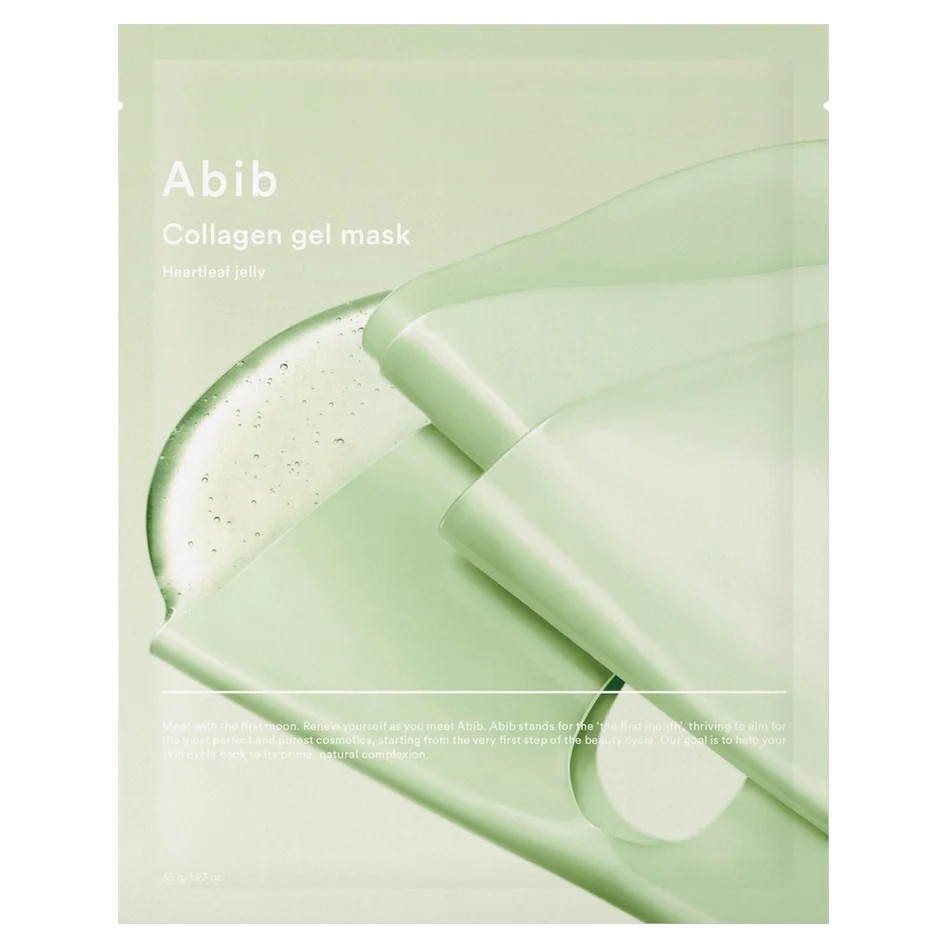
Abib
Collagen Gel Mask Heartleaf Jelly
38th of 43 on the label
below ≈1%
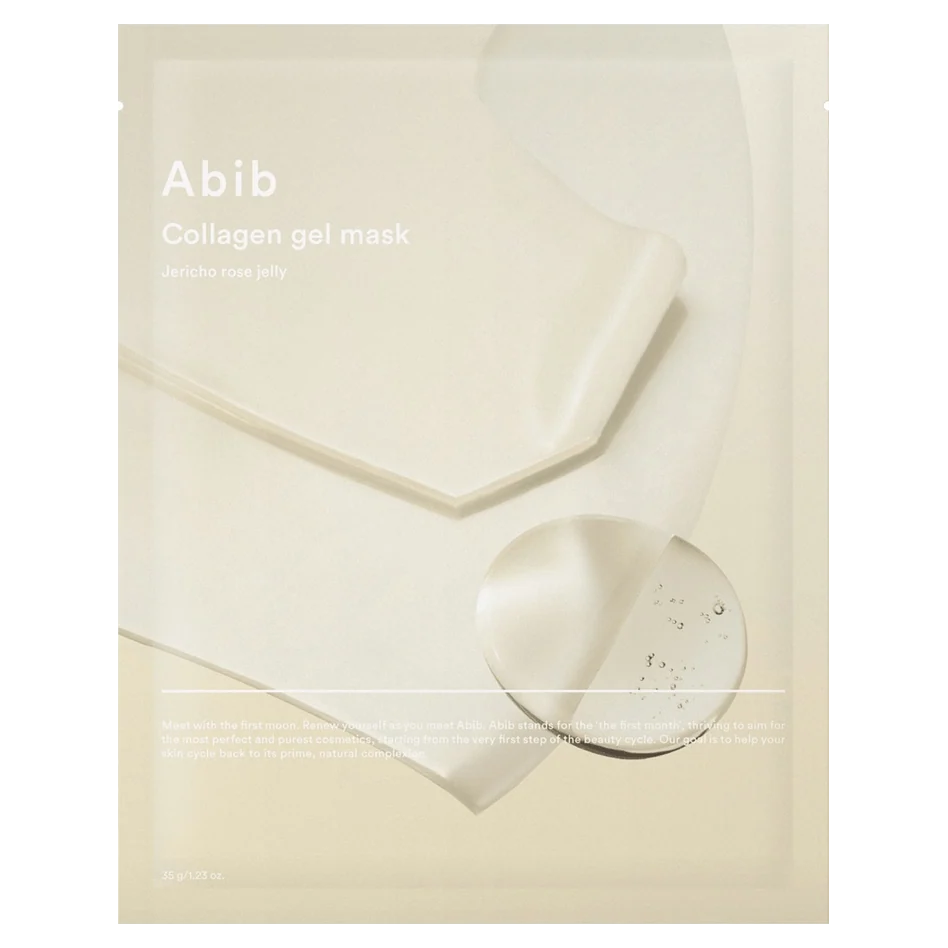
Abib
Collagen Gel Mask Jericho Rose Jelly
15th of 43 on the label
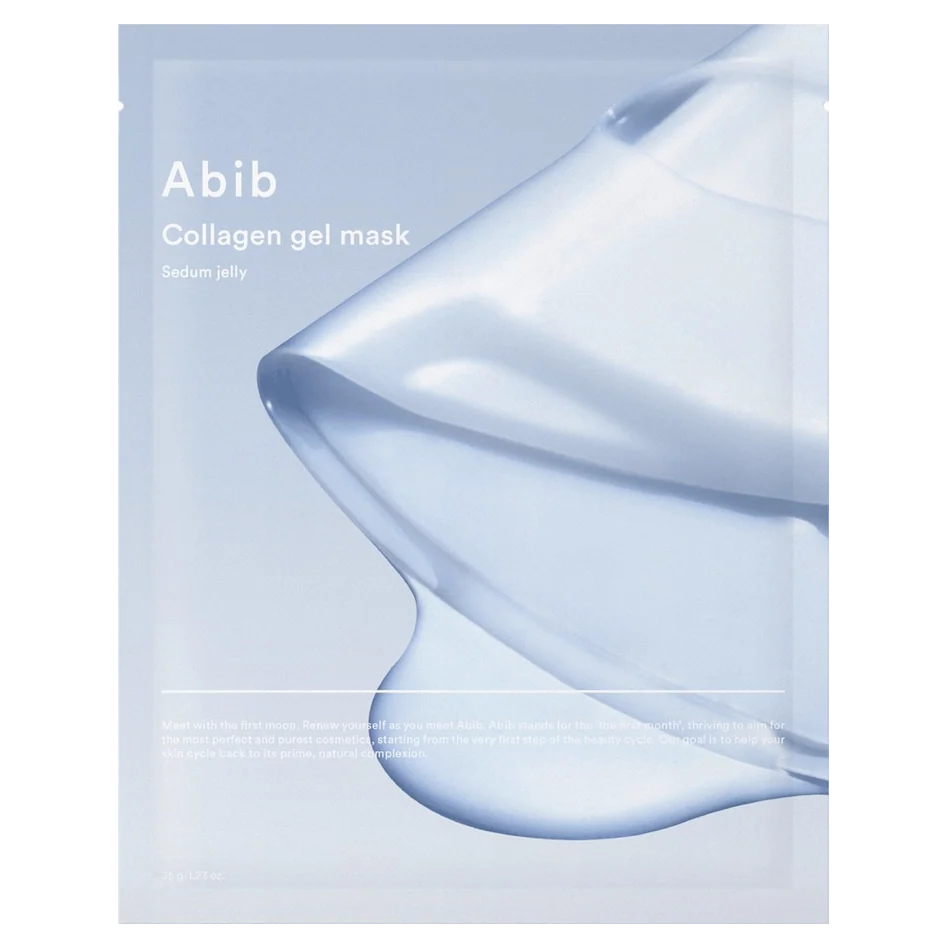
Abib
Collagen Gel Mask Sedum Jelly
14th of 41 on the label
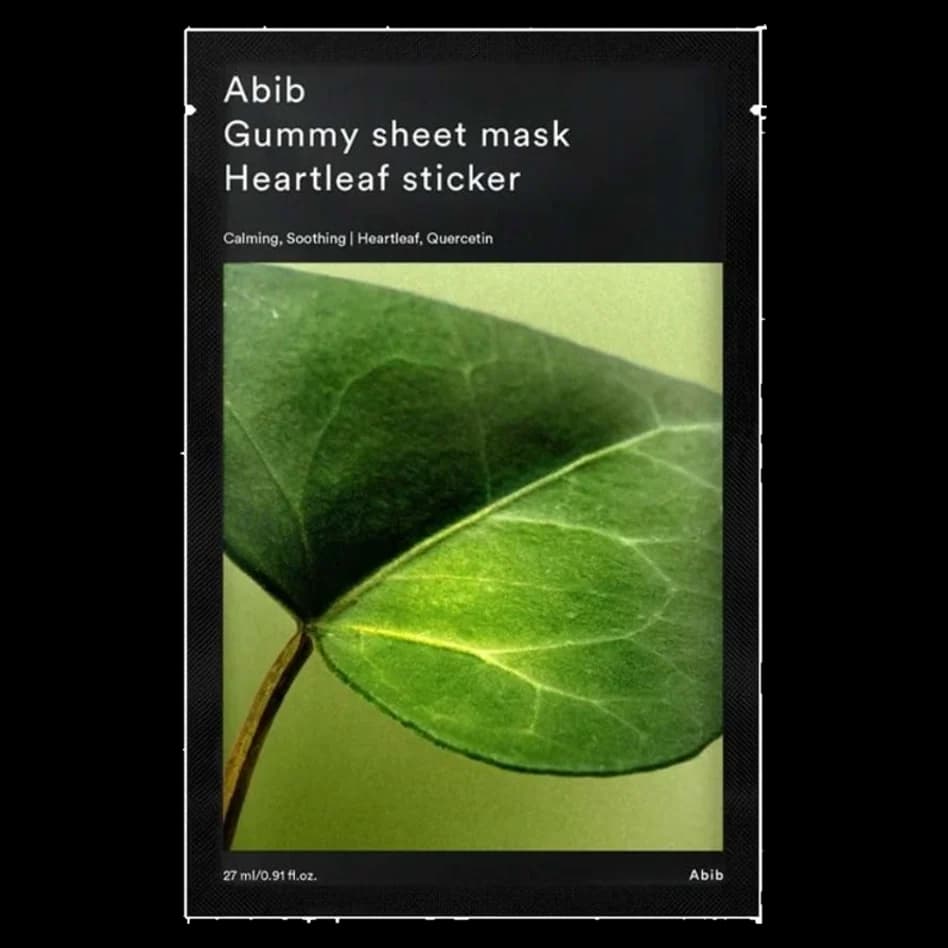
Abib
Gummy Sheet Mask Heartleaf Sticker
14th of 29 on the label
below ≈1%
âme pure
Jelly Glow Rubber Mask - Gold Routine Set
7th of 26 on the label
Annemarie Börlind
Hydro Gel Mask
18th of 33 on the label
Anua
Heartleaf 70 Soothing Collagen Mask
28th of 35 on the label
below ≈1%
Anua
PDRN Serum Mask 100 Hyaluronic Acid Capsule
32nd of 45 on the label
below ≈1%
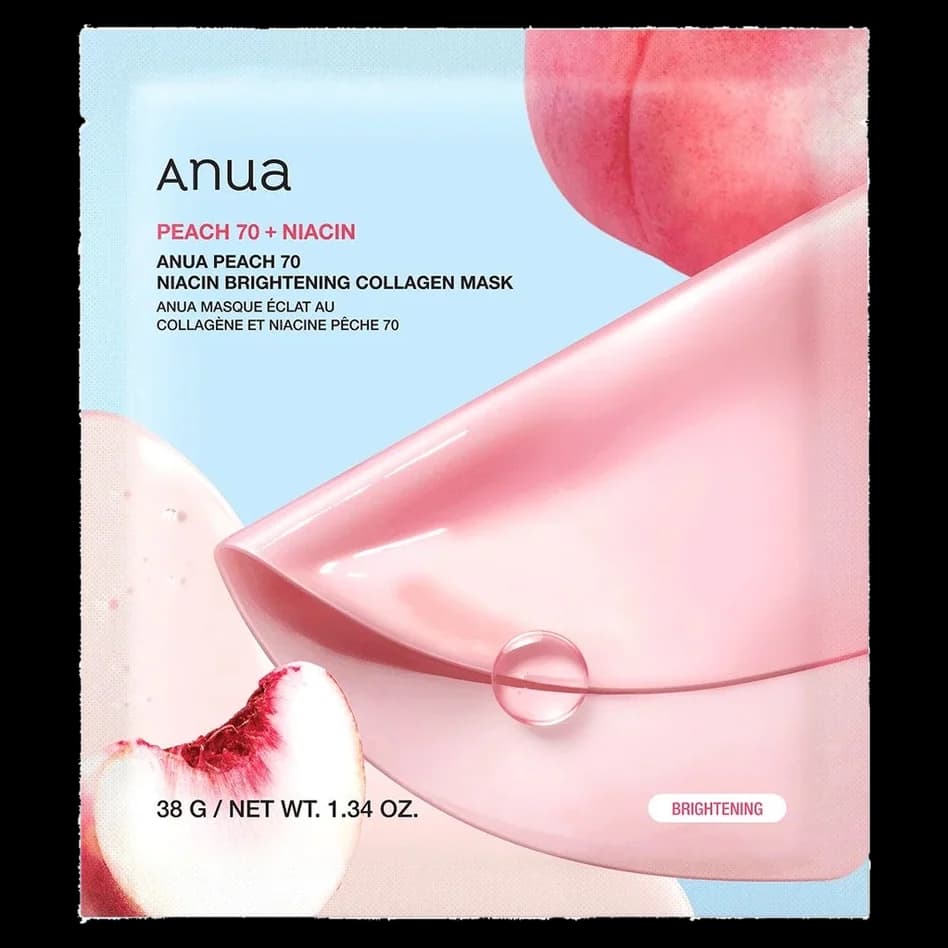
Anua
Peach 70 Niacin Brightening Collagen Mask
26th of 44 on the label
below ≈1%
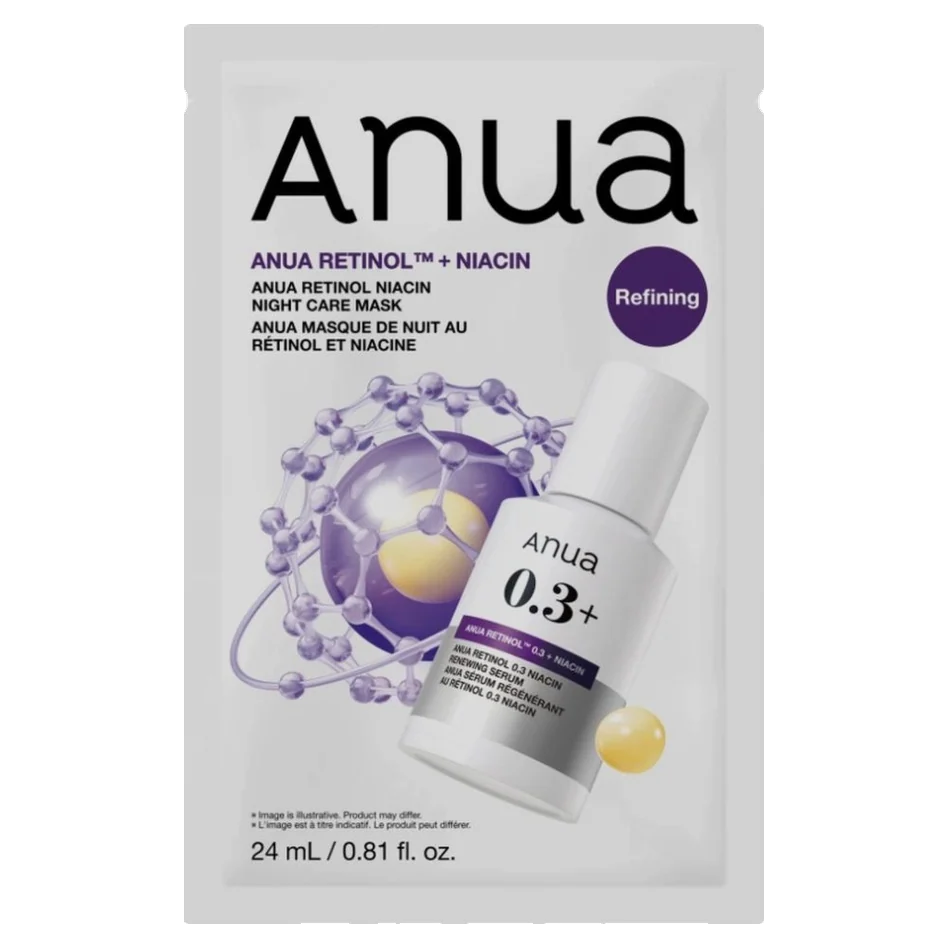
Anua
Retinol Niacin Night Care Mask
38th of 44 on the label
below ≈1%
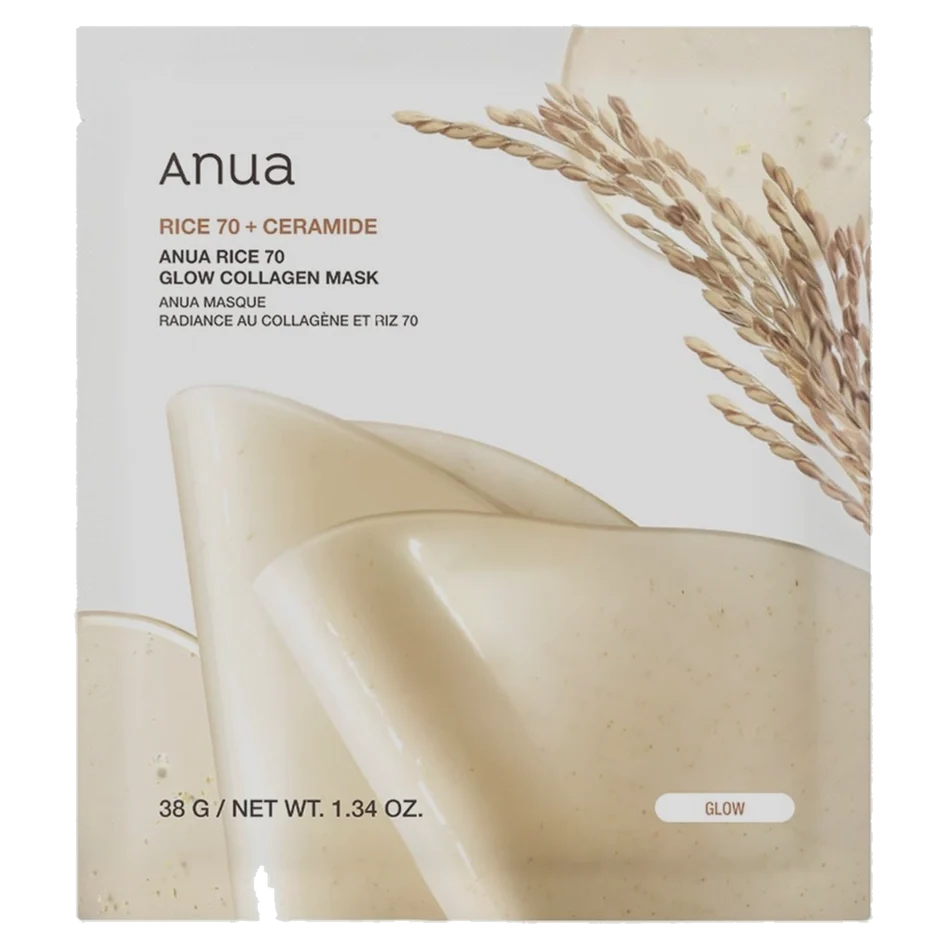
Anua
Rice 70 Glow Collagen Mask
29th of 42 on the label
below ≈1%
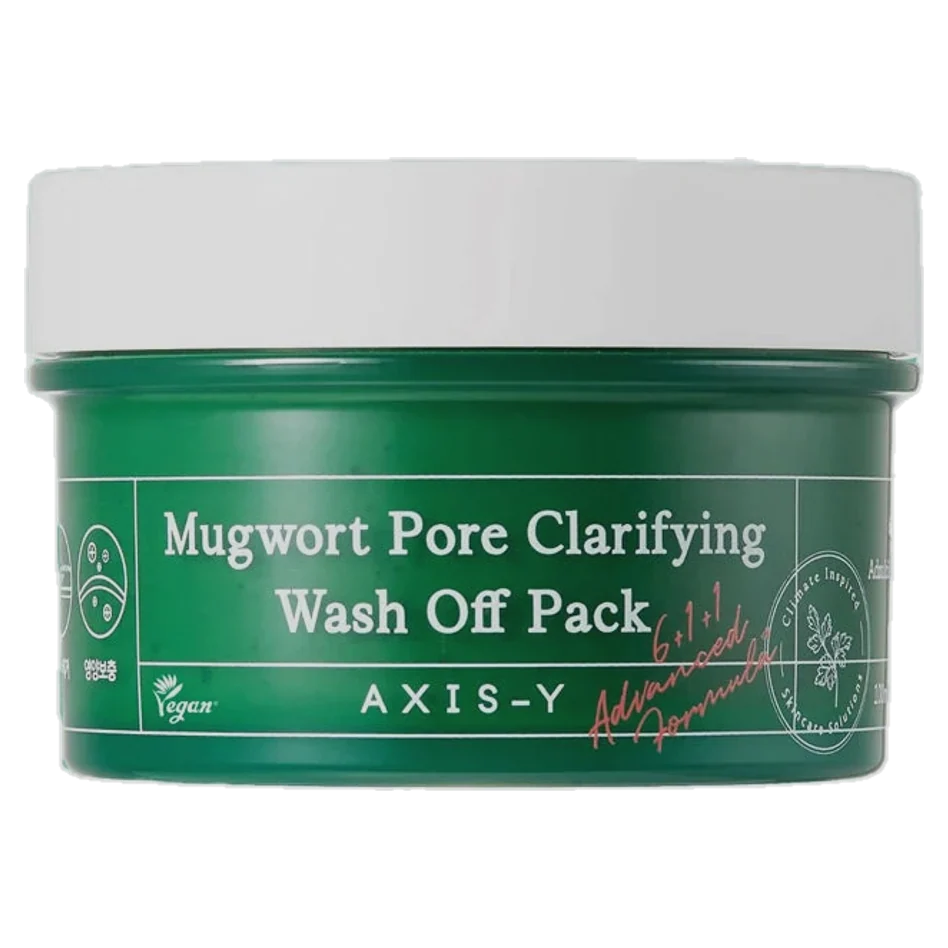
AXIS-Y
Mugwort Pore Clarifying Wash Off Pack
18th of 36 on the label
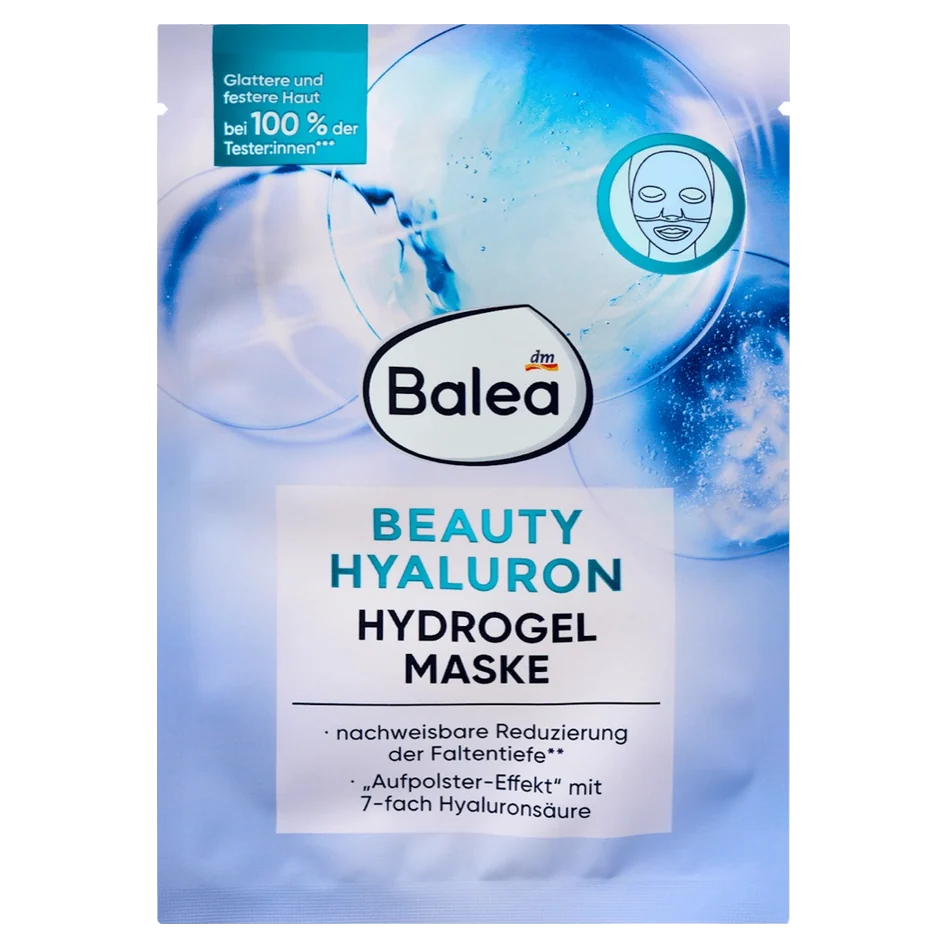
Balea
Gesichtsmaske Beauty Hyaluron Hydrogel
5th of 28 on the label
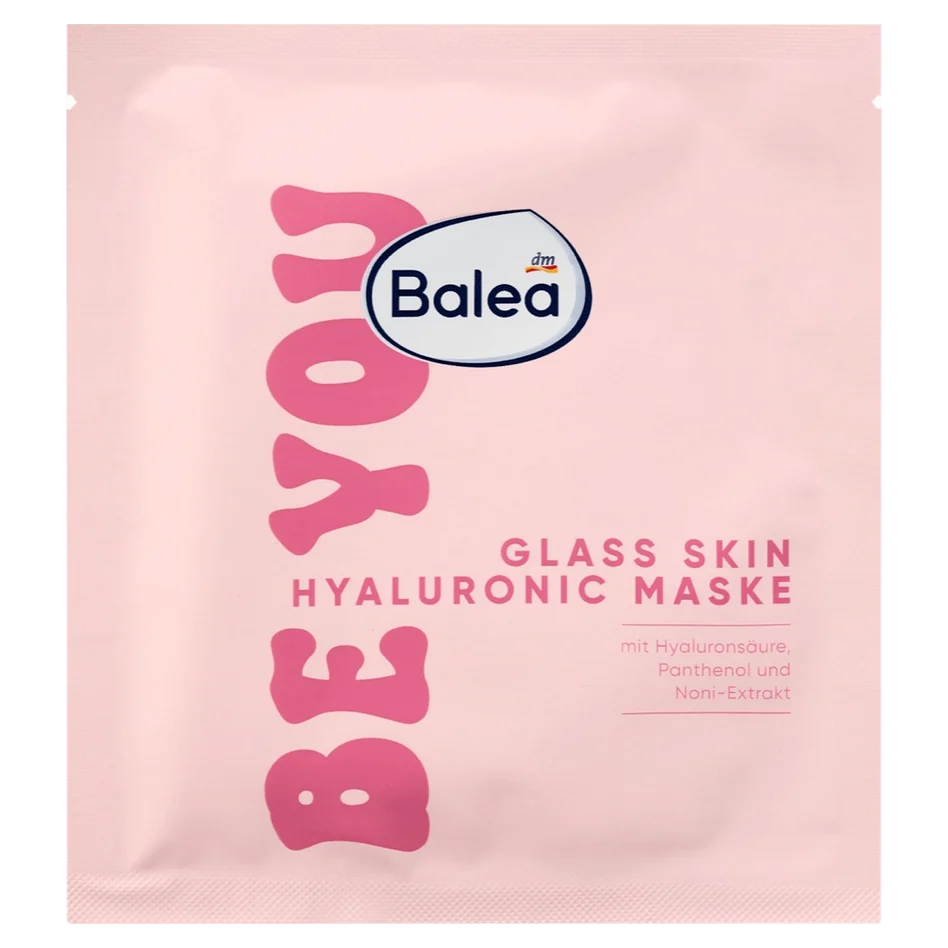
Balea
Gesichtsmaske Glass Skin Hyaluronic Be You
8th of 30 on the label
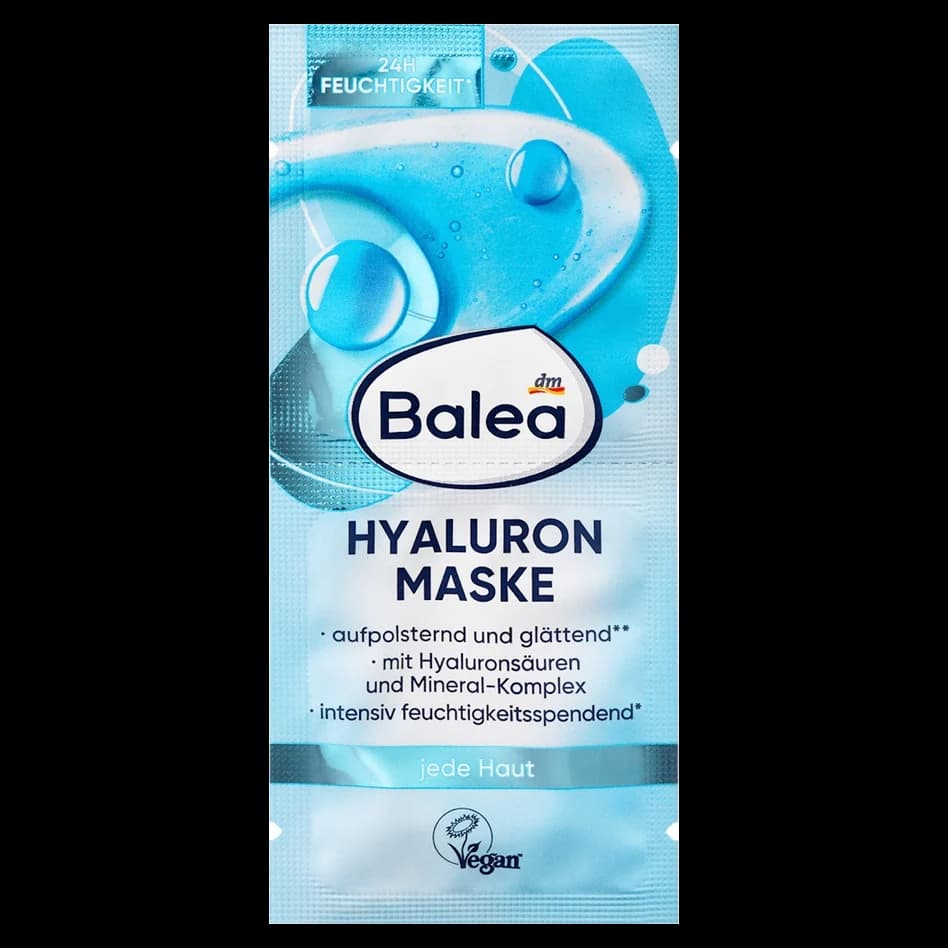
Balea
Gesichtsmaske Hyaluron
11th of 29 on the label
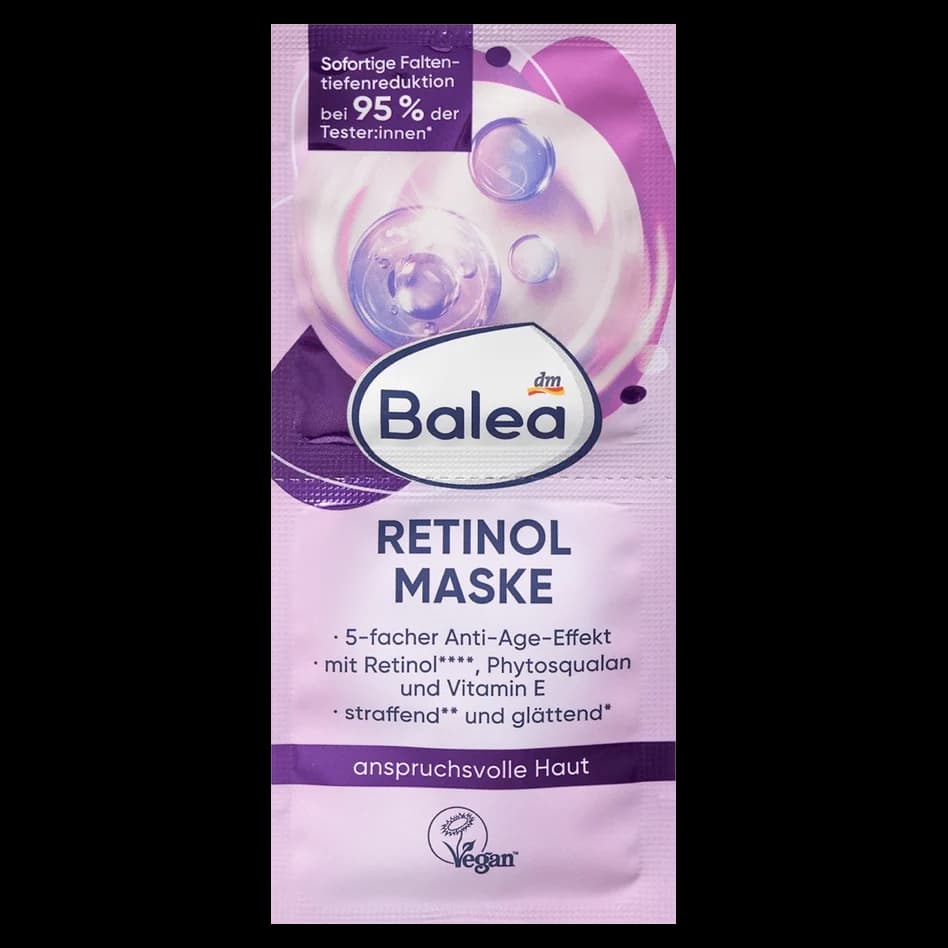
Balea
Gesichtsmaske Retinol
14th of 23 on the label
Balea
Gesichtsmaske Vitamin C
12th of 23 on the label
below ≈1%
Balea
Glass Skin Collagen Maske
6th of 17 on the label
below ≈1%
Balea med
Tuchmaske Panthenol Ultra Sensitive
10th of 16 on the label
Balea MEN
Gesichtsmaske Creme-Gel Hydro
12th of 31 on the label
below ≈1%
Balea MEN
Gesichtsmaske Q10 Anti-Falten
19th of 28 on the label
below ≈1%
Balea
Tuchmaske Aqua
9th of 18 on the label
Balea
Tuchmaske Retinol
10th of 16 on the label
below ≈1%
Be Routine
Schlafmaske Glow & Hydrate
10th of 27 on the label
below ≈1%
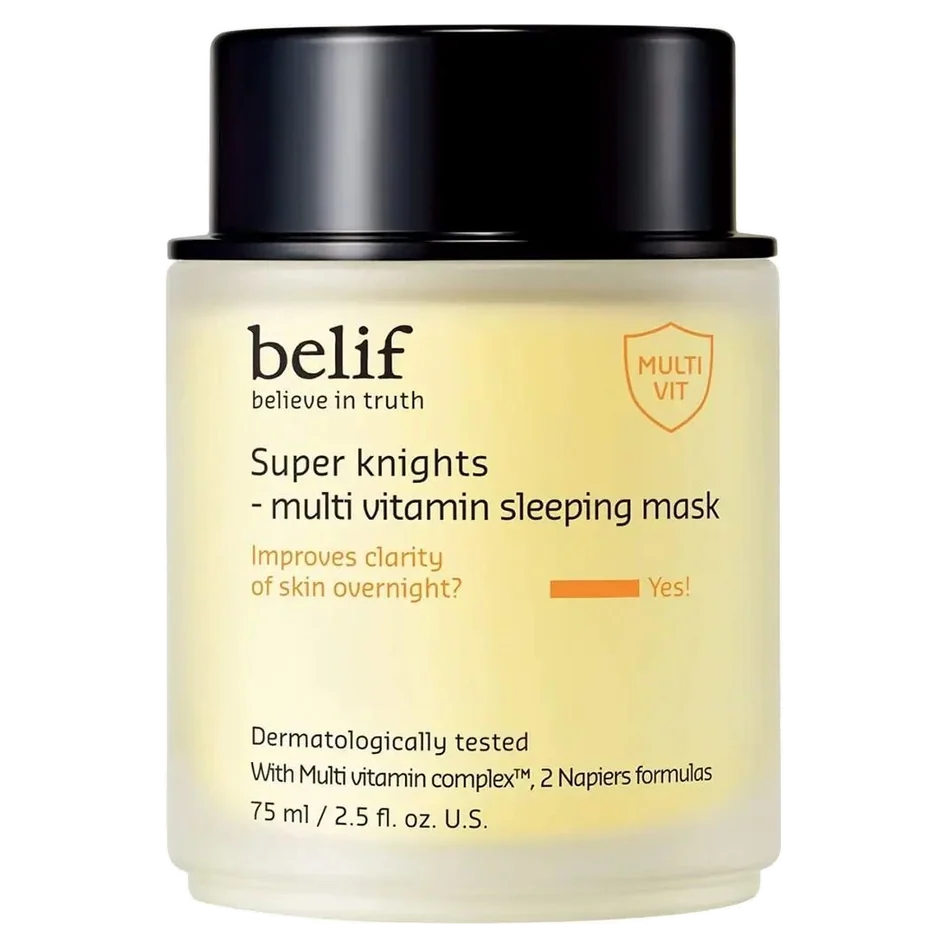
belif
Super Knights Vitamin Mask
20th of 26 on the label
below ≈1%
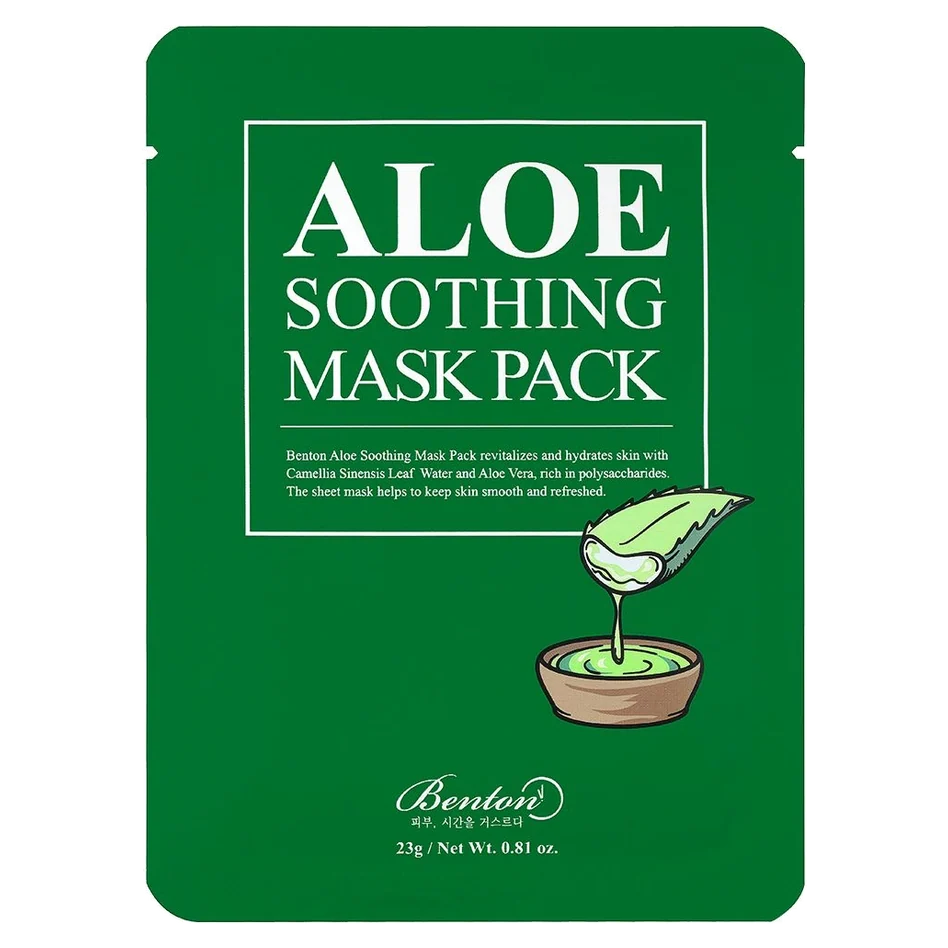
Benton
Aloe Soothing Mask Pack
8th of 19 on the label
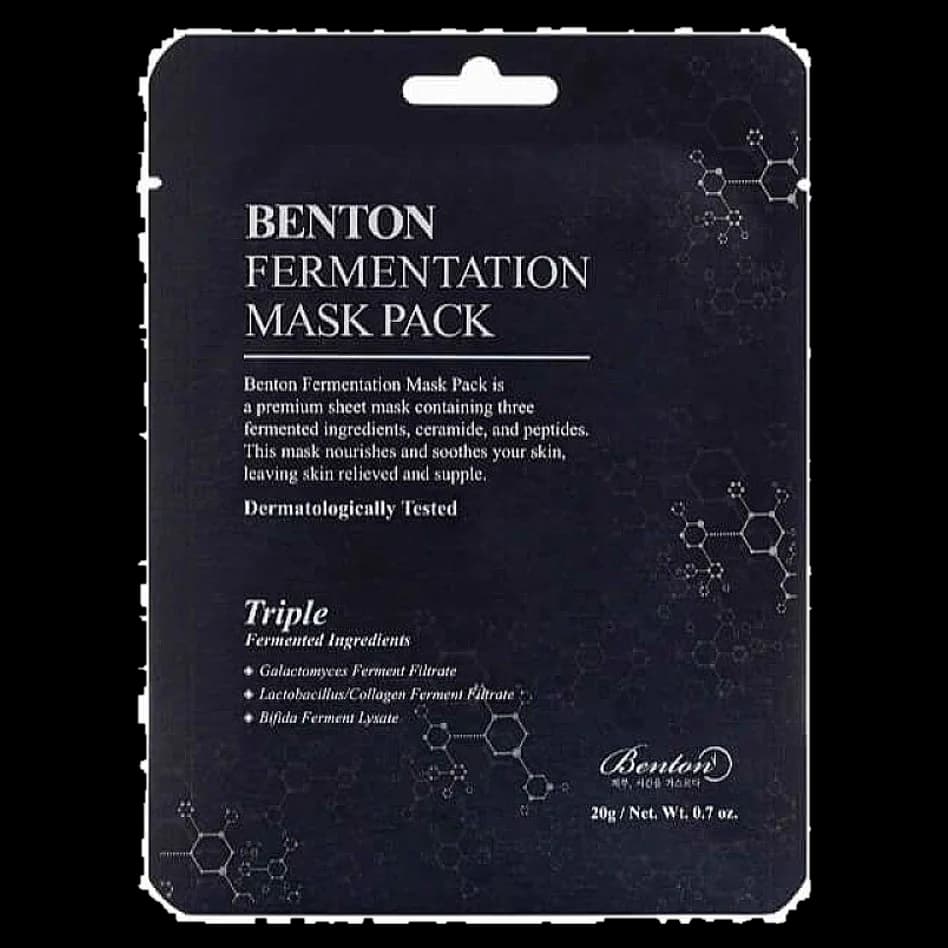
Benton
Fermentation Mask Pack
10th of 25 on the label
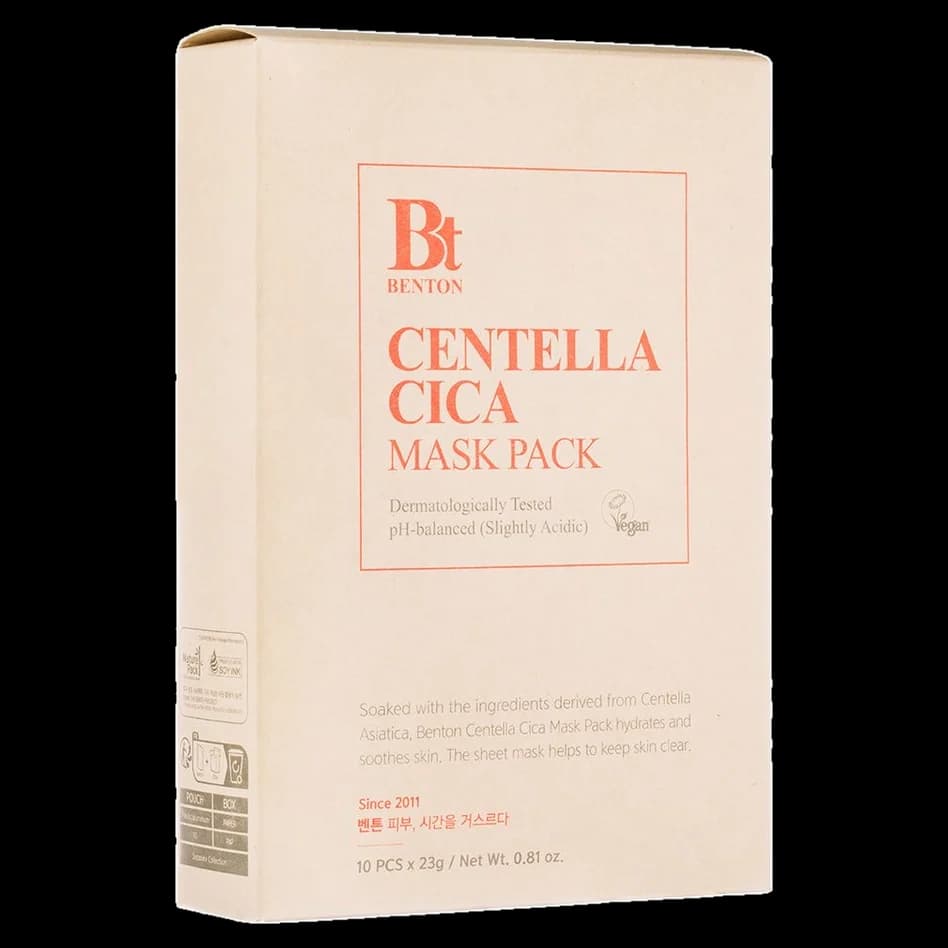
Benton
Goodbye Redness Centella Cica Mask Pack
9th of 23 on the label
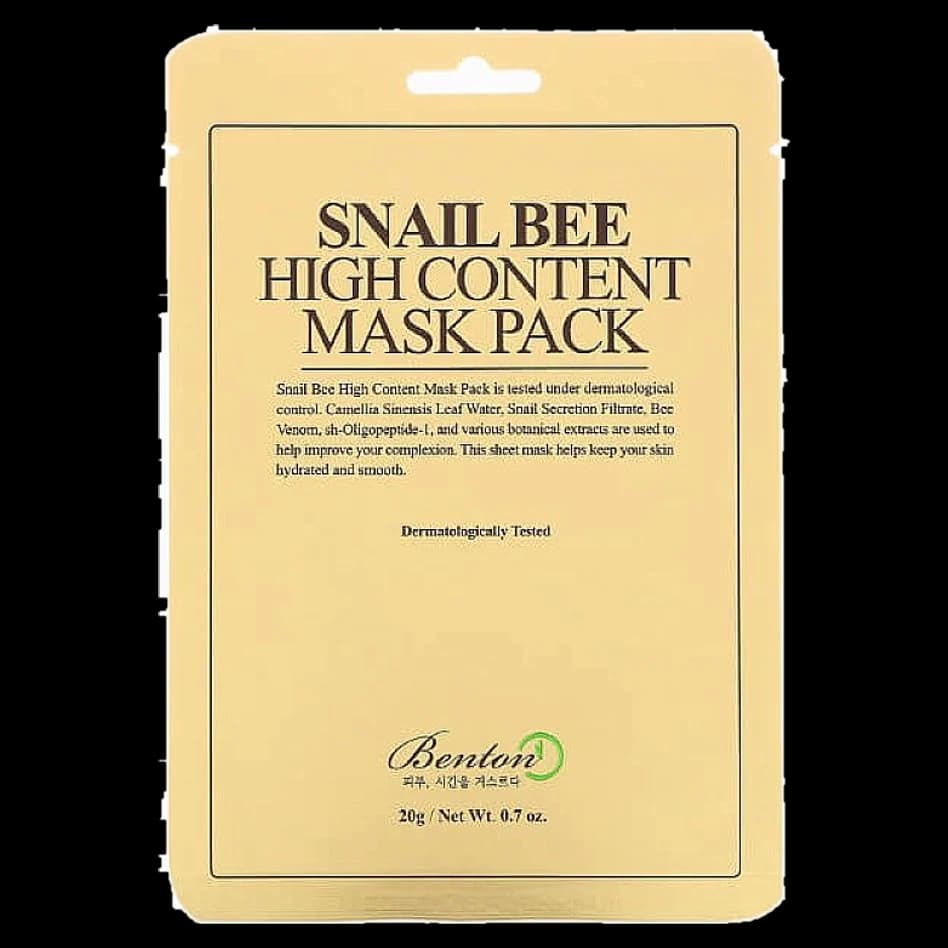
Benton
Snail Bee High Content Mask Pack
6th of 27 on the label
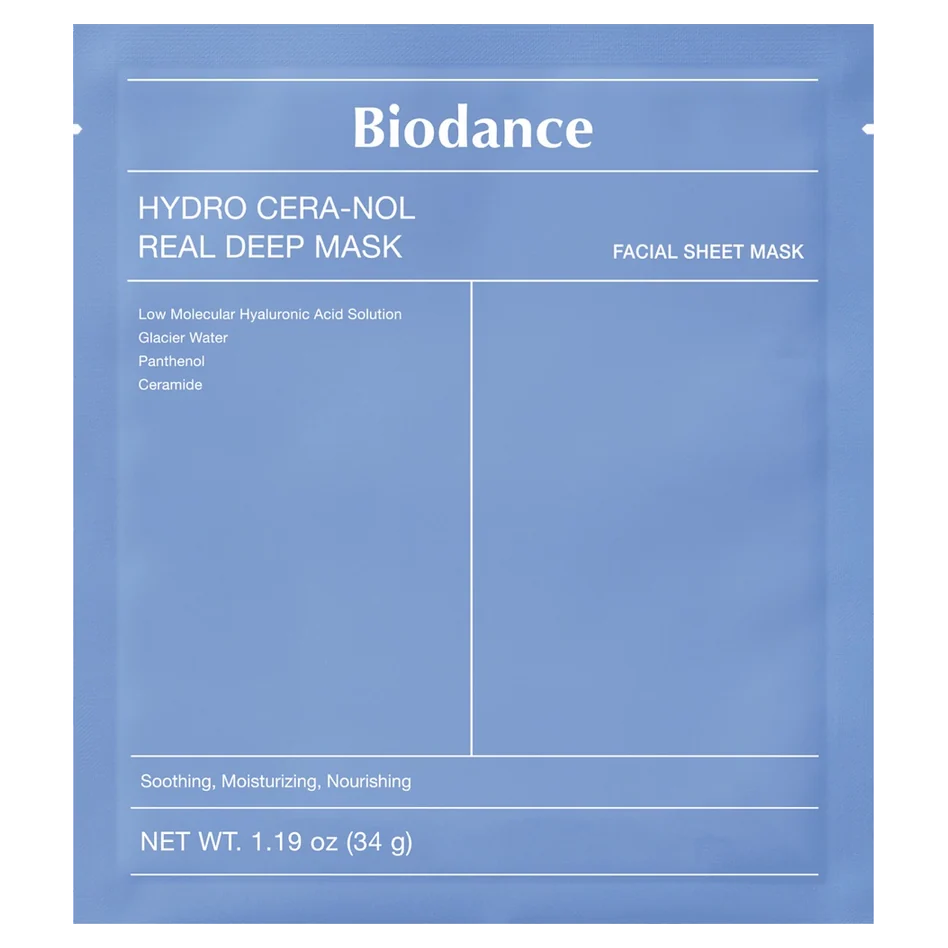
Biodance
Hydro Cera-nol Real Deep Mask
45th of 65 on the label
below ≈1%
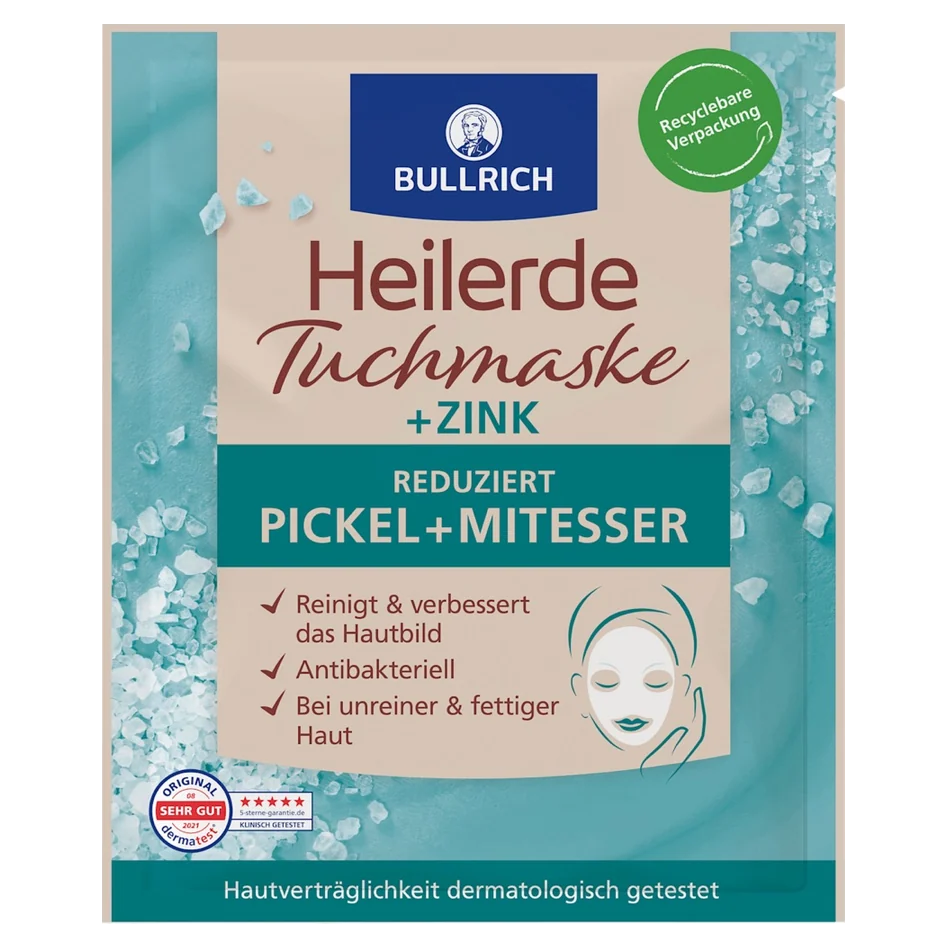
Bullrich
Tuchmaske Heilerde+Zink
16th of 19 on the label
below ≈1%
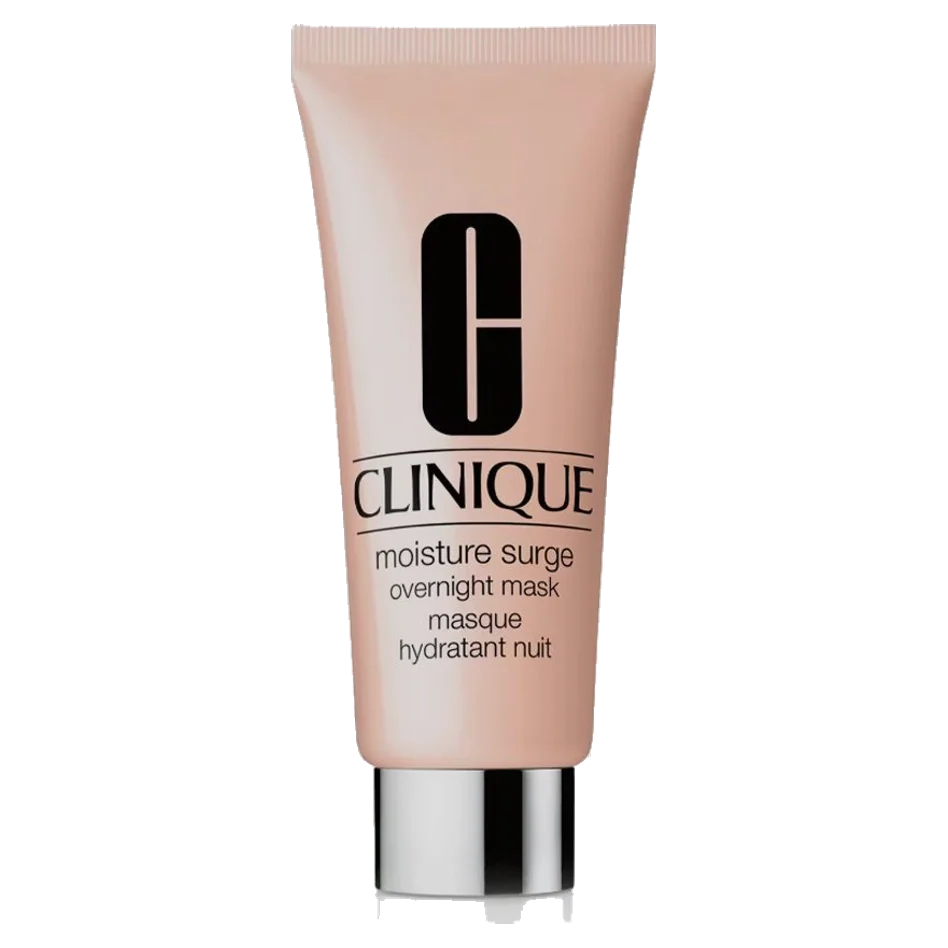
Clinique
Moisture Surge Overnight Mask
34th of 42 on the label
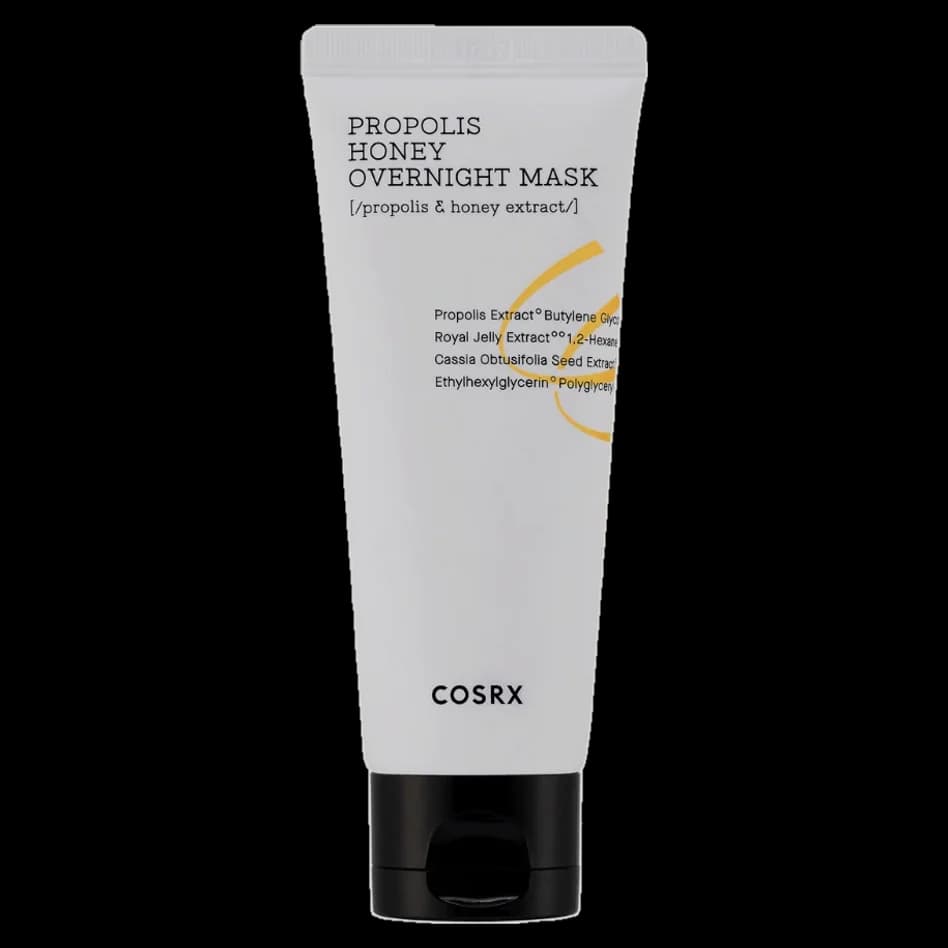
COSRX
Full Fit Propolis Honey Overnight Mask
21st of 22 on the label
below ≈1%
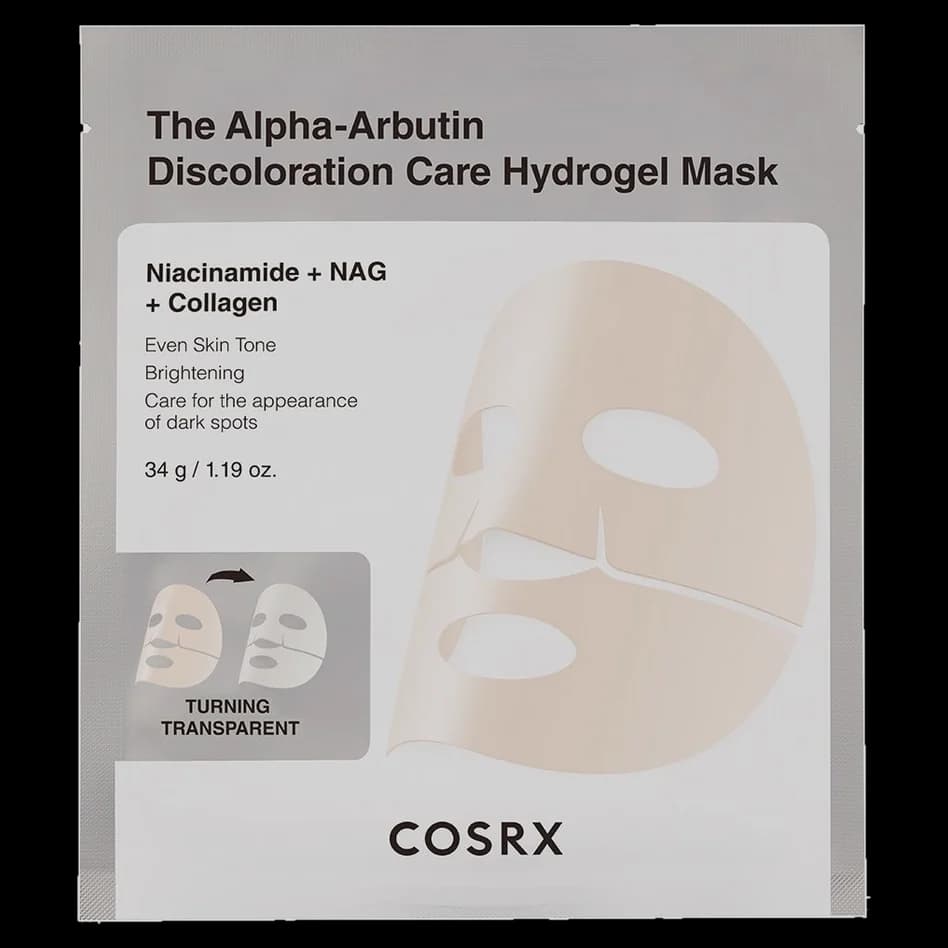
COSRX
The Alpha-Arbutin Discoloration Care Hydrogel Mask
32nd of 44 on the label
below ≈1%
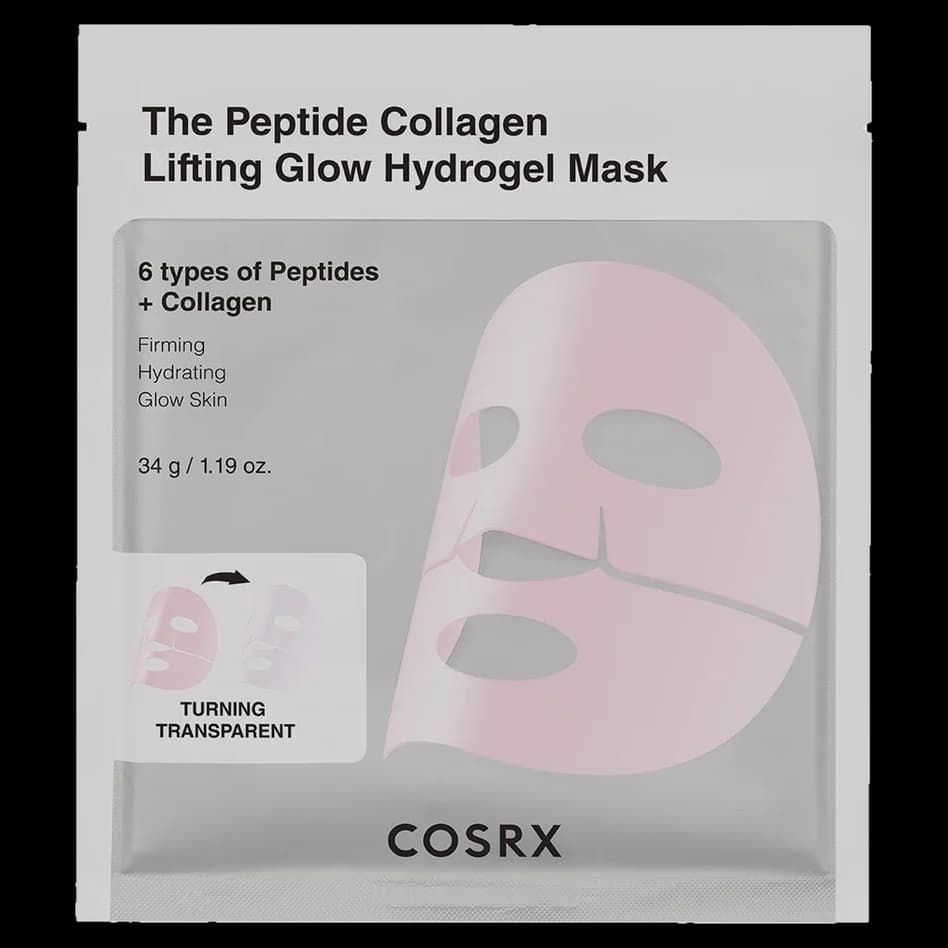
COSRX
The Peptide Collagen Lifting Glow Hydrogel Mask
32nd of 49 on the label
below ≈1%
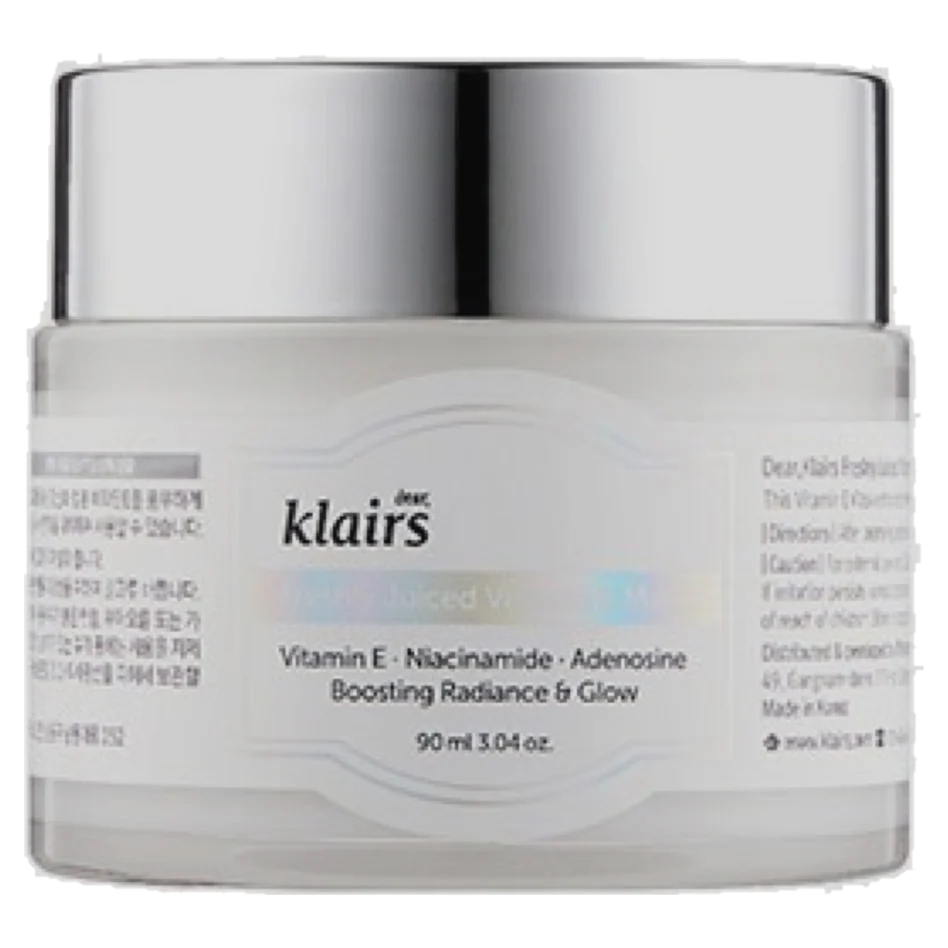
Dear, Klairs
Freshly Juiced Vitamin E Mask
6th of 30 on the label
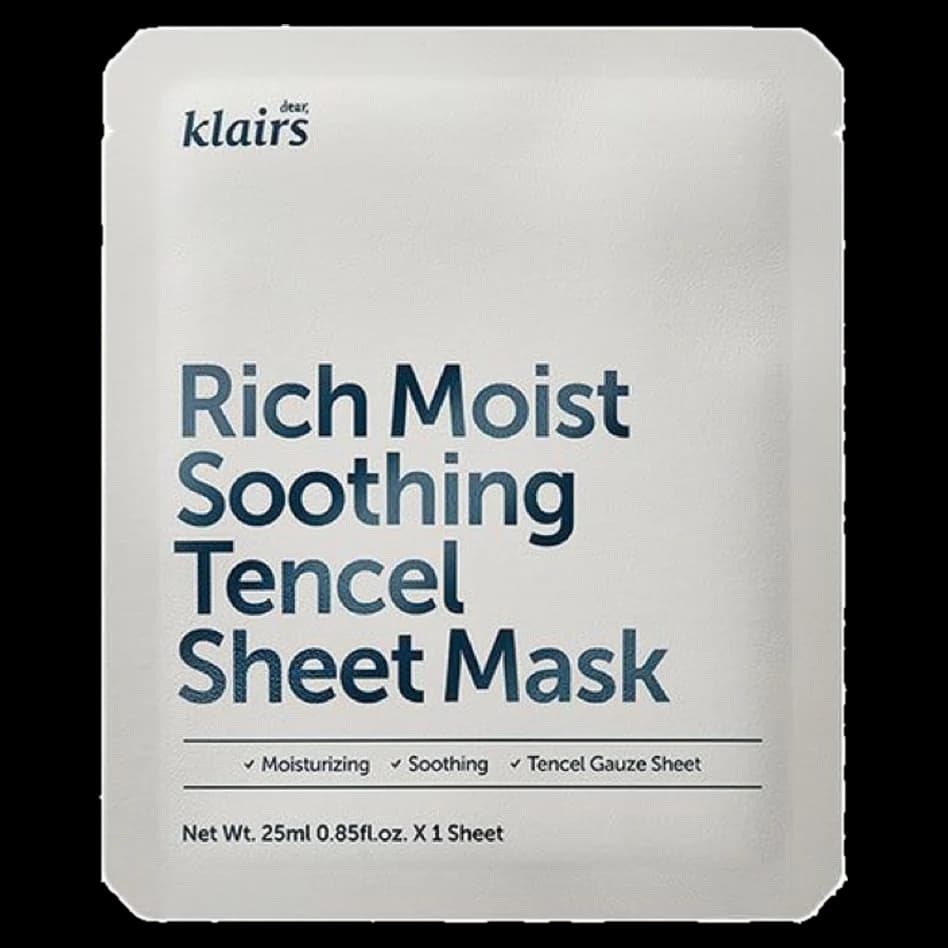
Dear, Klairs
Rich Moist Soothing Tencel Sheet Mask
14th of 33 on the label
below ≈1%
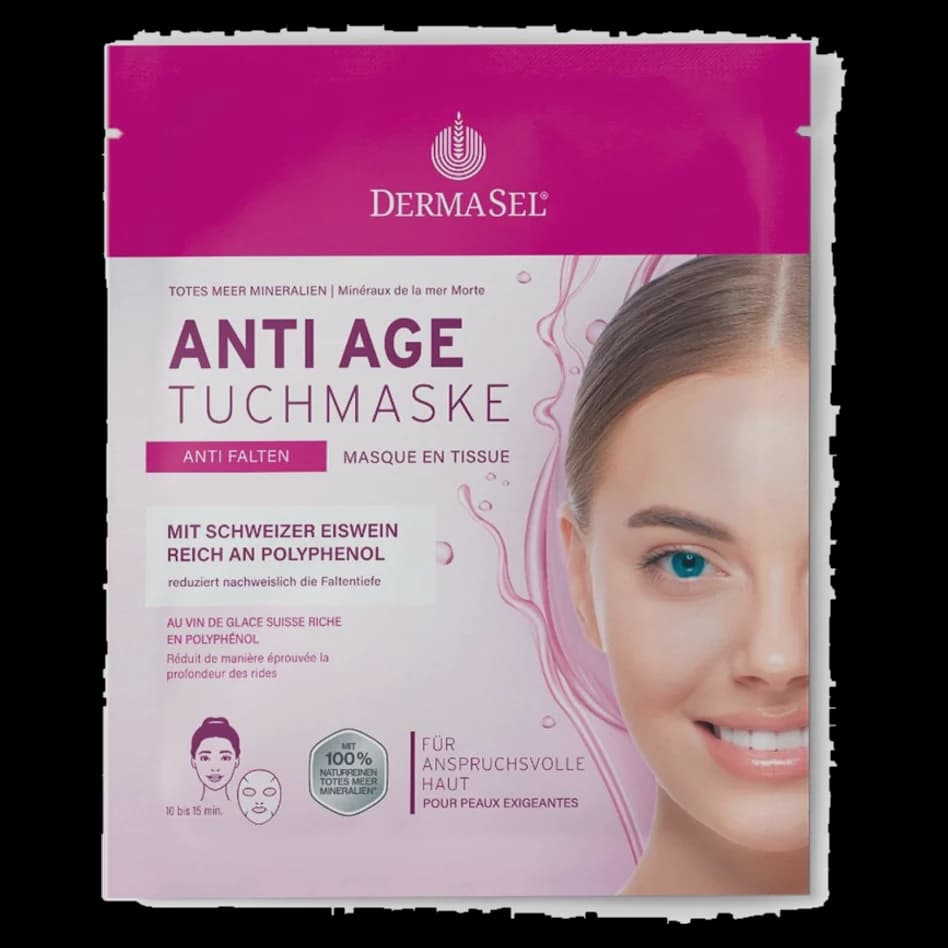
DERMASEL
Totes Meer Anti-Age Tuchmaske
17th of 23 on the label
below ≈1%
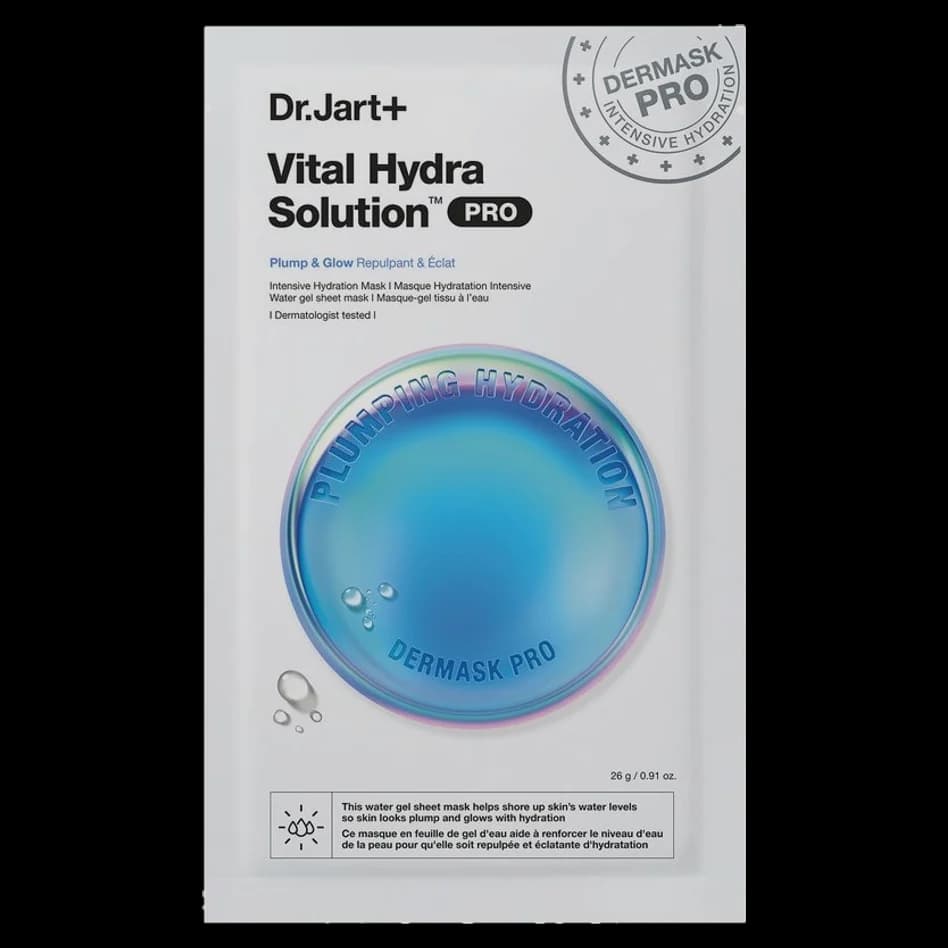
Dr.Jart+
Dermask Vital Hydra Solution Pro + Hyaluronic Acid
13th of 25 on the label
below ≈1%
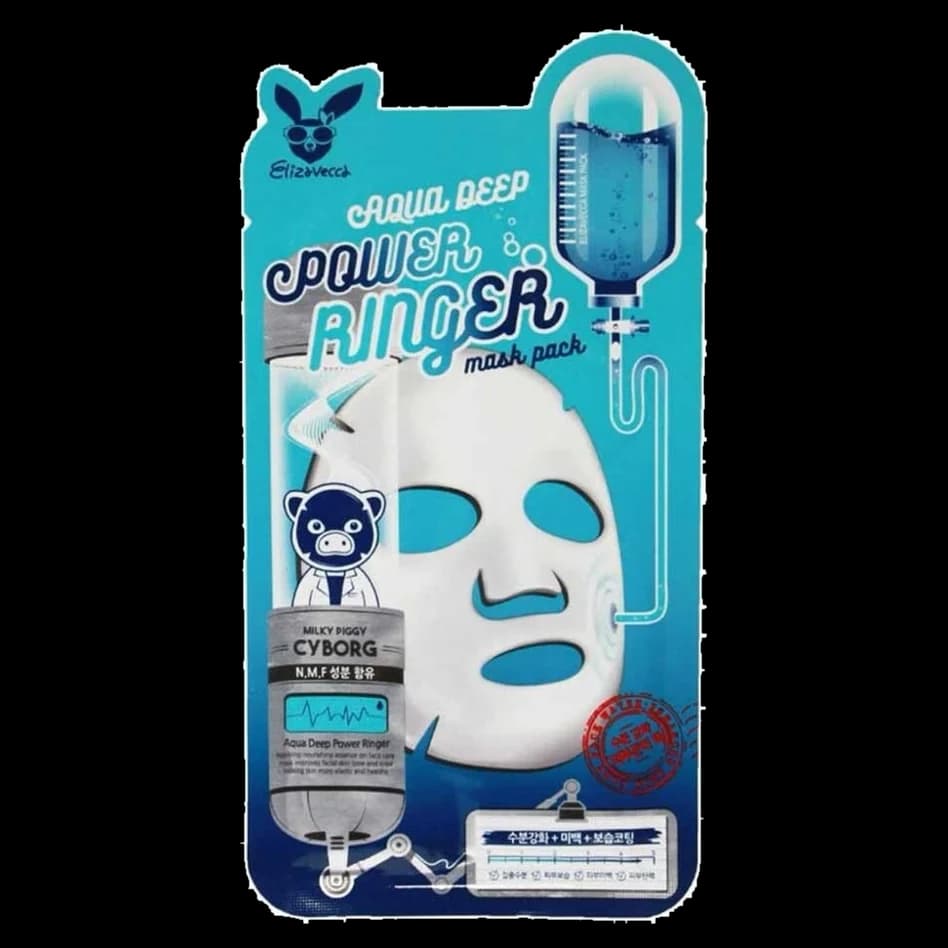
Elizavecca
Aqua Deep Power Ringer Mask Pack
11th of 28 on the label
below ≈1%
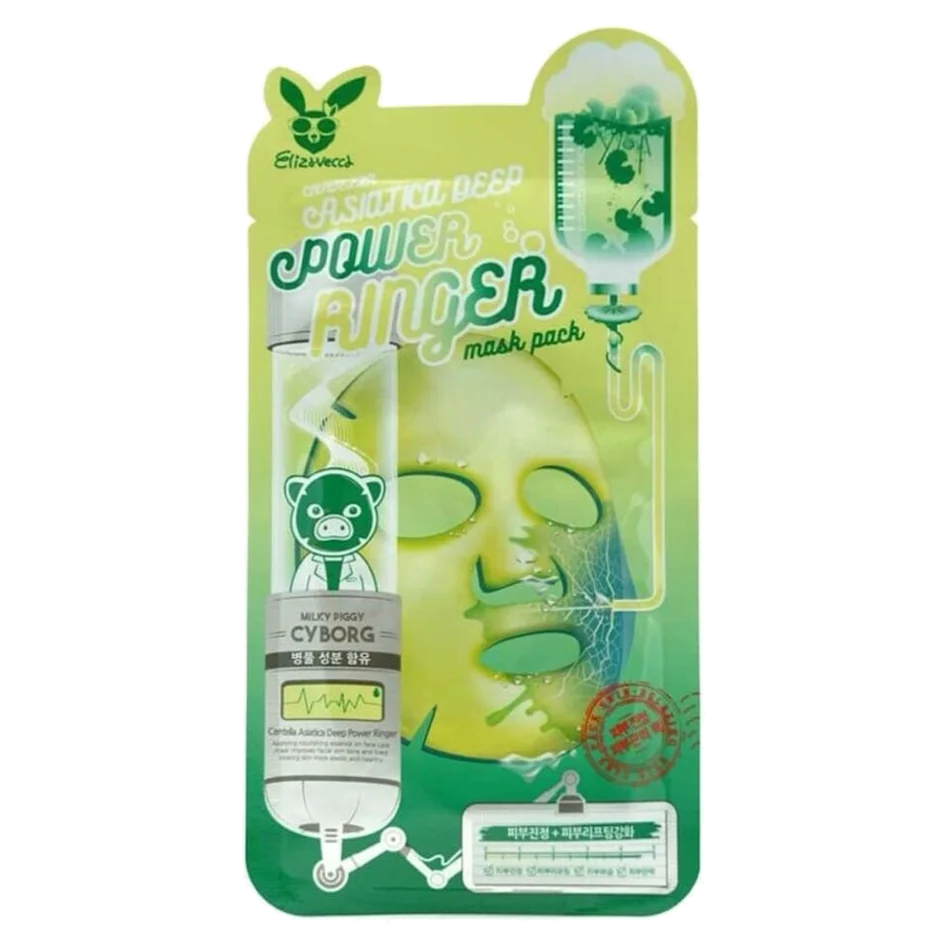
Elizavecca
Centella Deep Power Ringer Mask Pack
12th of 22 on the label
below ≈1%
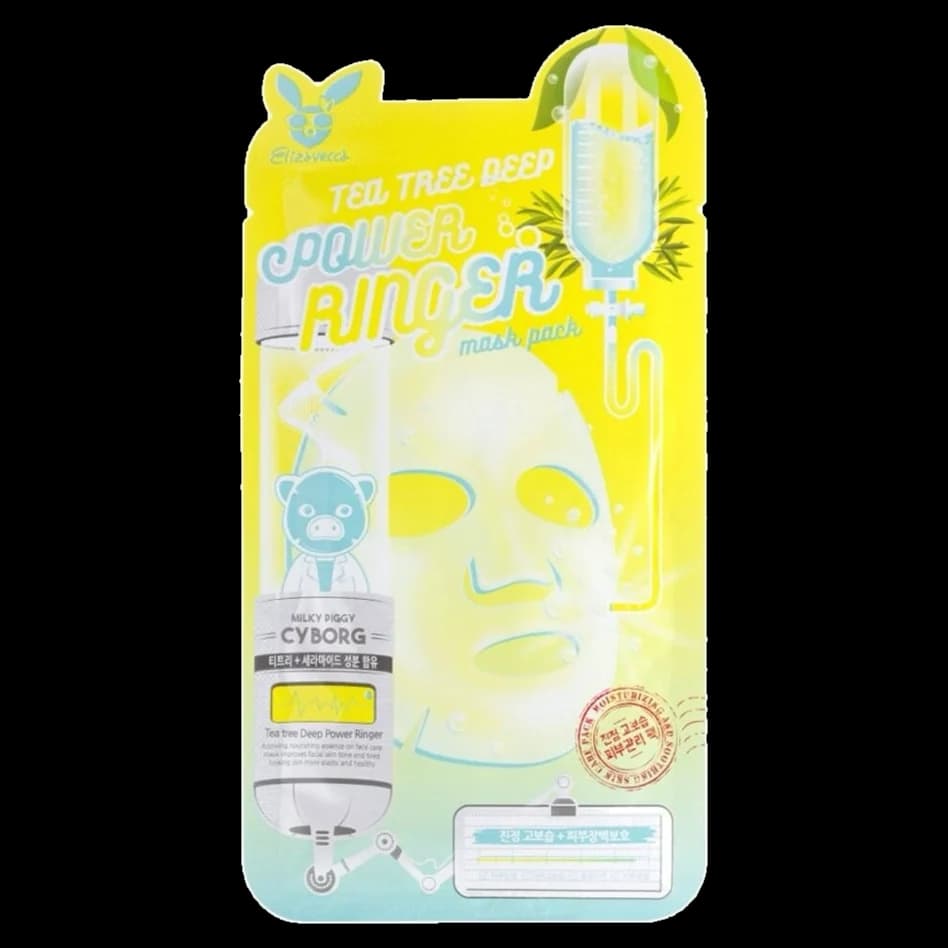
Elizavecca
Tea Tree Deep Power Ringer Mask Pack
11th of 23 on the label
below ≈1%
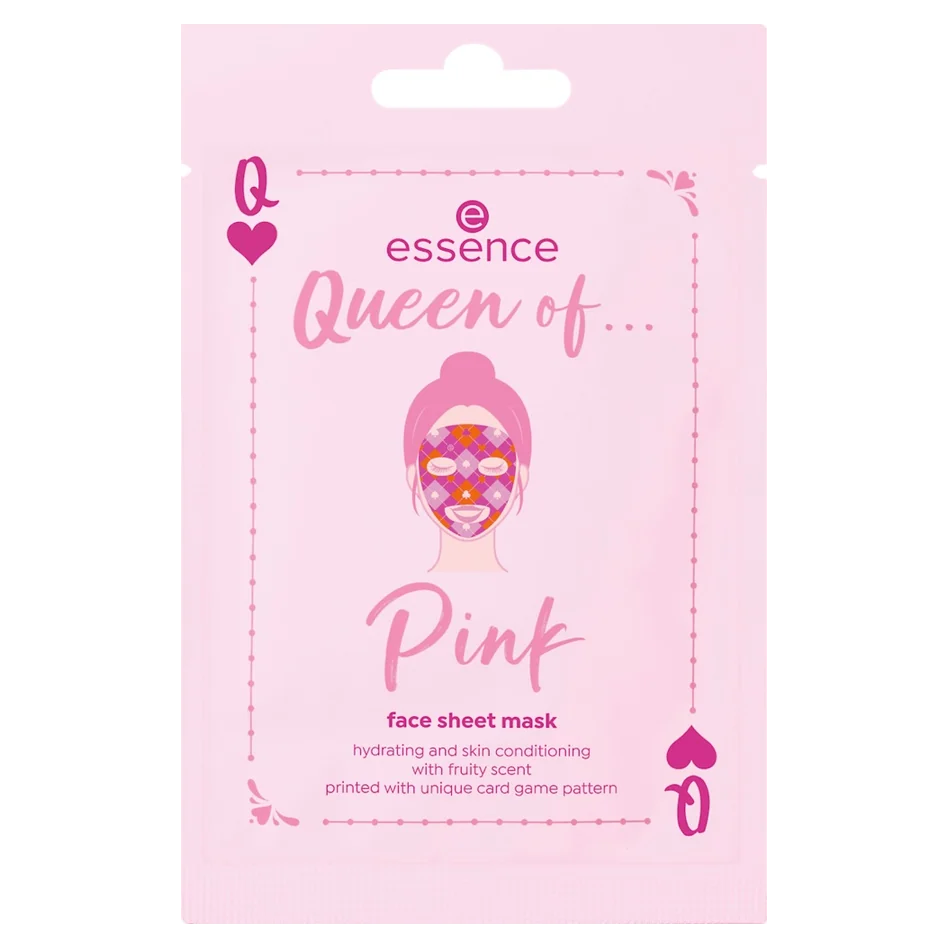
essence
Queen of Pink Face Sheet Mask 01 Keeping My Pink Poker Face
5th of 23 on the label
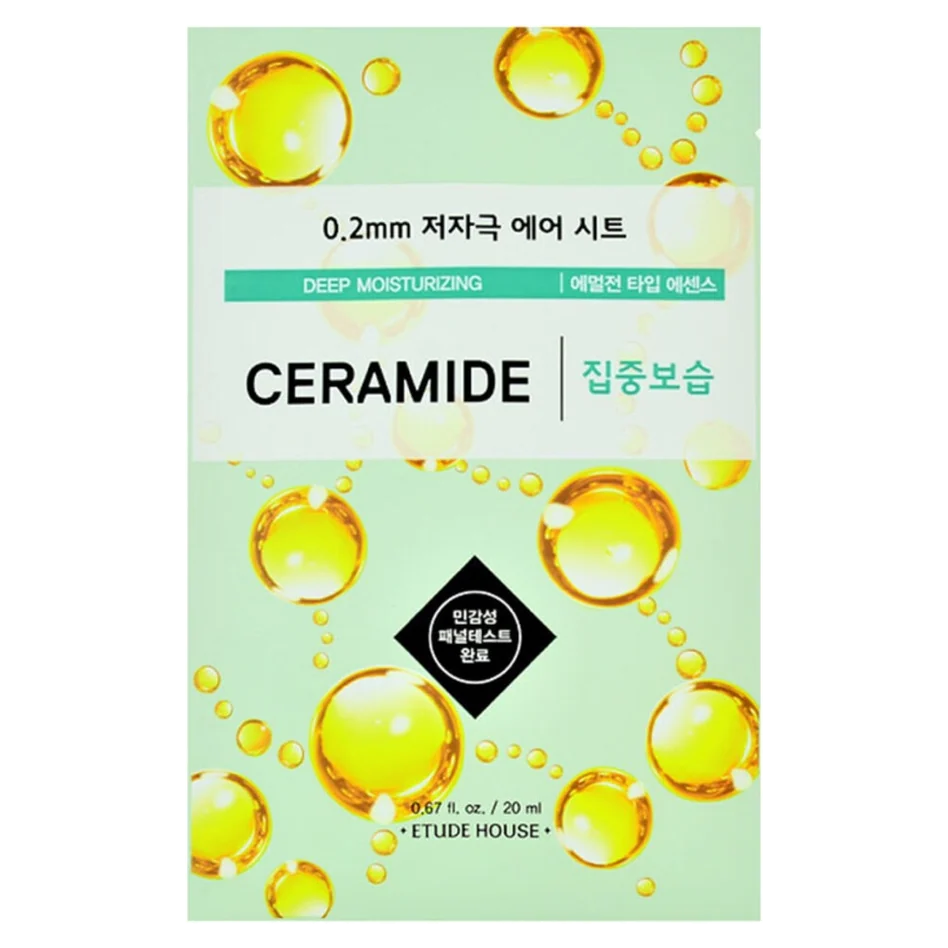
Etude House
0.2mm Therapy Air Mask Ceramide
22nd of 33 on the label
below ≈1%
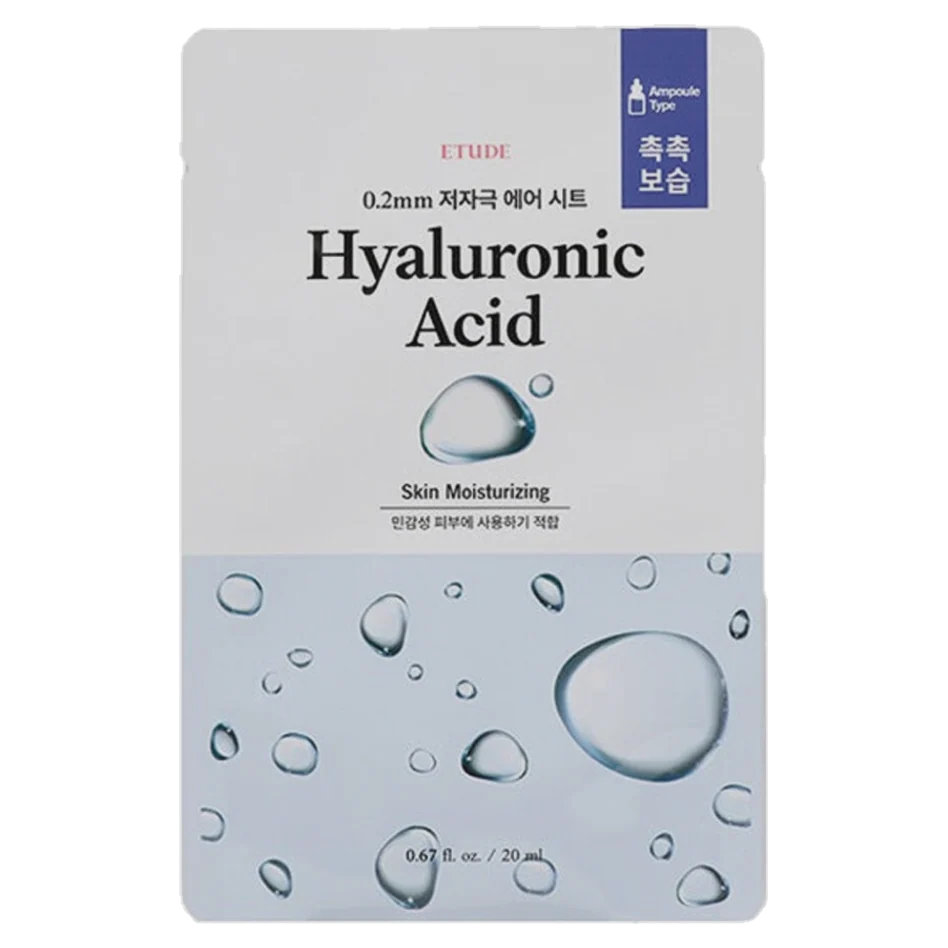
Etude House
0.2mm Therapy Air Mask Hyaluronic Acid
19th of 35 on the label
below ≈1%
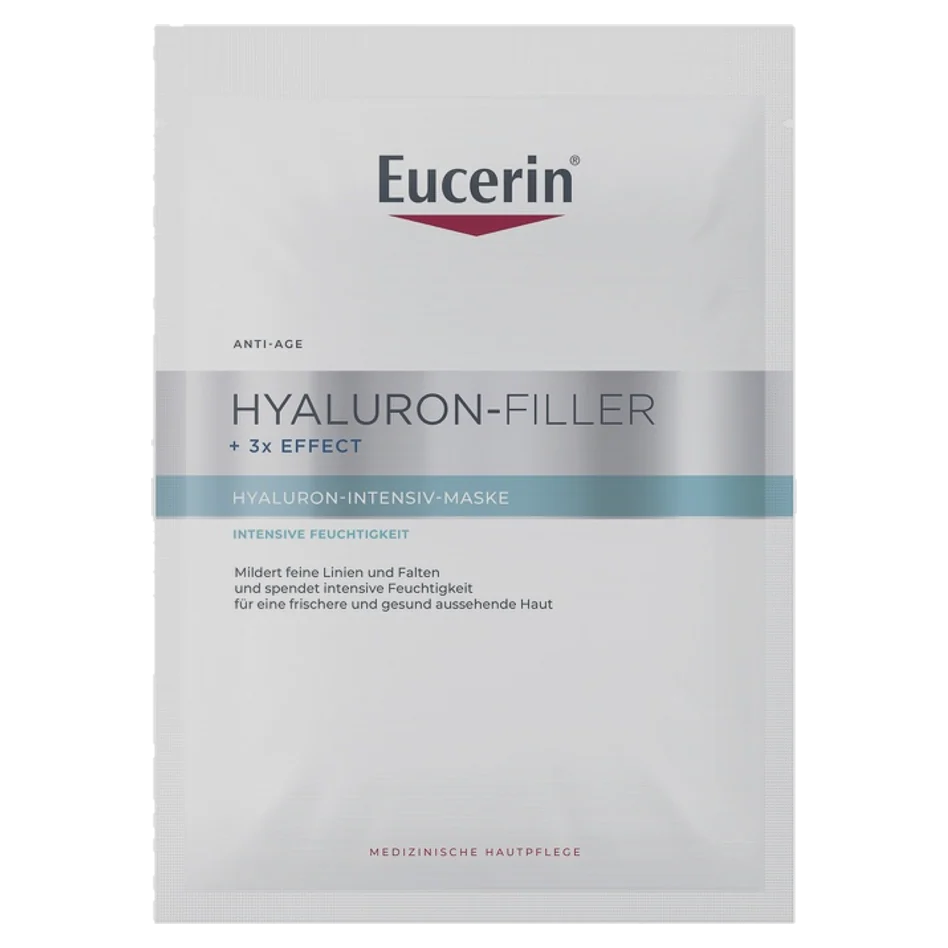
Eucerin
Hyaluron-Filler Hyaluron Intensive Mask
4th of 11 on the label
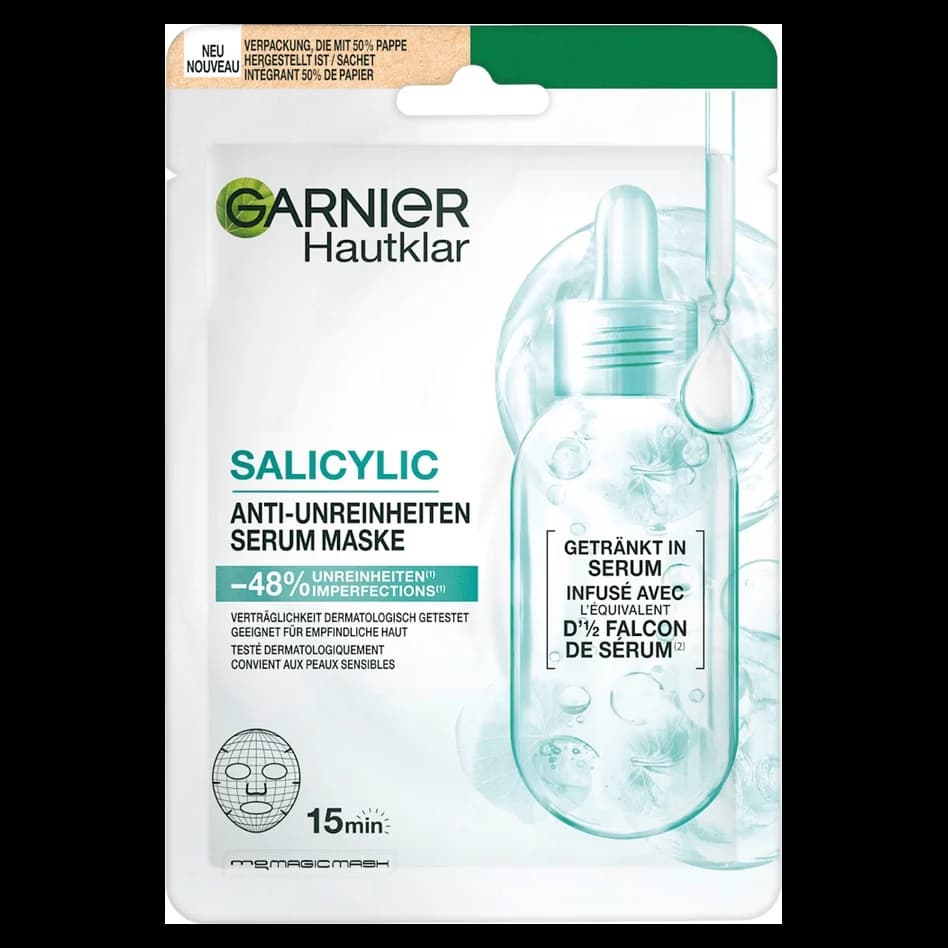
Garnier
Salicylic Tissue Mask
22nd of 26 on the label
below ≈1%
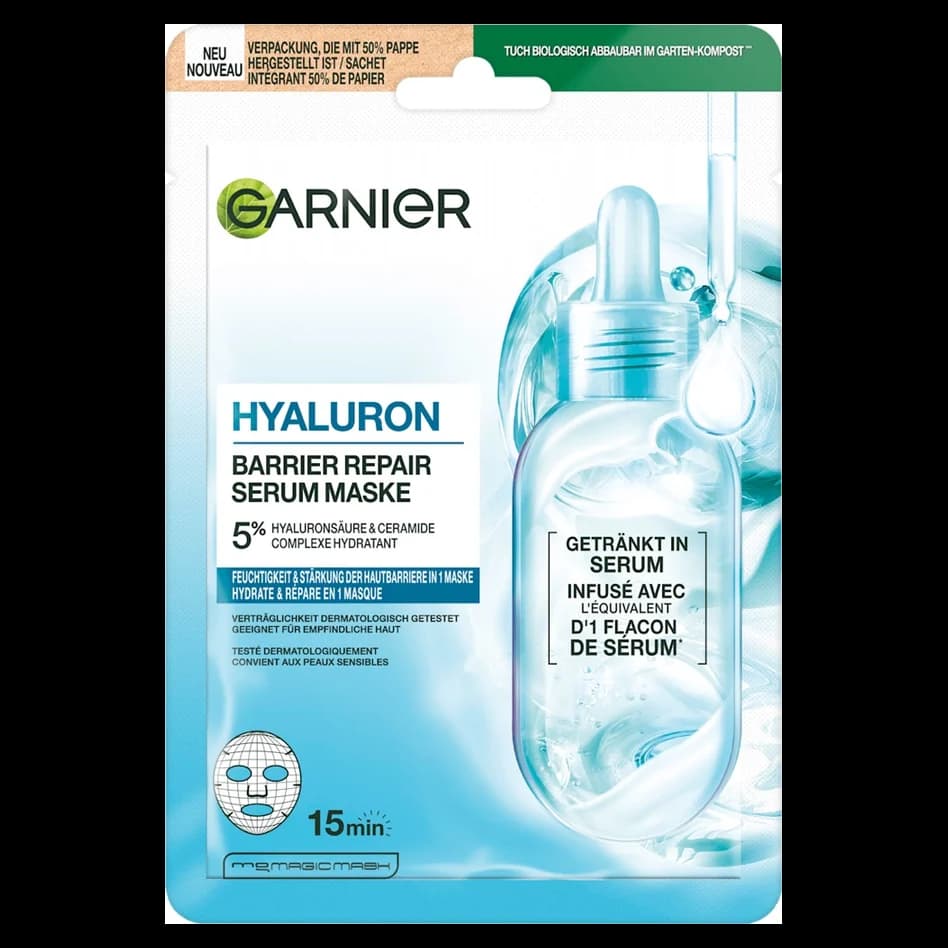
Garnier
SkinActive Hyaluronic Acid Barrier Repair Serum Tissue Mask
21st of 25 on the label
below ≈1%
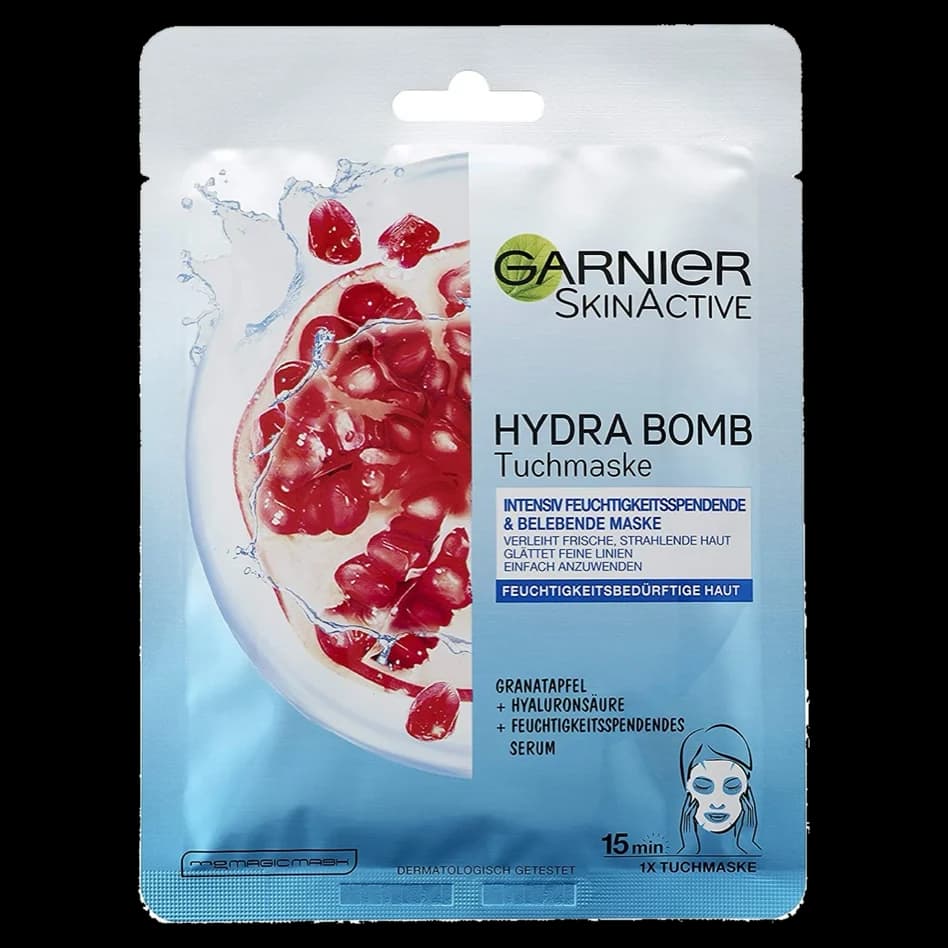
Garnier
SkinActive Hydra Bomb Tissue Mask Pomegranate
15th of 29 on the label
below ≈1%
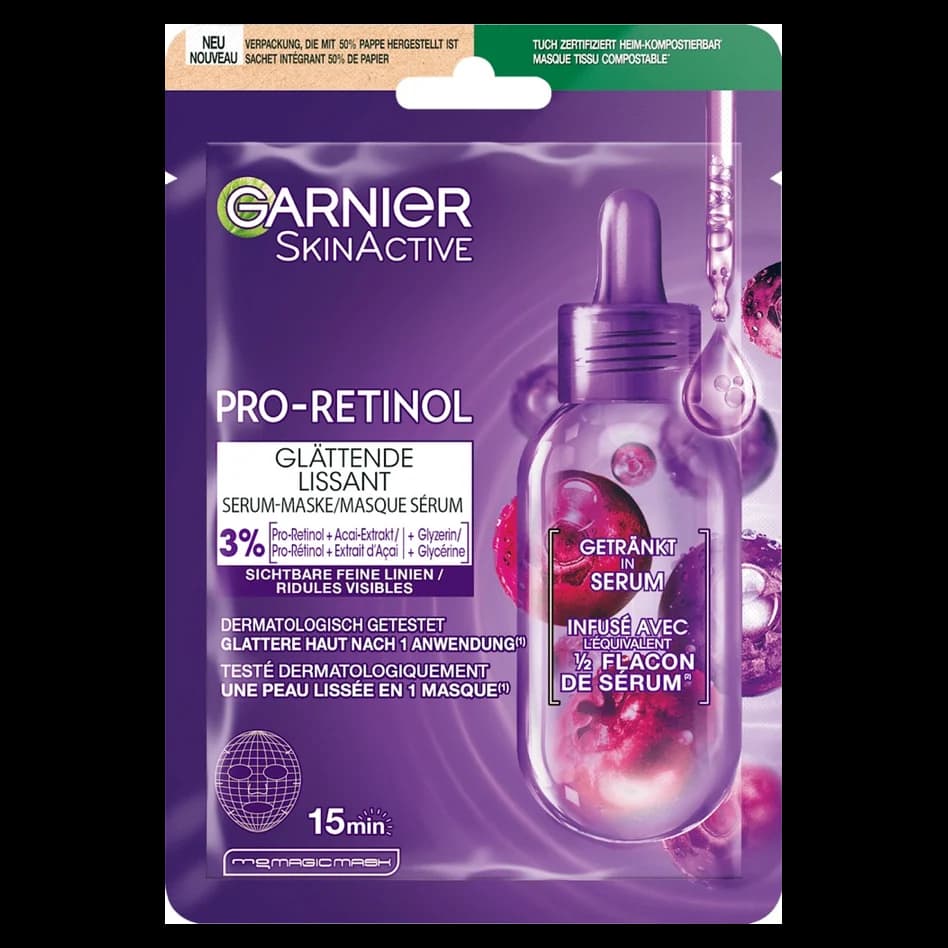
Garnier
SkinActive Pro-Retinol Tissue Mask
20th of 24 on the label
below ≈1%
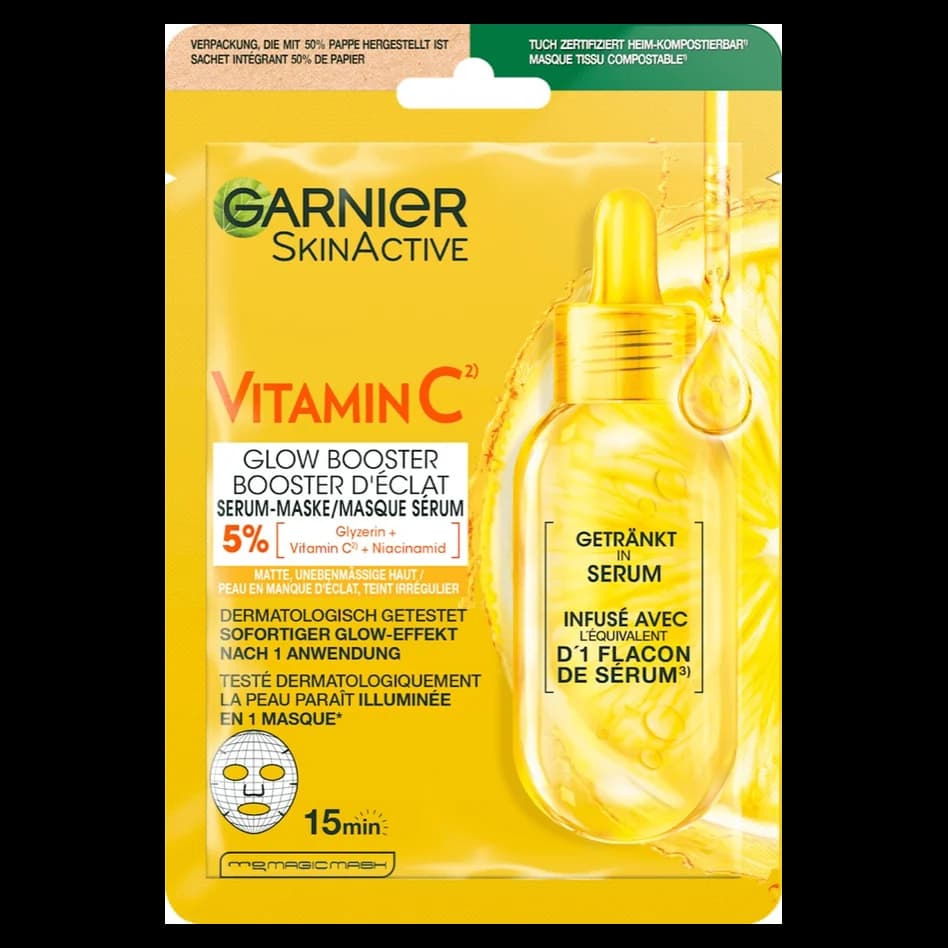
Garnier
SkinActive Vitamin C Tissue Mask
19th of 21 on the label
below ≈1%
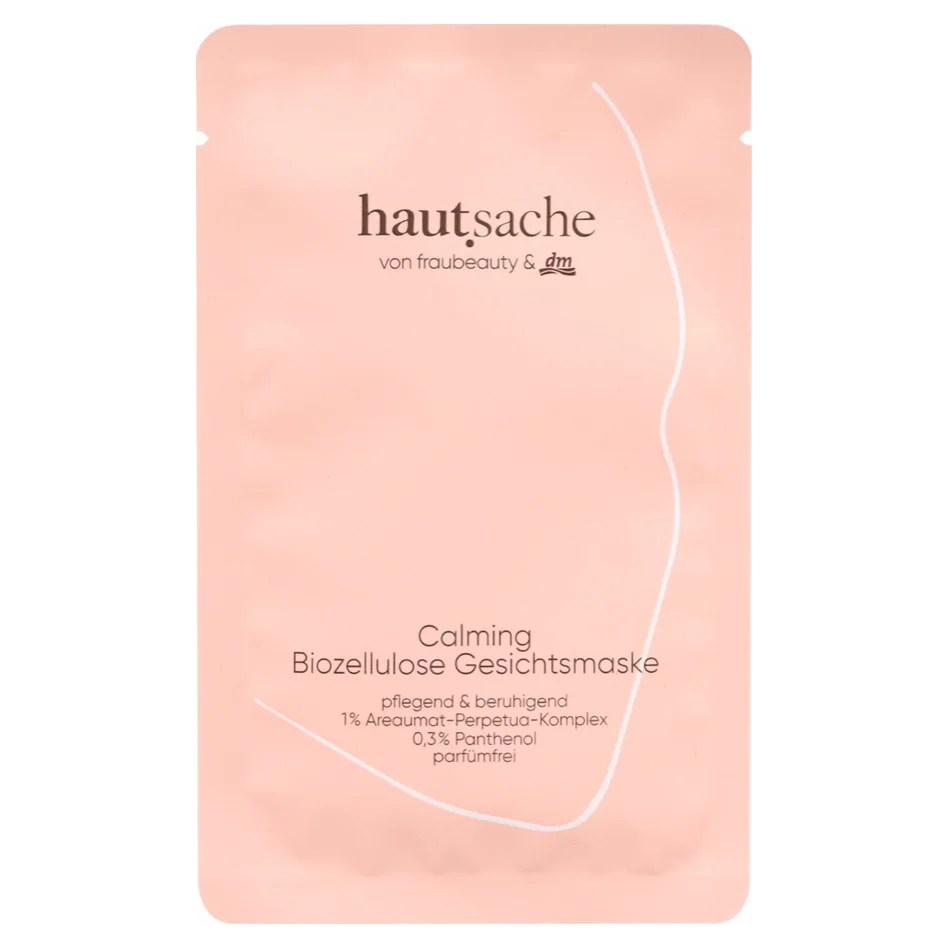
hautsache
Gesichtsmaske Biozellulose Calming
17th of 27 on the label
below ≈1%
hautsache
Gesichtsmaske Brightening
12th of 33 on the label
Isntree
Real Rose Calming Mask
7th of 31 on the label
LA MER
Ultra Booster Premium Mask Effect
24th of 41 on the label
below ≈1%
LANEIGE
Water Sleeping Mask
25th of 43 on the label
below ≈1%
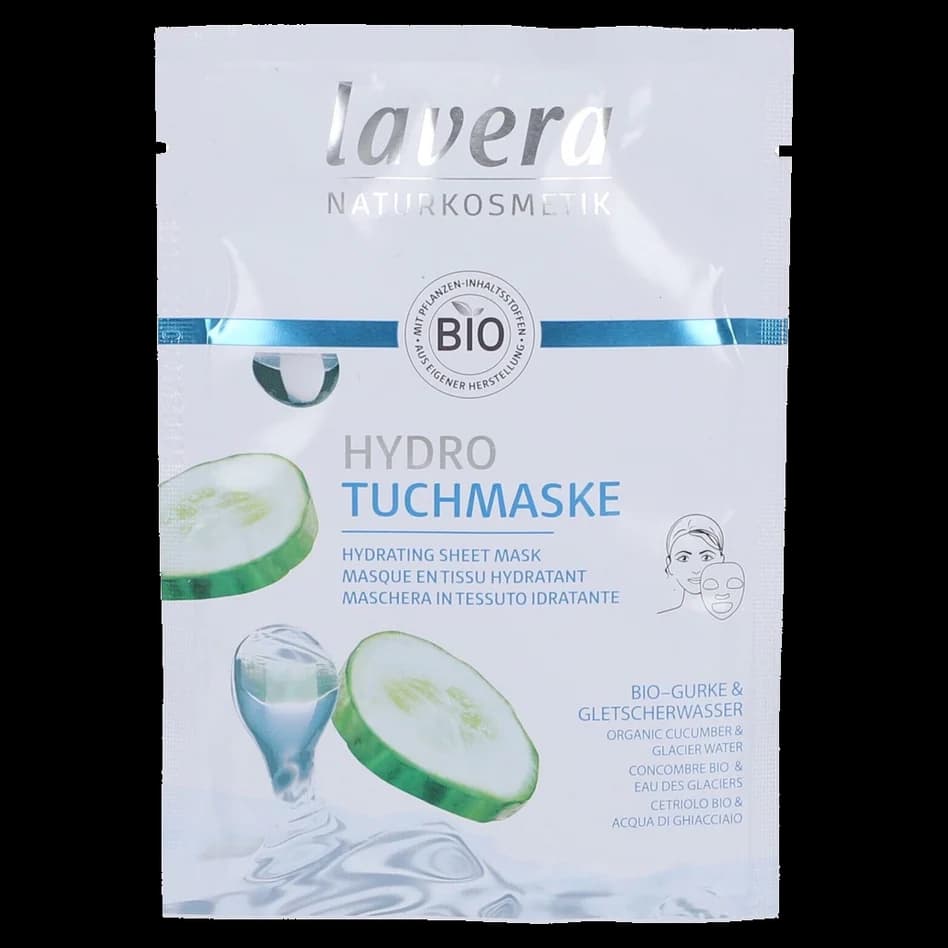
lavera
Hydro Tuchmaske
9th of 22 on the label
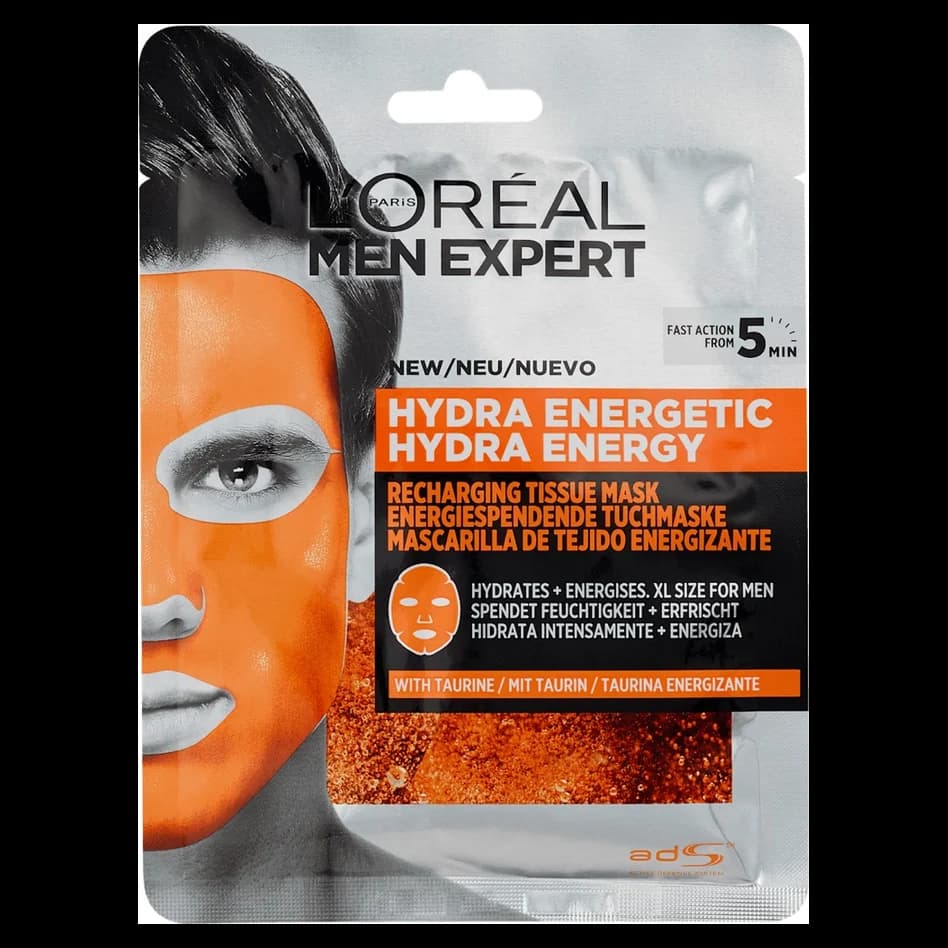
L'Oréal Paris
Men Expert Hydra Energetic Recharging Tissue Mask
10th of 21 on the label
below ≈1%
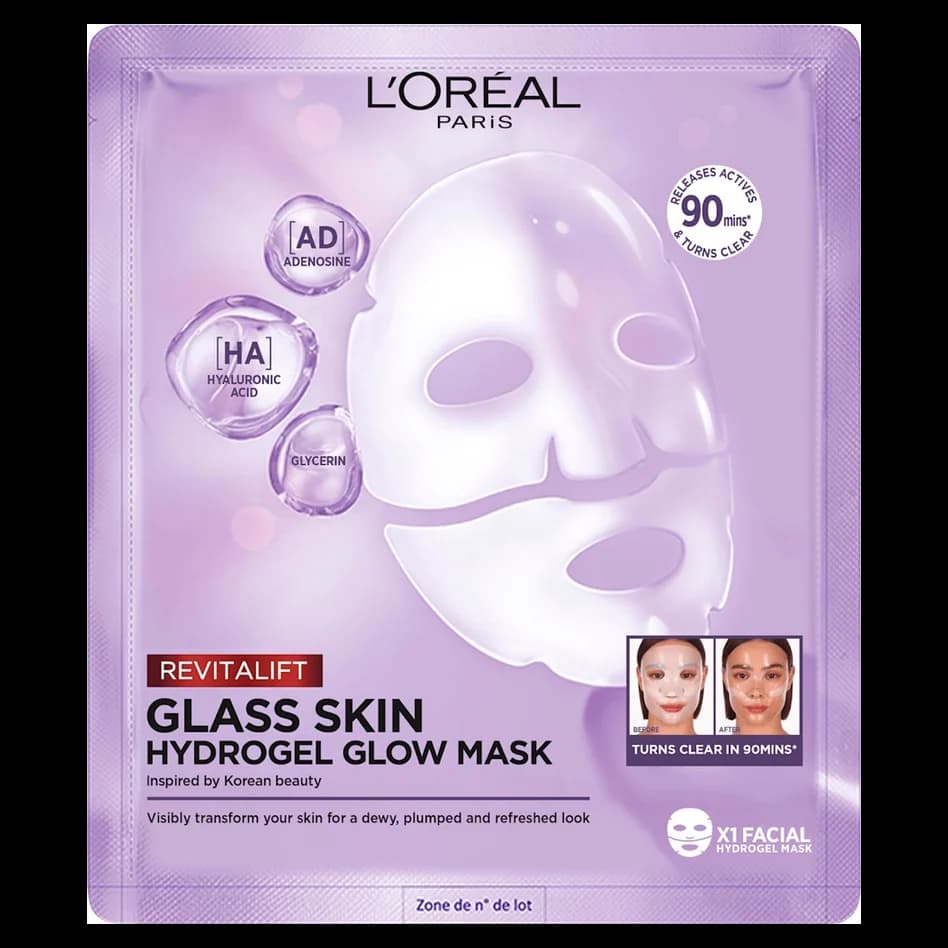
L'Oréal Paris
Revitalift Filler Glass Skin Hydrogel Glow Mask
27th of 32 on the label
below ≈1%
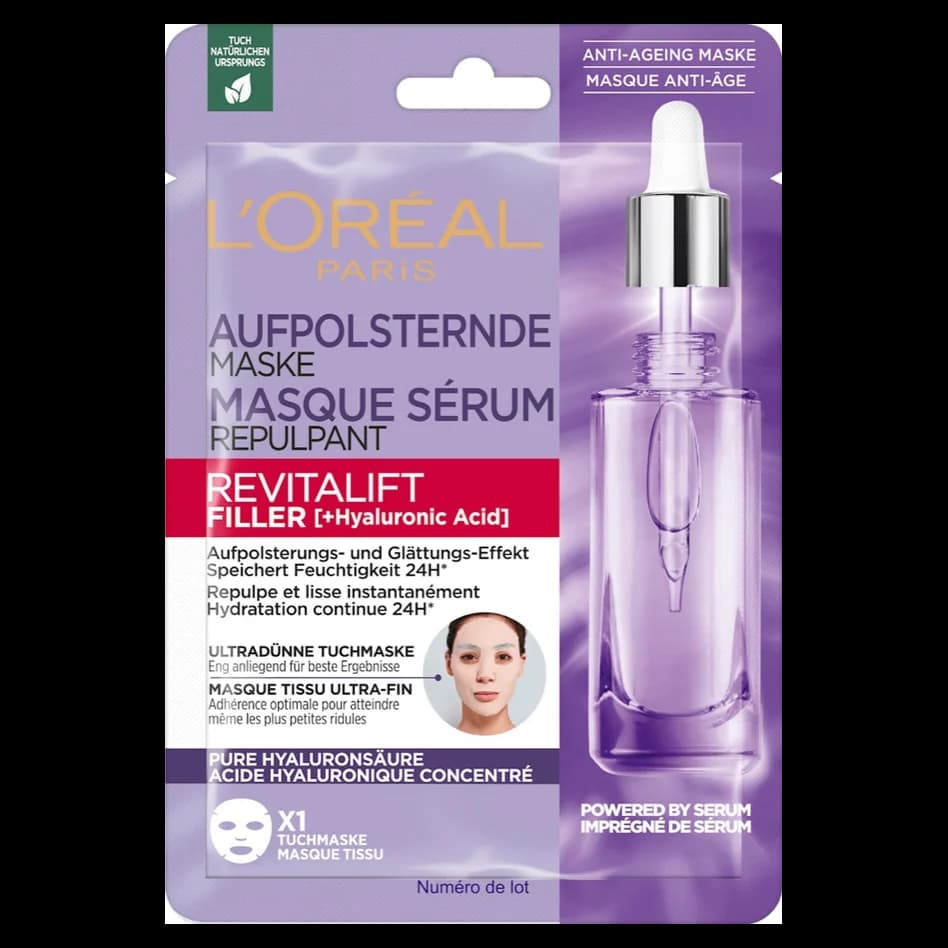
L'Oréal Paris
Revitalift Filler Hyaluronic Acid Tissue Mask
5th of 14 on the label
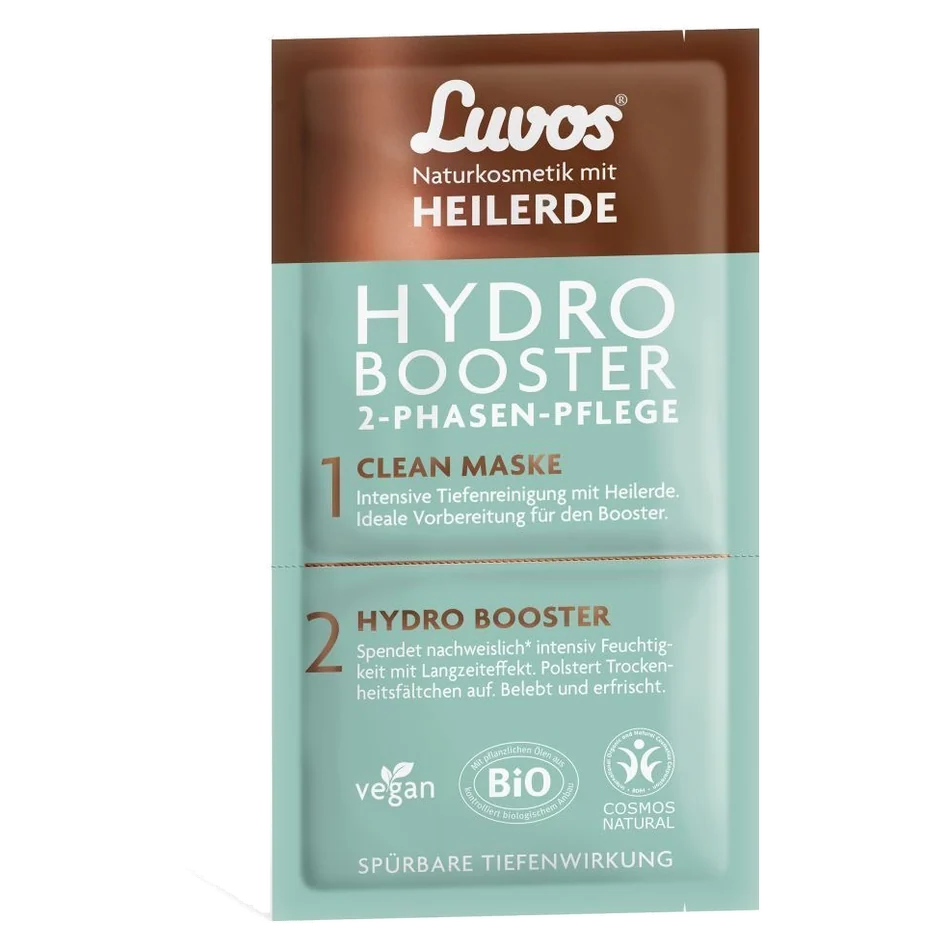
Luvos-Heilerde
Hydro Booster mit Clean Maske
49th of 63 on the label
below ≈1%
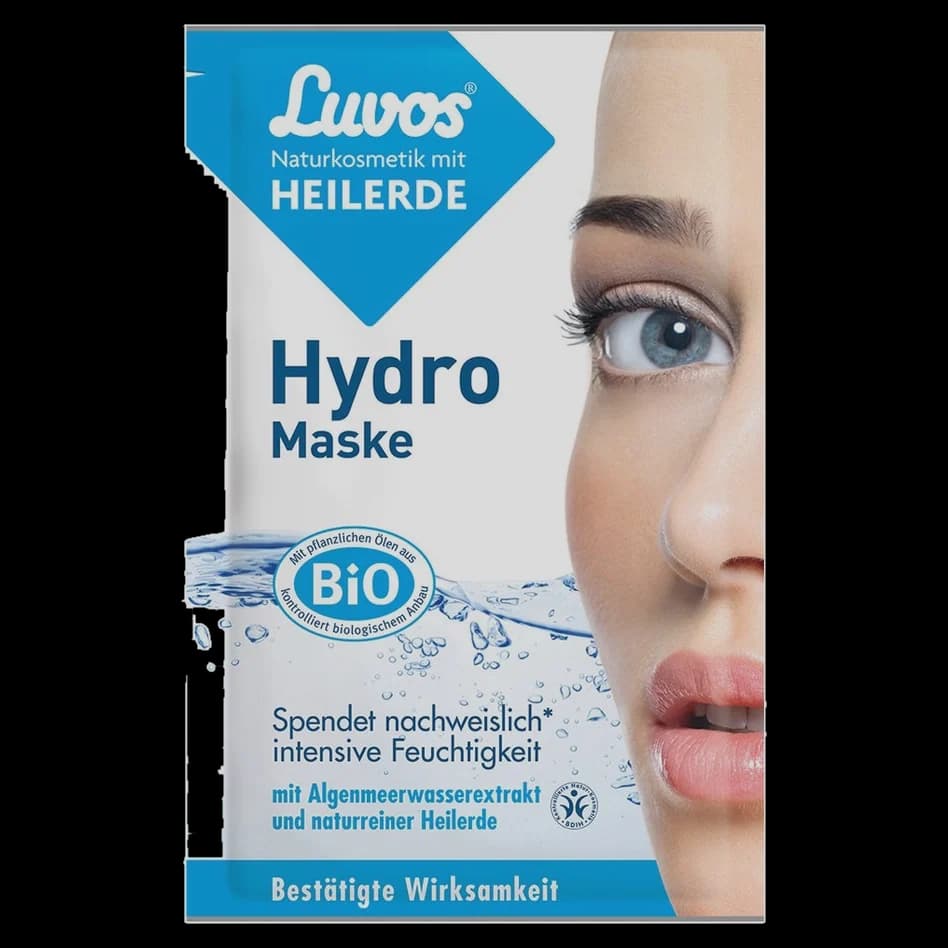
Luvos-Heilerde
Hydro-Maske
13th of 33 on the label
Medicube
Collagen Lifting Mask
18th of 39 on the label
below ≈1%
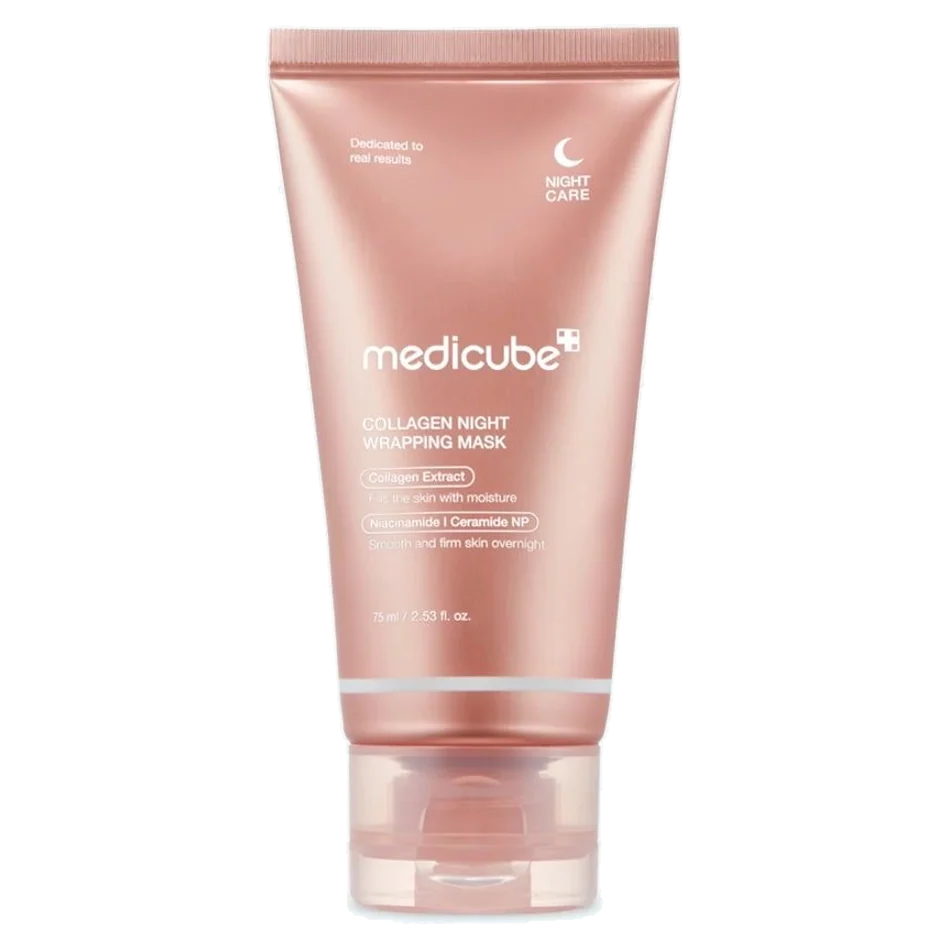
Medicube
Collagen Night Wrapping Mask
5th of 24 on the label
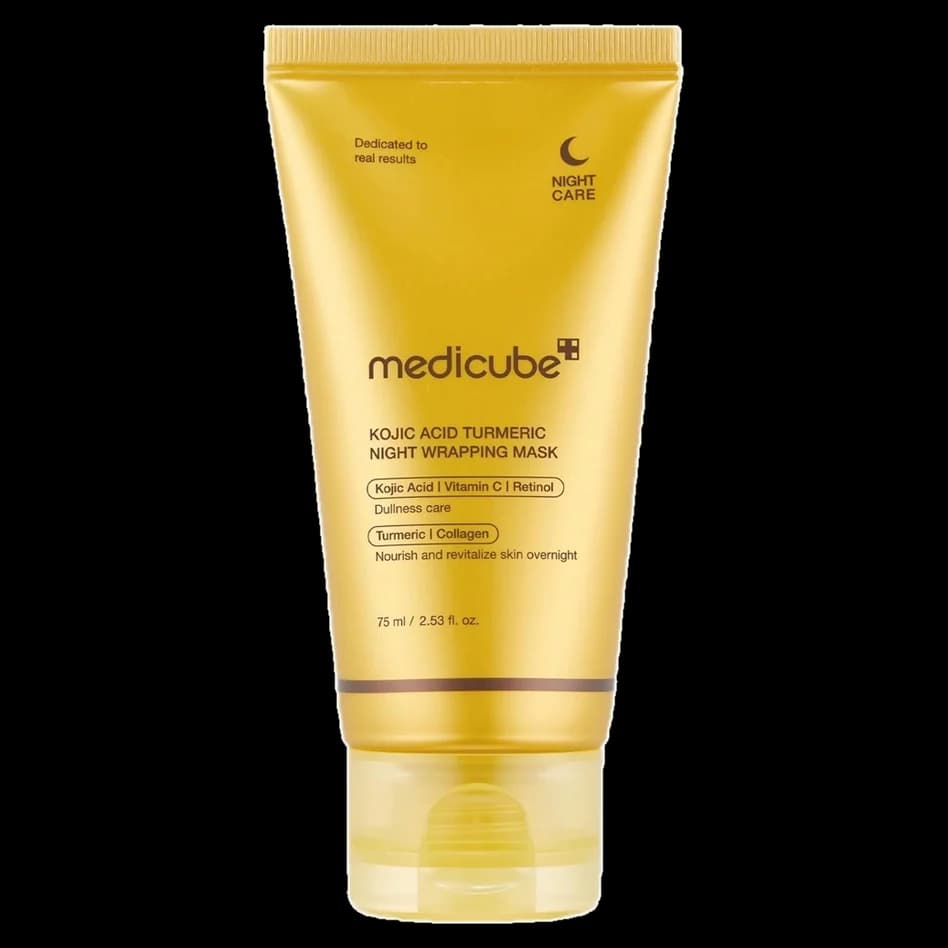
Medicube
Kojic Acid Turmeric Night Wrapping Mask
9th of 22 on the label
MISSHA
Airy Fit Sheet Mask Aloe
21st of 26 on the label
below ≈1%
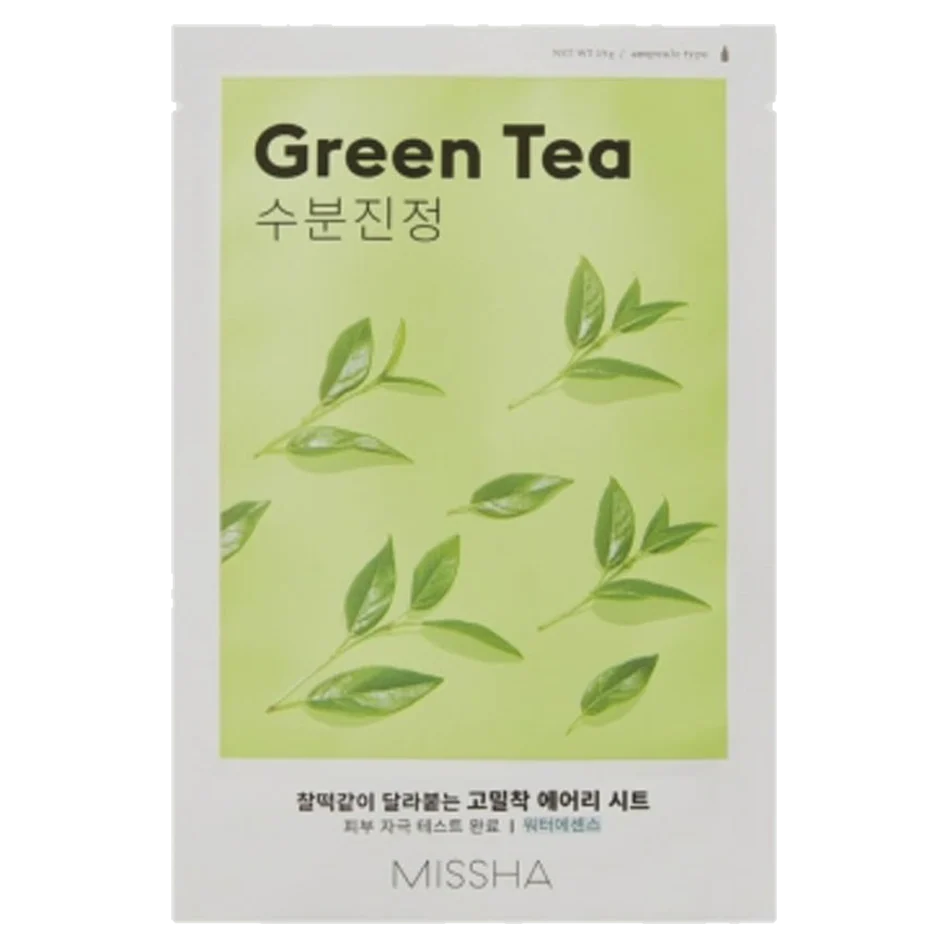
MISSHA
Airy Fit Sheet Mask Green Tea
15th of 23 on the label
below ≈1%
MISSHA
Airy Fit Sheet Mask Pearl
25th of 31 on the label
below ≈1%
MISSHA
Airy Fit Sheet Mask Rice
22nd of 27 on the label
below ≈1%
MISSHA
Airy Fit Sheet Mask Tea Tree
15th of 23 on the label
below ≈1%
MISSHA
Sheet Mask Cucumber
22nd of 25 on the label
below ≈1%
MISSHA
Snail 3D Sheet Mask
9th of 25 on the label
below ≈1%
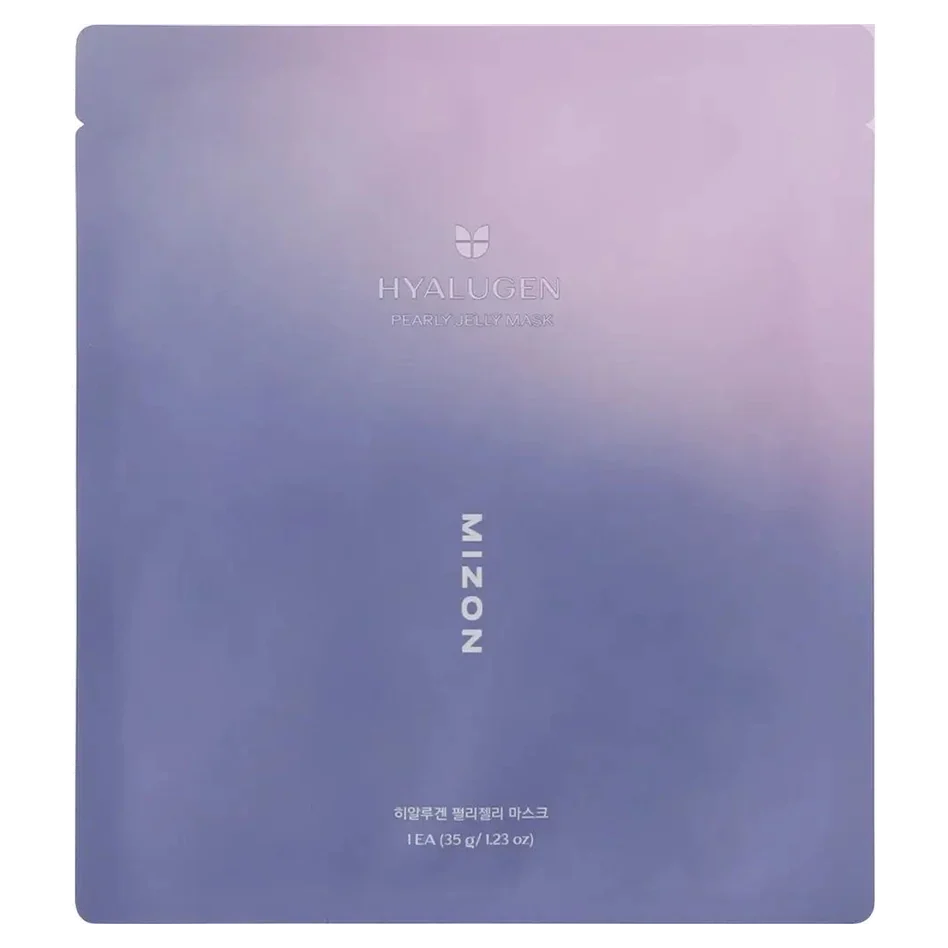
MIZON
Hyalugen Pearly Jelly Mask
3rd of 19 on the label
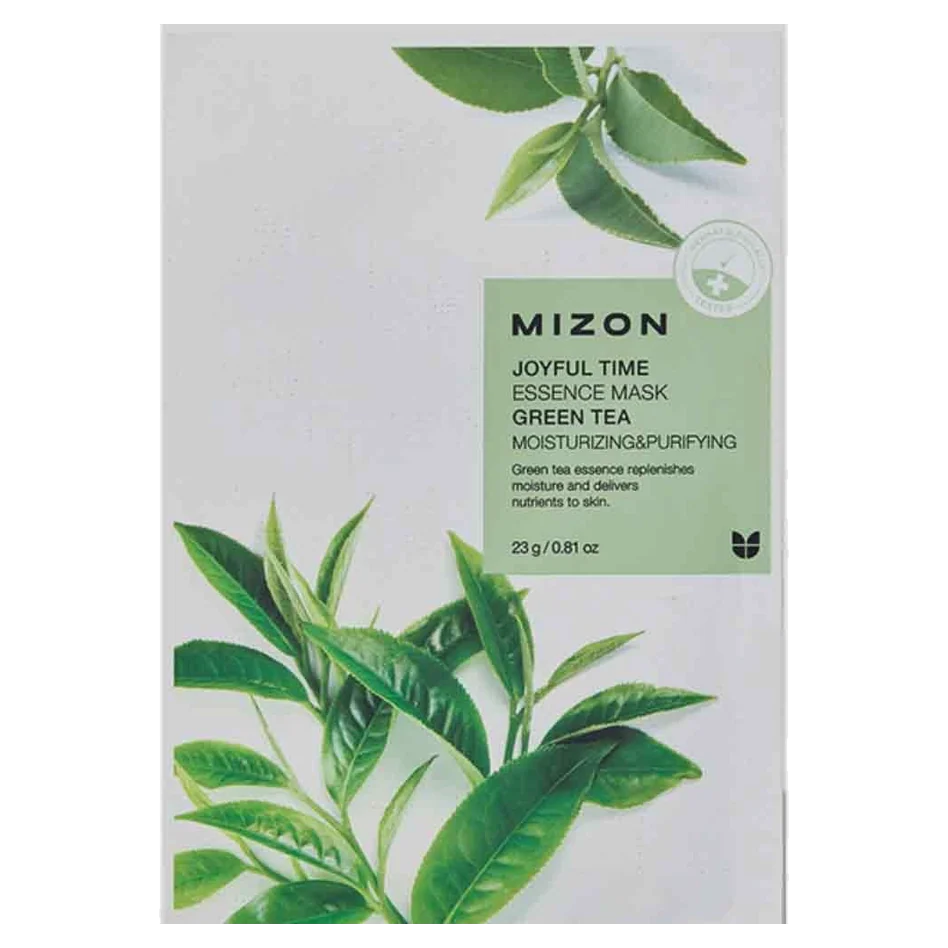
MIZON
Joyful Time Essence Mask Green Tea
23rd of 26 on the label
below ≈1%
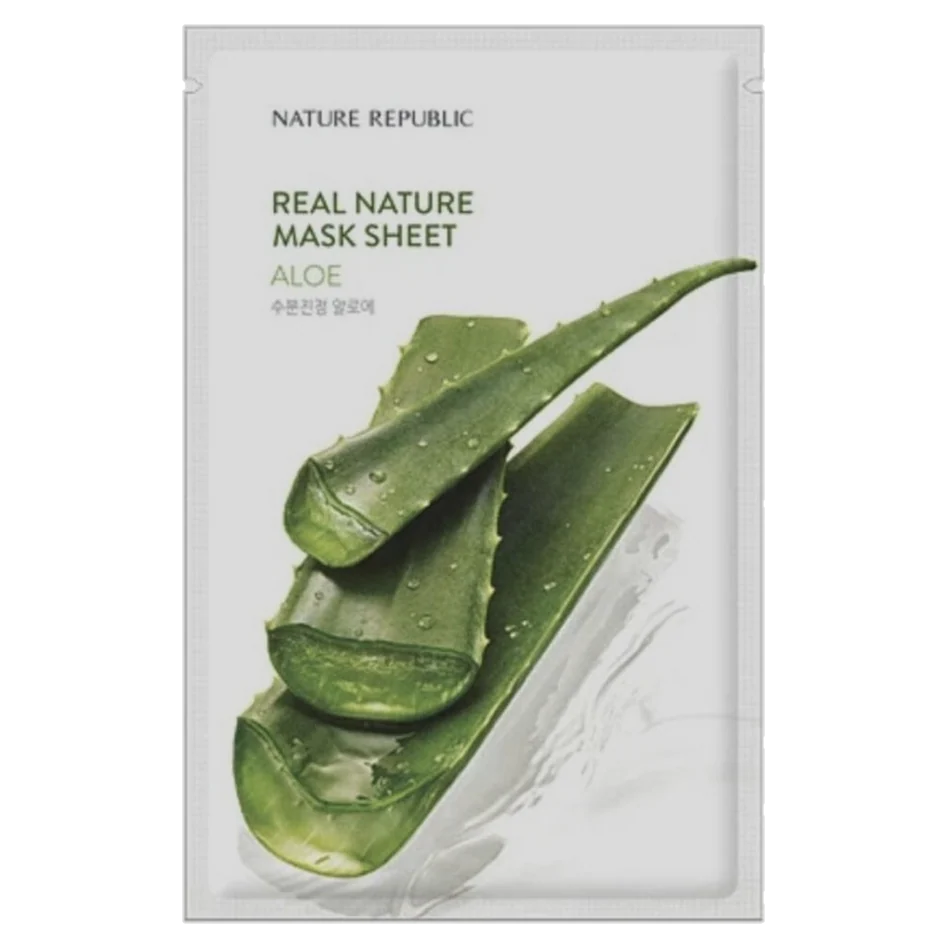
Nature Republic
Real Nature Aloe Sheet Mask
19th of 23 on the label
below ≈1%
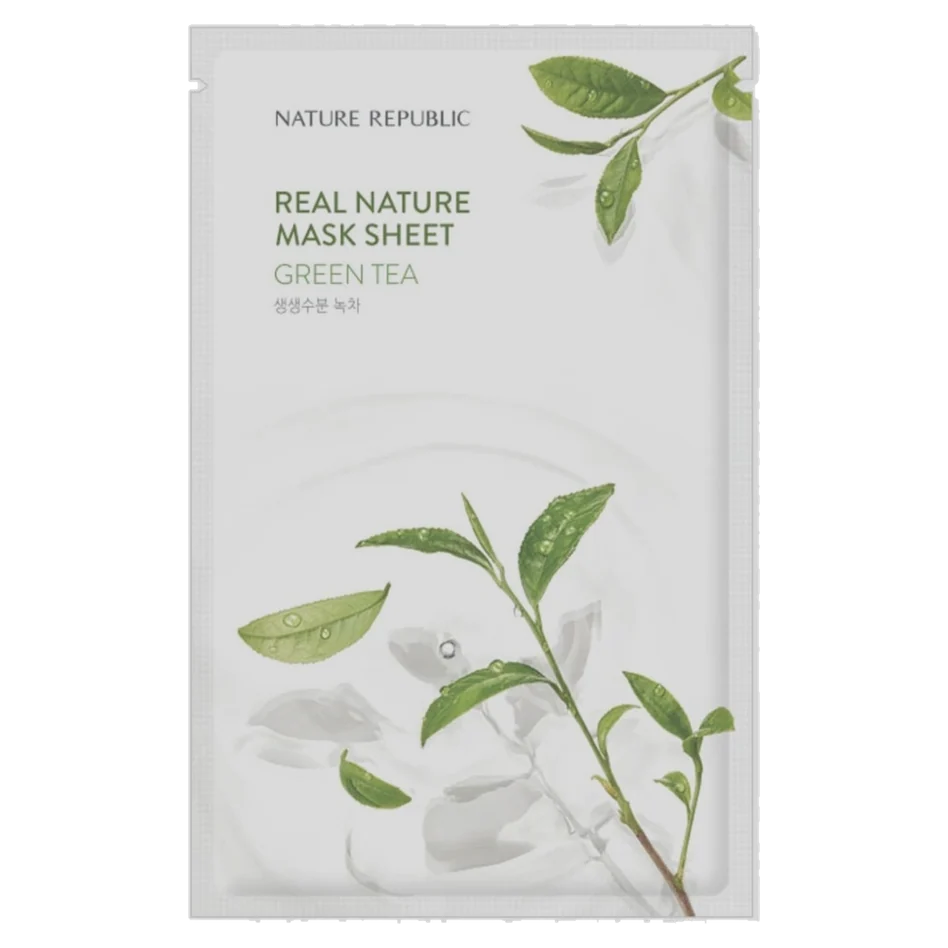
Nature Republic
Real Nature Green Tea Sheet Mask
18th of 23 on the label
below ≈1%
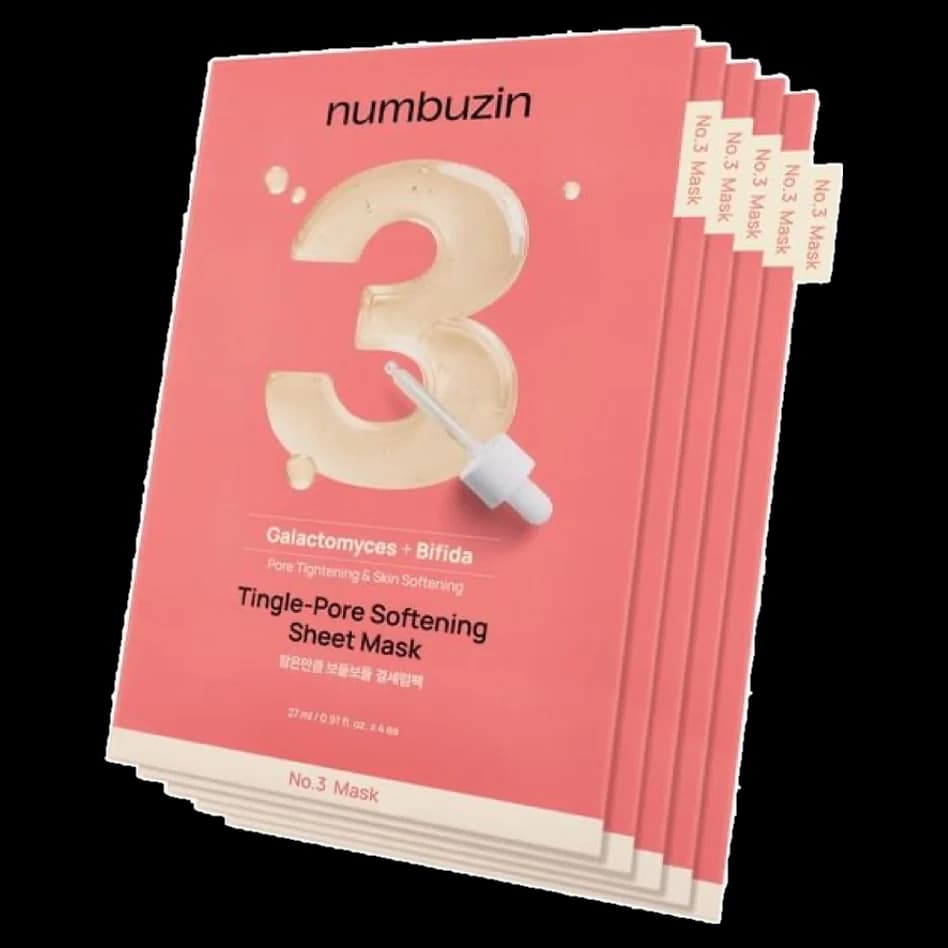
numbuzin
No.3 Tingle-Pore Softening Sheet Mask
24th of 42 on the label
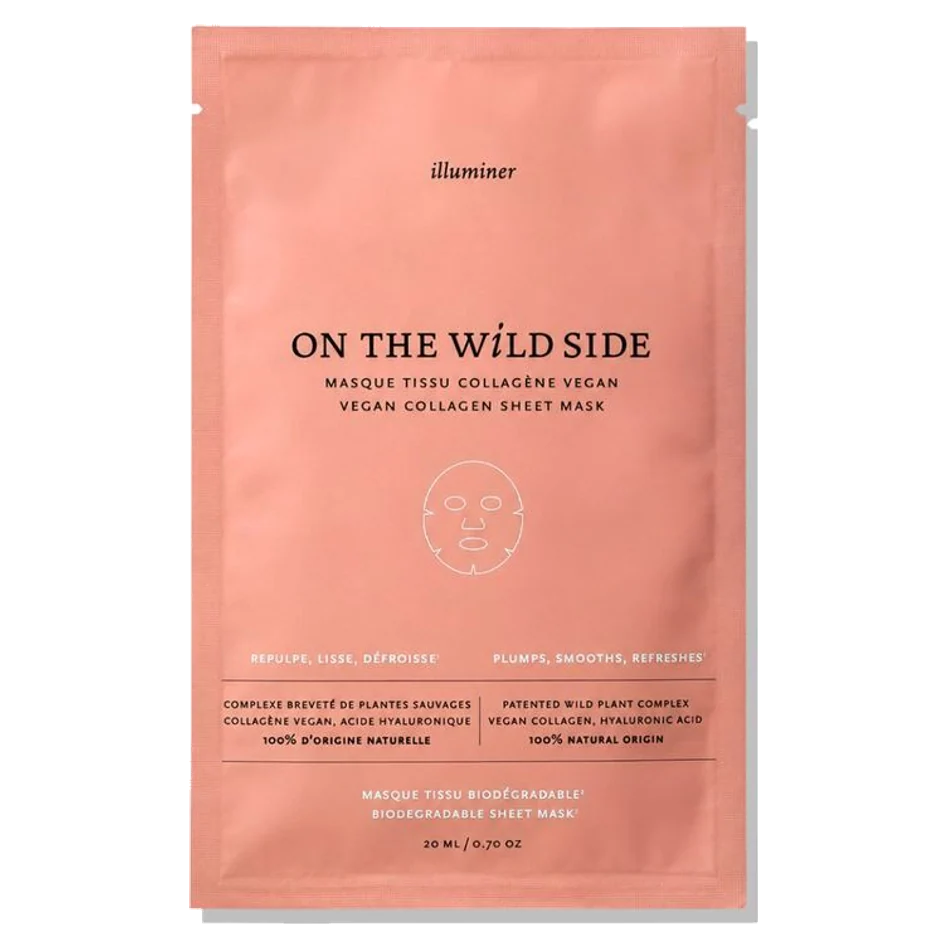
On The Wild Side
Sheet Mask Bio Cellulose Collagène Vegan
4th of 24 on the label
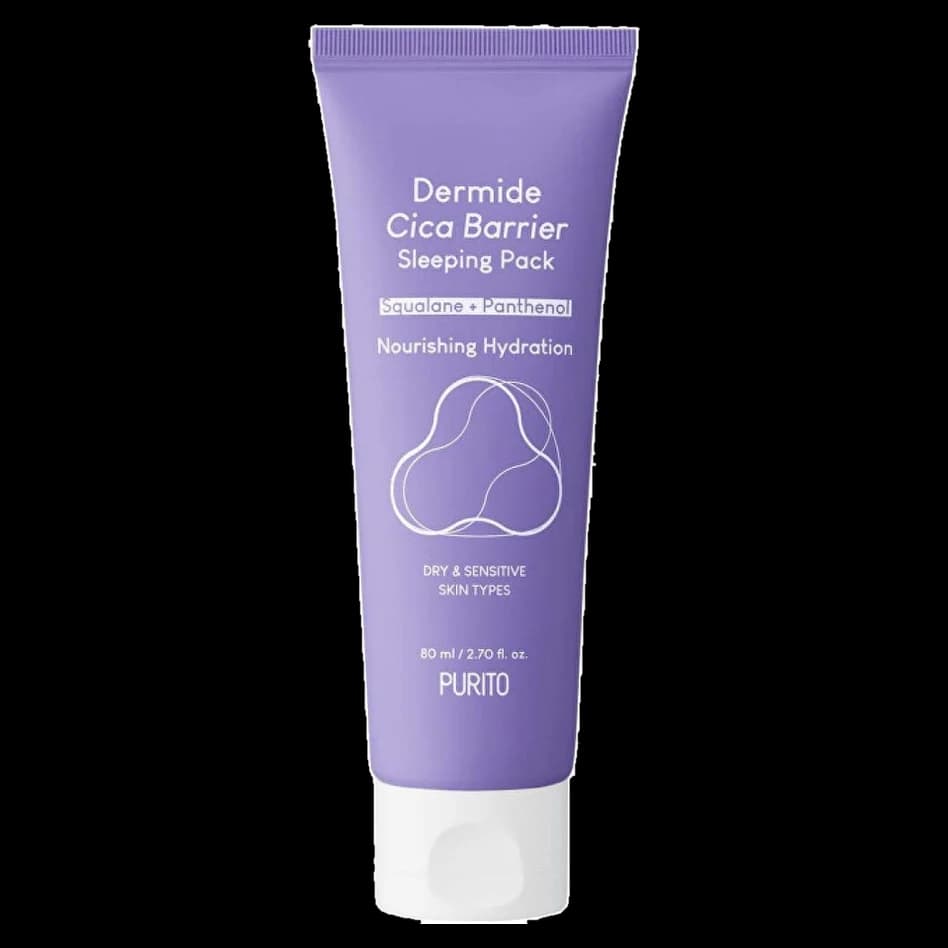
PURITO
Dermide Cica Barrier Sleeping Pack
13th of 15 on the label
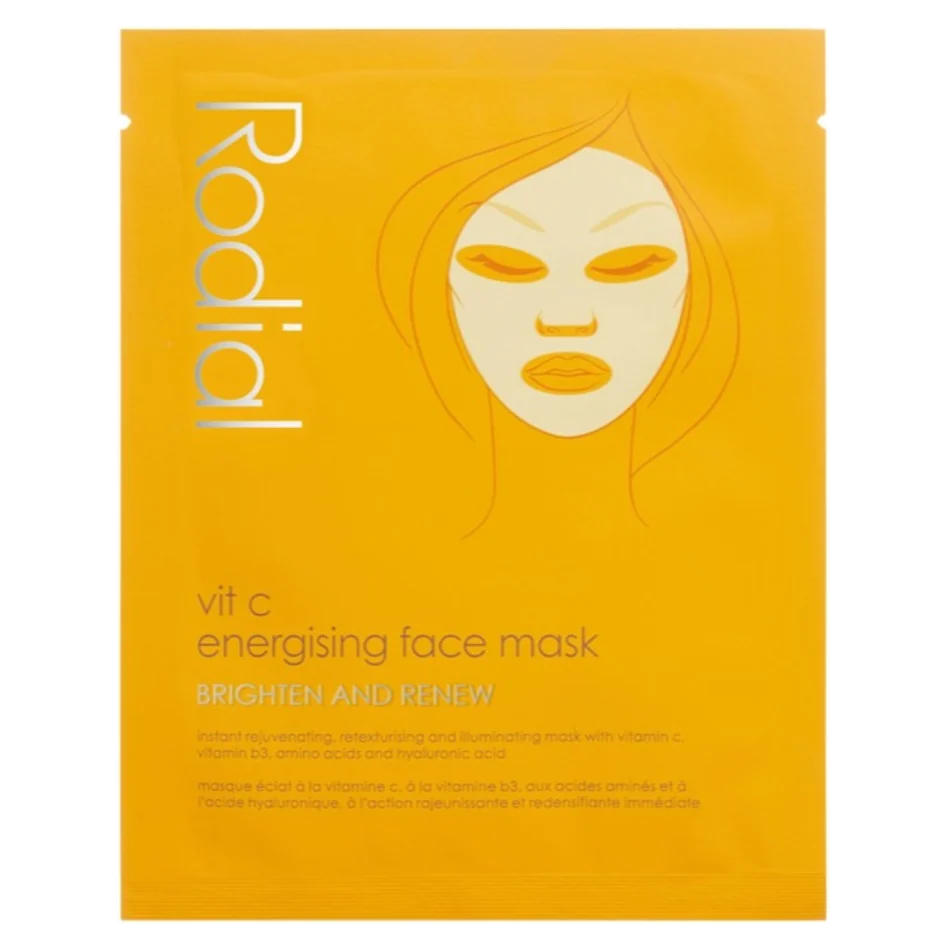
Rodial
Vit C Energising Face Mask
25th of 30 on the label
below ≈1%
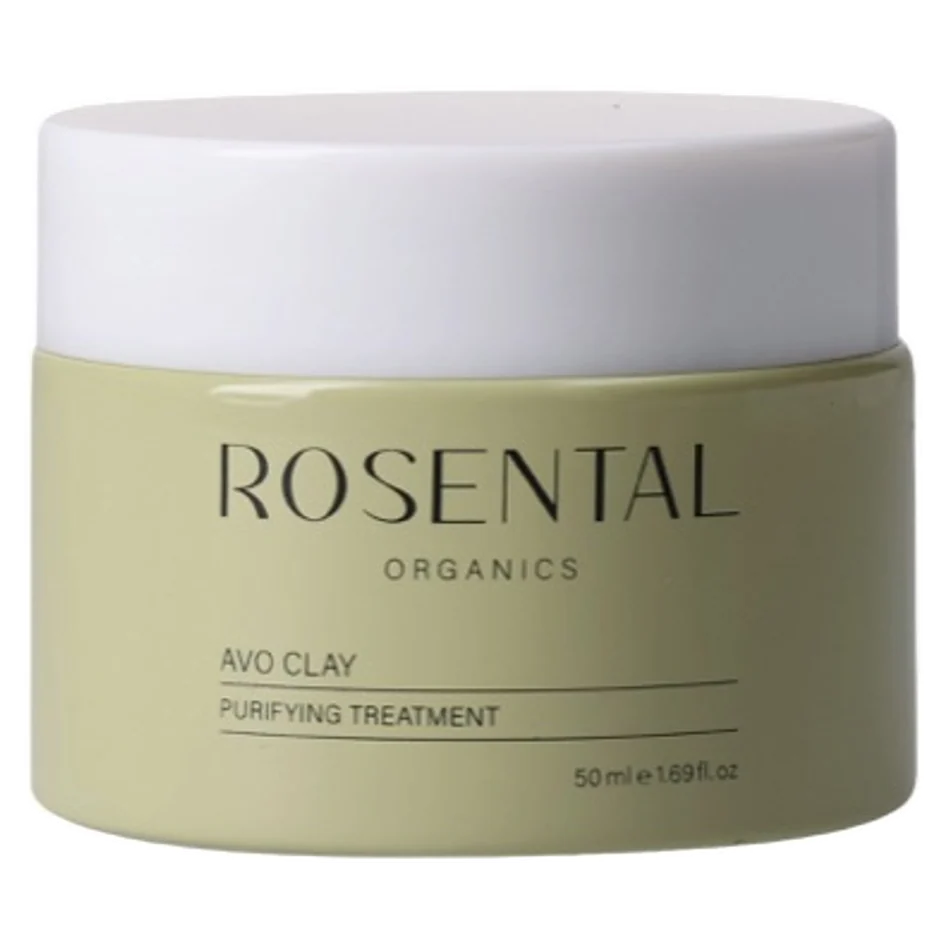
Rosental Organics
Avo Clay Mask
13th of 17 on the label
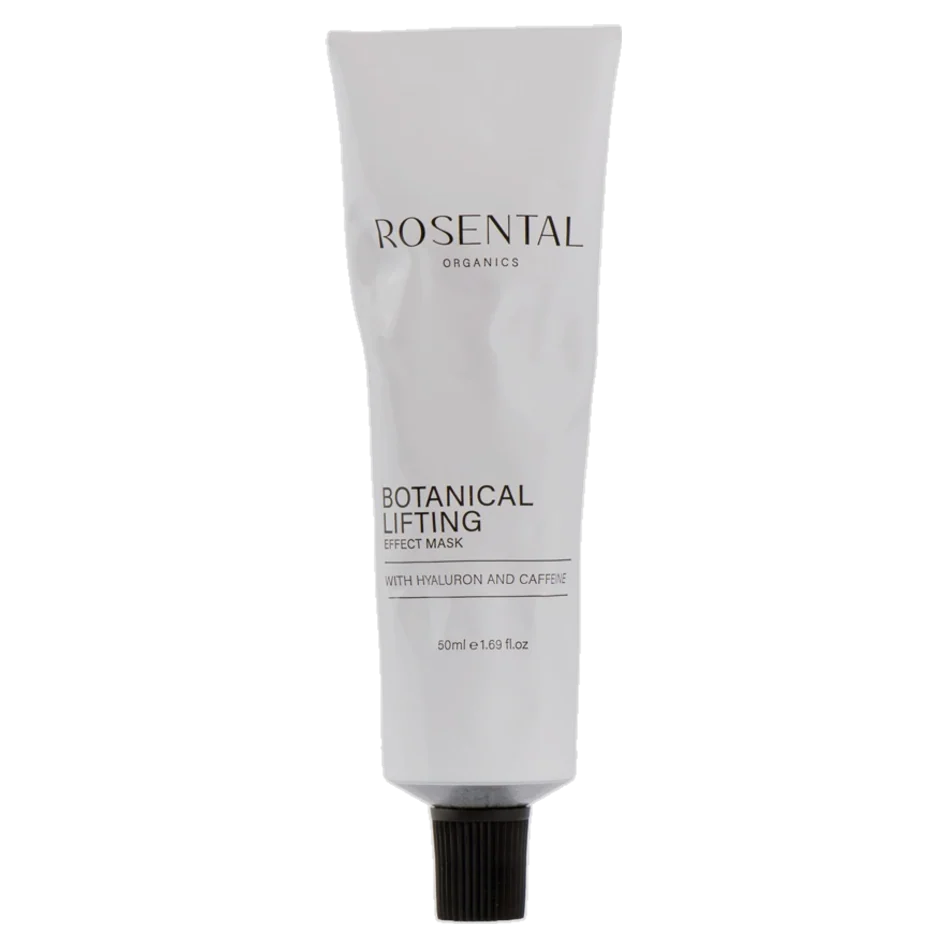
Rosental Organics
Botanical Lifting Effect Mask
19th of 28 on the label
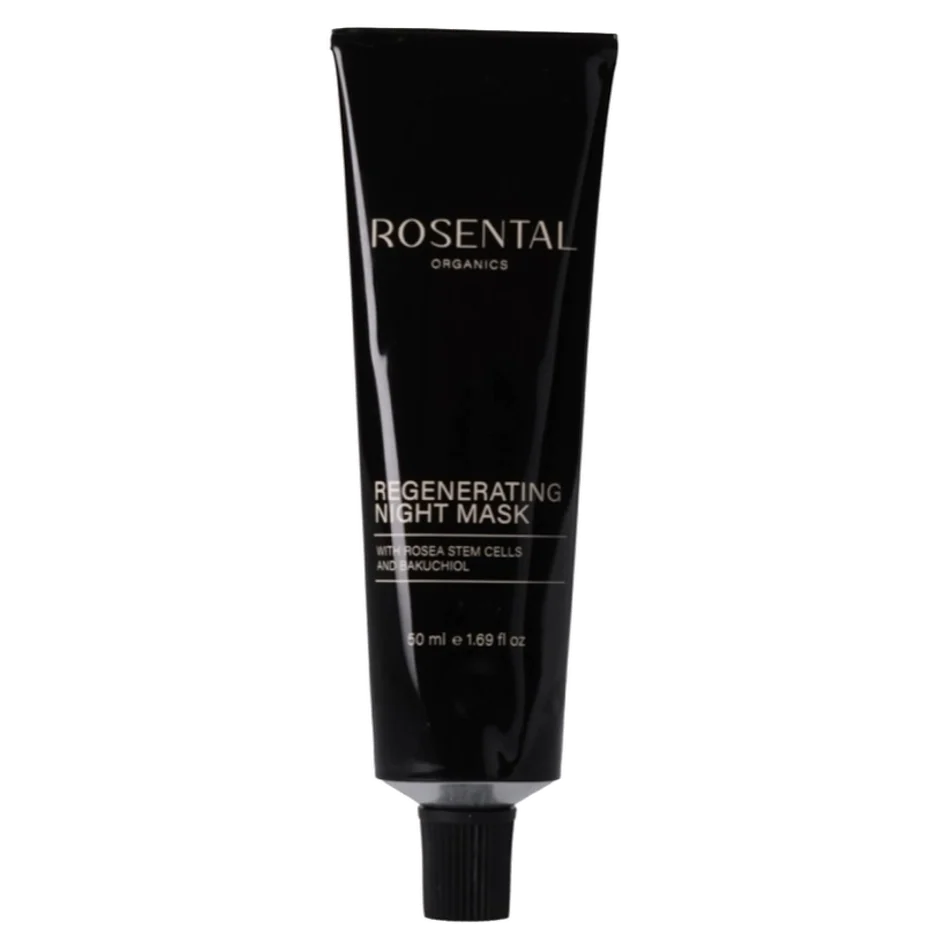
Rosental Organics
Regenerating Night Mask
22nd of 44 on the label
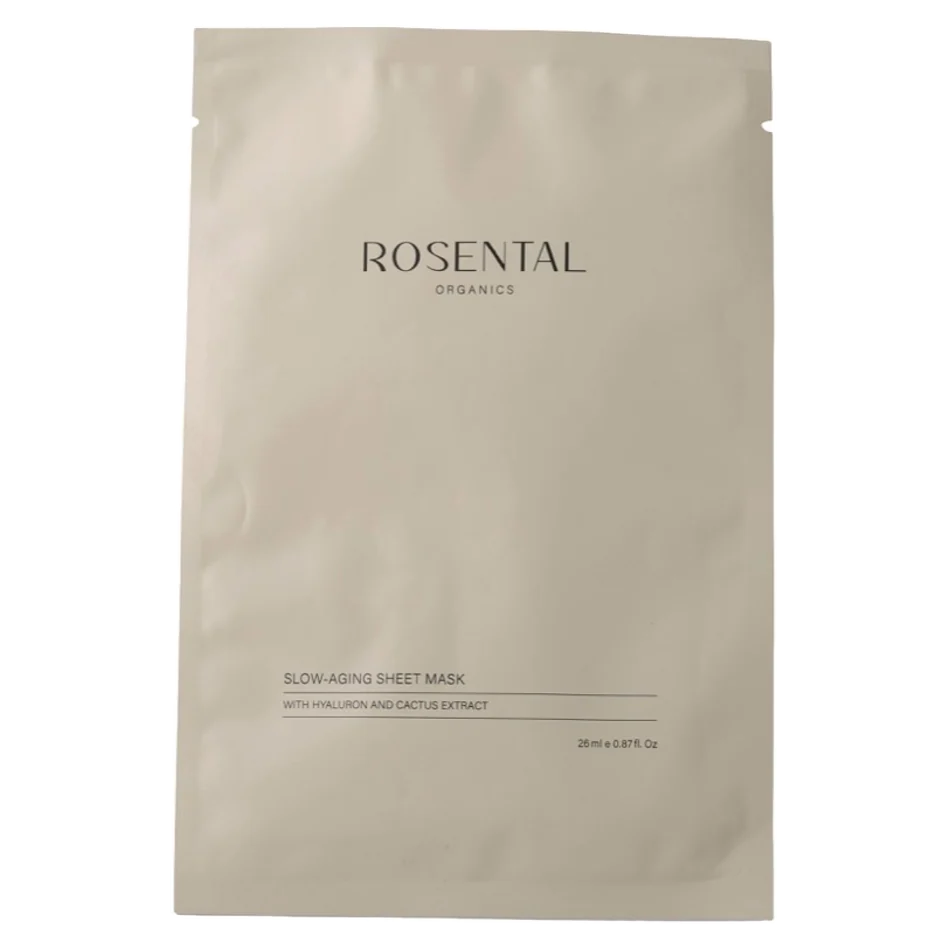
Rosental Organics
Slow-Aging Sheet Mask
2nd of 13 on the label
Santé Naturkosmetik
Glow Boost Maske AHA
16th of 29 on the label
below ≈1%
Santé Naturkosmetik
Moisture Fresh Maske Hyaluron
13th of 24 on the label
Schaebens
Gesichtsmaske Hyaluron Hydrogel
11th of 19 on the label
below ≈1%
Schaebens
Gesichtsmaske Kollagen Boost
15th of 27 on the label
below ≈1%
Schaebens
Gesichtsmaske Panthenol
14th of 22 on the label
Schaebens
Gesichtsmaske Zink
10th of 27 on the label
below ≈1%
Schaebens
Hyaluron Maske
14th of 32 on the label
Schaebens
Tuchmaske AHA Peeling
11th of 17 on the label
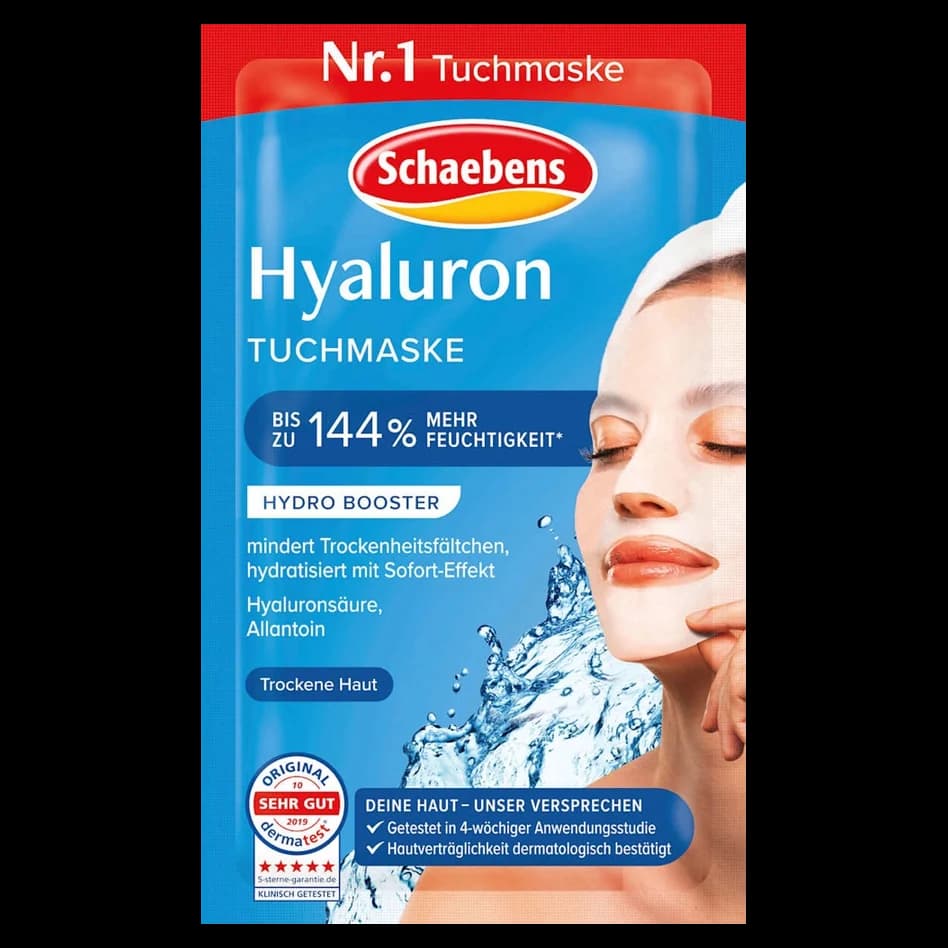
Schaebens
Tuchmaske Hyaluron
10th of 23 on the label
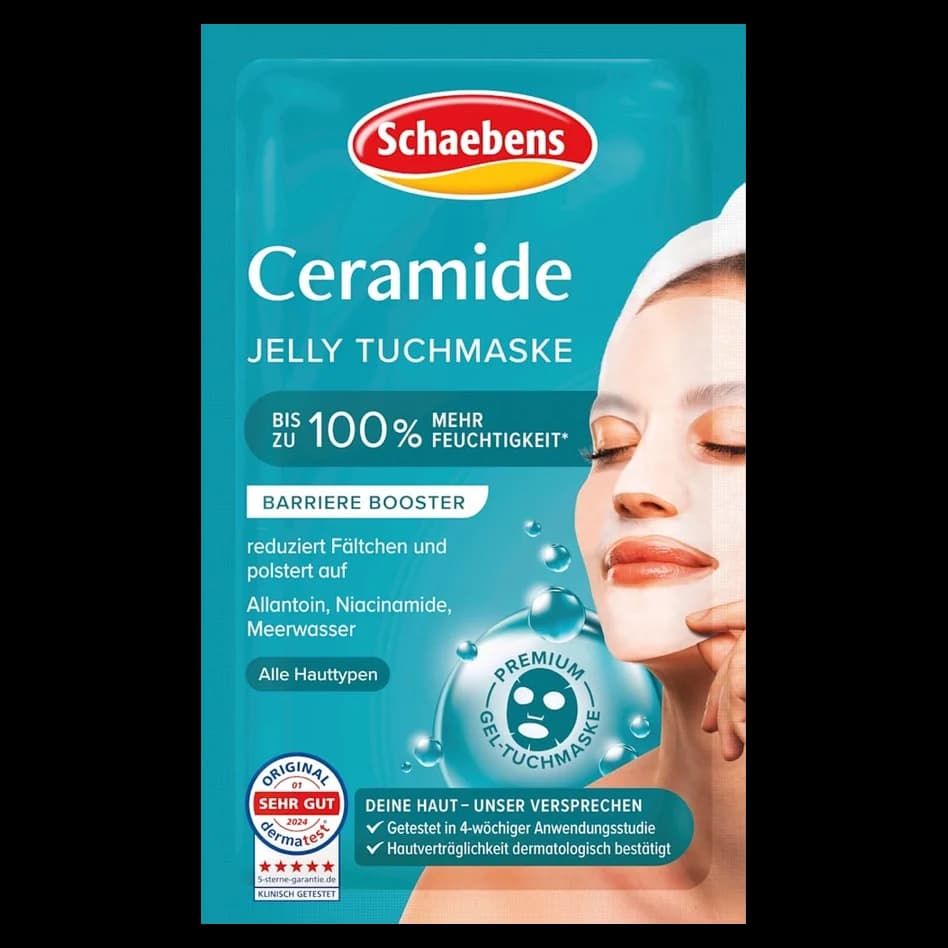
Schaebens
Tuchmaske Jelly Ceramide
16th of 29 on the label
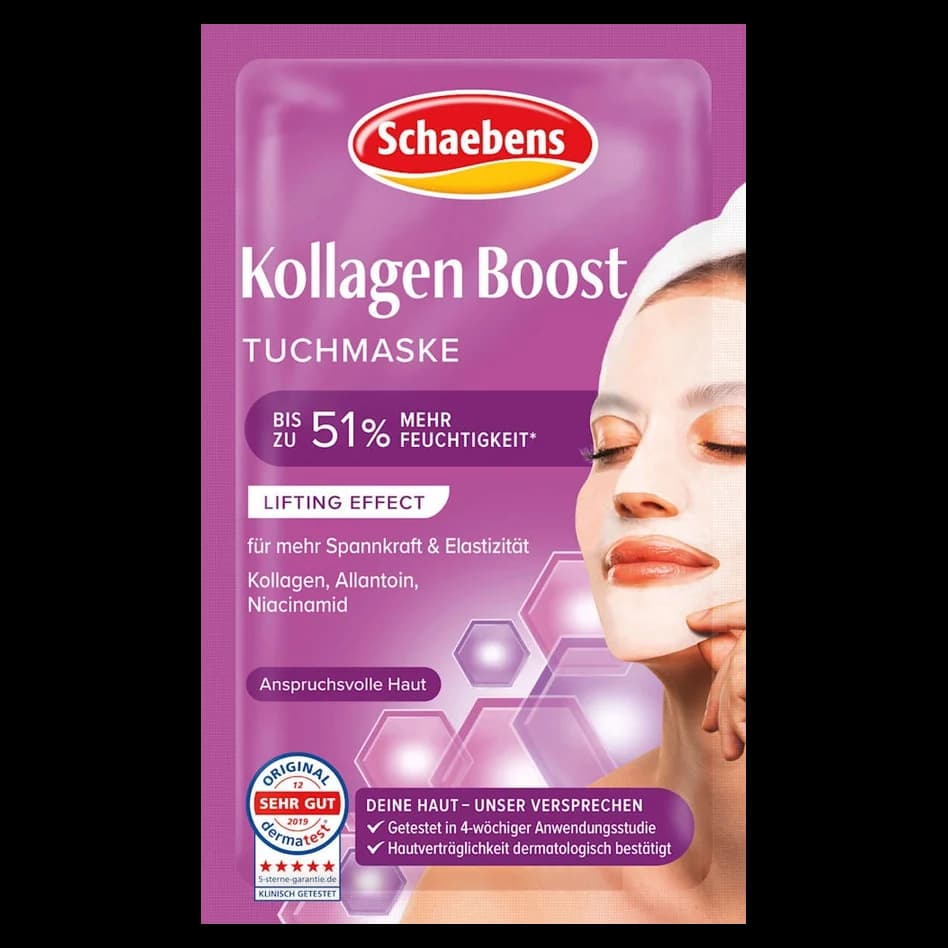
Schaebens
Tuchmaske Kollagen Boost
13th of 27 on the label
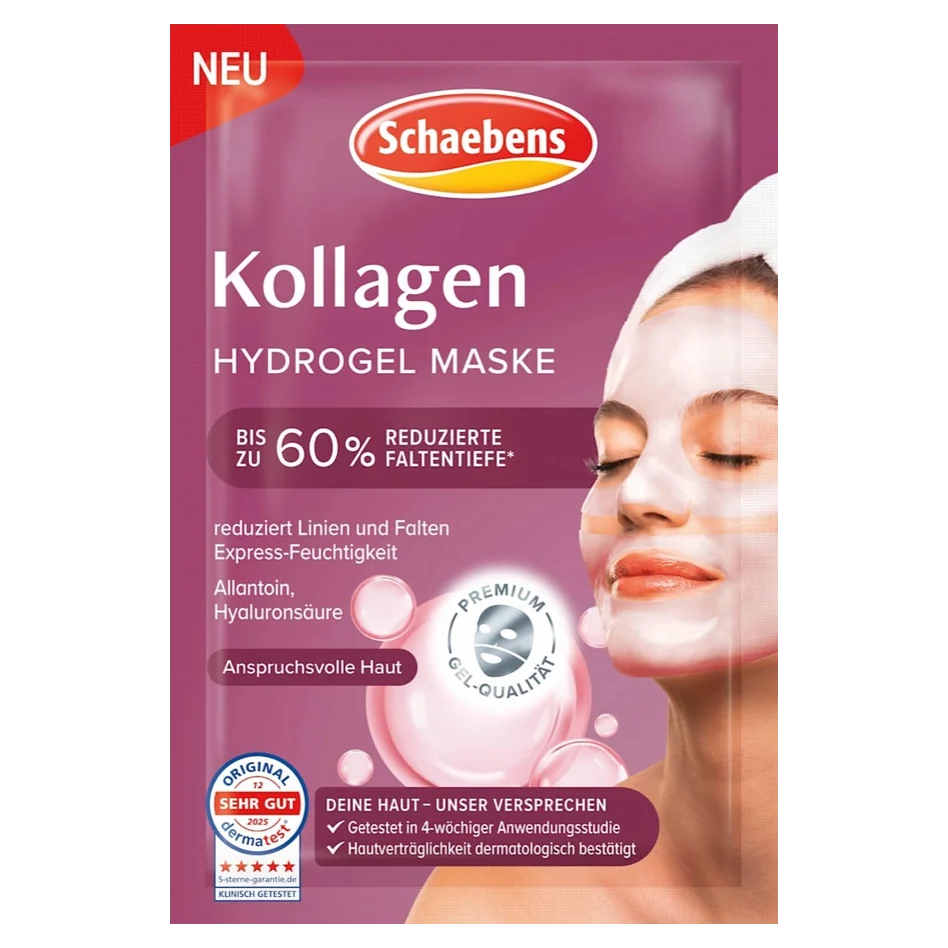
Schaebens
Tuchmaske Kollagen Hydrogel
9th of 27 on the label
below ≈1%
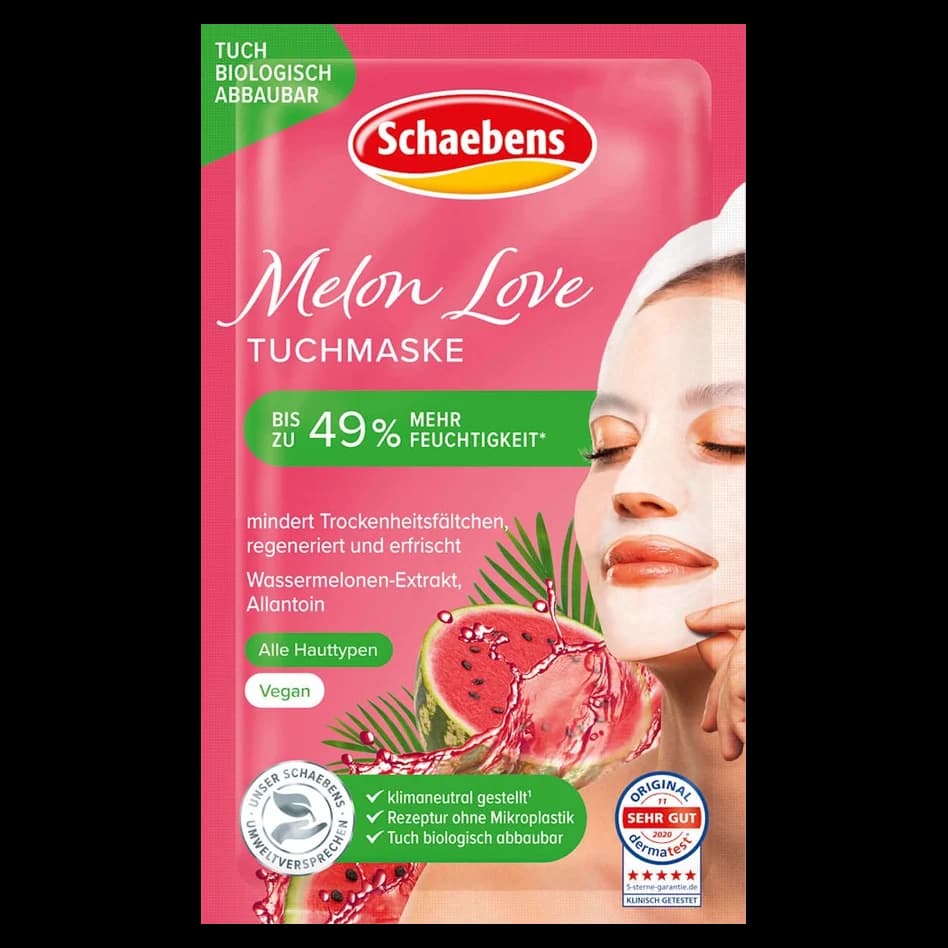
Schaebens
Tuchmaske Melon Love
23rd of 45 on the label
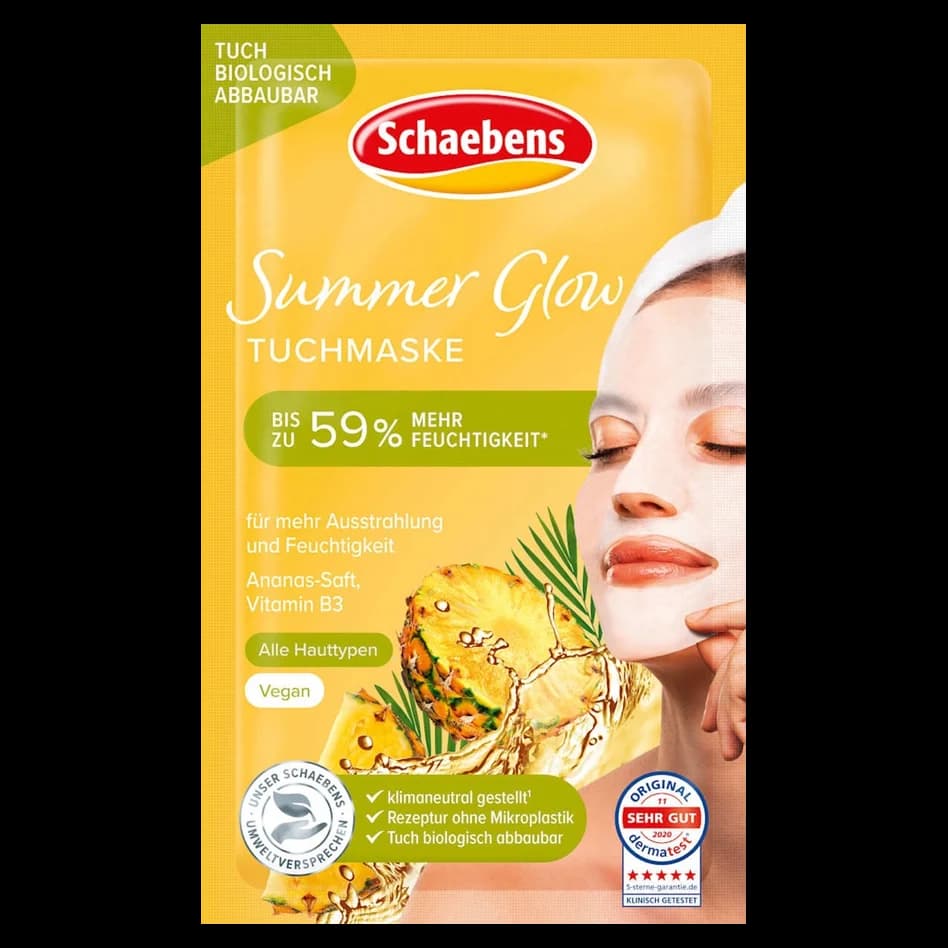
Schaebens
Tuchmaske Summer Glow
23rd of 44 on the label
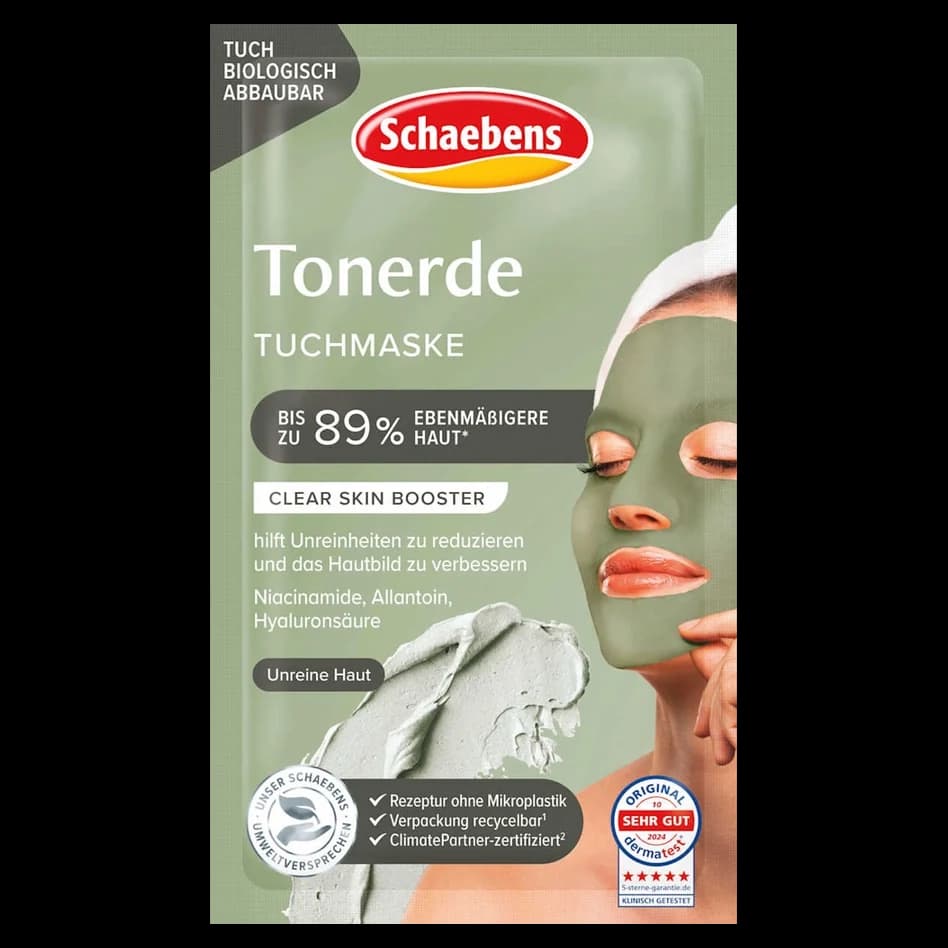
Schaebens
Tuchmaske Tonerde
15th of 35 on the label
below ≈1%
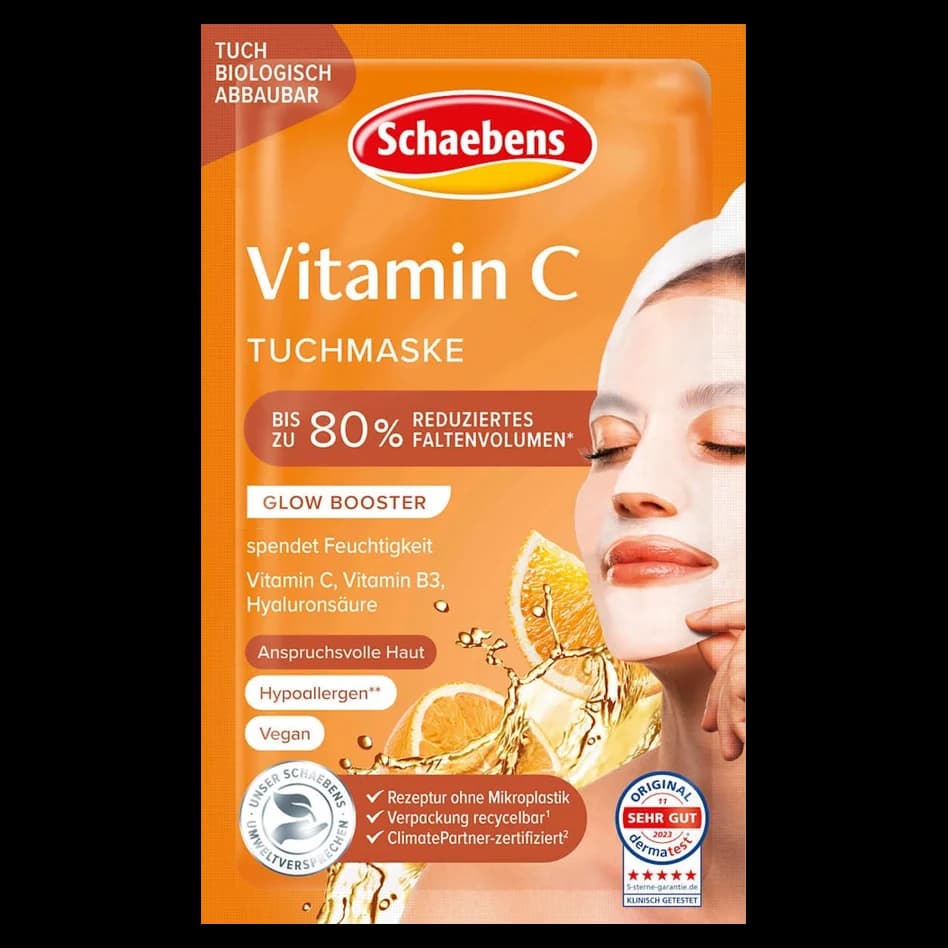
Schaebens
Tuchmaske Vitamin C
10th of 19 on the label
below ≈1%
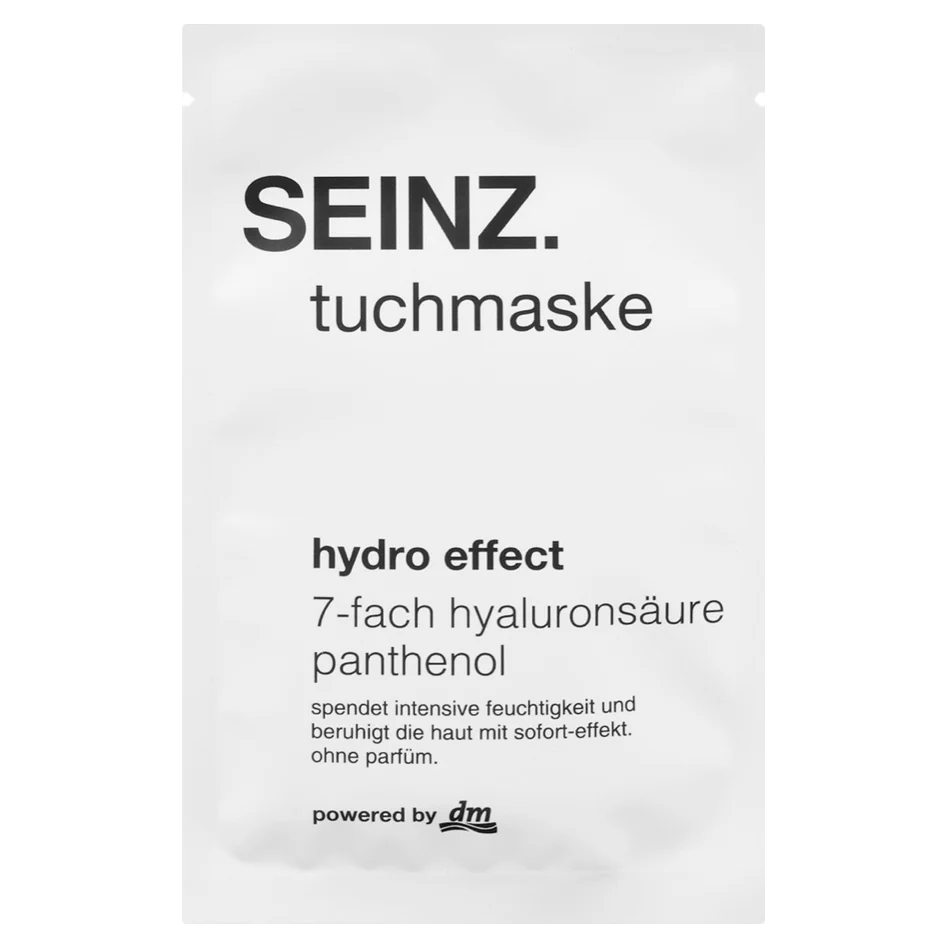
SEINZ.
Tuchmaske hydro effect
5th of 21 on the label
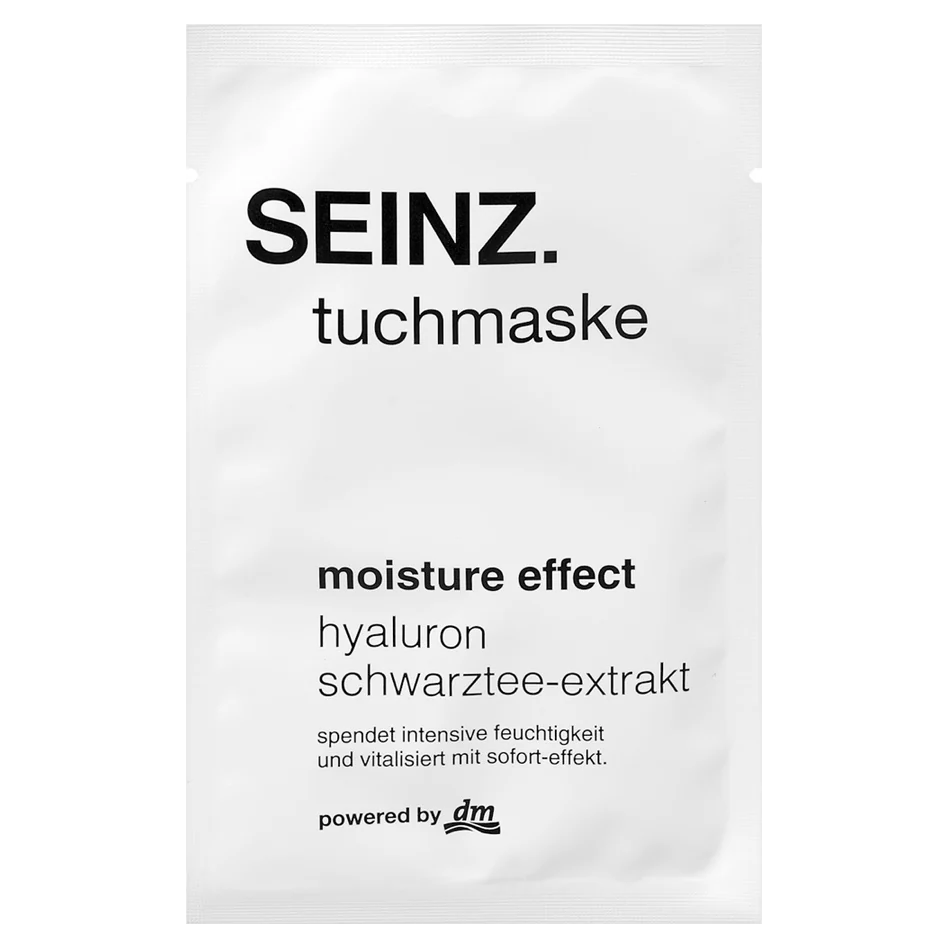
SEINZ.
Tuchmaske moisture effect
7th of 16 on the label
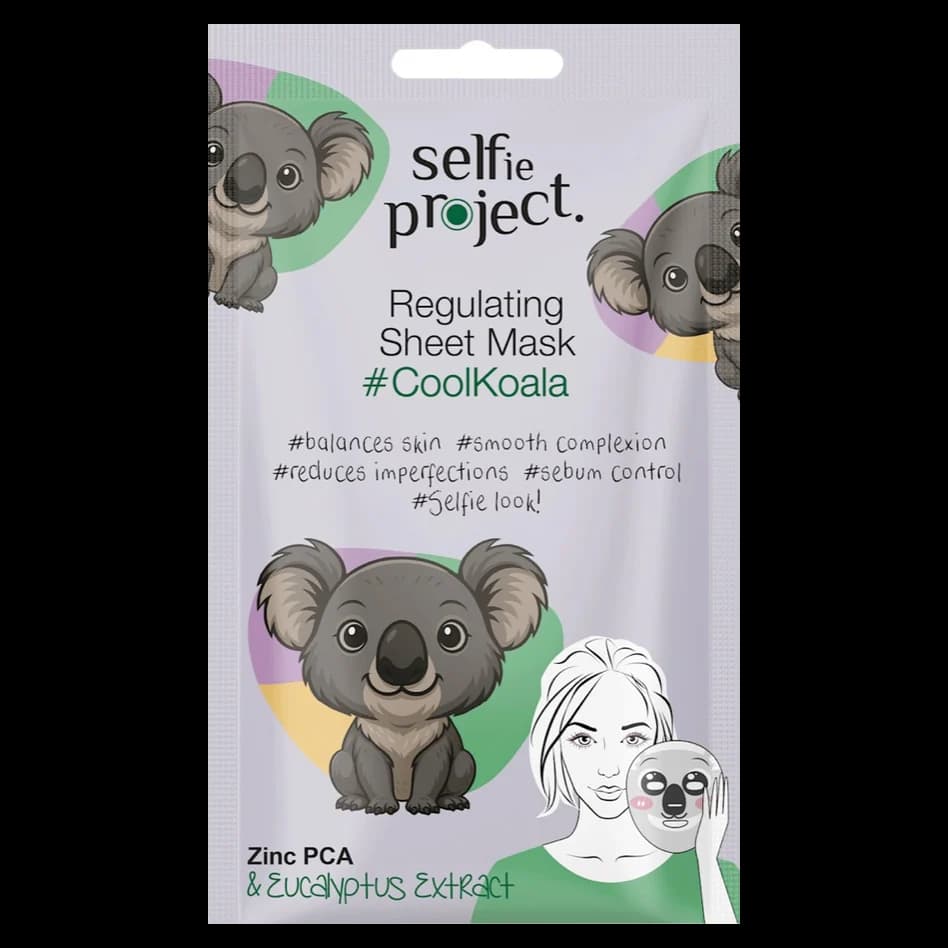
Selfie Project
Gesichtsmaske regulierend #CoolKoala
9th of 27 on the label
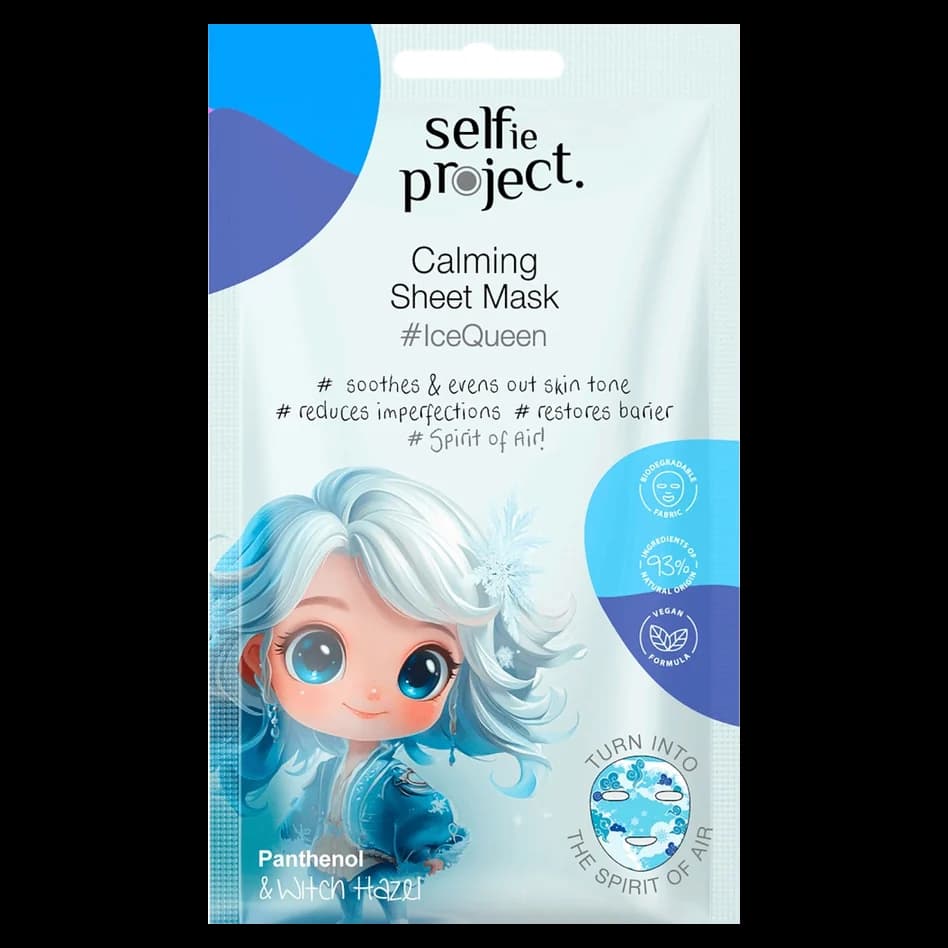
Selfie Project
Tuchmaske Calming #IceQueen
9th of 27 on the label
Selfie Project
Tuchmaske Cleansing #DragonFire
9th of 22 on the label
Selfie Project
Tuchmaske Moisturising #MermaidGlow
7th of 30 on the label
Selfie Project
Tuchmaske Regenerating #FairyDust
16th of 33 on the label
below ≈1%
SKIN1004
Madagascar Centella Watergel Sheet Ampoule Mask
17th of 29 on the label
below ≈1%
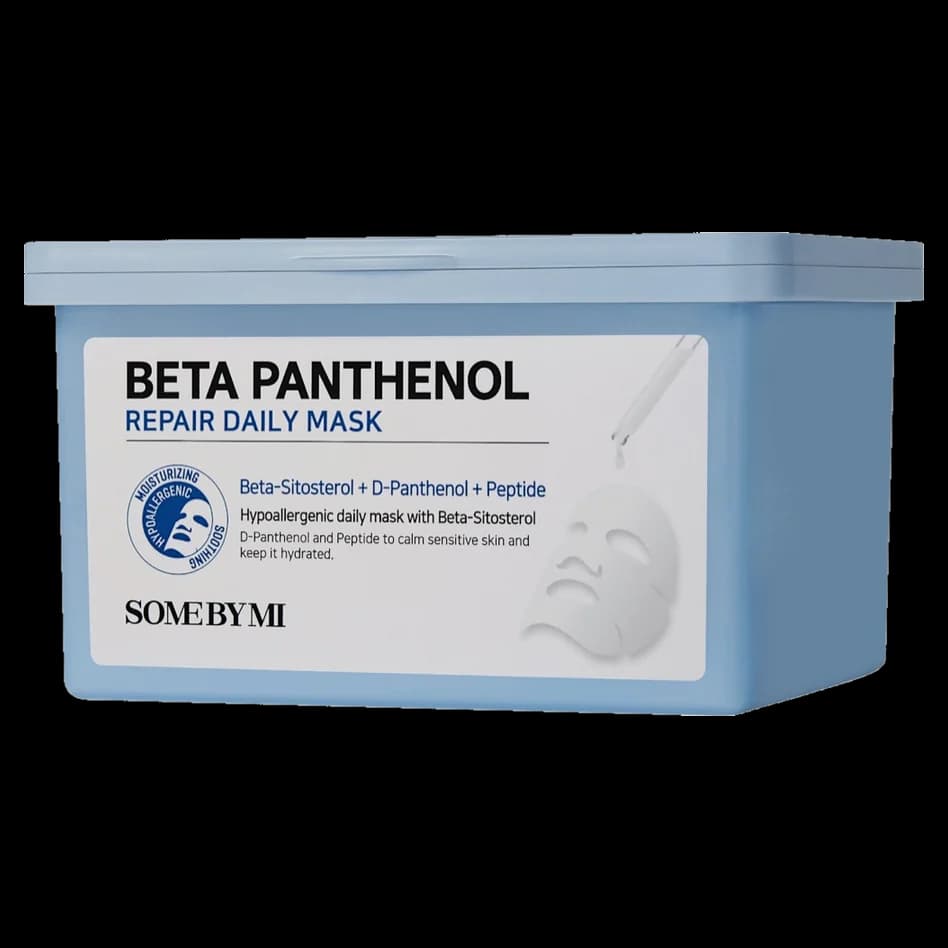
SOME BY MI
Daily Beta Panthenol Repair Mask
27th of 57 on the label
below ≈1%
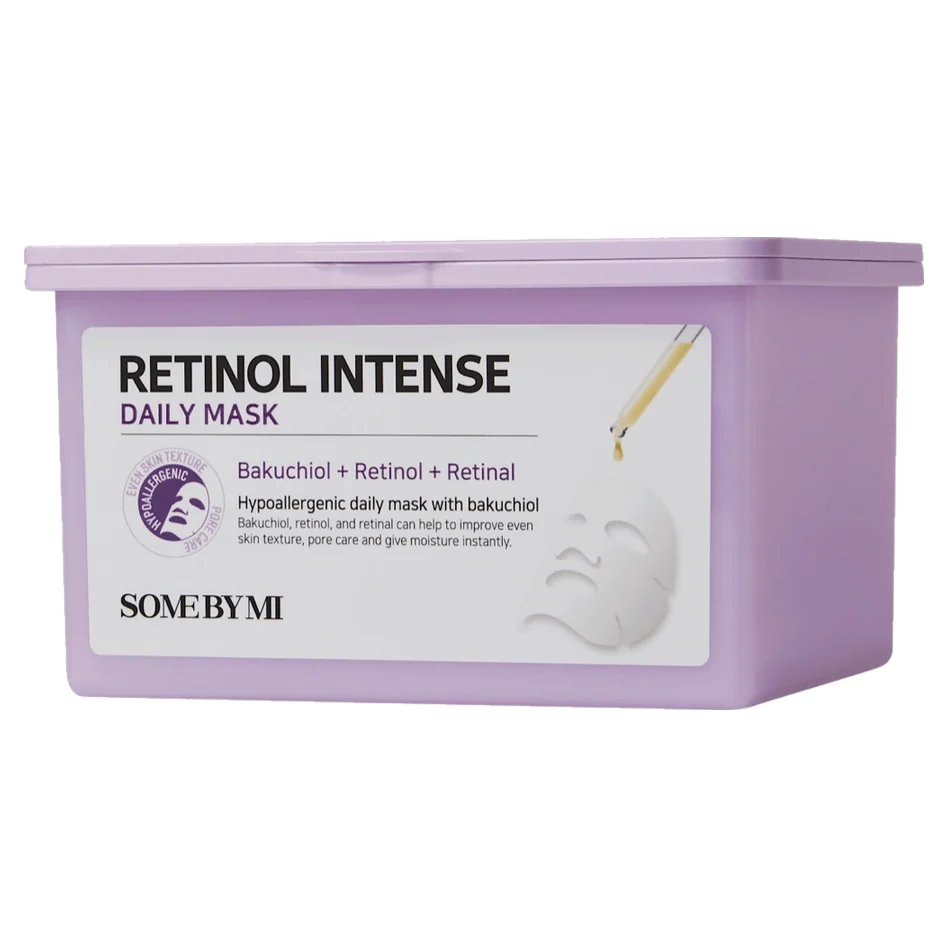
SOME BY MI
Daily Retinol Intense Mask
12th of 62 on the label
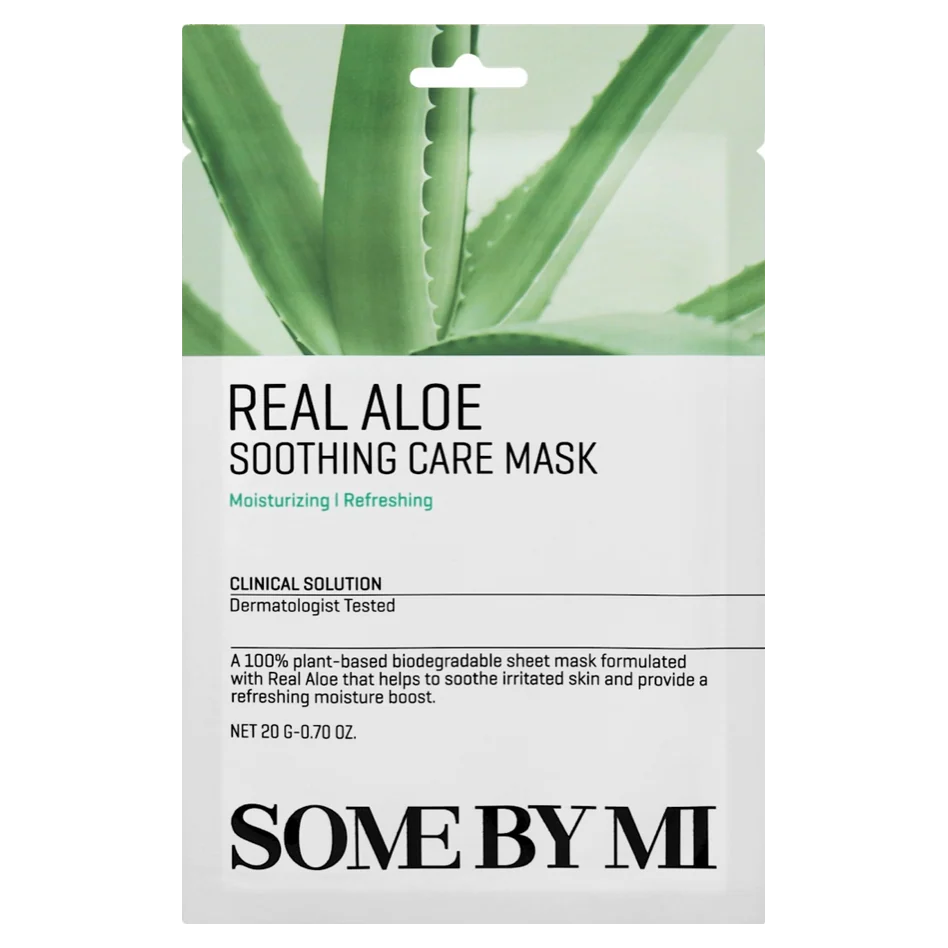
SOME BY MI
Real Aloe Soothing Care Mask
6th of 21 on the label
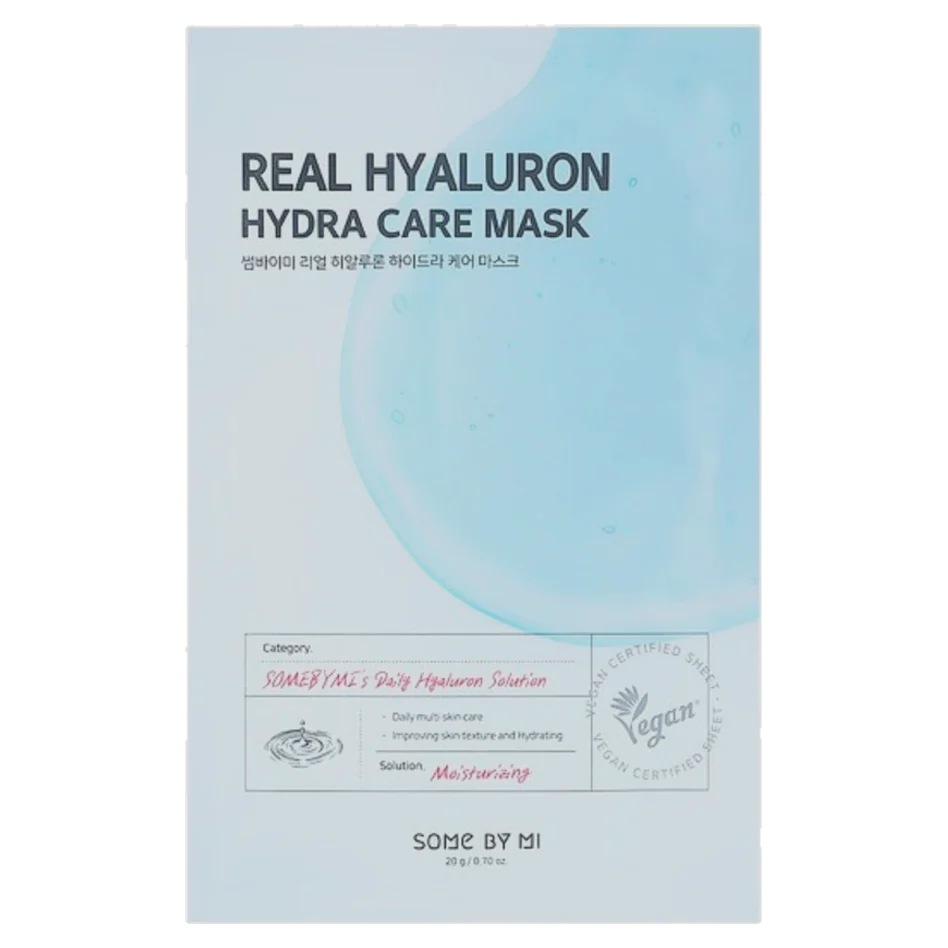
SOME BY MI
Real Hyaluron Hydra Care Mask
6th of 31 on the label
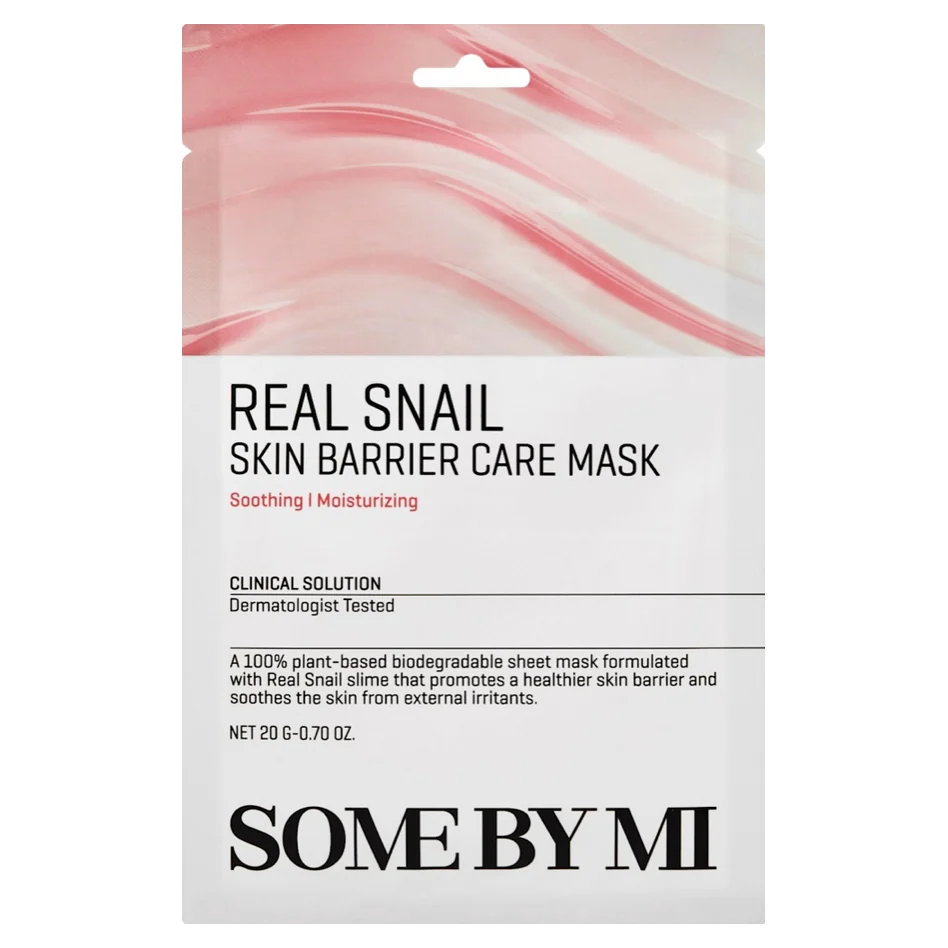
SOME BY MI
Real Snail Skin Barrier Care Mask
15th of 21 on the label
below ≈1%
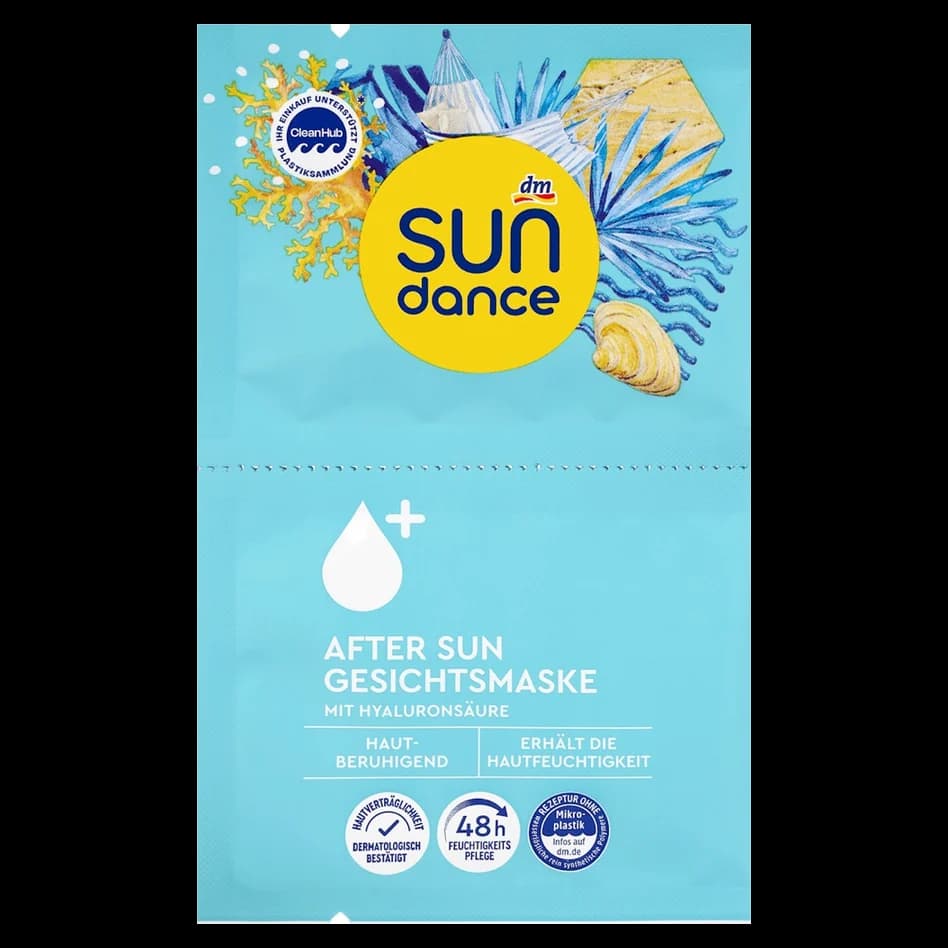
SUNDANCE
After Sun Gesichtsmaske
16th of 25 on the label
below ≈1%
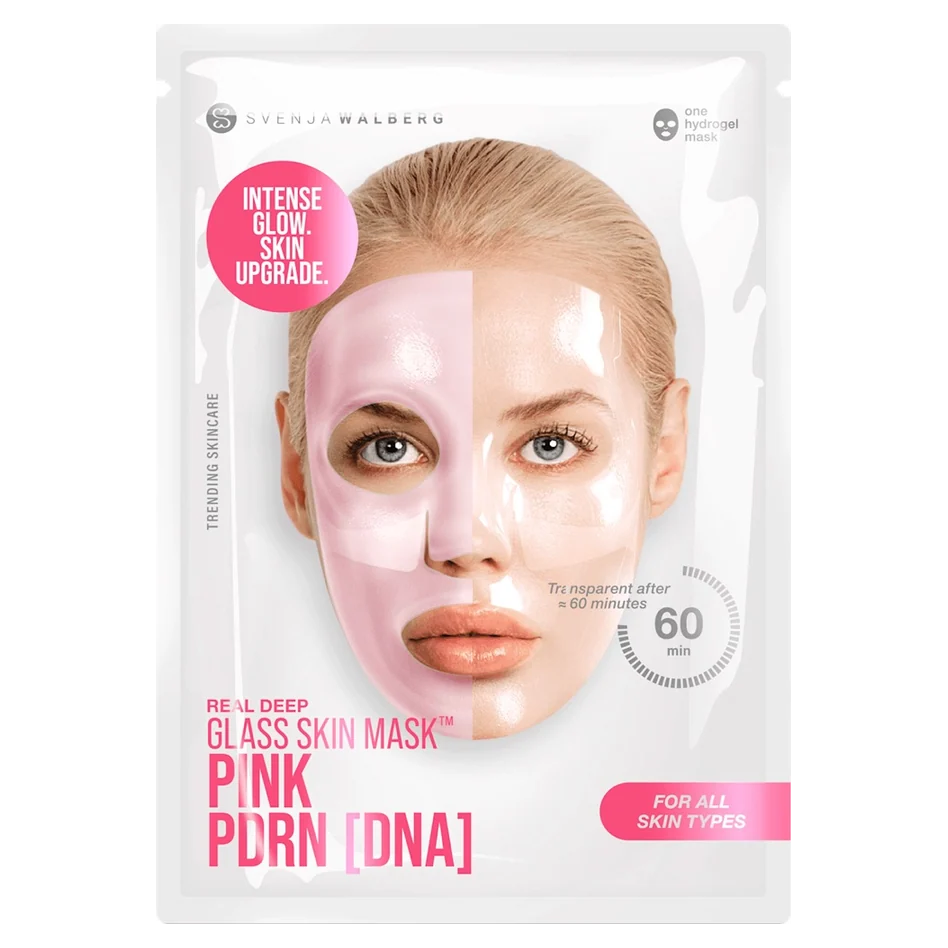
Svenja Walberg
Glass Skin Mask Pink PDRN [DNA]
12th of 26 on the label
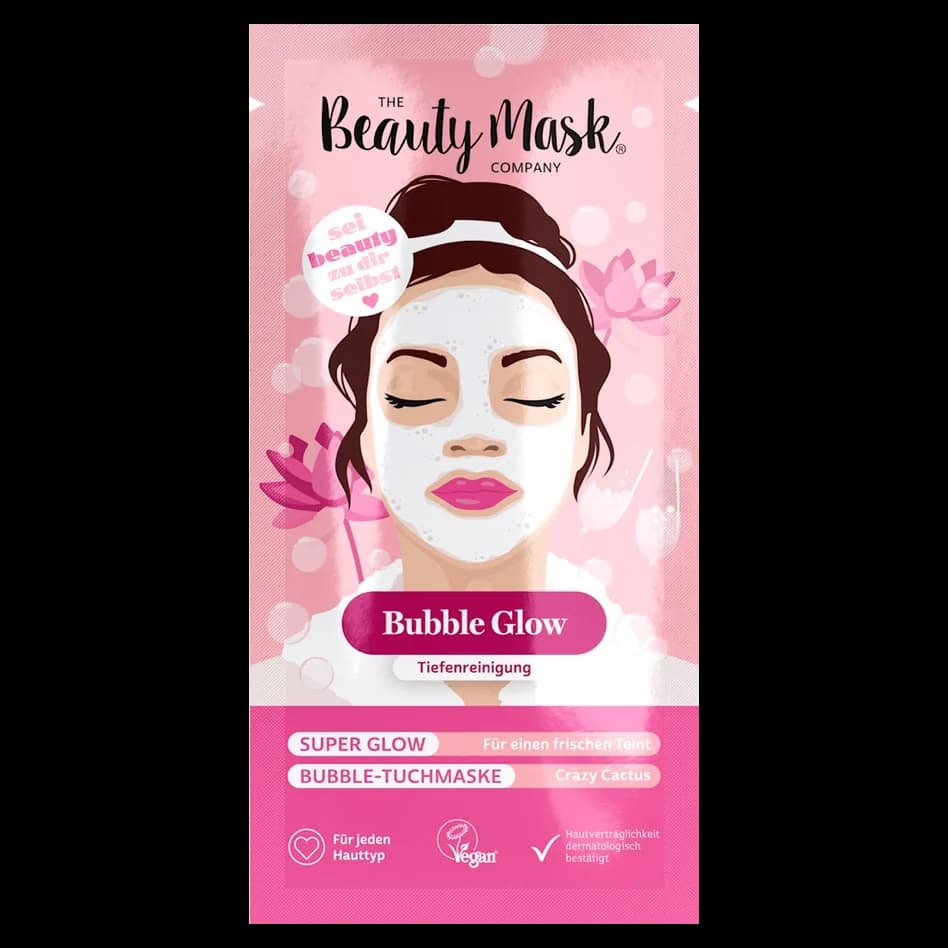
The Beauty Mask Company
Bubble Glow Tuchmaske Crazy Cactus
19th of 25 on the label
below ≈1%
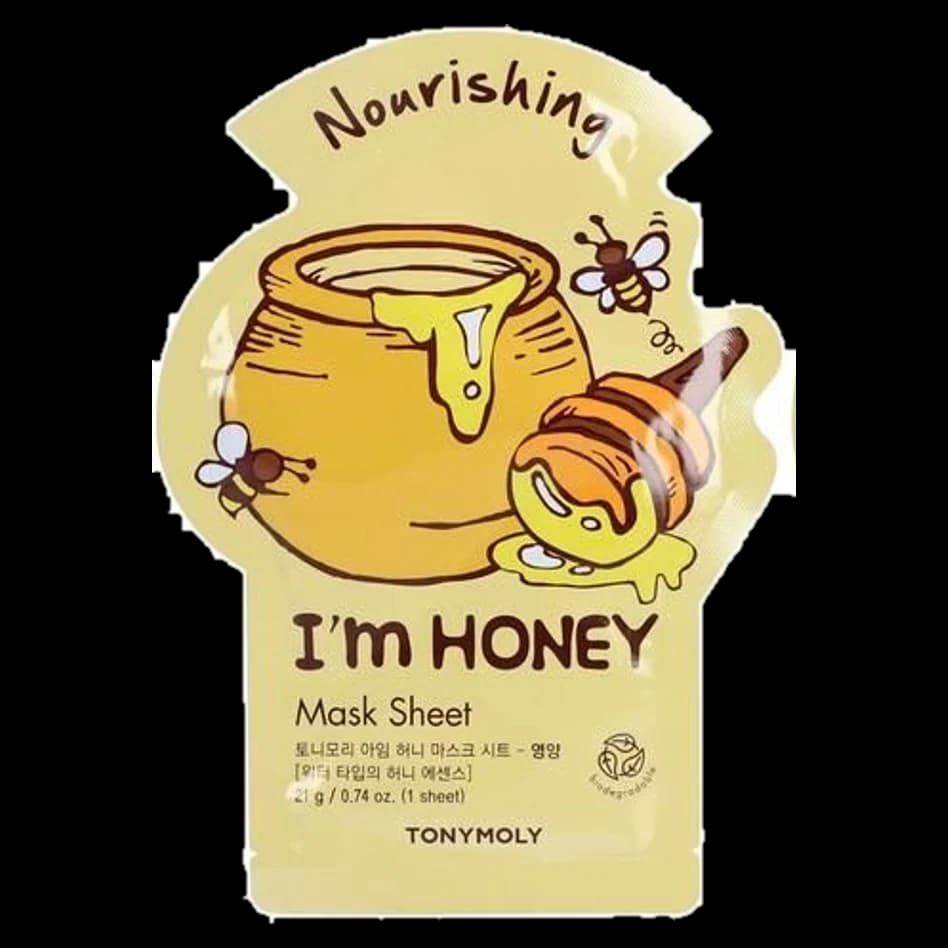
TONYMOLY
I'm Honey Mask Sheet
7th of 18 on the label
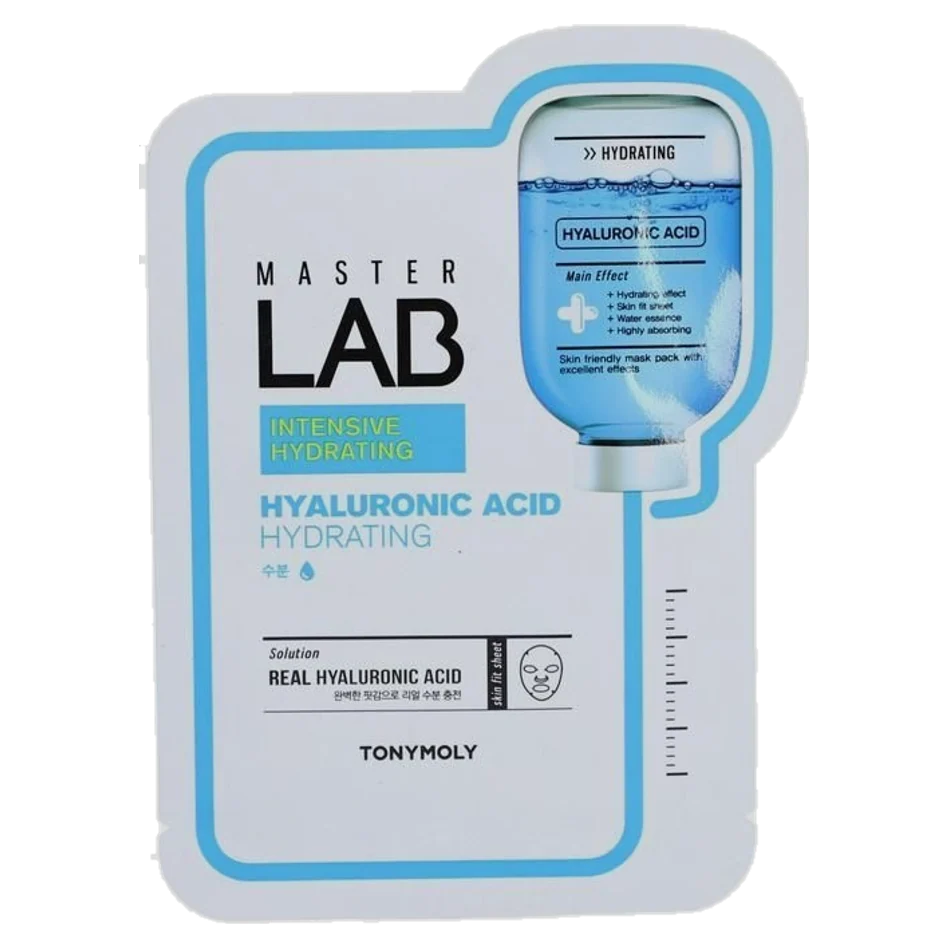
TONYMOLY
Master Lab Sheet Mask Hyaluronic Acid
7th of 31 on the label
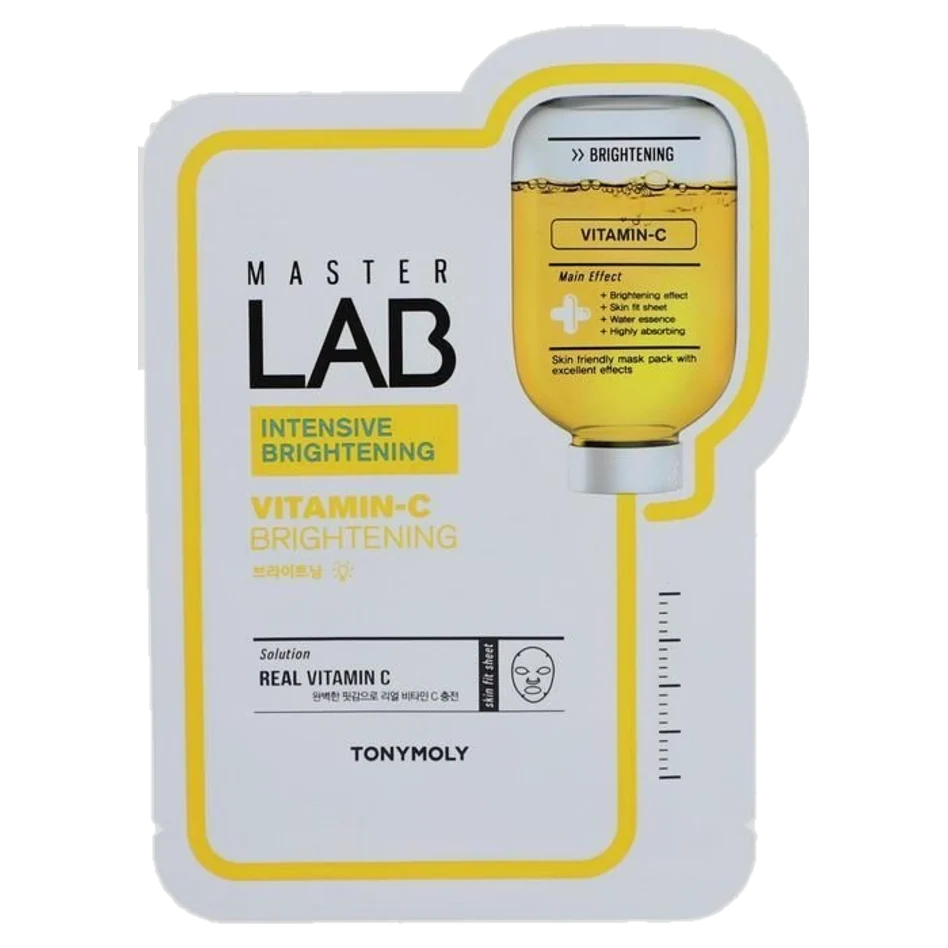
TONYMOLY
Master Lab Sheet Mask Vitamin C
8th of 33 on the label
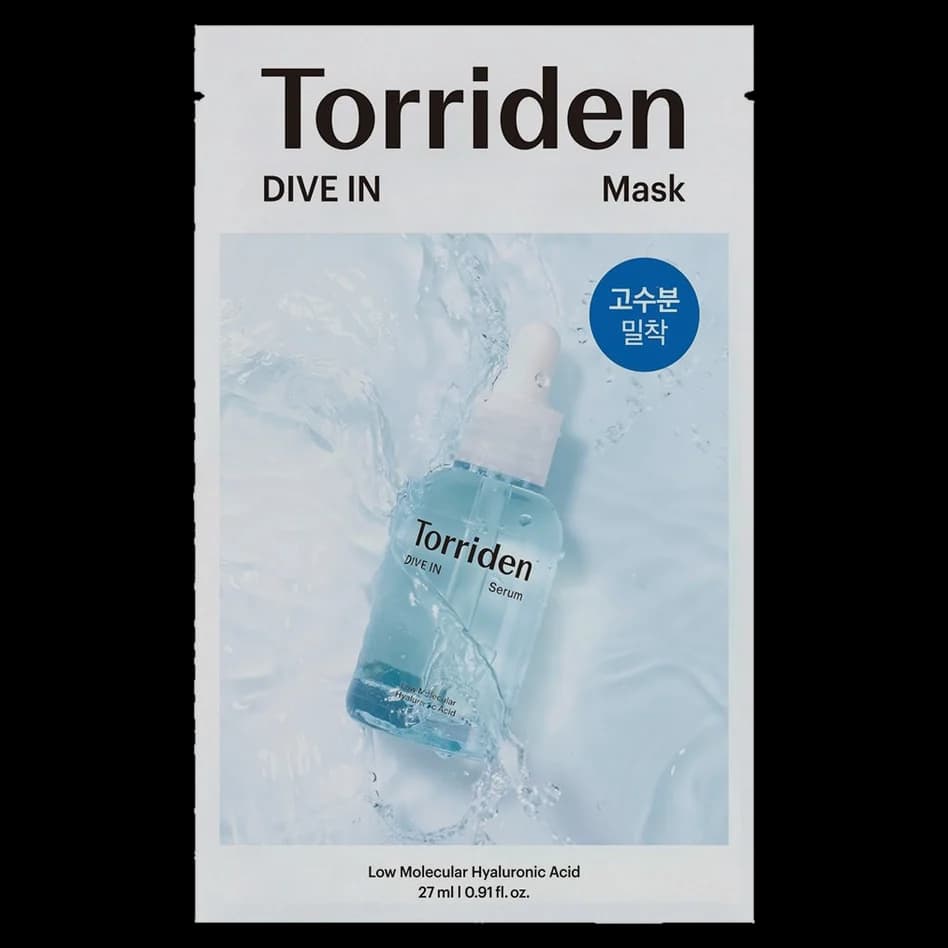
Torriden
DIVE-IN Low Molecular Hyaluronic Acid Mask
6th of 33 on the label
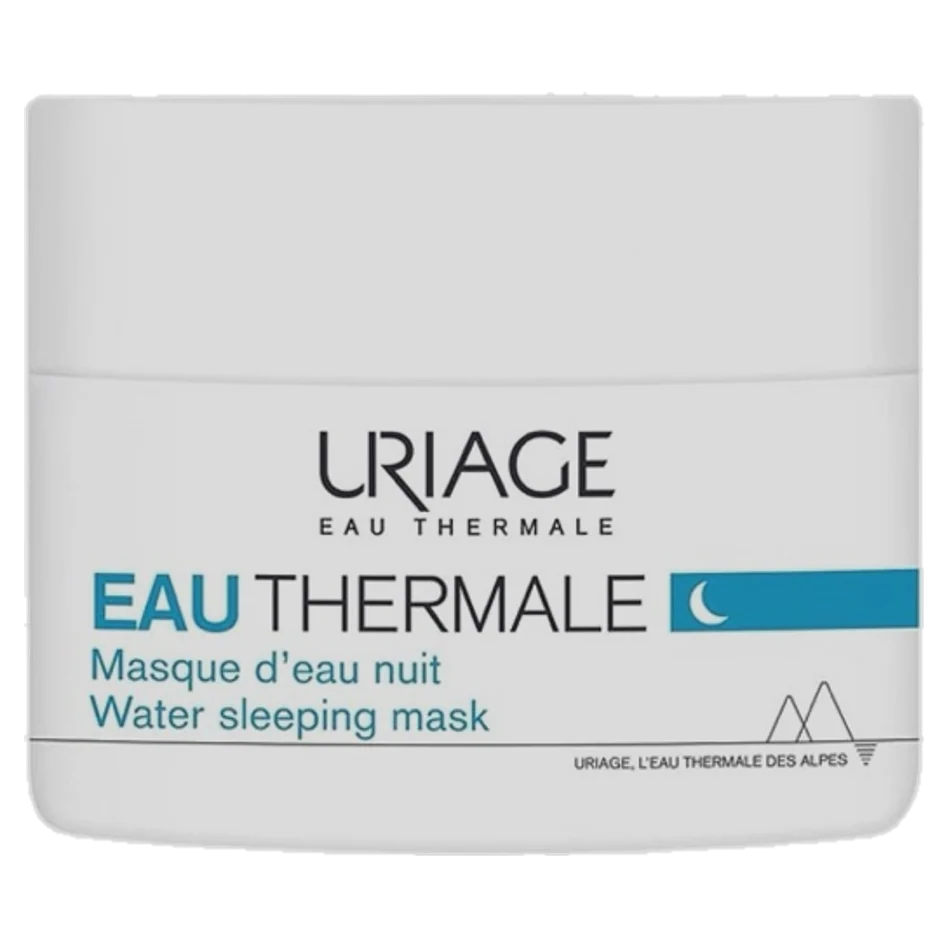
Uriage
Eau Thermale Water Sleeping Mask
18th of 29 on the label
below ≈1%
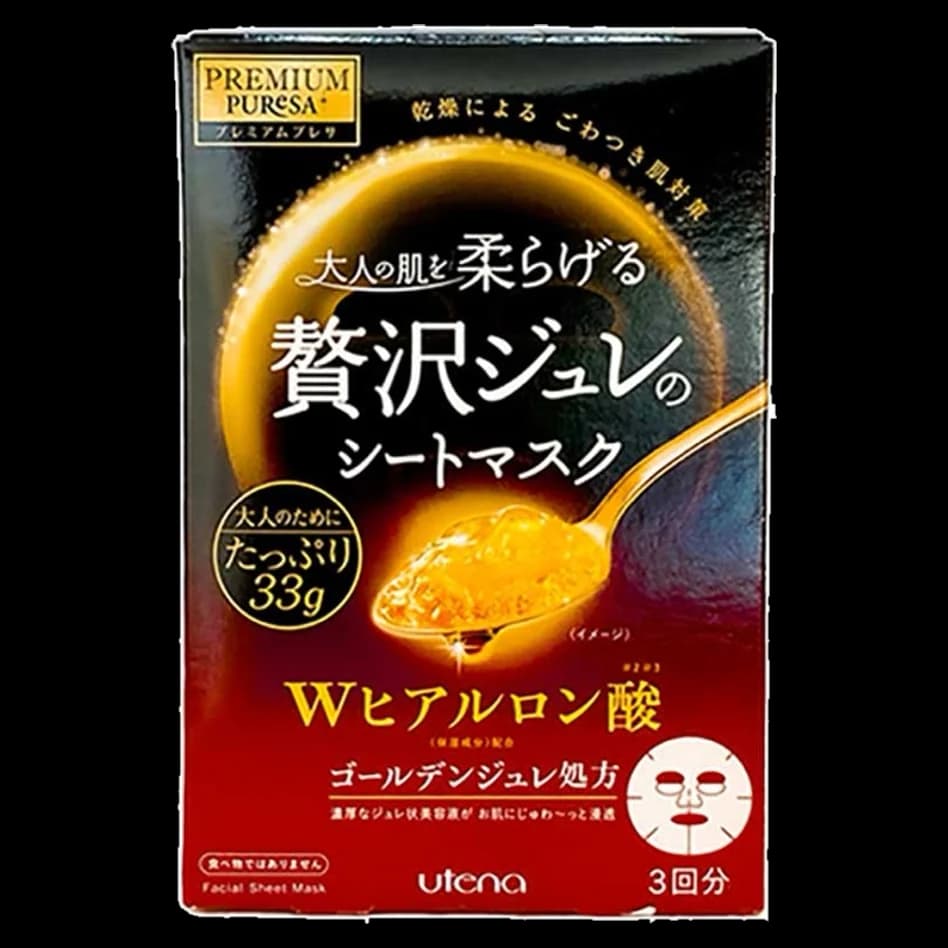
Utena
Premium Puresa Golden Jelly Mask (Hyaluronic Acid)
5th of 35 on the label
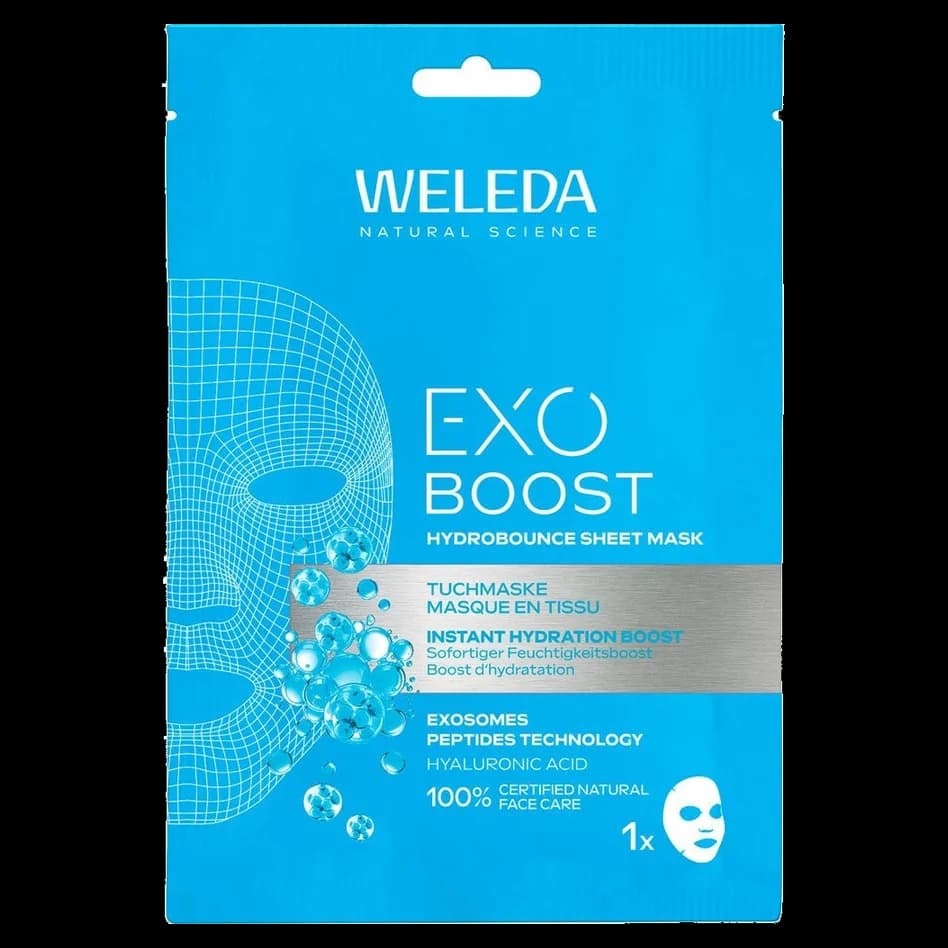
Weleda
Exo Boost Hydrobounce Tuchmaske
7th of 34 on the label
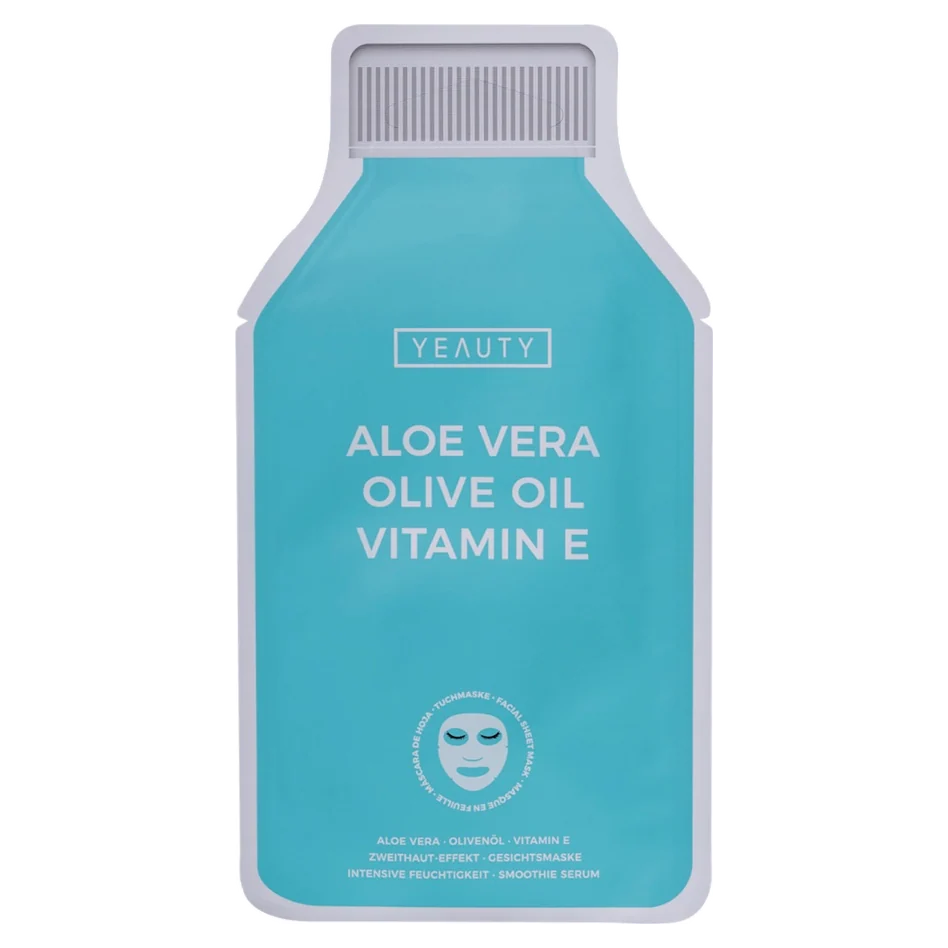
Yeauty
Tuchmaske Aloe Vera Olive Oil Vitamin E
21st of 29 on the label
below ≈1%
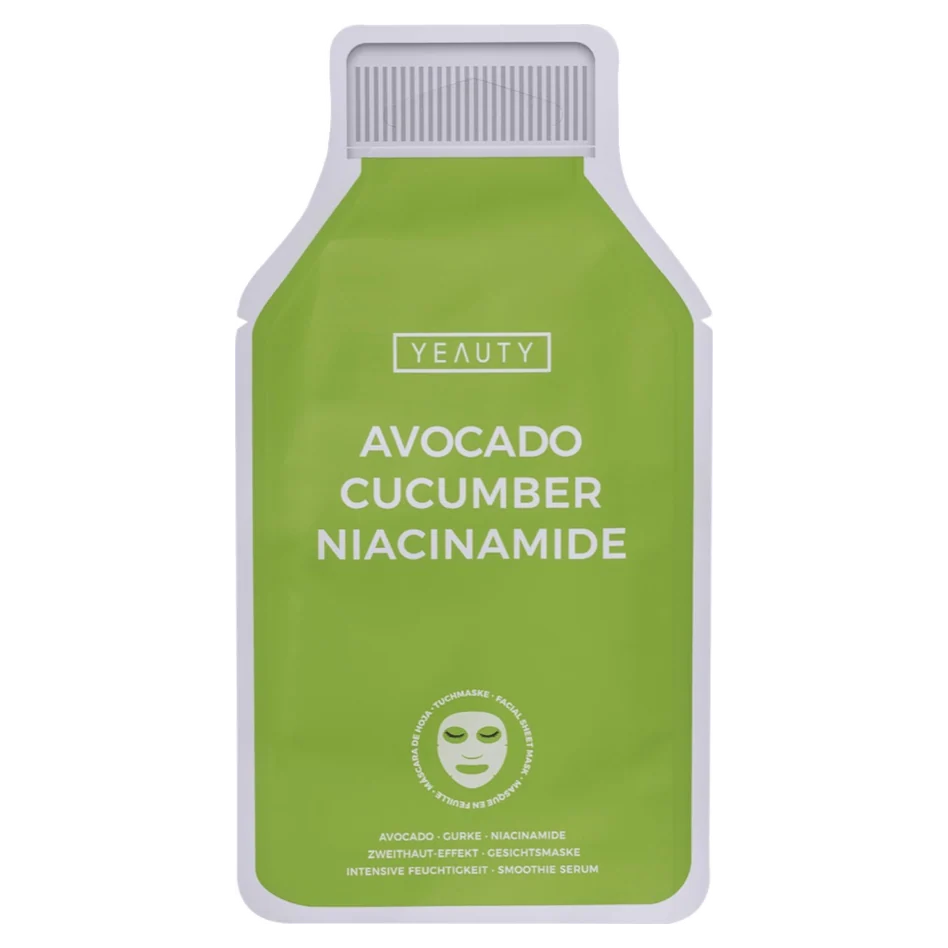
Yeauty
Tuchmaske Avocado Cucumber Niacinamide
22nd of 29 on the label
below ≈1%