Caprylyl Glycol
No meaningful concern for most people; irritation is possible but rare.
Also written as: 1,2-Octanediol · Octane-1,2-diol
What it is
Caprylyl glycol is a fatty alcohol-derived diol with both moisturising and antimicrobial properties. Its longer carbon chain gives it more antimicrobial punch than shorter glycols, so it is often the antimicrobial backbone of preservative systems marketed as paraben-free. It is not classed as a preservative under EU law because its declared function is skin conditioning.
What it does well
Adds antimicrobial protection while softening skin
It is routinely blended with phenoxyethanol or 1,2-hexanediol, letting the finished formula use lower levels of any single preservative.
Moderate evidence
Worth knowing
A real, if uncommon, contact allergen
Allergy to caprylyl glycol is uncommon but measurable rather than theoretical. A Belgian university clinic that patch tested 1979 patients with at least one glycol between 2021 and 2024 found caprylyl glycol allergy in 0.77% of those tested at 5% in petrolatum and 0.12% of those tested at the weaker 1% preparation, nine patients in all. The dermatologists who ran that series argue it is a relevant cosmetic sensitiser that should be patch tested in its own right instead of being assumed inert, and single cases of allergic contact dermatitis and of contact urticaria have been published since 2019.
Matters most toPeople with highly reactive skin, and anyone chasing an unexplained facial dermatitis whose cosmetics all read as preservative-free.
Where the EU stands
No specific restriction
Not listed in Annex V and not otherwise restricted in EU cosmetics.
Regulation (EC) No 1223/2009 - no annex entry · source ↗
Sources (6)
Every link goes to the original: a journal, a PubMed record or an EU document.
- [1]Safety assessment of 1,2-glycols as used in cosmetics
International Journal of Toxicology (Cosmetic Ingredient Review Expert Panel) · 2012 · doi:10.1177/1091581812460409
The CIR Expert Panel concluded that the 1,2-glycols reviewed, caprylyl glycol among them, are safe in the present practices of use and concentration described in the assessment. Caprylyl glycol is one of the two in the group that also functions as a cosmetic preservative.
- [2]Quick Reference Table, September 2017
Cosmetic Ingredient Review · 2017
Lists caprylyl glycol as safe in the present practices of use and concentration, at a reported use range of 0.00003 to 5%.
- [3]Contact allergy and allergic contact dermatitis from propylene glycol and related glycols: cosmetic skin sensitisers after all?
Contact Dermatitis · 2026 · doi:10.1111/cod.70211
Among patients patch tested with at least one glycol at Antwerp University Hospital between 2021 and 2024, caprylyl glycol allergy was found in 0.77% of those tested at 5% in petrolatum and 0.12% of those tested at 1%, nine allergic patients in all. The per-glycol figures rest on subsets of the 1979-patient cohort rather than on the whole of it, pentylene glycol being reported as 6.74% (6/89). Cross-reactivity between the glycols appeared limited.
- [4]Caprylyl glycol, a trending and highly relevant sensitiser in cosmetics that needs to be patch tested separately
Contact Dermatitis · 2025 · doi:10.1111/cod.70019
Argues from clinical practice that caprylyl glycol is a relevant cosmetic sensitiser and that testing it separately is necessary to pick the reactions up.
- [5]Allergic contact dermatitis to caprylyl glycol: a novel para-preservative allergen
Contact Dermatitis · 2020 · doi:10.1111/cod.13628
A published case of allergic contact dermatitis to caprylyl glycol, framed as an allergen of the para-preservative class.
- [6]Contact urticaria following the use of a cosmetic containing caprylyl glycol: a case report
Contact Dermatitis · 2019 · doi:10.1111/cod.13299
A published case of contact urticaria following use of a cosmetic containing caprylyl glycol, and the earliest of the individual reports.
Masks that contain Caprylyl Glycol
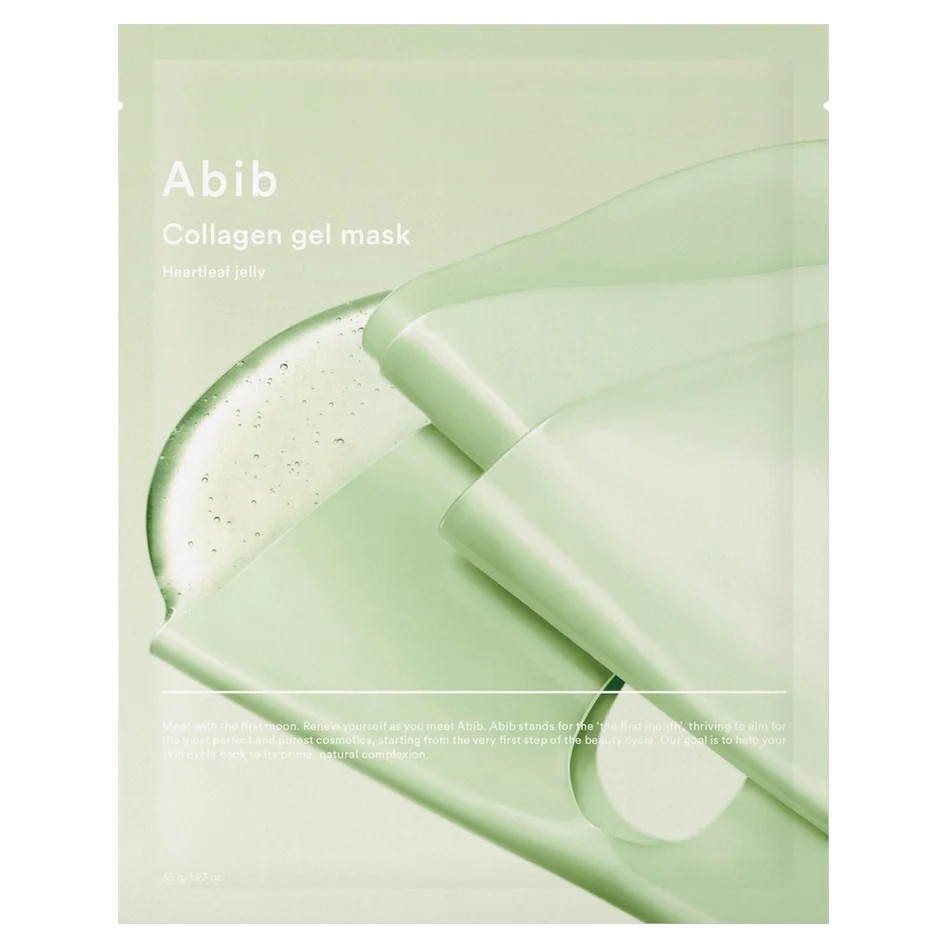
Abib
Collagen Gel Mask Heartleaf Jelly
40th of 43 on the label
below ≈1%
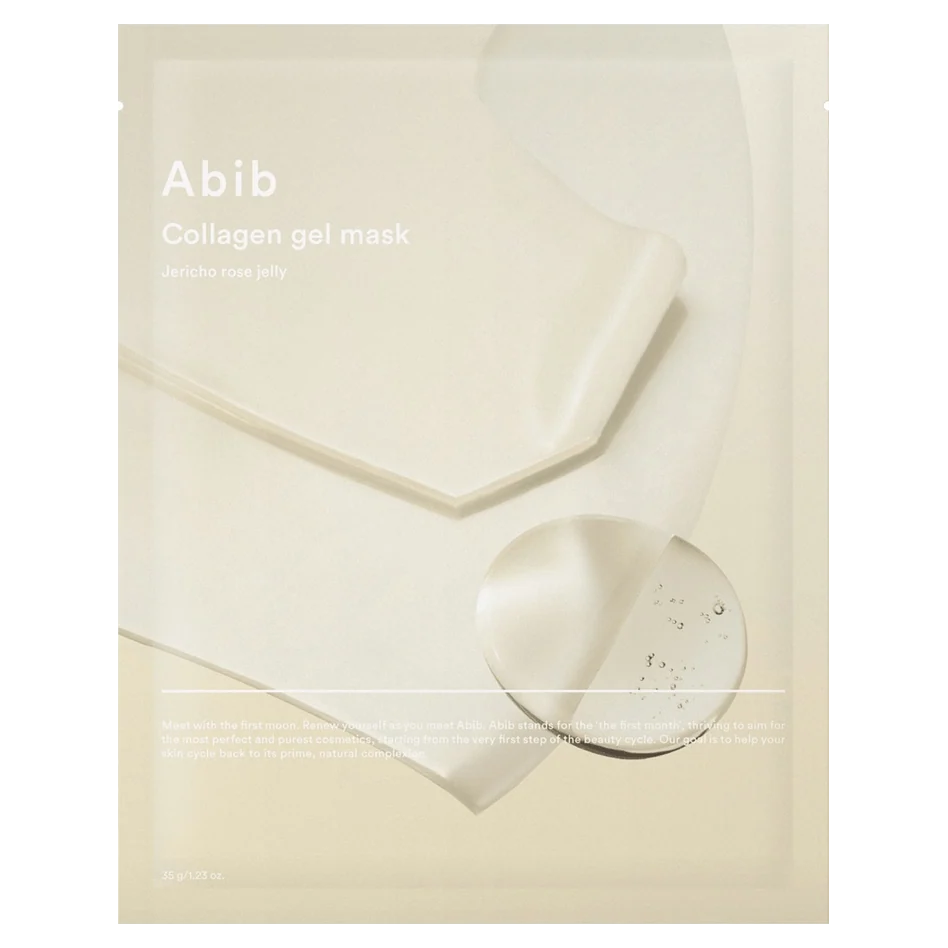
Abib
Collagen Gel Mask Jericho Rose Jelly
39th of 43 on the label
below ≈1%
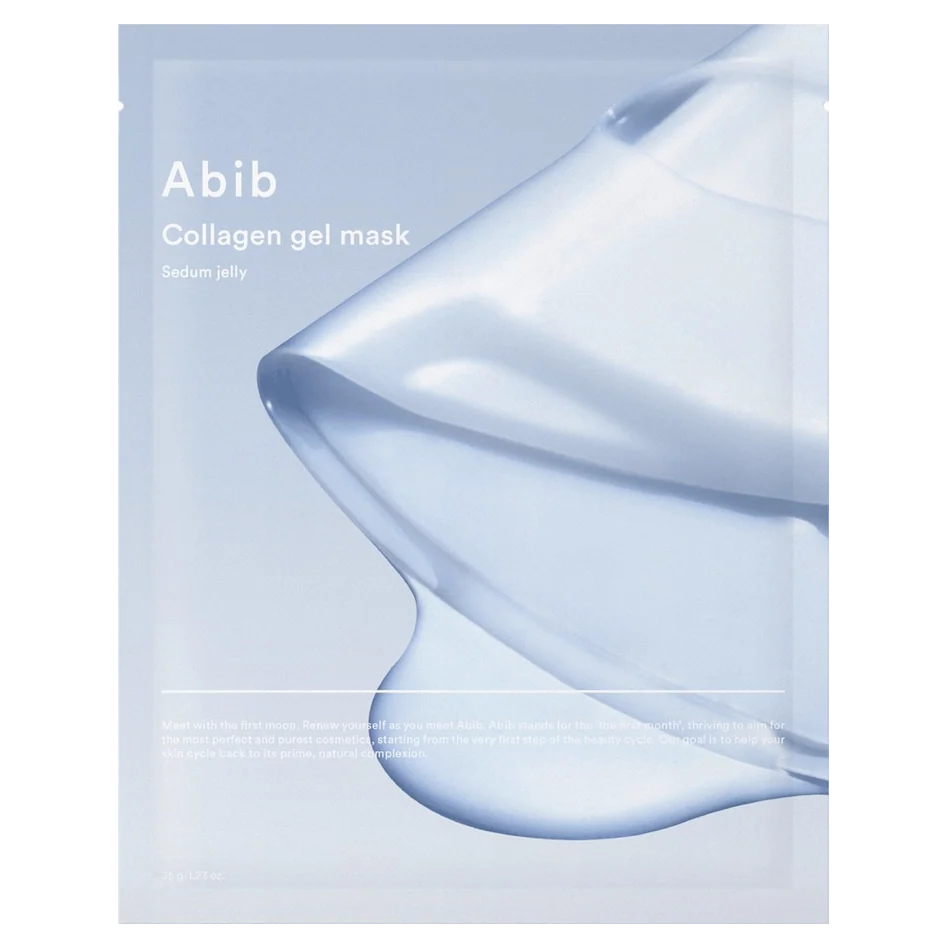
Abib
Collagen Gel Mask Sedum Jelly
32nd of 41 on the label
below ≈1%
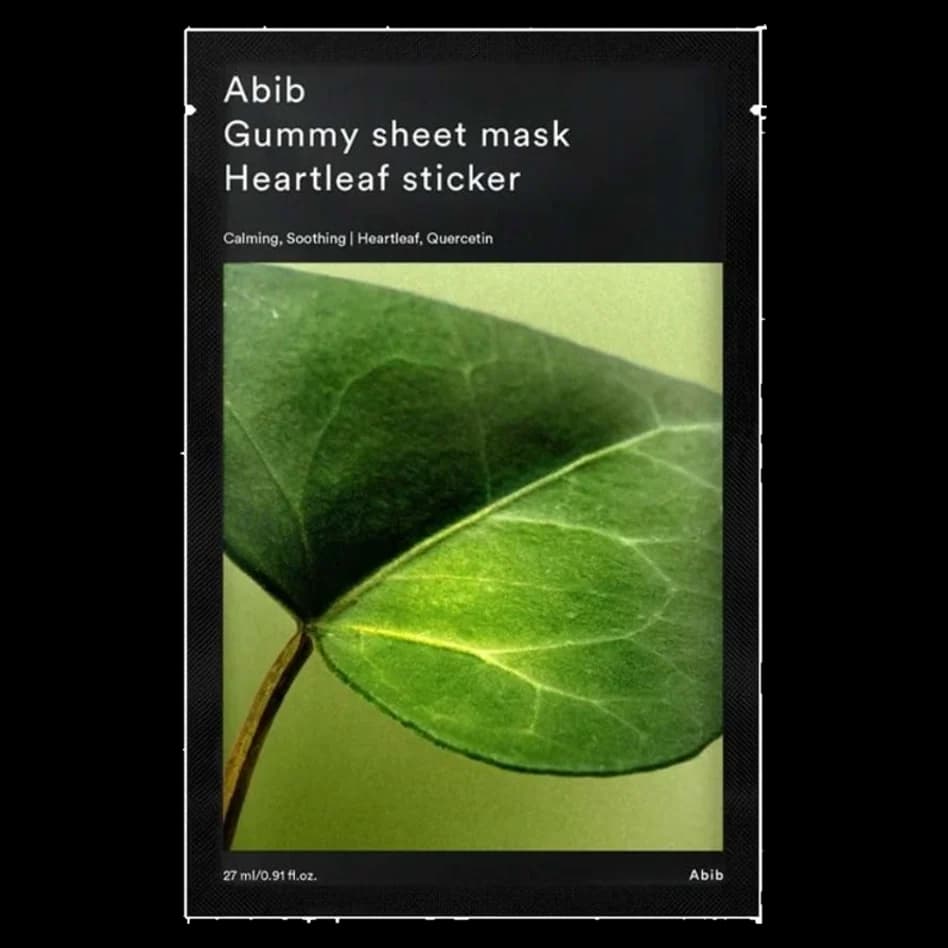
Abib
Gummy Sheet Mask Heartleaf Sticker
8th of 29 on the label
below ≈1%
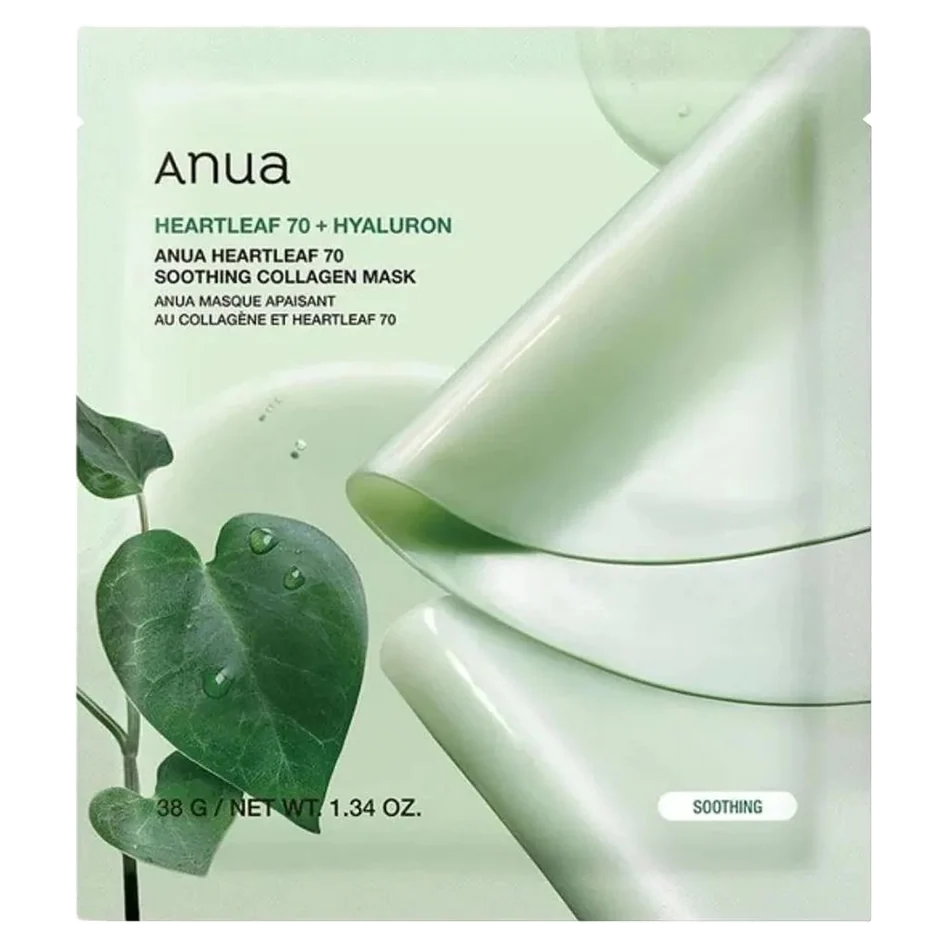
Anua
Heartleaf 70 Soothing Collagen Mask
20th of 35 on the label
below ≈1%
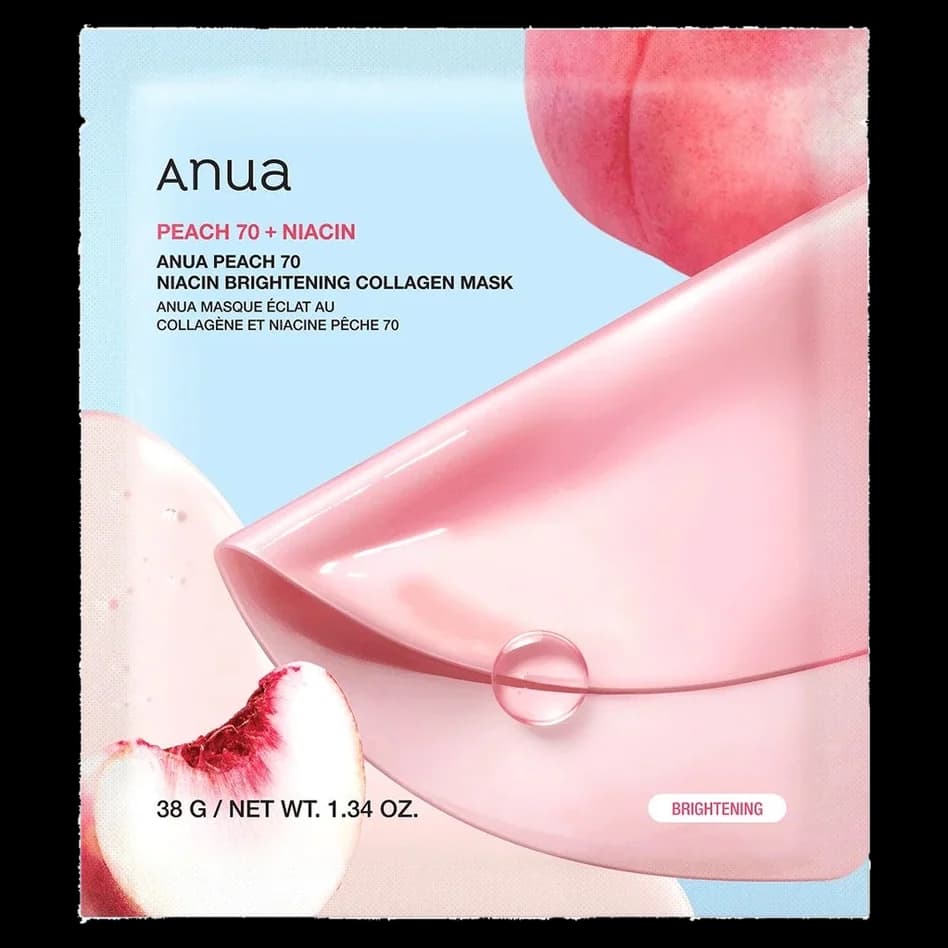
Anua
Peach 70 Niacin Brightening Collagen Mask
21st of 44 on the label
below ≈1%
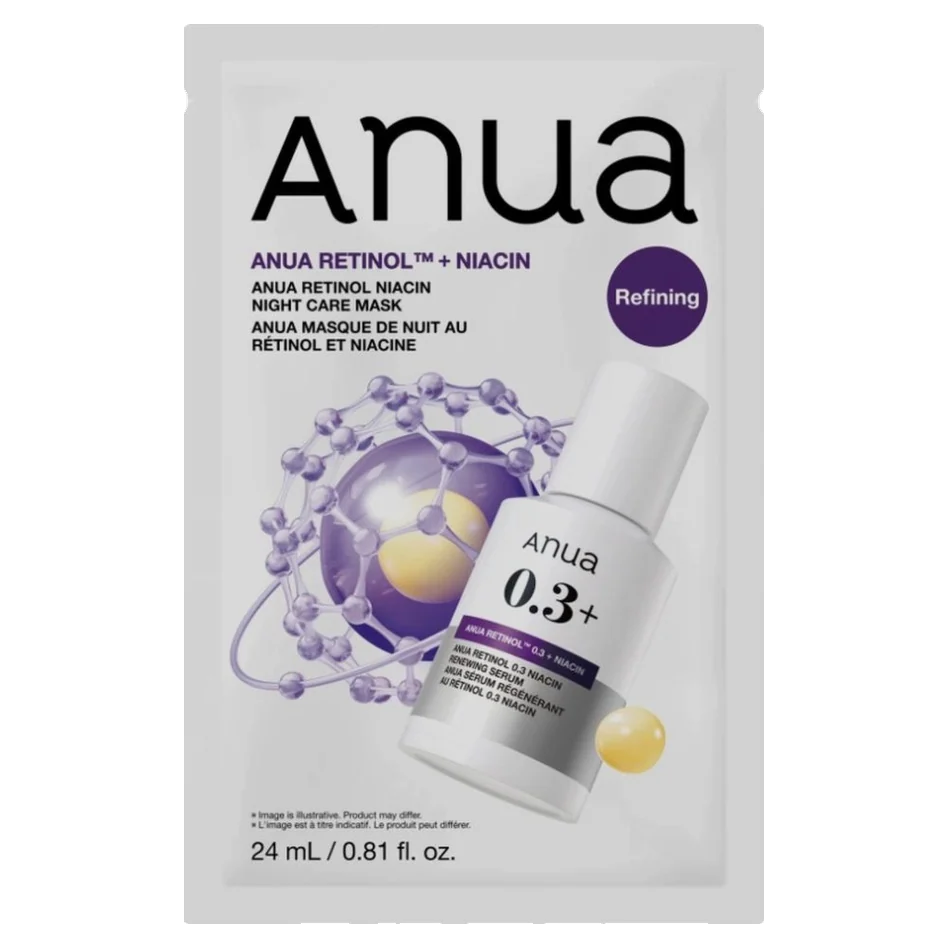
Anua
Retinol Niacin Night Care Mask
42nd of 44 on the label
below ≈1%
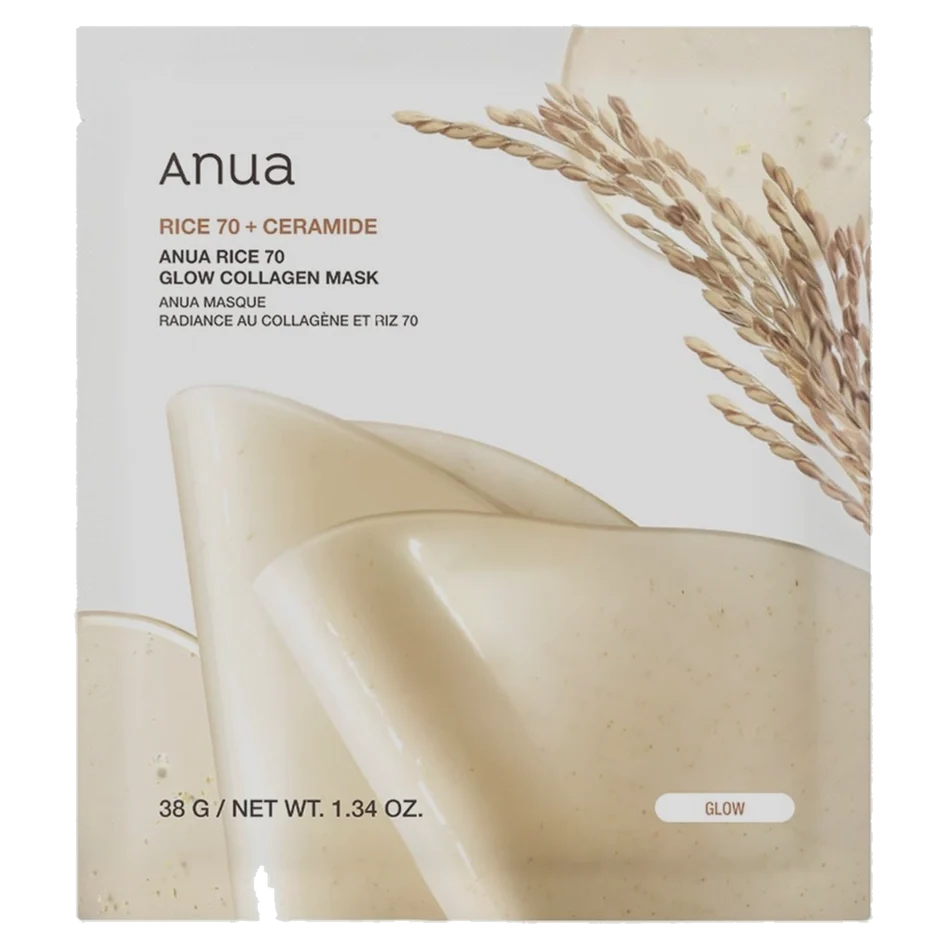
Anua
Rice 70 Glow Collagen Mask
22nd of 42 on the label
below ≈1%
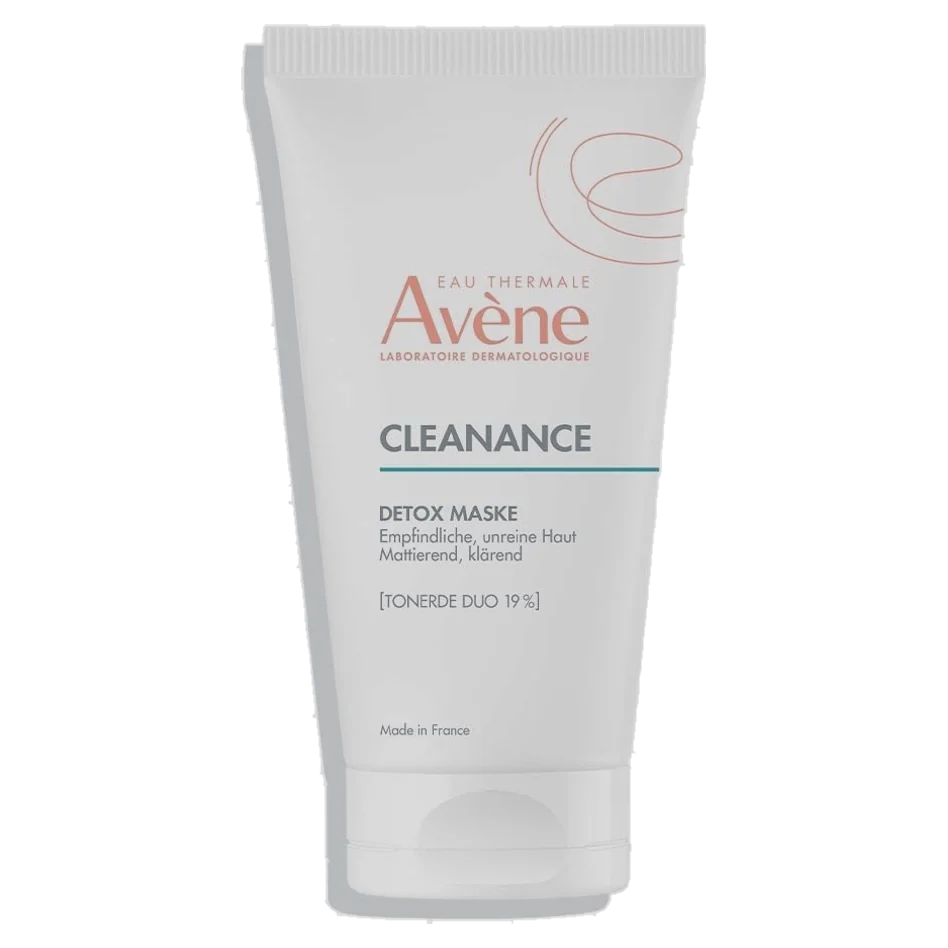
Avène
Cleanance Detox Mask
14th of 18 on the label
below ≈1%
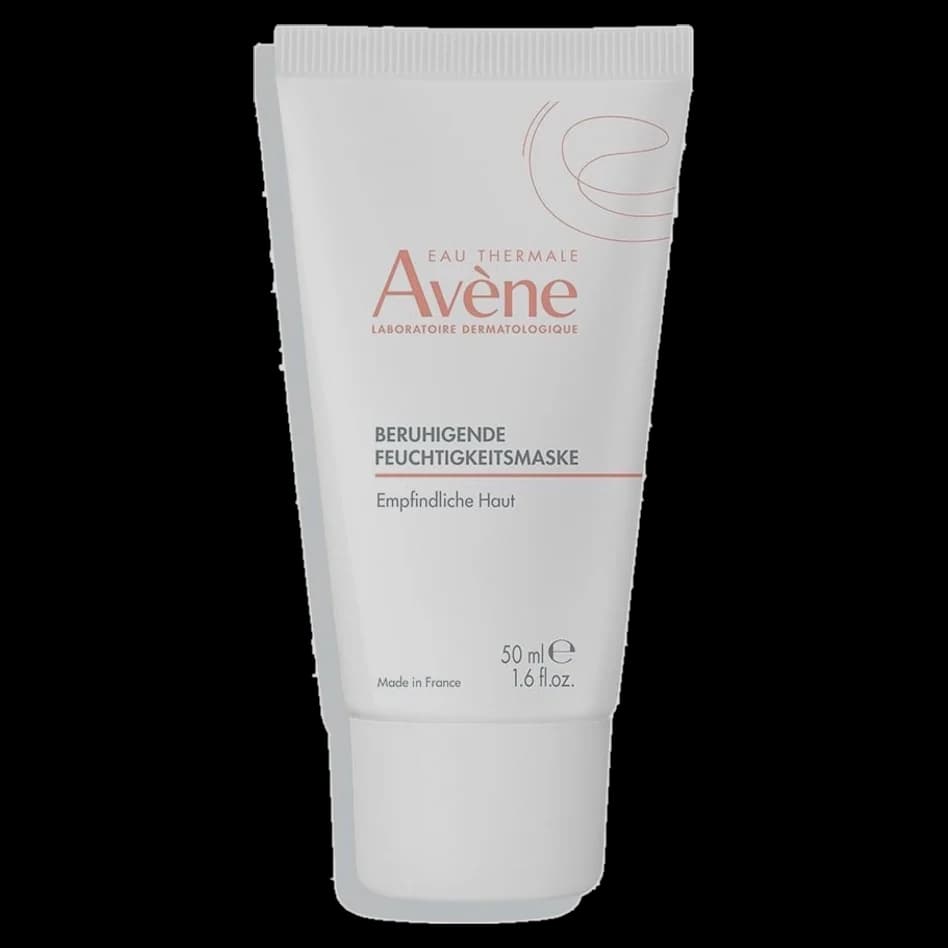
Avène
Soothing Moisture Mask
15th of 26 on the label
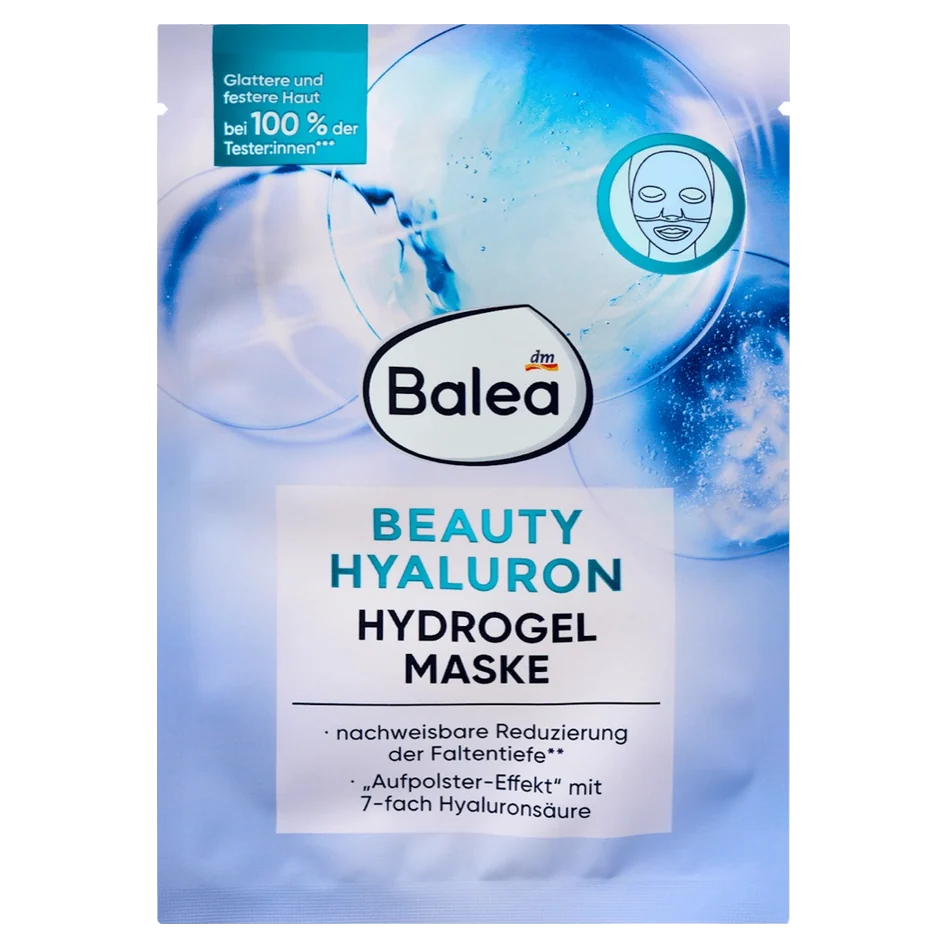
Balea
Gesichtsmaske Beauty Hyaluron Hydrogel
21st of 28 on the label
below ≈1%
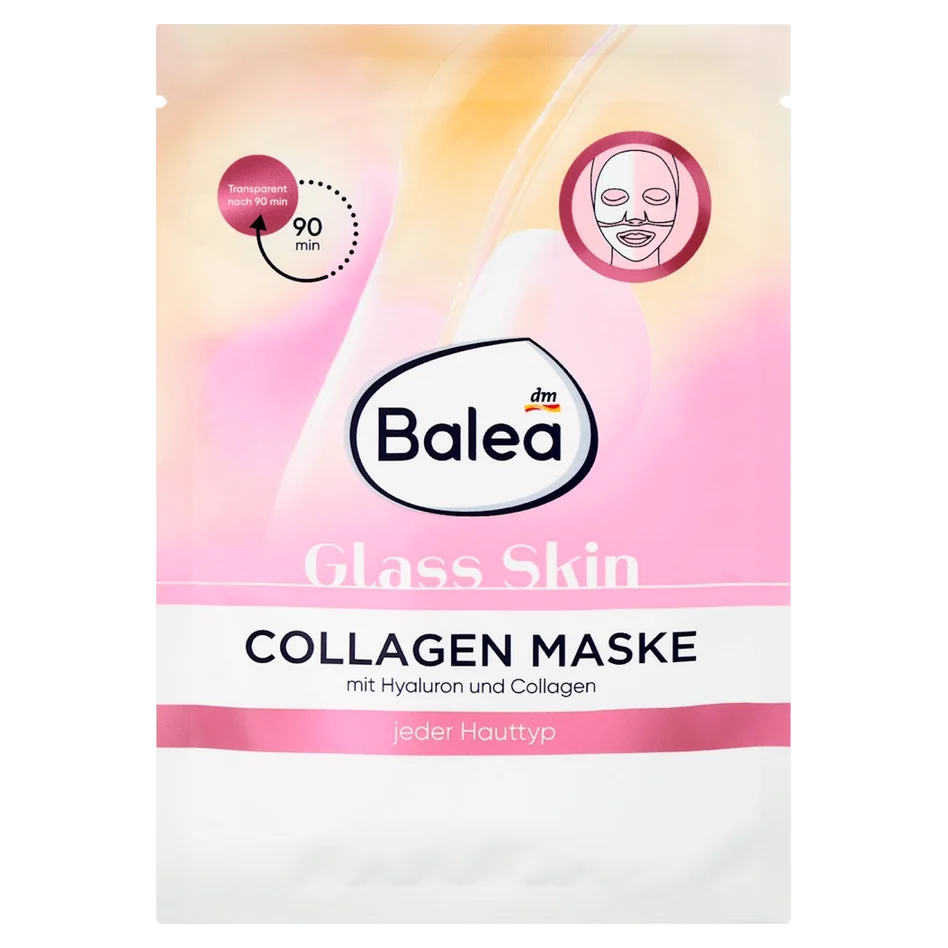
Balea
Glass Skin Collagen Maske
16th of 17 on the label
below ≈1%
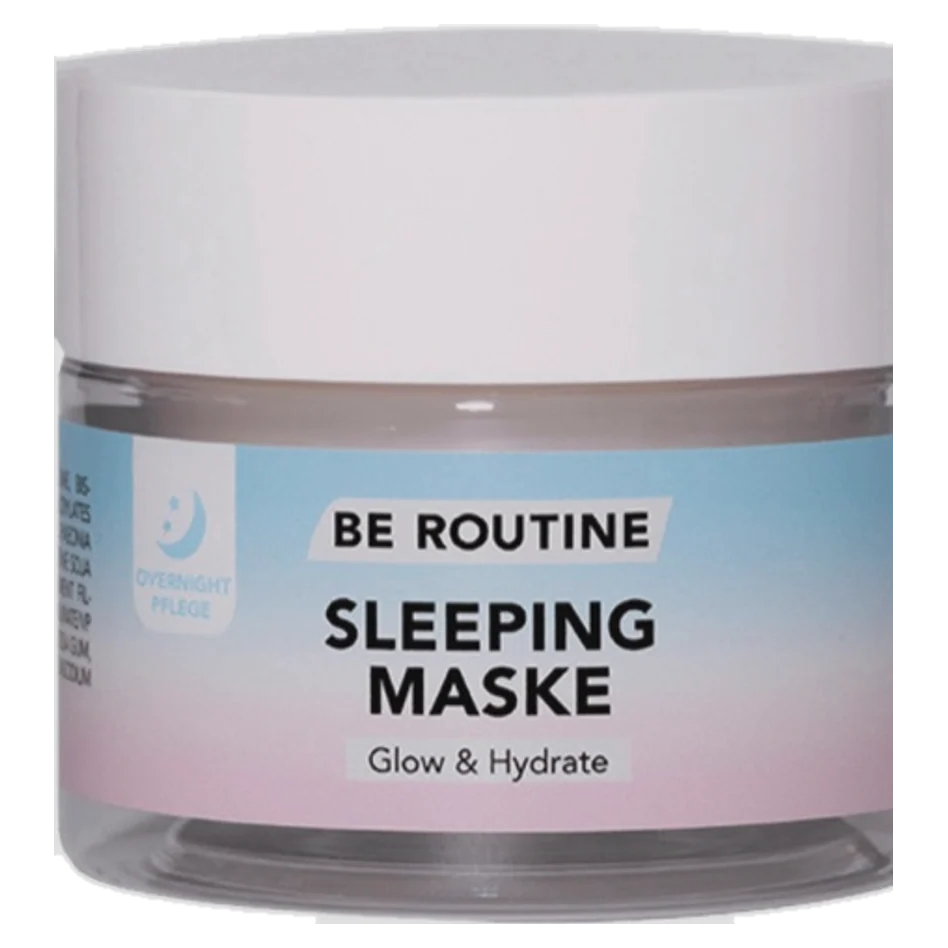
Be Routine
Schlafmaske Glow & Hydrate
21st of 27 on the label
below ≈1%
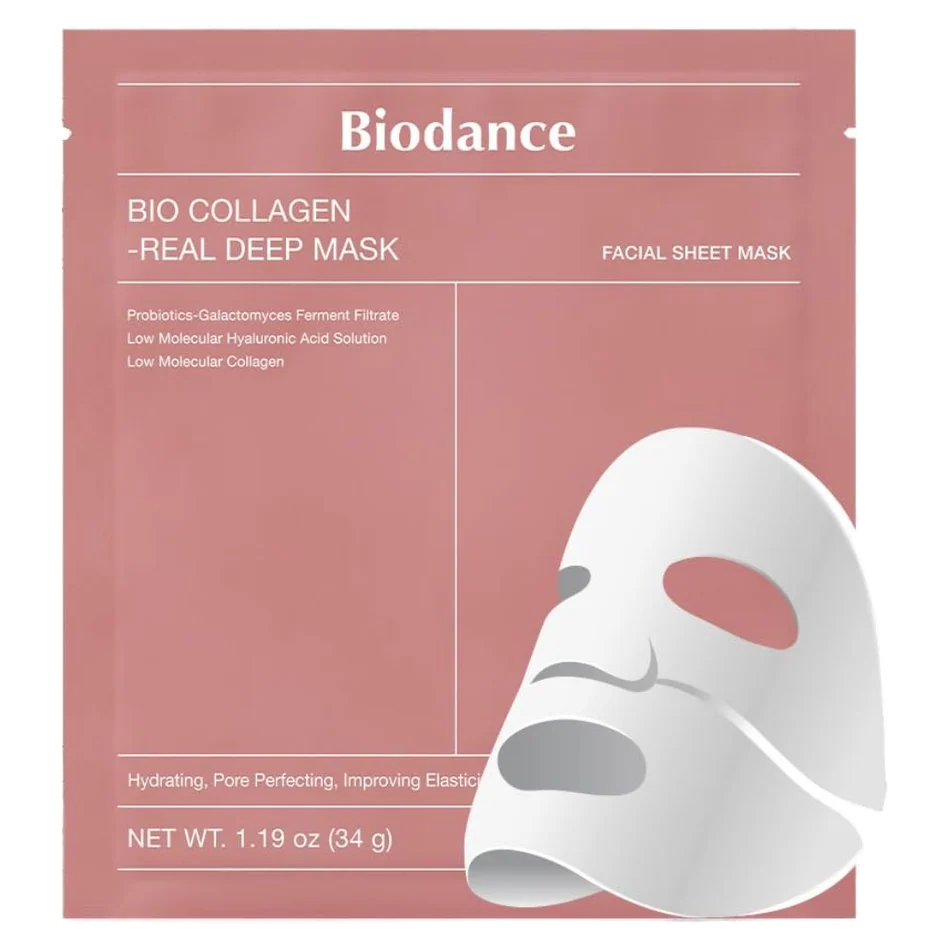
Biodance
Bio-Collagen Real Deep Mask
14th of 34 on the label
below ≈1%
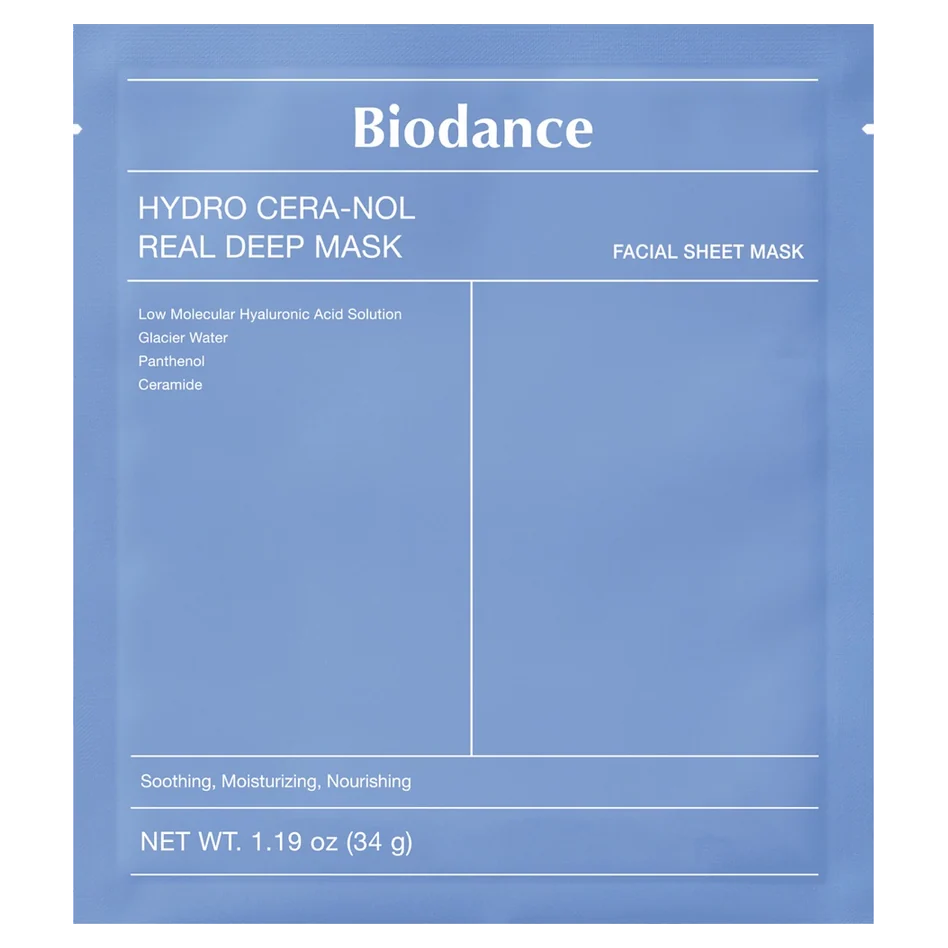
Biodance
Hydro Cera-nol Real Deep Mask
15th of 65 on the label
below ≈1%
Biodance
Refreshing Sea Kelp Real Deep Mask
16th of 43 on the label
below ≈1%
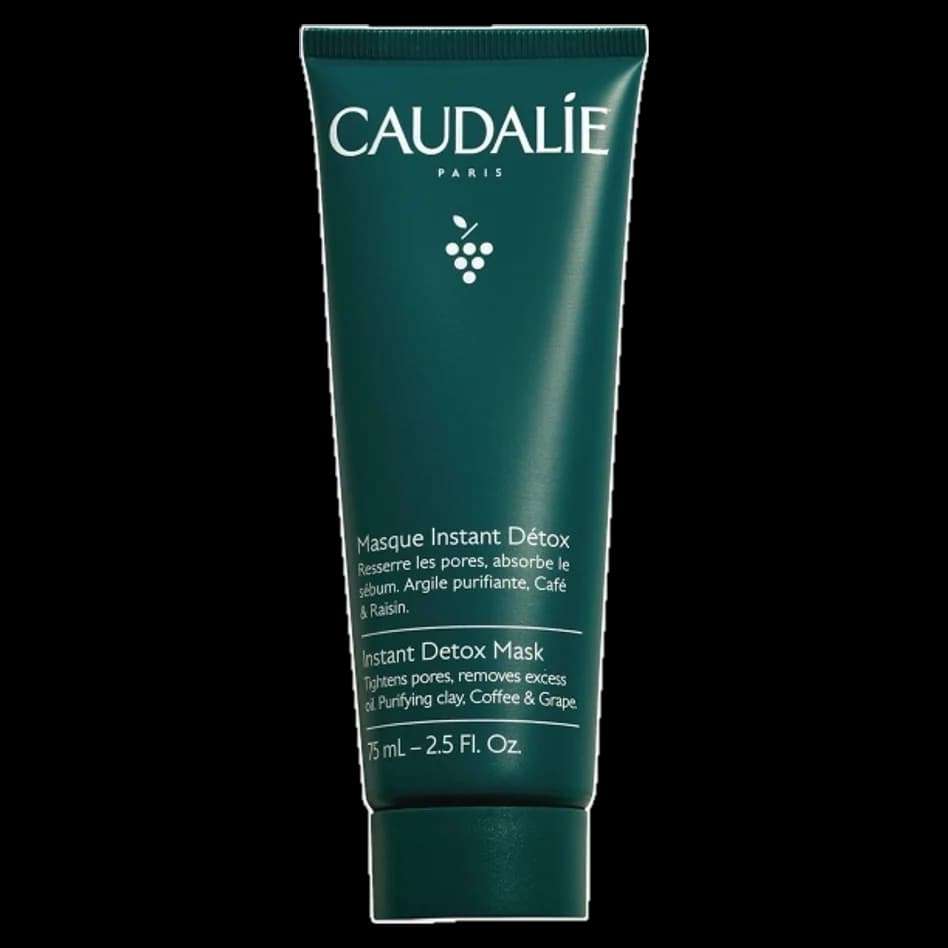
Caudalie
Vinergetic C+ Instant Detox Mask
28th of 33 on the label
below ≈1%
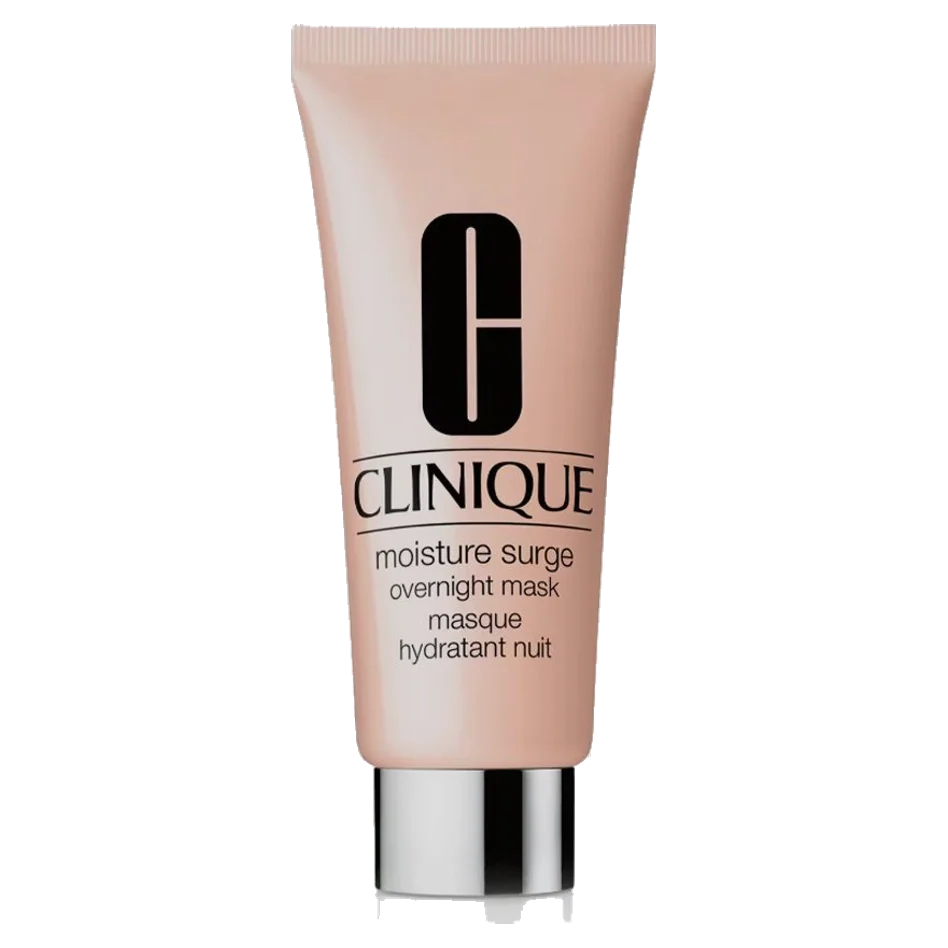
Clinique
Moisture Surge Overnight Mask
33rd of 42 on the label
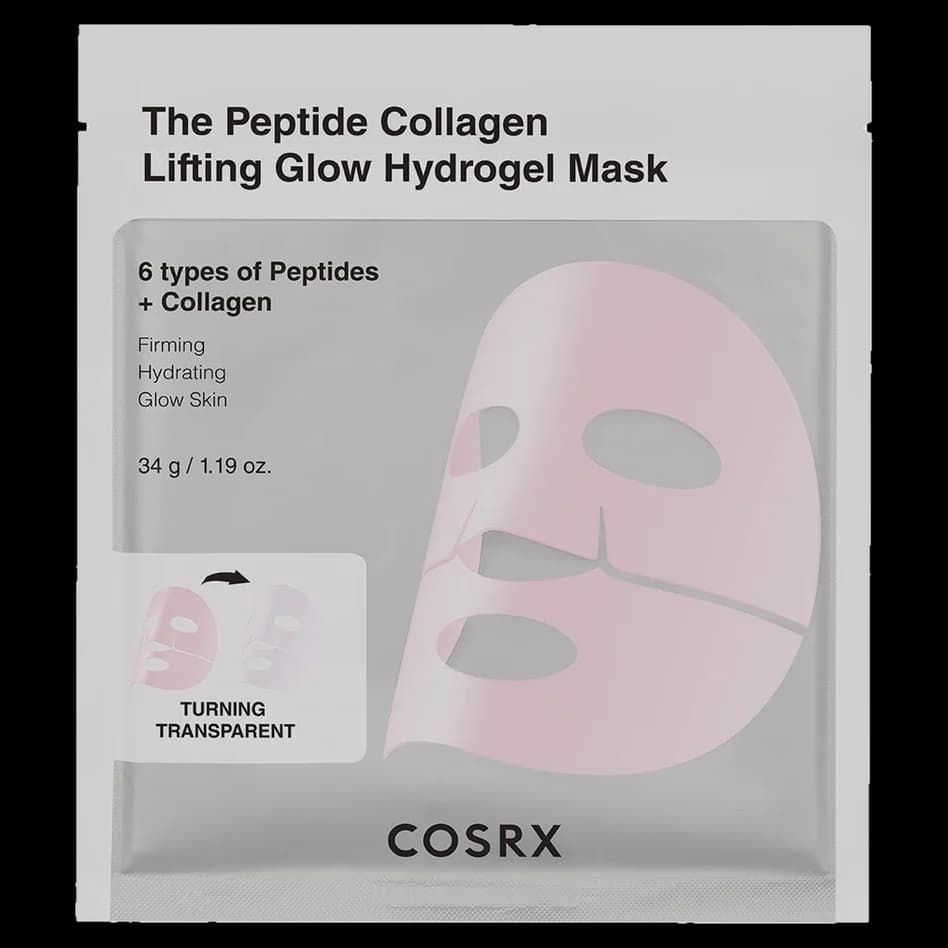
COSRX
The Peptide Collagen Lifting Glow Hydrogel Mask
42nd of 49 on the label
below ≈1%
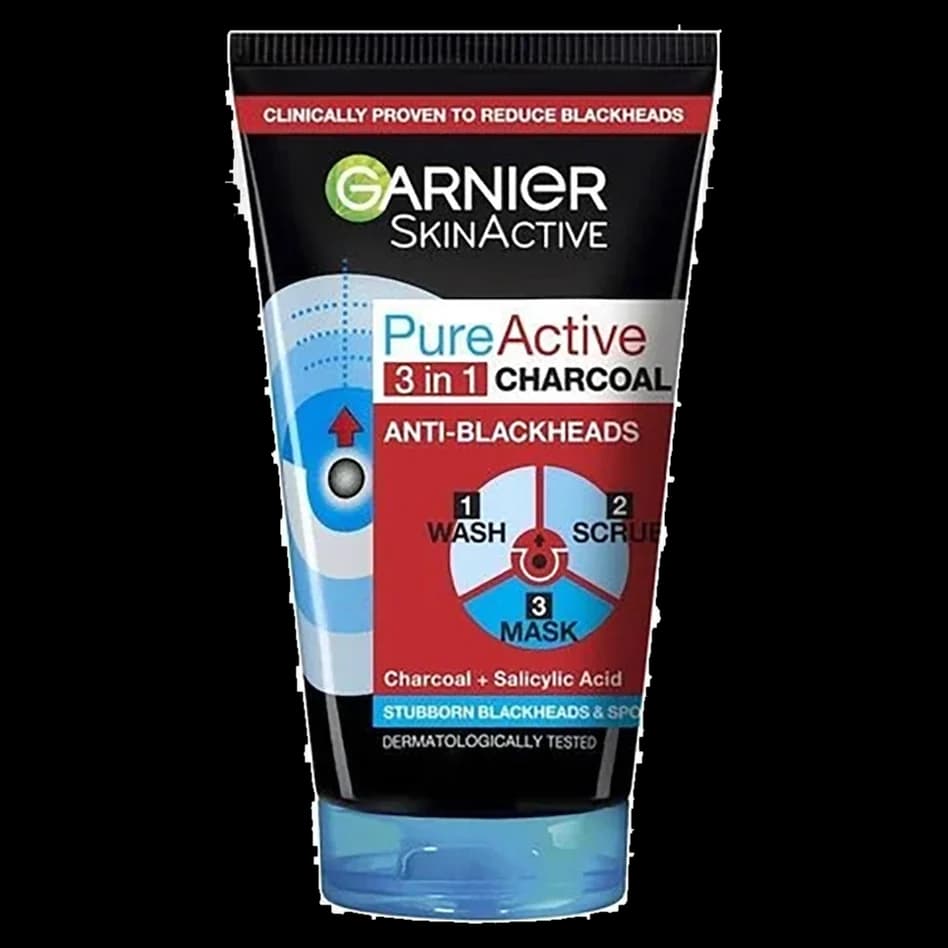
Garnier
Pure Active 3-in-1 Charcoal Wash, Scrub & Mask
15th of 25 on the label
below ≈1%
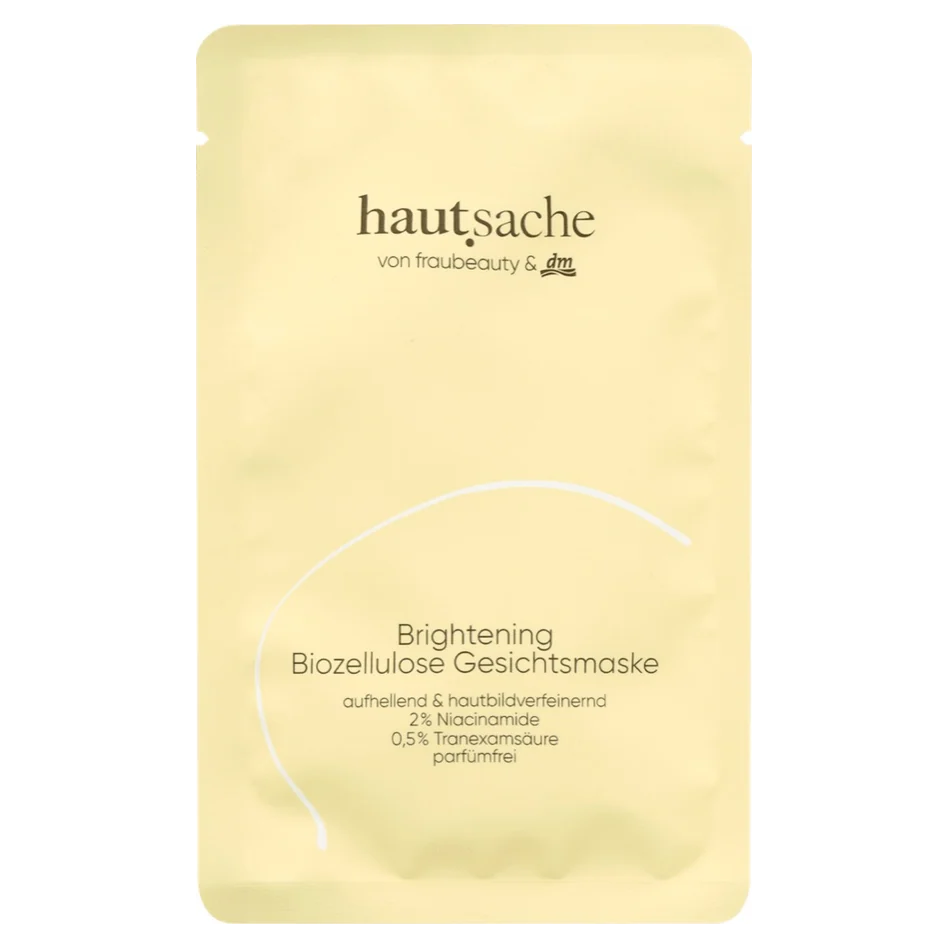
hautsache
Gesichtsmaske Brightening
15th of 33 on the label
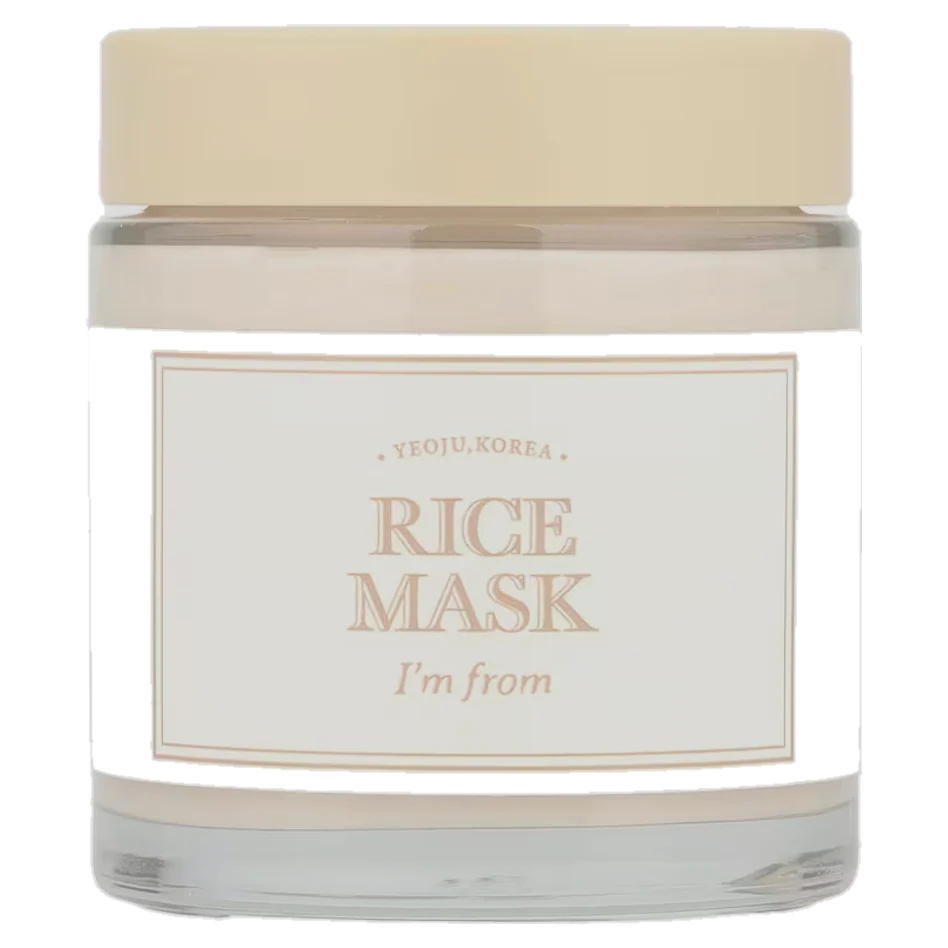
I'm From
Rice Mask
42nd of 43 on the label
below ≈1%
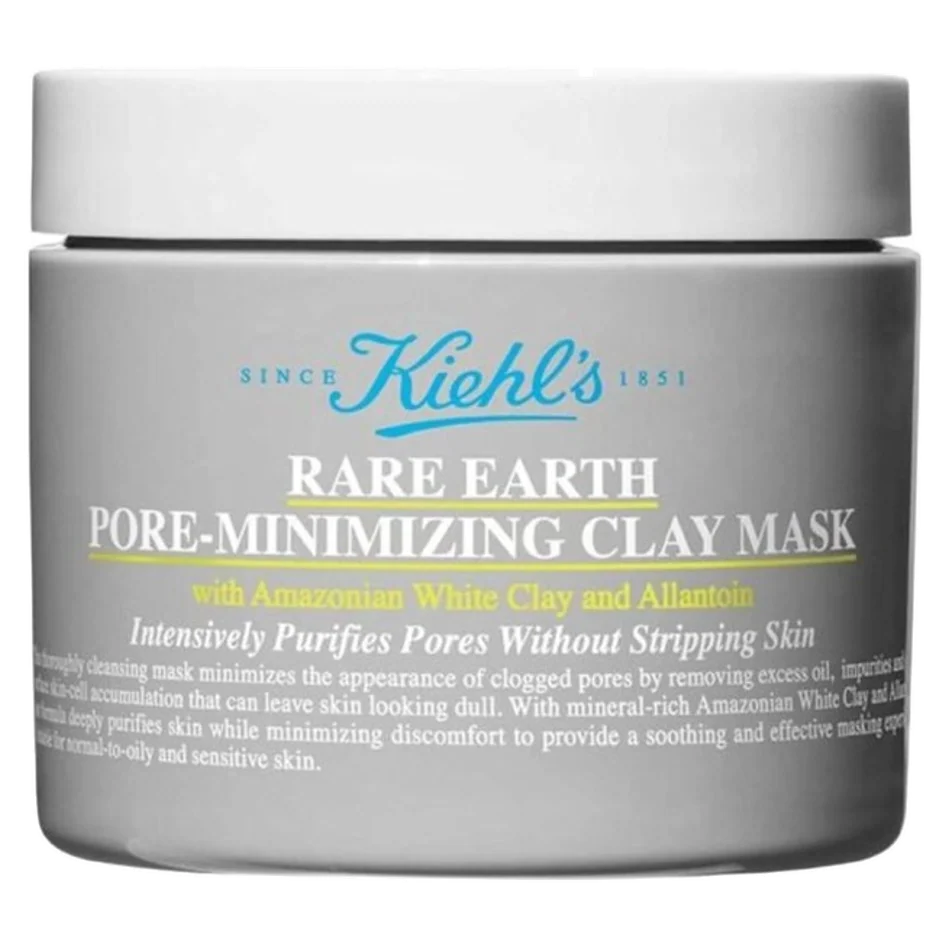
Kiehl's
Rare Earth Pore-Minimizing Clay Mask
12th of 19 on the label
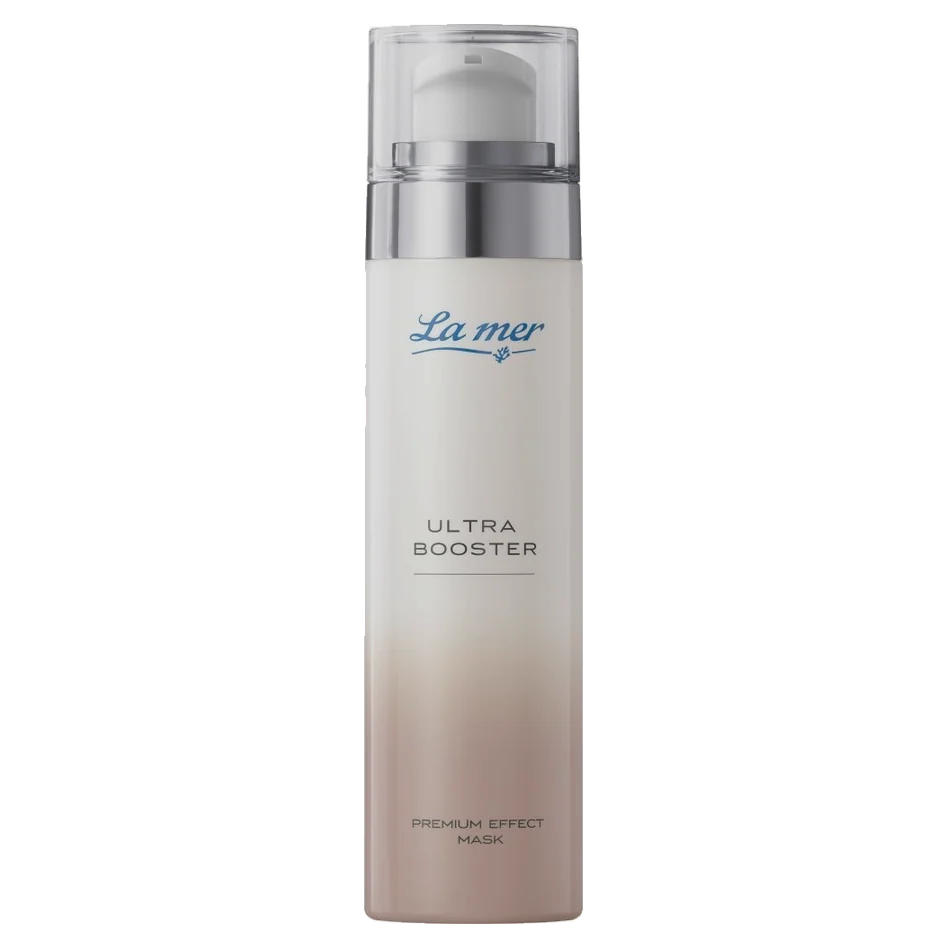
LA MER
Ultra Booster Premium Mask Effect
14th of 41 on the label
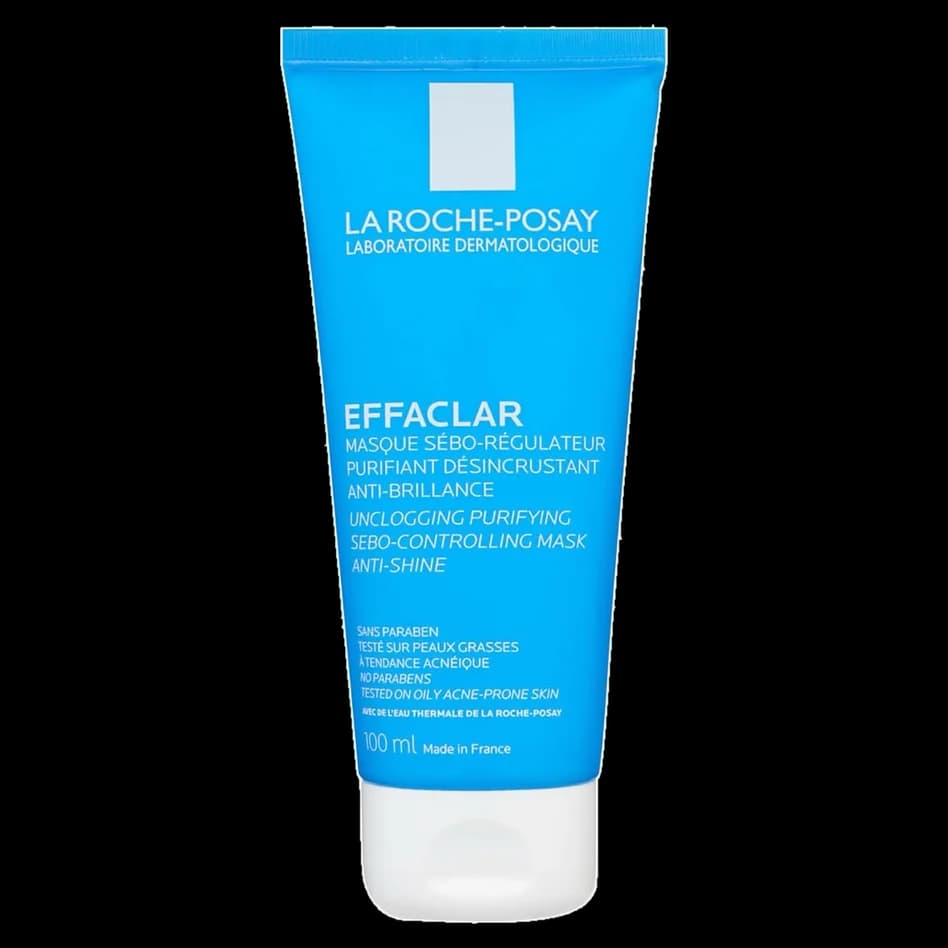
La Roche-Posay
Effaclar Purifying Clay Mask
15th of 20 on the label
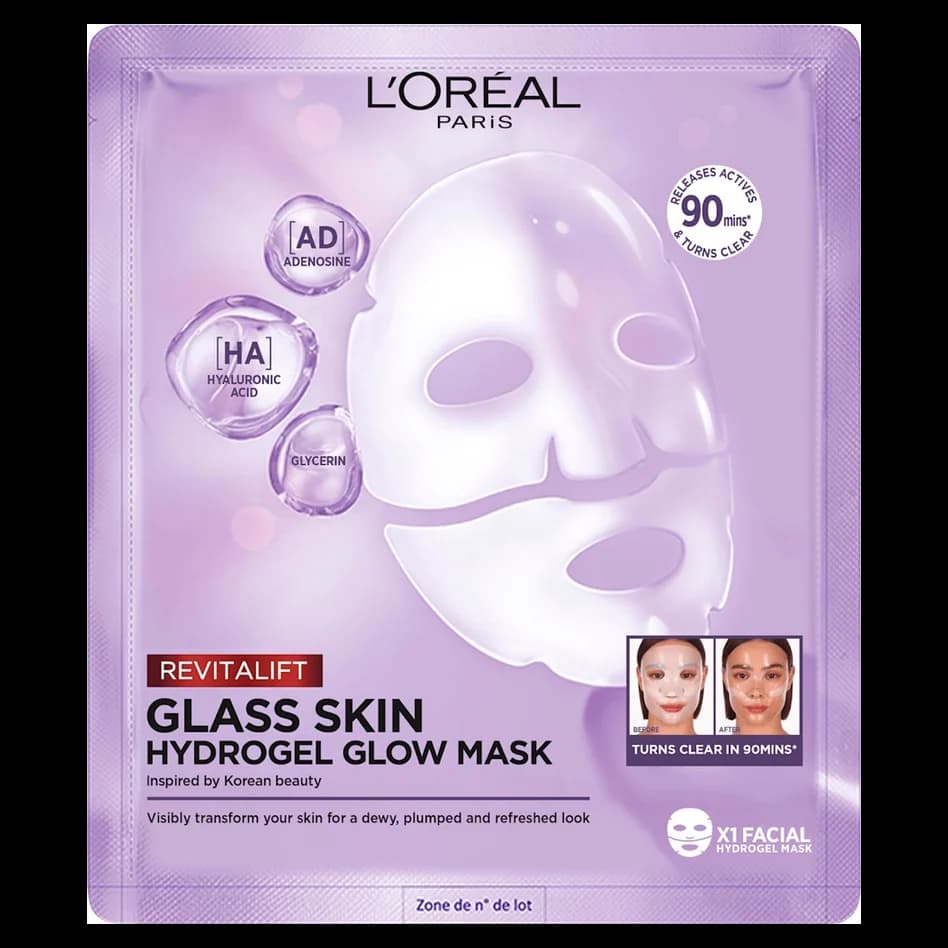
L'Oréal Paris
Revitalift Filler Glass Skin Hydrogel Glow Mask
15th of 32 on the label
below ≈1%
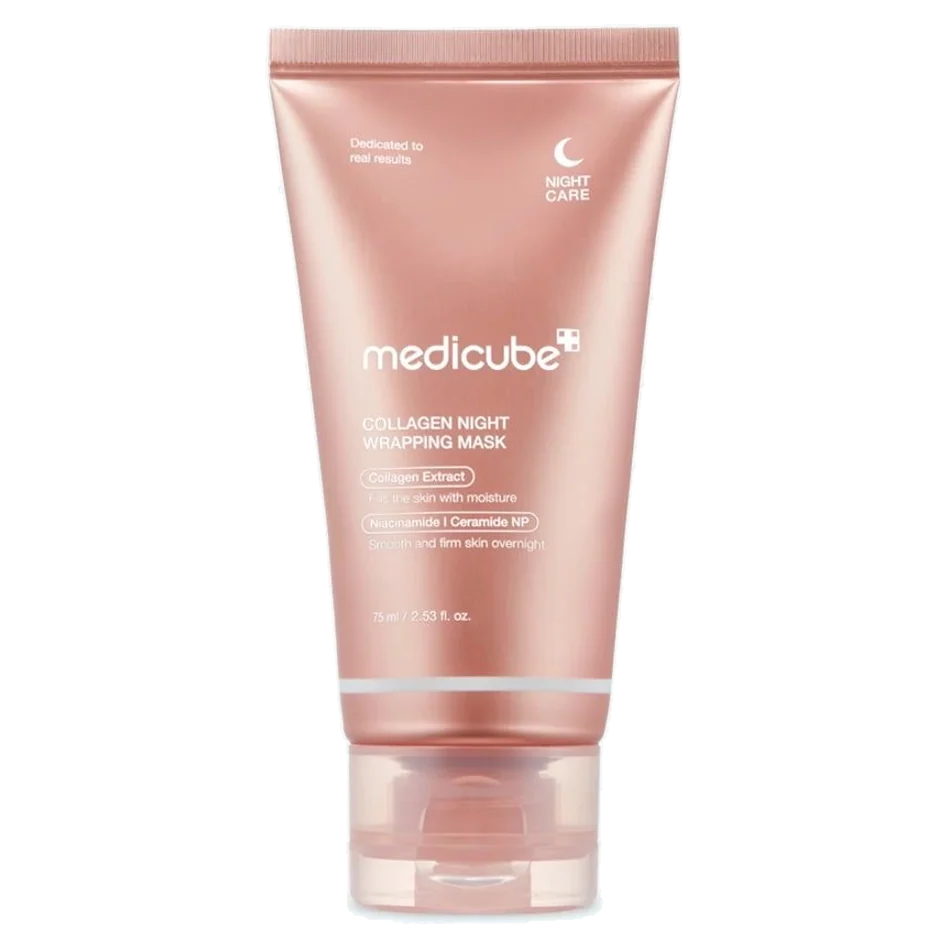
Medicube
Collagen Night Wrapping Mask
7th of 24 on the label
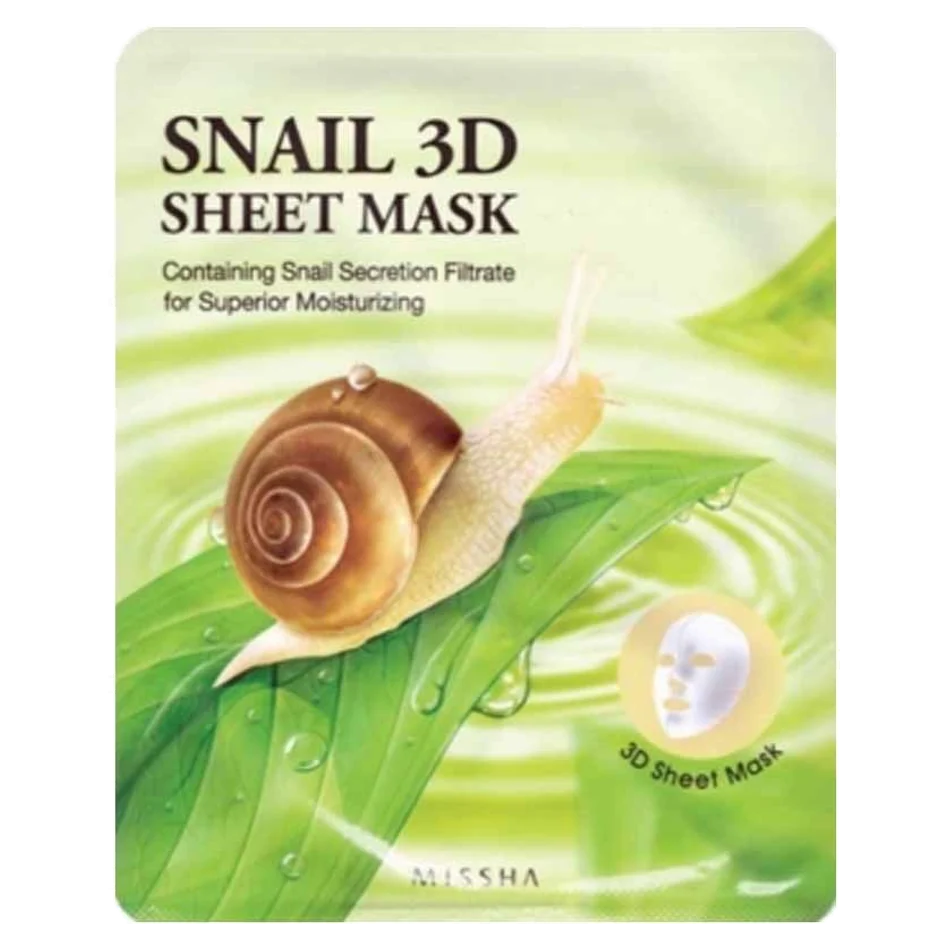
MISSHA
Snail 3D Sheet Mask
22nd of 25 on the label
below ≈1%
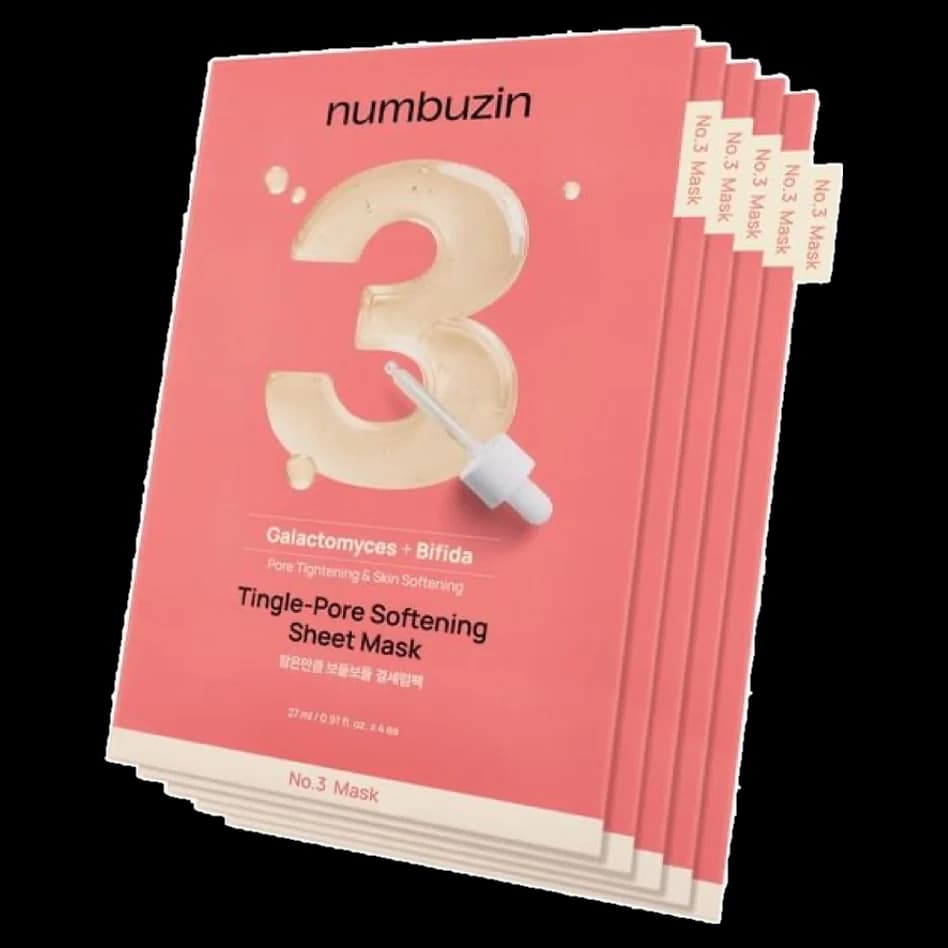
numbuzin
No.3 Tingle-Pore Softening Sheet Mask
31st of 42 on the label
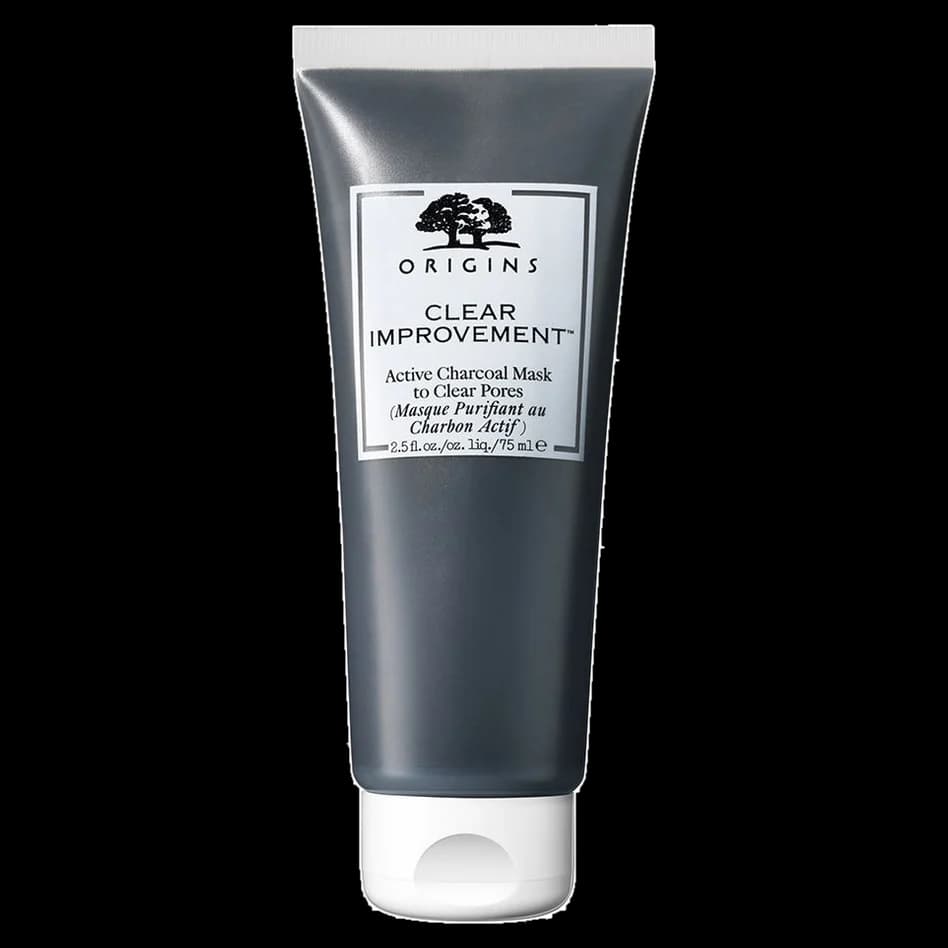
Origins
Clear Improvement Active Charcoal Mask to Clear Pores
18th of 23 on the label
below ≈1%
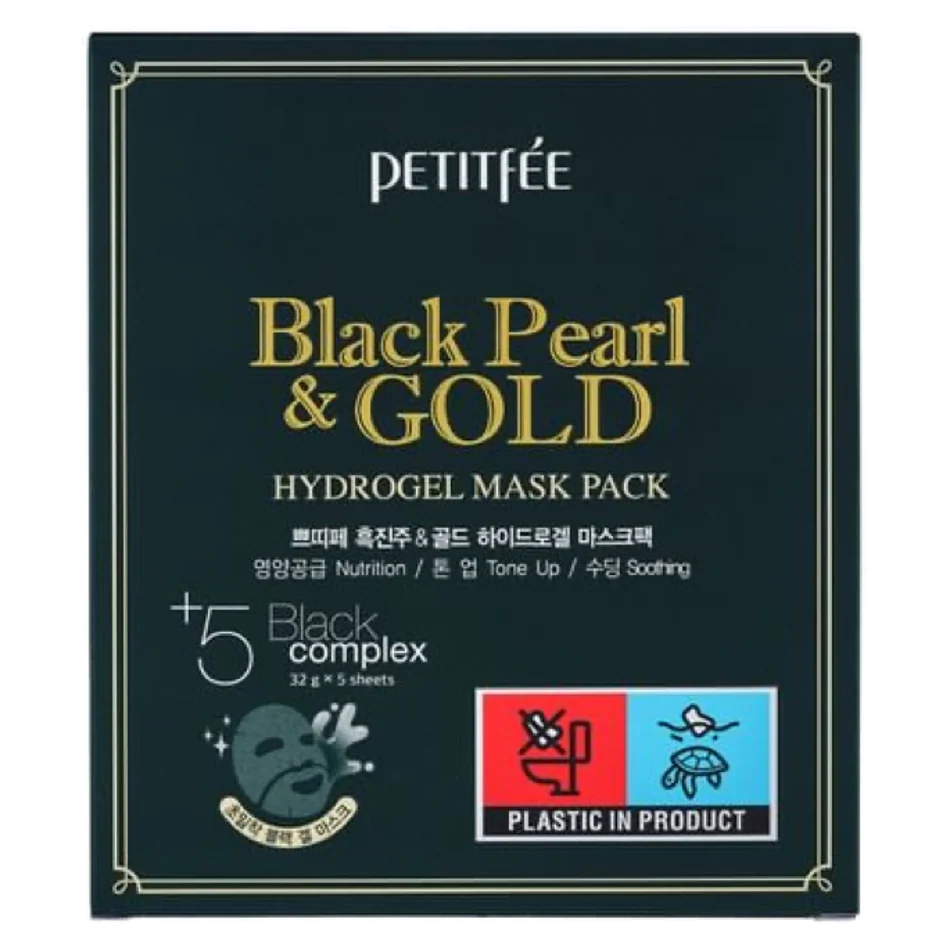
Petitfee
Black Pearl & Gold Hydrogel Mask Pack
19th of 33 on the label
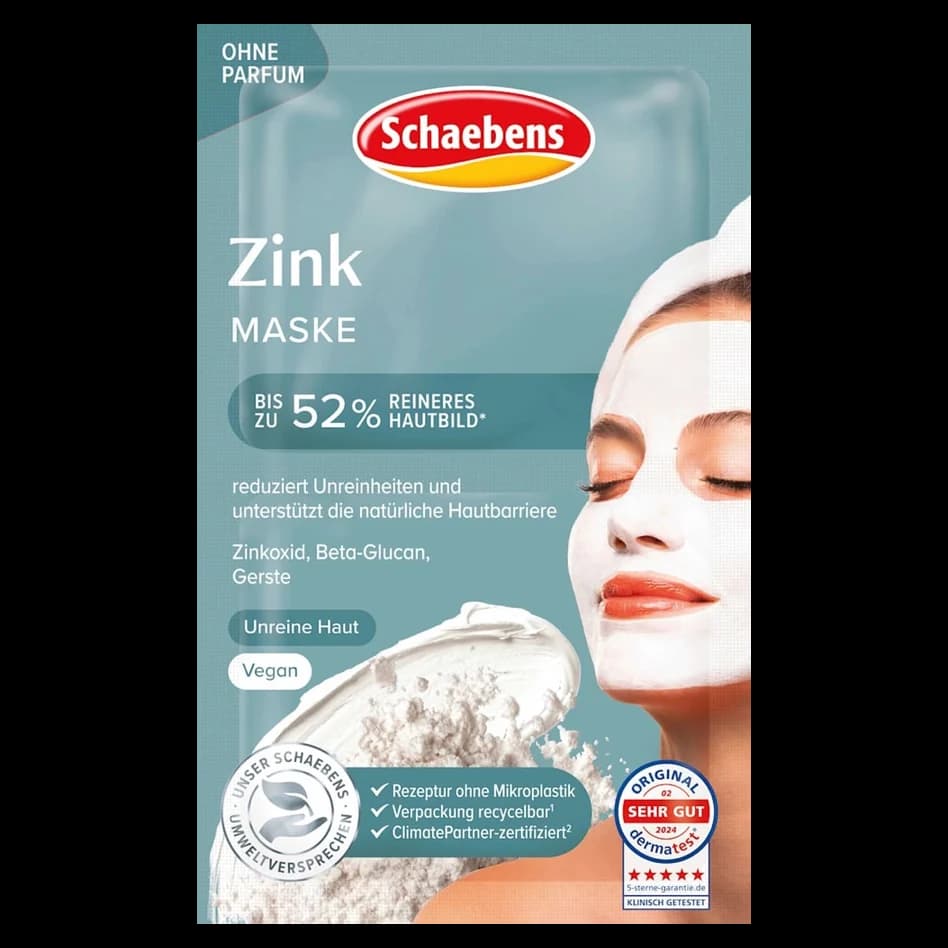
Schaebens
Gesichtsmaske Zink
16th of 27 on the label
below ≈1%
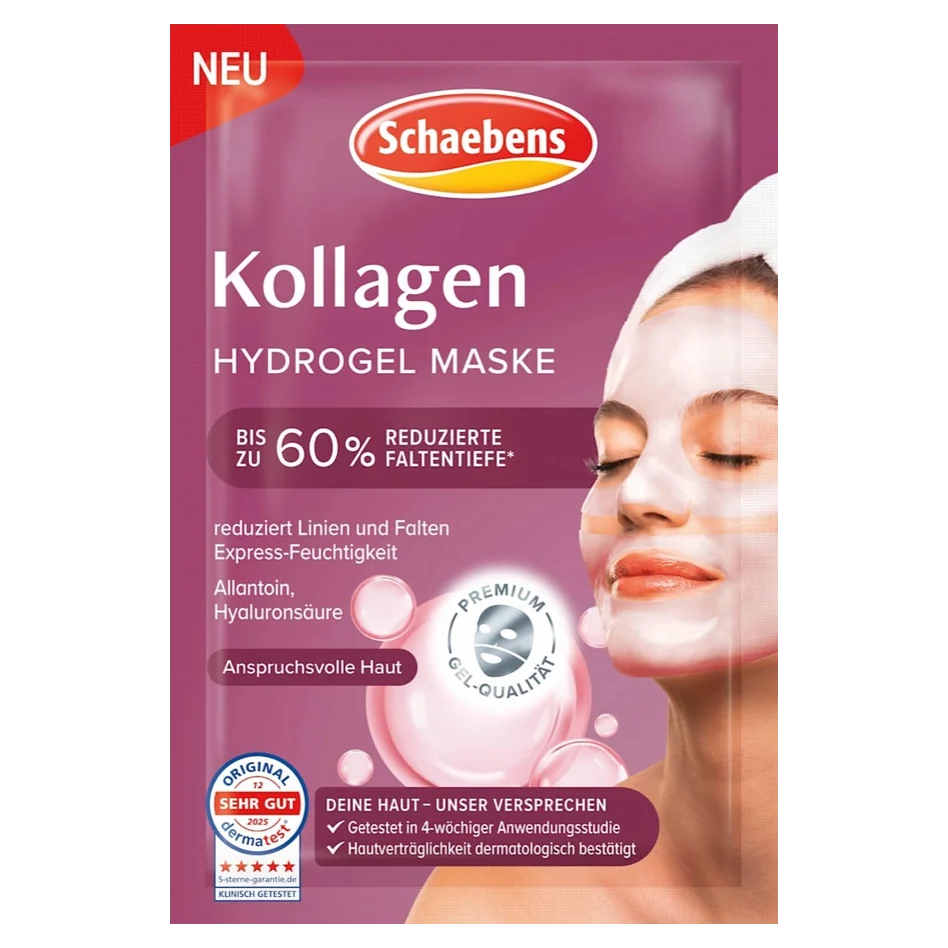
Schaebens
Tuchmaske Kollagen Hydrogel
13th of 27 on the label
below ≈1%
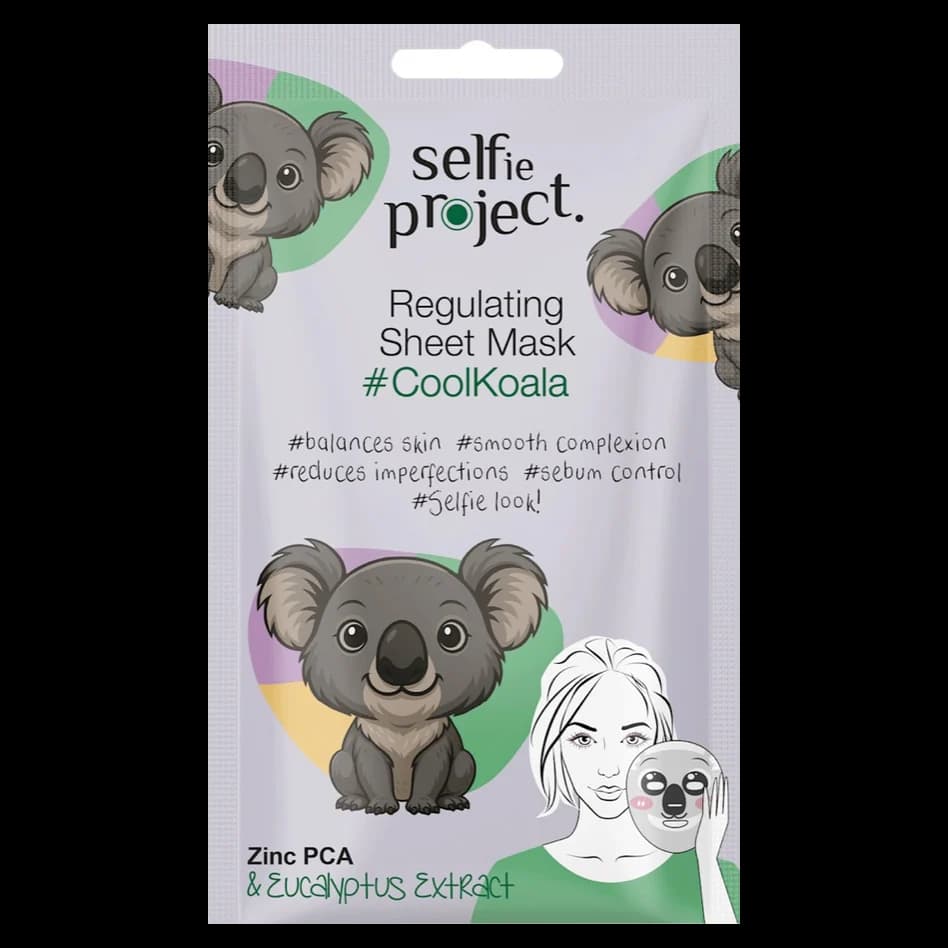
Selfie Project
Gesichtsmaske regulierend #CoolKoala
18th of 27 on the label
below ≈1%
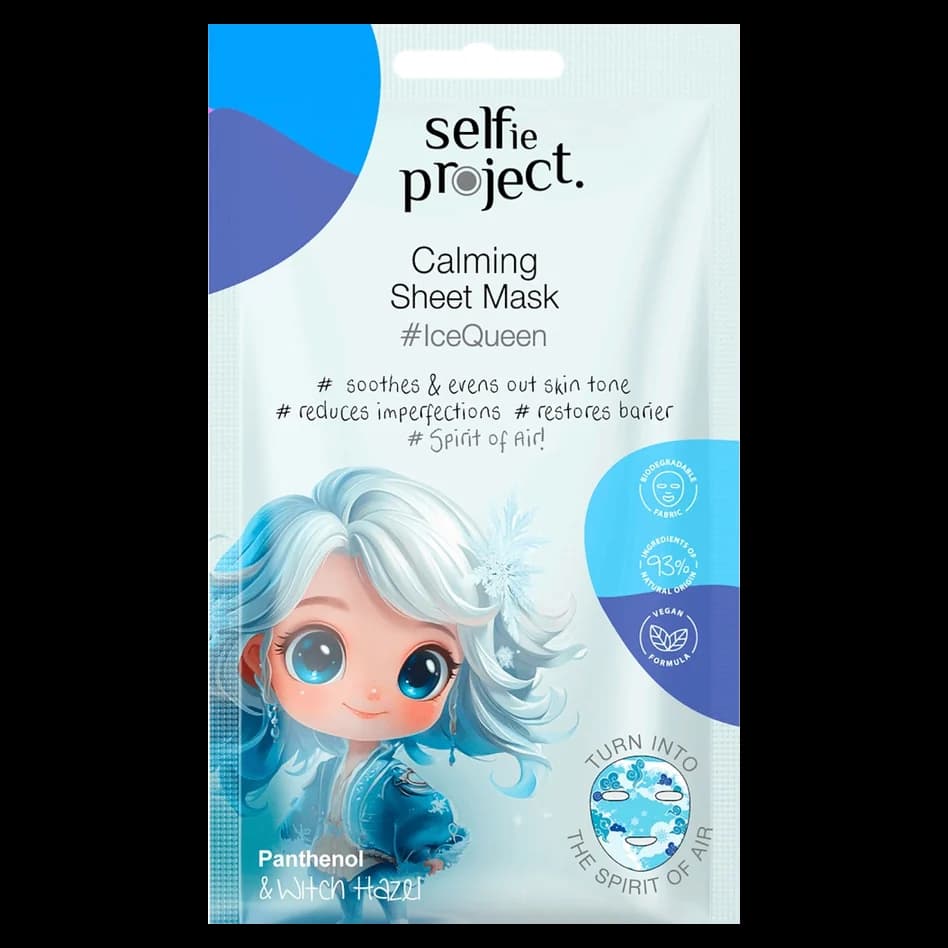
Selfie Project
Tuchmaske Calming #IceQueen
14th of 27 on the label
below ≈1%
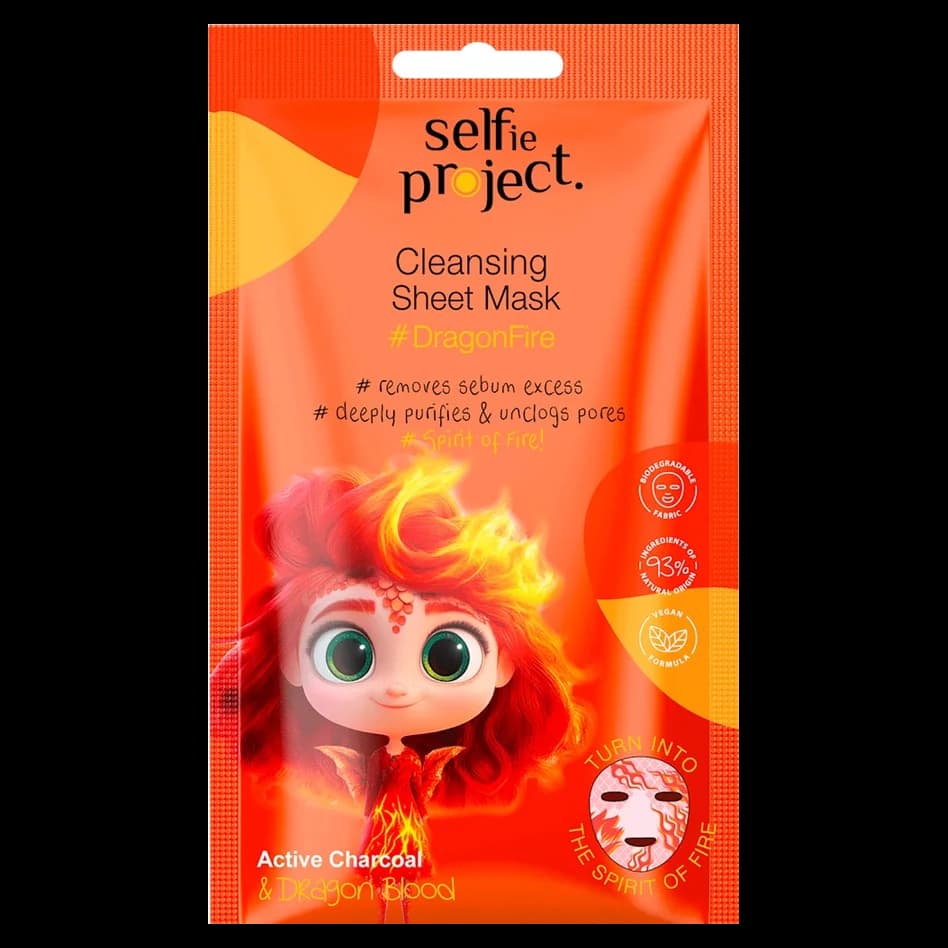
Selfie Project
Tuchmaske Cleansing #DragonFire
14th of 22 on the label
below ≈1%
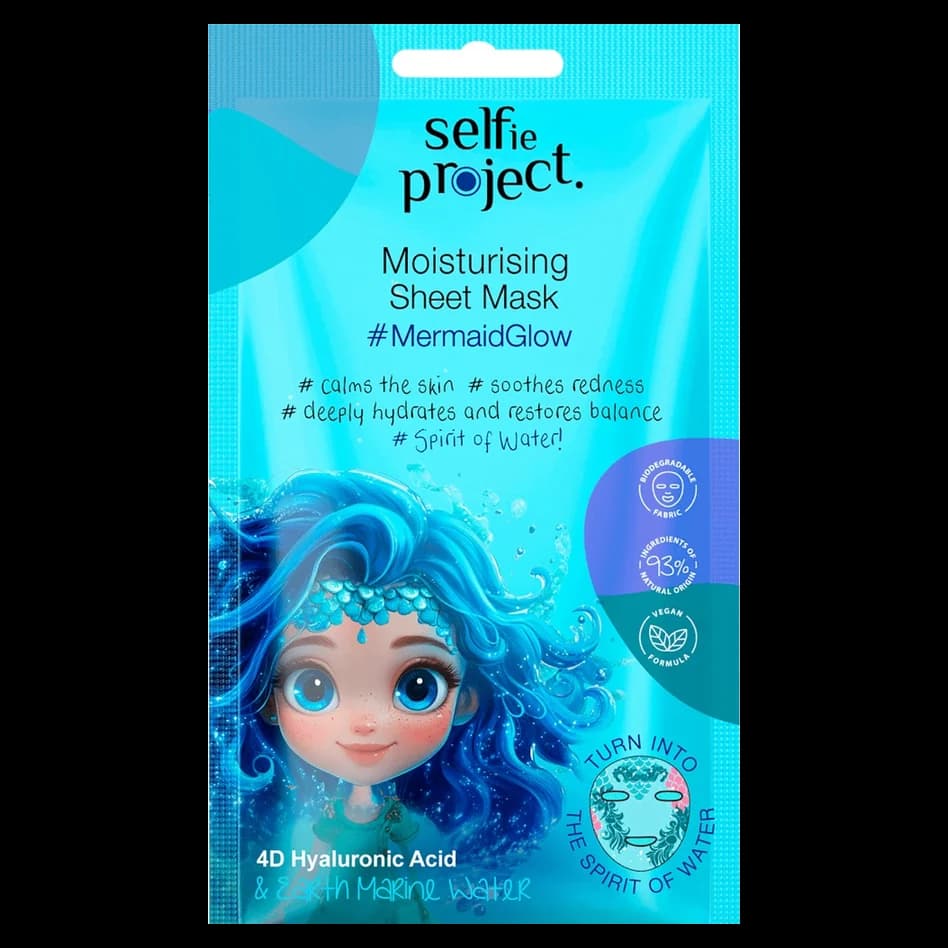
Selfie Project
Tuchmaske Moisturising #MermaidGlow
20th of 30 on the label
below ≈1%
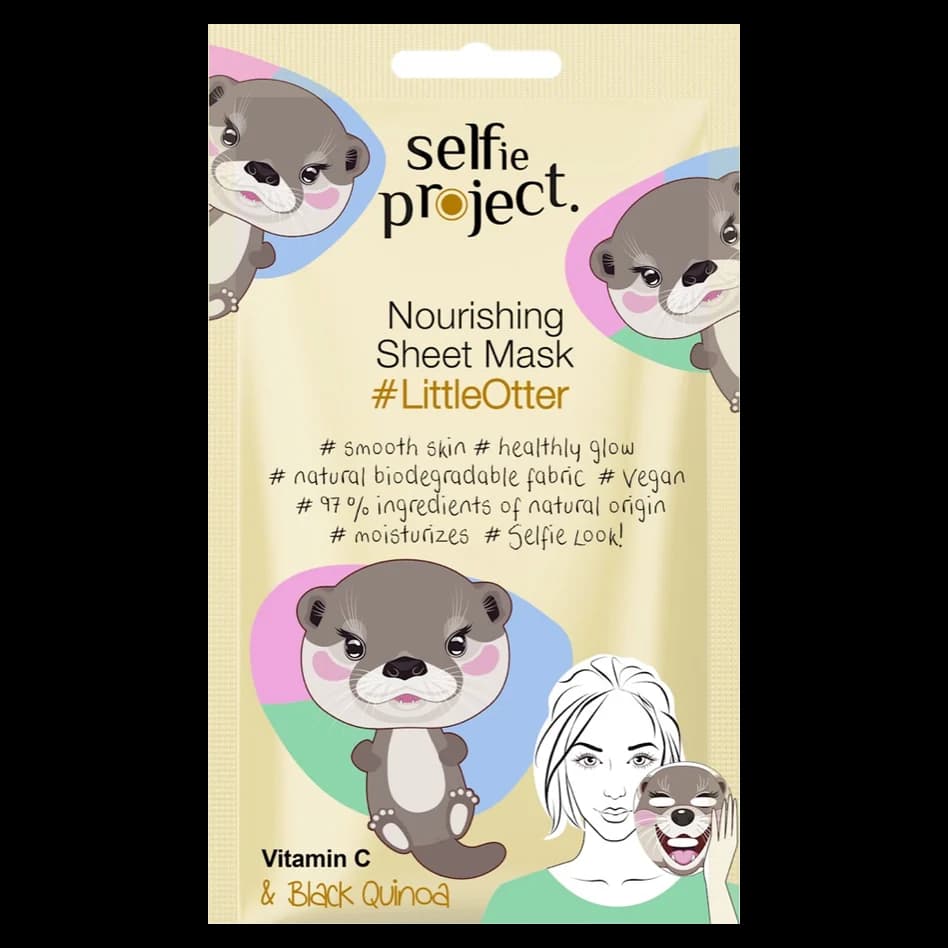
Selfie Project
Tuchmaske Nourishing #LittleOtter
13th of 21 on the label
below ≈1%
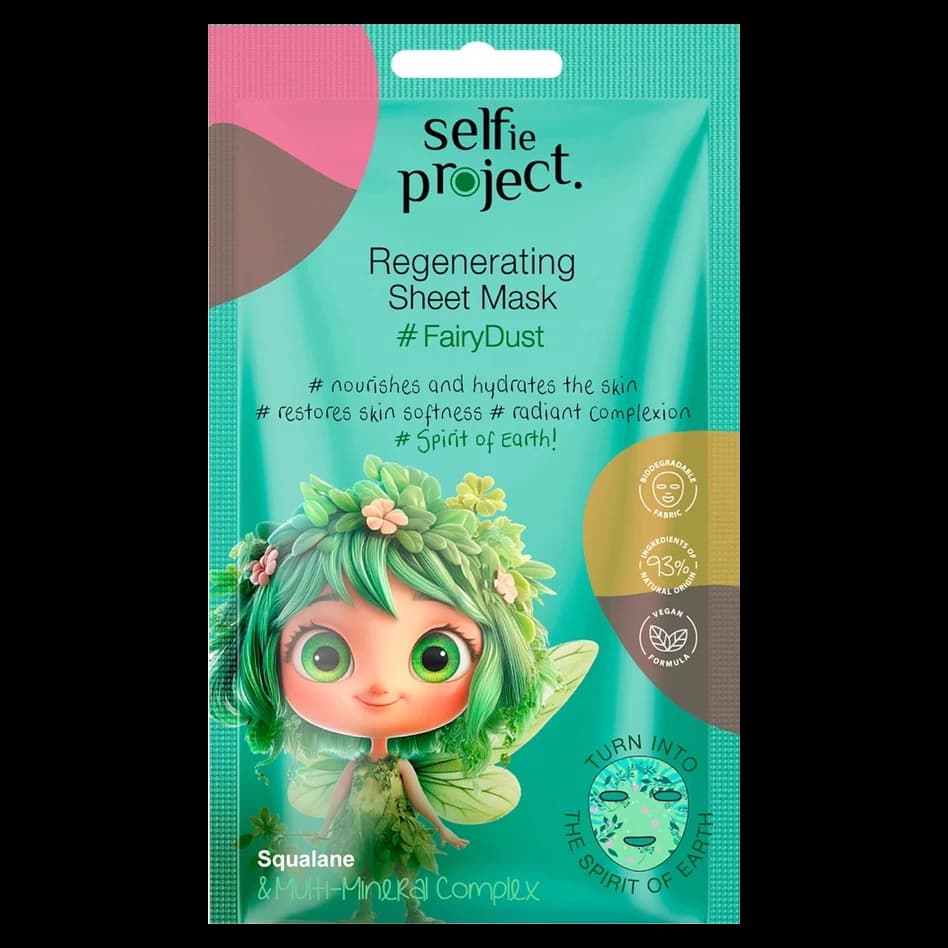
Selfie Project
Tuchmaske Regenerating #FairyDust
24th of 33 on the label
below ≈1%
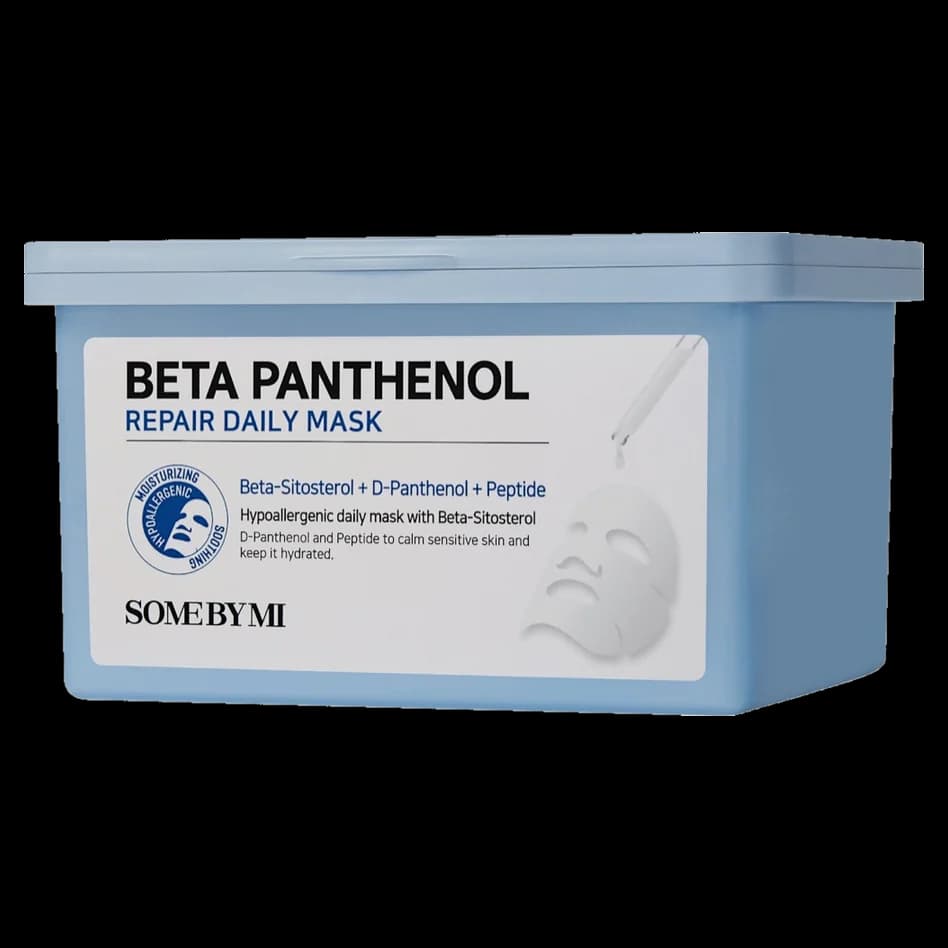
SOME BY MI
Daily Beta Panthenol Repair Mask
12th of 57 on the label
below ≈1%
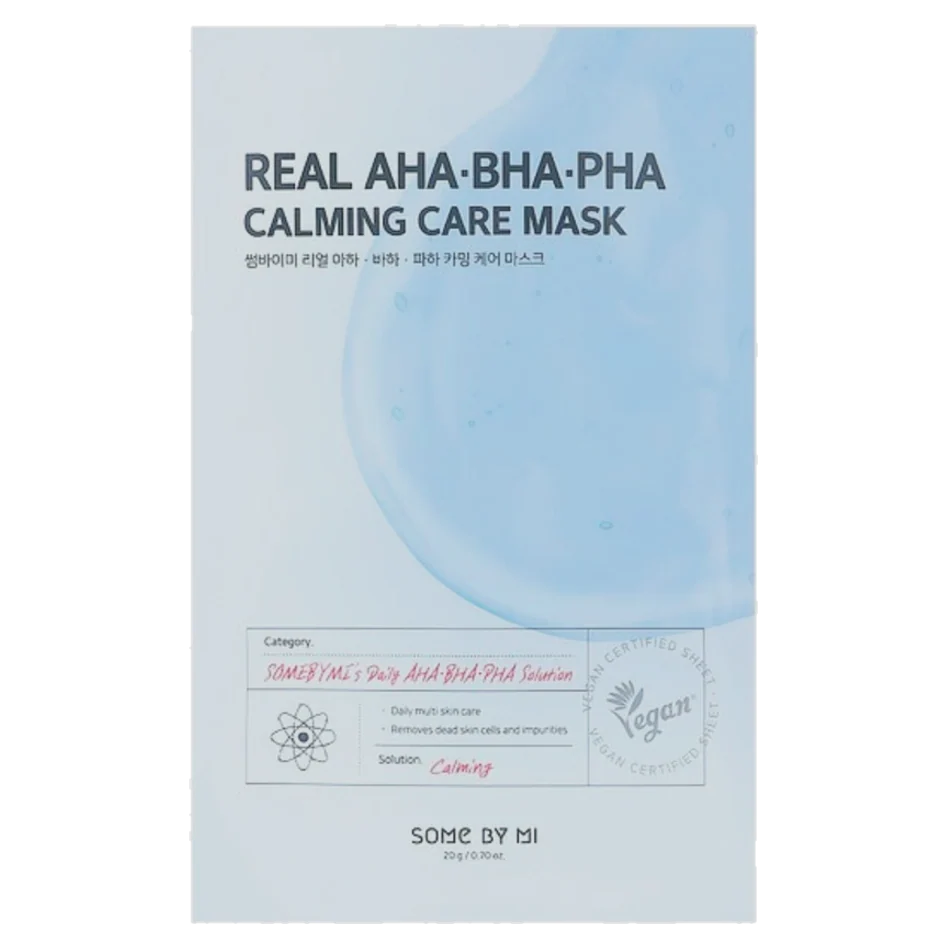
SOME BY MI
Real AHA-BHA-PHA Calming Care Mask
4th of 19 on the label
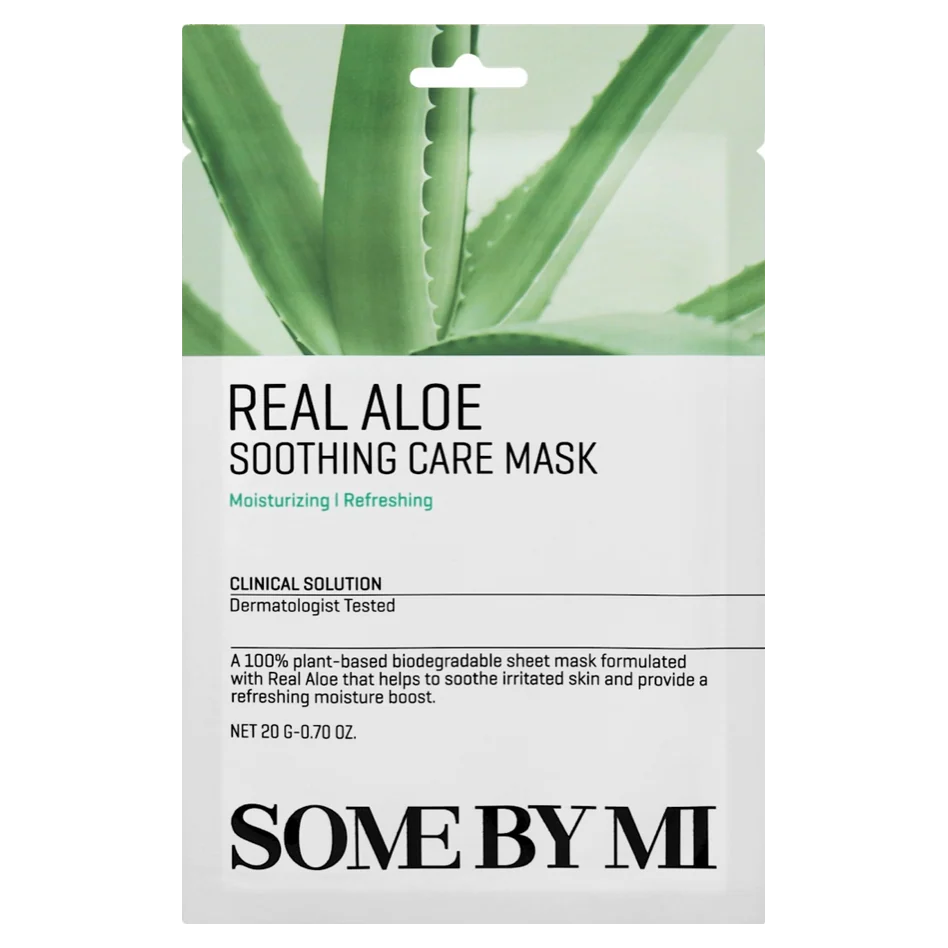
SOME BY MI
Real Aloe Soothing Care Mask
16th of 21 on the label
below ≈1%
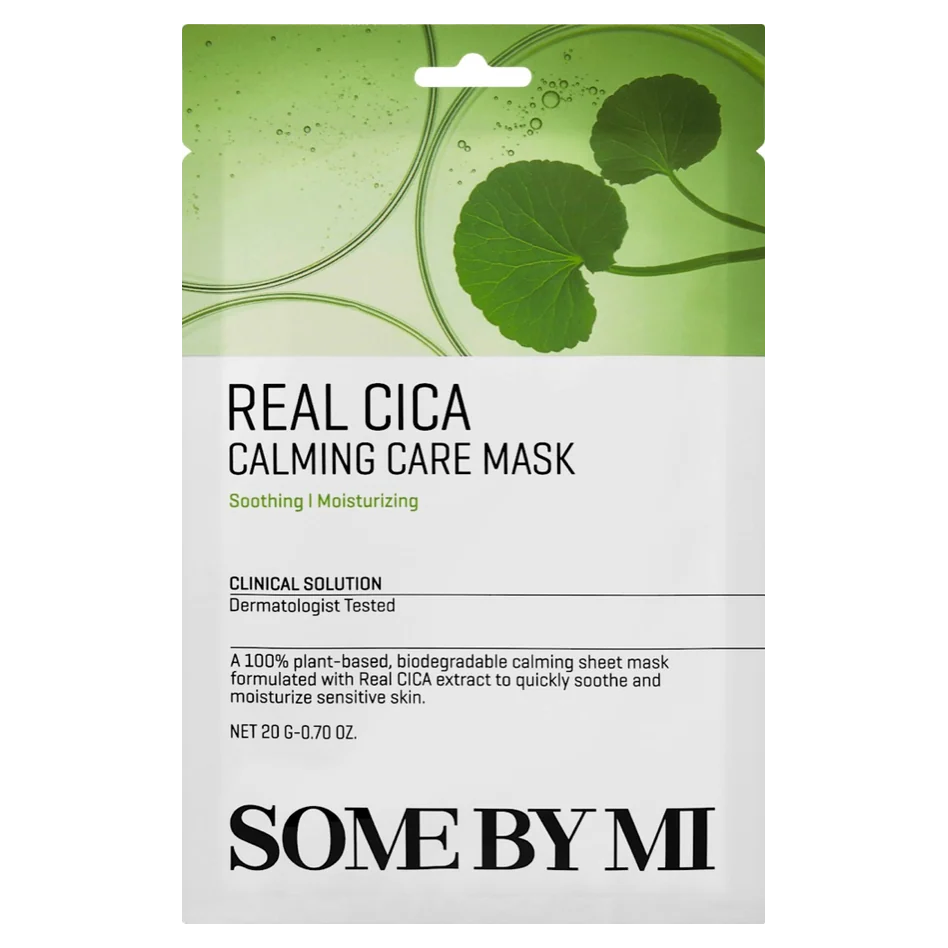
SOME BY MI
Real Cica Calming Care Mask
15th of 28 on the label
below ≈1%
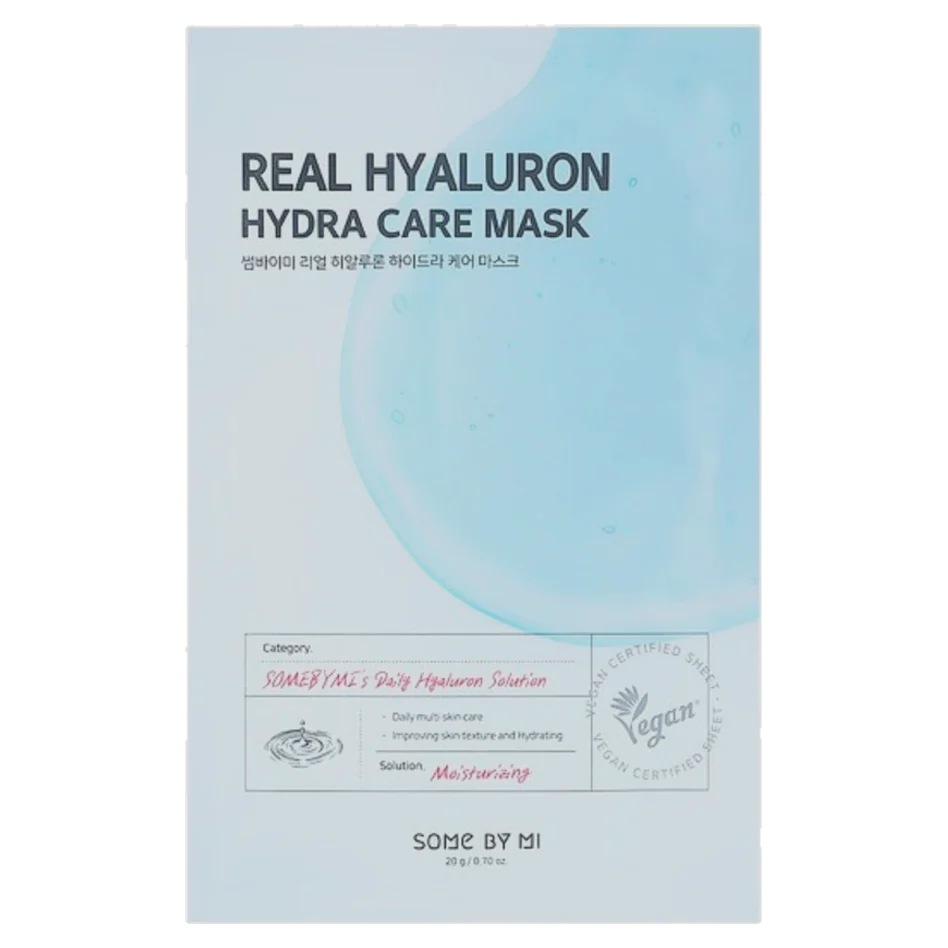
SOME BY MI
Real Hyaluron Hydra Care Mask
26th of 31 on the label
below ≈1%
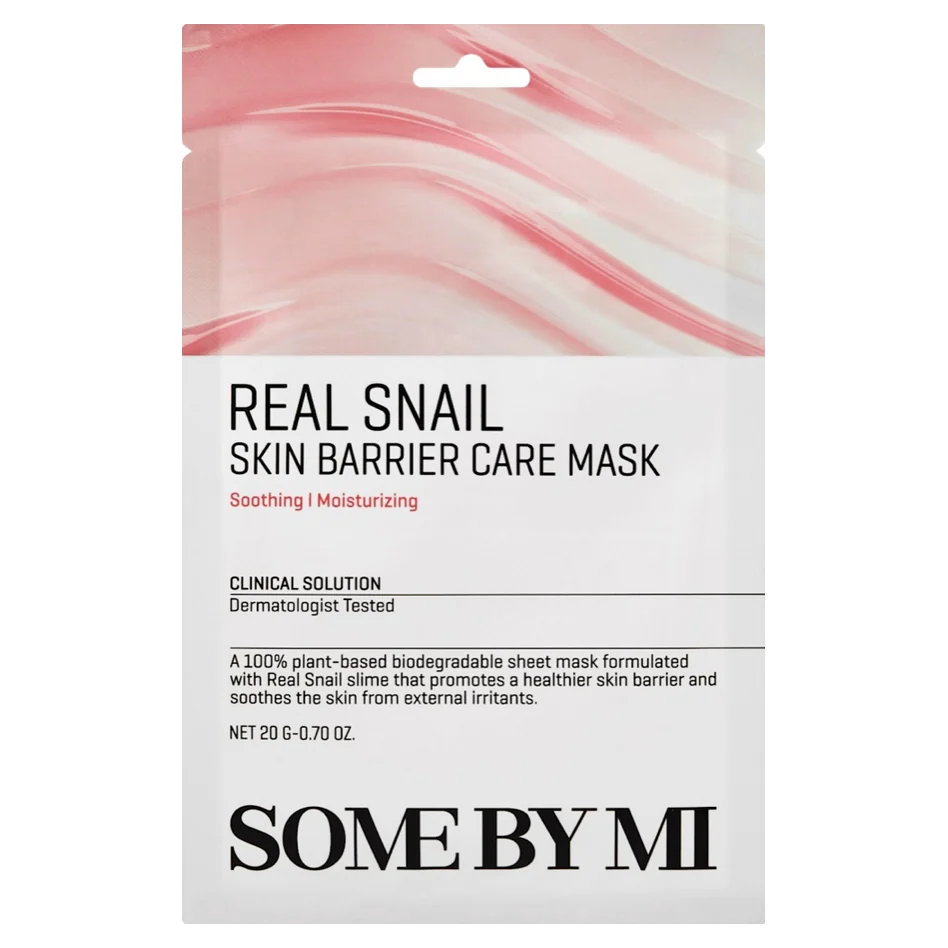
SOME BY MI
Real Snail Skin Barrier Care Mask
9th of 21 on the label
below ≈1%
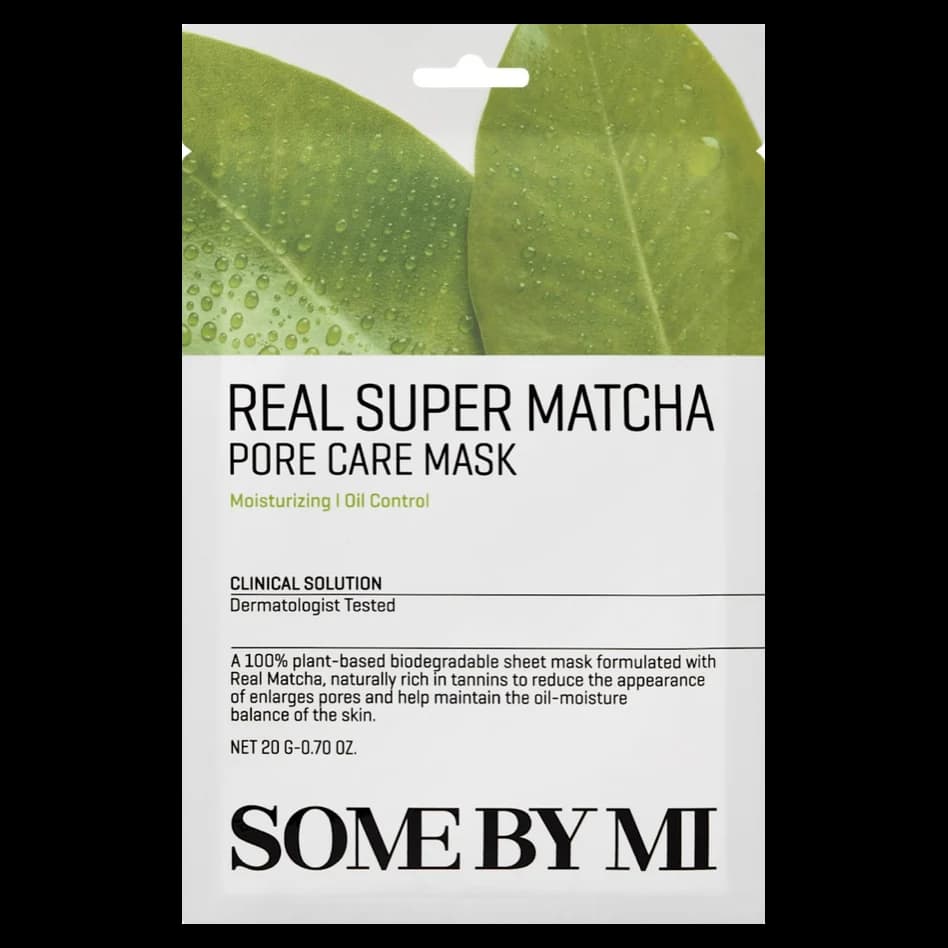
SOME BY MI
Real Super Matcha Pore Care Mask
15th of 22 on the label
below ≈1%
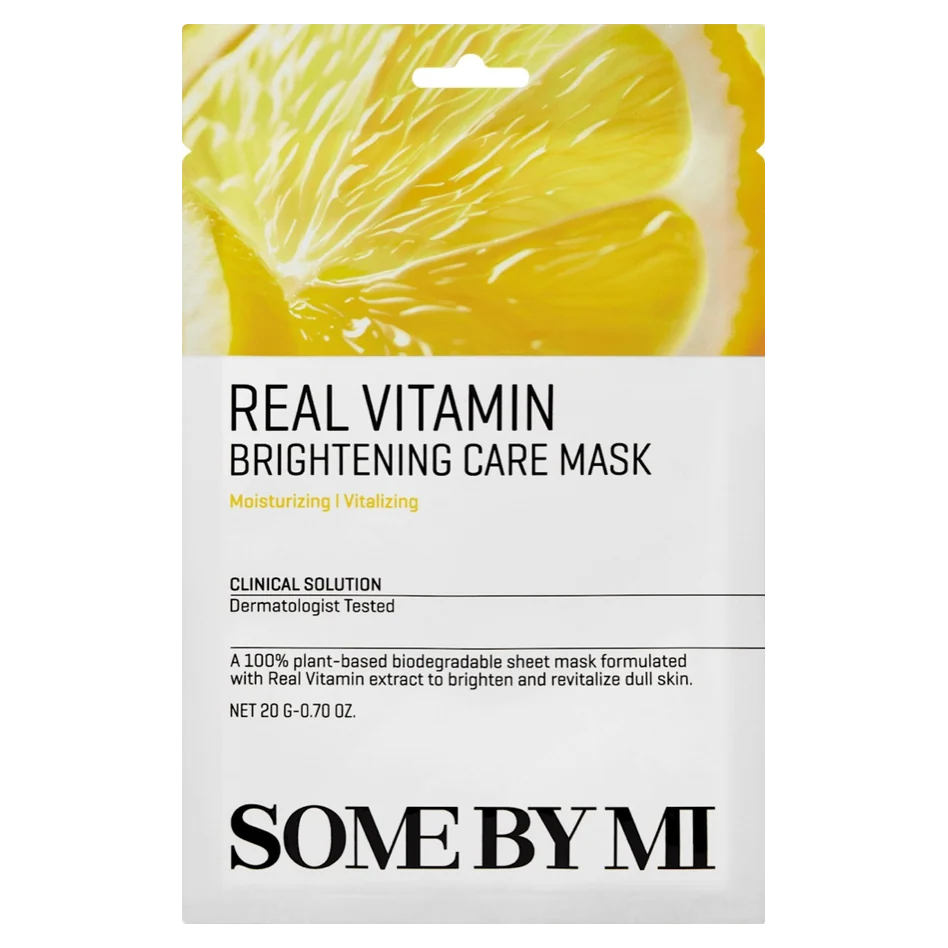
SOME BY MI
Real Vitamin Brightening Care Mask
14th of 19 on the label
below ≈1%
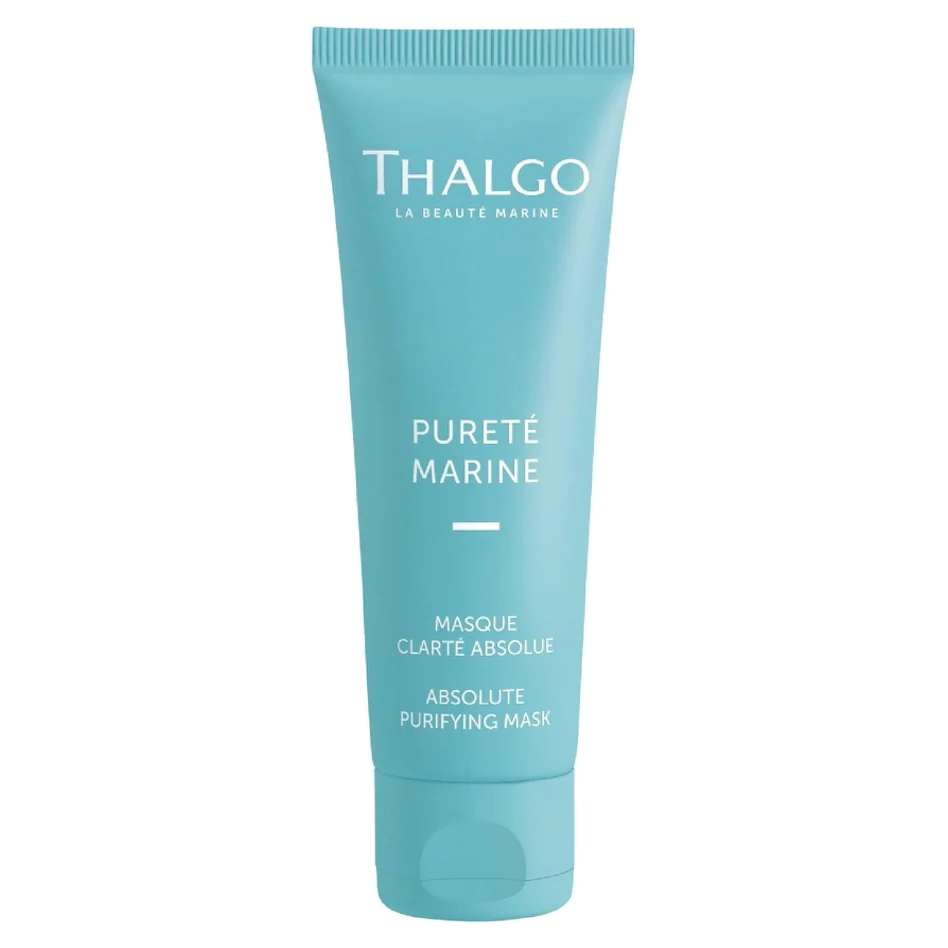
THALGO
Klärende Intensiv-Maske
26th of 32 on the label
below ≈1%
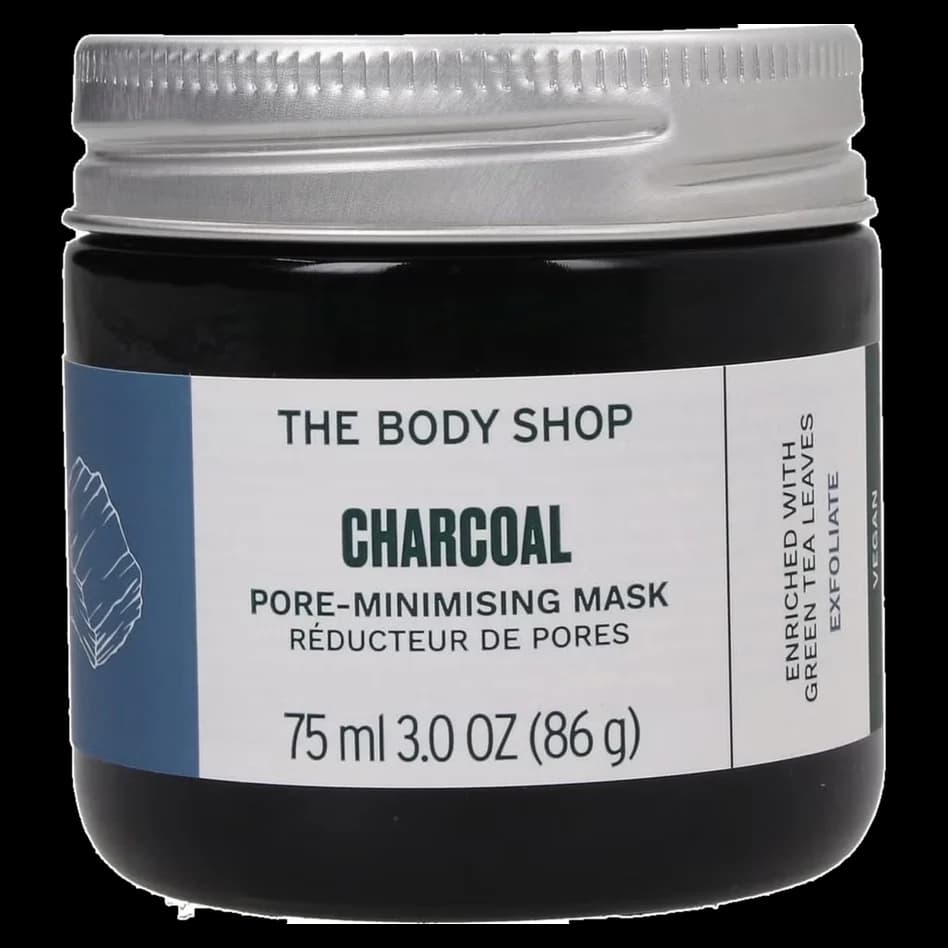
The Body Shop
Charcoal Pore Minimising Mask
14th of 37 on the label
below ≈1%
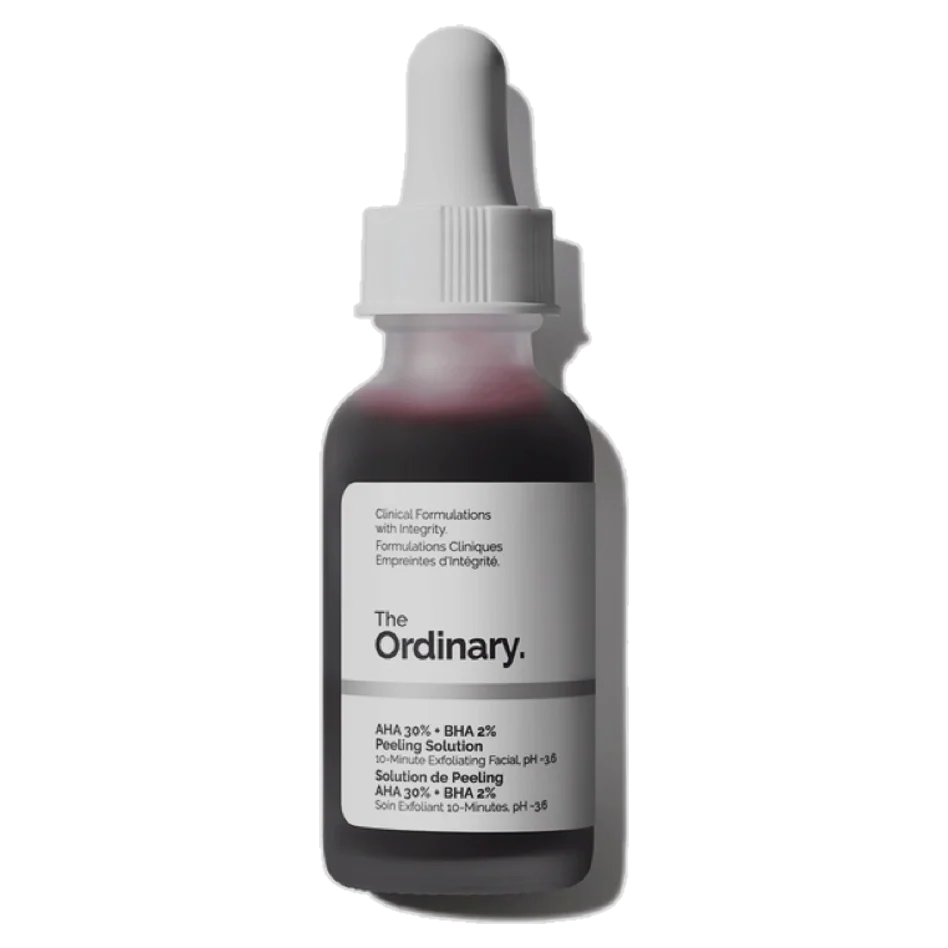
The Ordinary
AHA 30% + BHA 2% Peeling Solution
24th of 24 on the label
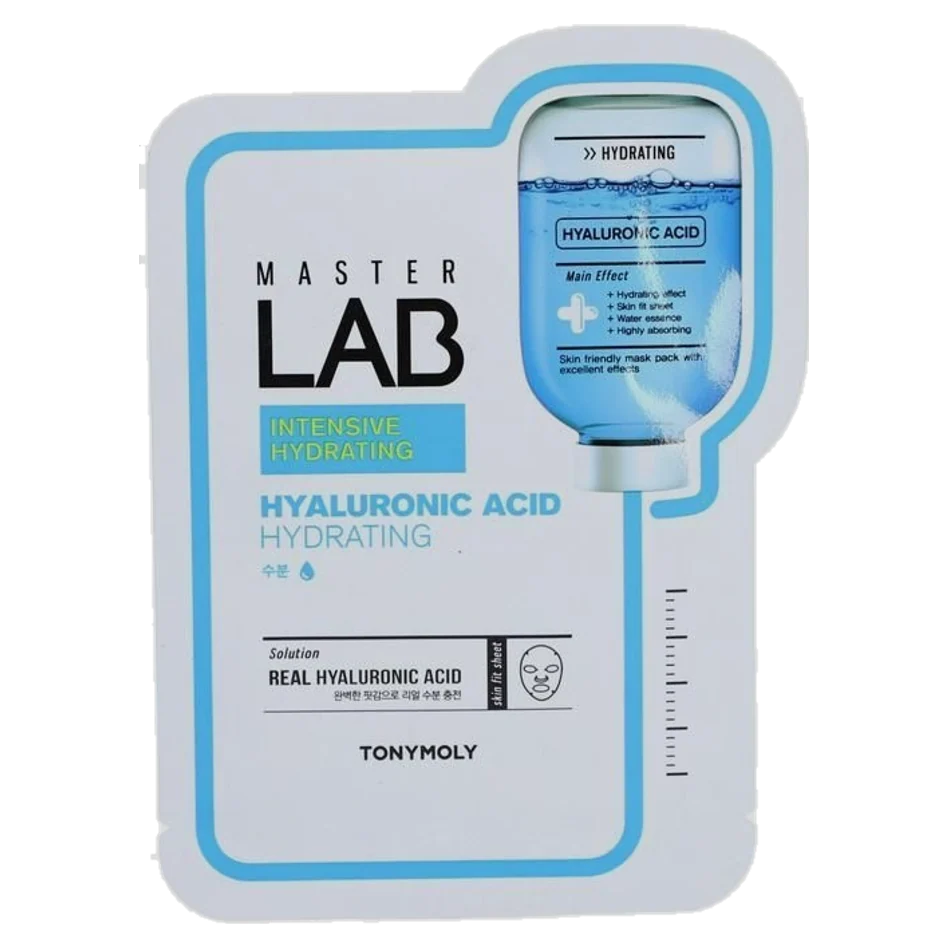
TONYMOLY
Master Lab Sheet Mask Hyaluronic Acid
22nd of 31 on the label
below ≈1%
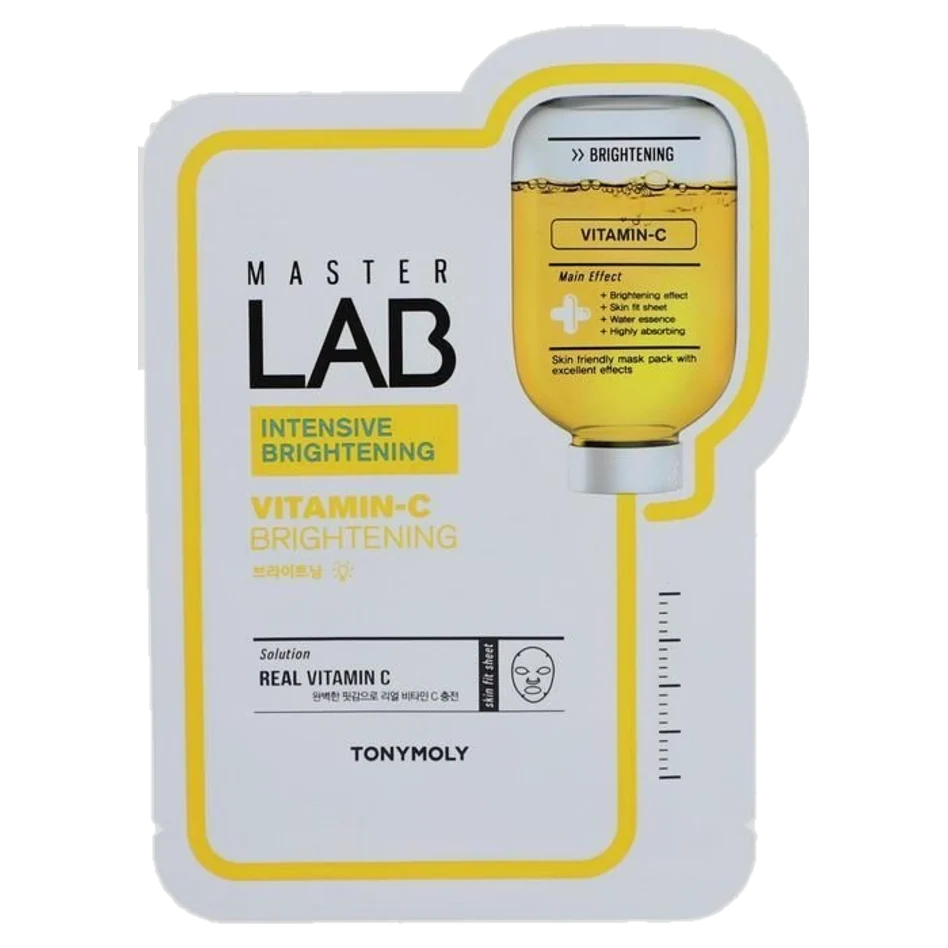
TONYMOLY
Master Lab Sheet Mask Vitamin C
29th of 33 on the label
below ≈1%
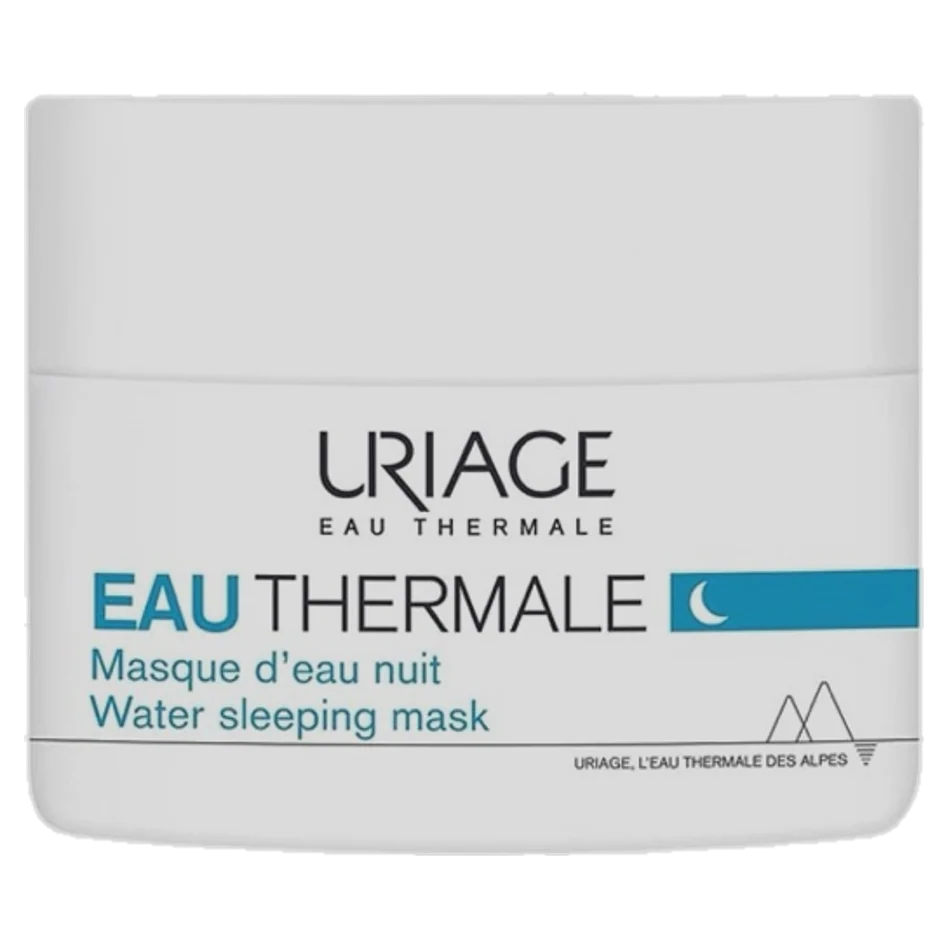
Uriage
Eau Thermale Water Sleeping Mask
21st of 29 on the label
below ≈1%