Propanediol
No meaningful concern for most people; irritation is possible but rare.
Also written as: 1,3-Propanediol
What it is
Propanediol is usually produced by fermenting corn sugar, which is why it appears in products marketed as naturally derived. Despite the similar name it is a different molecule from propylene glycol (1,2-propanediol), with the two alcohol groups at opposite ends. It hydrates, improves texture, and makes preservatives work more efficiently.
How it shows up on a label
Always on the same list as glycerin, though not necessarily beside it, and usually in the first half of an ingredient list, above the point where order stops indicating quantity.
What it does well
Hydrates and boosts preservative efficiency
As well as binding water, propanediol makes common preservative systems more effective, which lets formulators use lower levels of the preservatives themselves.
Moderate evidence
Worth knowing
Very low irritation potential
Propanediol is reported to be better tolerated than propylene glycol and is not a recognised common allergen. People allergic to propylene glycol do not generally react to it.
Matters most toNo specific group.
Where the EU stands
No specific restriction
Permitted in EU cosmetics with no concentration limit. It is not listed in the banned, restricted or preservative annexes of the Cosmetics Regulation.
Regulation (EC) No 1223/2009 - no annex entry · source ↗
Masks that contain Propanediol
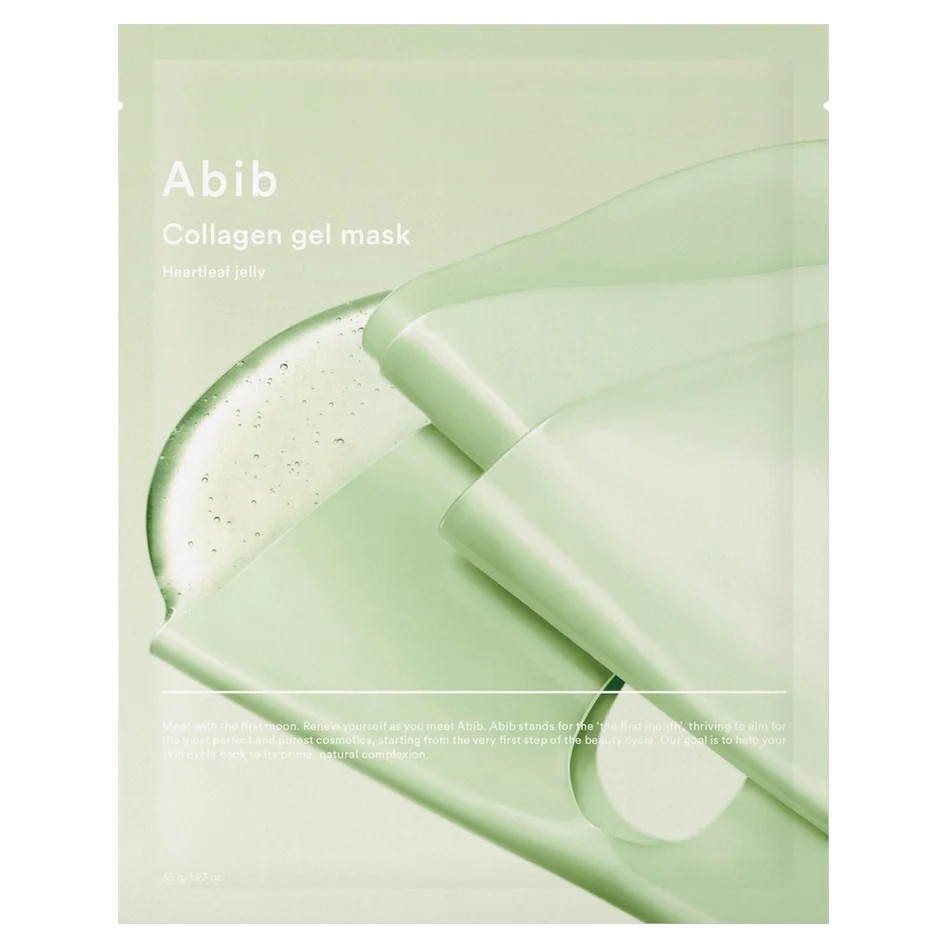
Abib
Collagen Gel Mask Heartleaf Jelly
22nd of 43 on the label
below ≈1%
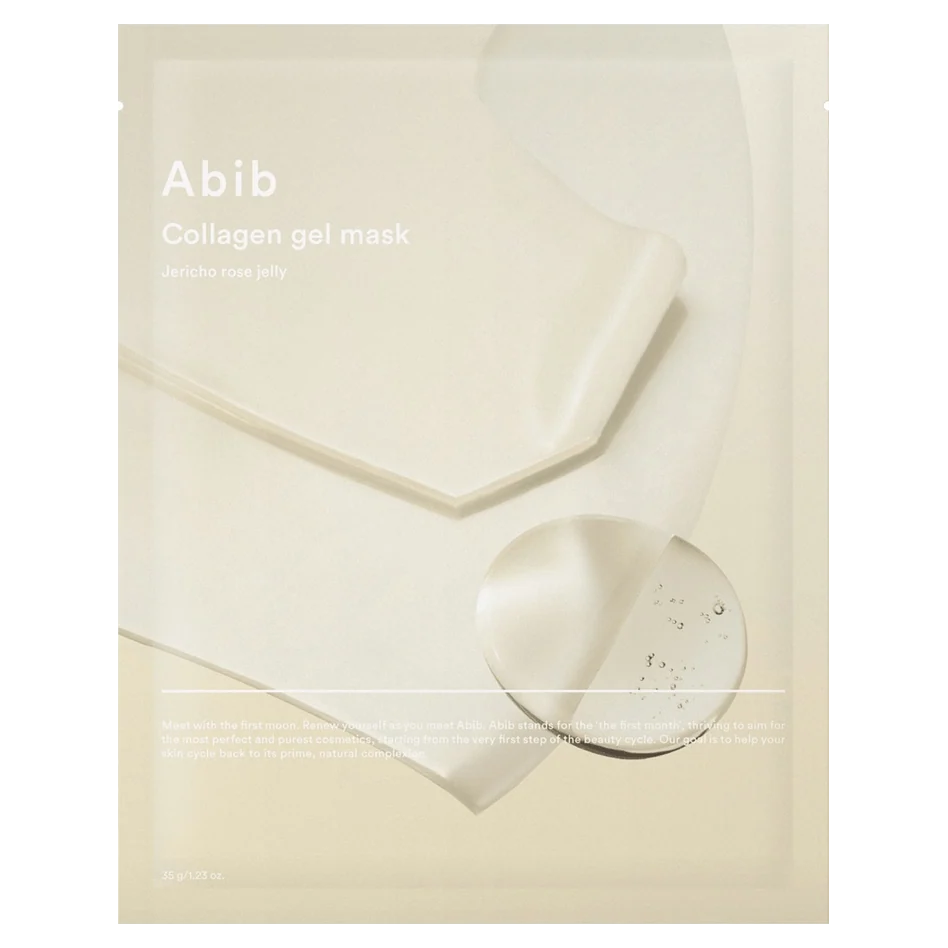
Abib
Collagen Gel Mask Jericho Rose Jelly
23rd of 43 on the label
below ≈1%
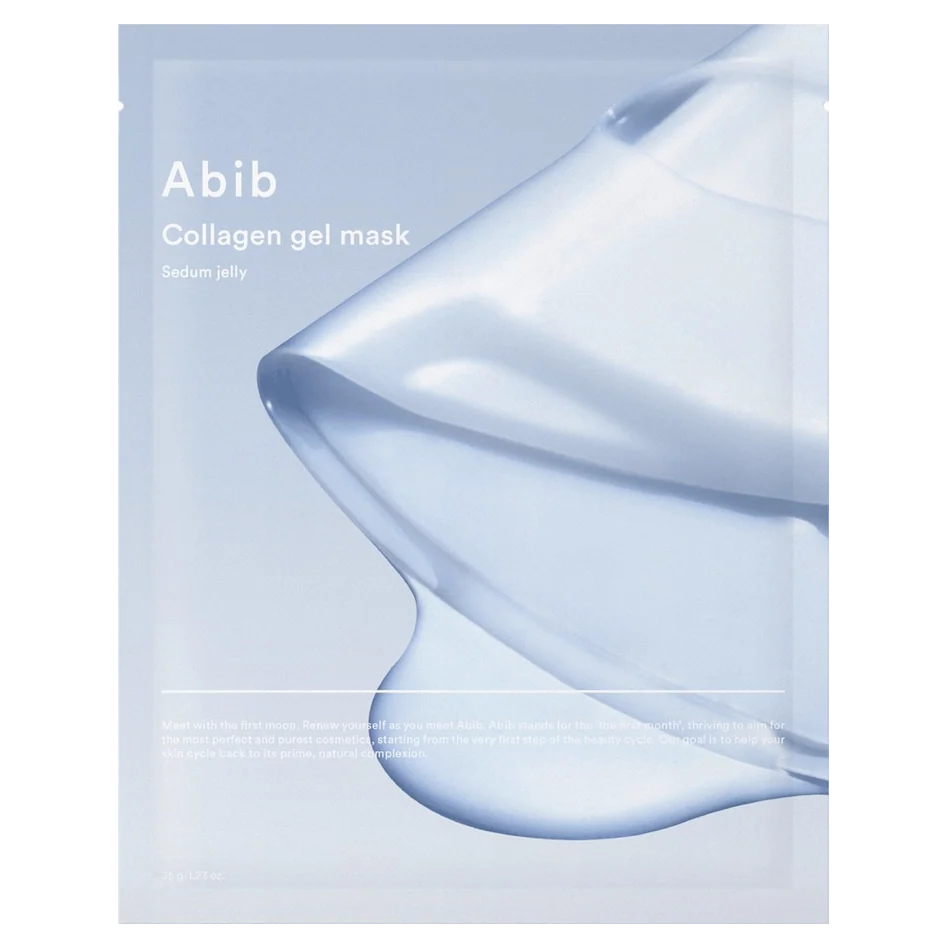
Abib
Collagen Gel Mask Sedum Jelly
9th of 41 on the label
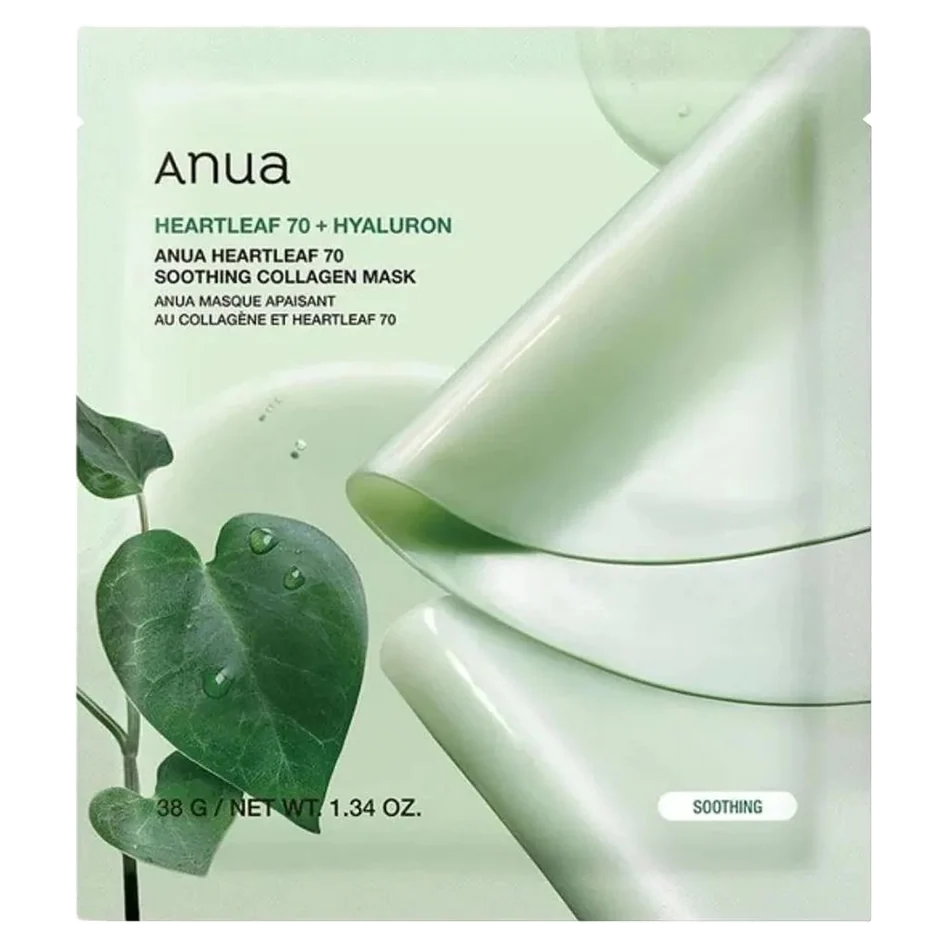
Anua
Heartleaf 70 Soothing Collagen Mask
22nd of 35 on the label
below ≈1%
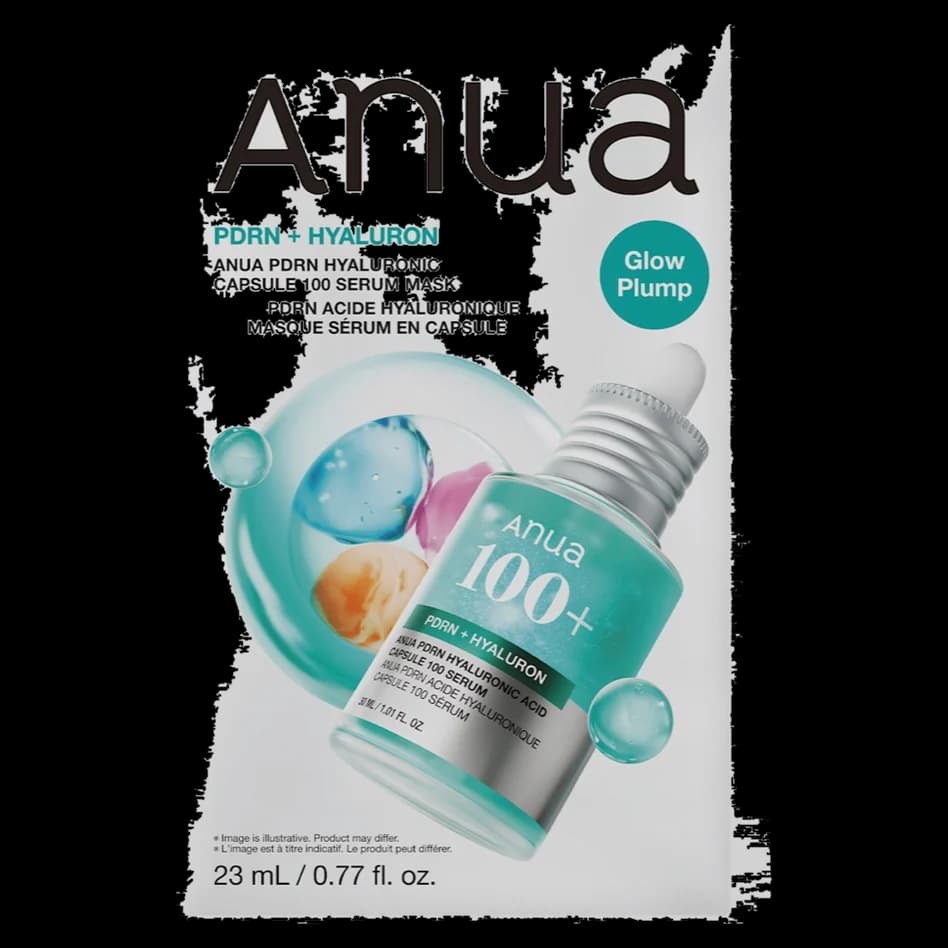
Anua
PDRN Serum Mask 100 Hyaluronic Acid Capsule
10th of 45 on the label
below ≈1%
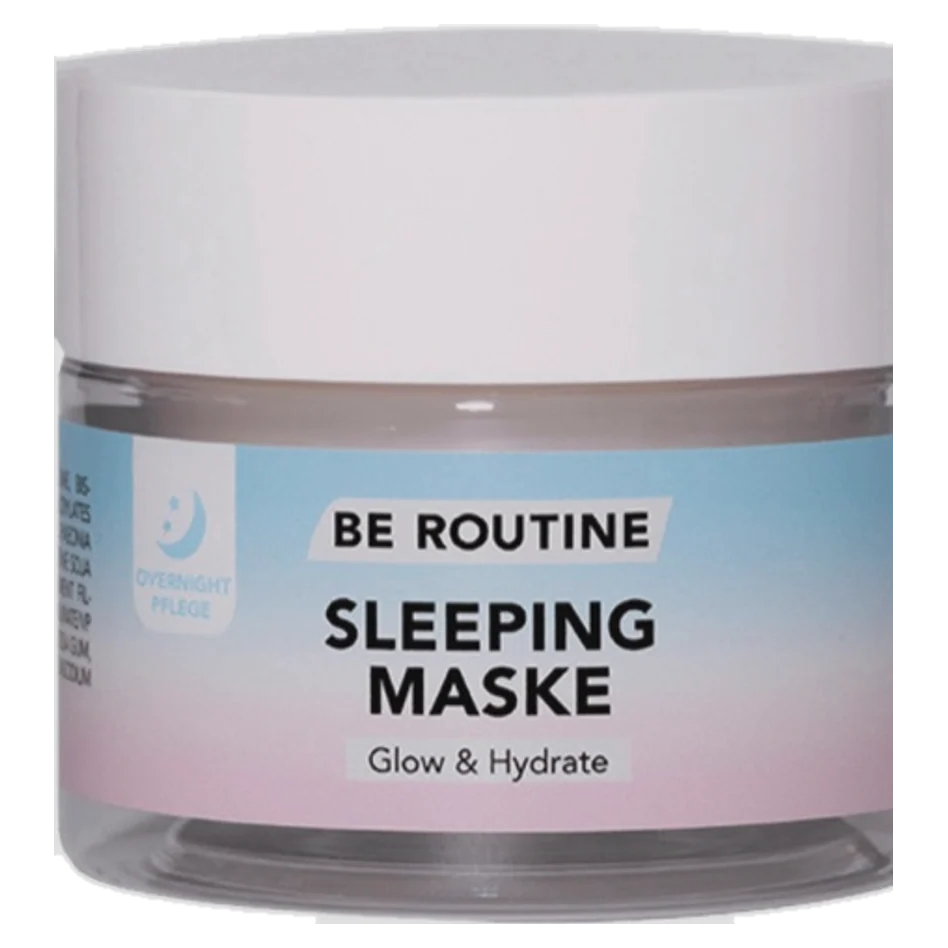
Be Routine
Schlafmaske Glow & Hydrate
15th of 27 on the label
below ≈1%
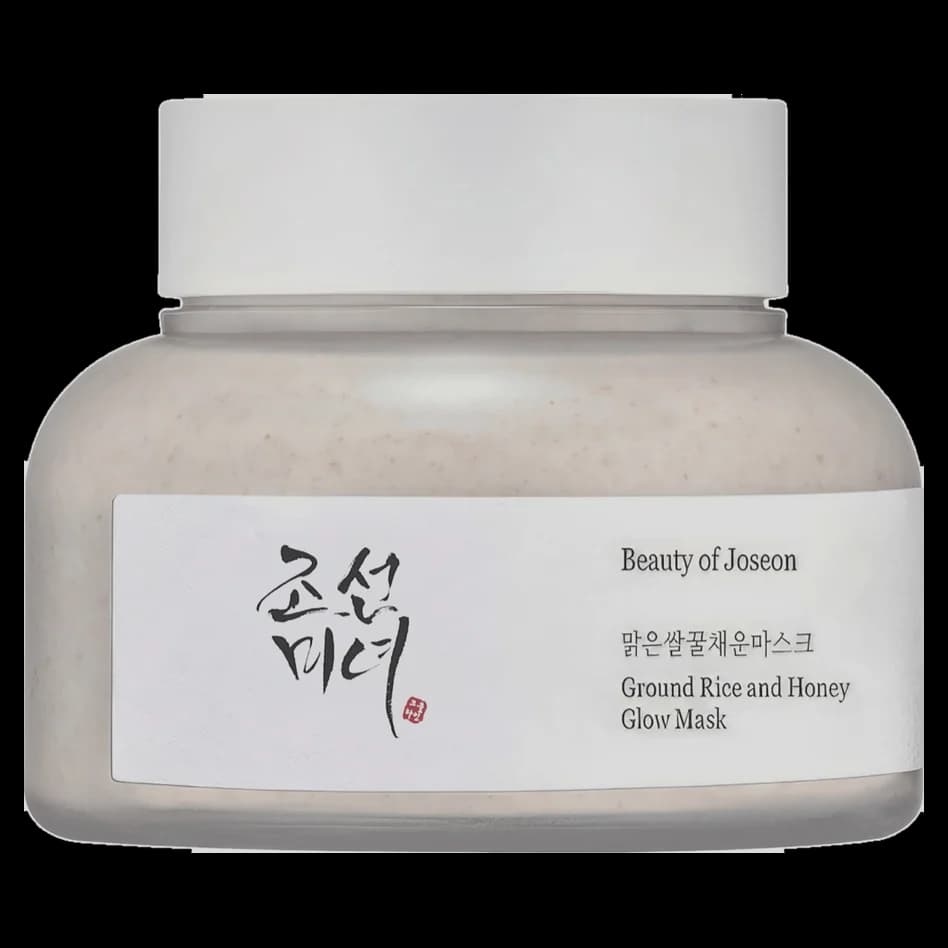
Beauty of Joseon
Ground Rice and Honey Glow Mask
5th of 35 on the label
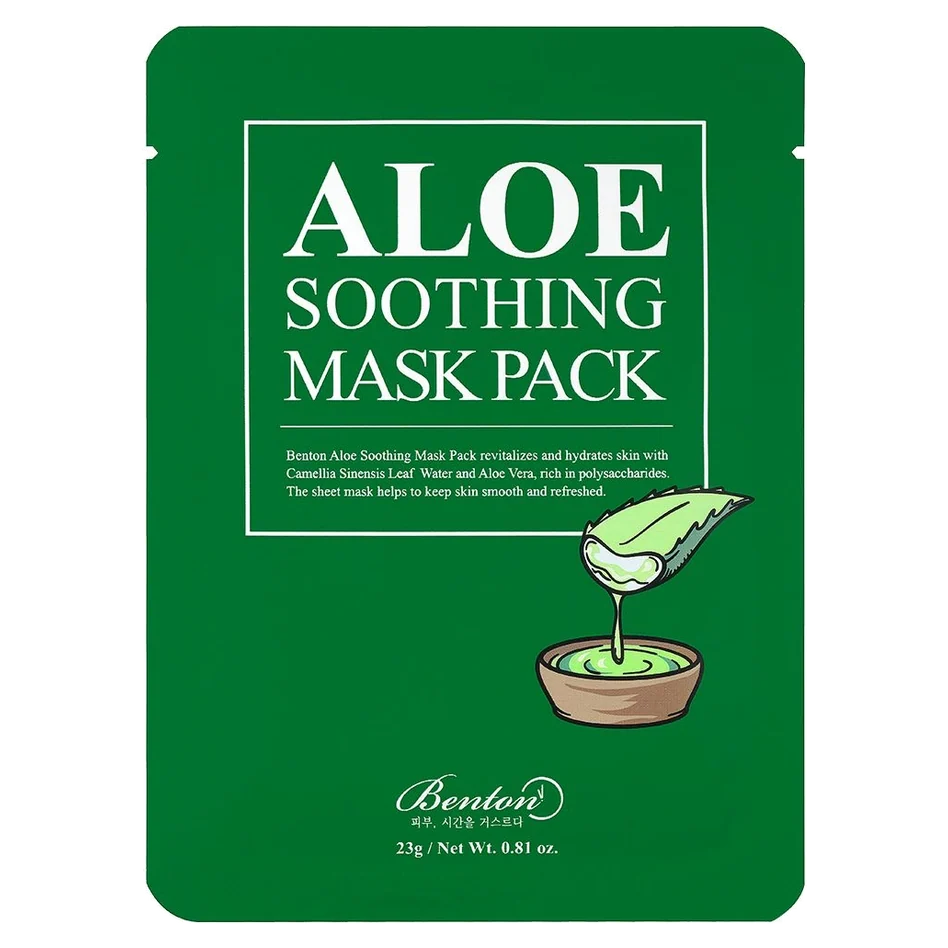
Benton
Aloe Soothing Mask Pack
17th of 19 on the label
below ≈1%
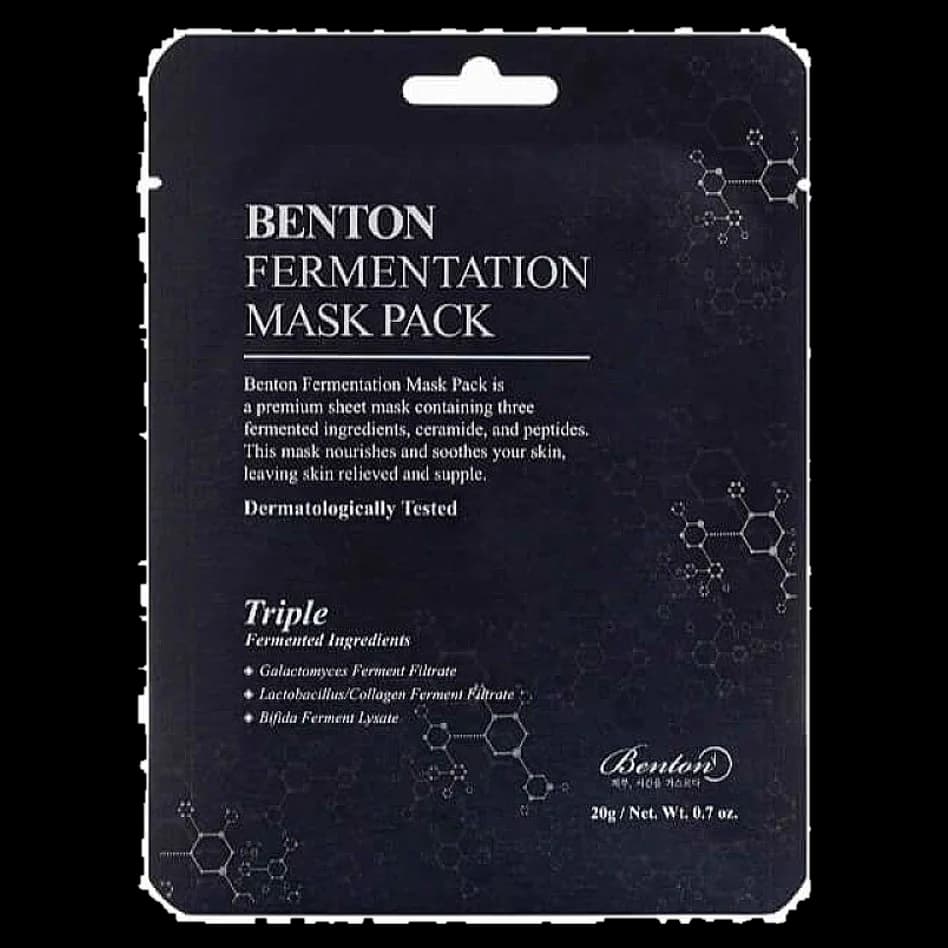
Benton
Fermentation Mask Pack
5th of 25 on the label
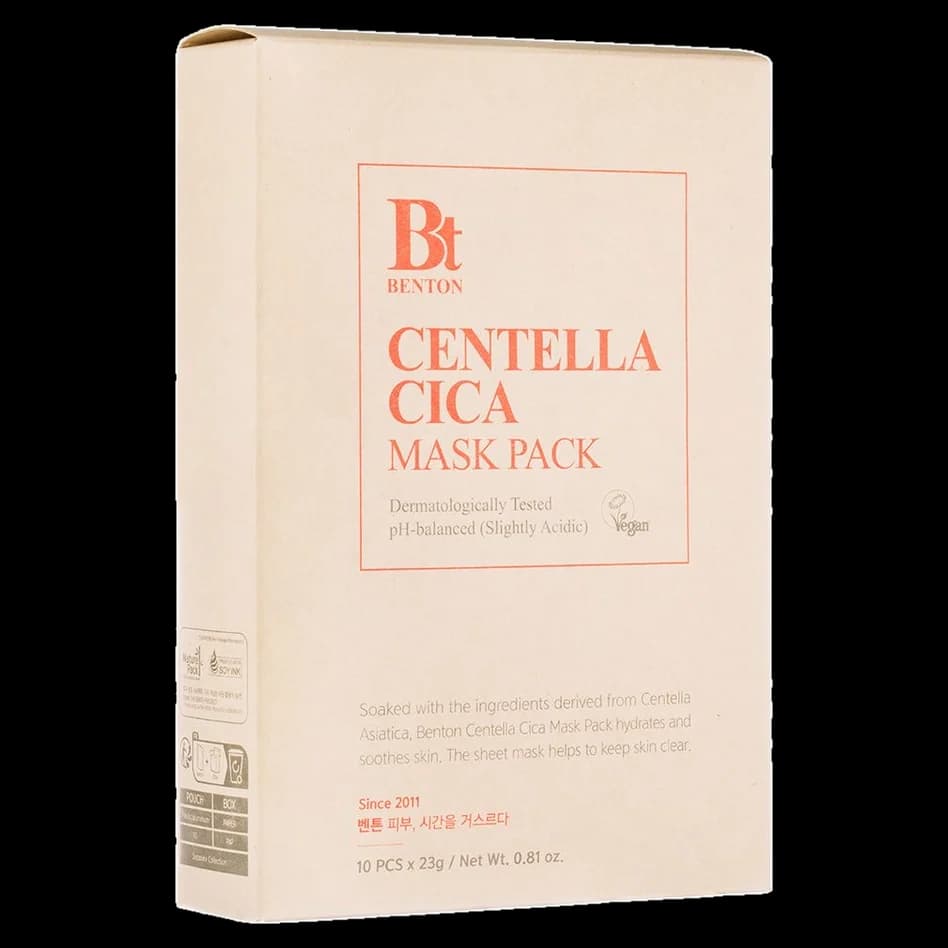
Benton
Goodbye Redness Centella Cica Mask Pack
10th of 23 on the label
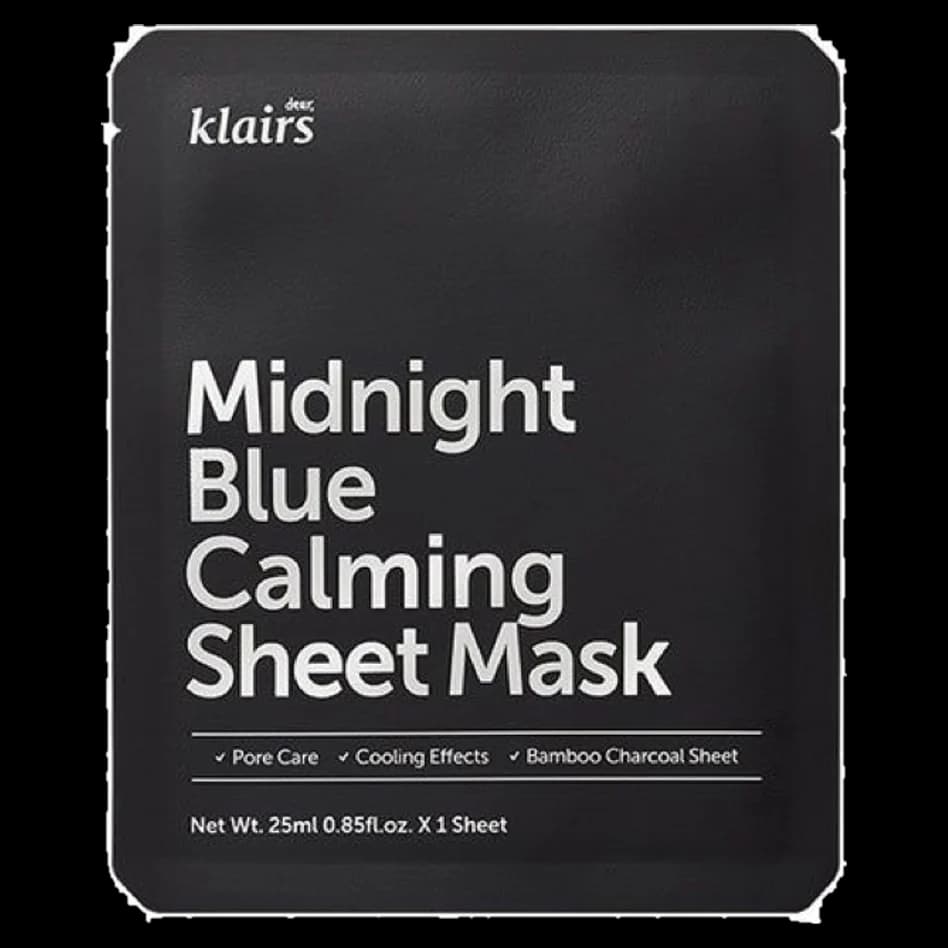
Dear, Klairs
Midnight Blue Calming Sheet Mask
14th of 21 on the label
below ≈1%
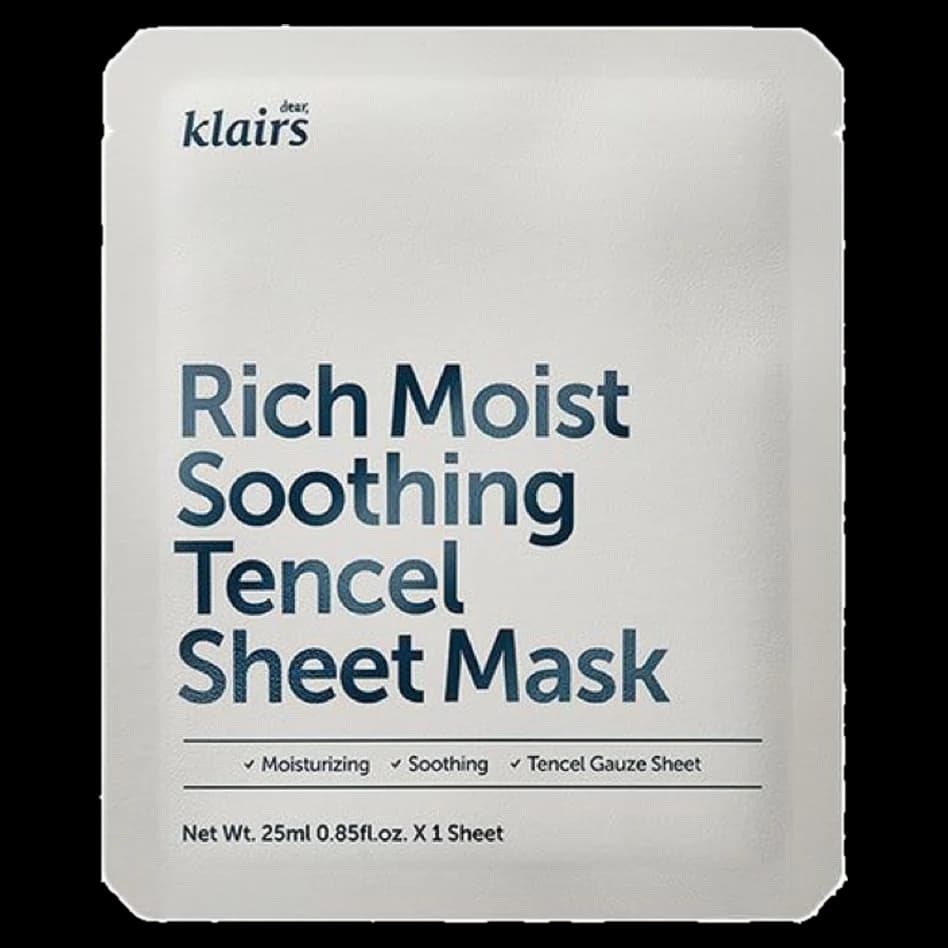
Dear, Klairs
Rich Moist Soothing Tencel Sheet Mask
7th of 33 on the label
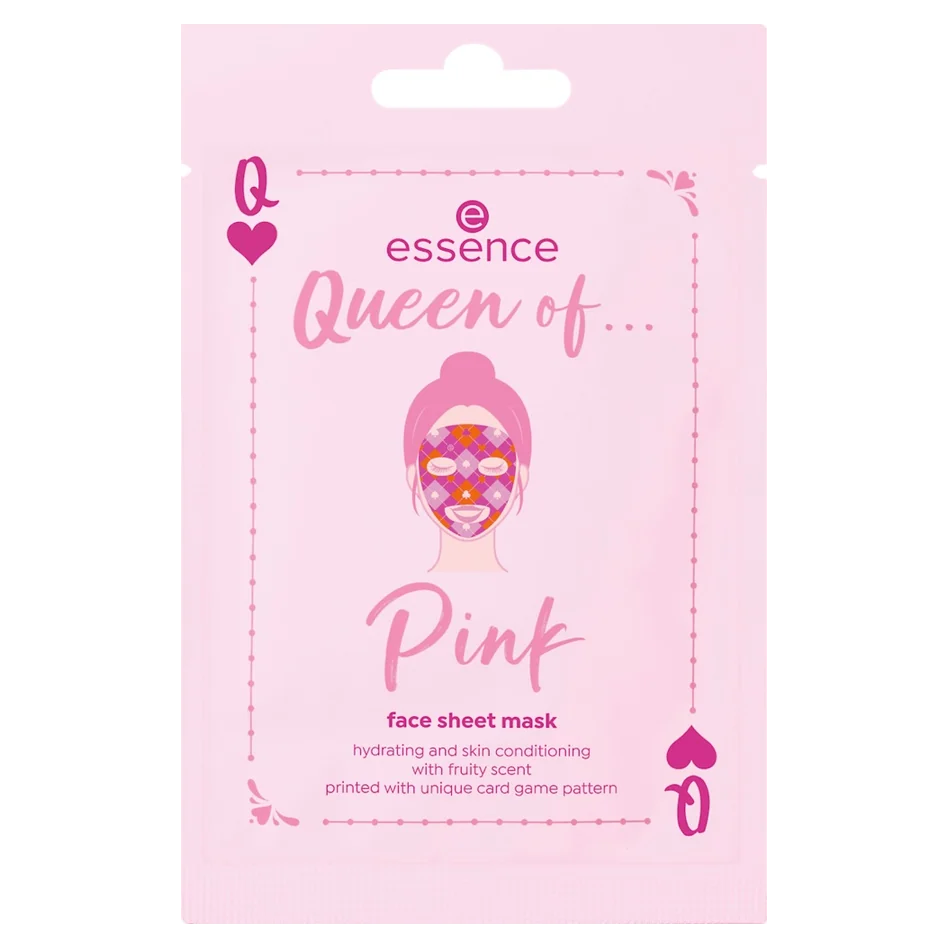
essence
Queen of Pink Face Sheet Mask 01 Keeping My Pink Poker Face
9th of 23 on the label
below ≈1%
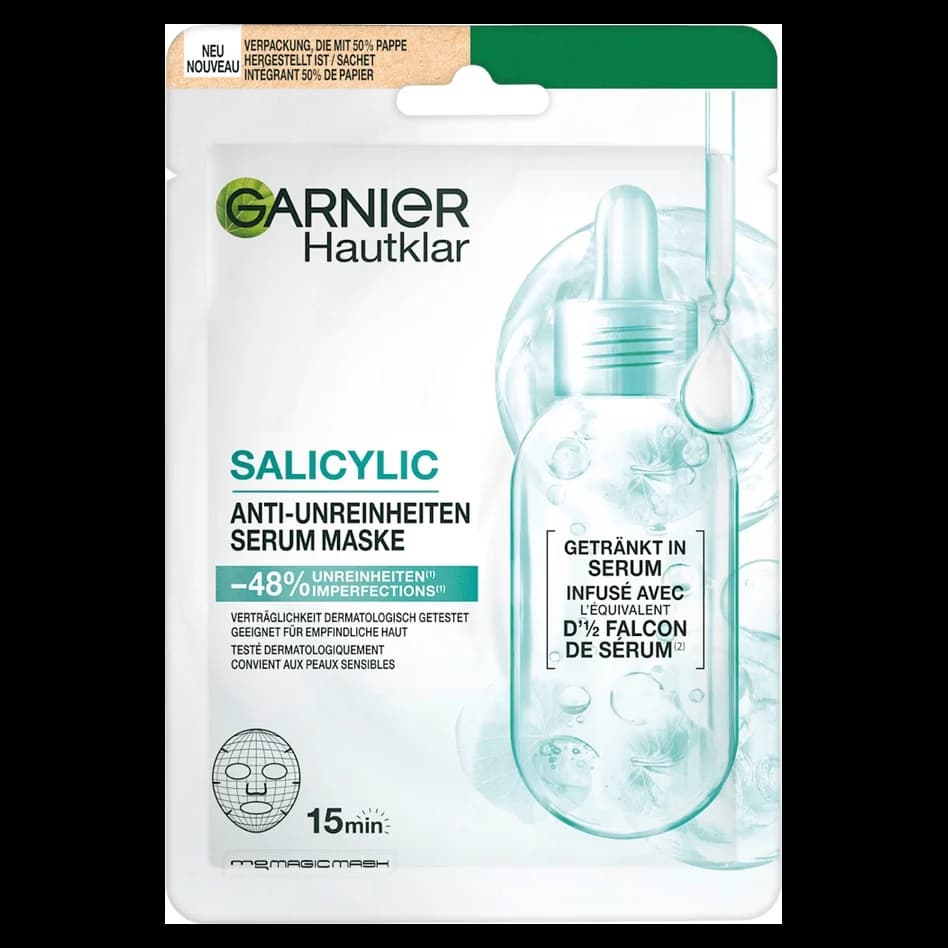
Garnier
Salicylic Tissue Mask
2nd of 26 on the label
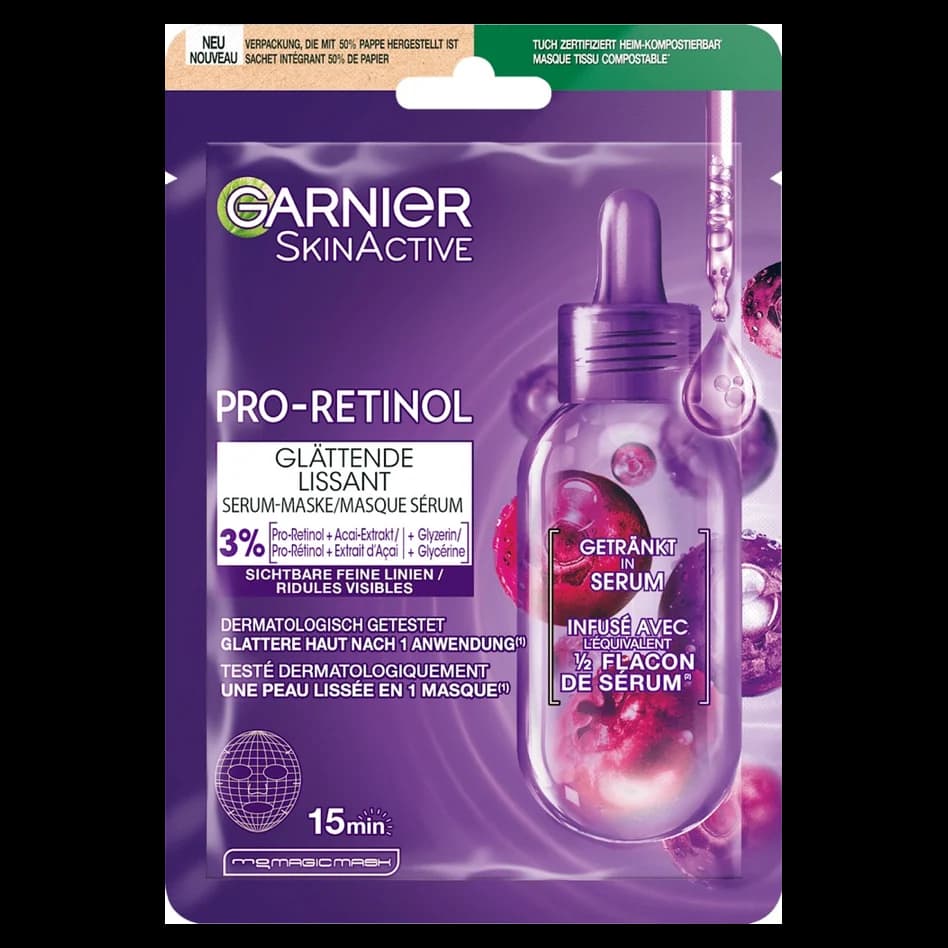
Garnier
SkinActive Pro-Retinol Tissue Mask
2nd of 24 on the label
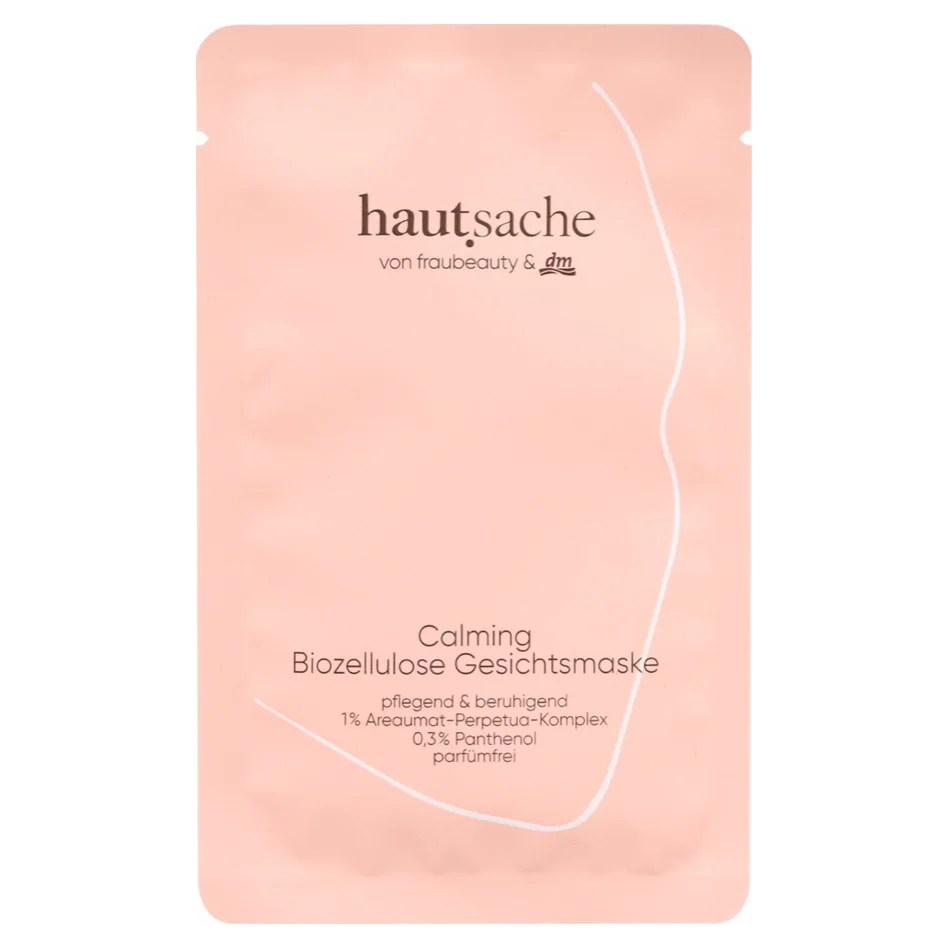
hautsache
Gesichtsmaske Biozellulose Calming
11th of 27 on the label
below ≈1%
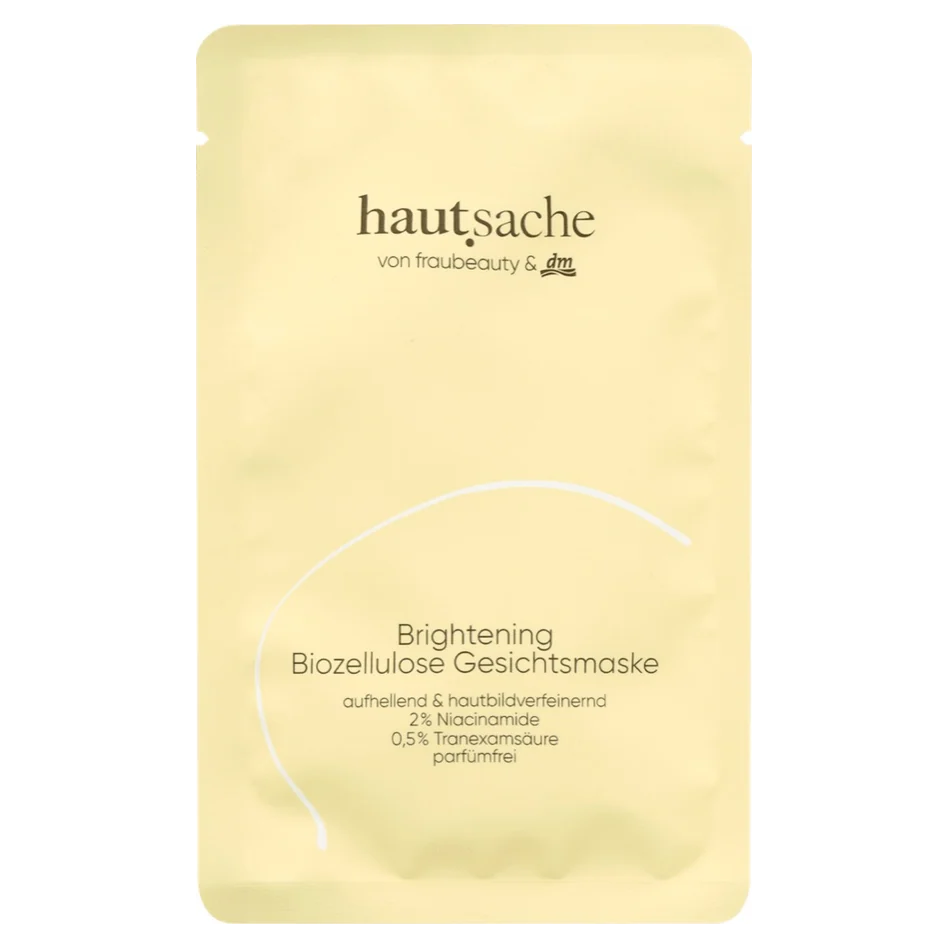
hautsache
Gesichtsmaske Brightening
14th of 33 on the label
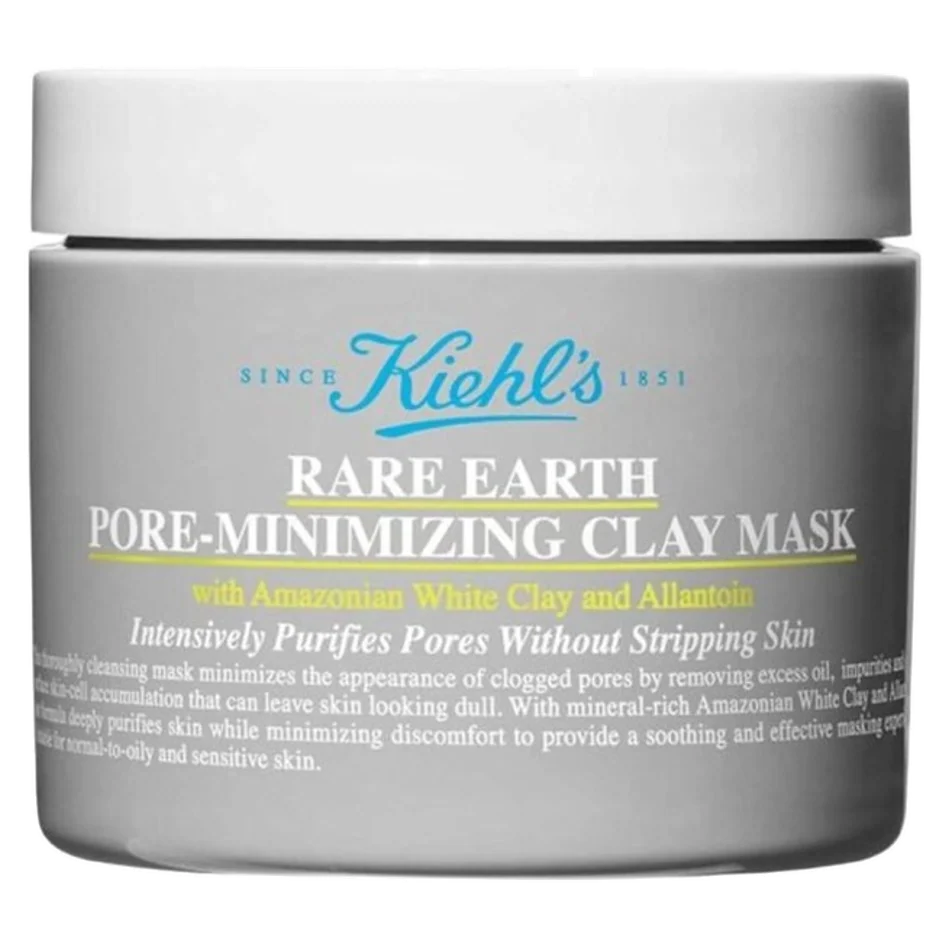
Kiehl's
Rare Earth Pore-Minimizing Clay Mask
4th of 19 on the label
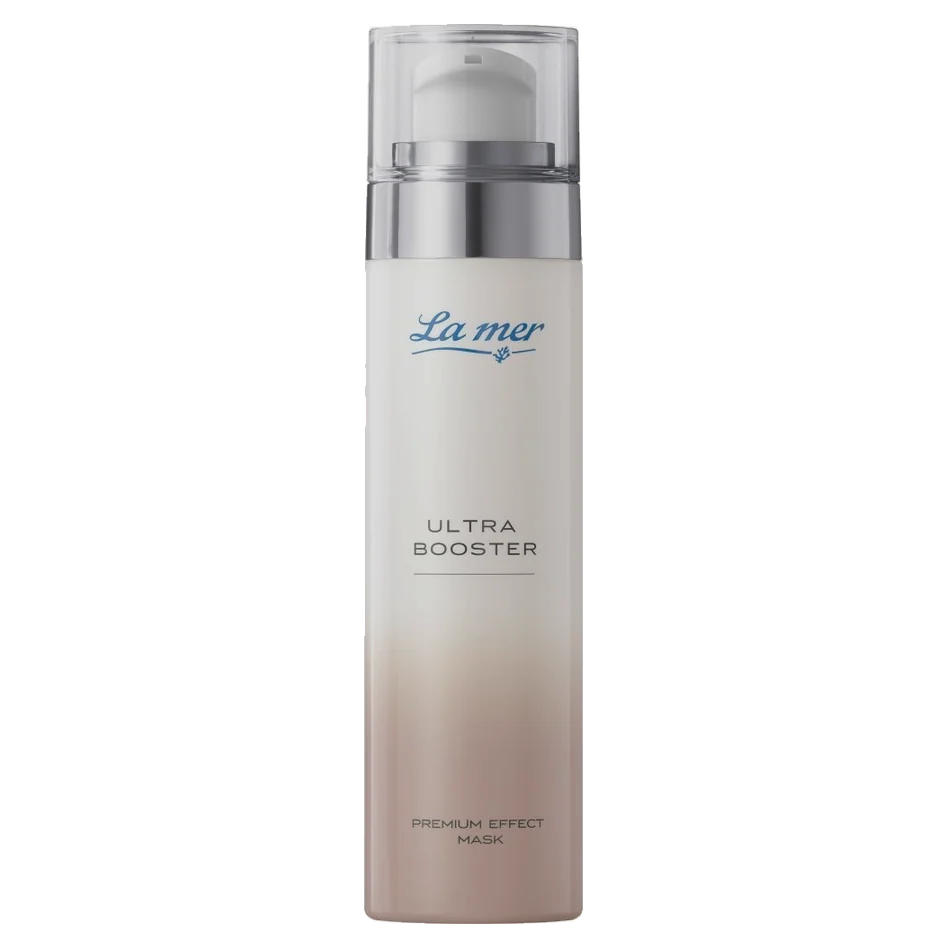
LA MER
Ultra Booster Premium Mask Effect
5th of 41 on the label
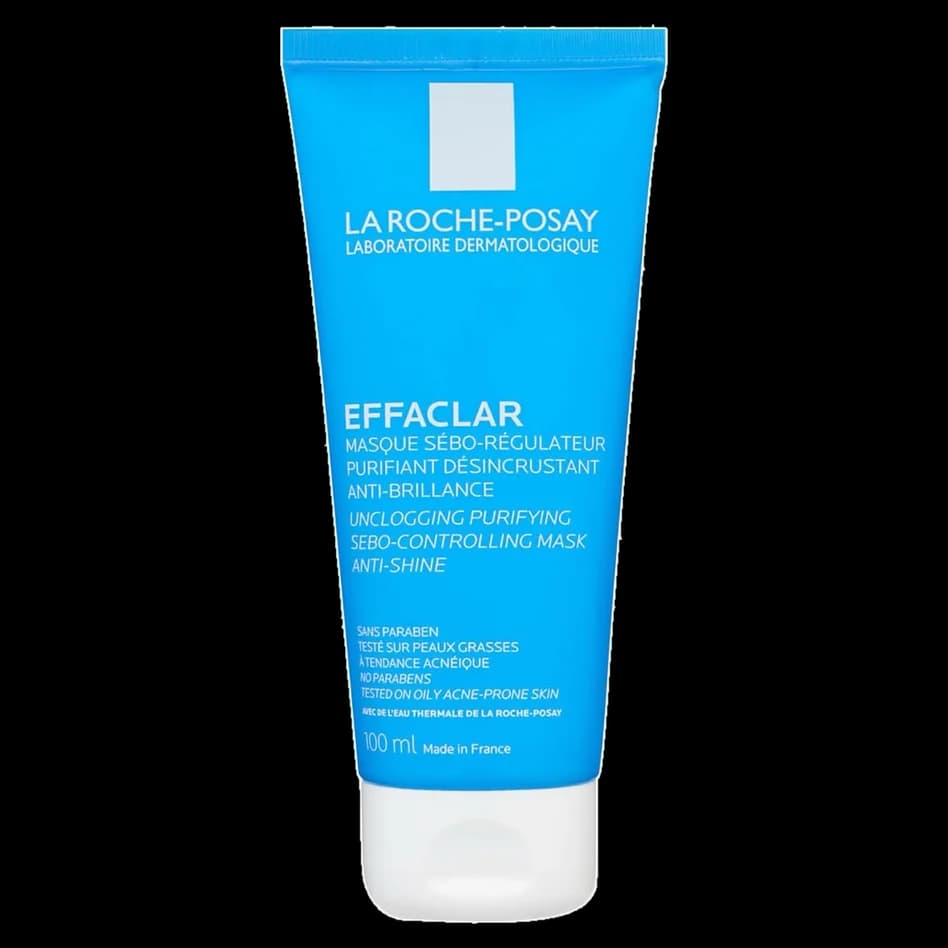
La Roche-Posay
Effaclar Purifying Clay Mask
5th of 20 on the label
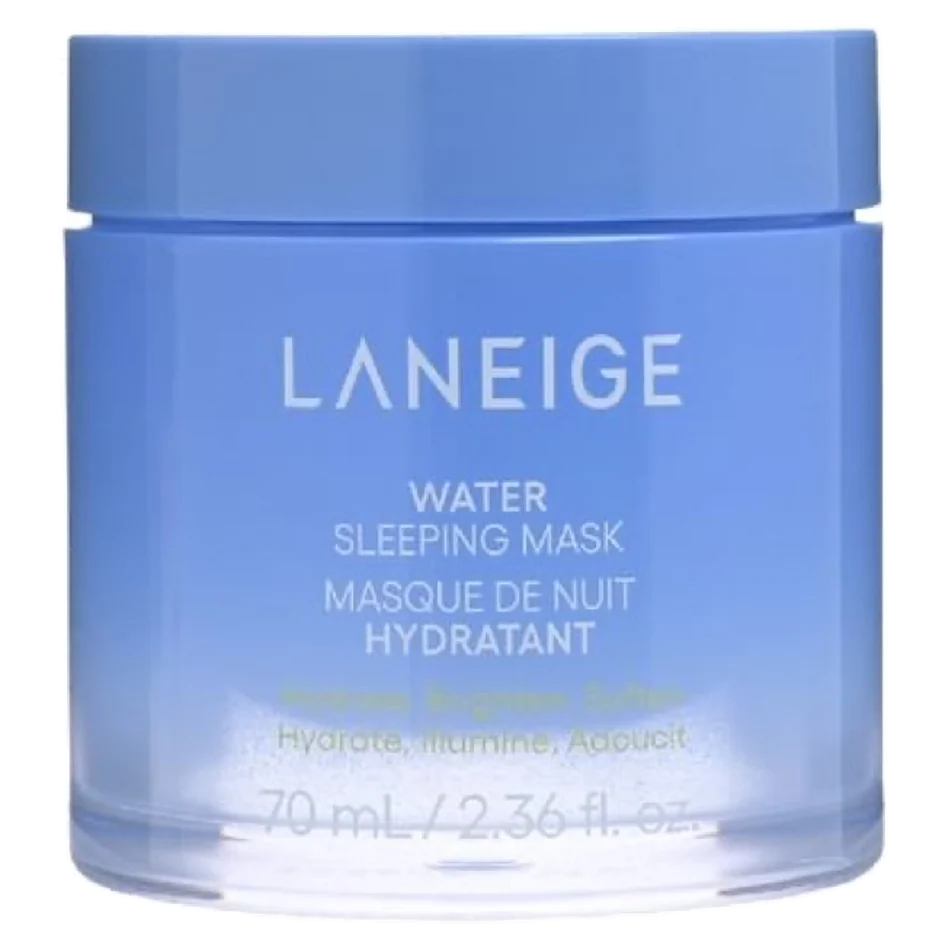
LANEIGE
Water Sleeping Mask
18th of 43 on the label
below ≈1%
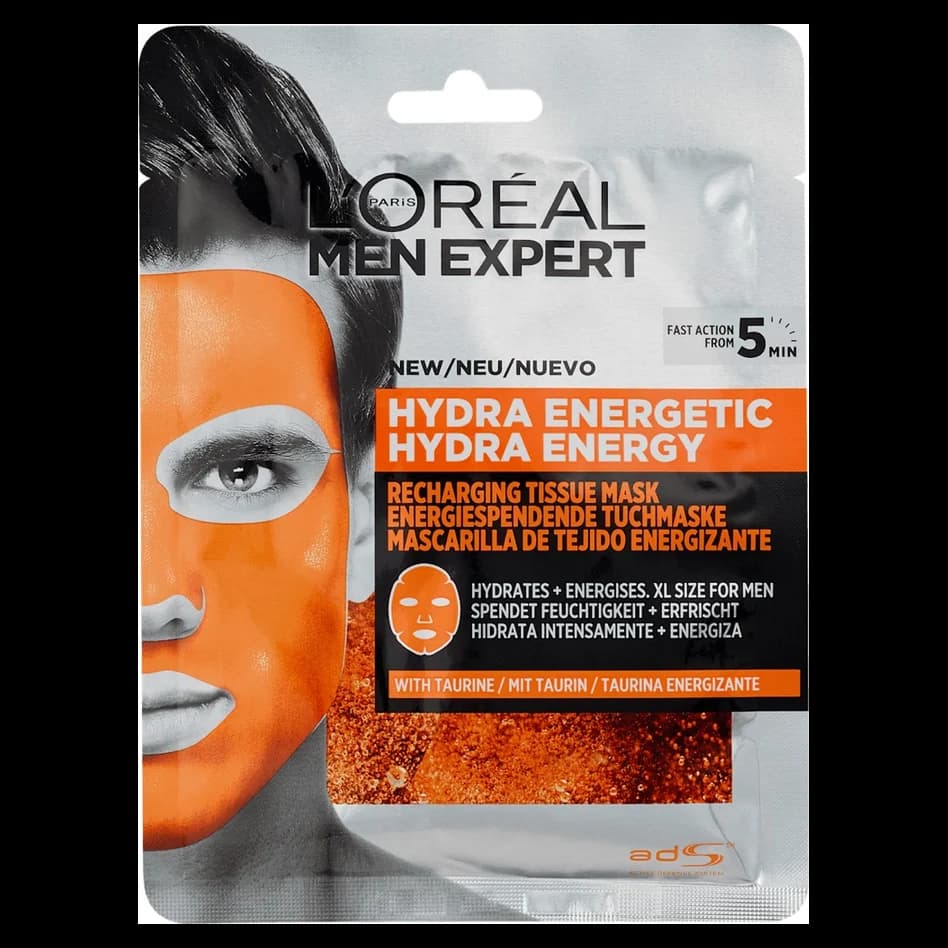
L'Oréal Paris
Men Expert Hydra Energetic Recharging Tissue Mask
2nd of 21 on the label
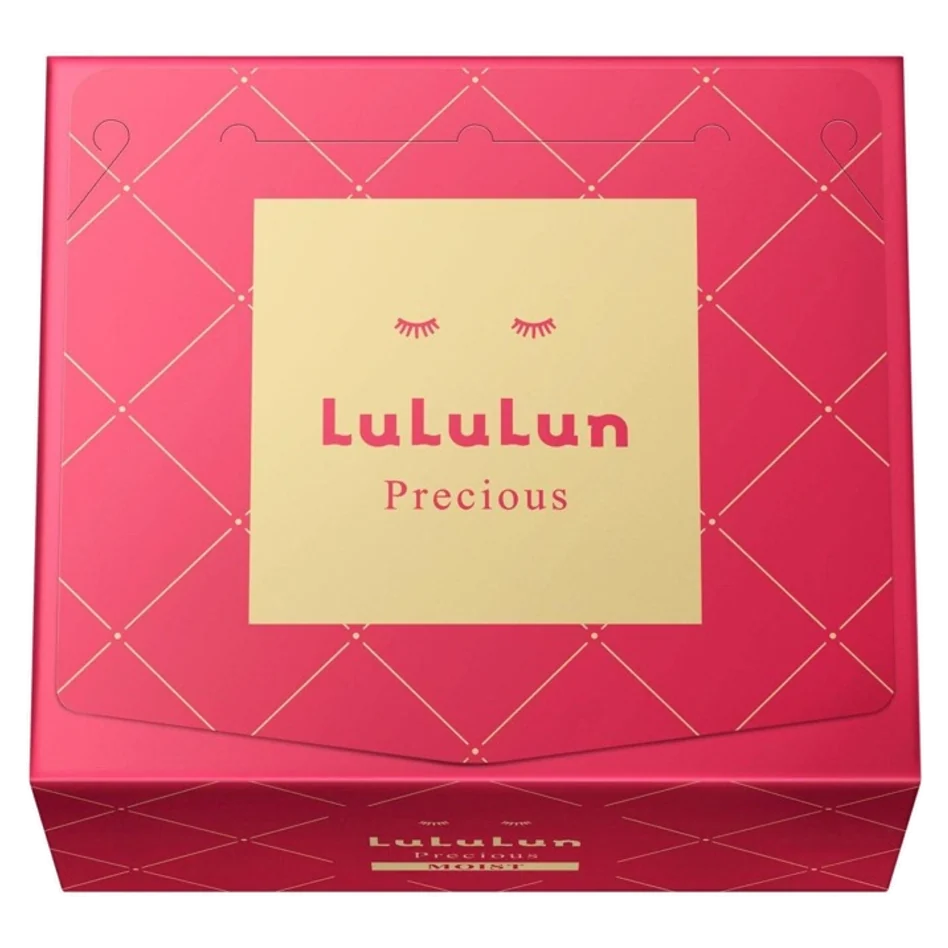
LuLuLun
Precious Face Mask Moist (Red)
15th of 26 on the label
below ≈1%
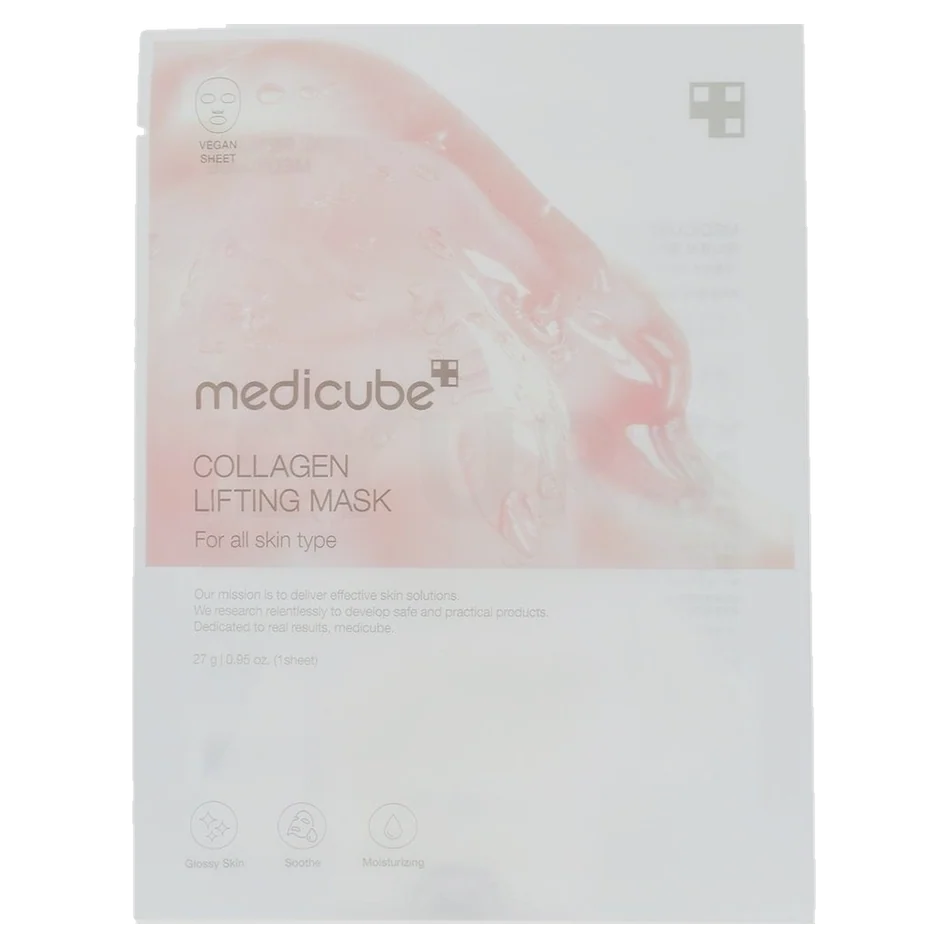
Medicube
Collagen Lifting Mask
8th of 39 on the label
below ≈1%
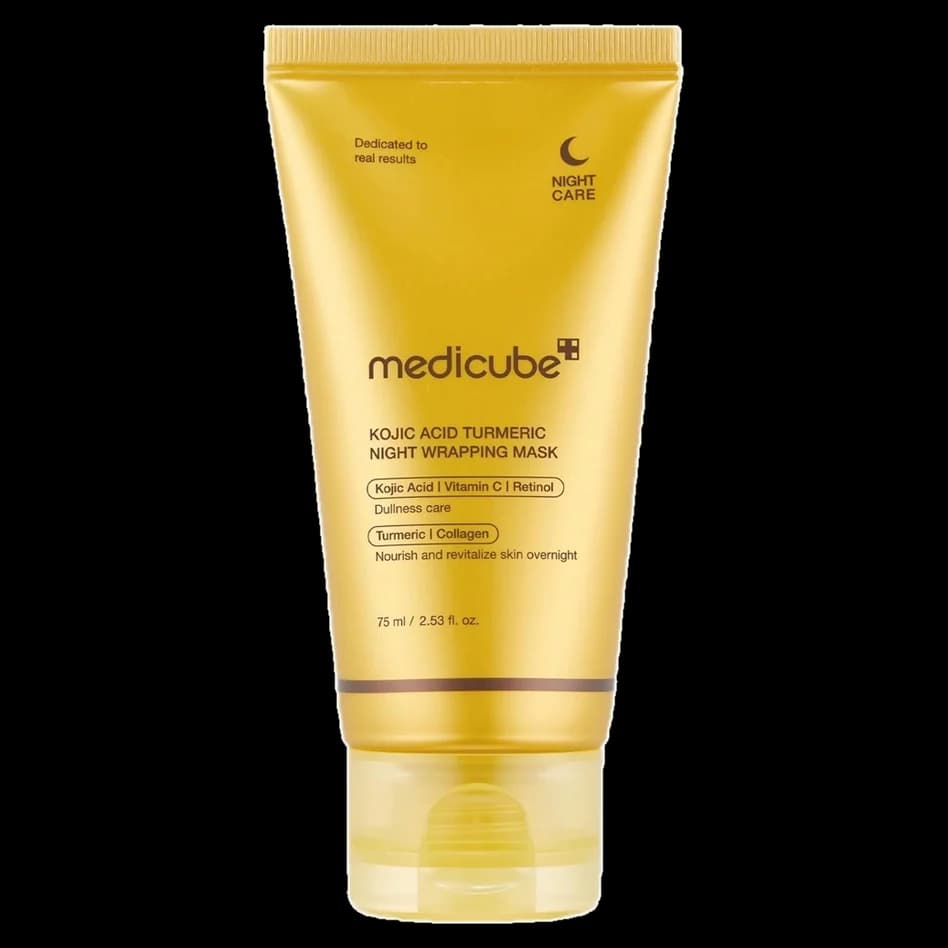
Medicube
Kojic Acid Turmeric Night Wrapping Mask
11th of 22 on the label
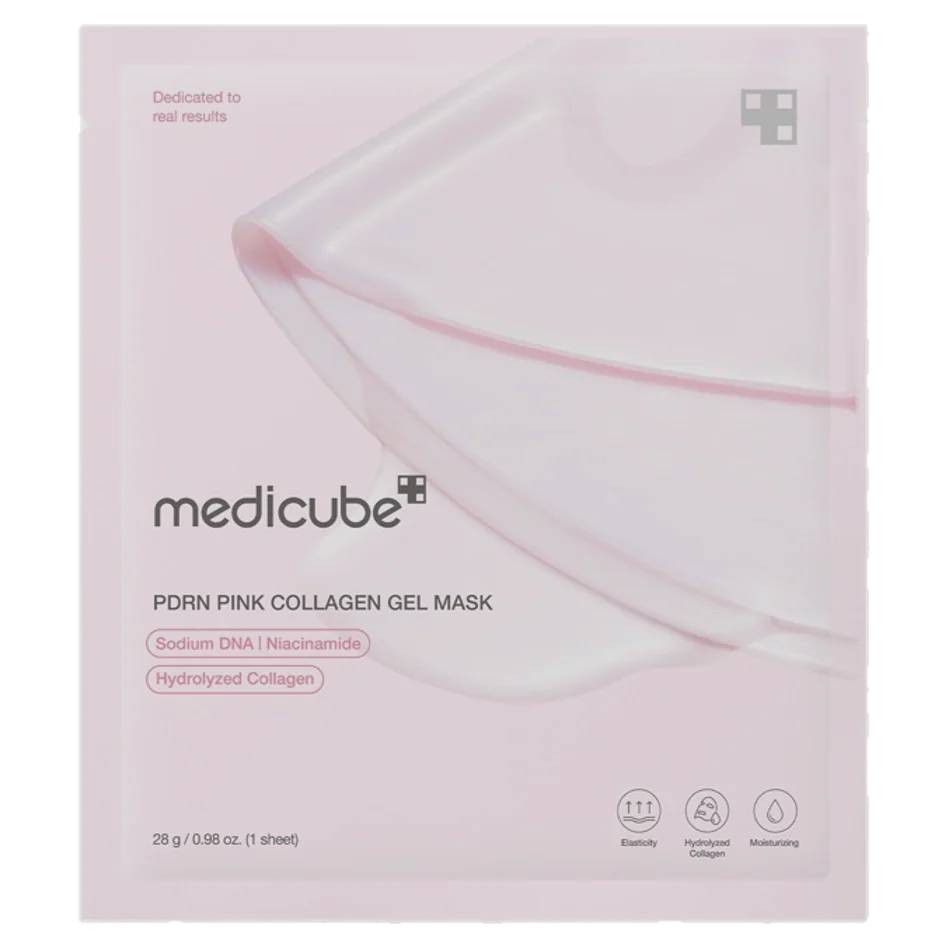
Medicube
PDRN Pink Collagen Gel Mask
18th of 43 on the label
below ≈1%
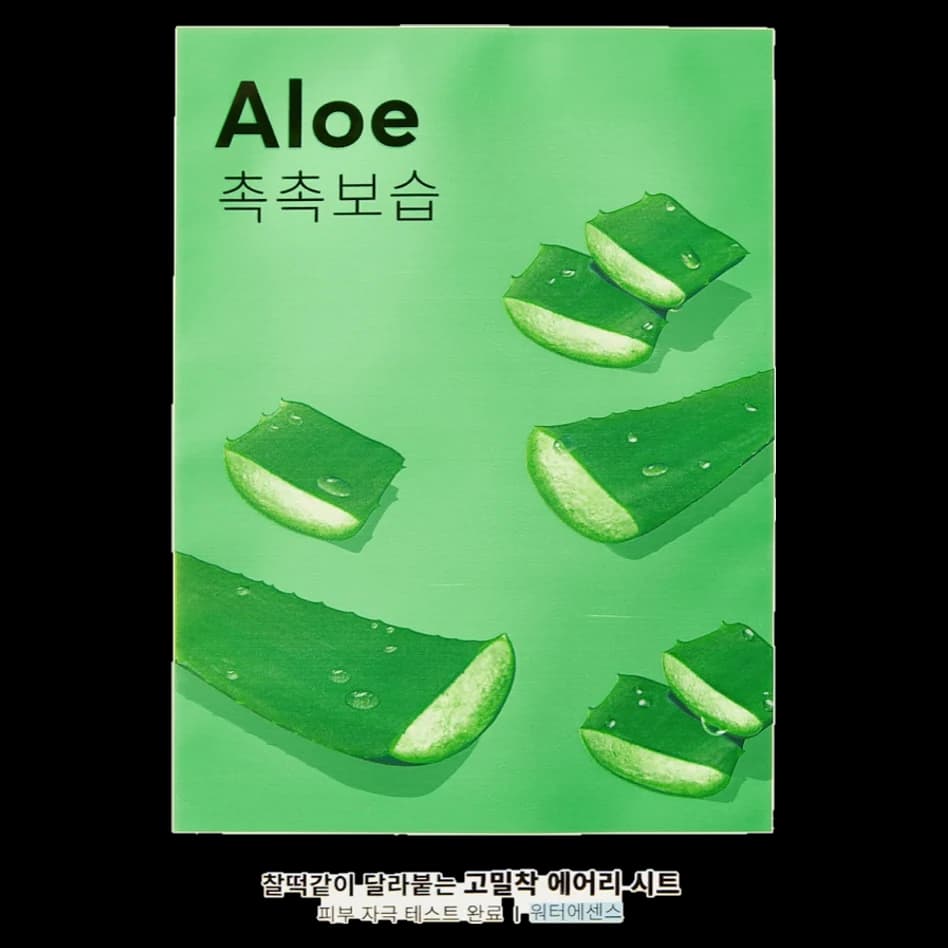
MISSHA
Airy Fit Sheet Mask Aloe
5th of 26 on the label
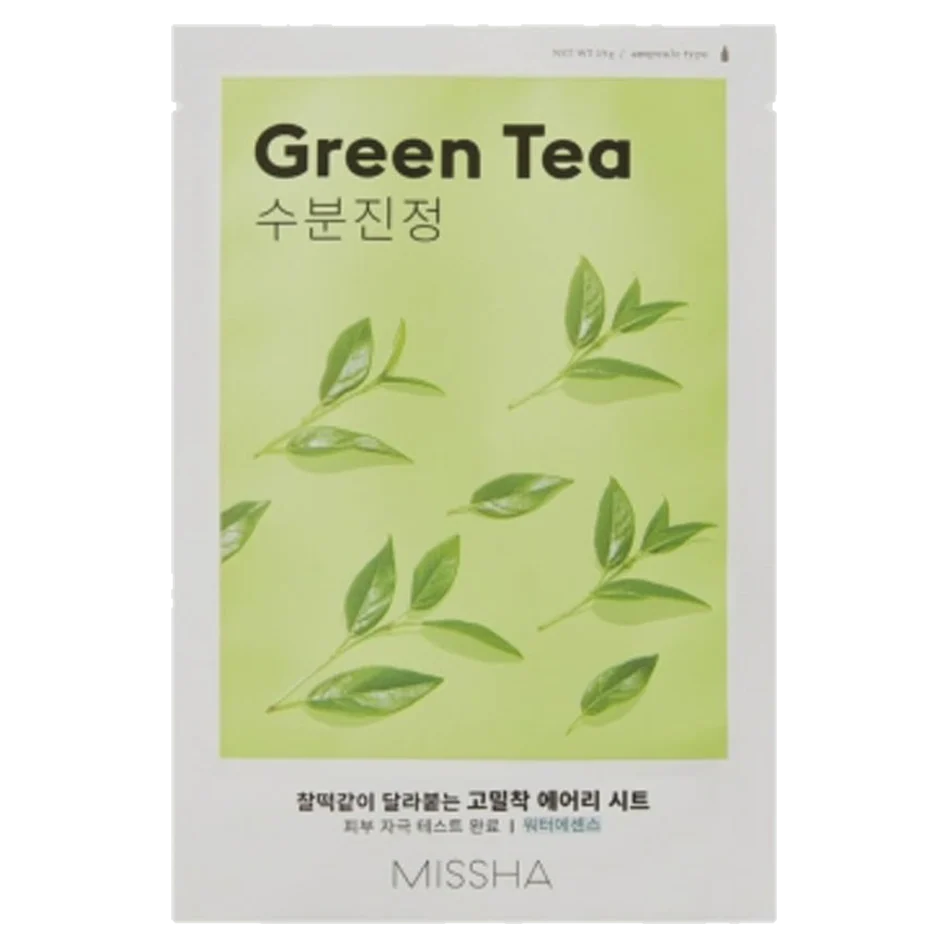
MISSHA
Airy Fit Sheet Mask Green Tea
5th of 23 on the label
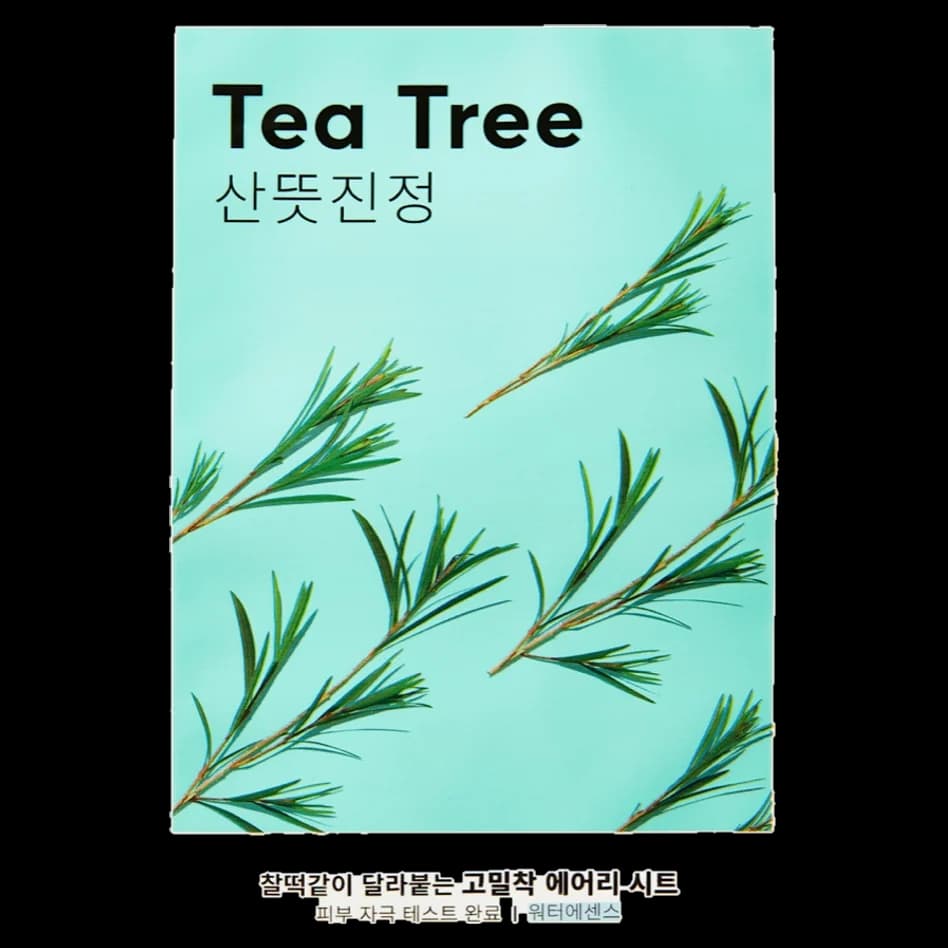
MISSHA
Airy Fit Sheet Mask Tea Tree
5th of 23 on the label
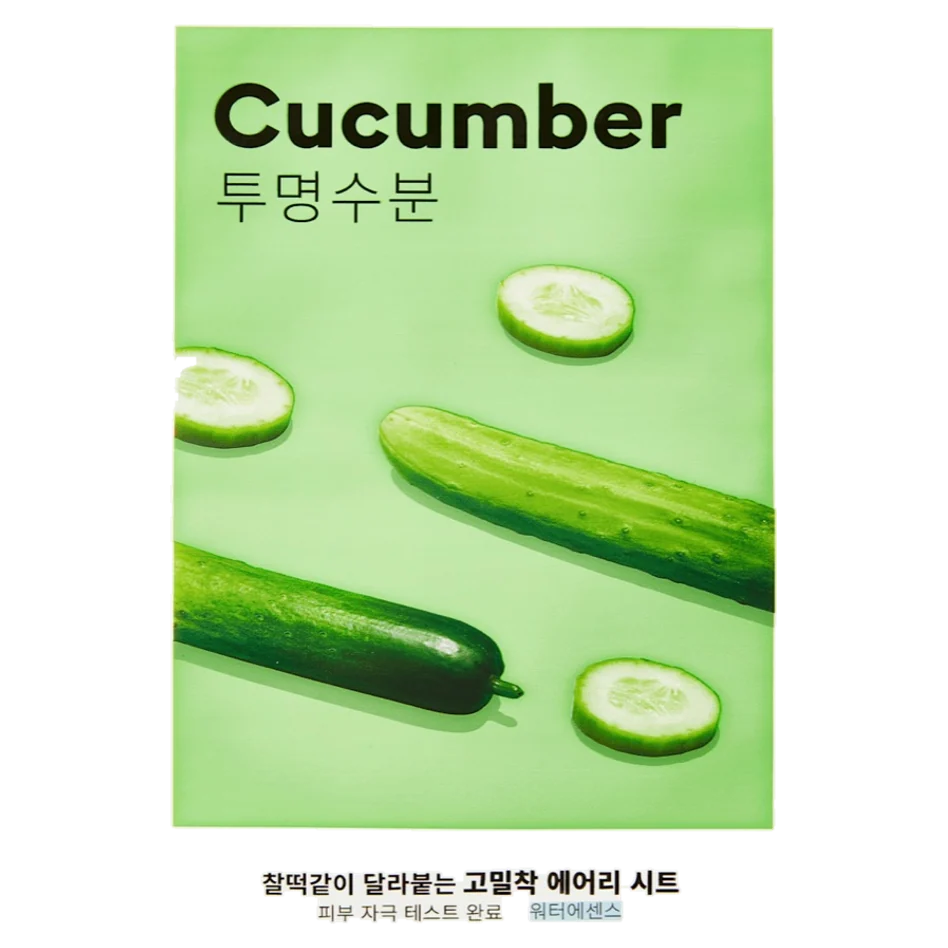
MISSHA
Sheet Mask Cucumber
5th of 25 on the label
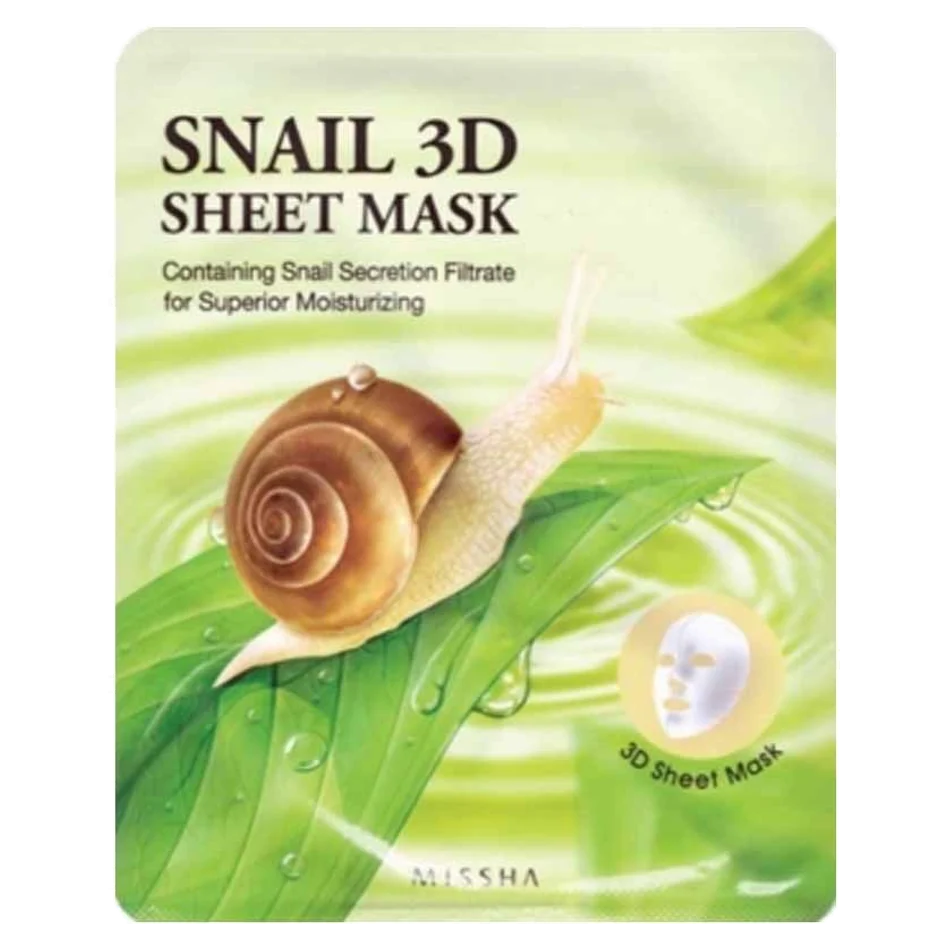
MISSHA
Snail 3D Sheet Mask
21st of 25 on the label
below ≈1%
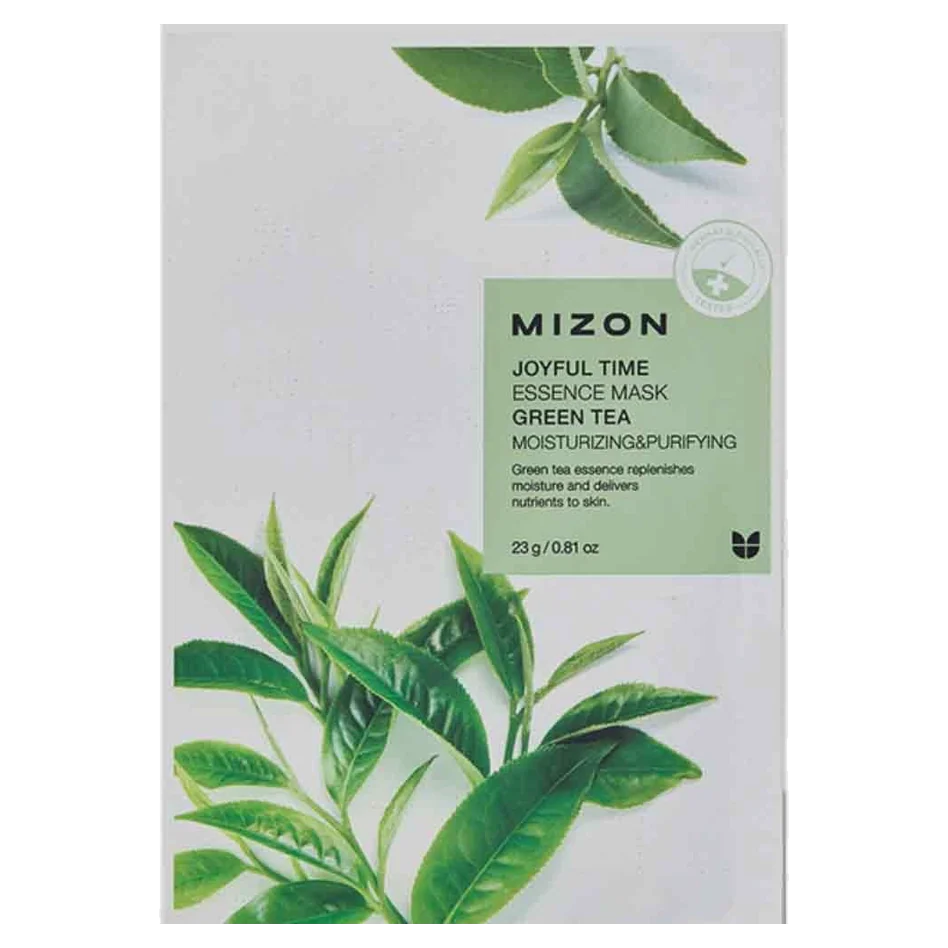
MIZON
Joyful Time Essence Mask Green Tea
13th of 26 on the label
below ≈1%
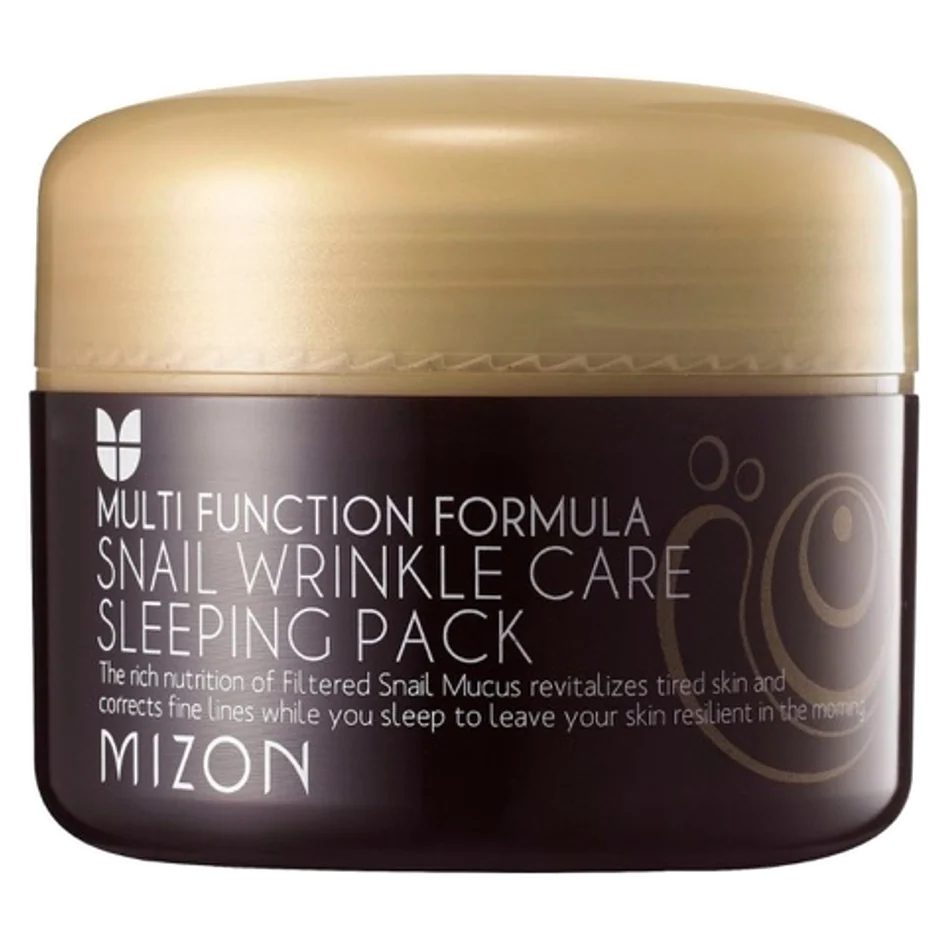
MIZON
Snail Wrinkle Care Sleeping Pack
7th of 31 on the label
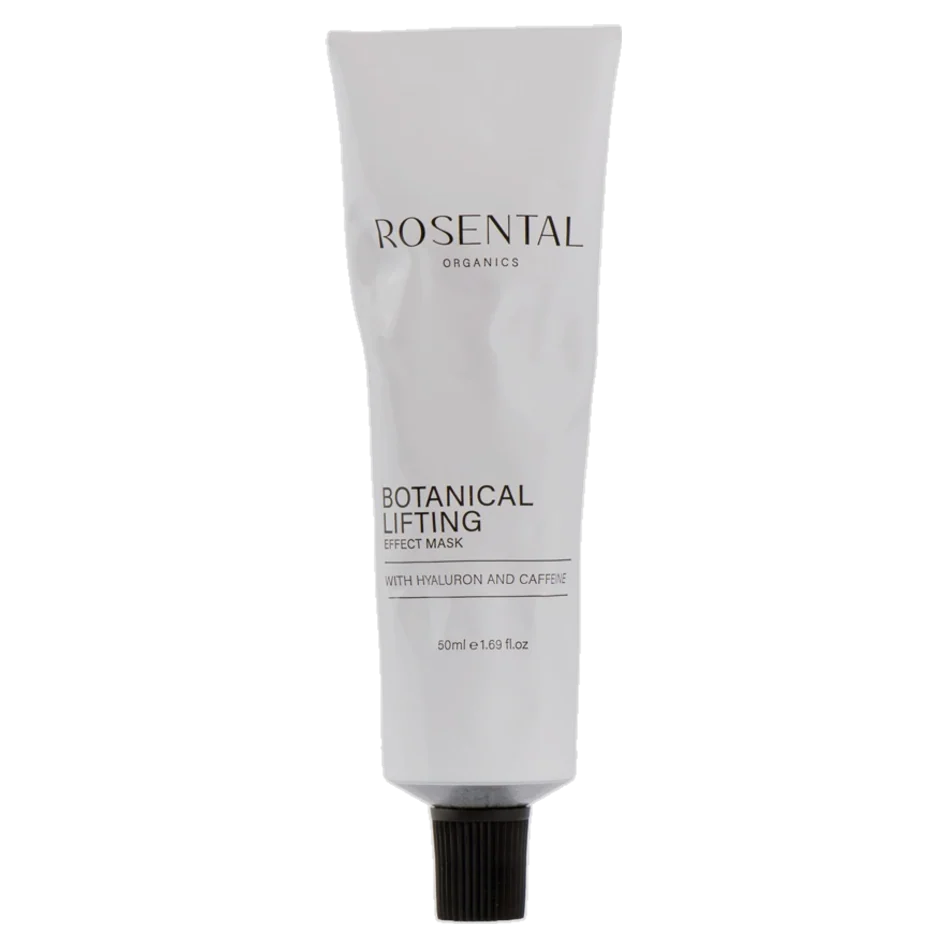
Rosental Organics
Botanical Lifting Effect Mask
8th of 28 on the label
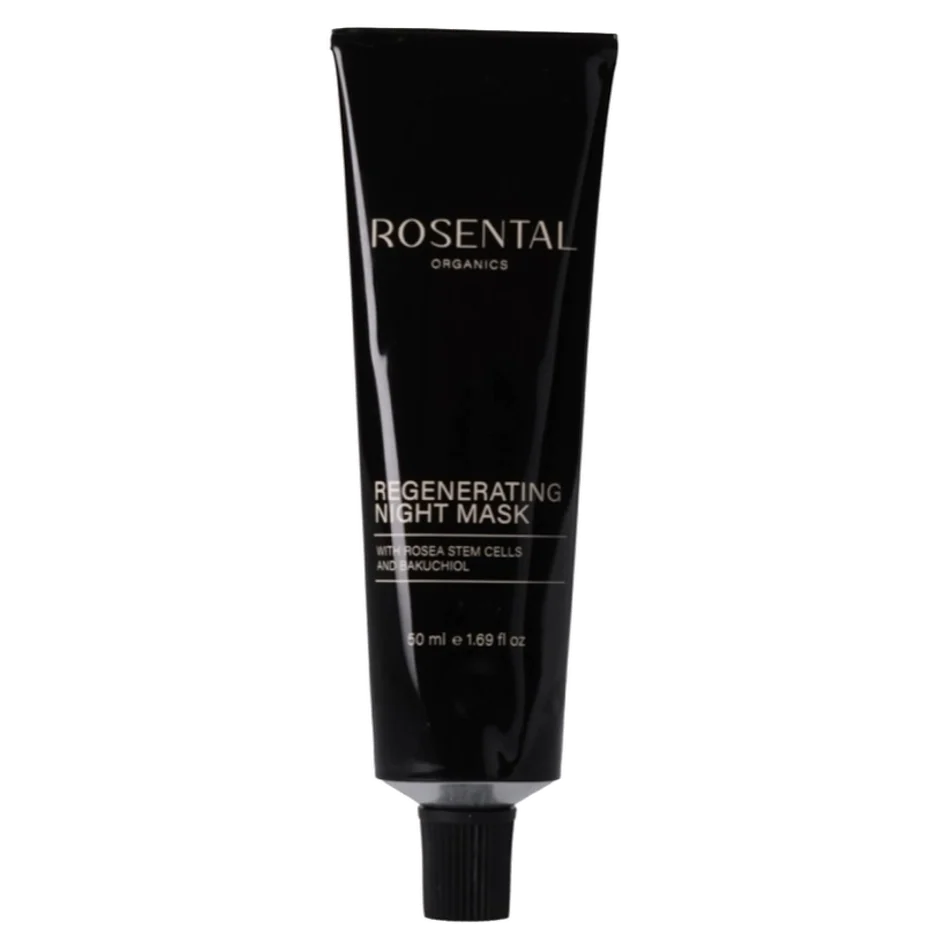
Rosental Organics
Regenerating Night Mask
26th of 44 on the label
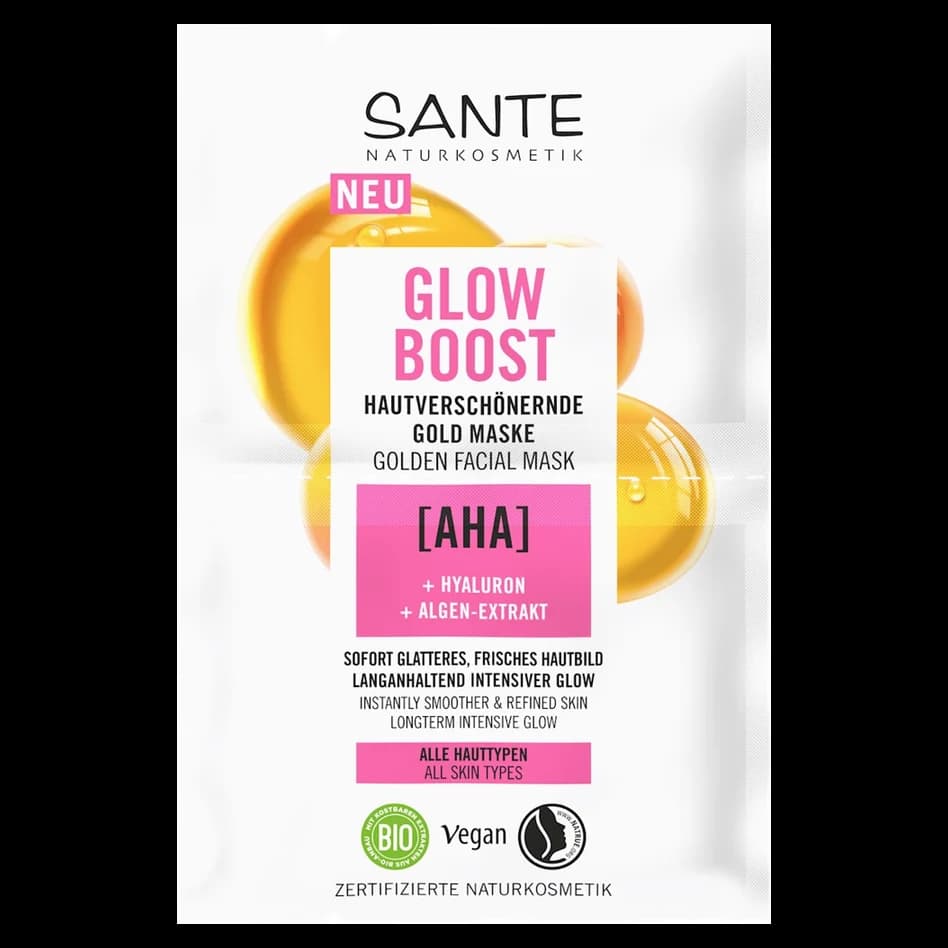
Santé Naturkosmetik
Glow Boost Maske AHA
4th of 29 on the label
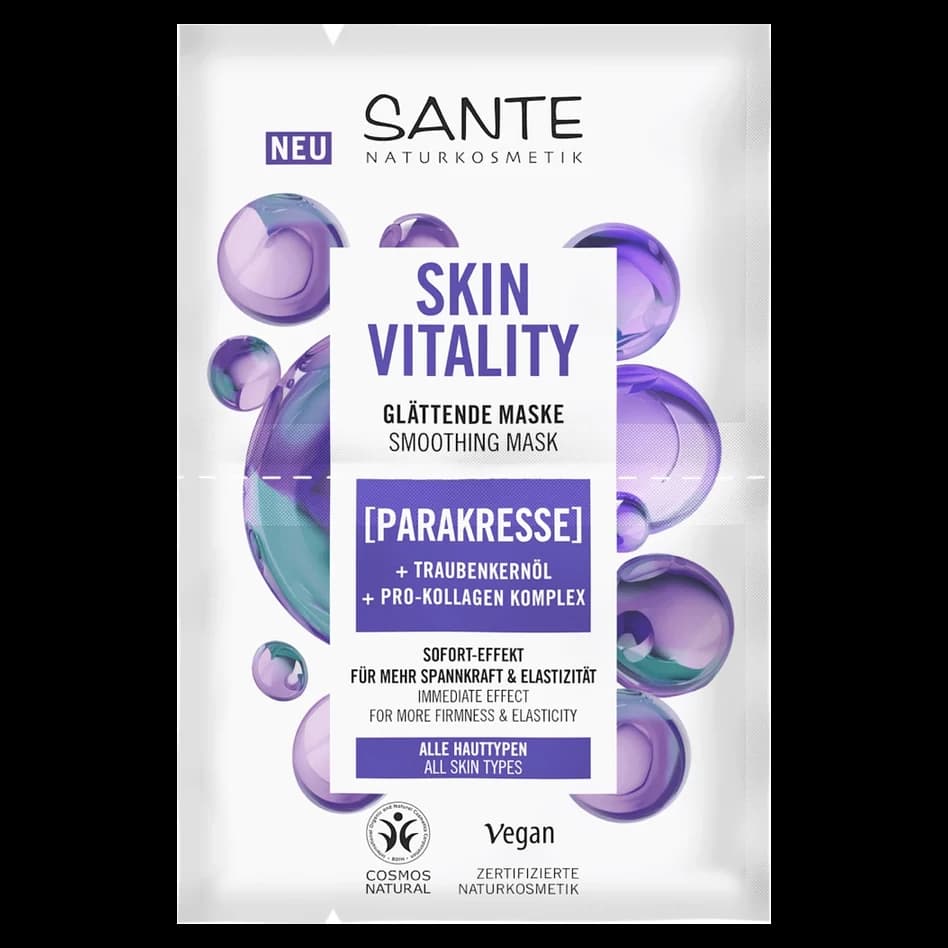
Santé Naturkosmetik
Skin Vitality Maske Parakresse
4th of 33 on the label
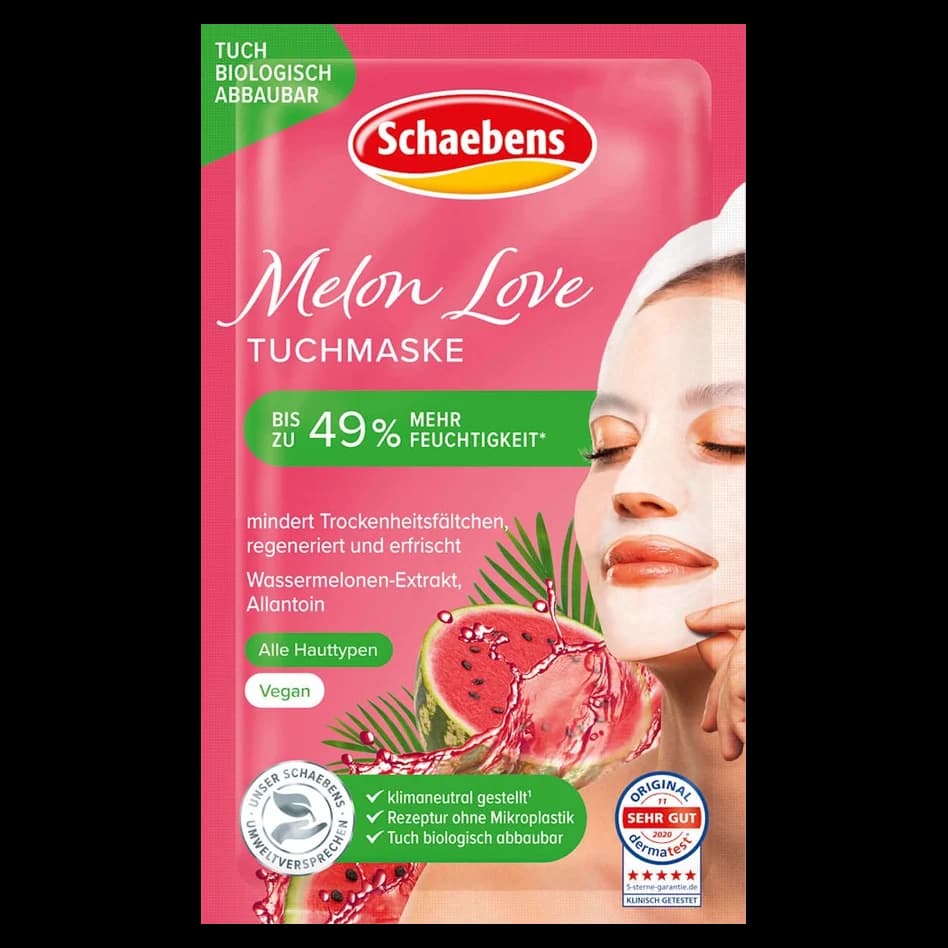
Schaebens
Tuchmaske Melon Love
39th of 45 on the label
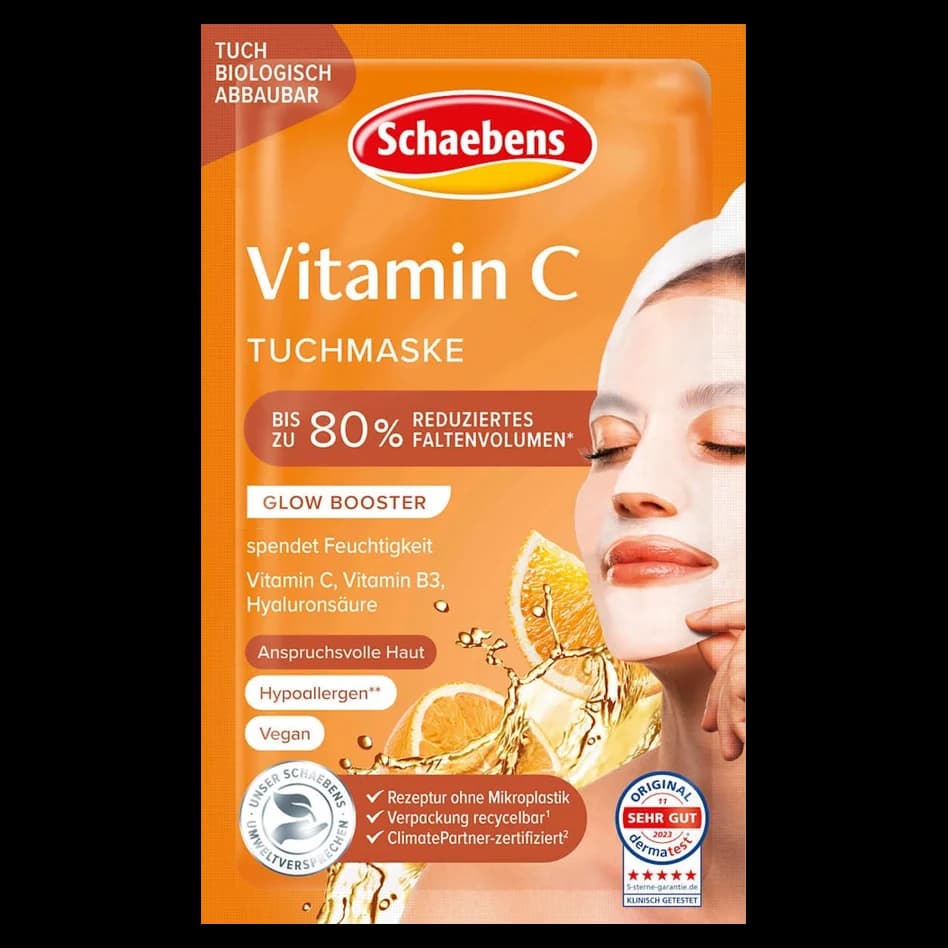
Schaebens
Tuchmaske Vitamin C
18th of 19 on the label
below ≈1%
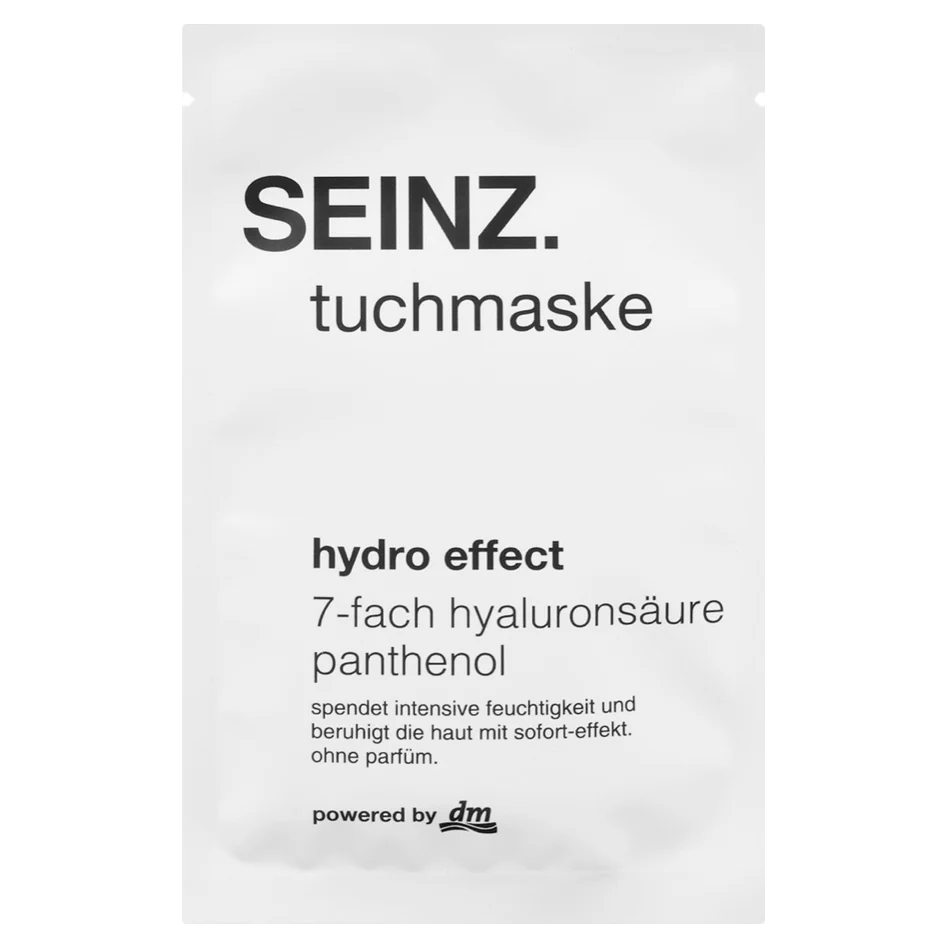
SEINZ.
Tuchmaske hydro effect
15th of 21 on the label
below ≈1%
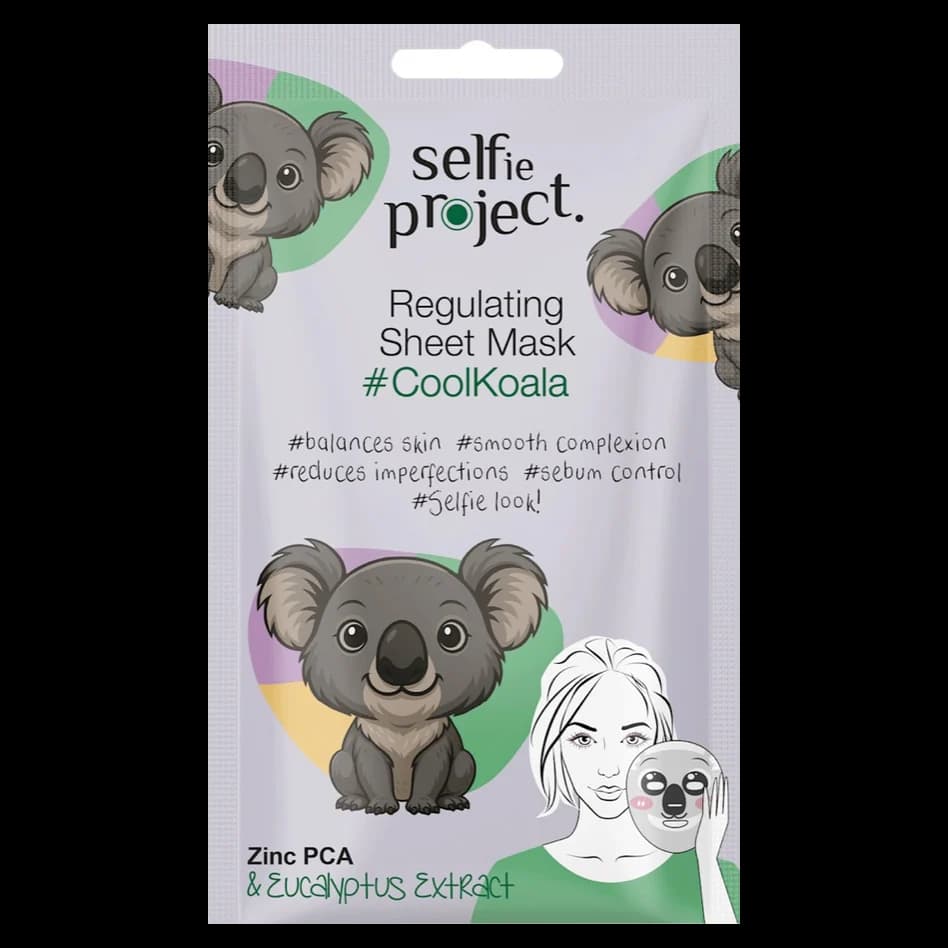
Selfie Project
Gesichtsmaske regulierend #CoolKoala
3rd of 27 on the label
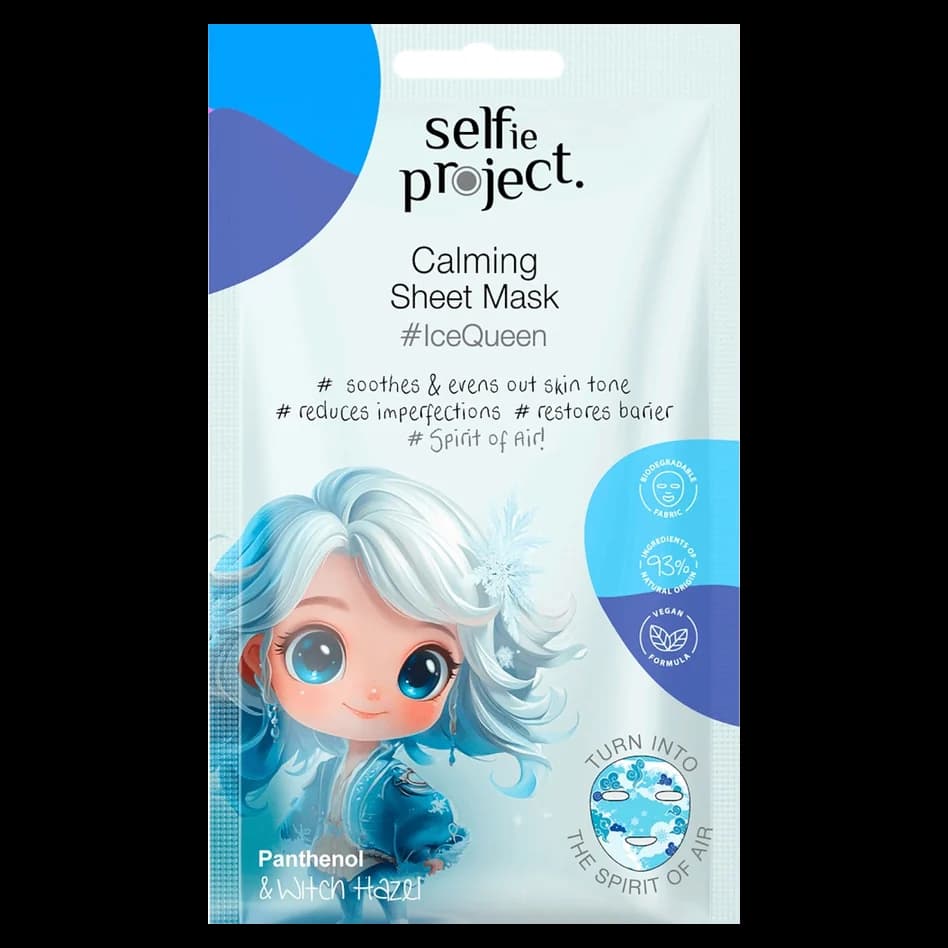
Selfie Project
Tuchmaske Calming #IceQueen
2nd of 27 on the label
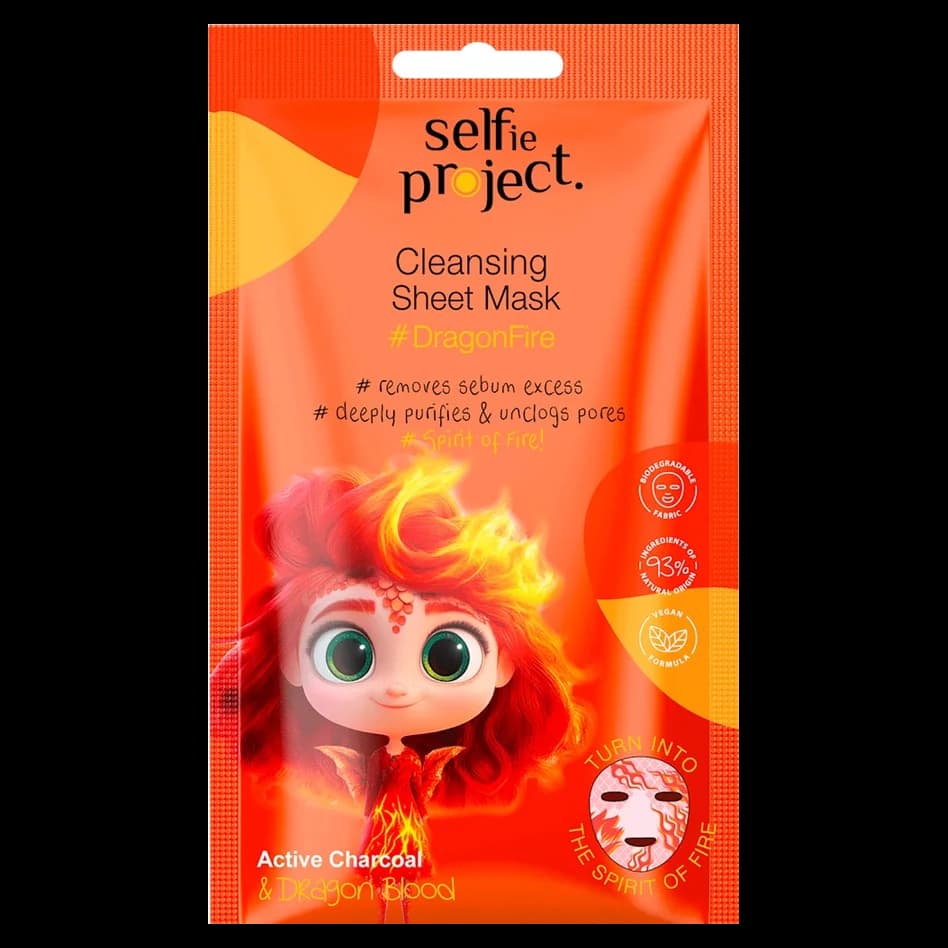
Selfie Project
Tuchmaske Cleansing #DragonFire
2nd of 22 on the label
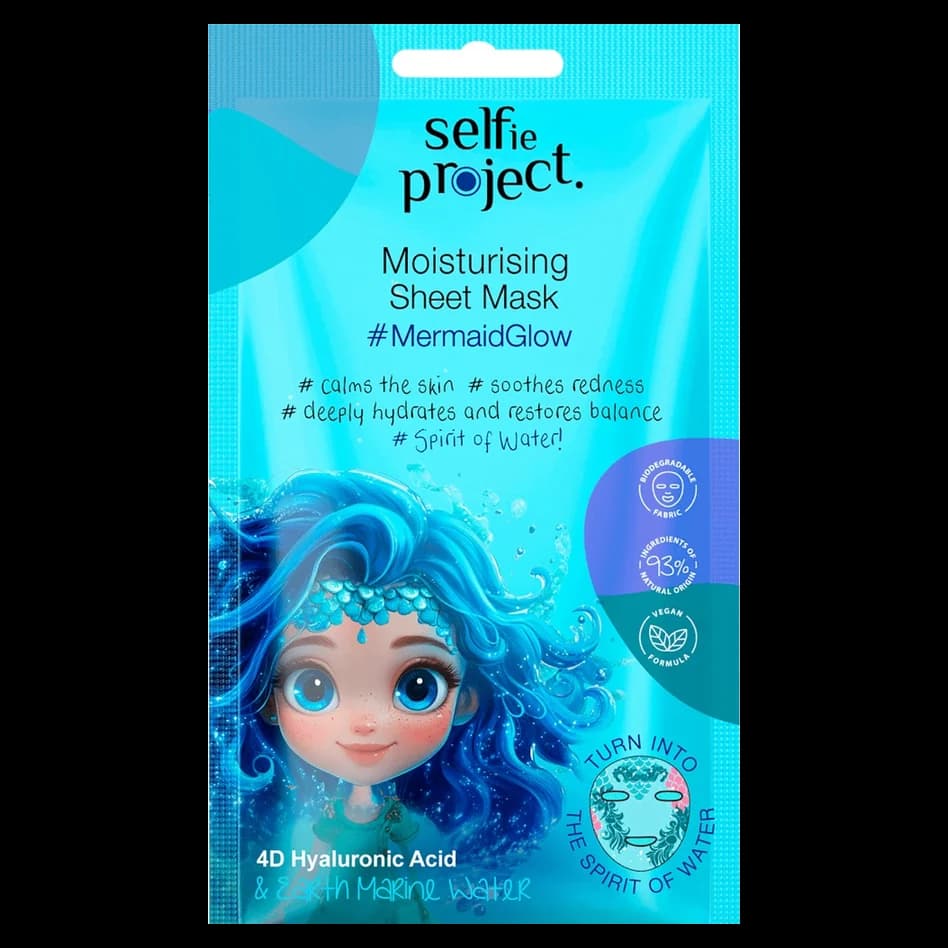
Selfie Project
Tuchmaske Moisturising #MermaidGlow
2nd of 30 on the label
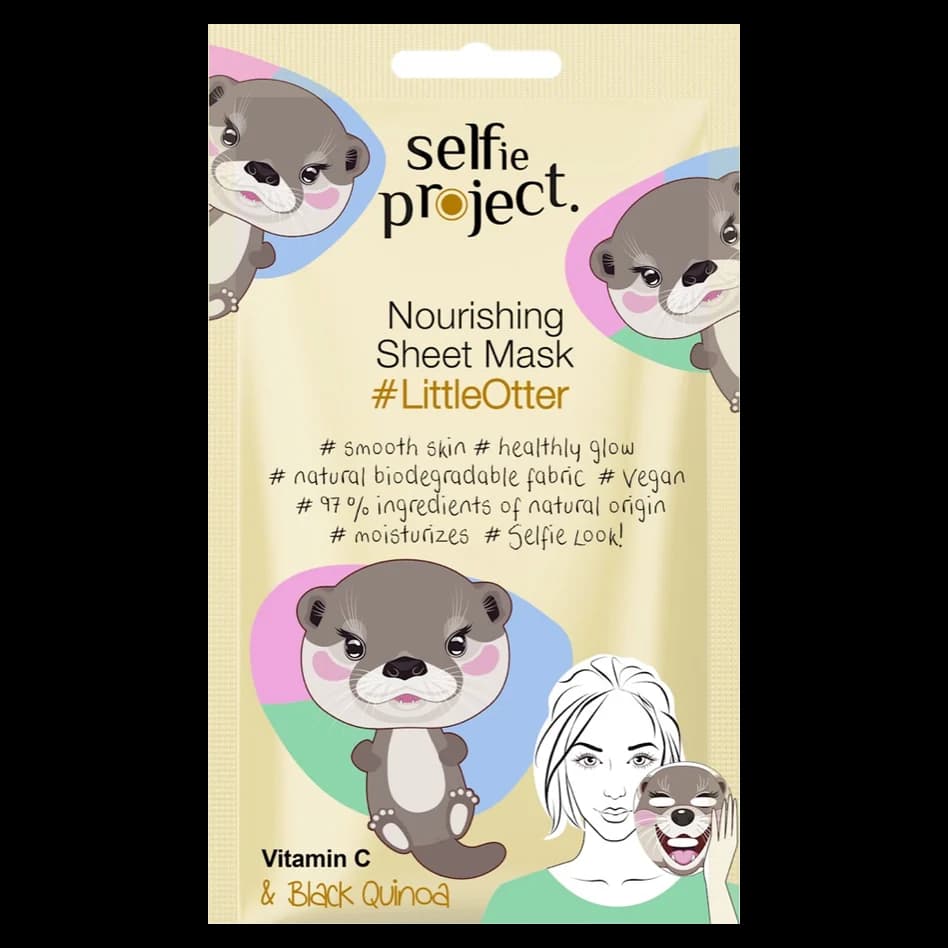
Selfie Project
Tuchmaske Nourishing #LittleOtter
2nd of 21 on the label
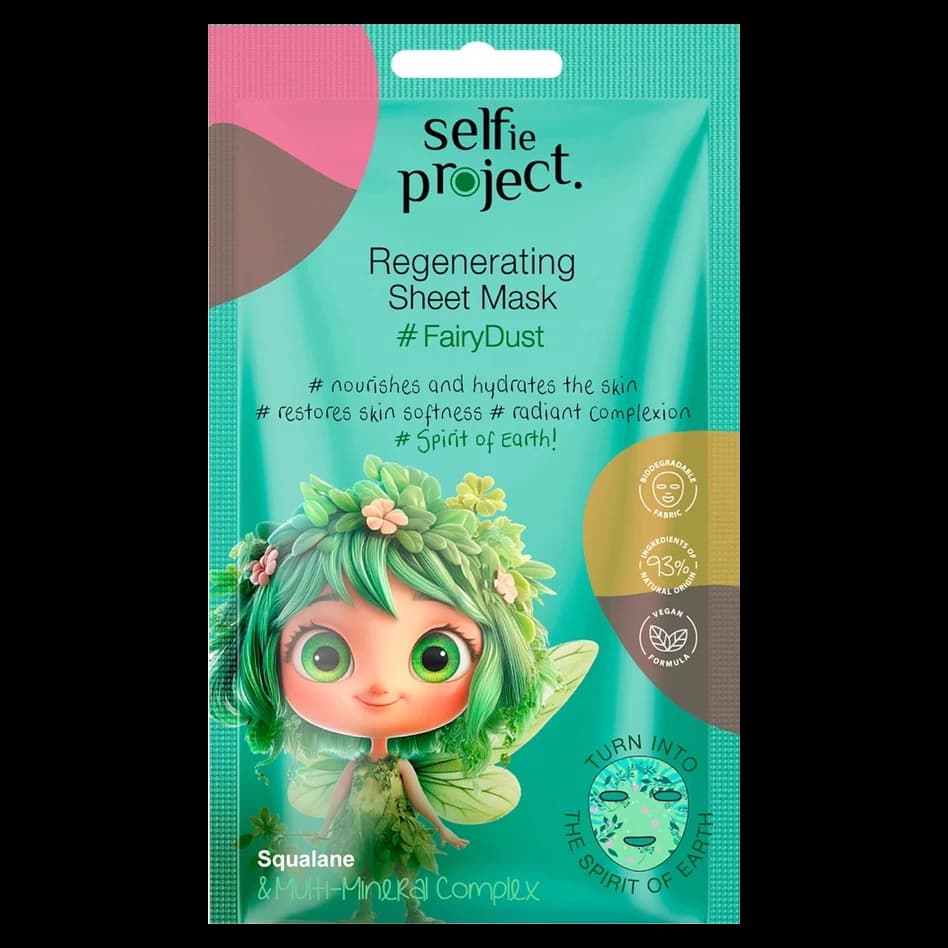
Selfie Project
Tuchmaske Regenerating #FairyDust
2nd of 33 on the label
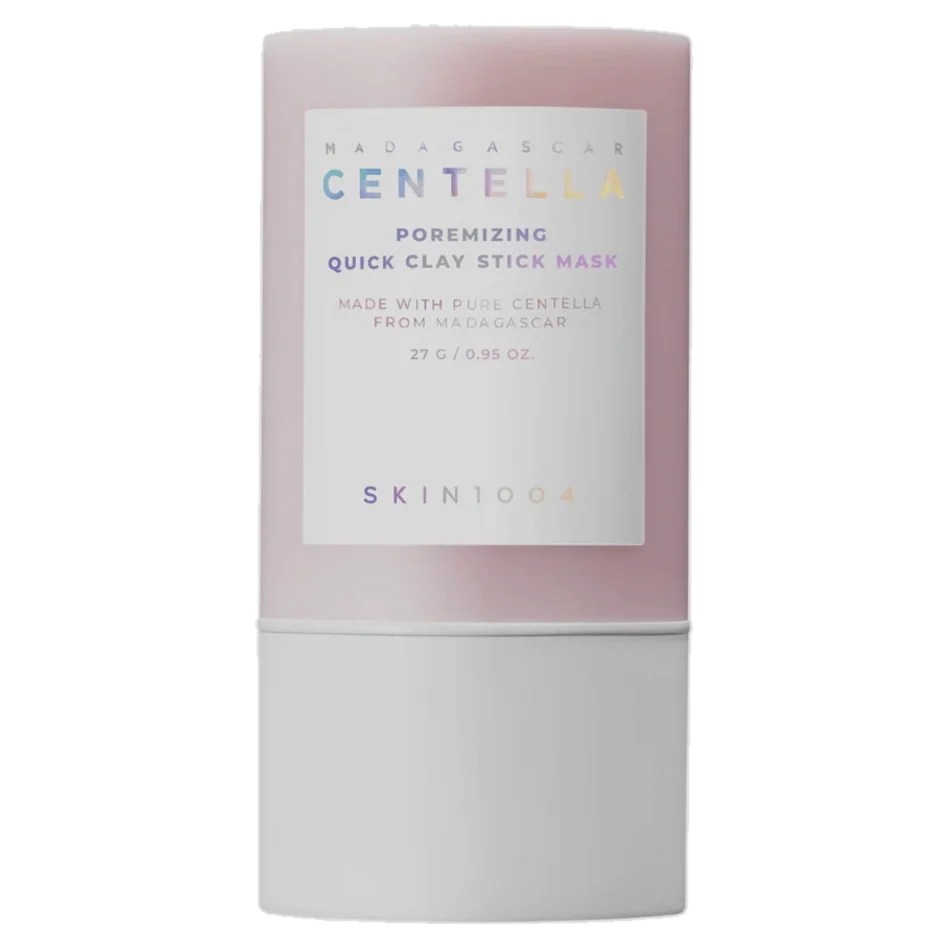
SKIN1004
Madagascar Centella Poremizing Quick Clay Stick Mask
13th of 23 on the label
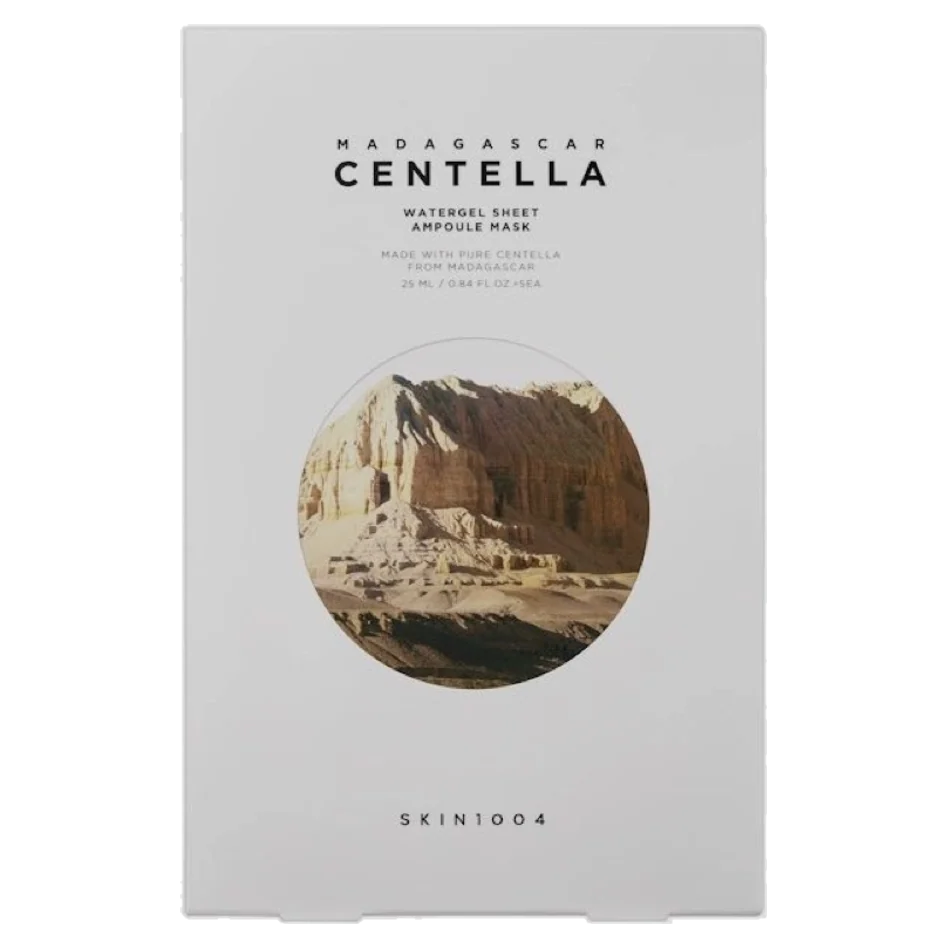
SKIN1004
Madagascar Centella Watergel Sheet Ampoule Mask
20th of 29 on the label
below ≈1%
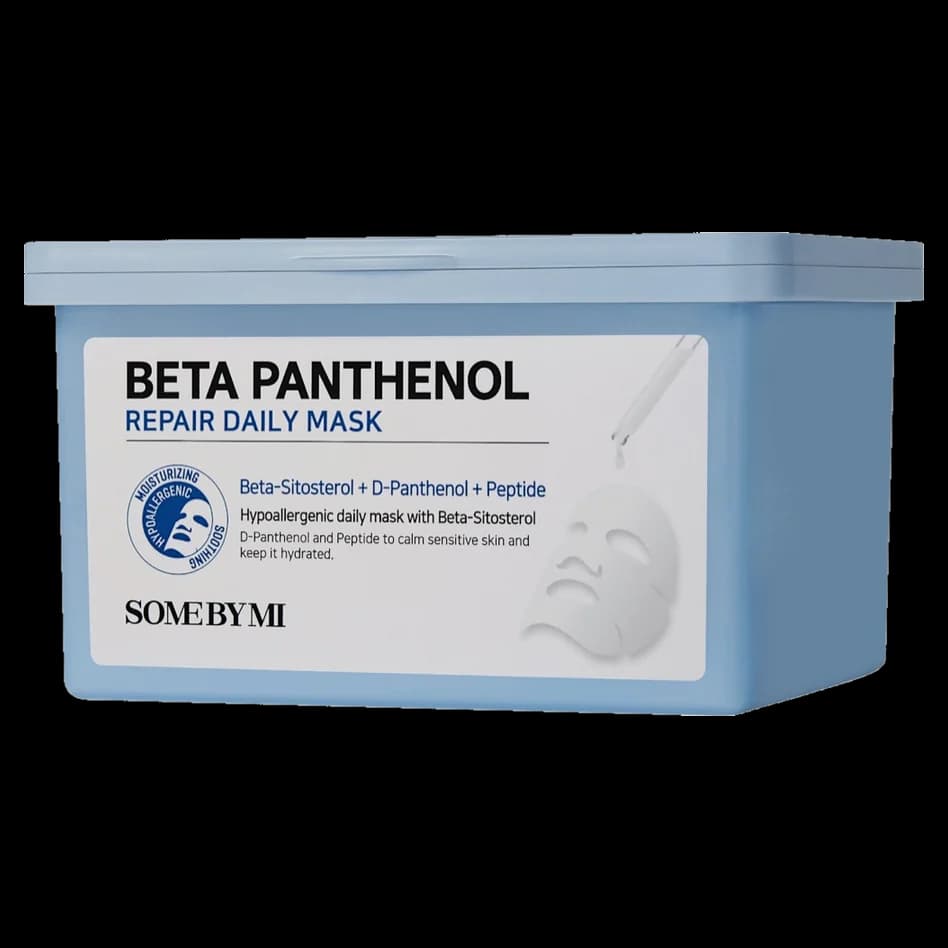
SOME BY MI
Daily Beta Panthenol Repair Mask
6th of 57 on the label
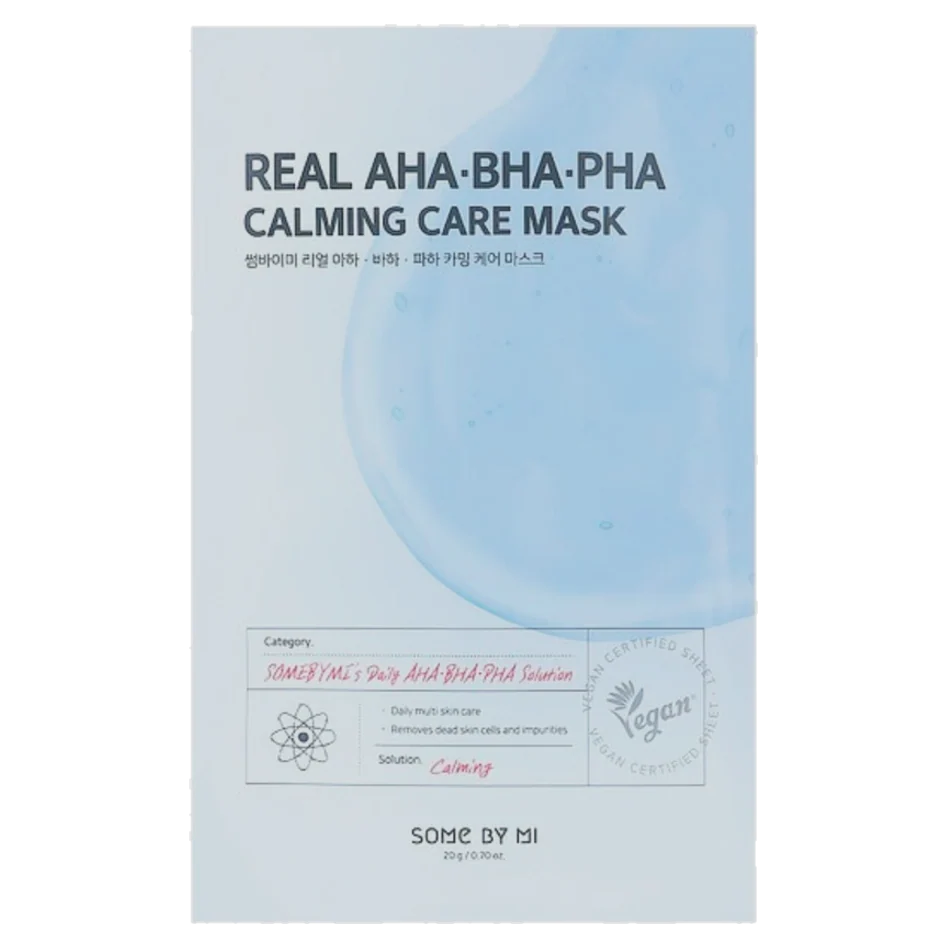
SOME BY MI
Real AHA-BHA-PHA Calming Care Mask
3rd of 19 on the label
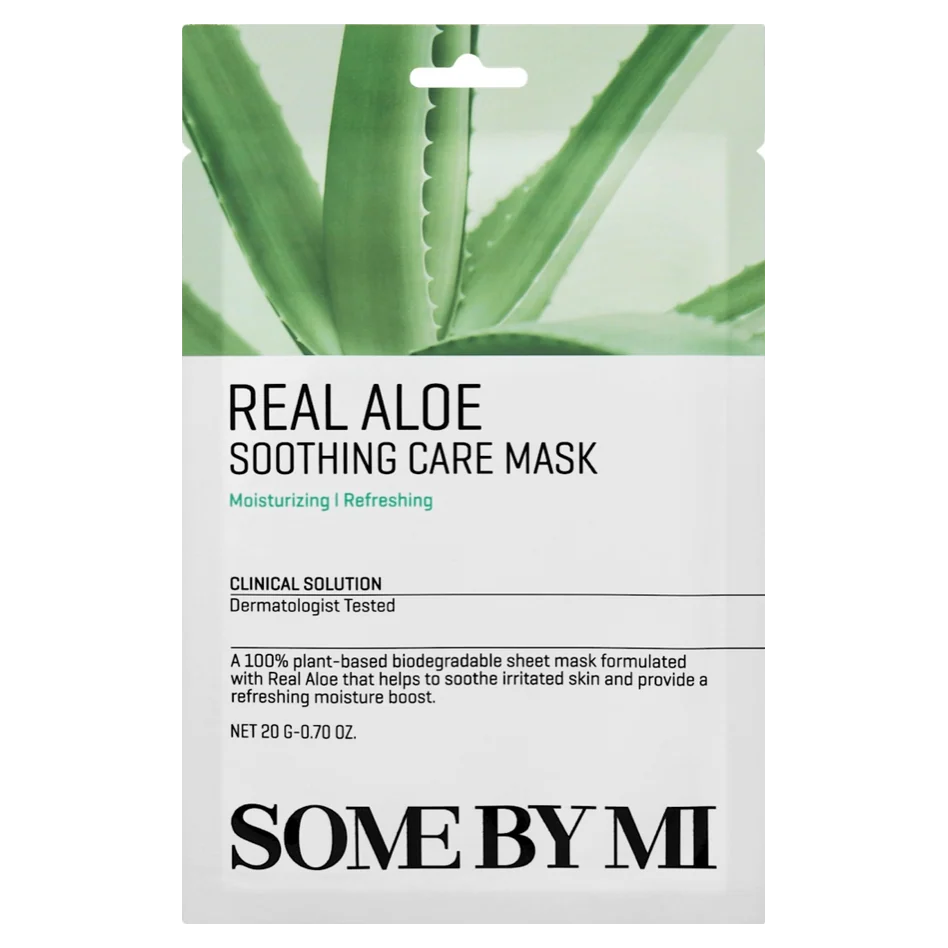
SOME BY MI
Real Aloe Soothing Care Mask
3rd of 21 on the label
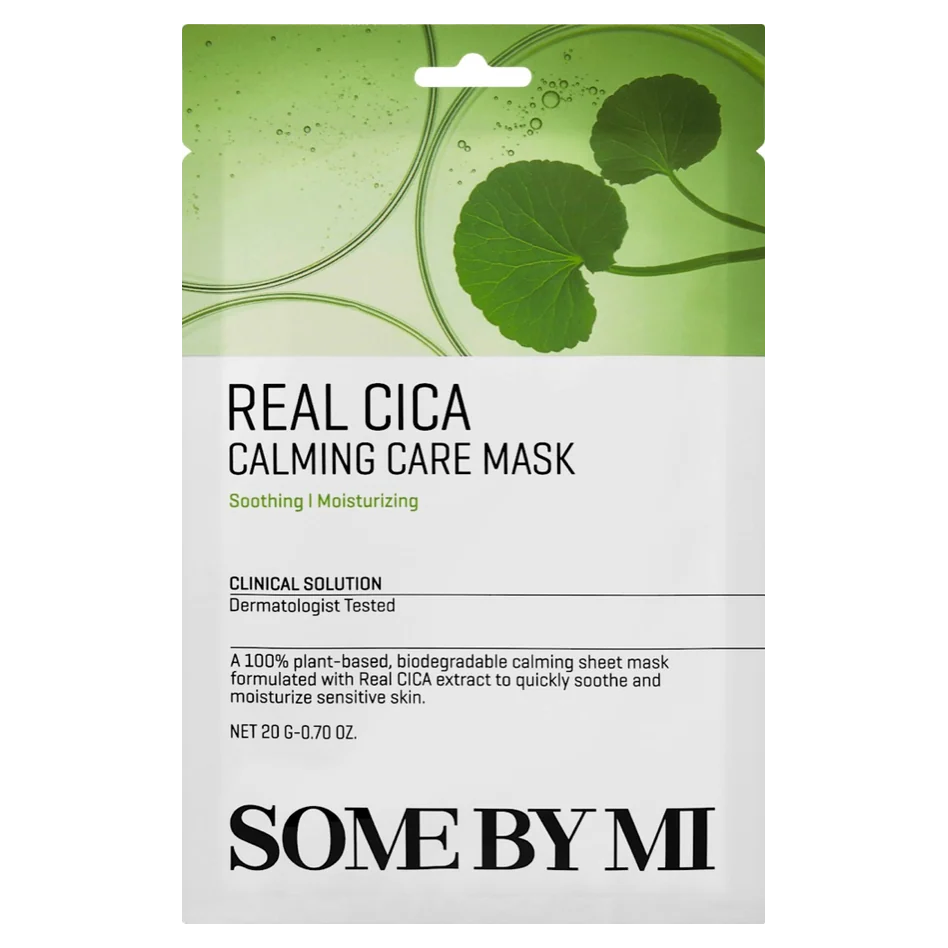
SOME BY MI
Real Cica Calming Care Mask
3rd of 28 on the label
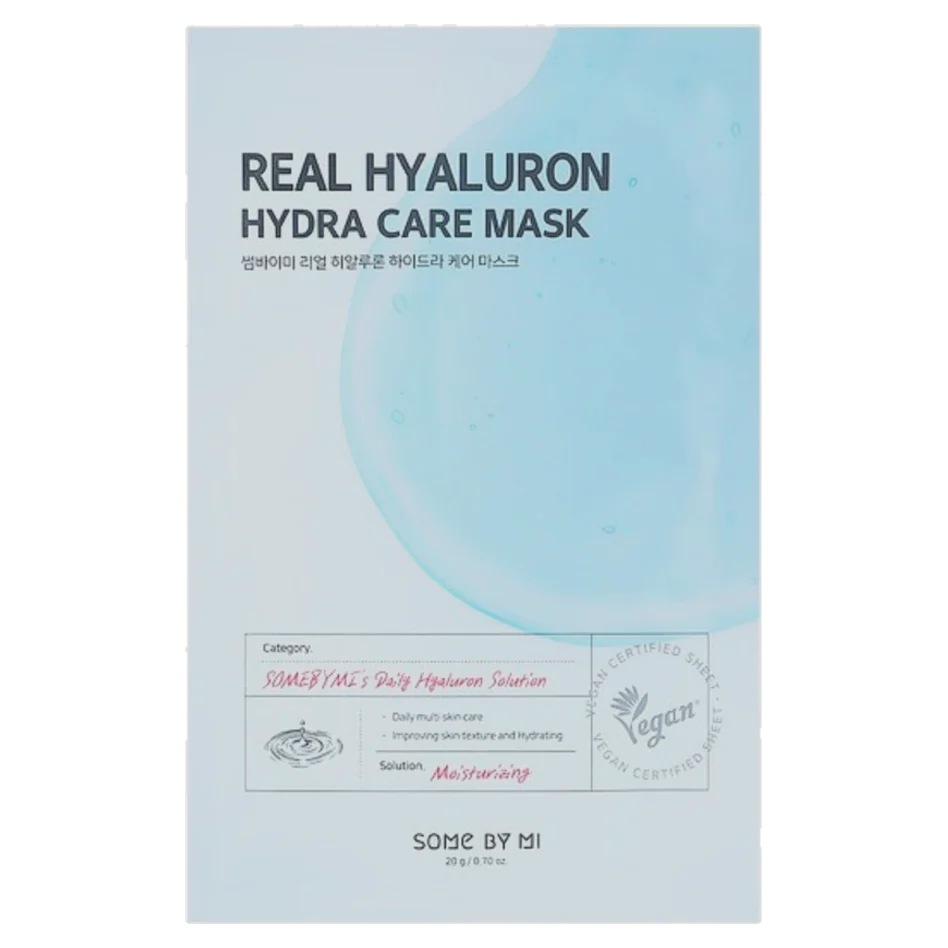
SOME BY MI
Real Hyaluron Hydra Care Mask
3rd of 31 on the label
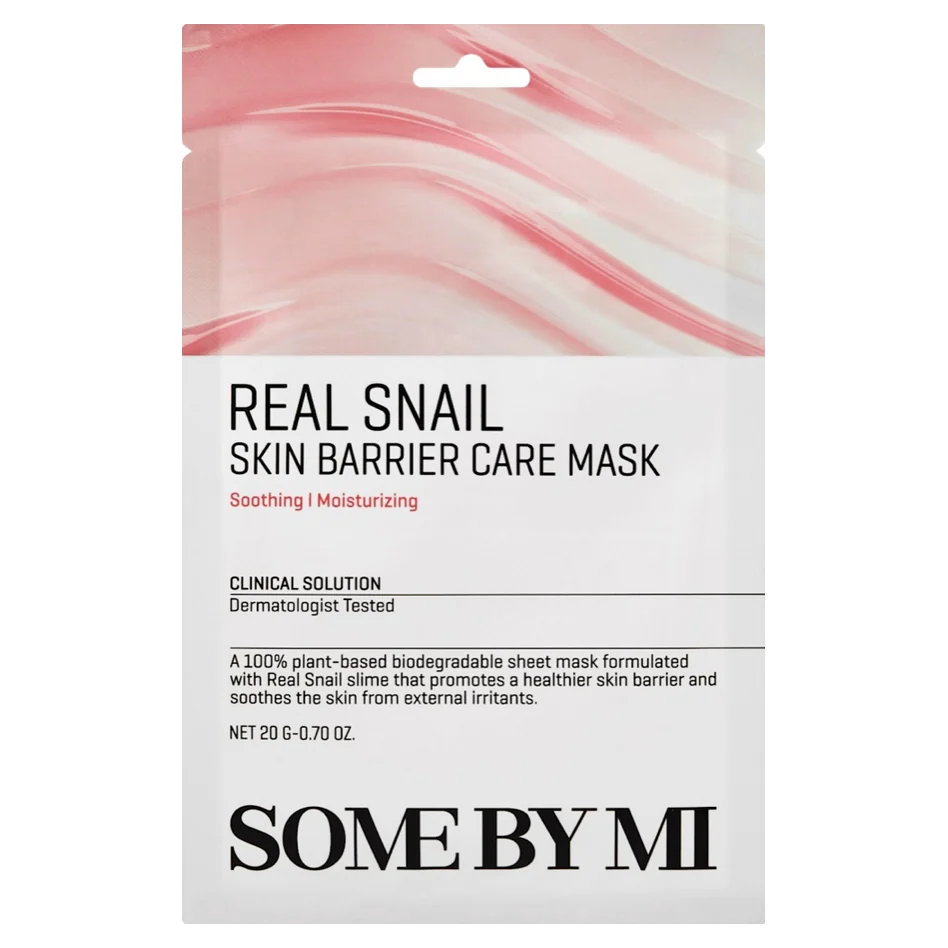
SOME BY MI
Real Snail Skin Barrier Care Mask
3rd of 21 on the label
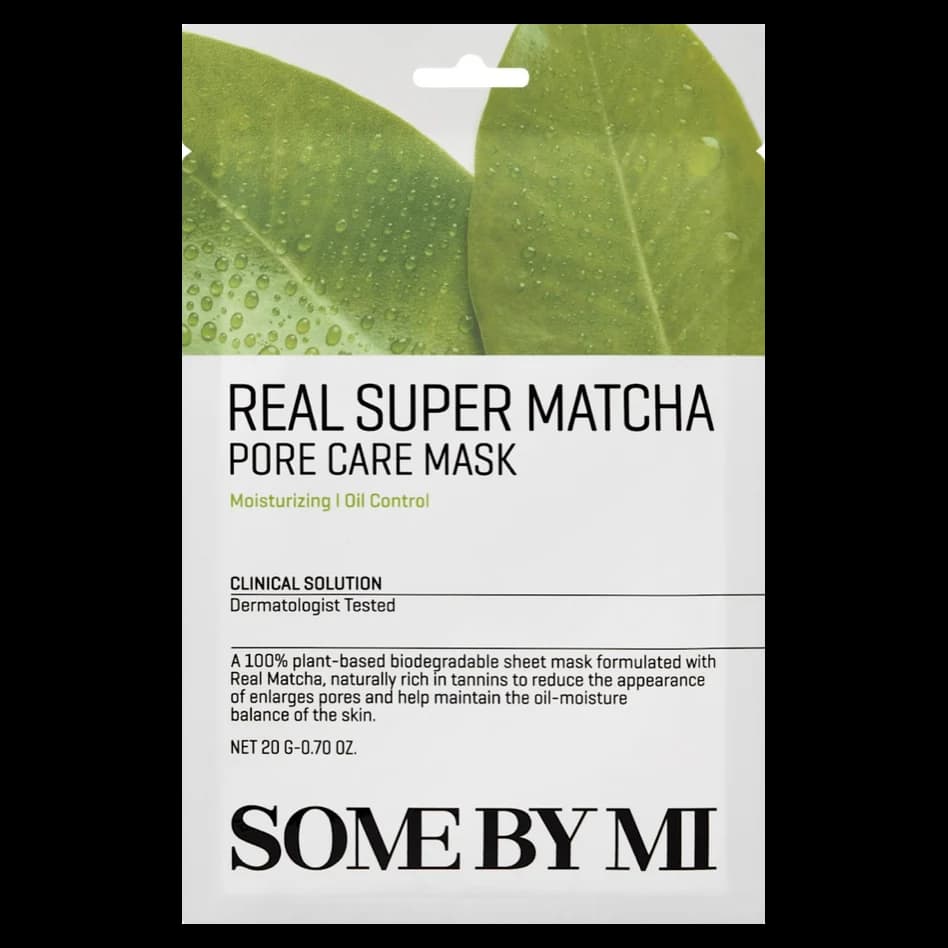
SOME BY MI
Real Super Matcha Pore Care Mask
3rd of 22 on the label
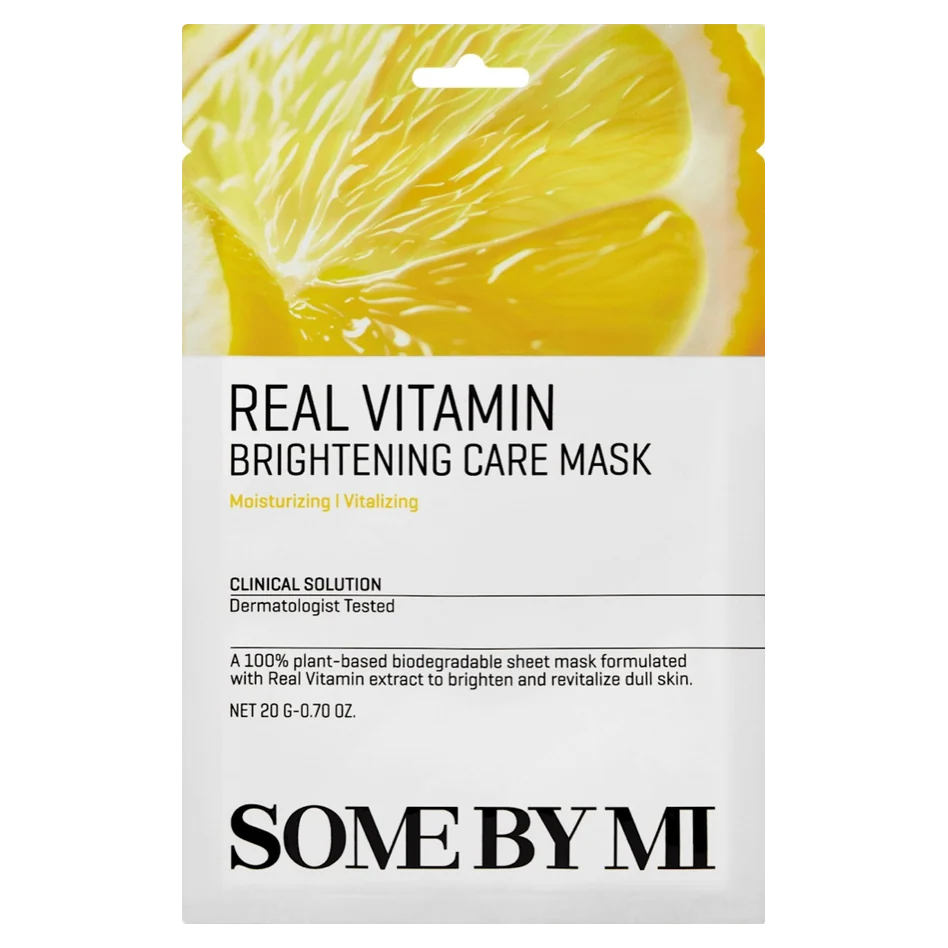
SOME BY MI
Real Vitamin Brightening Care Mask
3rd of 19 on the label
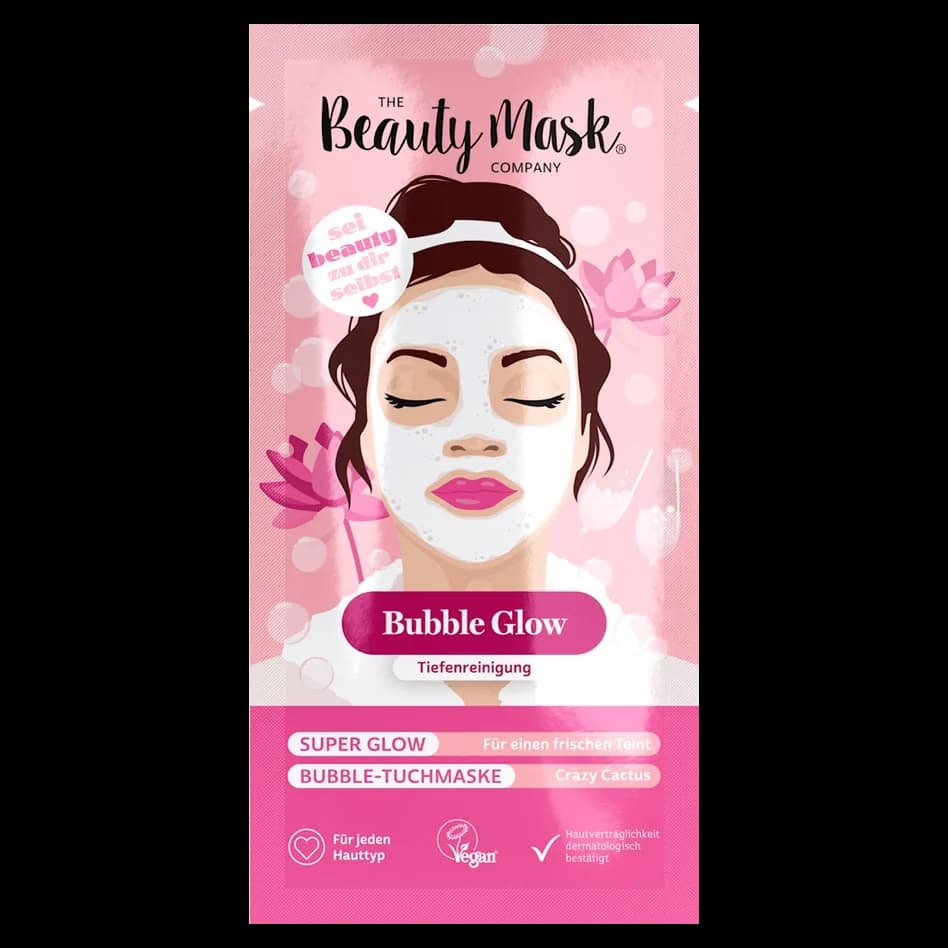
The Beauty Mask Company
Bubble Glow Tuchmaske Crazy Cactus
4th of 25 on the label
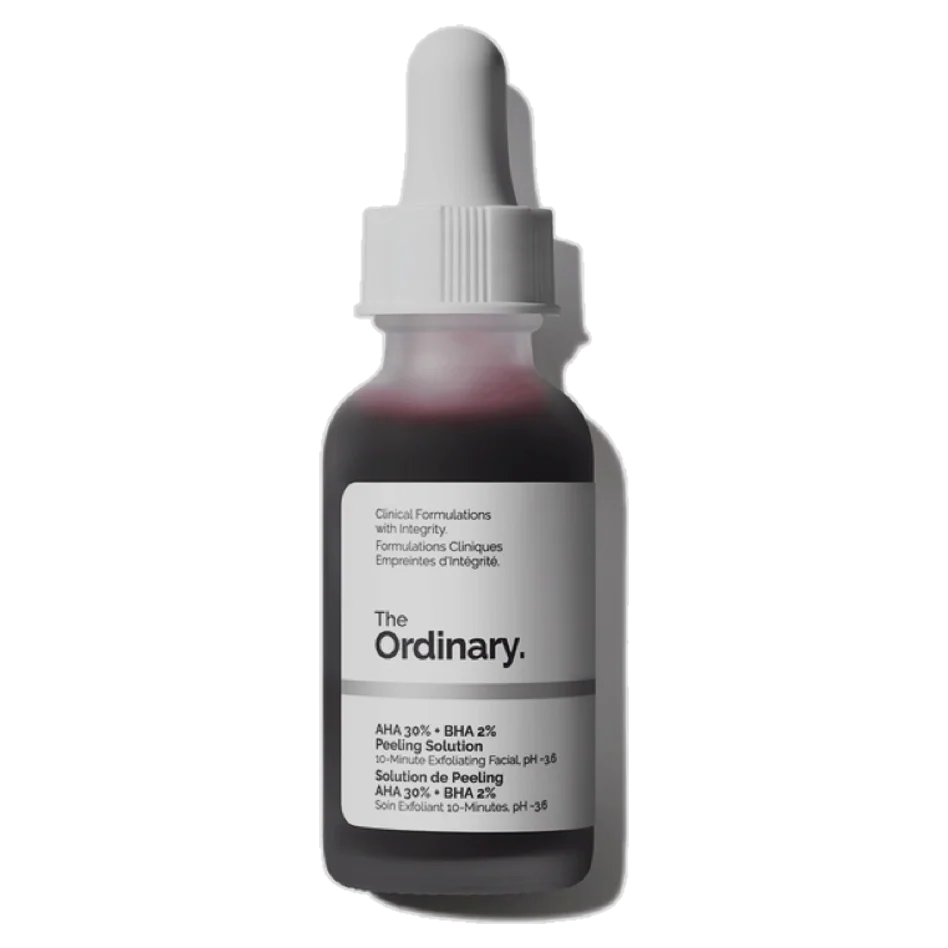
The Ordinary
AHA 30% + BHA 2% Peeling Solution
6th of 24 on the label
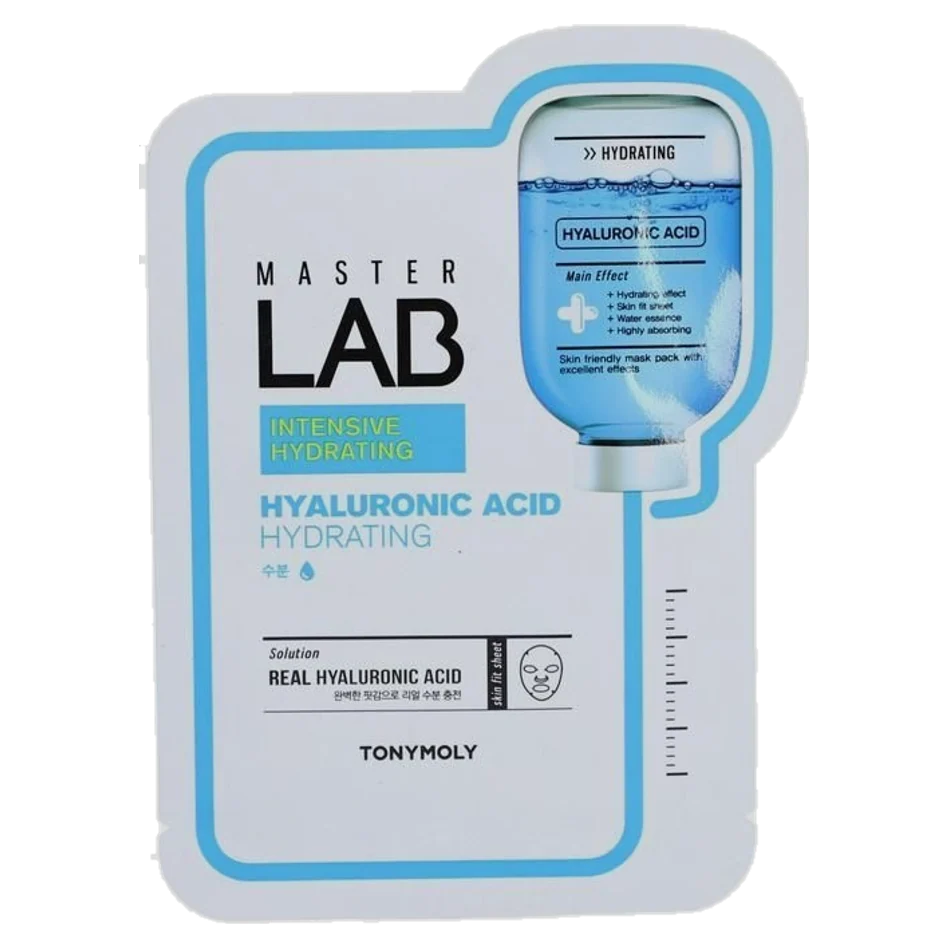
TONYMOLY
Master Lab Sheet Mask Hyaluronic Acid
4th of 31 on the label
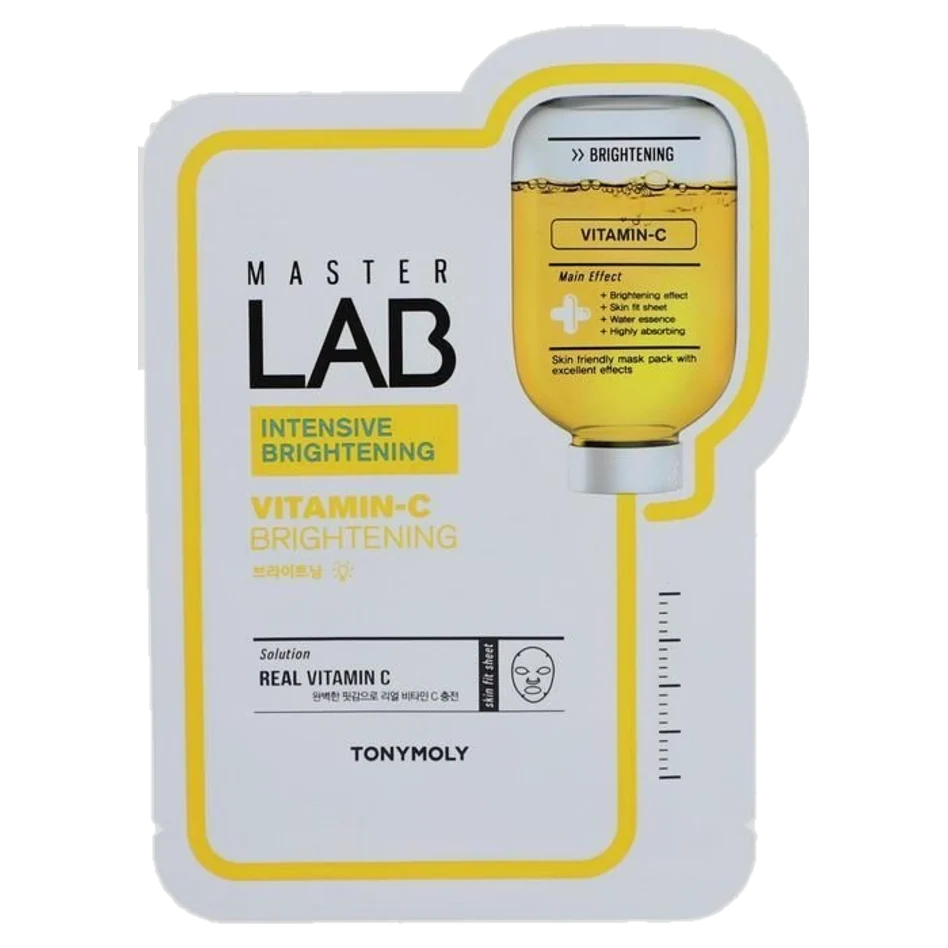
TONYMOLY
Master Lab Sheet Mask Vitamin C
4th of 33 on the label