Panthenol
Provitamin B5
No meaningful concern for most people; irritation is possible but rare.
Also written as: D-Panthenol · DL-Panthenol · Dexpanthenol · Provitamin B5
What it is
Panthenol is the alcohol form of pantothenic acid (vitamin B5), which the skin converts into the active vitamin after application. It is a clear, syrupy humectant that holds water in the skin while also influencing how skin cells behave during repair. It has a long medical history: dexpanthenol creams have been sold for wound and nappy-rash care for over seventy years.
How it shows up on a label
Sits either side of the point where ingredient order stops indicating quantity, roughly as often above it as below - so its position on a pack is worth reading rather than assumed.
What it does well
Hydrates and reduces water loss through the skin
Two randomised controlled studies of a panthenol-containing emollient found lasting improvements in skin hydration and reduced transepidermal water loss, alongside better lipid organisation in the outer skin layer.
Strong evidence
Soothes irritated, chapped or freshly damaged skin
Panthenol supports barrier repair and increases the mobility of molecules in the stratum corneum that matter for barrier function. This is why it is a mainstay in after-sun, post-procedure and nappy-rash products, though much of the clinical work uses higher concentrations than a typical face mask.
Moderate evidence
Very well tolerated on sensitive and compromised skin
Panthenol does not sting, has no pH requirement, and is used on broken skin in medical settings. Contact allergy is documented but uncommon.
Strong evidence
Worth knowing
Rare contact allergy
Isolated cases of allergic contact dermatitis to panthenol have been reported, usually in people with chronic leg ulcers or eczema who use it heavily over long periods. For ordinary cosmetic use the risk is very small.
Matters most toPeople with chronic wounds or long-standing eczema who already react to multiple topical products.
Where the EU stands
No specific restriction
Permitted in EU cosmetics with no concentration limit. It is not listed in the banned, restricted or preservative annexes of the Cosmetics Regulation.
Regulation (EC) No 1223/2009 - no annex entry · source ↗
Sources (2)
Every link goes to the original: a journal, a PubMed record or an EU document.
- [1]Topical use of dexpanthenol: a 70th anniversary article
Journal of Dermatological Treatment · 2017 · doi:10.1080/09546634.2017.1325310
A review concluding that dexpanthenol improves the mobility of stratum corneum components important for barrier function and influences genes involved in skin repair.
- [2]A new topical panthenol-containing emollient: Results from two randomized controlled studies assessing its skin moisturization and barrier restoration potential, and the effect on skin microflora
Journal of Dermatological Treatment · 2017 · doi:10.1080/09546634.2016.1214235
A panthenol-containing emollient produced lasting improvements in barrier function and hydration without adversely affecting skin bacteria.
Masks that contain Panthenol
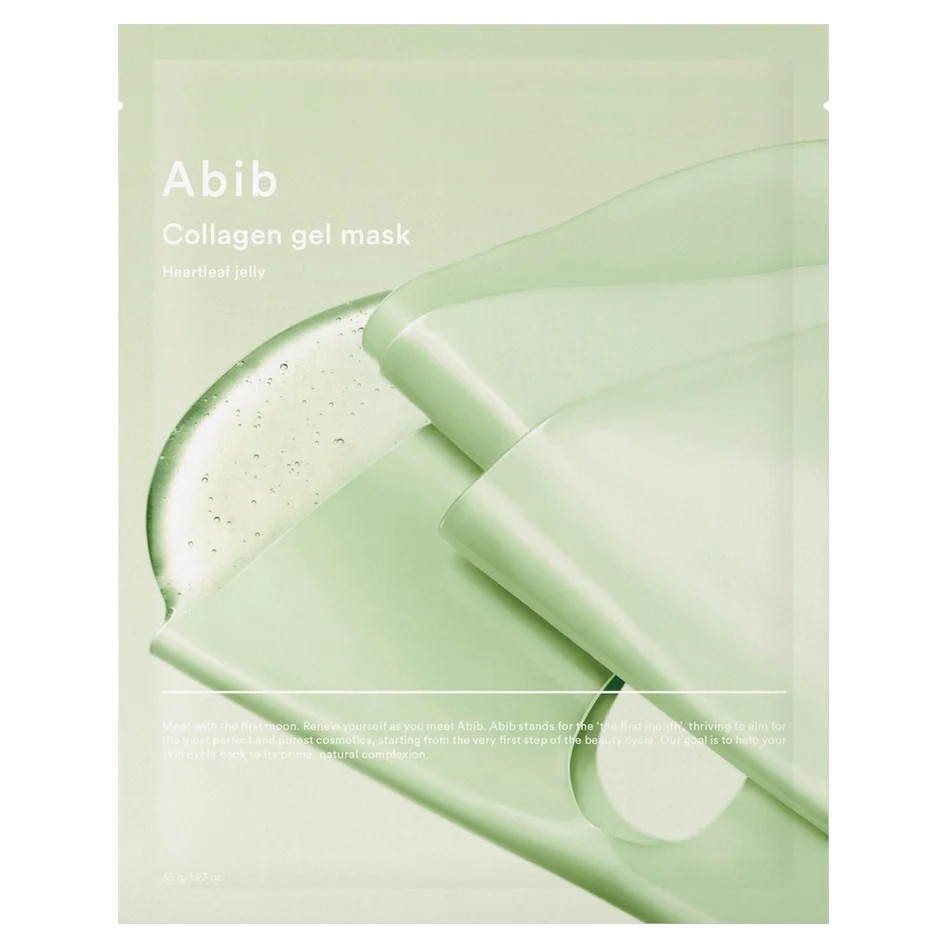
Abib
Collagen Gel Mask Heartleaf Jelly
24th of 43 on the label
below ≈1%
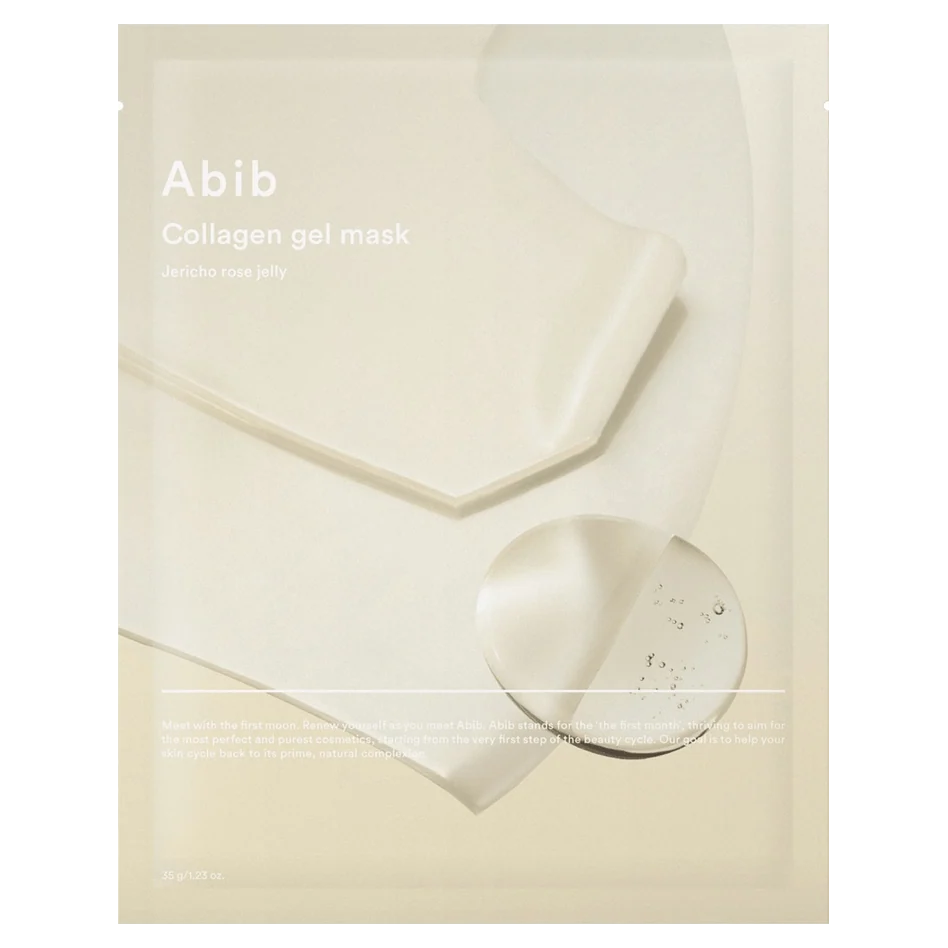
Abib
Collagen Gel Mask Jericho Rose Jelly
25th of 43 on the label
below ≈1%
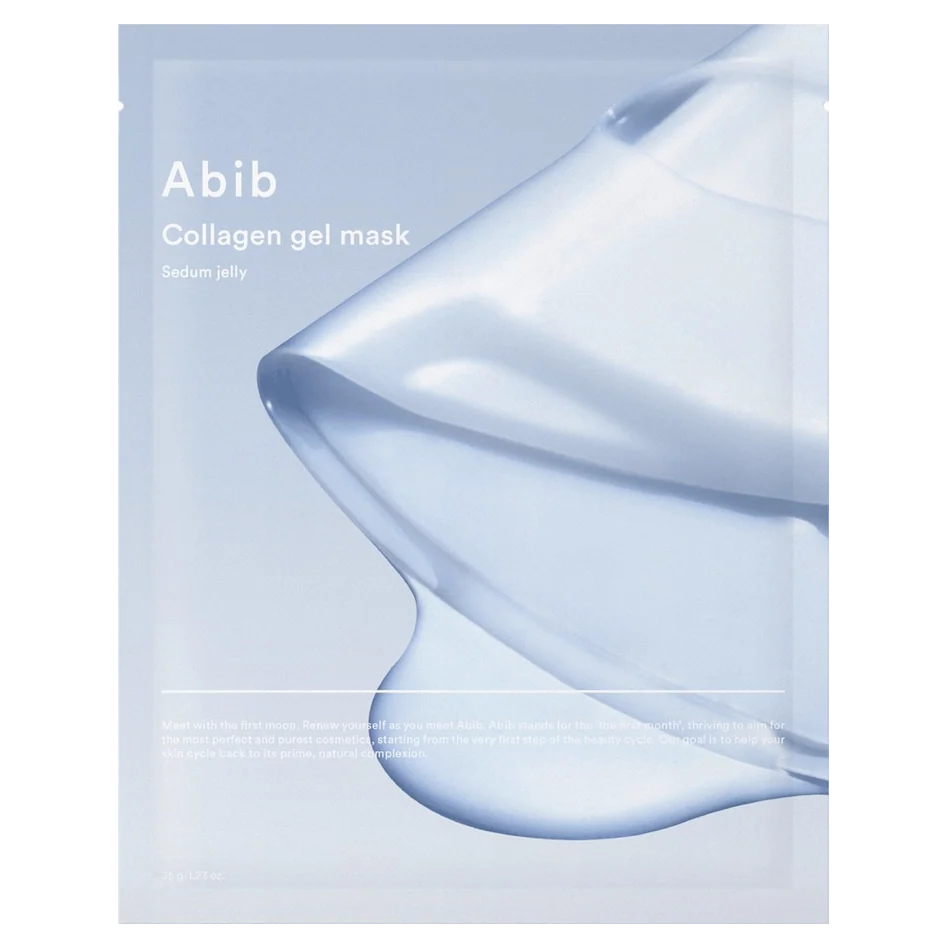
Abib
Collagen Gel Mask Sedum Jelly
22nd of 41 on the label
below ≈1%
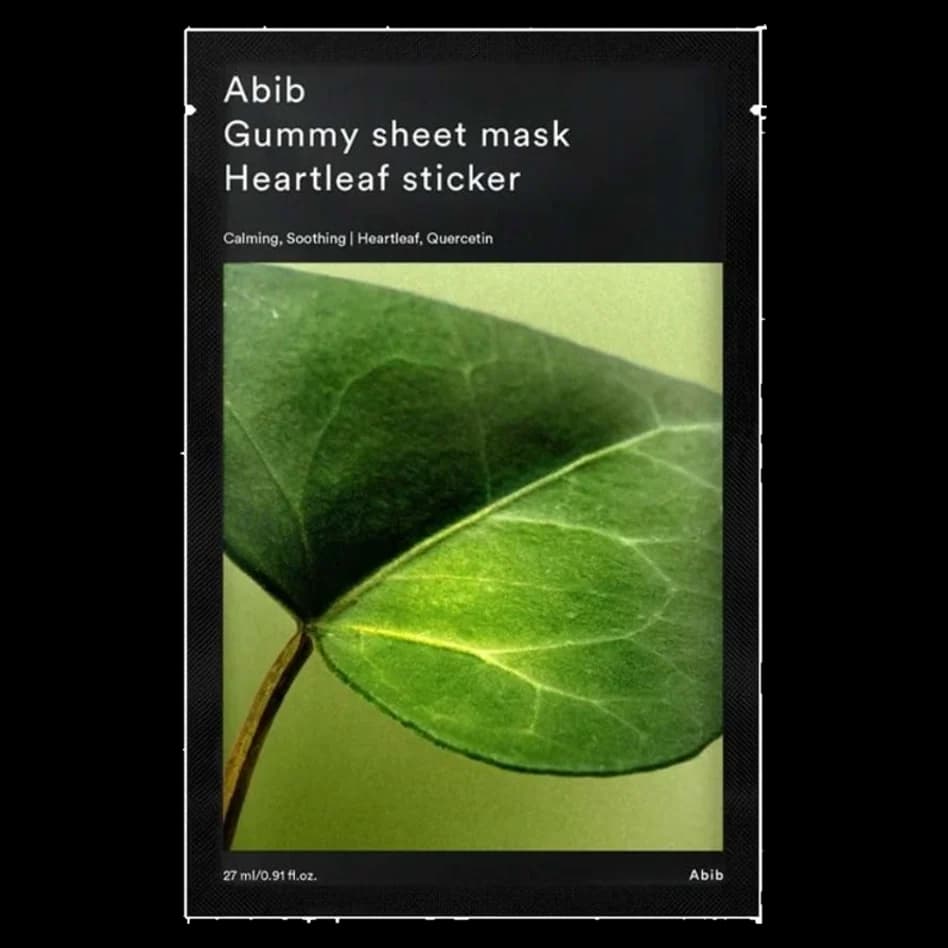
Abib
Gummy Sheet Mask Heartleaf Sticker
16th of 29 on the label
below ≈1%
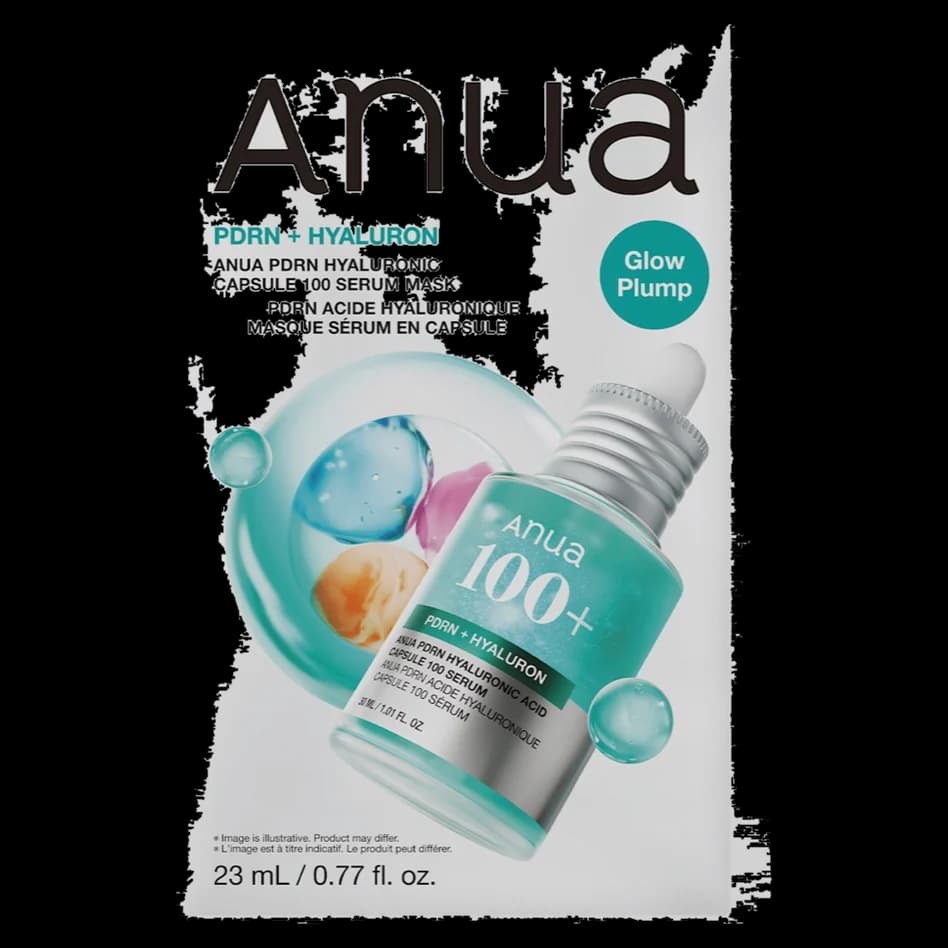
Anua
PDRN Serum Mask 100 Hyaluronic Acid Capsule
12th of 45 on the label
below ≈1%
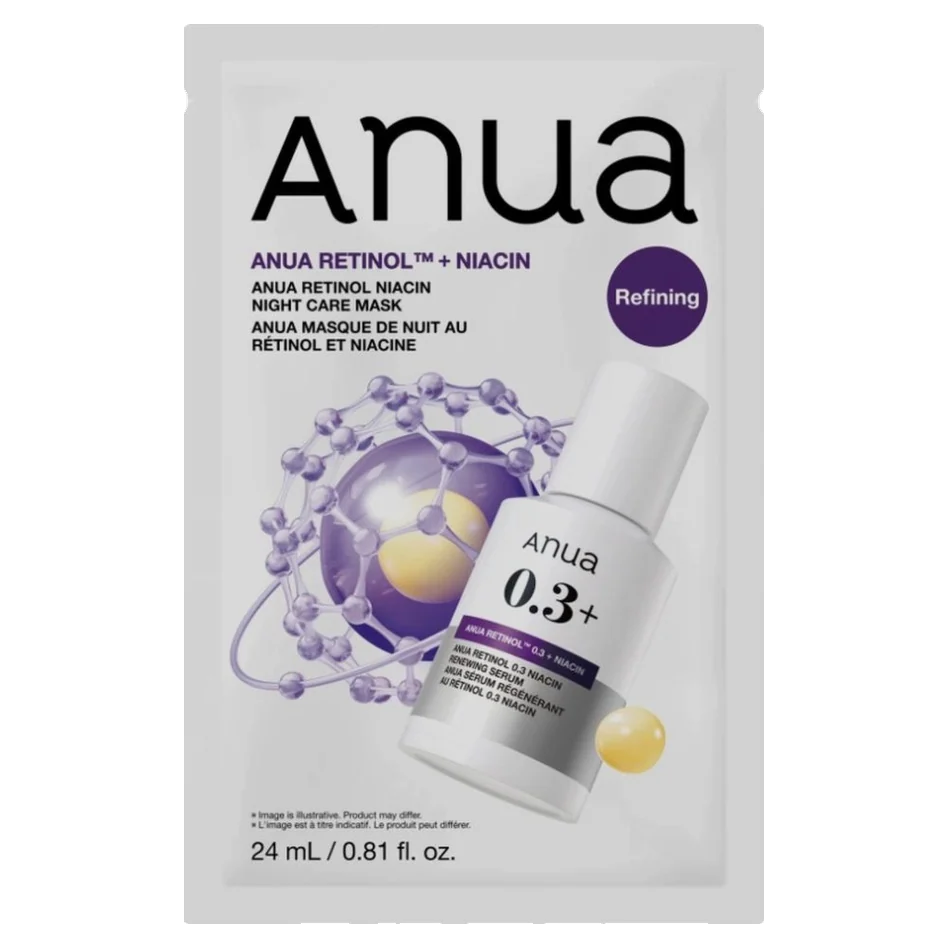
Anua
Retinol Niacin Night Care Mask
27th of 44 on the label
below ≈1%
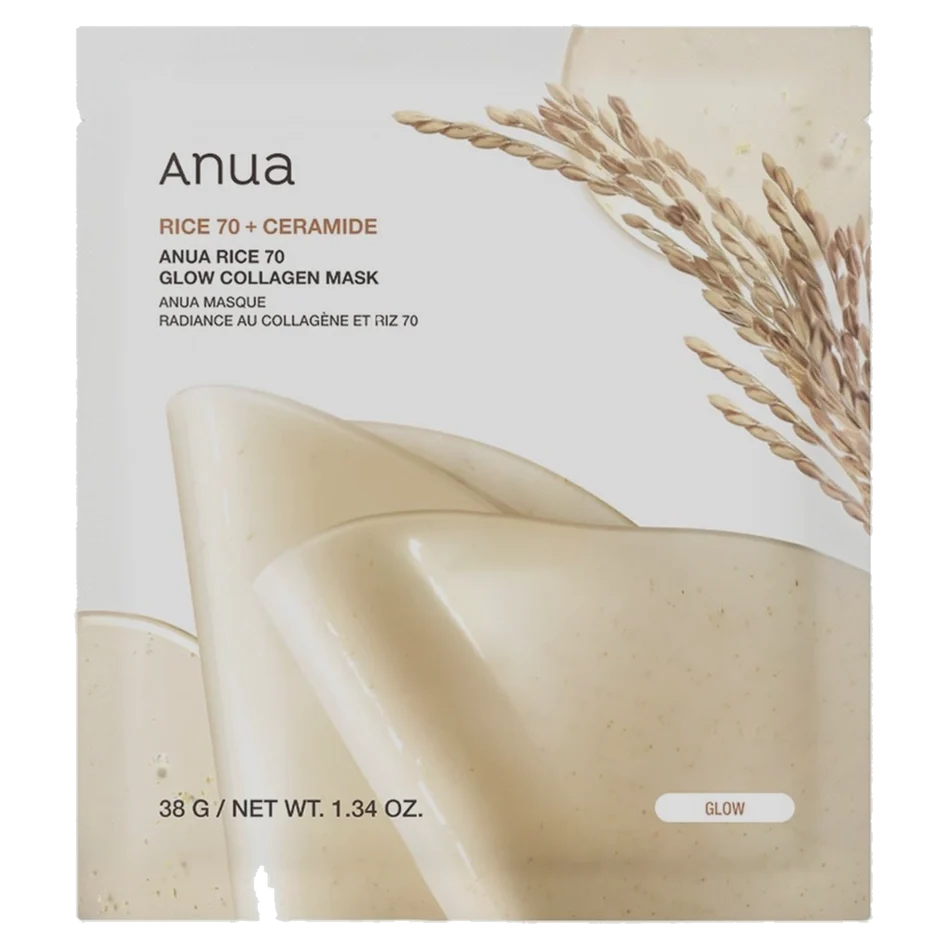
Anua
Rice 70 Glow Collagen Mask
25th of 42 on the label
below ≈1%
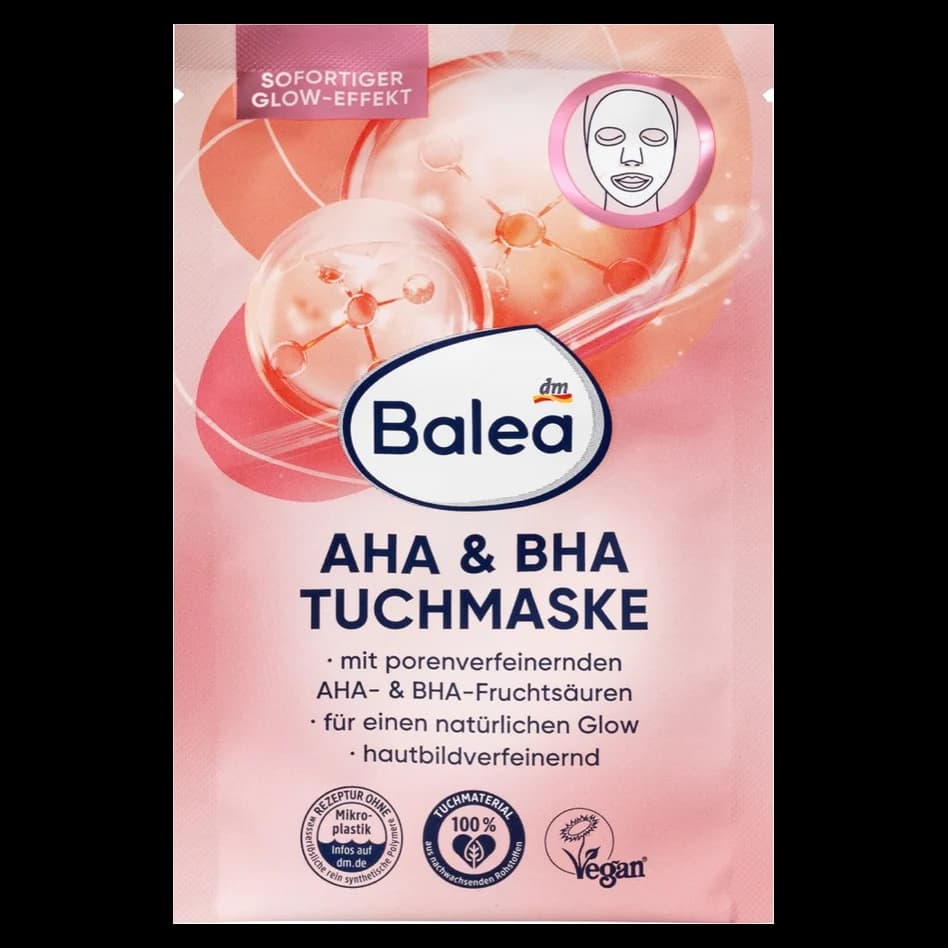
Balea
AHA & BHA Tuchmaske
7th of 16 on the label
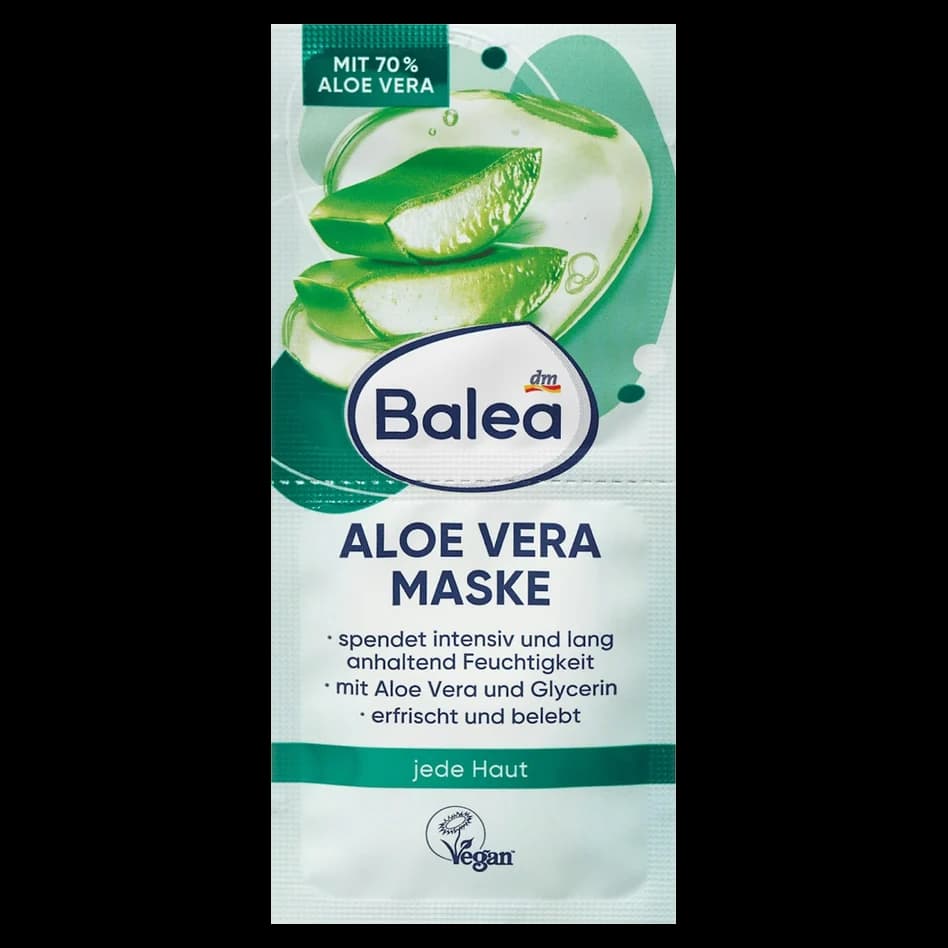
Balea
Gesichtsmaske Aloe Vera
9th of 21 on the label
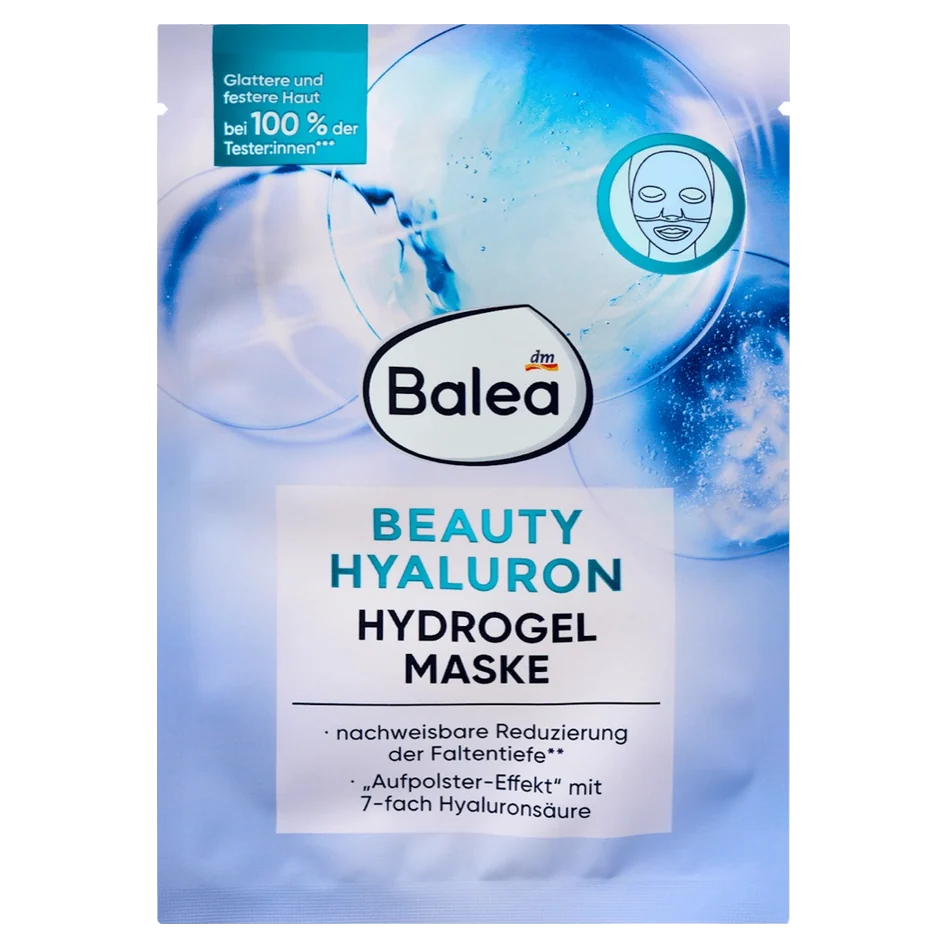
Balea
Gesichtsmaske Beauty Hyaluron Hydrogel
11th of 28 on the label
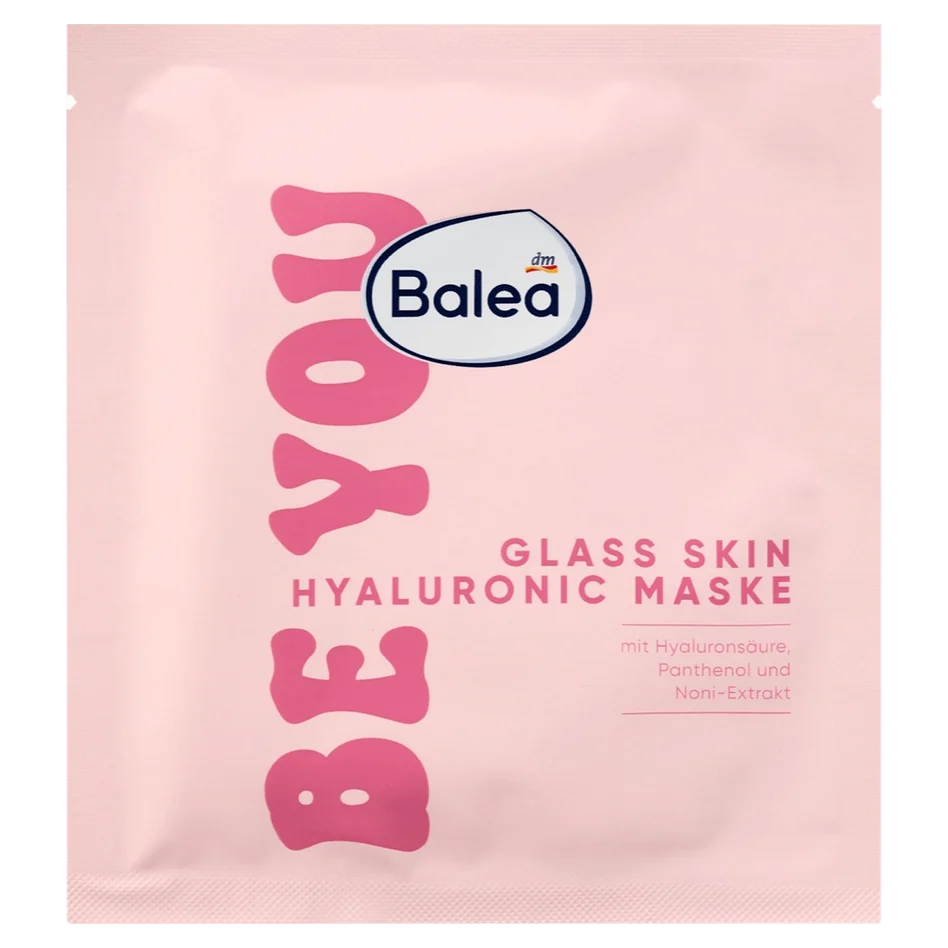
Balea
Gesichtsmaske Glass Skin Hyaluronic Be You
7th of 30 on the label
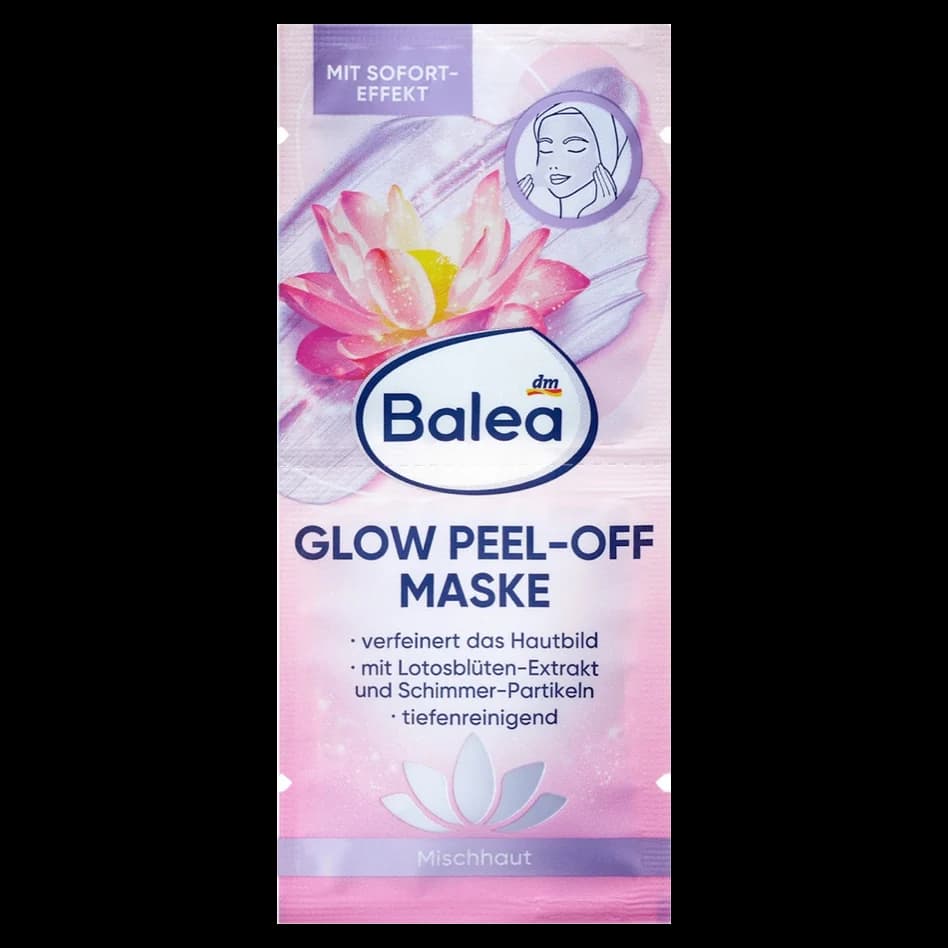
Balea
Gesichtsmaske Glow Peel-Off
5th of 20 on the label
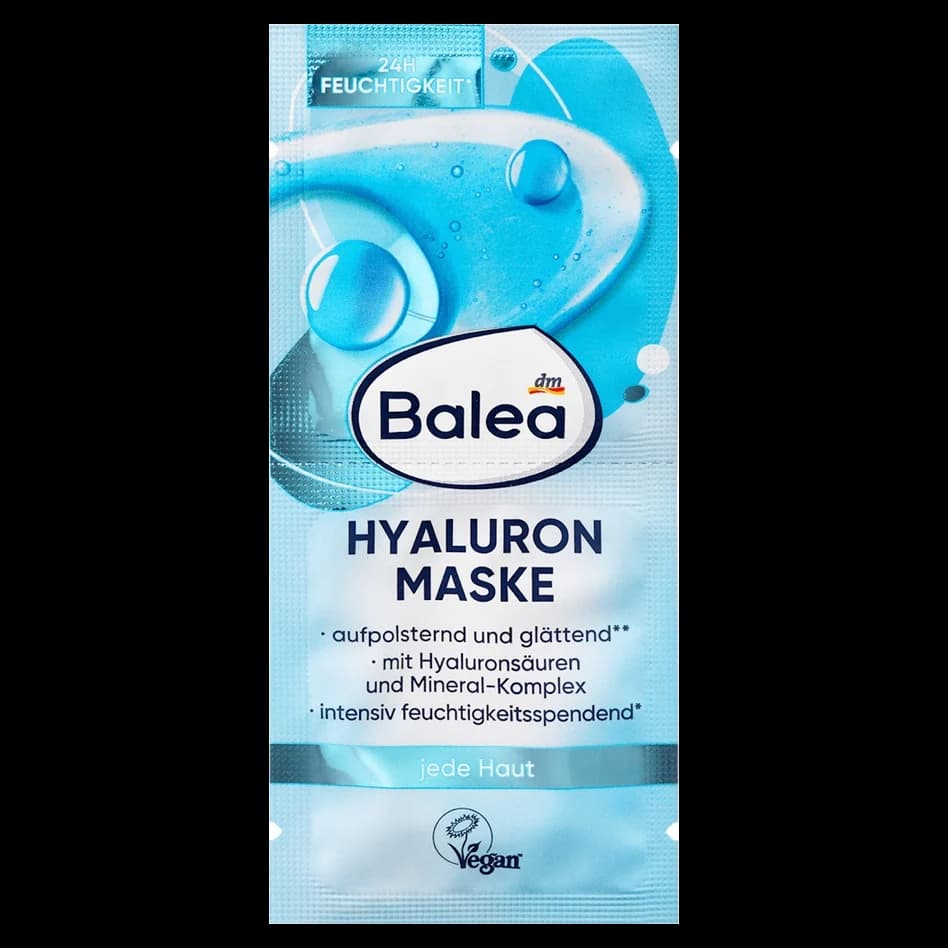
Balea
Gesichtsmaske Hyaluron
10th of 29 on the label
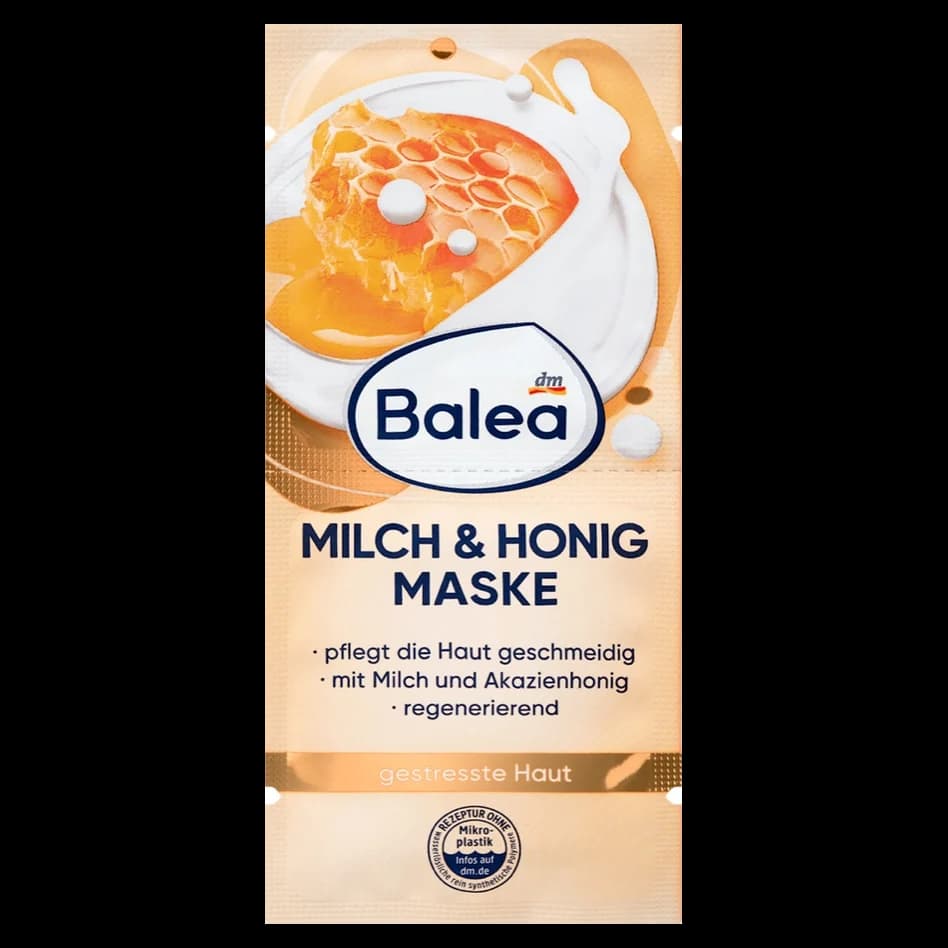
Balea
Gesichtsmaske Milch & Honig
18th of 36 on the label
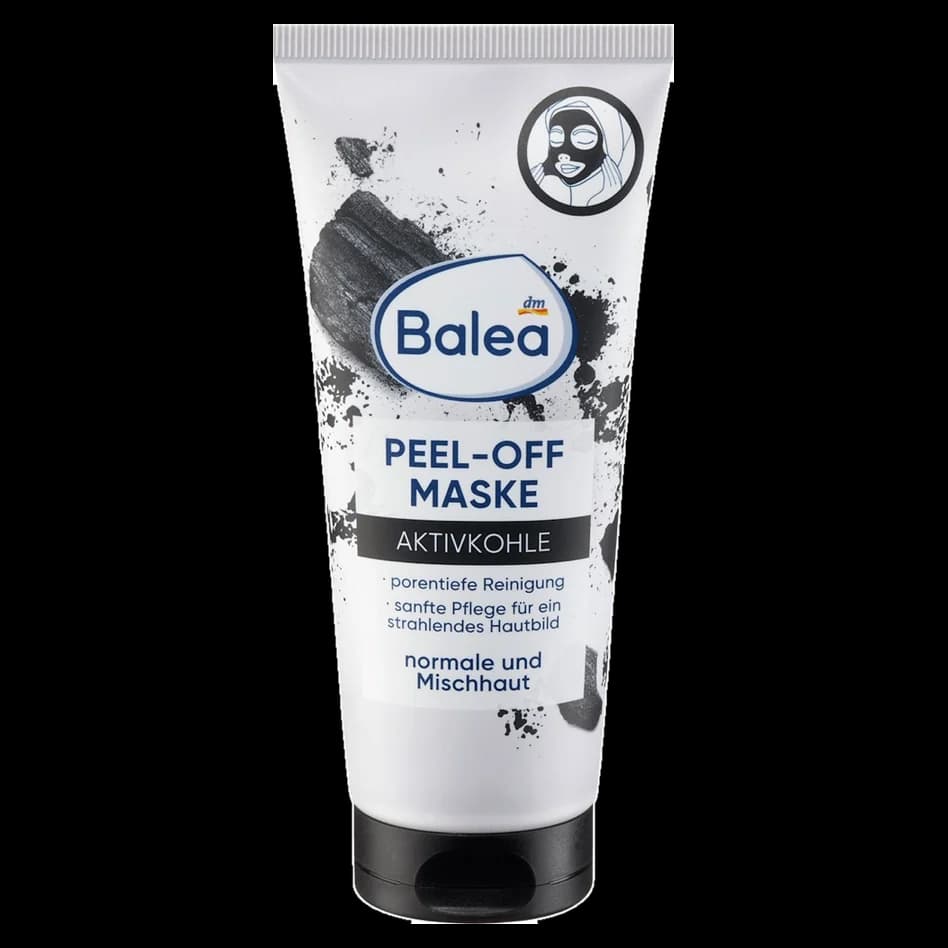
Balea
Gesichtsmaske Peel-Off Aktivkohle
8th of 18 on the label
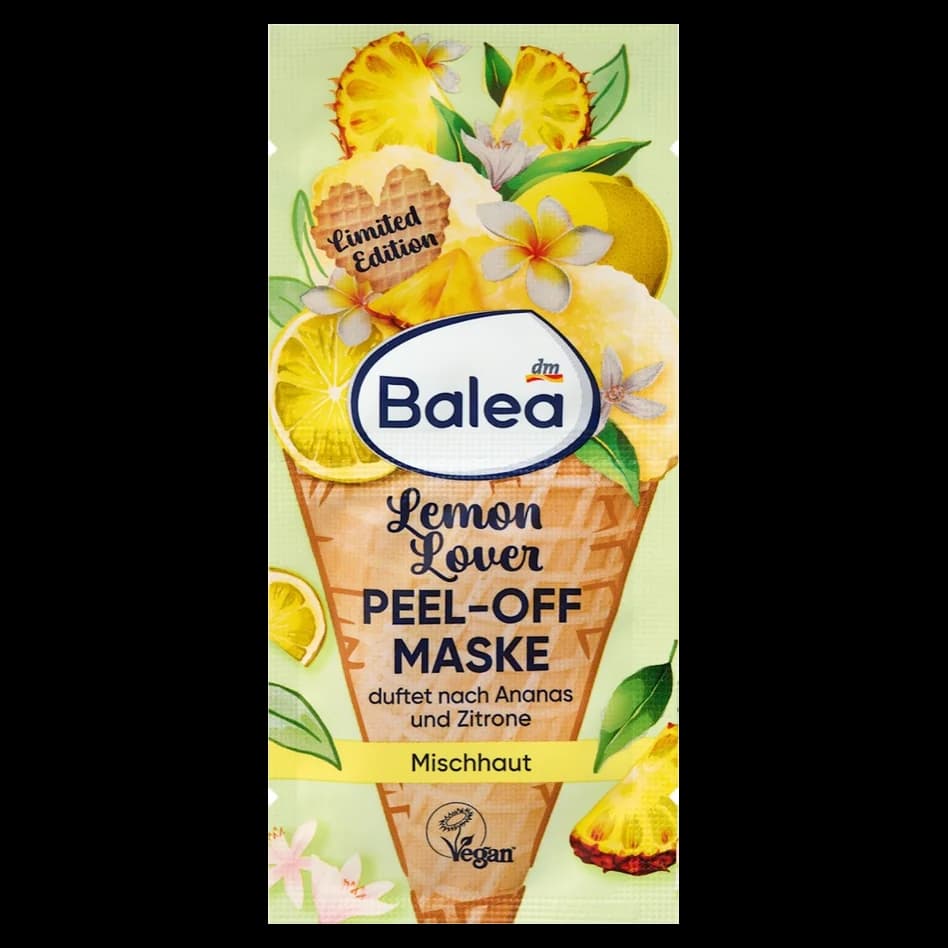
Balea
Gesichtsmaske Peel-Off Lemon Lover
7th of 23 on the label
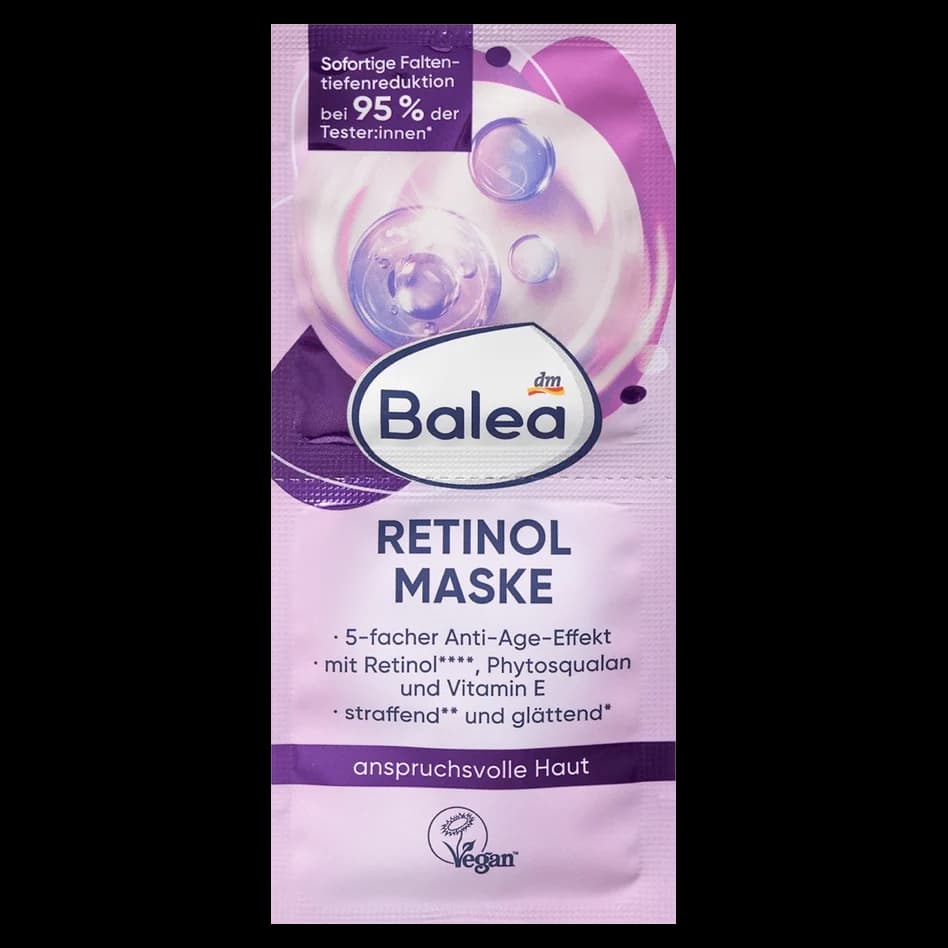
Balea
Gesichtsmaske Retinol
13th of 23 on the label
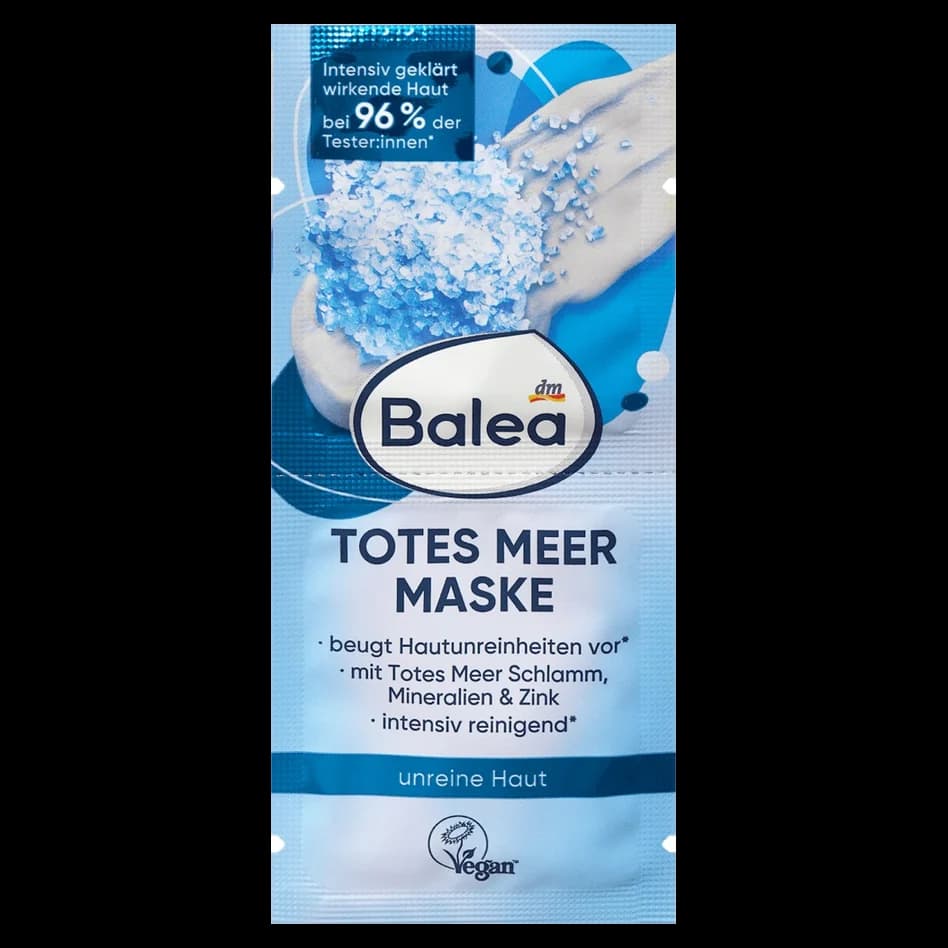
Balea
Gesichtsmaske Totes Meer
10th of 21 on the label
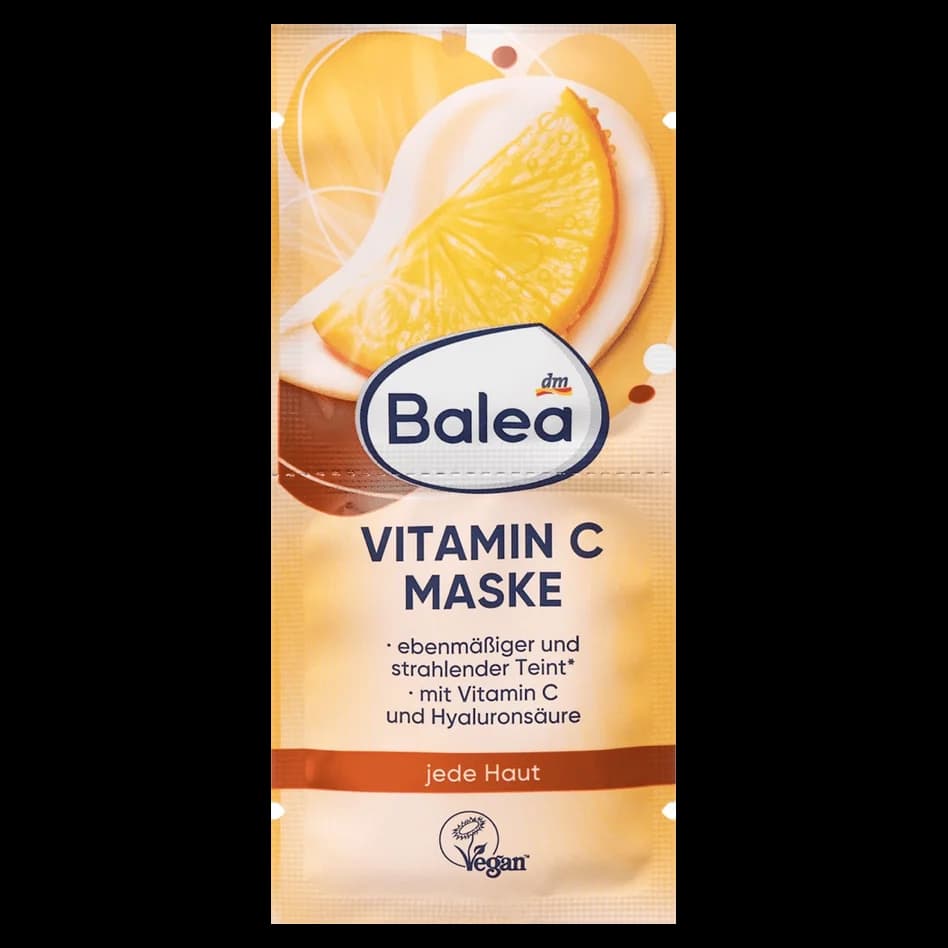
Balea
Gesichtsmaske Vitamin C
10th of 23 on the label
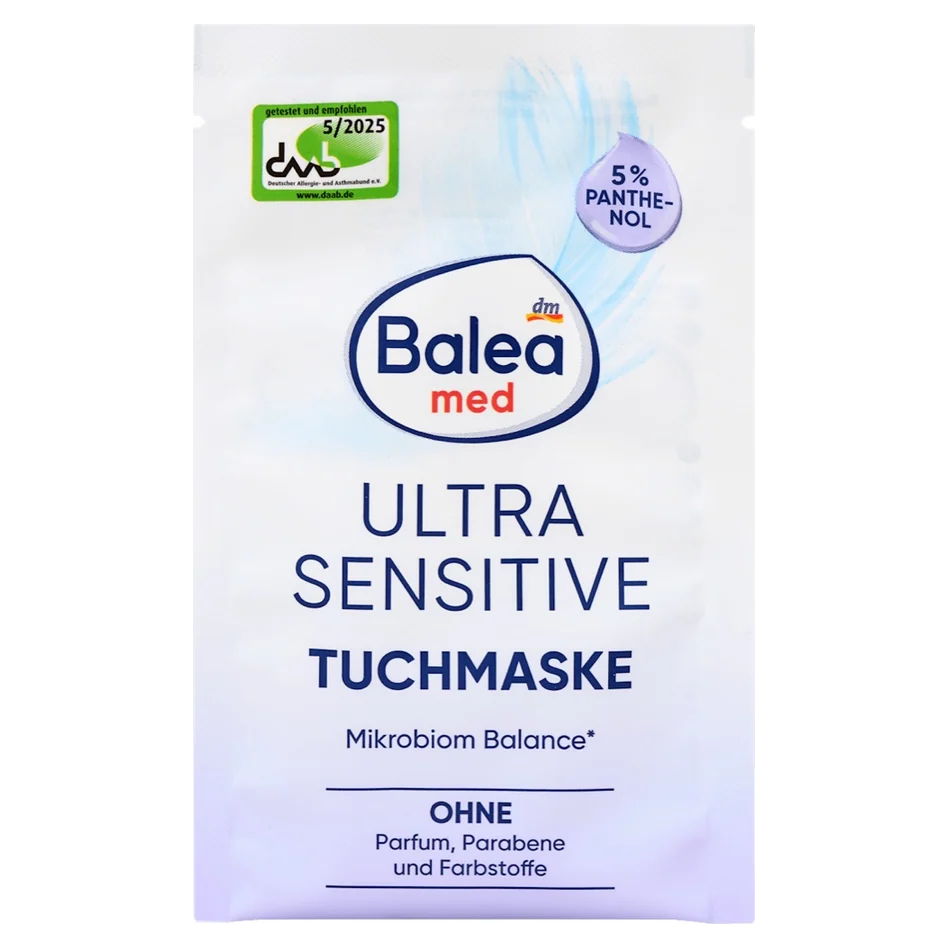
Balea med
Tuchmaske Panthenol Ultra Sensitive
2nd of 16 on the label
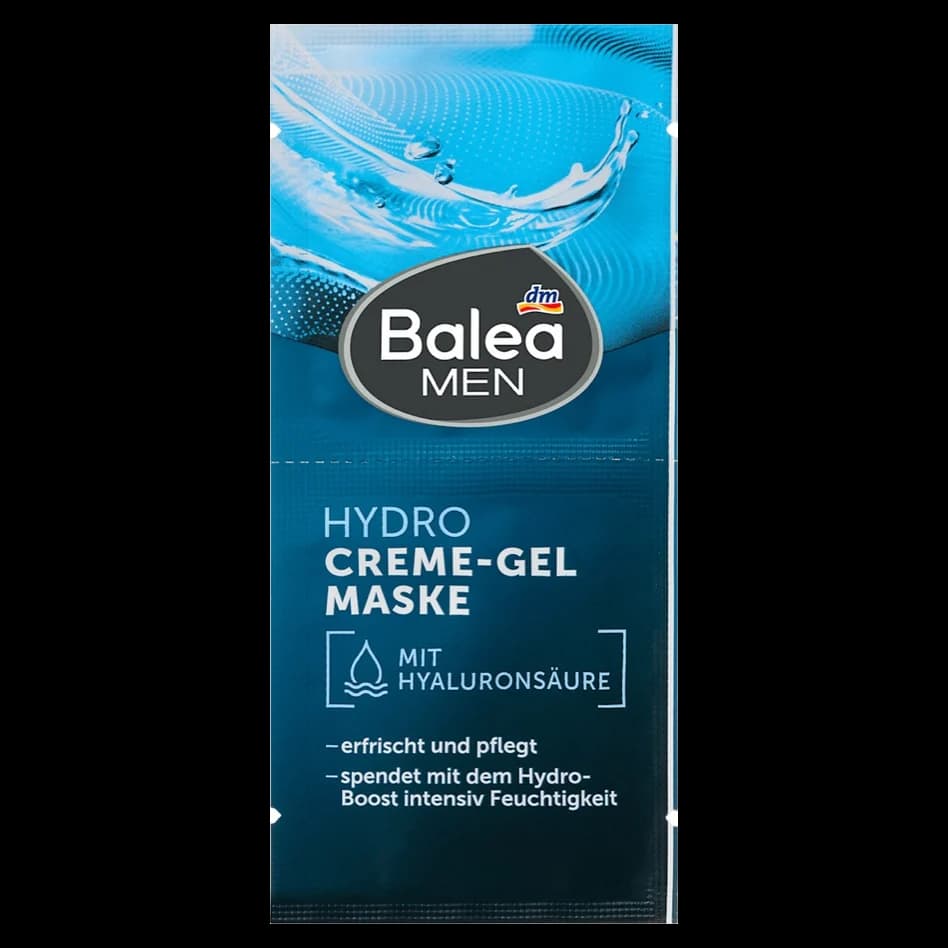
Balea MEN
Gesichtsmaske Creme-Gel Hydro
9th of 31 on the label
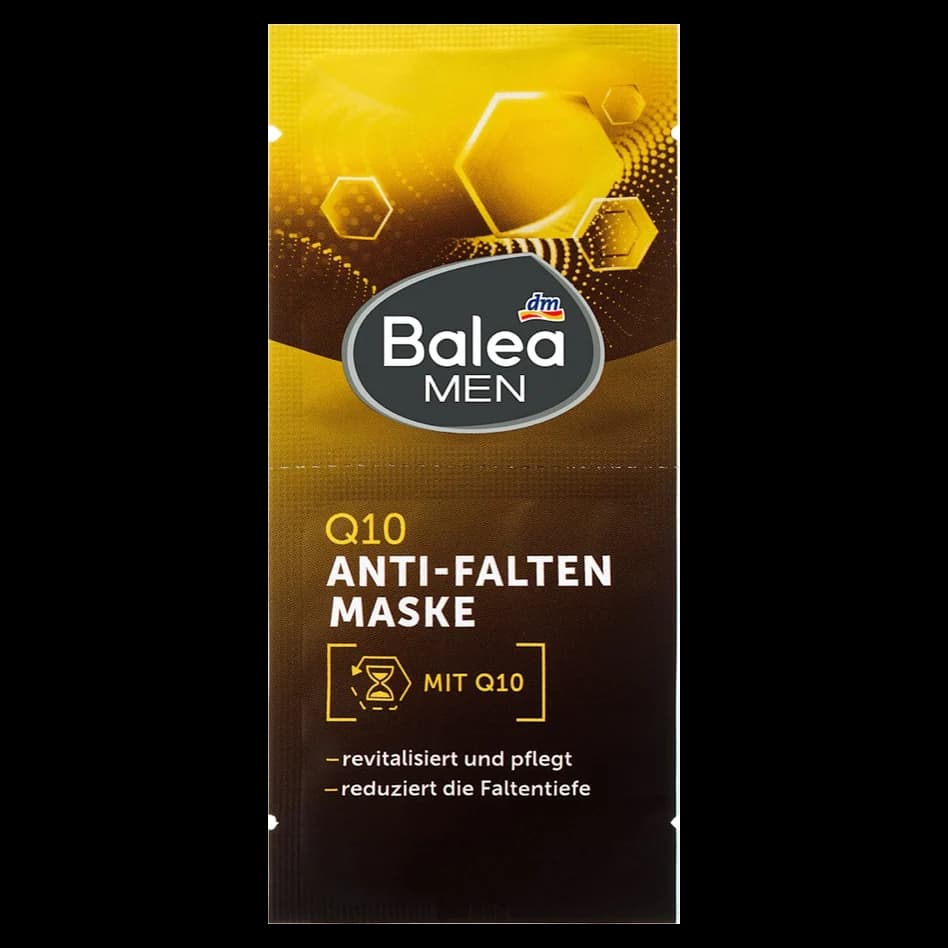
Balea MEN
Gesichtsmaske Q10 Anti-Falten
13th of 28 on the label
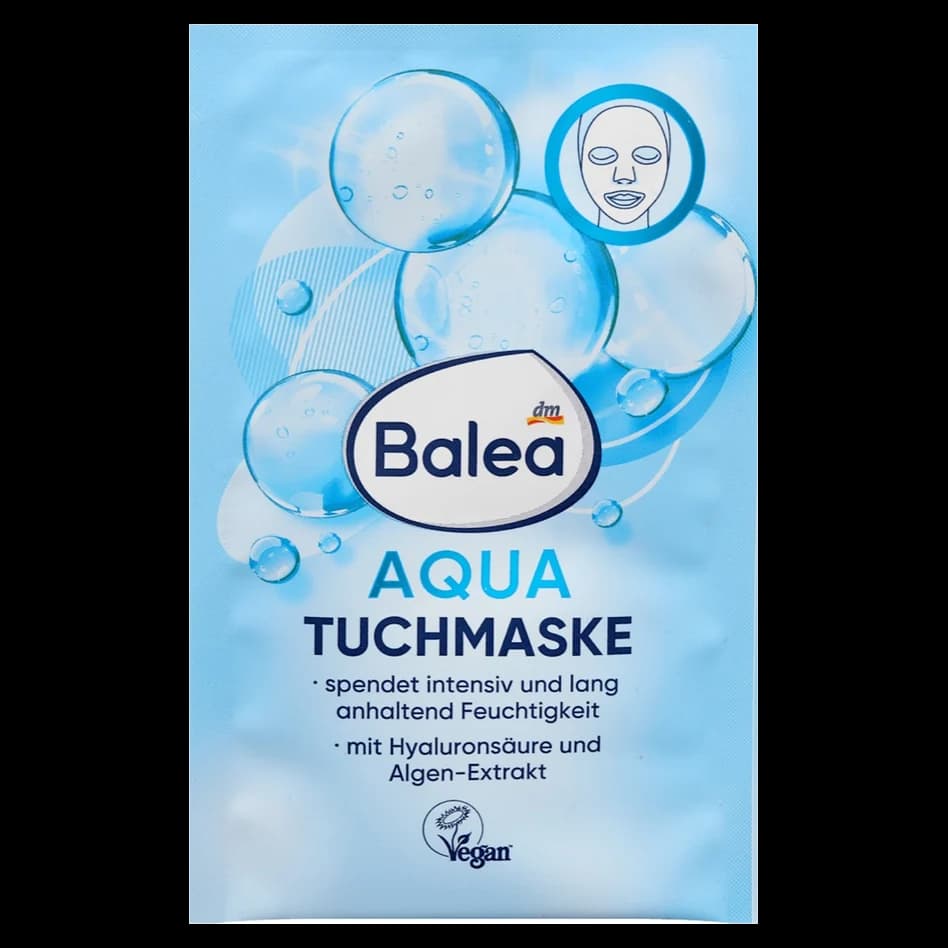
Balea
Tuchmaske Aqua
7th of 18 on the label
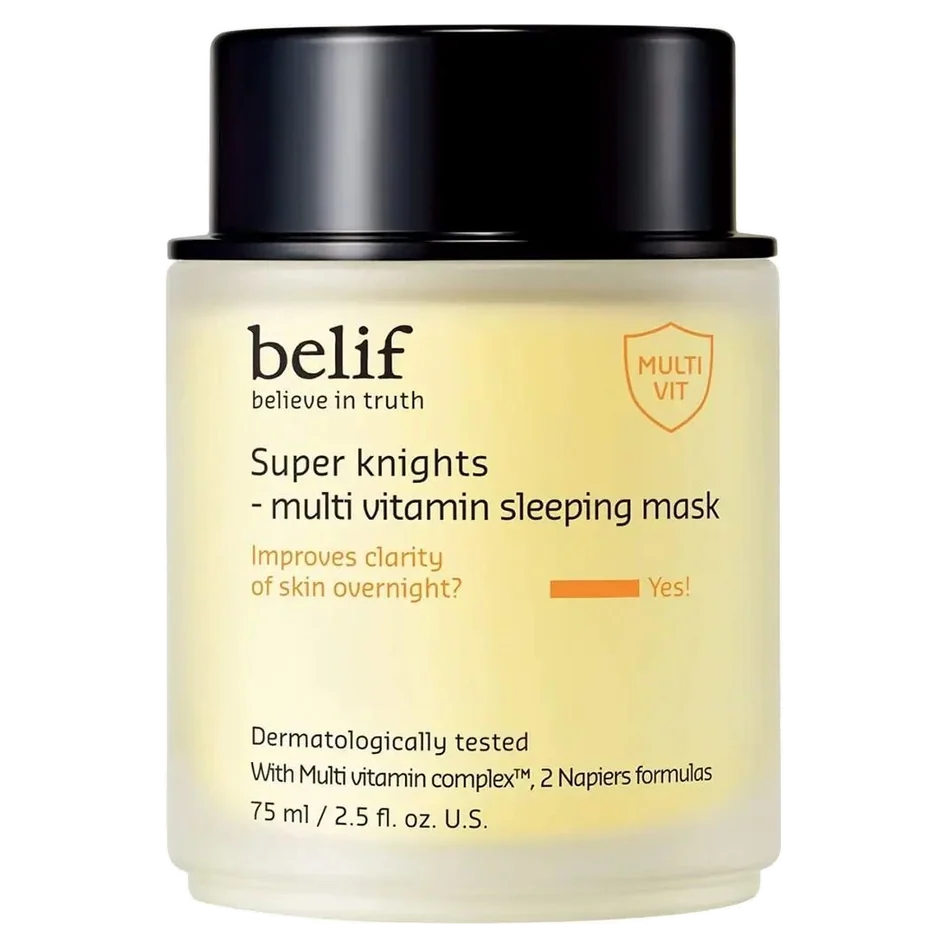
belif
Super Knights Vitamin Mask
13th of 26 on the label
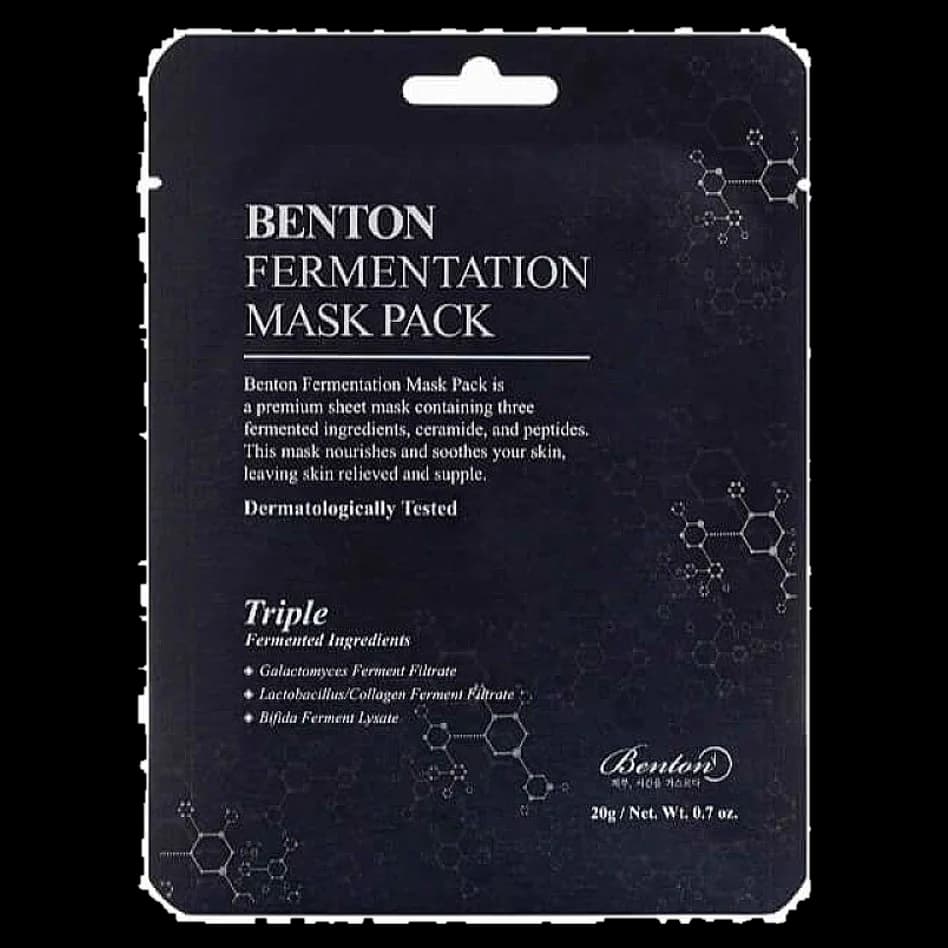
Benton
Fermentation Mask Pack
17th of 25 on the label
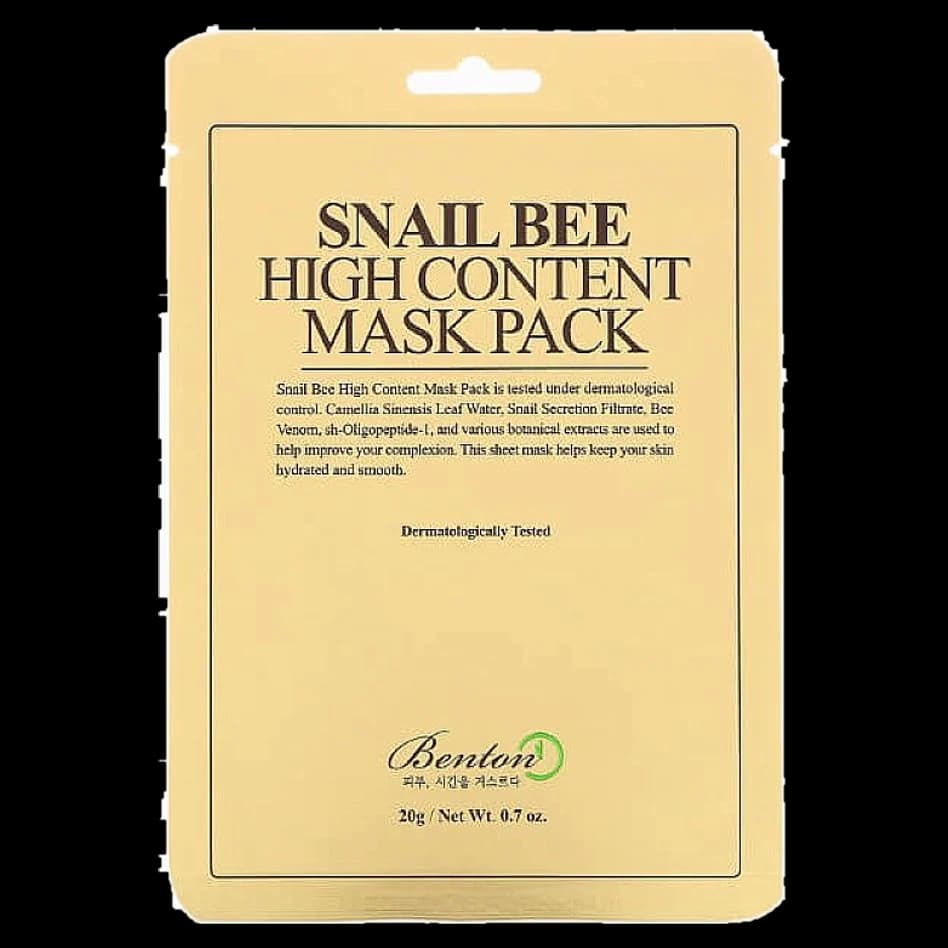
Benton
Snail Bee High Content Mask Pack
22nd of 27 on the label
below ≈1%
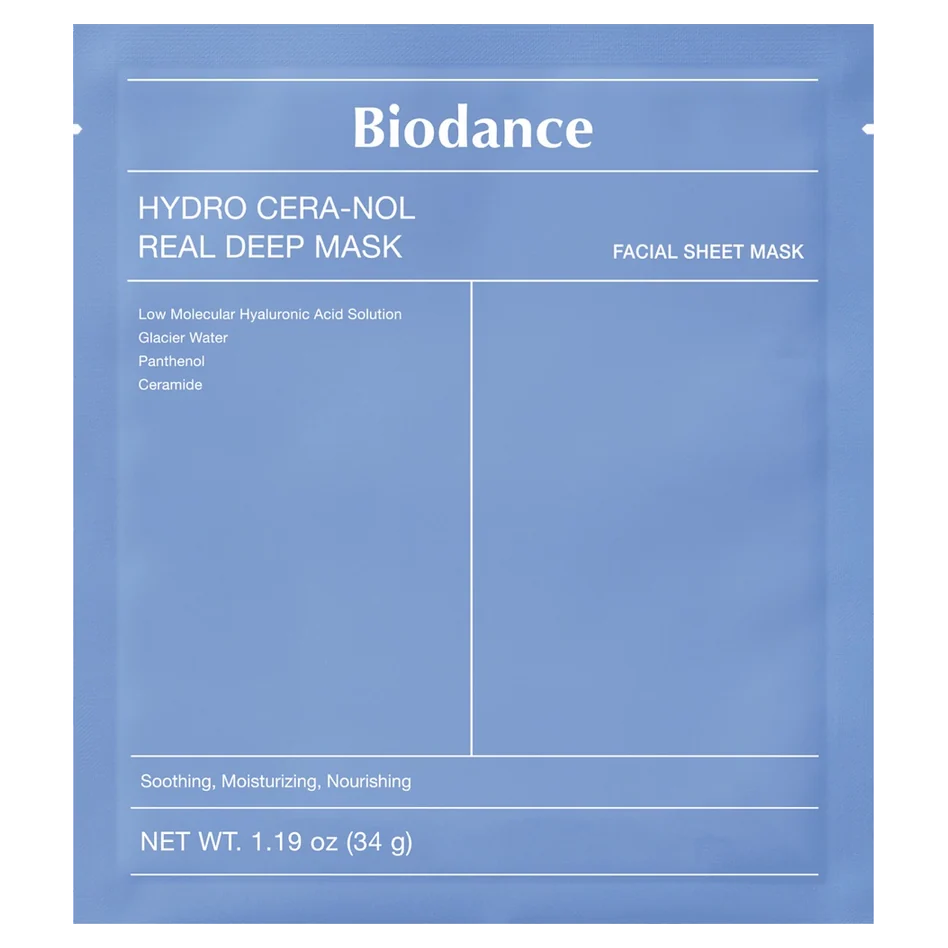
Biodance
Hydro Cera-nol Real Deep Mask
10th of 65 on the label
below ≈1%
Biodance
Refreshing Sea Kelp Real Deep Mask
42nd of 43 on the label
below ≈1%
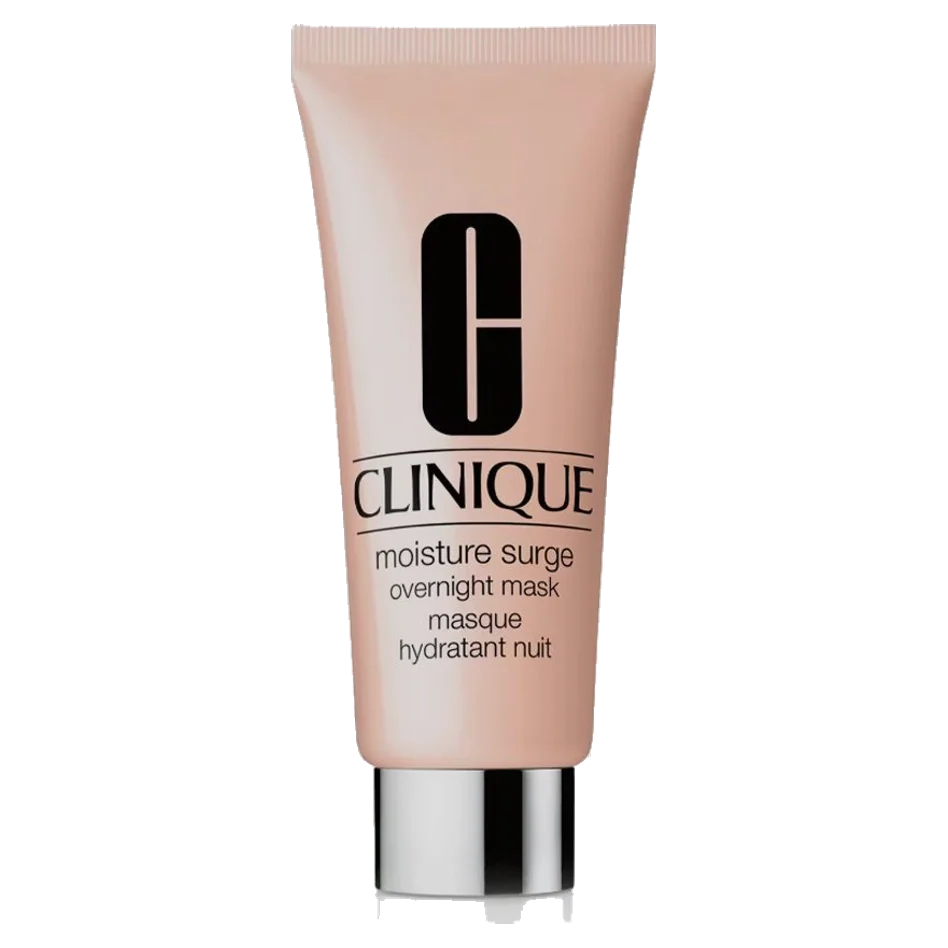
Clinique
Moisture Surge Overnight Mask
30th of 42 on the label
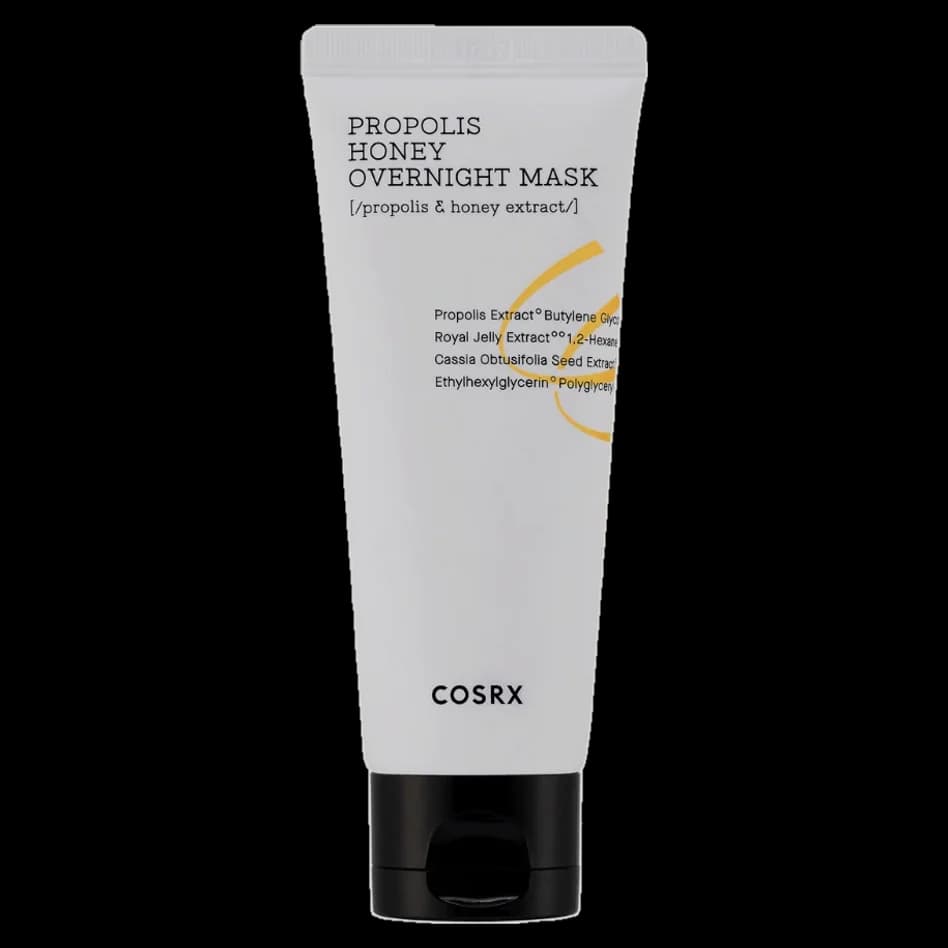
COSRX
Full Fit Propolis Honey Overnight Mask
18th of 22 on the label
below ≈1%
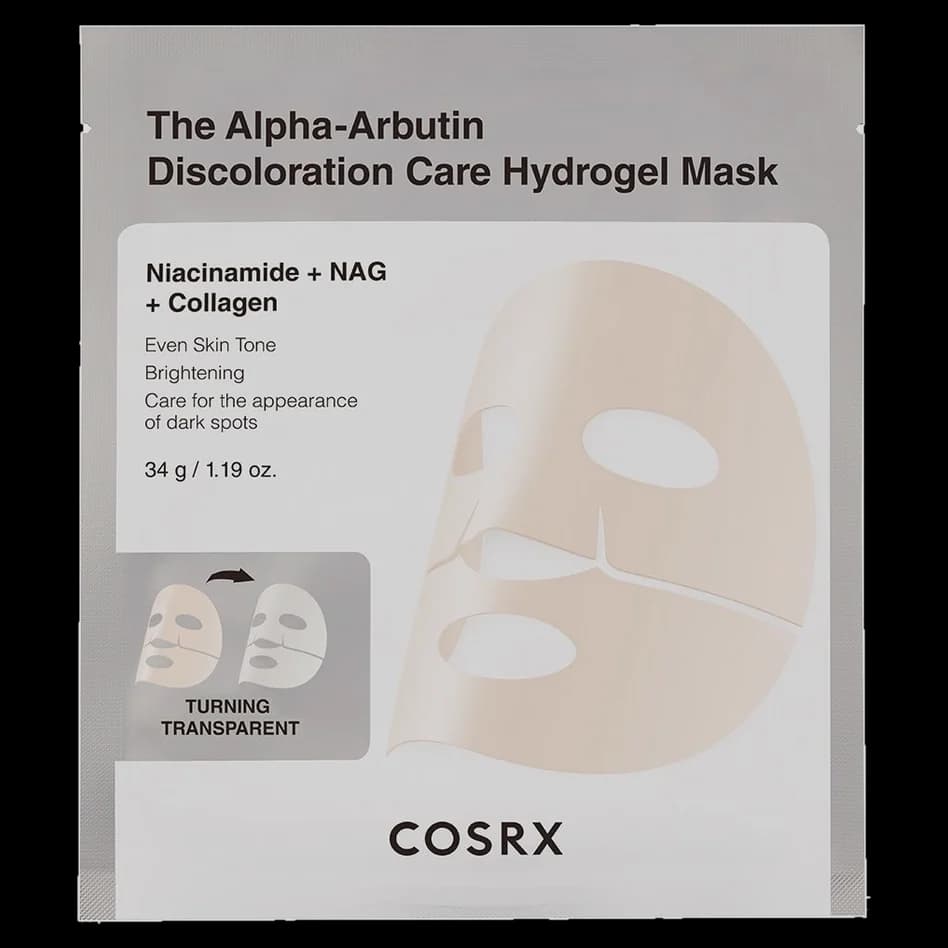
COSRX
The Alpha-Arbutin Discoloration Care Hydrogel Mask
17th of 44 on the label
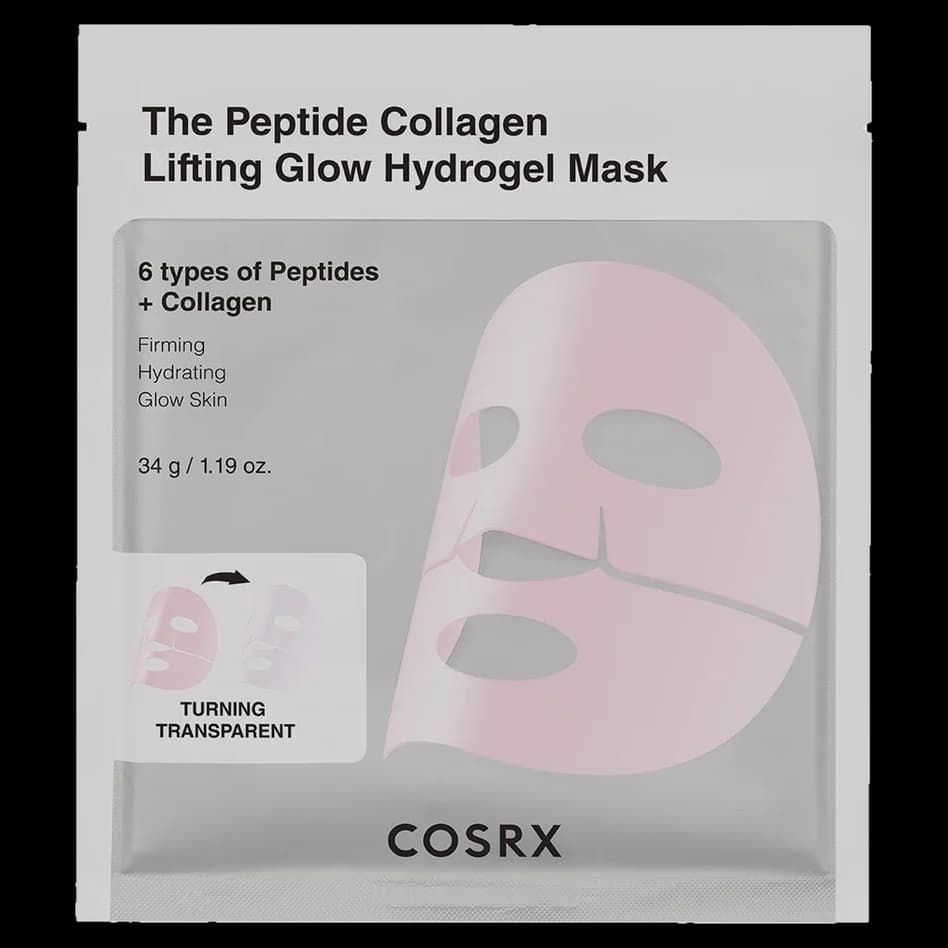
COSRX
The Peptide Collagen Lifting Glow Hydrogel Mask
15th of 49 on the label
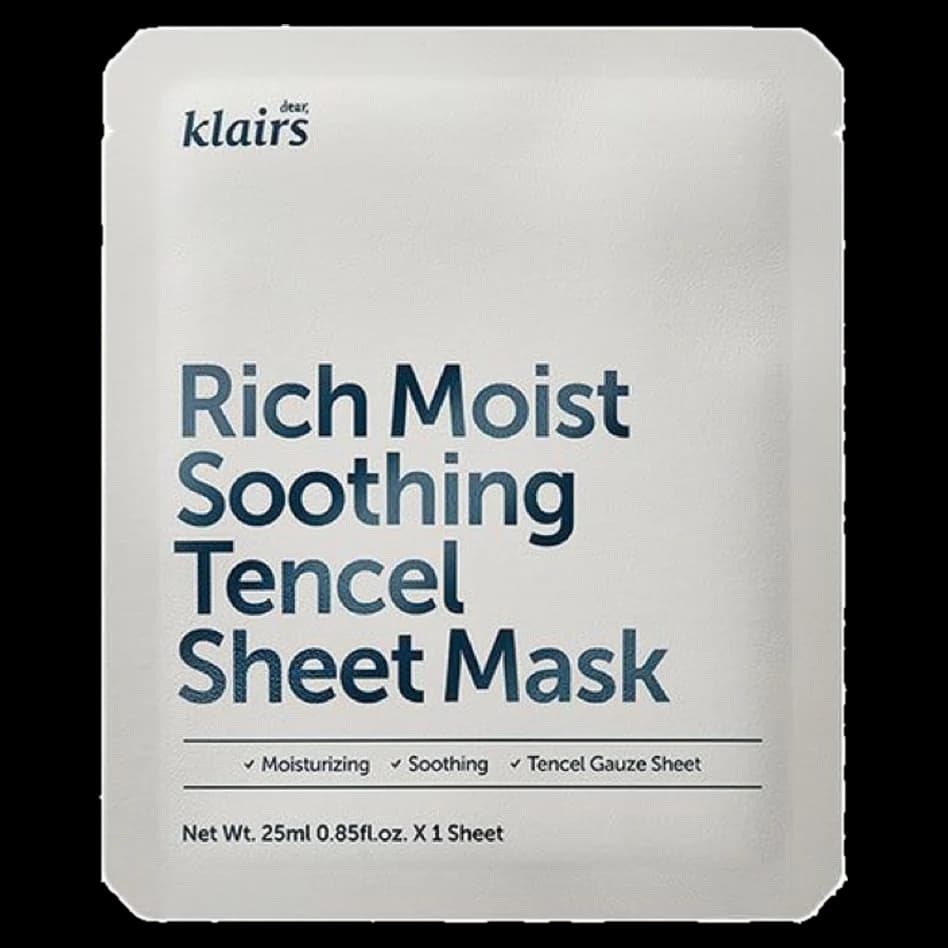
Dear, Klairs
Rich Moist Soothing Tencel Sheet Mask
9th of 33 on the label
below ≈1%
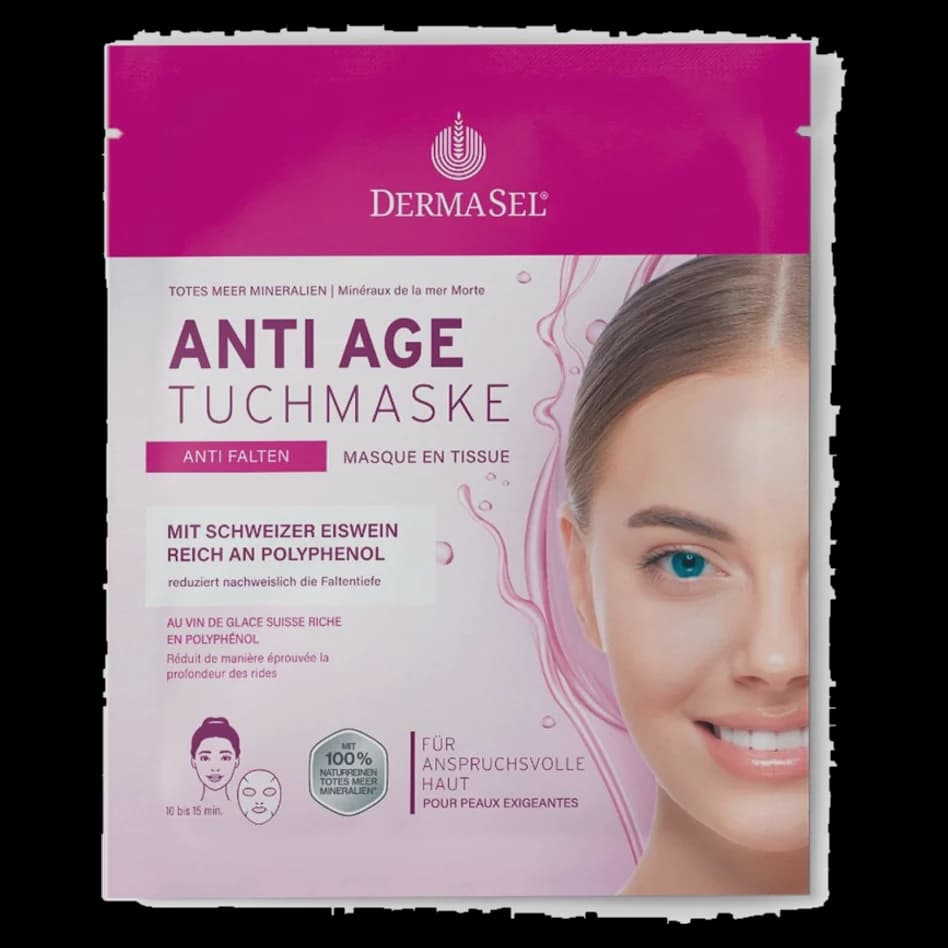
DERMASEL
Totes Meer Anti-Age Tuchmaske
10th of 23 on the label
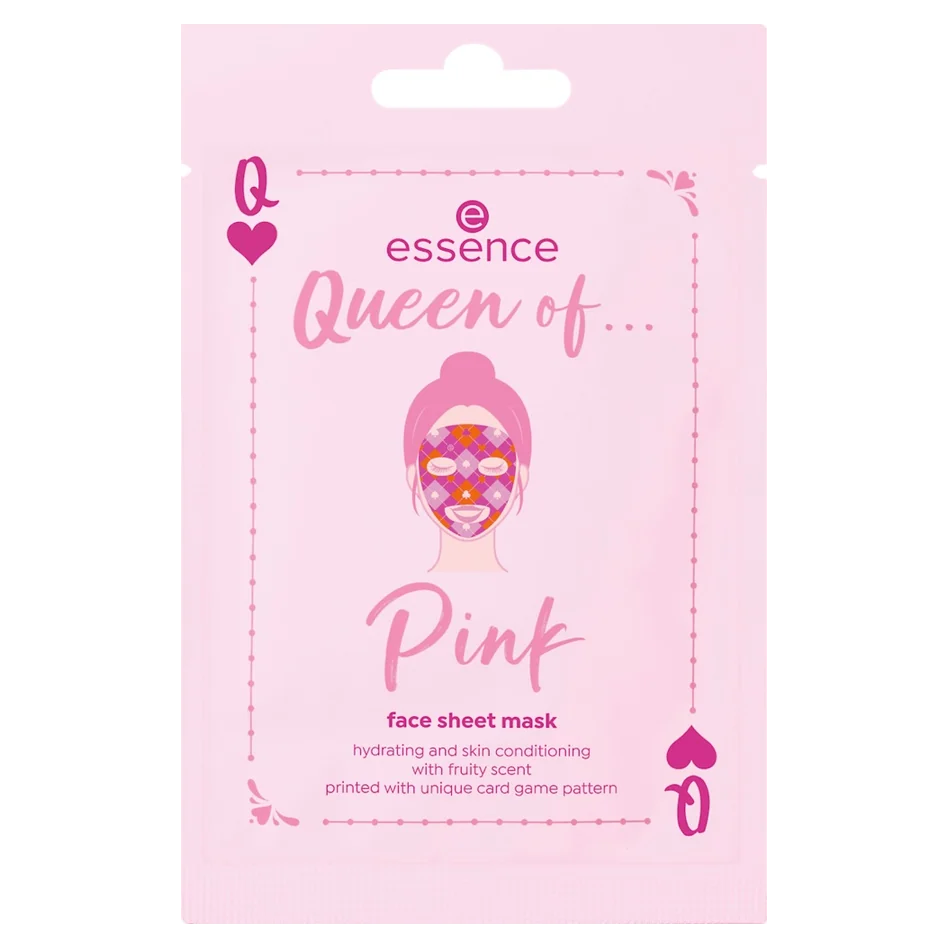
essence
Queen of Pink Face Sheet Mask 01 Keeping My Pink Poker Face
4th of 23 on the label
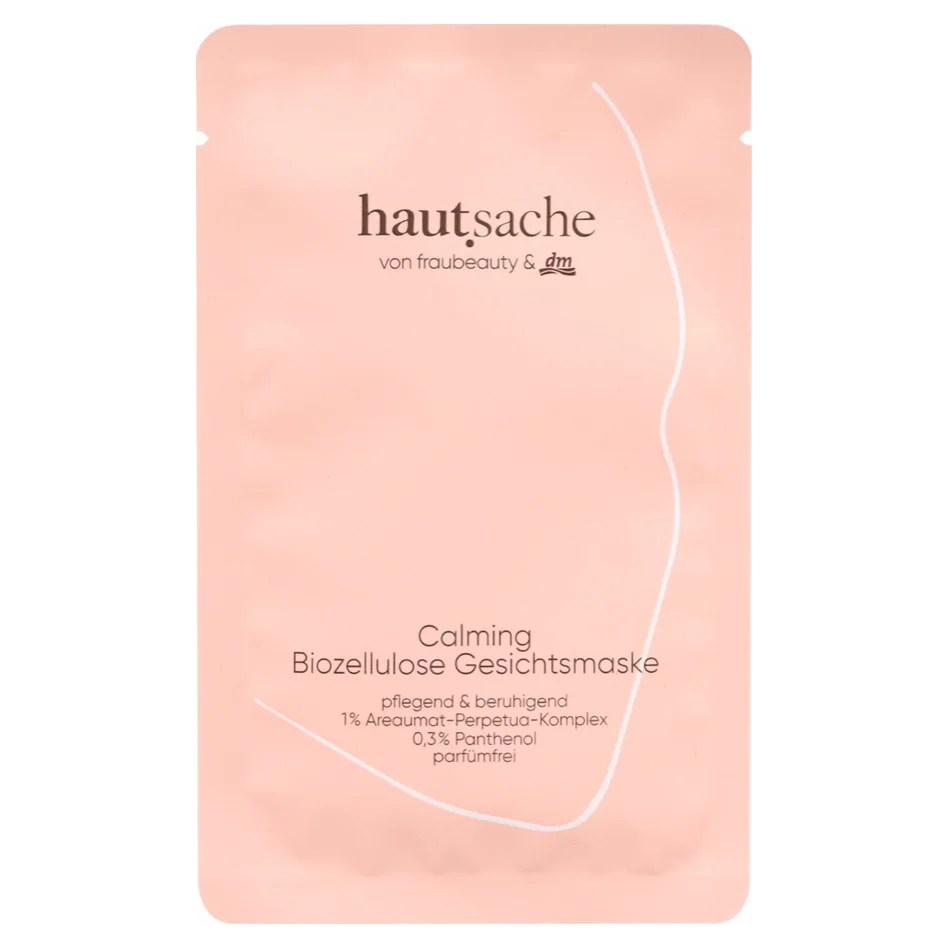
hautsache
Gesichtsmaske Biozellulose Calming
7th of 27 on the label
below ≈1%
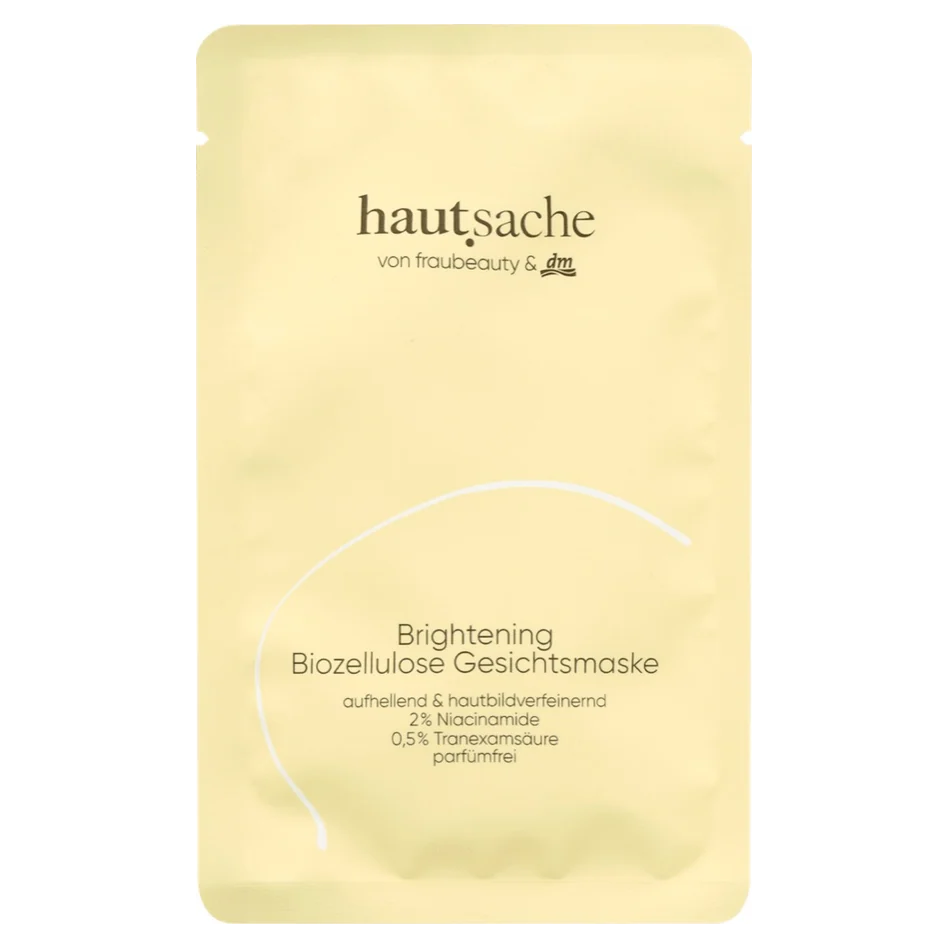
hautsache
Gesichtsmaske Brightening
5th of 33 on the label
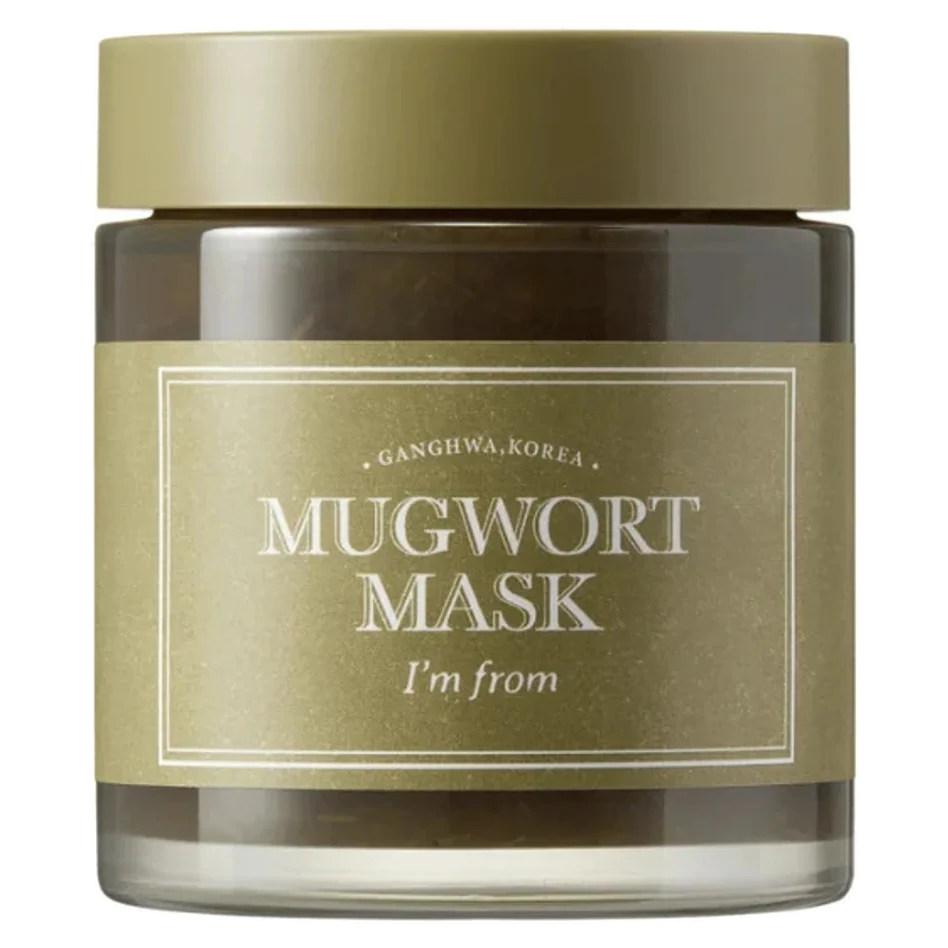
I'm From
Mugwort Mask
24th of 26 on the label
below ≈1%
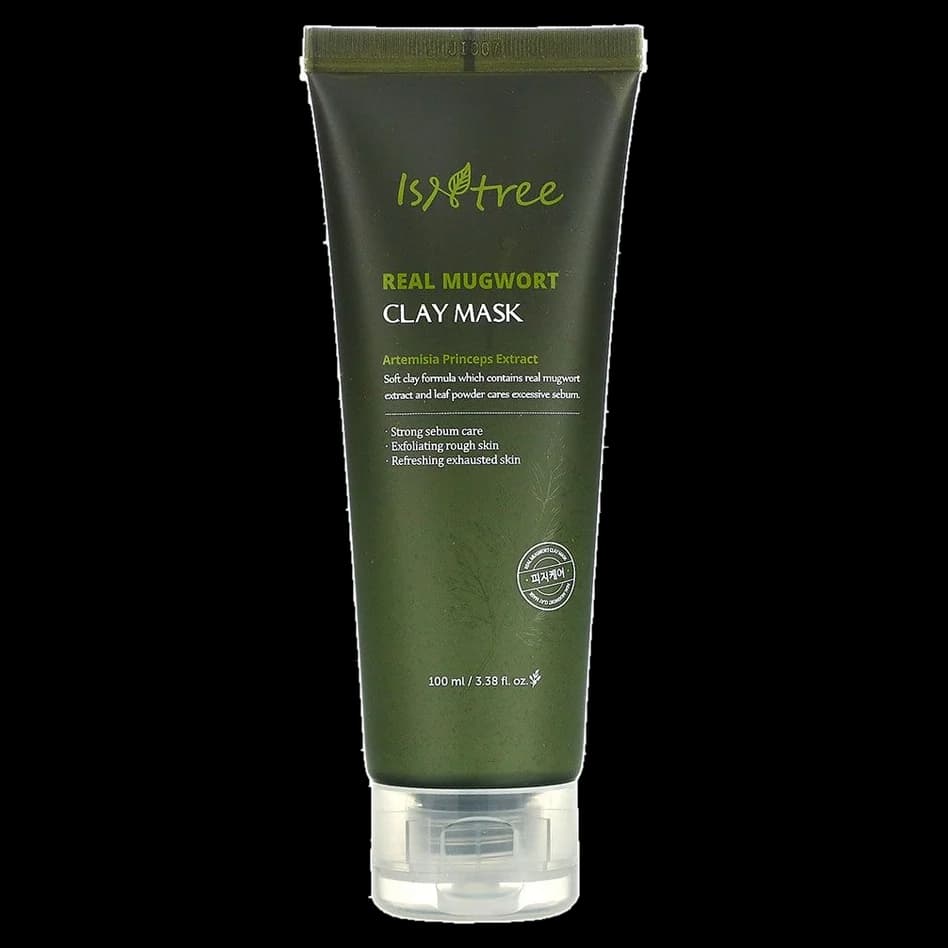
Isntree
Mugwort Calming Clay Mask
8th of 38 on the label
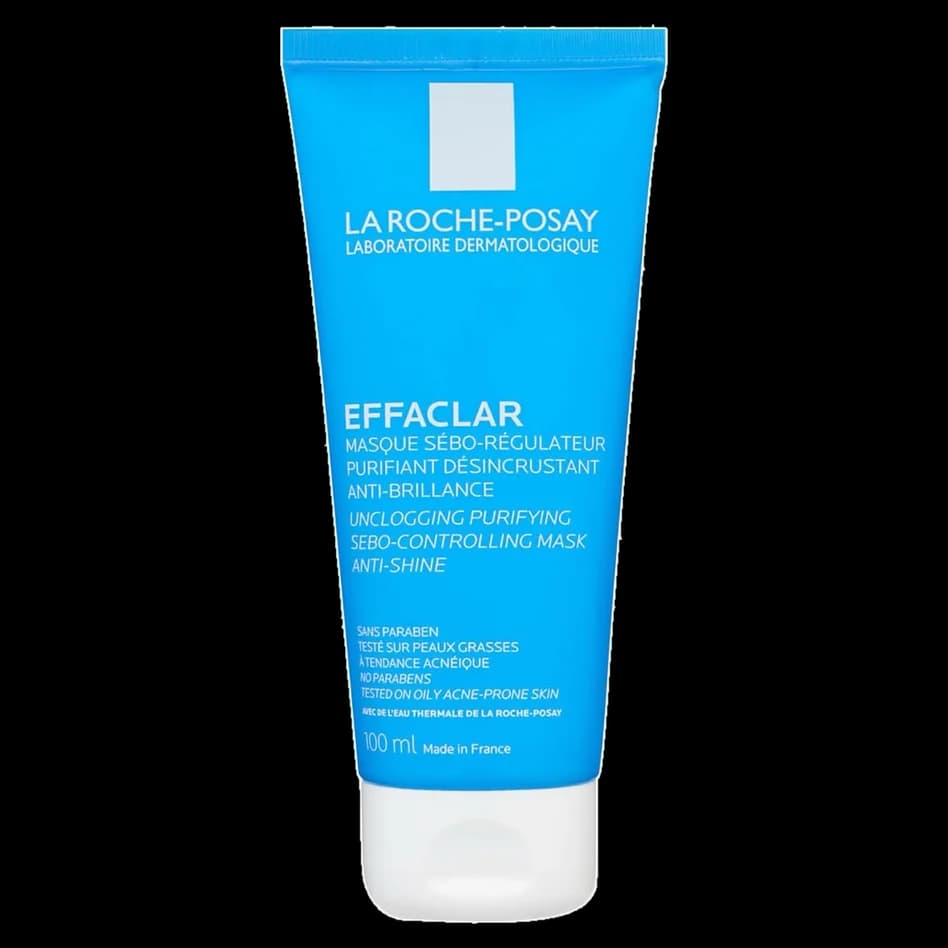
La Roche-Posay
Effaclar Purifying Clay Mask
6th of 20 on the label
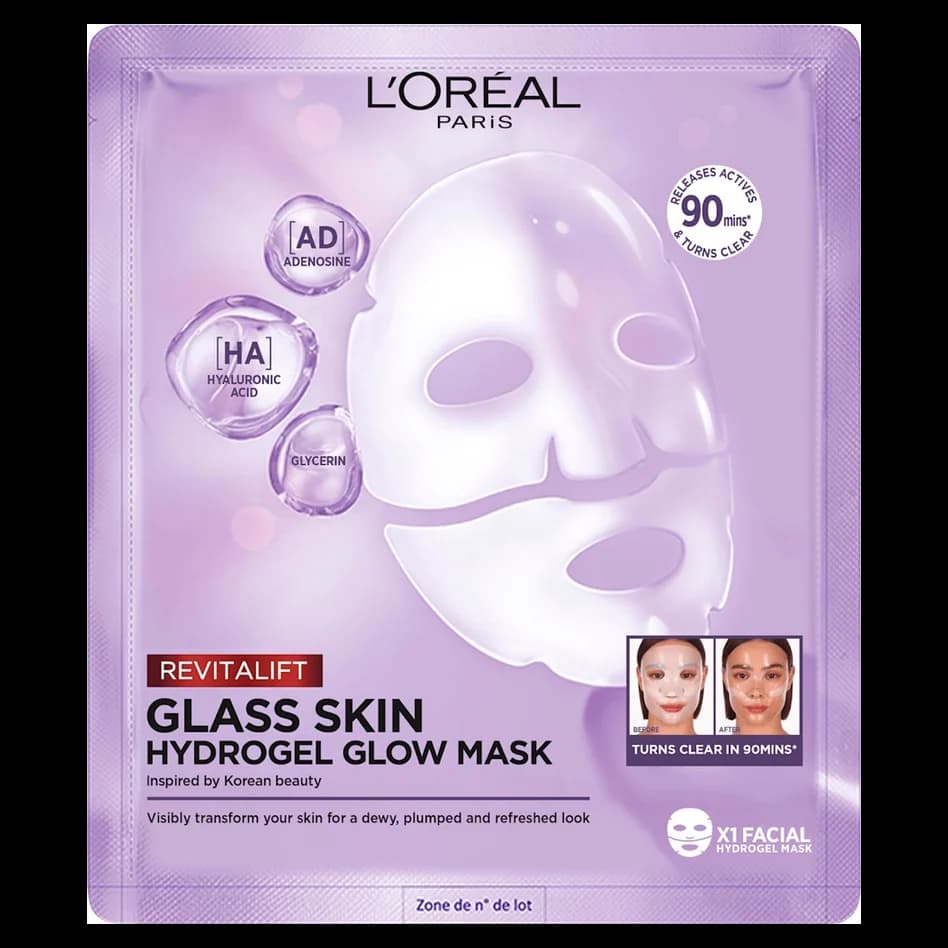
L'Oréal Paris
Revitalift Filler Glass Skin Hydrogel Glow Mask
12th of 32 on the label
below ≈1%
Medicube
Collagen Lifting Mask
16th of 39 on the label
below ≈1%
Medicube
PDRN Pink Collagen Gel Mask
16th of 43 on the label
below ≈1%
MIZON
Hyalugen Pearly Jelly Mask
6th of 19 on the label
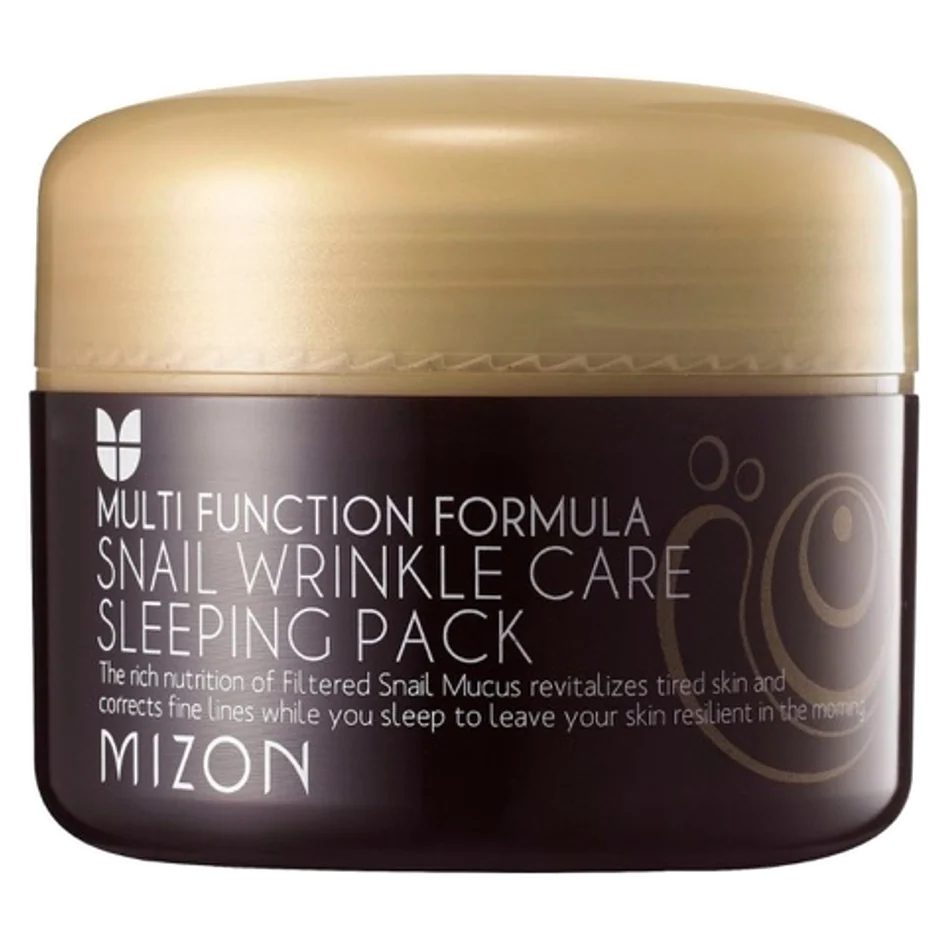
MIZON
Snail Wrinkle Care Sleeping Pack
11th of 31 on the label
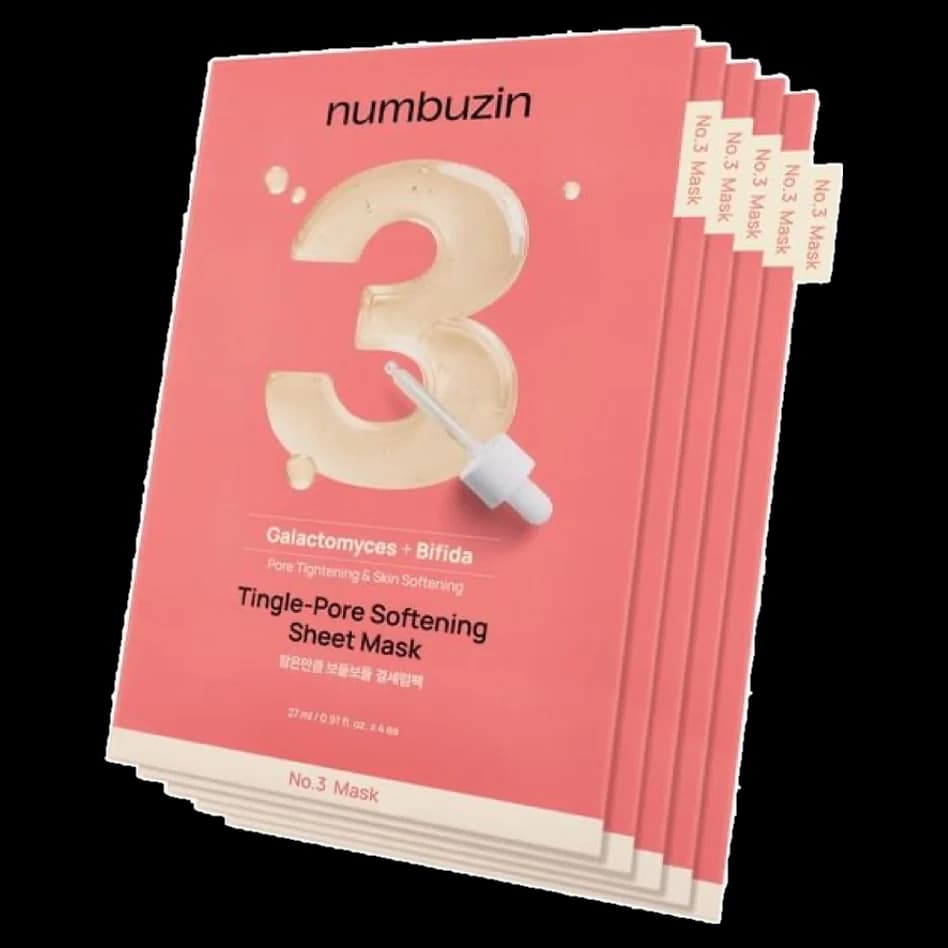
numbuzin
No.3 Tingle-Pore Softening Sheet Mask
25th of 42 on the label
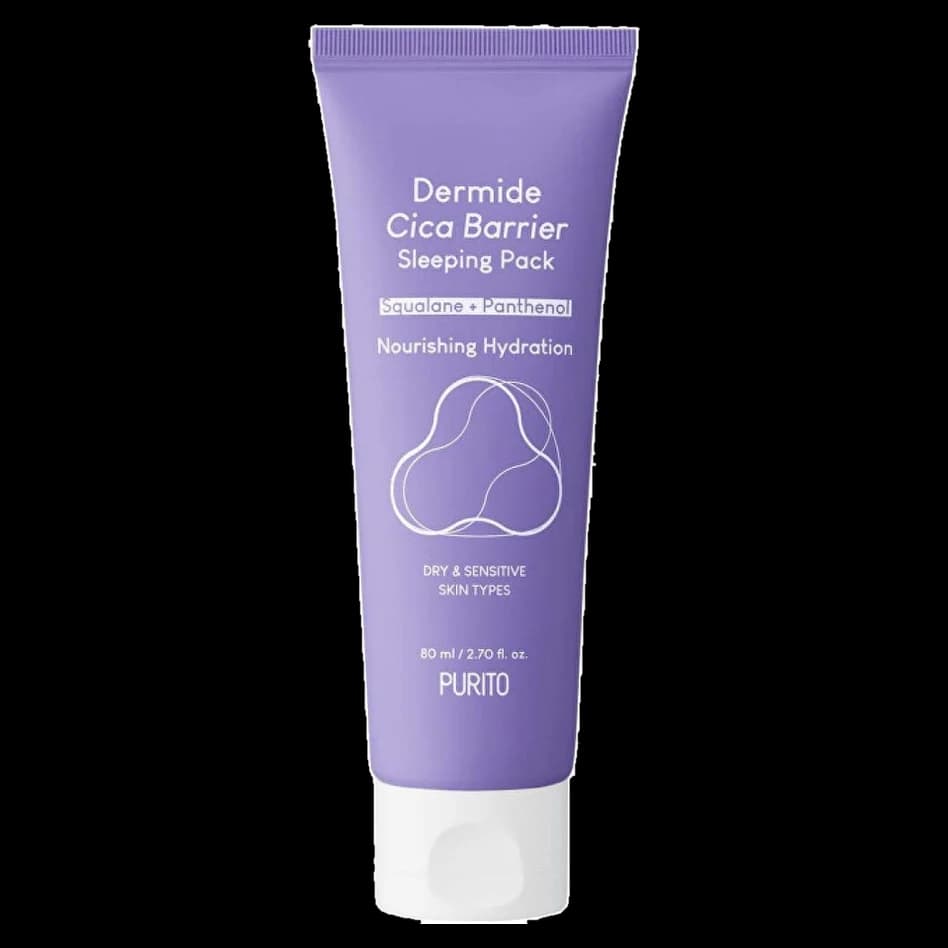
PURITO
Dermide Cica Barrier Sleeping Pack
8th of 15 on the label
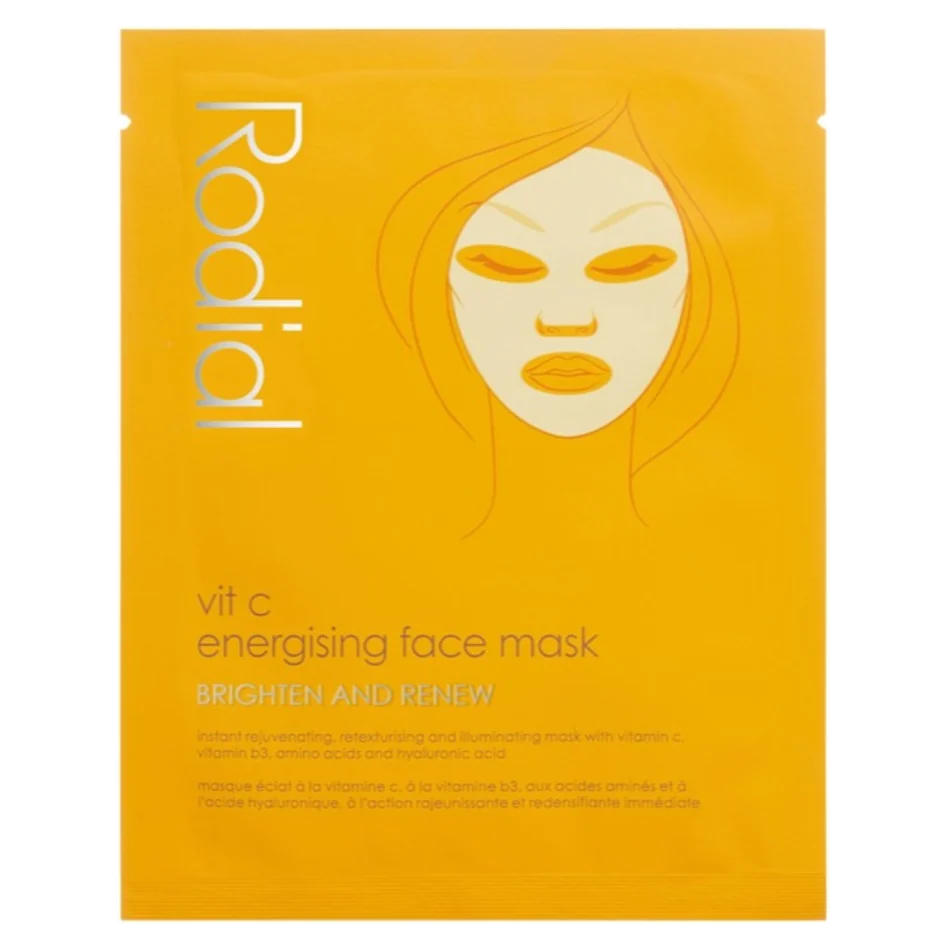
Rodial
Vit C Energising Face Mask
15th of 30 on the label
below ≈1%
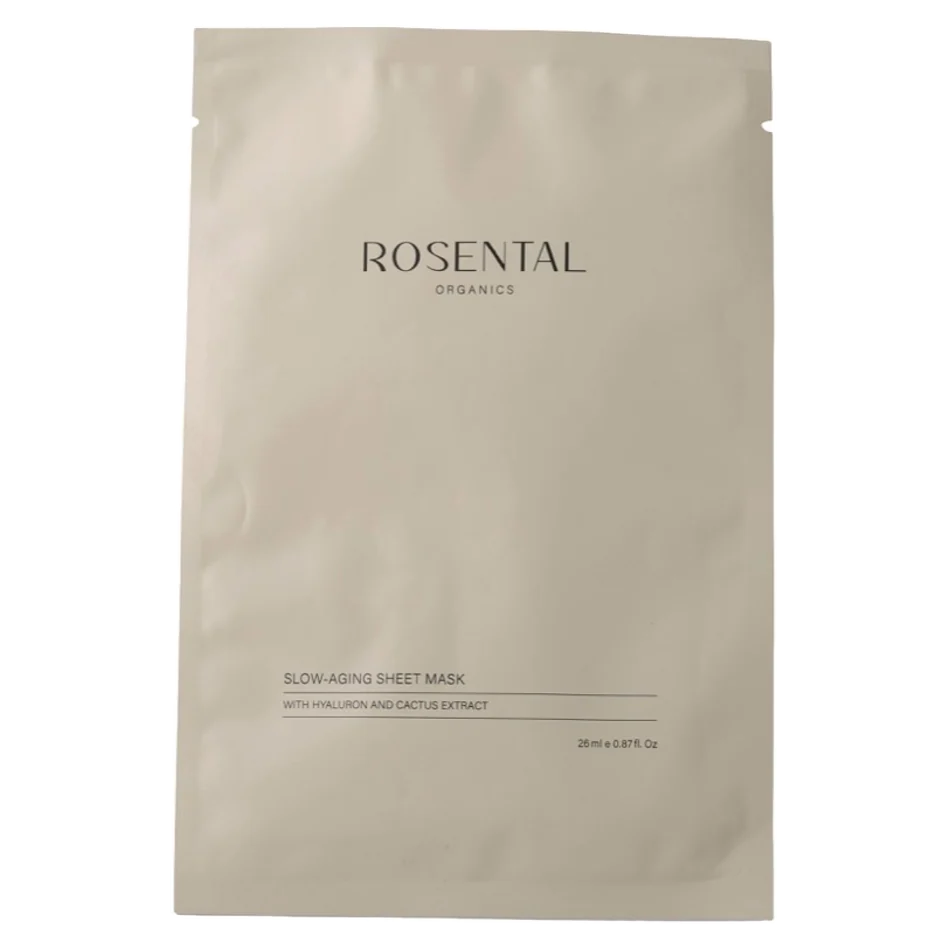
Rosental Organics
Slow-Aging Sheet Mask
12th of 13 on the label
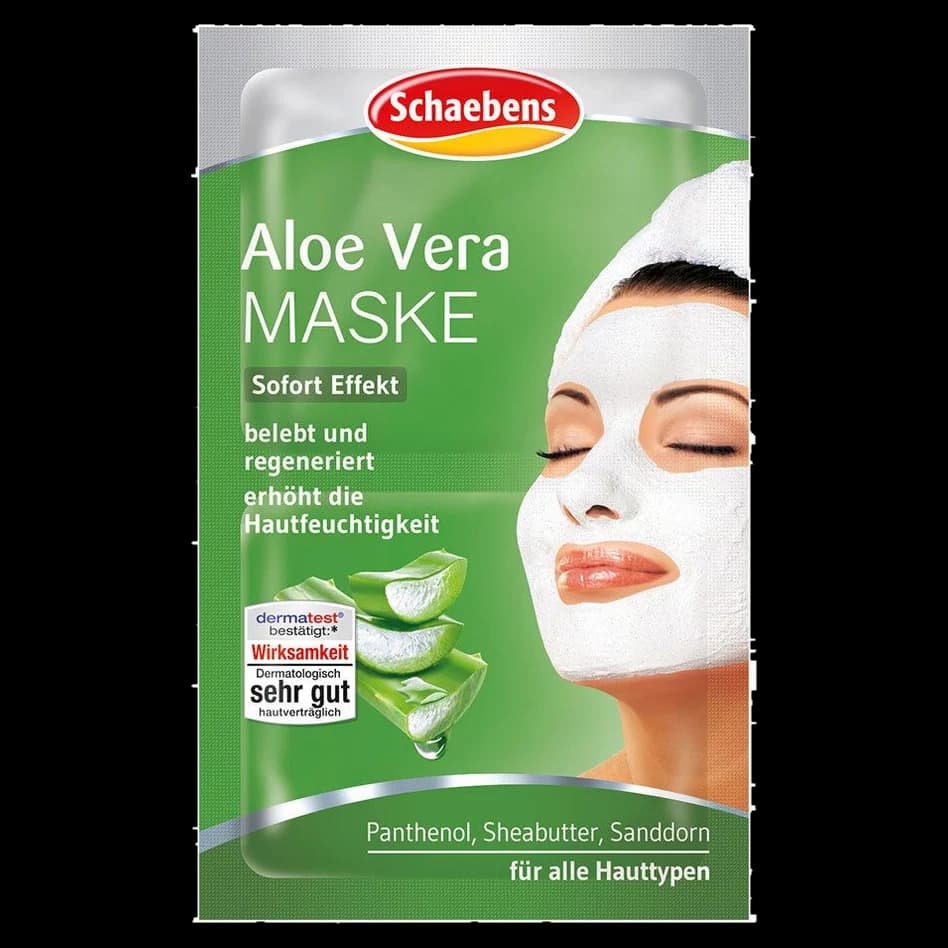
Schaebens
Aloe Vera Maske
8th of 34 on the label
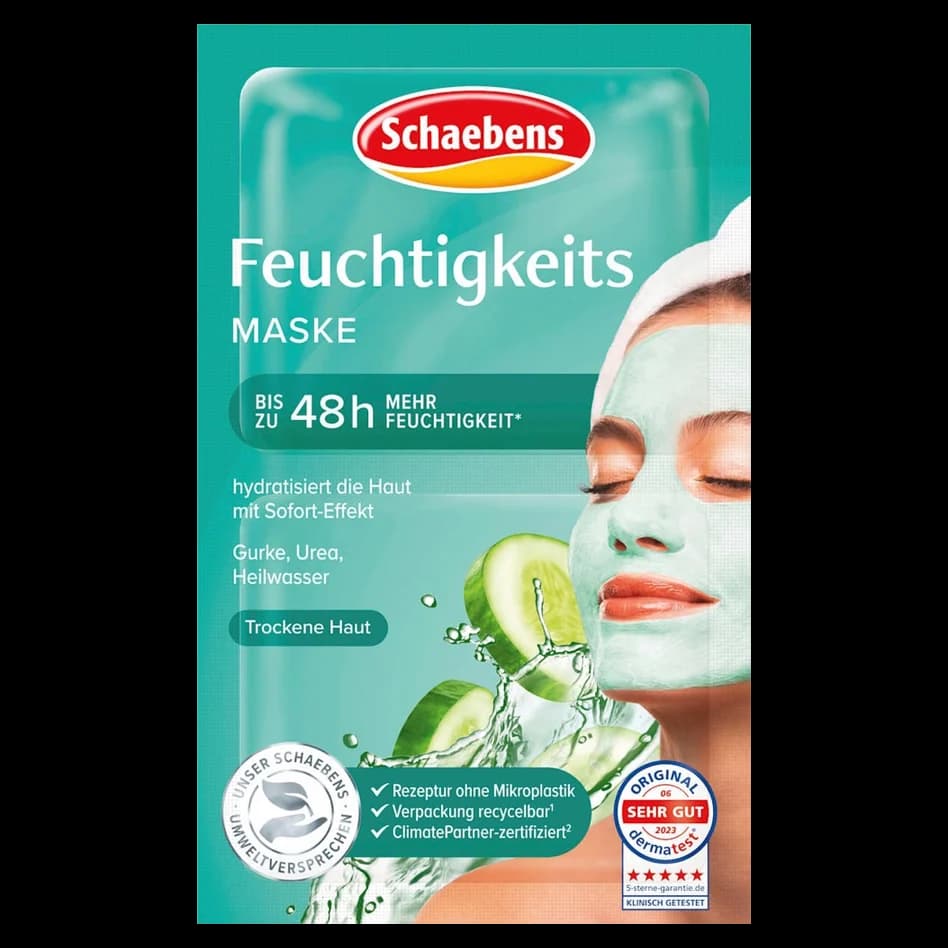
Schaebens
Gesichtsmaske Feuchtigkeit Sofort-Effekt
16th of 38 on the label
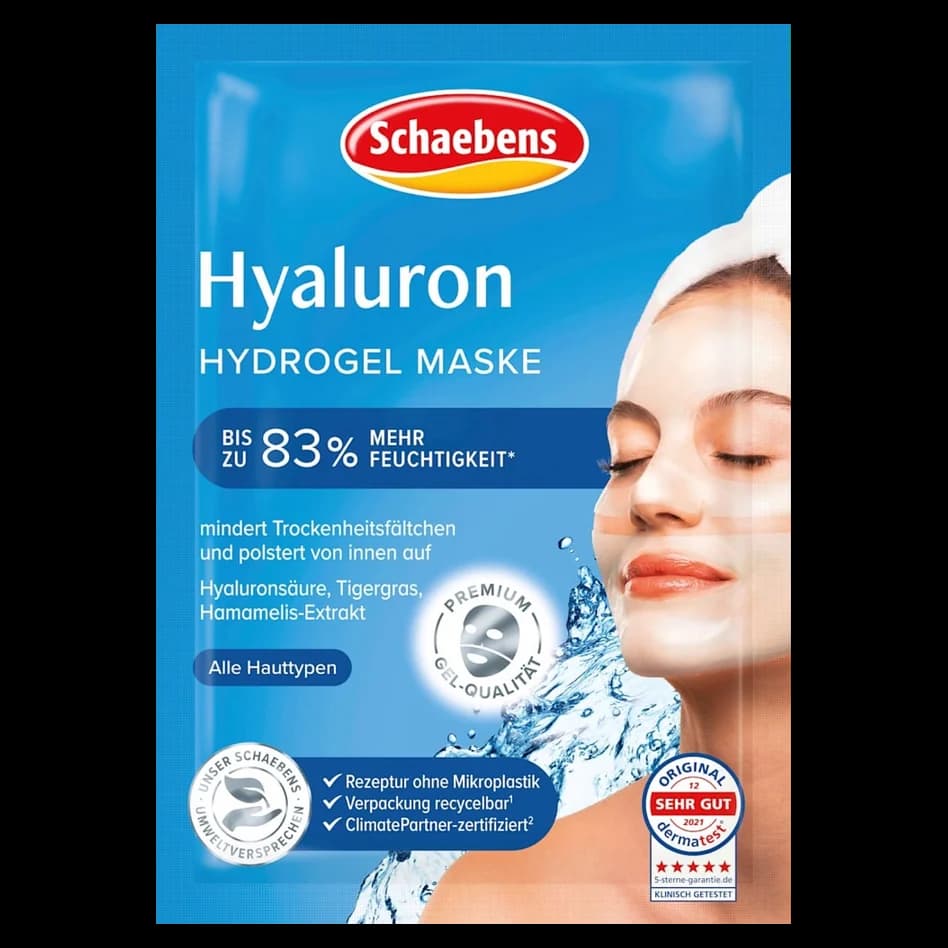
Schaebens
Gesichtsmaske Hyaluron Hydrogel
10th of 19 on the label
below ≈1%
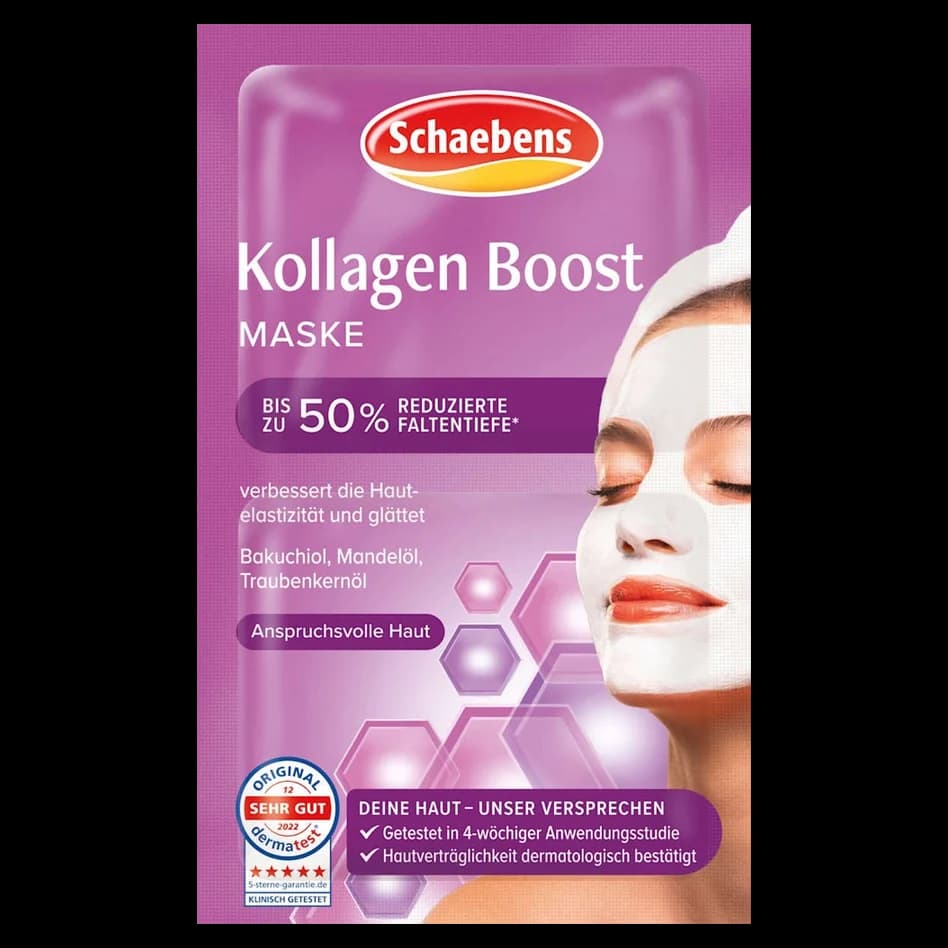
Schaebens
Gesichtsmaske Kollagen Boost
14th of 27 on the label
below ≈1%
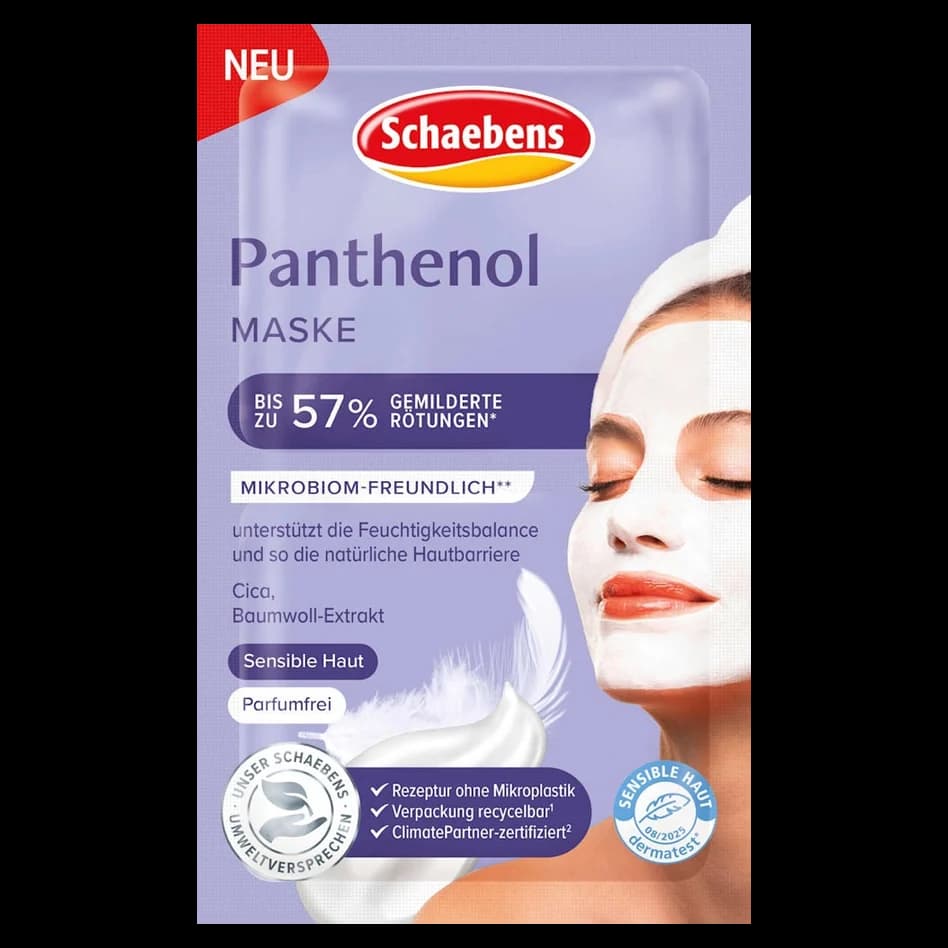
Schaebens
Gesichtsmaske Panthenol
7th of 22 on the label
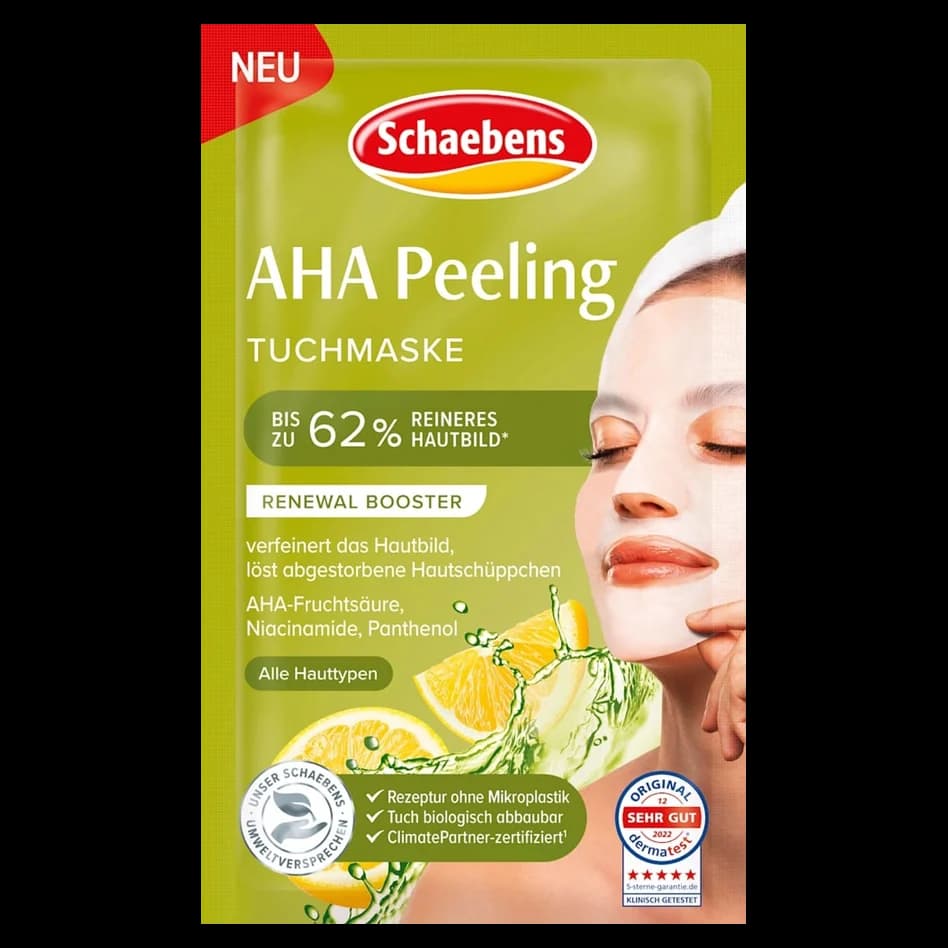
Schaebens
Tuchmaske AHA Peeling
9th of 17 on the label
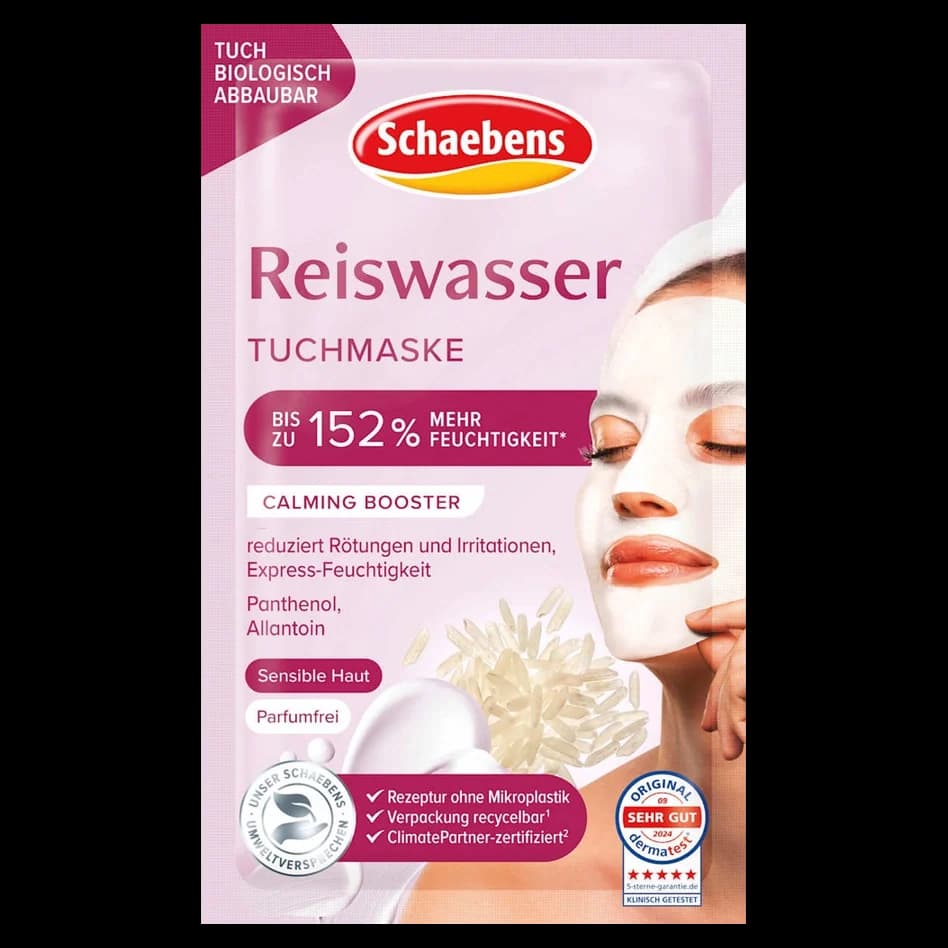
Schaebens
Tuchmaske Reiswasser
10th of 23 on the label
below ≈1%
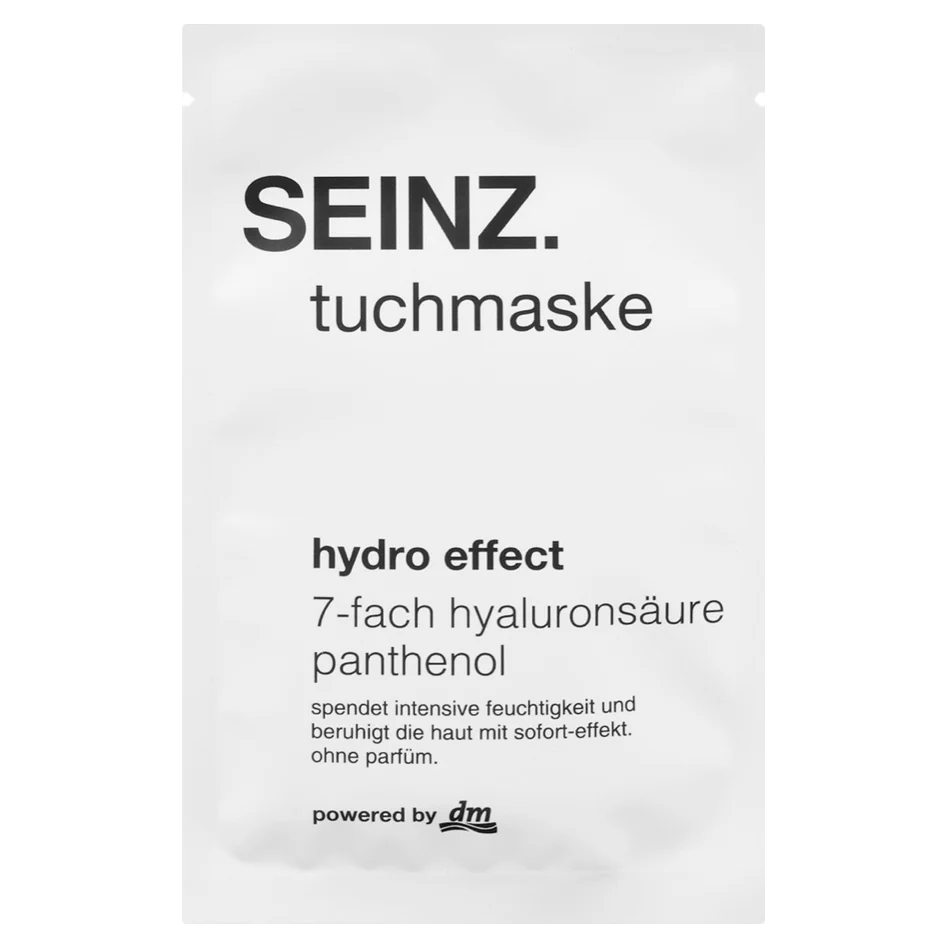
SEINZ.
Tuchmaske hydro effect
4th of 21 on the label
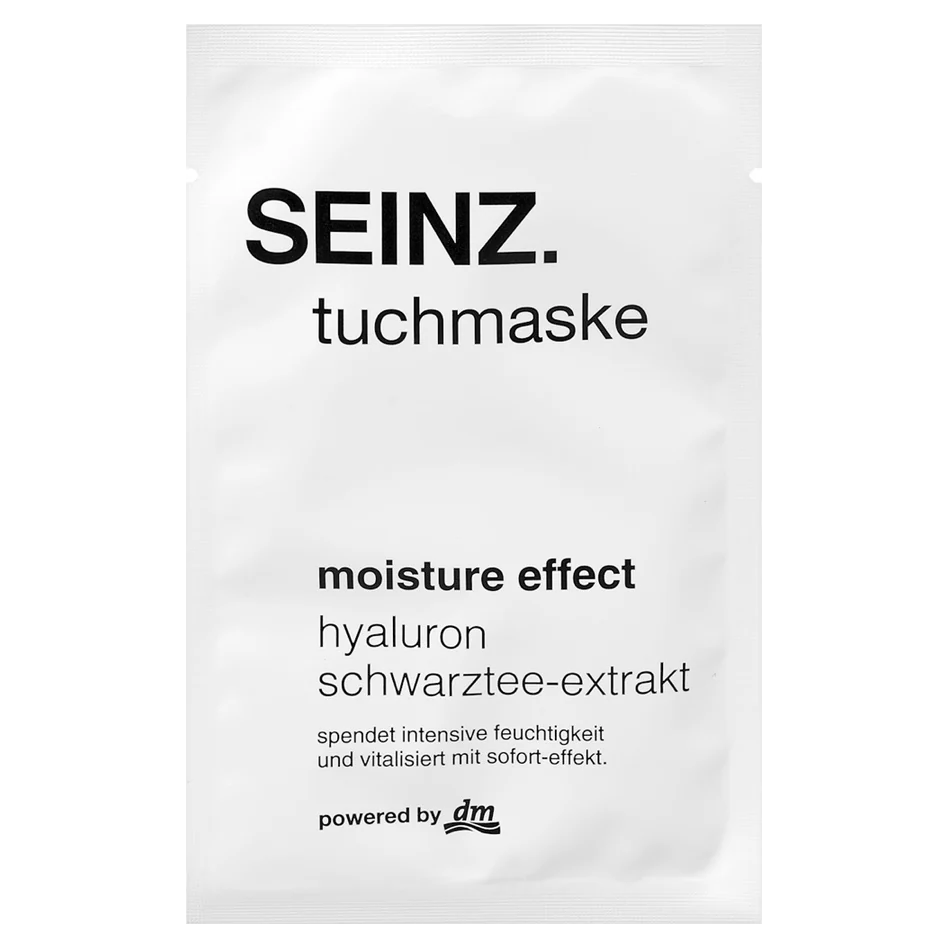
SEINZ.
Tuchmaske moisture effect
10th of 16 on the label
below ≈1%
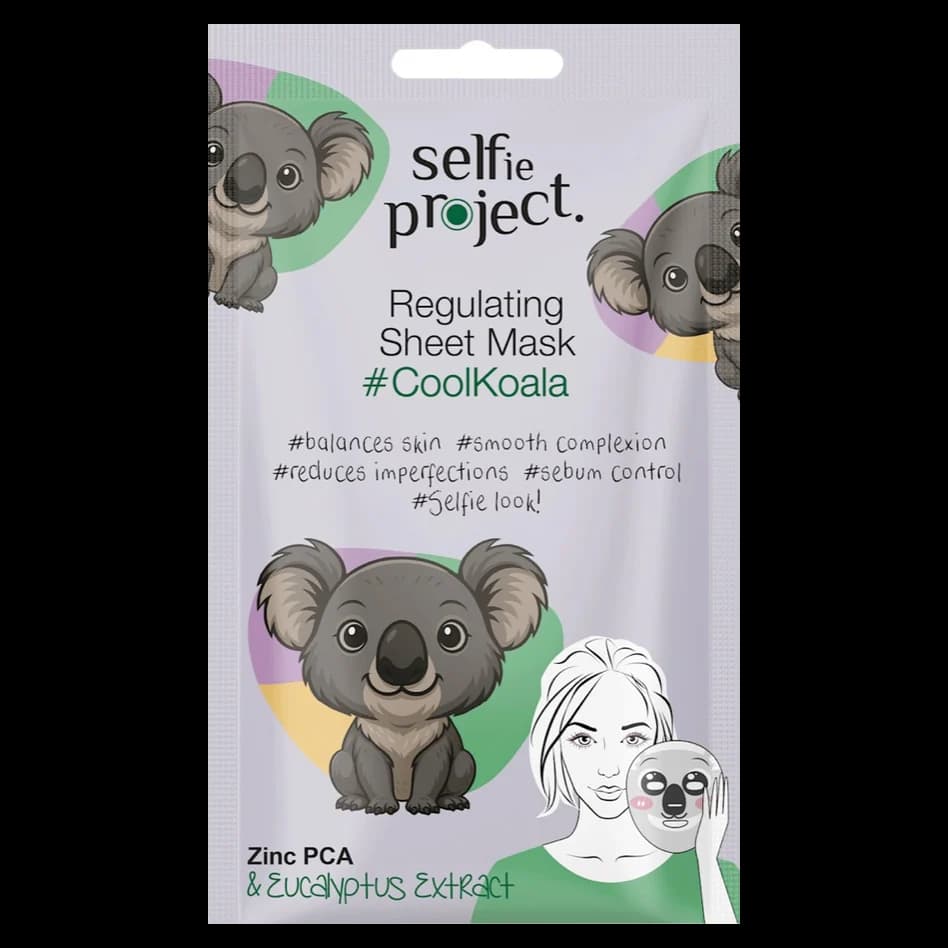
Selfie Project
Gesichtsmaske regulierend #CoolKoala
6th of 27 on the label
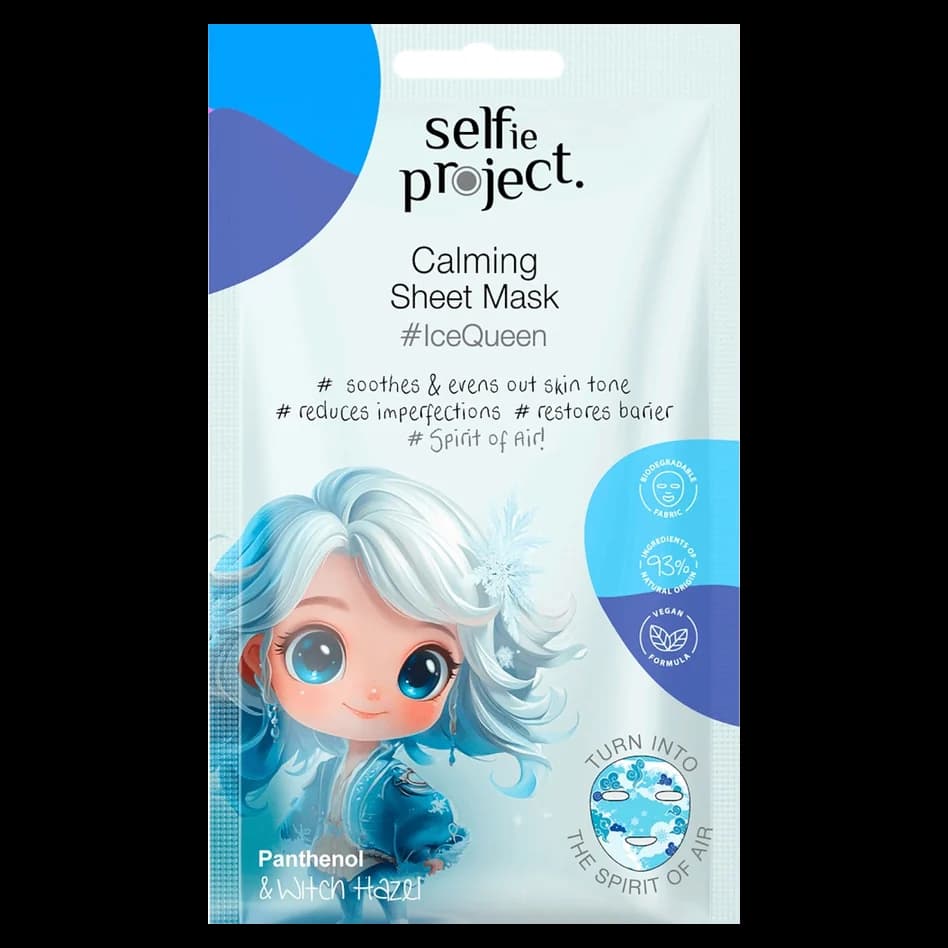
Selfie Project
Tuchmaske Calming #IceQueen
6th of 27 on the label
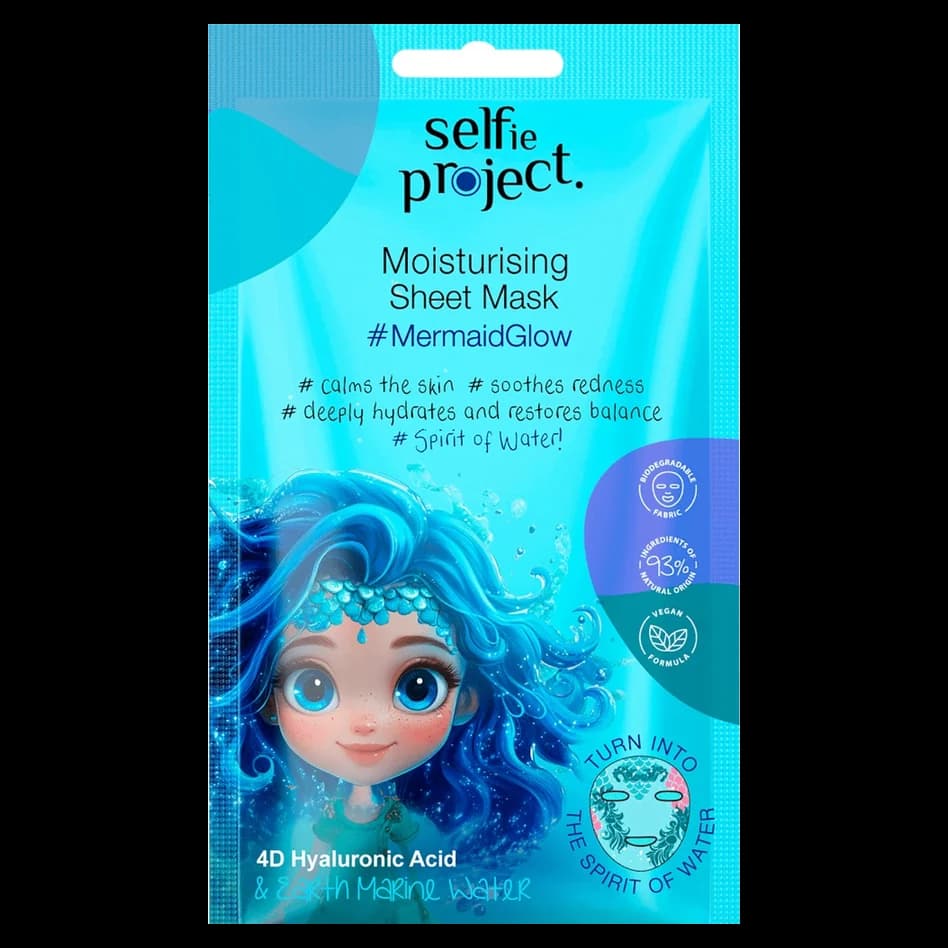
Selfie Project
Tuchmaske Moisturising #MermaidGlow
13th of 30 on the label
below ≈1%
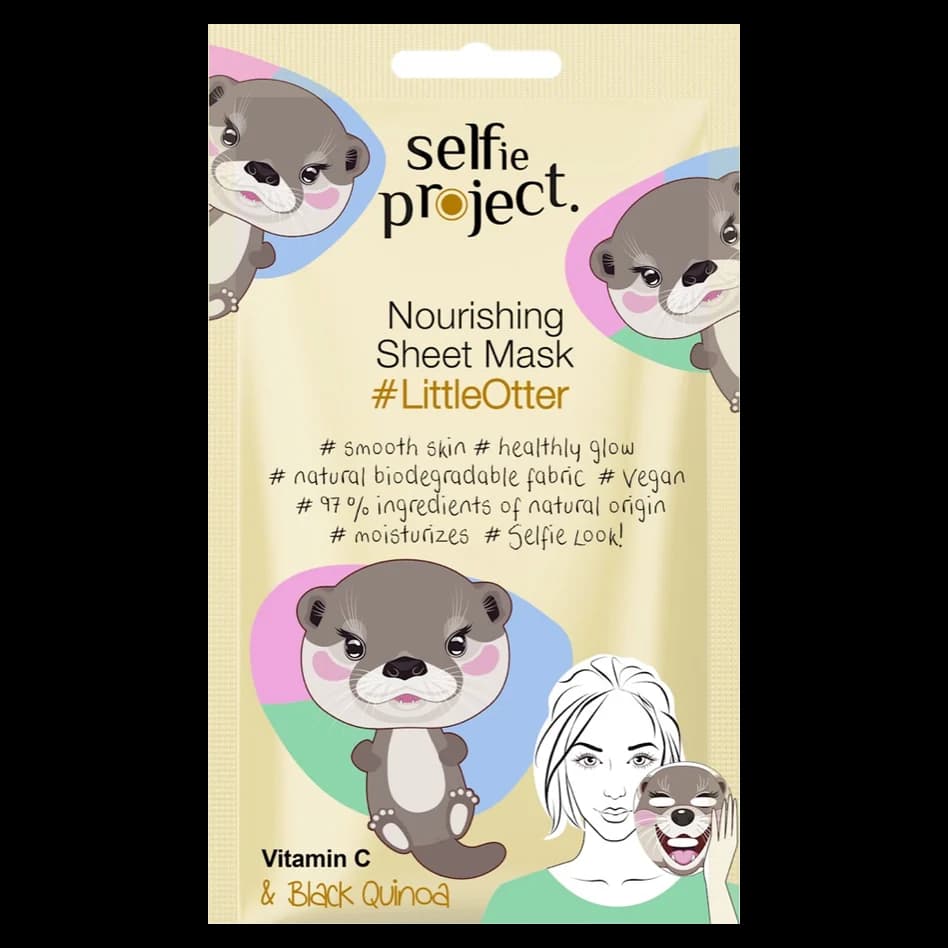
Selfie Project
Tuchmaske Nourishing #LittleOtter
10th of 21 on the label
below ≈1%
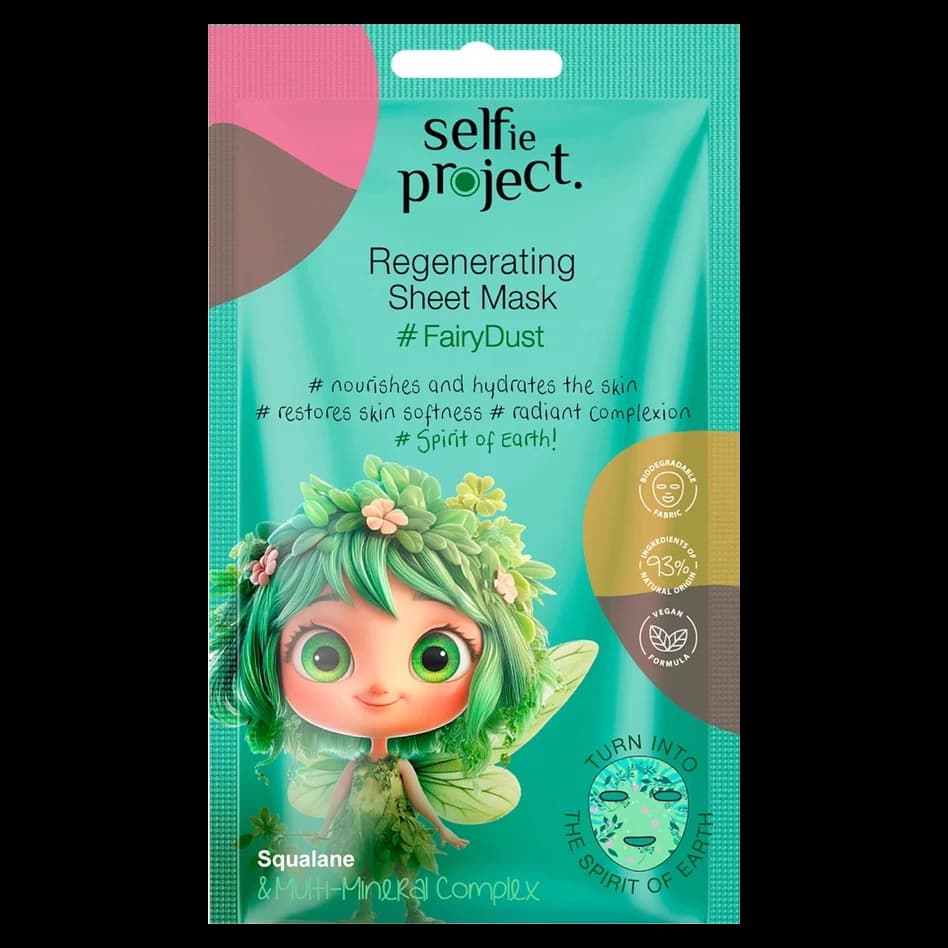
Selfie Project
Tuchmaske Regenerating #FairyDust
18th of 33 on the label
below ≈1%
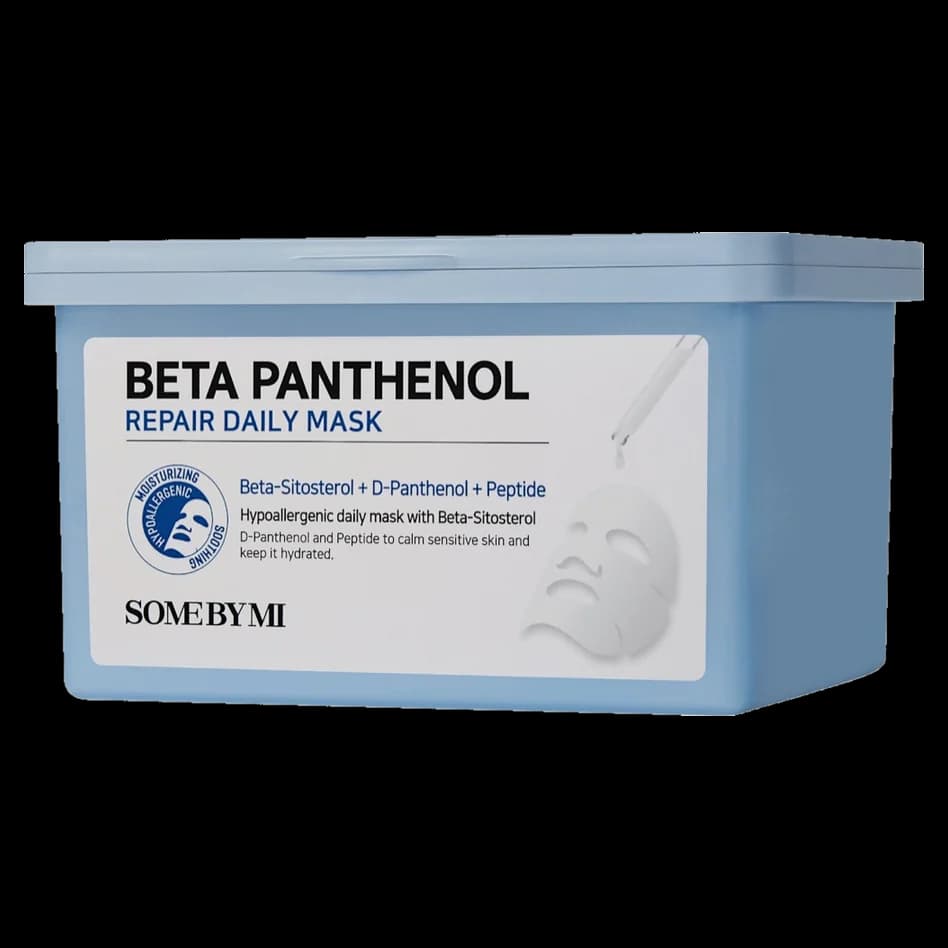
SOME BY MI
Daily Beta Panthenol Repair Mask
5th of 57 on the label
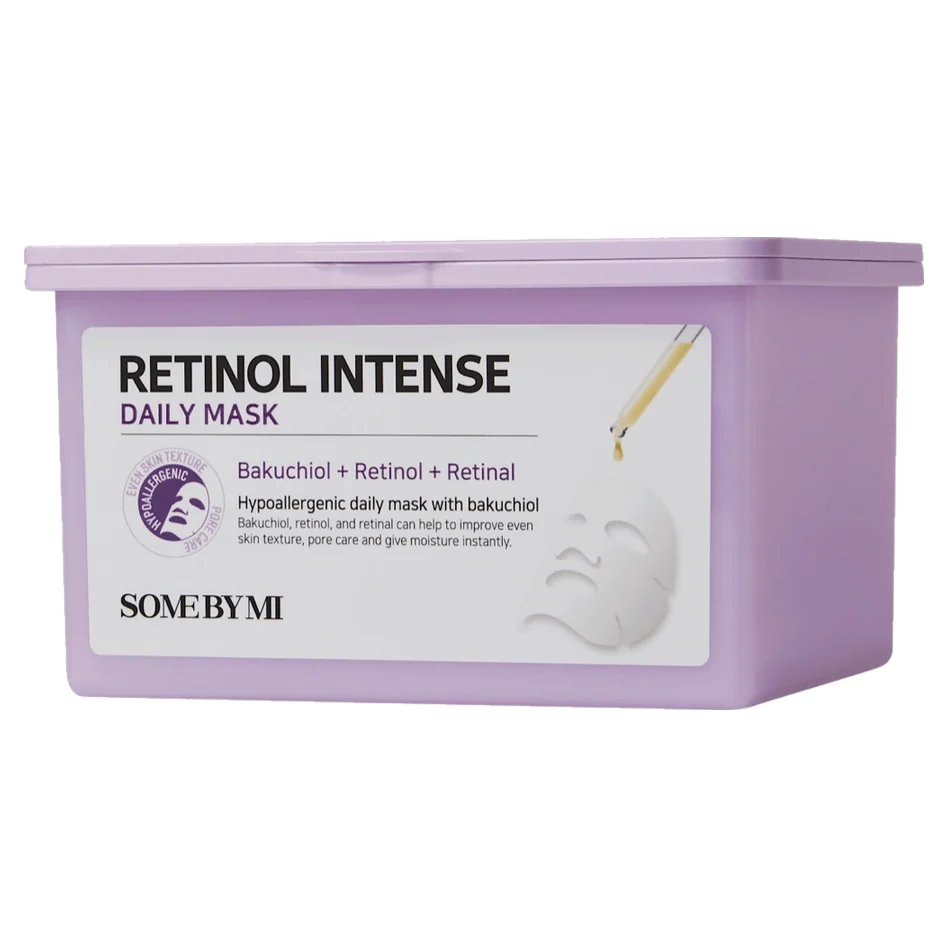
SOME BY MI
Daily Retinol Intense Mask
35th of 62 on the label
below ≈1%
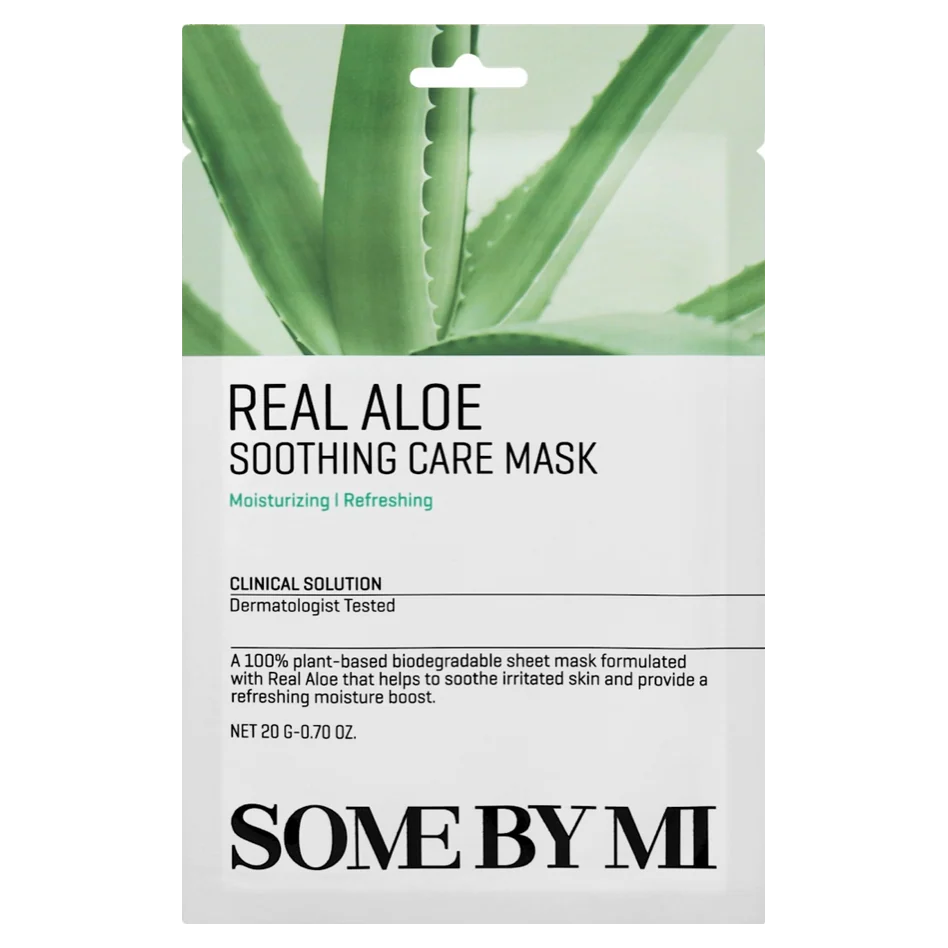
SOME BY MI
Real Aloe Soothing Care Mask
7th of 21 on the label
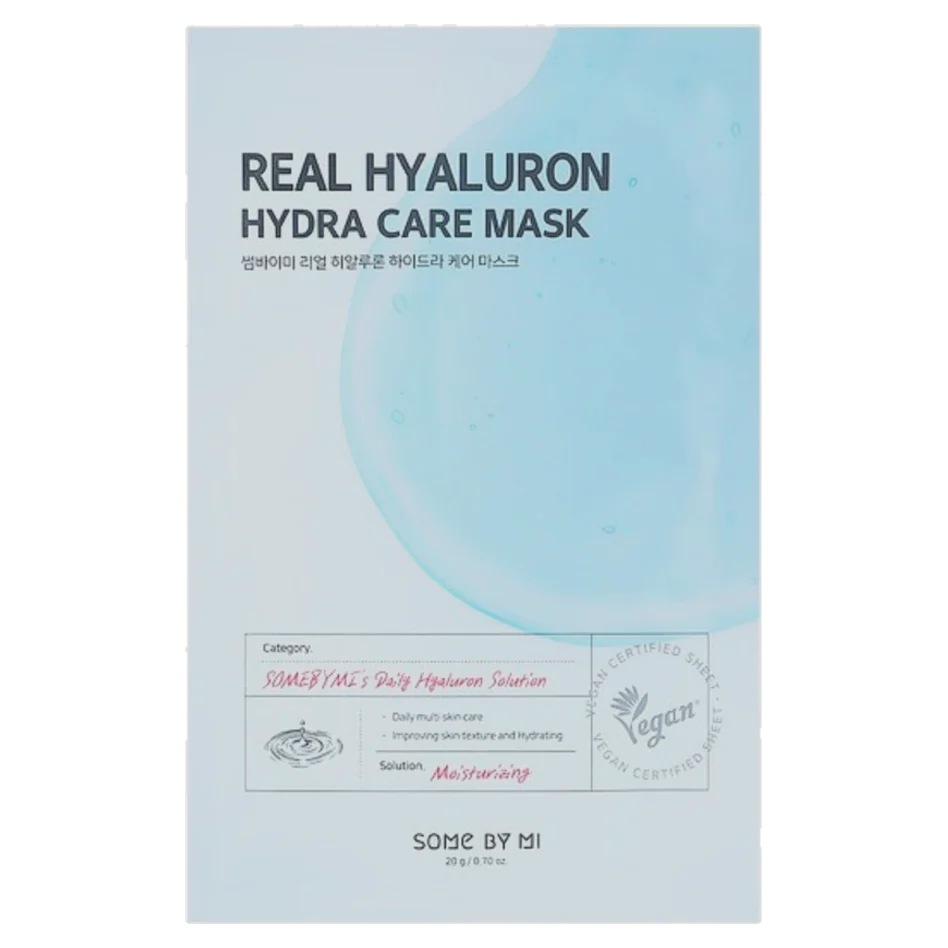
SOME BY MI
Real Hyaluron Hydra Care Mask
8th of 31 on the label
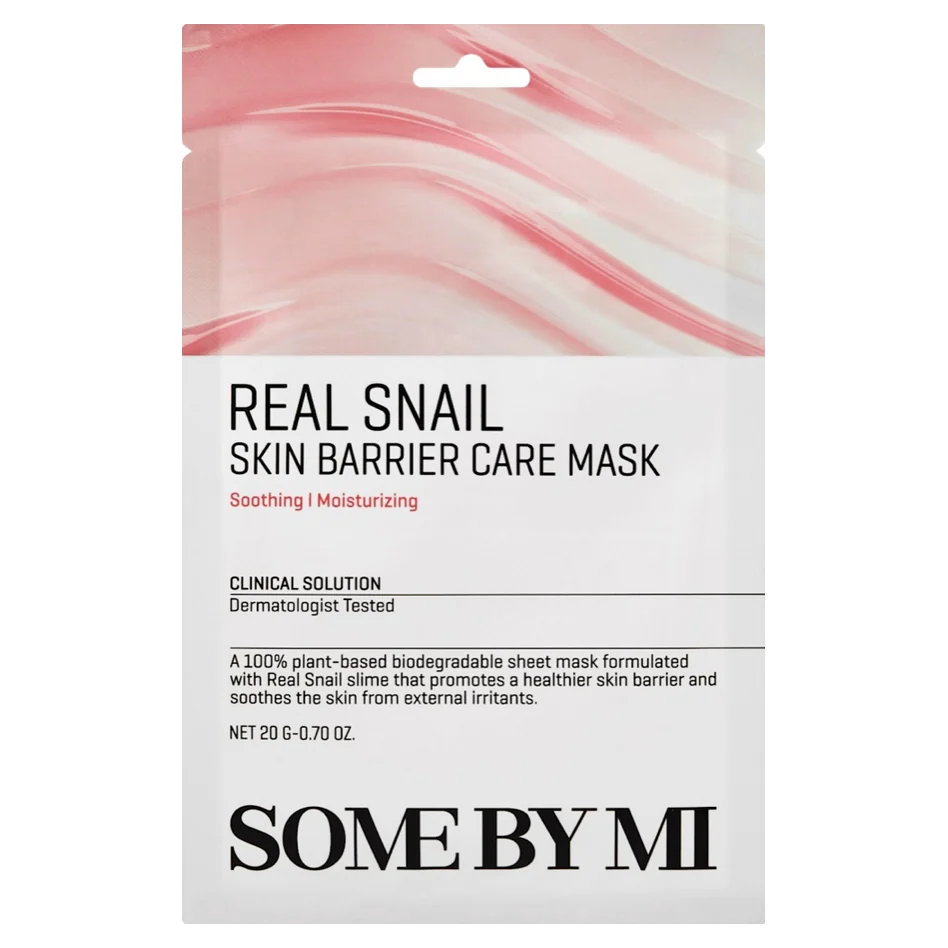
SOME BY MI
Real Snail Skin Barrier Care Mask
7th of 21 on the label
below ≈1%
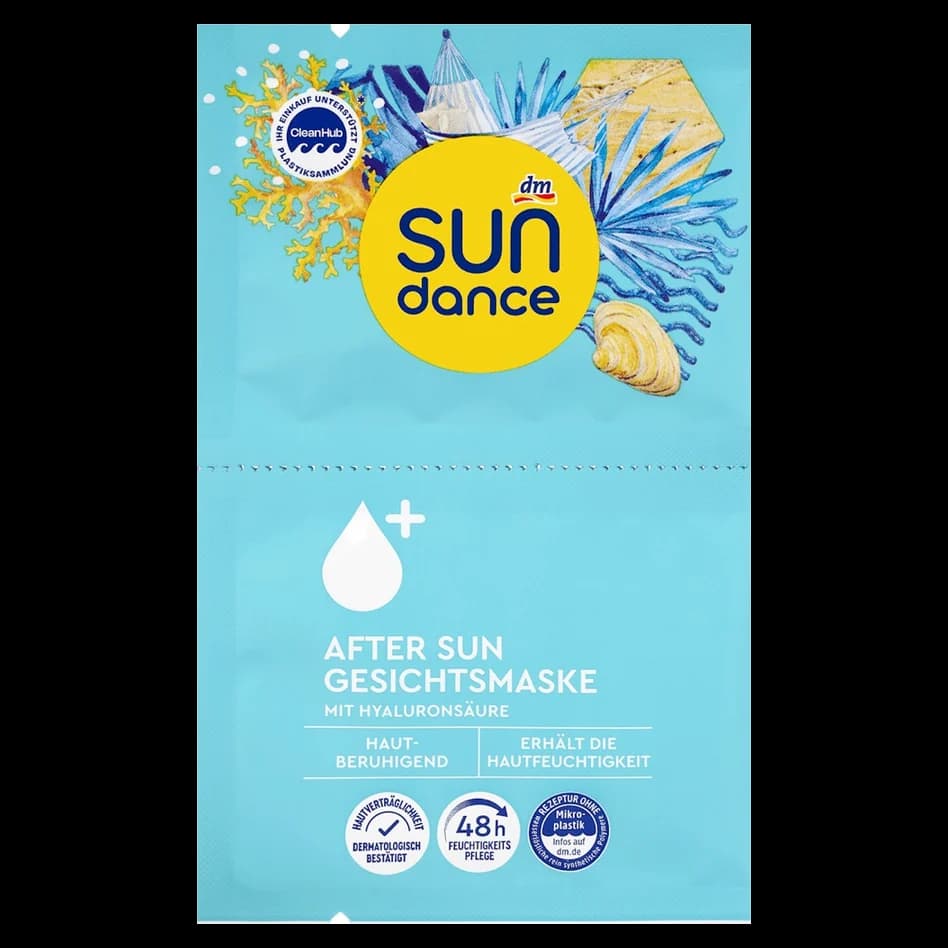
SUNDANCE
After Sun Gesichtsmaske
7th of 25 on the label
below ≈1%
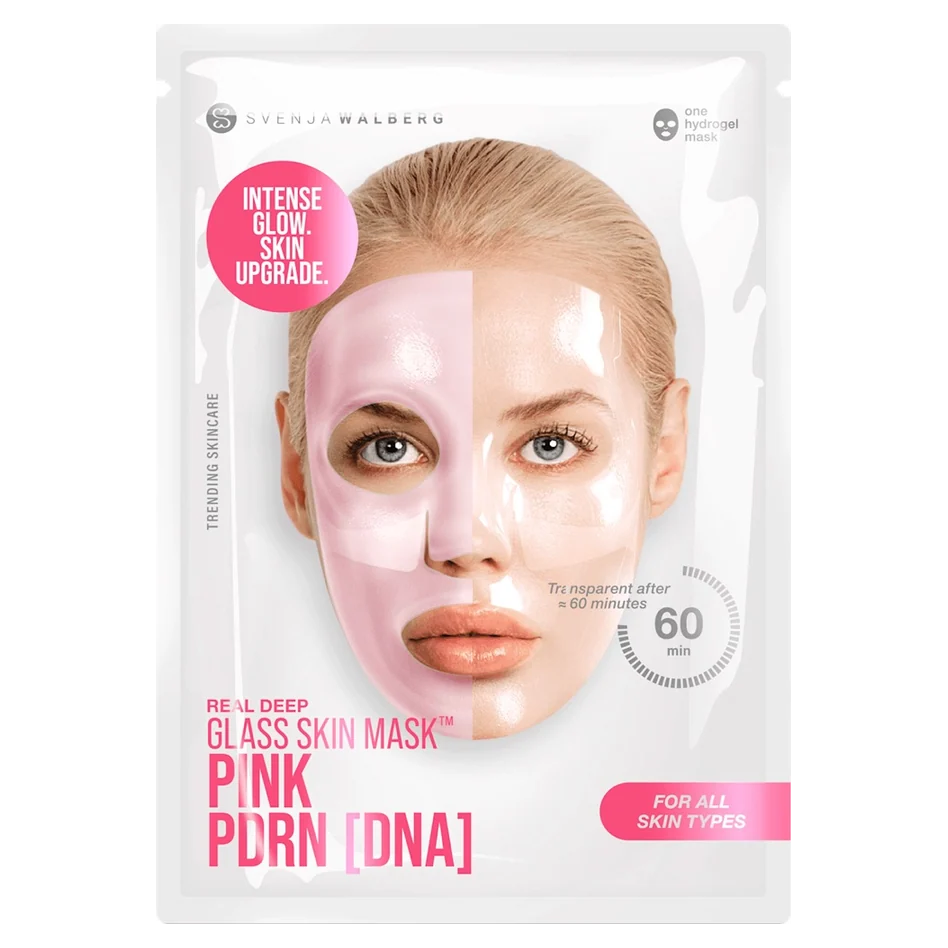
Svenja Walberg
Glass Skin Mask Pink PDRN [DNA]
7th of 26 on the label
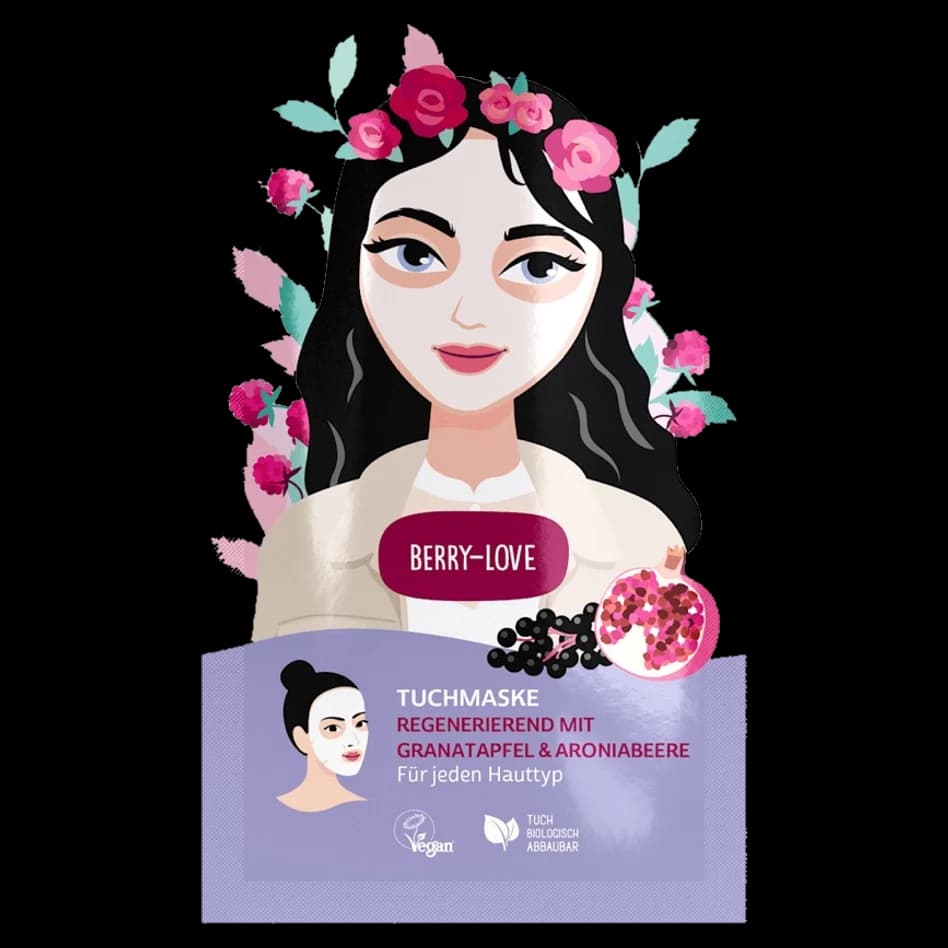
The Beauty Mask Company
Tuchmaske Berry Love
9th of 16 on the label
below ≈1%
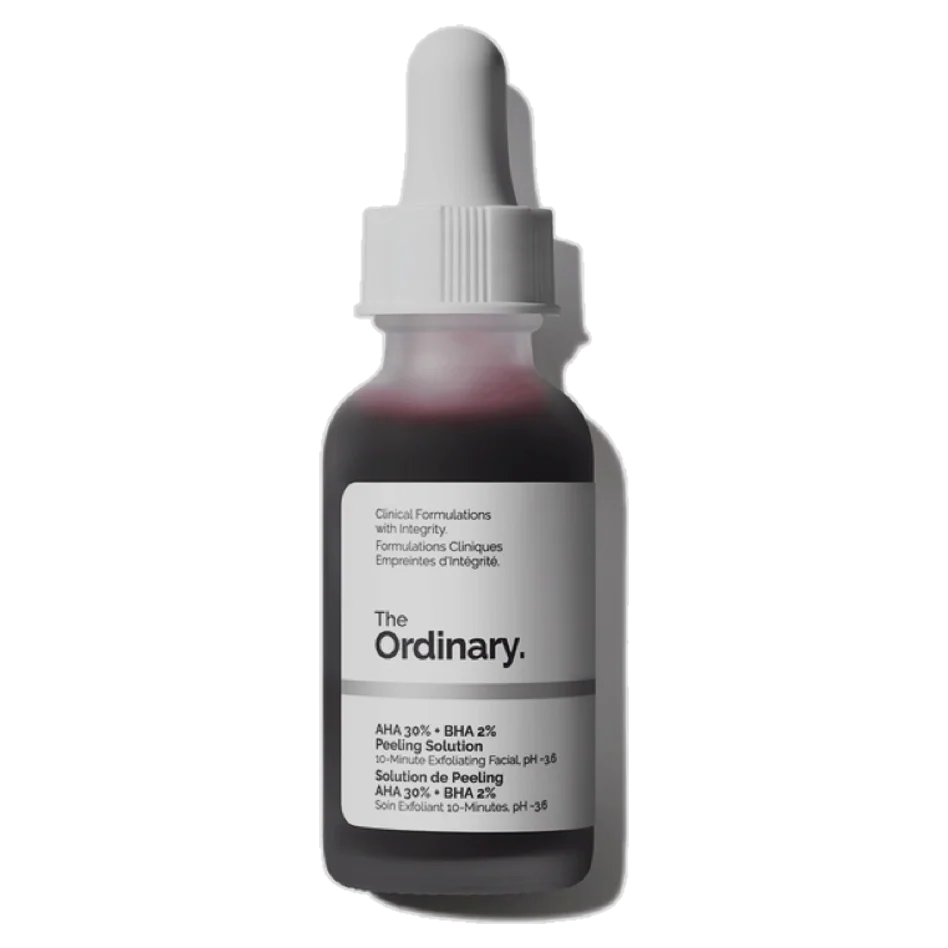
The Ordinary
AHA 30% + BHA 2% Peeling Solution
12th of 24 on the label
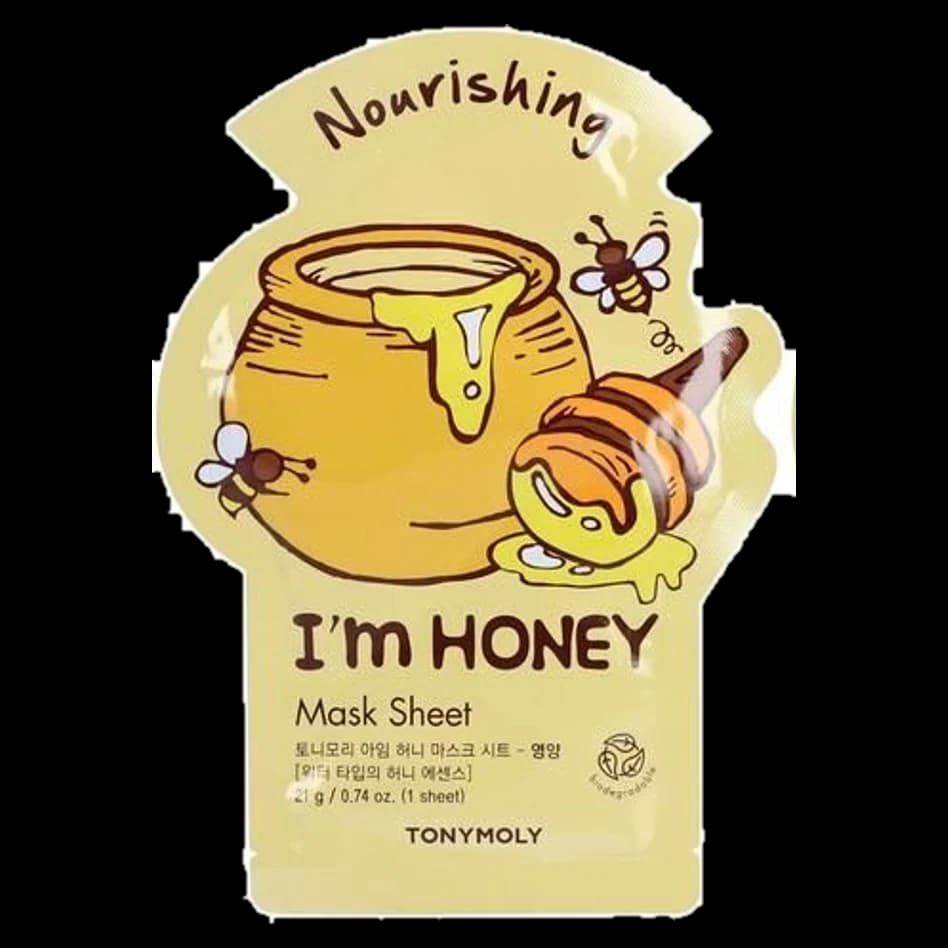
TONYMOLY
I'm Honey Mask Sheet
10th of 18 on the label
below ≈1%
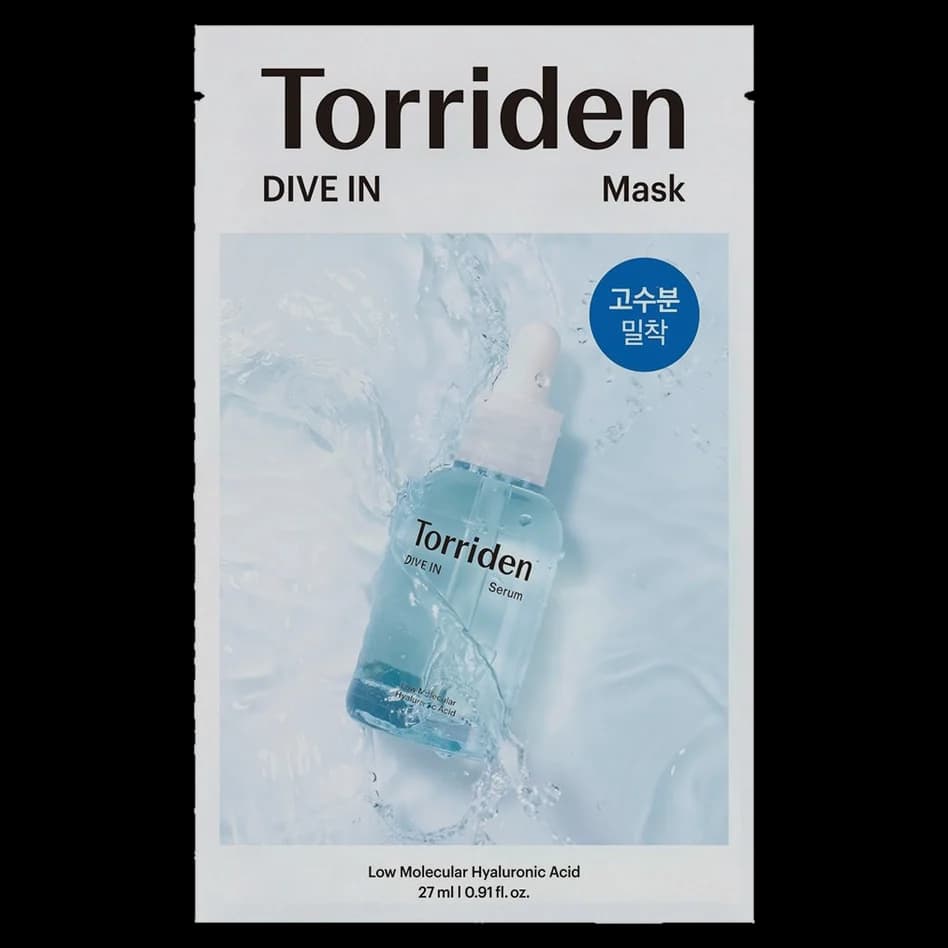
Torriden
DIVE-IN Low Molecular Hyaluronic Acid Mask
10th of 33 on the label
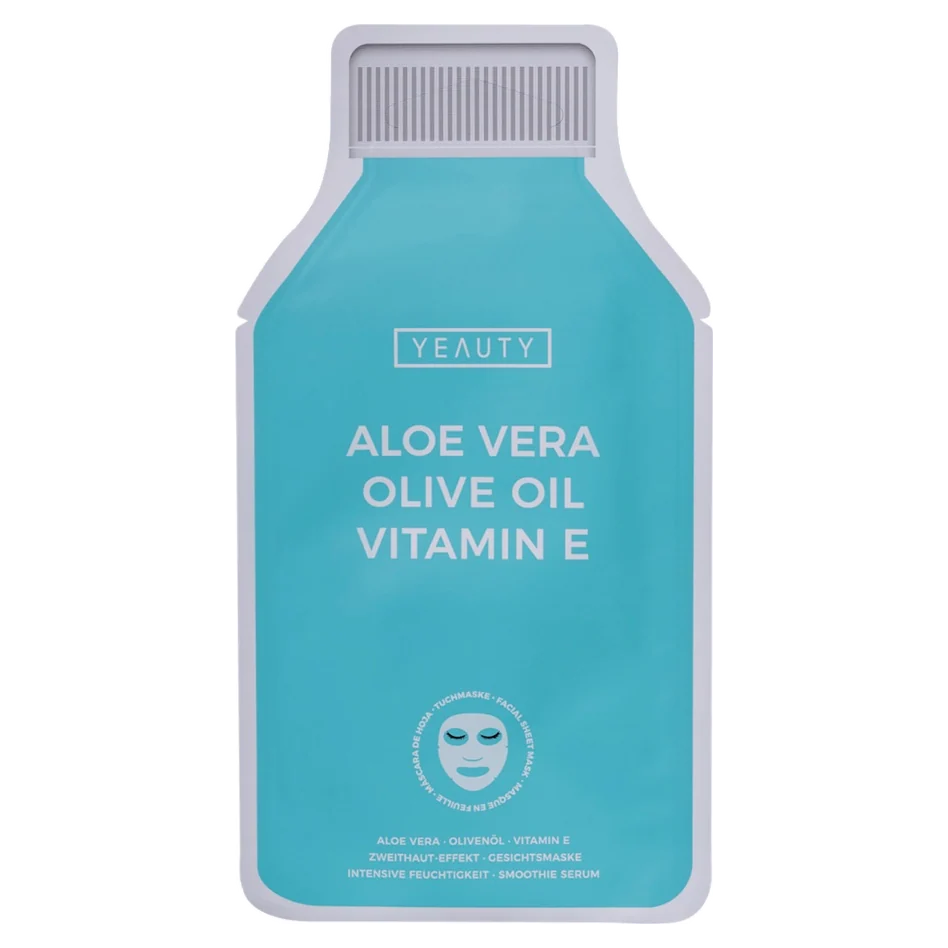
Yeauty
Tuchmaske Aloe Vera Olive Oil Vitamin E
26th of 29 on the label
below ≈1%
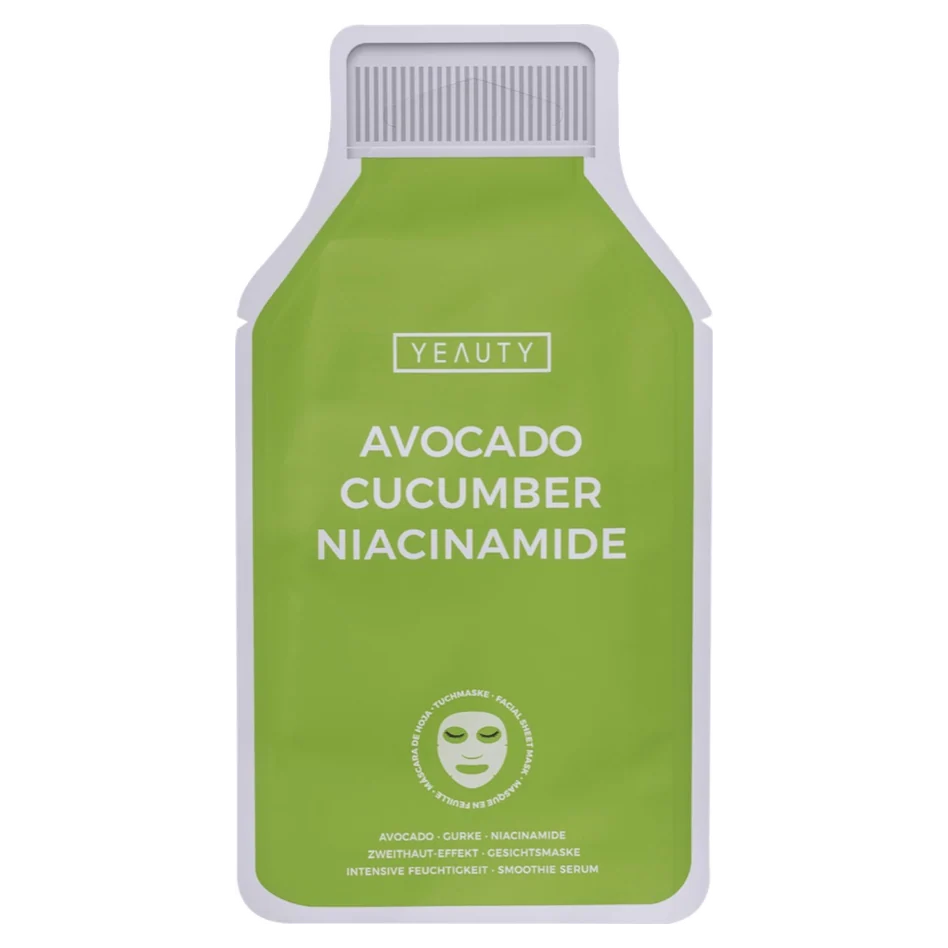
Yeauty
Tuchmaske Avocado Cucumber Niacinamide
28th of 29 on the label
below ≈1%