Polysorbate 20
No meaningful concern for most people; irritation is possible but rare.
Also written as: Tween 20 · Polyoxyethylene (20) sorbitan monolaurate
What it is
Polysorbate 20 is made by attaching about 20 ethylene oxide units to sorbitan monolaurate, a sugar-alcohol ester of lauric acid. The result is a mild, non-ionic surfactant that likes both water and oil. It is used at low levels to keep essences clear, disperse fragrance, and help wash-off products lift oily residues: of the thirteen masks here whose list shows the point where ingredient order stops indicating quantity, eleven print it below that point.
How it shows up on a label
Usually on the same list as a fragrance or a plant oil - it is the reason the two stay mixed into a watery formula - though the pair are rarely printed near each other.
What it does well
Keeps clear formulas clear
It reliably solubilises small amounts of oil, fragrance or oil-soluble actives into water-based liquids, which is why it is a fixture of essences, micellar waters and sheet-mask serums.
Strong evidence
Non-ionic surfactants like this are among the gentler cleansing and dispersing agents
In cell-based irritation screening, non-ionic surfactants activated the skin's TRPV1 irritation pathway far less than classic anionic surfactants, consistent with their long record in leave-on products.
Moderate evidence
Worth knowing
Uncommon hypersensitivity in people already sensitised to polysorbates or PEGs
Delayed allergy to polysorbate confirmed by patch testing is documented, and polysorbate 80 has been linked to non-immunologic anaphylactoid reactions when injected. Topical cosmetic exposure at low percentages is a much lower-risk situation than injection, but it is relevant if you have a diagnosed excipient allergy.
Matters most toPeople with a confirmed polysorbate or PEG allergy from an allergy work-up.
Shares the ethylene oxide / 1,4-dioxane residue question with PEGs
Polysorbates are ethoxylated, so the same trace 1,4-dioxane discussion applies. The EU handles it by prohibiting 1,4-dioxane and ethylene oxide outright and allowing only technically unavoidable traces.
Matters most toConsumers deciding whether ethoxylated ingredients are a problem; on current evidence, at cosmetic trace levels, they are not.
Where the EU stands
No specific restriction
No EU concentration limit. Residual ethylene oxide and 1,4-dioxane from manufacture are controlled by the prohibition of those substances and the Article 17 traces rule.
Regulation (EC) No 1223/2009, Article 17 (traces of prohibited substances) · source ↗
Sources (3)
Every link goes to the original: a journal, a PubMed record or an EU document.
- [1]A case of delayed allergy to polyethylene glycol 2000 and polysorbate 80 confirmed by patch test: Consequences for anti-SARS-CoV2 vaccination?
Contact Dermatitis · 2022 · doi:10.1111/cod.14131
Delayed-type allergy to polysorbate 80 and PEG was confirmed by patch testing, showing such reactions exist but are documented as individual cases.
- [2]Polysorbate 80 in medical products and nonimmunologic anaphylactoid reactions
Annals of Allergy, Asthma & Immunology · 2005 · doi:10.1016/s1081-1206(10)61024-1
Polysorbate 80 can trigger non-immunologic anaphylactoid reactions in medical products, a route-of-exposure risk chiefly relevant to injectables rather than topical cosmetics.
- [3]The Role of TRPV1 Channel in Cosmetic Safety Evaluation
ACS Omega · 2026 · doi:10.1021/acsomega.5c10830
Non-ionic surfactants were among the mildest categories tested in a TRPV1-based skin irritation screen.
Masks that contain Polysorbate 20
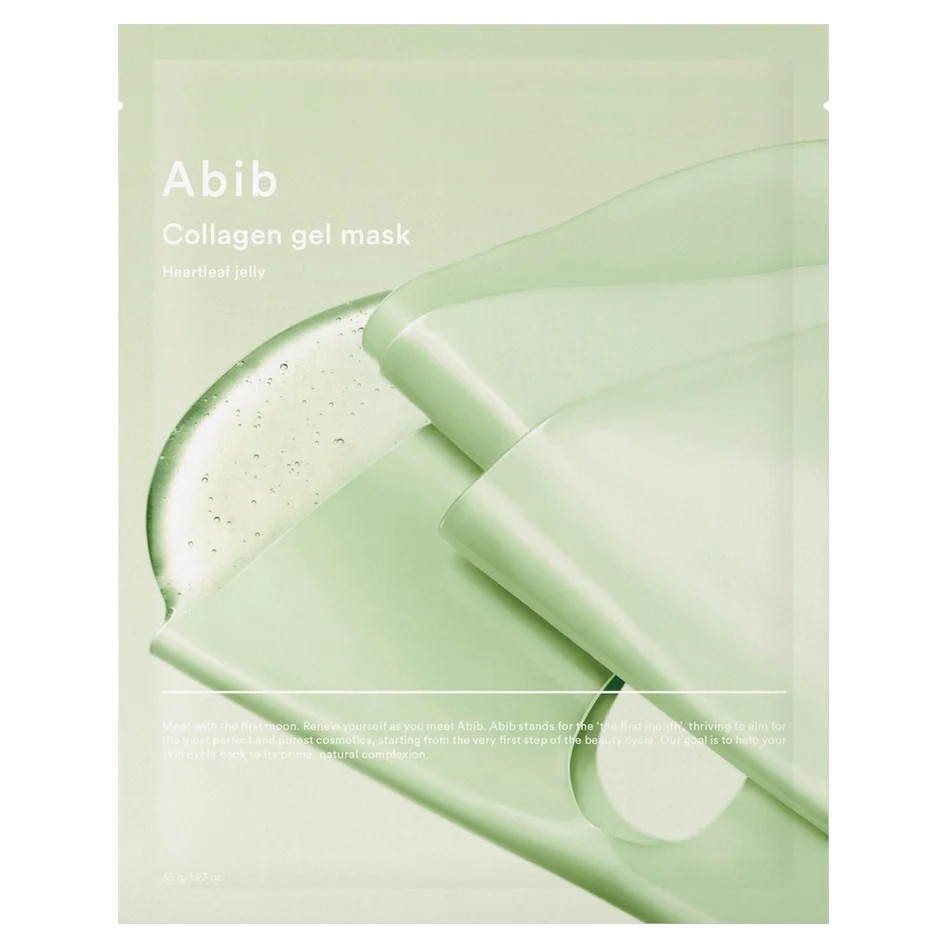
Abib
Collagen Gel Mask Heartleaf Jelly
19th of 43 on the label
below ≈1%
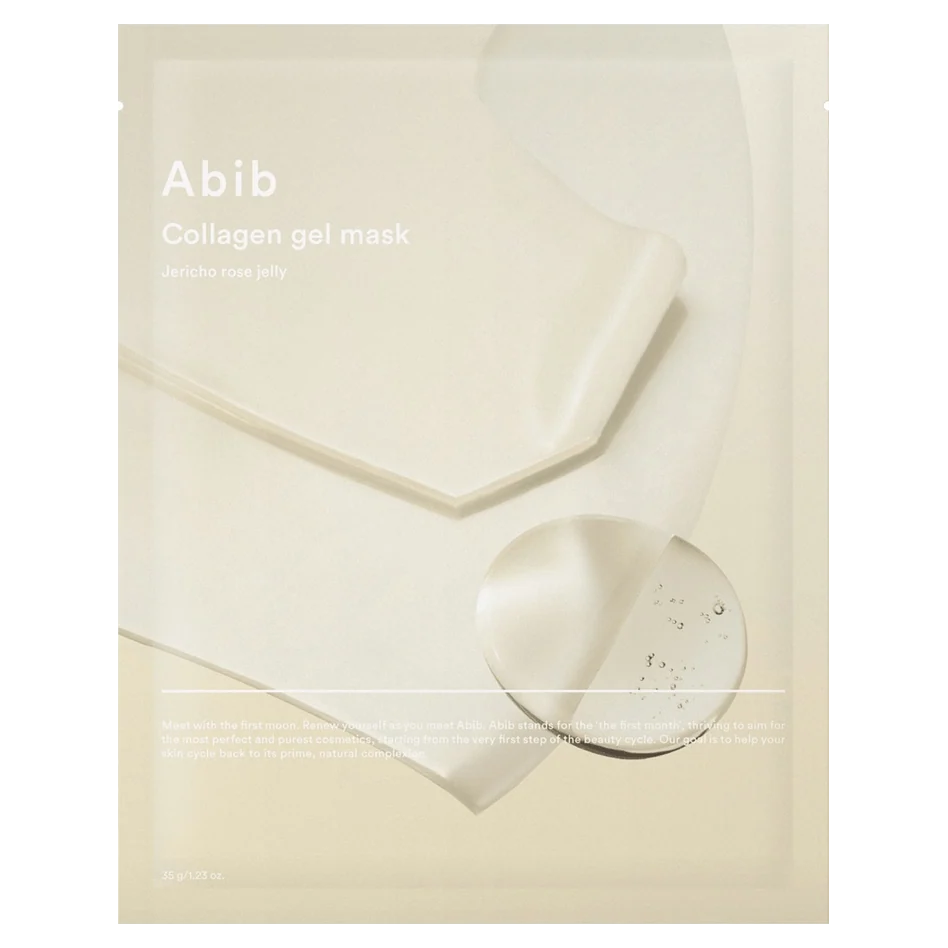
Abib
Collagen Gel Mask Jericho Rose Jelly
20th of 43 on the label
below ≈1%
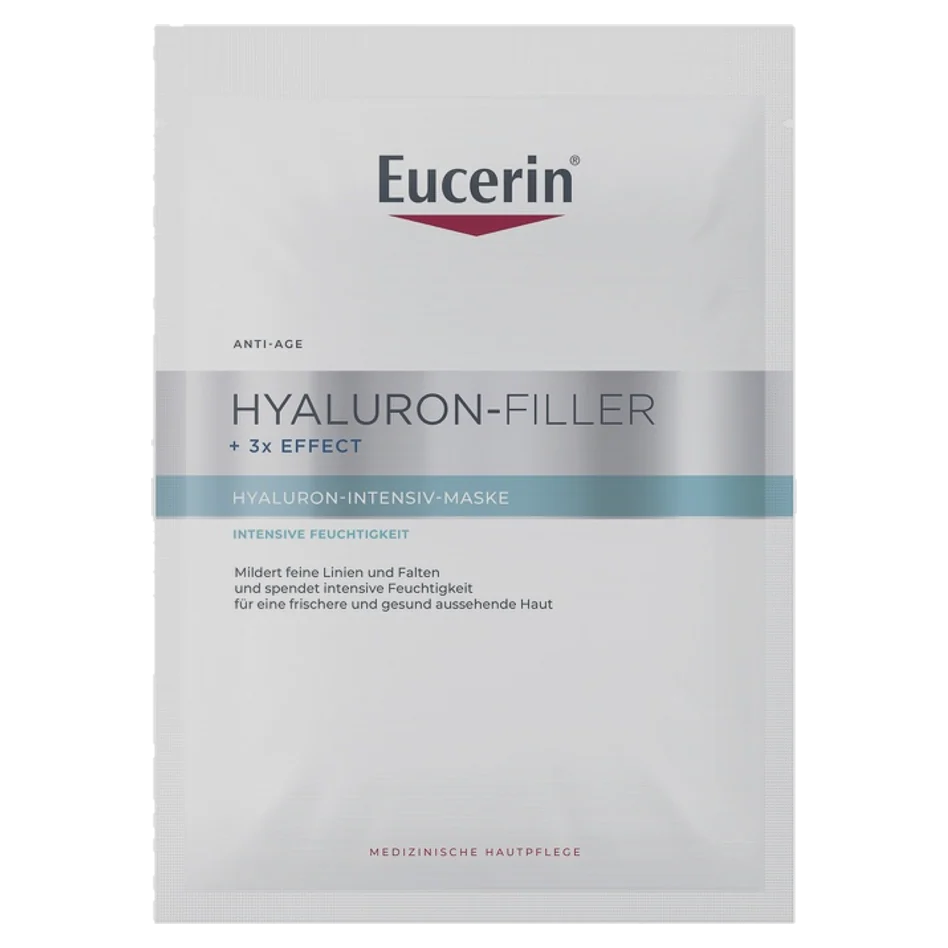
Eucerin
Hyaluron-Filler Hyaluron Intensive Mask
6th of 11 on the label
below ≈1%
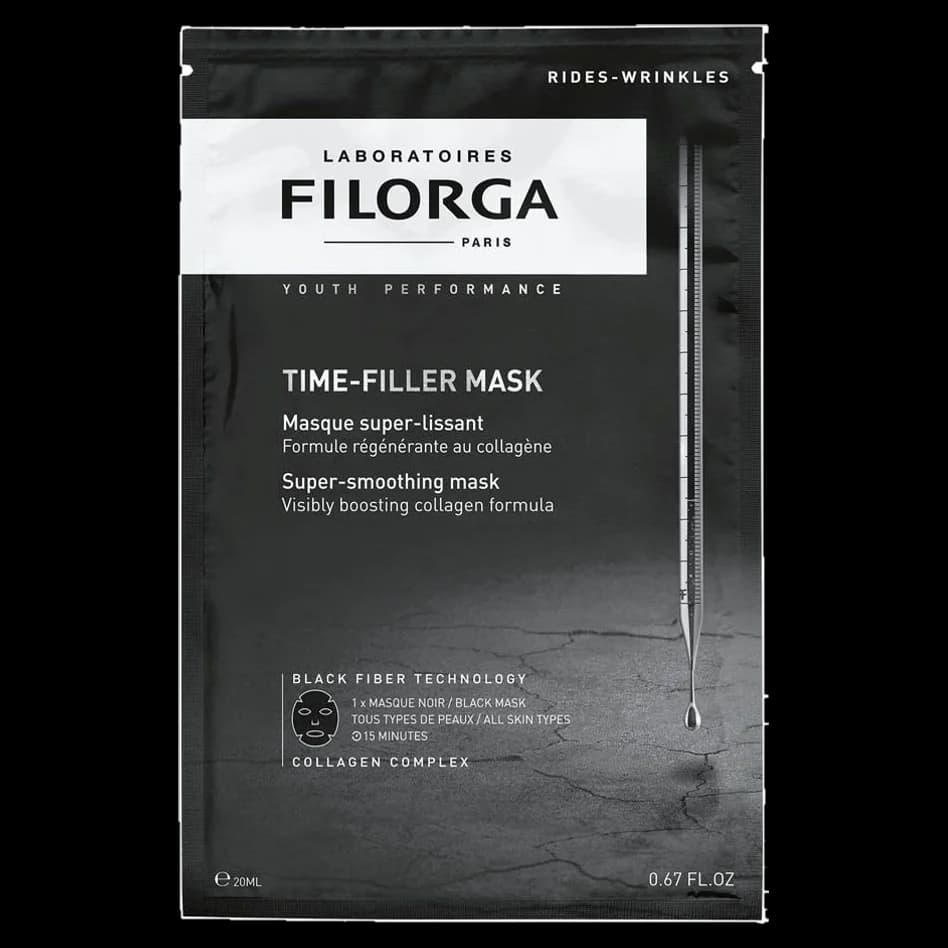
Filorga
Time-Filler Mask
5th of 20 on the label
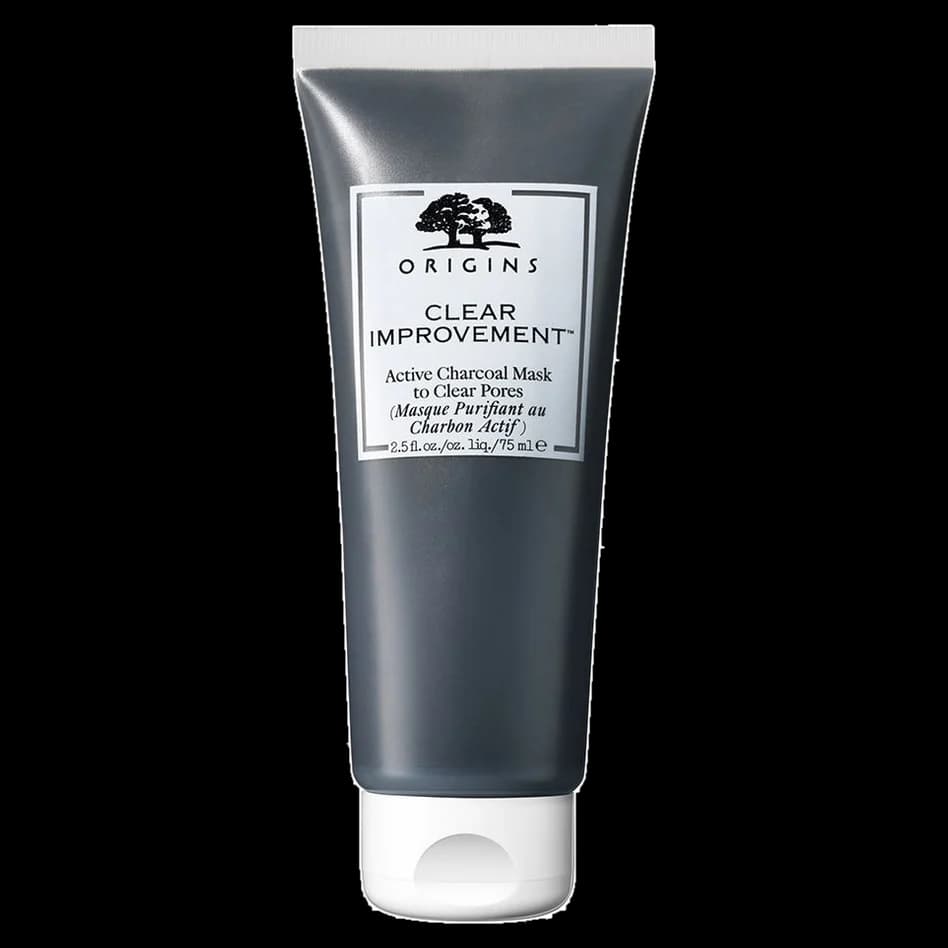
Origins
Clear Improvement Active Charcoal Mask to Clear Pores
7th of 23 on the label
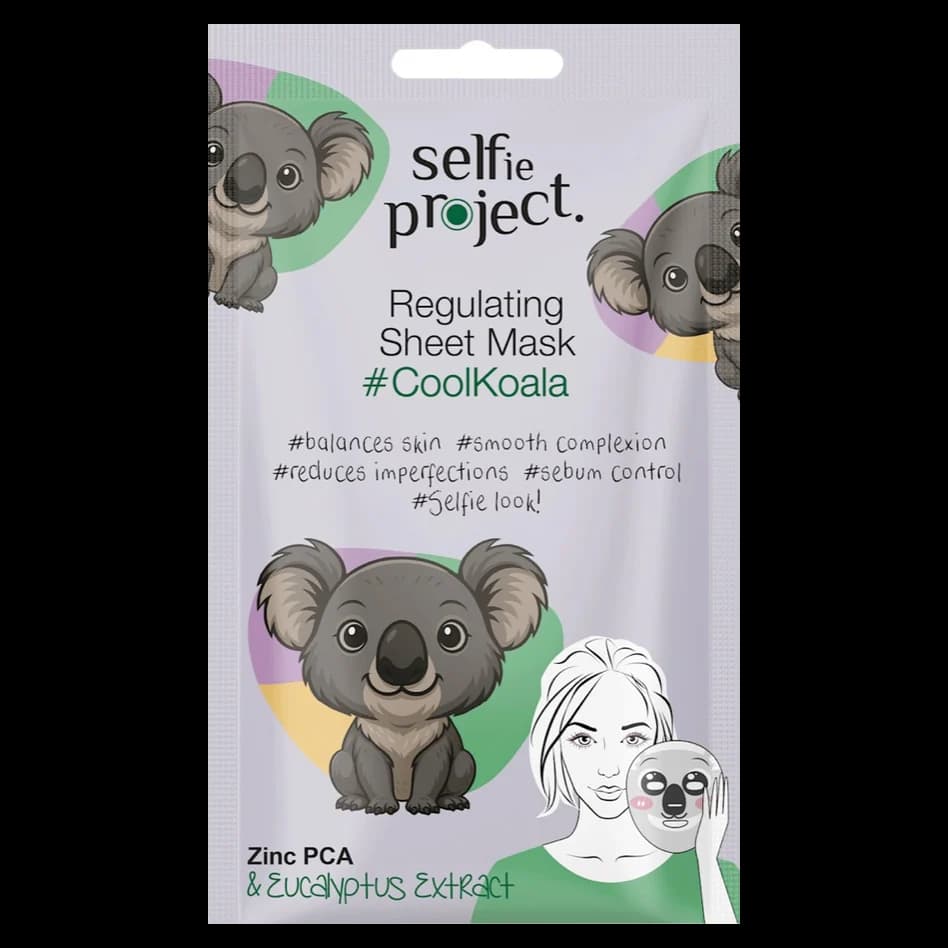
Selfie Project
Gesichtsmaske regulierend #CoolKoala
14th of 27 on the label
below ≈1%
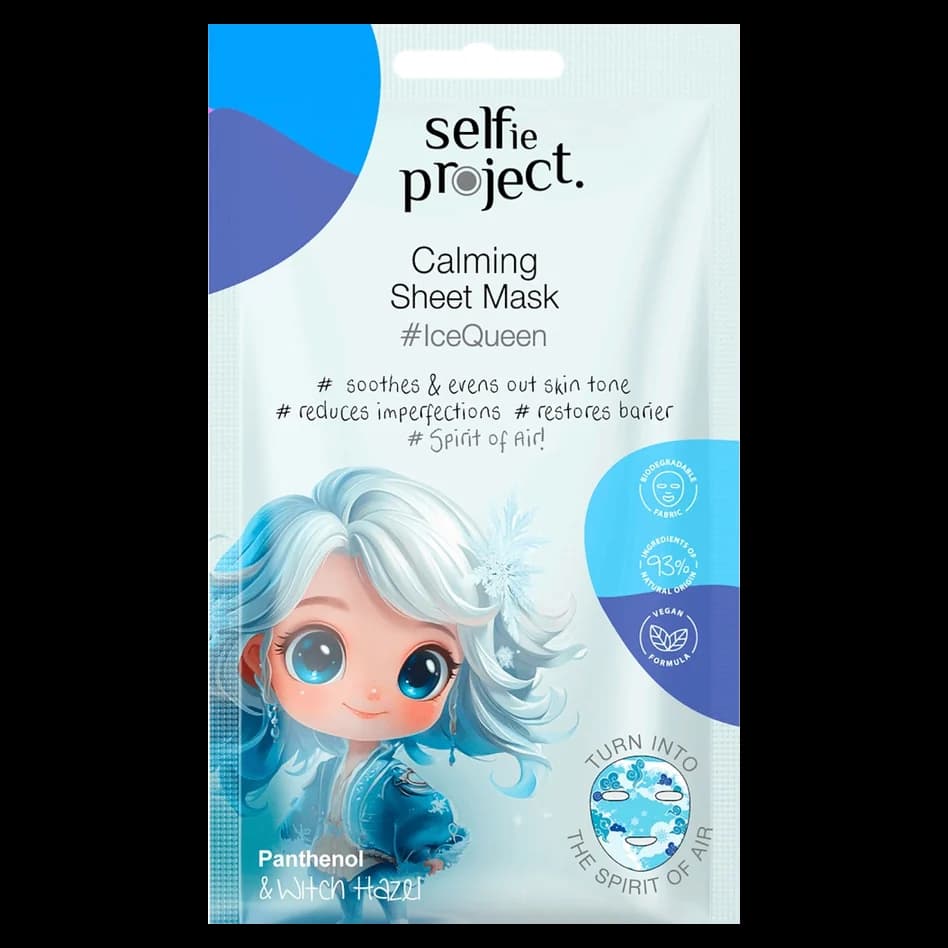
Selfie Project
Tuchmaske Calming #IceQueen
12th of 27 on the label
below ≈1%
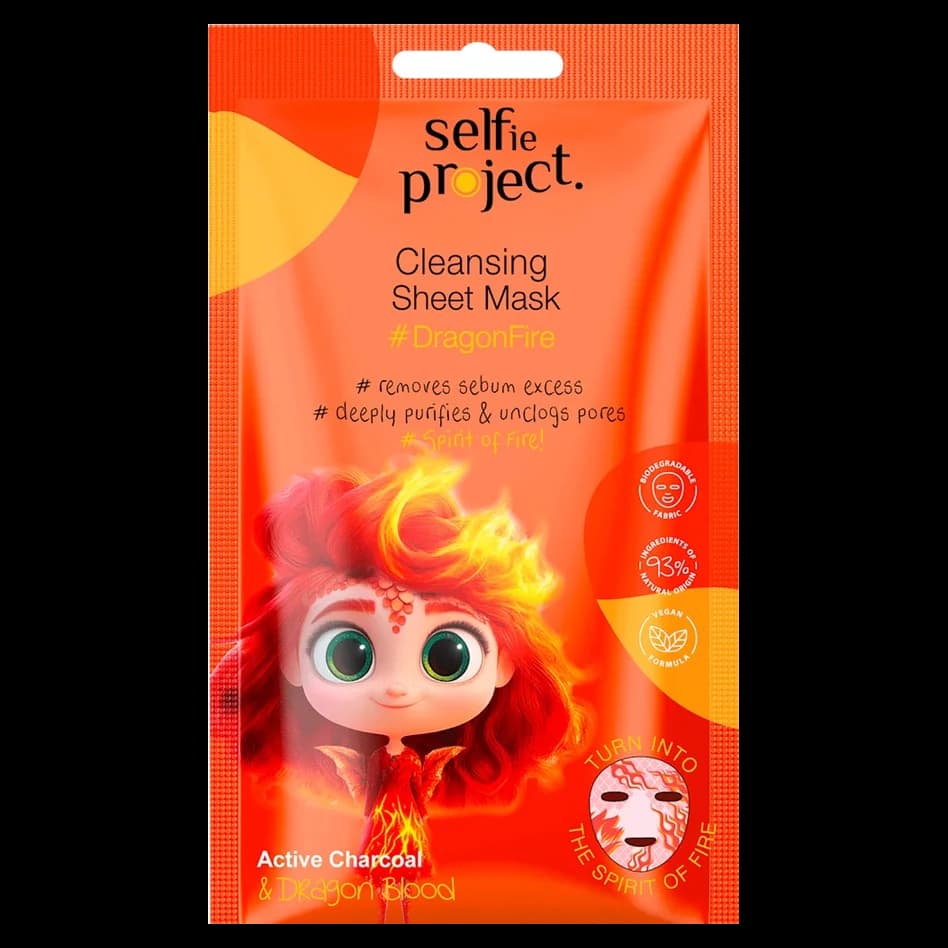
Selfie Project
Tuchmaske Cleansing #DragonFire
12th of 22 on the label
below ≈1%
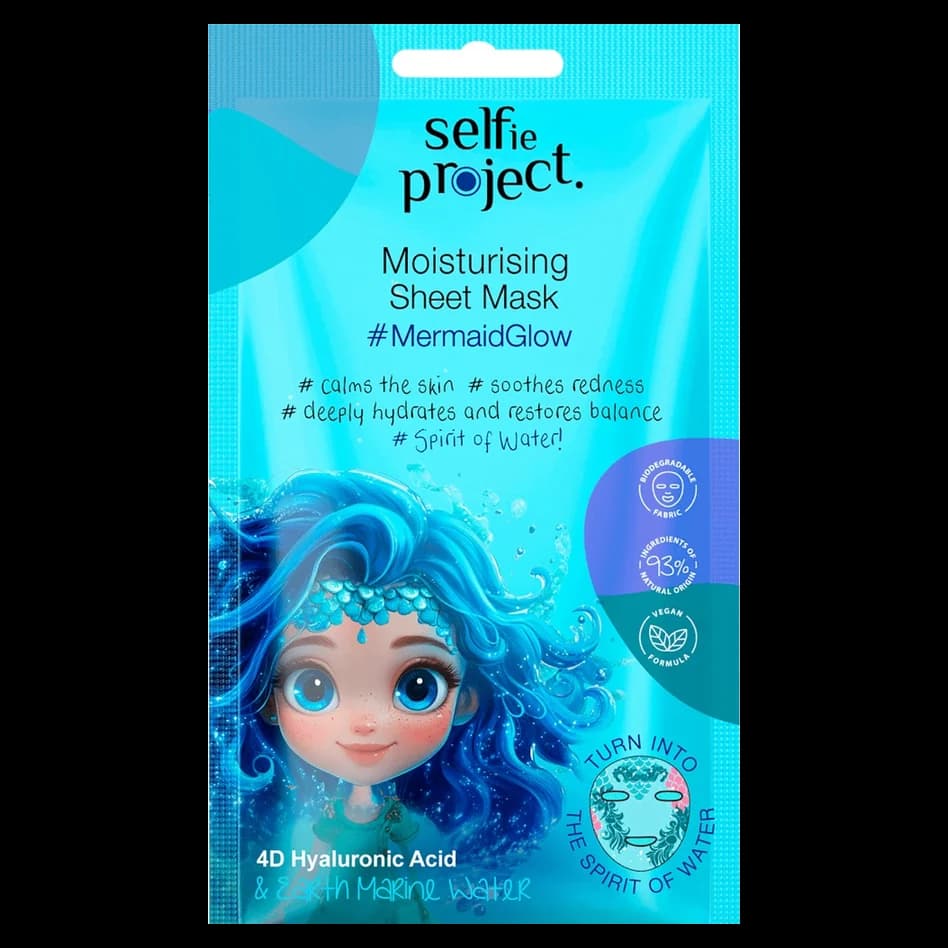
Selfie Project
Tuchmaske Moisturising #MermaidGlow
15th of 30 on the label
below ≈1%
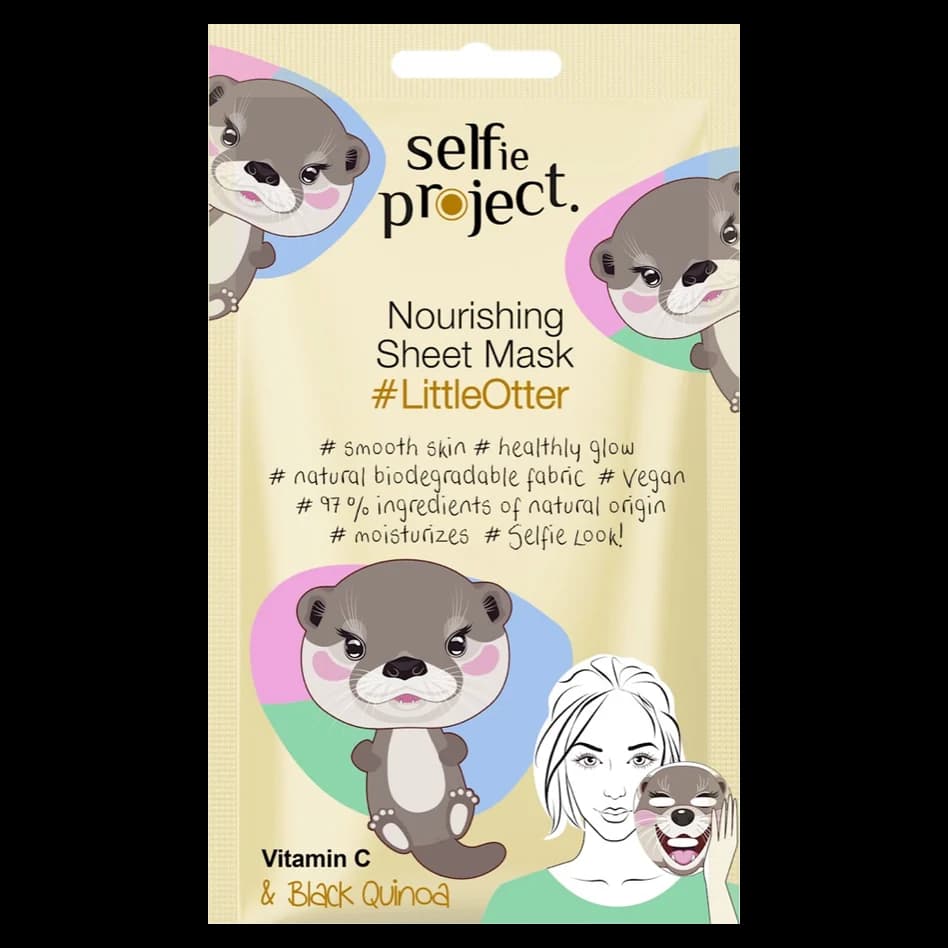
Selfie Project
Tuchmaske Nourishing #LittleOtter
14th of 21 on the label
below ≈1%
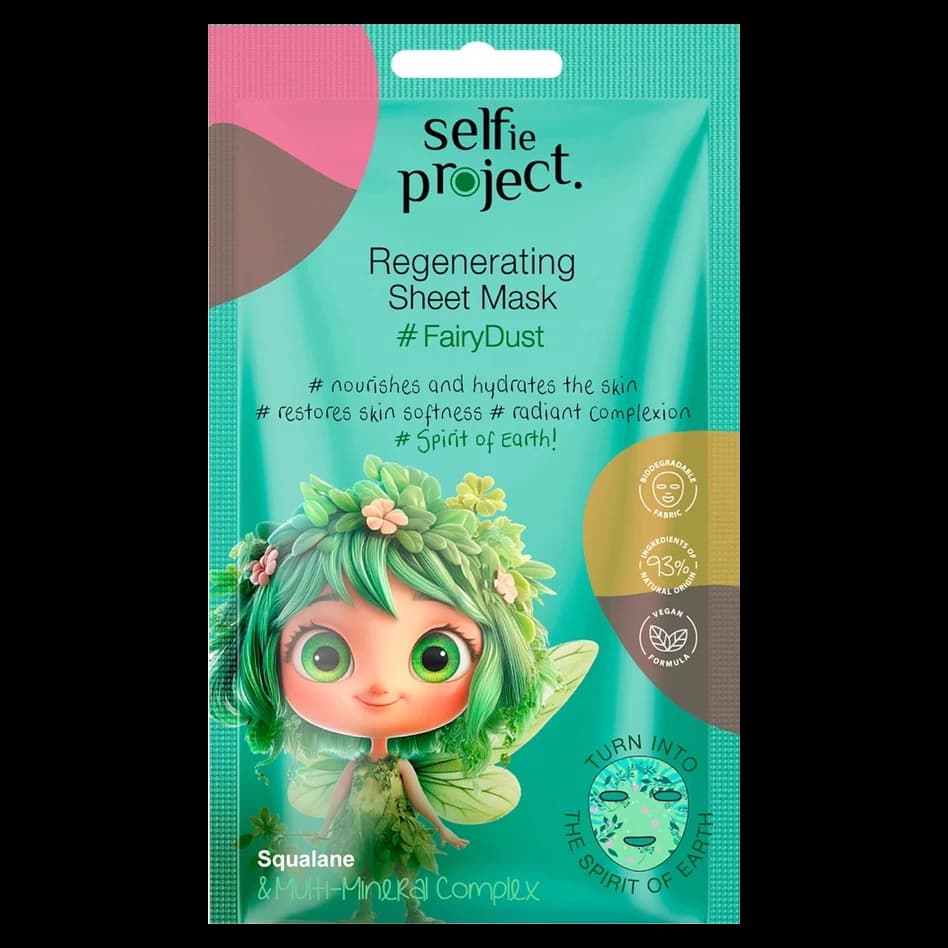
Selfie Project
Tuchmaske Regenerating #FairyDust
21st of 33 on the label
below ≈1%
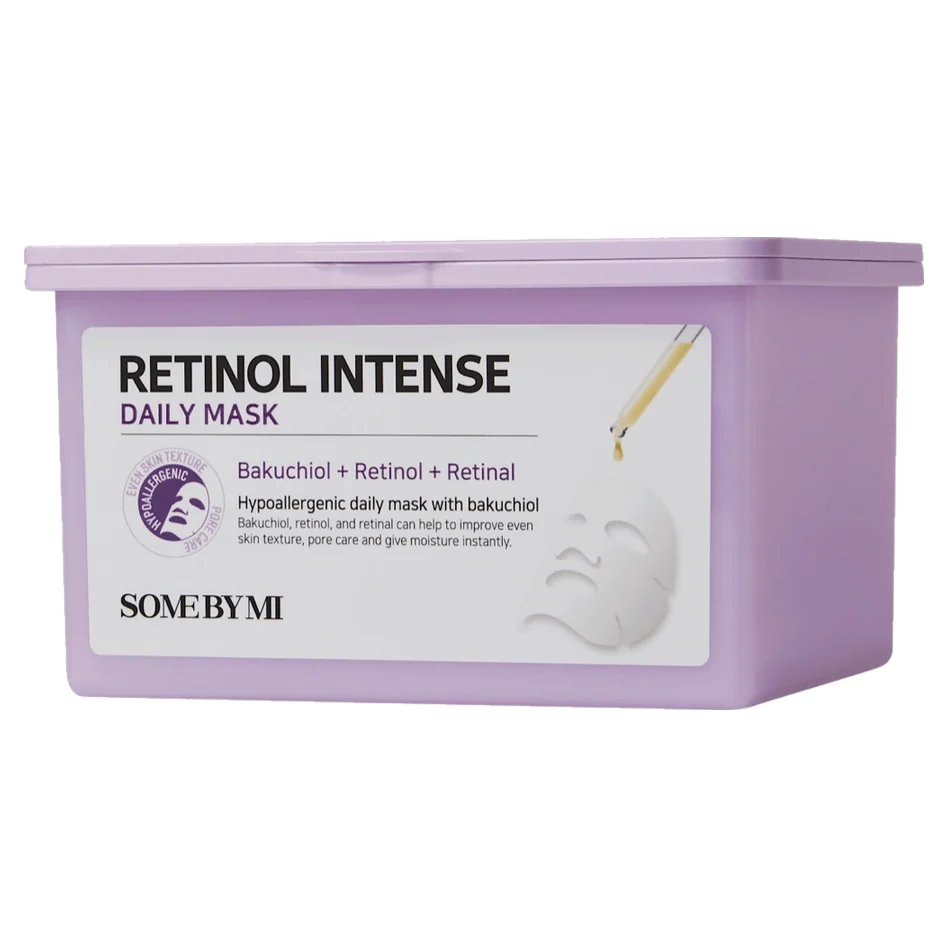
SOME BY MI
Daily Retinol Intense Mask
59th of 62 on the label
below ≈1%
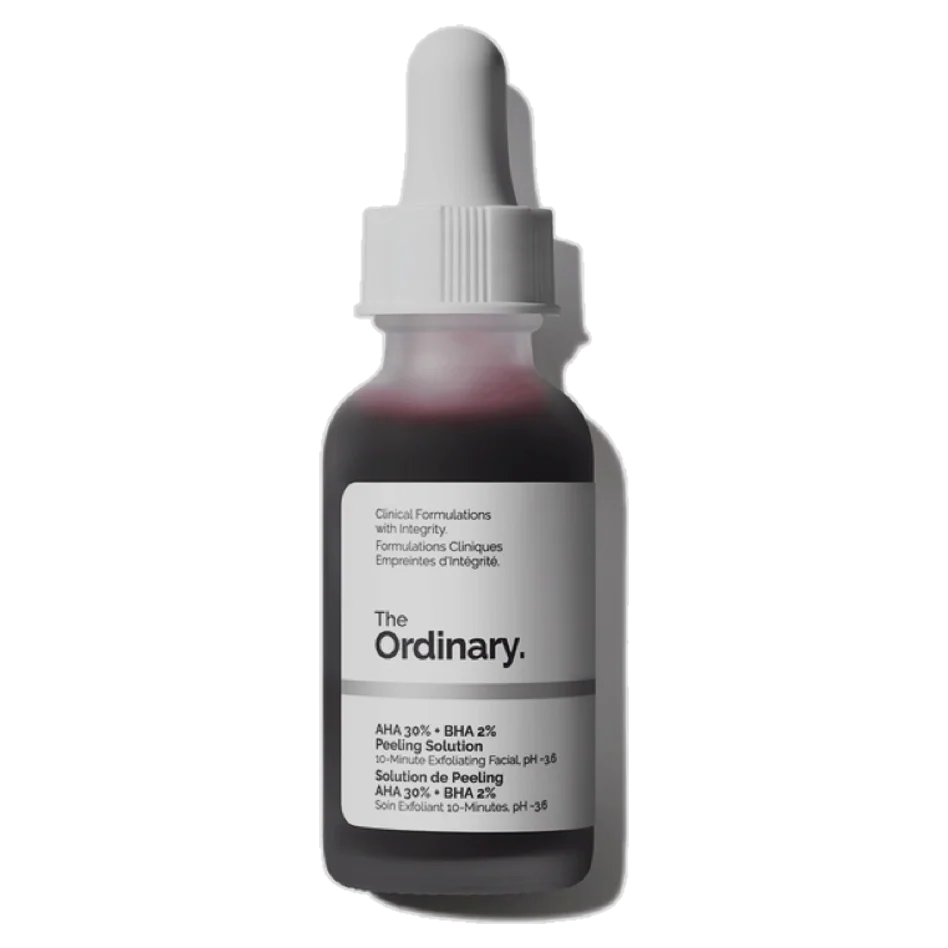
The Ordinary
AHA 30% + BHA 2% Peeling Solution
18th of 24 on the label
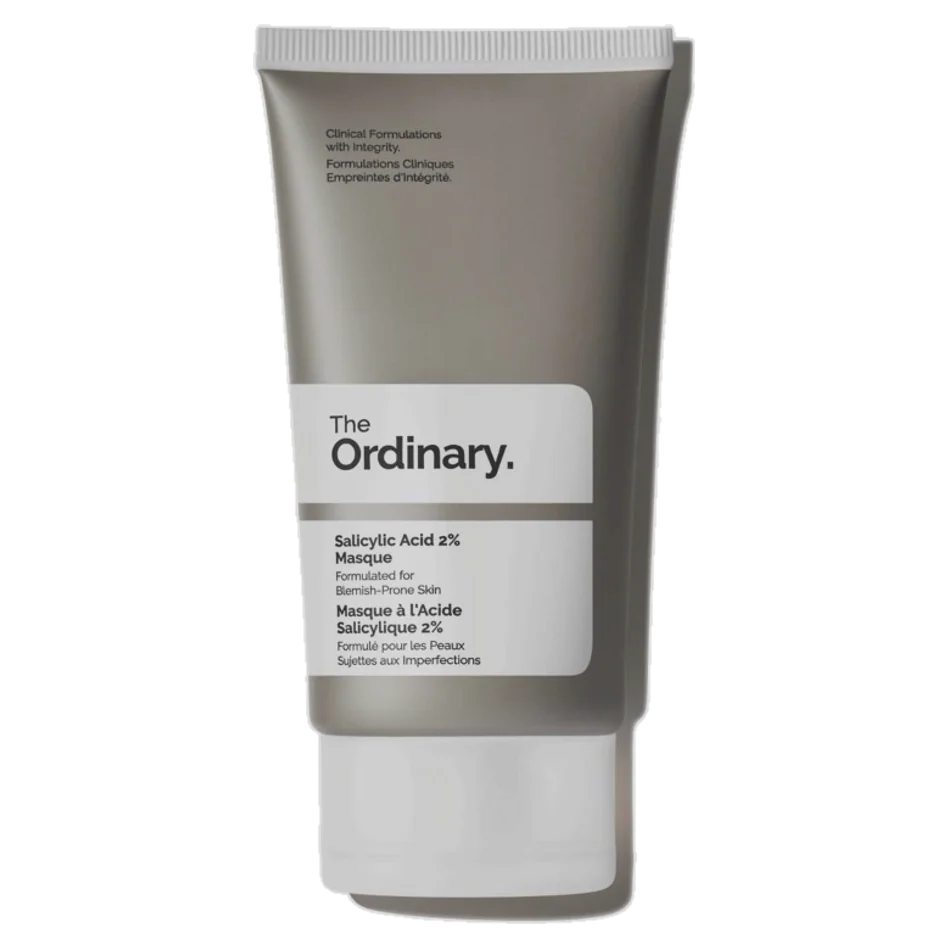
The Ordinary
Salicylic Acid 2% Masque
16th of 19 on the label
below ≈1%