Potassium Hydroxide
No meaningful concern for most people; irritation is possible but rare.
Also written as: KOH · Caustic Potash
What it is
Potassium hydroxide is the potassium counterpart of sodium hydroxide and does the same job: it is added in fractions of a per cent to lift pH or to neutralise acidic thickeners such as carbomer into a gel. Like sodium hydroxide it reacts and is used up, so the finished mask contains neutral potassium salts rather than free alkali.
What it does well
Brings a formula to skin-compatible pH and activates gelling polymers
It is chosen over sodium hydroxide mainly for solubility and feel reasons; the finished pH, not the neutraliser used, is what matters for skin.
Strong evidence
Worth knowing
Corrosive as a raw material, but not as used in a finished mask
EU rules cap general pH-adjusting use at pH 11 and set specific limits for hair straighteners, cuticle solvents and depilatories, where high concentrations really can burn. A face mask at mildly acidic pH is not a caustic exposure.
Matters most toUsers of hair relaxers and depilatory creams rather than mask users.
Where the EU stands
Concentration-restricted
Annex III entry 15a covers potassium and sodium hydroxide: 5% max in nail cuticle solvents, 2% general-use and 4.5% professional hair straighteners, up to pH 12.7 as a pH adjuster in depilatories, and up to pH 11 for all other pH-adjusting uses.
Regulation (EC) No 1223/2009, Annex III entry 15a · source ↗
Masks that contain Potassium Hydroxide
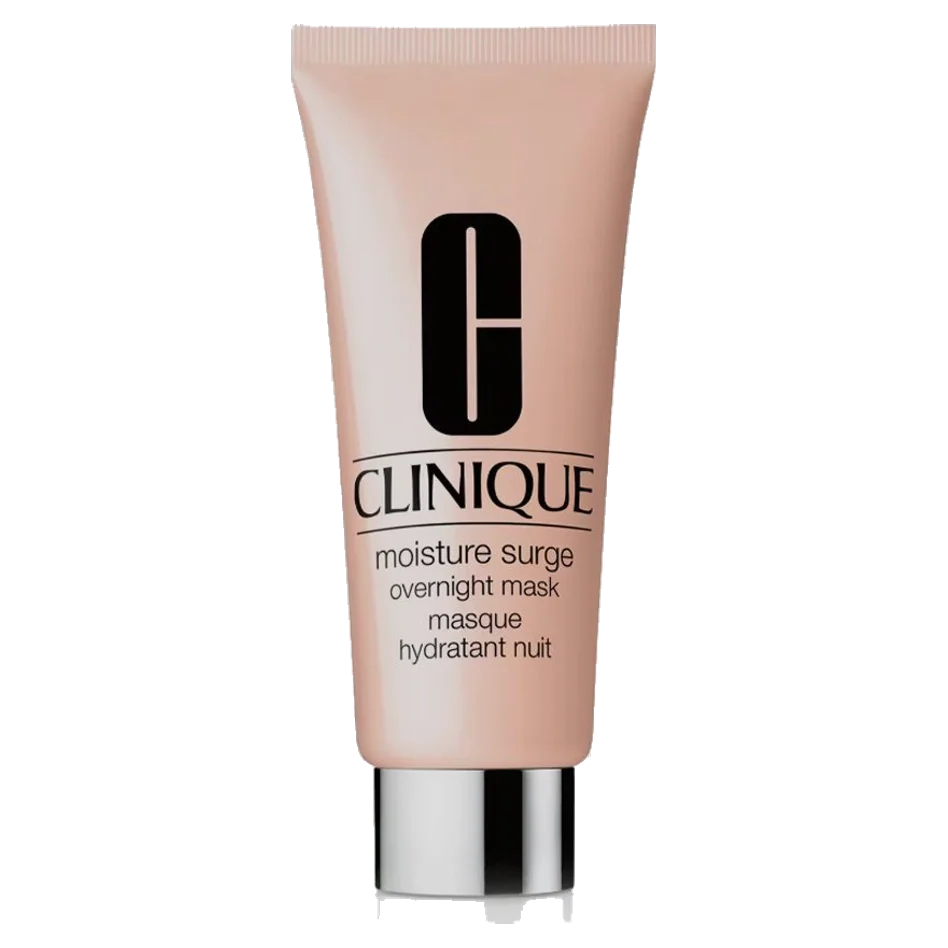
Clinique
Moisture Surge Overnight Mask
37th of 42 on the label
below ≈1%
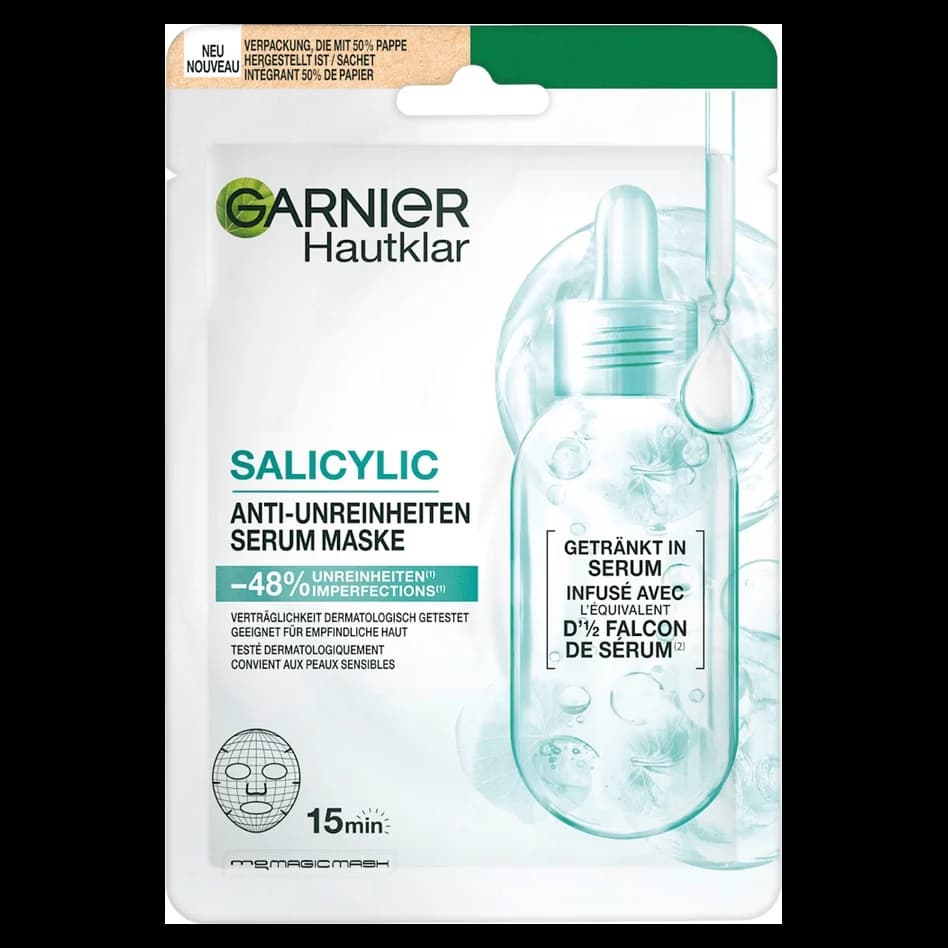
Garnier
Salicylic Tissue Mask
21st of 26 on the label
below ≈1%
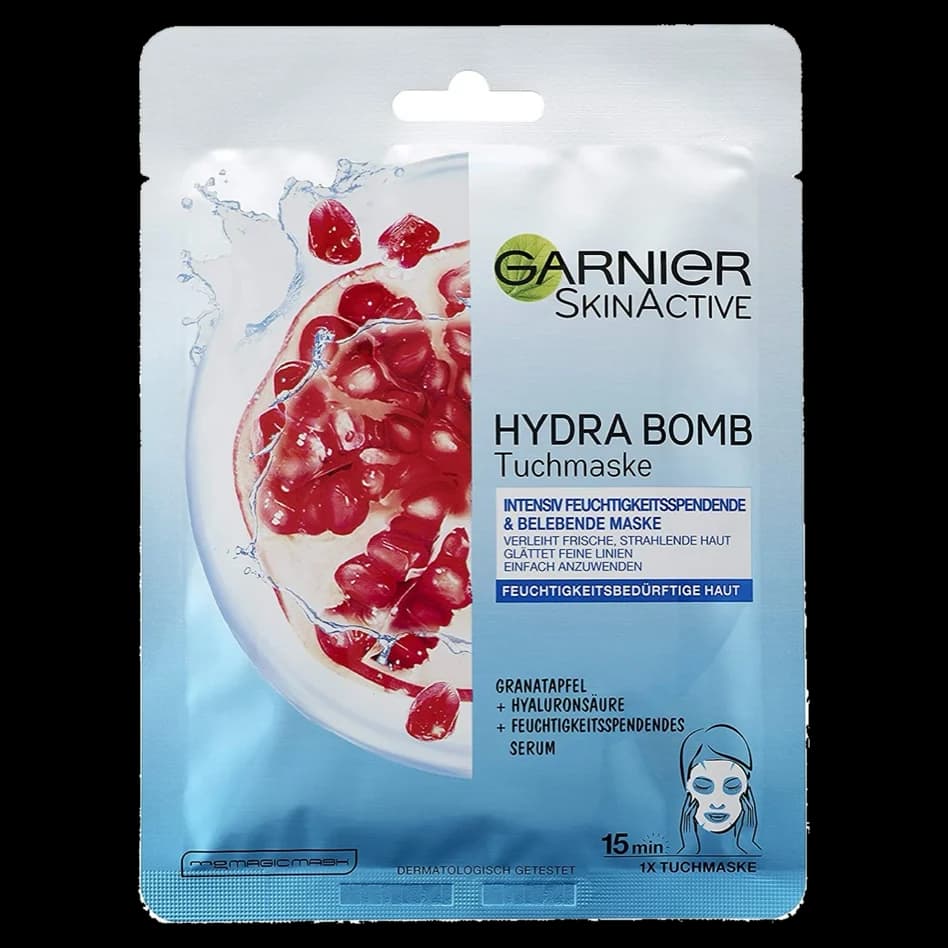
Garnier
SkinActive Hydra Bomb Tissue Mask Pomegranate
16th of 29 on the label
below ≈1%
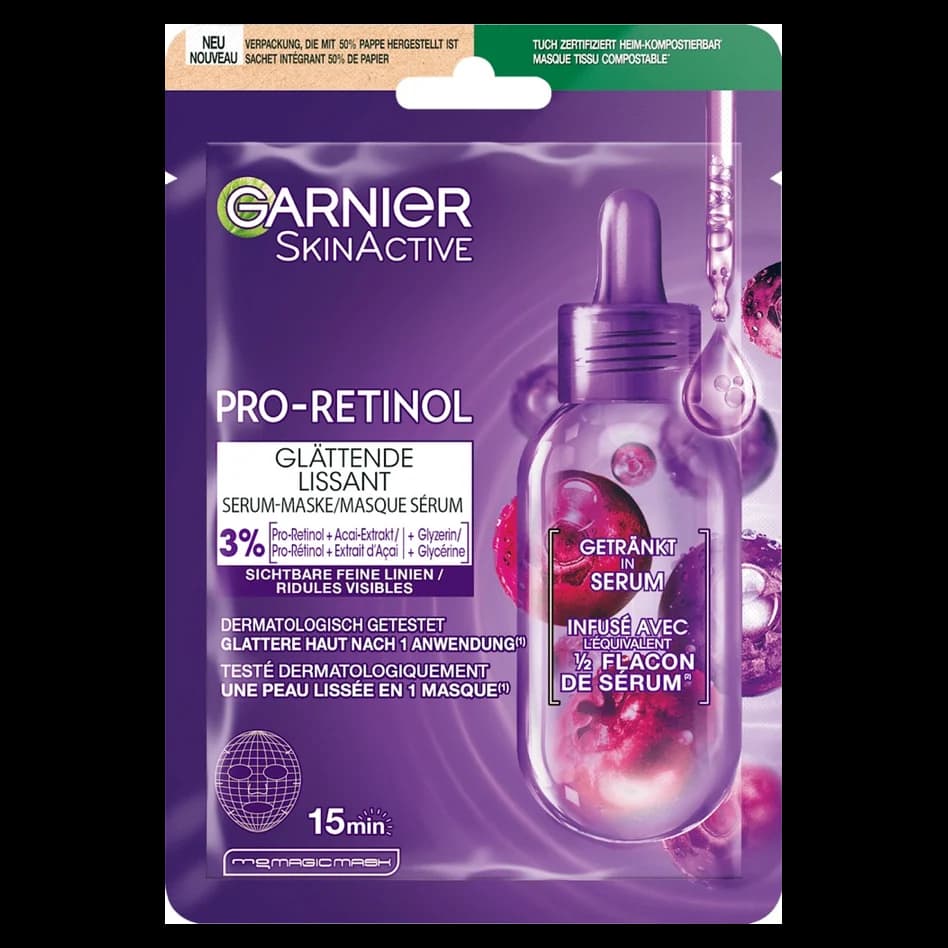
Garnier
SkinActive Pro-Retinol Tissue Mask
16th of 24 on the label
below ≈1%
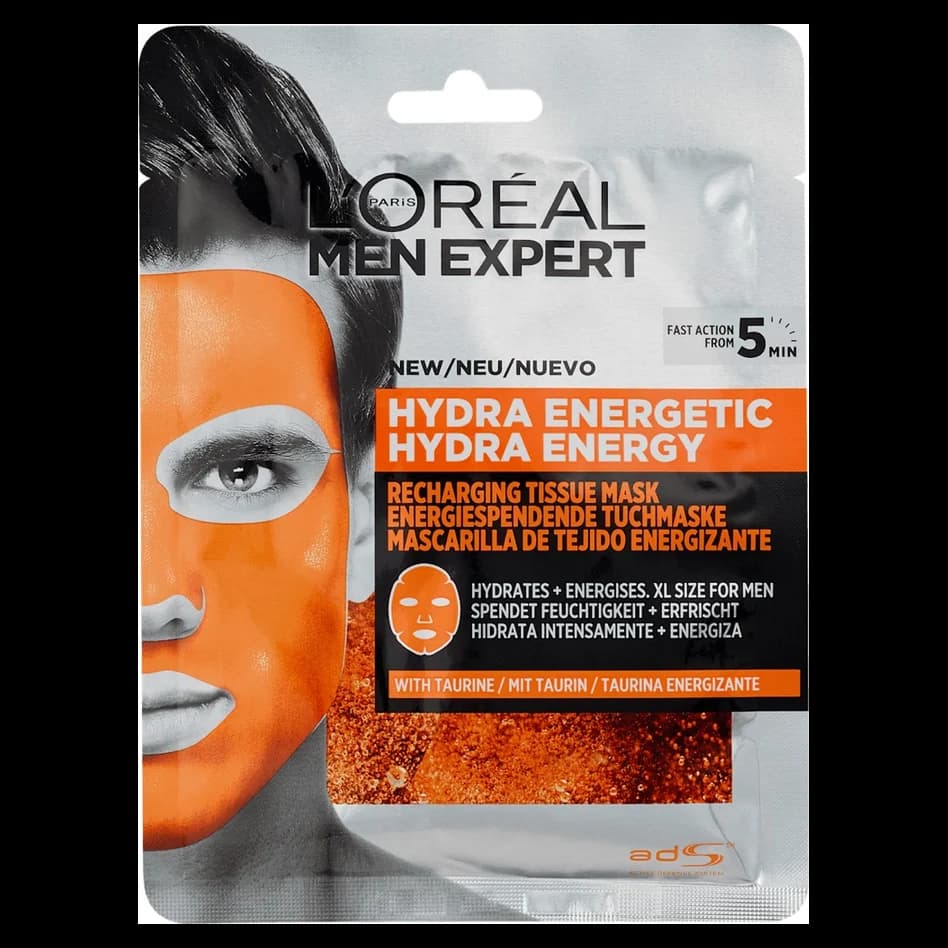
L'Oréal Paris
Men Expert Hydra Energetic Recharging Tissue Mask
8th of 21 on the label
below ≈1%
Sensai
Cellular Performance Extra Intensive Mask
24th of 44 on the label
below ≈1%
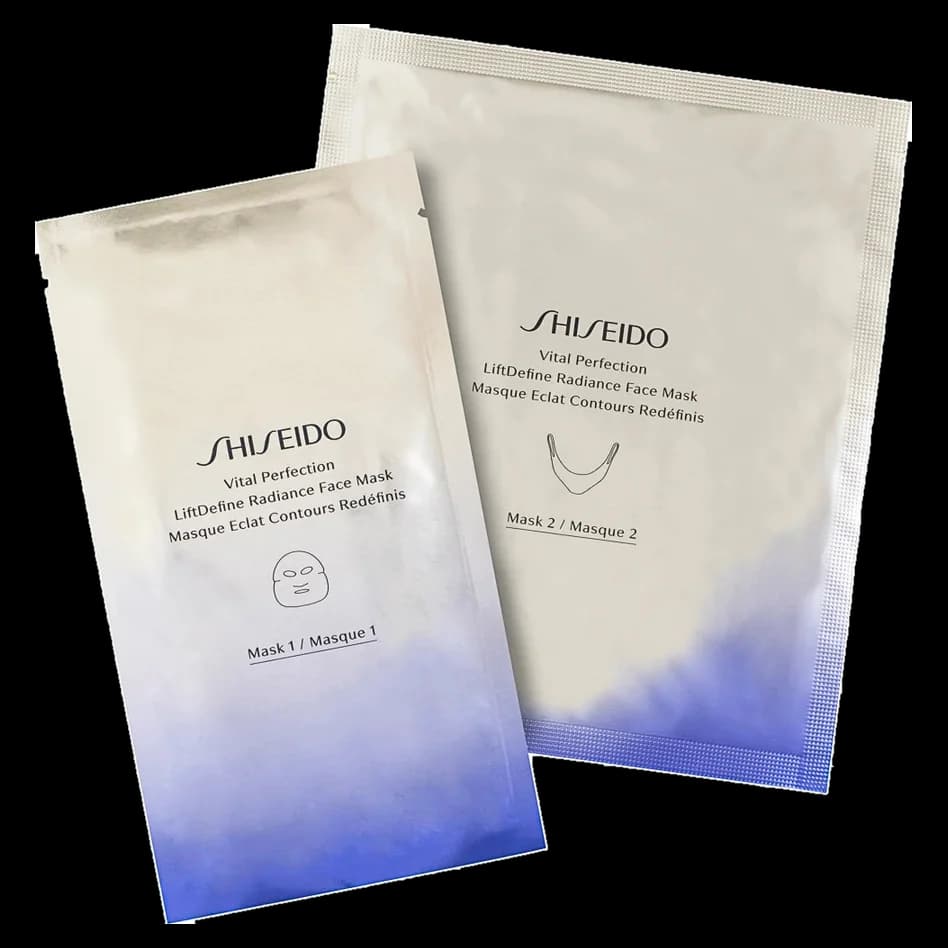
Shiseido
Vital Perfection LiftDefine Radiance Face Mask
30th of 81 on the label
below ≈1%