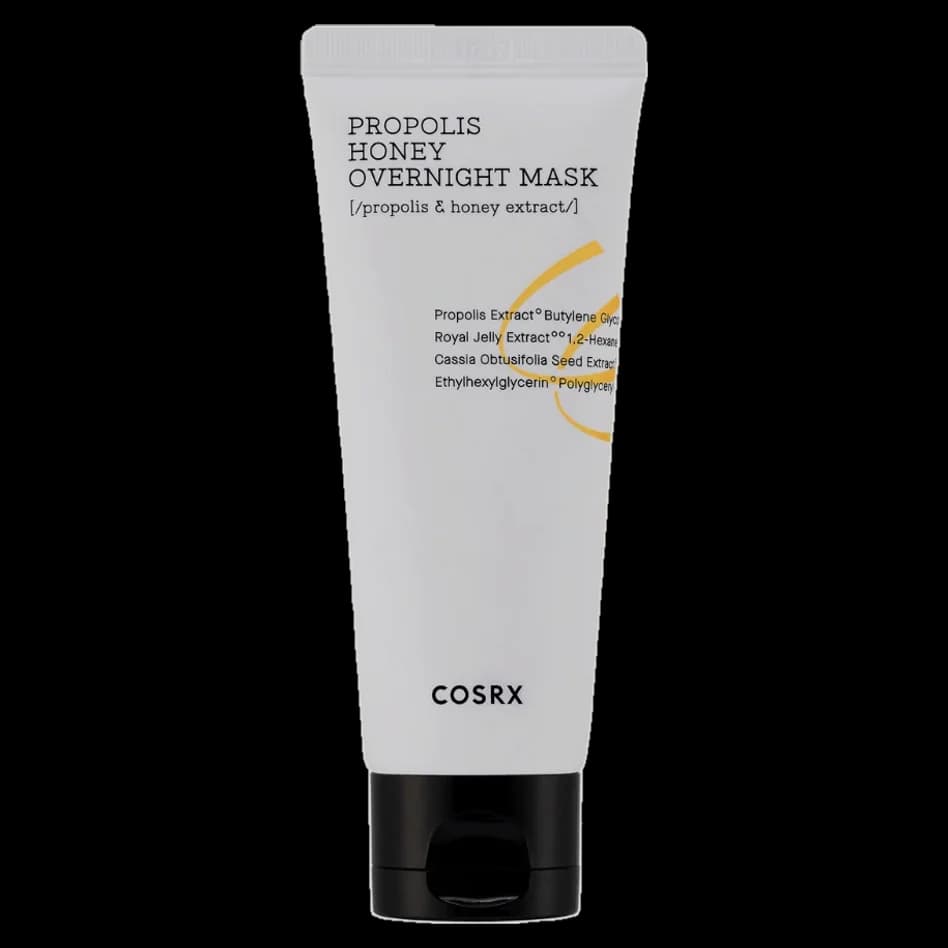
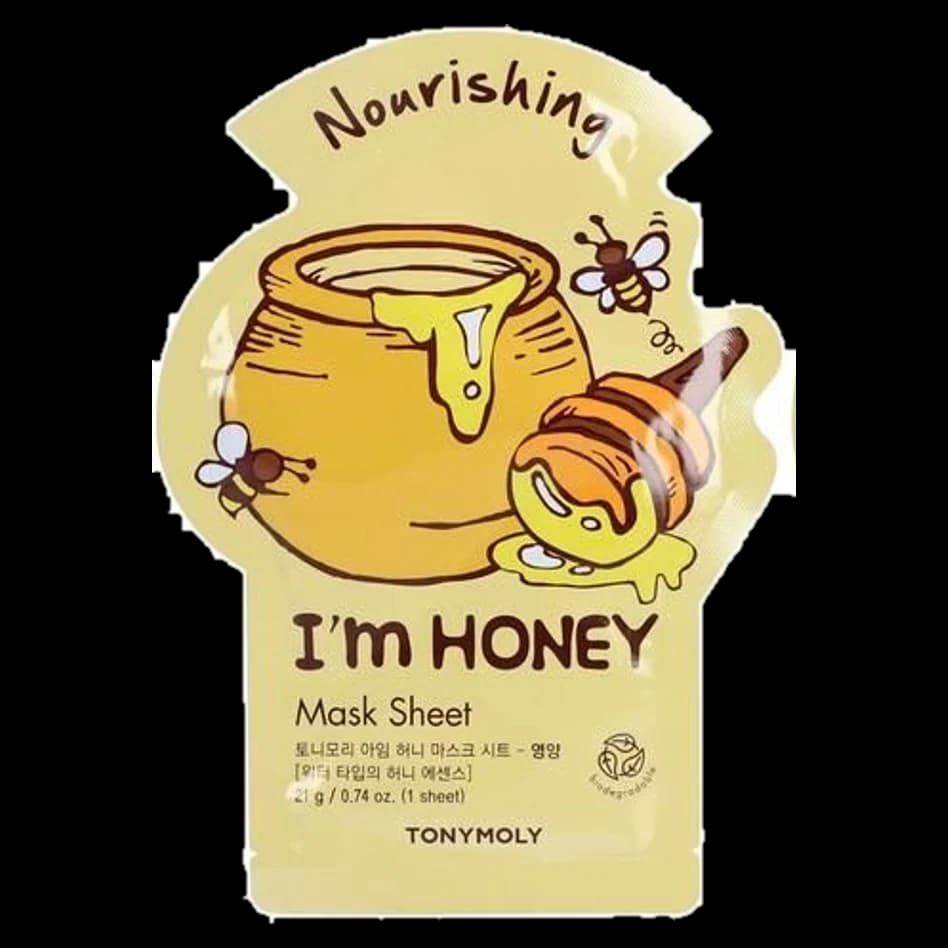
Propolis Extract
Propolis
EU-restricted, a common contact allergen, or subject to live debate.
Also written as: Bee Propolis · Bee Glue · Propolis Wax · Propolis Cera
What it is
Propolis is the resinous material honeybees collect from tree buds and sap and use to seal their hives. Its composition varies a great deal with the plants and region it came from, which is why Brazilian and Chinese propolis behave quite differently. Cosmetically it is used for its antioxidant and antimicrobial properties in soothing and blemish-focused masks.
How it shows up on a label
Not vegan. Worth patch-testing on the inner forearm for a few days before applying a propolis mask to the whole face, particularly if you have reacted to bee products before.
What it does well
Has antioxidant and antimicrobial activity
Propolis is rich in flavonoids and phenolic acids with consistently demonstrated antioxidant and antibacterial effects in laboratory testing.
Moderate evidence
May support wound healing
A randomised study in 31 people with type 2 diabetes found topical 3% propolis spray reduced diabetic foot wound area compared with placebo. This is a medical wound setting, and does not directly translate to cosmetic use on intact facial skin.
Limited evidence
Worth knowing
A well-documented contact allergen
Propolis is a recognised cause of allergic contact dermatitis and appears on standard patch-test series. In a 2025 multi-centre study, 6.2% of tested patients in an Italian clinic reacted, with Brazilian propolis far more sensitising (5.1%) than Chinese propolis (0.4%).
Matters most toPeople with a history of reactions to bee products, cheilitis or facial dermatitis, and anyone who patch-tests positive to propolis or balsam of Peru.
Bee-derived, so not vegan and unsuitable for bee-product allergy
Propolis comes from beehives. People with known allergy to bee products should avoid it, and it does not fit a vegan routine.
Matters most toVegans and anyone with a bee-product or bee-sting allergy.
Highly variable composition
Because propolis composition depends on local flora, both the active content and the allergy risk differ between batches and origins. Products rarely state the geographic source.
Matters most toPeople who have tolerated one propolis product but reacted to another.
Where the EU stands
No specific restriction
No EU concentration limit or annex restriction, and it is not on the EU fragrance-allergen labelling list. Its allergy risk is a clinical finding rather than a regulatory one.
Regulation (EC) No 1223/2009 - no annex entry · source ↗
Sources (2)
Every link goes to the original: a journal, a PubMed record or an EU document.
- [1]Prevalence of Contact Allergy to Propolis-Testing With Different Propolis Patch Test Materials
Contact Dermatitis · 2025 · doi:10.1111/cod.14773
6.2% of 257 patch-tested patients in Italy reacted to propolis, with Brazilian propolis (5.1%) markedly more sensitising than Chinese propolis (0.4%); Swedish reactivity to Chinese propolis was 0.9%.
- [2]Propolis as an Adjuvant in the Healing of Human Diabetic Foot Wounds Receiving Care in the Diagnostic and Treatment Centre from the Regional Hospital of Talca
Journal of Diabetes Research · 2019
Topical 3% propolis spray reduced diabetic foot wound area compared with placebo in 31 patients, attributed to anti-inflammatory and antioxidant effects.