Rosa Damascena Flower Water
Rose water
No meaningful concern for most people; irritation is possible but rare.
Also written as: Rose Water · Rosa Damascena Distillate · Damask Rose Hydrosol
What it is
Rose water is the aqueous phase recovered when damask rose petals are steam-distilled to produce rose oil. It is more than 99% water, carrying only traces of the volatile compounds that give roses their scent, such as citronellol, geraniol and phenylethyl alcohol. Formulators use it in place of plain water for its fragrance and its appeal on an ingredient list; active benefits at these trace levels are hard to demonstrate.
How it shows up on a label
Regulation (EU) 2023/1545 expanded the list of fragrance allergens that must be named on the label. Non-compliant products could only be placed on the EU market until 31 July 2026 and may be sold through until 31 July 2028, so ingredient lists on rose-scented products are currently getting longer.
What it does well
Provides a natural rose scent without added synthetic fragrance
The residual volatiles give a light floral smell, which is the main honest reason it is used. Claims of meaningful anti-inflammatory or antioxidant action from a hydrosol are not well supported at the concentrations present.
Moderate evidence
Worth knowing
Carries natural fragrance compounds that some people react to
Citronellol and geraniol are recognised fragrance allergens in the EU and occur naturally in rose distillate, though usually far below the 0.001% leave-on level that would require them to be declared separately. Reactions to rose water are uncommon but not impossible in people already sensitised to fragrance.
Matters most toPeople with a known fragrance allergy or a positive patch test to fragrance mix.
Where the EU stands
No specific restriction
Rose water itself is not restricted. If the fragrance allergens it naturally contains, such as Citronellol or Geraniol, exceed 0.001% in a leave-on or 0.01% in a rinse-off product, they must be named individually in the ingredient list.
Regulation (EC) No 1223/2009, Annex III entries 78 (Geraniol) and 86 (Citronellol), as amended by Regulation (EU) 2023/1545 · source ↗
Masks that contain Rosa Damascena Flower Water
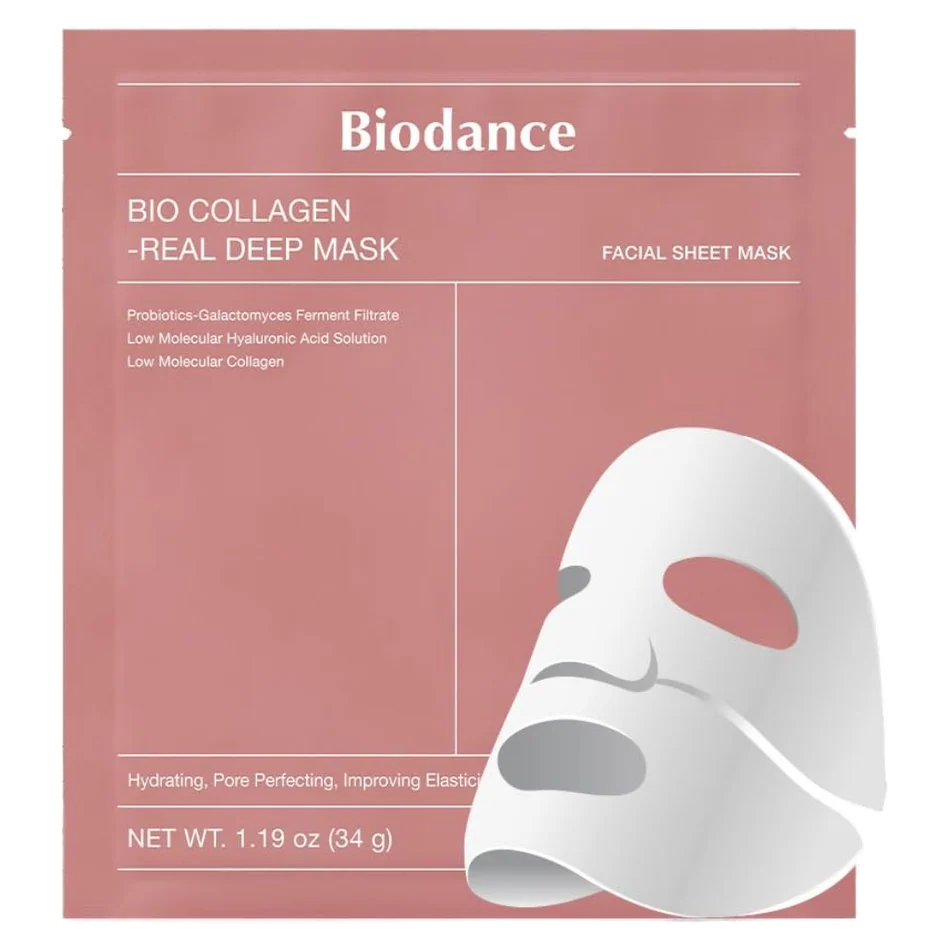
Biodance
Bio-Collagen Real Deep Mask
23rd of 34 on the label
below ≈1%
Biodance
Hydro Cera-nol Real Deep Mask
34th of 65 on the label
below ≈1%
Biodance
Refreshing Sea Kelp Real Deep Mask
26th of 43 on the label
below ≈1%
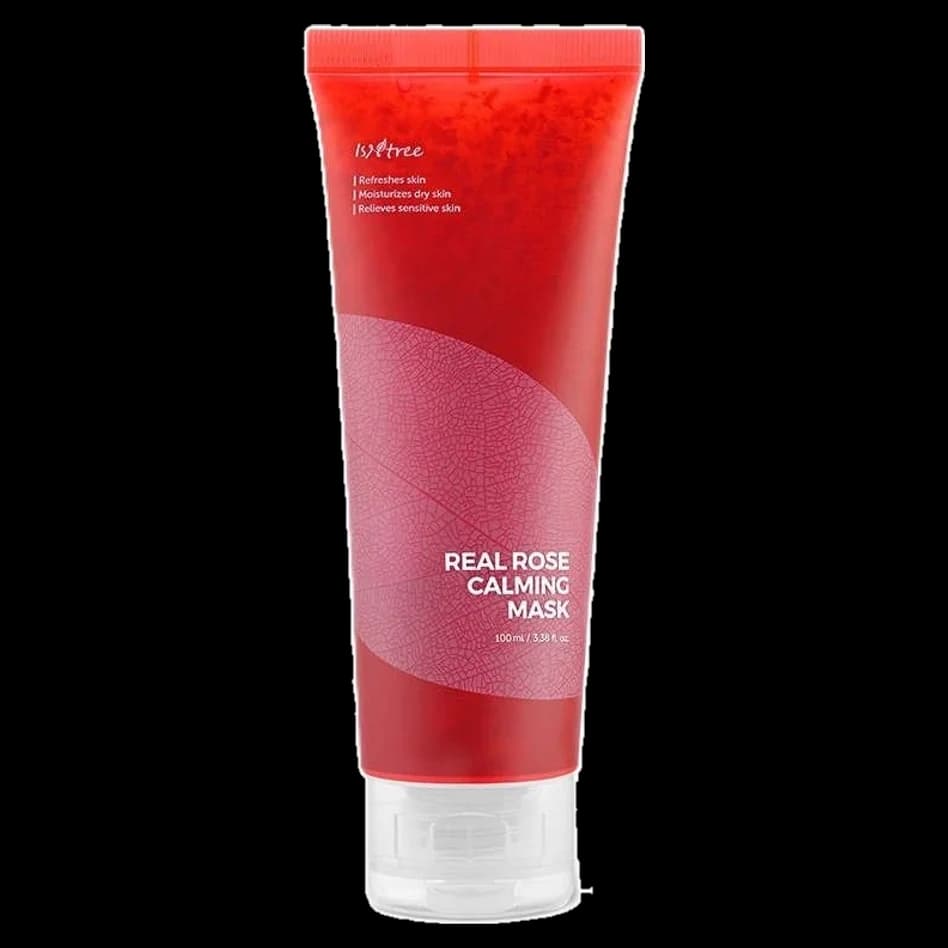
Isntree
Real Rose Calming Mask
1st of 31 on the label
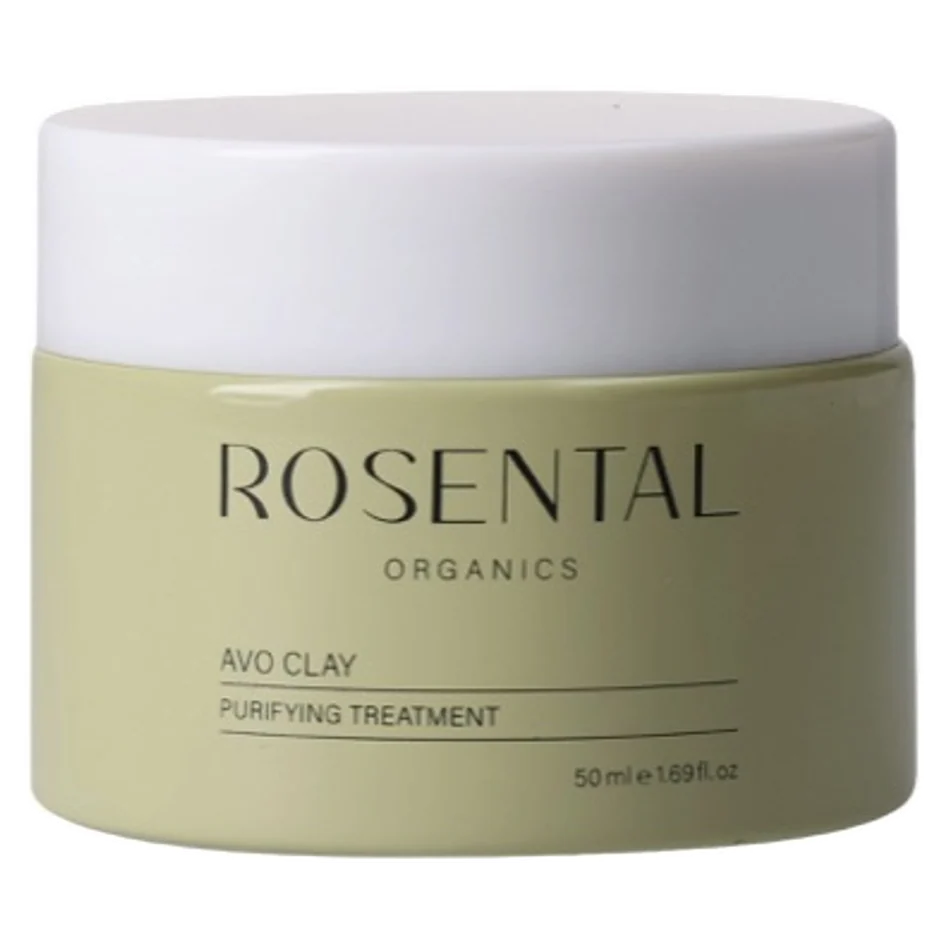
Rosental Organics
Avo Clay Mask
4th of 17 on the label
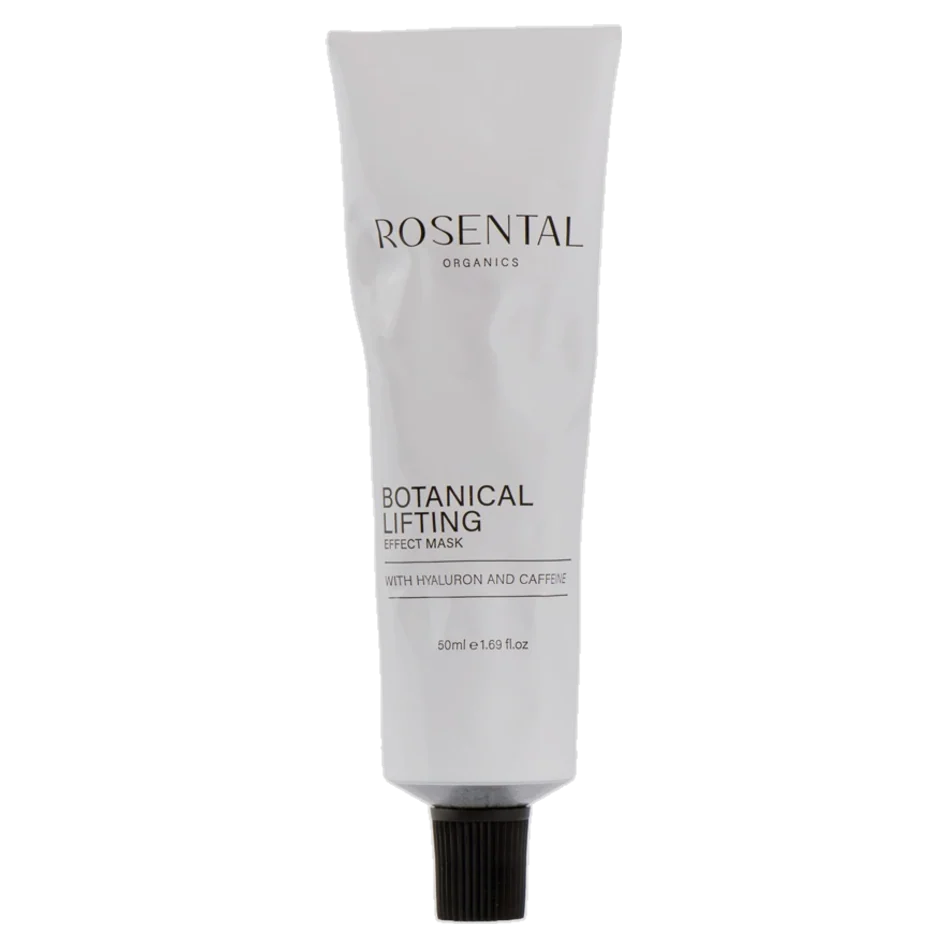
Rosental Organics
Botanical Lifting Effect Mask
5th of 28 on the label
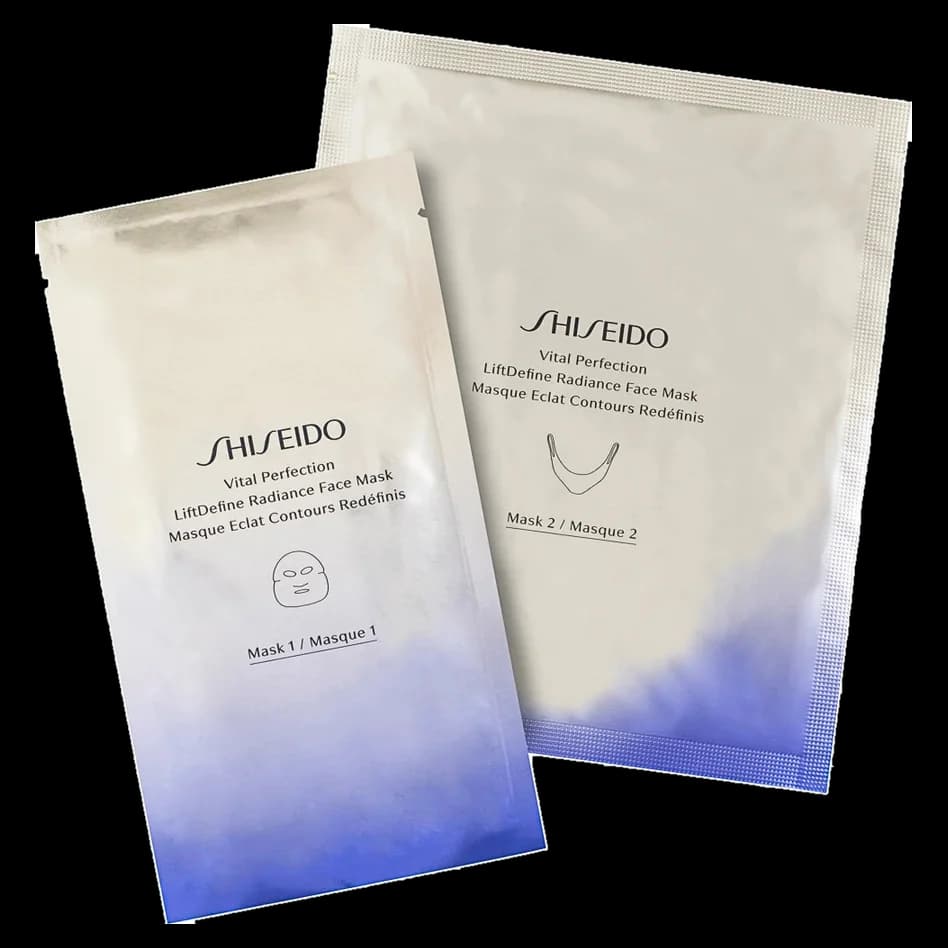
Shiseido
Vital Perfection LiftDefine Radiance Face Mask
13th of 81 on the label
below ≈1%
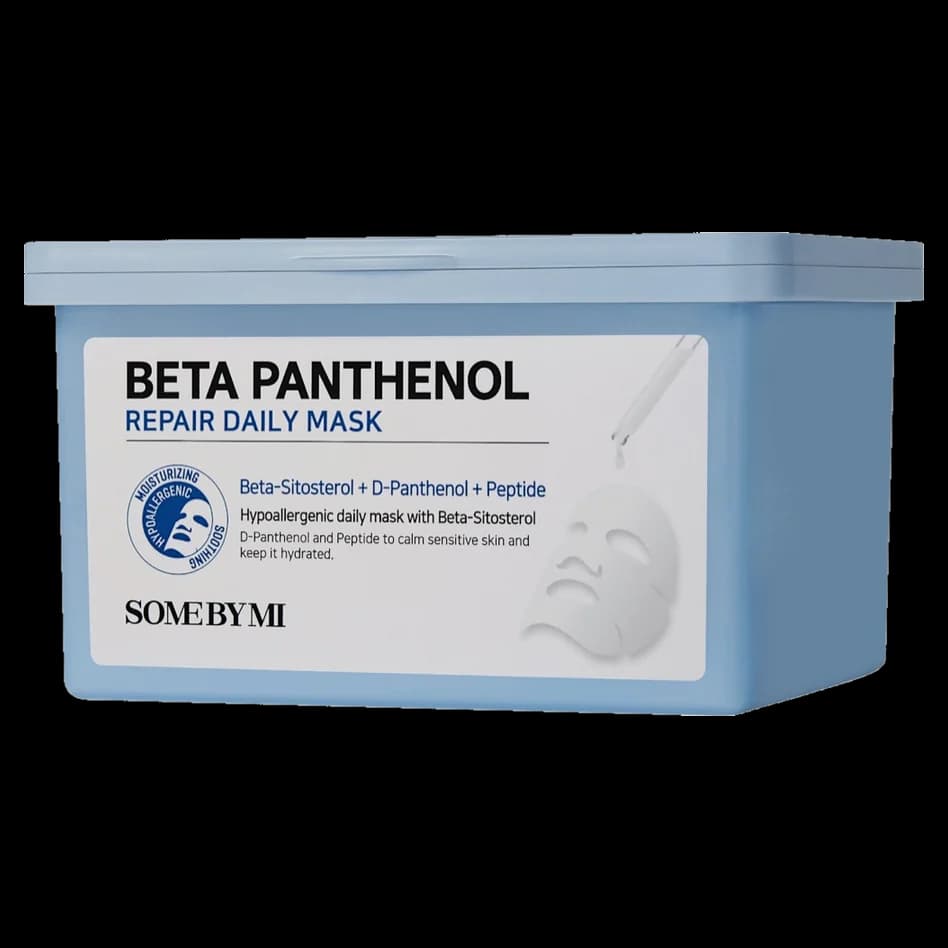
SOME BY MI
Daily Beta Panthenol Repair Mask
32nd of 57 on the label
below ≈1%