Tin Oxide
No meaningful concern for most people; irritation is possible but rare.
Also written as: Tin(IV) Oxide · Stannic oxide · Tin dioxide · SnO2
What it is
Tin oxide on a cosmetic label means tin(IV) oxide, the same compound as the mineral cassiterite, though the commercial material is manufactured by oxidising tin metal rather than mined. It is insoluble in water and functions, in the Cosmetic Ingredient Review's wording, as an abrasive, bulking and opacifying agent. In masks it almost never appears alone: it rides alongside titanium dioxide, and sometimes mica, as part of what makes a peel-off film or a serum look dense or pearly rather than translucent.
How it shows up on a label
All eight masks here that print it also print titanium dioxide, and only the two peel-offs add mica - so the pattern is an opacifier pairing rather than a pearl. It sits deep, a median of about five-sixths of the way down the list, and below the point where ingredient order stops indicating quantity on seven of them.
What it does well
Makes a formula opaque or lends it a lustre
Opacifying and bulking are its recorded functions and the reason it is used. This is an appearance effect on the product, not an effect on skin.
Strong evidence
Worth knowing
Cosmetic appeal only, with nothing offered to skin
The Expert Panel noted that tin(IV) oxide is insoluble in water and should not be percutaneously absorbed, so systemic exposure was not a concern - which is also why it can do nothing for skin. It is there so the product looks a certain way.
An inhalation hazard that belongs to the factory, not the bathroom
Occupational exposure to tin(IV) oxide fume or dust causes stannosis, a non-fibrotic pneumoconiosis, and that literature is what turns up first if you search the substance. It concerns smelter and mine workers breathing the raw powder, not someone wearing a mask with a fraction of a per cent of it bound in a gel. Worth naming precisely so it is not mistaken for a finding about cosmetic use.
Matters most toAnyone who has read an alarming search result about tin oxide and wants to know what it actually referred to.
Where the EU stands
No specific restriction
Not restricted under the EU Cosmetics Regulation; tin oxide appears in no annex. It is also absent from Annex IV, the positive list of colourants - which matters only if it were used as one, since Article 14 permits no colourant outside that list. Its declared functions are opacifying, bulking and abrasive, none of which is colouring. The only tin entry in the prohibited list is dibutyltin oxide, an organotin and a different substance entirely.
Regulation (EC) No 1223/2009 - no annex entry; dibutyltin oxide at Annex II entry 1741 is unrelated · source ↗
Sources (2)
Every link goes to the original: a journal, a PubMed record or an EU document.
- [1]Safety Assessment of Tin(IV) Oxide as Used in Cosmetics
Cosmetic Ingredient Review, Final Report · 2013
The report states that "Tin(IV) oxide functions as an abrasive, bulking, and opacifying agent in cosmetic products, and is used at concentrations up to 0.4% in rinse-off products and up to 1.3% in leave-on products", that "tin(IV) oxide is insoluble in water and should not be percutaneously absorbed; therefore, systemic exposure is not a concern", and concludes "that tin(IV) oxide is safe in the present practices of use and concentration described in this safety assessment". It records 1,098 cosmetic products containing it in 2012, gives CAS numbers 1332-29-2 and 18282-10-5, notes the mineral form cassiterite is not the source of the commercial product, and describes stannosis as resulting from inhalation of tin(IV) oxide fumes or dust in occupational settings. Checked 26 September 2026.
- [2]Quick Reference Table: CIR conclusions by ingredient
Cosmetic Ingredient Review · 2024
The quick reference table lists Tin Oxide with an unqualified S conclusion - safe as used - citing International Journal of Toxicology 33(Suppl 4):40-46, 2014. Checked 26 September 2026.
Masks that contain Tin Oxide
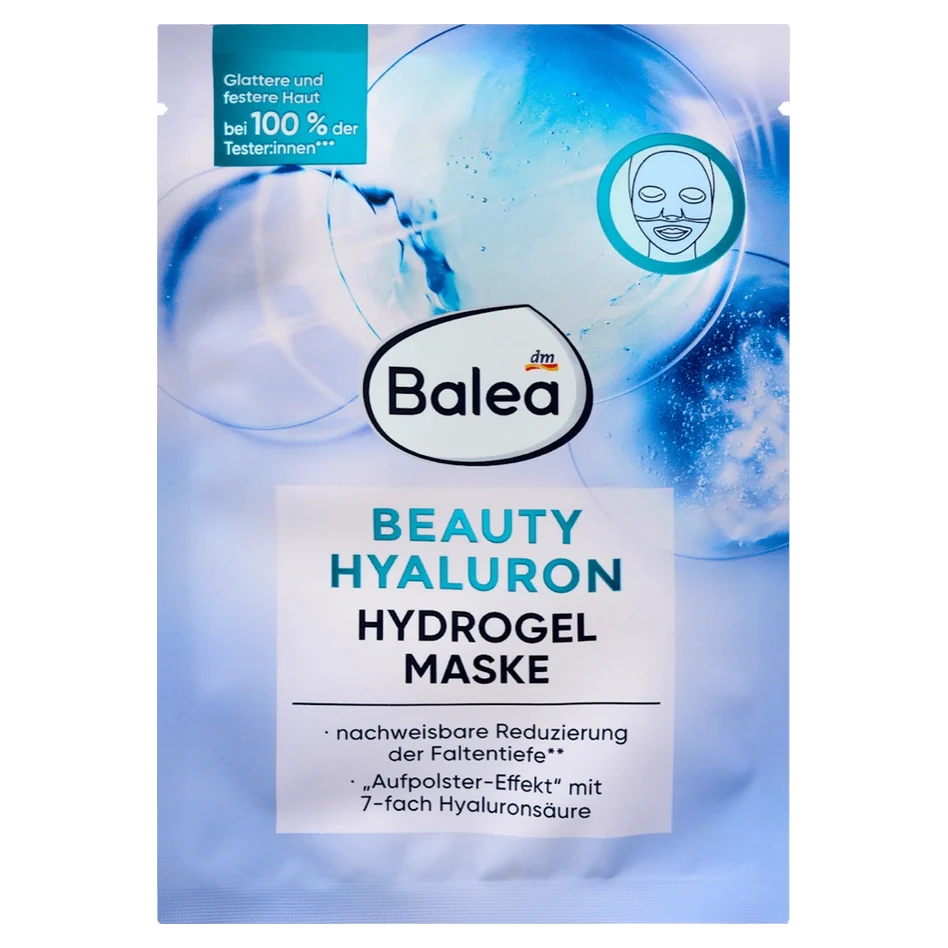
Balea
Gesichtsmaske Beauty Hyaluron Hydrogel
25th of 28 on the label
below ≈1%
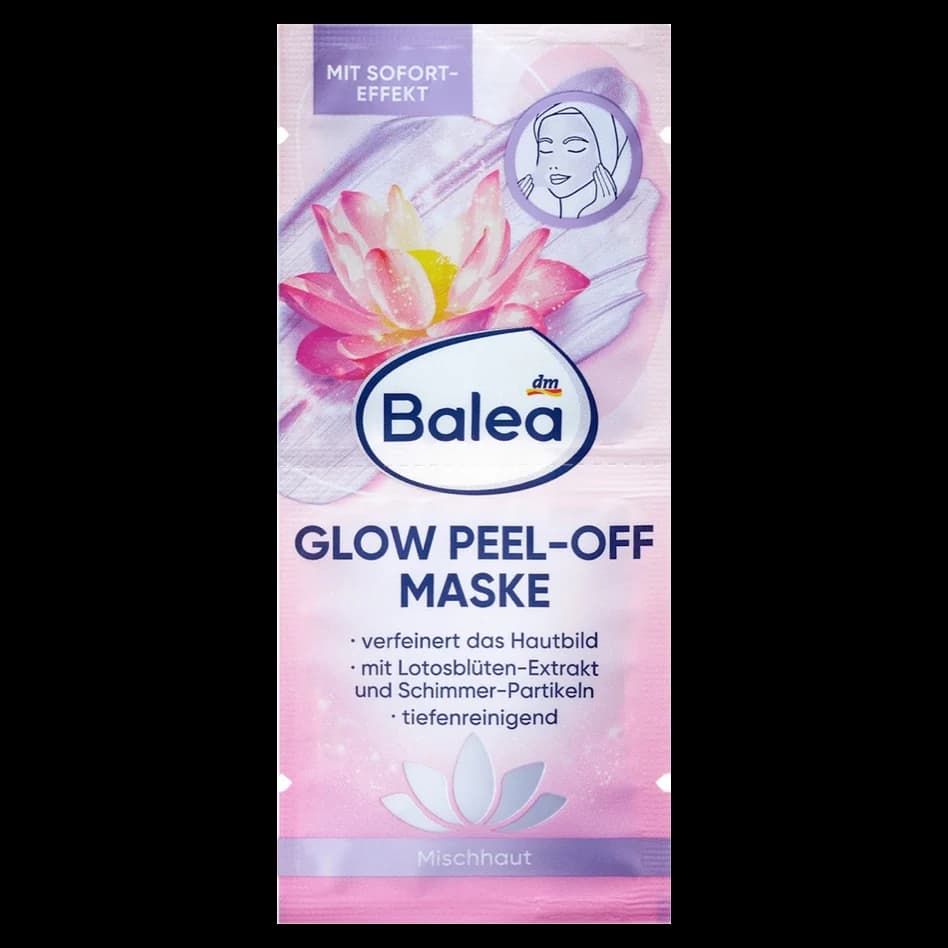
Balea
Gesichtsmaske Glow Peel-Off
12th of 20 on the label
below ≈1%
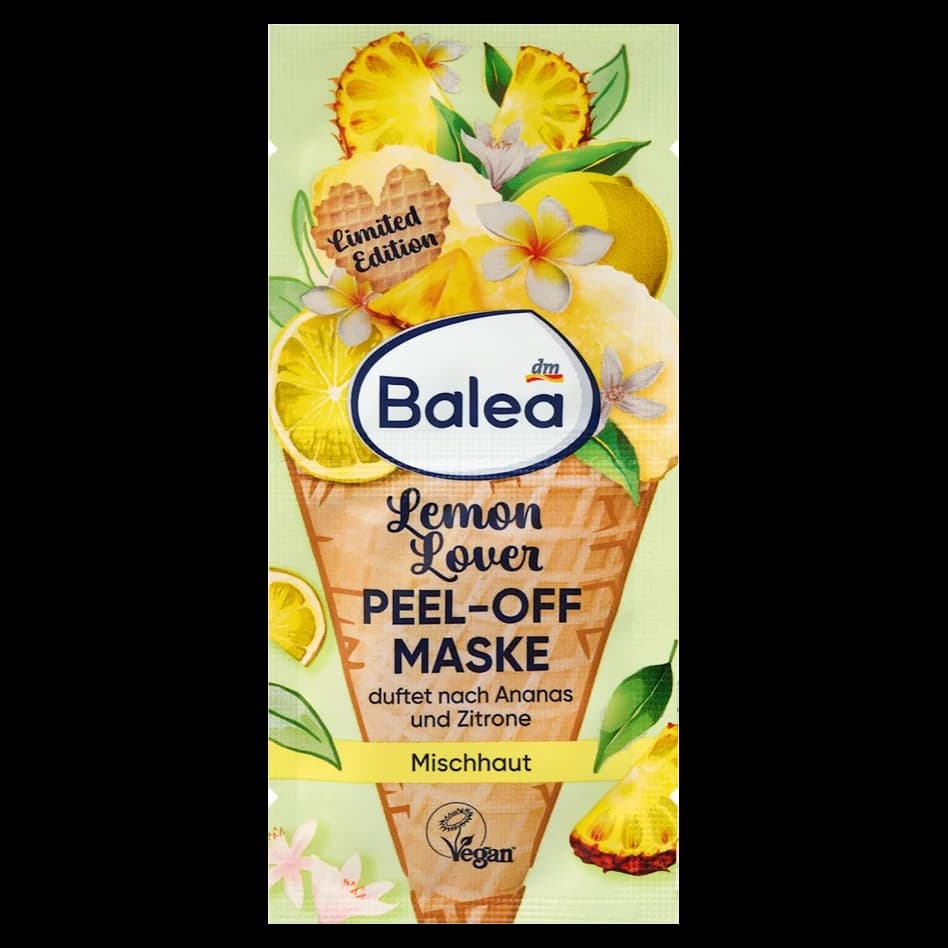
Balea
Gesichtsmaske Peel-Off Lemon Lover
13th of 23 on the label
below ≈1%
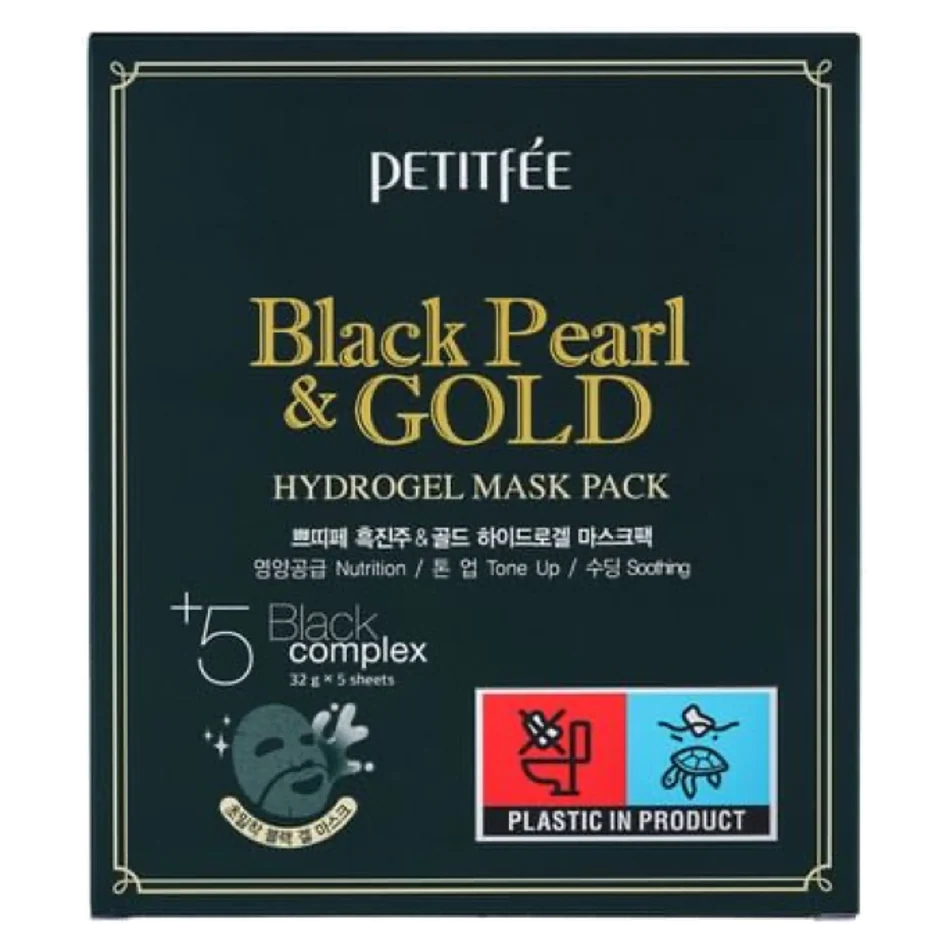
Petitfee
Black Pearl & Gold Hydrogel Mask Pack
27th of 33 on the label
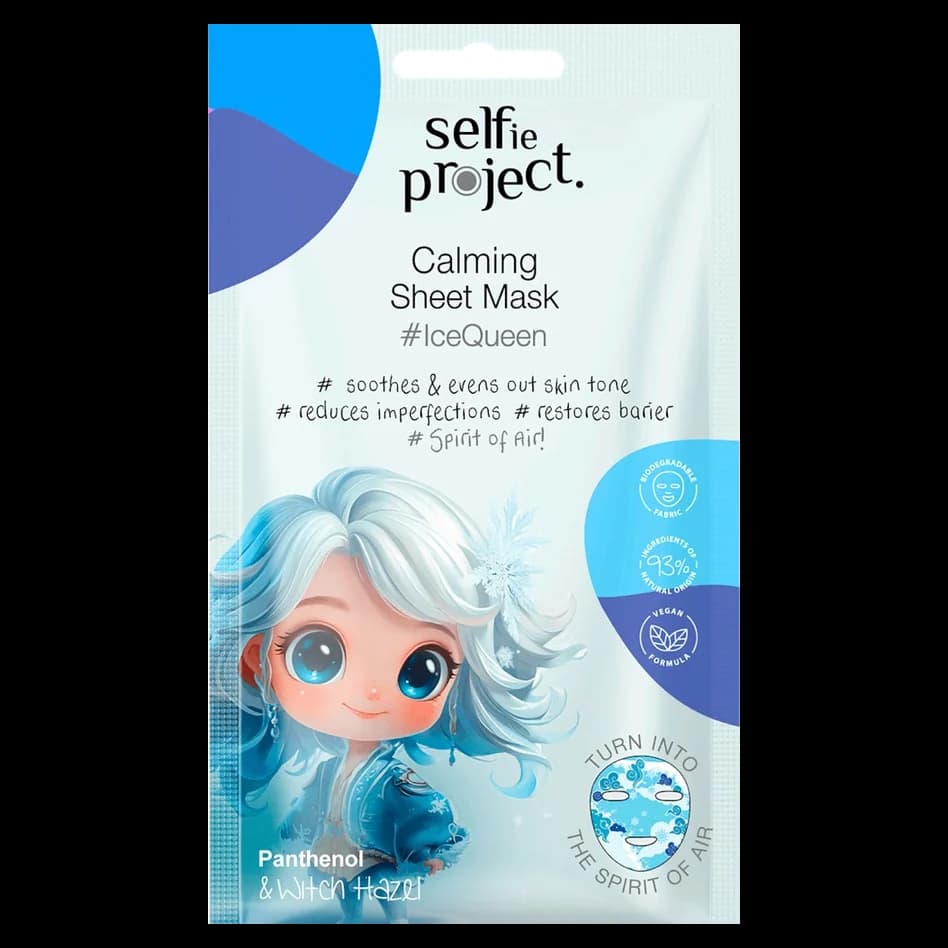
Selfie Project
Tuchmaske Calming #IceQueen
23rd of 27 on the label
below ≈1%
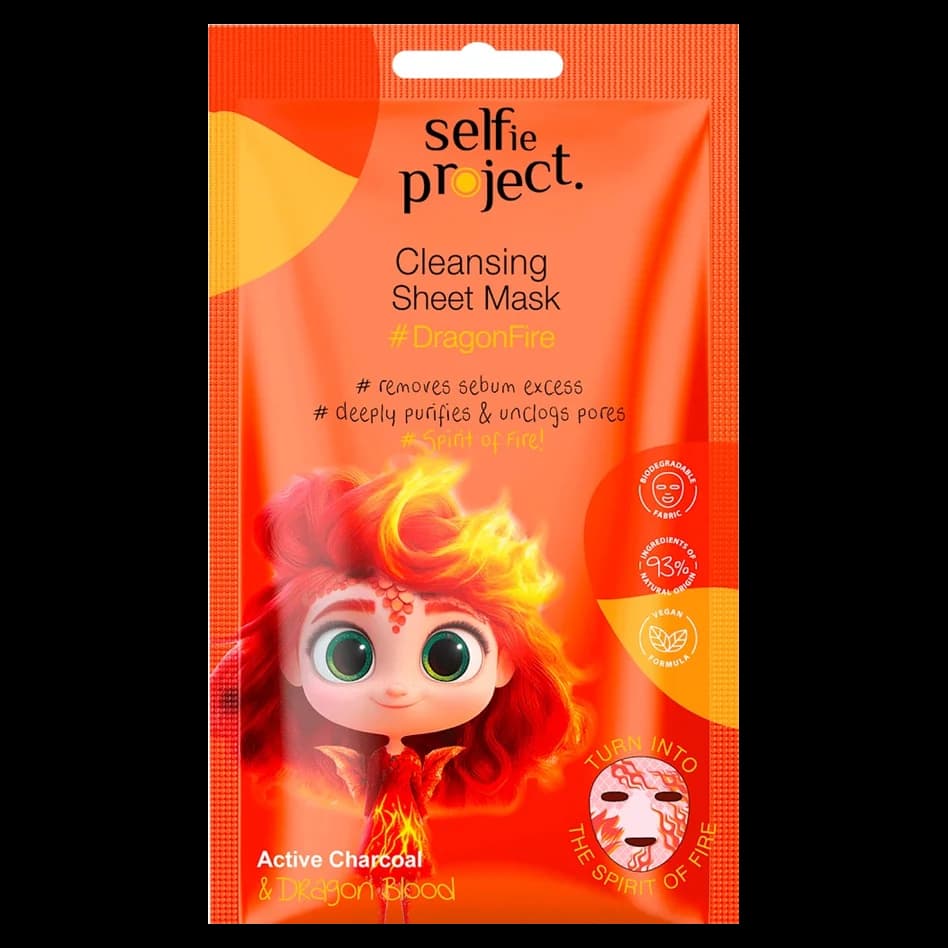
Selfie Project
Tuchmaske Cleansing #DragonFire
18th of 22 on the label
below ≈1%
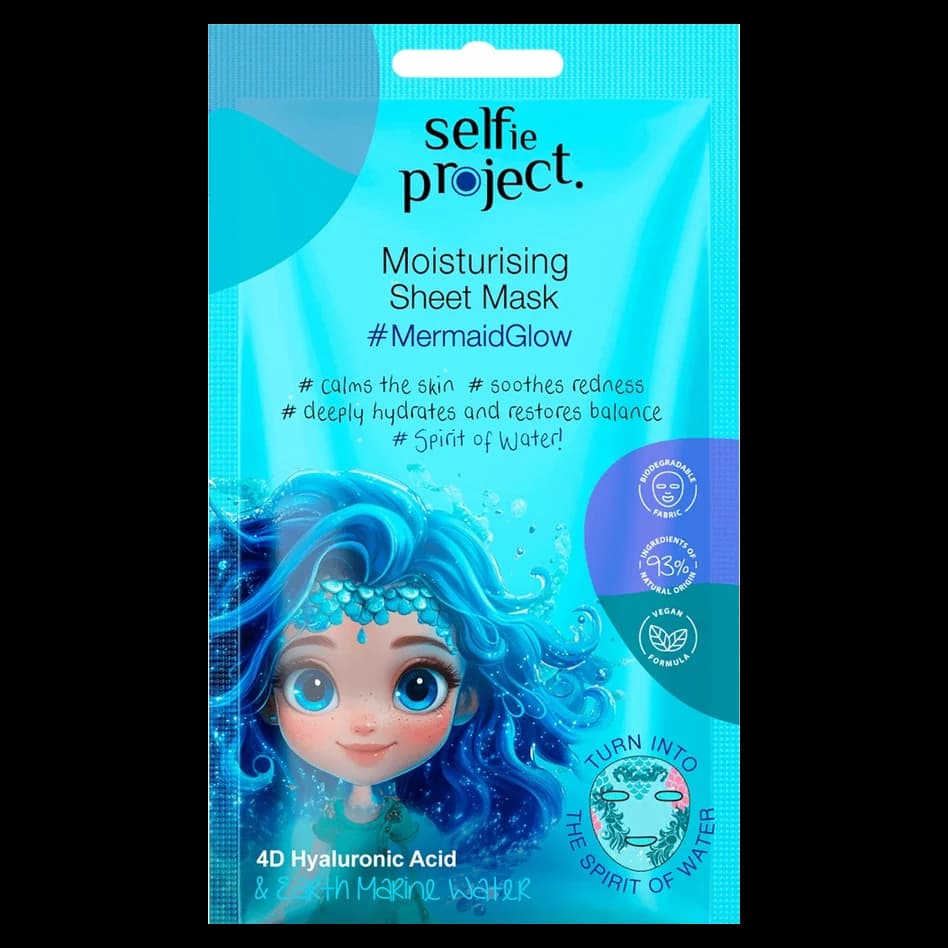
Selfie Project
Tuchmaske Moisturising #MermaidGlow
25th of 30 on the label
below ≈1%
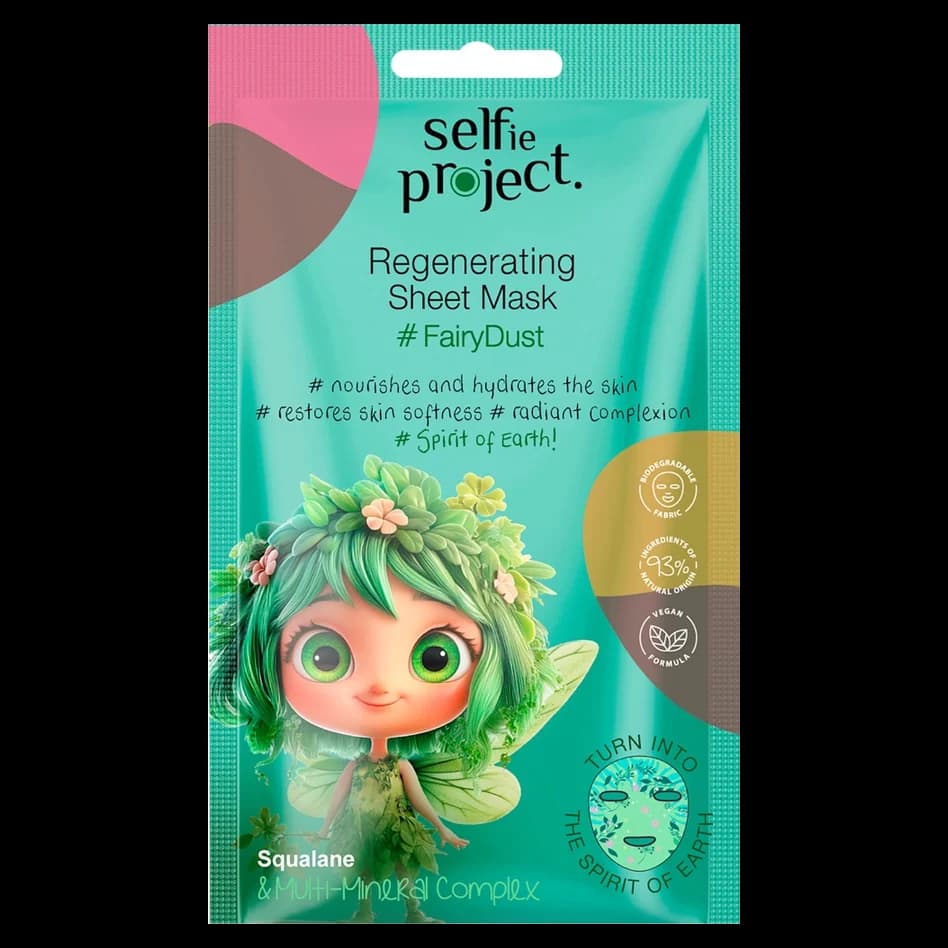
Selfie Project
Tuchmaske Regenerating #FairyDust
29th of 33 on the label
below ≈1%