Silica
Silica
No meaningful concern for most people; irritation is possible but rare.
Also written as: Silicon Dioxide · Amorphous Silica · Silica Microspheres
What it is
Silica in cosmetics is amorphous silicon dioxide, usually made synthetically by precipitation or by a flame (pyrogenic) process, though some grades are purified from natural sources. Spherical grades give a soft-focus, blurring feel; porous grades soak up oil. It is inert, insoluble and does not react with other ingredients.
How it shows up on a label
Often the ingredient responsible for a mask feeling silky rather than gritty.
What it does well
Absorbs oil and improves how a product feels on skin
Porous silica takes up sebum, and spherical silica reduces drag and adds slip. Both are well-established, purely physical formulation effects.
Strong evidence
Worth knowing
Cosmetic silica is not the crystalline silica linked to lung disease
The silicosis and lung cancer risks associated with silica dust relate to respirable crystalline silica inhaled occupationally, typically in quarrying, stone cutting and sandblasting. Cosmetic silica is amorphous, a structurally different material, and is applied to skin rather than inhaled.
Matters most toNobody using finished cosmetics; the hazard is occupational and applies to a different form of silica.
Nano grades have not been fully assessed
The SCCS reviewed nano-form silica and silica surface-modified with alkyl silylates in 2015 and was unable to reach a conclusion because of data gaps, particularly on dermal absorption. That is an absence of evidence rather than evidence of harm; nano forms must in any case be declared as '(nano)' on EU labels.
Matters most toAnyone specifically avoiding nanomaterials.
Where the EU stands
No specific restriction
Not restricted under the EU Cosmetics Regulation; no concentration limit. Silica is named in the annexes only as a permitted coating material for the nano titanium dioxide UV filter at Annex VI entry 27a, which is a condition on that filter rather than a limit on silica. Nano forms must carry '(nano)' in the ingredient list under Article 19(1)(g) and be notified to the Commission under Article 16.
Regulation (EC) No 1223/2009 - no annex entry for silica; named in Annex VI entry 27a only as a permitted coating for nano titanium dioxide · source ↗
Sources (1)
Every link goes to the original: a journal, a PubMed record or an EU document.
- [1]Opinion on Silica, Hydrated Silica, and Silica Surface Modified with Alkyl Silylates (nano form) (SCCS/1545/15)
SCCS - Scientific Committee on Consumer Safety, European Commission · 2015
The committee could not conclude on the safety of the nano-form silica materials submitted because of data gaps, above all on dermal absorption, and asked for material-by-material data rather than read-across.
Masks that contain Silica
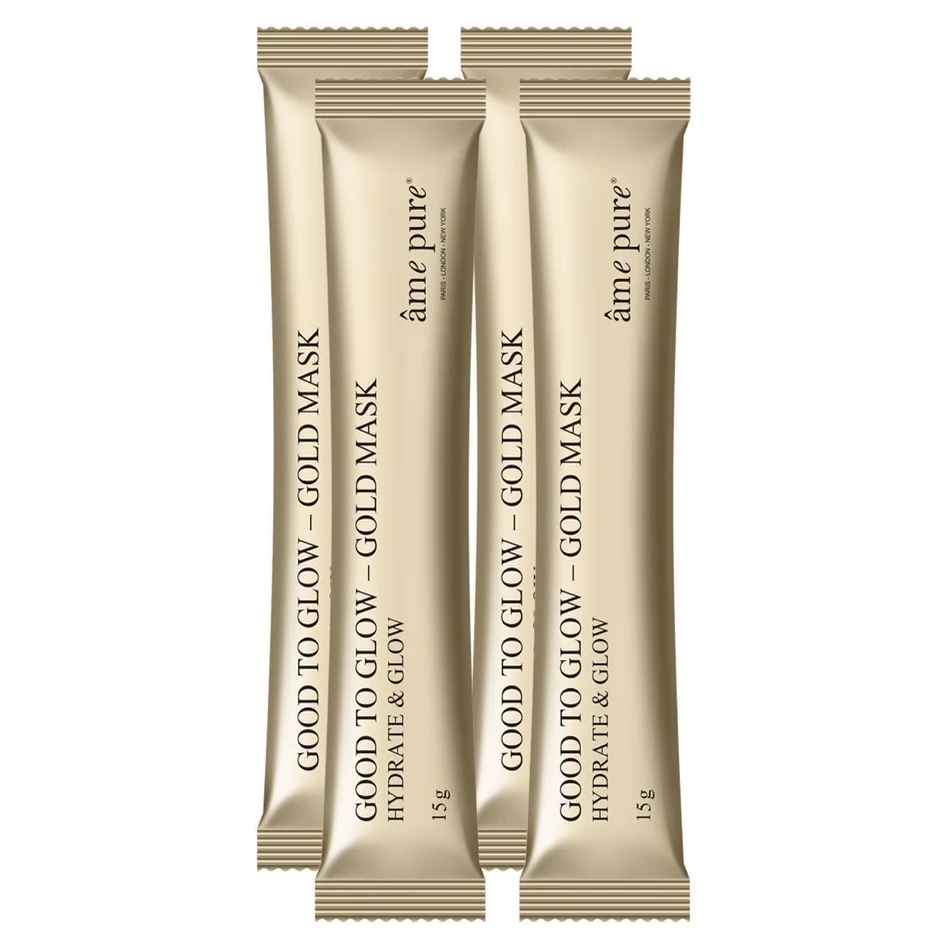
âme pure
Jelly Glow Rubber Mask - Gold Routine Set
3rd of 26 on the label
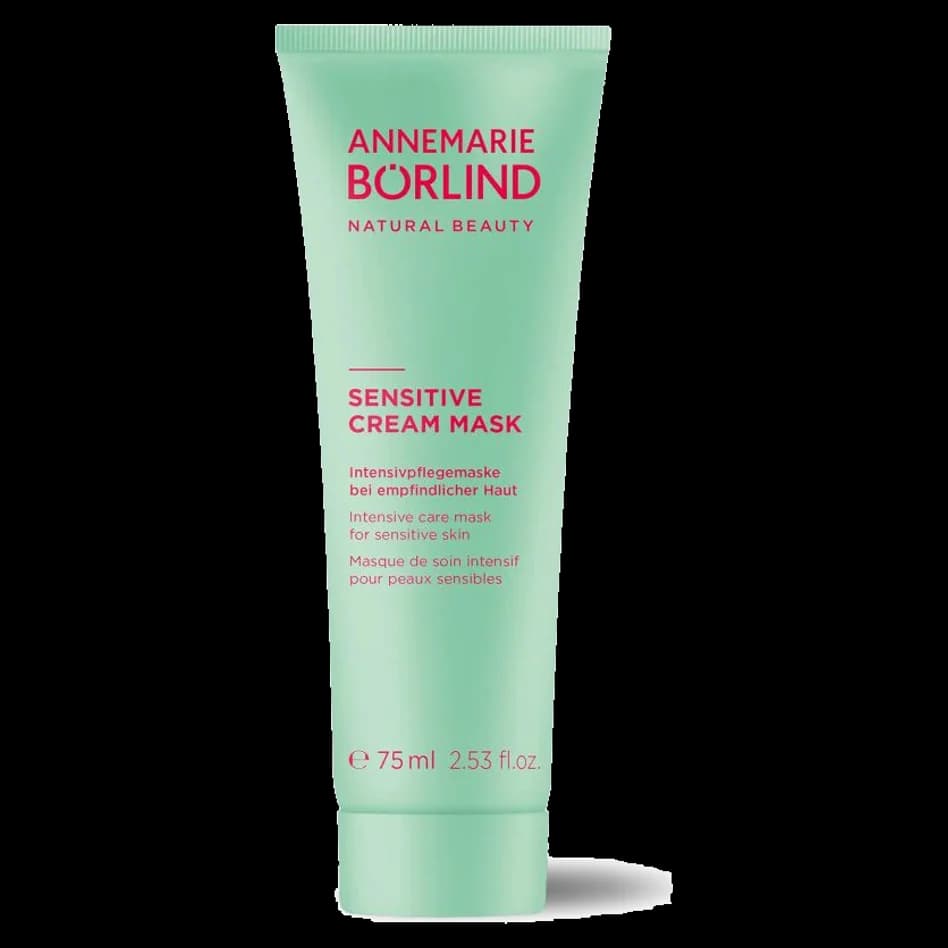
Annemarie Börlind
Sensitive Cream Mask
12th of 31 on the label
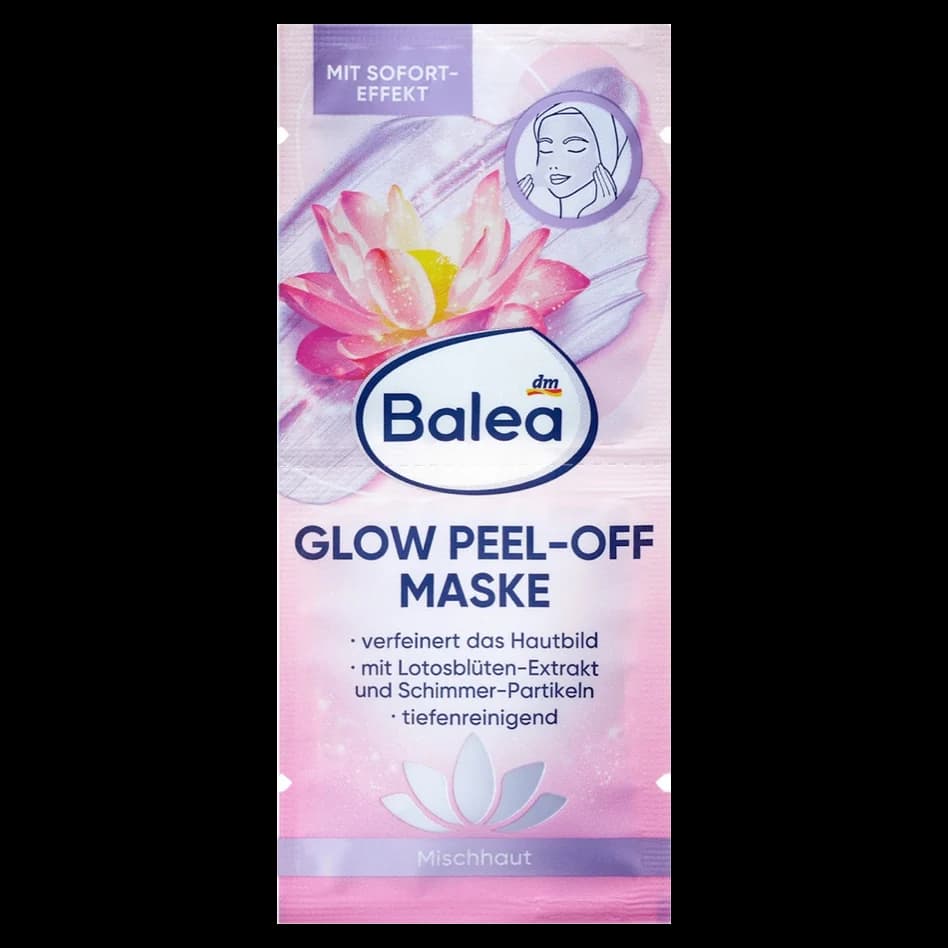
Balea
Gesichtsmaske Glow Peel-Off
11th of 20 on the label
below ≈1%
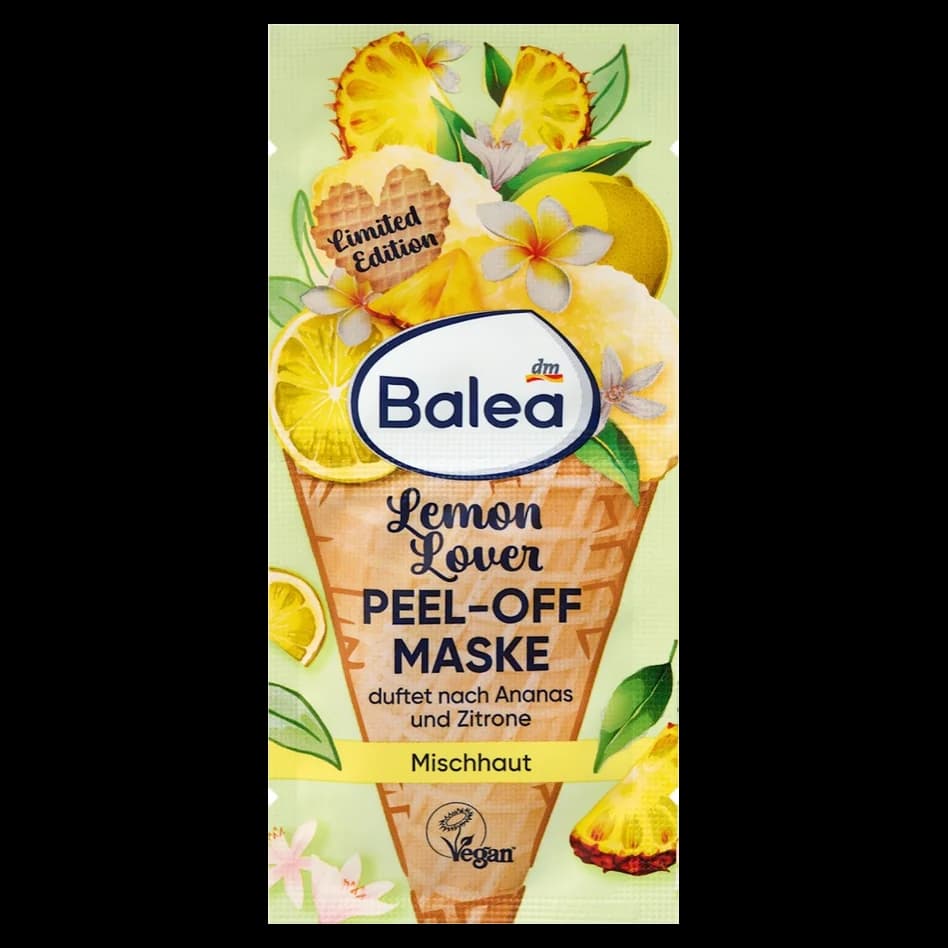
Balea
Gesichtsmaske Peel-Off Lemon Lover
12th of 23 on the label
below ≈1%
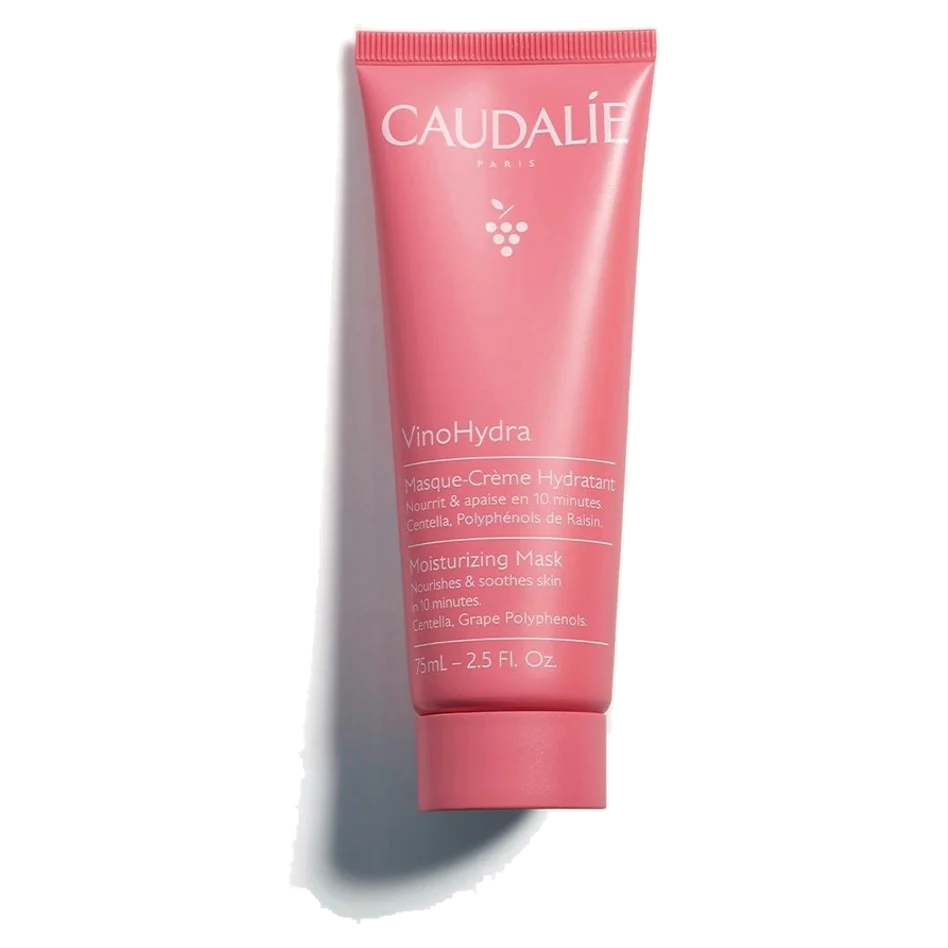
Caudalie
VinoHydra Moisturising Cream Mask (Masque-Creme Hydratant)
13th of 32 on the label
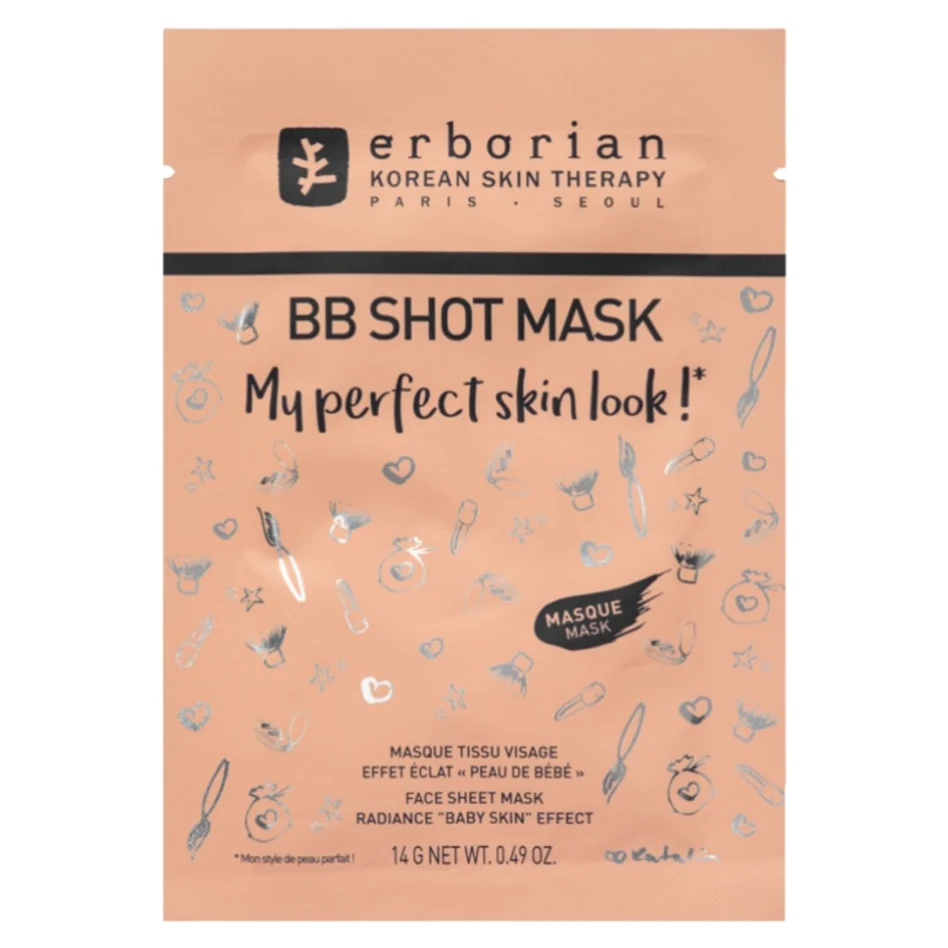
Erborian
BB Shot Mask
17th of 34 on the label
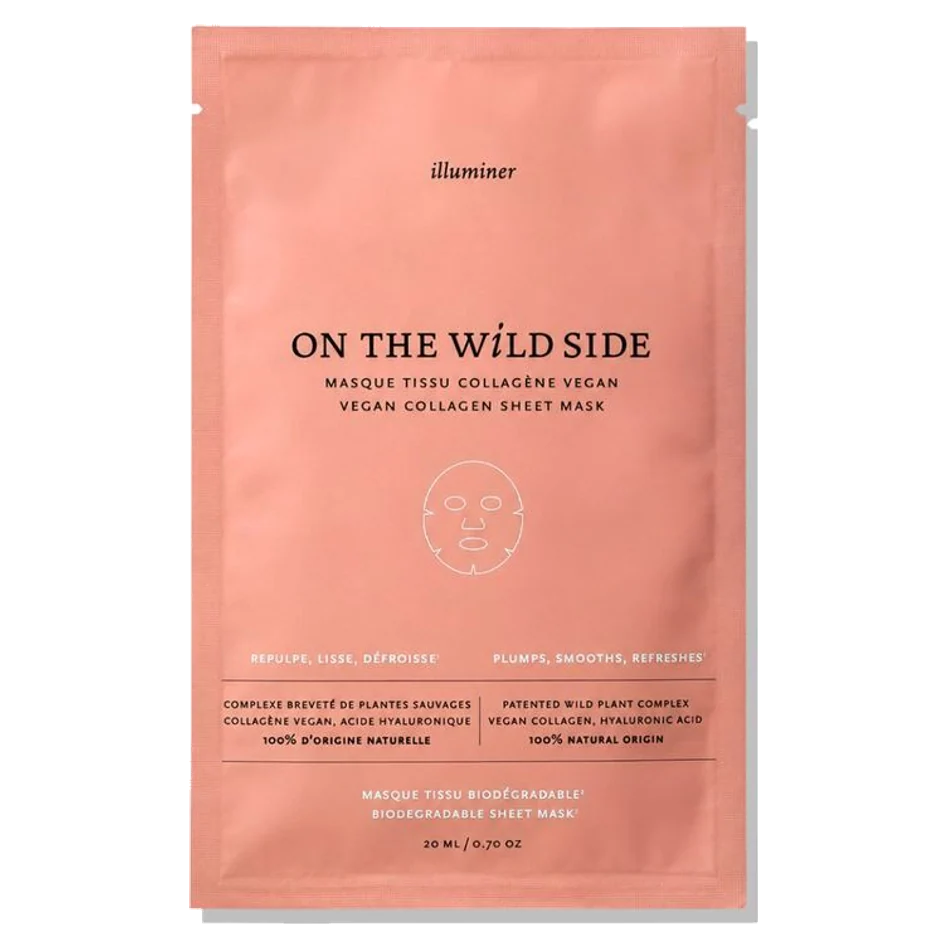
On The Wild Side
Sheet Mask Bio Cellulose Collagène Vegan
22nd of 24 on the label
below ≈1%
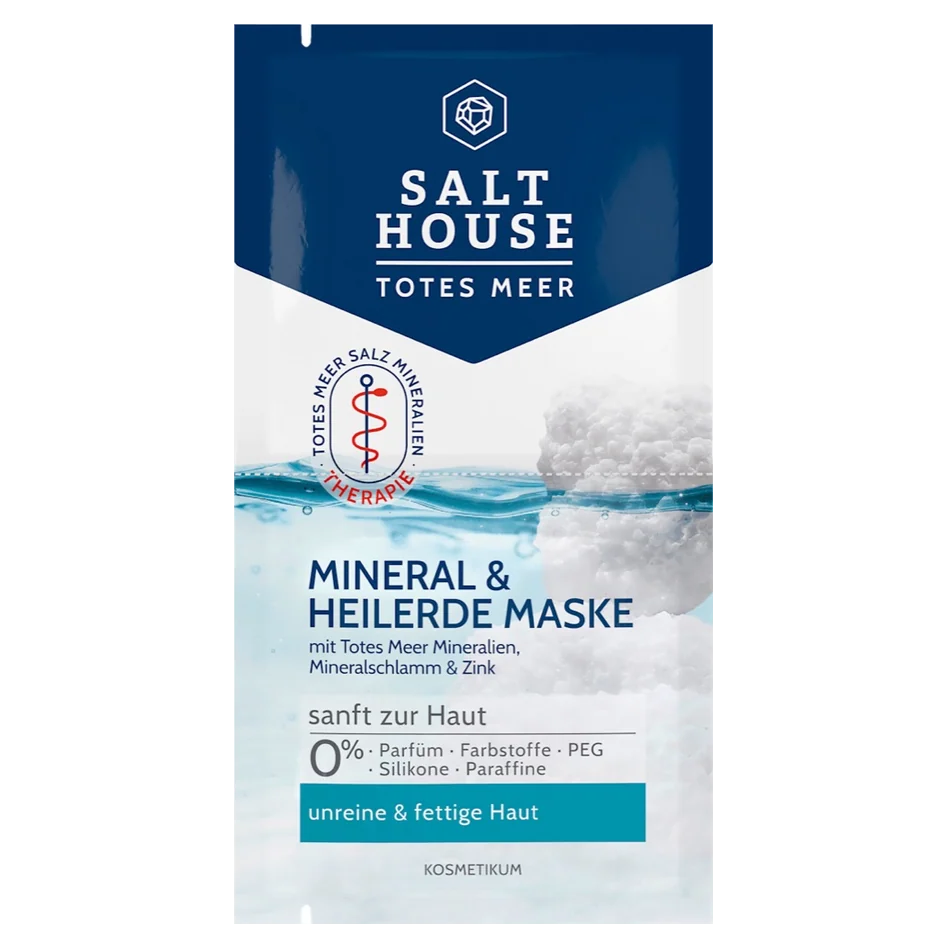
Salthouse
Totes Meer Therapie Gesichtsmaske Mineral & Heilerde
8th of 17 on the label
below ≈1%
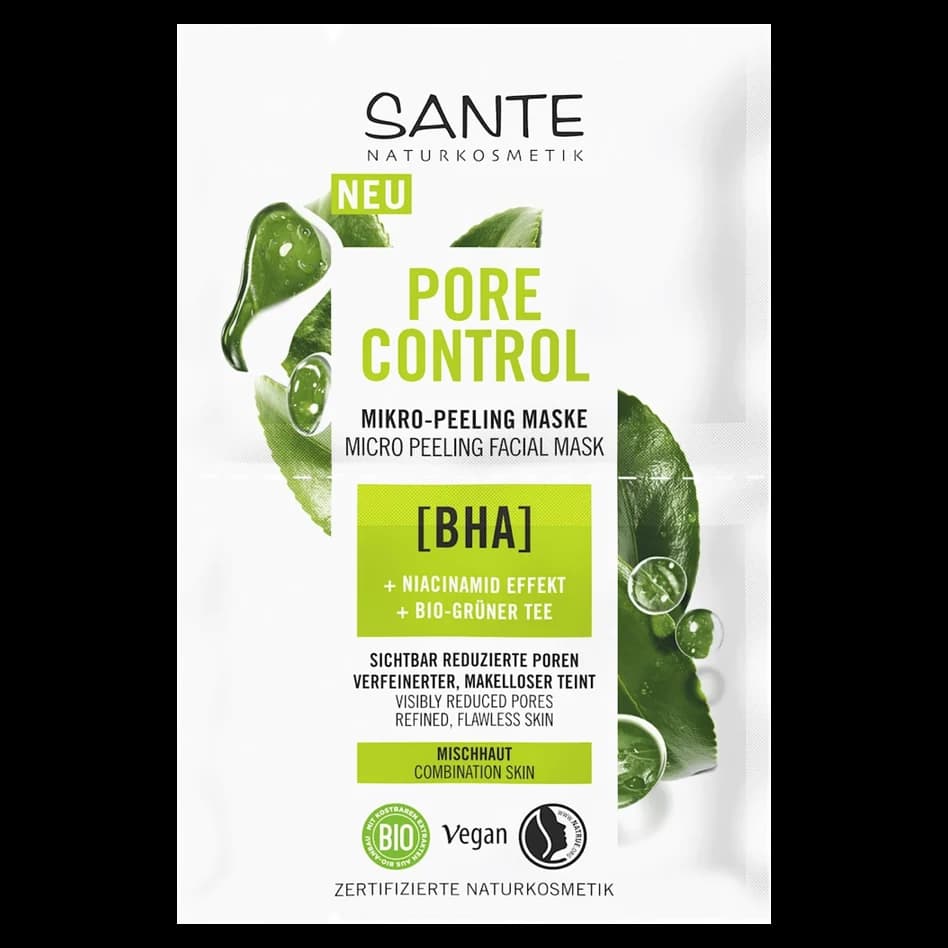
Santé Naturkosmetik
Pore Control Maske BHA
7th of 29 on the label
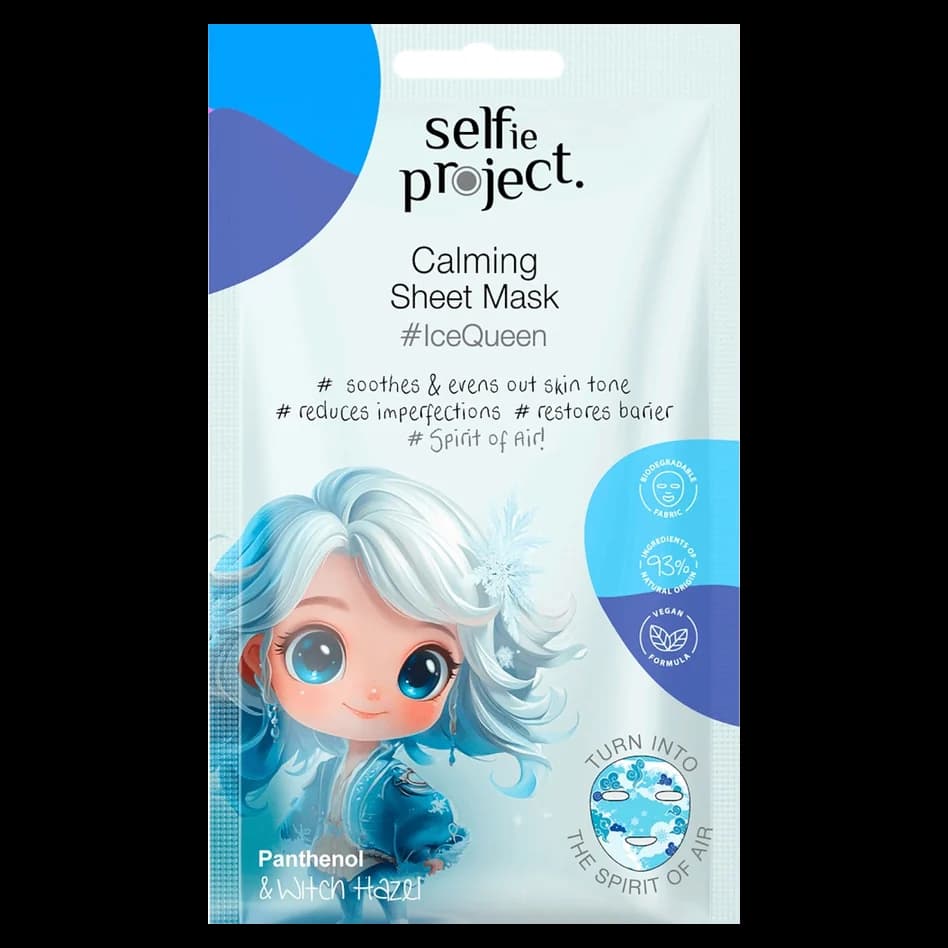
Selfie Project
Tuchmaske Calming #IceQueen
22nd of 27 on the label
below ≈1%
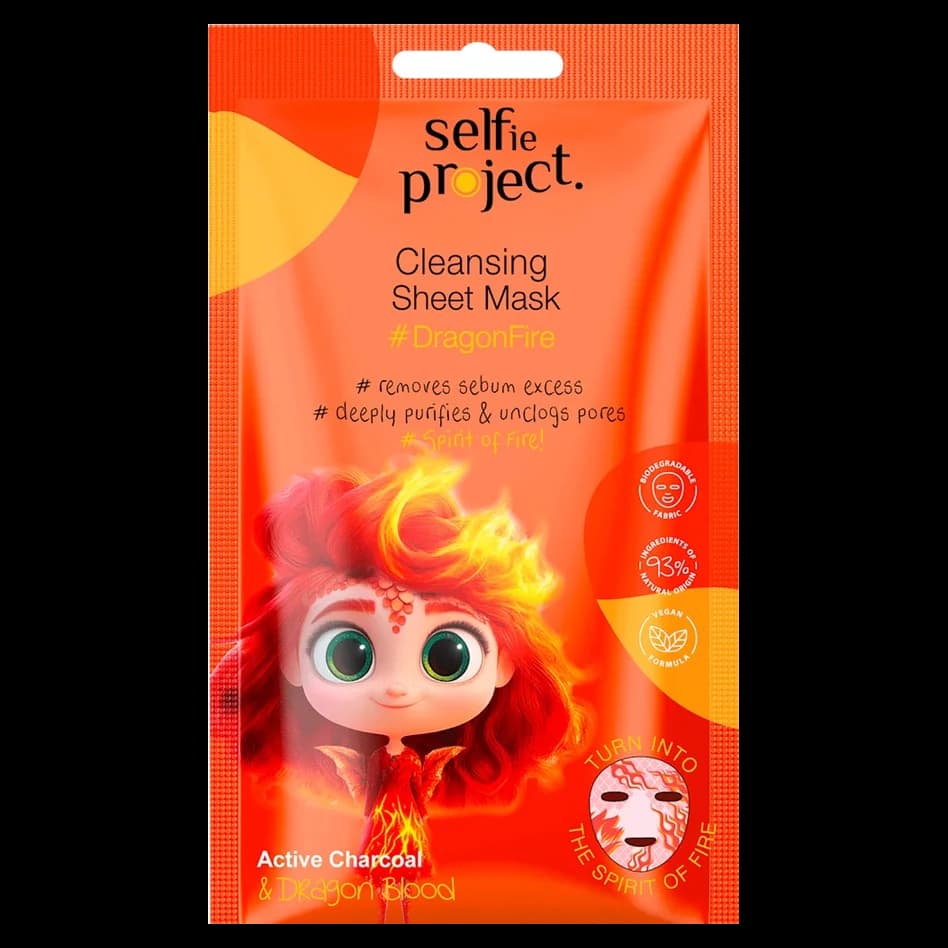
Selfie Project
Tuchmaske Cleansing #DragonFire
17th of 22 on the label
below ≈1%
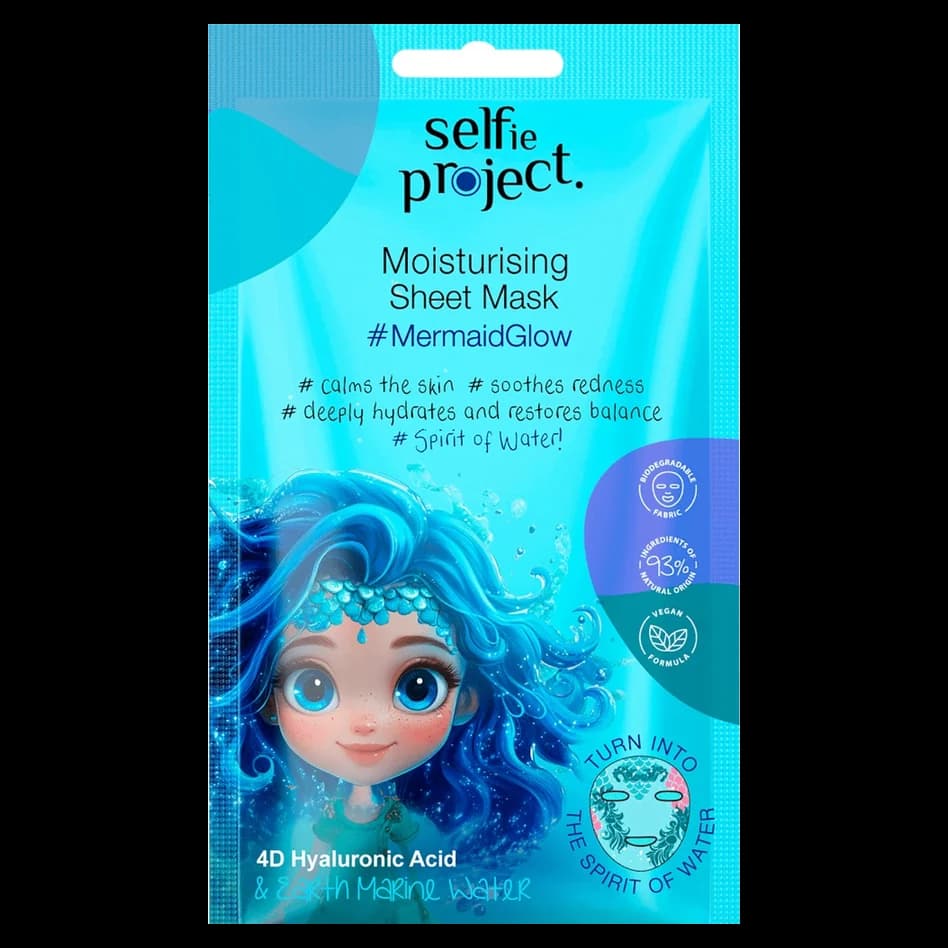
Selfie Project
Tuchmaske Moisturising #MermaidGlow
24th of 30 on the label
below ≈1%
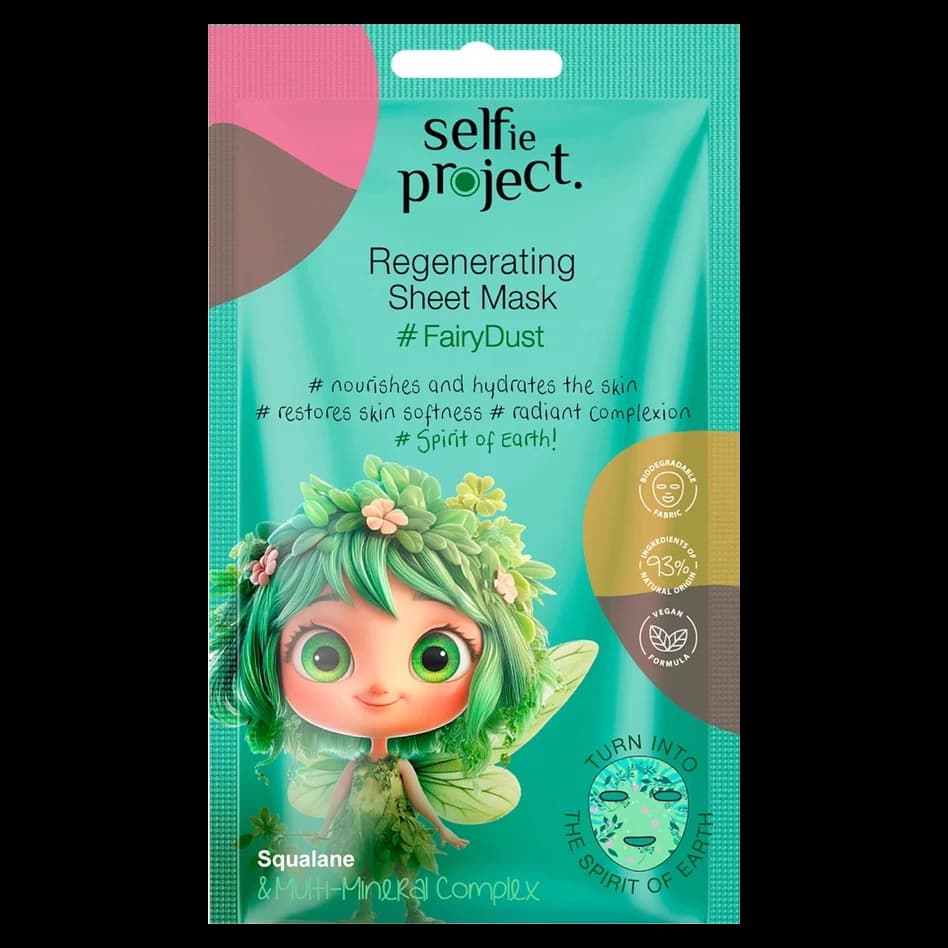
Selfie Project
Tuchmaske Regenerating #FairyDust
28th of 33 on the label
below ≈1%
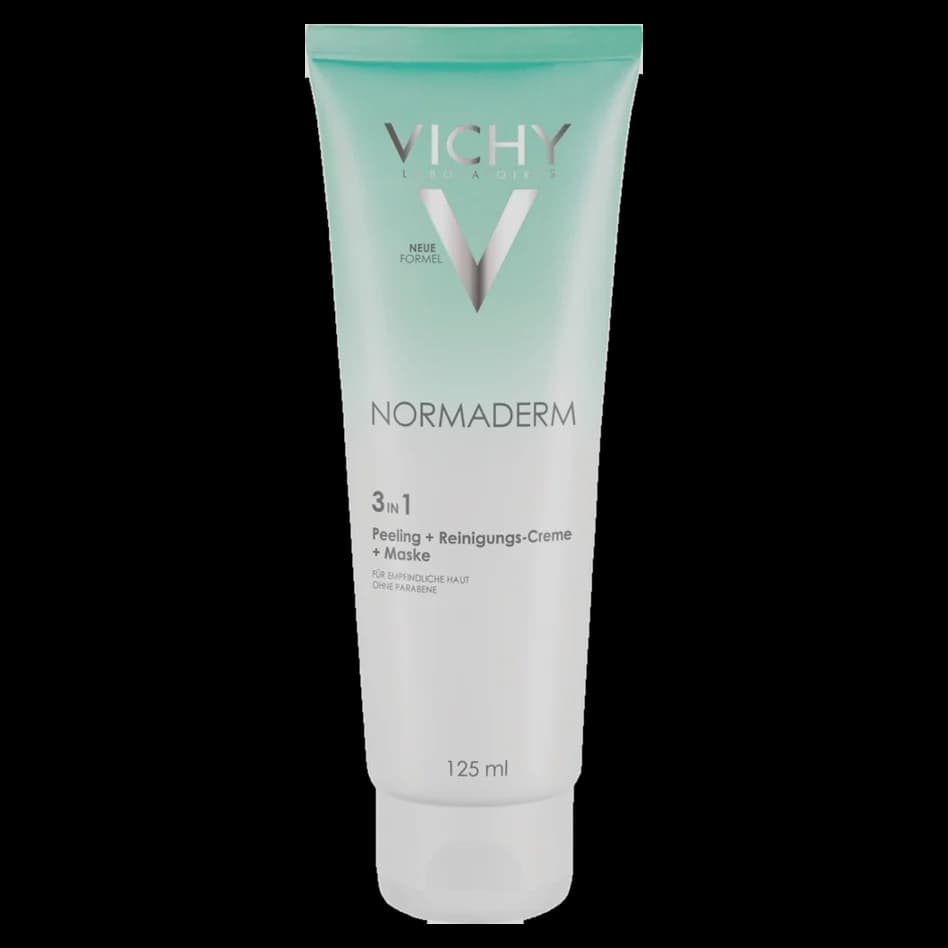
Vichy
Normaderm 3-in-1 Peeling + Reinigungs-Creme + Maske
14th of 23 on the label
below ≈1%