Sodium Chloride
Table salt
No meaningful concern for most people; irritation is possible but rare.
What it is
Sodium chloride is common table salt. It is also one of the small water-loving compounds that make up the natural moisturising factor in the outer layer of skin, and it is a routine ingredient in skin formulations. In this catalogue it usually sits in the last third of the ingredient list, which is where the small quantities live. Exactly what it is doing in any one of them - adjusting texture, or the salt balance of the water phase - is not something the sources here record.
How it shows up on a label
Usually in the last third of the list, and spread across creams, sheet masks and wash-offs rather than concentrated in one format.
What it does well
Salt is part of the skin's own moisture system
Laboratory work on isolated stratum corneum treats sodium chloride as one of the natural moisturising factor's own components. In that work, mixtures of salt and glucose dissolved at a lower humidity than either compound alone and increased the mobility of the tissue's lipids and proteins more than either alone did. It is a model system and a mixture, so it does not show what a little salt in a mask does on a face.
Limited evidence
Worth knowing
No cosmetic safety review of its own
The Cosmetic Ingredient Review's published table of conclusions has no row for sodium chloride, so there is no expert-panel conclusion to quote. The honest reading of a salt near the end of an ingredient list is a formulation ingredient rather than an active one.
Where the EU stands
No specific restriction
No specific EU restriction is recorded for this ingredient. Whatever it appears in must still pass the safety assessment that Regulation (EC) No 1223/2009 requires of every cosmetic sold in the EU.
Sources (2)
Every link goes to the original: a journal, a PubMed record or an EU document.
- [1]Beyond additivity: a mixture of glucose and NaCl can influence skin hydration more than the individual compounds
Journal of Colloid and Interface Science · 2022 · doi:10.1016/j.jcis.2021.12.166
Glucose and sodium chloride are both present in the natural moisturising factor and in skin formulations. In isolated stratum corneum, their mixtures dissolved at lower relative humidity than either compound alone and increased the mobility of the tissue's lipids and proteins more than the individual compounds. A model system, and a finding about the mixture. Checked 6 September 2026.
- [2]Quick Reference Table: ingredients found safe in the present practices of use and concentration
Cosmetic Ingredient Review · 2024
The Cosmetic Ingredient Review's table of every ingredient its Expert Panel has concluded on, updated 8 October 2024, contains no entry for sodium chloride: there is no CIR safety assessment of it as a cosmetic ingredient. Checked 6 September 2026.
Masks that contain Sodium Chloride
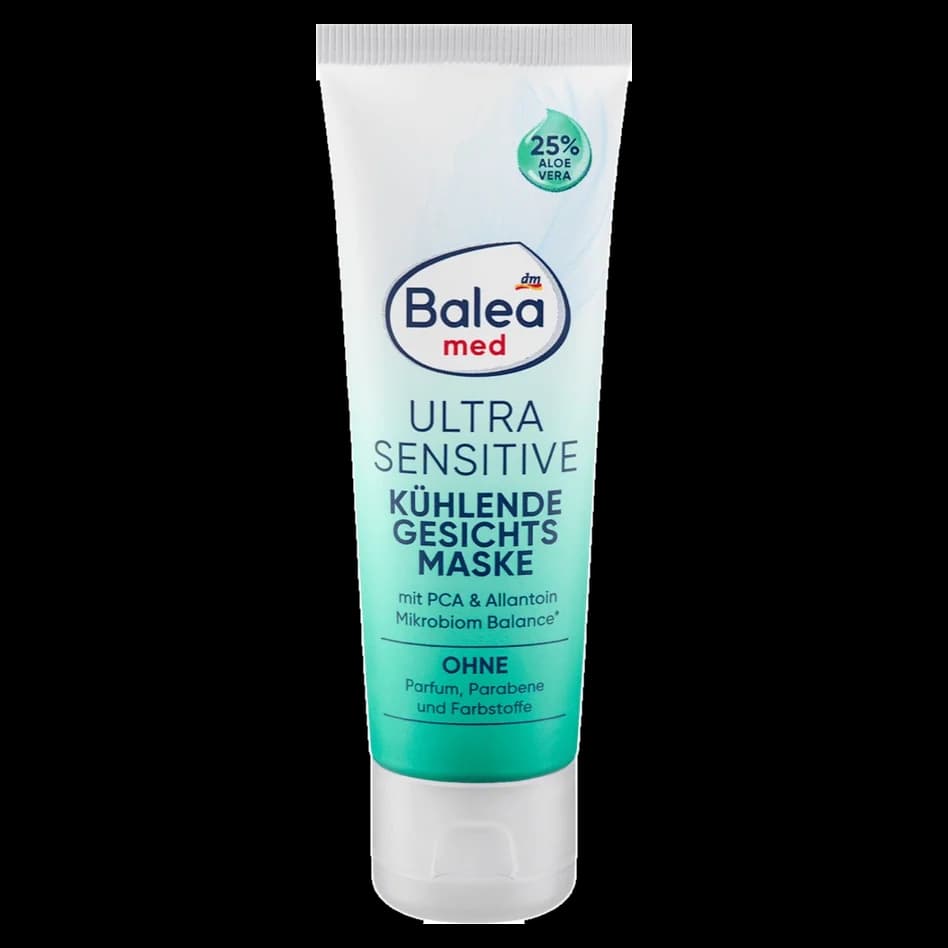
Balea med
Gesichtsmaske kühlend ultra sensitive
12th of 13 on the label
below ≈1%
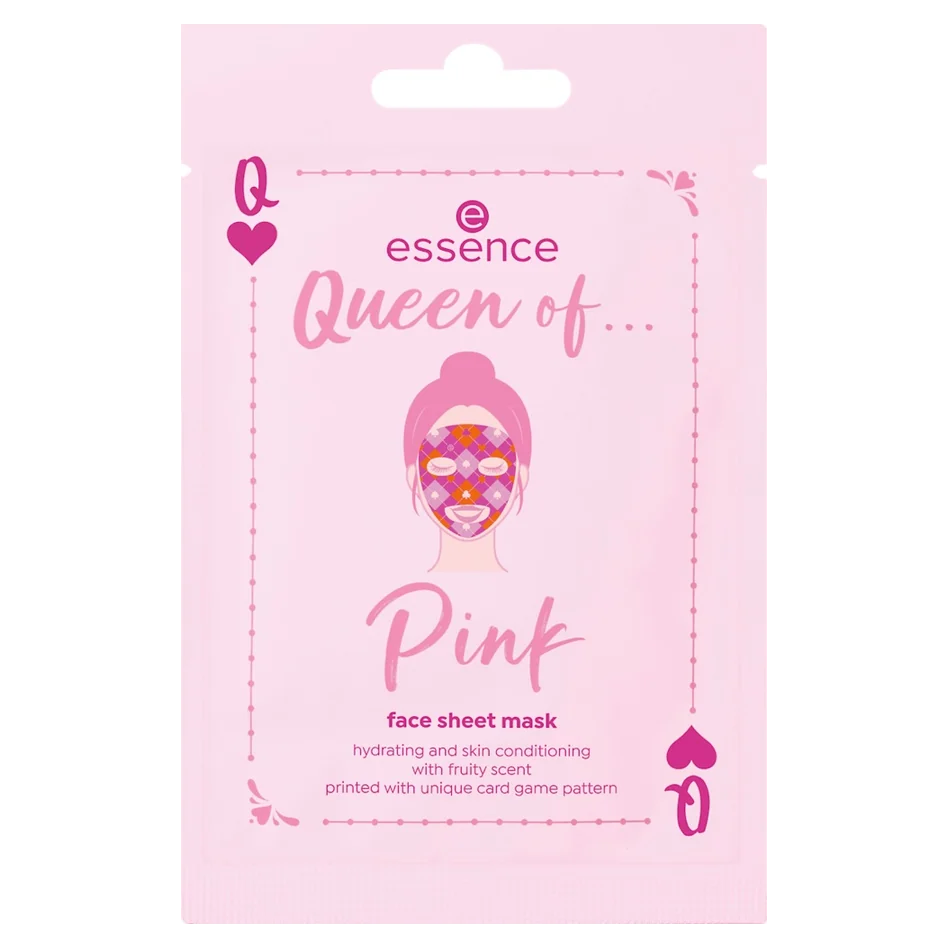
essence
Queen of Pink Face Sheet Mask 01 Keeping My Pink Poker Face
18th of 23 on the label
below ≈1%
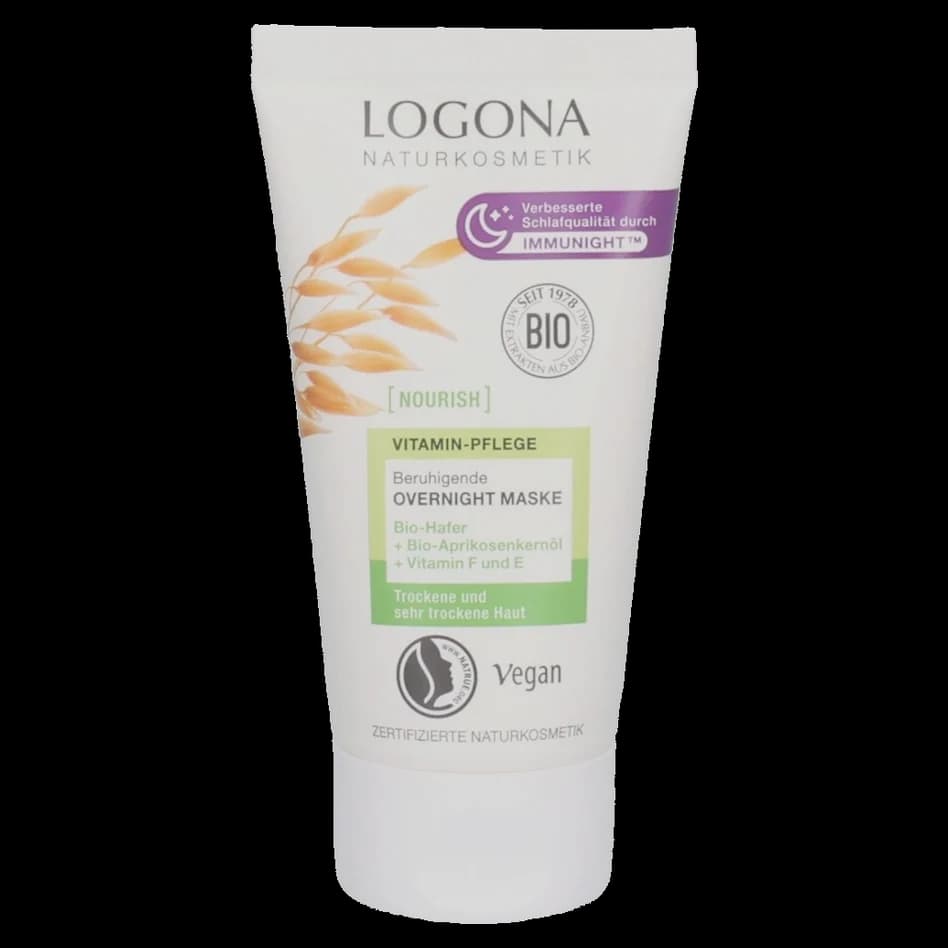
LOGONA
Nourish Beruhigende Overnight Maske
35th of 53 on the label
below ≈1%
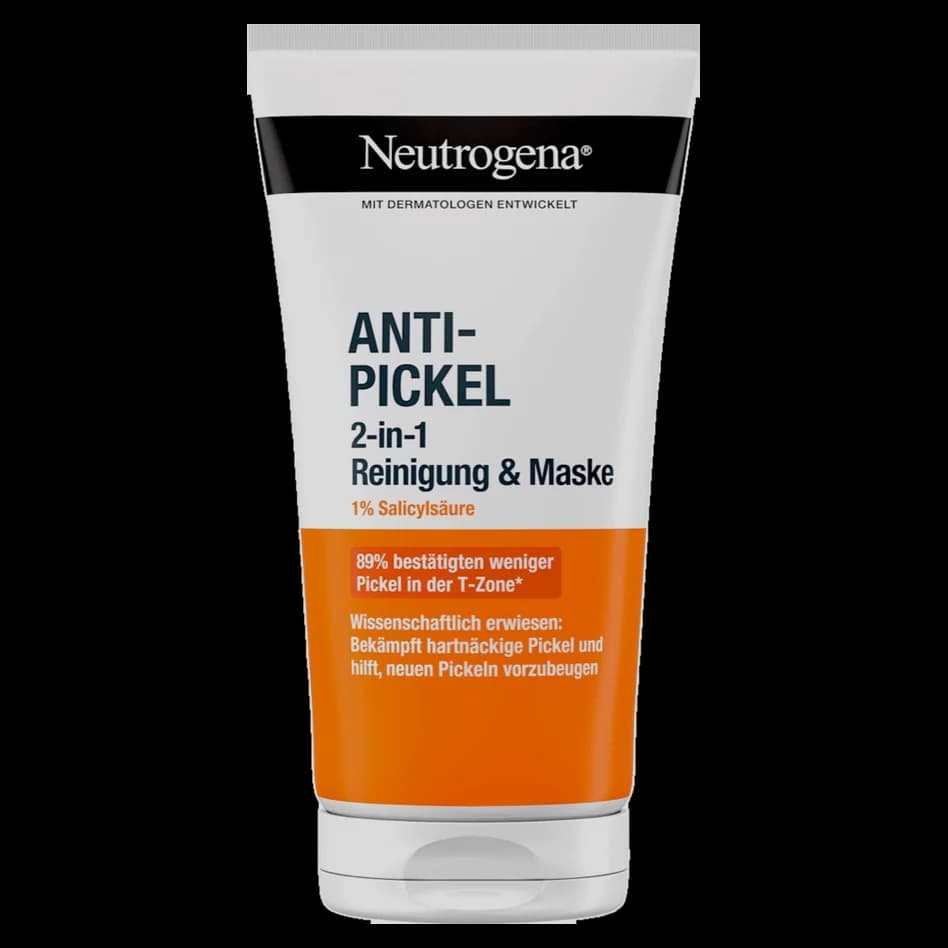
Neutrogena
Anti Pickel Gesichtsmaske 2in1
15th of 23 on the label
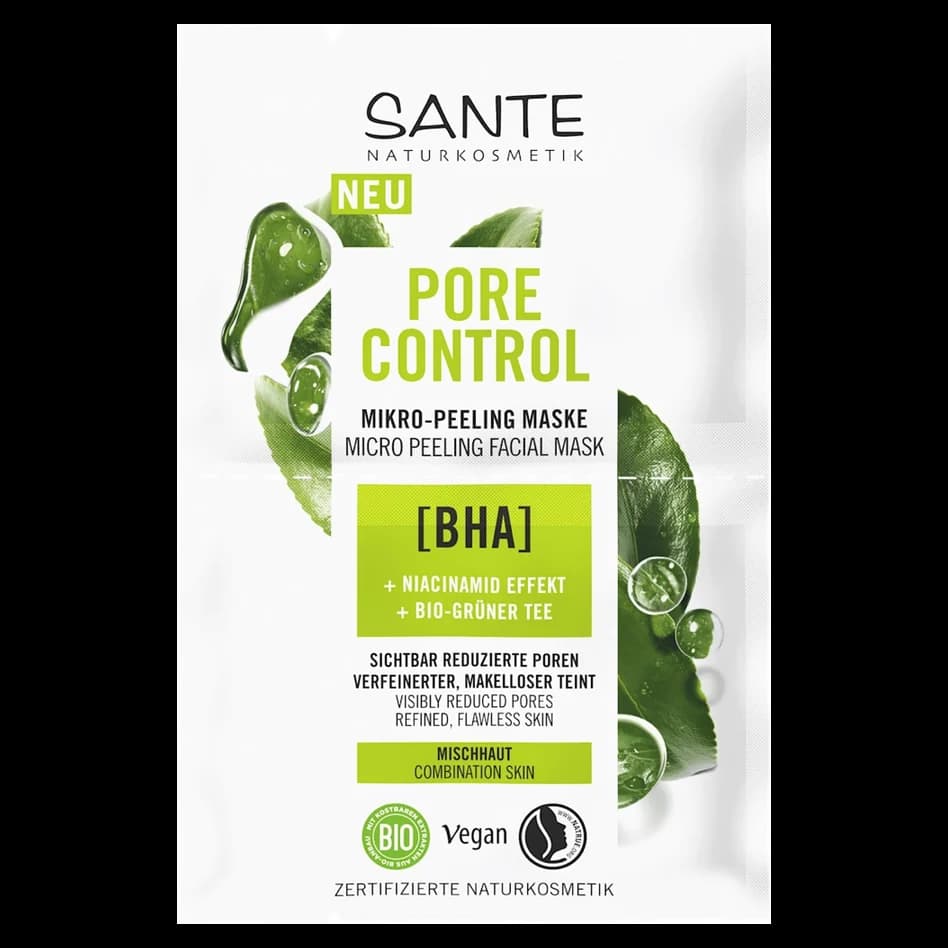
Santé Naturkosmetik
Pore Control Maske BHA
22nd of 29 on the label
below ≈1%
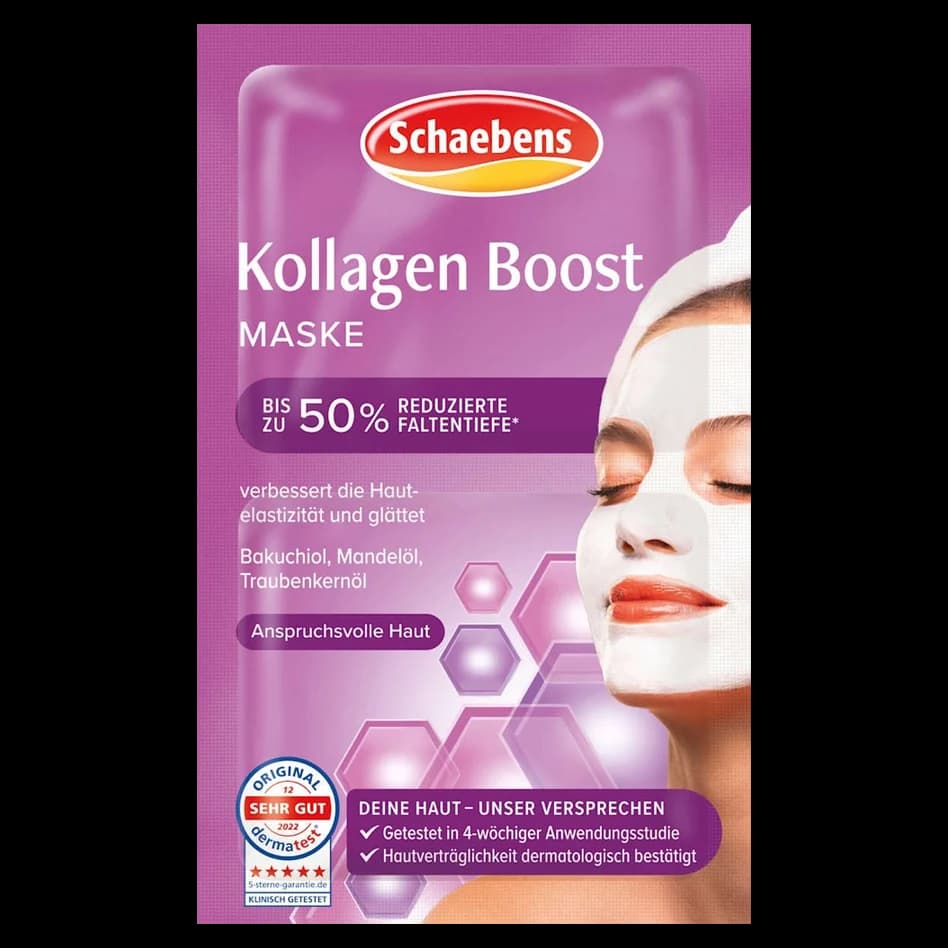
Schaebens
Gesichtsmaske Kollagen Boost
20th of 27 on the label
below ≈1%
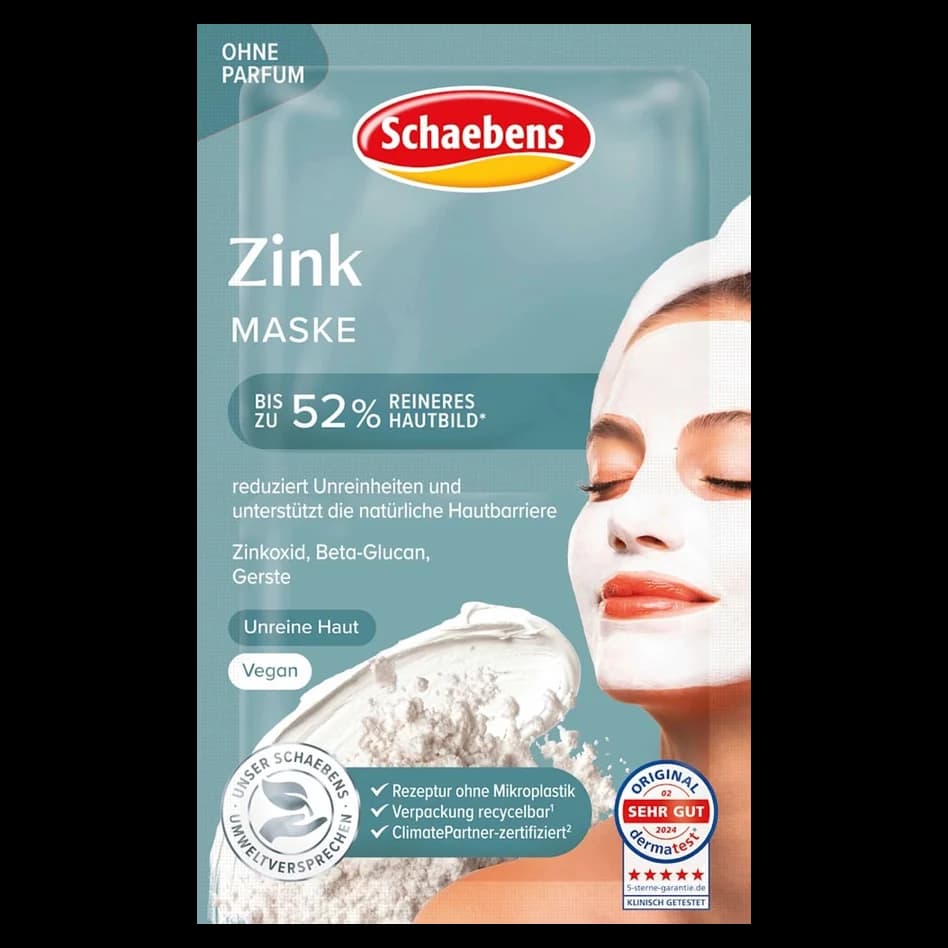
Schaebens
Gesichtsmaske Zink
25th of 27 on the label
below ≈1%
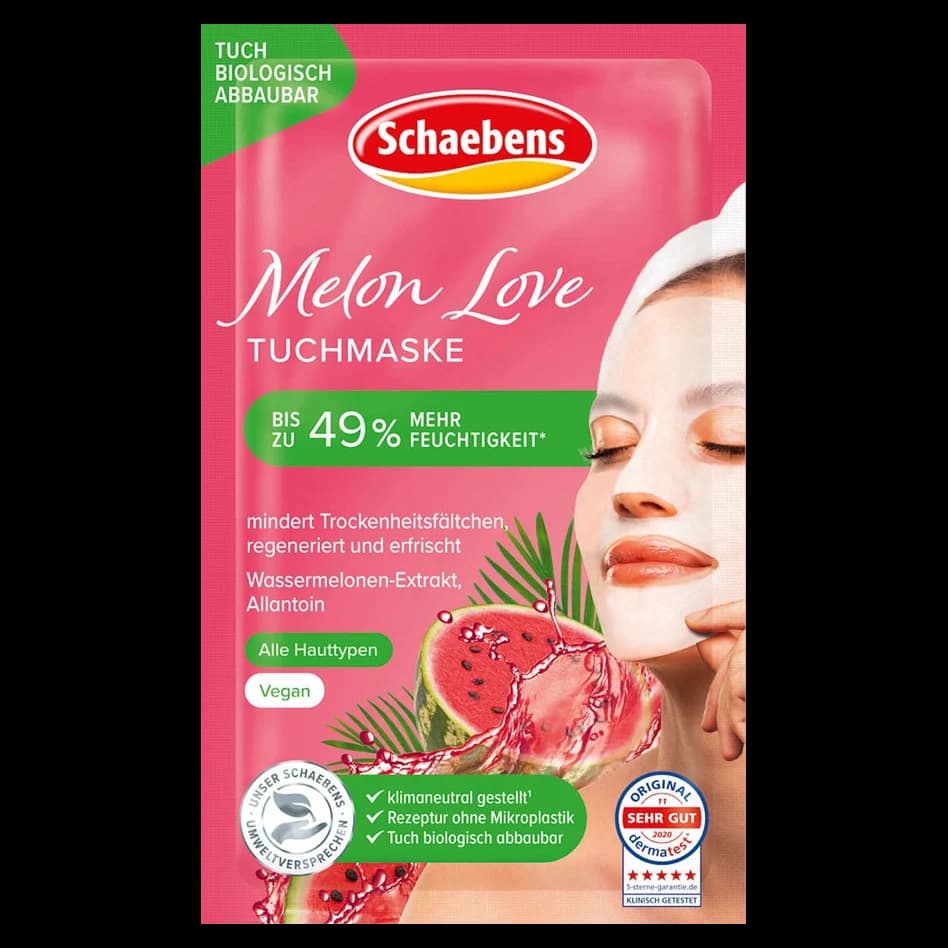
Schaebens
Tuchmaske Melon Love
40th of 45 on the label
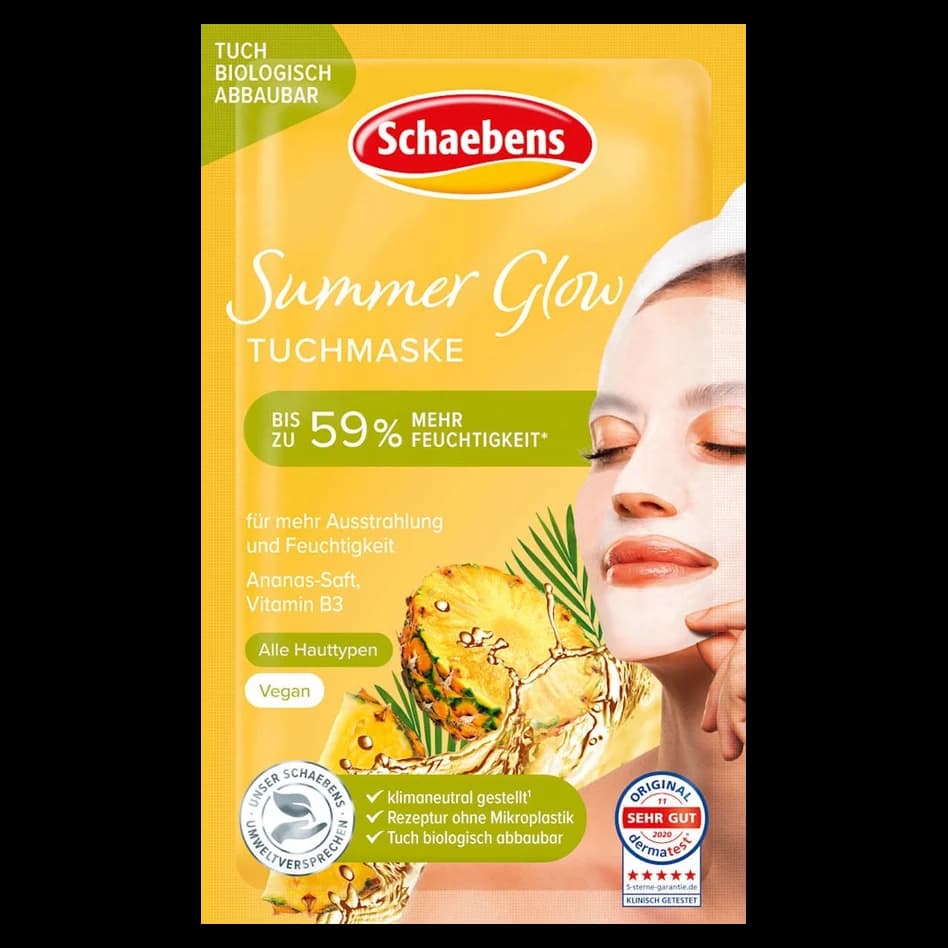
Schaebens
Tuchmaske Summer Glow
39th of 44 on the label
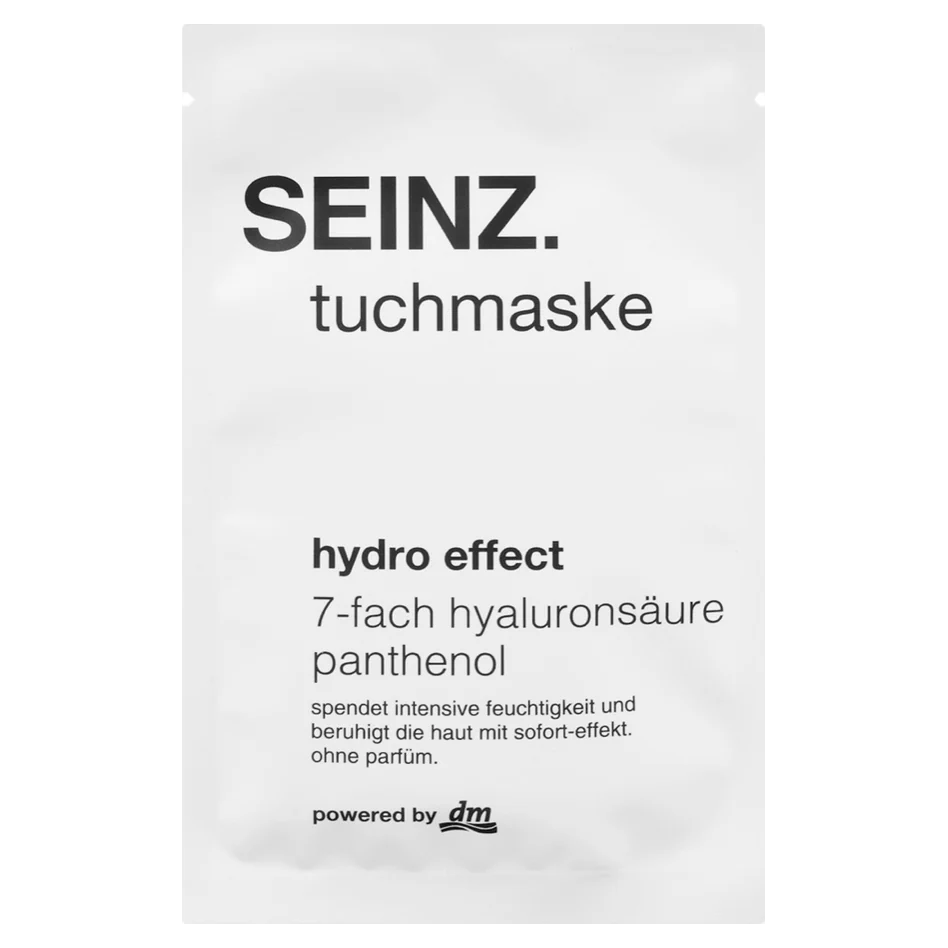
SEINZ.
Tuchmaske hydro effect
18th of 21 on the label
below ≈1%
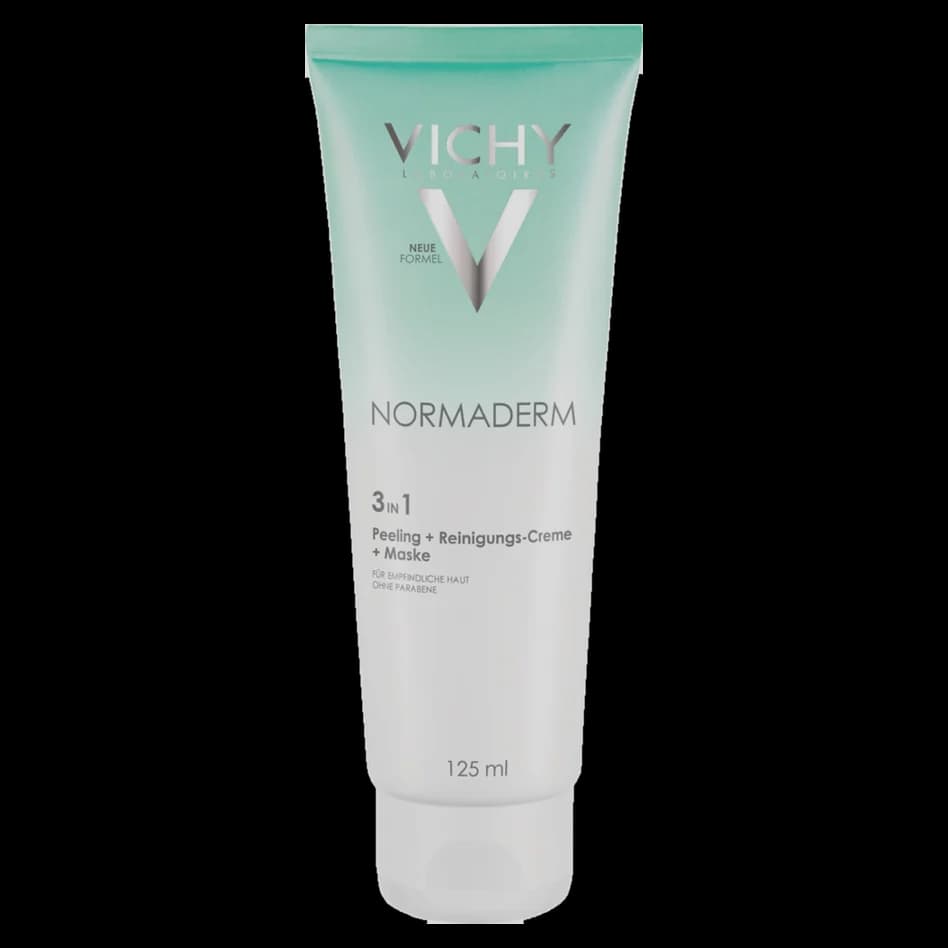
Vichy
Normaderm 3-in-1 Peeling + Reinigungs-Creme + Maske
17th of 23 on the label
below ≈1%