Charcoal Powder
Activated charcoal
No meaningful concern for most people; irritation is possible but rare.
Also written as: Activated Charcoal · Activated Carbon · Carbo Activatus · Bamboo Charcoal
What it is
Charcoal powder is the dried carbon residue left when organic material such as wood, coconut shell or bamboo is heated with little oxygen. 'Activated' charcoal has been steam- or chemically treated to open up an enormous internal pore network, which is what makes it such a good adsorbent in medicine and water filtration. In cosmetics it is used in wash-off masks and cleansers to take up surface oil and to give the striking black colour that sells the product. Note that Charcoal Powder is a different INCI ingredient from Carbon Black (CI 77266), a pigment that carries much tighter EU purity rules.
How it shows up on a label
Usually paired with kaolin or bentonite, which do most of the actual oil absorption. If a black mask peels off in one rubbery sheet, the peel-off polymer is the part to be wary of.
What it does well
Adsorbs oil and grime from the skin surface
Charcoal's porosity means it genuinely binds oils on contact, so a charcoal cleanser or mask can leave skin feeling less greasy. What it cannot do is reach into pores and draw out their contents - adsorption only happens where the charcoal touches.
Limited evidence
Well tolerated on skin
Charcoal is chemically inert and is not a known sensitiser. A dermatology review described cosmetic use as generally safe, while noting the marketing claims run well ahead of the evidence.
Moderate evidence
Worth knowing
Popular claims are not supported by clinical evidence
A 2020 review in Clinics in Dermatology found that claims charcoal treats acne or dandruff, or has exfoliating or anti-ageing effects, are not backed by clinical data. It is a cosmetic and colour ingredient, not a treatment - which is worth knowing before paying a premium for it.
Matters most toAnyone buying a charcoal product expecting it to clear acne.
Peel-off charcoal masks can damage skin
The concern here is the rubbery peel-off base, not the charcoal. Pulling a set film off the face removes vellus hairs and the top layer of skin, and can leave the barrier irritated. Rinse-off charcoal masks do not have this problem.
Matters most toAnyone using glue-like peel-off blackhead masks, and people with sensitive or thin skin.
Quality depends entirely on the source material
Charcoal is a broad category and its trace-metal and polycyclic aromatic hydrocarbon content varies with feedstock and process. Cosmetic-grade material from a reputable supplier is controlled for this; the EU pigment Carbon Black, by comparison, carries explicit limits of 3 ppm arsenic, 10 ppm lead and 1 ppm mercury.
Matters most toBuyers of unbranded or DIY charcoal powders of unclear origin.
Where the EU stands
No specific restriction
Charcoal Powder is named in none of the annexes of the Cosmetics Regulation and has no concentration limit. The separate pigment Carbon black (CI 77266) is a listed Annex IV colourant carrying purity criteria, and its nano form is capped at 10% and barred from applications that could lead to inhalation.
Regulation (EC) No 1223/2009 - no annex entry for Charcoal Powder; the separate pigment Carbon black is Annex IV entries 126 and 126a (CI 77266) · source ↗
Sources (1)
Every link goes to the original: a journal, a PubMed record or an EU document.
- [1]Charcoal: An ancient material with a new face
Clinics in Dermatology · 2020 · doi:10.1016/j.clindermatol.2019.07.025
Activated charcoal in cosmetics is generally safe, but clinical evidence does not support the acne, dandruff, exfoliating or anti-ageing claims made for it.
Masks that contain Charcoal Powder
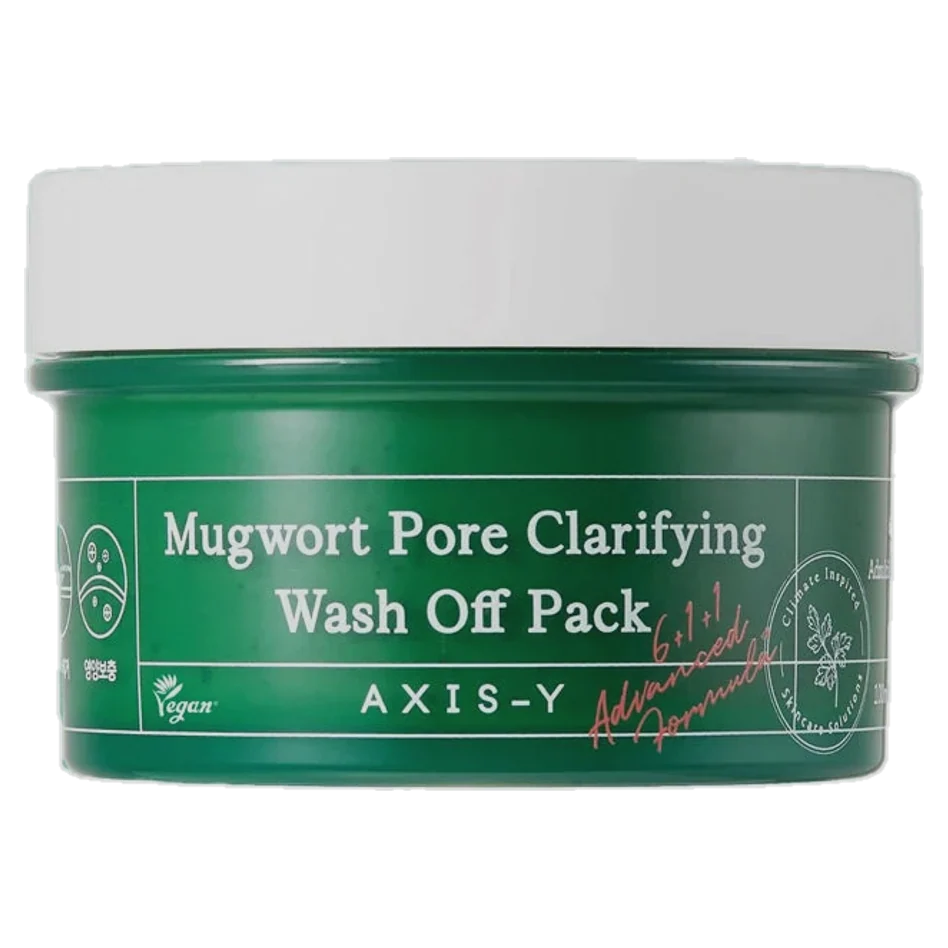
AXIS-Y
Mugwort Pore Clarifying Wash Off Pack
24th of 36 on the label
below ≈1%
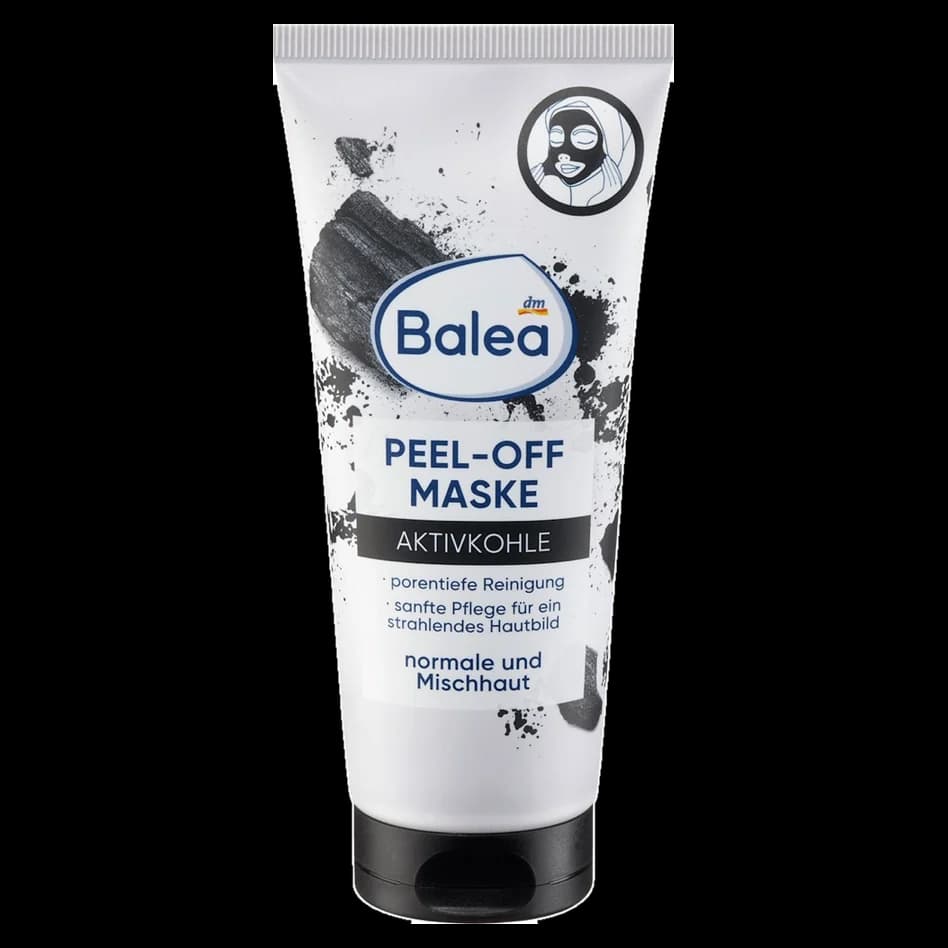
Balea
Gesichtsmaske Peel-Off Aktivkohle
9th of 18 on the label
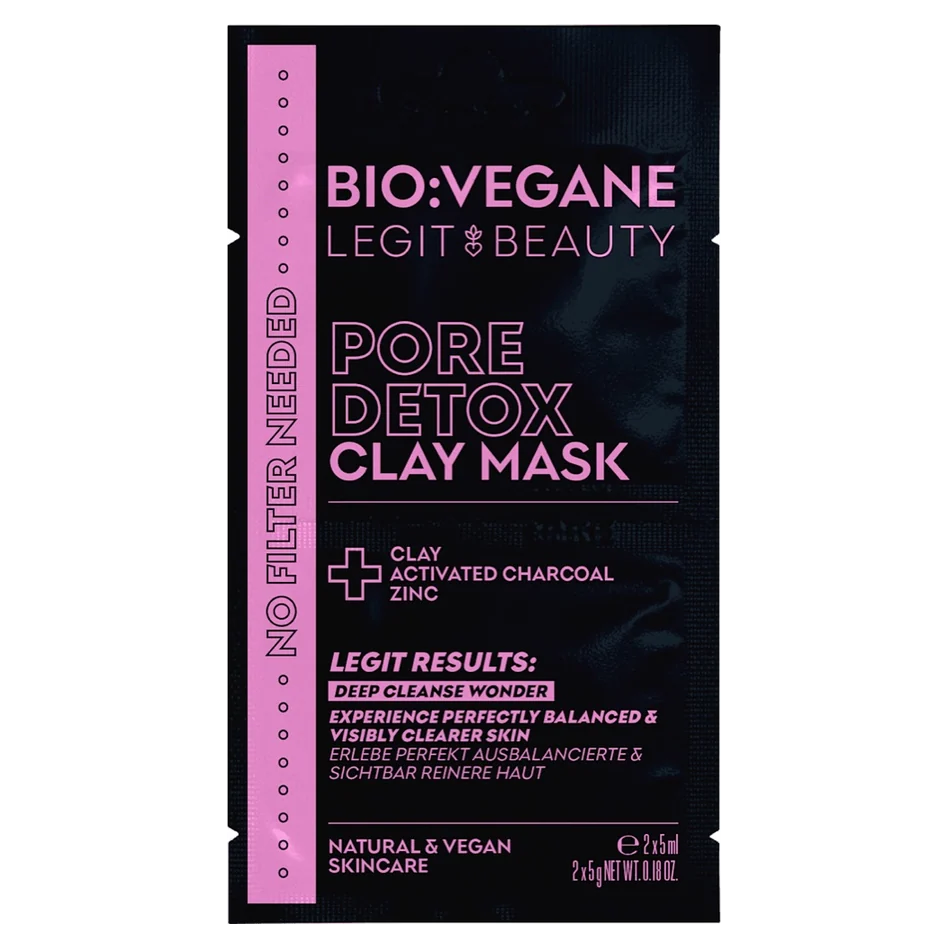
BIO:VEGANE
Gesichtsmaske Pore Detox Clay Mask
4th of 19 on the label
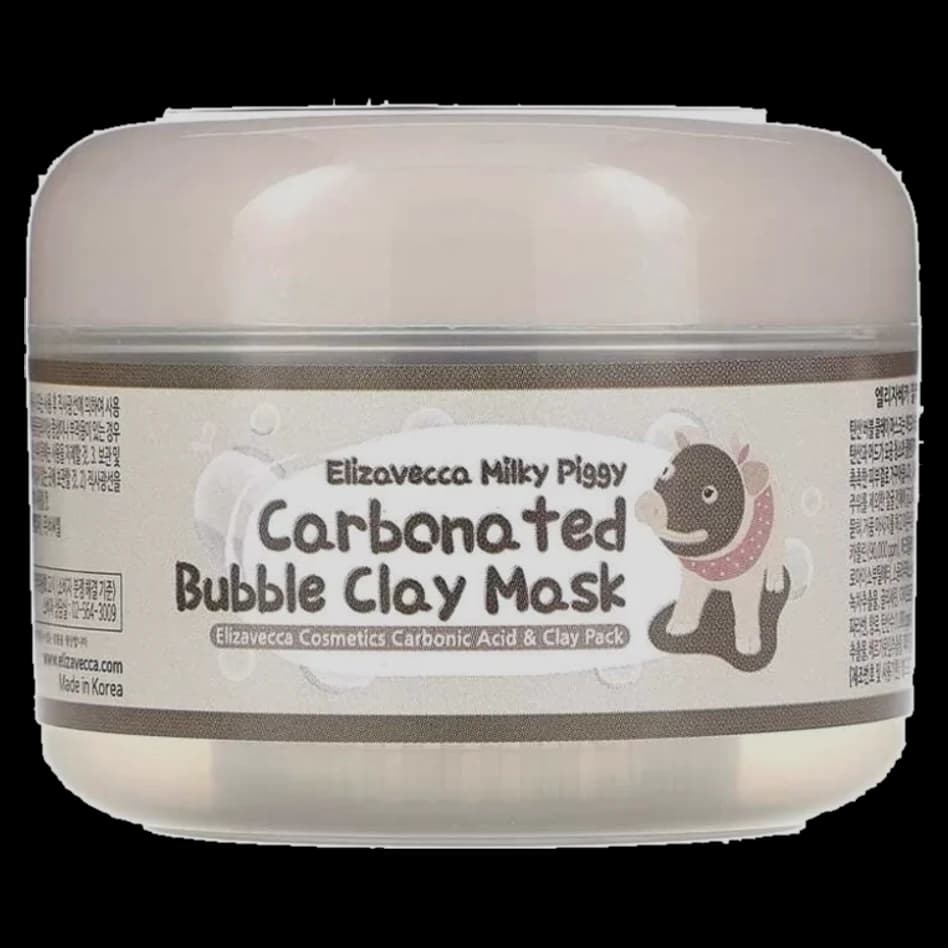
Elizavecca
Milky Piggy Carbonated Bubble Clay Mask
15th of 29 on the label
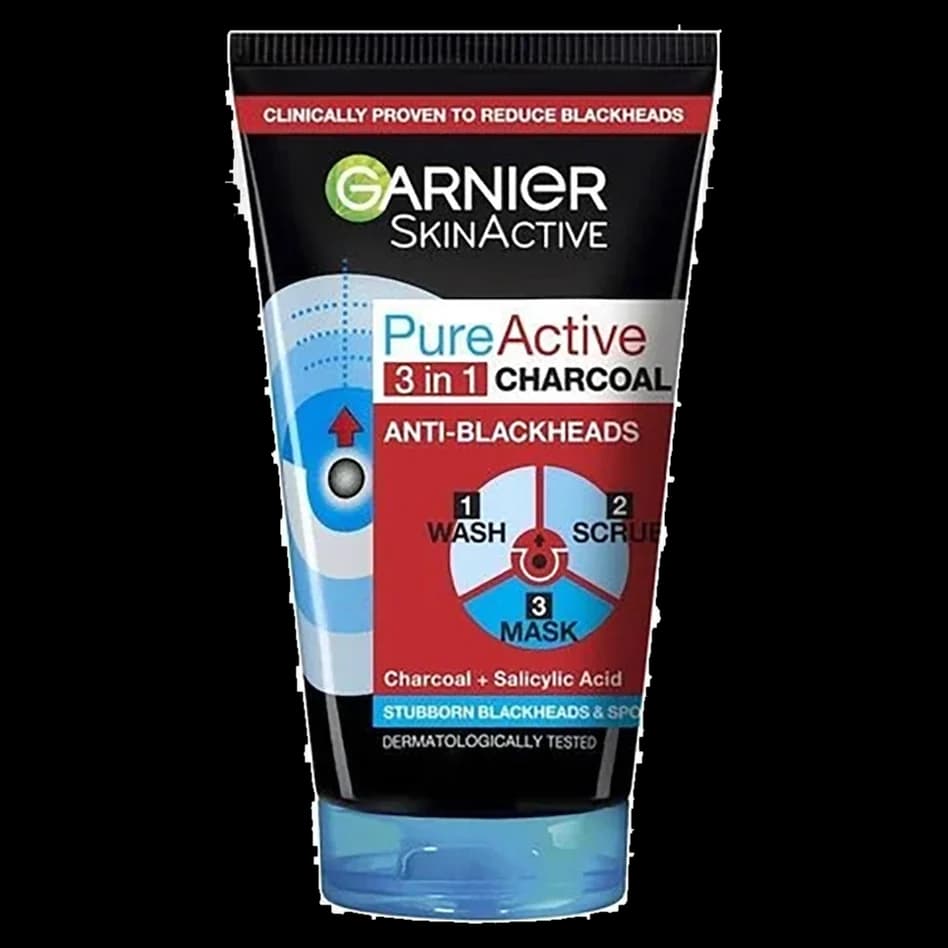
Garnier
Pure Active 3-in-1 Charcoal Wash, Scrub & Mask
13th of 25 on the label
below ≈1%
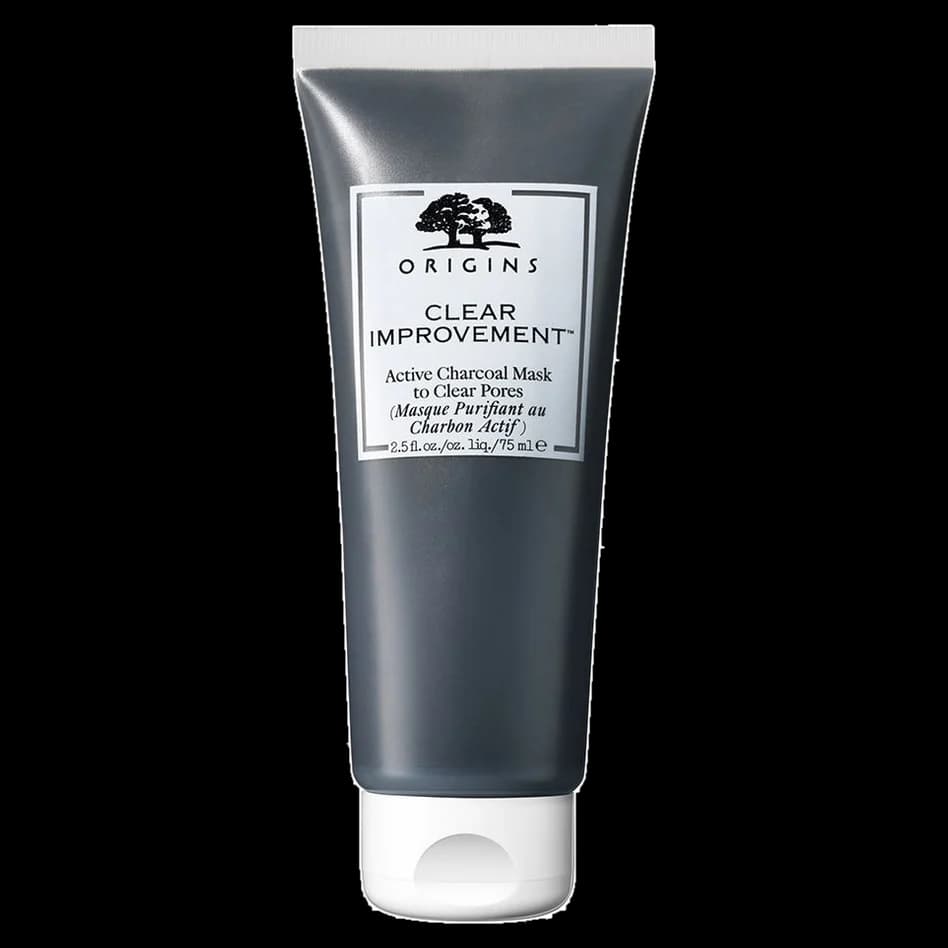
Origins
Clear Improvement Active Charcoal Mask to Clear Pores
9th of 23 on the label
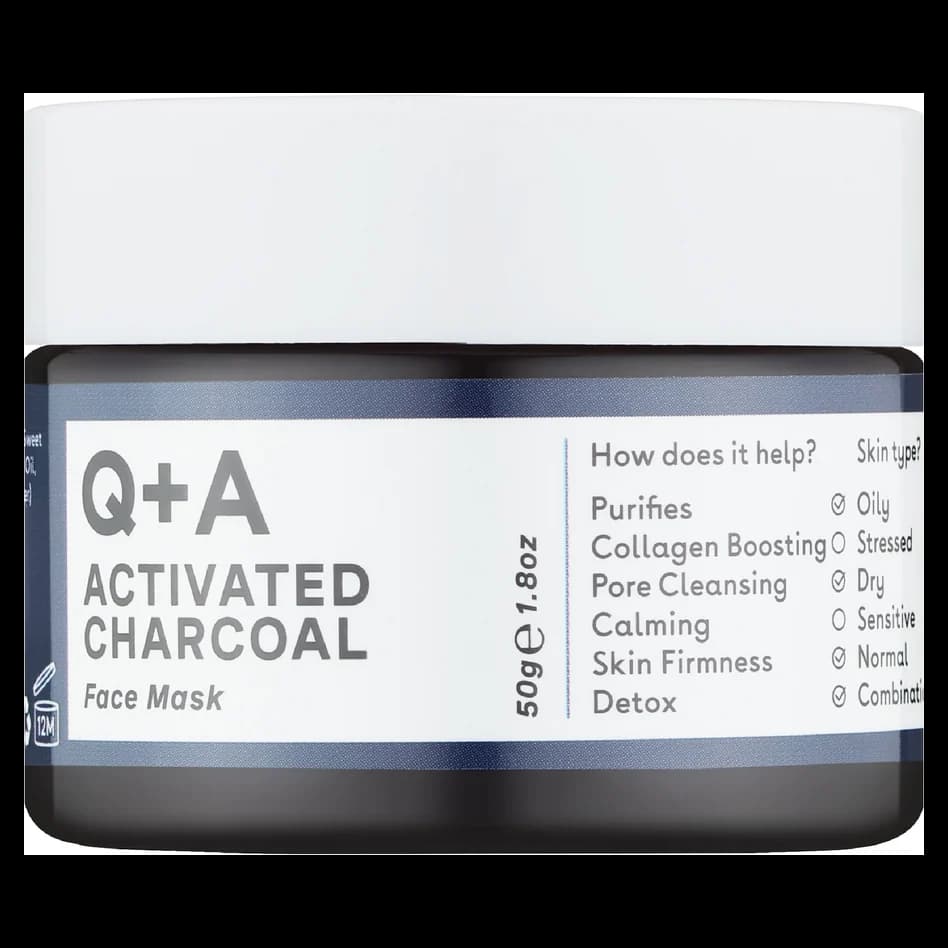
Q+A
Activated Charcoal Face Mask
10th of 18 on the label
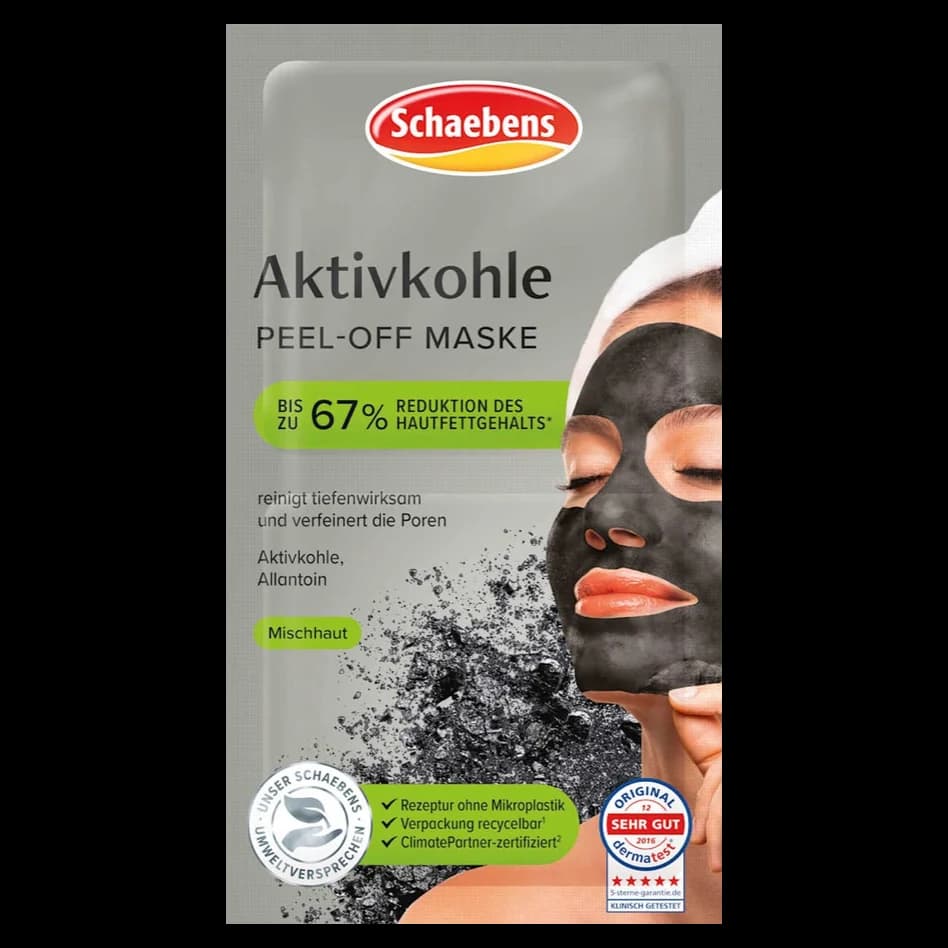
Schaebens
Gesichtsmaske peel off Aktivkohle
6th of 8 on the label
below ≈1%
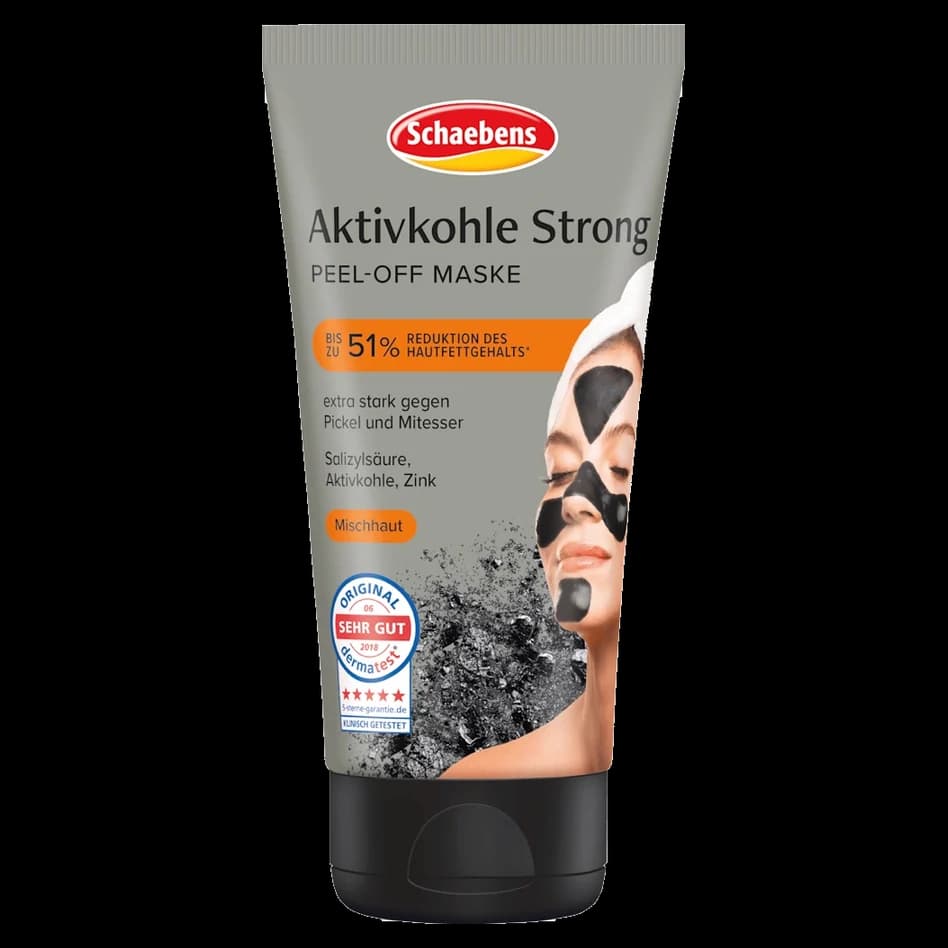
Schaebens
Gesichtsmaske peel off Aktivkohle Strong
6th of 20 on the label
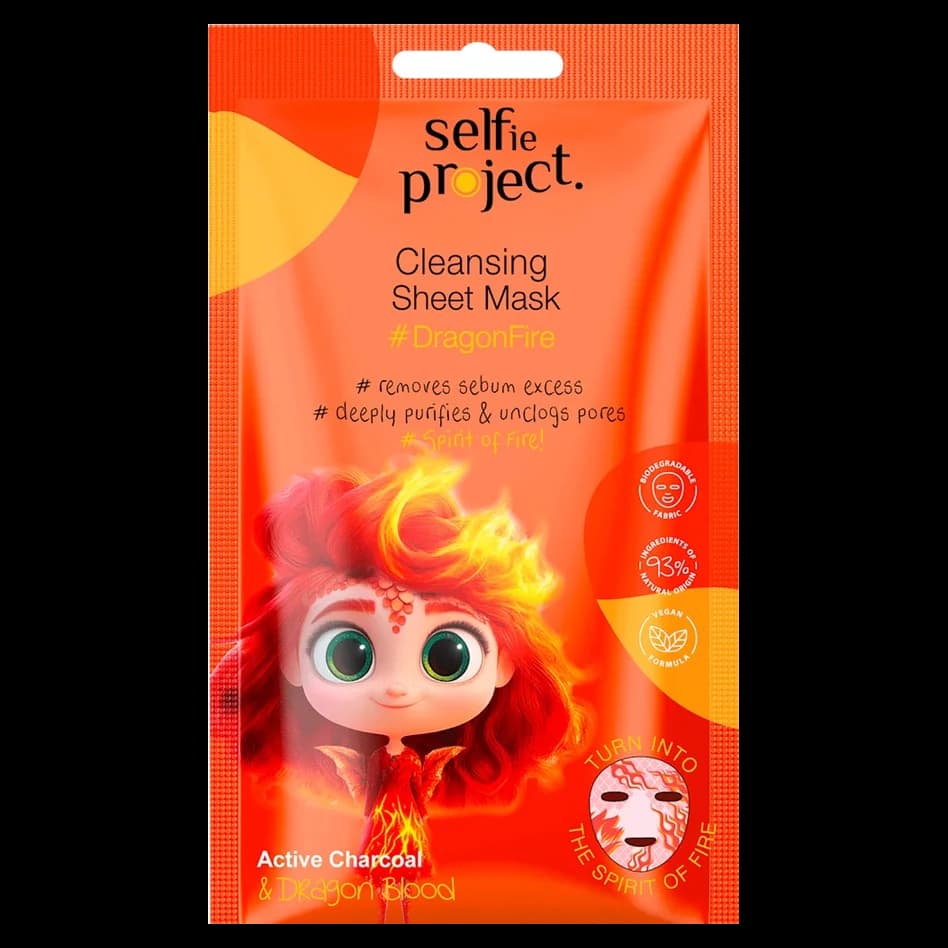
Selfie Project
Tuchmaske Cleansing #DragonFire
6th of 22 on the label
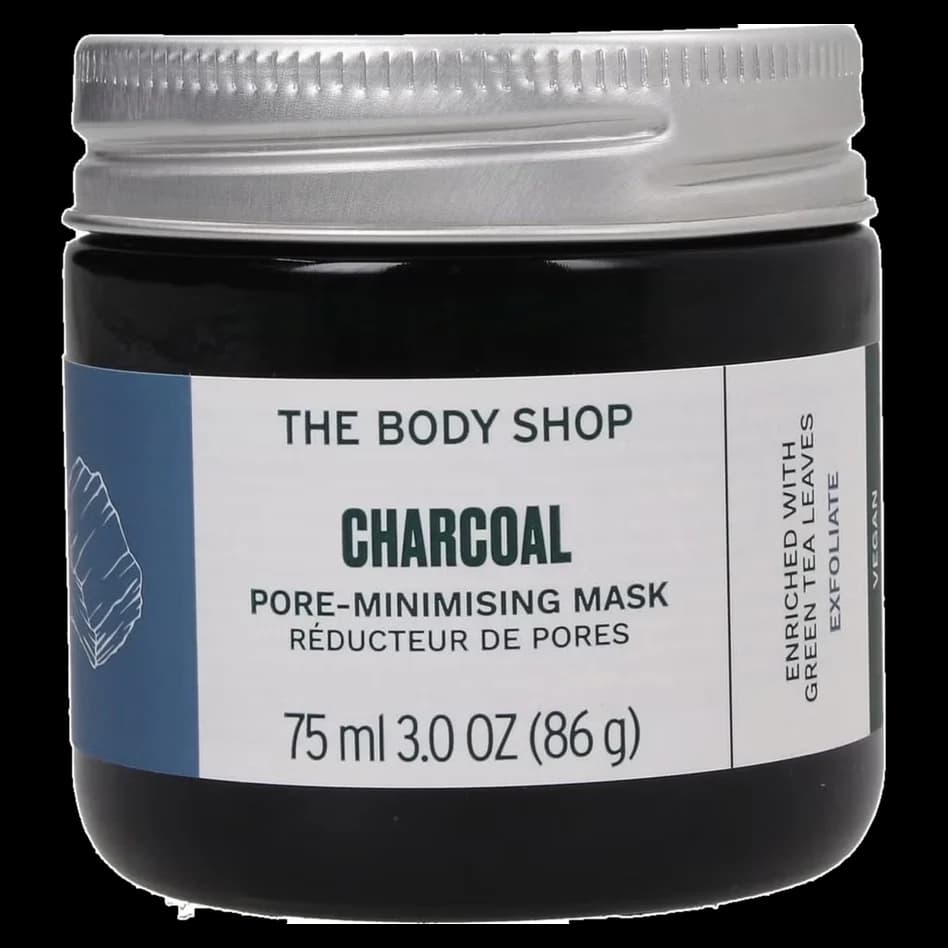
The Body Shop
Charcoal Pore Minimising Mask
10th of 37 on the label
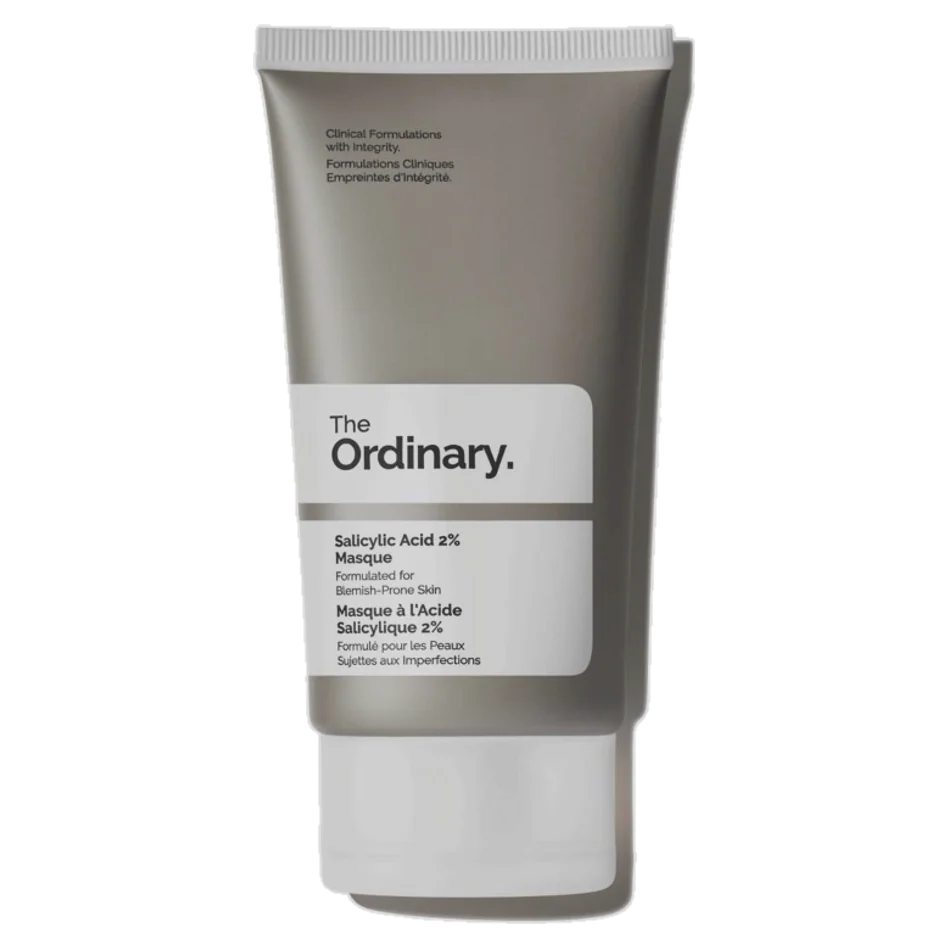
The Ordinary
Salicylic Acid 2% Masque
10th of 19 on the label