Hamamelis Virginiana (Witch Hazel) Extract
Witch hazel
Genuinely relevant for some people, or depends on dose and pH.
Also written as: Hamamelis Virginiana Extract · Hamamelis Virginiana Bark/Leaf Extract · Witch Hazel Extract · Hamamelis Virginiana Water · Hamamelis Distillate
What it is
Witch hazel comes from the bark and leaves of Hamamelis virginiana, a North American shrub with a long history in traditional and pharmacy skincare. Two very different materials share the name. A steam distillate (often labelled Hamamelis Virginiana Water or witch hazel distillate) captures the volatile fraction only, contains almost none of the plant's tannins, and is traditionally stabilised with roughly 14% alcohol. An aqueous or glycolic extract, by contrast, retains the non-volatile tannins - hamamelitannin and proanthocyanidins - and can be supplied entirely alcohol-free. The European Medicines Agency's herbal committee has finalised assessments of witch hazel bark and leaf for minor skin inflammation and minor wounds, so the plant is taken seriously beyond cosmetics.
How it shows up on a label
Check which form you are buying. 'Hamamelis Virginiana Water' or 'Distillate' high in the list usually means alcohol is present; 'Hamamelis Virginiana Leaf Extract' in a glycol base is normally alcohol-free.
What it does well
Reduces itching, redness and scaling in irritated skin
In a double-blind randomised trial in 72 people with moderately severe atopic eczema, a hamamelis distillate cream significantly reduced itching, erythema and scaling over 14 days. It was clearly less effective than 0.5% hydrocortisone, and its advantage over the drug-free base cream was small.
Moderate evidence
Damps down inflammatory signalling in skin cells
A glycolic extract of witch hazel bark reduced release of the inflammatory messengers IL-6 and IL-8 in human keratinocytes challenged with acne bacteria or TNF-alpha. Notably the activity tracked the proanthocyanidin content, while purified hamamelitannin was inactive in those assays - so the tannin fraction as a whole, not one marker compound, appears to do the work.
Moderate evidence
Genuine astringency from tannins
Tannins bind and precipitate surface proteins, which produces the familiar tightening, mattifying sensation and is the basis for witch hazel's centuries-old use on weeping or oily skin. This is a well-characterised chemical effect, but there is little controlled evidence that it reduces pore size or sebum production over time.
Traditional use
Worth knowing
Alcohol-containing distillates can sting and dry
Traditional witch hazel distillate is preserved with around 14% alcohol, so a toner or mask essence built on it behaves partly like an alcohol product. Alcohol-free extracts avoid this entirely. If your skin is dry or reactive, check whether the pack lists Alcohol or Alcohol Denat. alongside the witch hazel.
Matters most toPeople with dry, sensitive or eczema-prone skin choosing a witch hazel toner or mask.
Repeated tannin exposure can be over-astringent
Tannins work by binding proteins, and used several times a day on already dry skin this can leave it feeling tight and rough. The effect is dose- and frequency-dependent rather than a fixed property of the ingredient.
Matters most toPeople using witch hazel toners multiple times daily, or layering them with acids.
Contact allergy is documented but uncommon
Allergic contact dermatitis to Hamamelis has been reported, but it is not among the frequent botanical sensitisers seen in patch-test clinics. Most reactions people attribute to witch hazel are irritation from the alcohol or the tannins.
Matters most toPeople who already react to multiple plant extracts.
Where the EU stands
No specific restriction
Hamamelis virginiana extracts are not listed in Annex II, III or V of the EU Cosmetics Regulation, so no cosmetic concentration limit applies. As a herbal medicine for minor skin inflammation, witch hazel bark and leaf are covered by finalised EU herbal monographs.
Sources (3)
Every link goes to the original: a journal, a PubMed record or an EU document.
- [1]Comparative efficacy of hamamelis distillate and hydrocortisone cream in atopic eczema
European Journal of Clinical Pharmacology · 1995 · doi:10.1007/BF00194335
In 72 patients over 14 days, hamamelis distillate cream reduced itching, erythema and scaling but was significantly less effective than 0.5% hydrocortisone.
- [2]Anti-Inflammatory and Anti-Acne Effects of Hamamelis virginiana Bark in Human Keratinocytes
Antioxidants (Basel) · 2022 · doi:10.3390/antiox11061119
A witch hazel bark extract inhibited IL-6 and IL-8 release in human keratinocytes without any antibacterial effect on Cutibacterium acnes, and the activity was attributed to proanthocyanidins rather than to hamamelitannin.
- [3]Chemical composition, skin microbiota metabolism, antimicrobial potential and anti-inflammatory properties of witch hazel bark (Hamamelis virginiana L.)
Journal of Ethnopharmacology · 2025 · doi:10.1016/j.jep.2025.120433
Characterised the tannin profile of witch hazel bark and its interaction with skin microbiota, supporting an anti-inflammatory role for the tannin fraction.
Masks that contain Hamamelis Virginiana (Witch Hazel) Extract
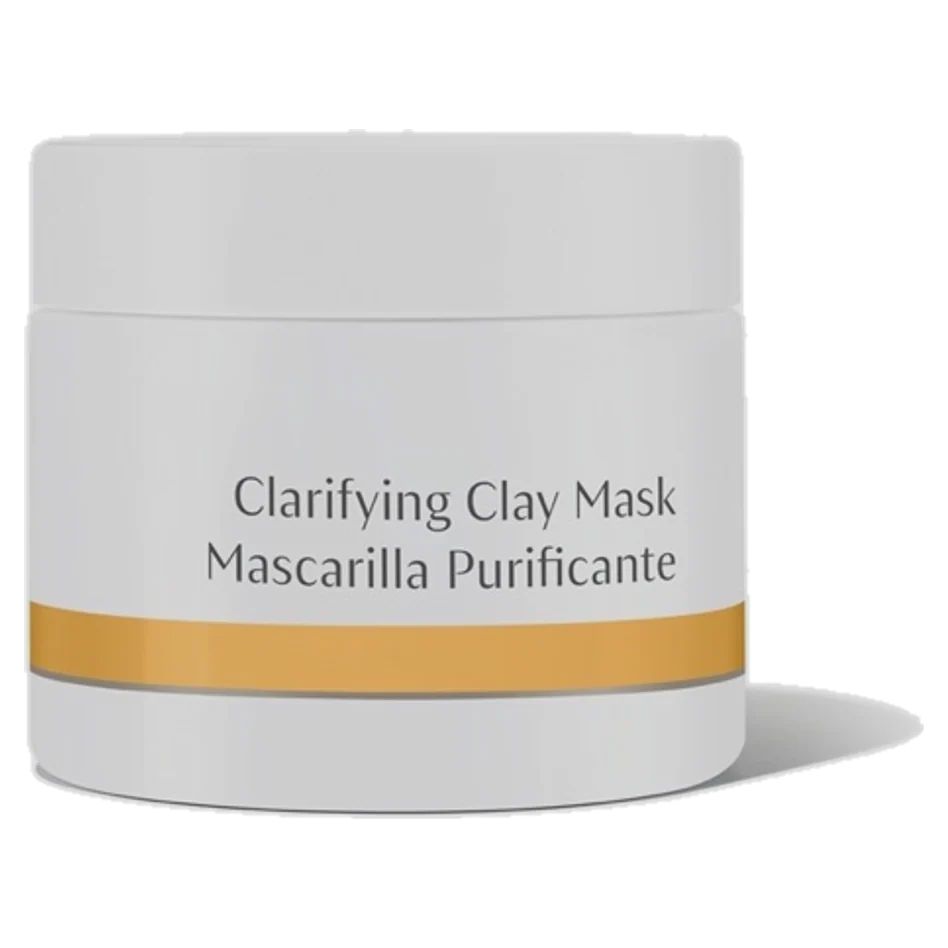
Dr. Hauschka
Clarifying Clay Mask
3rd of 4 on the label
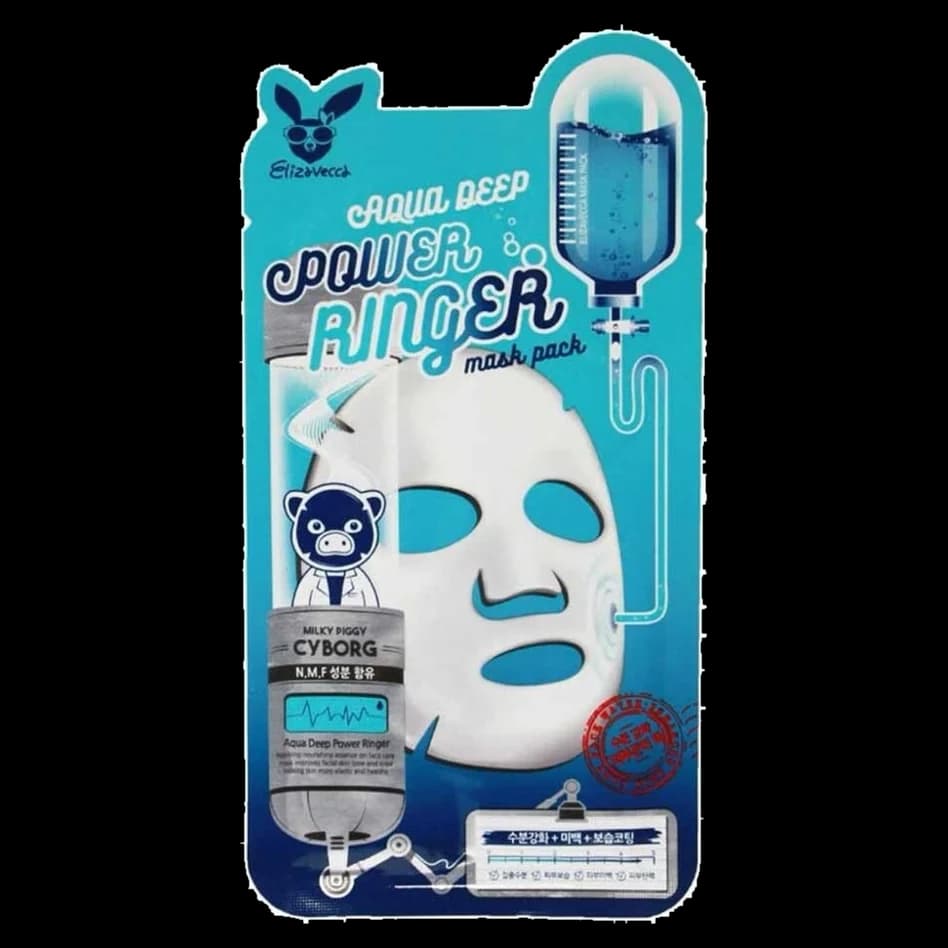
Elizavecca
Aqua Deep Power Ringer Mask Pack
14th of 28 on the label
below ≈1%
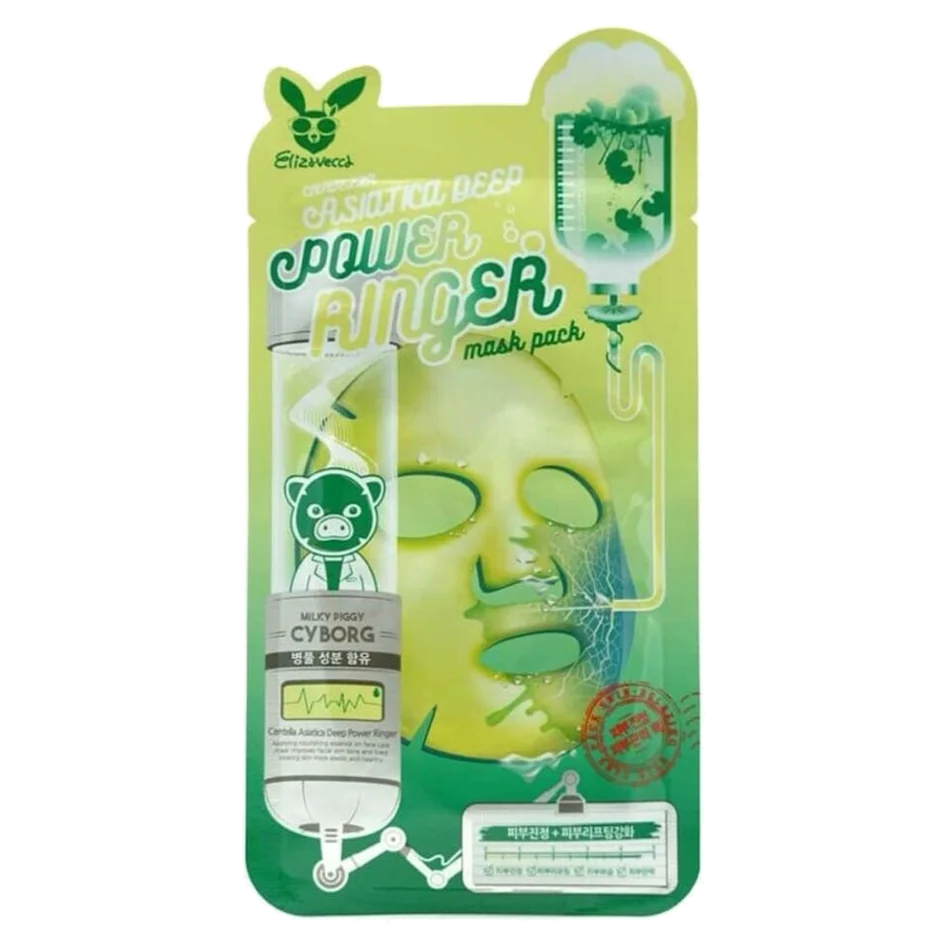
Elizavecca
Centella Deep Power Ringer Mask Pack
15th of 22 on the label
below ≈1%
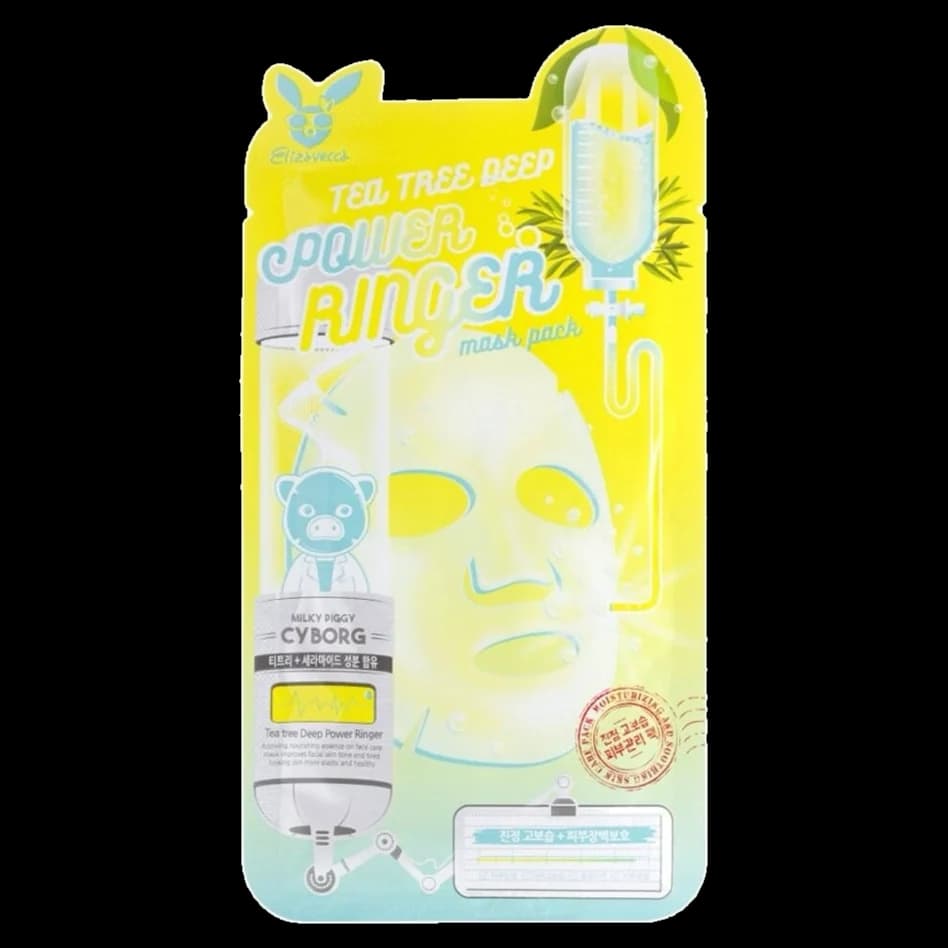
Elizavecca
Tea Tree Deep Power Ringer Mask Pack
14th of 23 on the label
below ≈1%
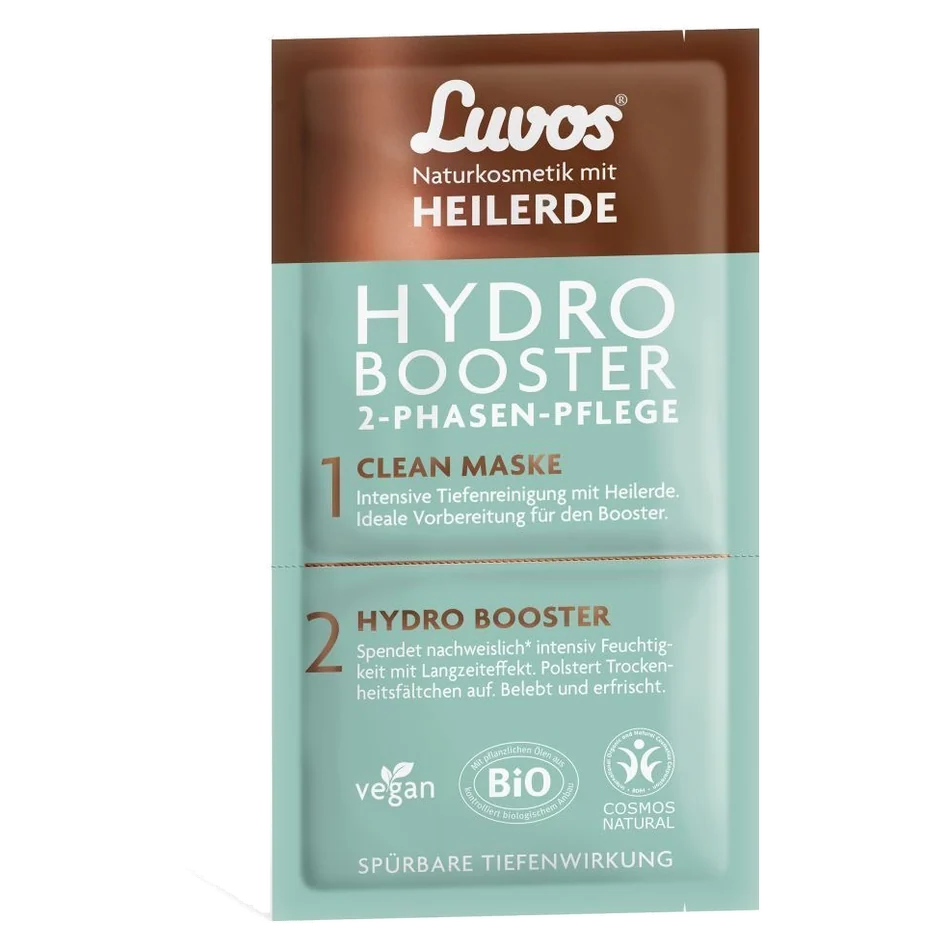
Luvos-Heilerde
Hydro Booster mit Clean Maske
13th of 63 on the label
below ≈1%
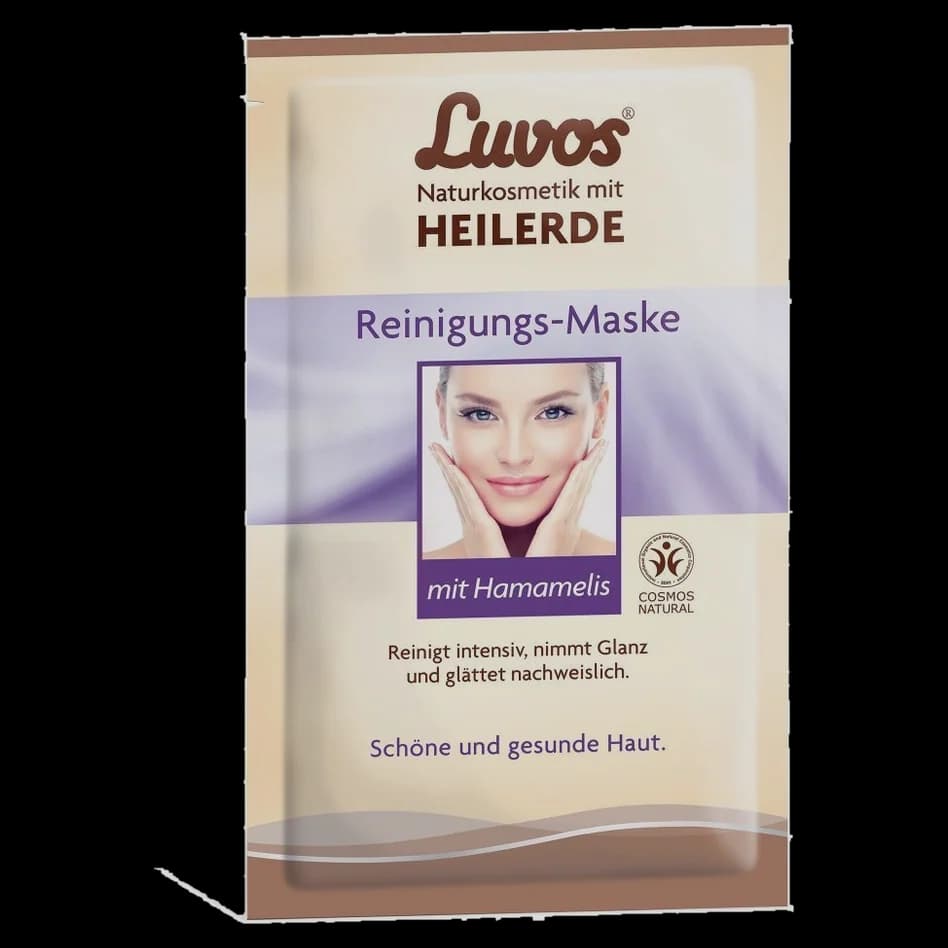
Luvos-Heilerde
Reinigungs-Maske
11th of 28 on the label
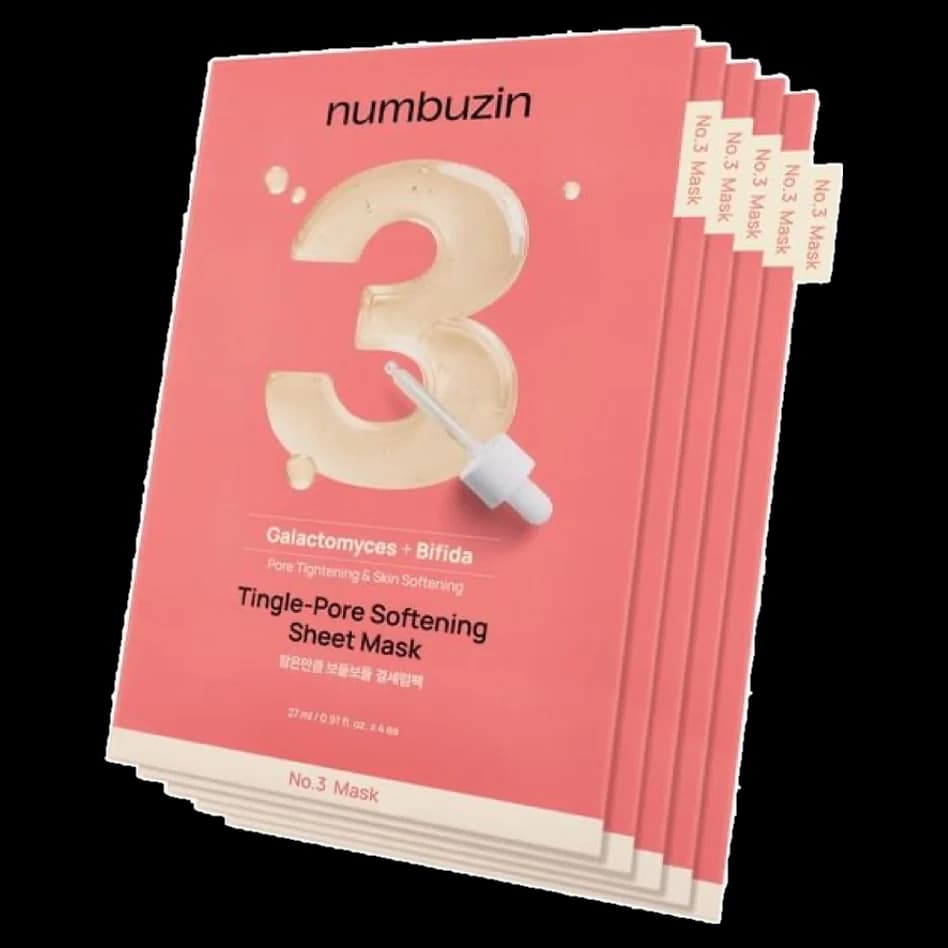
numbuzin
No.3 Tingle-Pore Softening Sheet Mask
11th of 42 on the label
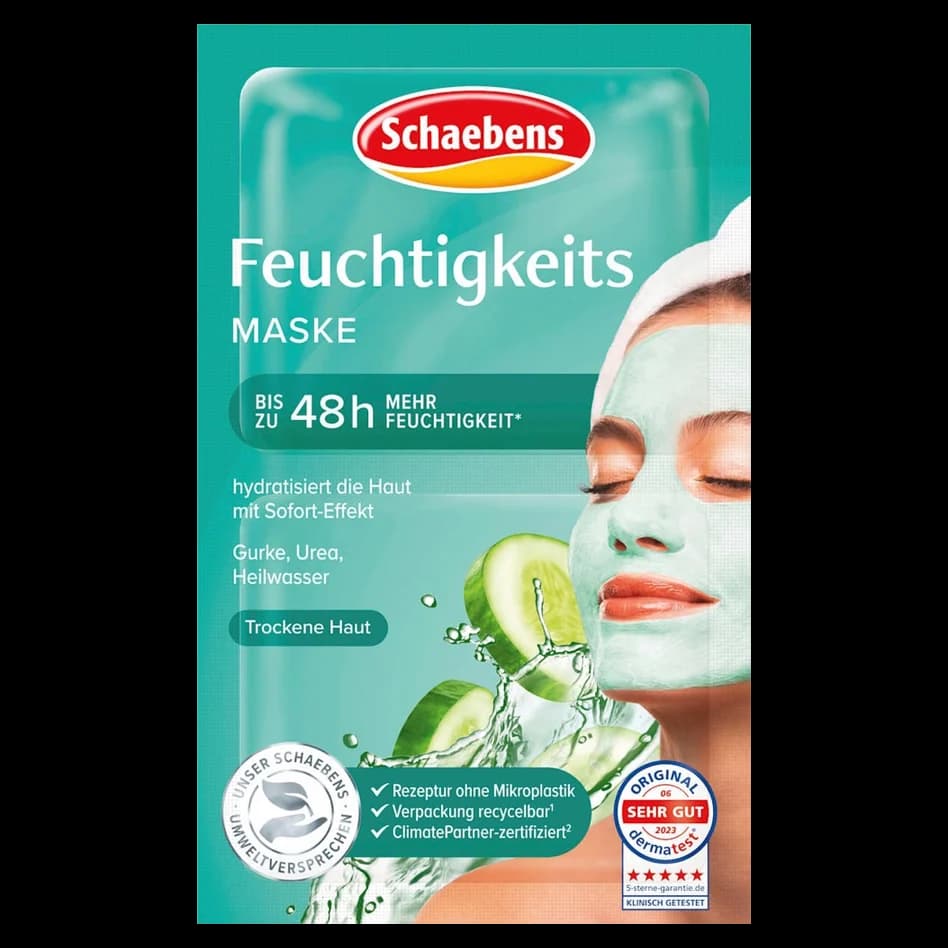
Schaebens
Gesichtsmaske Feuchtigkeit Sofort-Effekt
7th of 38 on the label
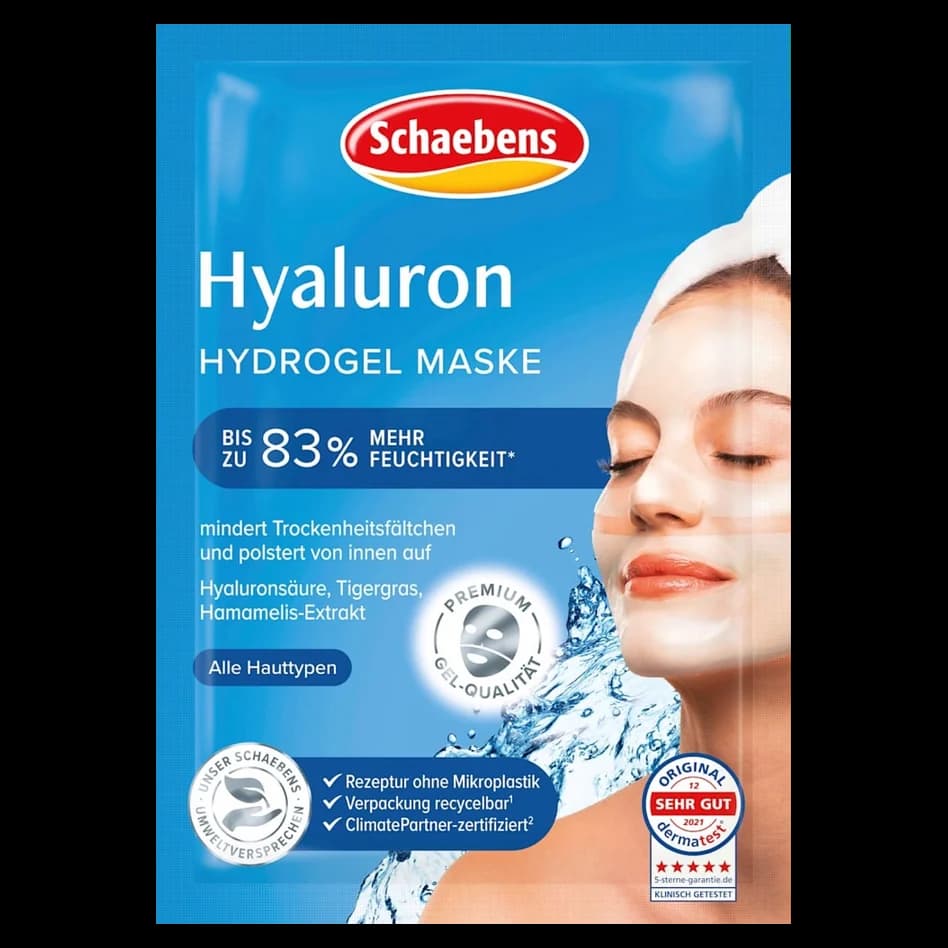
Schaebens
Gesichtsmaske Hyaluron Hydrogel
9th of 19 on the label
below ≈1%
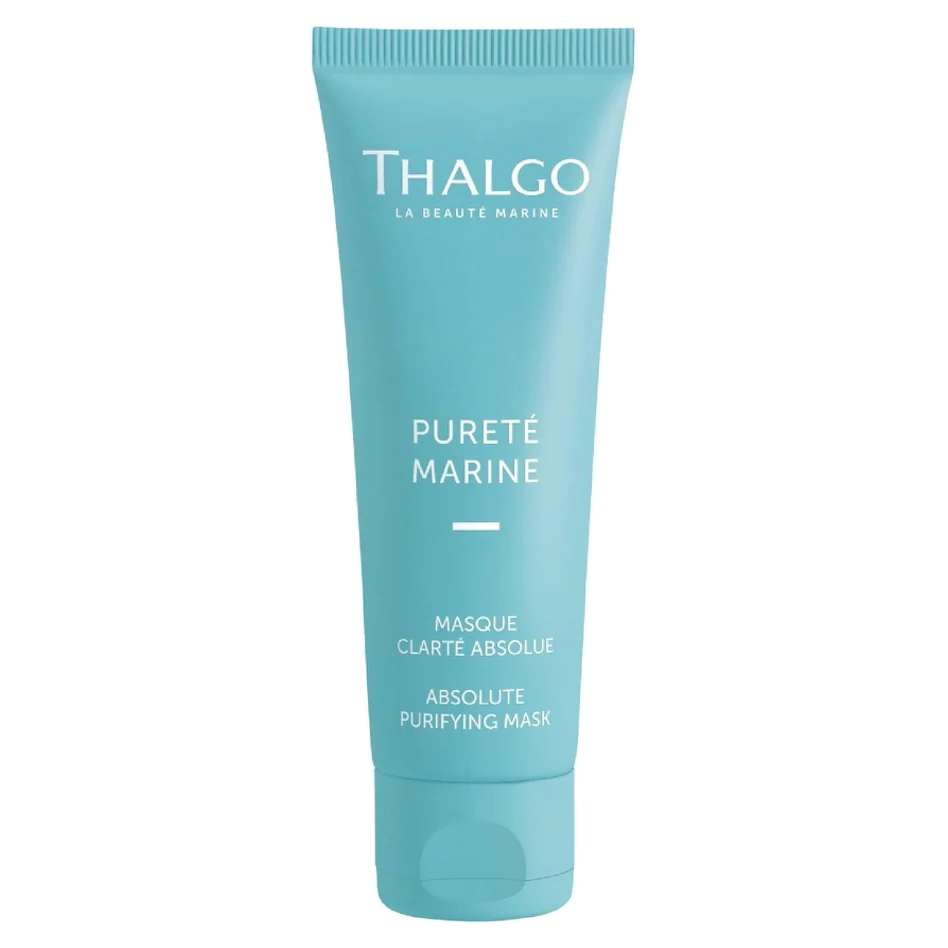
THALGO
Klärende Intensiv-Maske
11th of 32 on the label