Ammonium Acryloyldimethyltaurate/VP Copolymer
No meaningful concern for most people; irritation is possible but rare.
Also written as: Aristoflex AVC
What it is
This is a copolymer of ammonium acryloyldimethyltaurate and vinylpyrrolidone (VP), supplied as a white powder. CosIng records one function for it, viscosity controlling, and the Cosmetic Ingredient Review lists it as an aqueous viscosity-increasing agent. It is the most widely used member of the acryloyldimethyltaurate polymer family: 584 US formulations in 2017, 524 of them leave-on, at maximum concentrations of 0.016-3% in a 2015 industry survey and 0.096-2% in a 2017 one. The Cosmetic Ingredient Review found that family safe as used in 2017, and repeated that conclusion for this copolymer in 2024, in its review of polymers built partly from vinylpyrrolidone, on the same test data. In this catalogue it is printed on five masks, four of them sleeping masks.
How it shows up on a label
Printed on four sleeping masks: LANEIGE's Water Sleeping Mask (eleventh of 43), MIZON's snail sleeping pack (fifteenth of 31), Uriage's water sleeping mask (seventh of 29) and Be Routine's Glow & Hydrate sleeping mask (nineteenth of 27). It is also printed on Anua's retinol niacin sheet mask (fourteenth of 44).
What it does well
Serves as the thickener in the formula
Viscosity controlling is the one function CosIng records for it, and the Cosmetic Ingredient Review lists it as an aqueous viscosity-increasing agent. This is the job it is added to do, not a measured effect of these masks on skin.
Strong evidence
Reviewed as safe as used
The Cosmetic Ingredient Review concluded in 2017 that the acryloyldimethyltaurate polymers, this one among them, are safe in cosmetics in the present practices of use and concentration, and repeated that conclusion in its 2024 review of vinylpyrrolidone polymers. Both reviews rest on the same tests of the copolymer itself, which are animal and bacterial studies from a 2004 Australian regulatory notification. It was not mutagenic in bacterial assays, and the oral LD50 in rats was above 2000 mg/kg. It did not irritate rabbit skin or rabbit eyes, and guinea pigs showed no sign of irritation or sensitisation. The report has no human patch test of it, which is why the grade here is limited.
Limited evidence
Worth knowing
Purity depends on how the polymer is made
The Cosmetic Ingredient Review was concerned about impurities, including leftover monomers, in this family of polymers. The three monomers it named are each in a different member of the family, not in this one. It applied its 5 ppm acrylamide limit, from its review of polyacrylamide, to finished products containing any of these polymers, and said the industry should keep using good manufacturing practice to limit impurities. Its 2024 review of vinylpyrrolidone polymers adds that some of their monomers are toxic, so residual monomer content should be taken into account. The report gives no purity figures for this copolymer. It also notes that the copolymer may release ammonia under alkaline conditions.
Where the EU stands
No specific restriction
Not restricted for cosmetic use in the EU: the copolymer appears in no annex of the Cosmetics Regulation as consolidated on 18 May 2026, and CosIng records no annex entry for it. The nearest annex entry is Annex III entry 66, "Polyacrylamides", which caps residual acrylamide at 0.1 mg/kg in body leave-on products and 0.5 mg/kg in other products. The Cosmetic Ingredient Review lists the four members of this family that are built partly from acrylamide as falling under that entry, and this copolymer is not one of them. Annex II does prohibit two related monomers: acrylamide (entry 681, "unless regulated elsewhere in this Regulation") and 1-vinyl-2-pyrrolidone (entry 1113), one of this copolymer's two building blocks. Neither entry names a polymer made from them.
Regulation (EC) No 1223/2009 - no annex entry under this INCI name; nearest class entry is Annex III entry 66 (polyacrylamides, residual acrylamide limit) · source ↗
Sources (4)
Every link goes to the original: a journal, a PubMed record or an EU document.
- [1]Safety Assessment of Acryloyldimethyltaurate Polymers as Used in Cosmetics - final report
Cosmetic Ingredient Review · 2017
Final report, released 24 May 2017 (Panel meeting 10-11 April 2017), covering 21 polymers. Conclusion: "the following ingredients are safe in cosmetics in the present practices of use and concentration described in this safety assessment", Ammonium Acryloyldimethyltaurate/VP Copolymer among them. Definition: "a copolymer of ammonium acryloyldimethyltaurate and vinylpyrrolidone monomers", function "viscosity increasing agent – aqueous"; a "white powder" that is "stable under normal conditions, but may release ammonia under alkaline conditions". Use: "584 formulations, including use in 524 leave-on products and 60 rinse-off products" (2017 VCRP); maximum concentration 0.016-3% (Table 4). NICNAS found "low concern to public health" at "0.5% to 1.2% (the concentrations requested to be reviewed by the suppliers)". Data on the copolymer itself: oral "LD50 >2000 mg/kg" in rats; "not mutagenic in bacterial reverse mutation assays"; "Not irritating" to rabbit skin (OECD TG 404, "assumed neat, not specified"); "No signs of irritation or sensitization" in guinea pigs (OECD TG 406); "Not irritating" to rabbit eyes (OECD TG 405). "Toxicokinetic data were not found"; "Developmental and reproductive toxicity data were not found". Discussion: "There were no studies that elicited concern"; the polymers "are large molecules ... and should not be absorbed through the skin"; "The Panel expressed concern about impurities, including residual monomers", naming "acrylamide (in Sodium Acryloyldimethyl Taurate/Acrylamide/VP Copolymer), vinyl formamide (in Ammonium Acryloyldimethyltaurate/Vinyl Formamide Copolymer), and methacrylamidolauric acid (in Sodium Acryloyldimethyltaurate/Methacrylamidolauric Acid Copolymer)"; it applied "the limit of 5 ppm acrylamide ... to finished products containing the ingredients in this safety assessment" and said industry "should continue to use cGMPs to limit impurities". The report lists four acrylamide-containing members of the family as "restricted in Europe according to the European Union (EU) Annex III/66". Checked 15 October 2026.
- [2]Safety Assessment of Vinylpyrrolidone Polymers as Used in Cosmetics
International Journal of Toxicology 43(Suppl 4):5S-41S (Cosmetic Ingredient Review) · 2024 · doi:10.1177/10915818241267203
Reviews 30 polymers that "share in common a vinylpyrrolidone monomer", including Ammonium Acryloyldimethyltaurate/VP Copolymer, whose earlier status it gives as "Final Report (issued in 2017) - Conclusion: Safe in cosmetics in the present practices of use and concentration described in this safety assessment". Conclusion: it is among the 27 vinylpyrrolidone polymers that "are safe in cosmetics in the present practices of use and concentration described in the safety assessment". 2018 VCRP data: the second-highest use frequency in the group, "597 cosmetic products: 525 leave-on products + 62 rinse-off products". It notes that "some of the monomer components of these polymers are toxic, and therefore the residual monomer content of polymers should be taken into consideration", and that for the 27 found safe, "concern over the lack of dermal absorption data was mitigated by large ingredient molecular weights, low residual monomer content, and related compositional characteristics". Its test summaries for this copolymer restate the 2017 report and the 2004 NICNAS report on Aristoflex AVC (PLC/411), and add no new study: "not mutagenic (up to 5000 µg/plate)"; "non-irritating to the skin of rabbits" after 4 h; "(neat) was not sensitizing to guinea pigs"; "(undiluted, 0.1 mL) was non-irritating to the eyes of rabbits". Table 6 gives maximum use concentrations of 0.096-2% from a 2017 industry survey, against 0.016-3% in 2016. Checked 15 October 2026.
- [3]CosIng entry: Ammonium Acryloyldimethyltaurate/VP Copolymer
European Commission, CosIng database
INCI name AMMONIUM ACRYLOYLDIMETHYLTAURATE/VP COPOLYMER, status active, description "a copolymer of ammonium acryloyldimethyltaurate and vinylpyrrolidone monomers". Function: viscosity controlling. No annex number or cosmetic restriction is recorded. The record carries an "other restrictions" tag reading "ban substances that deplete the ozone layer"; this is not a restriction under Regulation (EC) No 1223/2009, in whose annexes the copolymer does not appear. Checked 15 October 2026.
- [4]Regulation (EC) No 1223/2009 on cosmetic products, consolidated text of 18 May 2026
Official Journal of the European Union · 2026
A sweep of the full consolidated text finds no occurrence of "taurate" or "acryloyldimethyl", so neither this copolymer nor any other member of its family is named. Annex III entry 66 reads "Polyacrylamides", with "(a) Body- leave-on products: Maximum residual acrylamide content 0,1 mg/kg" and "(b) Other products: Maximum residual acrylamide content 0,5 mg/kg". Annex II entry 681 reads "Acrylamide, unless regulated elsewhere in this Regulation" (CAS 79-06-1), and Annex II entry 1113 reads "1-Vinyl-2-pyrrolidone" (CAS 88-12-0). Checked 15 October 2026.
Masks that contain Ammonium Acryloyldimethyltaurate/VP Copolymer
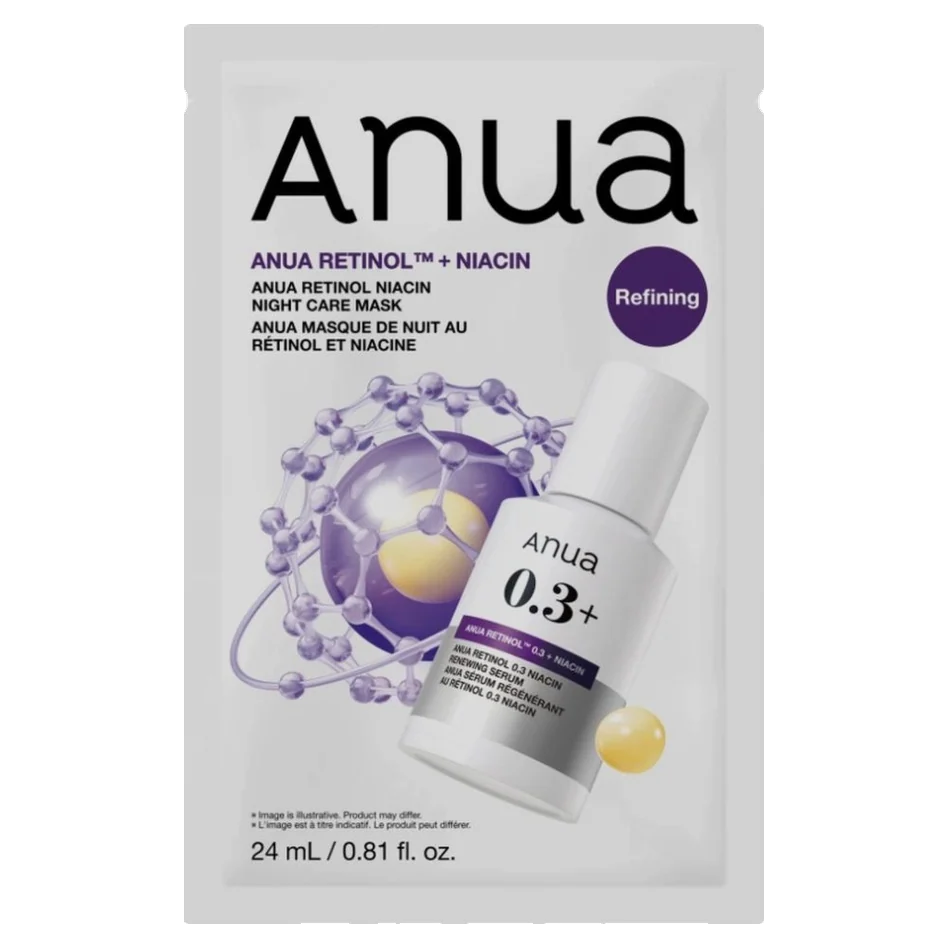
Anua
Retinol Niacin Night Care Mask
14th of 44 on the label
below ≈1%
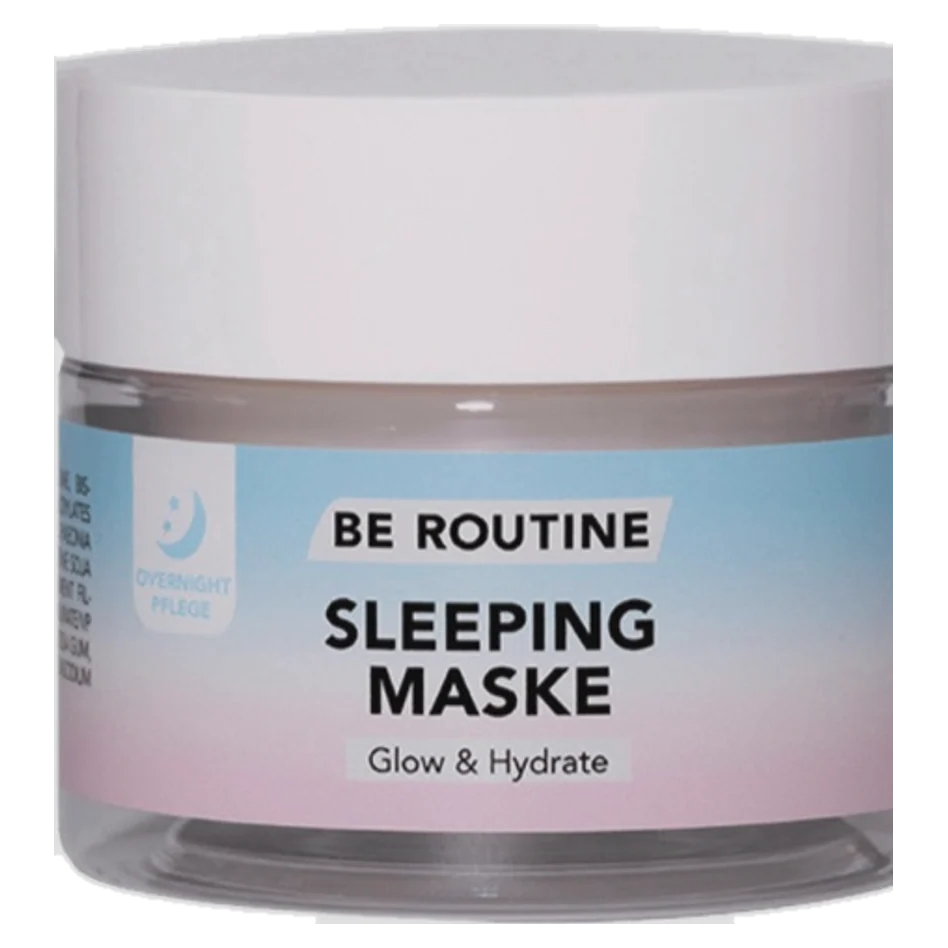
Be Routine
Schlafmaske Glow & Hydrate
19th of 27 on the label
below ≈1%
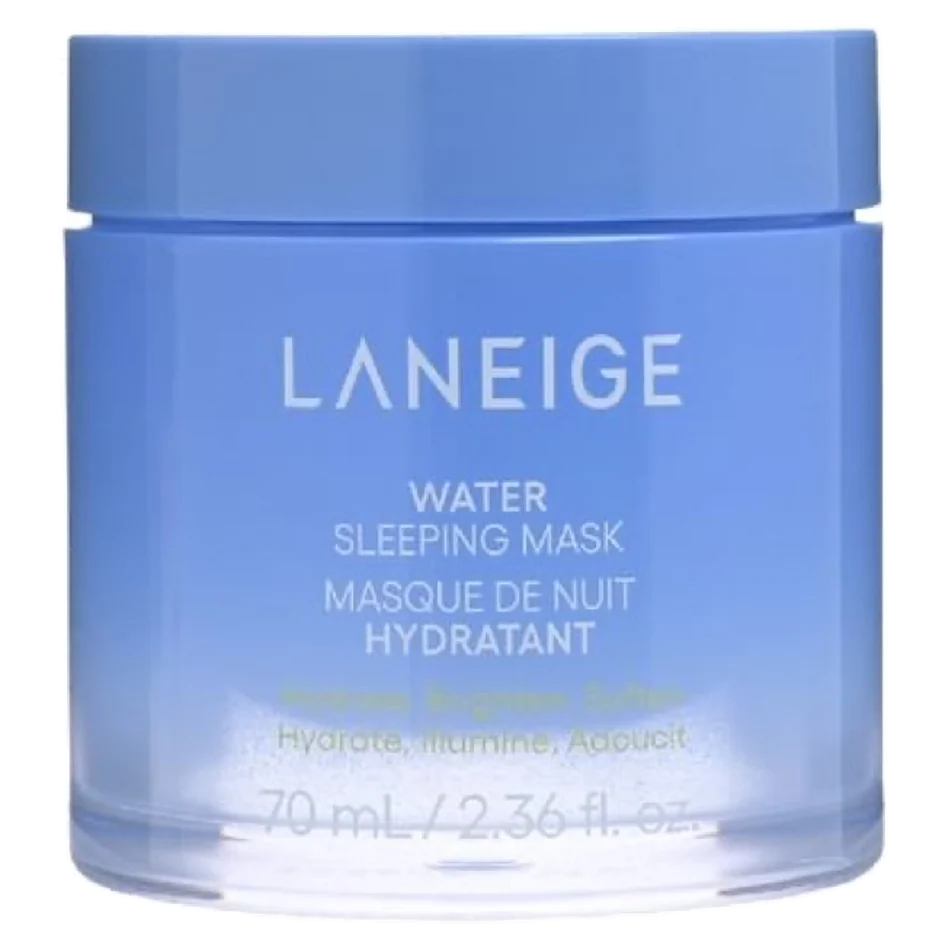
LANEIGE
Water Sleeping Mask
11th of 43 on the label
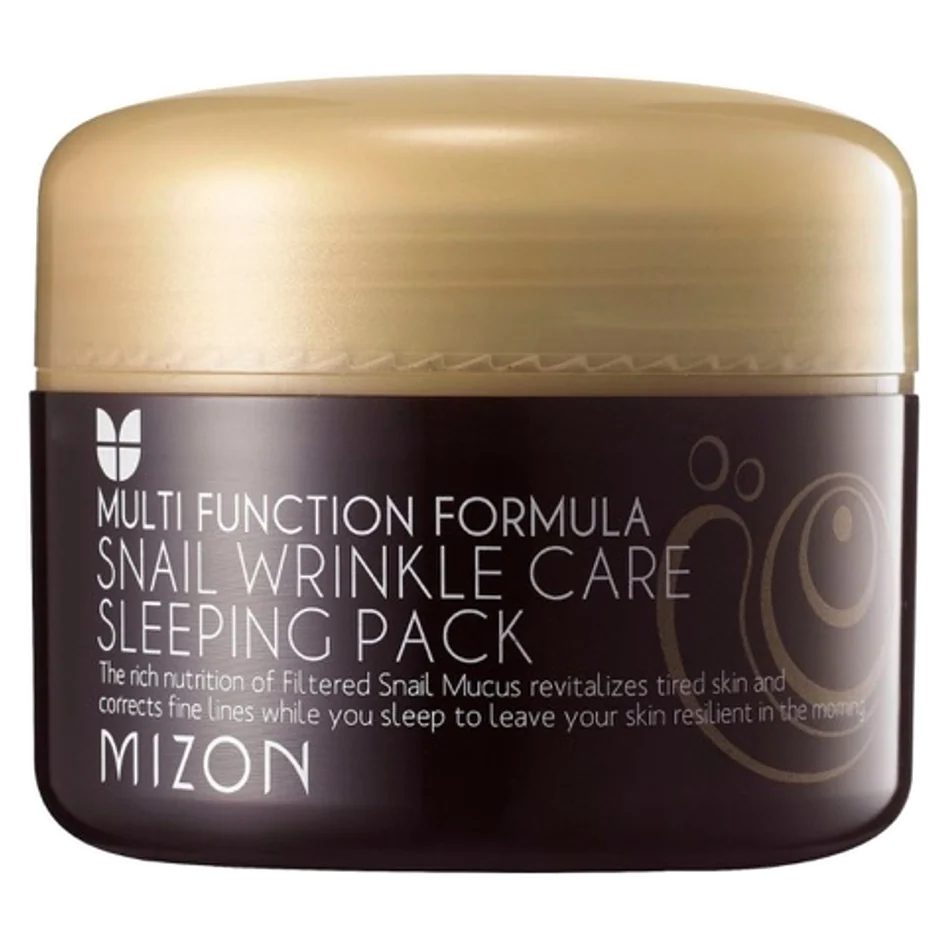
MIZON
Snail Wrinkle Care Sleeping Pack
15th of 31 on the label
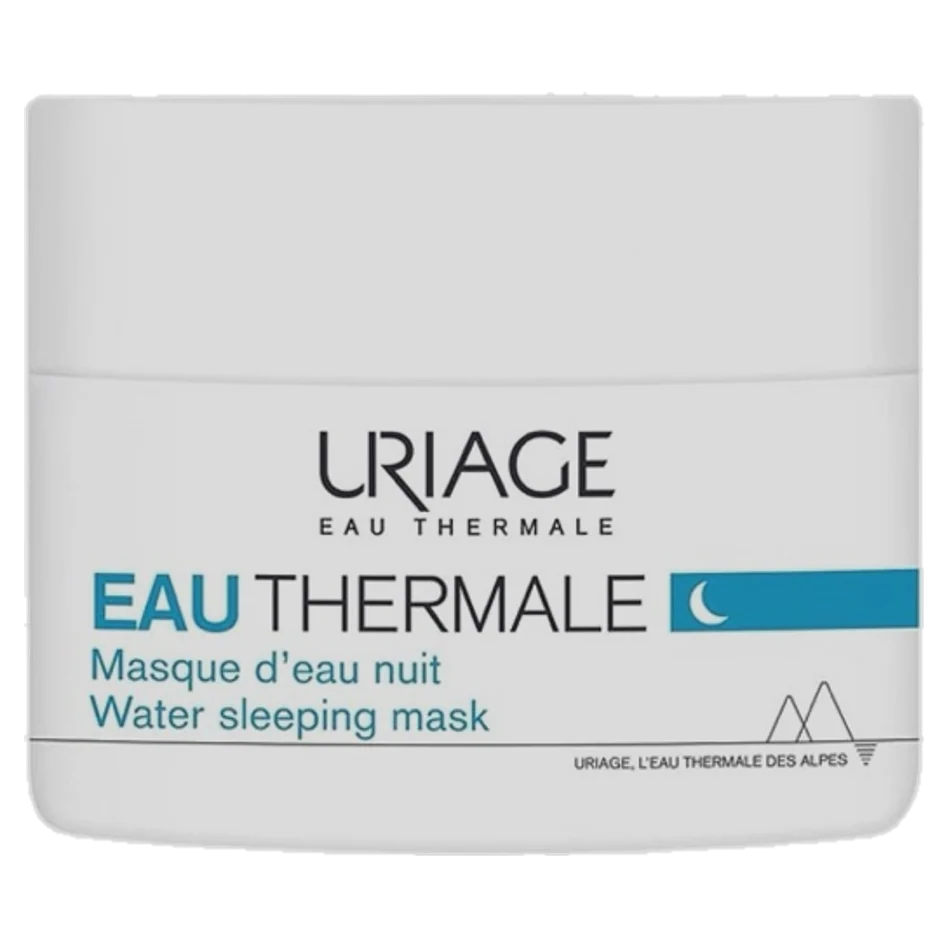
Uriage
Eau Thermale Water Sleeping Mask
7th of 29 on the label