Xanthan Gum
Xanthan
No meaningful concern for most people; irritation is possible but rare.
Also written as: E 415 · Corn Sugar Gum
What it is
Xanthan gum is a long-chain polysaccharide made by feeding sugars to the bacterium Xanthomonas campestris and then purifying the gum it produces. It dissolves in water to give a body and slip that most people read as 'gel'. The Cosmetic Ingredient Review's conclusions table puts its reported use range at 0.00001 to 6%, wide enough that the figure says little on its own; the narrower 0.1 to 1% sometimes quoted is the entry for a different ingredient, dehydroxanthan gum. On the packs here the position is the steadier guide: of the 142 masks whose list shows the point where ingredient order stops indicating quantity, every one prints xanthan gum below that point. Its useful trick is shear-thinning: it holds oil droplets and pigments in suspension when the product sits still, but flows easily when you spread it. It is also one of the most common thickeners in food, which is why its toxicology is unusually well characterised.
How it shows up on a label
Very common in sheet-mask essences and gel masks. Seeing it high in the list usually just means the product is a gel rather than an emulsion.
What it does well
Thickens and stabilises without any occlusive or greasy feel
It reliably suspends oils, clays and actives, prevents separation over shelf life and works across a wide pH range and in the presence of salts. This is well-established rheology rather than a claimed skin effect.
Strong evidence
Leaves a light hydrating film on the skin surface
As the water evaporates, xanthan leaves a thin flexible layer that can slightly slow water loss and make skin feel smoother. The effect is modest and is not why formulators choose it.
Limited evidence
Worth knowing
Occasionally pills or feels tacky
At higher concentrations, or layered with other polymers and silicones, xanthan can roll into small balls or leave a slightly sticky finish. This is a cosmetic annoyance, not a safety issue; irritation and allergy are very rare.
Where the EU stands
No specific restriction
Not restricted for cosmetic use in the EU; it appears in no Annex of the Cosmetics Regulation and is also an approved food additive (E 415).
Regulation (EC) No 1223/2009 - no annex entry · source ↗
Sources (2)
Every link goes to the original: a journal, a PubMed record or an EU document.
- [1]Re-evaluation of xanthan gum (E 415) as a food additive
EFSA Journal (EFSA Panel on Food Additives and Nutrient Sources added to Food) · 2017 · doi:10.2903/j.efsa.2017.4909
EFSA found xanthan gum is not absorbed intact, showed no genotoxicity or systemic toxicity concerns, and saw no need to set a numerical acceptable daily intake at reported use levels.
- [2]Quick Reference Table: ingredients found safe in the present practices of use and concentration
Cosmetic Ingredient Review · 2017
The Cosmetic Ingredient Review's conclusions table lists Xanthan Gum with an S conclusion - safe in the present practices of use and concentration - over a reported use range of 0.00001 to 6%. Two neighbouring entries in the same table are separate ingredients with their own ranges: Dehydroxanthan Gum at 0.1 to 1%, which is the source of the narrower range often attached to xanthan gum itself, and Xanthan Gum Crosspolymer at 0.03 to 5%. Checked 31 August 2026.
Masks that contain Xanthan Gum
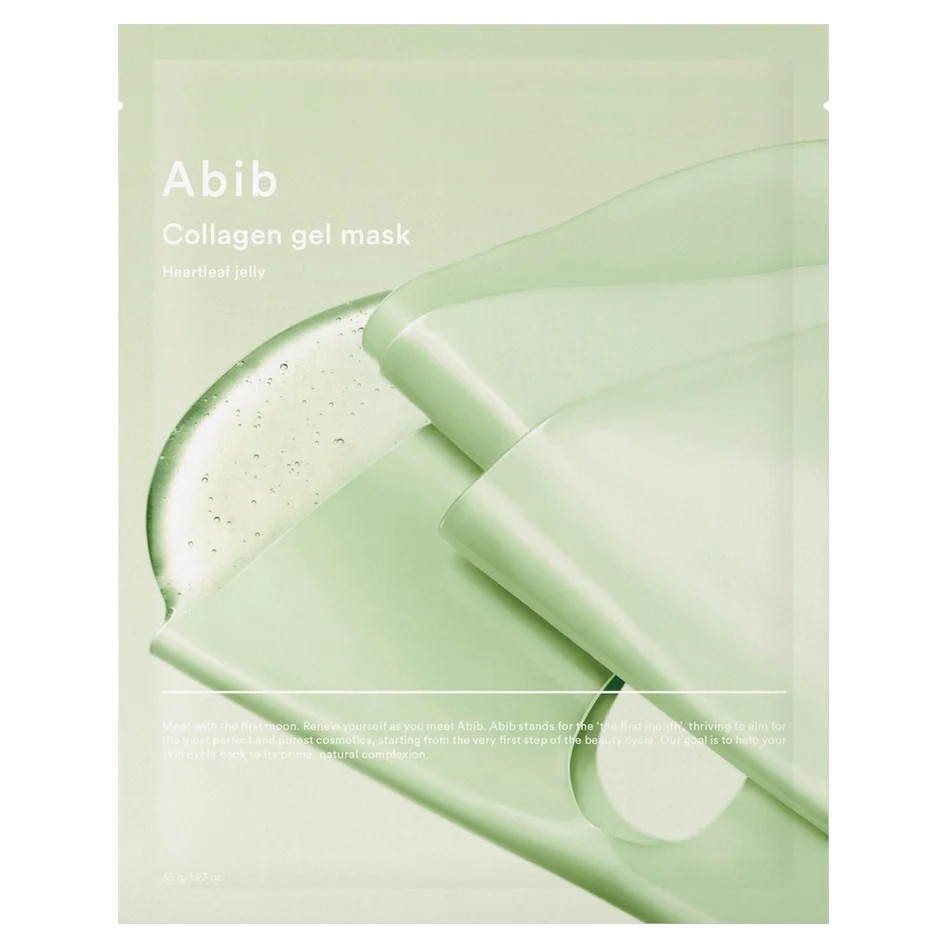
Abib
Collagen Gel Mask Heartleaf Jelly
18th of 43 on the label
below ≈1%
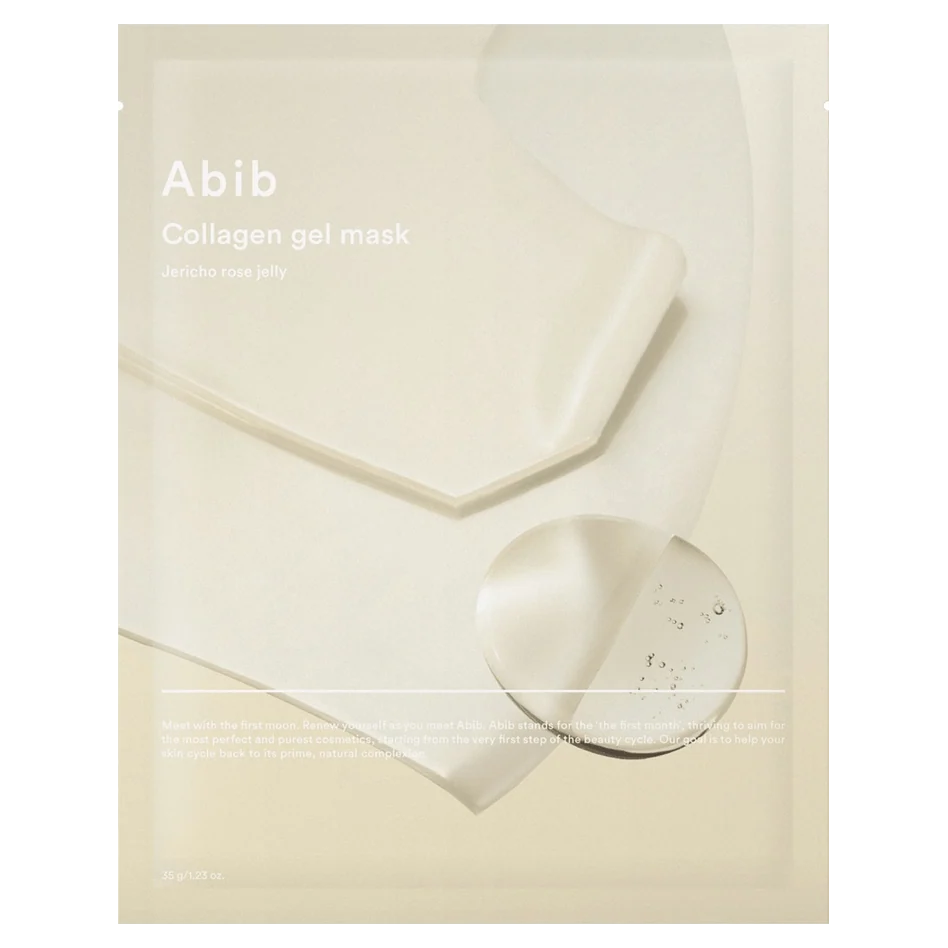
Abib
Collagen Gel Mask Jericho Rose Jelly
43rd of 43 on the label
below ≈1%
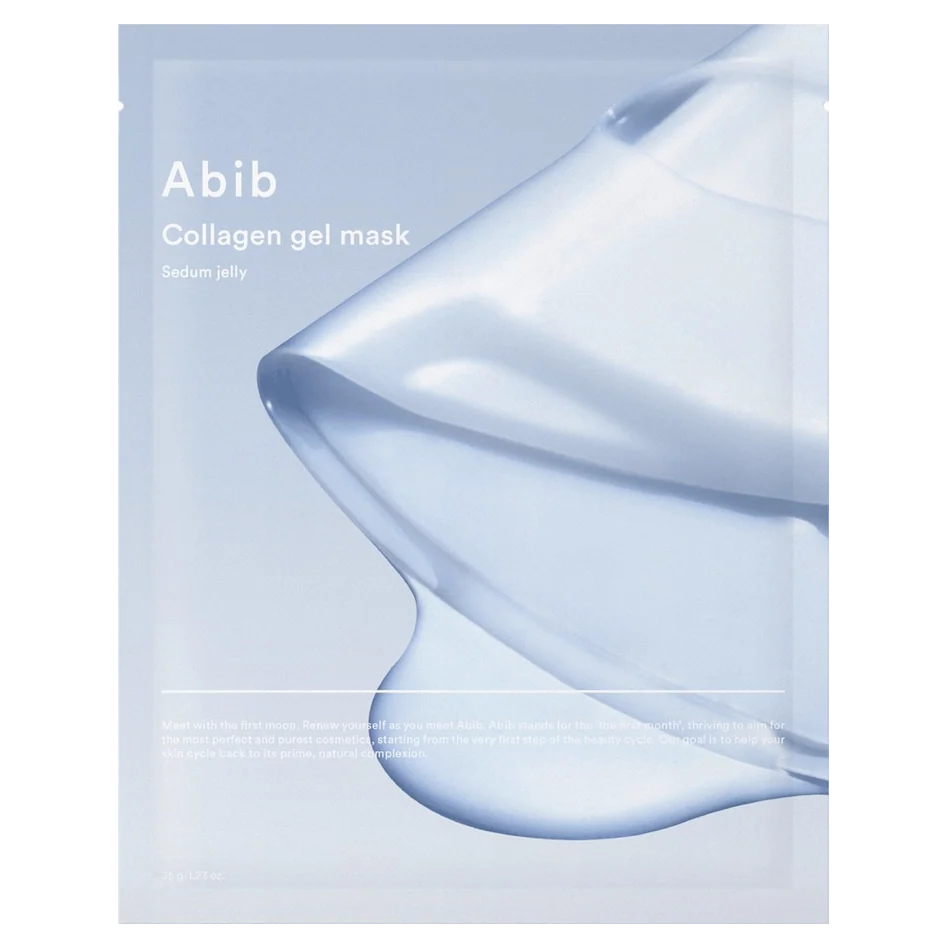
Abib
Collagen Gel Mask Sedum Jelly
41st of 41 on the label
below ≈1%
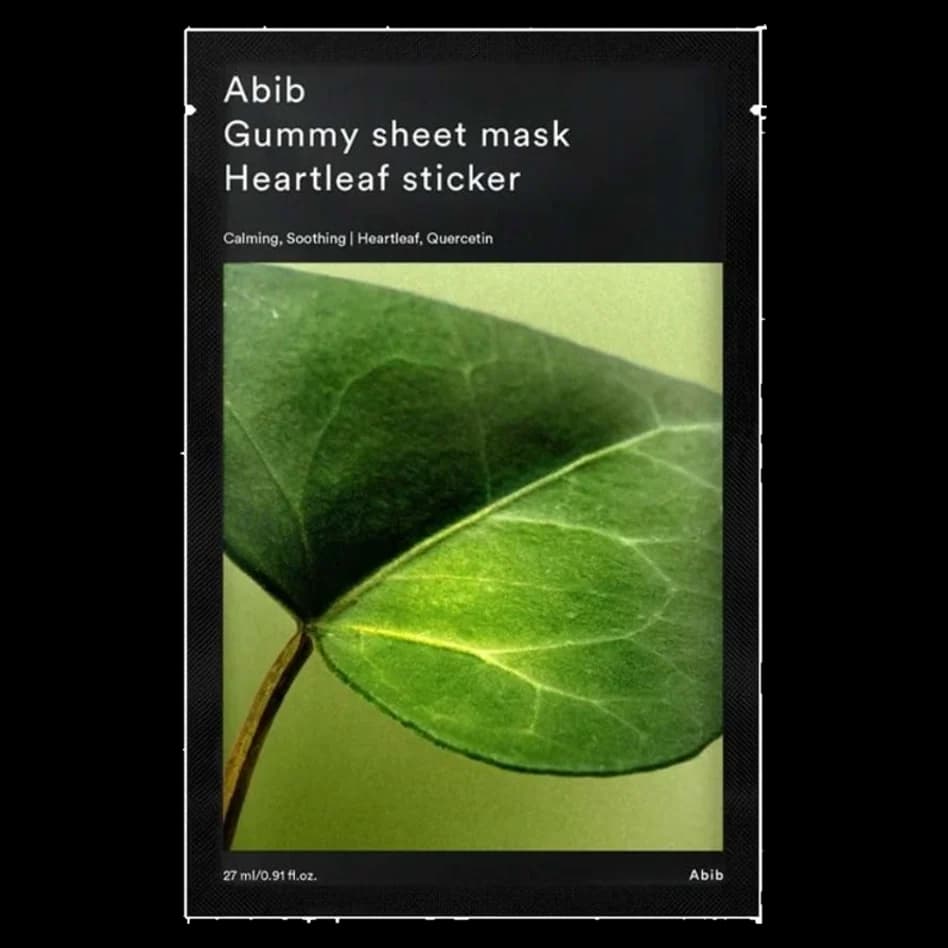
Abib
Gummy Sheet Mask Heartleaf Sticker
11th of 29 on the label
below ≈1%
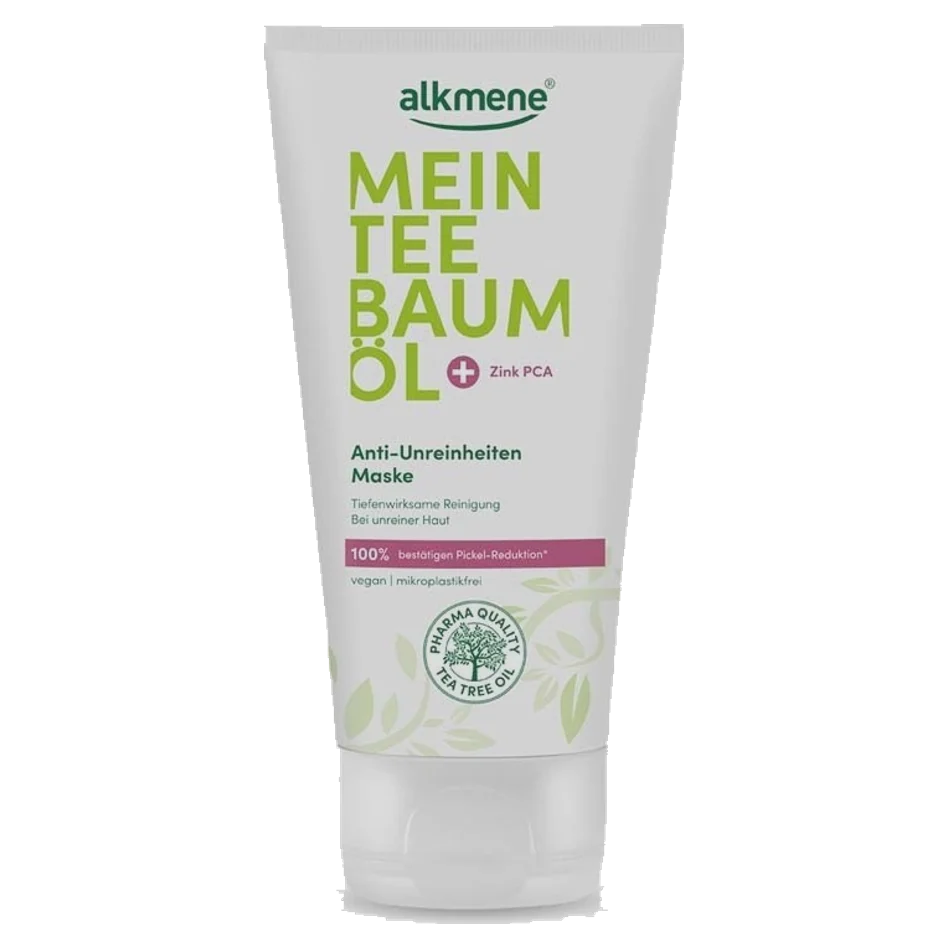
alkmene
Mein Teebaumöl Anti-Unreinheiten Maske
11th of 16 on the label
below ≈1%
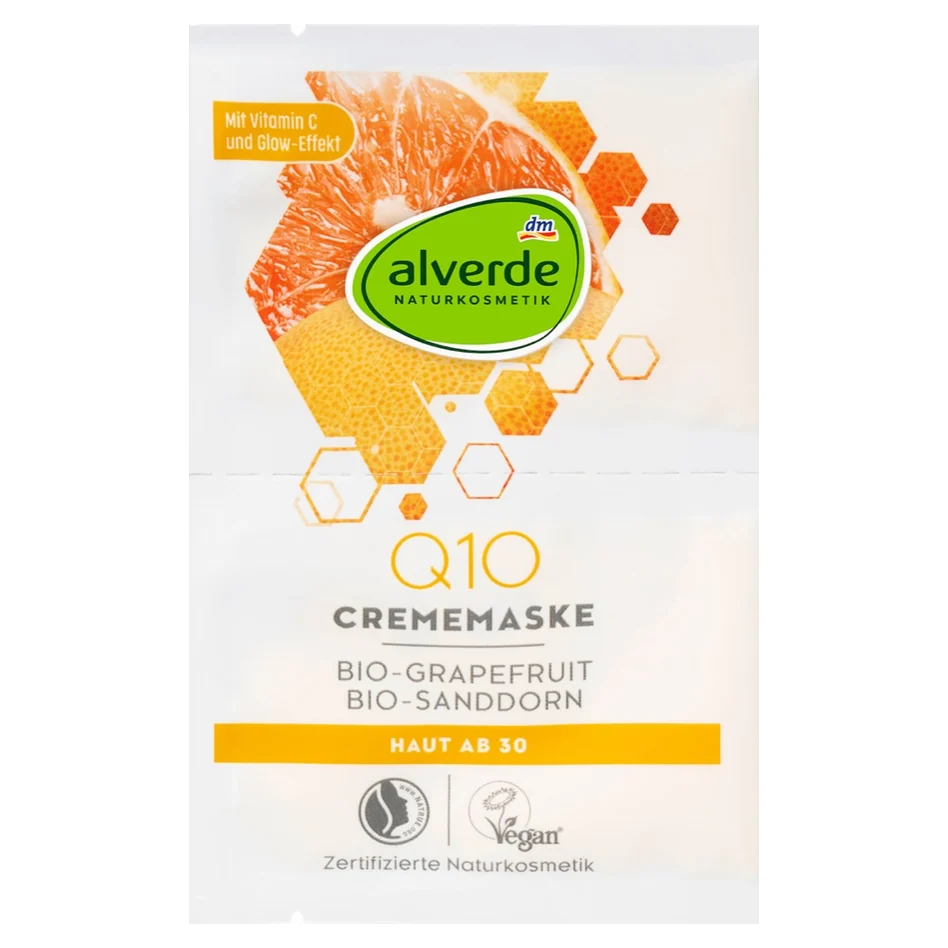
alverde Naturkosmetik
Gesichtsmaske Q10 mit Vitamin C
19th of 40 on the label
below ≈1%
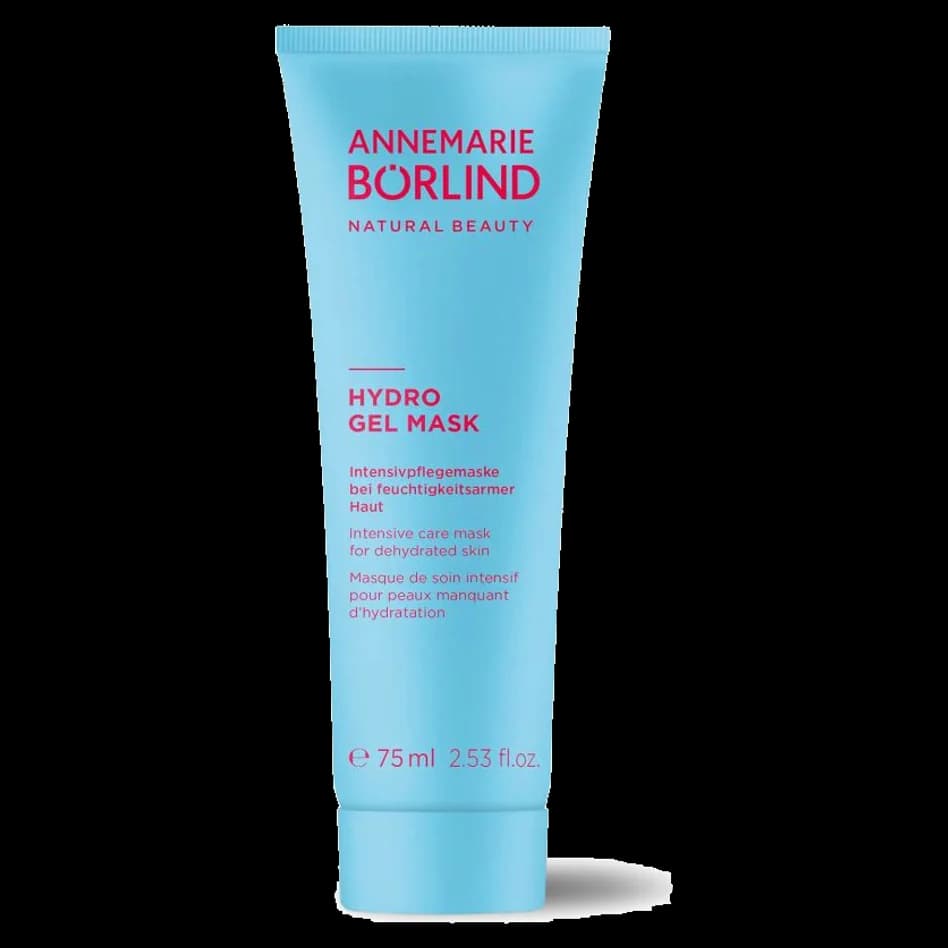
Annemarie Börlind
Hydro Gel Mask
4th of 33 on the label
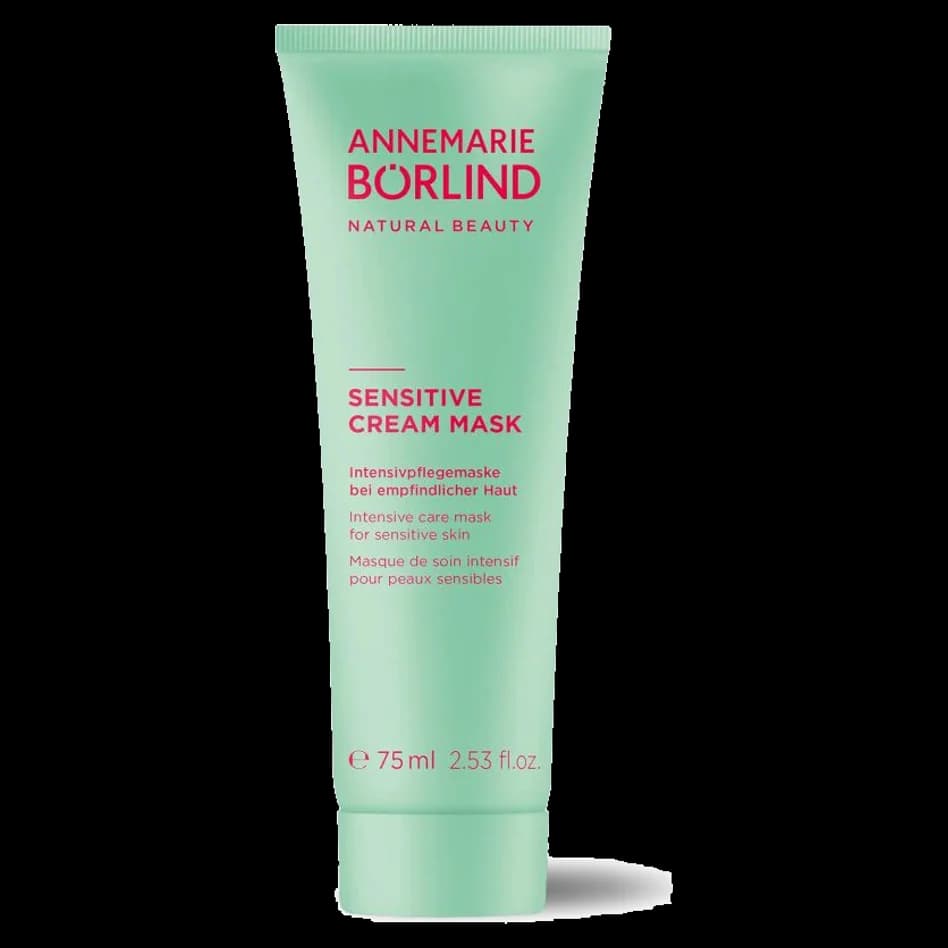
Annemarie Börlind
Sensitive Cream Mask
23rd of 31 on the label
below ≈1%
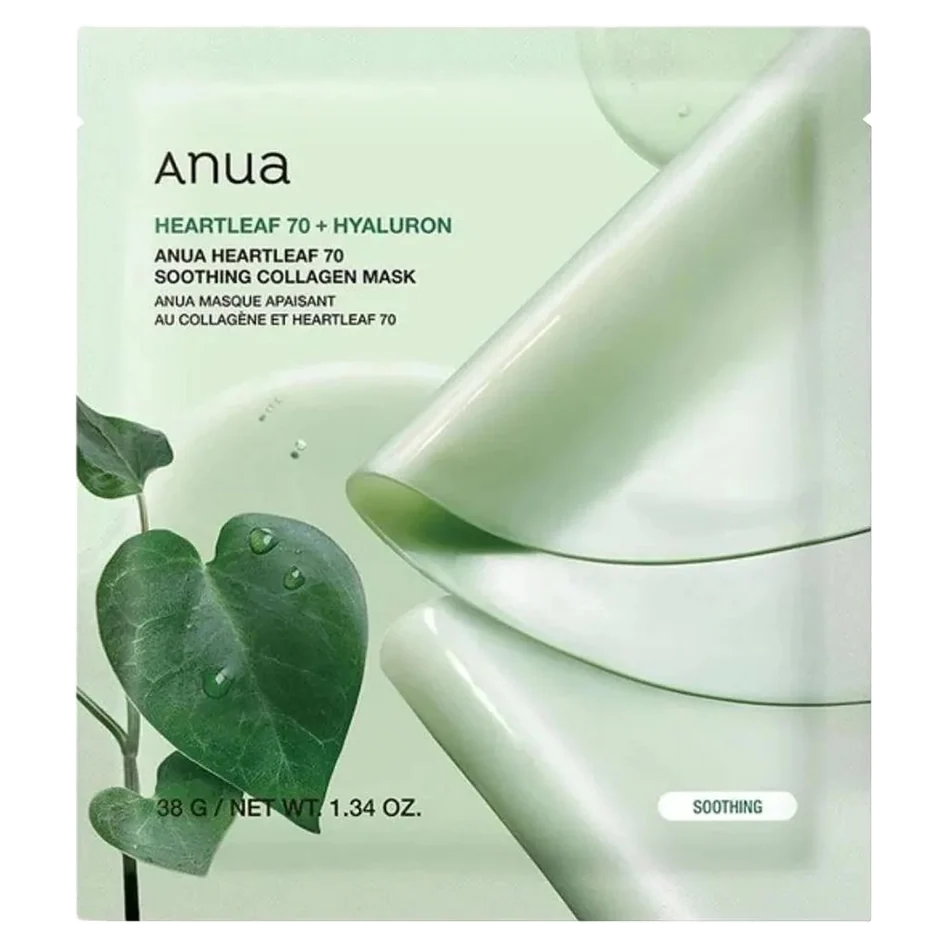
Anua
Heartleaf 70 Soothing Collagen Mask
9th of 35 on the label
below ≈1%
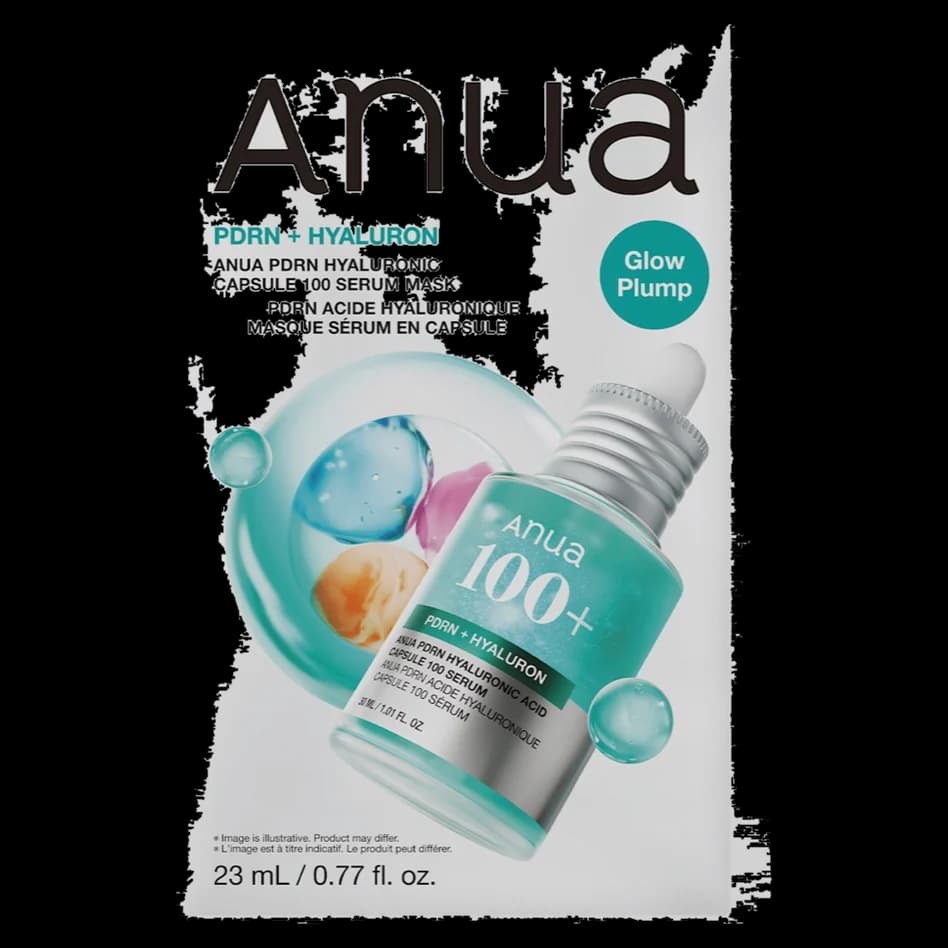
Anua
PDRN Serum Mask 100 Hyaluronic Acid Capsule
15th of 45 on the label
below ≈1%
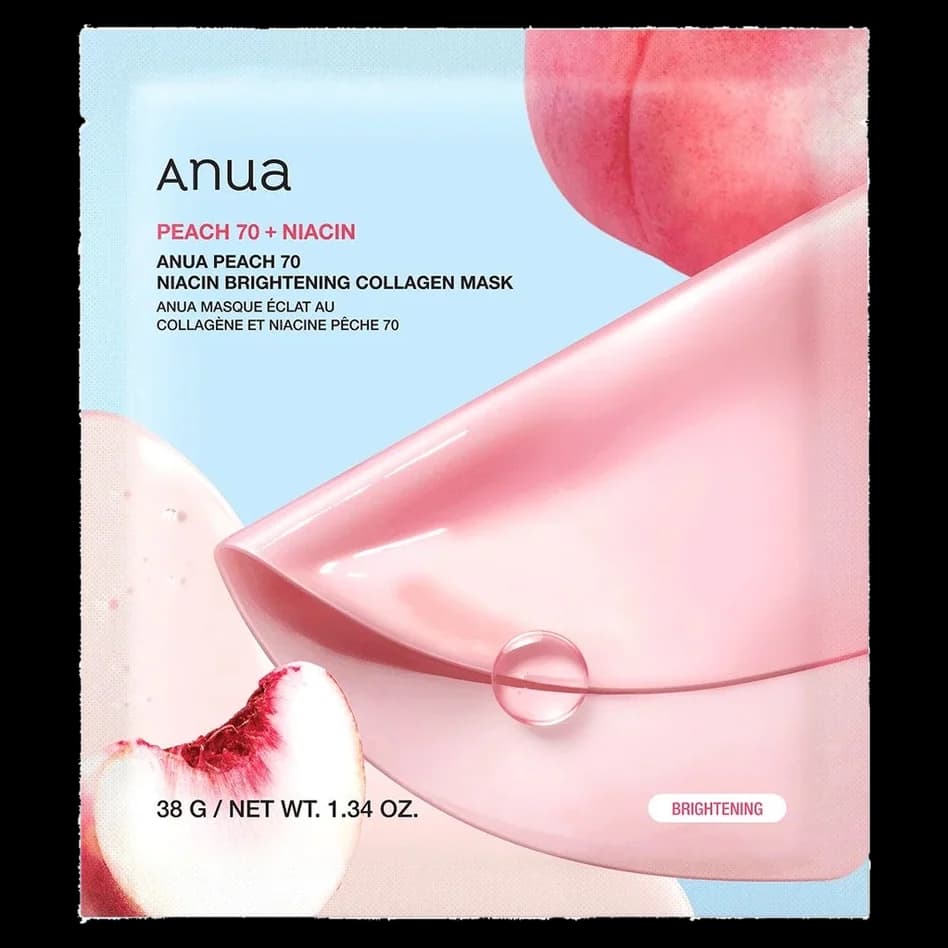
Anua
Peach 70 Niacin Brightening Collagen Mask
11th of 44 on the label
below ≈1%
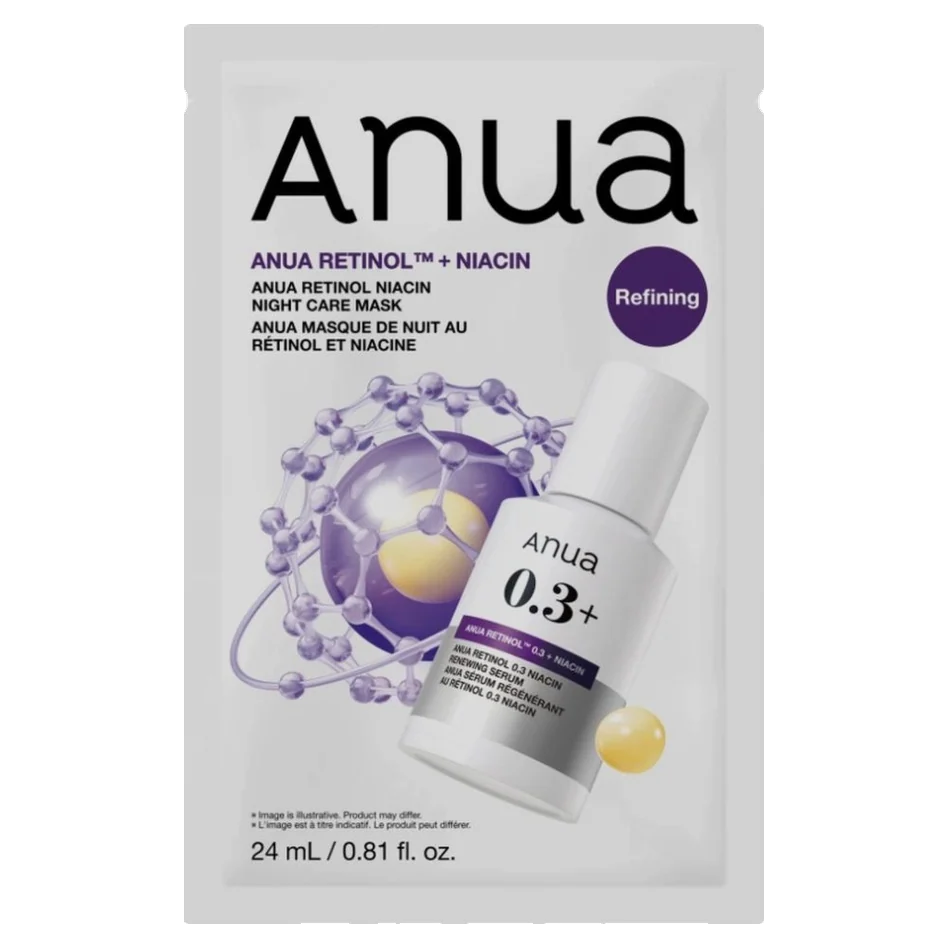
Anua
Retinol Niacin Night Care Mask
21st of 44 on the label
below ≈1%
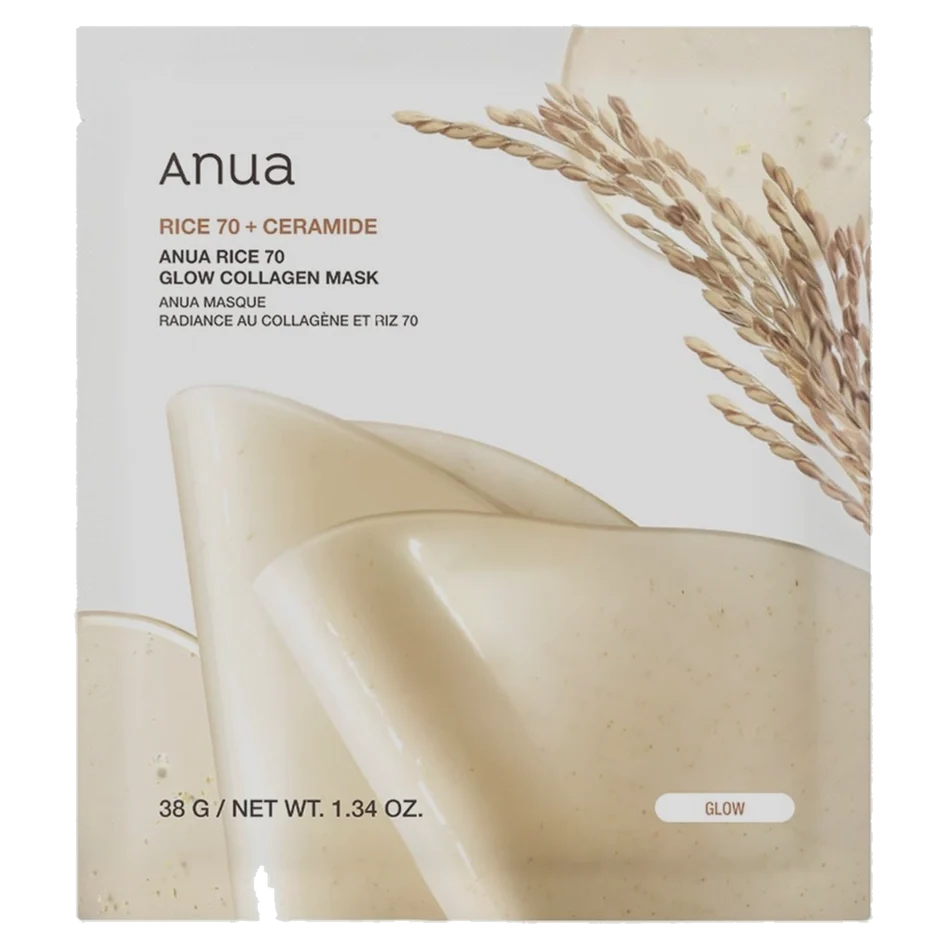
Anua
Rice 70 Glow Collagen Mask
10th of 42 on the label
below ≈1%
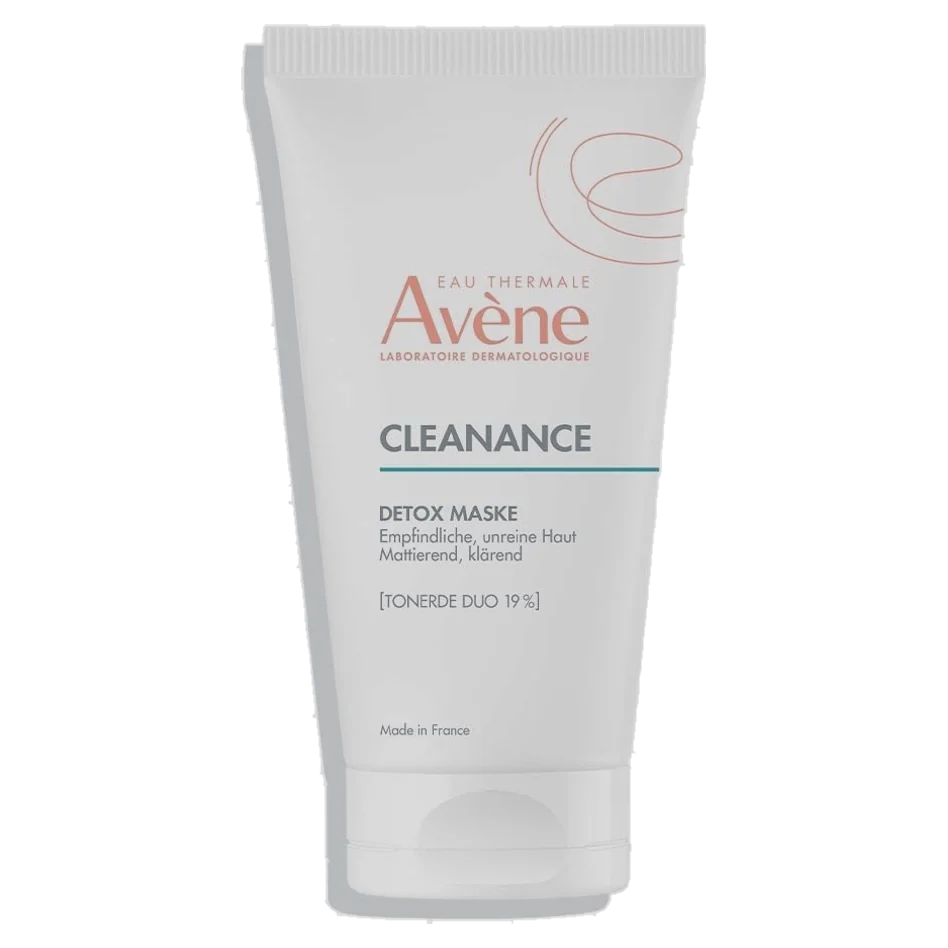
Avène
Cleanance Detox Mask
18th of 18 on the label
below ≈1%
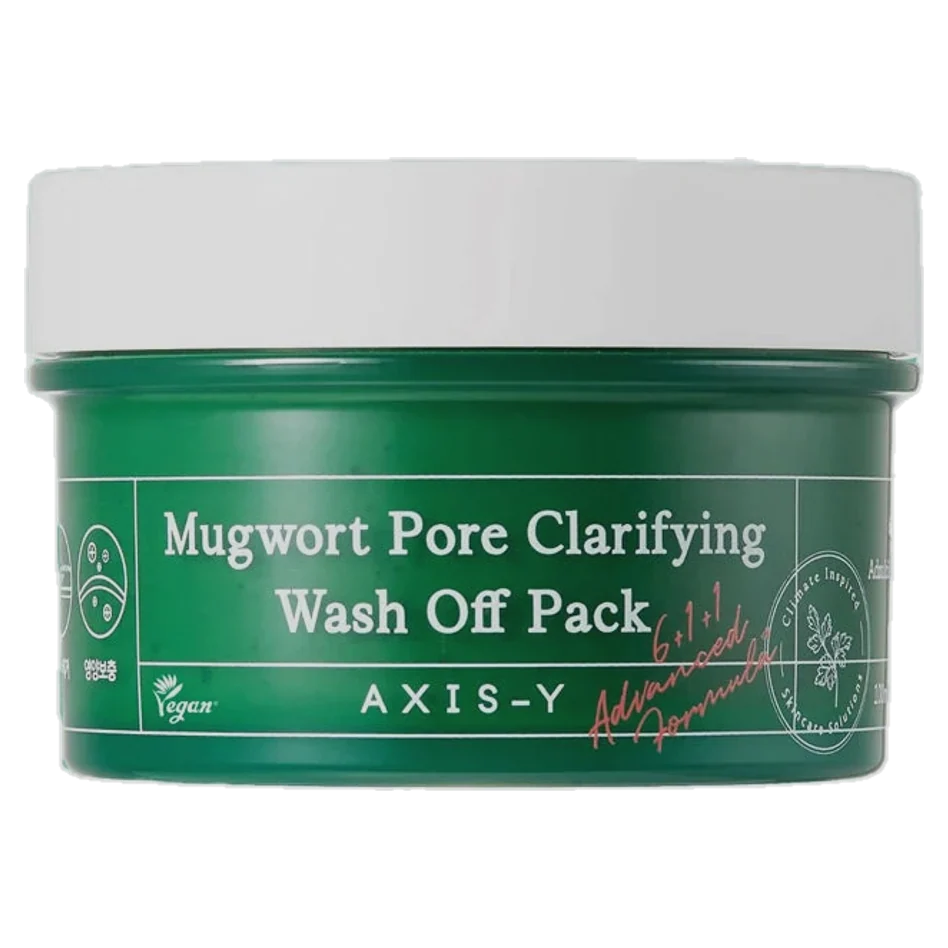
AXIS-Y
Mugwort Pore Clarifying Wash Off Pack
21st of 36 on the label
below ≈1%
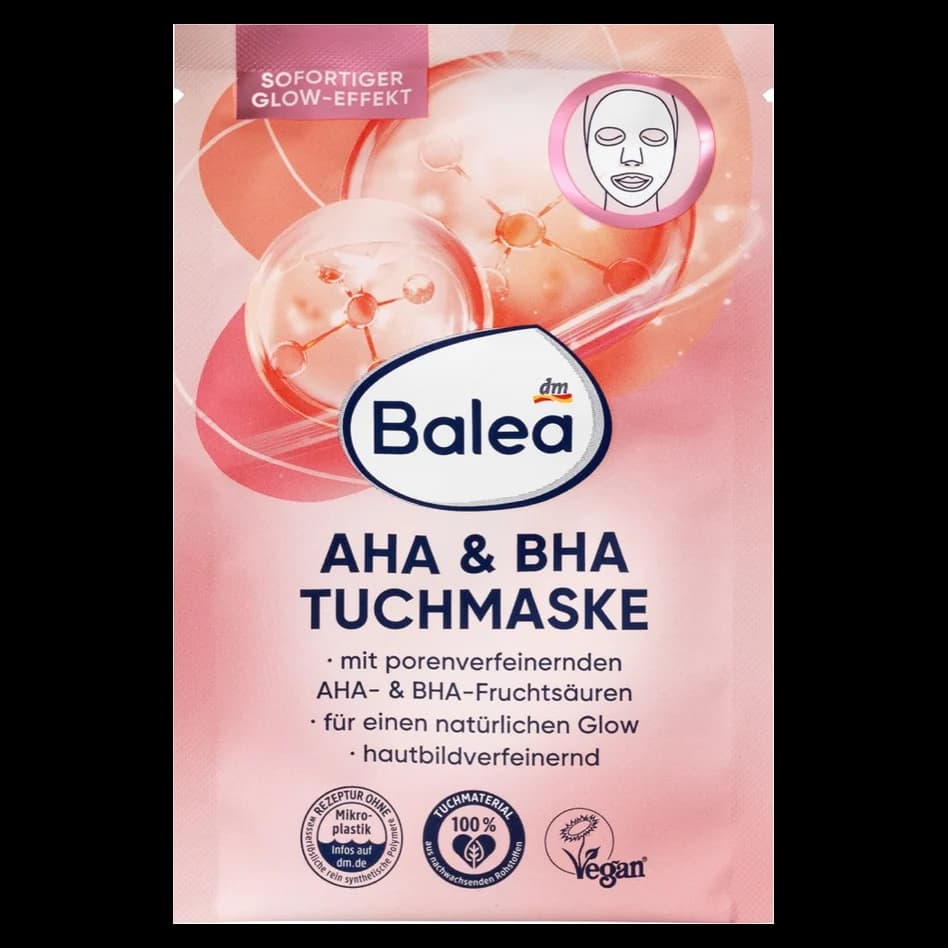
Balea
AHA & BHA Tuchmaske
13th of 16 on the label
below ≈1%
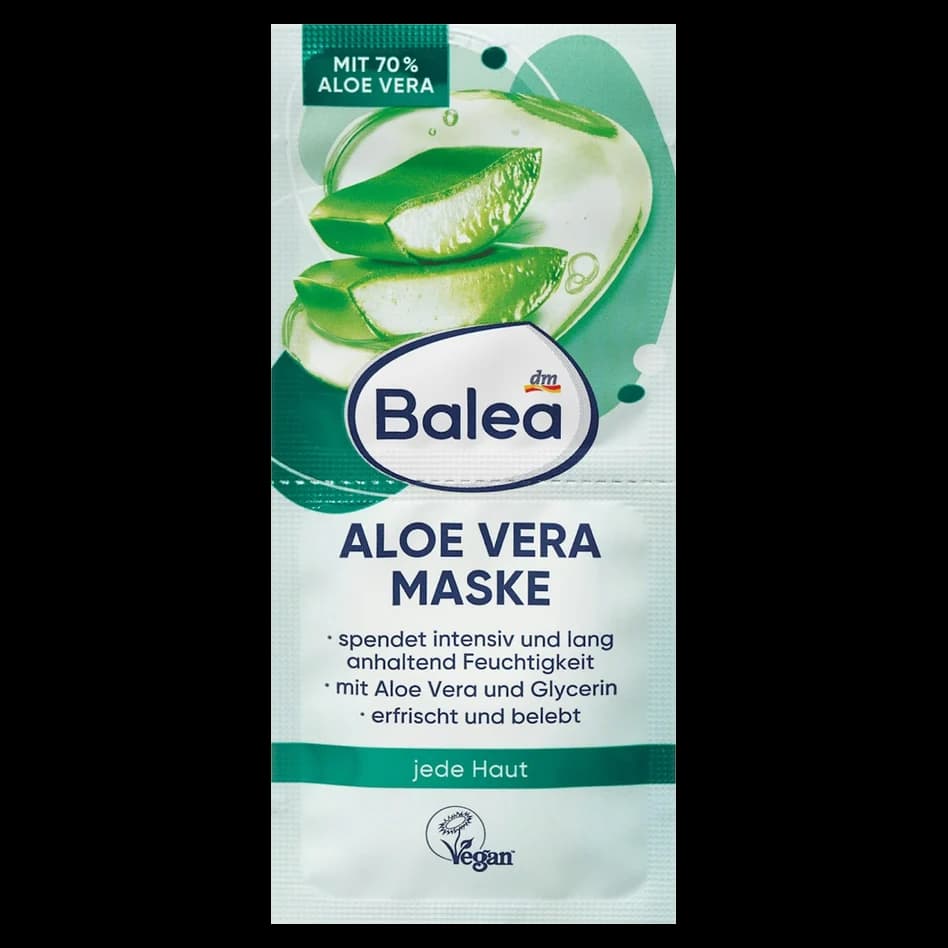
Balea
Gesichtsmaske Aloe Vera
11th of 21 on the label
below ≈1%
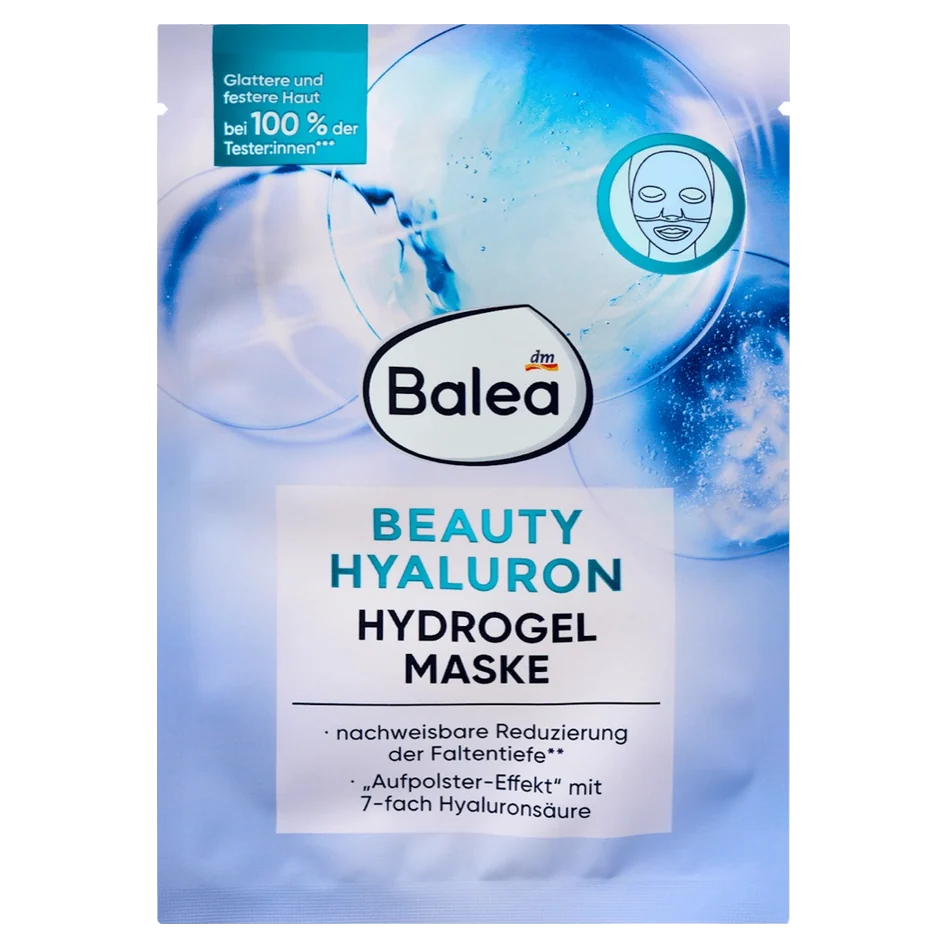
Balea
Gesichtsmaske Beauty Hyaluron Hydrogel
14th of 28 on the label
below ≈1%
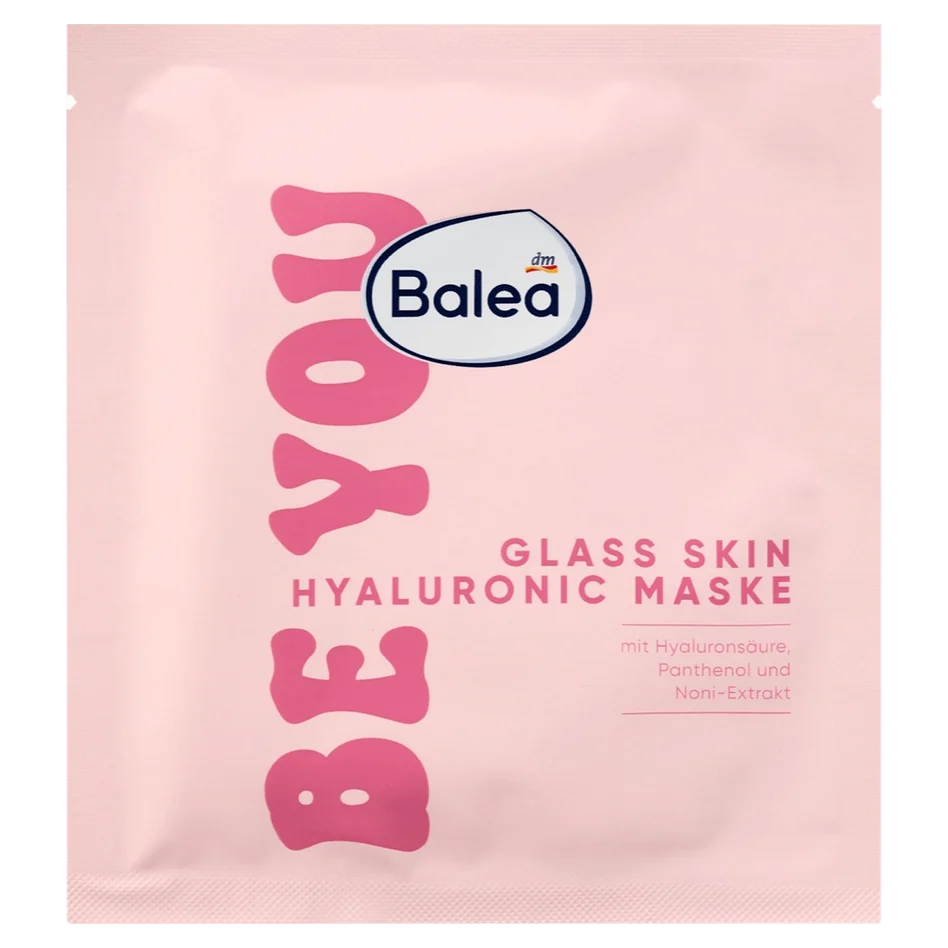
Balea
Gesichtsmaske Glass Skin Hyaluronic Be You
26th of 30 on the label
below ≈1%
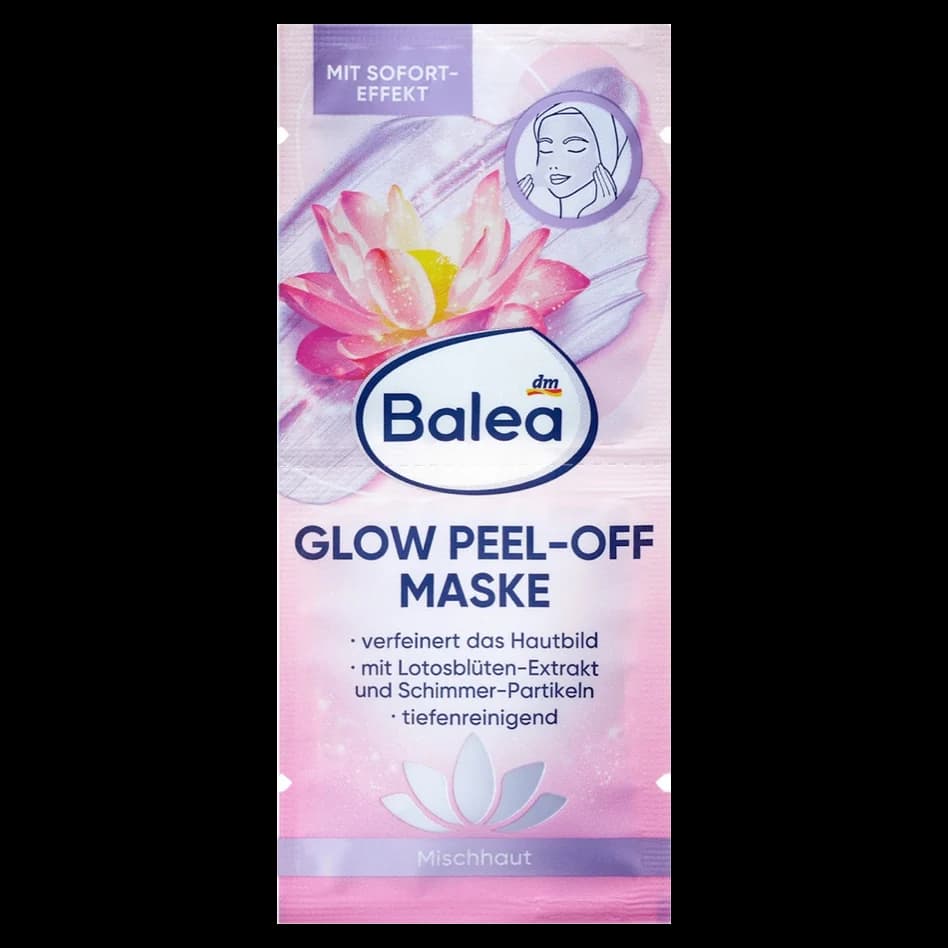
Balea
Gesichtsmaske Glow Peel-Off
9th of 20 on the label
below ≈1%
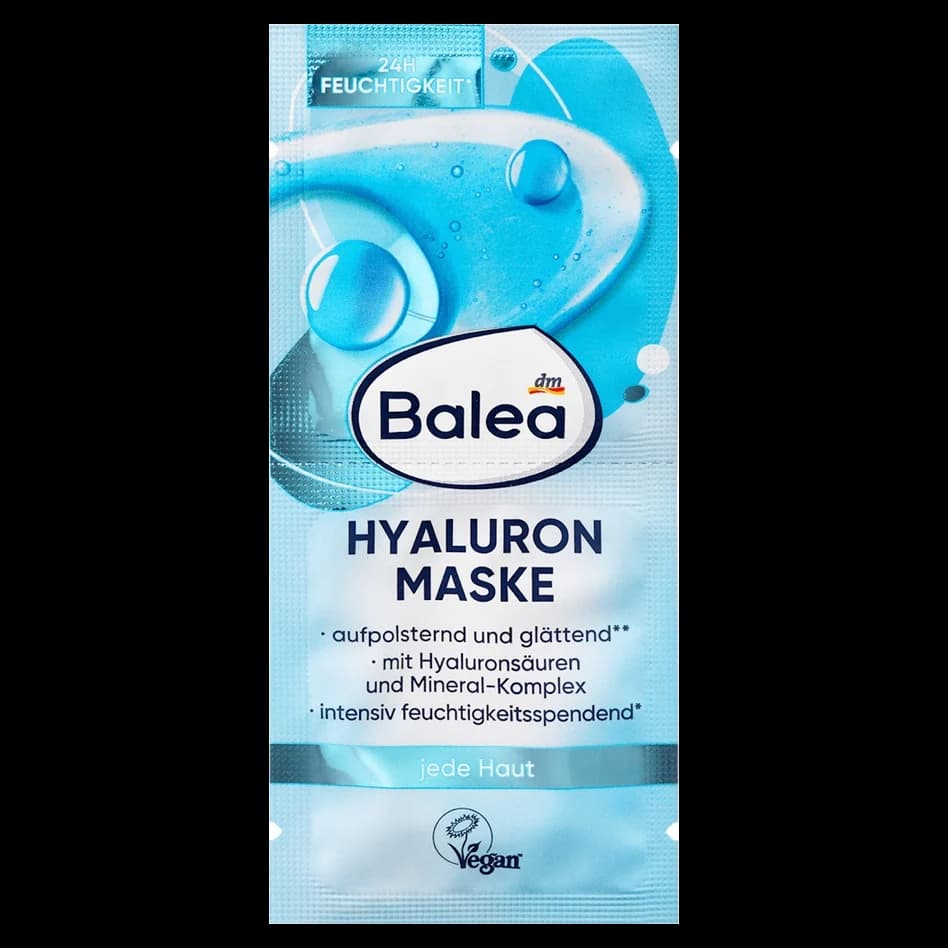
Balea
Gesichtsmaske Hyaluron
18th of 29 on the label
below ≈1%
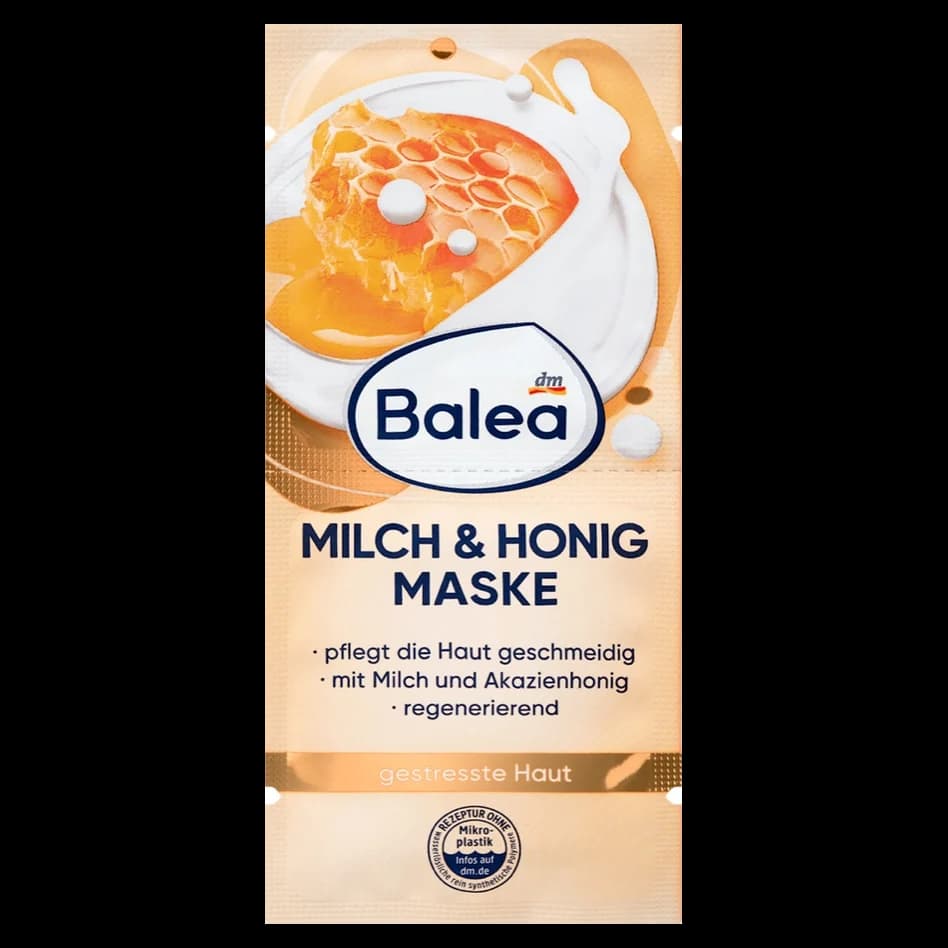
Balea
Gesichtsmaske Milch & Honig
24th of 36 on the label
below ≈1%
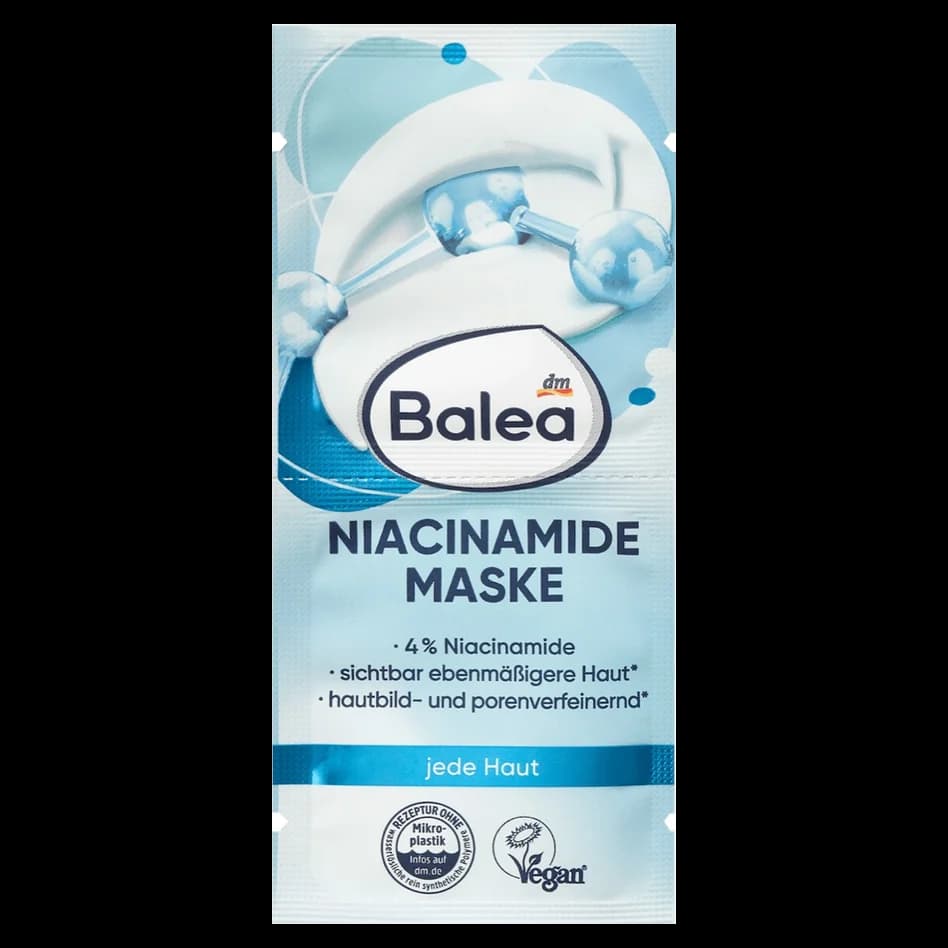
Balea
Gesichtsmaske Niacinamide
12th of 17 on the label
below ≈1%
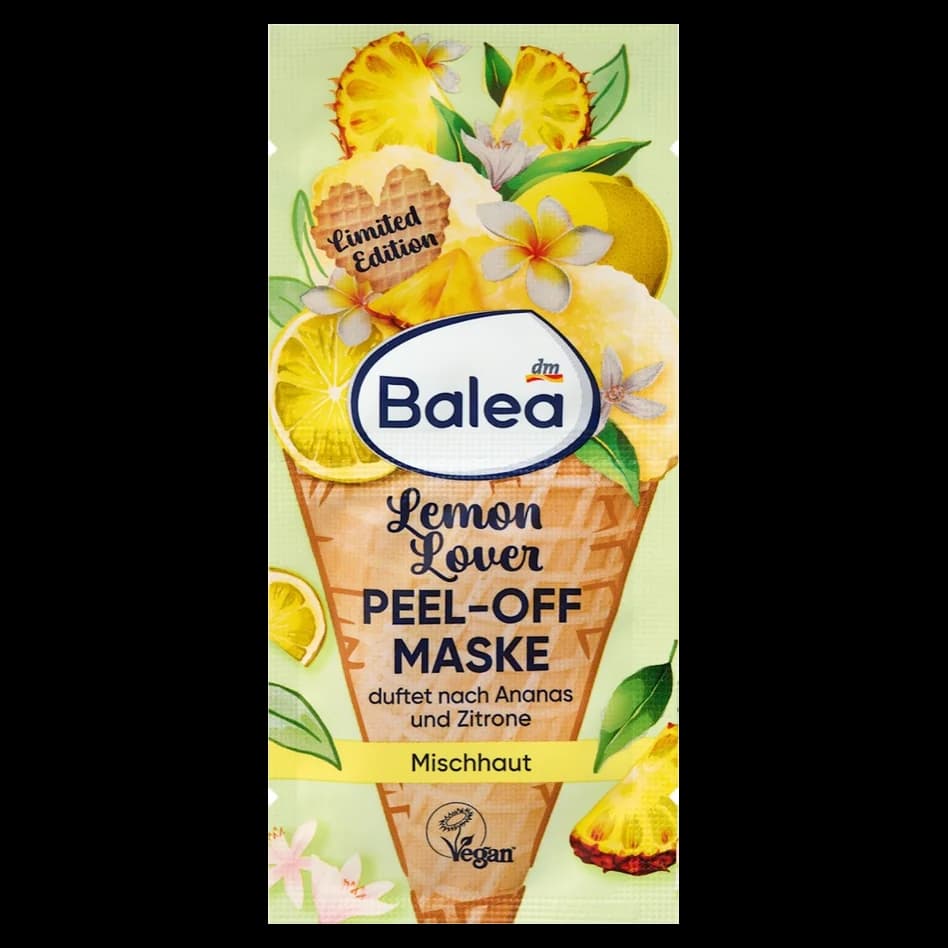
Balea
Gesichtsmaske Peel-Off Lemon Lover
10th of 23 on the label
below ≈1%
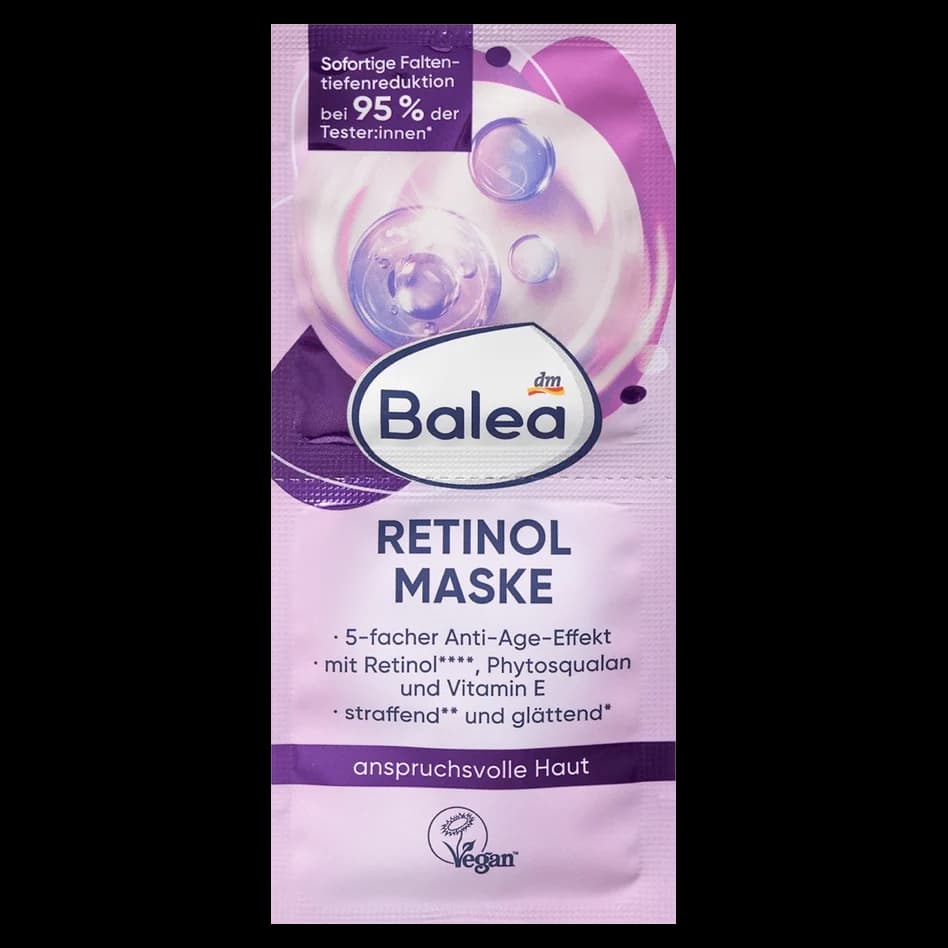
Balea
Gesichtsmaske Retinol
18th of 23 on the label
below ≈1%
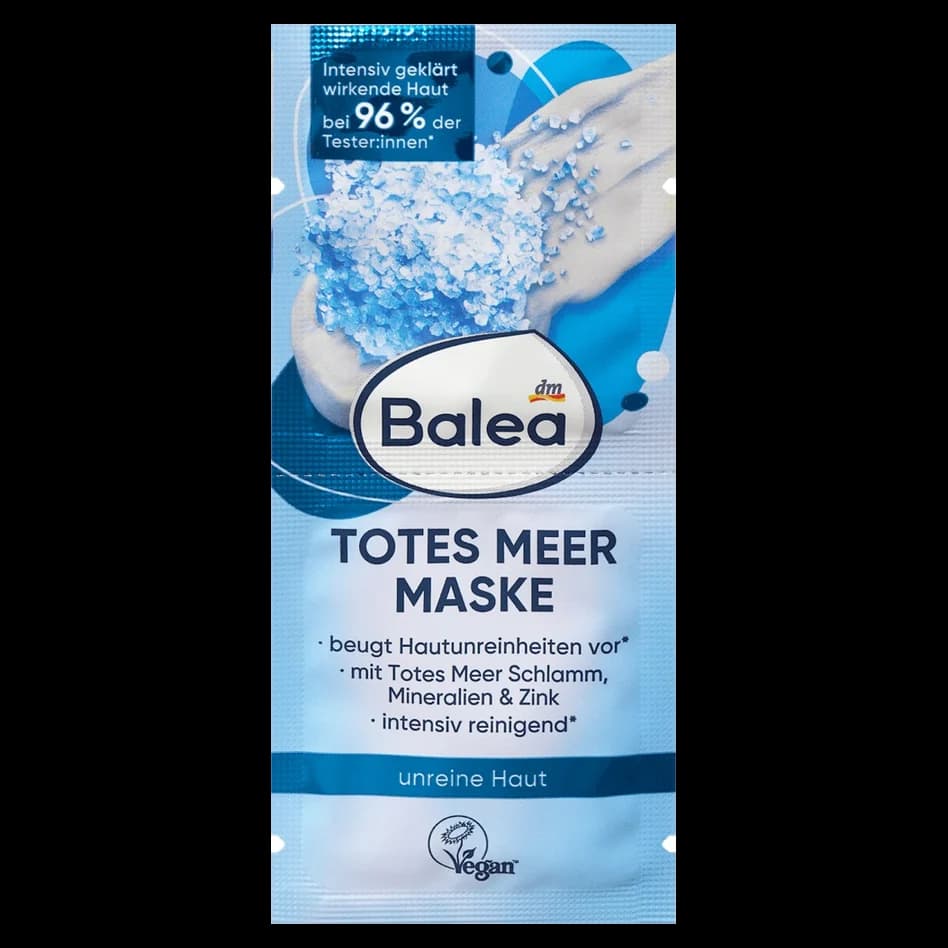
Balea
Gesichtsmaske Totes Meer
13th of 21 on the label
below ≈1%
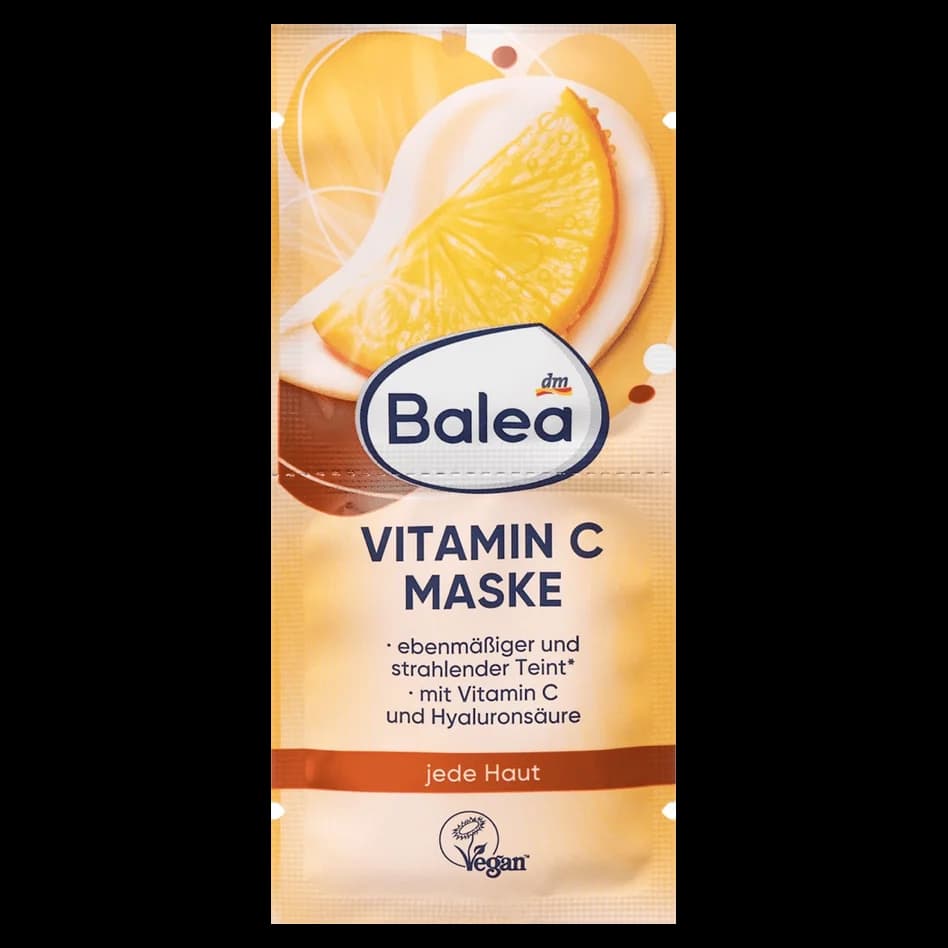
Balea
Gesichtsmaske Vitamin C
14th of 23 on the label
below ≈1%
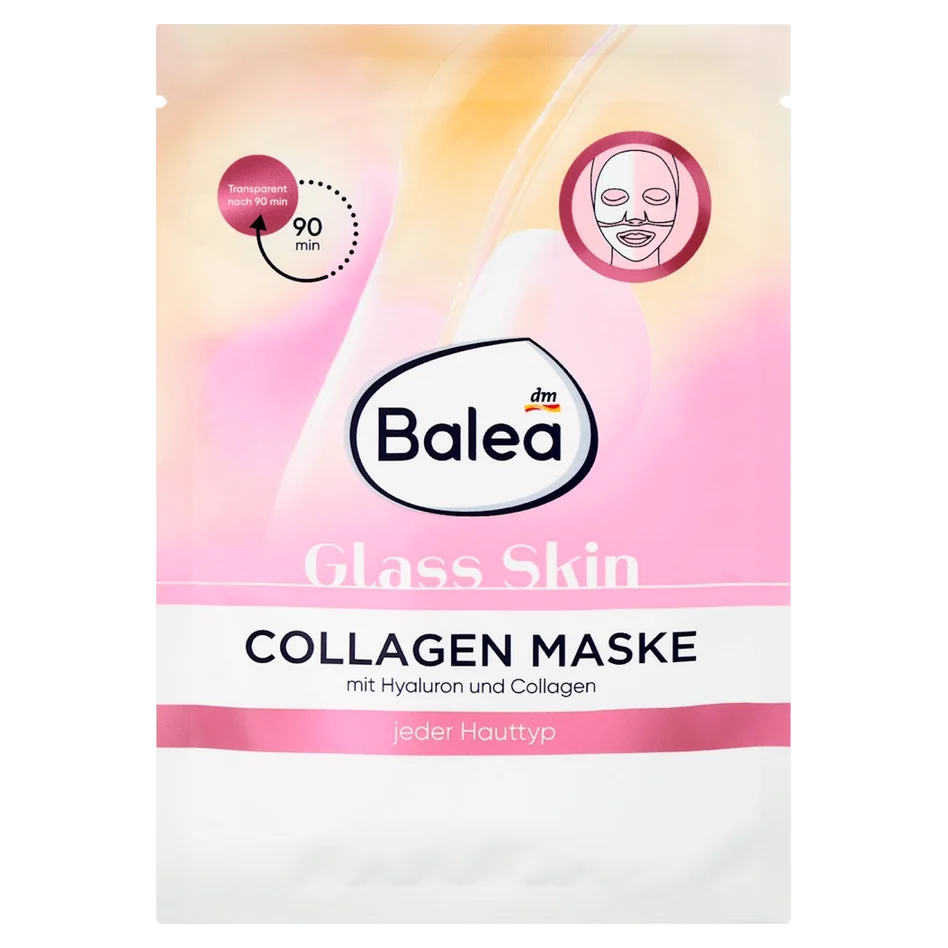
Balea
Glass Skin Collagen Maske
5th of 17 on the label
below ≈1%
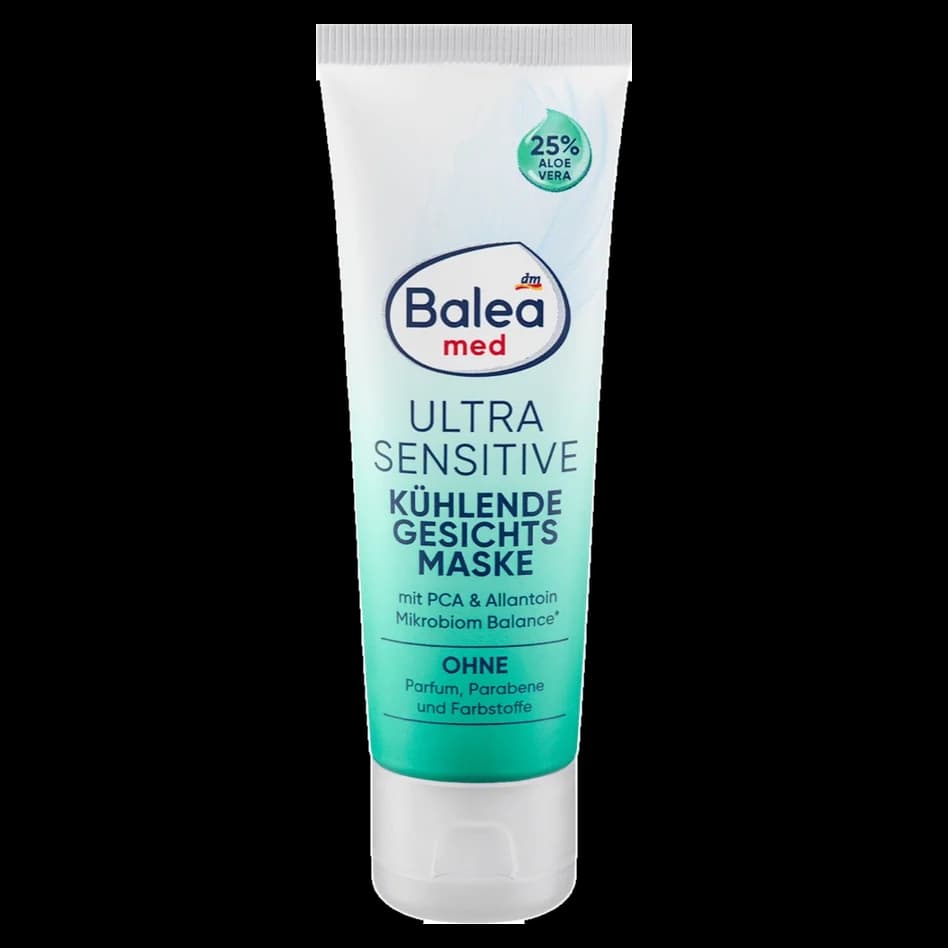
Balea med
Gesichtsmaske kühlend ultra sensitive
5th of 13 on the label
below ≈1%
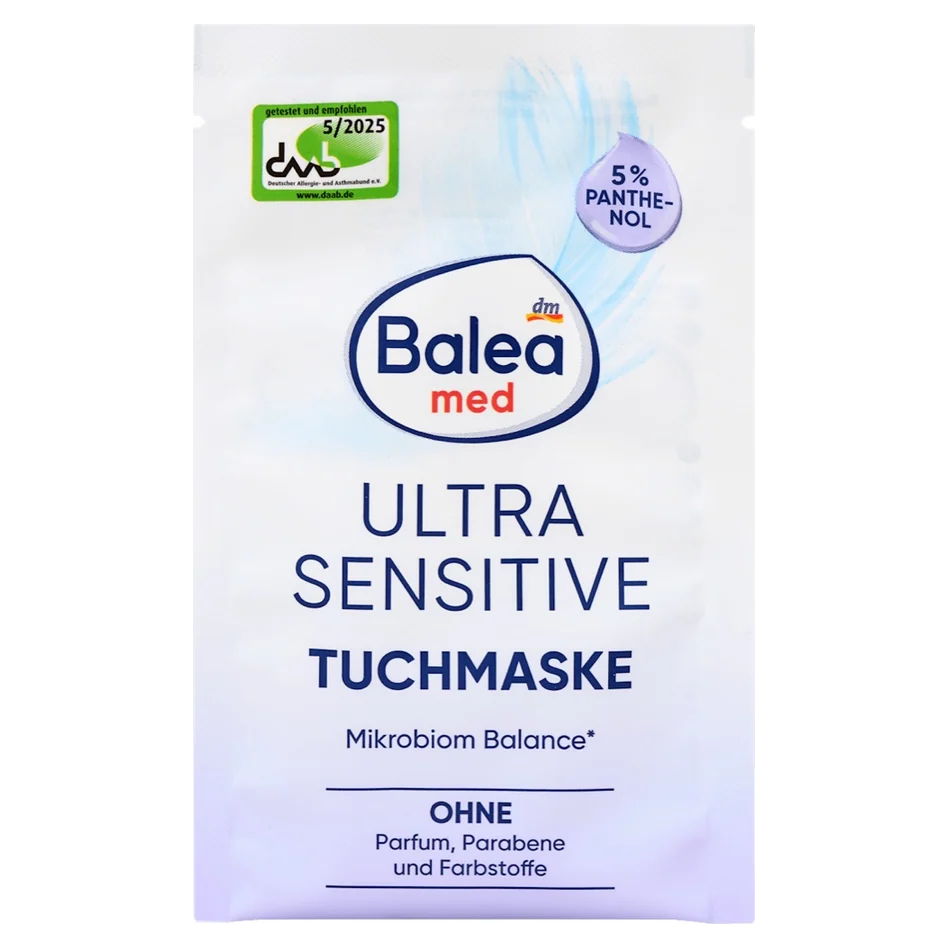
Balea med
Tuchmaske Panthenol Ultra Sensitive
13th of 16 on the label
below ≈1%
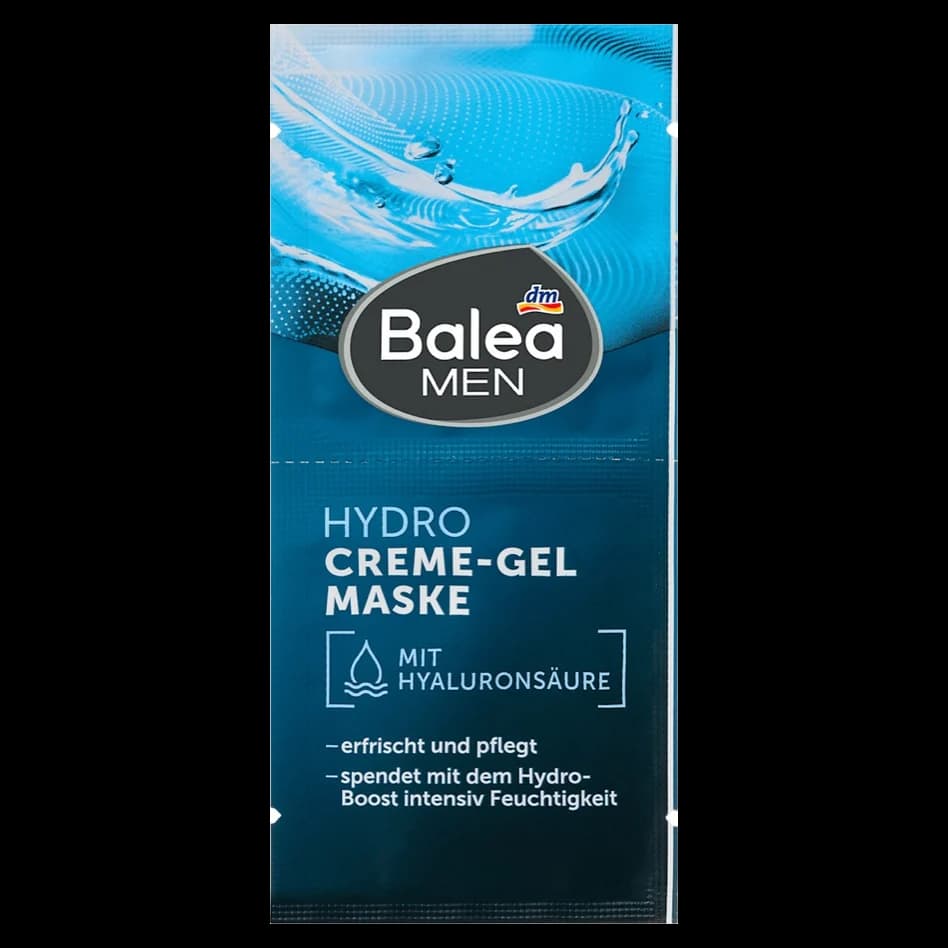
Balea MEN
Gesichtsmaske Creme-Gel Hydro
19th of 31 on the label
below ≈1%
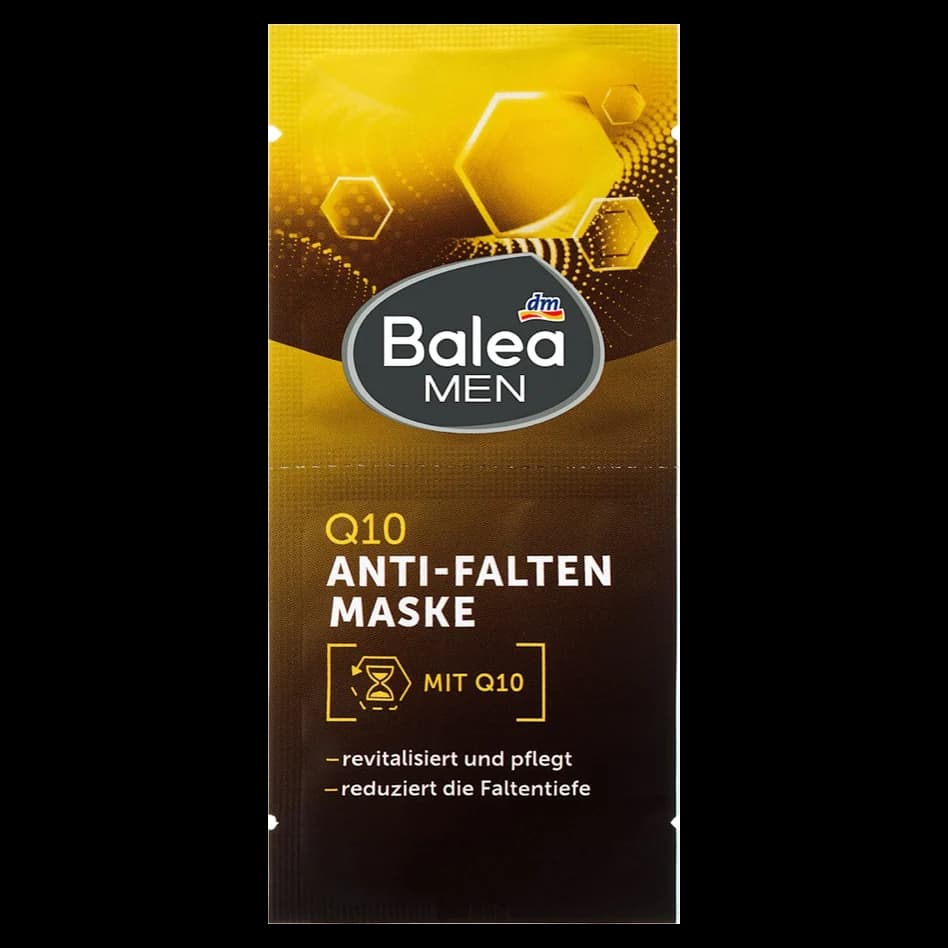
Balea MEN
Gesichtsmaske Q10 Anti-Falten
21st of 28 on the label
below ≈1%
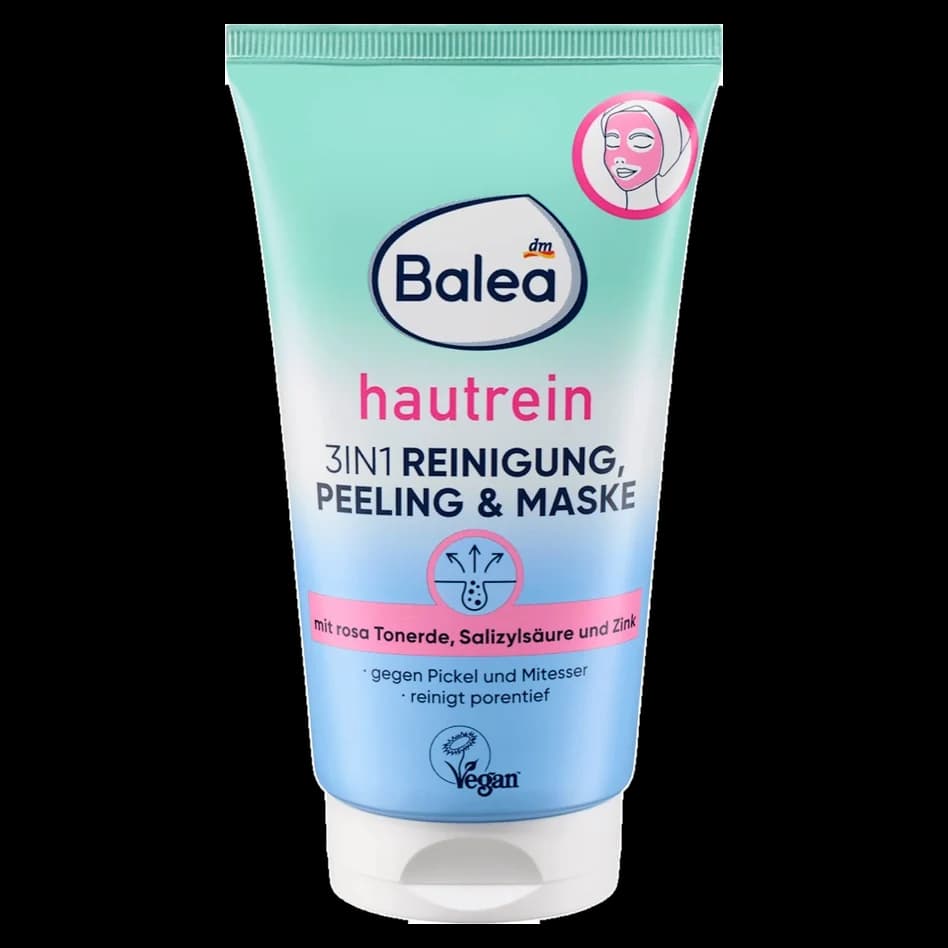
Balea
Reinigung, Peeling & Maske hautrein 3in1
15th of 18 on the label
below ≈1%
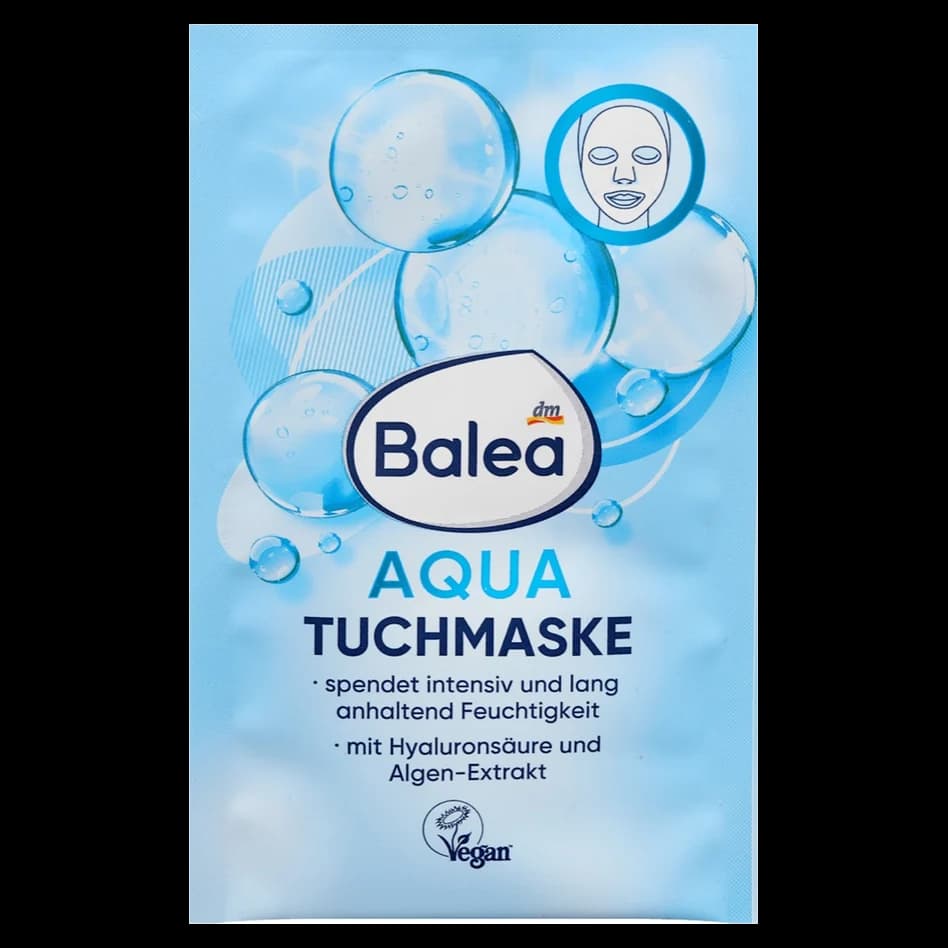
Balea
Tuchmaske Aqua
11th of 18 on the label
below ≈1%
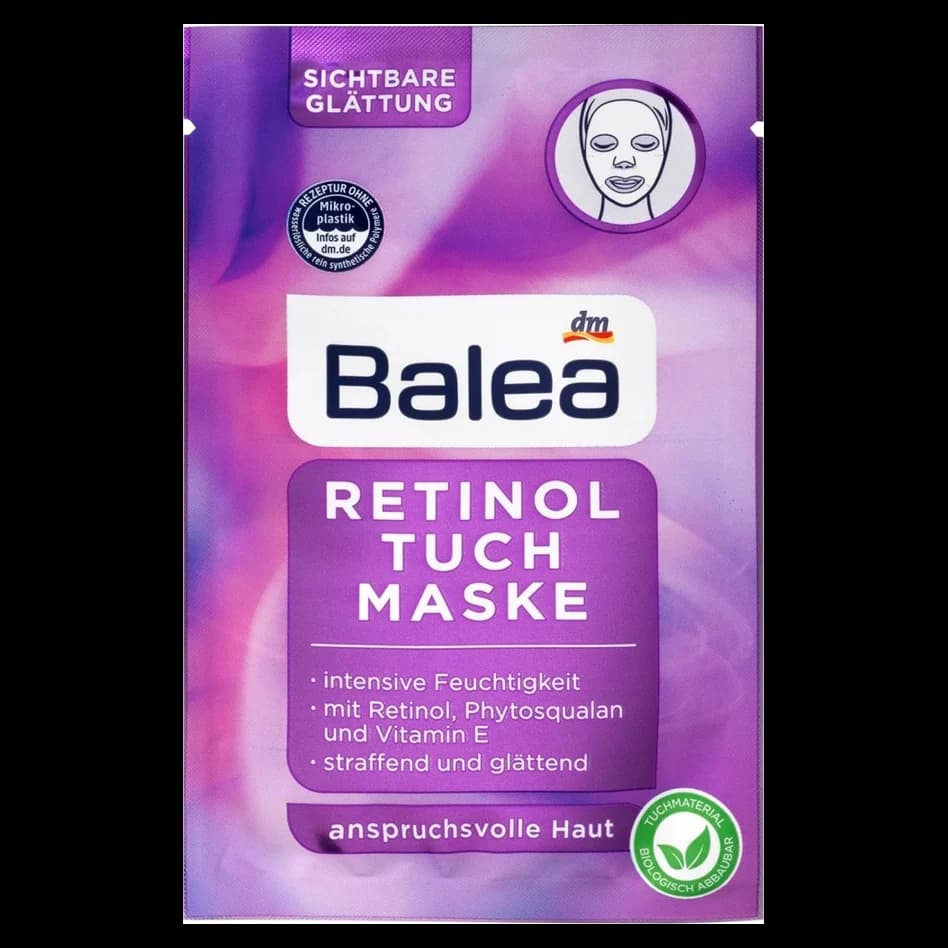
Balea
Tuchmaske Retinol
11th of 16 on the label
below ≈1%
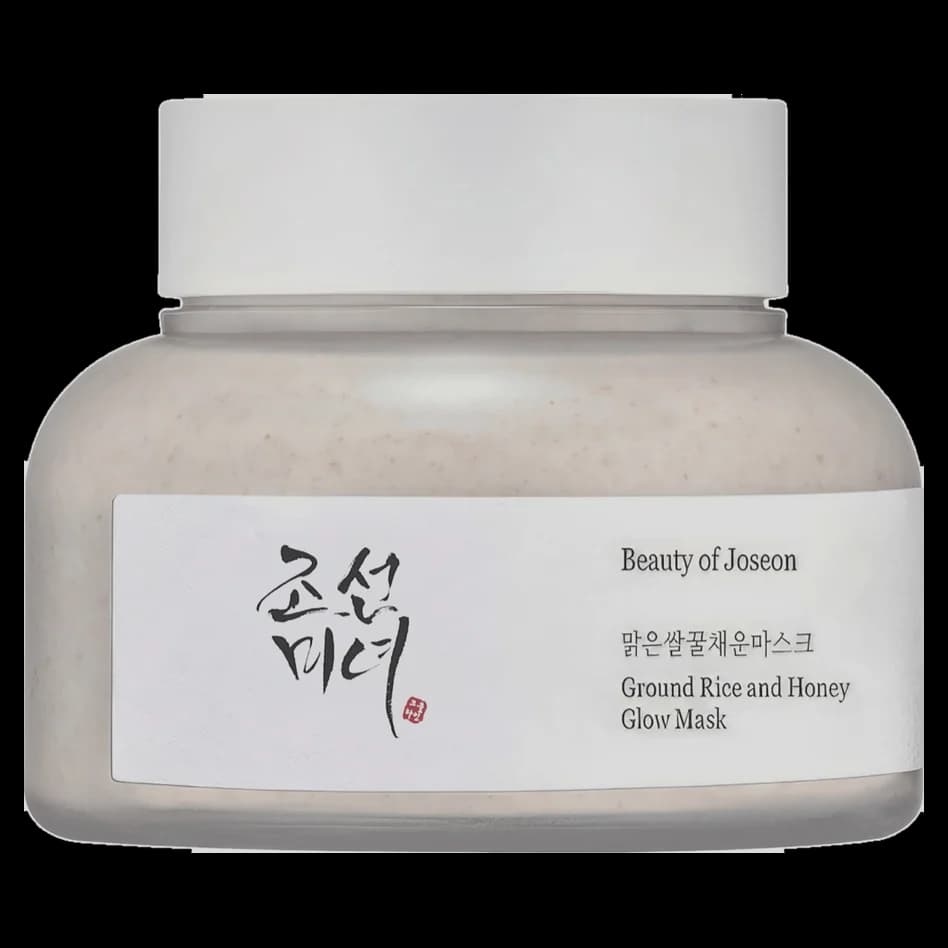
Beauty of Joseon
Ground Rice and Honey Glow Mask
25th of 35 on the label
below ≈1%
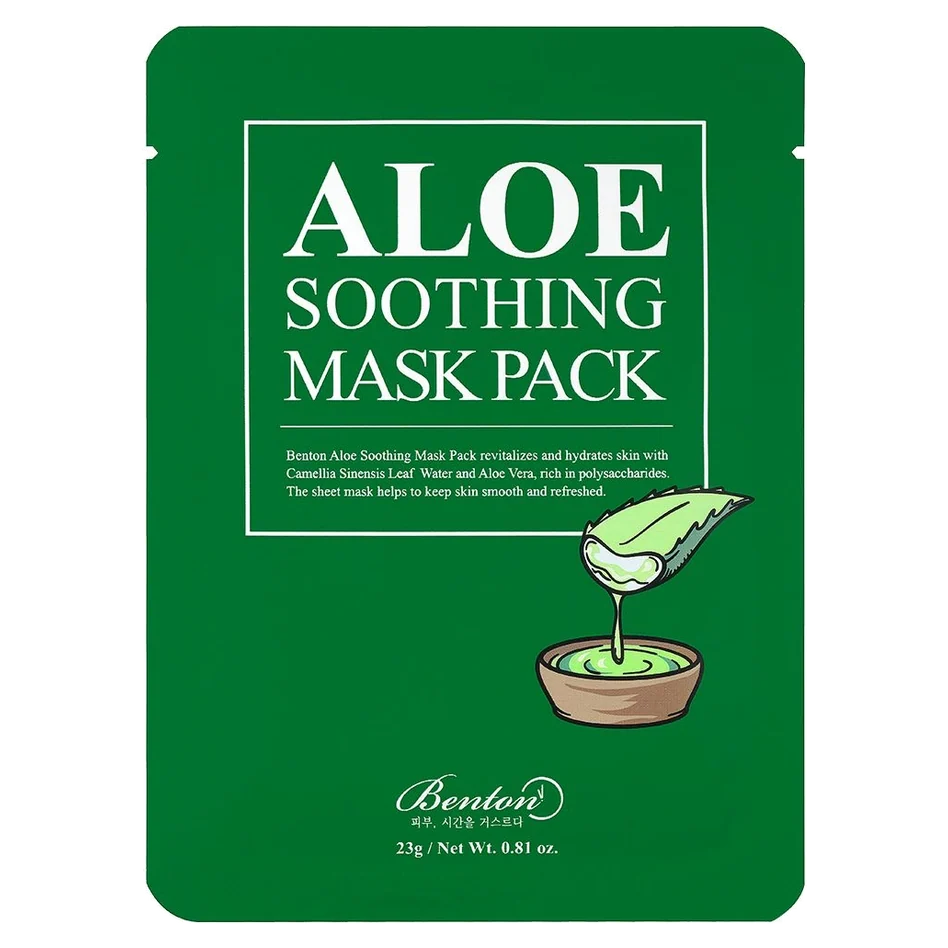
Benton
Aloe Soothing Mask Pack
12th of 19 on the label
below ≈1%
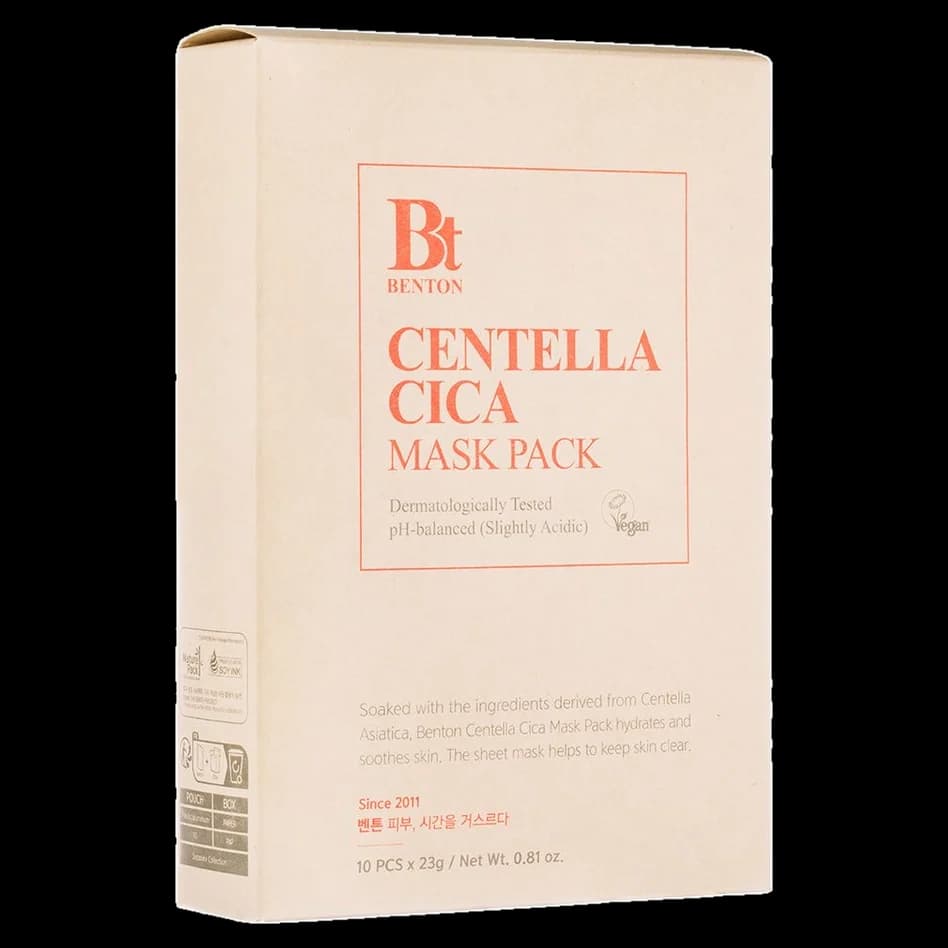
Benton
Goodbye Redness Centella Cica Mask Pack
17th of 23 on the label
below ≈1%
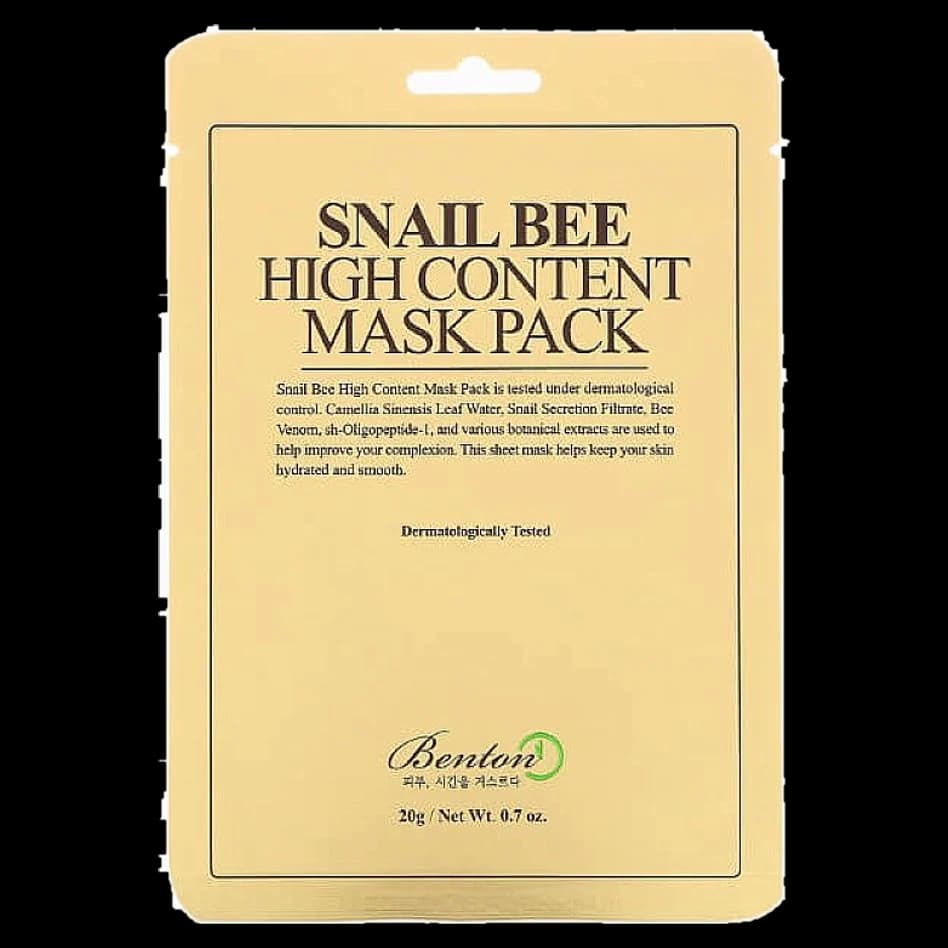
Benton
Snail Bee High Content Mask Pack
20th of 27 on the label
below ≈1%
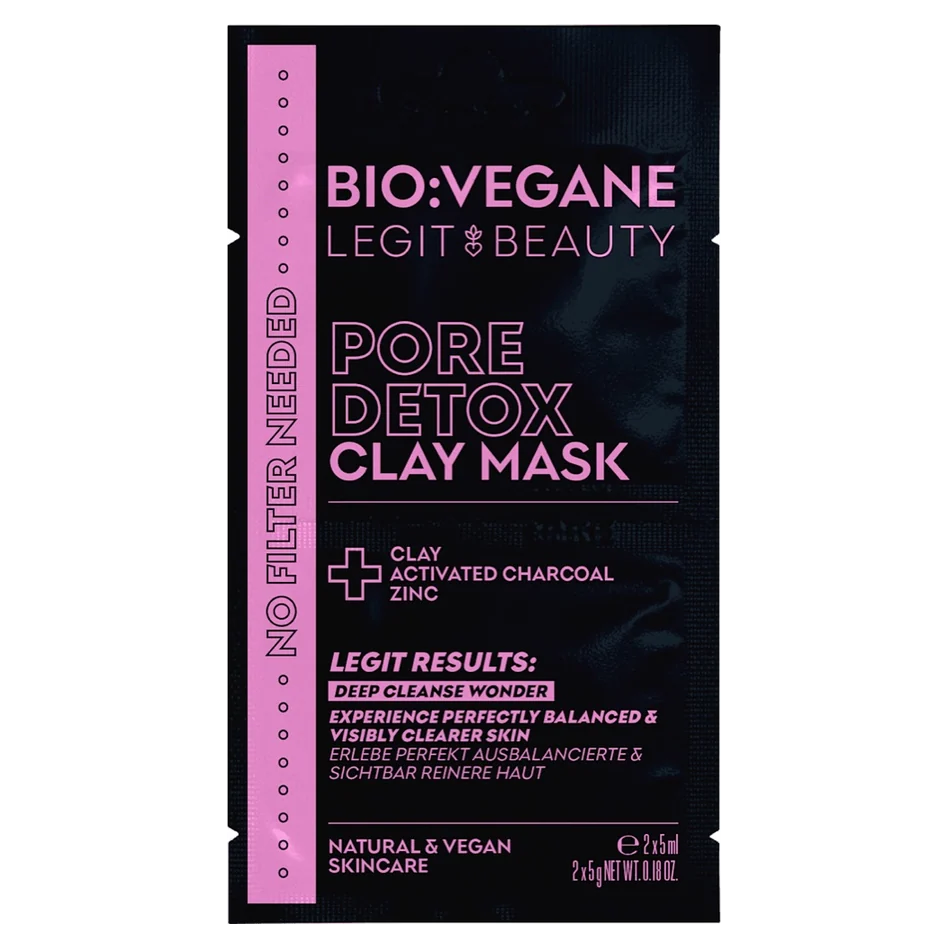
BIO:VEGANE
Gesichtsmaske Pore Detox Clay Mask
14th of 19 on the label
below ≈1%
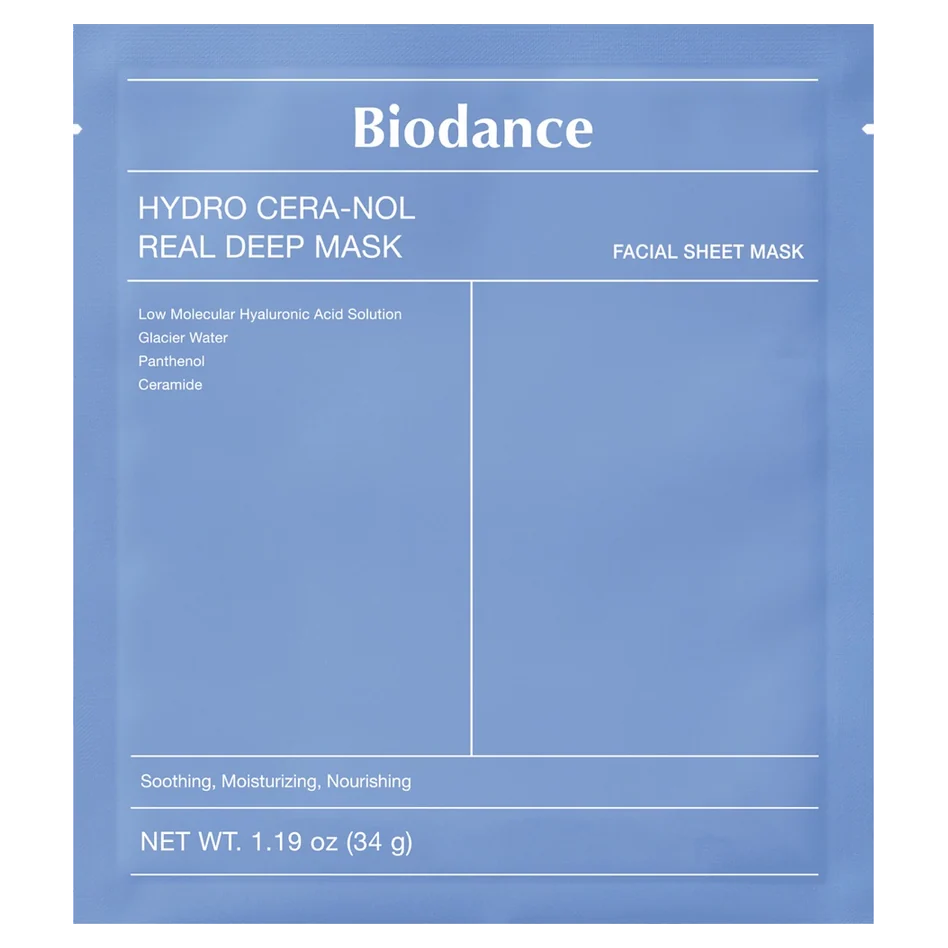
Biodance
Hydro Cera-nol Real Deep Mask
6th of 65 on the label
below ≈1%
Biodance
Refreshing Sea Kelp Real Deep Mask
19th of 43 on the label
below ≈1%
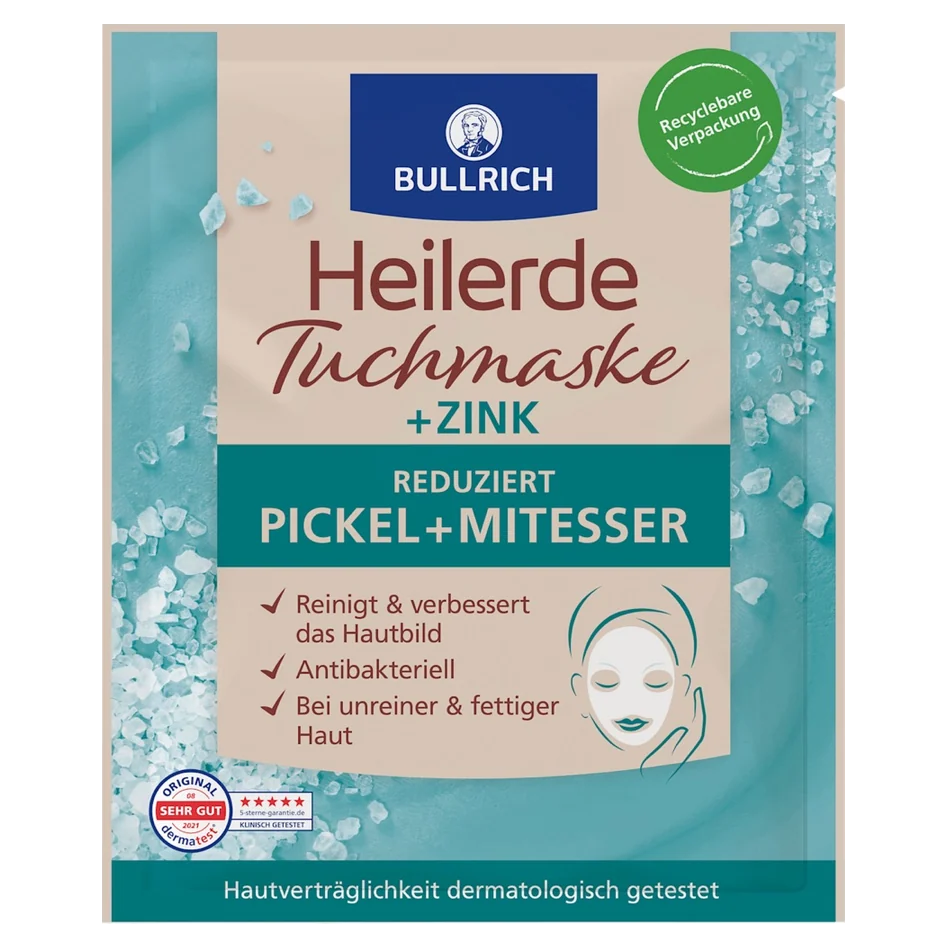
Bullrich
Tuchmaske Heilerde+Zink
15th of 19 on the label
below ≈1%
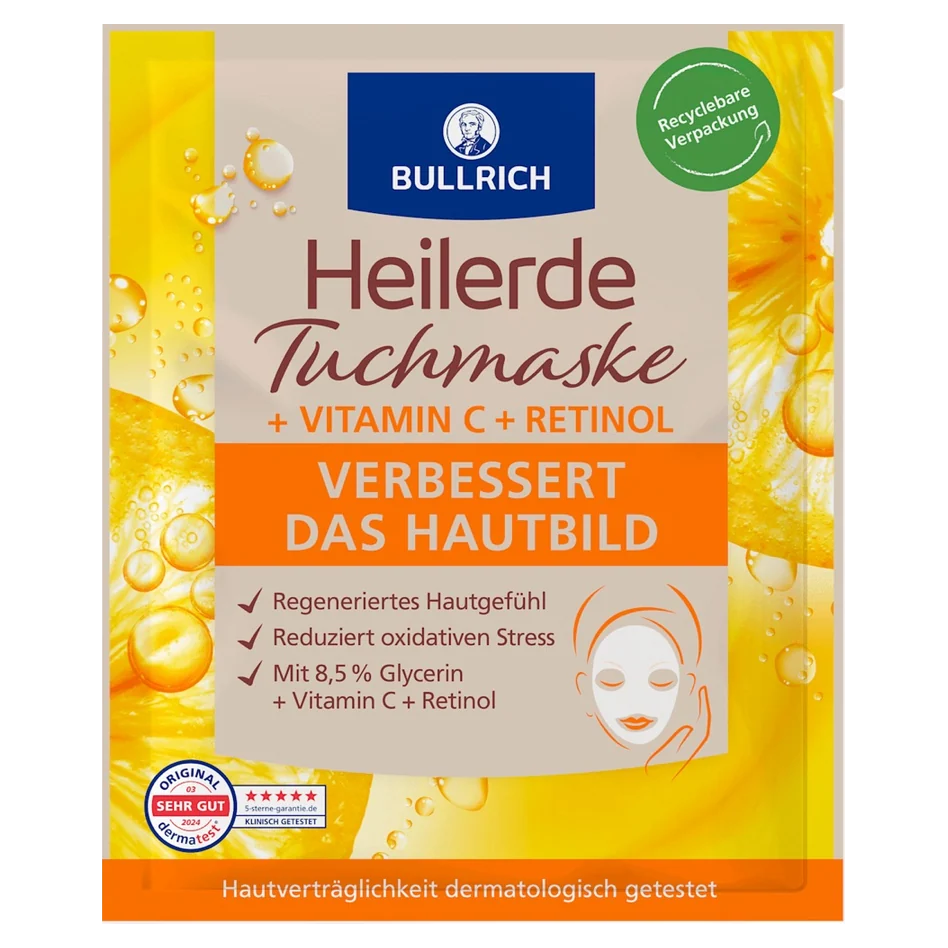
BULLRICH
Tuchmaske Vitamin C + Retinol
10th of 11 on the label
below ≈1%
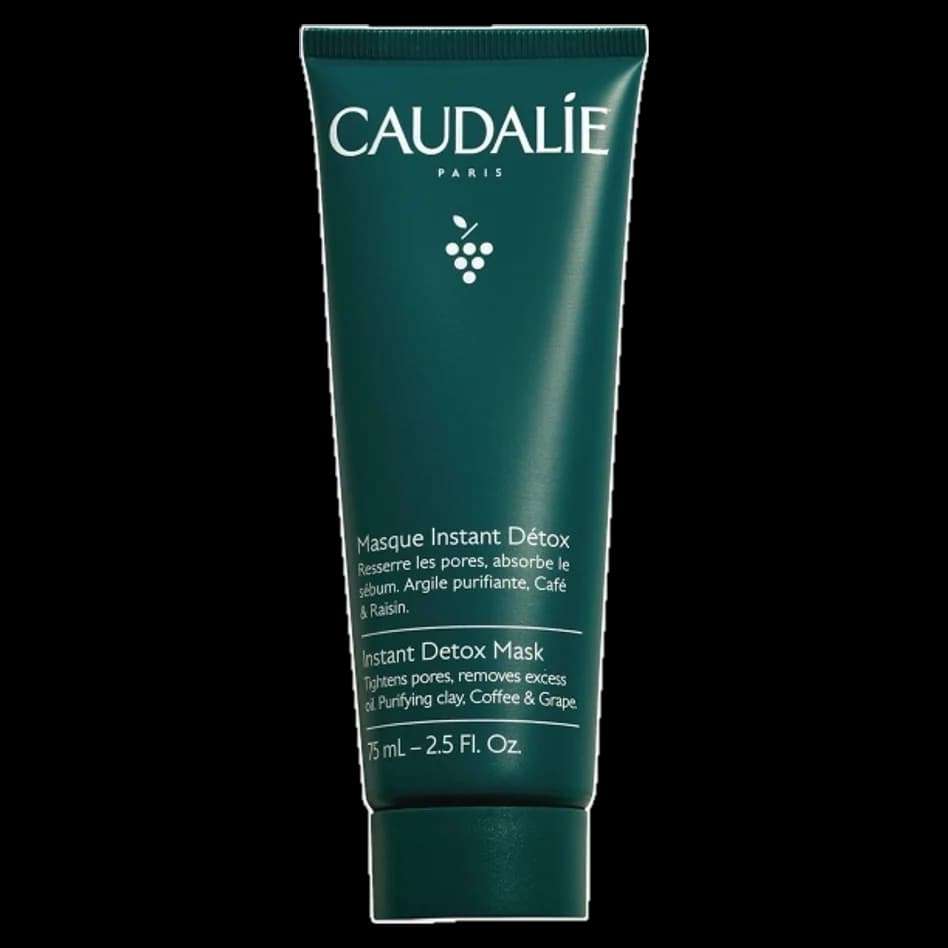
Caudalie
Vinergetic C+ Instant Detox Mask
6th of 33 on the label
below ≈1%
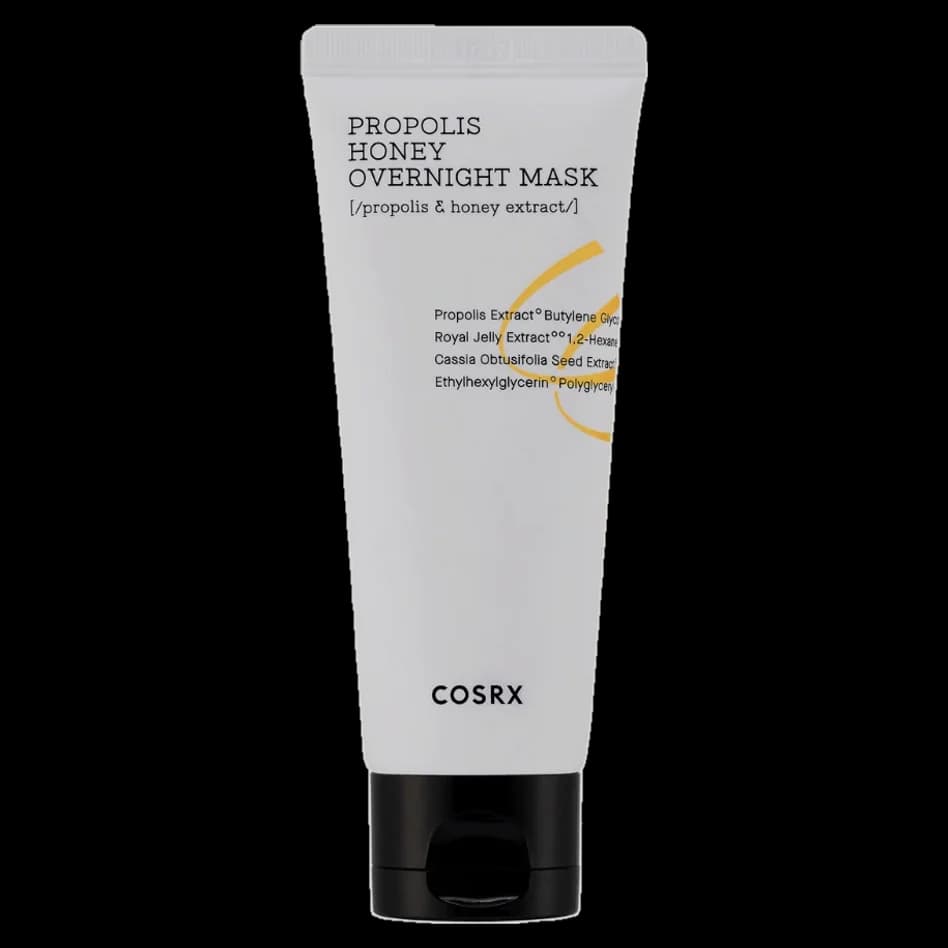
COSRX
Full Fit Propolis Honey Overnight Mask
15th of 22 on the label
below ≈1%
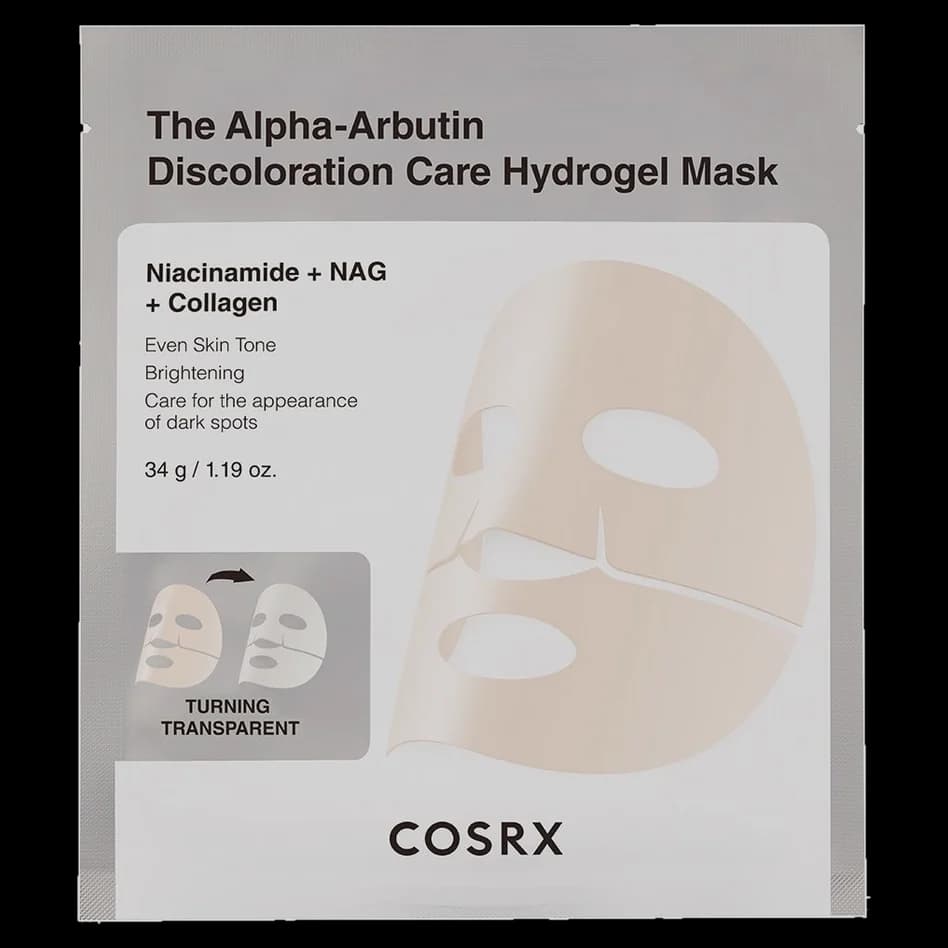
COSRX
The Alpha-Arbutin Discoloration Care Hydrogel Mask
20th of 44 on the label
below ≈1%
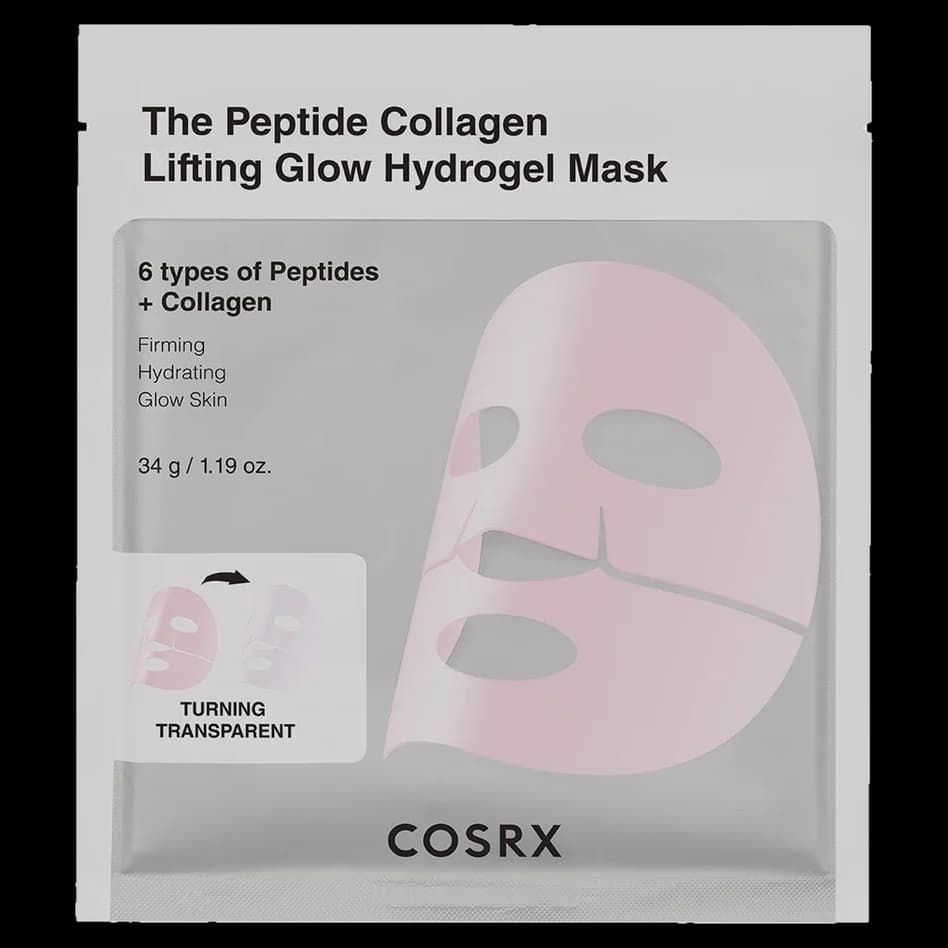
COSRX
The Peptide Collagen Lifting Glow Hydrogel Mask
18th of 49 on the label
below ≈1%
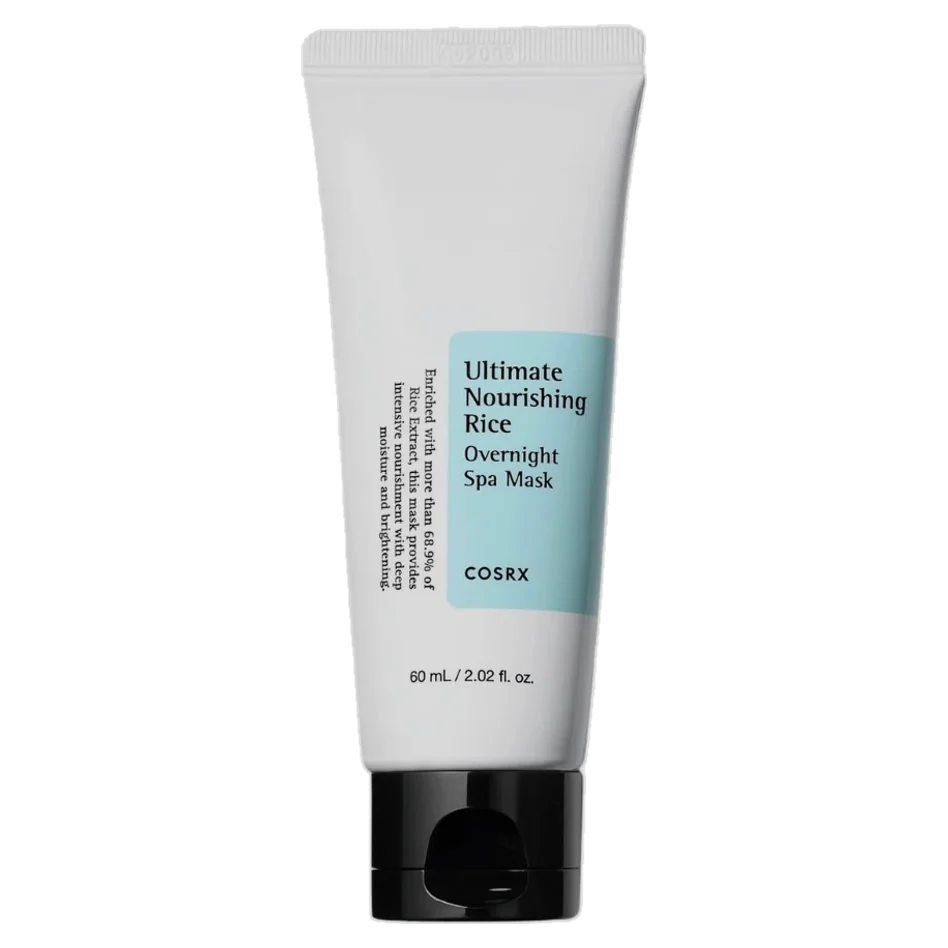
COSRX
Ultimate Nourishing Rice Overnight Spa Mask
19th of 19 on the label
below ≈1%
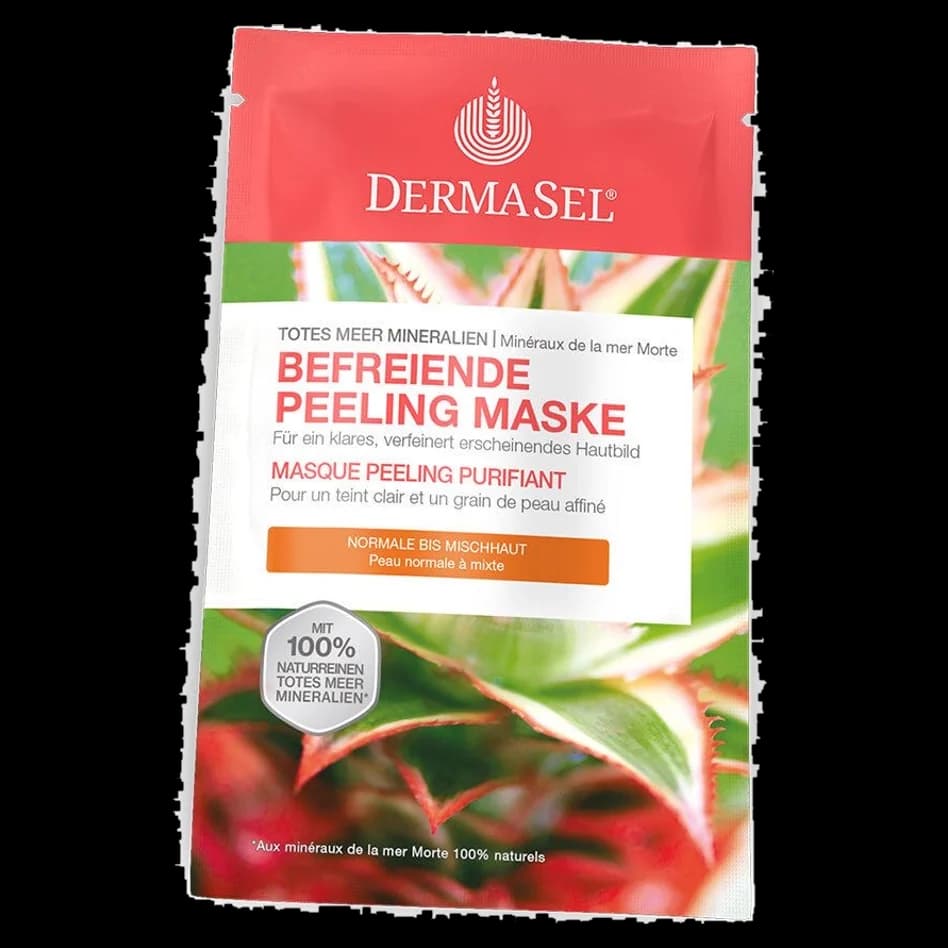
DERMASEL
SPA Totes Meer Maske Peeling
12th of 16 on the label
below ≈1%
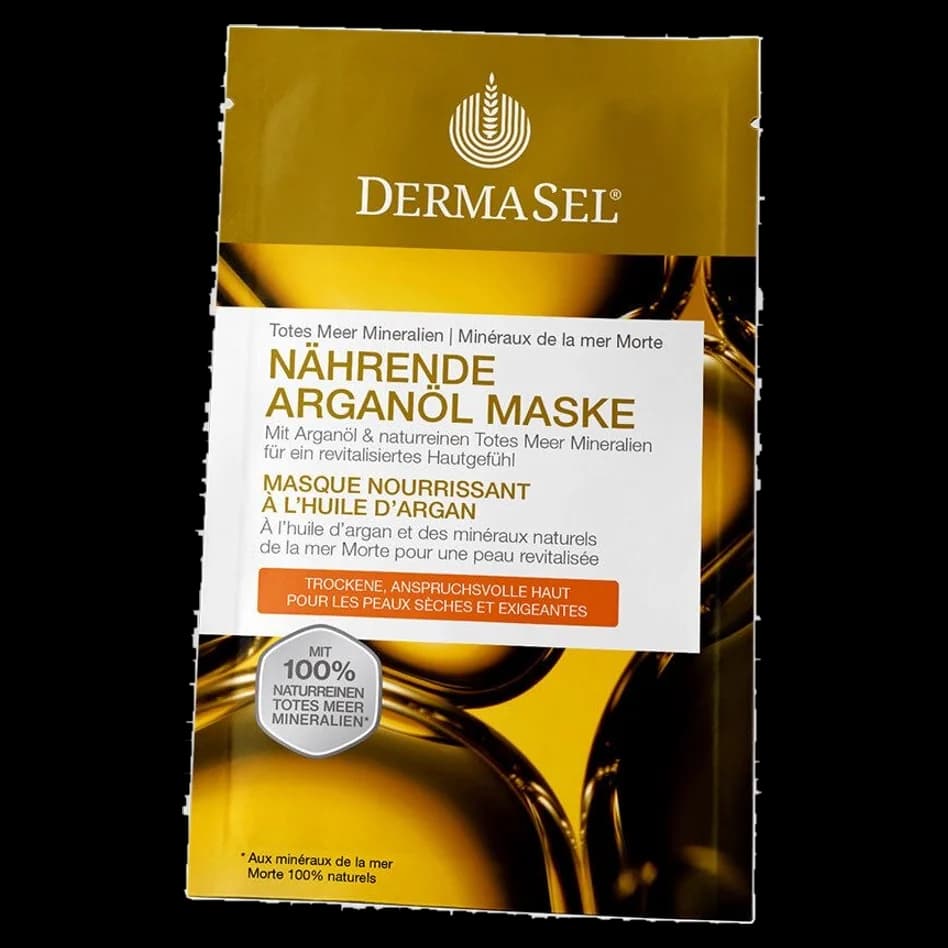
DERMASEL
Totes Meer Mineralien Nährende Arganöl Maske
12th of 29 on the label
below ≈1%
Dr. Barbara Sturm
Face Mask
7th of 18 on the label
below ≈1%
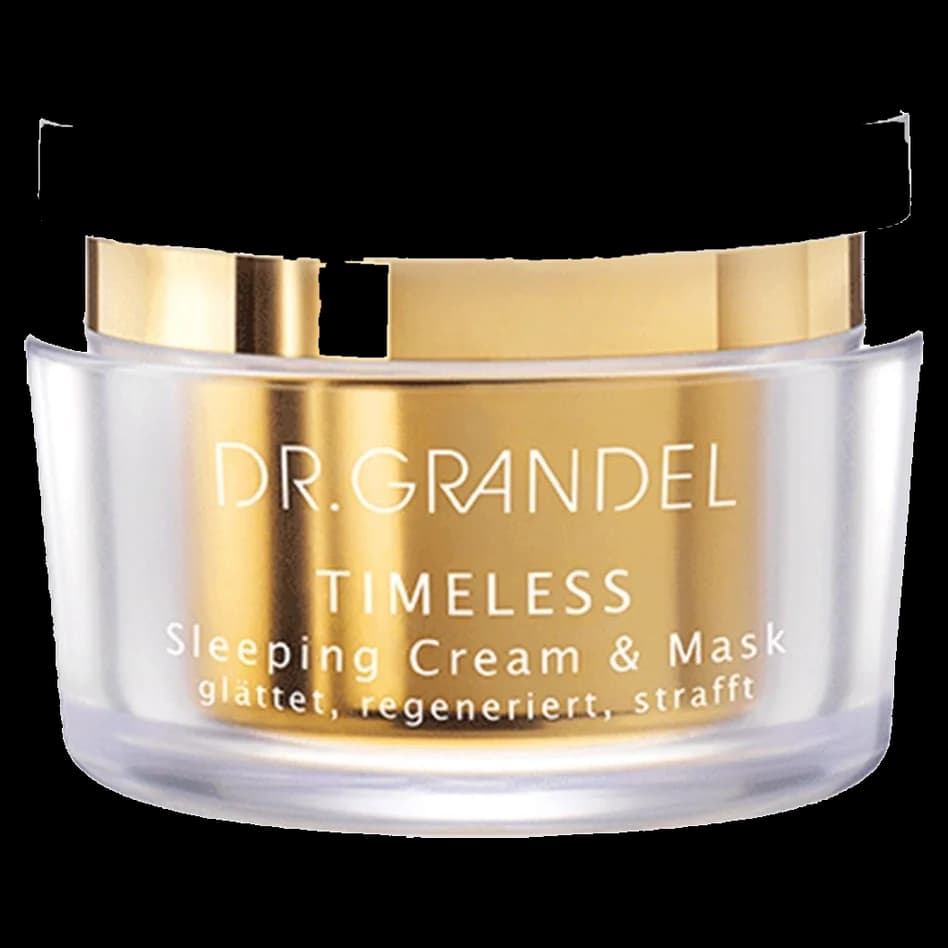
Dr. Grandel
Timeless Sleeping Cream & Mask
23rd of 35 on the label
below ≈1%
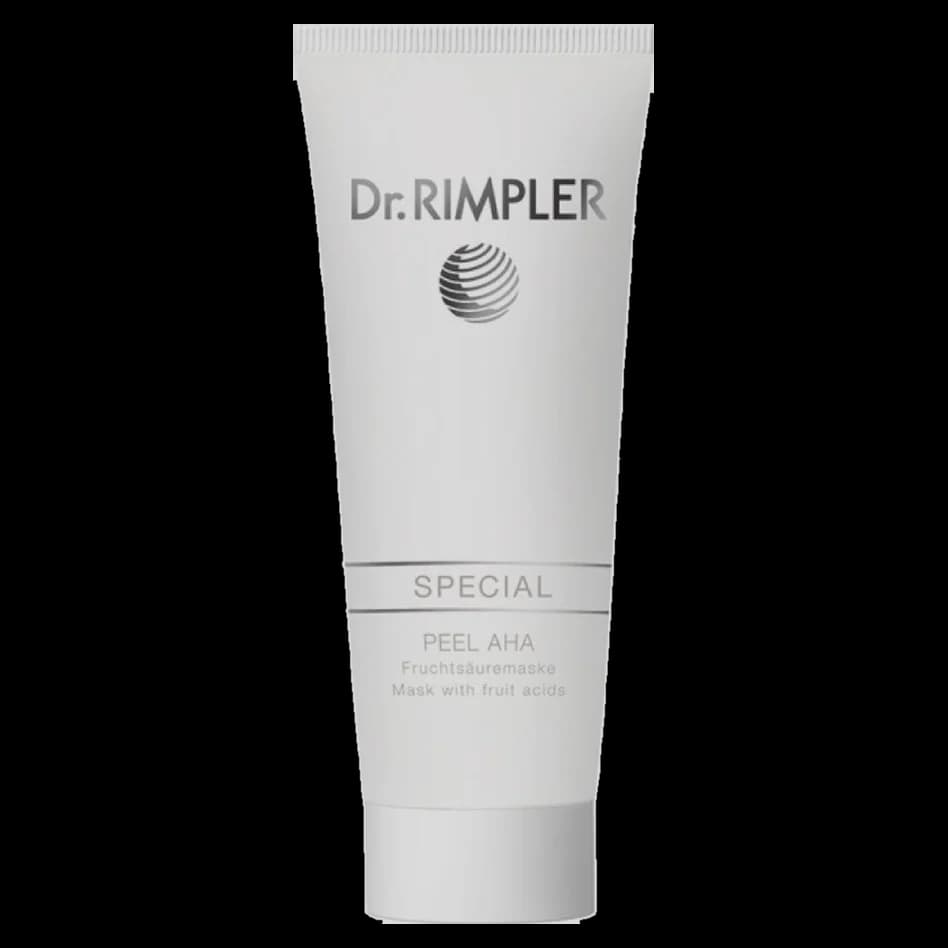
Dr. Rimpler
SPECIAL Peel AHA
13th of 16 on the label
below ≈1%
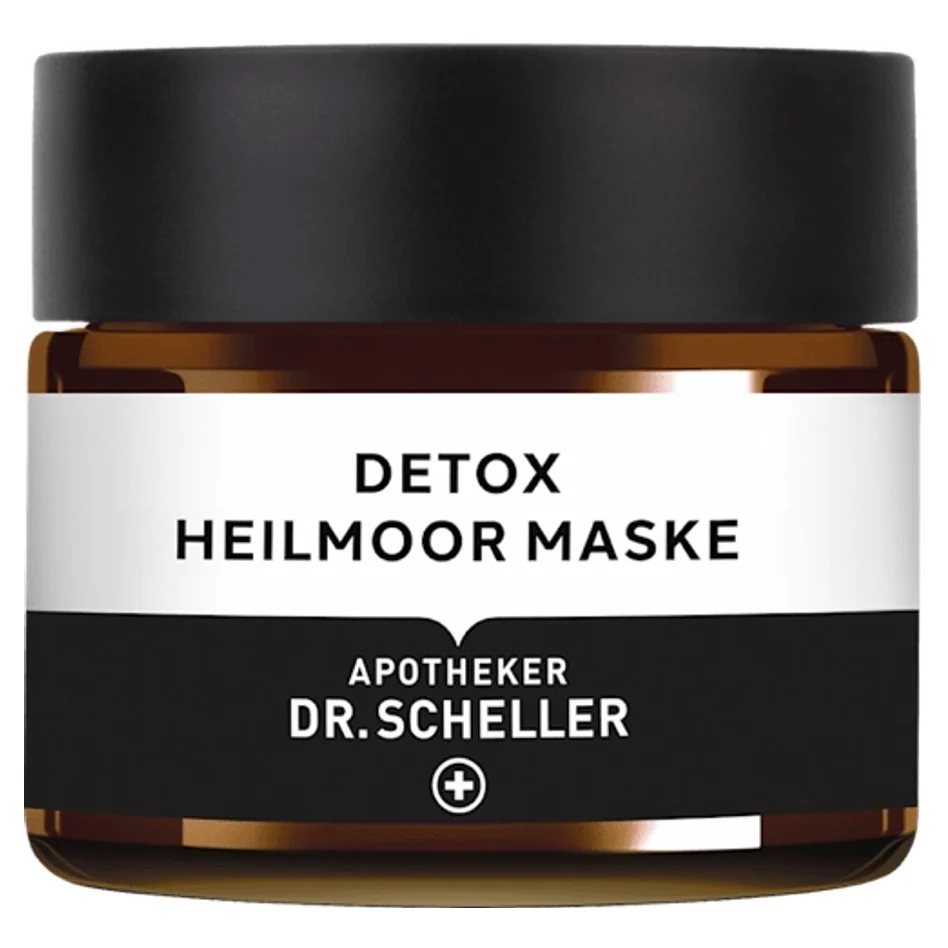
Dr. Scheller
Detox Heilmoor Maske
19th of 22 on the label
below ≈1%
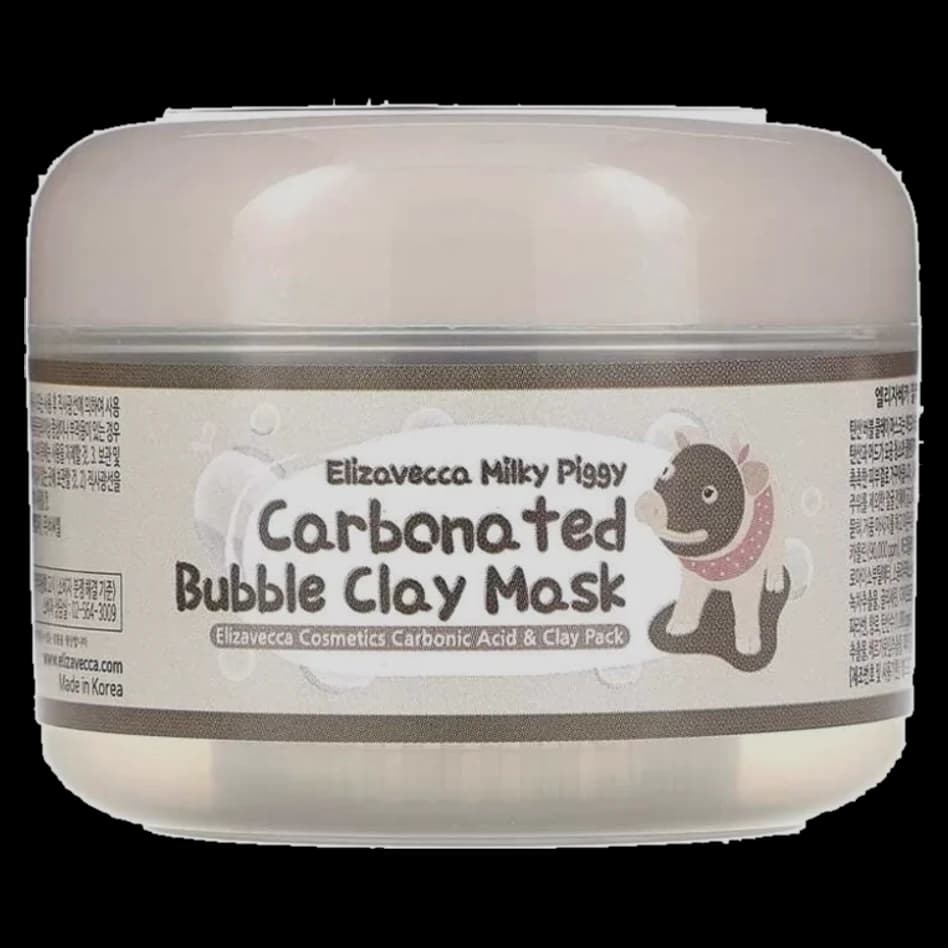
Elizavecca
Milky Piggy Carbonated Bubble Clay Mask
20th of 29 on the label
below ≈1%
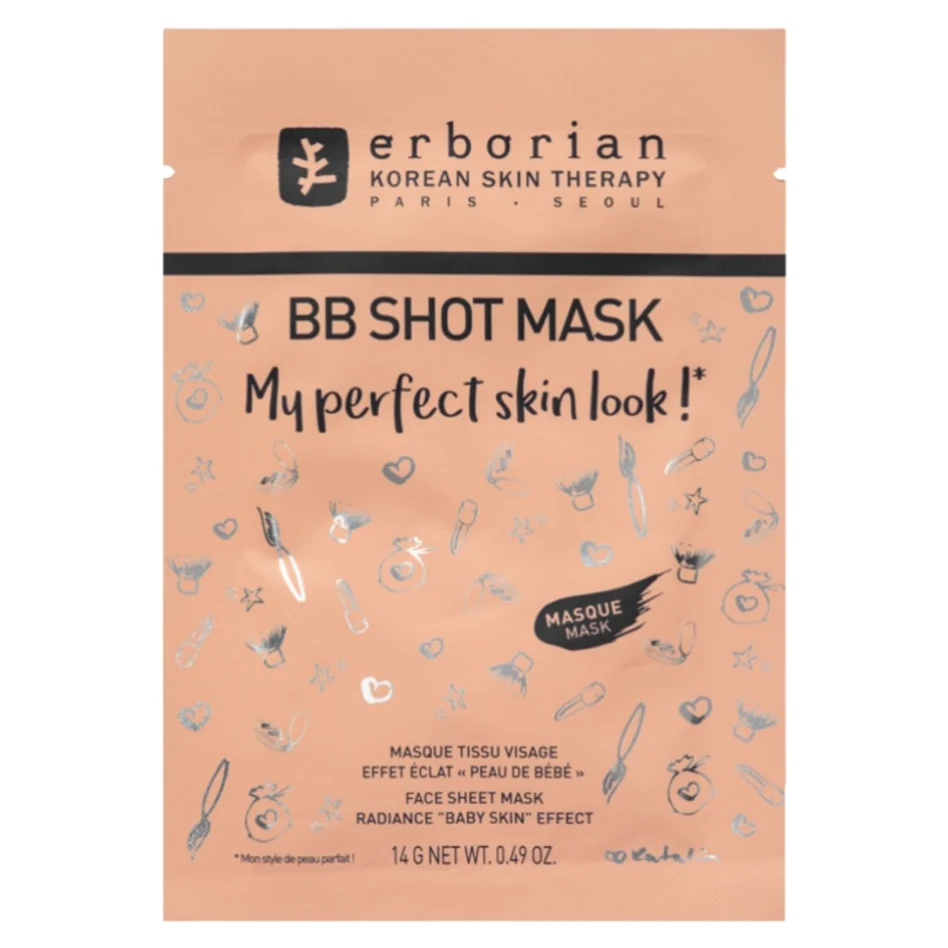
Erborian
BB Shot Mask
18th of 34 on the label
below ≈1%
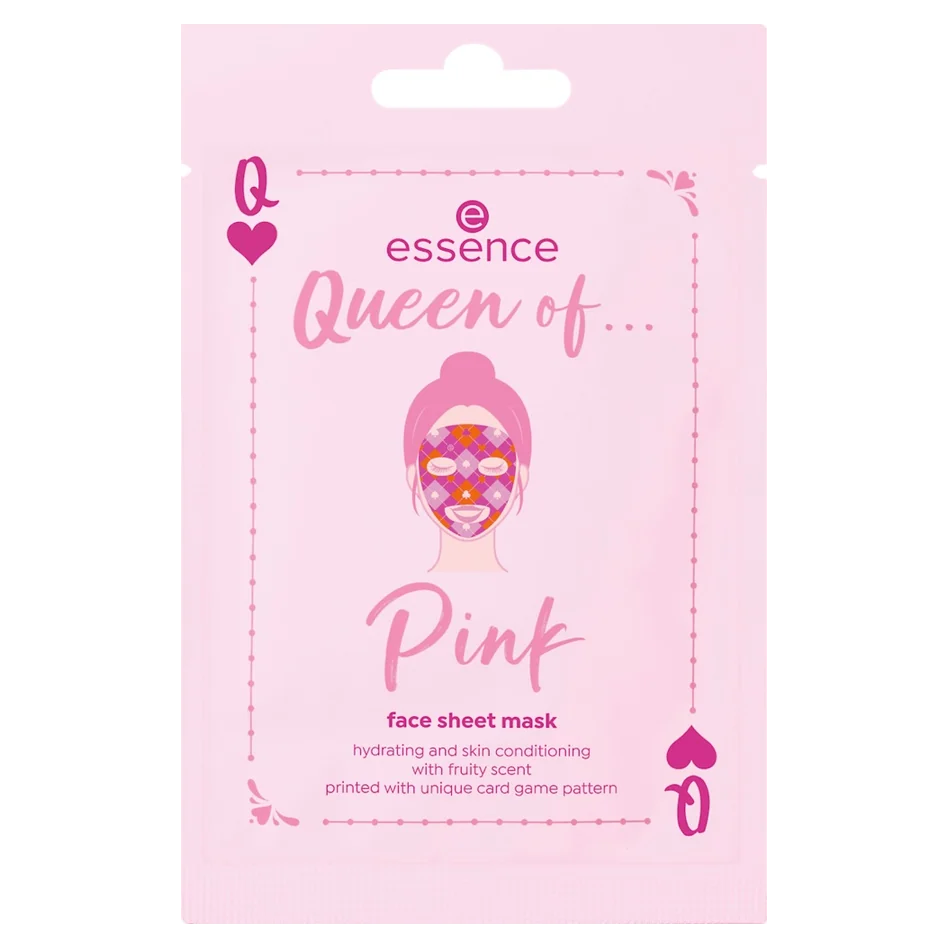
essence
Queen of Pink Face Sheet Mask 01 Keeping My Pink Poker Face
8th of 23 on the label
below ≈1%
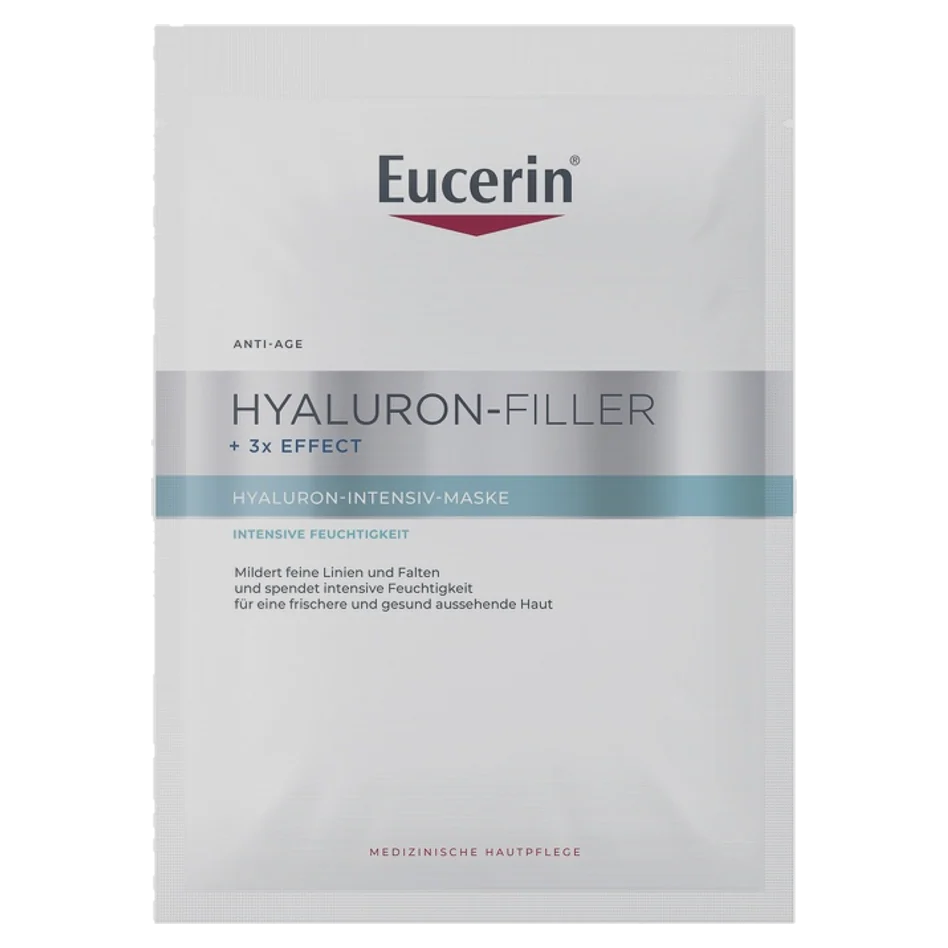
Eucerin
Hyaluron-Filler Hyaluron Intensive Mask
5th of 11 on the label
below ≈1%
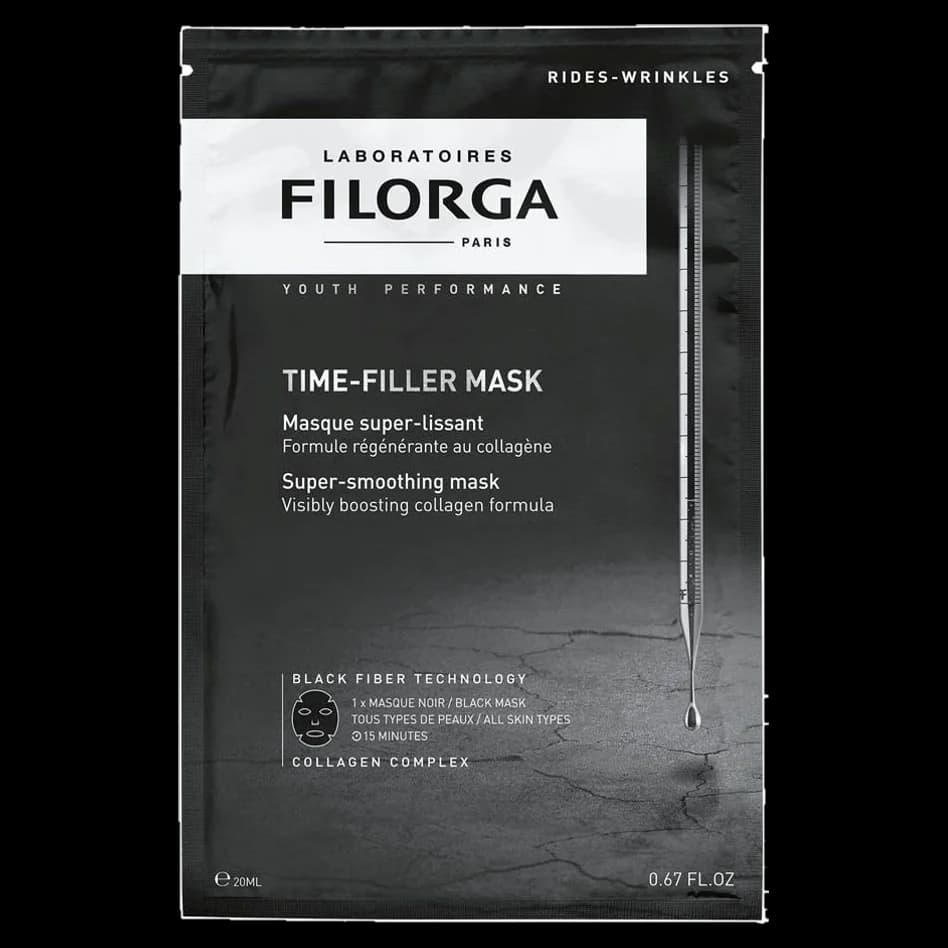
Filorga
Time-Filler Mask
7th of 20 on the label
below ≈1%
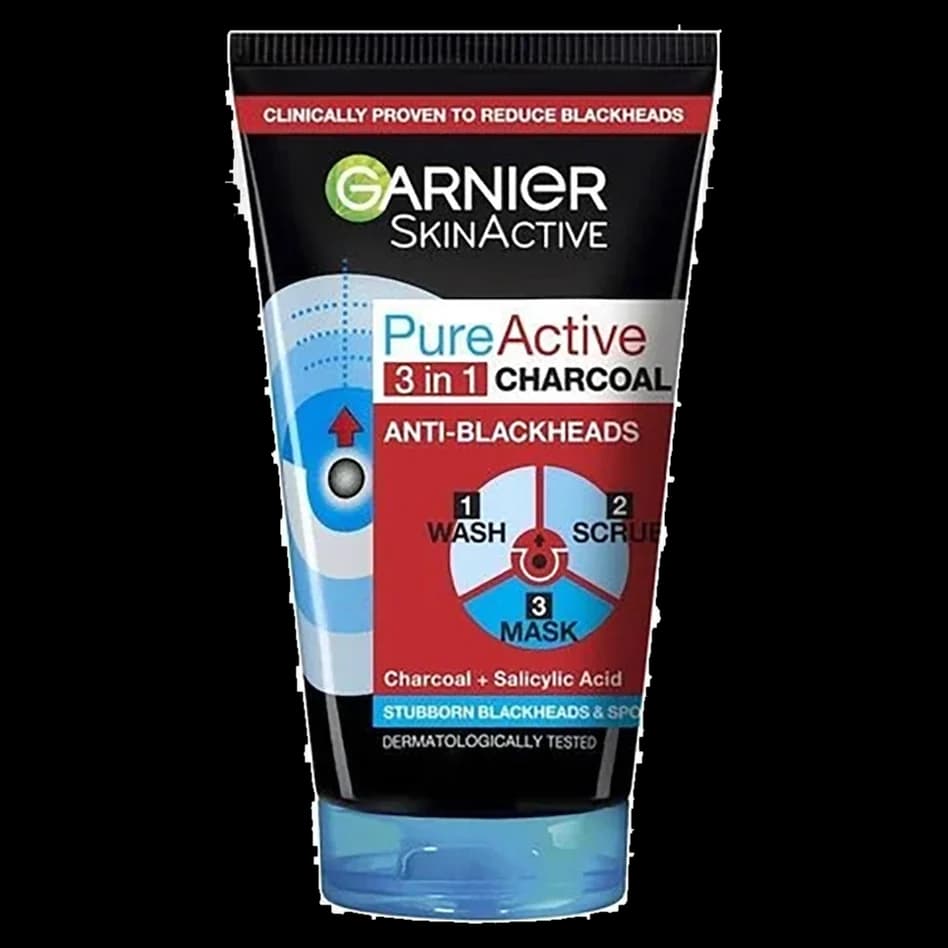
Garnier
Pure Active 3-in-1 Charcoal Wash, Scrub & Mask
17th of 25 on the label
below ≈1%
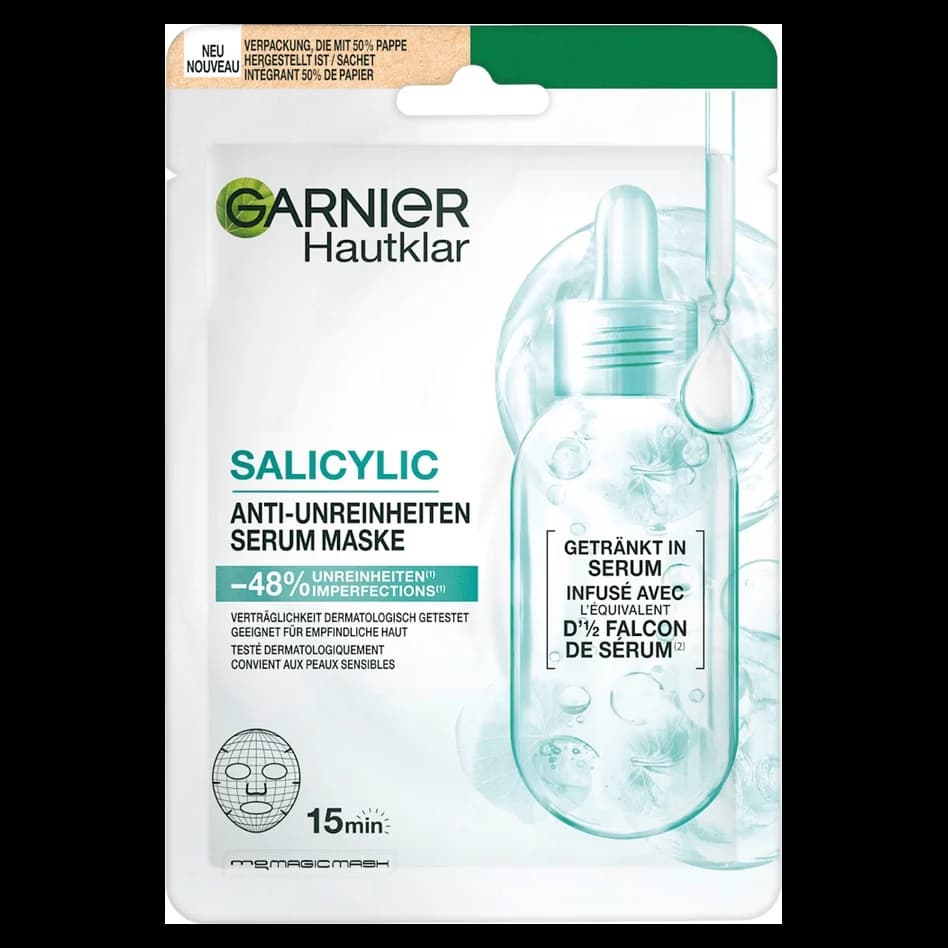
Garnier
Salicylic Tissue Mask
25th of 26 on the label
below ≈1%
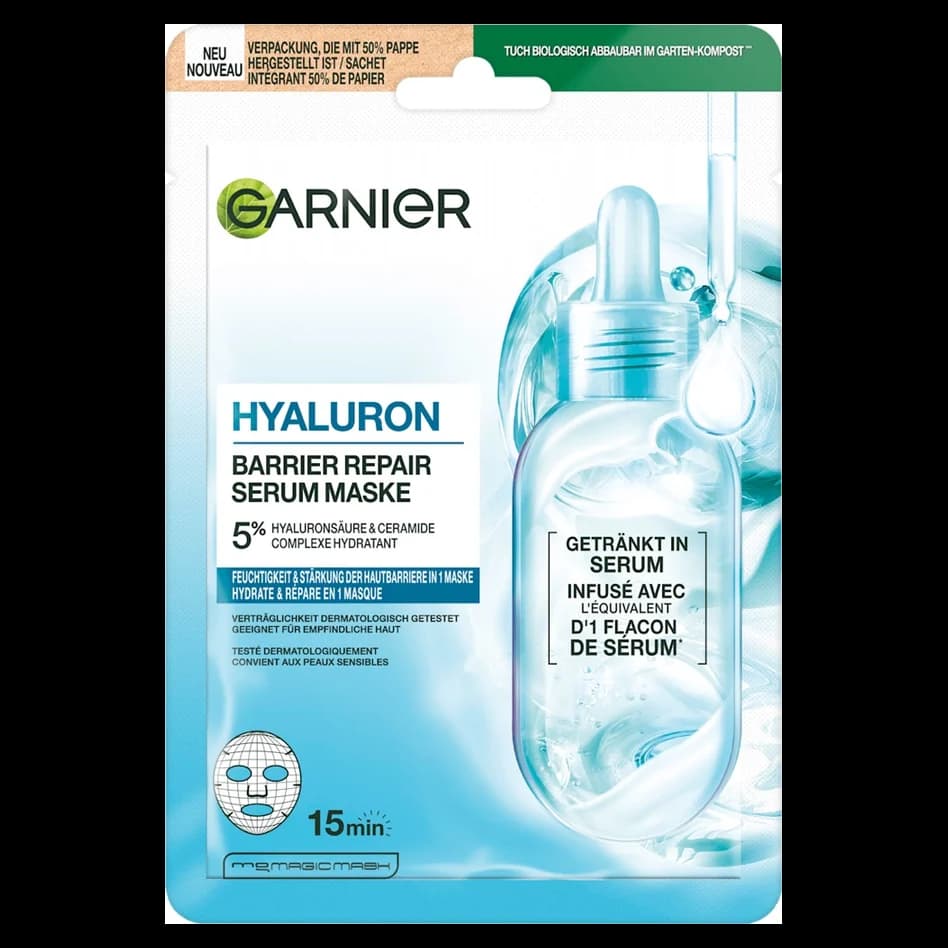
Garnier
SkinActive Hyaluronic Acid Barrier Repair Serum Tissue Mask
24th of 25 on the label
below ≈1%
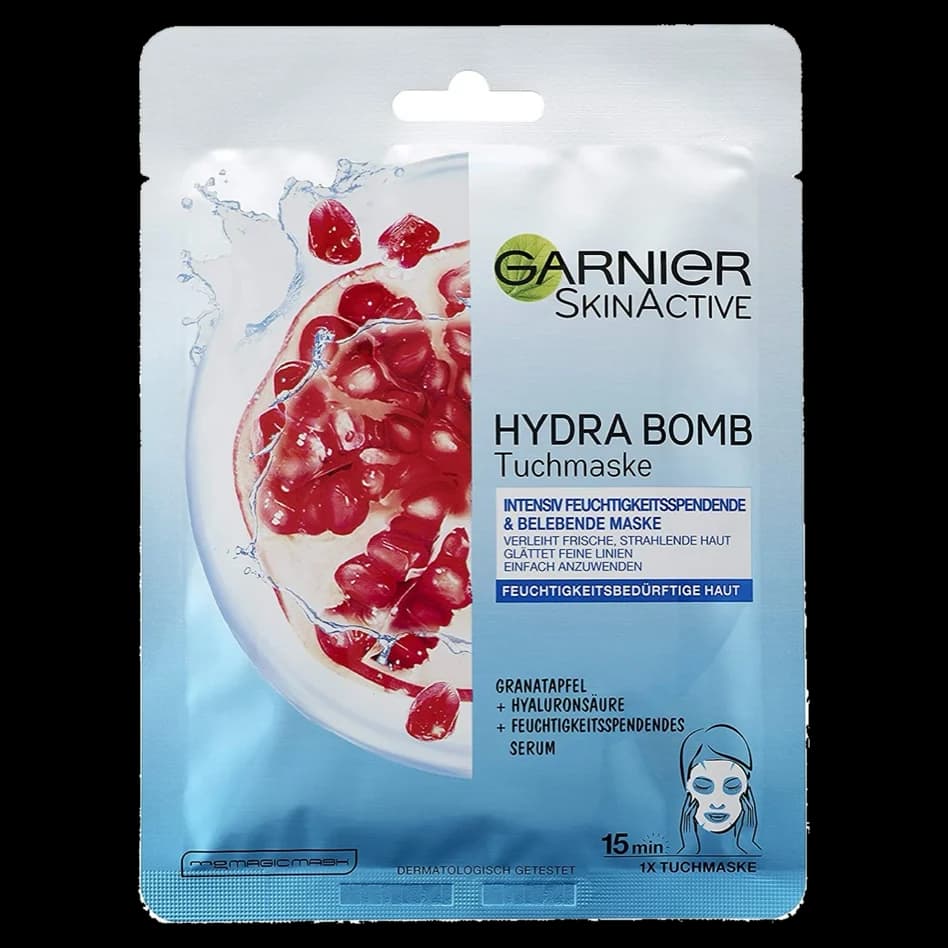
Garnier
SkinActive Hydra Bomb Tissue Mask Pomegranate
7th of 29 on the label
below ≈1%
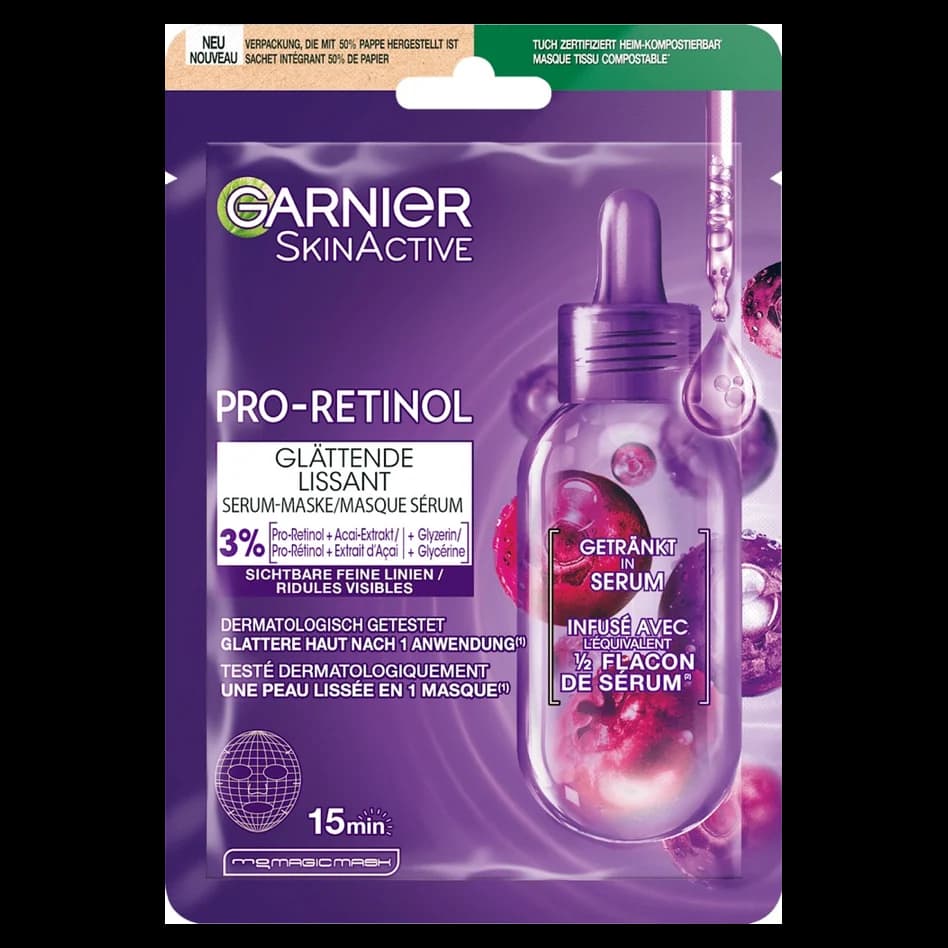
Garnier
SkinActive Pro-Retinol Tissue Mask
23rd of 24 on the label
below ≈1%
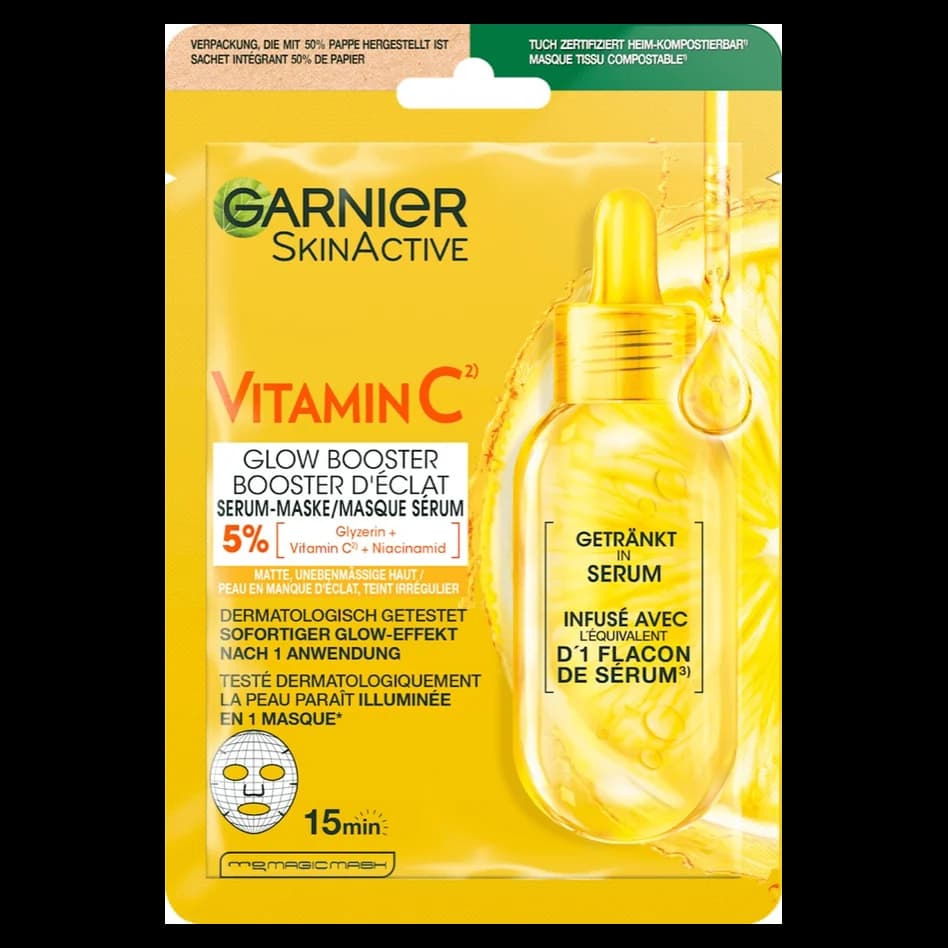
Garnier
SkinActive Vitamin C Tissue Mask
20th of 21 on the label
below ≈1%
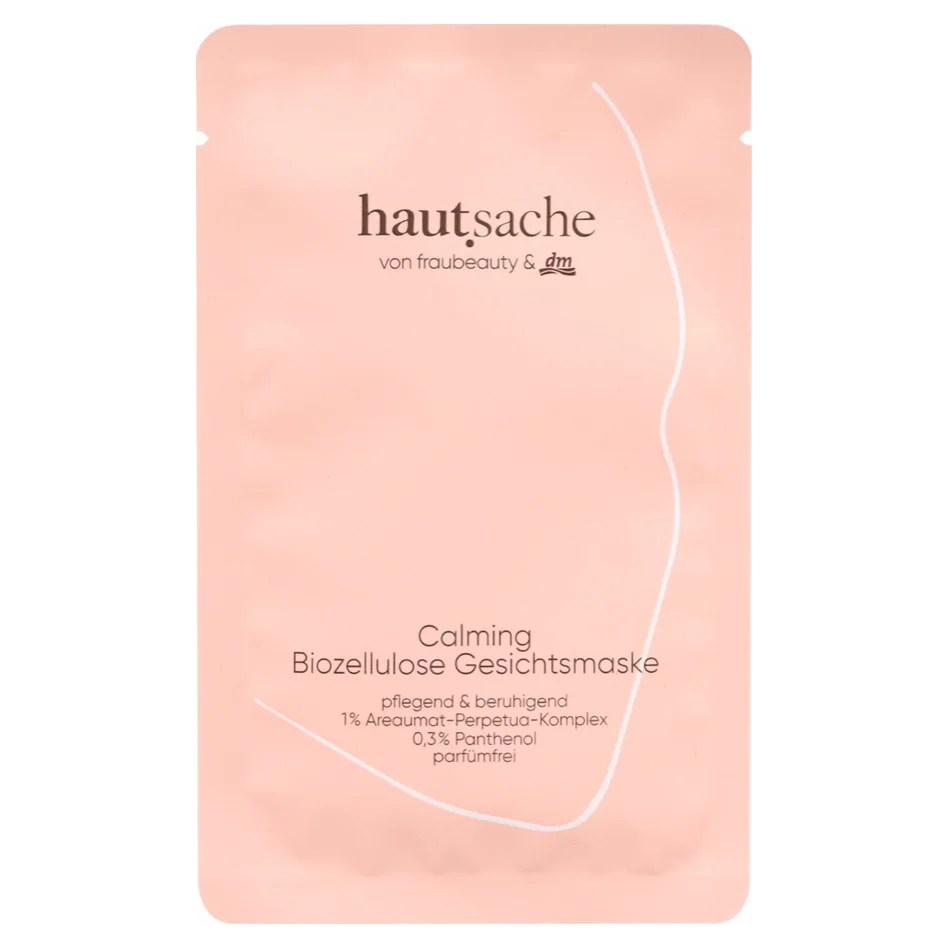
hautsache
Gesichtsmaske Biozellulose Calming
10th of 27 on the label
below ≈1%
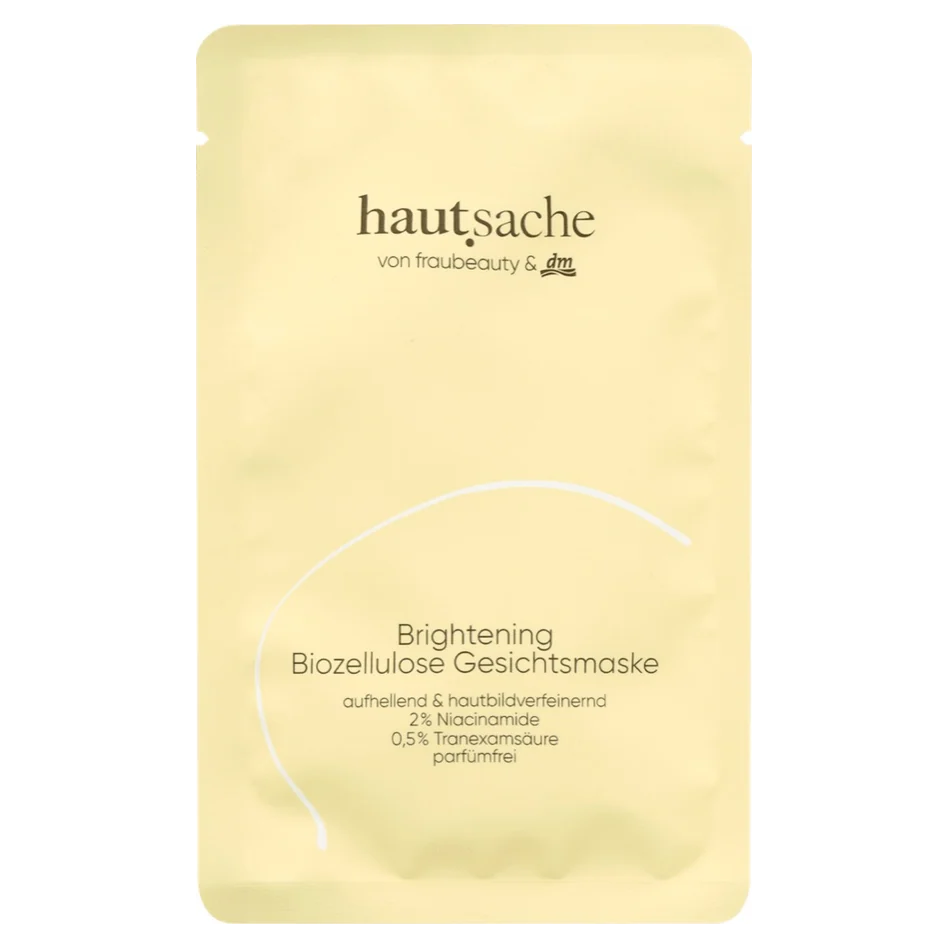
hautsache
Gesichtsmaske Brightening
18th of 33 on the label
below ≈1%
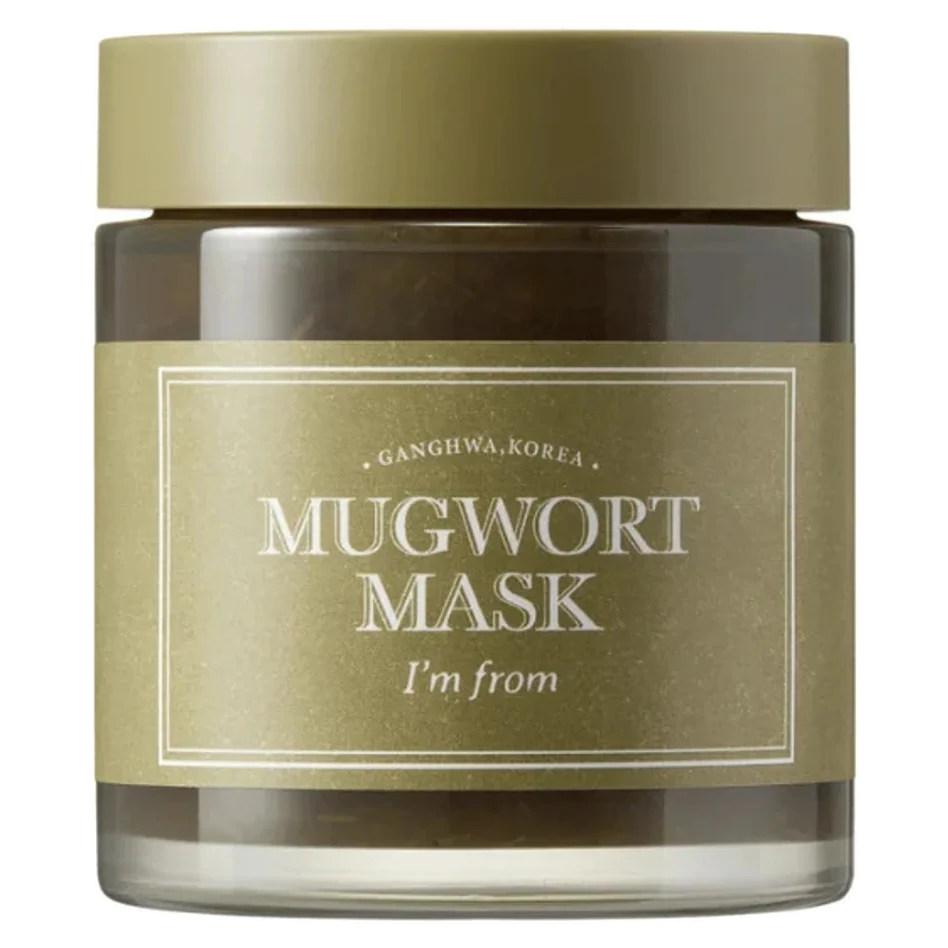
I'm From
Mugwort Mask
25th of 26 on the label
below ≈1%
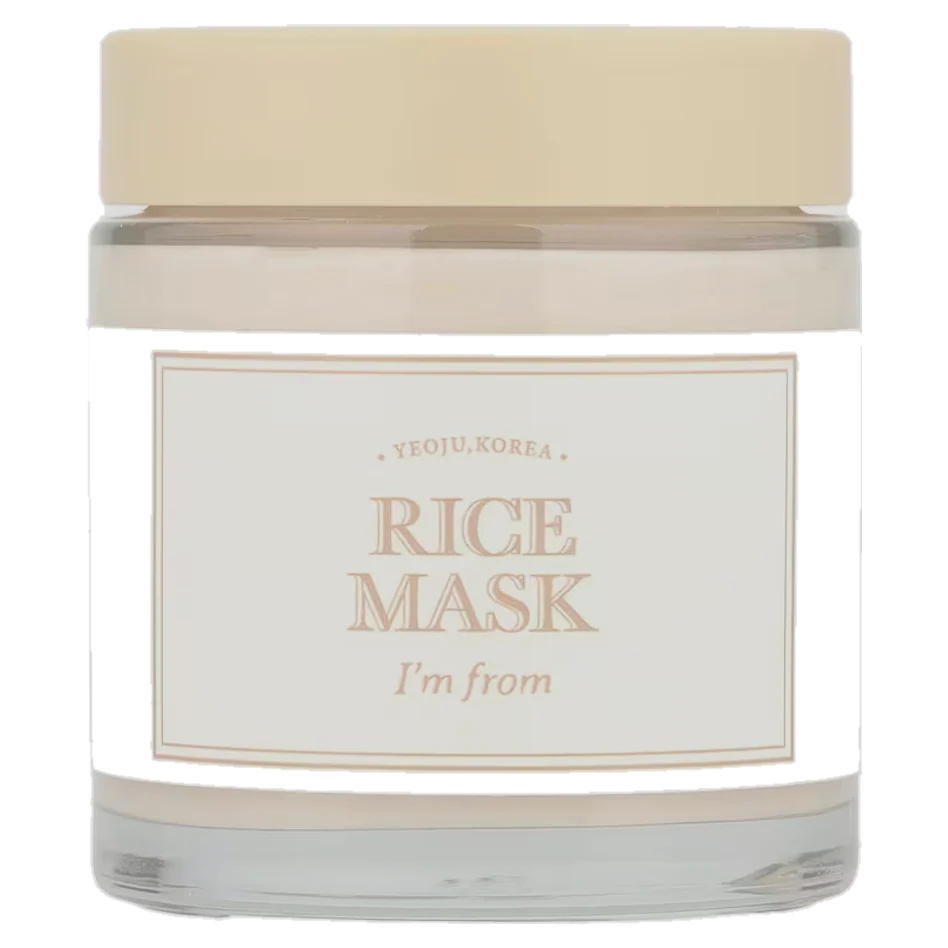
I'm From
Rice Mask
22nd of 43 on the label
below ≈1%
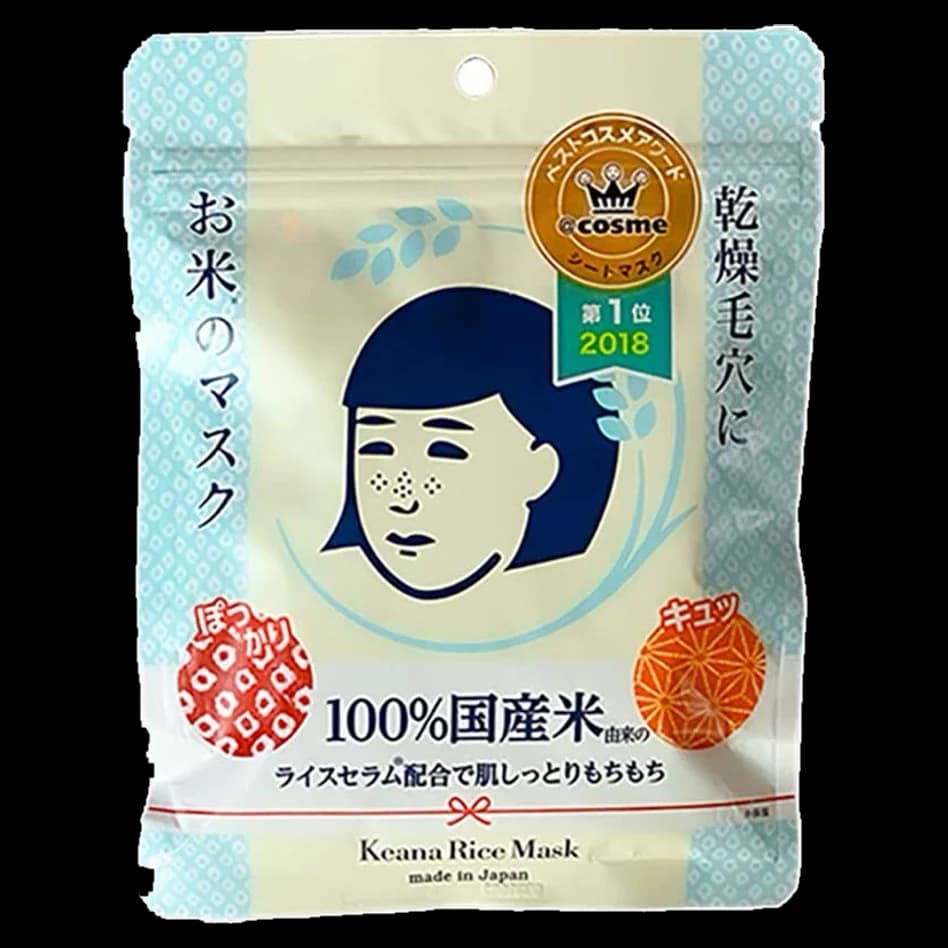
Ishizawa Lab
Keana Nadeshiko Rice Face Mask
10th of 15 on the label
below ≈1%
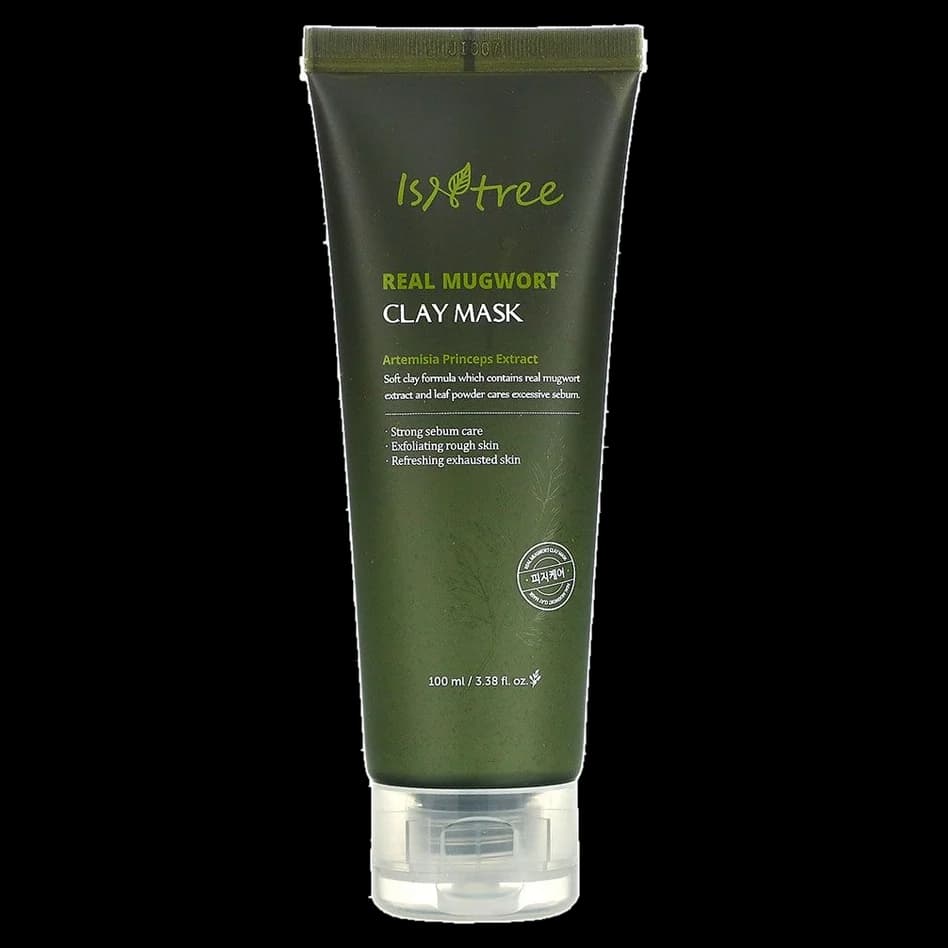
Isntree
Mugwort Calming Clay Mask
34th of 38 on the label
below ≈1%
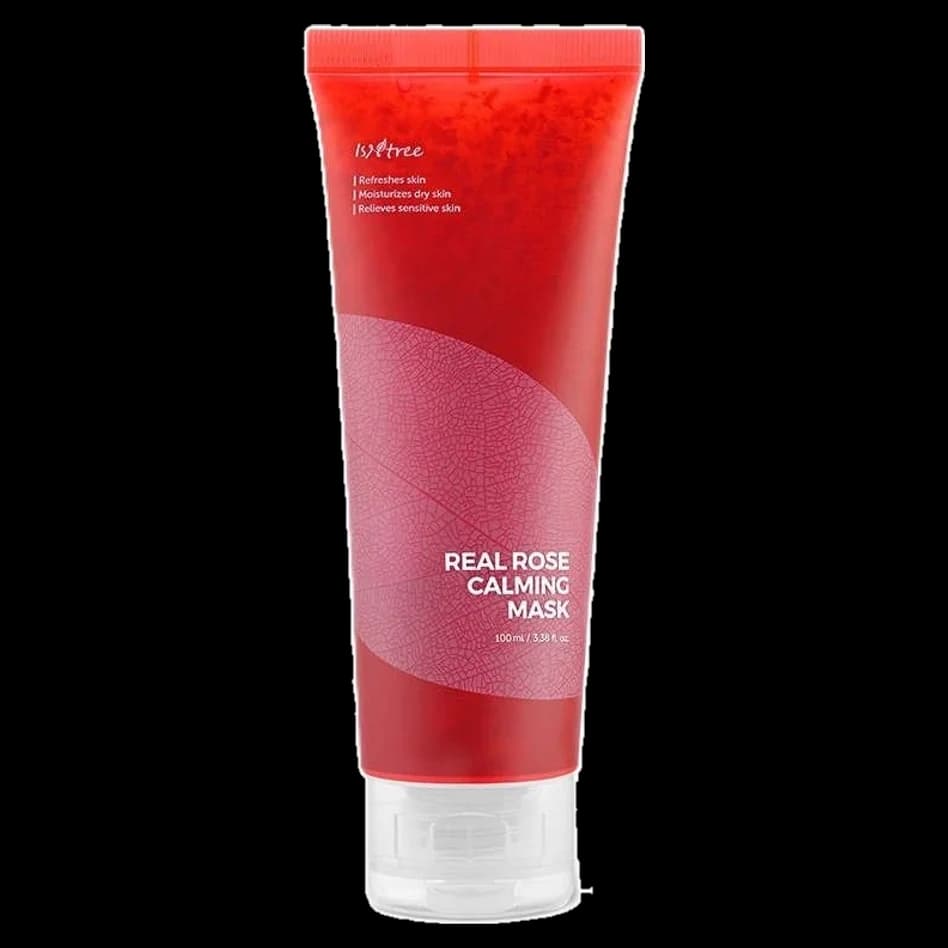
Isntree
Real Rose Calming Mask
28th of 31 on the label
below ≈1%
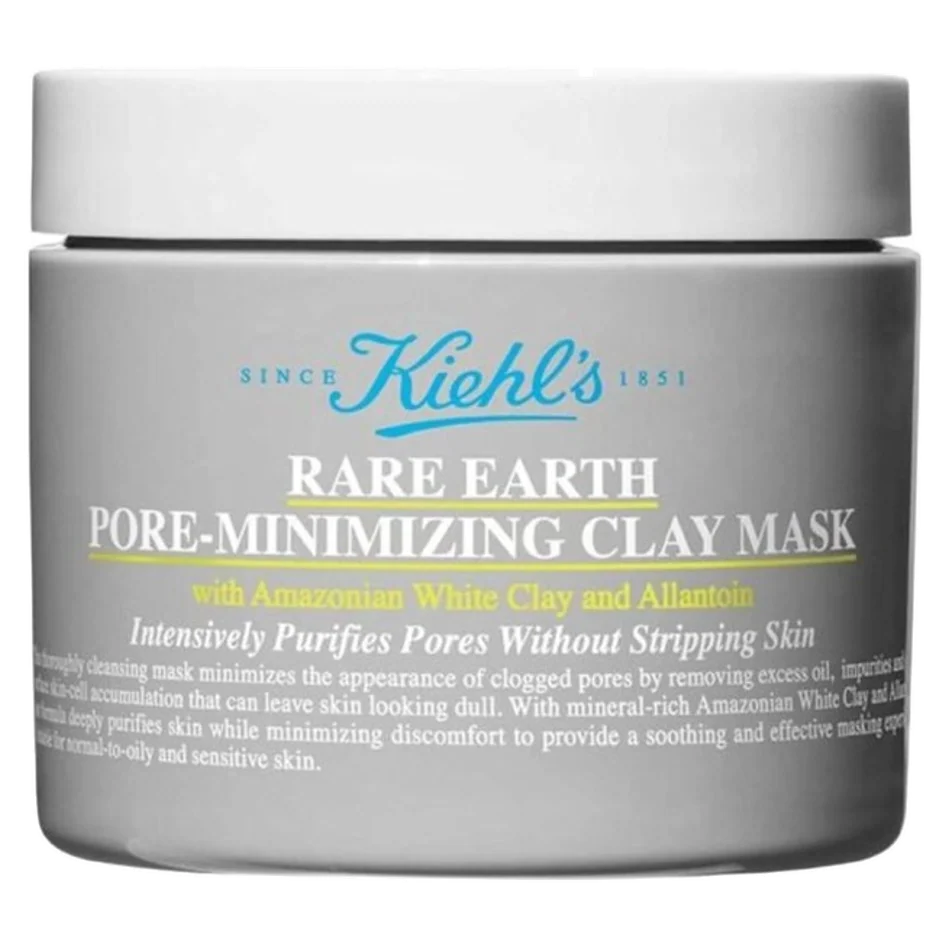
Kiehl's
Rare Earth Pore-Minimizing Clay Mask
13th of 19 on the label
below ≈1%
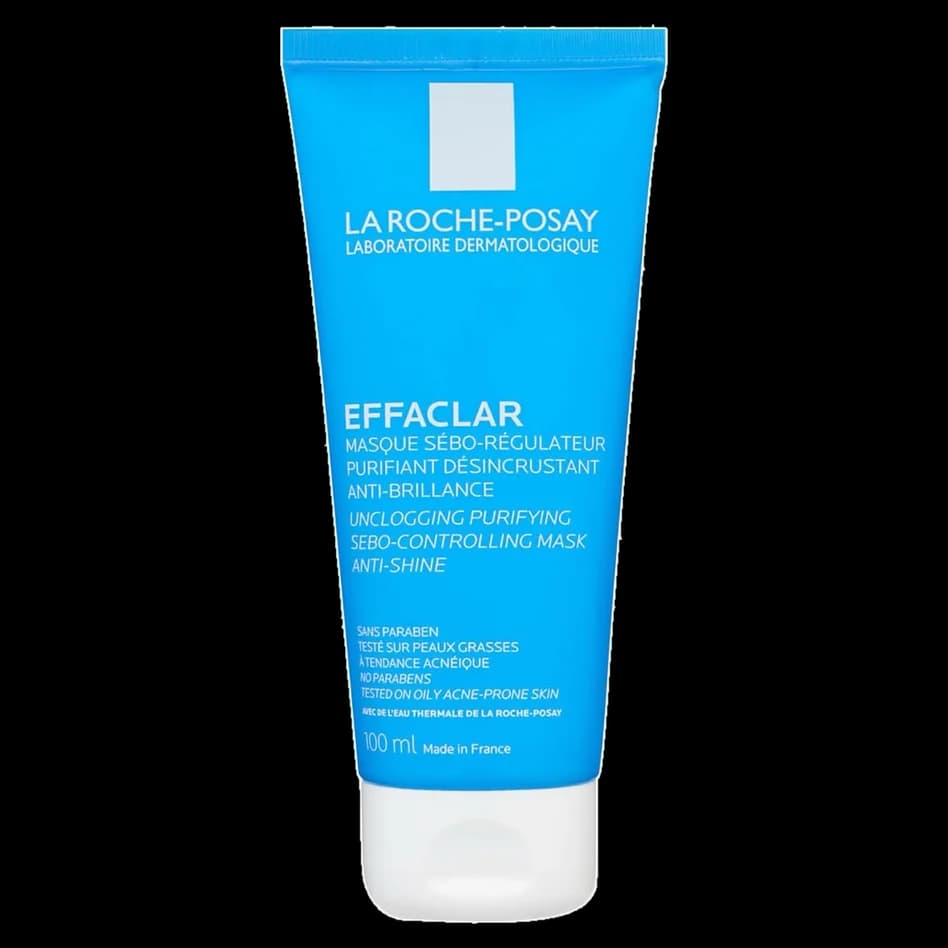
La Roche-Posay
Effaclar Purifying Clay Mask
17th of 20 on the label
below ≈1%
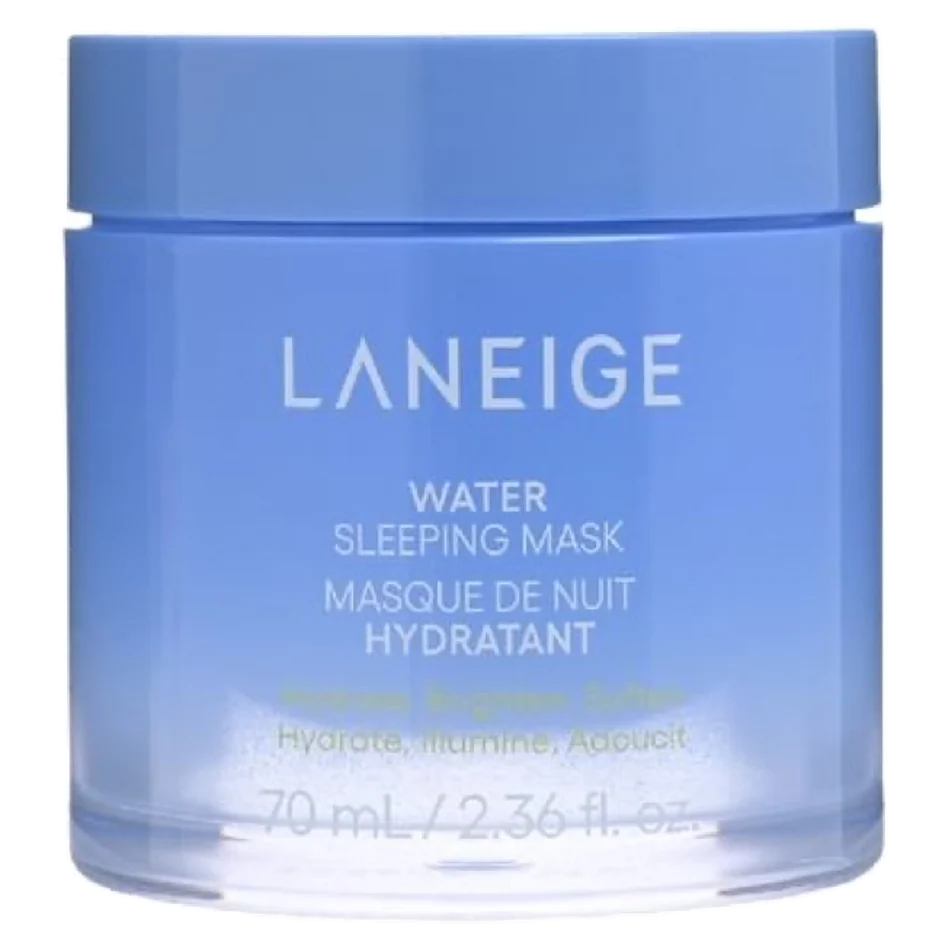
LANEIGE
Water Sleeping Mask
40th of 43 on the label
below ≈1%
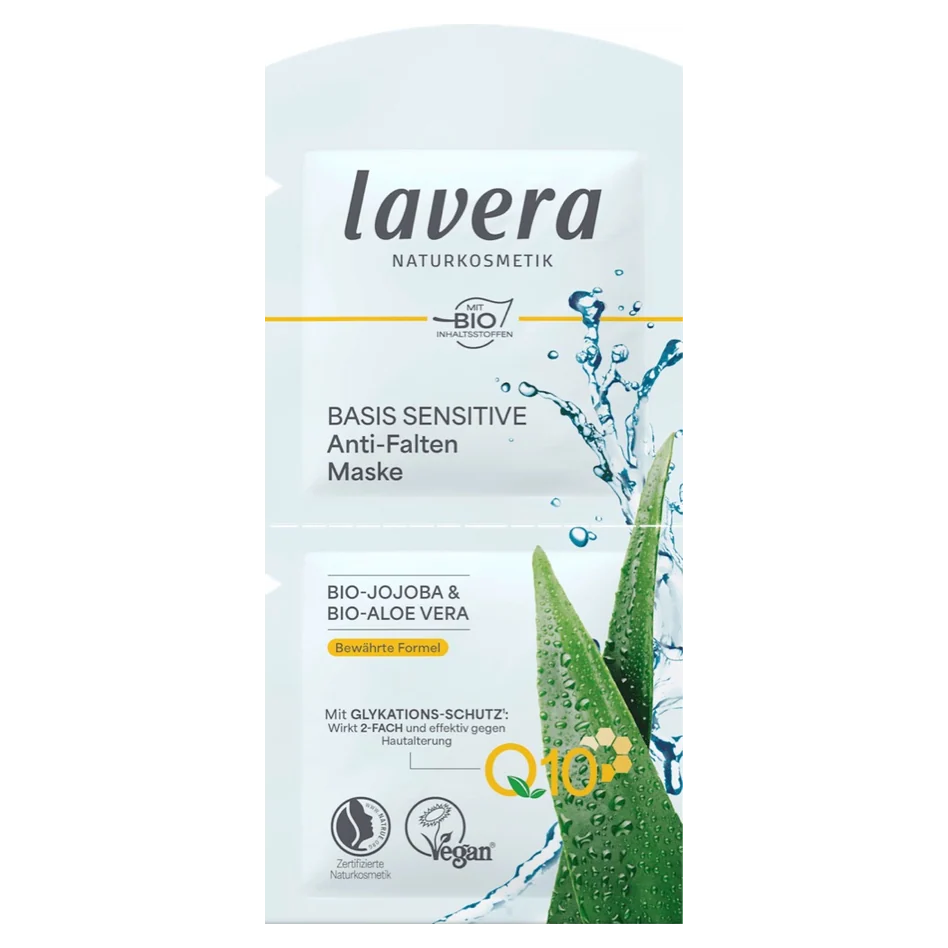
lavera
basis sensitiv Anti-Falten Gesichtsmaske
23rd of 42 on the label
below ≈1%
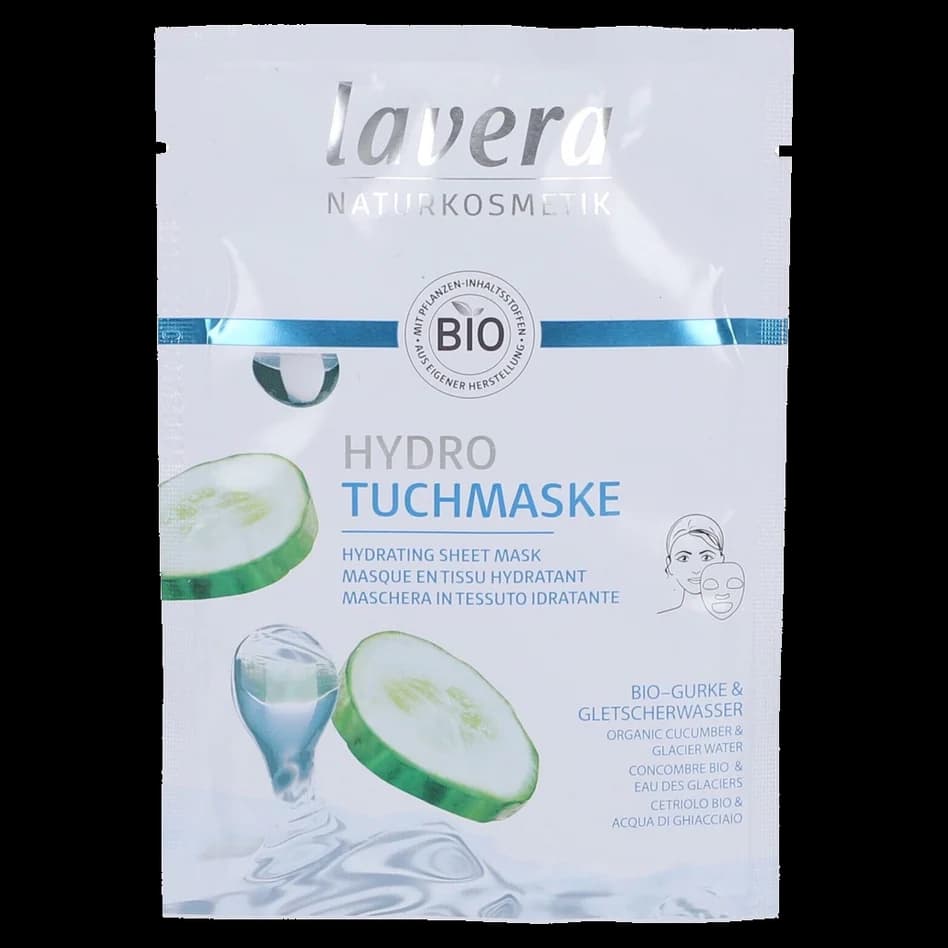
lavera
Hydro Tuchmaske
10th of 22 on the label
below ≈1%
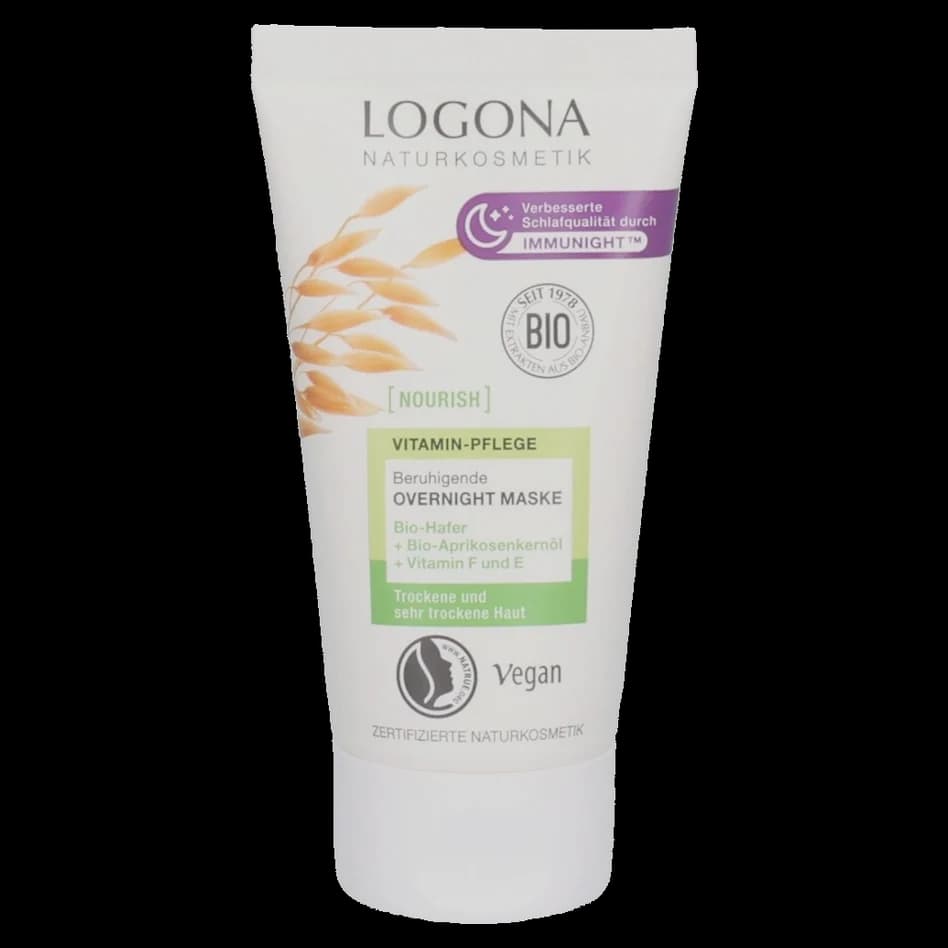
LOGONA
Nourish Beruhigende Overnight Maske
16th of 53 on the label
below ≈1%
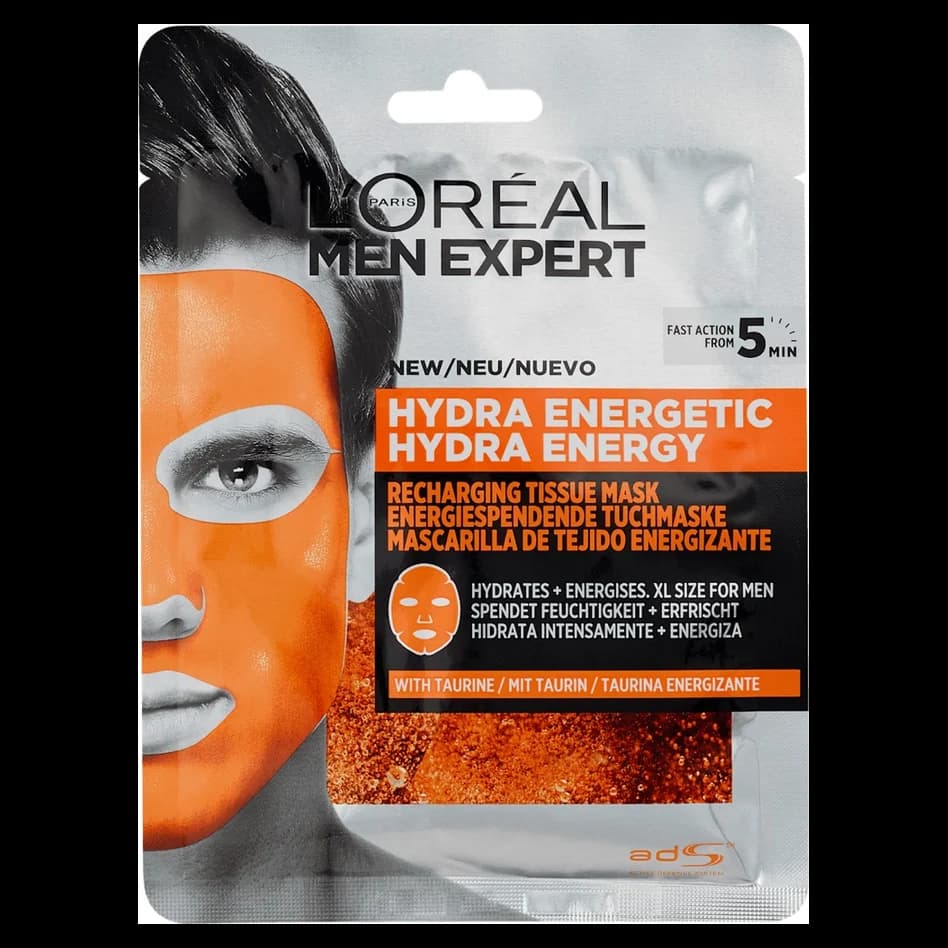
L'Oréal Paris
Men Expert Hydra Energetic Recharging Tissue Mask
18th of 21 on the label
below ≈1%
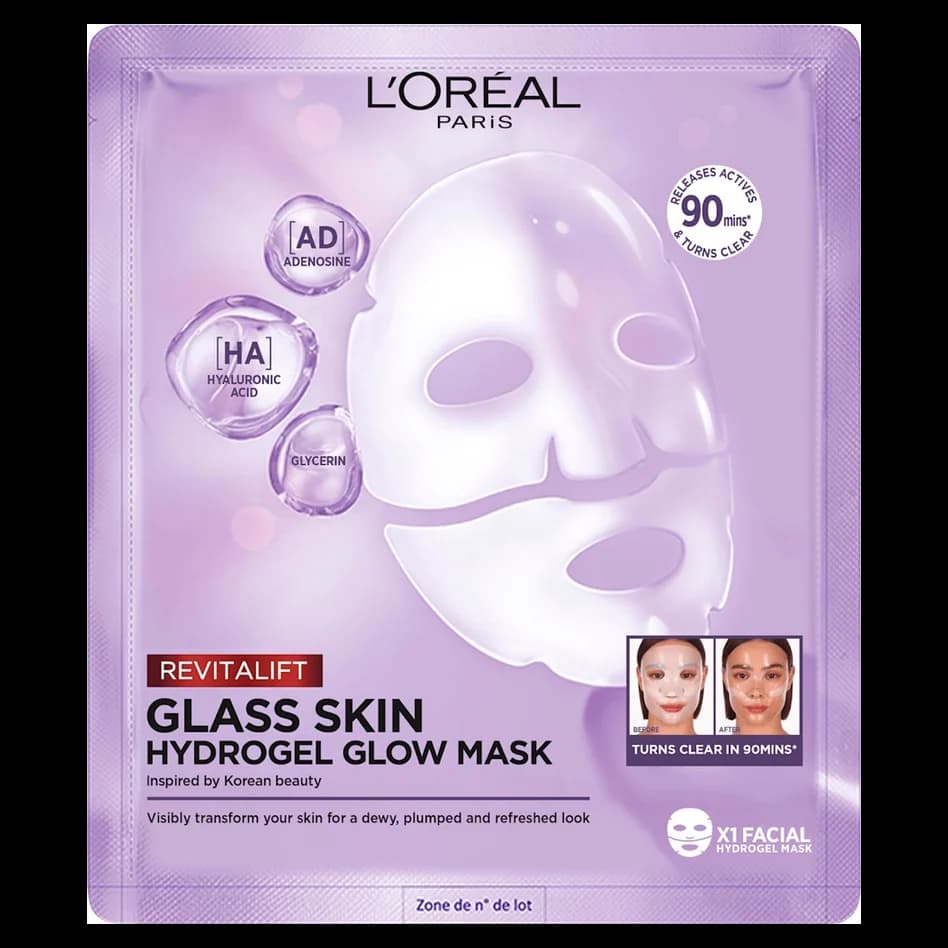
L'Oréal Paris
Revitalift Filler Glass Skin Hydrogel Glow Mask
31st of 32 on the label
below ≈1%
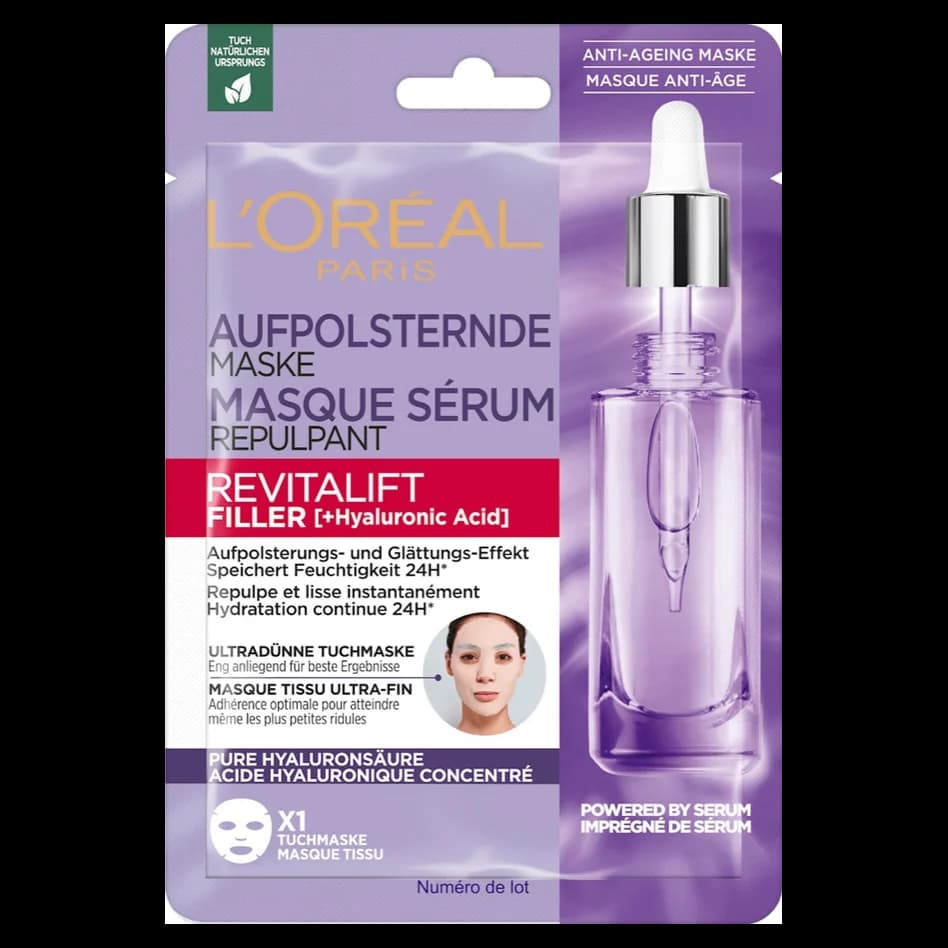
L'Oréal Paris
Revitalift Filler Hyaluronic Acid Tissue Mask
12th of 14 on the label
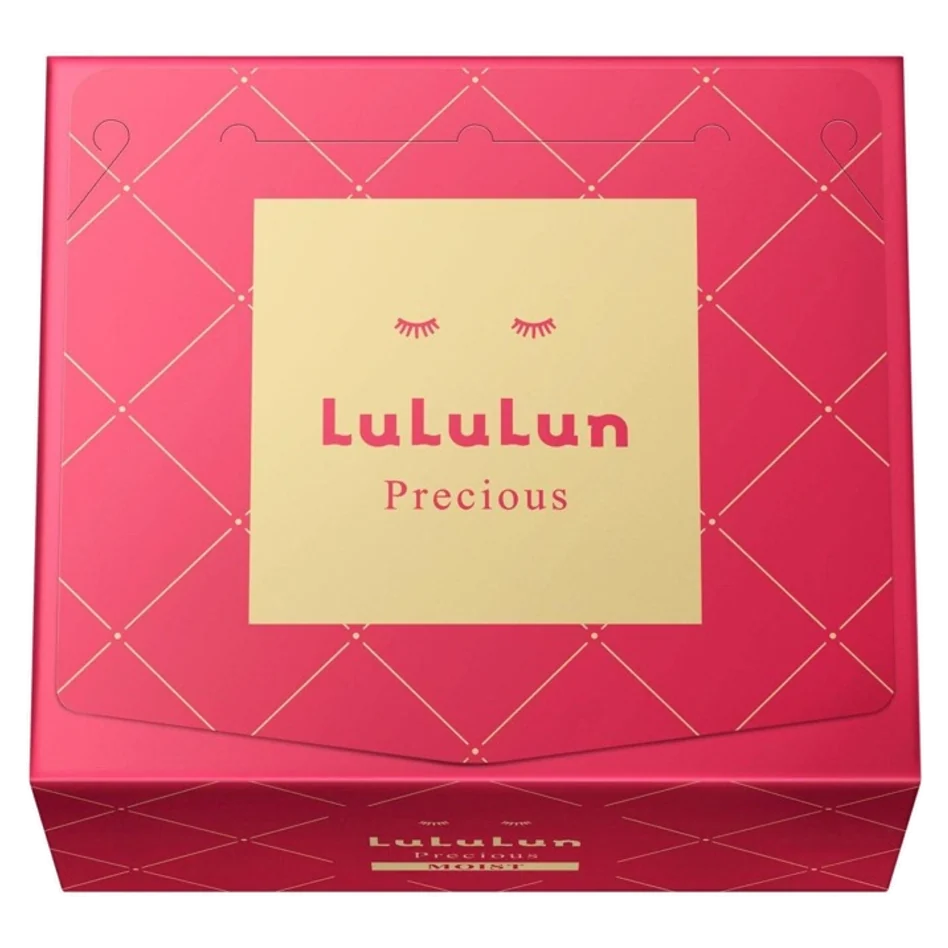
LuLuLun
Precious Face Mask Moist (Red)
22nd of 26 on the label
below ≈1%
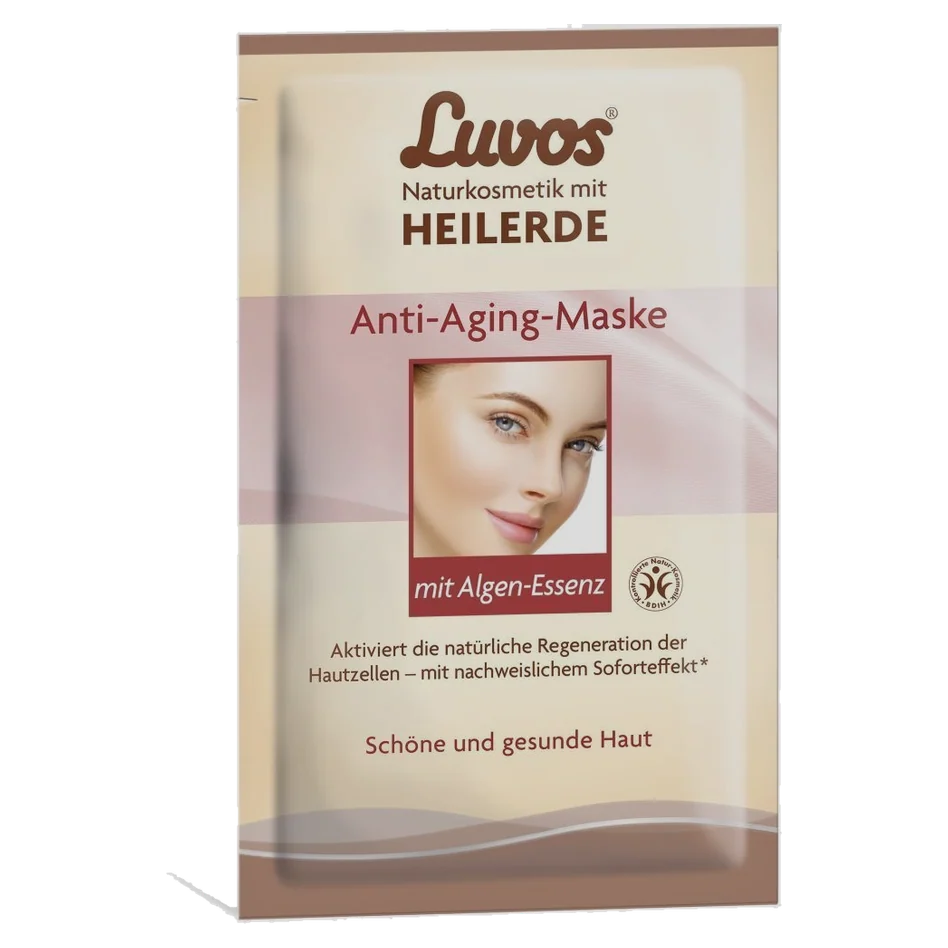
Luvos-Heilerde
Anti-Aging-Maske
19th of 27 on the label
below ≈1%
Luvos-Heilerde
Anti-Stress-Maske
25th of 33 on the label
below ≈1%
Luvos-Heilerde
Clean-Peel-Maske
15th of 29 on the label
below ≈1%
Luvos-Heilerde
Hydro Booster mit Clean Maske
17th of 63 on the label
below ≈1%
Luvos-Heilerde
Hydro-Maske
18th of 33 on the label
below ≈1%
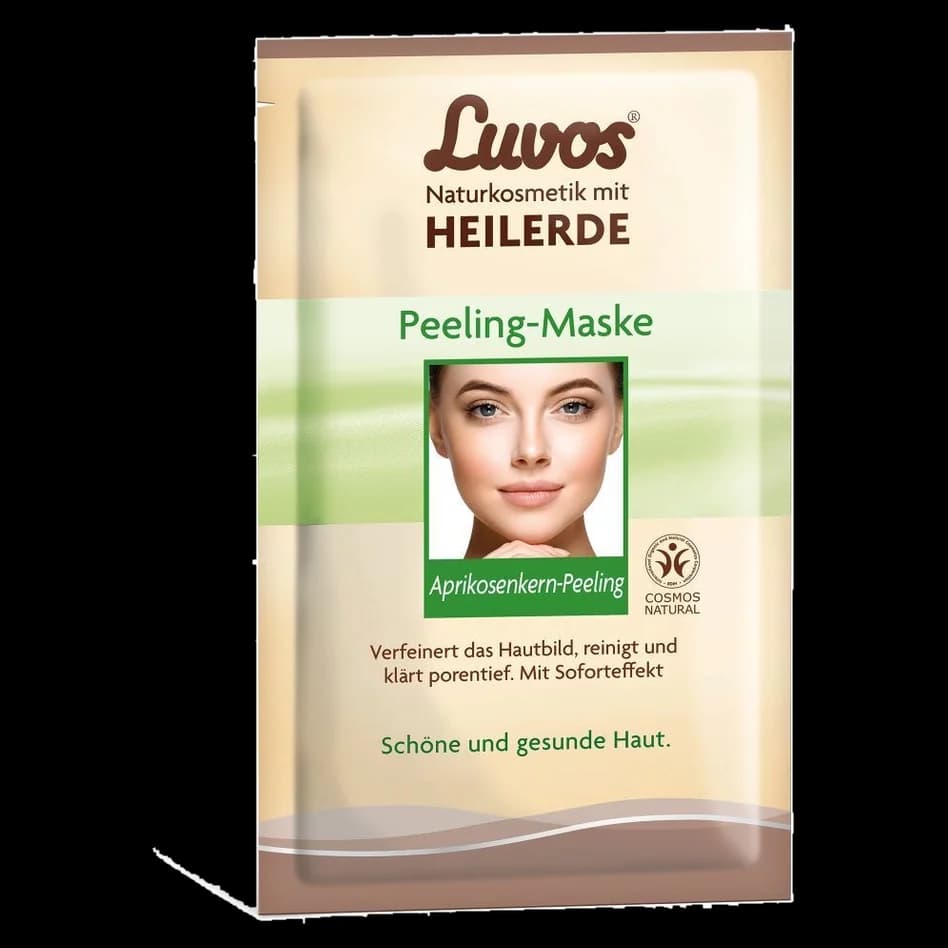
Luvos-Heilerde
Peeling-Maske
19th of 29 on the label
below ≈1%
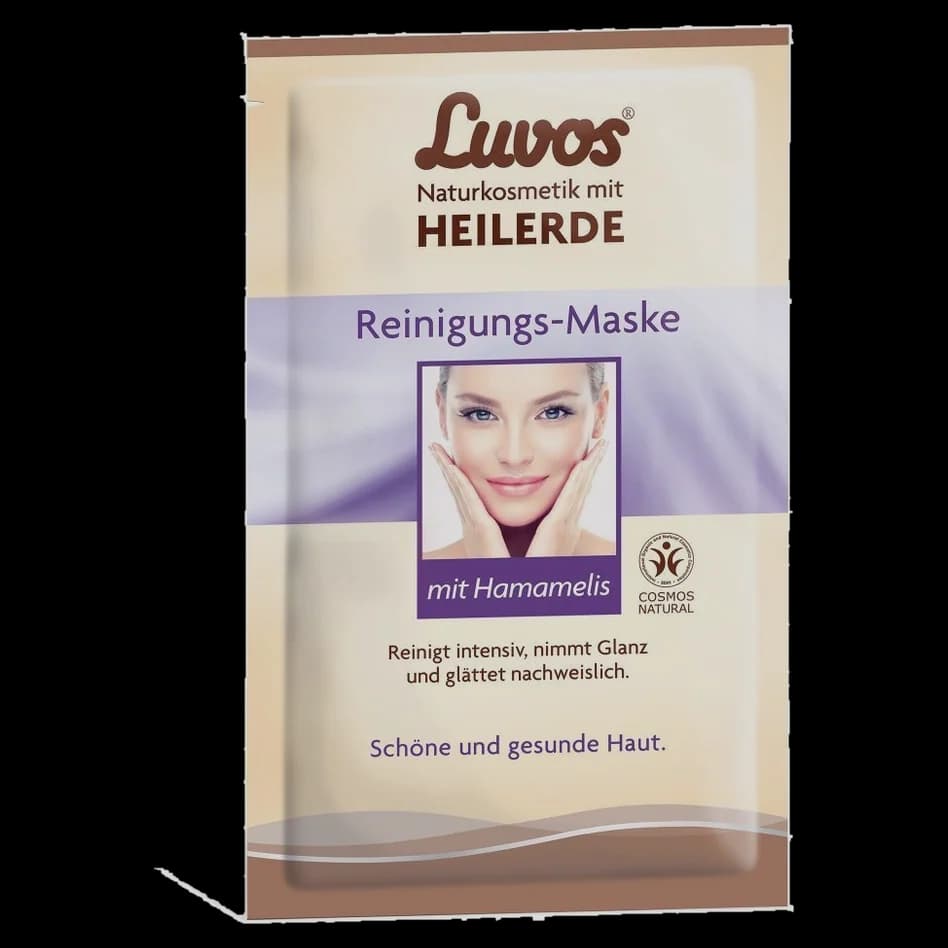
Luvos-Heilerde
Reinigungs-Maske
15th of 28 on the label
below ≈1%
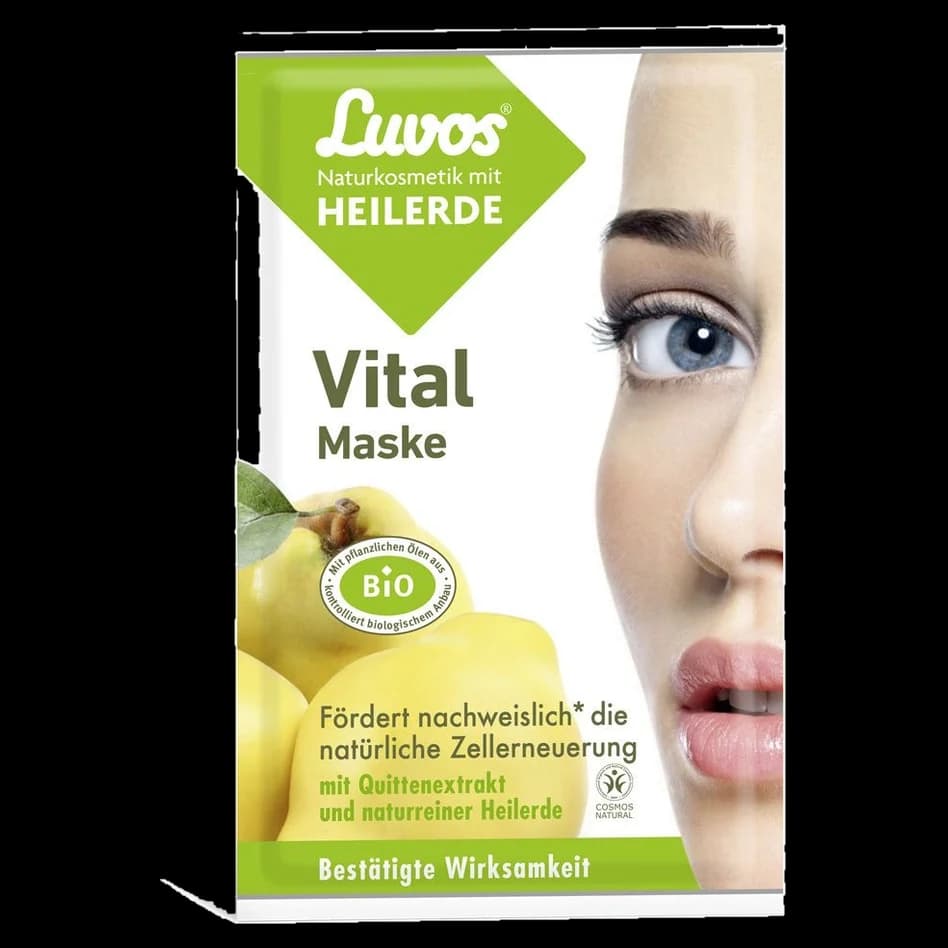
Luvos-Heilerde
Vital-Maske
16th of 30 on the label
below ≈1%
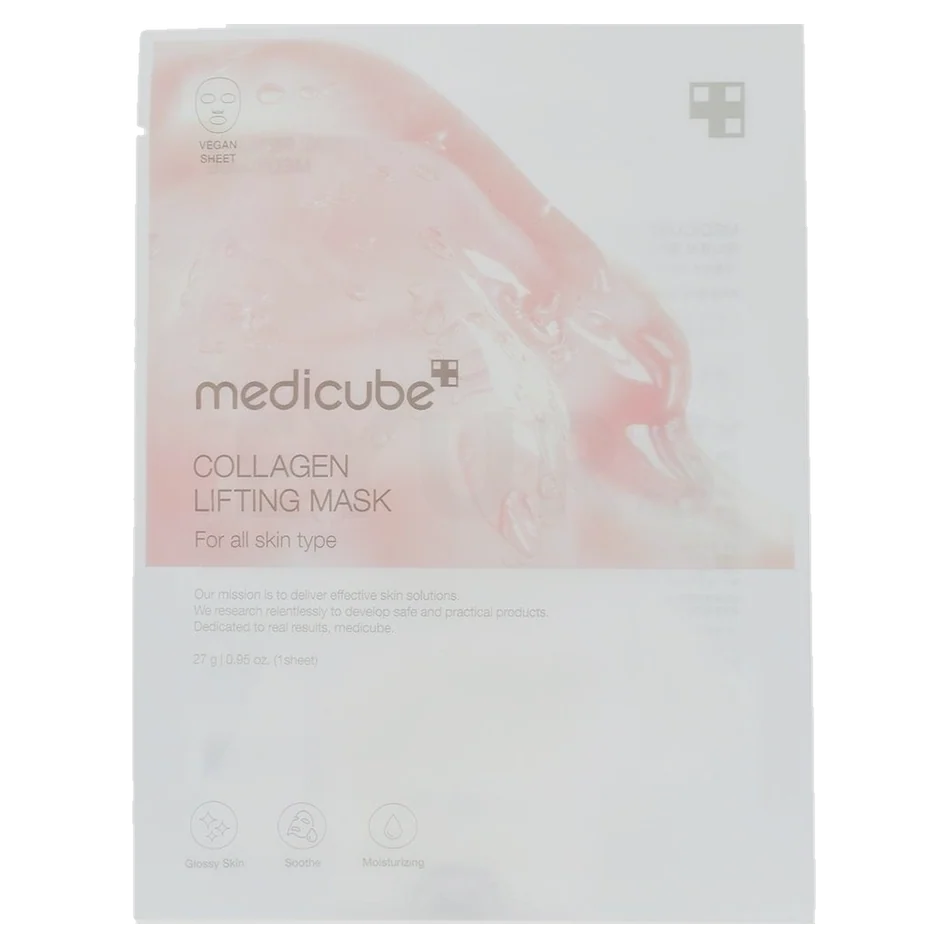
Medicube
Collagen Lifting Mask
7th of 39 on the label
below ≈1%
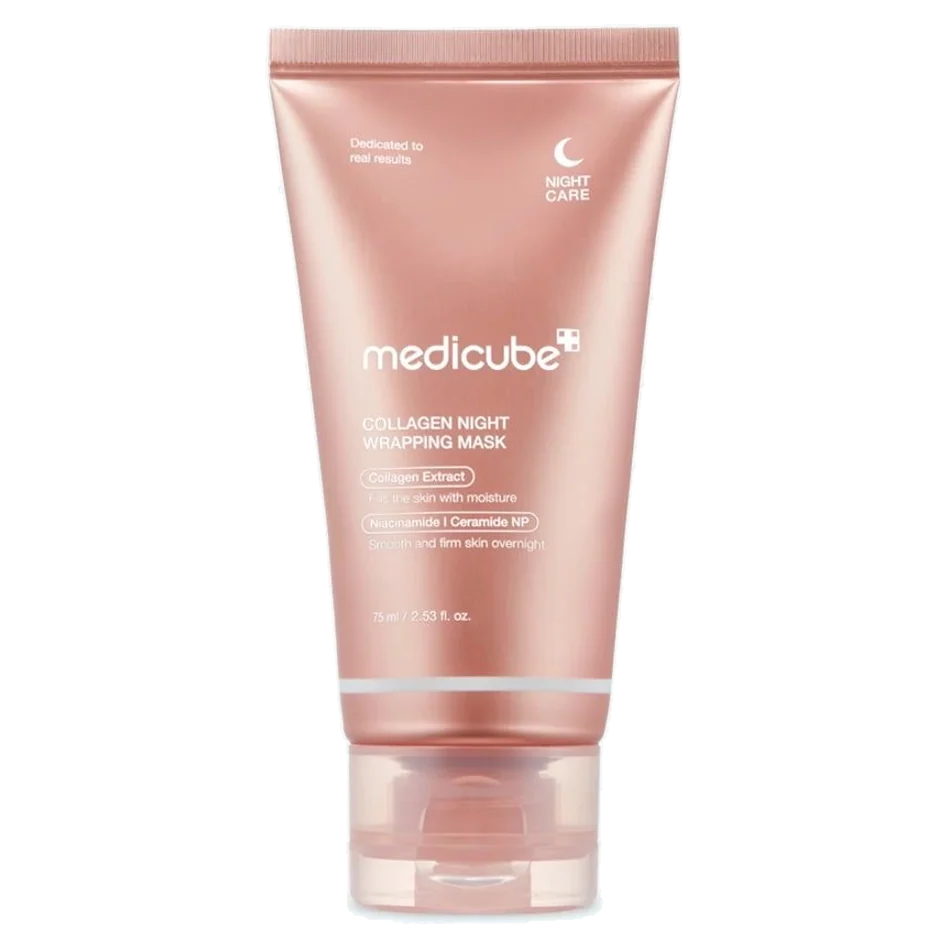
Medicube
Collagen Night Wrapping Mask
15th of 24 on the label
below ≈1%
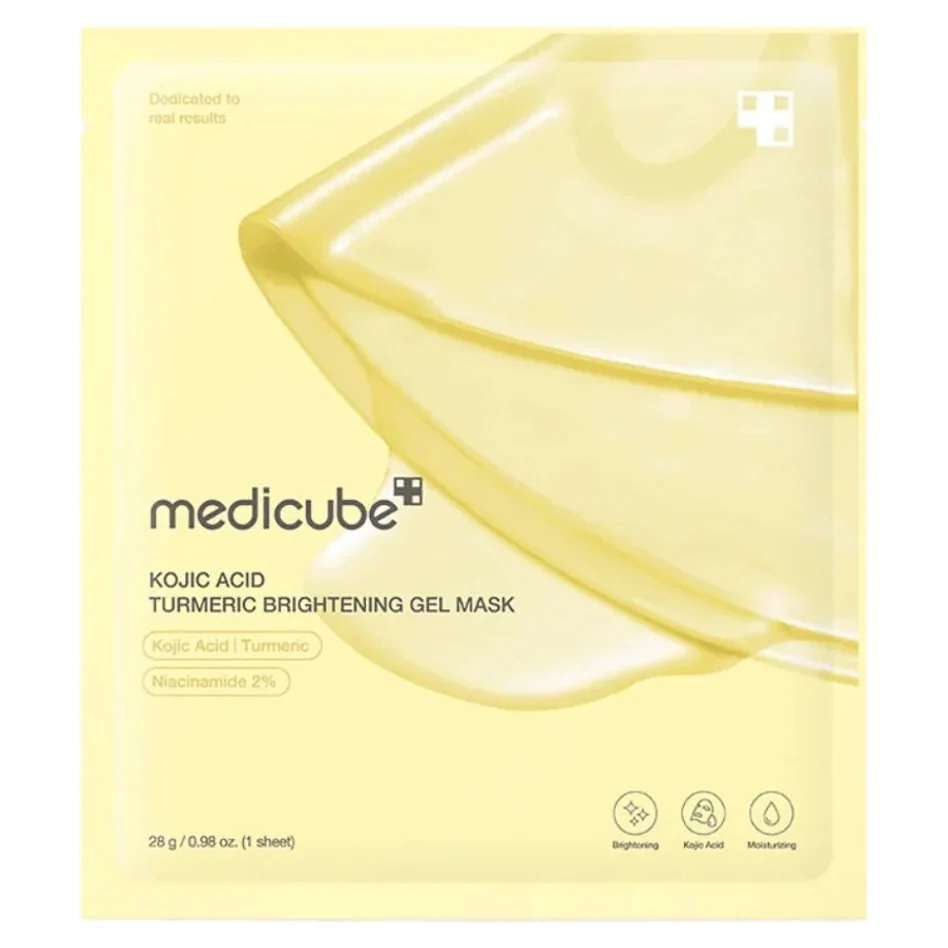
Medicube
Kojic Acid Turmeric Brightening Gel Mask
13th of 35 on the label
below ≈1%
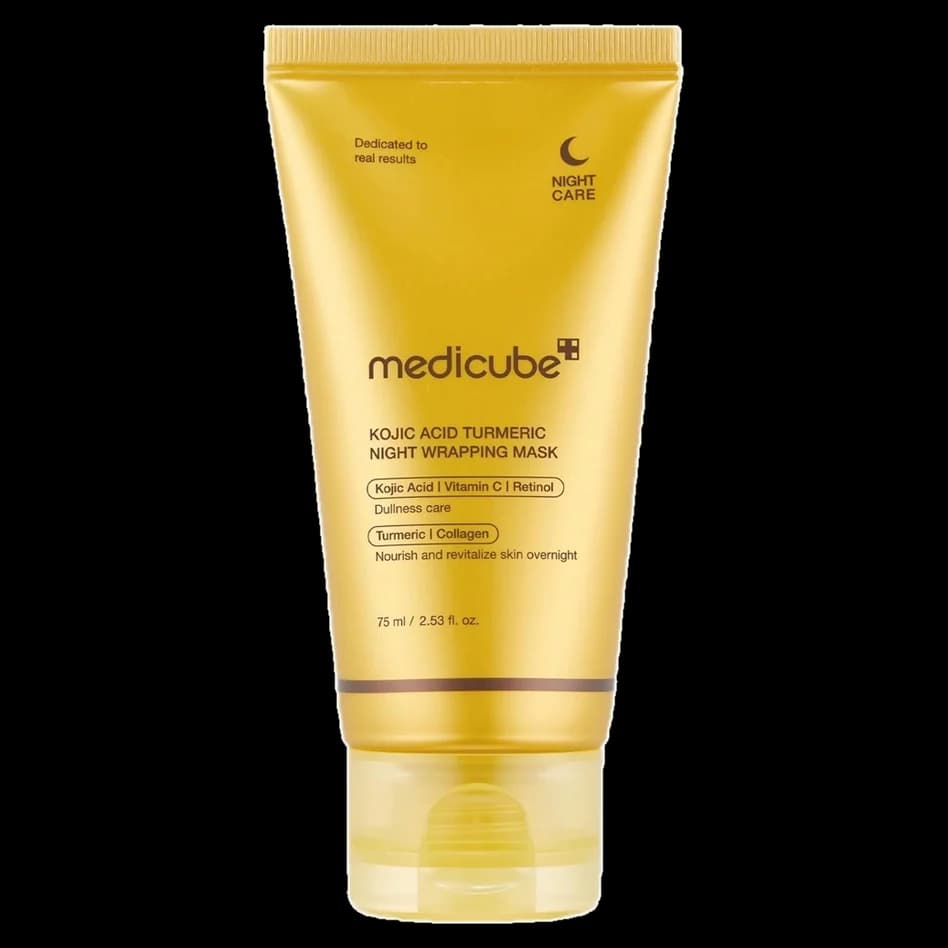
Medicube
Kojic Acid Turmeric Night Wrapping Mask
15th of 22 on the label
below ≈1%
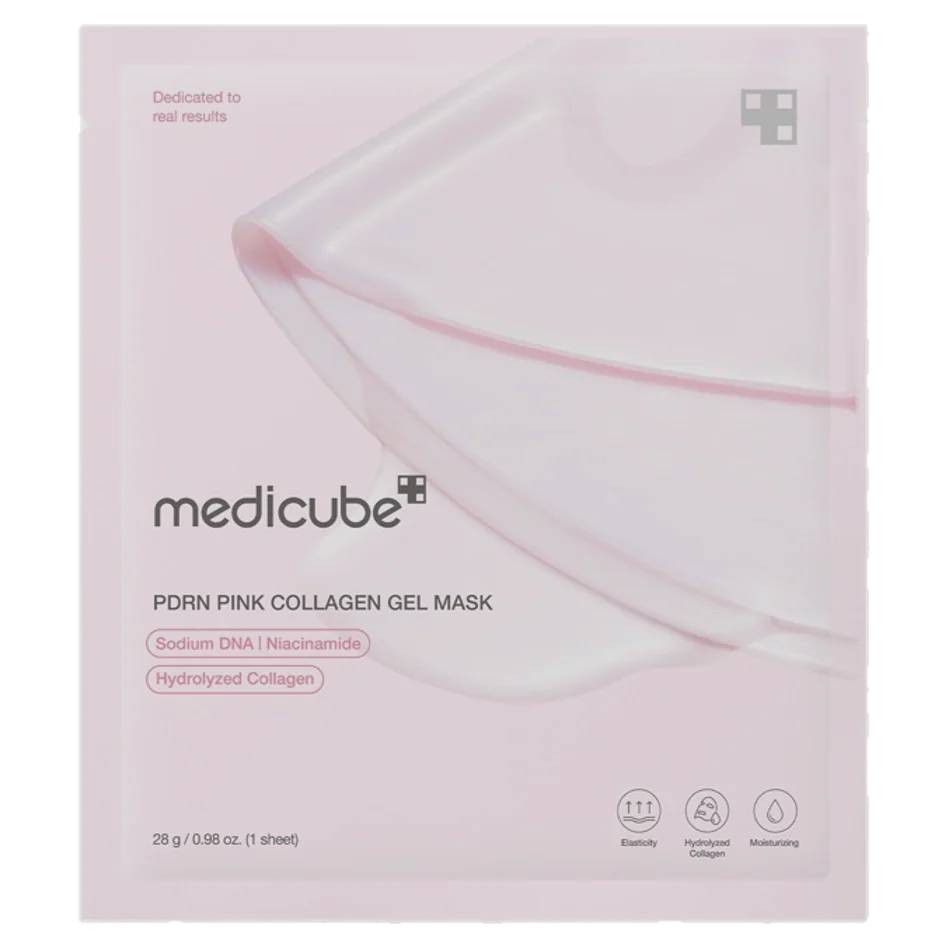
Medicube
PDRN Pink Collagen Gel Mask
14th of 43 on the label
below ≈1%
MISSHA
Airy Fit Sheet Mask Pearl
22nd of 31 on the label
below ≈1%
MISSHA
Snail 3D Sheet Mask
10th of 25 on the label
below ≈1%
MIZON
Joyful Time Essence Mask Green Tea
8th of 26 on the label
below ≈1%
MIZON
Snail Wrinkle Care Sleeping Pack
21st of 31 on the label
below ≈1%
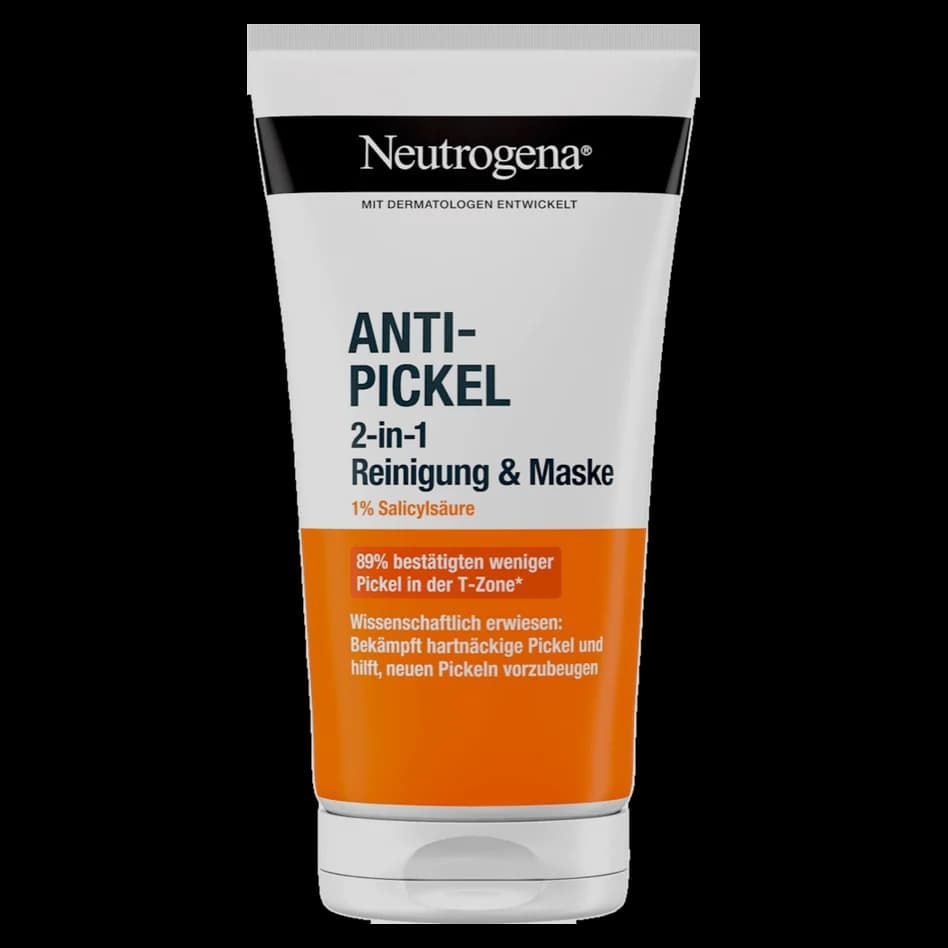
Neutrogena
Anti Pickel Gesichtsmaske 2in1
16th of 23 on the label
below ≈1%
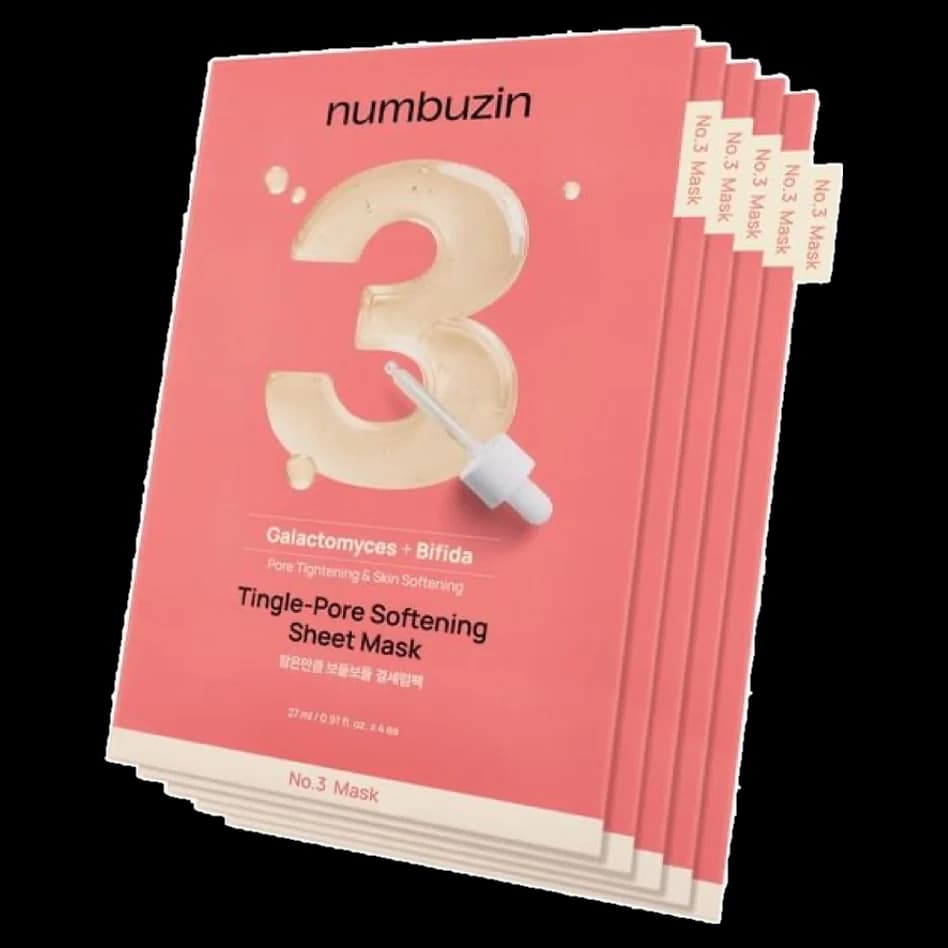
numbuzin
No.3 Tingle-Pore Softening Sheet Mask
33rd of 42 on the label
below ≈1%
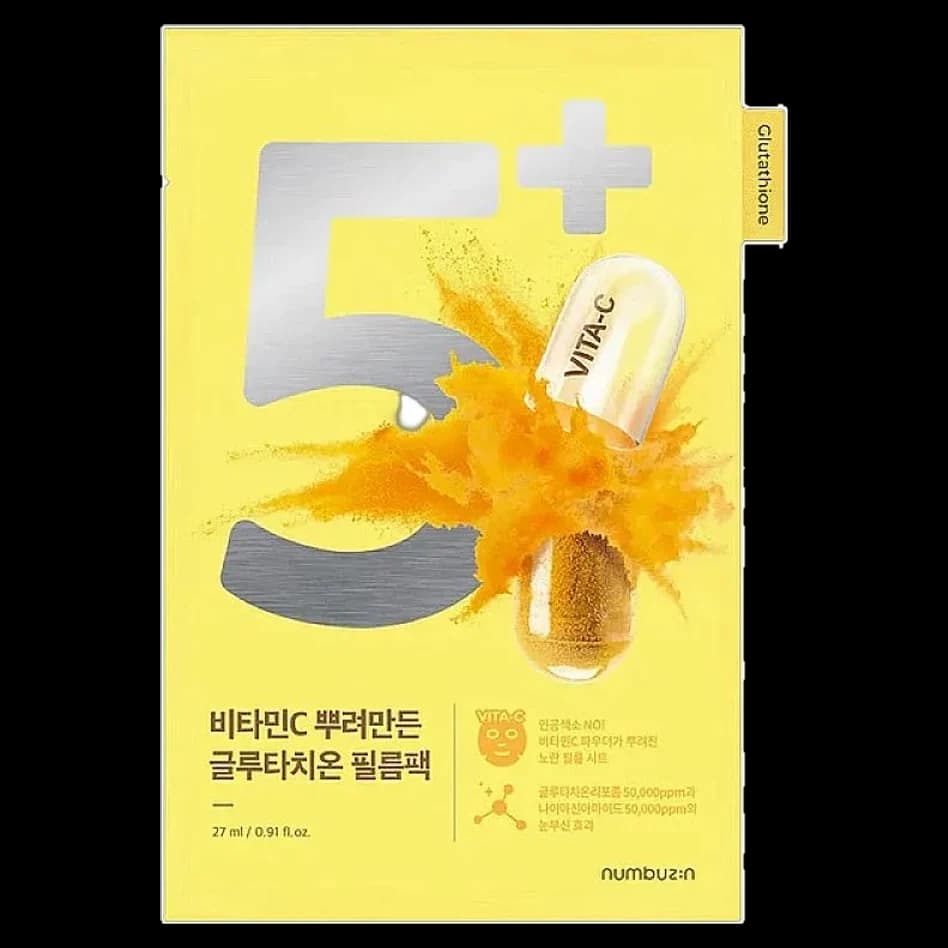
numbuzin
No.5 Vitamin Spotlight Sheet Mask
18th of 33 on the label
below ≈1%
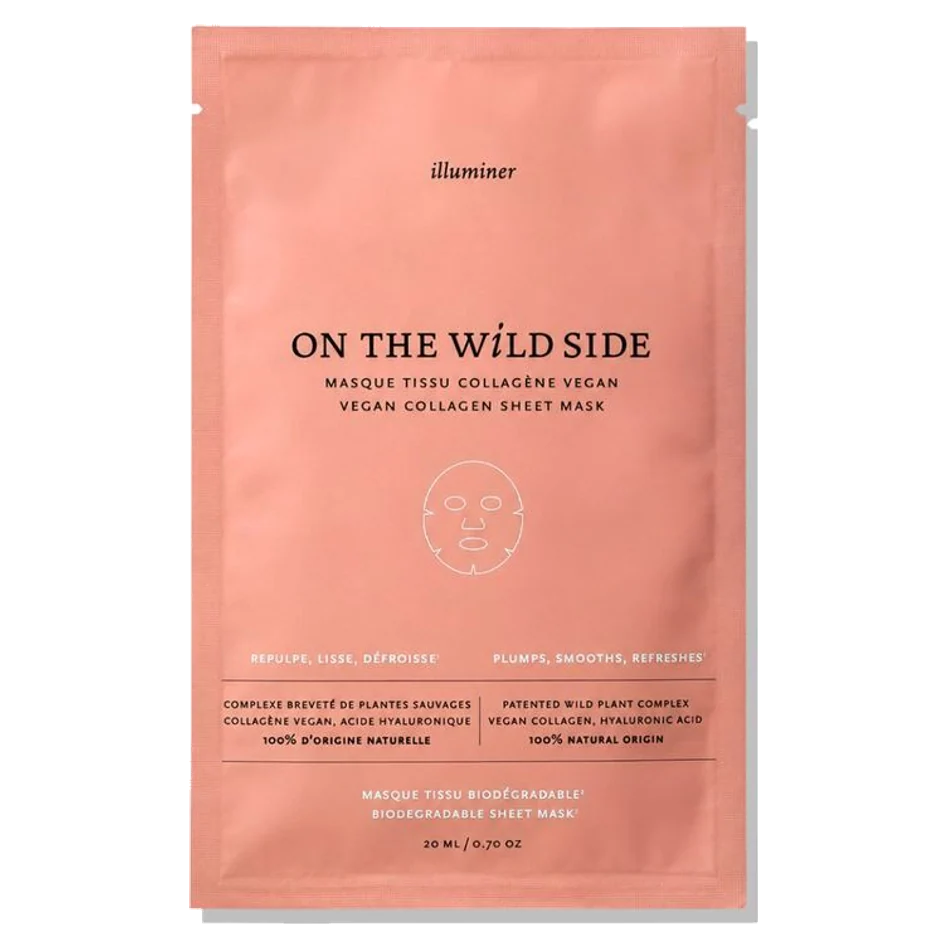
On The Wild Side
Sheet Mask Bio Cellulose Collagène Vegan
14th of 24 on the label
below ≈1%
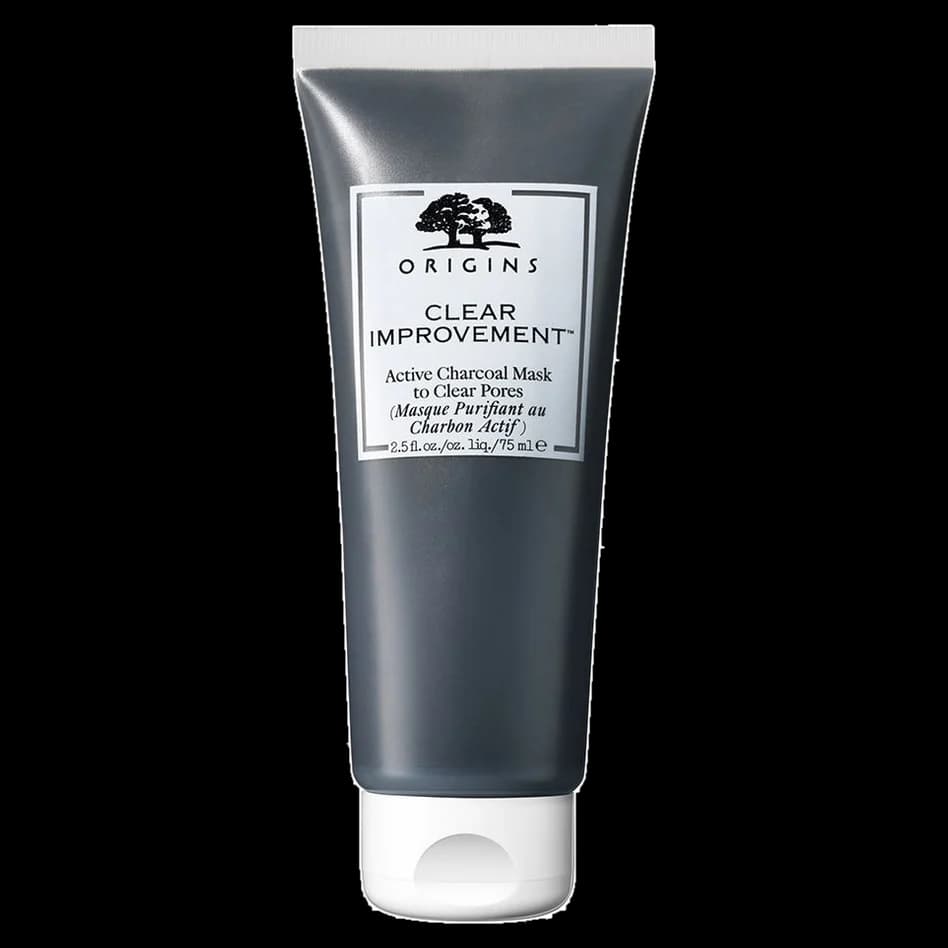
Origins
Clear Improvement Active Charcoal Mask to Clear Pores
10th of 23 on the label
below ≈1%
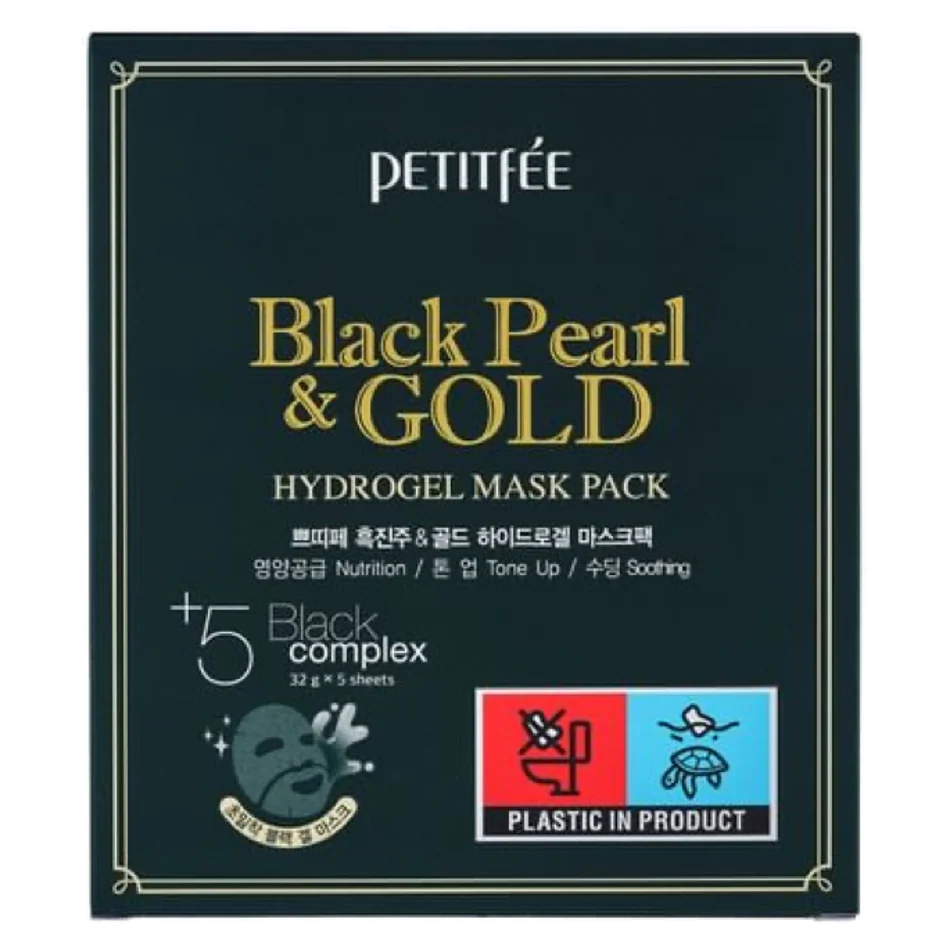
Petitfee
Black Pearl & Gold Hydrogel Mask Pack
6th of 33 on the label
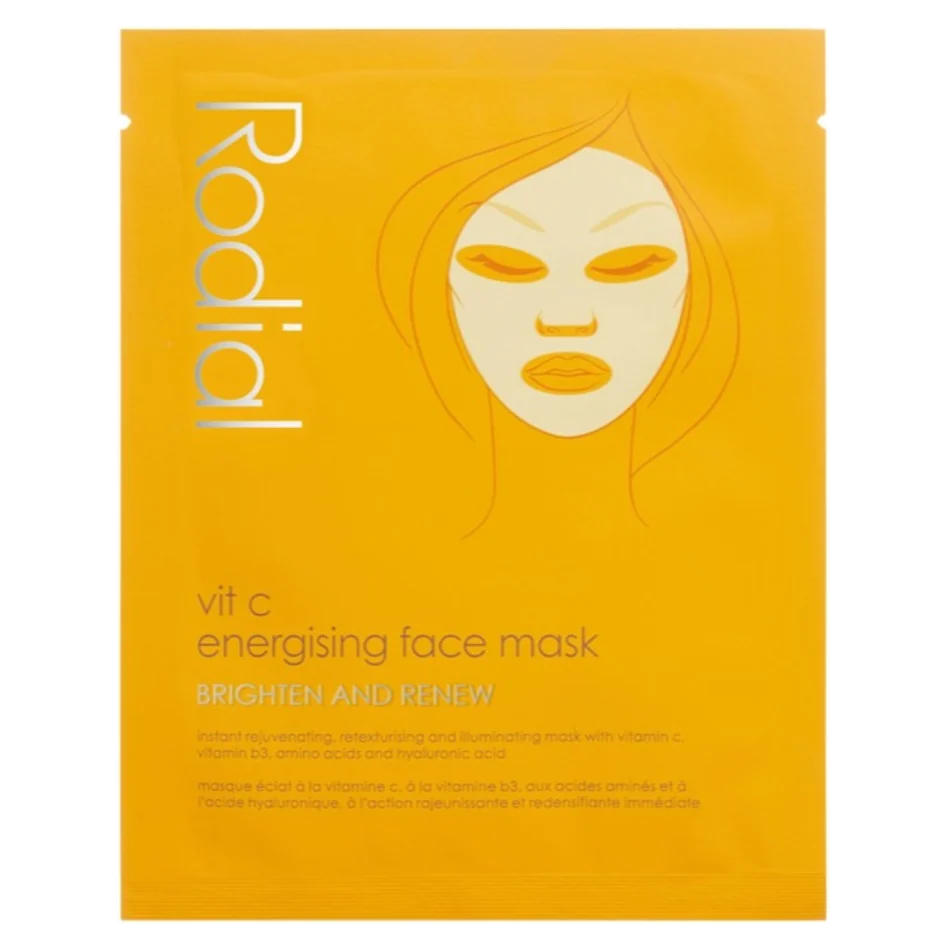
Rodial
Vit C Energising Face Mask
21st of 30 on the label
below ≈1%
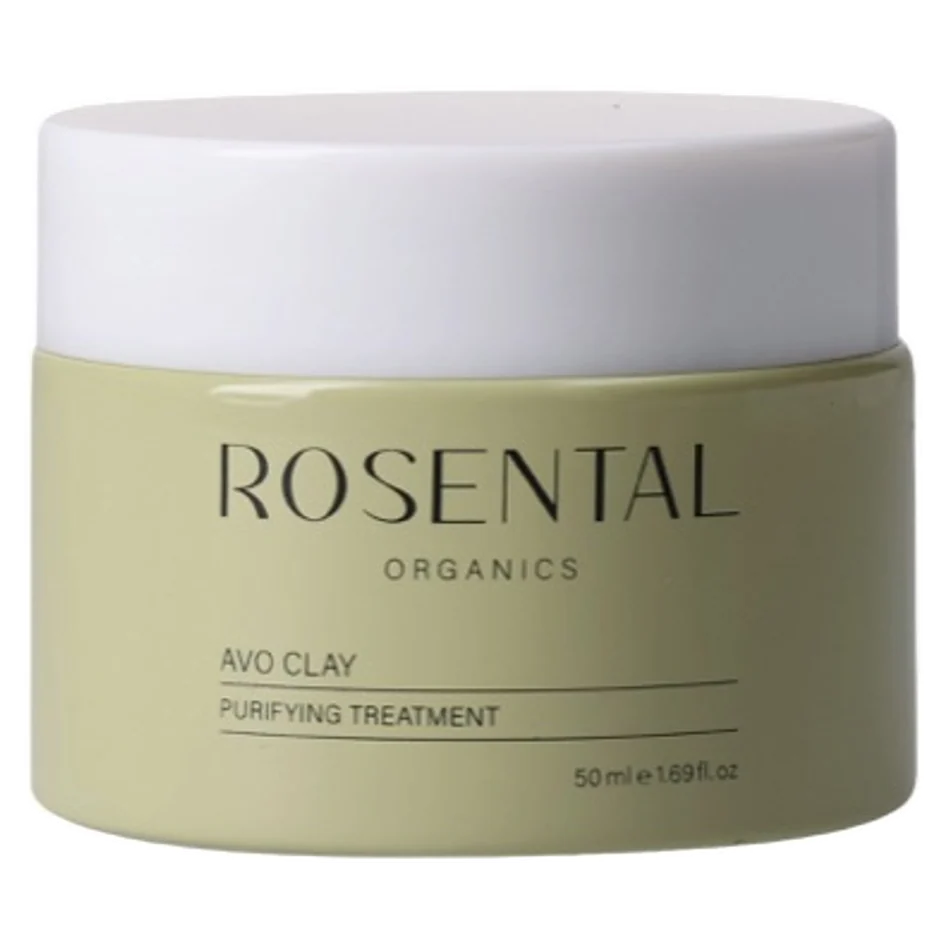
Rosental Organics
Avo Clay Mask
3rd of 17 on the label
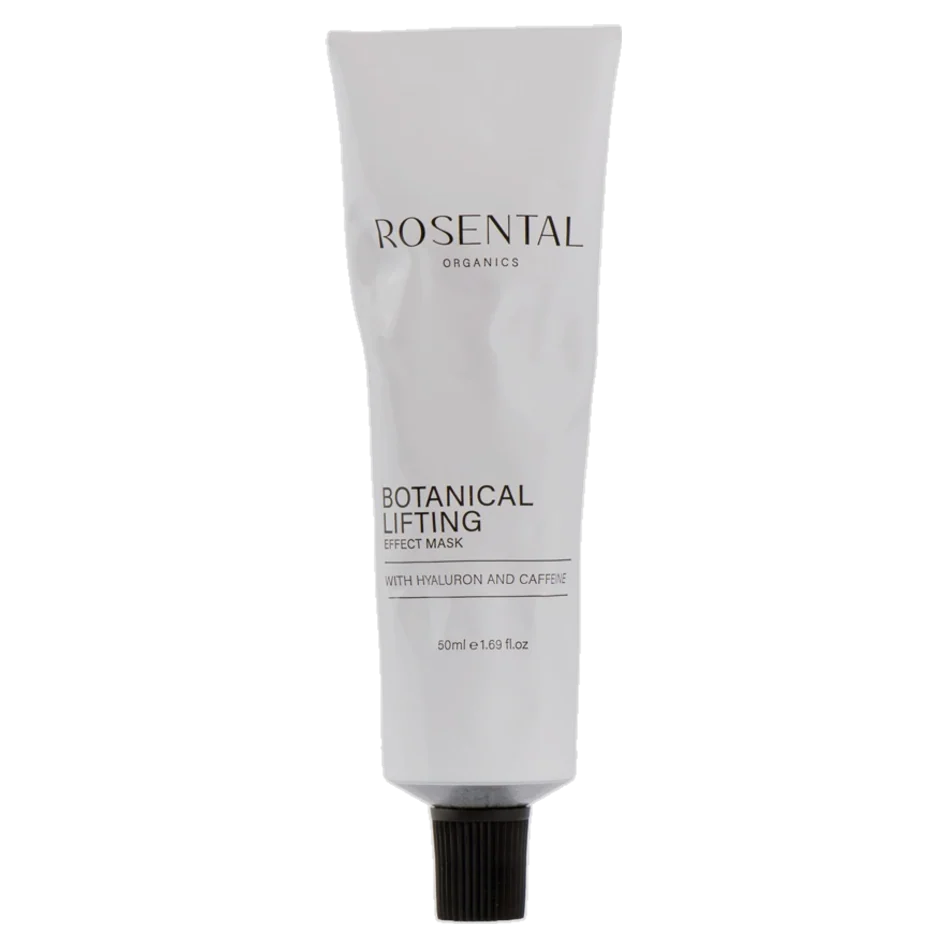
Rosental Organics
Botanical Lifting Effect Mask
26th of 28 on the label
below ≈1%
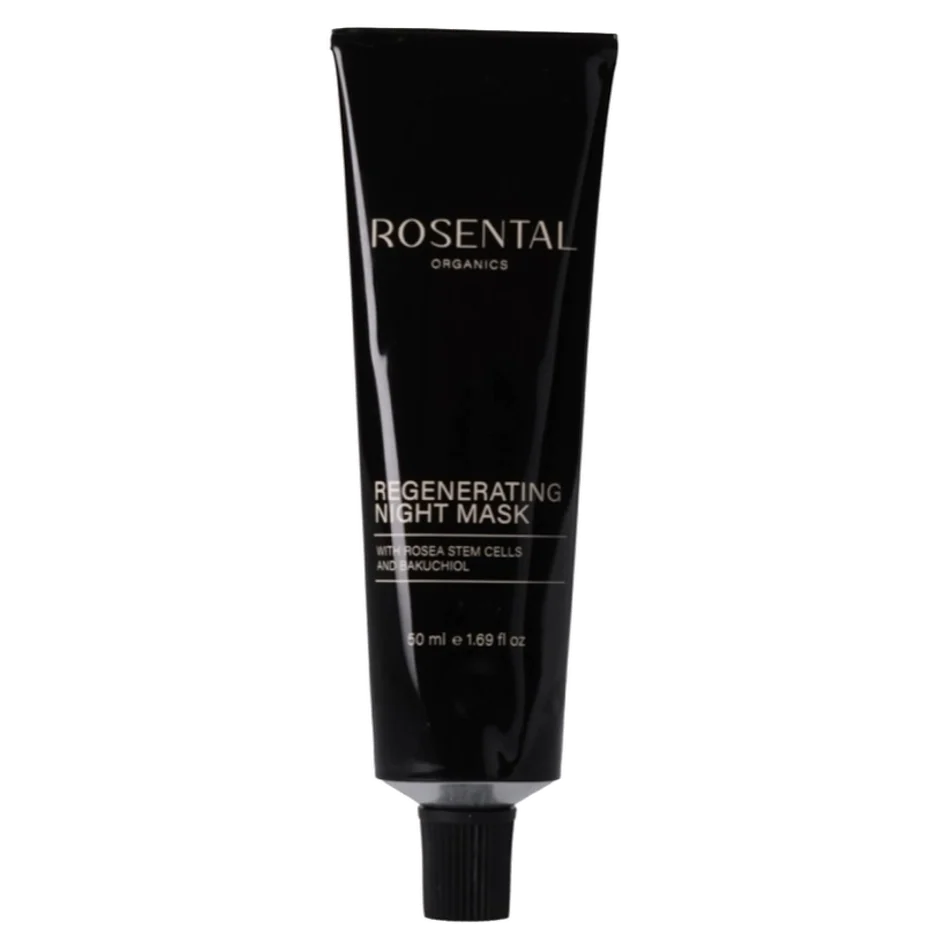
Rosental Organics
Regenerating Night Mask
31st of 44 on the label
below ≈1%
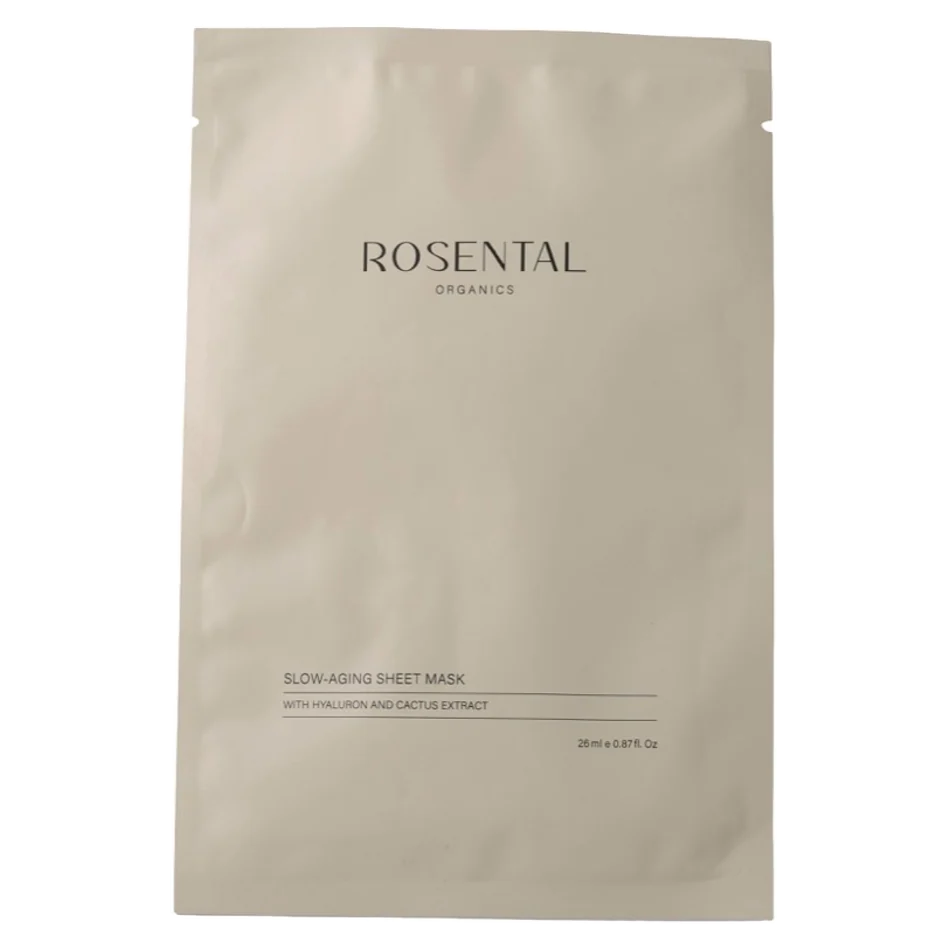
Rosental Organics
Slow-Aging Sheet Mask
3rd of 13 on the label
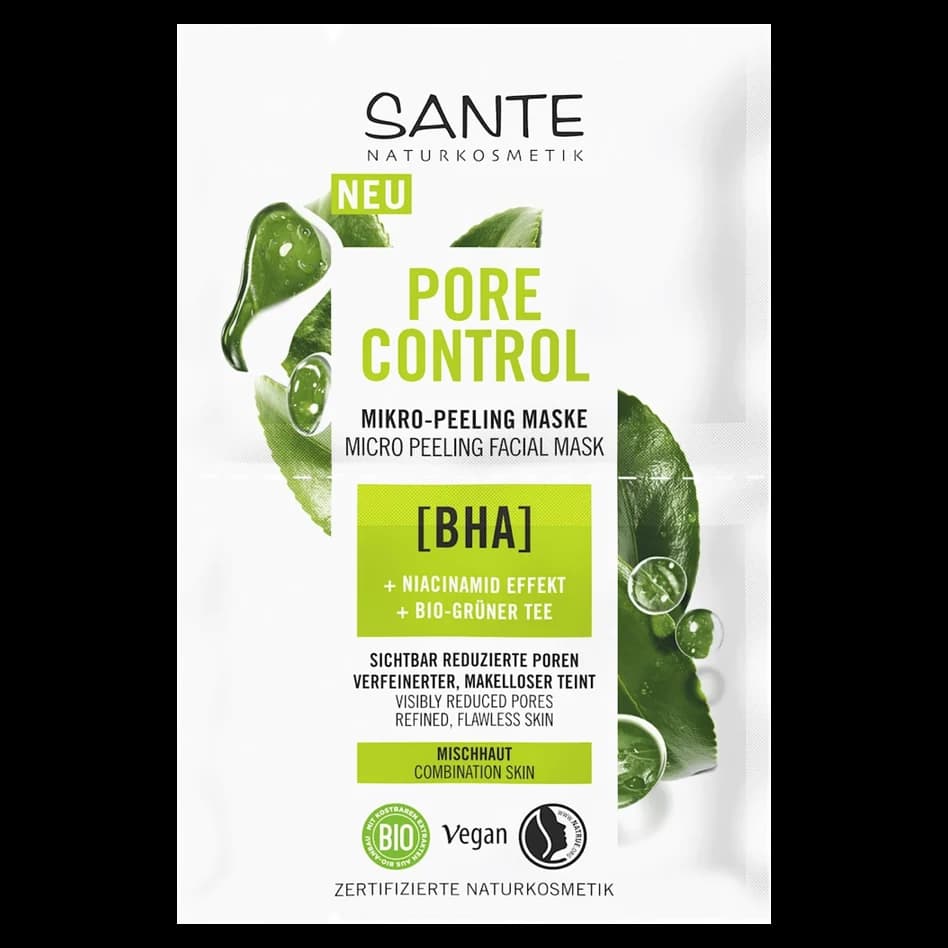
Santé Naturkosmetik
Pore Control Maske BHA
11th of 29 on the label
below ≈1%
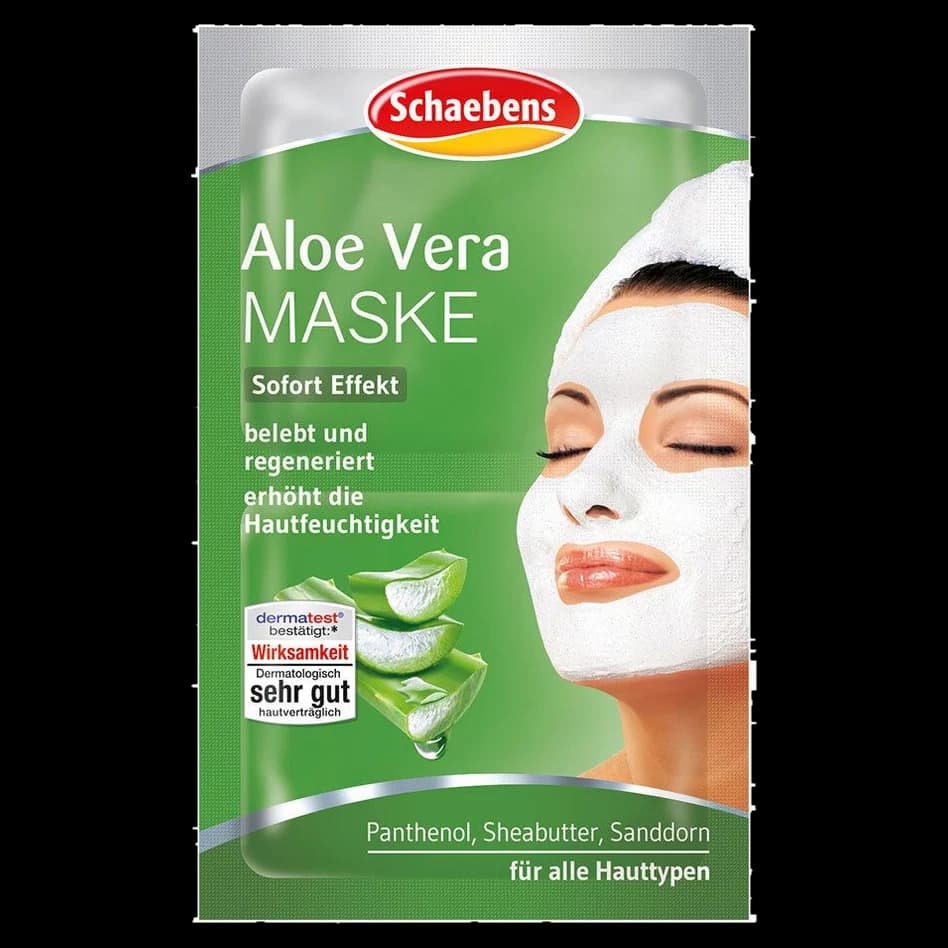
Schaebens
Aloe Vera Maske
27th of 34 on the label
below ≈1%
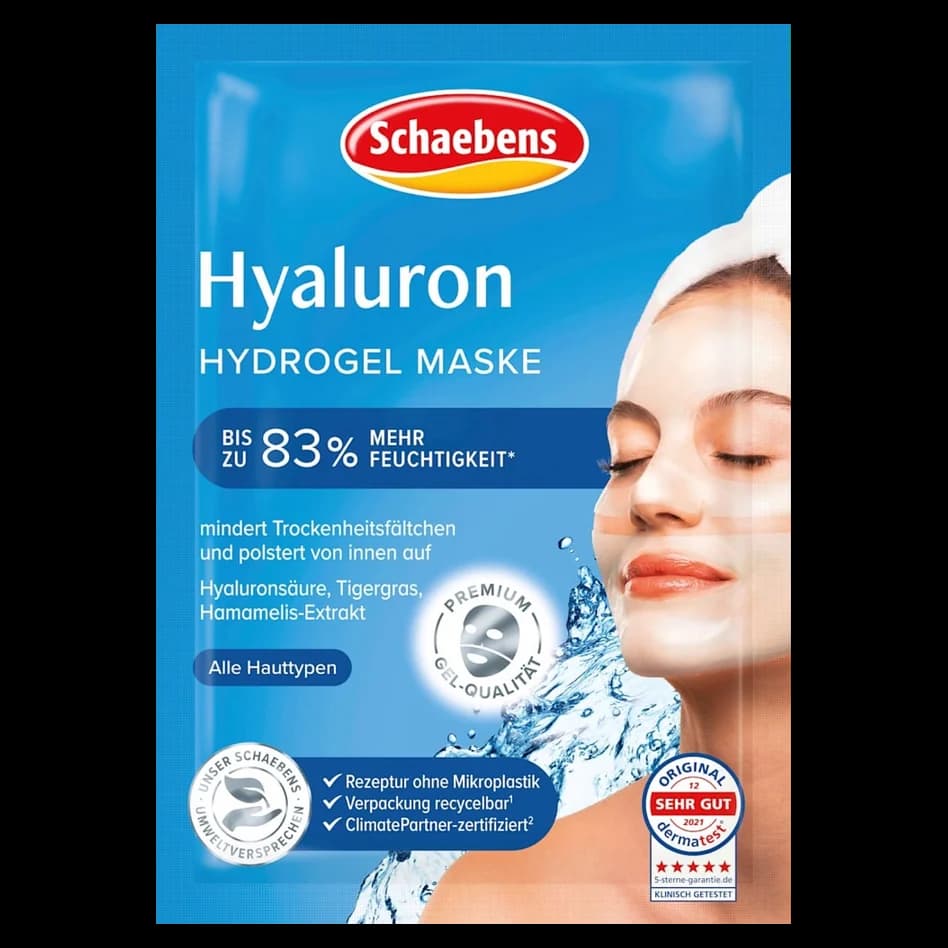
Schaebens
Gesichtsmaske Hyaluron Hydrogel
19th of 19 on the label
below ≈1%
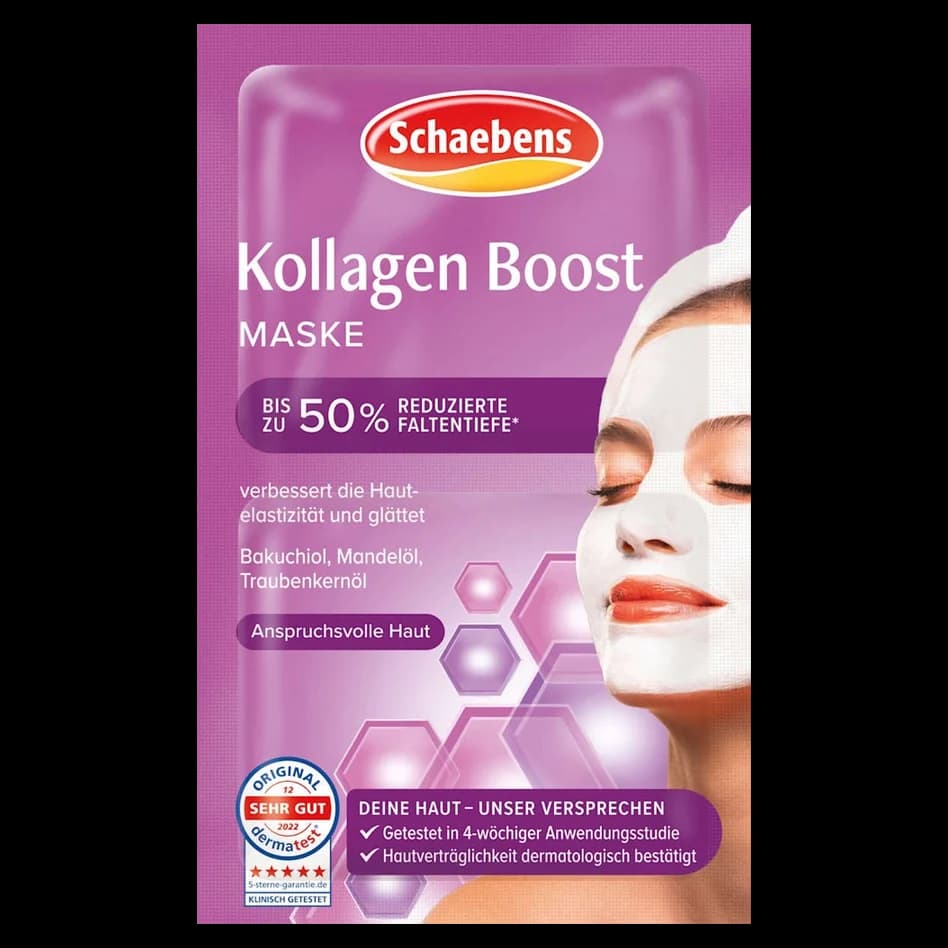
Schaebens
Gesichtsmaske Kollagen Boost
22nd of 27 on the label
below ≈1%
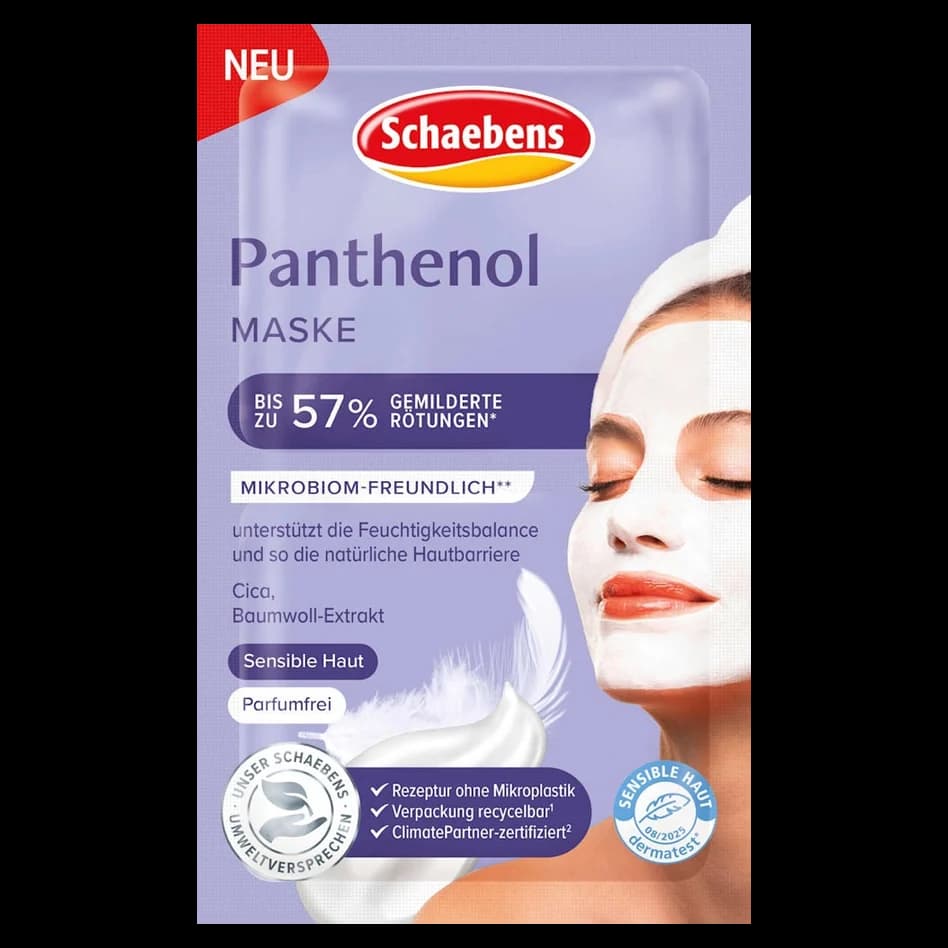
Schaebens
Gesichtsmaske Panthenol
22nd of 22 on the label
below ≈1%
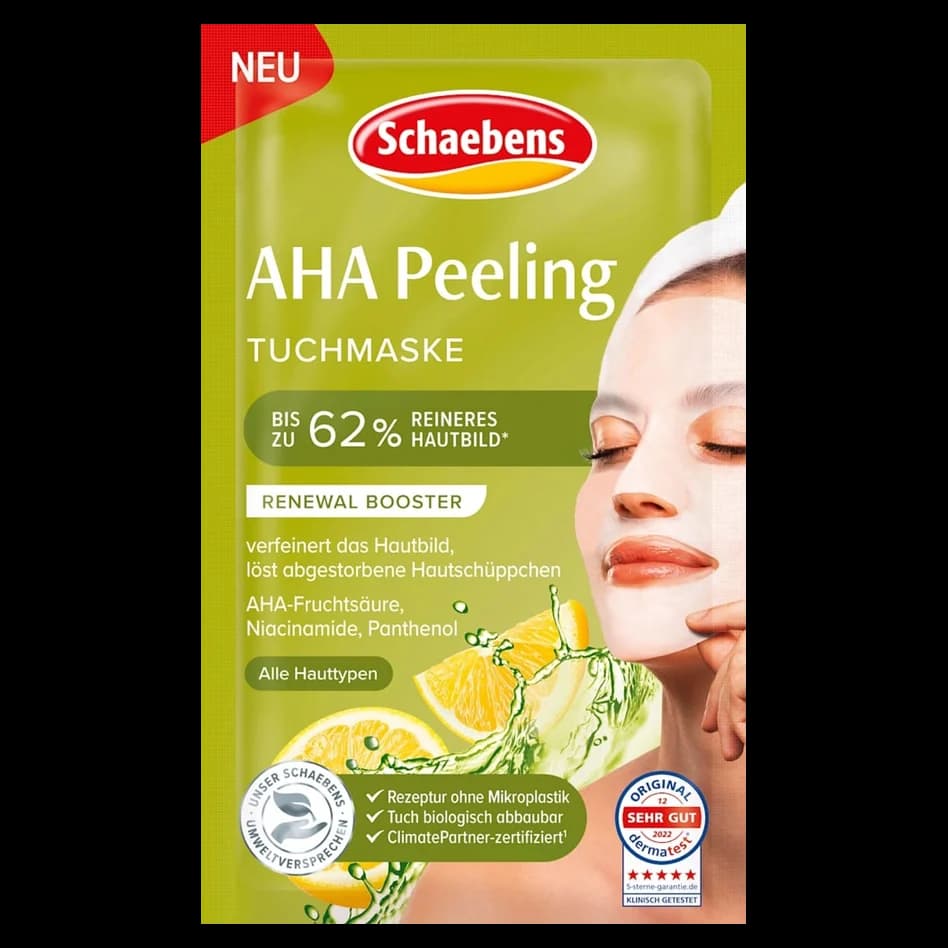
Schaebens
Tuchmaske AHA Peeling
17th of 17 on the label
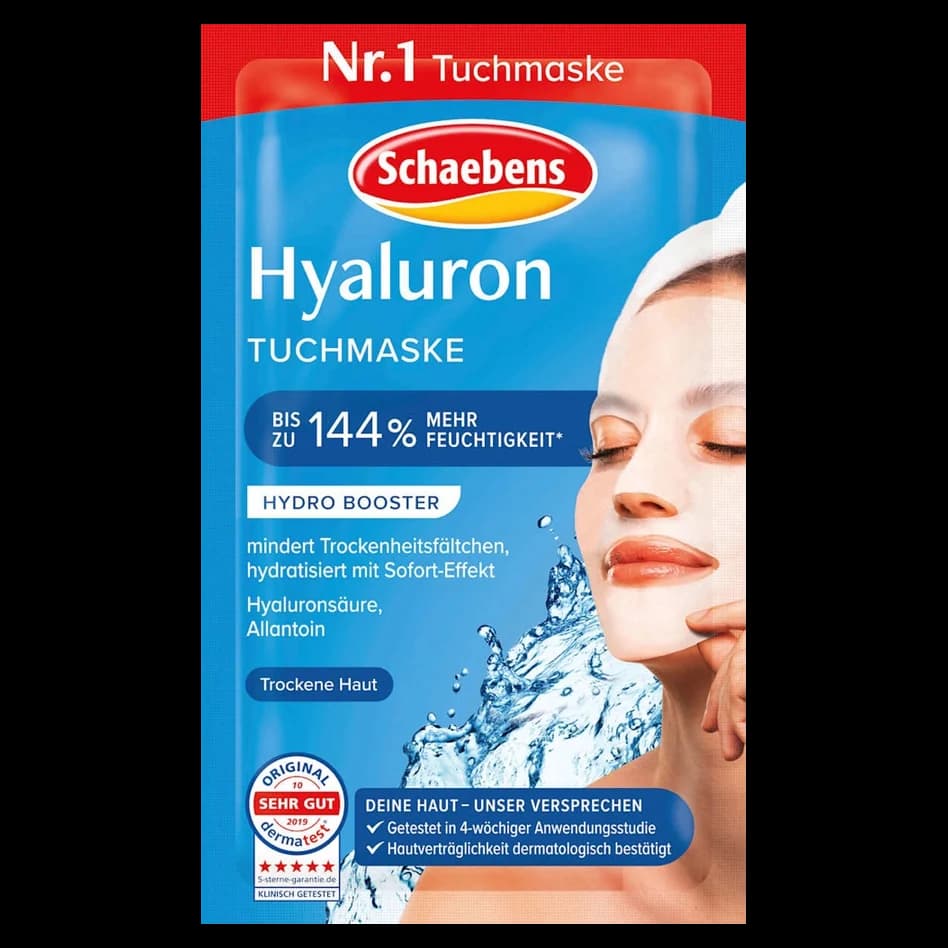
Schaebens
Tuchmaske Hyaluron
23rd of 23 on the label
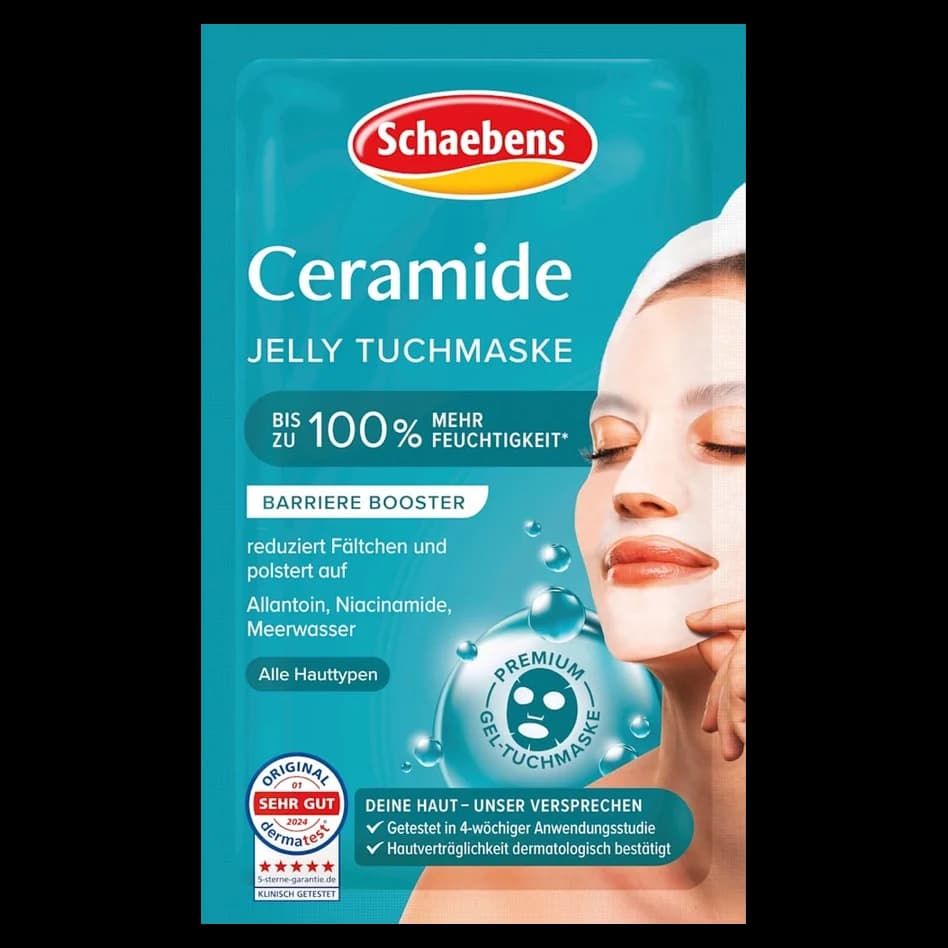
Schaebens
Tuchmaske Jelly Ceramide
29th of 29 on the label
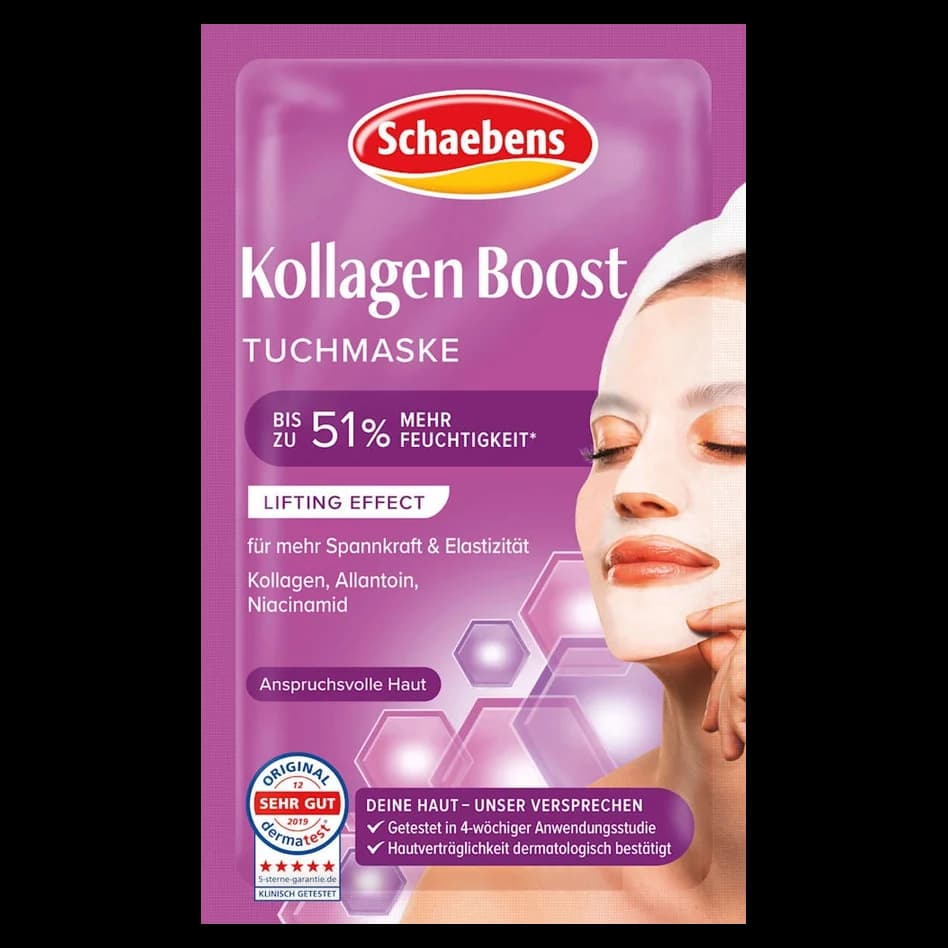
Schaebens
Tuchmaske Kollagen Boost
27th of 27 on the label
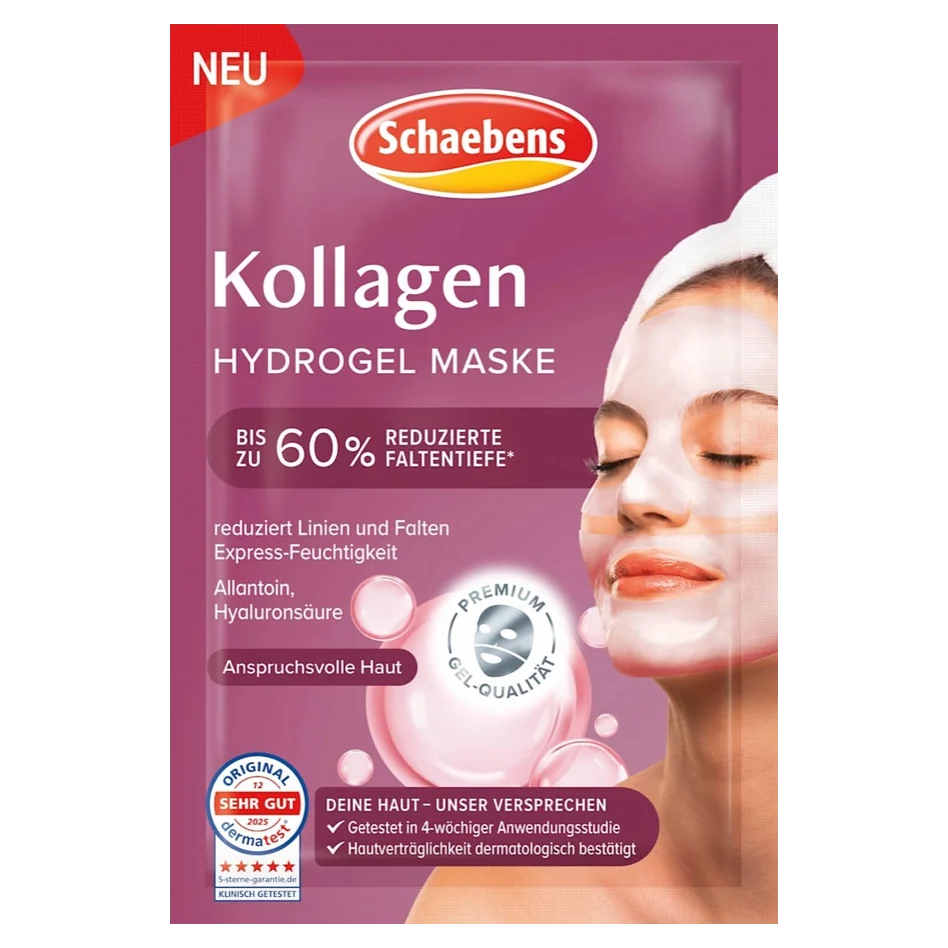
Schaebens
Tuchmaske Kollagen Hydrogel
26th of 27 on the label
below ≈1%
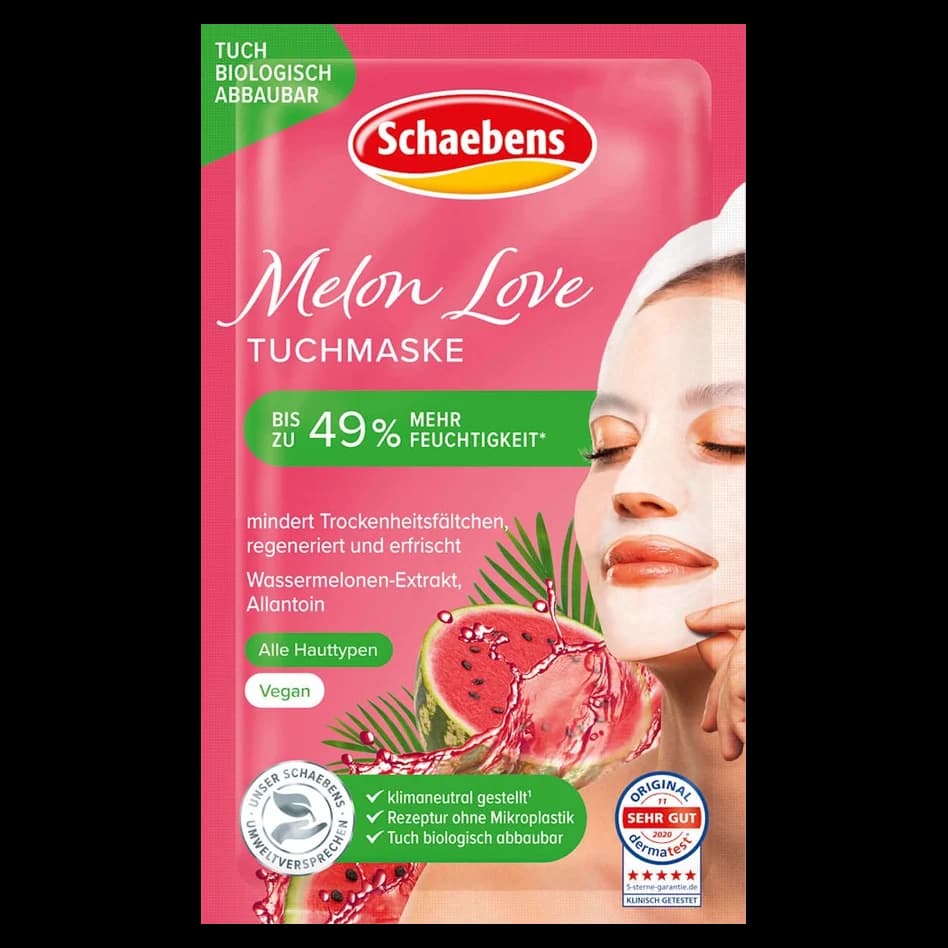
Schaebens
Tuchmaske Melon Love
43rd of 45 on the label
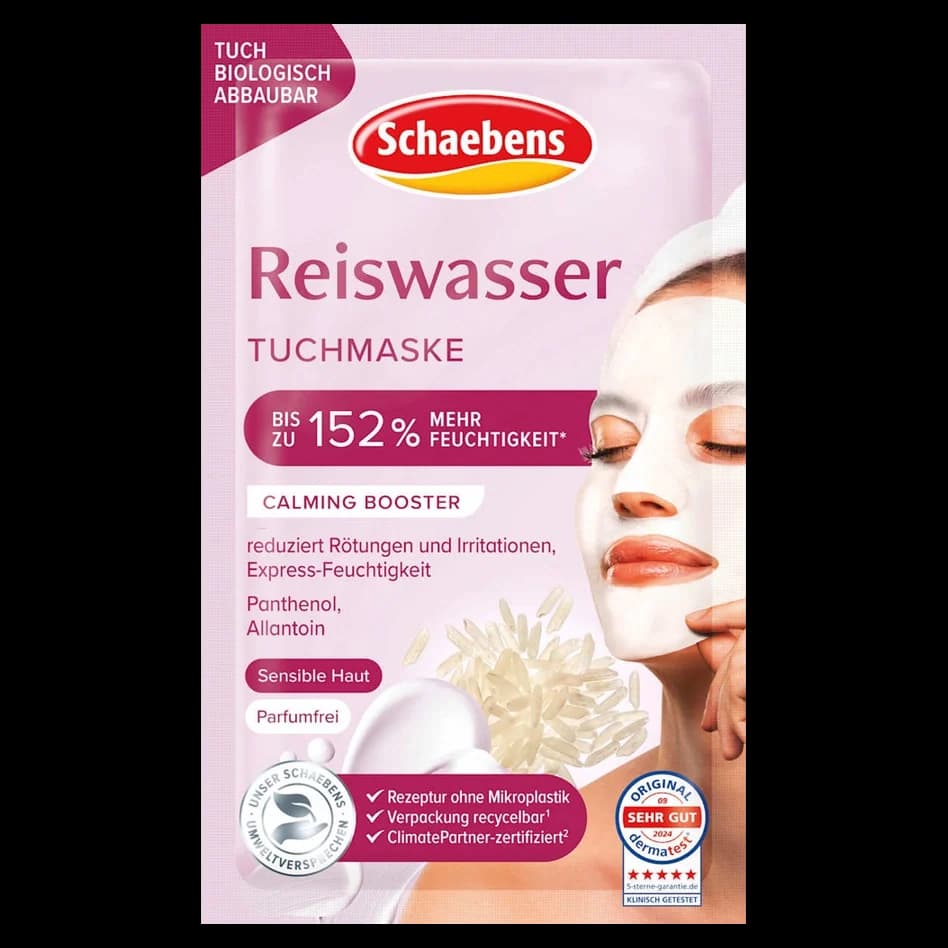
Schaebens
Tuchmaske Reiswasser
23rd of 23 on the label
below ≈1%
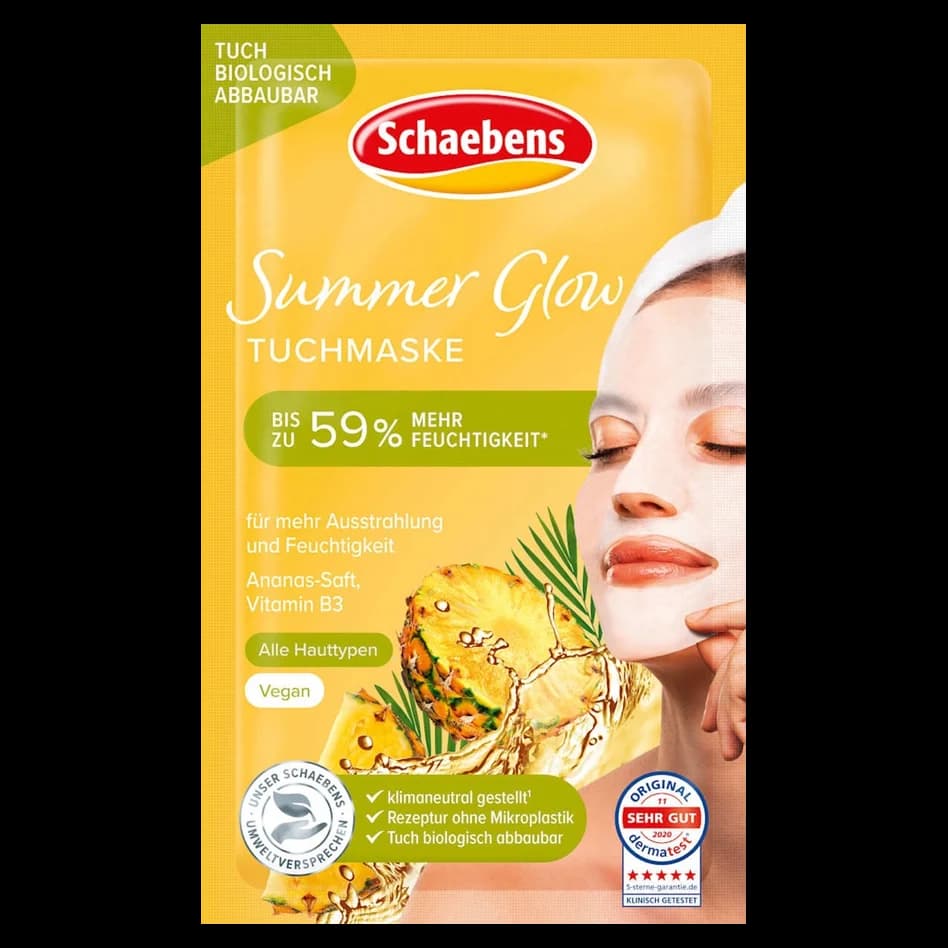
Schaebens
Tuchmaske Summer Glow
42nd of 44 on the label
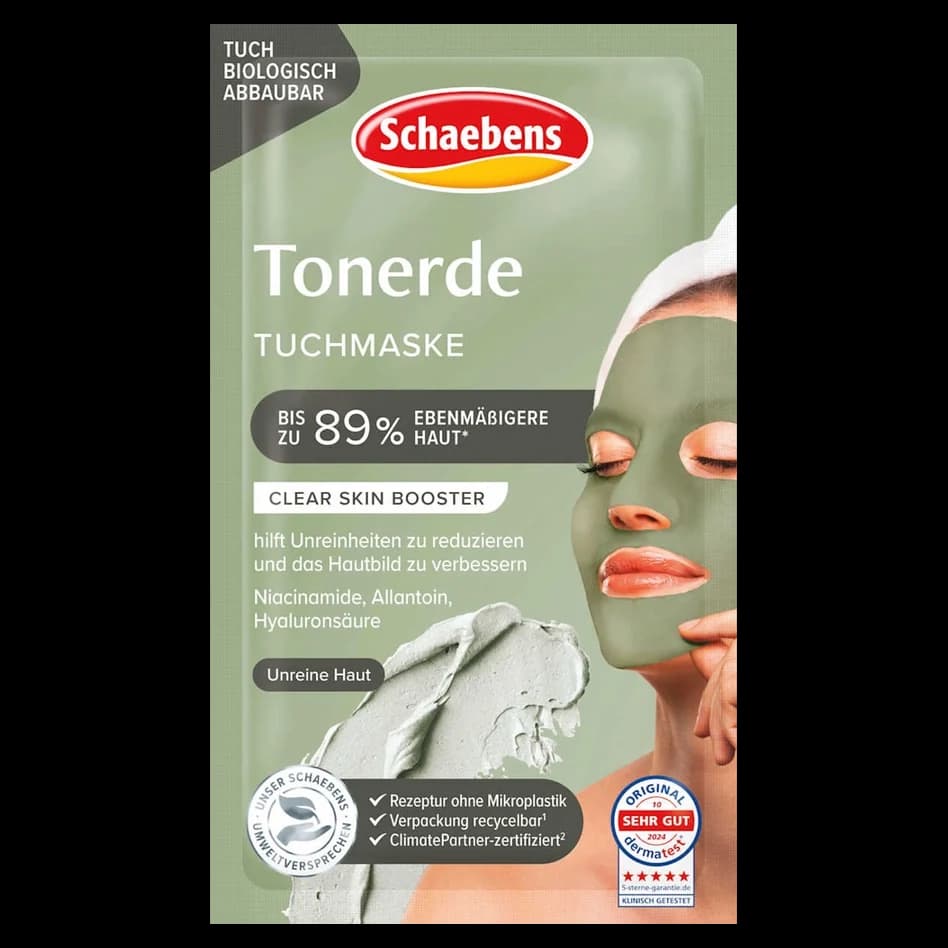
Schaebens
Tuchmaske Tonerde
31st of 35 on the label
below ≈1%
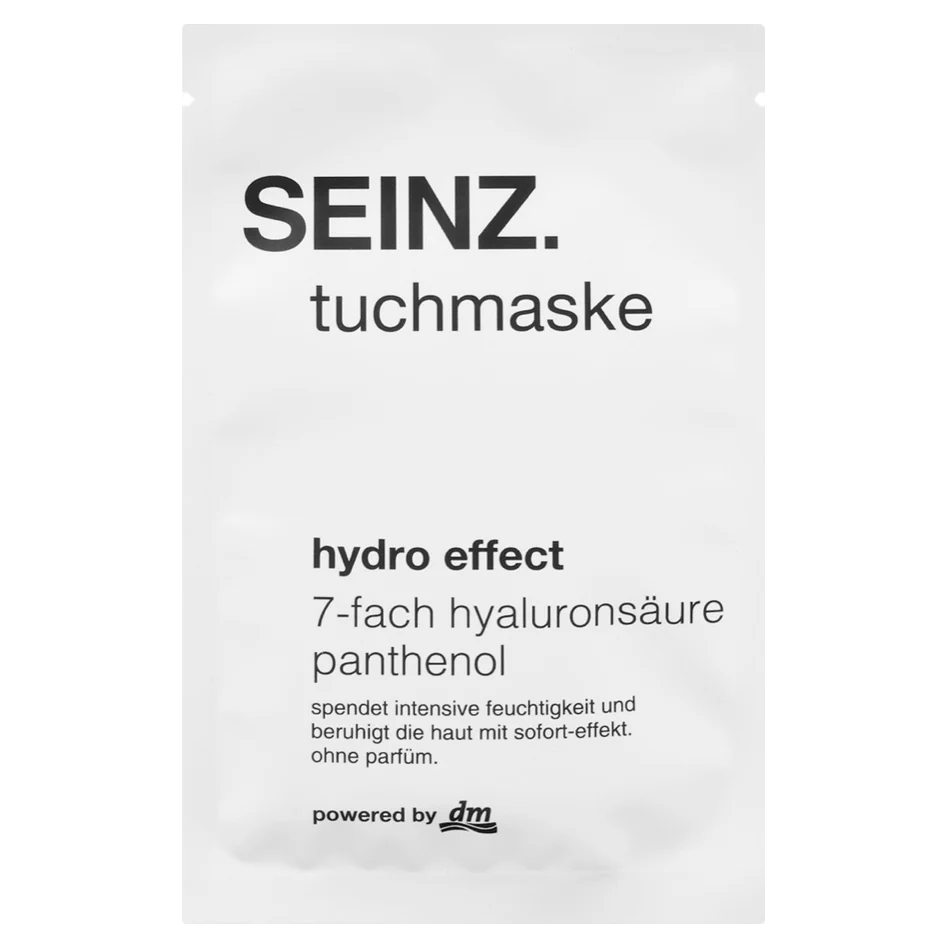
SEINZ.
Tuchmaske hydro effect
12th of 21 on the label
below ≈1%
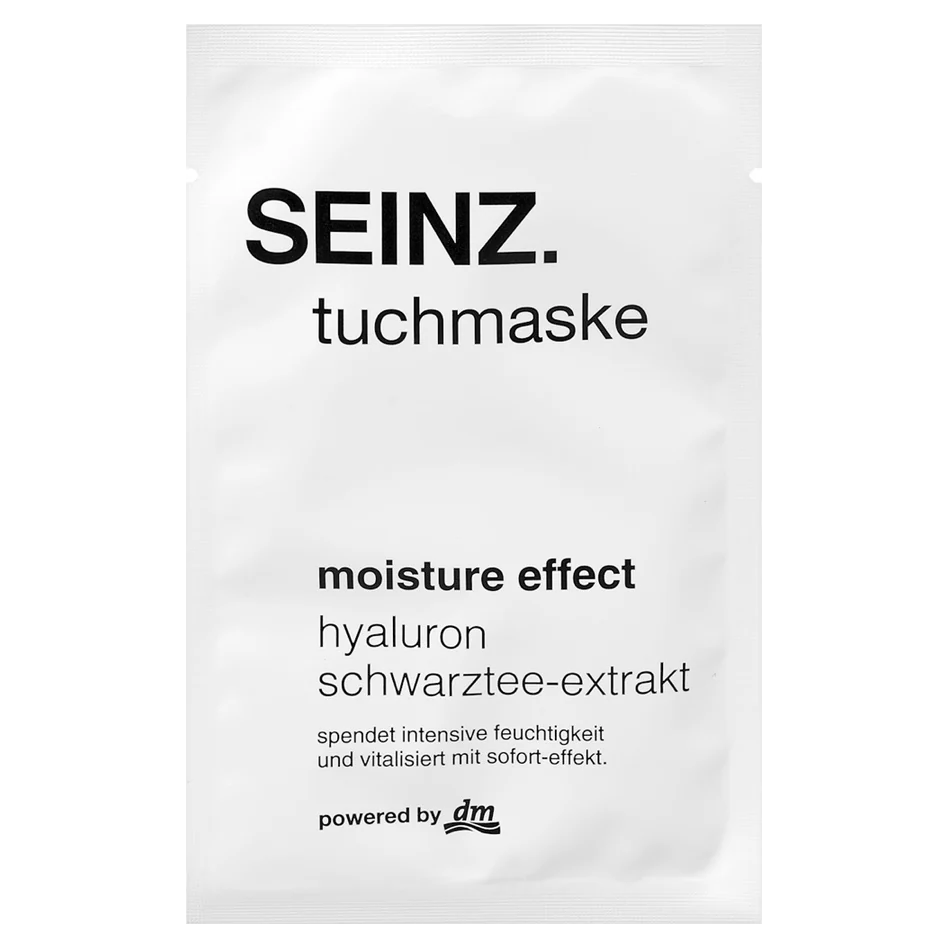
SEINZ.
Tuchmaske moisture effect
11th of 16 on the label
below ≈1%
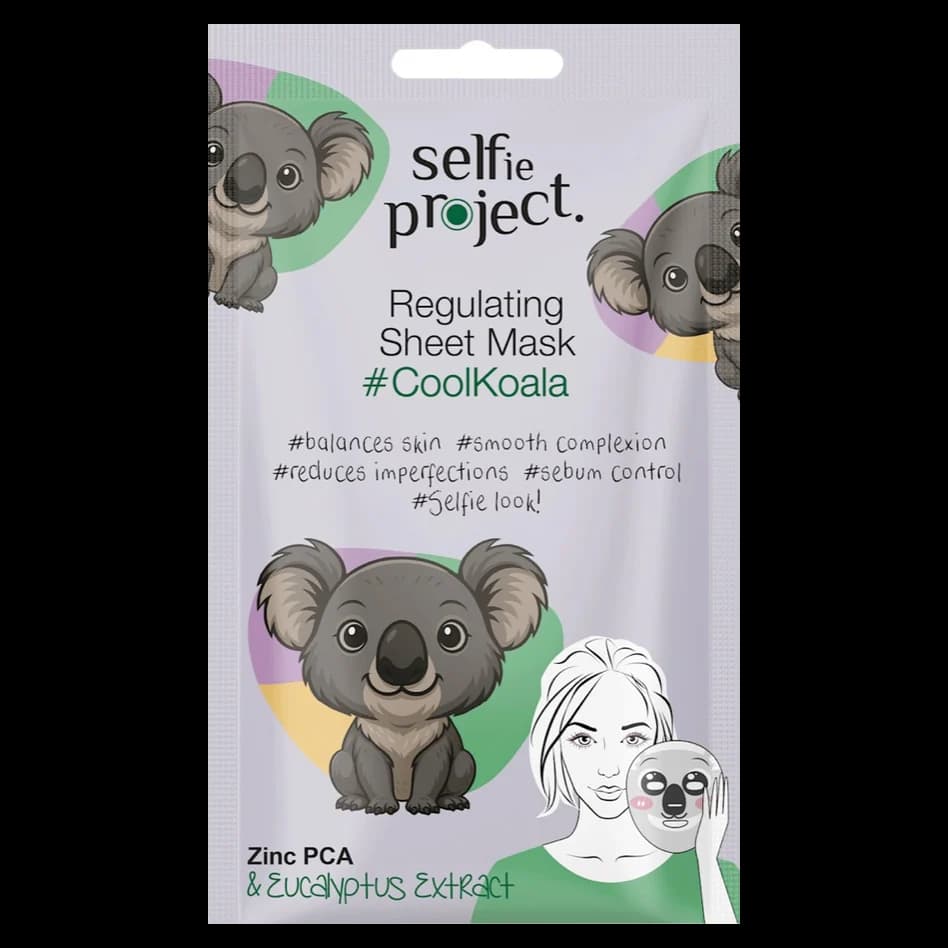
Selfie Project
Gesichtsmaske regulierend #CoolKoala
15th of 27 on the label
below ≈1%
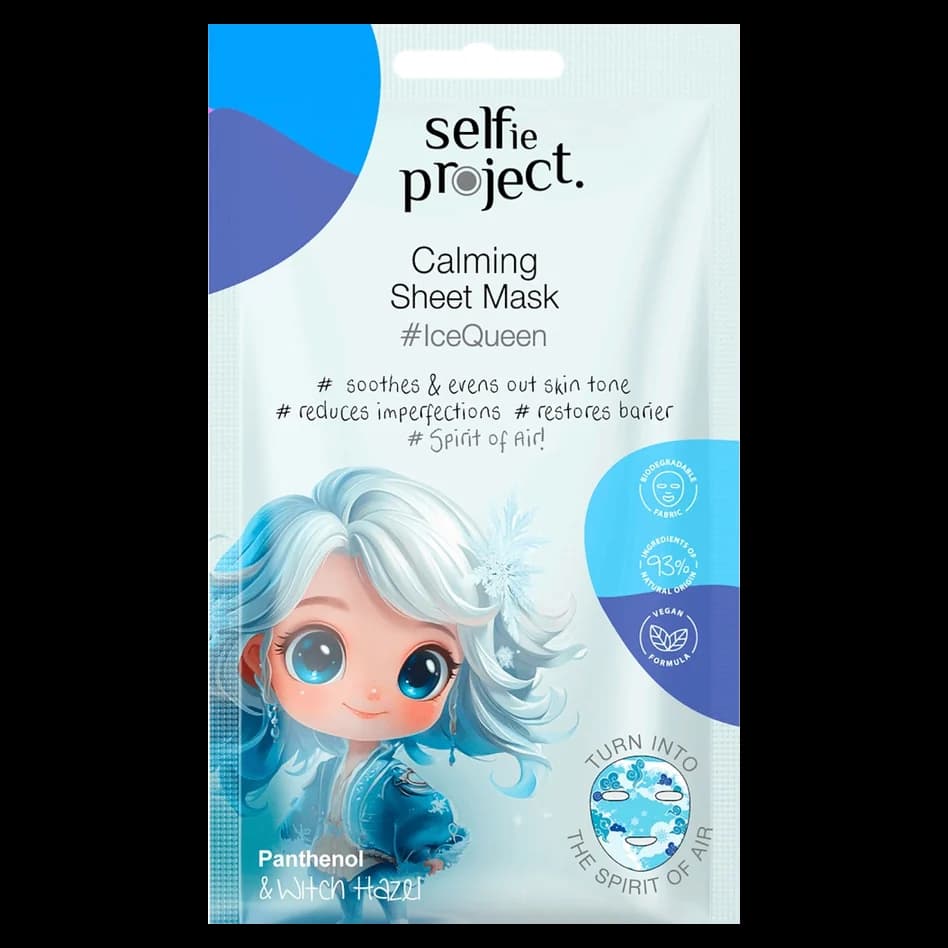
Selfie Project
Tuchmaske Calming #IceQueen
11th of 27 on the label
below ≈1%
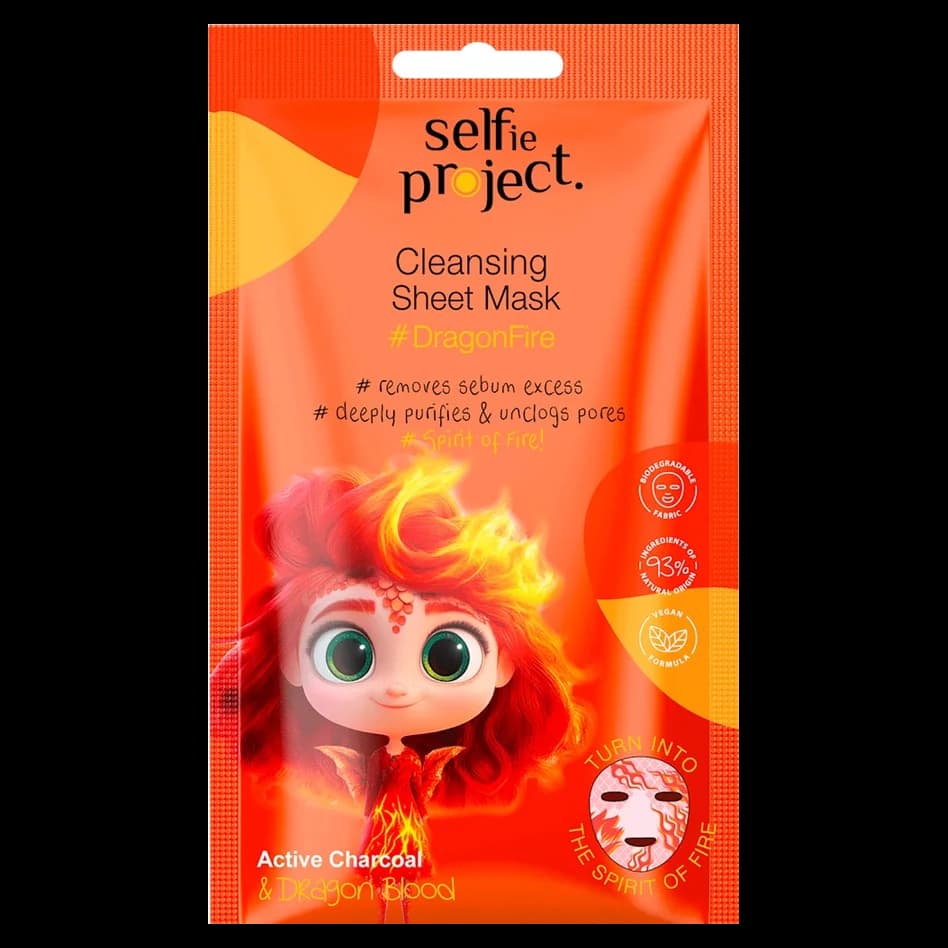
Selfie Project
Tuchmaske Cleansing #DragonFire
11th of 22 on the label
below ≈1%
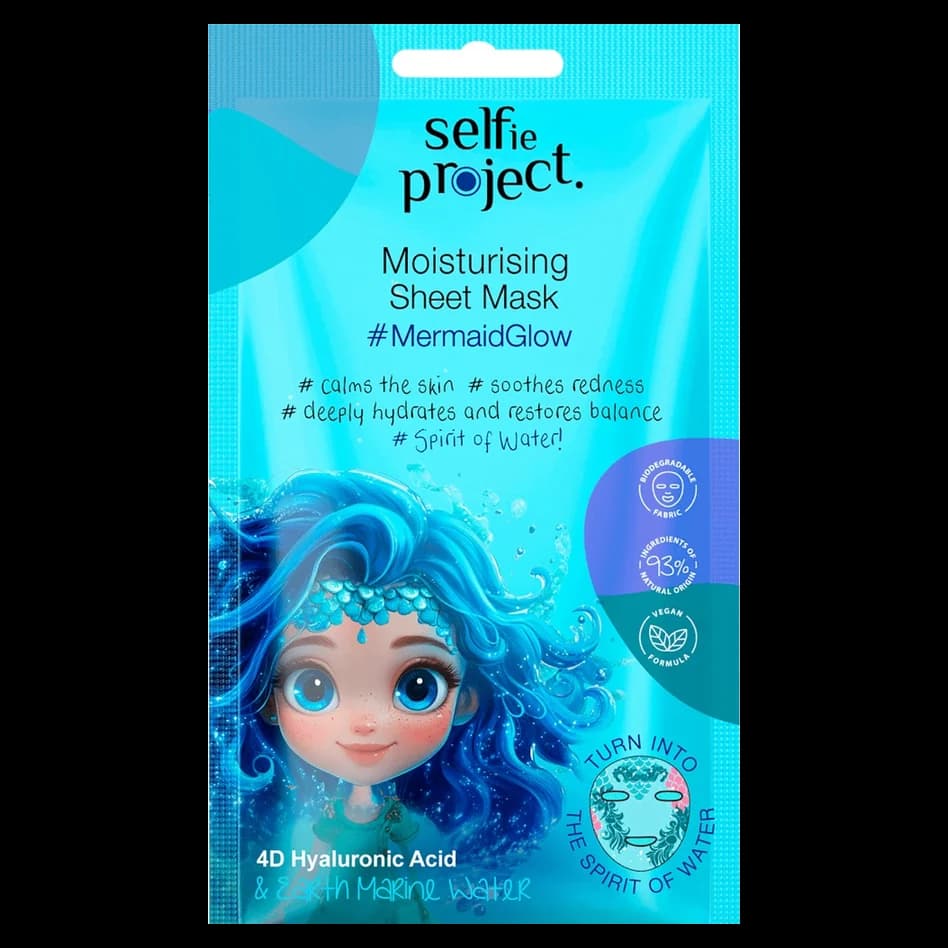
Selfie Project
Tuchmaske Moisturising #MermaidGlow
14th of 30 on the label
below ≈1%
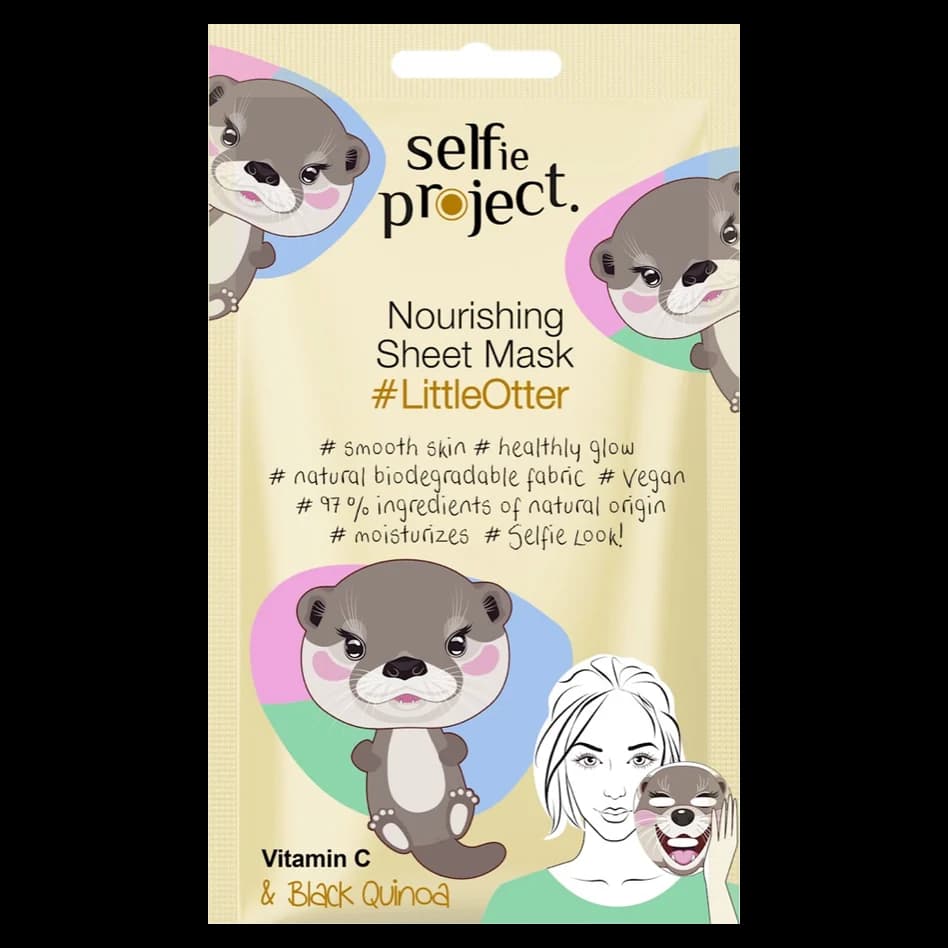
Selfie Project
Tuchmaske Nourishing #LittleOtter
15th of 21 on the label
below ≈1%
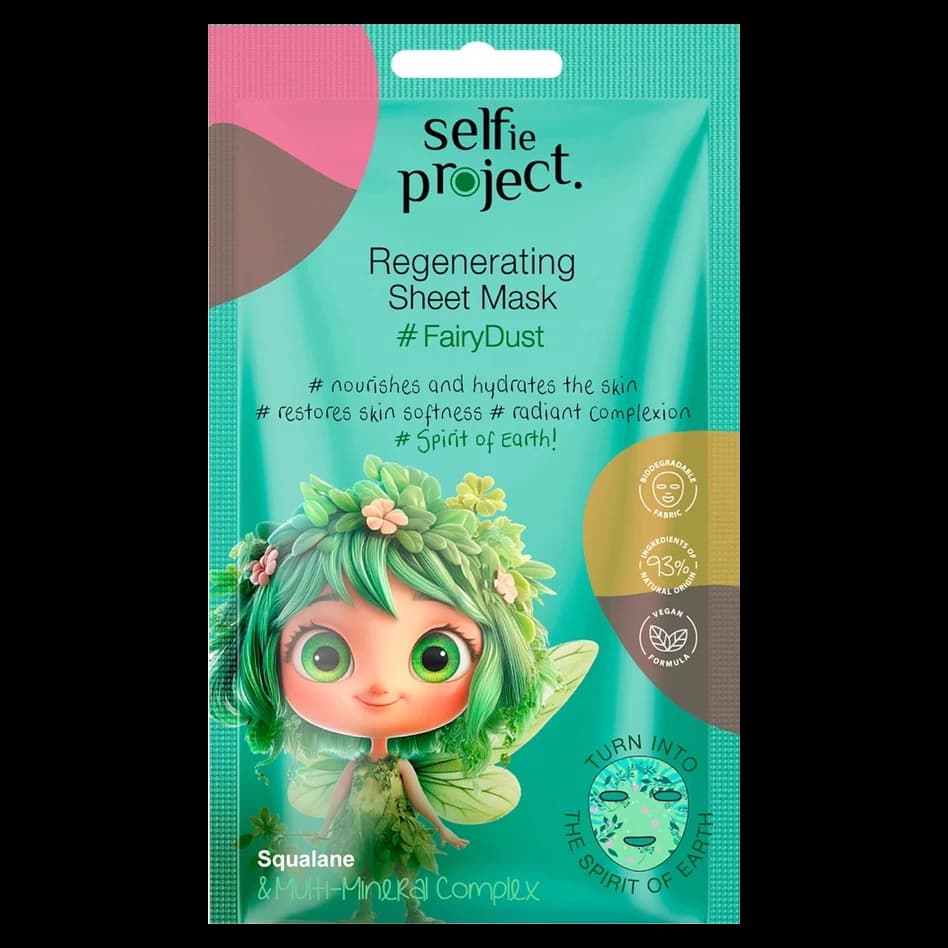
Selfie Project
Tuchmaske Regenerating #FairyDust
19th of 33 on the label
below ≈1%
Sensai
Cellular Performance Extra Intensive Mask
25th of 44 on the label
below ≈1%
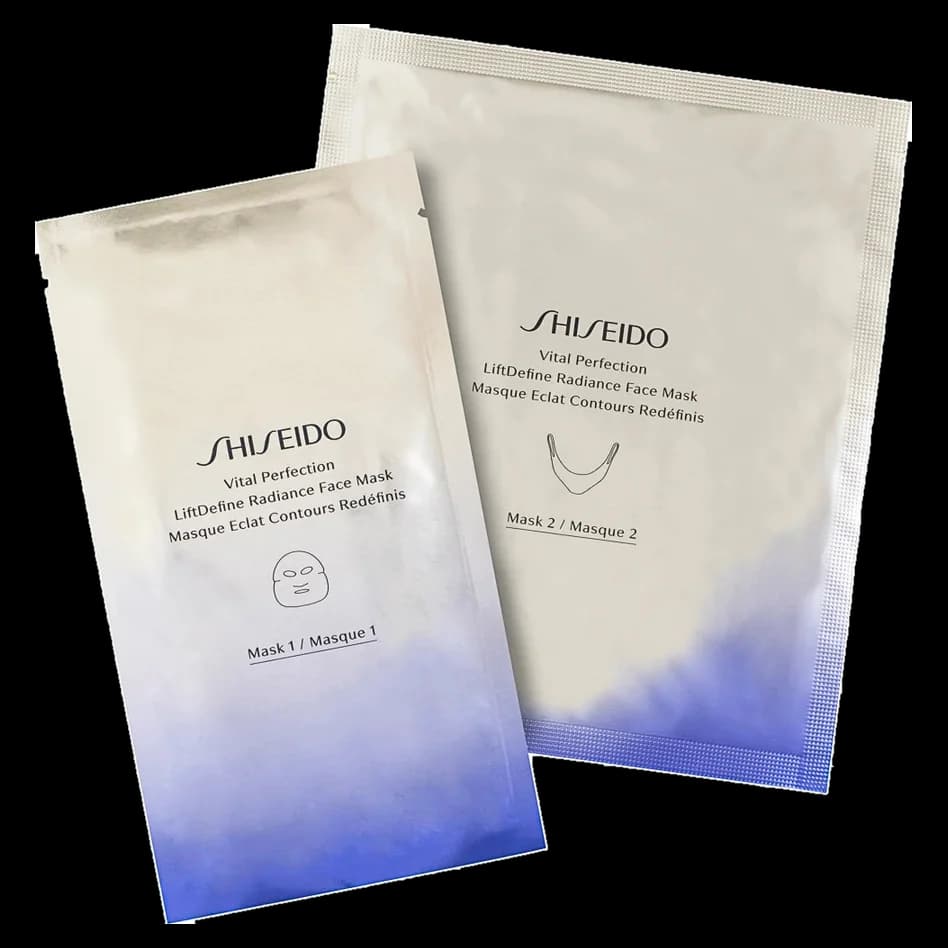
Shiseido
Vital Perfection LiftDefine Radiance Face Mask
12th of 81 on the label
below ≈1%
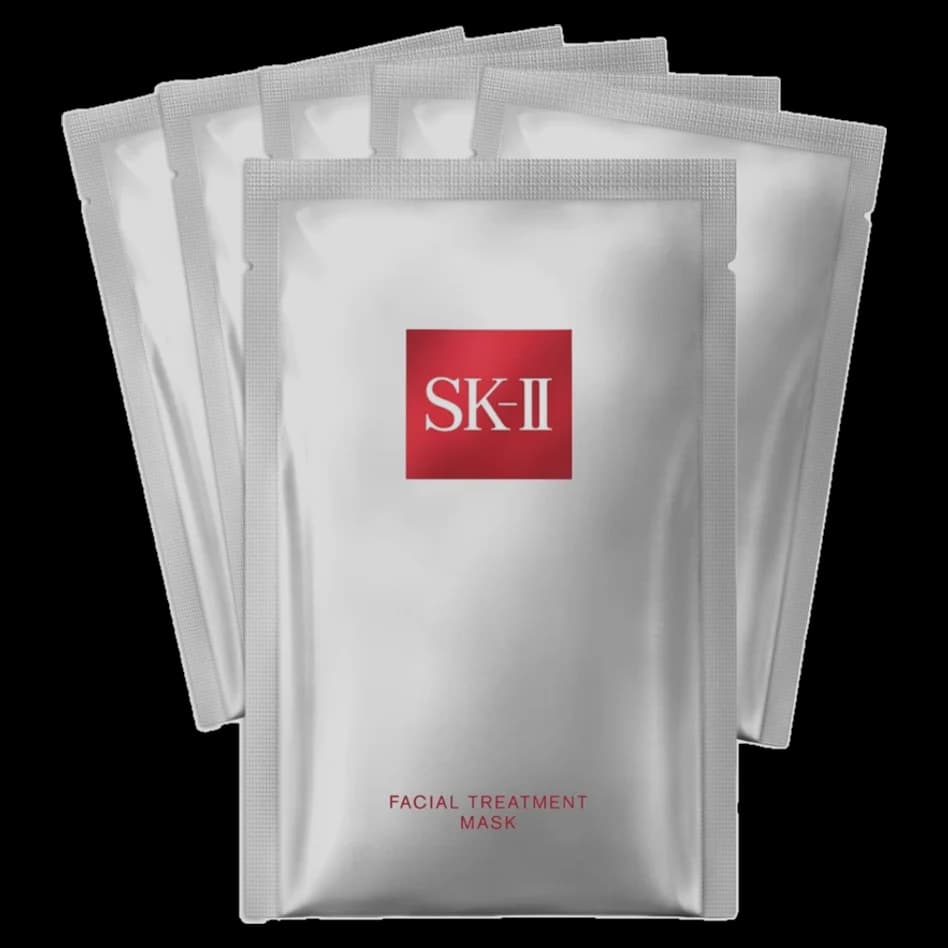
SK-II
Facial Treatment Mask
4th of 7 on the label
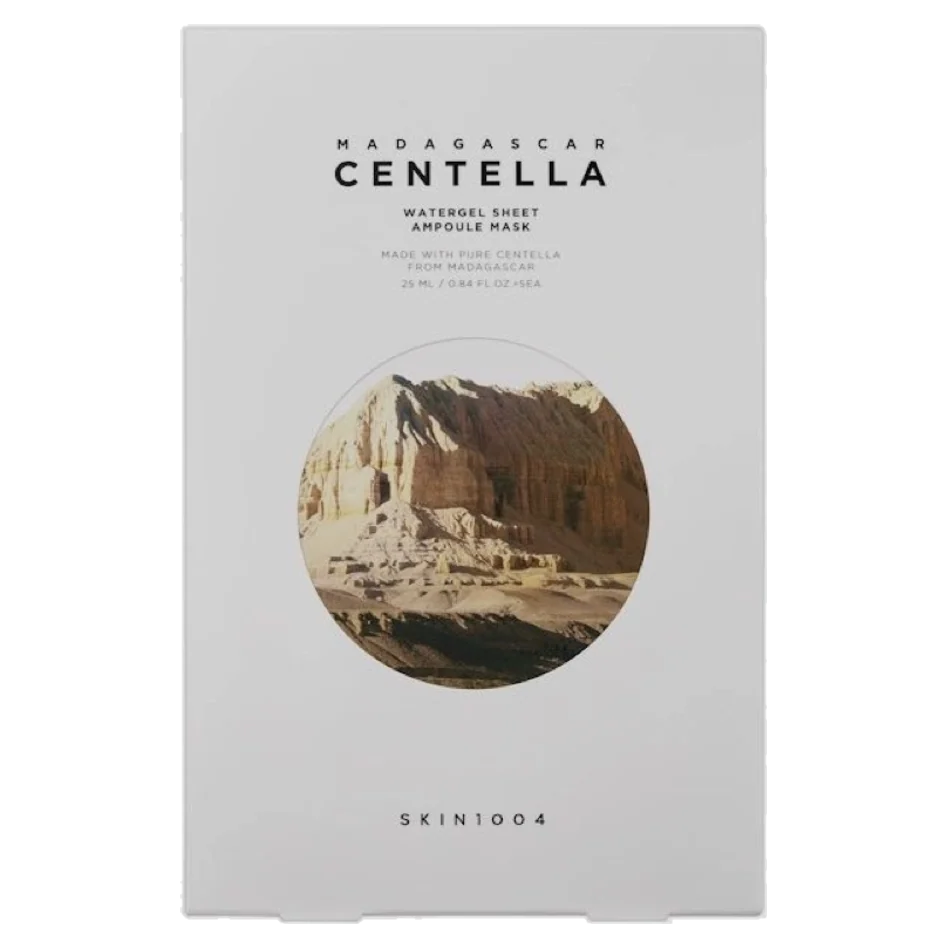
SKIN1004
Madagascar Centella Watergel Sheet Ampoule Mask
14th of 29 on the label
below ≈1%
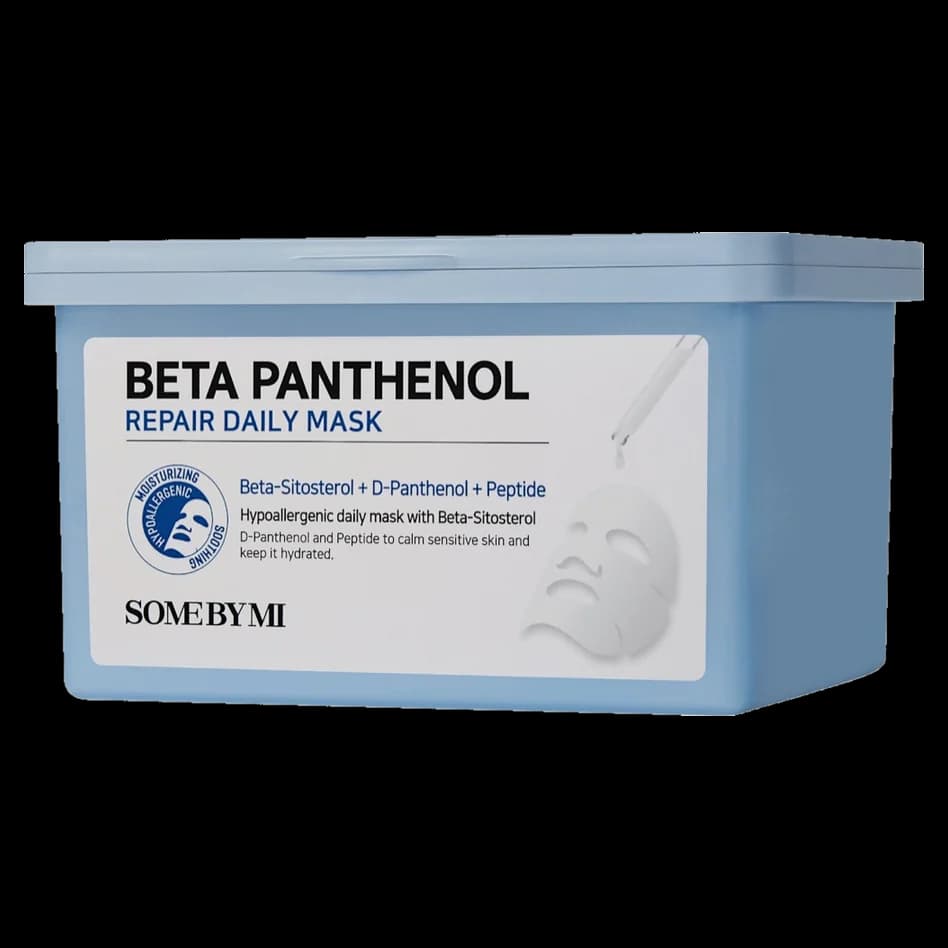
SOME BY MI
Daily Beta Panthenol Repair Mask
13th of 57 on the label
below ≈1%
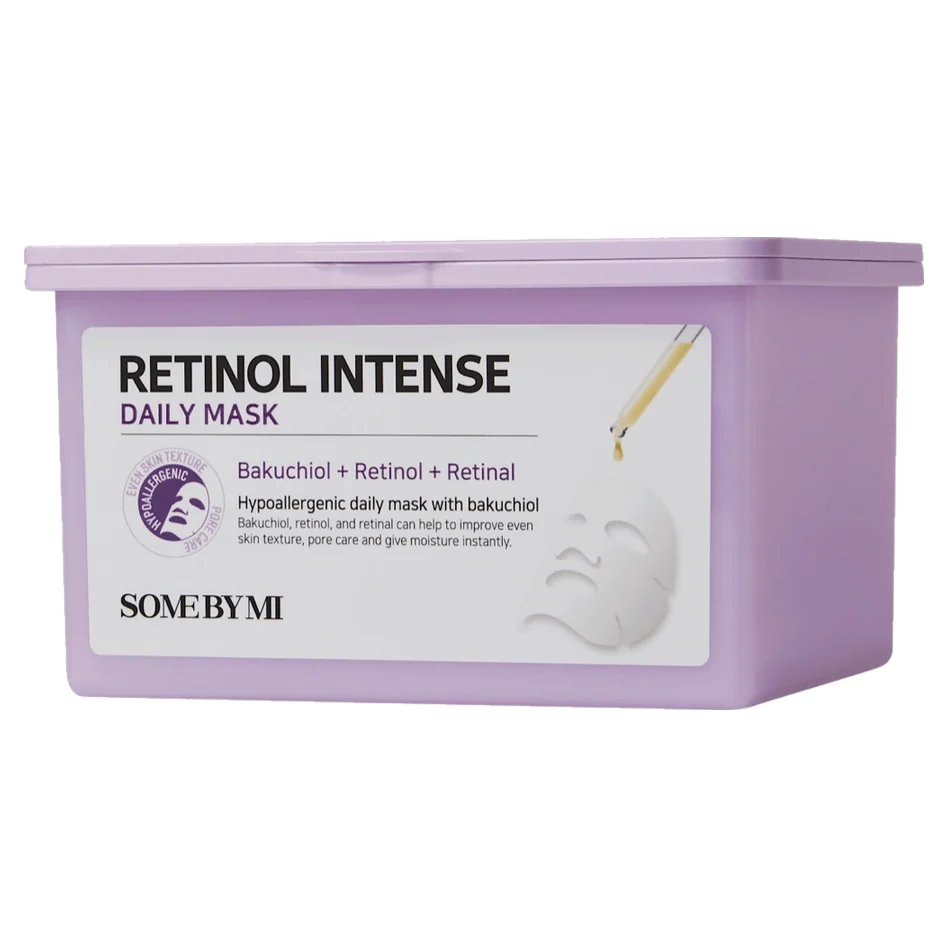
SOME BY MI
Daily Retinol Intense Mask
18th of 62 on the label
below ≈1%
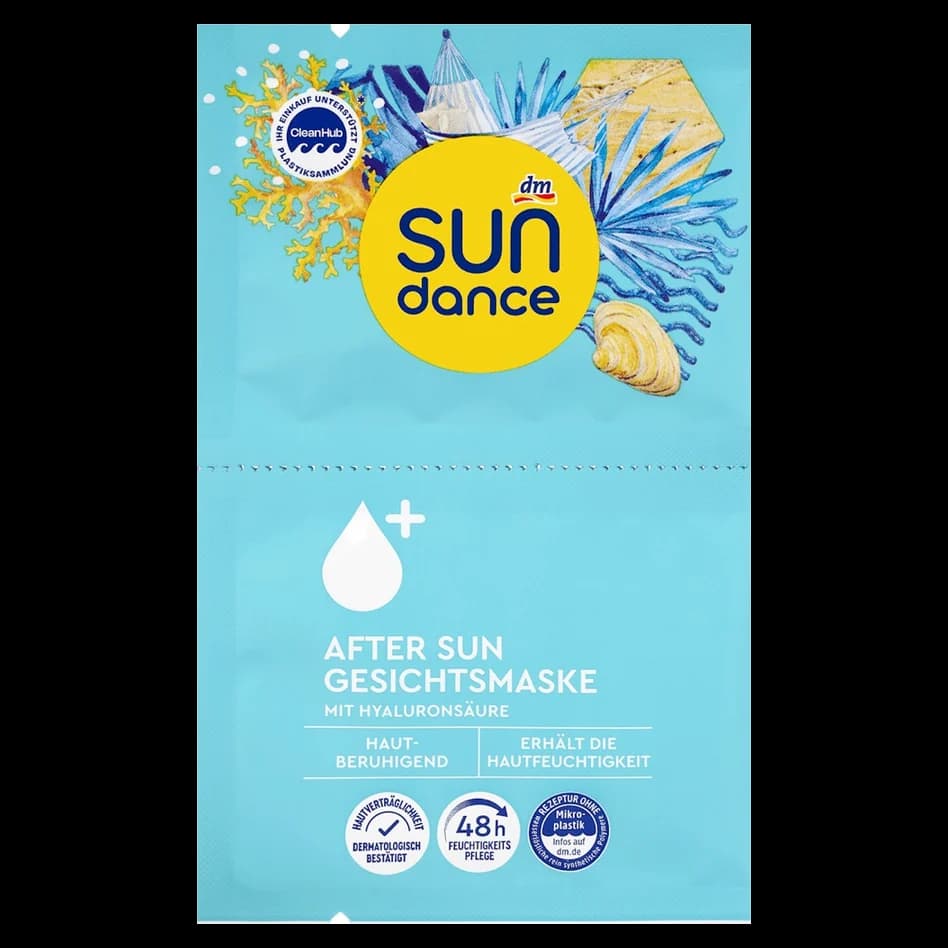
SUNDANCE
After Sun Gesichtsmaske
6th of 25 on the label
below ≈1%
Susanne Kaufmann
Glow Mask
38th of 45 on the label
below ≈1%
Svenja Walberg
Glass Skin Mask Pink PDRN [DNA]
20th of 26 on the label
below ≈1%
THALGO
Klärende Intensiv-Maske
25th of 32 on the label
below ≈1%
The Beauty Mask Company
Bubble Glow Tuchmaske Crazy Cactus
7th of 25 on the label
below ≈1%
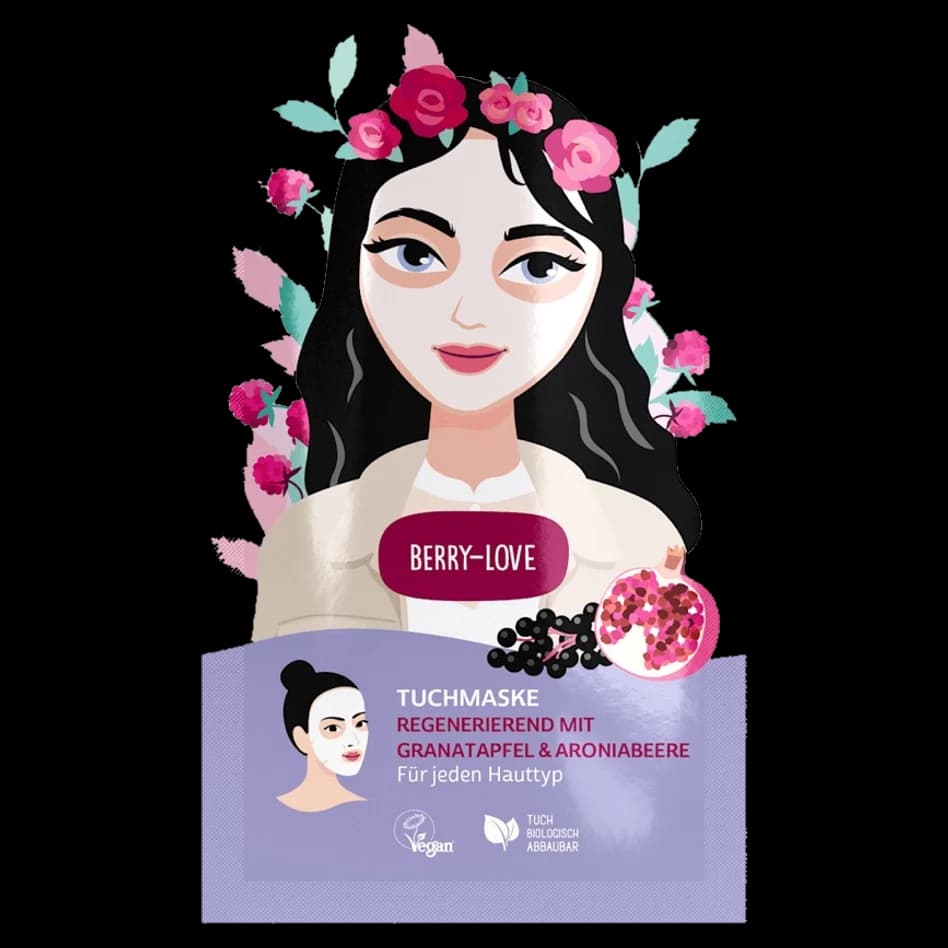
The Beauty Mask Company
Tuchmaske Berry Love
10th of 16 on the label
below ≈1%
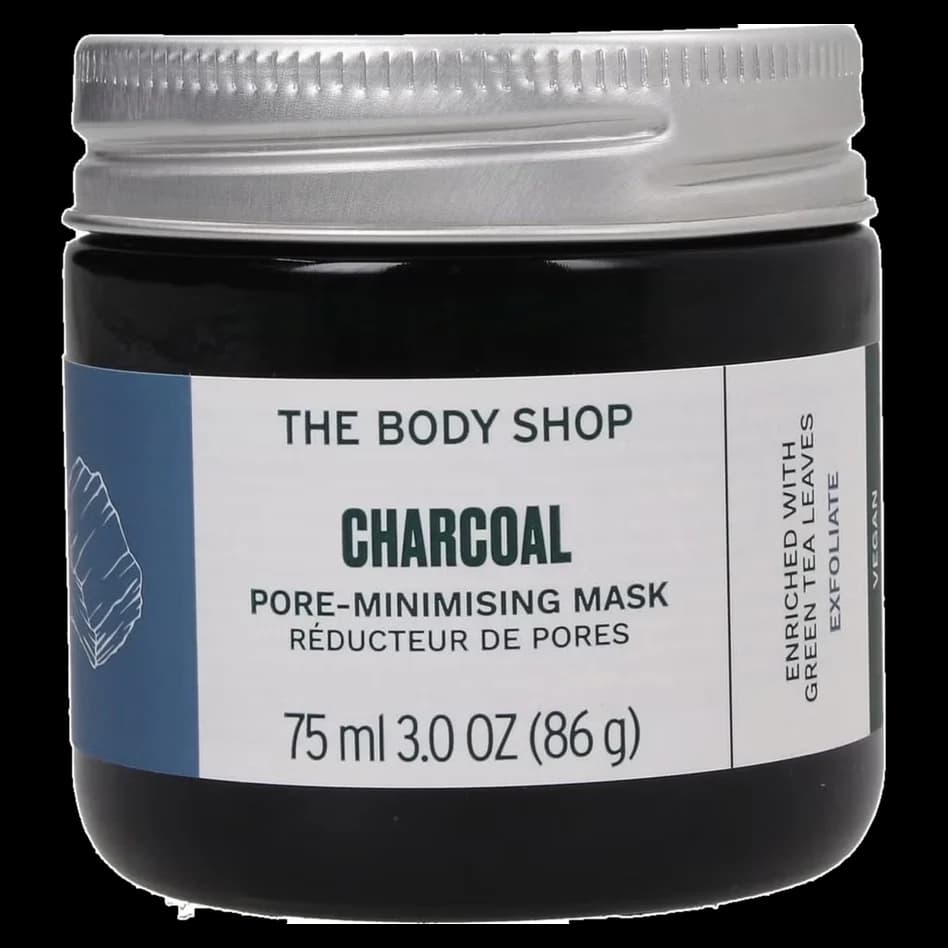
The Body Shop
Charcoal Pore Minimising Mask
13th of 37 on the label
below ≈1%
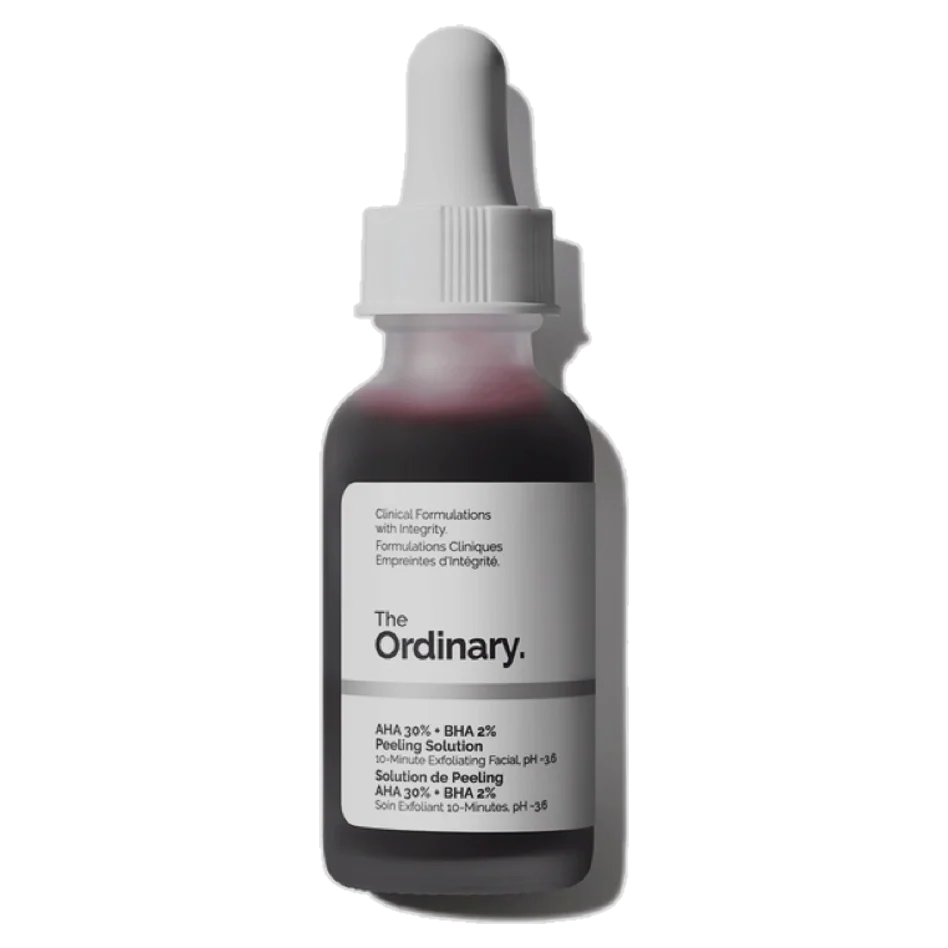
The Ordinary
AHA 30% + BHA 2% Peeling Solution
17th of 24 on the label
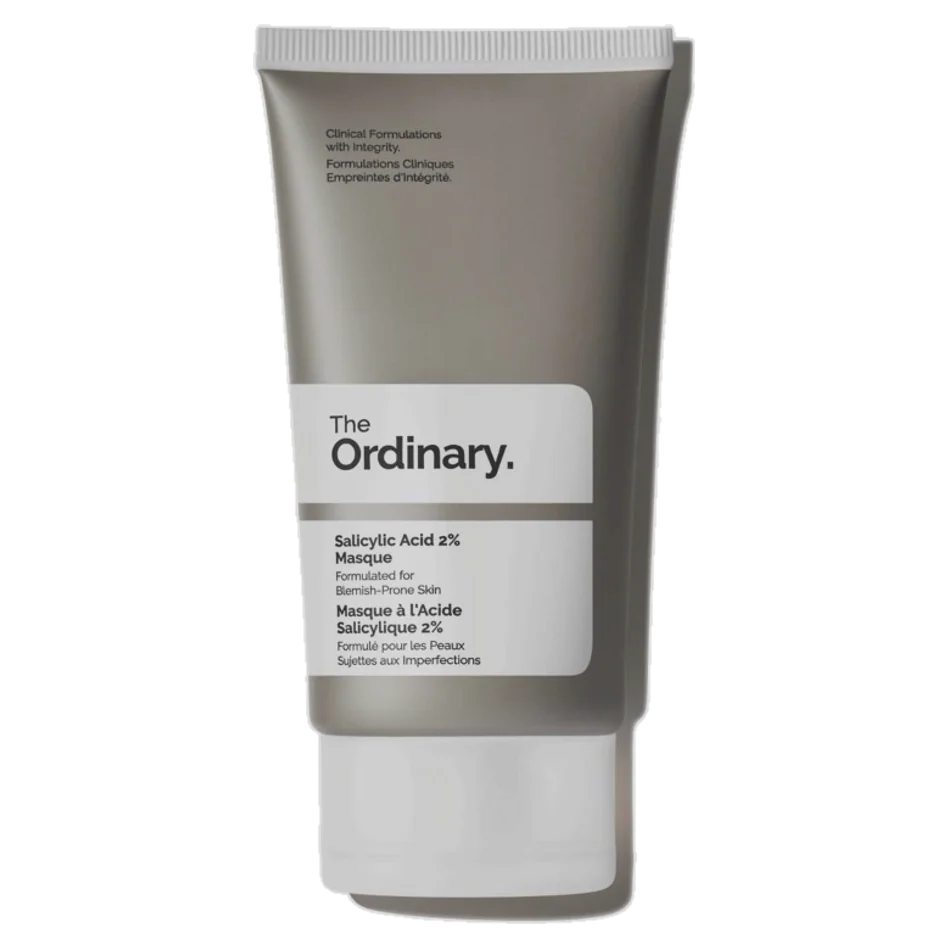
The Ordinary
Salicylic Acid 2% Masque
14th of 19 on the label
below ≈1%
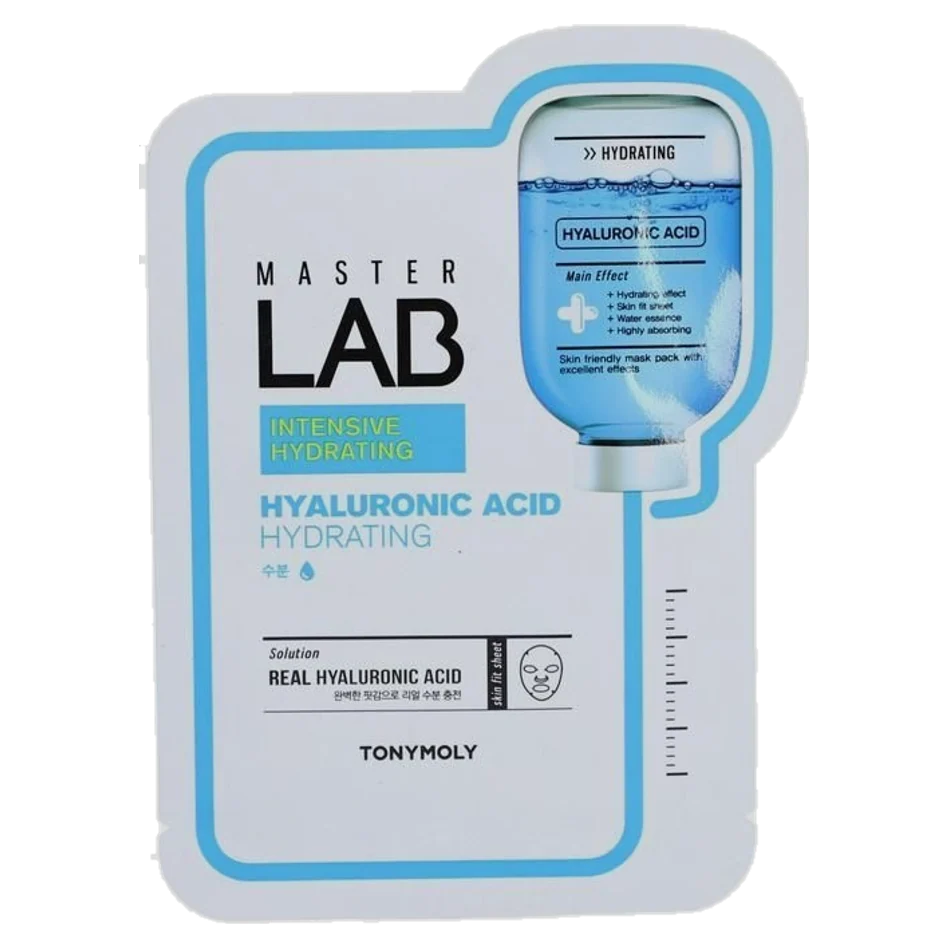
TONYMOLY
Master Lab Sheet Mask Hyaluronic Acid
15th of 31 on the label
below ≈1%
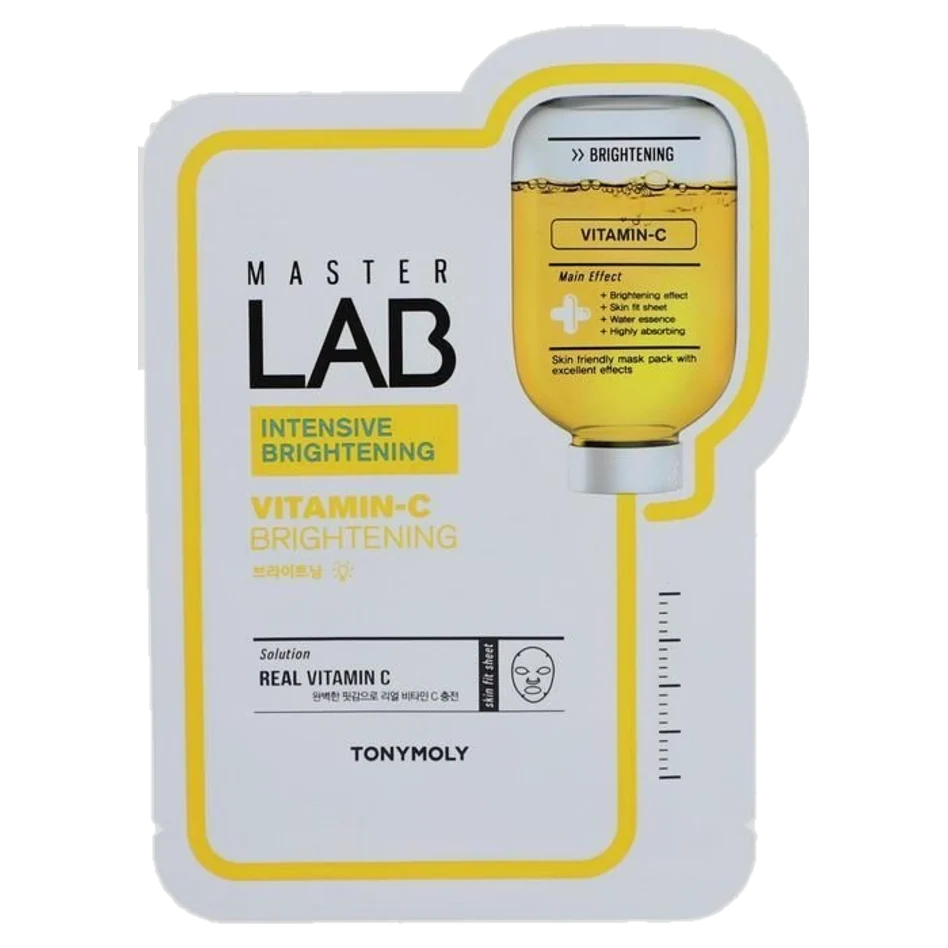
TONYMOLY
Master Lab Sheet Mask Vitamin C
16th of 33 on the label
below ≈1%
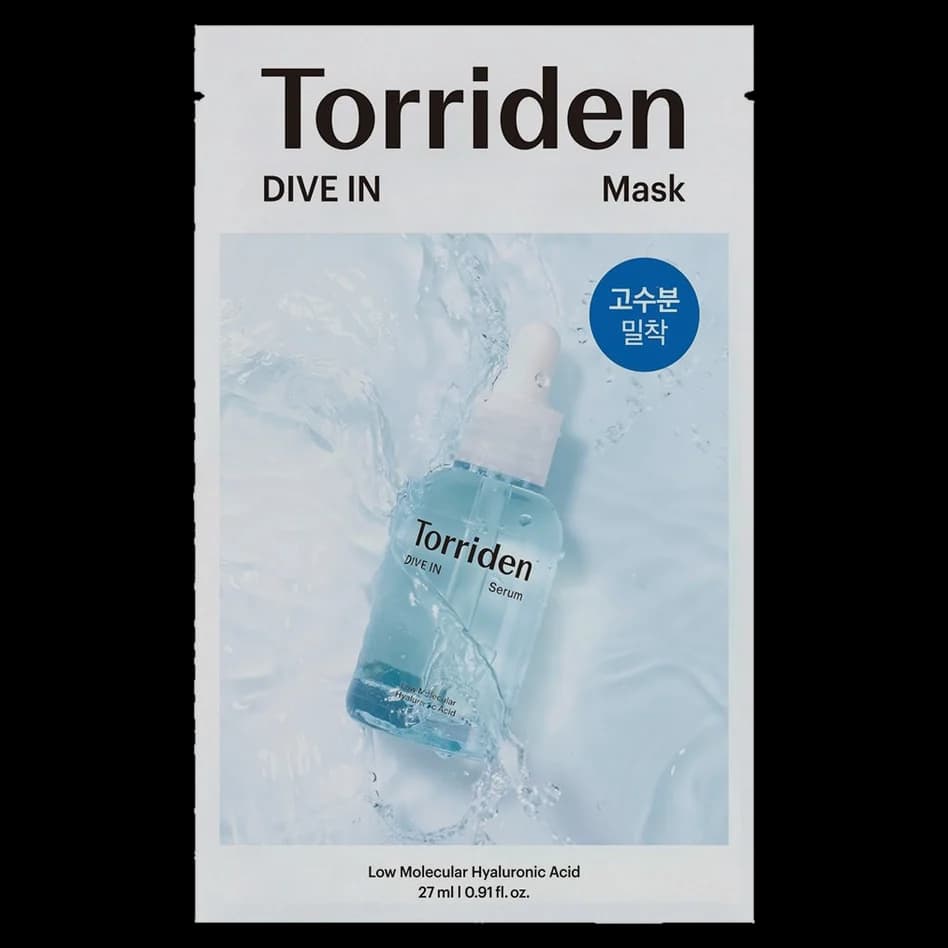
Torriden
DIVE-IN Low Molecular Hyaluronic Acid Mask
26th of 33 on the label
below ≈1%
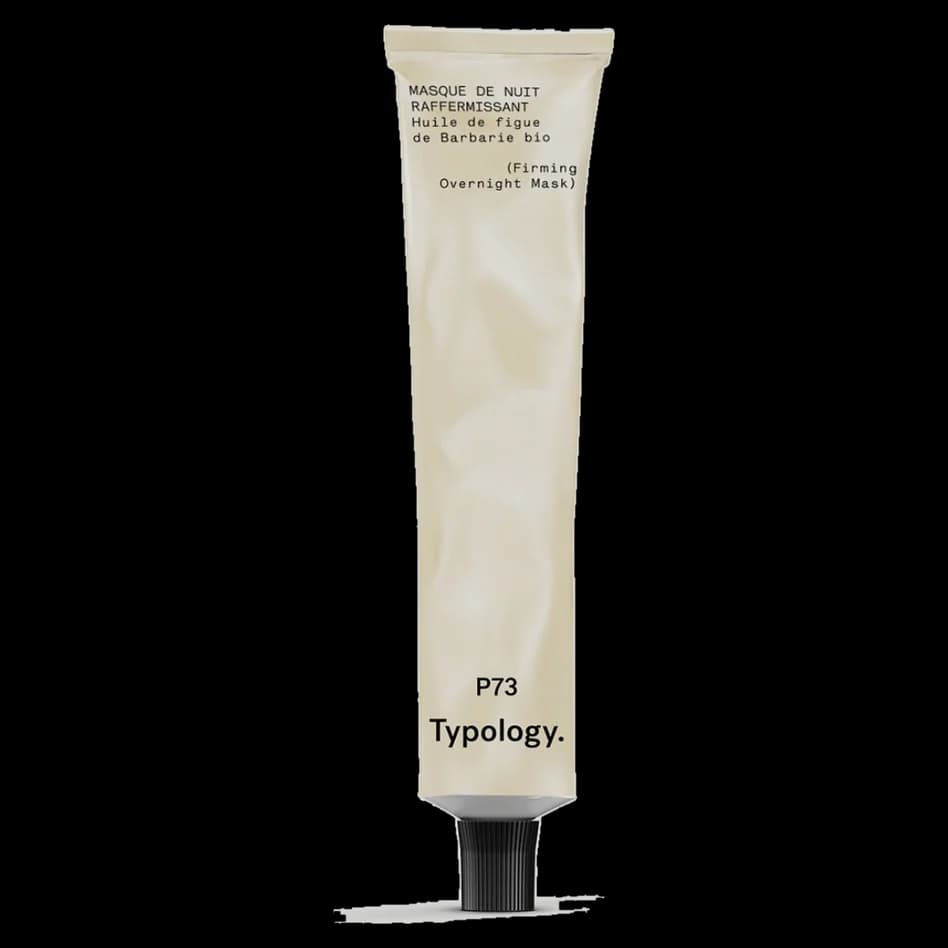
Typology
Masque de Nuit Raffermissant P73 (Firming Night Mask)
14th of 24 on the label
below ≈1%
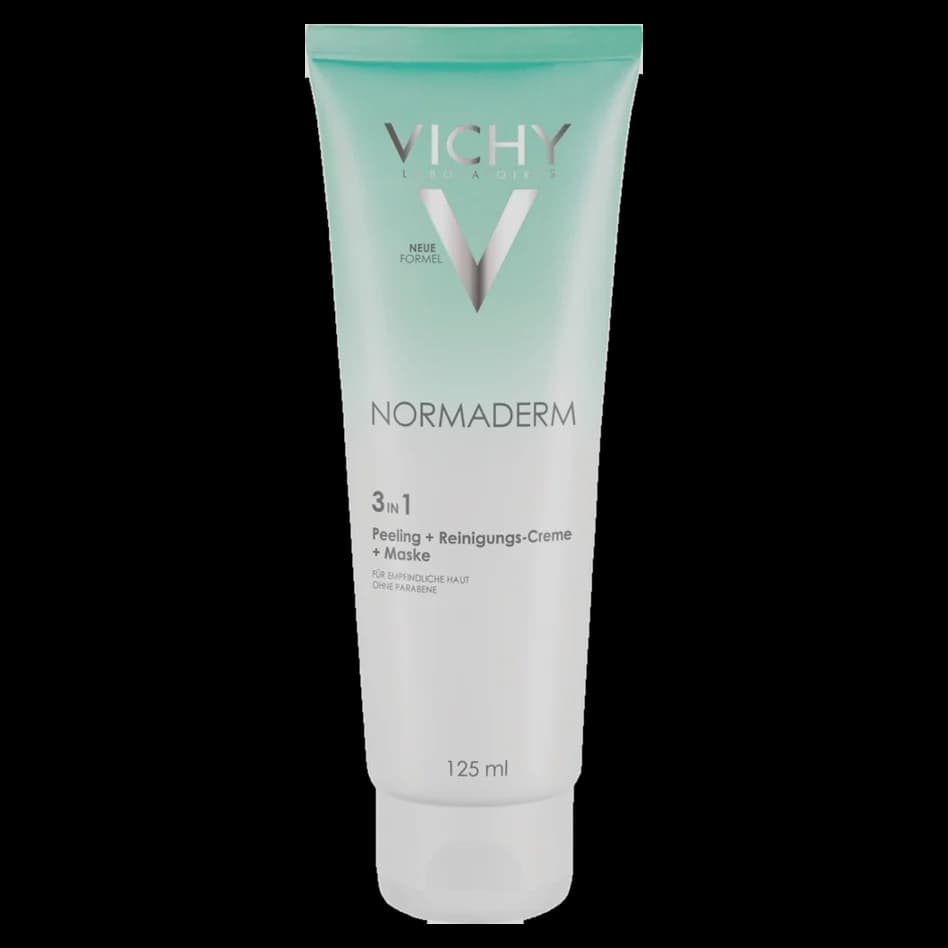
Vichy
Normaderm 3-in-1 Peeling + Reinigungs-Creme + Maske
22nd of 23 on the label
below ≈1%
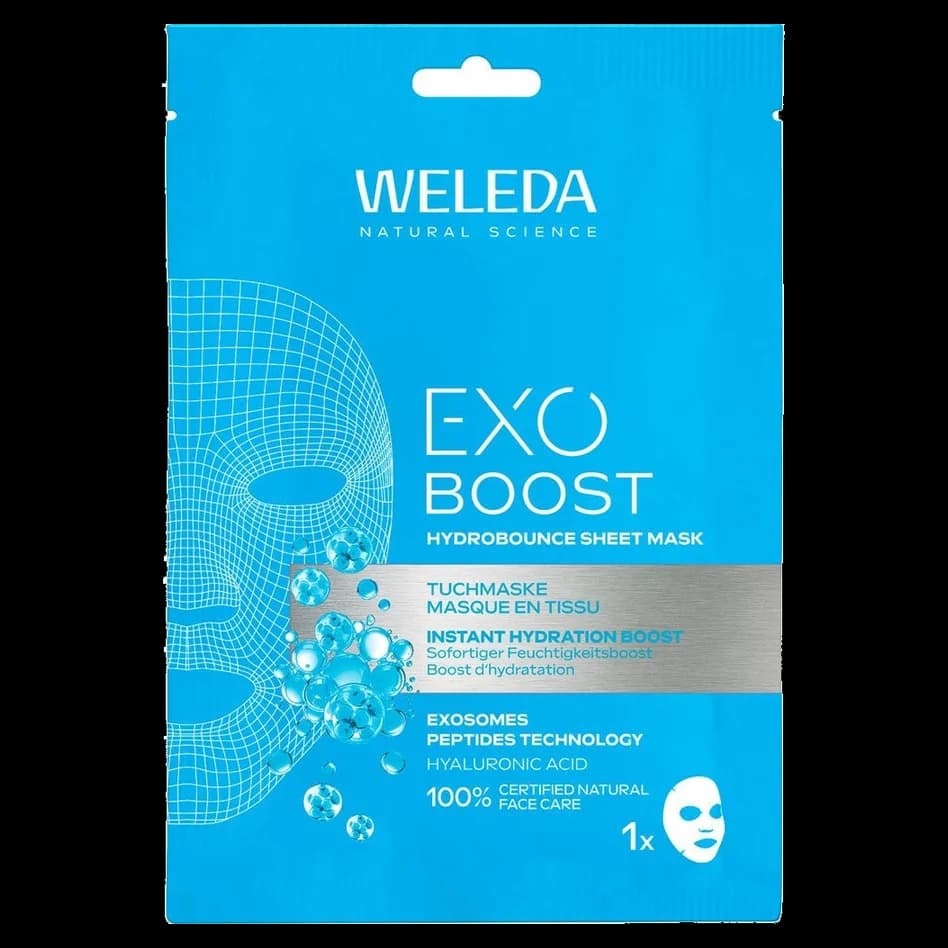
Weleda
Exo Boost Hydrobounce Tuchmaske
13th of 34 on the label
below ≈1%
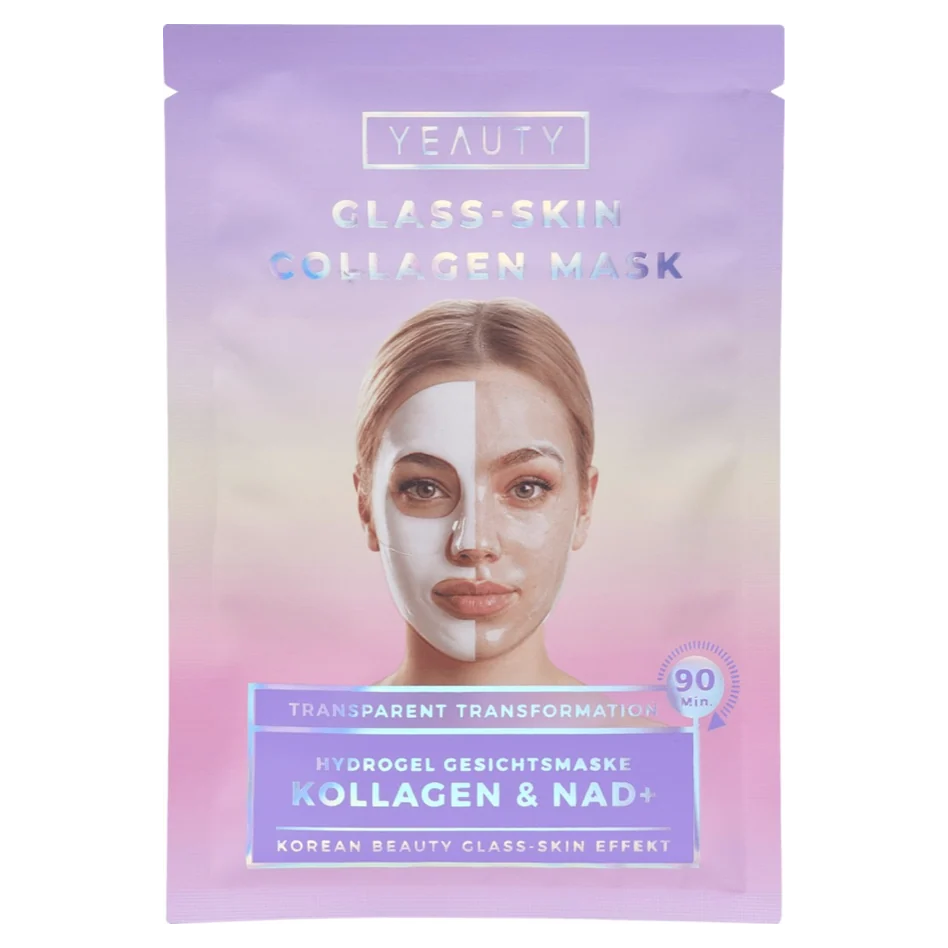
Yeauty
Glass-Skin Hydrogel Maske Kollagen & NAD+
10th of 15 on the label
below ≈1%
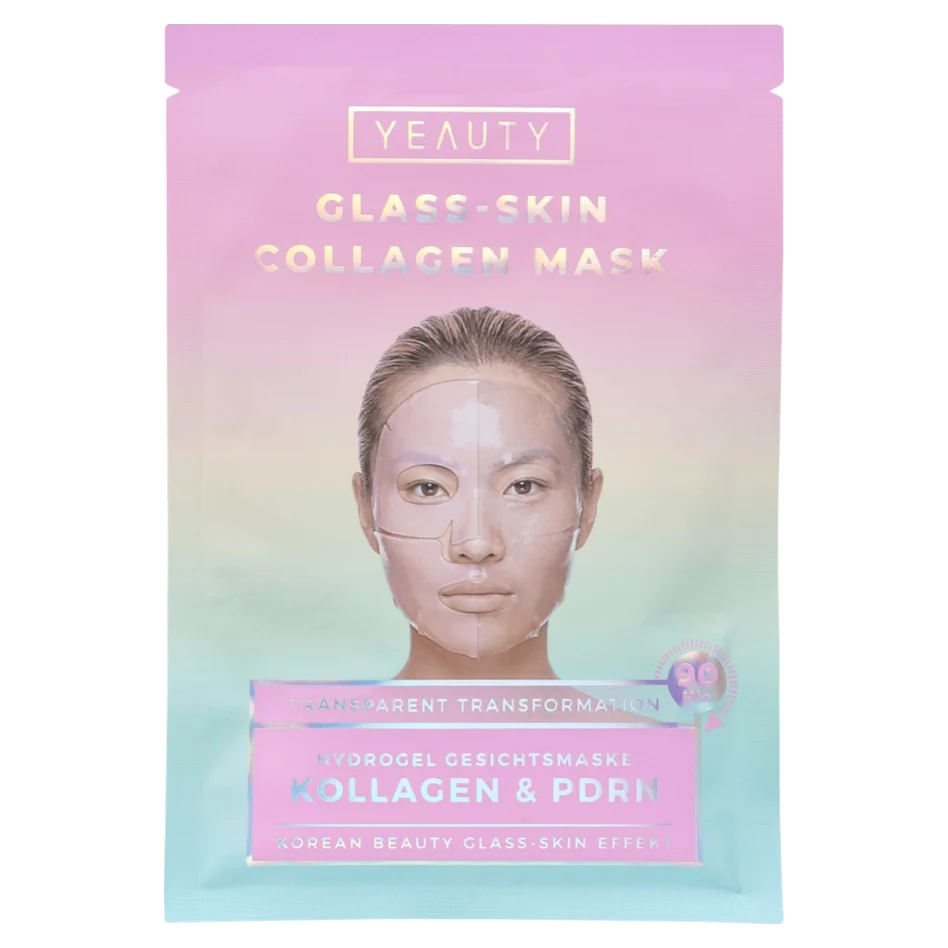
Yeauty
Glass-Skin Hydrogel Maske Kollagen & PDRN
10th of 16 on the label
below ≈1%
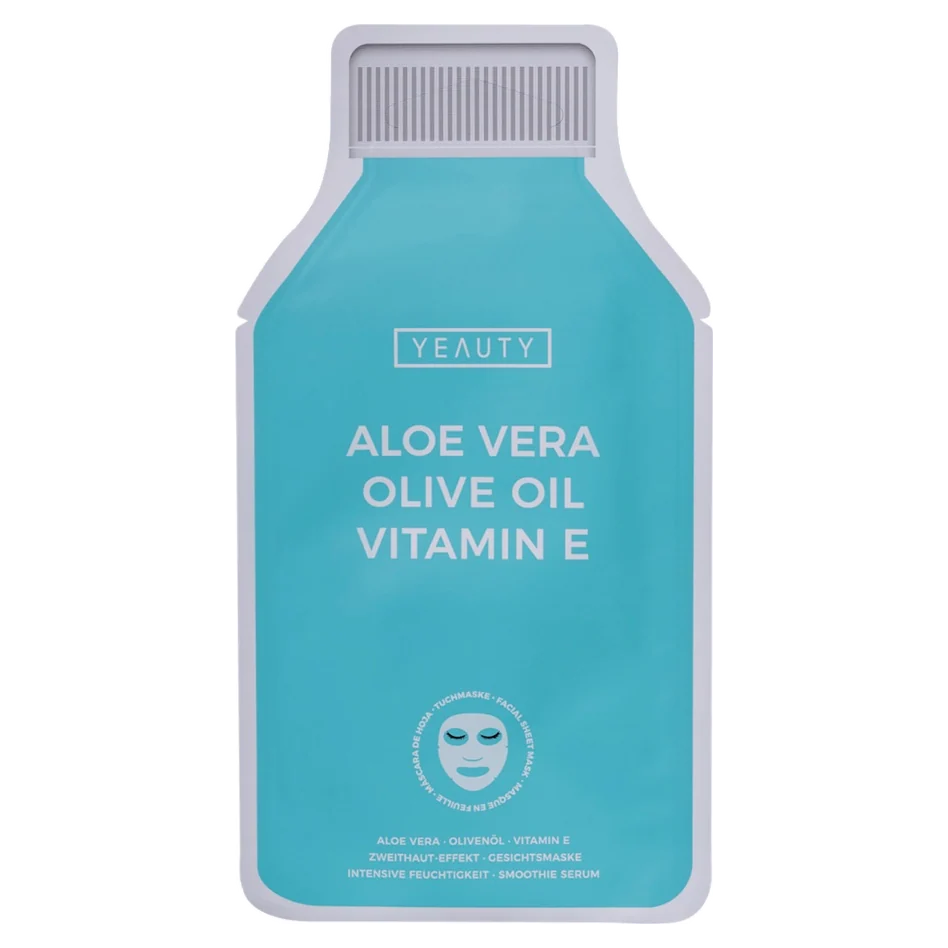
Yeauty
Tuchmaske Aloe Vera Olive Oil Vitamin E
14th of 29 on the label
below ≈1%
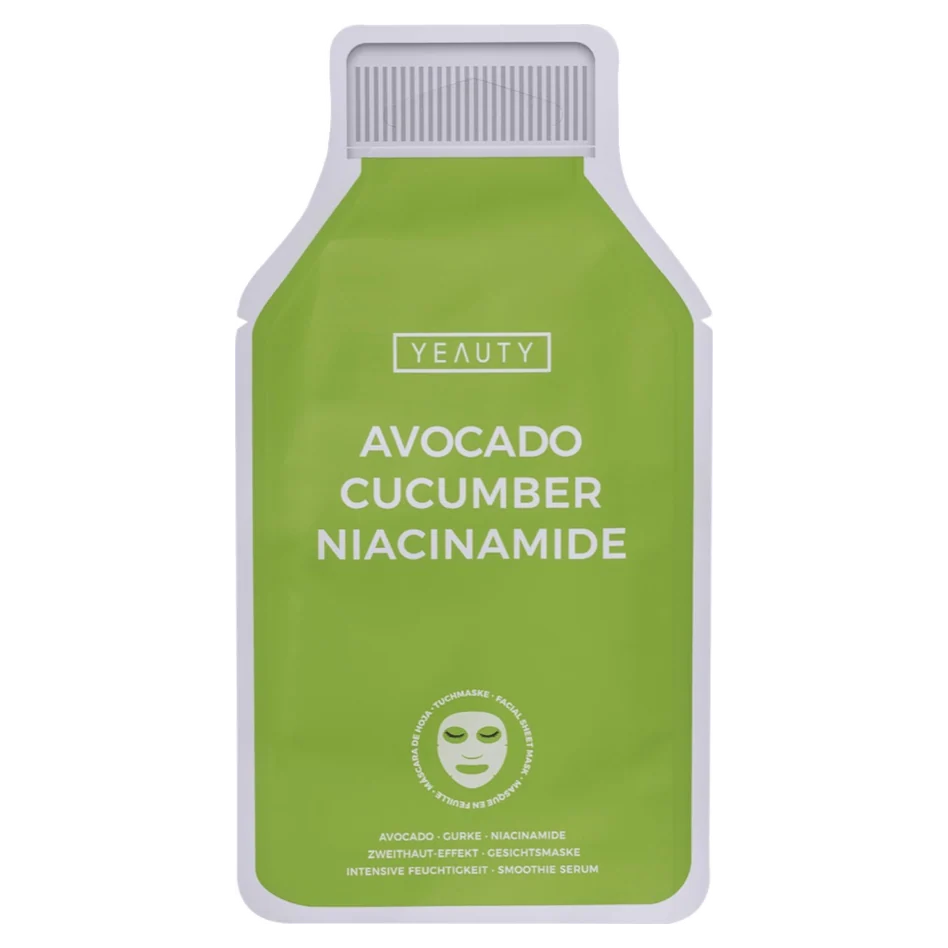
Yeauty
Tuchmaske Avocado Cucumber Niacinamide
15th of 29 on the label
below ≈1%