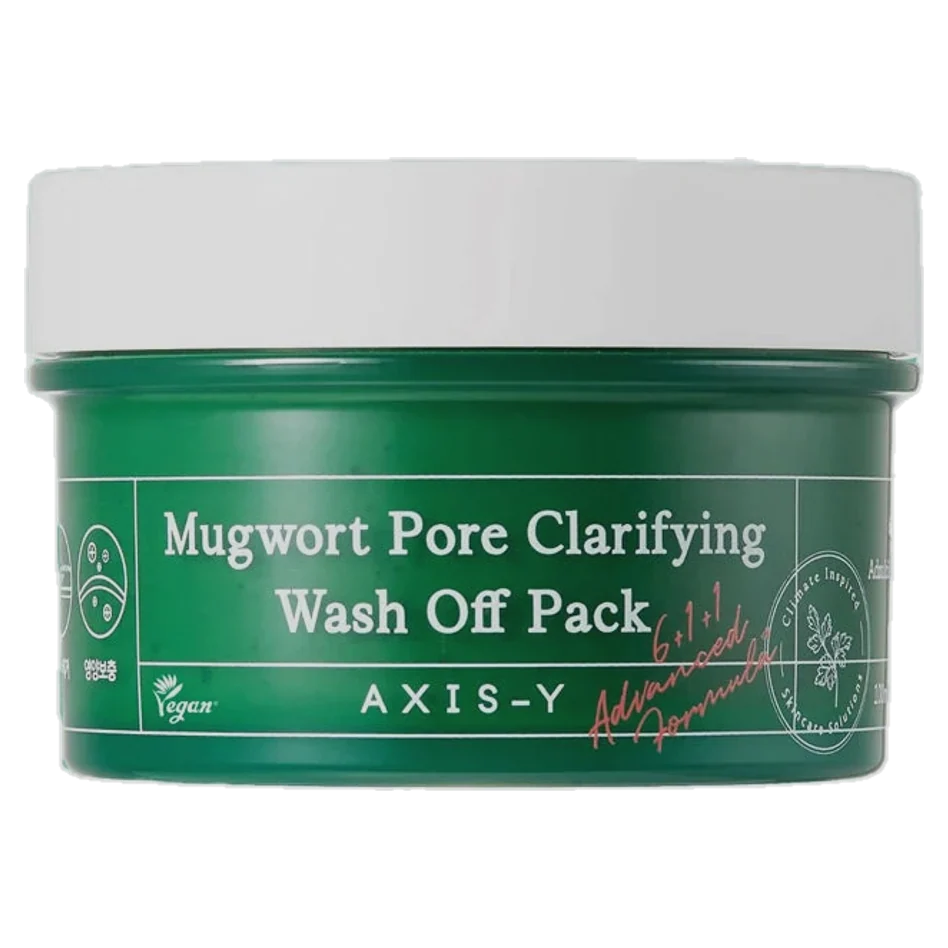
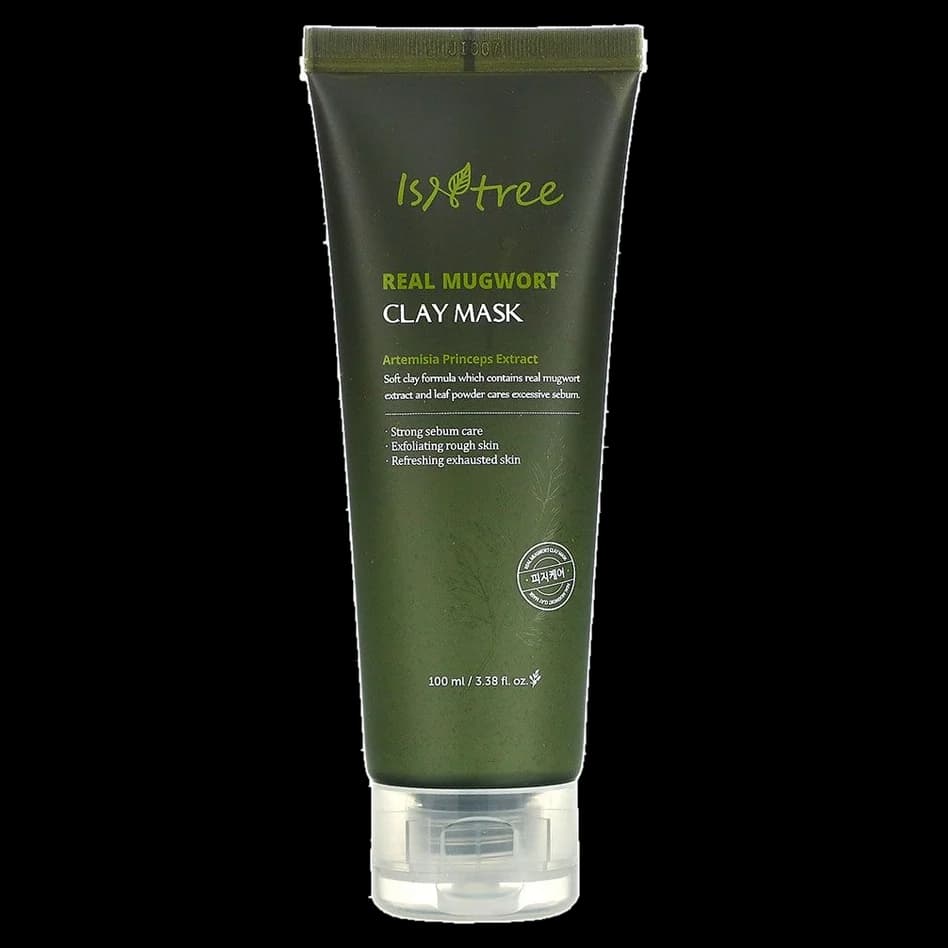
Artemisia Vulgaris Extract
Mugwort
Genuinely relevant for some people, or depends on dose and pH.
Also written as: Mugwort Extract · Artemisia Princeps Extract · Artemisia Vulgaris Leaf Extract · Artemisia Annua Extract · Artemisia Capillaris Extract · Ssuk
What it is
Mugwort is a herb long used in Korean bathing and medicinal traditions, where it is known as ssuk. Several Artemisia species appear in cosmetics, most often Artemisia vulgaris, princeps or capillaris, and all are used as soothing antioxidant extracts. It became a signature ingredient in Korean products aimed at sensitised, blemish-prone skin.
How it shows up on a label
Marketed for sensitive skin, but if you have mugwort or ragweed hay fever this is one to patch-test carefully first.
What it does well
Calms the appearance of redness and irritation
Artemisia extracts show anti-inflammatory and antioxidant activity in laboratory studies, and small clinical work supports a soothing effect on reactive skin, but the evidence base is thin.
Limited evidence
Worth knowing
Mugwort is a significant allergen for some people
Mugwort pollen is a major cause of hay fever, and mugwort belongs to the Asteraceae family whose sesquiterpene lactones cause allergic contact dermatitis. Cross-reactivity with ragweed, chamomile and celery is documented.
Matters most toPeople with mugwort or ragweed hay fever, Compositae contact allergy, or celery-mugwort-spice syndrome.
Where the EU stands
No specific restriction
No EU concentration limit or annex restriction: Artemisia is named in none of the annexes of the Cosmetics Regulation. Essential oils carrying fragrance allergens are covered by the general allergen-labelling rules in their own right.
Regulation (EC) No 1223/2009 - no annex entry · source ↗