Citrus Aurantium Bergamia (Bergamot) Fruit Oil
Bergamot oil
EU-restricted, a common contact allergen, or subject to live debate.
Also written as: Bergamot Oil · Citrus Aurantium Bergamia Peel Oil · Citrus Bergamia Oil · Bergaptene-free Bergamot Oil (FCF)
What it is
Bergamot oil is cold-pressed from the peel of Citrus bergamia, grown mainly in Calabria. Alongside limonene, linalool and linalyl acetate it contains furocoumarins, principally bergapten, also known as 5-methoxypsoralen. Bergapten is the reason bergamot has a genuine, documented phototoxicity problem that most other cosmetic ingredients do not.
How it shows up on a label
A rinse-off bergamot mask carries far less phototoxic risk than a leave-on one, because the furocoumarins are washed away before sun exposure. If a leave-on product contains cold-pressed bergamot, use it at night or under sunscreen.
What it does well
Distinctive fresh citrus-floral scent
Bergamot is one of the most recognisable natural top notes in perfumery. This is a sensory benefit; there is no established skin benefit.
Strong evidence
Bergapten-free (FCF) grades remove the phototoxicity problem
Rectified or furocoumarin-free bergamot oil has the psoralens removed and does not carry meaningful phototoxic risk. Most reputable cosmetic formulations use these grades.
Strong evidence
Worth knowing
Cold-pressed bergamot oil is genuinely phototoxic
Bergapten absorbs UVA and binds DNA, producing burns that can blister. Case reports describe bullous phototoxic reactions after aromatherapy use of bergamot oil followed by sun or tanning-bed exposure, sometimes leaving long-lasting brown pigmentation.
Matters most toAnyone applying bergamot-containing products to skin that will then see sunlight or a sunbed.
5-methoxypsoralen promotes UV-induced skin tumours in animal models
Mouse studies showed bergamot oil containing 5-MOP enhanced UV-driven skin tumour formation, which is why furocoumarins are effectively prohibited in EU cosmetics beyond the trace levels naturally present in essences. At the residual levels permitted in modern products this is not a realistic consumer risk.
Matters most toContext only; the EU restriction already addresses this.
Also a declared fragrance allergen
Separately from phototoxicity, bergamot peel oil is on the expanded EU fragrance-allergen list, and its limonene and linalool content oxidises like any other citrus oil.
Matters most toPeople with a known fragrance or terpene allergy.
Where the EU stands
Concentration-restricted
Two separate rules apply. Furocoumarins are prohibited under Annex II entry 358 except for the normal content of the natural essences used, and must be below 1 mg/kg in sun protection and bronzing products. Separately, Regulation (EU) 2023/1545 added Citrus Aurantium Bergamia Peel Oil as Annex III entry 352, so it must be declared as a fragrance allergen above 0.001% in leave-on and 0.01% in rinse-off products.
Regulation (EC) No 1223/2009, Annex II entry 358 (furocoumarines) and Annex III entry 352 (inserted by Regulation (EU) 2023/1545) · source ↗
Sources (2)
Every link goes to the original: a journal, a PubMed record or an EU document.
- [1]Accidental bullous phototoxic reactions to bergamot aromatherapy oil
Journal of the American Academy of Dermatology · 2001 · doi:10.1067/mjd.2001.116226
Case reports of blistering phototoxic burns after skin contact with bergamot aromatherapy oil followed by UV exposure, attributed to its furocoumarin content, chiefly bergapten (5-methoxypsoralen).
- [2]Phototumorigenesis studies of 5-methoxypsoralen in bergamot oil: evaluation and modification of risk of human use in an albino mouse skin model
Journal of Photochemistry and Photobiology B: Biology · 1990 · doi:10.1016/1011-1344(90)85159-t
In an albino mouse model, bergamot oil containing 5-methoxypsoralen increased UV-induced skin tumour formation, supporting the removal of furocoumarins from cosmetic-grade bergamot oil.
Masks that contain Citrus Aurantium Bergamia (Bergamot) Fruit Oil
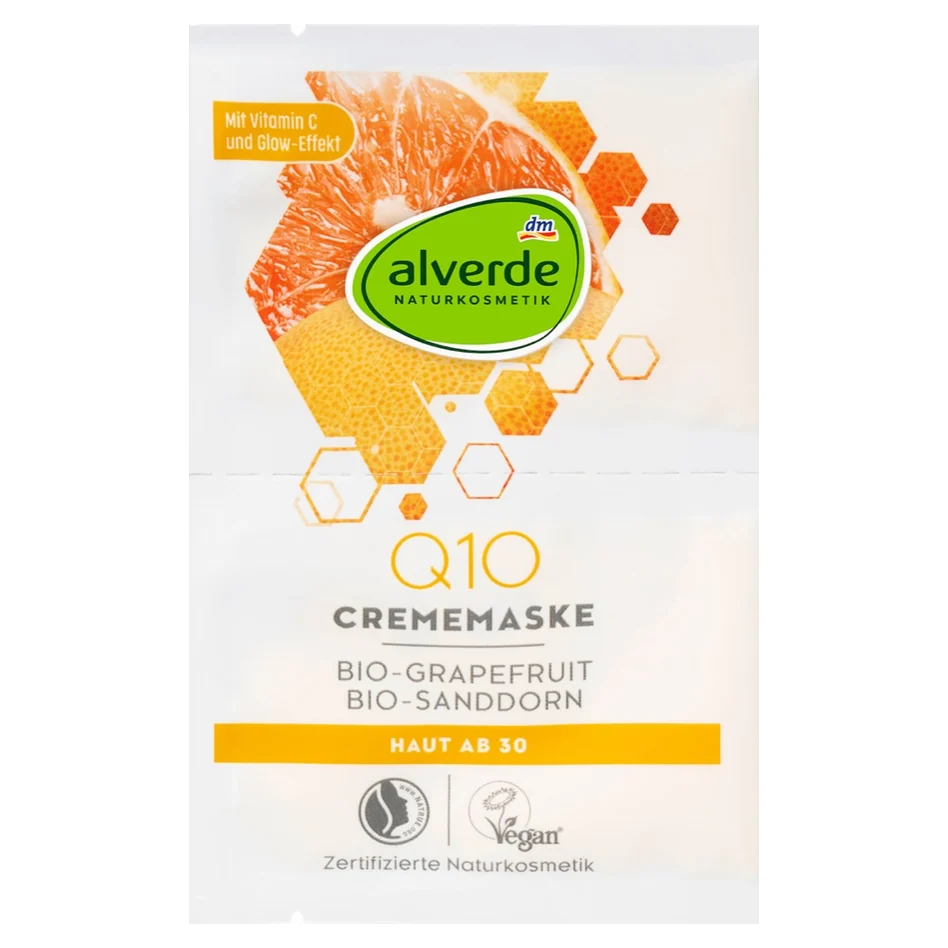
alverde Naturkosmetik
Gesichtsmaske Q10 mit Vitamin C
34th of 40 on the label
below ≈1%
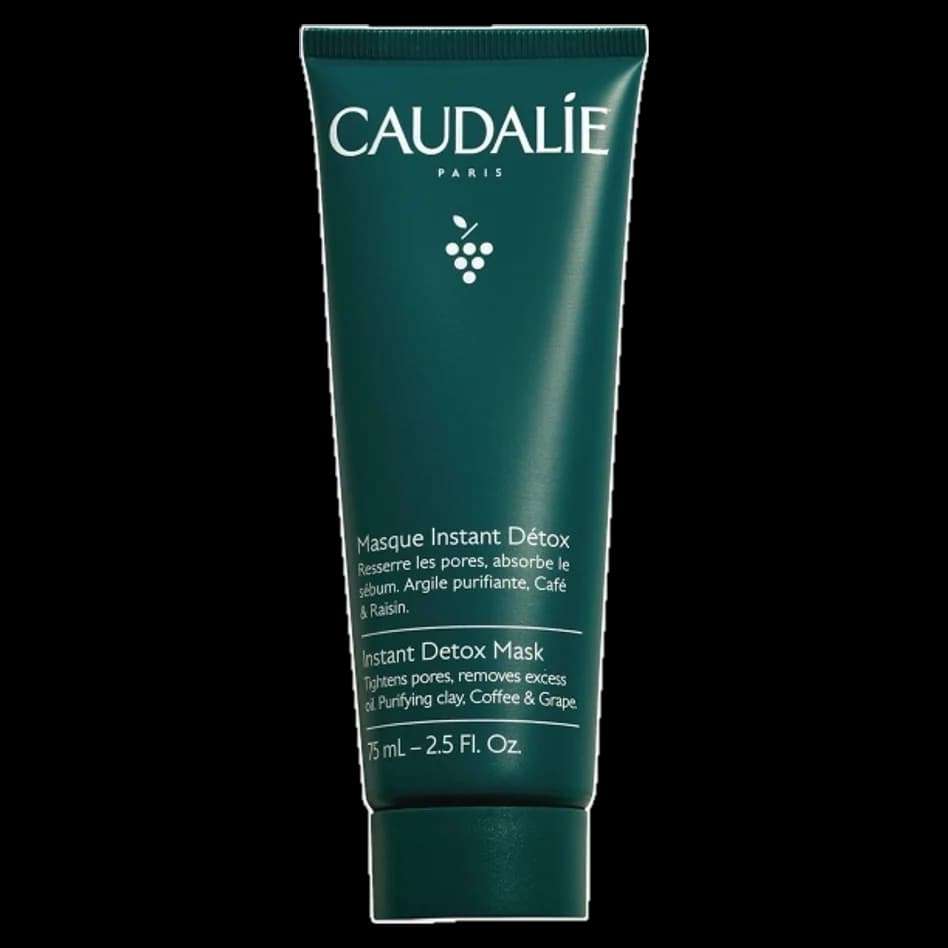
Caudalie
Vinergetic C+ Instant Detox Mask
11th of 33 on the label
below ≈1%
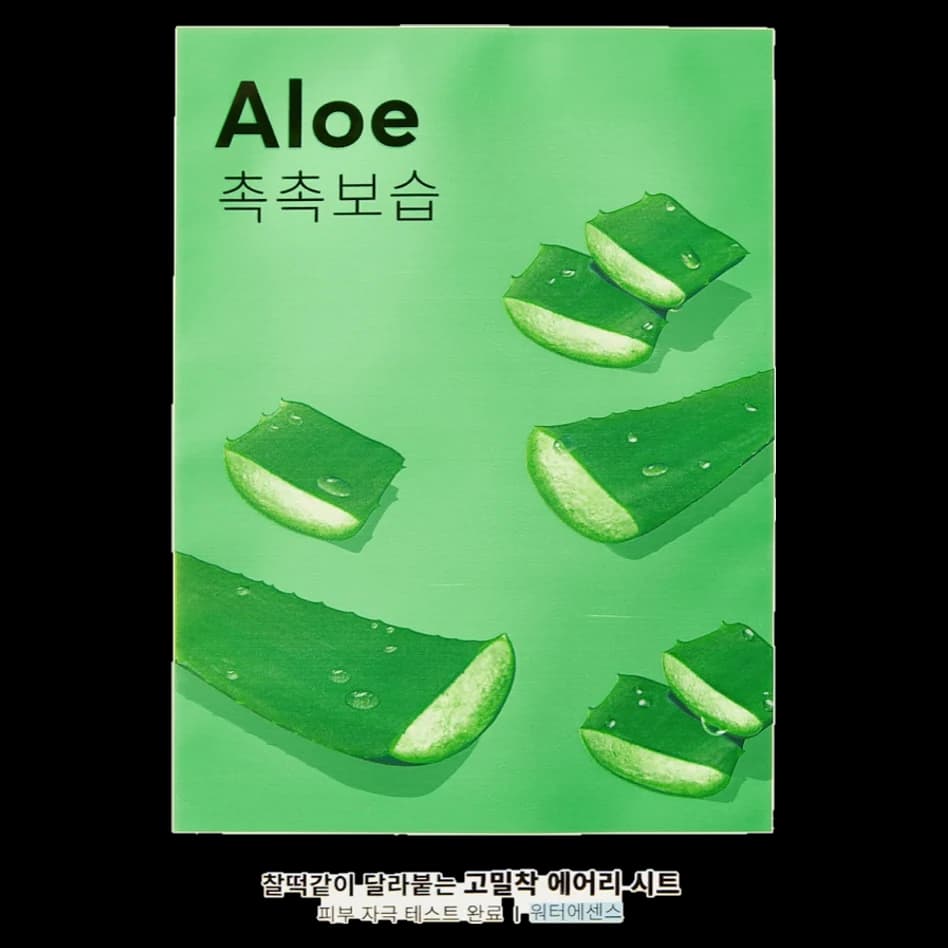
MISSHA
Airy Fit Sheet Mask Aloe
23rd of 26 on the label
below ≈1%
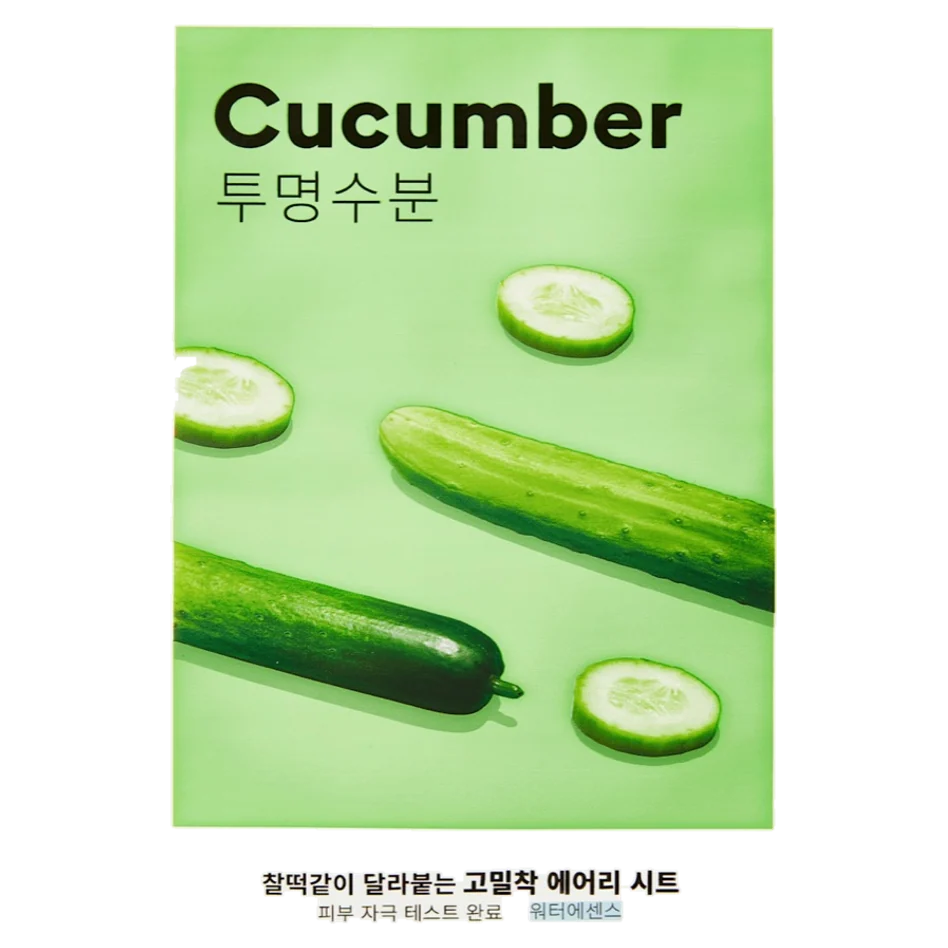
MISSHA
Sheet Mask Cucumber
23rd of 25 on the label
below ≈1%
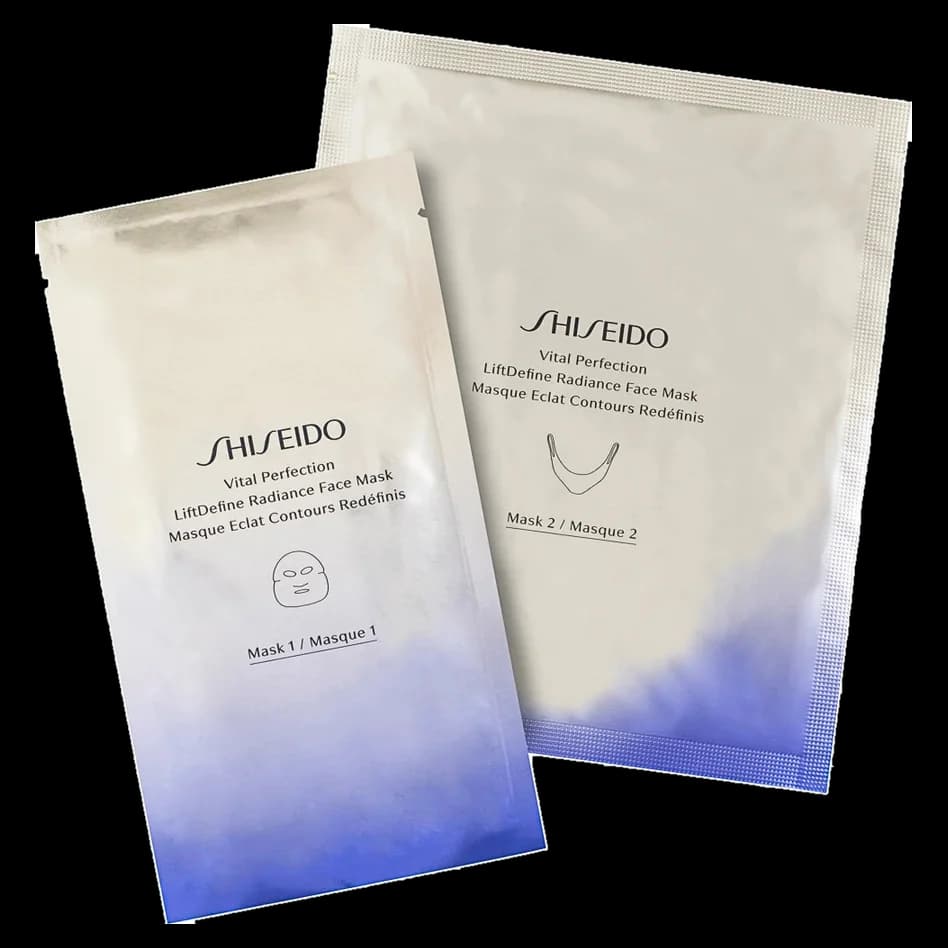
Shiseido
Vital Perfection LiftDefine Radiance Face Mask
47th of 81 on the label
below ≈1%