Citrus Aurantium Peel Oil
EU-restricted, a common contact allergen, or subject to live debate.
What it is
Citrus Aurantium Peel Oil is not a shortened or careless label entry. It is the exact wording Annex III entry 351 instructs manufacturers to print. That entry is headed "Citrus aurantium amara and dulcis peel oil" and covers two different materials - bitter orange peel oil, and sweet orange peel oil, the latter also catalogued as Citrus Sinensis Peel Oil - then requires that the presence of either be indicated as "Citrus Aurantium Peel Oil". The declaration is deliberately collective, so reading it tells you a citrus peel oil is present but not which one.
How it shows up on a label
A brand that wants to be specific can print the fuller name, as in "Citrus Aurantium Dulcis (Orange) Peel Oil", which this site lists separately. The bare collective form is the one that leaves the species open, so the two entries are not interchangeable - and this one is rated a step higher precisely because it could be either. Entry 351 carries footnote (40), so stock placed on the market before 31 July 2026 may still be sold into 2028.
What it does well
Carries a citrus peel note, from either species
Cold-pressed orange peel oils are used for scent and are dominated by limonene. This is a sensory function; no skin benefit is established, and the collective label name does not distinguish the two species.
Strong evidence
Worth knowing
Both species are established contact allergens, which is why they share one entry
SCCS/1459/11 lists both in its table of natural extracts classified as established contact allergens in humans: Citrus aurantium amara flower and peel oil, and Citrus sinensis - synonym aurantium dulcis - peel oil expressed. It grades the two identically, so on sensitisation the opinion draws no distinction between bitter and sweet. Grouping them under a single declaration reflects that both sensitise, not that they are interchangeable in every respect.
Matters most toPeople with a known fragrance or citrus-terpene allergy.
What drives phototoxicity is furocoumarin content, which the label discloses no more than it discloses the species
The phototoxicity associated with citrus peel oils comes from their furocoumarins, chiefly 5-methoxypsoralen. SCCS/1459/11 records that furocoumarins in some plant-derived fragrance ingredients caused phototoxic reactions with erythema followed by hyperpigmentation, and that limits on furocoumarin content have since made such reactions rare; it names no citrus species in that passage. Annex II entry 358 prohibits furocoumarins "except for normal content in natural essences used", and sets a limit below 1 mg/kg only for sun protection and bronzing products - neither of which a face mask is. The CIR Expert Panel, assessing 14 citrus-derived peel oils together, concluded they are safe where a finished product other than a rinse-off carries no more than 0.0015% (15 ppm) 5-methoxypsoralen and is formulated to be non-sensitising and non-irritating. A pack declares neither its furocoumarin content nor its species, so the label settles neither question. This record is therefore rated a step above the site's species-specific sweet-orange entry: where the reach of a question is left open, the site does not resolve it to the reassuring value.
Matters most toAnyone using the ingredients list to judge whether a citrus peel oil is phototoxic.
Where the EU stands
Labelling required
Declared fragrance allergen. Annex III entry 351, inserted by Regulation (EU) 2023/1545, covers bitter orange and sweet orange peel oil together and requires that either be declared as "Citrus Aurantium Peel Oil" above 0.001% in leave-on products and 0.01% in rinse-off products. No maximum concentration is set.
Regulation (EC) No 1223/2009, Annex III entry 351, as inserted by Regulation (EU) 2023/1545 · source ↗
Sources (1)
Every link goes to the original: a journal, a PubMed record or an EU document.
- [1]Safety Assessment of Citrus-Derived Peel Oils as Used in Cosmetics
Cosmetic Ingredient Review, International Journal of Toxicology 38(2_suppl):33S-59S · 2019 · doi:10.1177/1091581819862504
The Expert Panel assessed 14 citrus-derived peel oil ingredients together - bitter and sweet orange among them - rather than grading them separately, and concluded that they "are safe for use in cosmetic products when finished products, excluding rinse-off products, do not contain more than 0.0015% (15 ppm) 5-methoxypsoralen, and when formulated to be nonsensitizing and nonirritating". The condition is written on furocoumarin content, not on the species, which is the same axis Annex II entry 358 regulates. The Panel also warns that because a formula may contain several botanicals carrying the same constituents of concern, formulators should track those constituents across the whole product. Checked 23 September 2026.
Masks that contain Citrus Aurantium Peel Oil
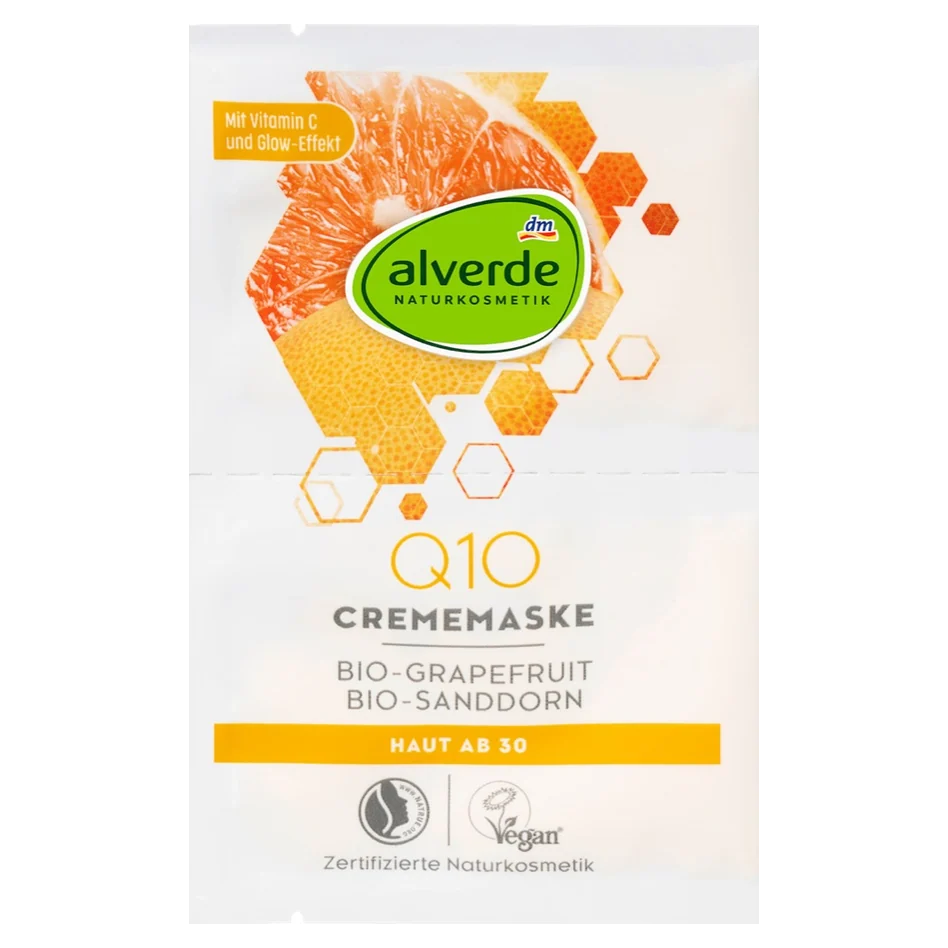
alverde Naturkosmetik
Gesichtsmaske Q10 mit Vitamin C
33rd of 40 on the label
below ≈1%
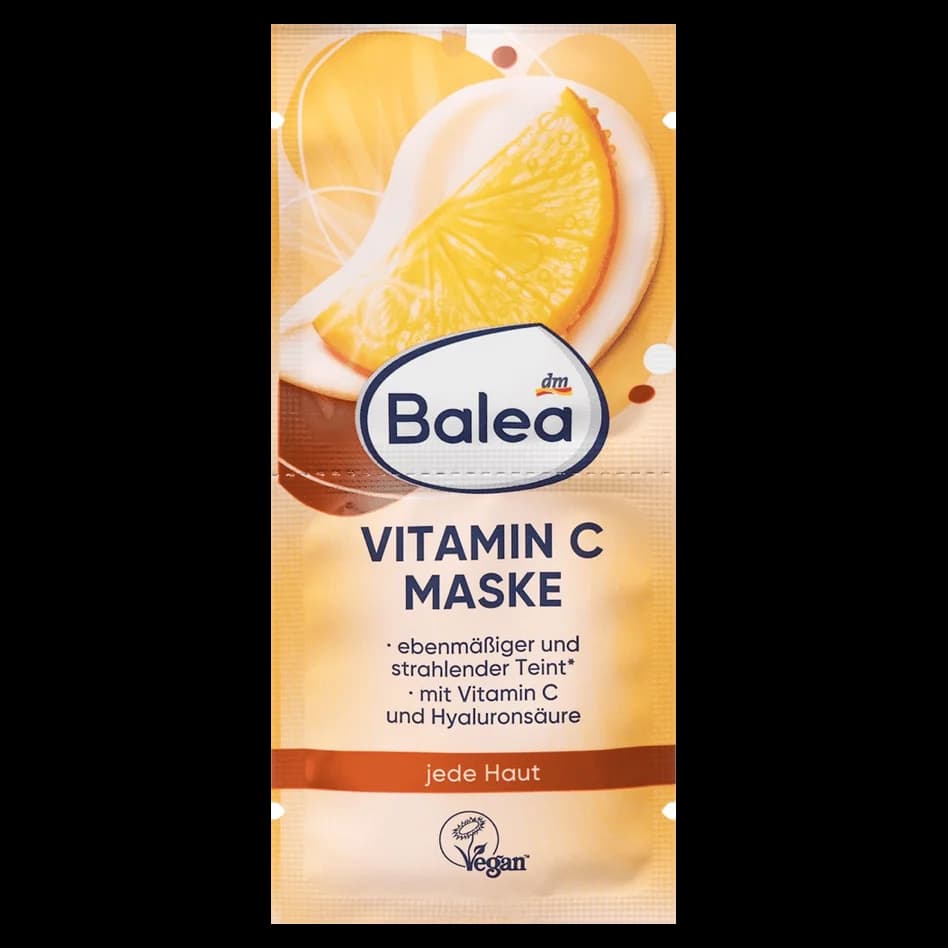
Balea
Gesichtsmaske Vitamin C
9th of 23 on the label
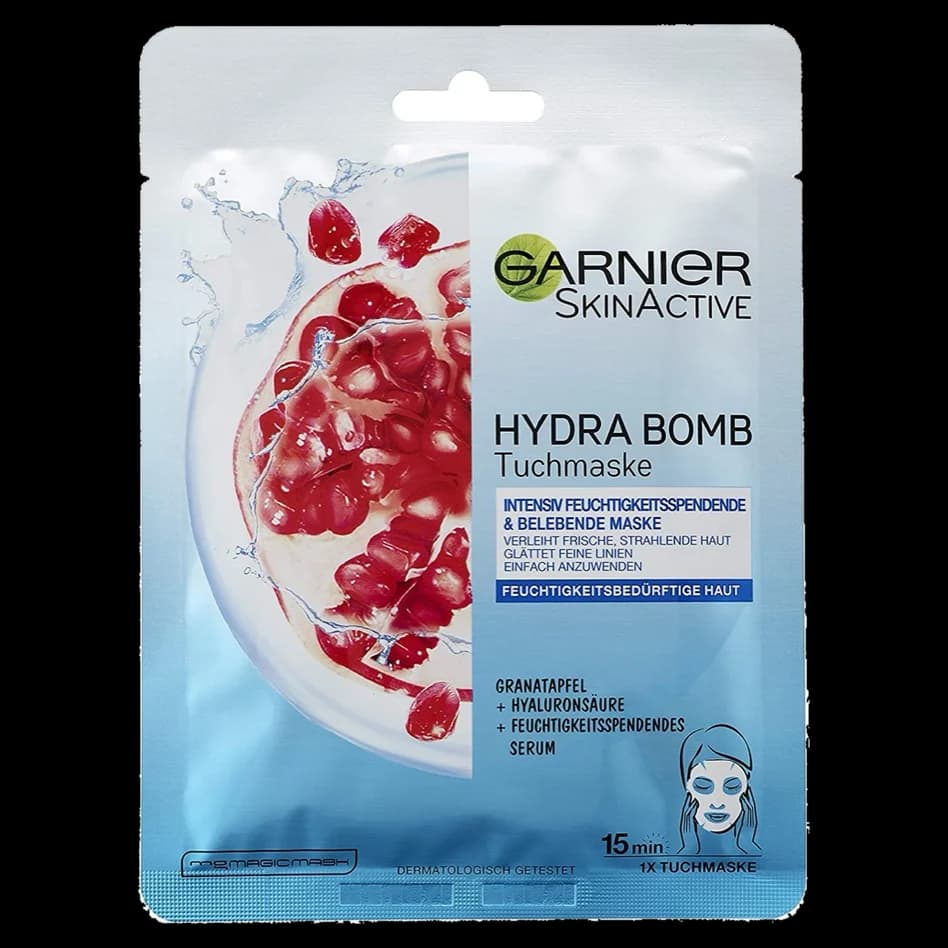
Garnier
SkinActive Hydra Bomb Tissue Mask Pomegranate
25th of 29 on the label
below ≈1%
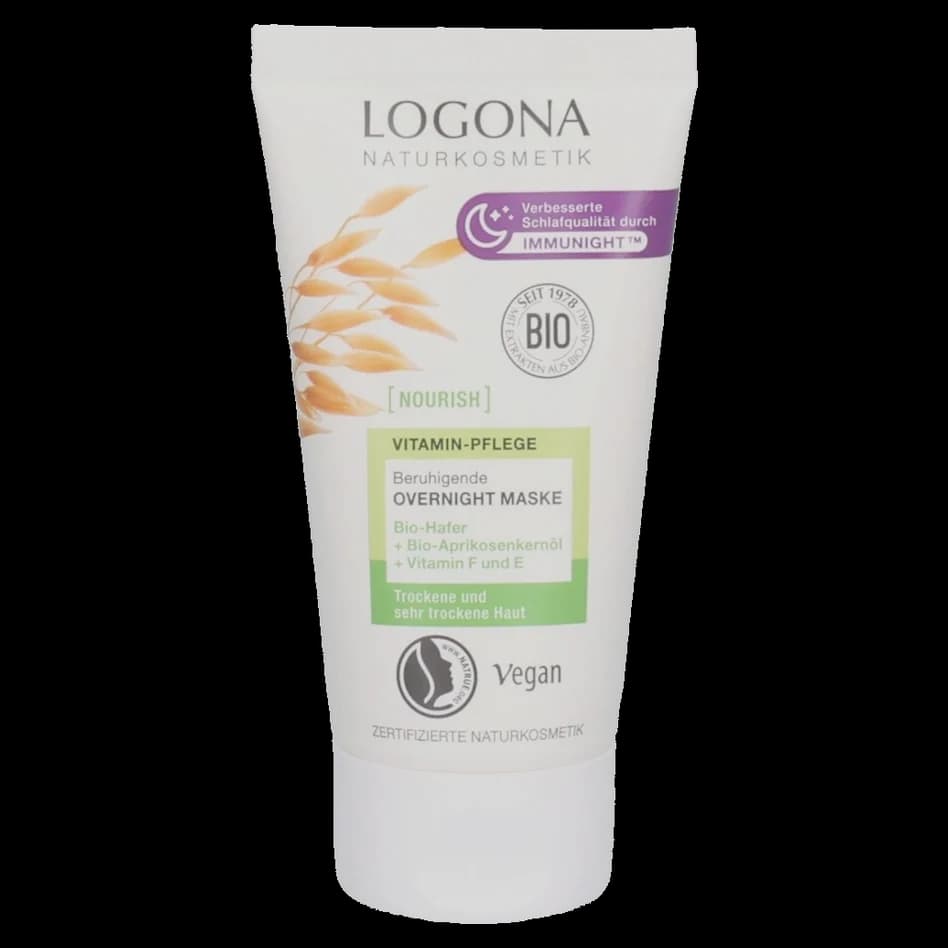
LOGONA
Nourish Beruhigende Overnight Maske
44th of 53 on the label
below ≈1%
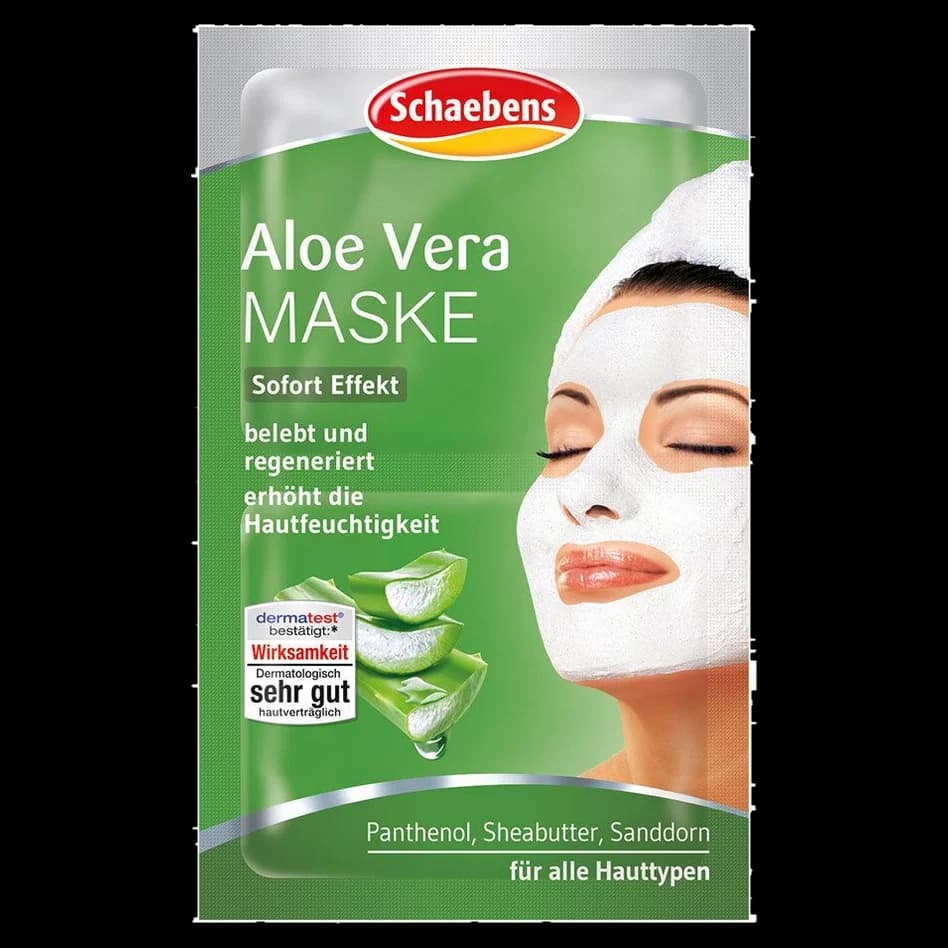
Schaebens
Aloe Vera Maske
28th of 34 on the label
below ≈1%
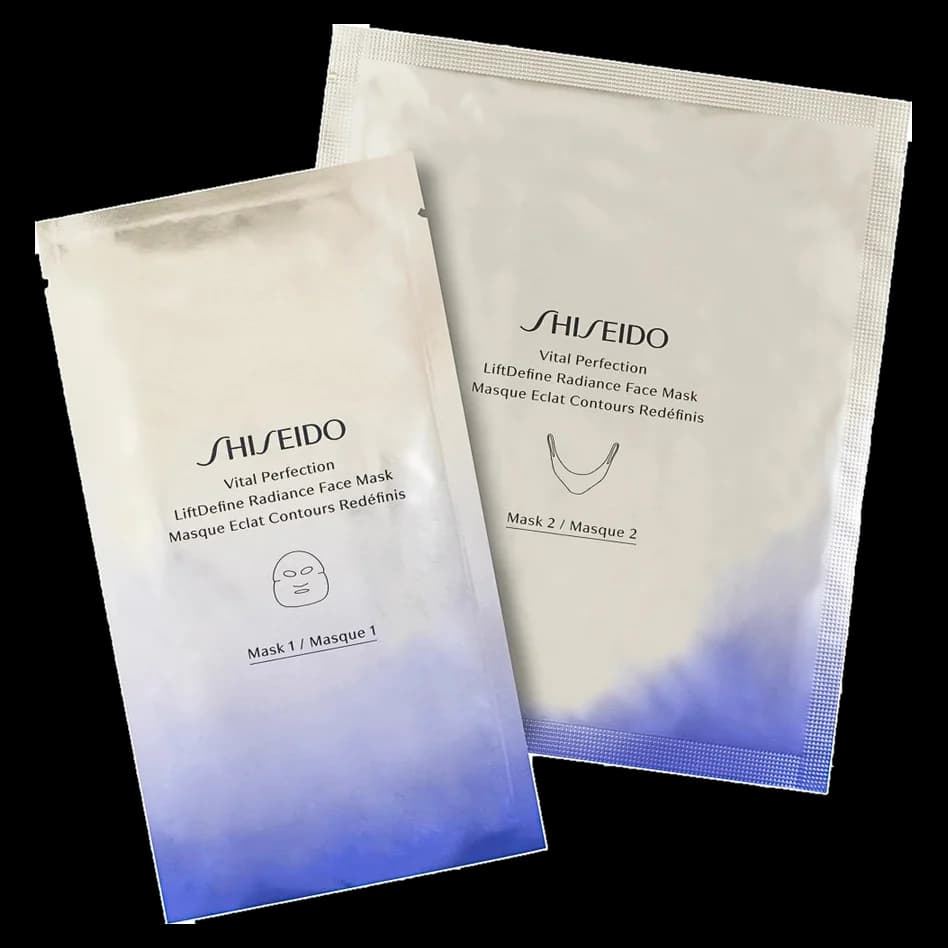
Shiseido
Vital Perfection LiftDefine Radiance Face Mask
45th of 81 on the label
below ≈1%
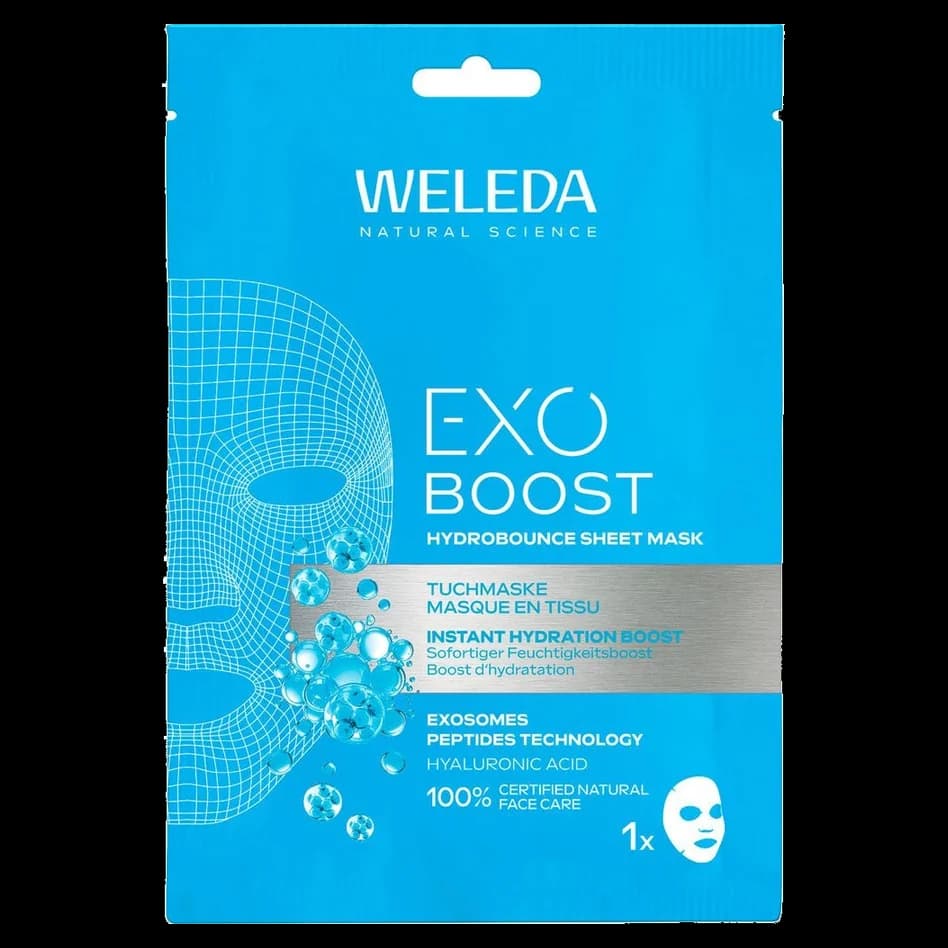
Weleda
Exo Boost Hydrobounce Tuchmaske
23rd of 34 on the label
below ≈1%