Melaleuca Alternifolia (Tea Tree) Leaf Oil
Tea tree oil
Genuinely relevant for some people, or depends on dose and pH.
Also written as: Tea Tree Oil · TTO · Melaleuca Alternifolia Leaf Oil
What it is
Tea tree oil is steam-distilled from the leaves of Melaleuca alternifolia, a shrub native to New South Wales. Its main active component is terpinen-4-ol, typically 30 to 48%, and its composition is defined by the international standard ISO 4730. It appears in clay masks and spot treatments aimed at oily and blemish-prone skin because of genuine antibacterial and anti-inflammatory activity.
How it shows up on a label
Look for products that state an ISO 4730 grade, are packaged in opaque or airless containers and include an antioxidant such as tocopherol. A dark, resinous or sharply turpentine-smelling oil has probably oxidised and is best discarded.
What it does well
Reduces inflammatory acne lesions
Small randomised trials of 5% tea tree oil gel show reductions in inflamed lesion counts, slower in onset than benzoyl peroxide but with less dryness and peeling. Evidence quality is modest and trial sizes are small.
Moderate evidence
Has broad antibacterial and antifungal activity
Terpinen-4-ol is active in vitro against Cutibacterium acnes, Staphylococcus aureus and several dermatophytes. This laboratory activity is well established, though it does not automatically translate into clinical results at the low levels used in a typical mask.
Strong evidence
Assessed as safe by the SCCS at defined concentrations
In its 2025 opinion the SCCS considered tea tree oil safe for adults in non-spray products at up to 2% in shampoo, 1% in shower gel and face wash, and 0.1% in face cream, provided the composition meets ISO 4730:2017.
Moderate evidence
Worth knowing
A documented contact allergen, more so as it ages
Routine patch testing finds positive reactions in roughly 0.1 to 3.5% of dermatitis patients depending on the population. An Australian series of 2320 patients found 41 positives to oxidised tea tree oil, a prevalence of 1.8%, with clinical relevance in 41% of those cases.
Matters most toPeople with eczema, sensitive skin, or who use undiluted tea tree oil directly on spots.
Oxidation makes it substantially more sensitising
Fresh tea tree oil is a weak to moderate sensitiser. Light, heat and air convert it into ascaridole, p-cymene hydroperoxides and other degradation products that are considerably more allergenic. The SCCS specifically flagged the lack of stability data and required composition to stay within ISO limits through shelf life.
Matters most toAnyone using an old bottle of neat oil or a long-opened product.
Undiluted use on the face is a bad idea
Neat tea tree oil applied directly to skin causes irritant reactions and is the most common route to sensitisation. It is also toxic if swallowed, which matters for households with young children.
Matters most toPeople self-treating acne with neat oil, and parents of small children.
The claim that it causes breast growth in boys is not established
A small number of case reports linked topical tea tree and lavender oils to prepubertal gynaecomastia, but the evidence is weak, uncontrolled and has not been reproduced in controlled studies. It is worth knowing about, but it is not a demonstrated effect at cosmetic exposure levels.
Matters most toParents who have seen this claim circulated online.
Where the EU stands
No specific restriction
Tea tree oil is not listed in Annex II or Annex III of the EU Cosmetics Regulation, so there is currently no legal maximum concentration and no requirement to declare it as a fragrance allergen. The SCCS opinion SCCS/1681/25, adopted on 30 October 2025, recommends limits of 2% in shampoo, 1% in shower gel and face wash and 0.1% in face cream; those figures are scientific advice and have not yet been written into the Regulation.
Sources (3)
Every link goes to the original: a journal, a PubMed record or an EU document.
- [1]Tea tree oil: contact allergy and chemical composition
Contact Dermatitis · 2016 · doi:10.1111/cod.12591
A systematic review concluding that positive patch test rates in routine testing range from 0.1% to 3.5%, and that fresh tea tree oil is a weak to moderate sensitiser whose potency rises sharply on oxidation.
- [2]Allergy to tea tree oil: retrospective review of 41 cases with positive patch tests over 4.5 years
Australasian Journal of Dermatology · 2007 · doi:10.1111/j.1440-0960.2007.00341.x
Among 2320 patch-tested Australian patients, 1.8% reacted to oxidised tea tree oil, and the reaction was judged clinically relevant in 41% of those cases.
- [3]Scientific Opinion on Tea Tree Oil (CAS/EC No. 68647-73-4 / 285-377-1) (SCCS/1681/25)
SCCS - Scientific Committee on Consumer Safety, European Commission · 2025
The SCCS considered tea tree oil safe for adults in non-spray cosmetics at up to 2% in shampoo, 1% in shower gel and face wash and 0.1% in face cream, while classifying it as a moderate skin sensitiser and flagging missing stability data.
Masks that contain Melaleuca Alternifolia (Tea Tree) Leaf Oil
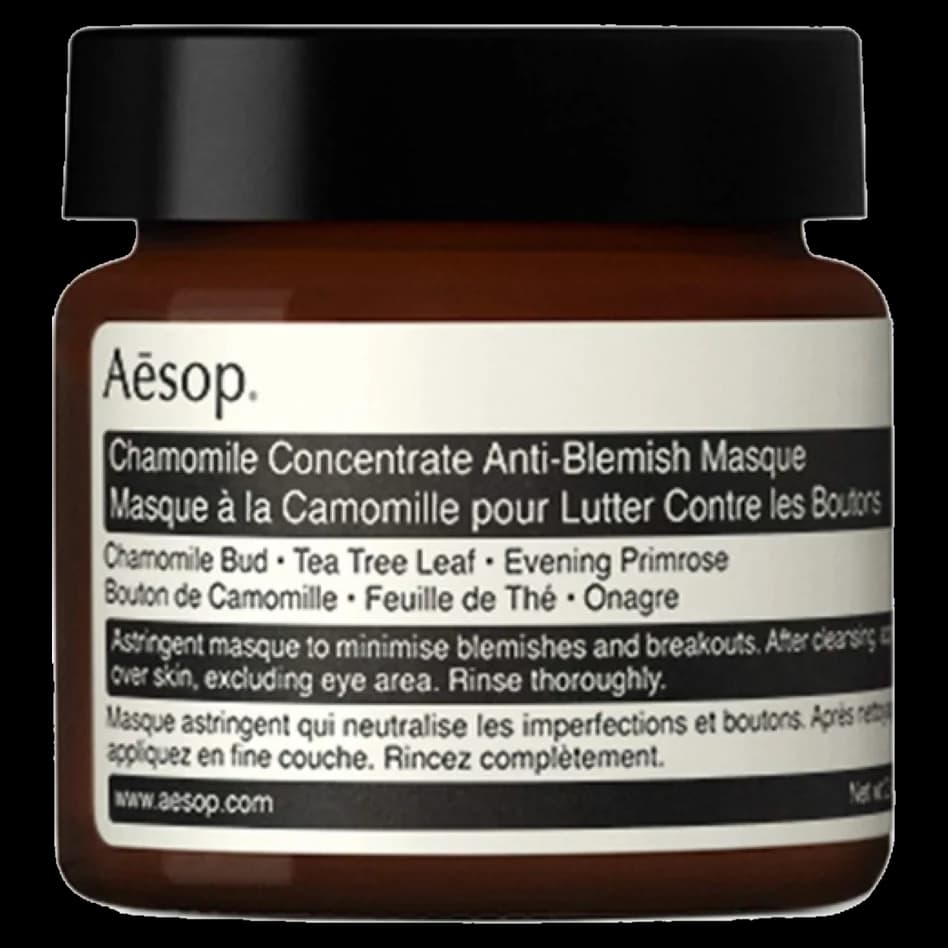
Aesop
Chamomile Concentrate Anti-Blemish Masque
13th of 16 on the label
below ≈1%
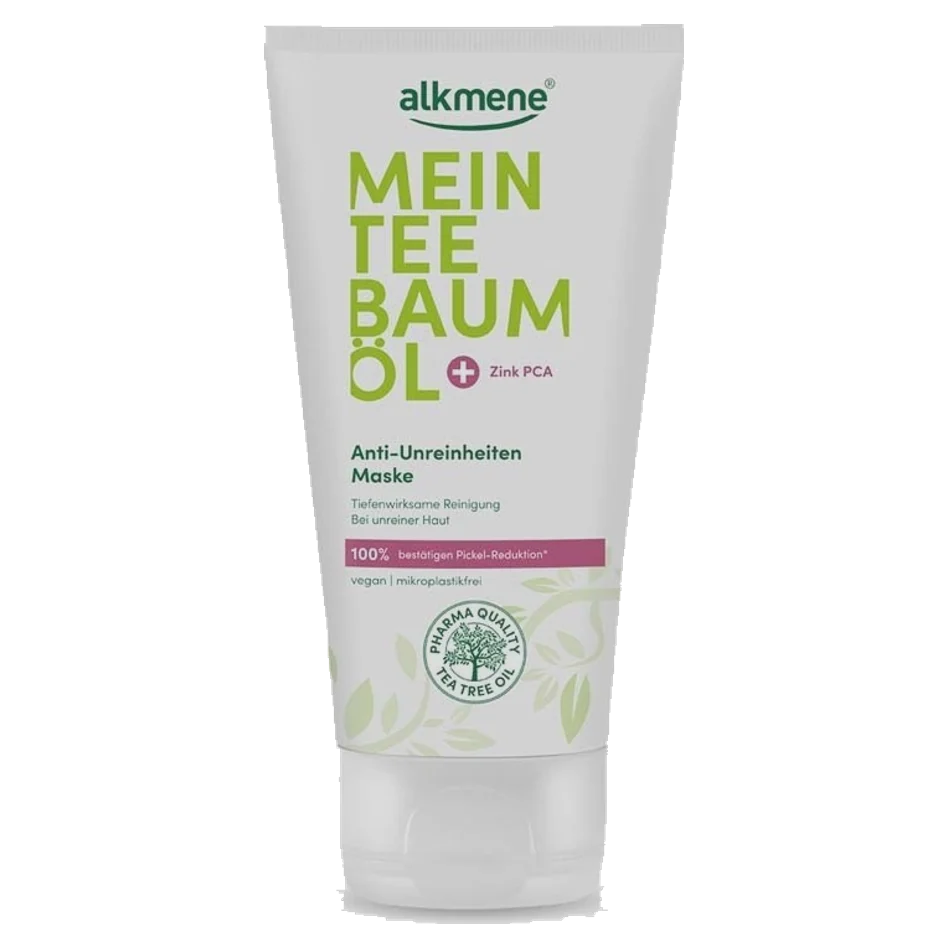
alkmene
Mein Teebaumöl Anti-Unreinheiten Maske
7th of 16 on the label
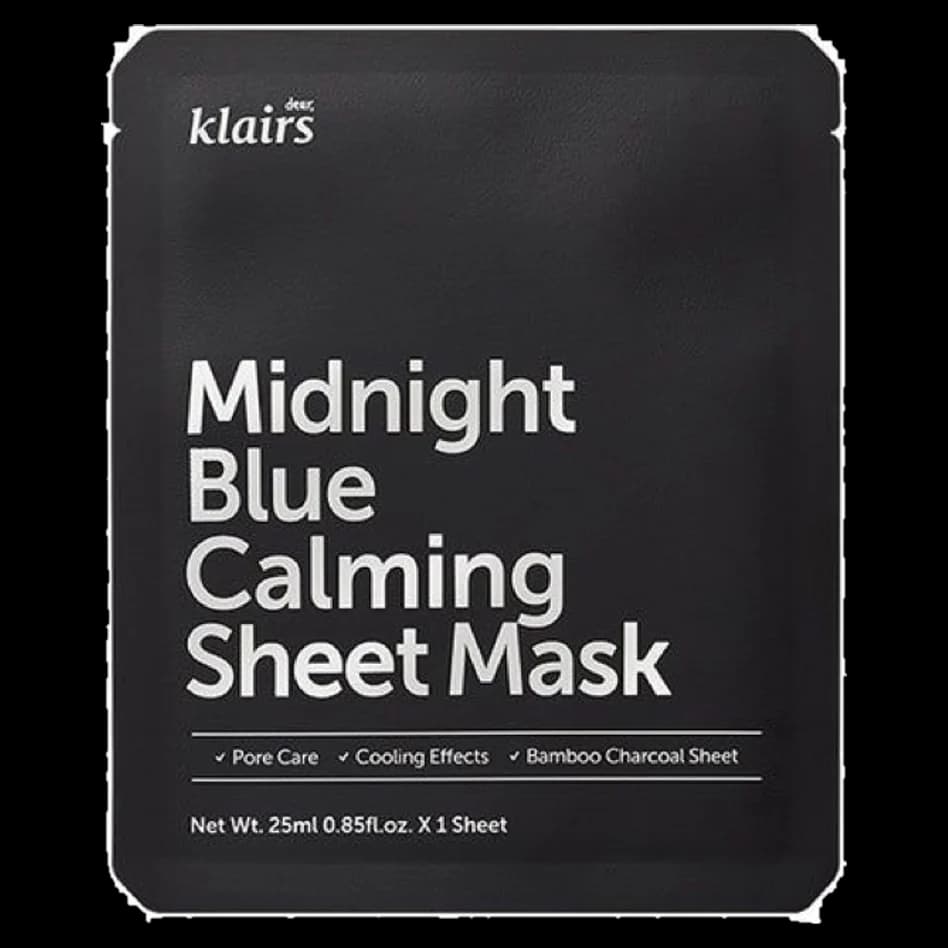
Dear, Klairs
Midnight Blue Calming Sheet Mask
20th of 21 on the label
below ≈1%
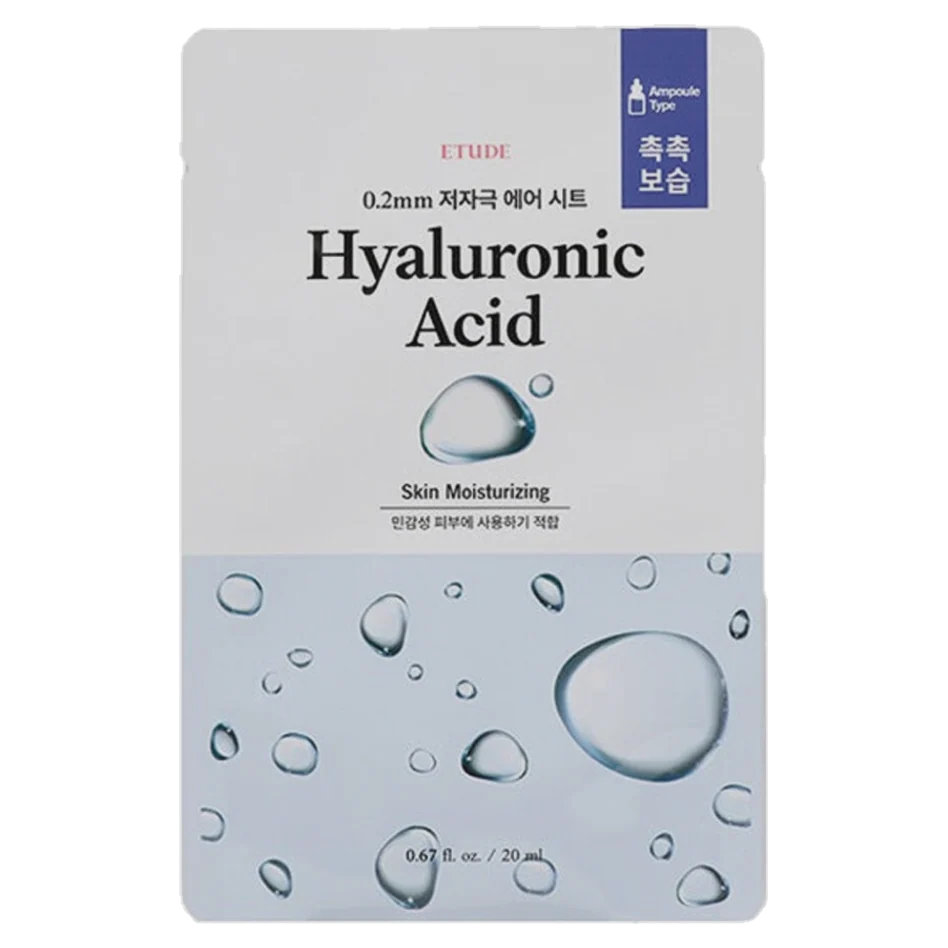
Etude House
0.2mm Therapy Air Mask Hyaluronic Acid
32nd of 35 on the label
below ≈1%
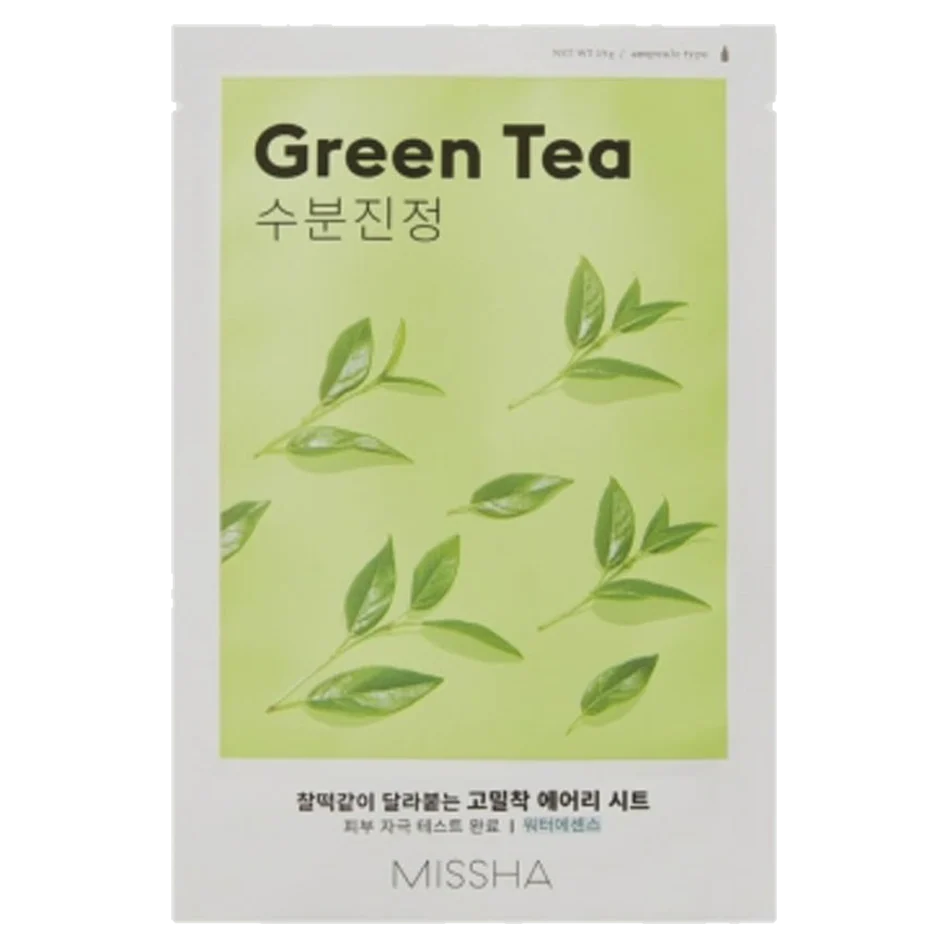
MISSHA
Airy Fit Sheet Mask Green Tea
16th of 23 on the label
below ≈1%
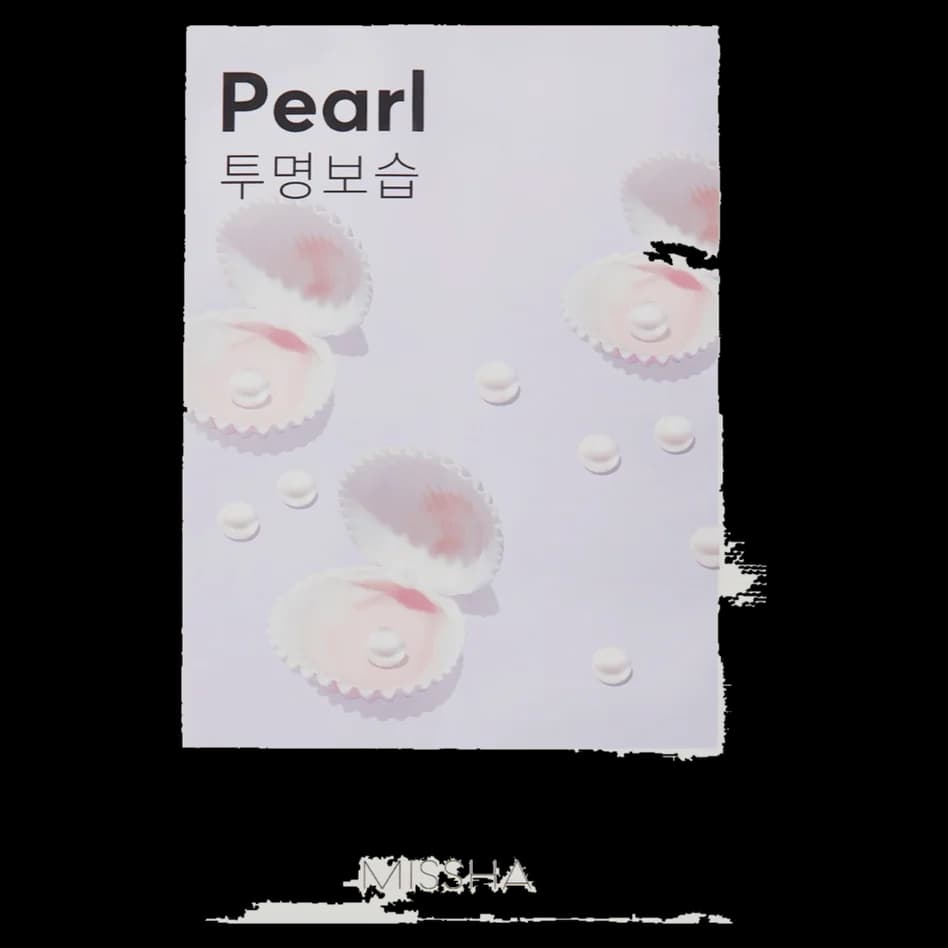
MISSHA
Airy Fit Sheet Mask Pearl
28th of 31 on the label
below ≈1%
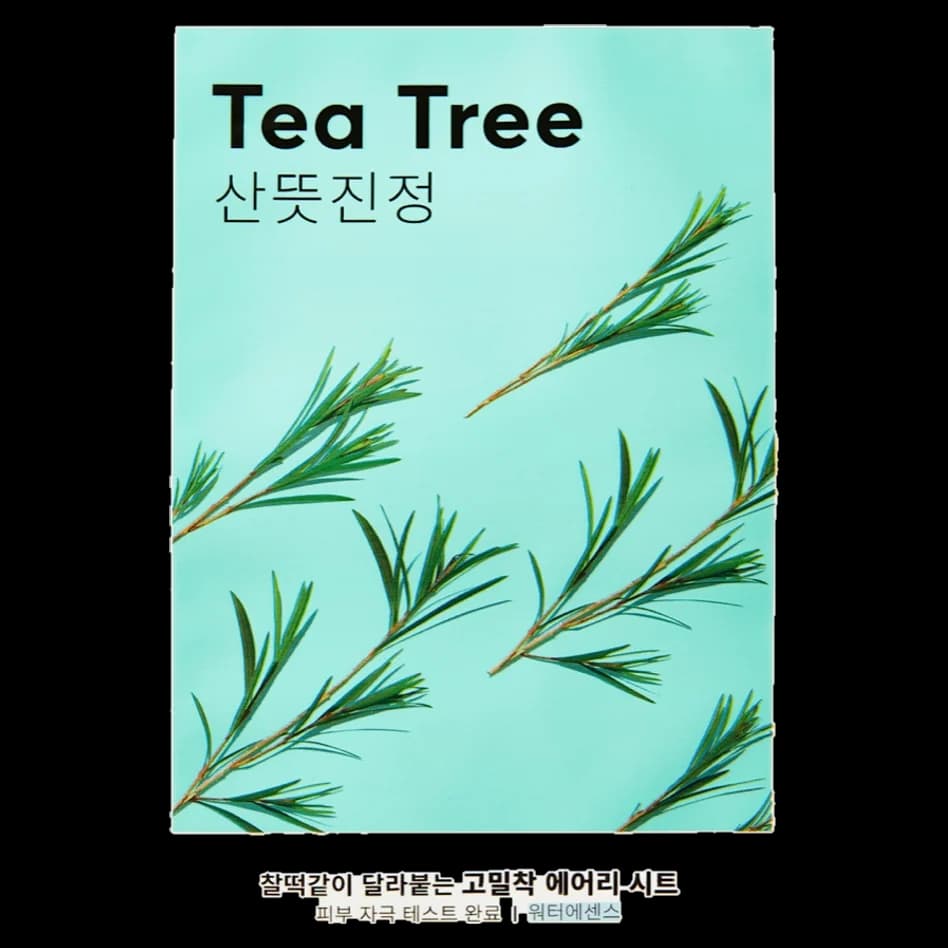
MISSHA
Airy Fit Sheet Mask Tea Tree
16th of 23 on the label
below ≈1%
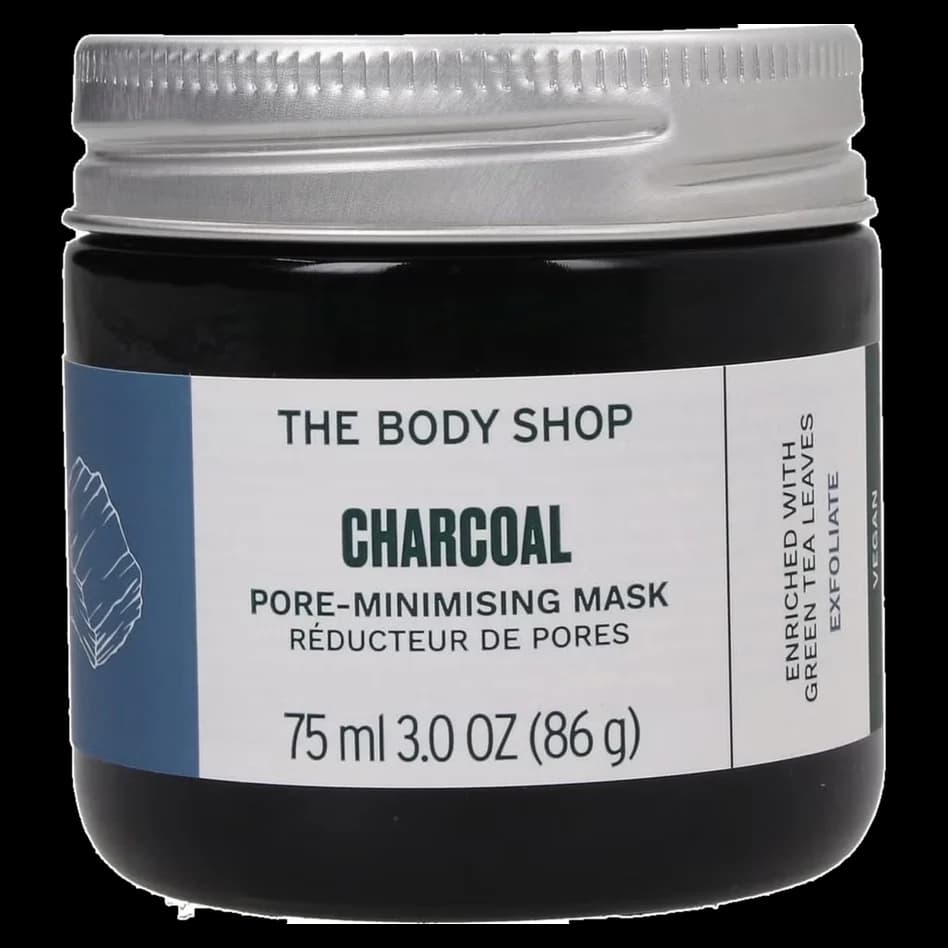
The Body Shop
Charcoal Pore Minimising Mask
30th of 37 on the label
below ≈1%