Rosmarinus Officinalis (Rosemary) Leaf Oil
Rosemary oil
Genuinely relevant for some people, or depends on dose and pH.
Also written as: Rosemary Oil · Salvia Rosmarinus Leaf Oil · Rosmarinus Officinalis Leaf Oil
What it is
Rosemary leaf oil is steam-distilled from Rosmarinus officinalis, now botanically reclassified as Salvia rosmarinus. Depending on chemotype it is rich in 1,8-cineole, camphor, alpha-pinene and limonene. It should not be confused with rosemary leaf extract, which contains the antioxidants carnosic acid and rosmarinic acid and behaves quite differently.
How it shows up on a label
Camphor-rich chemotypes are the ones aromatherapy practice keeps away from infants and young children; this caution comes from inhalation exposure rather than from cosmetic skin contact.
What it does well
Contributes mild antioxidant activity
Rosemary compounds scavenge free radicals in laboratory tests, though the non-volatile extract is a far better antioxidant than the essential oil. At fragrance levels the contribution is small.
Limited evidence
Worth knowing
Contains several declared allergens even though the oil itself is not listed
Rosemary oil is not named in the EU fragrance-allergen list, but its limonene, linalool, camphor and pinene content can push those individual substances over the labelling threshold. Camphor and pinene both joined the list under Regulation (EU) 2023/1545.
Matters most toPeople with a terpene or fragrance allergy who are checking labels.
Where the EU stands
No specific restriction
Rosemary leaf oil is not listed in Annex II or on the Annex III fragrance-allergen labelling list, so there is no maximum concentration and no direct labelling obligation. That holds under the newer botanical name as well: neither Rosmarinus nor Salvia appears anywhere in the annexes. Individual constituents must still be declared once they exceed the thresholds, and four of them have their own entries: Linalool at 84, Limonene at 88, Camphor at 331 and Pinene at 371, the last two added by Regulation (EU) 2023/1545.
Regulation (EC) No 1223/2009 - no annex entry under Rosmarinus officinalis or its current name Salvia rosmarinus; the constituents named are Annex III entries 84 (Linalool), 88 (Limonene), 331 (Camphor) and 371 (Pinene) · source ↗
Masks that contain Rosmarinus Officinalis (Rosemary) Leaf Oil
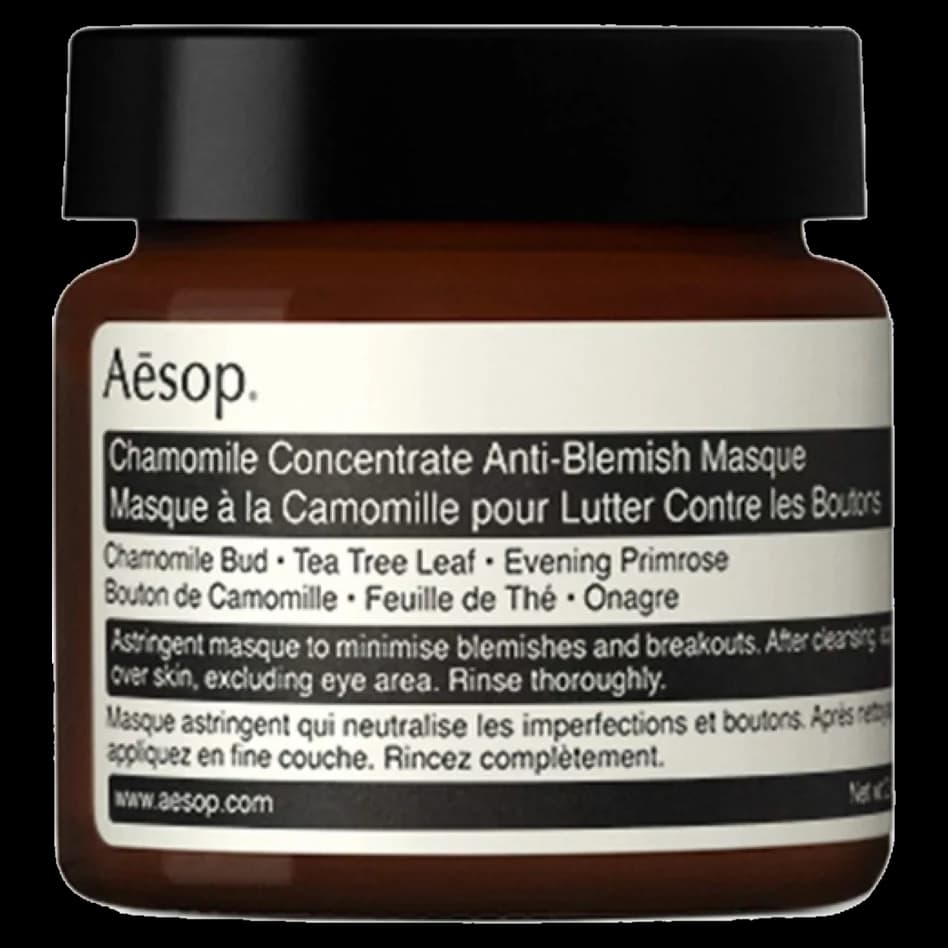
Aesop
Chamomile Concentrate Anti-Blemish Masque
12th of 16 on the label
below ≈1%
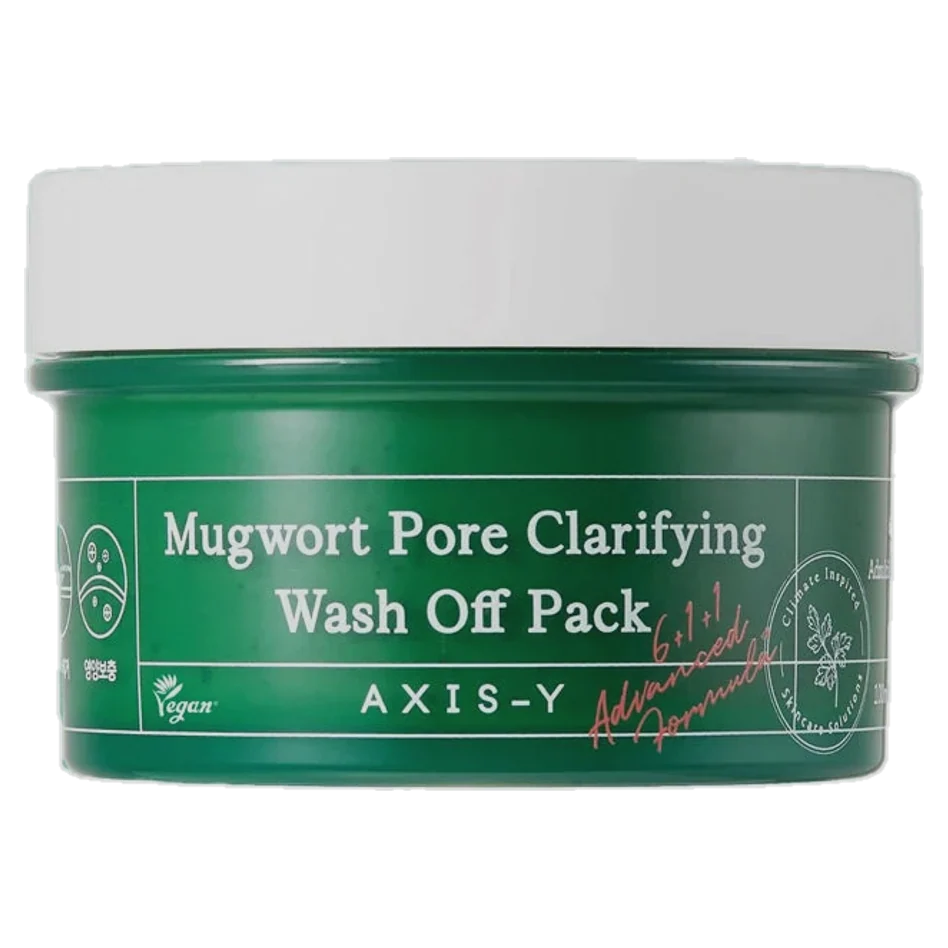
AXIS-Y
Mugwort Pore Clarifying Wash Off Pack
36th of 36 on the label
below ≈1%
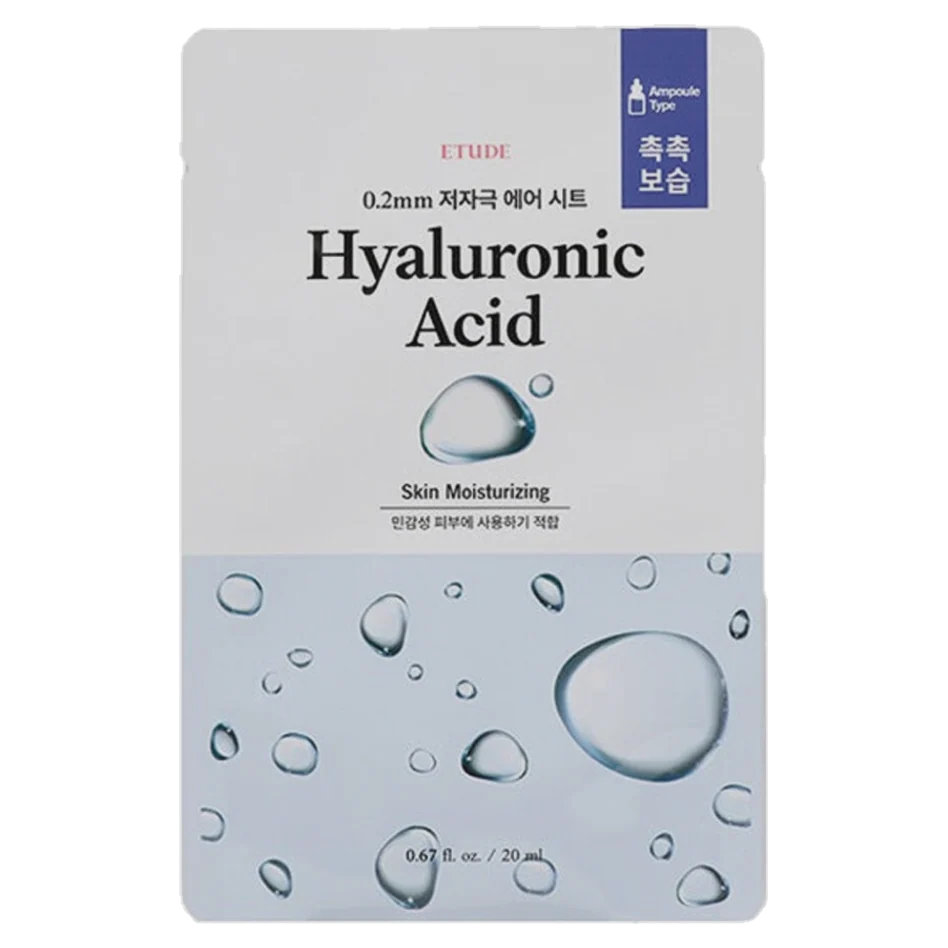
Etude House
0.2mm Therapy Air Mask Hyaluronic Acid
28th of 35 on the label
below ≈1%
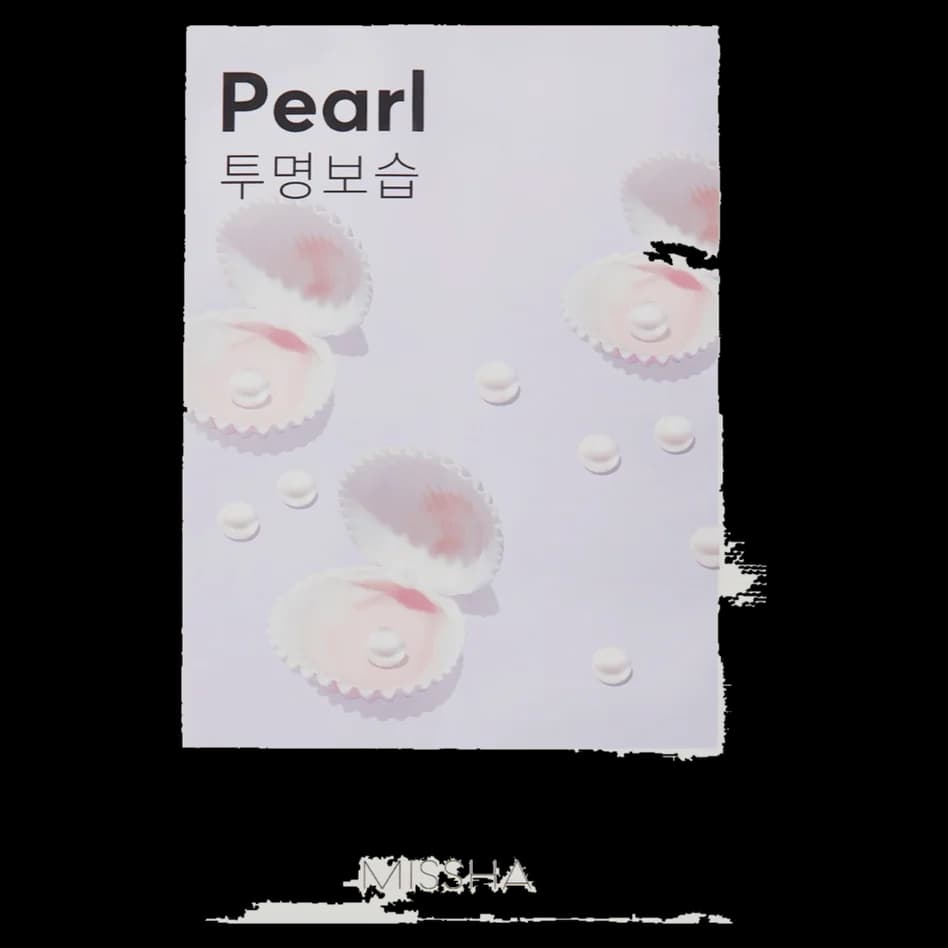
MISSHA
Airy Fit Sheet Mask Pearl
31st of 31 on the label
below ≈1%
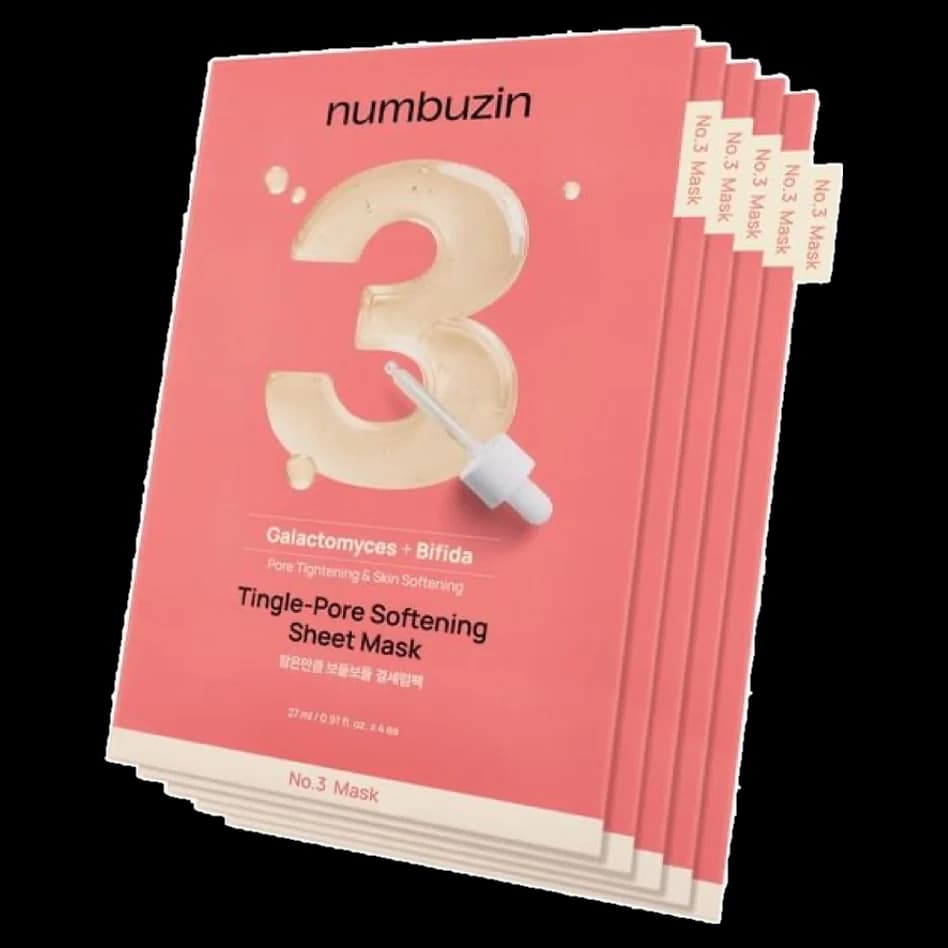
numbuzin
No.3 Tingle-Pore Softening Sheet Mask
18th of 42 on the label