Lavandula Angustifolia (Lavender) Oil
Lavender oil
Genuinely relevant for some people, or depends on dose and pH.
Also written as: Lavender Oil · Lavandula Angustifolia Oil · Lavandula Officinalis Oil · True Lavender Oil
What it is
Lavender oil is steam-distilled from the flowering tops of Lavandula angustifolia. It is dominated by linalool and linalyl acetate, which together often make up 60 to 80% of the oil. It is used in masks almost entirely for its scent and its association with relaxation, rather than for any established effect on the skin barrier.
How it shows up on a label
Before 2026 lavender oil was often hidden inside "Parfum", with only Linalool and Limonene declared. Under the expanded list you will increasingly see Lavandula Angustifolia Oil named outright, which makes it much easier to avoid if you need to.
What it does well
Provides a familiar calming scent
Inhaled lavender has modest evidence for reducing self-reported anxiety in short-term studies. That is a scent effect, and it applies to the experience of using the product rather than to the skin.
Moderate evidence
Has mild antibacterial activity in the laboratory
Lavender oil inhibits some bacteria in vitro, but not at the fractions of a per cent typically used in cosmetics. It should not be relied on as an acne treatment or a preservative.
Limited evidence
Worth knowing
Lavender oil lacks natural antioxidant protection and oxidises quickly
Research shows lavender oil autoxidises readily on air exposure, converting its linalool and linalyl acetate into hydroperoxides that are strong sensitisers in standard assays. This is a specific, documented property of lavender rather than a general essential-oil caveat.
Matters most toAnyone using lavender-scented products long-term or from a long-opened container.
A measurable rate of contact allergy in dermatitis patients
Patch testing with oxidised lavender oil found positive reactions in 2.8% of consecutive patients, and only 56% of those also reacted to oxidised linalool or linalyl acetate, so testing the individual components misses nearly half the cases. In large North American and Central European series, lavender oil itself gave positive reactions in around 0.3%.
Matters most toPeople with facial or eyelid dermatitis of unclear cause.
The gynaecomastia claim is weak evidence, not established fact
Case reports have proposed a link between topical lavender and tea tree oils and temporary breast tissue growth in prepubertal boys. The evidence is limited to uncontrolled reports and has not been confirmed in controlled human studies at cosmetic exposure levels.
Matters most toParents who have encountered this claim; worth knowing, not worth alarm.
Where the EU stands
Labelling required
Regulation (EU) 2023/1545 added lavender oil to the declared fragrance-allergen list as Annex III entry 360, covering Lavandula Angustifolia Oil and Lavandula Hybrida Oil/Extract. It must be named on the pack above 0.001% in leave-on products and 0.01% in rinse-off products. Non-compliant products could be placed on the EU market until 31 July 2026 and sold from existing stock until 31 July 2028.
Regulation (EC) No 1223/2009, Annex III entry 360, as inserted by Regulation (EU) 2023/1545 · source ↗
Sources (3)
Every link goes to the original: a journal, a PubMed record or an EU document.
- [1]Lavender oil lacks natural protection against autoxidation, forming strong contact allergens on air exposure
Contact Dermatitis · 2008 · doi:10.1111/j.1600-0536.2008.01402.x
Unlike some other essential oils, lavender oil has no natural antioxidant protection and forms strongly sensitising hydroperoxides of linalool and linalyl acetate when exposed to air.
- [2]Patch Testing with Main Sensitizers Does Not Detect All Cases of Contact Allergy to Oxidized Lavender Oil
Acta Dermato-Venereologica · 2016 · doi:10.2340/00015555-2319
2.8% of consecutive patients reacted to oxidised lavender oil, and only 56% of them also reacted to oxidised linalool or linalyl acetate, so testing the components alone misses many cases.
- [3]Positive Patch-Test Reactions to Essential Oils in Consecutive Patients From North America and Central Europe
Dermatitis · 2017 · doi:10.1097/DER.0000000000000293
In 62,354 patients, 18.6% reacted to at least one fragrance marker or essential oil; lavender oil and tea tree oil each gave about 0.3% positives in the North American series.
Masks that contain Lavandula Angustifolia (Lavender) Oil
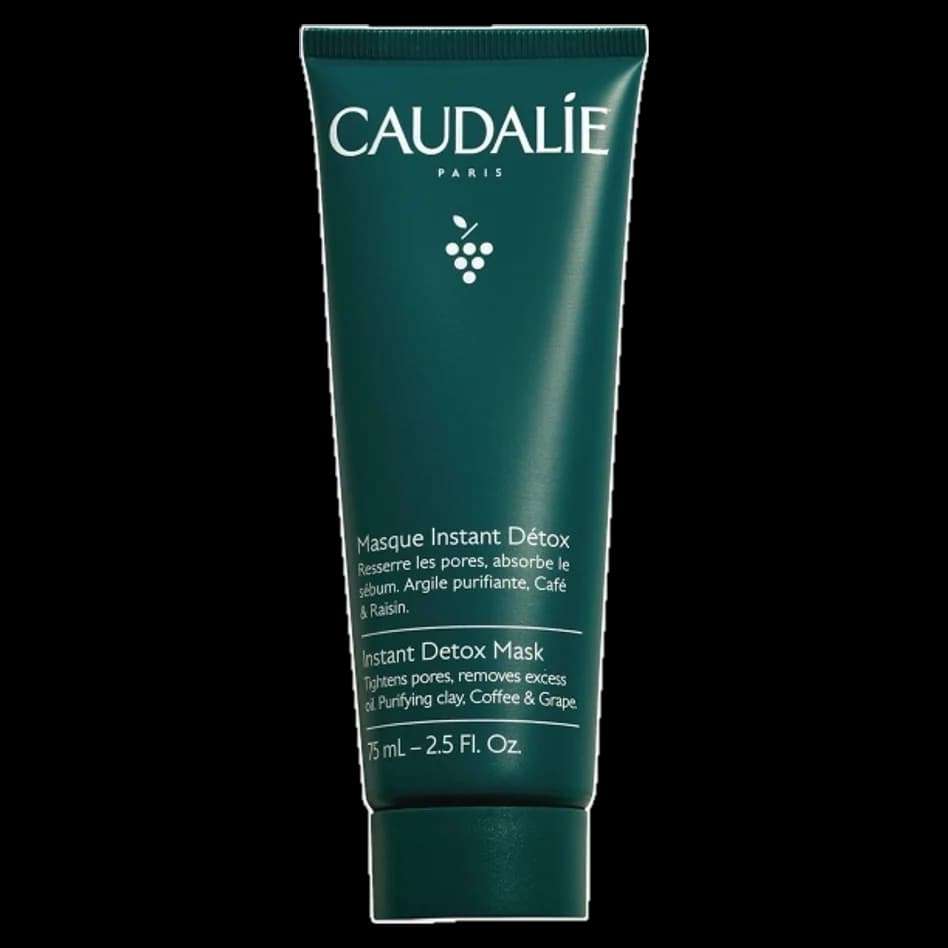
Caudalie
Vinergetic C+ Instant Detox Mask
12th of 33 on the label
below ≈1%
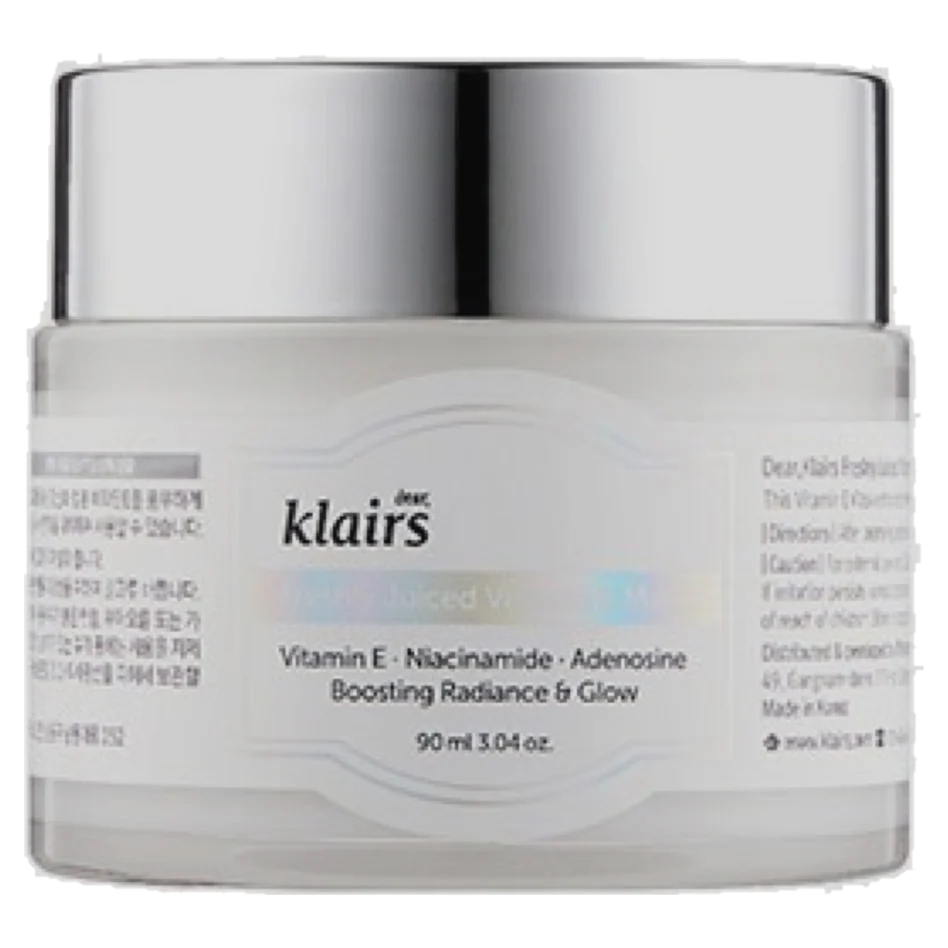
Dear, Klairs
Freshly Juiced Vitamin E Mask
23rd of 30 on the label
below ≈1%
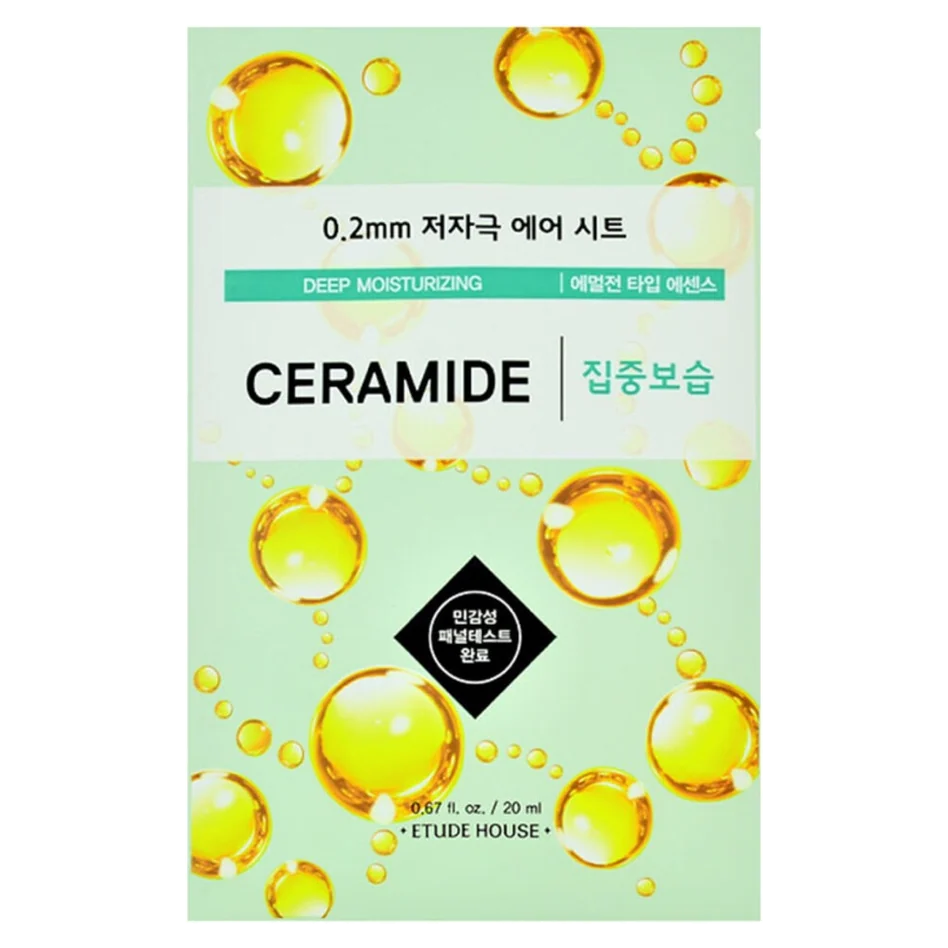
Etude House
0.2mm Therapy Air Mask Ceramide
25th of 33 on the label
below ≈1%
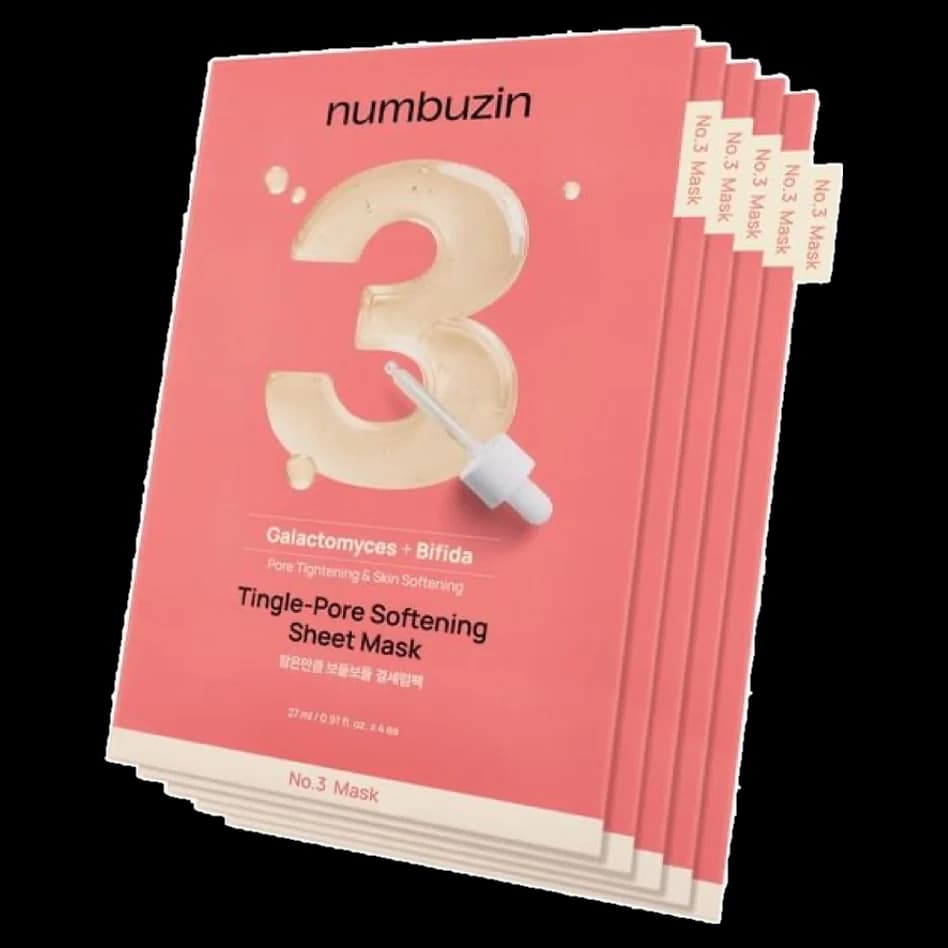
numbuzin
No.3 Tingle-Pore Softening Sheet Mask
17th of 42 on the label
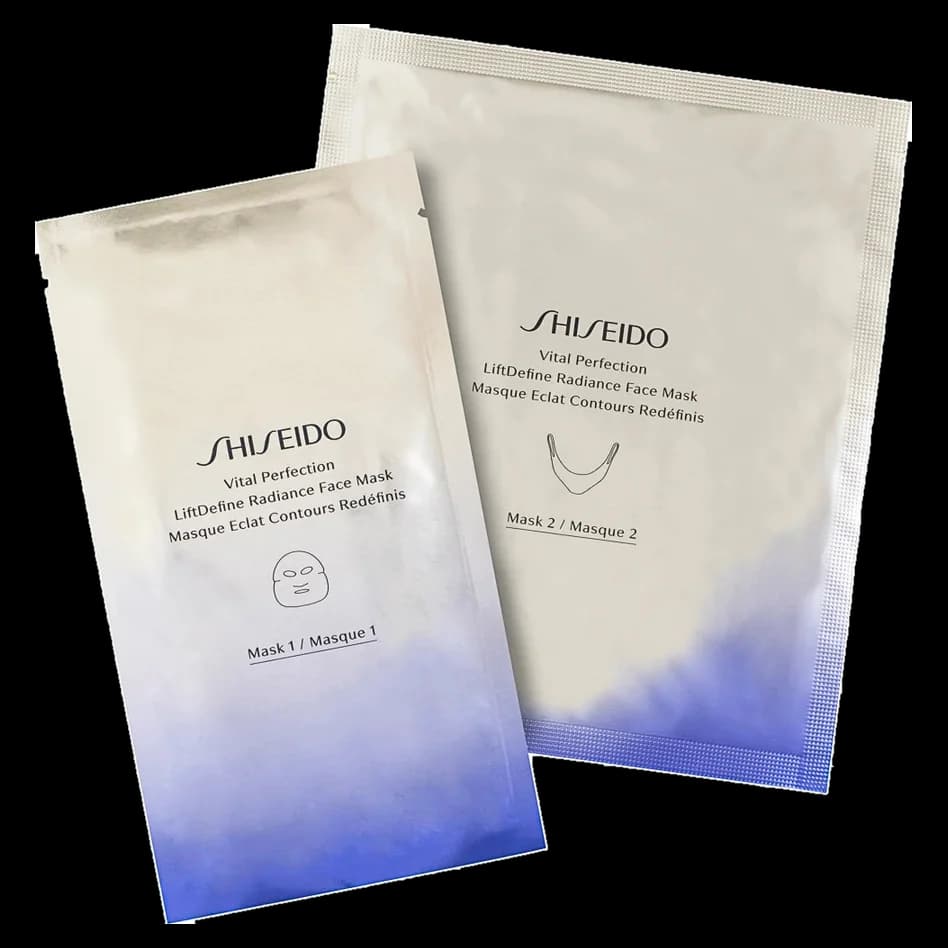
Shiseido
Vital Perfection LiftDefine Radiance Face Mask
15th of 81 on the label
below ≈1%
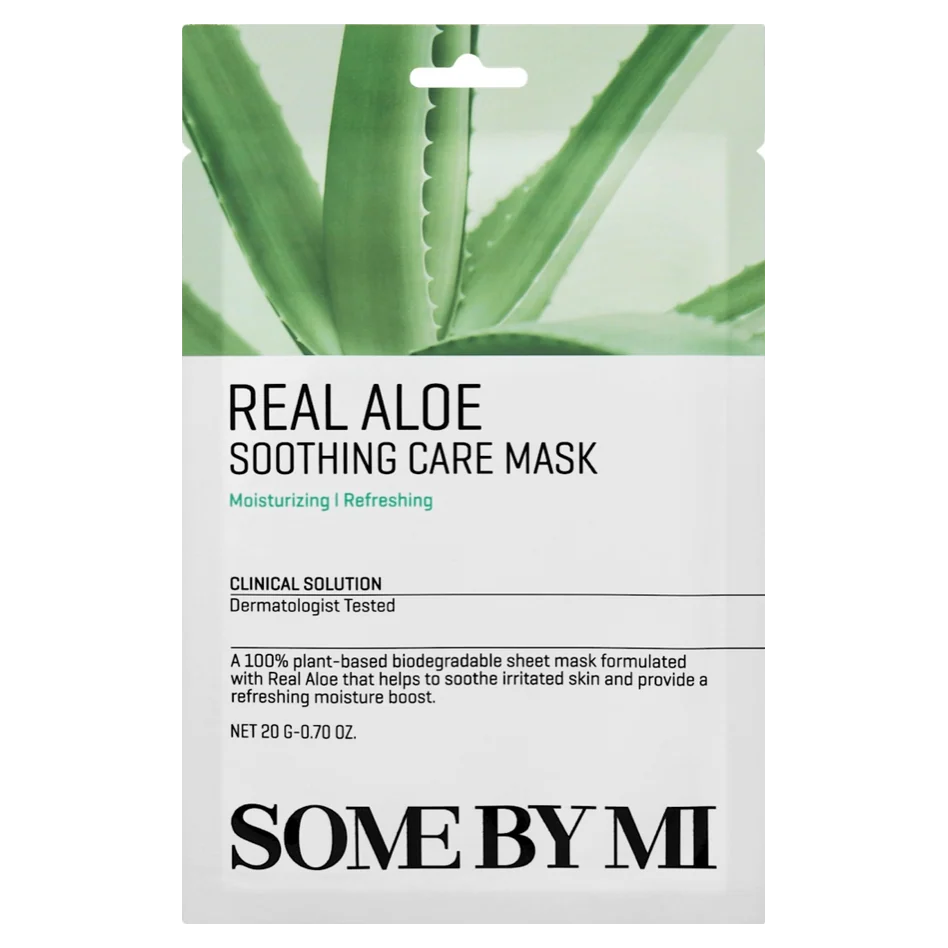
SOME BY MI
Real Aloe Soothing Care Mask
10th of 21 on the label
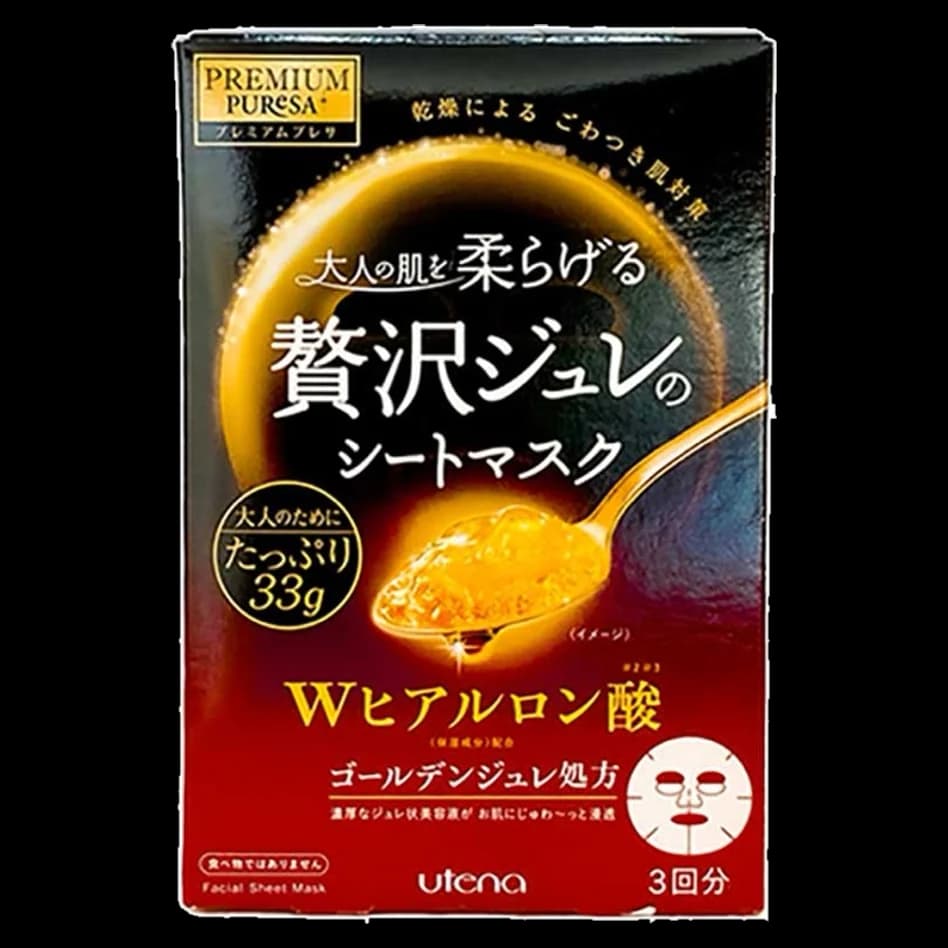
Utena
Premium Puresa Golden Jelly Mask (Hyaluronic Acid)
17th of 35 on the label