Citrus Medica Limonum (Lemon) Peel Oil
Lemon peel oil
EU-restricted, a common contact allergen, or subject to live debate.
Also written as: Citrus Limon Peel Oil · Lemon Oil · Citrus Medica Limonum Peel Oil · Cold-pressed Lemon Oil
What it is
Lemon peel oil is cold-pressed from the rind of Citrus limon and is around 60 to 75% limonene, with citral and beta-pinene making up much of the rest. Cold pressing keeps the non-volatile fraction, which includes furocoumarins such as oxypeucedanin and bergapten. Steam-distilled and furocoumarin-free grades exist and do not carry the same phototoxic concern.
How it shows up on a label
In a rinse-off mask the phototoxicity risk is largely removed because the oil is washed away before sun exposure. In a leave-on formula, prefer products that specify a furocoumarin-free or steam-distilled grade.
What it does well
Bright, familiar citrus scent
Lemon oil is one of the most recognisable natural top notes. This is a sensory function with no established skin benefit.
Strong evidence
Worth knowing
Cold-pressed lemon oil is phototoxic
Its furocoumarins absorb UVA and can cause burning, blistering and long-lasting brown pigmentation on sun-exposed skin. Reviewing furocoumarins for the Commission, the SCCP could not rule out phototoxicity for any of them, and noted that people go into sunlight after using all kinds of cosmetic product, not only sun protection and bronzing ones.
Matters most toAnyone using a leave-on lemon-scented product before sun exposure.
High limonene content, which oxidises
As lemon oil ages its limonene forms hydroperoxides that are meaningful contact allergens, on top of the phototoxicity issue.
Matters most toPeople with a fragrance or terpene allergy.
Where the EU stands
Concentration-restricted
Two rules apply. Furocoumarins are prohibited under Annex II entry 358 except for the normal content of the natural essences used, and must be below 1 mg/kg in sun protection and bronzing products. Separately, Regulation (EU) 2023/1545 added Citrus Limon Peel Oil as Annex III entry 353, requiring it to be declared as a fragrance allergen above 0.001% in leave-on and 0.01% in rinse-off products.
Regulation (EC) No 1223/2009, Annex II entry 358 and Annex III entry 353 (inserted by Regulation (EU) 2023/1545) · source ↗
Sources (1)
Every link goes to the original: a journal, a PubMed record or an EU document.
- [1]Opinion on Furocoumarins in Cosmetic Products (SCCP/0942/05)
SCCP - Scientific Committee on Consumer Products, European Commission · 2005
The data submitted did not rule out the phototoxicity of any known furocoumarin, and the committee stressed that consumers are exposed to sunlight after using many kinds of cosmetic product, not only sun protection and bronzing products, so total furocoumarins above 1 ppm in any finished product remain a consumer-safety concern.
Masks that contain Citrus Medica Limonum (Lemon) Peel Oil
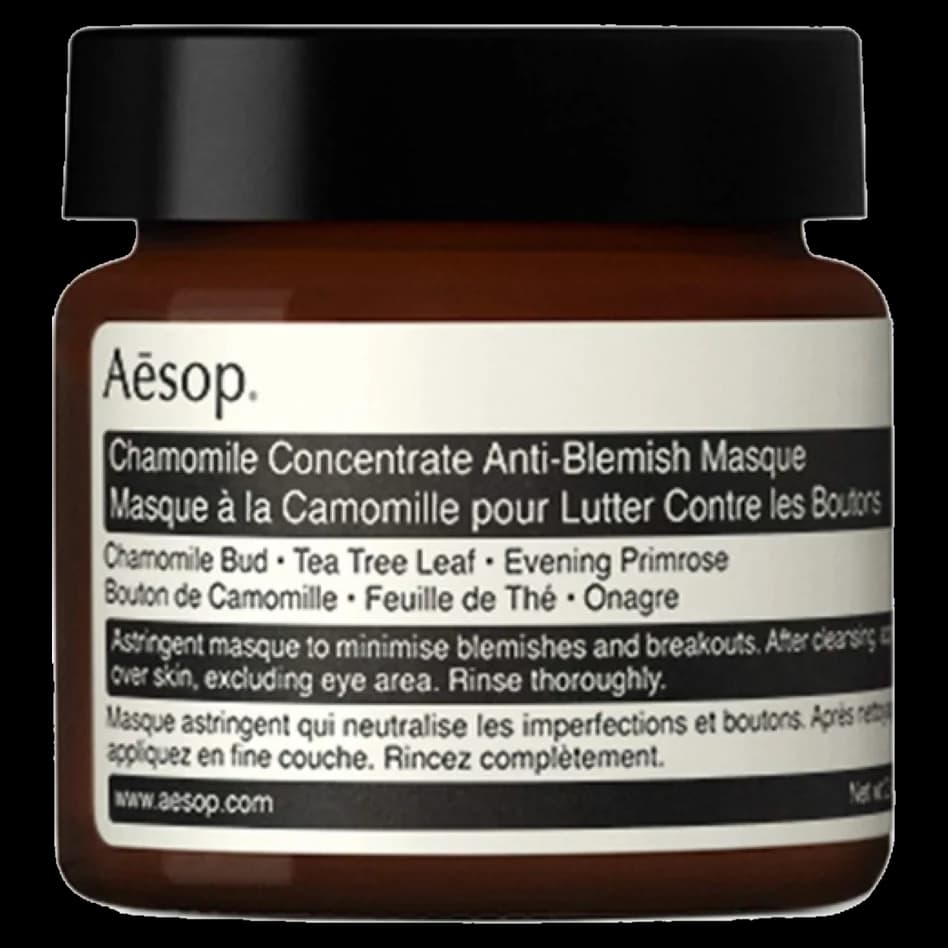
Aesop
Chamomile Concentrate Anti-Blemish Masque
9th of 16 on the label
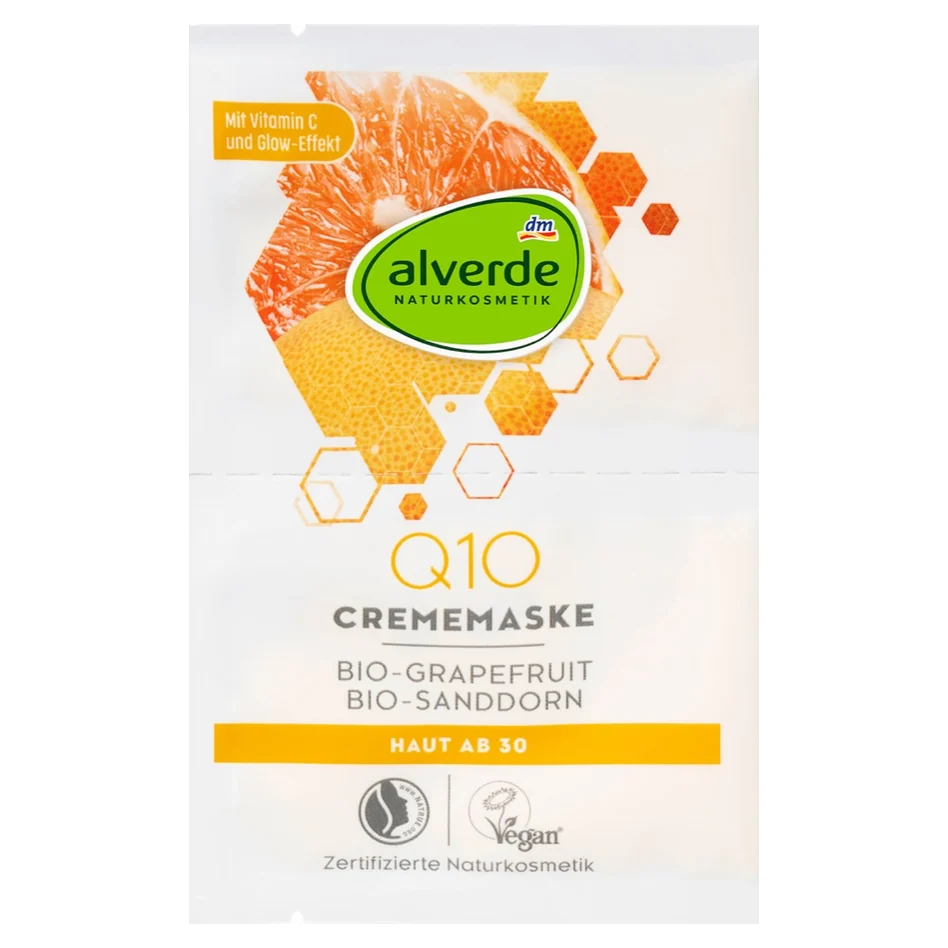
alverde Naturkosmetik
Gesichtsmaske Q10 mit Vitamin C
35th of 40 on the label
below ≈1%
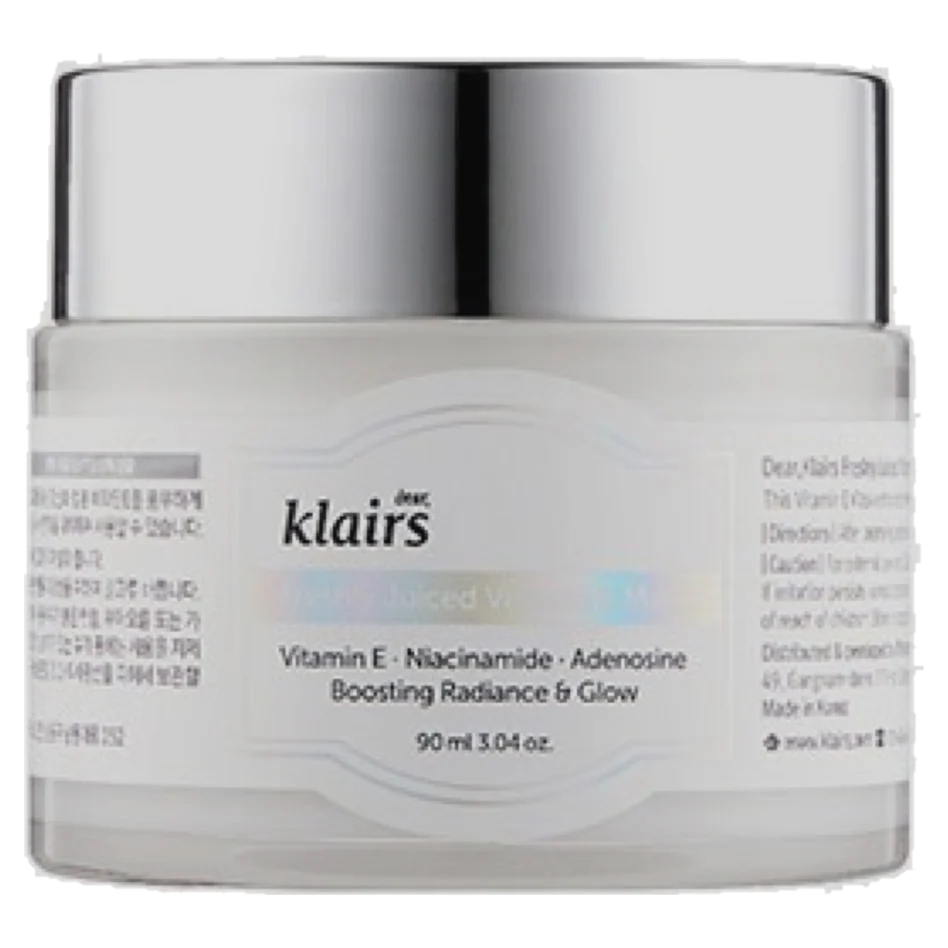
Dear, Klairs
Freshly Juiced Vitamin E Mask
26th of 30 on the label
below ≈1%
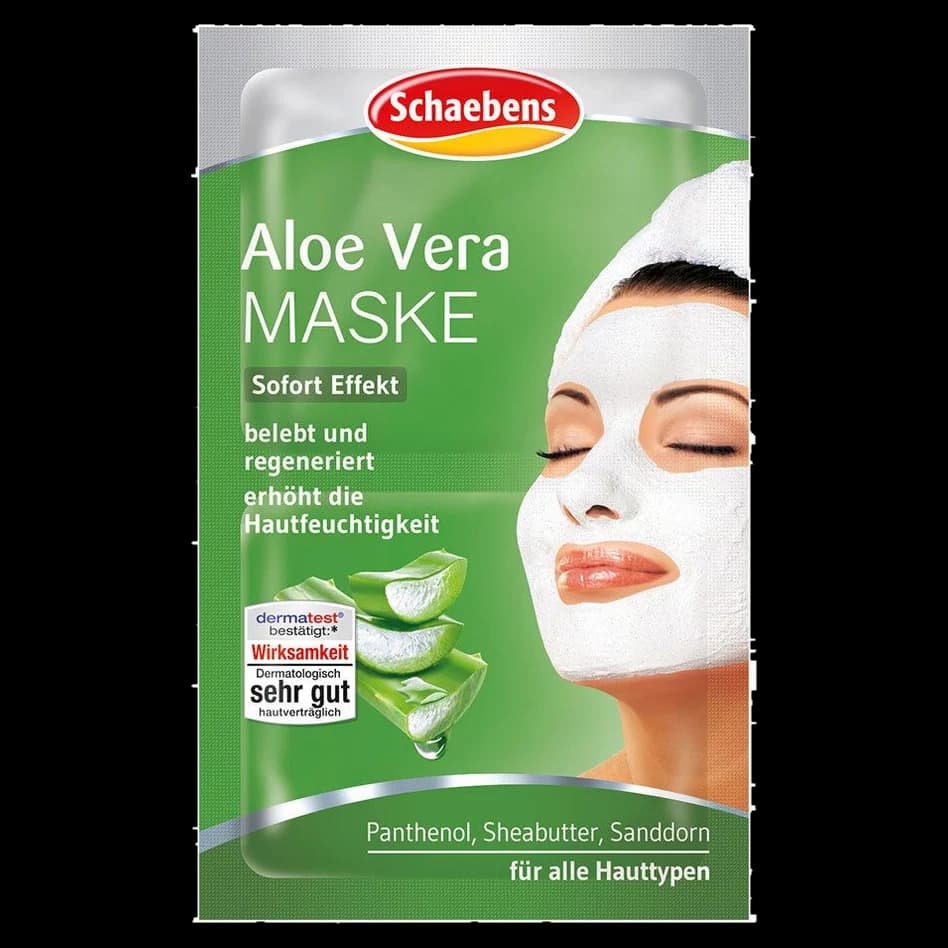
Schaebens
Aloe Vera Maske
29th of 34 on the label
below ≈1%
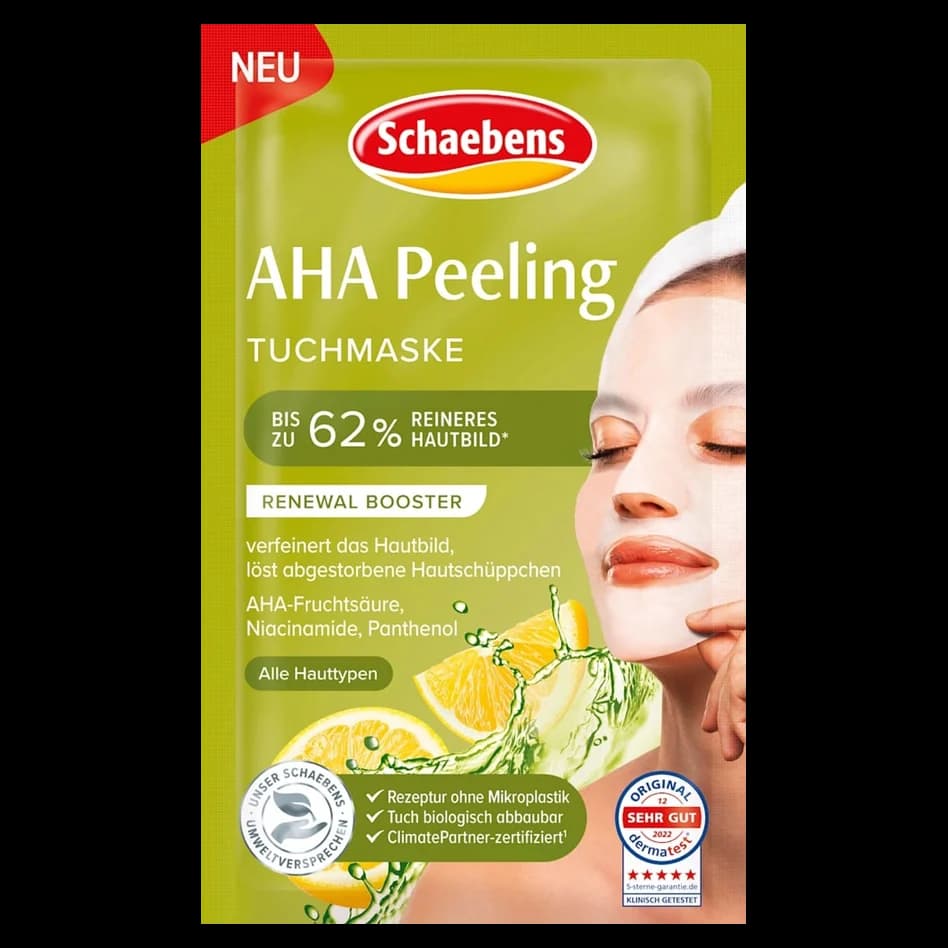
Schaebens
Tuchmaske AHA Peeling
5th of 17 on the label
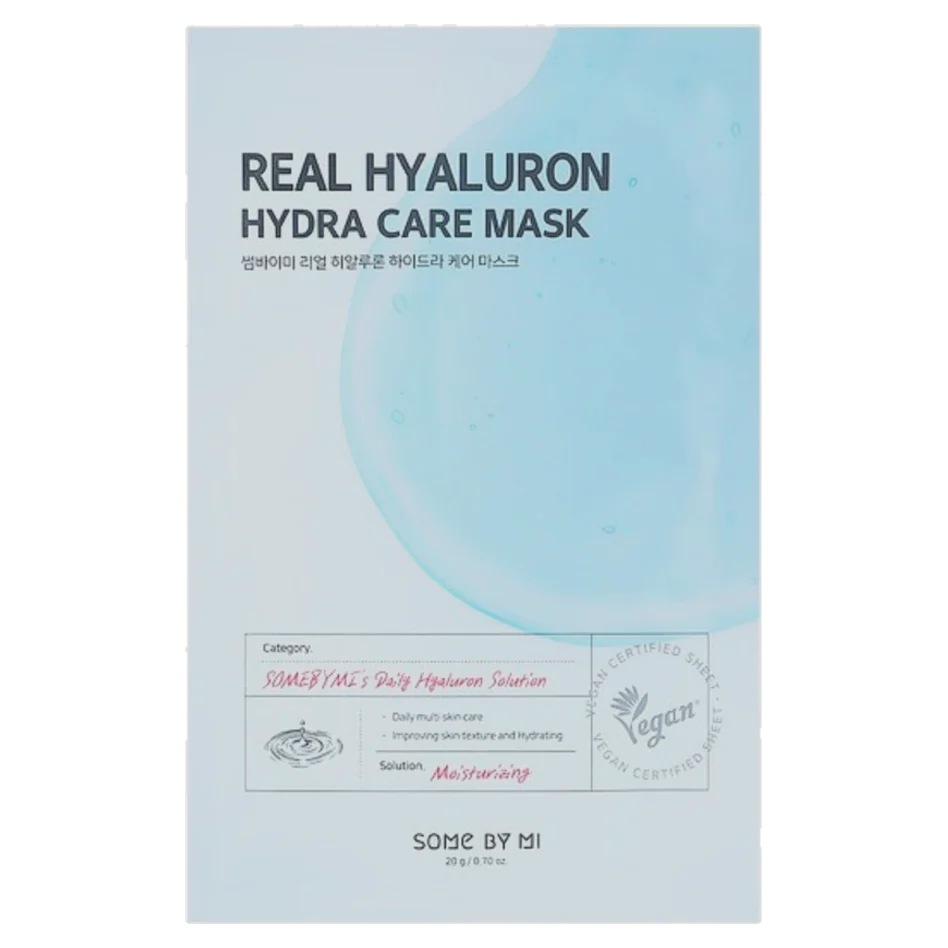
SOME BY MI
Real Hyaluron Hydra Care Mask
17th of 31 on the label
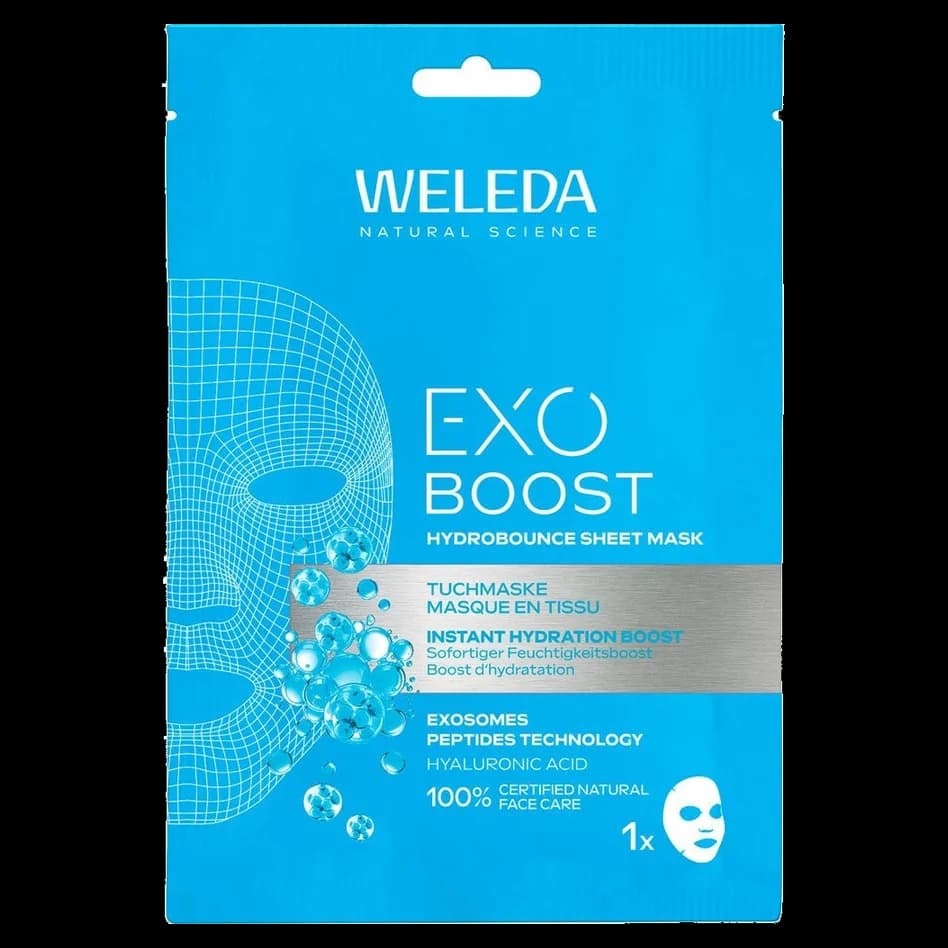
Weleda
Exo Boost Hydrobounce Tuchmaske
24th of 34 on the label
below ≈1%